









 Ha Giang
 Hanoi
Hanoi Ho Chi Minh City
 Ha Long
 Sapa
Sapa Mekong Delta
 Da Nang
 Hue
Hue Hoi An
 Ninh Binh
 Da Lat
 Nha Trang
 Phan Thiet
 Phu Quoc
 Quang Binh
 Quy Nhon
 Vung Tau
 Thai Nguyen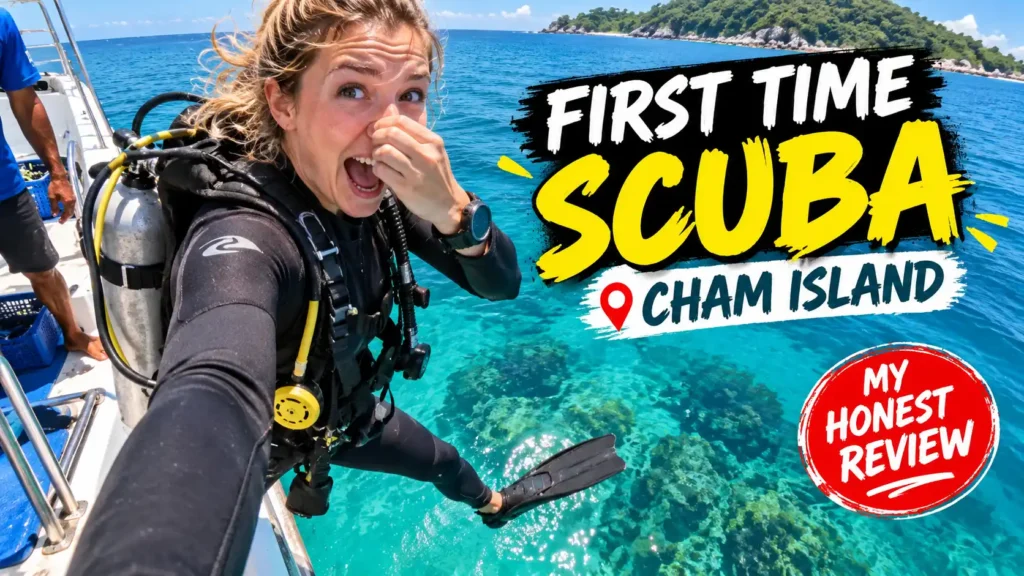

I did my first scuba dive at Cham Island, on a Discover Scuba session with one of the Hoi An dive centres, which is the sort of thing I’d put off for years on the grounds that I’d probably panic.
The short version of this review is that Cham Island is a good place to try diving for the first time, mainly because the water is warm and shallow and there’s nothing much to go wrong. It’s also a place where the word diving gets used for two completely different things, and booking the wrong one is the mistake I’d most want you to avoid.
- Quick Answer: Cham Island scuba diving runs from March to September, and the dive centres in Hoi An close for the rest of the year because the sea is too rough to get out there. A full day with two dives costs from about $81 with a PADI centre, and a Discover Scuba session for beginners is roughly $50 to $70. That’s a different product from the 800,000 VND “diving” sold on the island itself, which is 15 minutes on a hand-held rig.
- What It Costs and When:
- Season: March to September. Best conditions March to May, busiest in August.
- Full-day dive trip, two dives, from around $81 with a PADI centre.
- Discover Scuba for beginners: about $50 to $70.
- PADI Open Water course: roughly $250 to $350.
- Snorkelling day trip with lunch and boat: from about 650,000 VND.
- Island-run scuba, sold at the beach: 800,000 VND for 15 minutes.
- Things Nobody Tells You Beforehand:
- There’s no changing room on the boat, so arrive in your swimsuit.
- Wear a t-shirt for snorkelling or you’ll burn across the shoulders.
- Wind can cut the island stop from the day even in season, with the trip still going ahead.
- The lunch is at a beach restaurant shared with every other day trip.
- Cham Island is a marine reserve, so there’s an entry fee on top of most tickets.
The Season Is Shorter Than People Expect
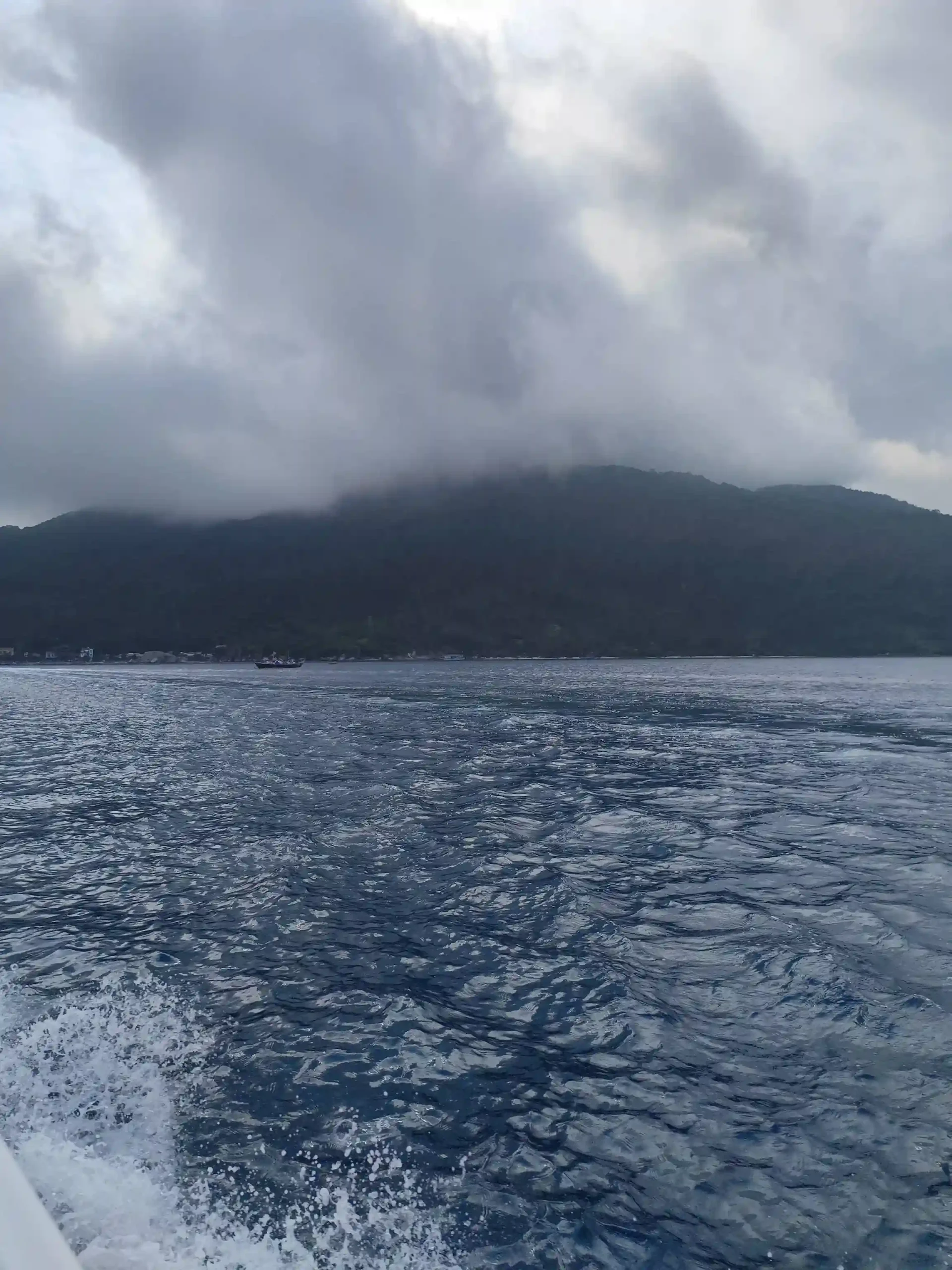
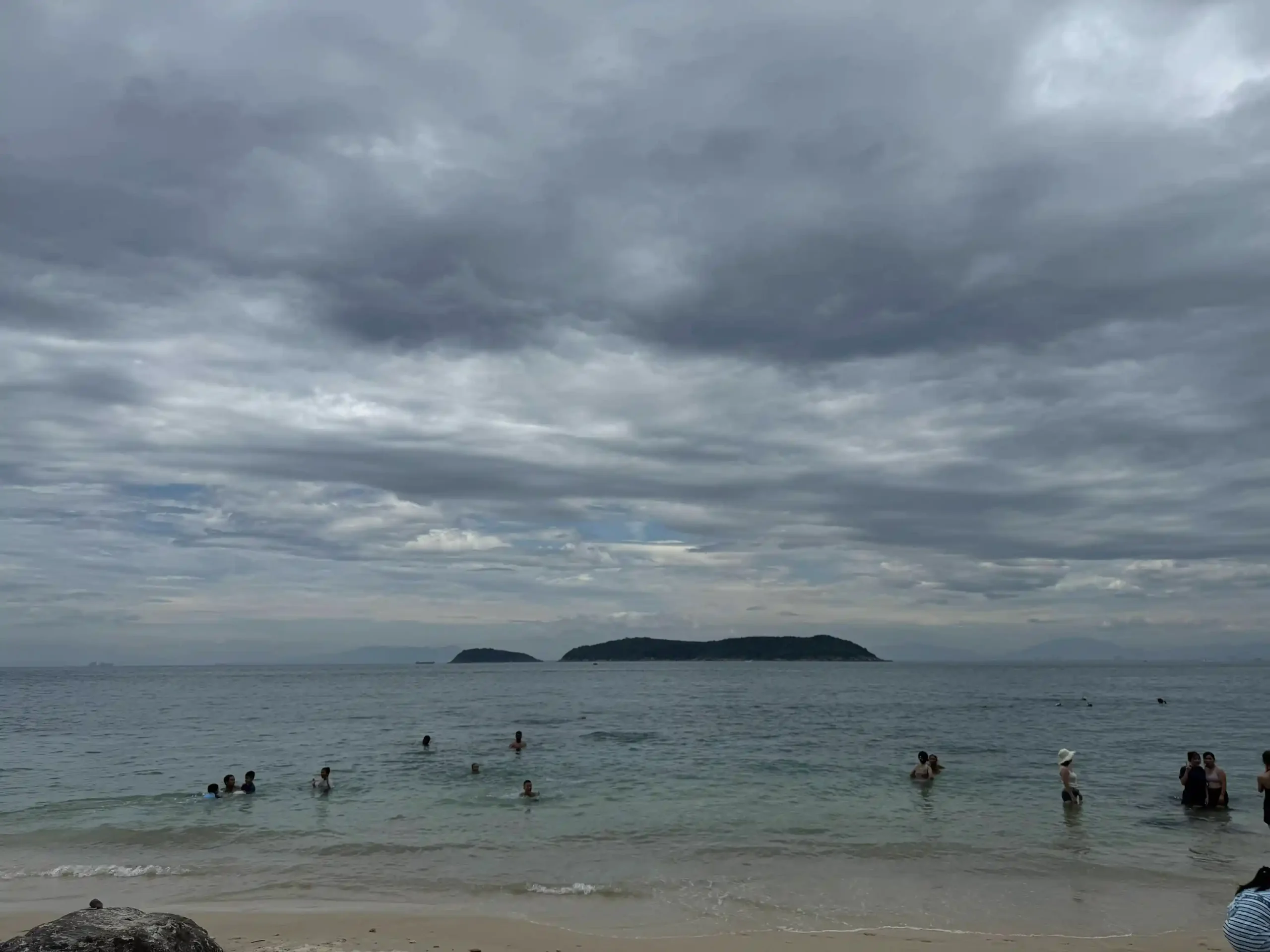
Diving at Cham Island runs from March to September and the centres in Hoi An shut for the rest of the year, because from about October the sea between here and the island turns rough enough that boats can’t reliably get out.
That surprises people, and it’s the first thing I’d check before building a trip around it. If you’re here in November hoping to dive, you’re not diving.
March to May is the best of it, with calmer water and better visibility, and August is the busiest month by some distance because that’s when everybody else has their holiday too. I’d take May if I had a choice.
The Two Things Called Diving Here
This is the part worth reading carefully, because the prices you’ll see online vary so wildly that people assume some of them are scams.
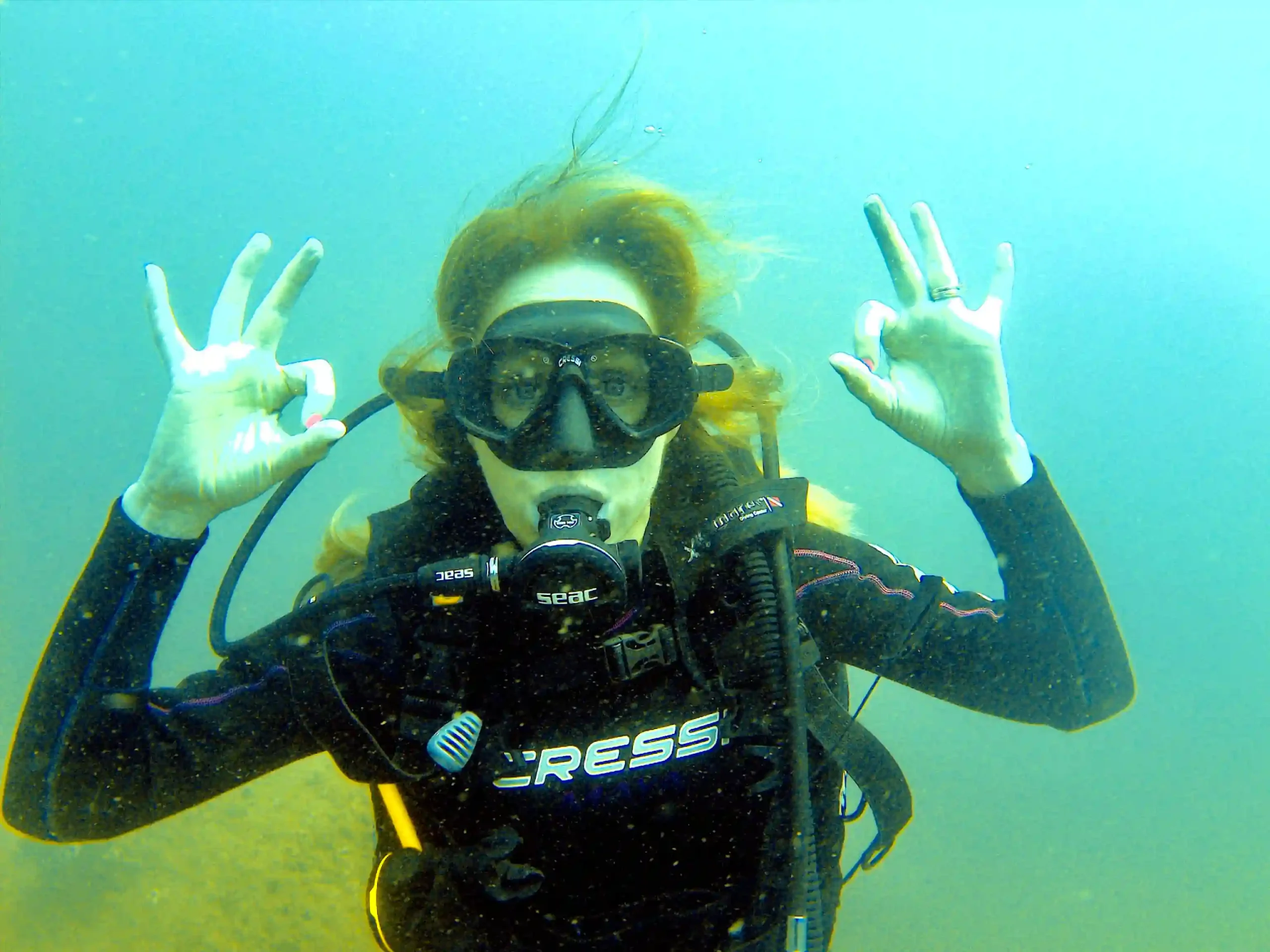
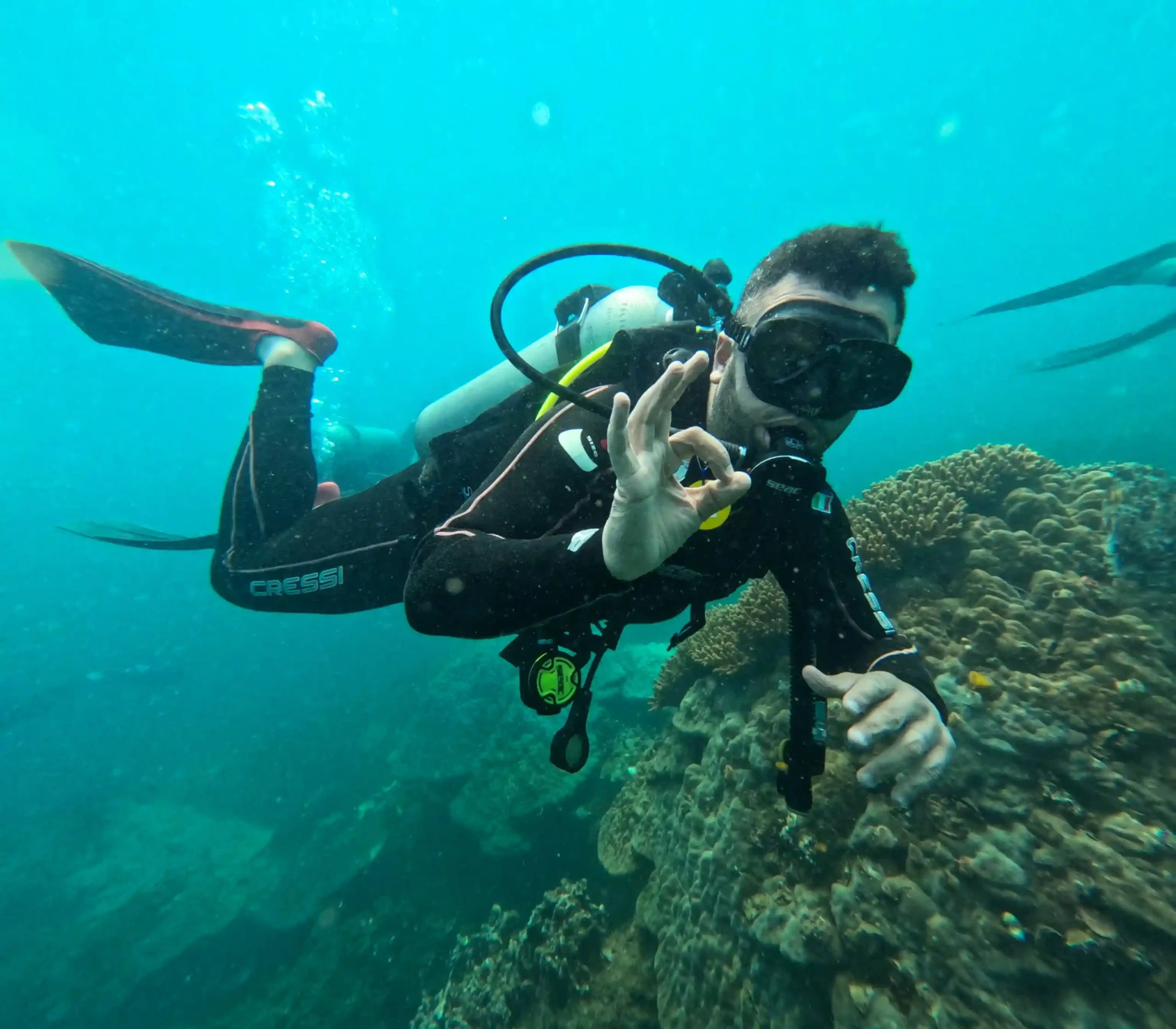
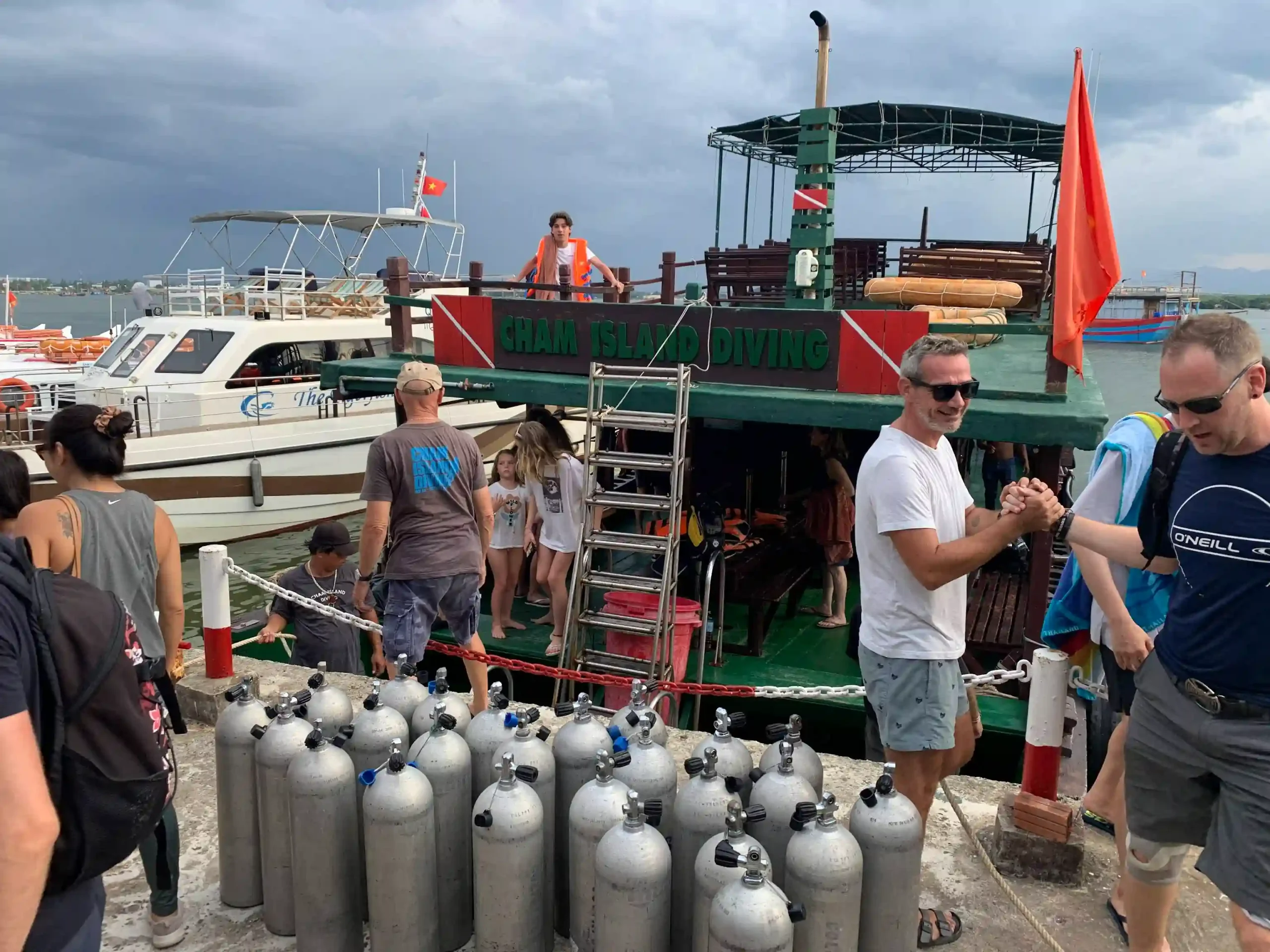
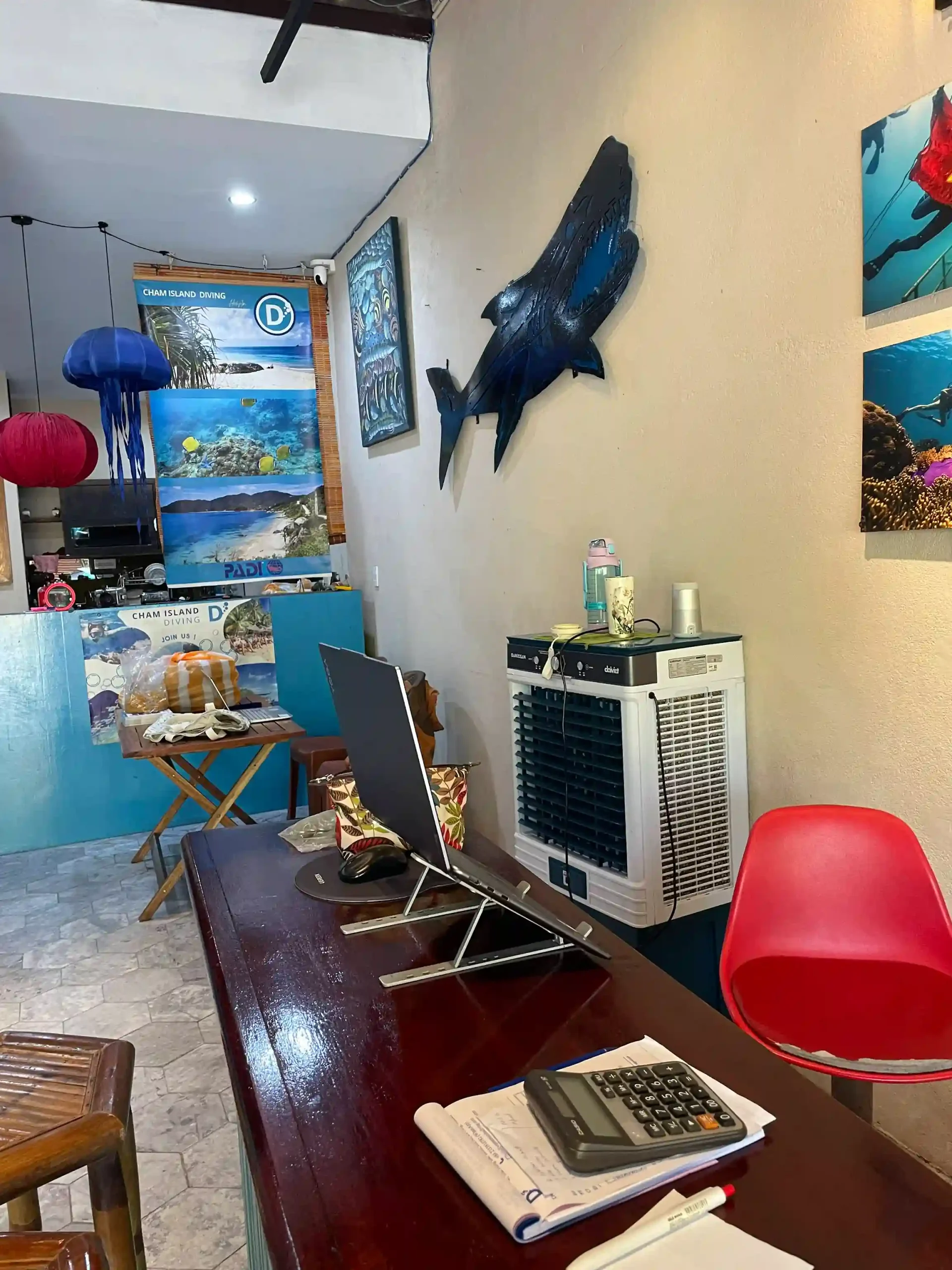
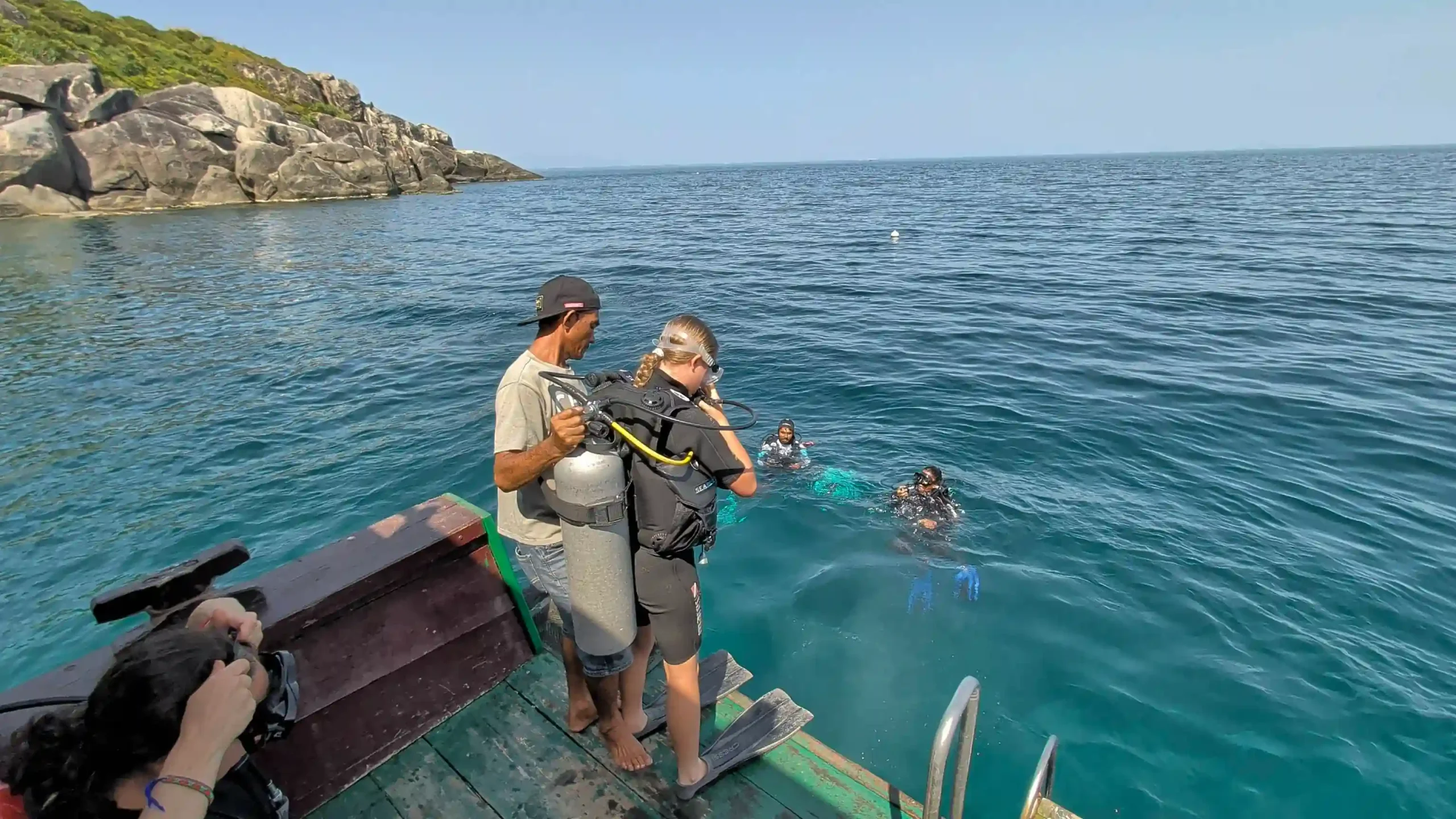
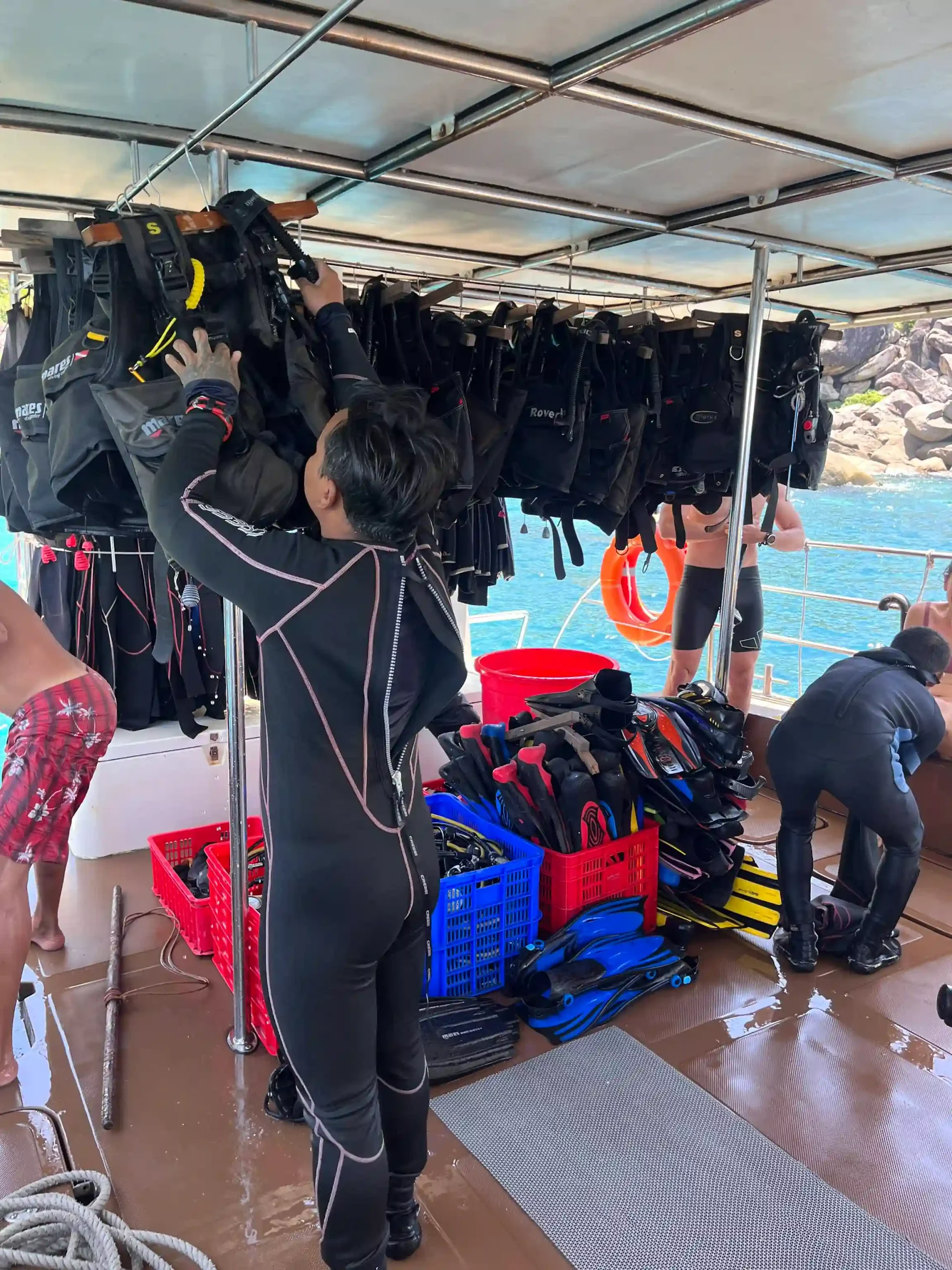
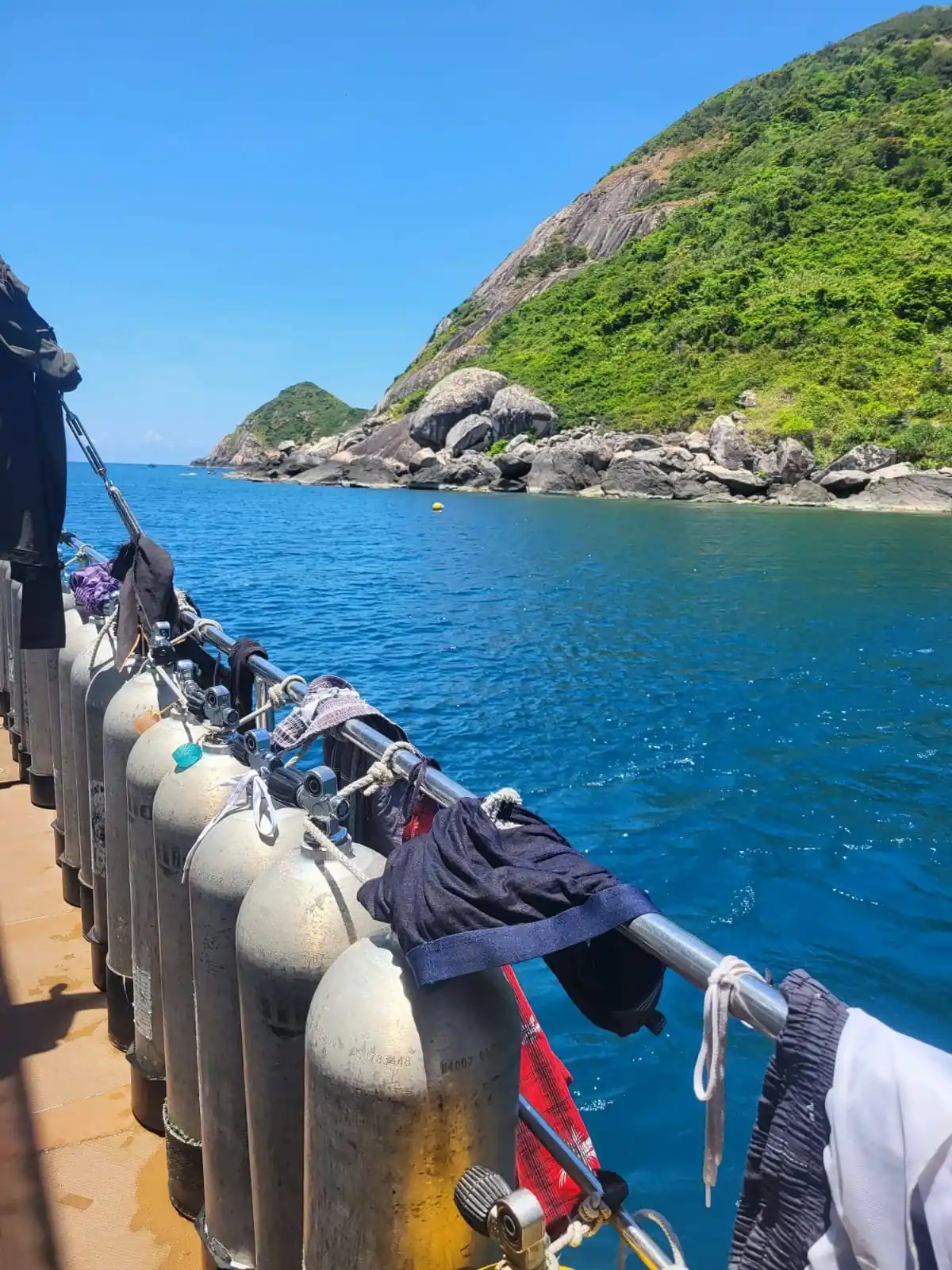
- Proper scuba diving happens through the dive centres based in Hoi An, mostly Cham Island Diving Center and Rainbow Divers. You get a boat out, tanks, a PADI instructor, and either two fun dives if you’re certified or a supervised introductory dive if you’re not. A full day of that starts around $81.

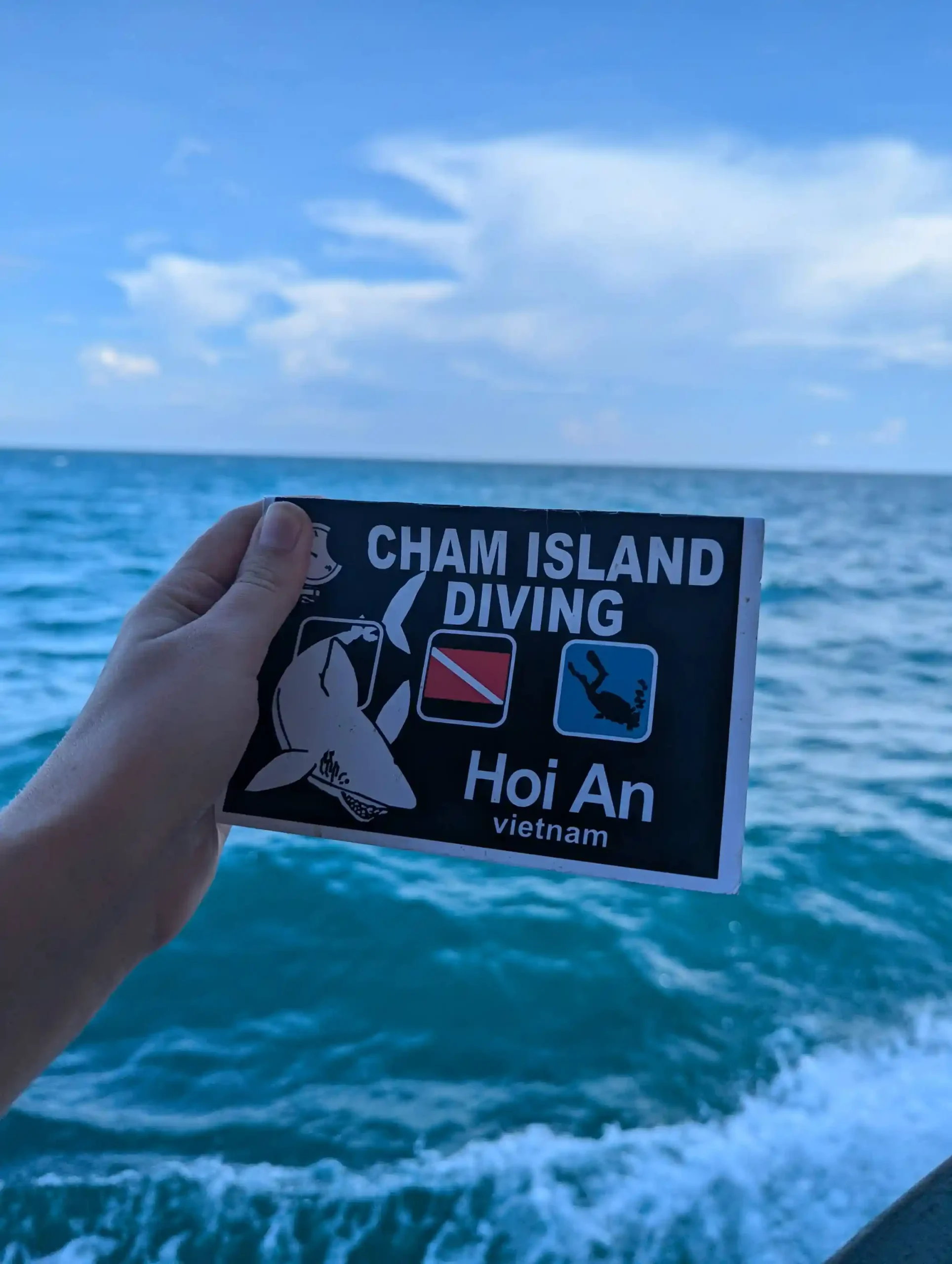
- The other thing is sold on the island itself at about 800,000 VND, and it’s roughly fifteen minutes on a hand-held rig with a guide holding onto you. There’s a sea-walking version at 950,000 VND where you wear a helmet and walk about on the bottom. Both are fine as an experience, and neither is scuba diving in the sense you’d mean it.
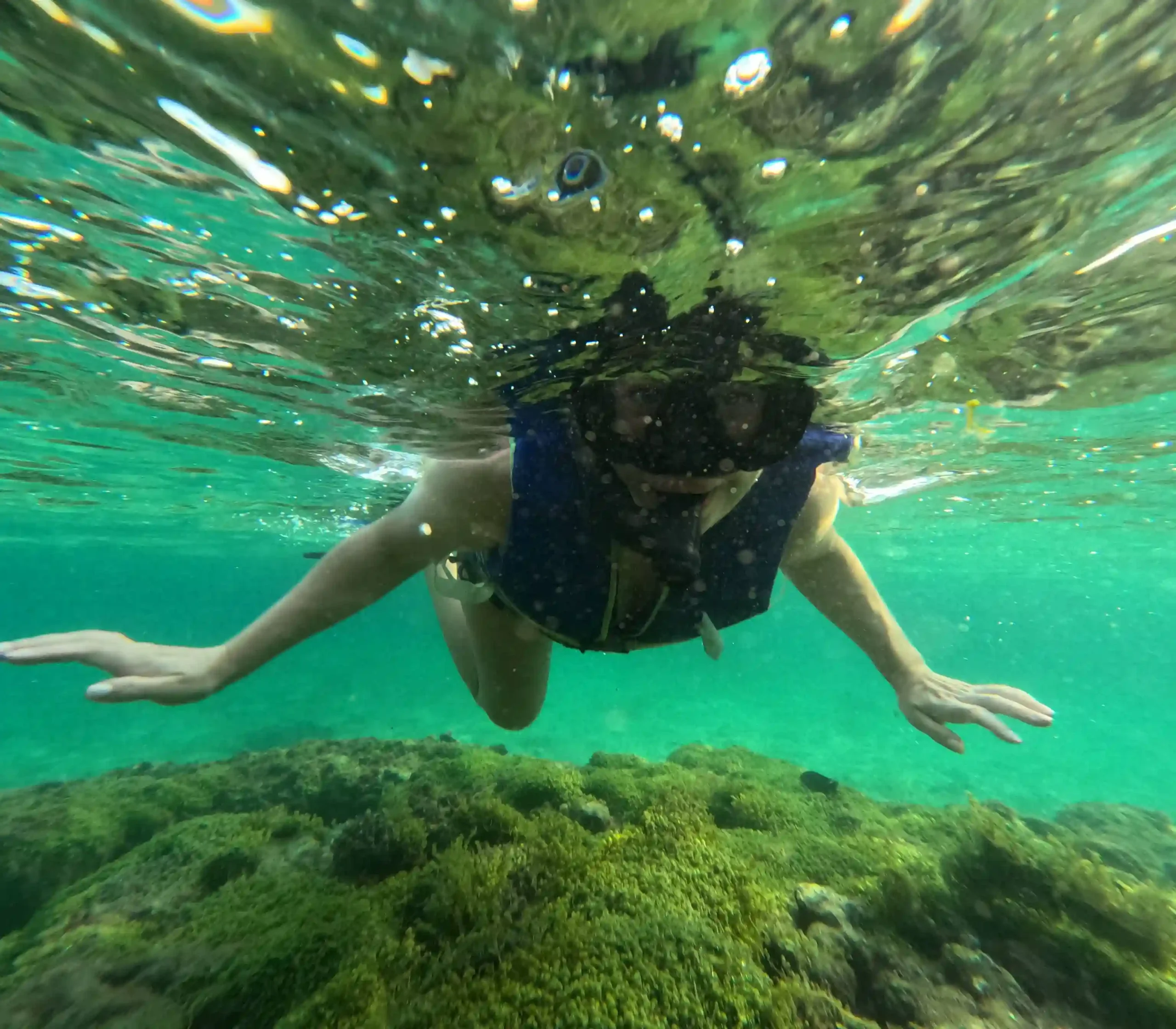
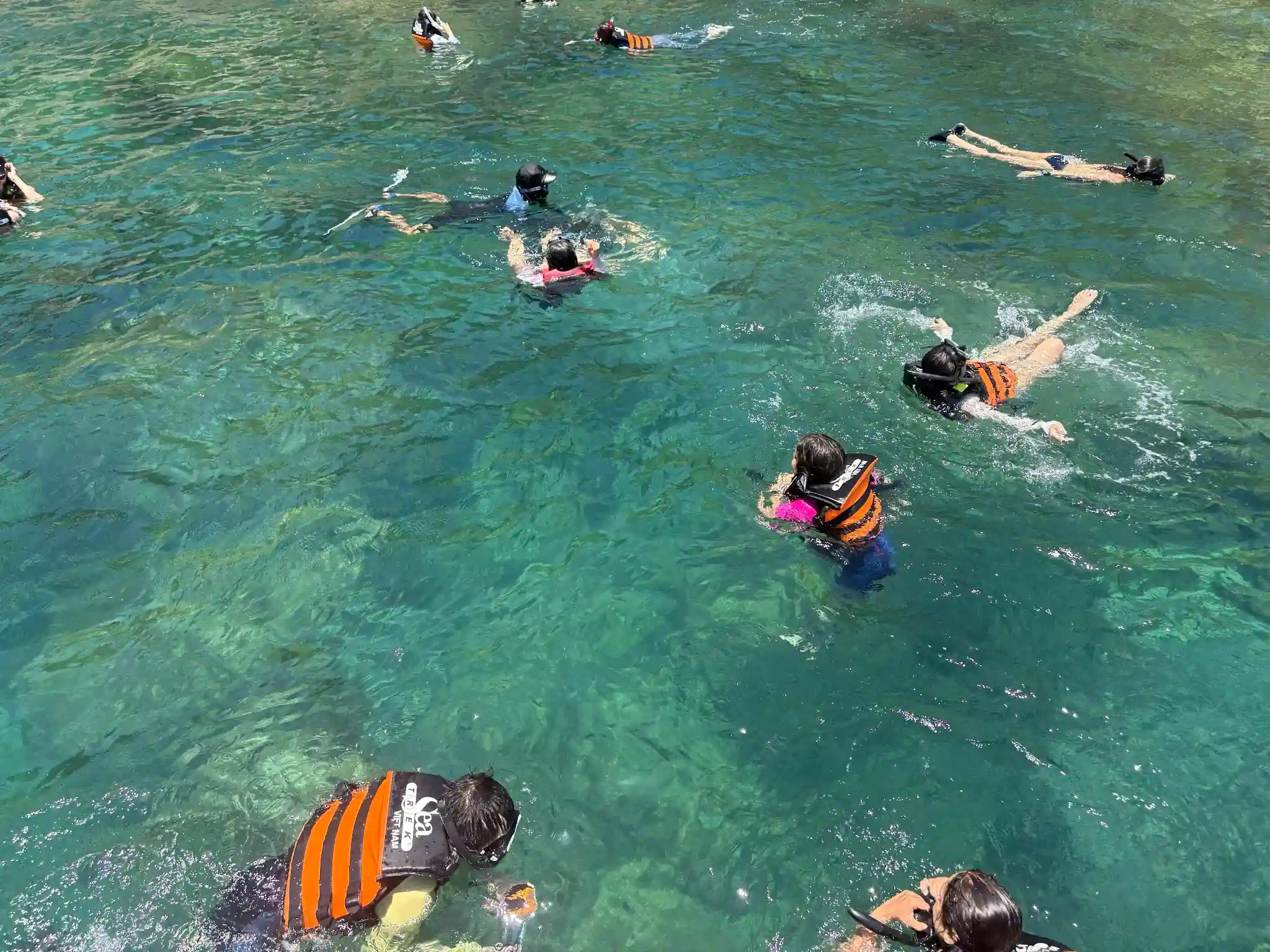
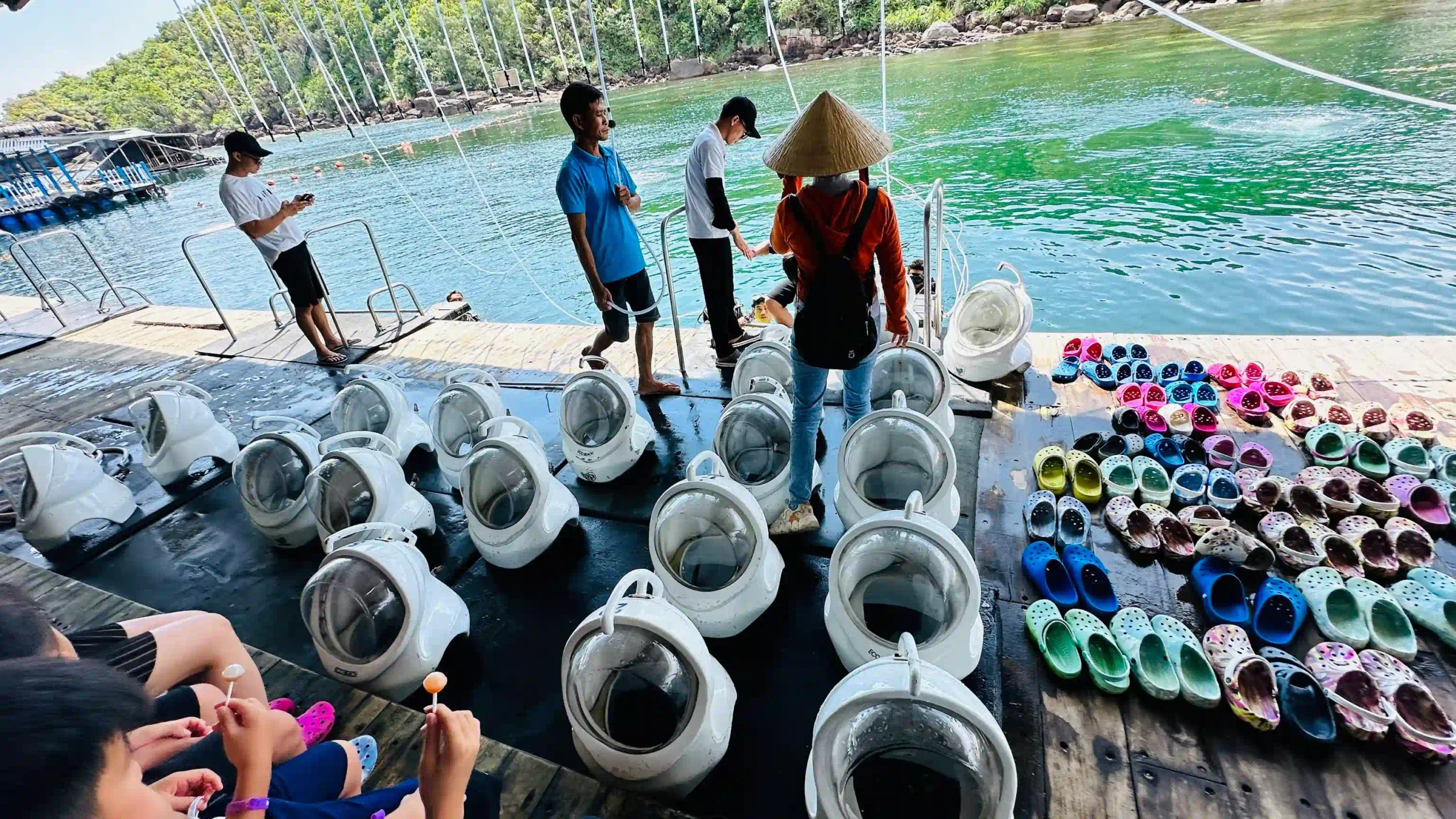
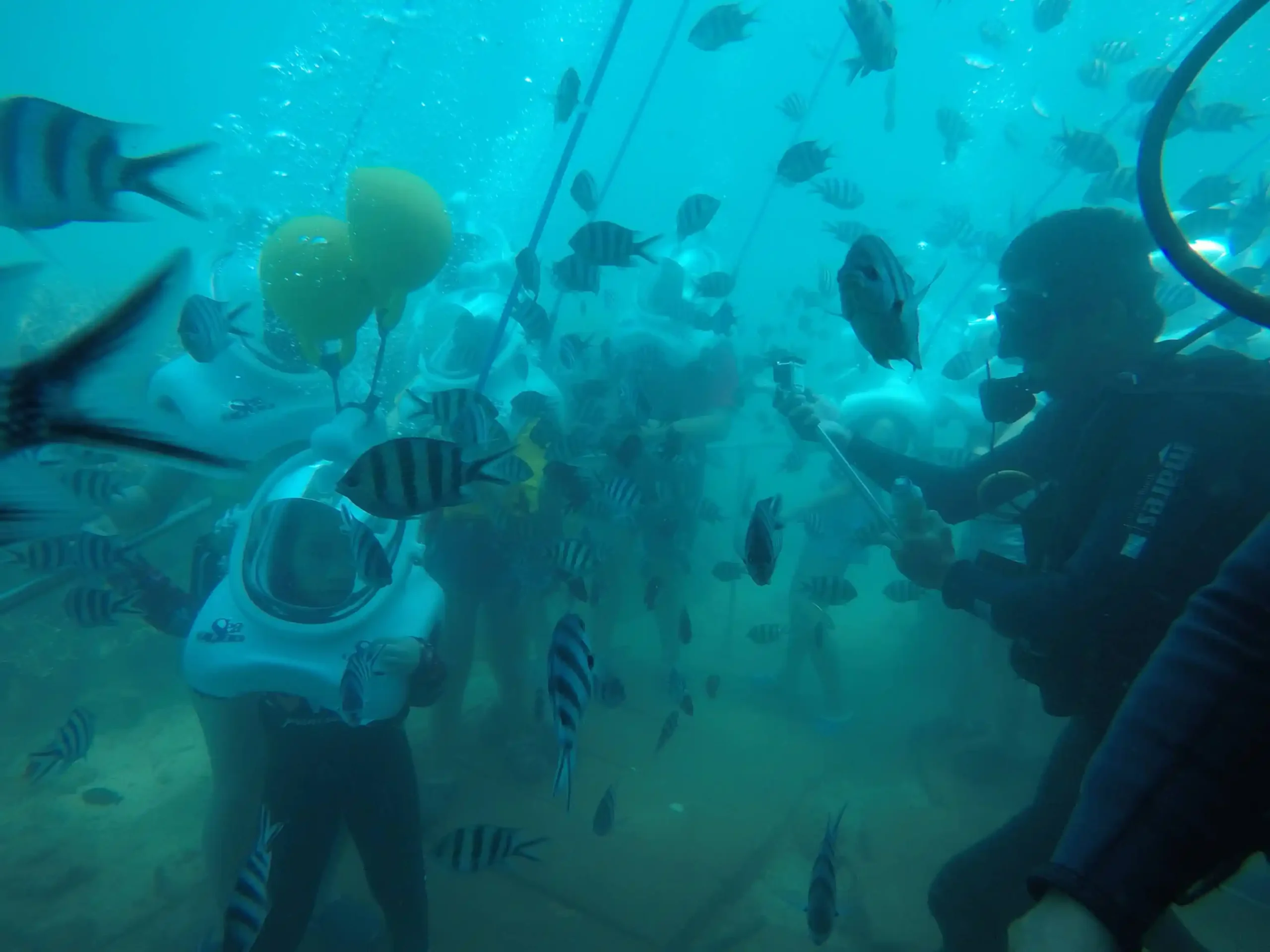
If you search Cham Island scuba diving and land on a 800,000 VND price, that’s what you’re looking at. It isn’t a rip-off. It’s just a different thing.
What the Day Cost Me
I booked a Discover Scuba, which is the beginner option and runs somewhere between $50 and $70 depending on the centre and the season.
That covered the boat out, all the equipment, an instructor for the water and a briefing on land beforehand, lunch on the island, and the marine park entry. A certified diver doing two fun dives on the same boat pays a bit more, from about $81.
If you want to come out with a qualification instead, an Open Water course is $250 to $350, which is around what it costs anywhere in Southeast Asia, and Cham Island is a reasonable place to do it because the conditions are gentle.
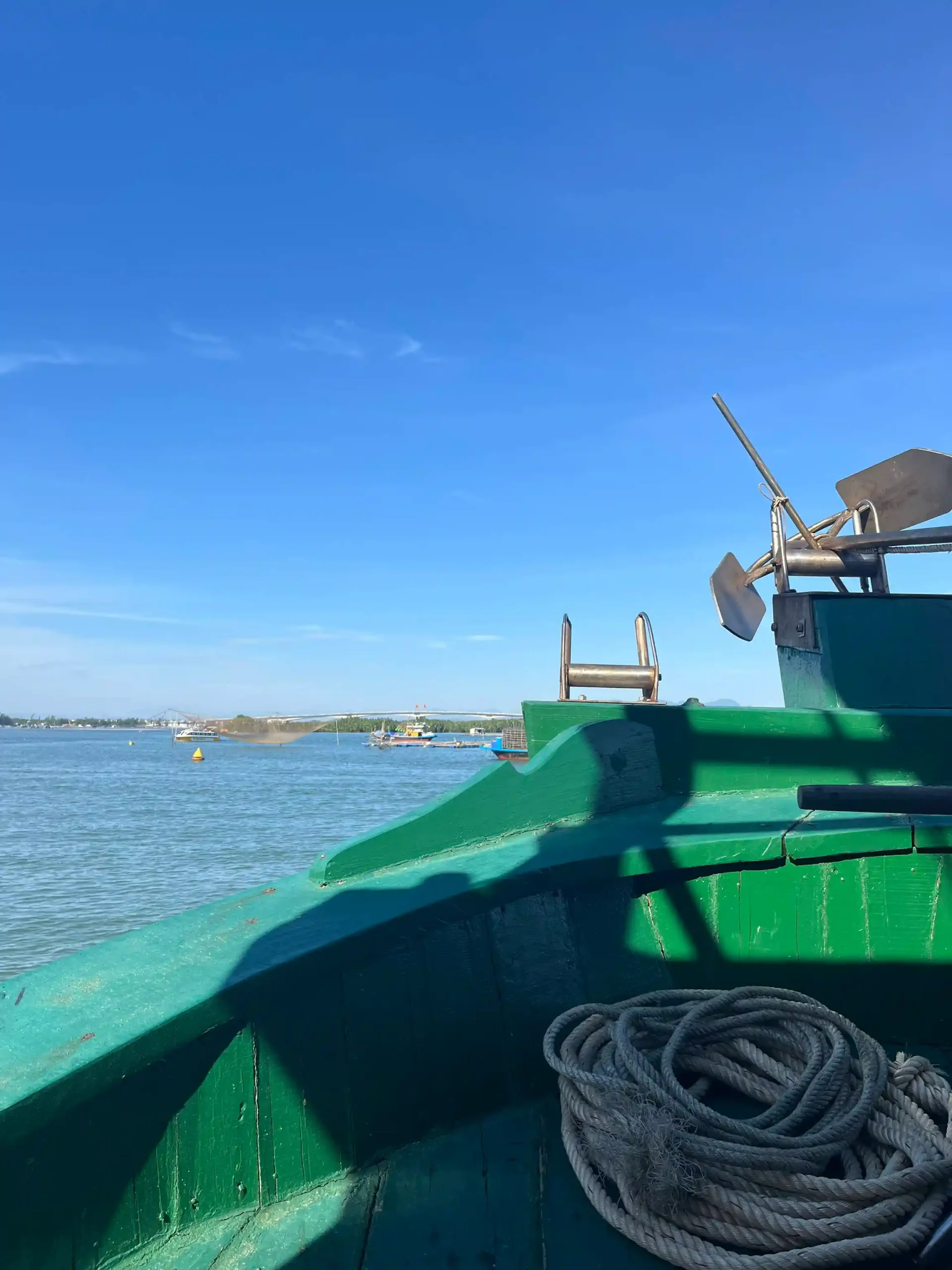
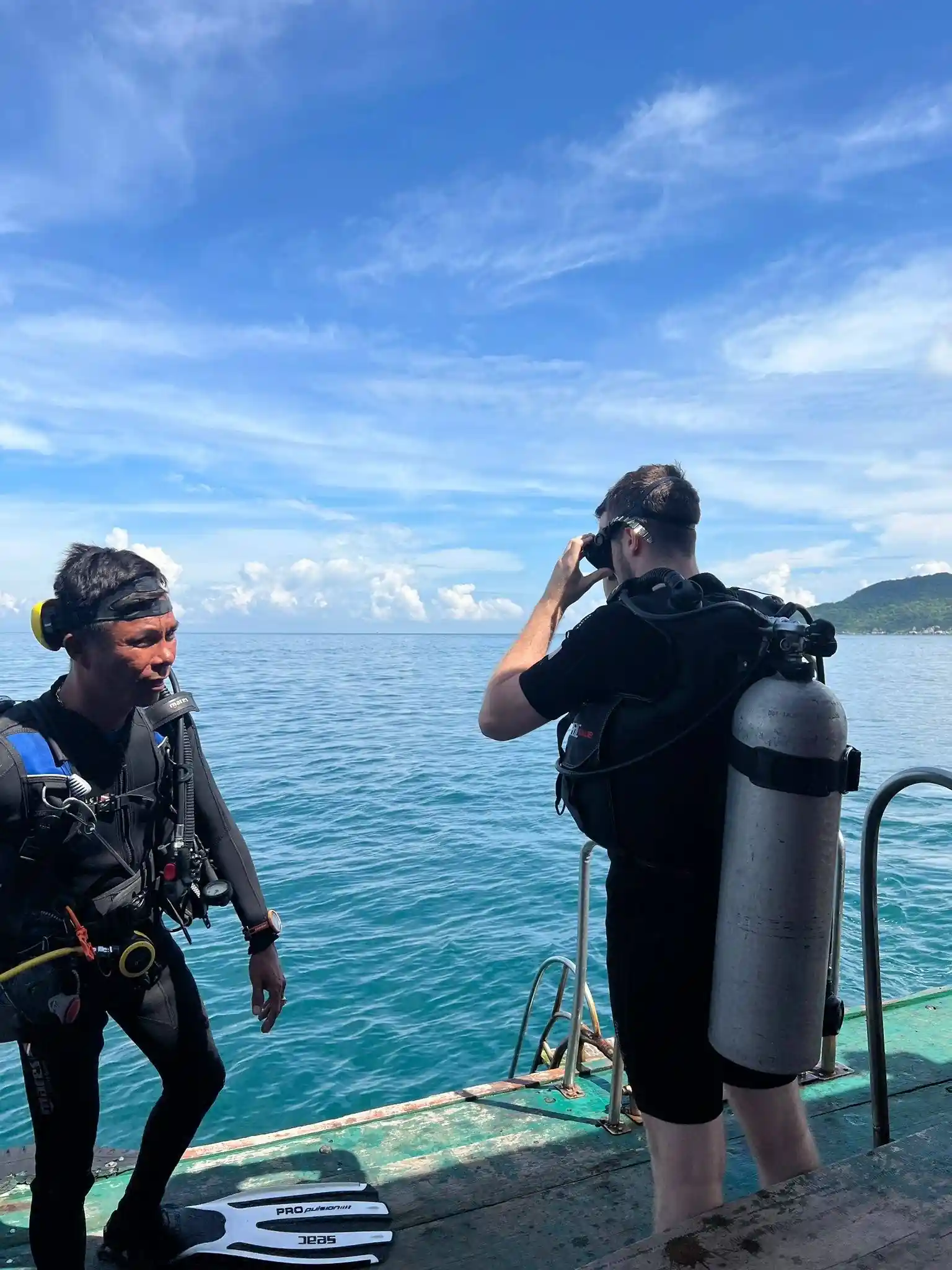
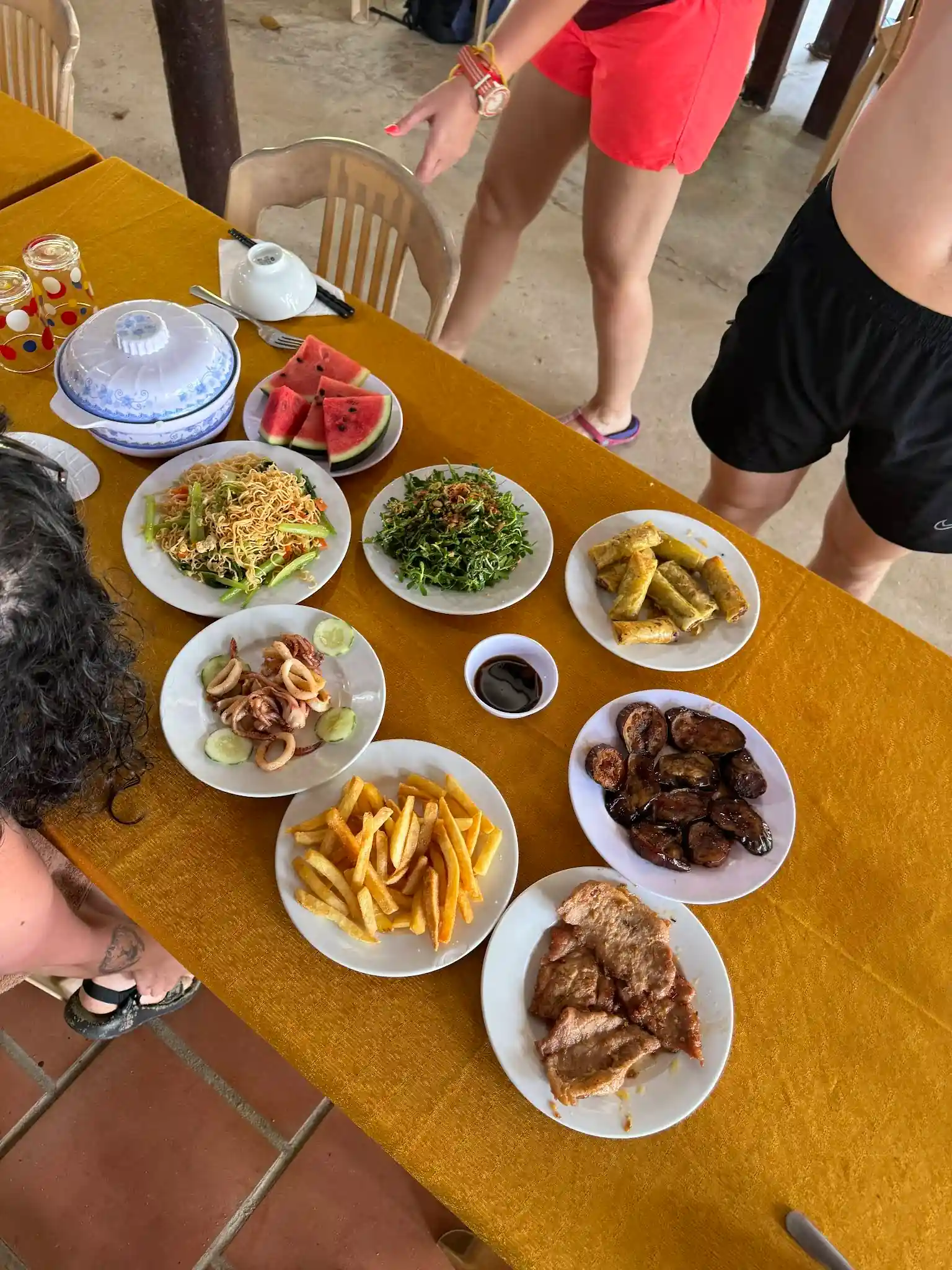
The Discover Scuba, and Whether You’ll Cope
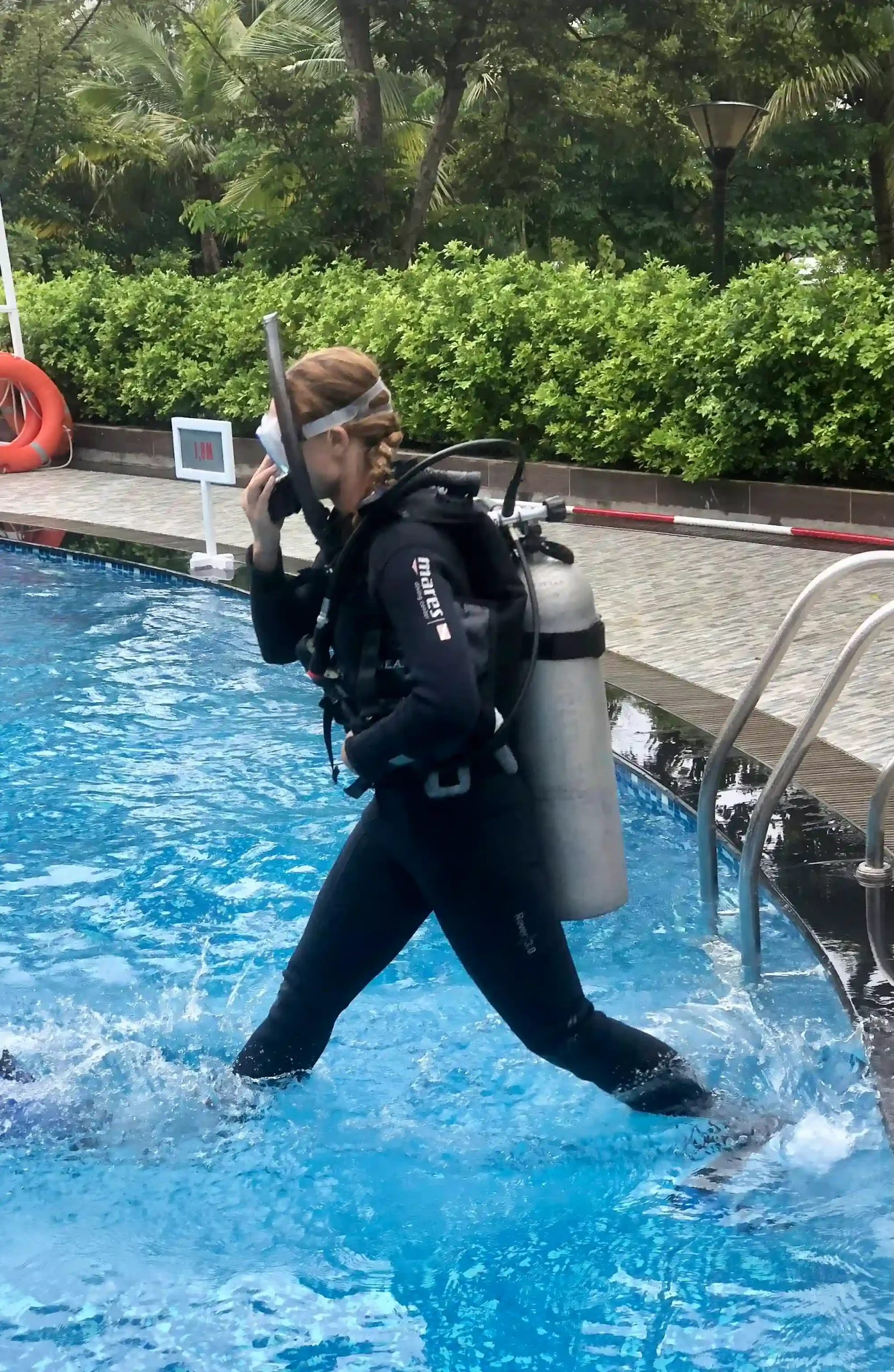
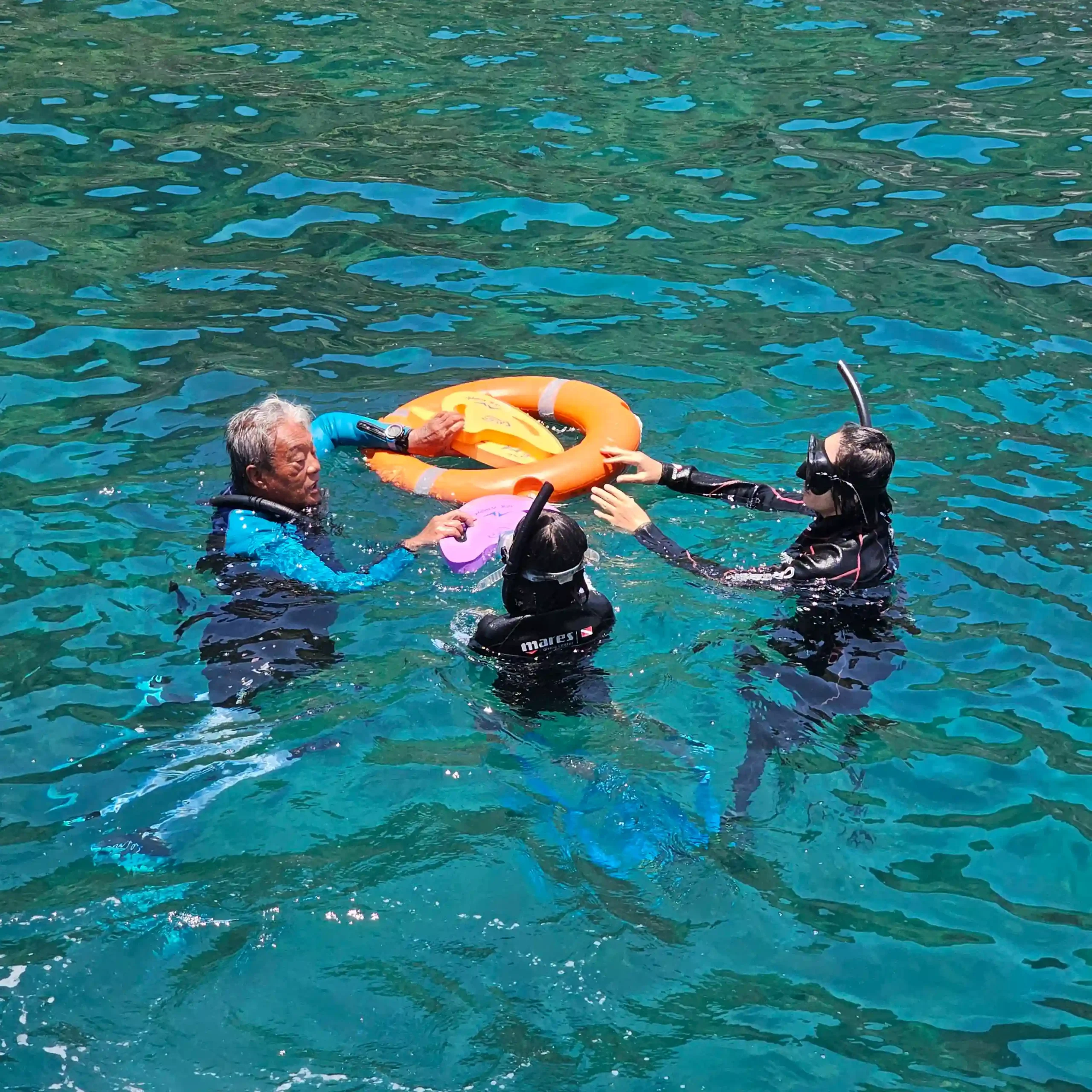
I’d never had a regulator in my mouth before and I’d assumed the breathing would be the difficult part. It wasn’t. The awkward part is the mask, and specifically clearing it, which is the skill they make you practise in shallow water before you go anywhere.
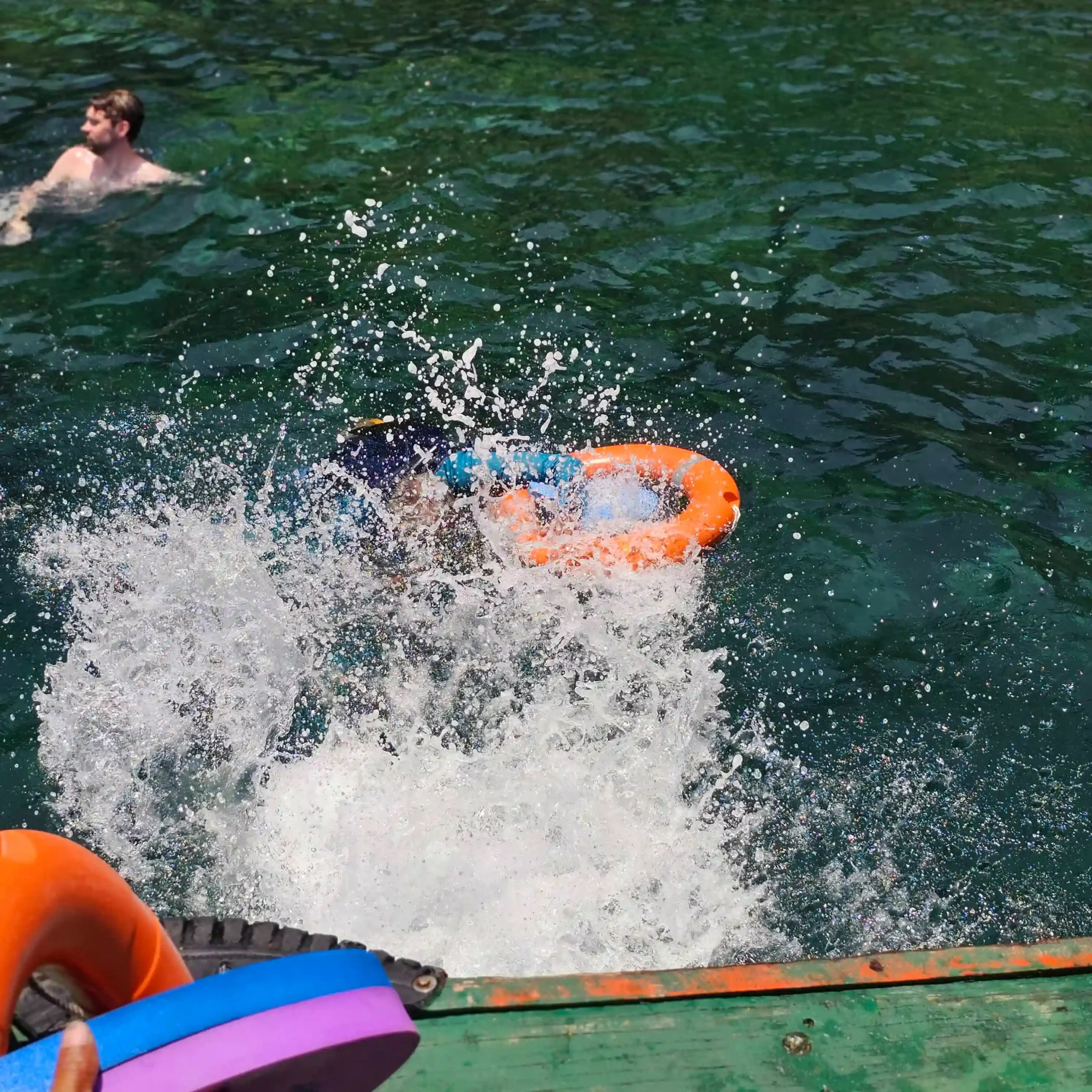
You do a briefing on land, then a shallow bit where you kneel on sand and get used to breathing, then the actual dive, which for a first-timer stays quite shallow. The instructor holds onto you for most of it, which I found slightly undignified and entirely sensible.
You don’t need to be a strong swimmer for this. You do need to be comfortable enough in water that you won’t panic when your face is in it, which is a lower bar but not nothing.
The thing I’d say to anyone hesitating is that the water here is 25 to 30 degrees, so you’re not fighting cold on top of everything else, and that makes a real difference to how relaxed you are.
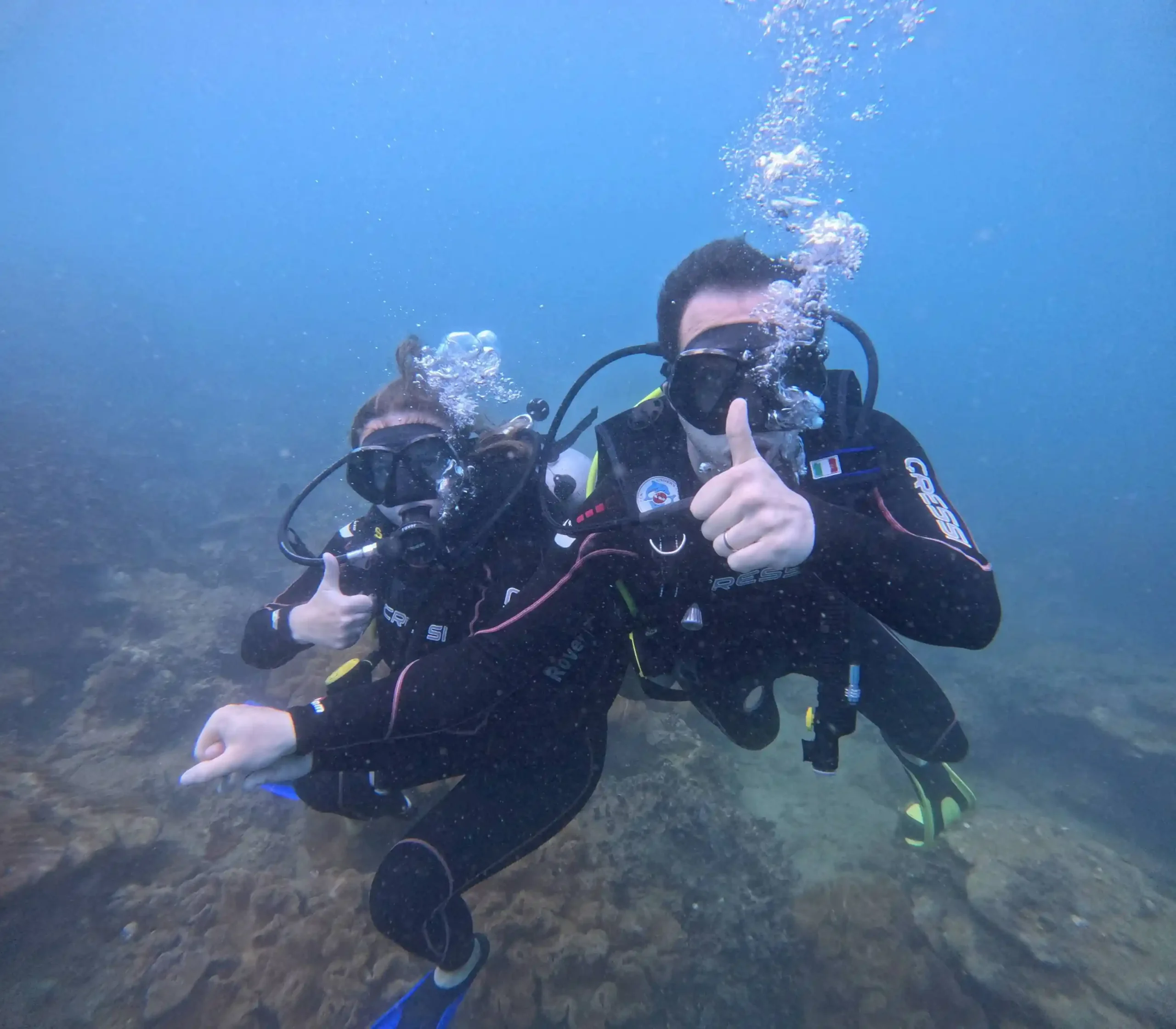
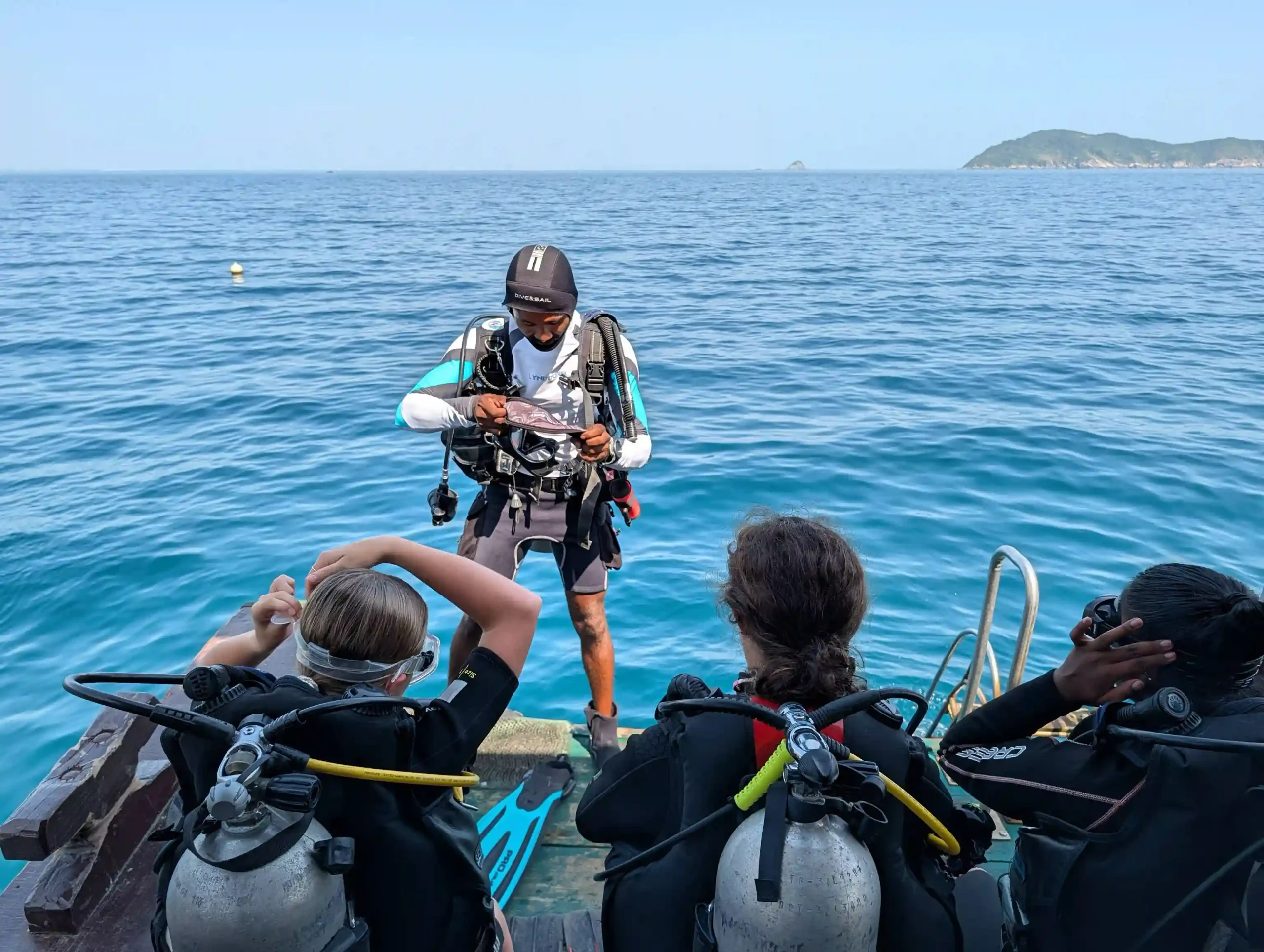
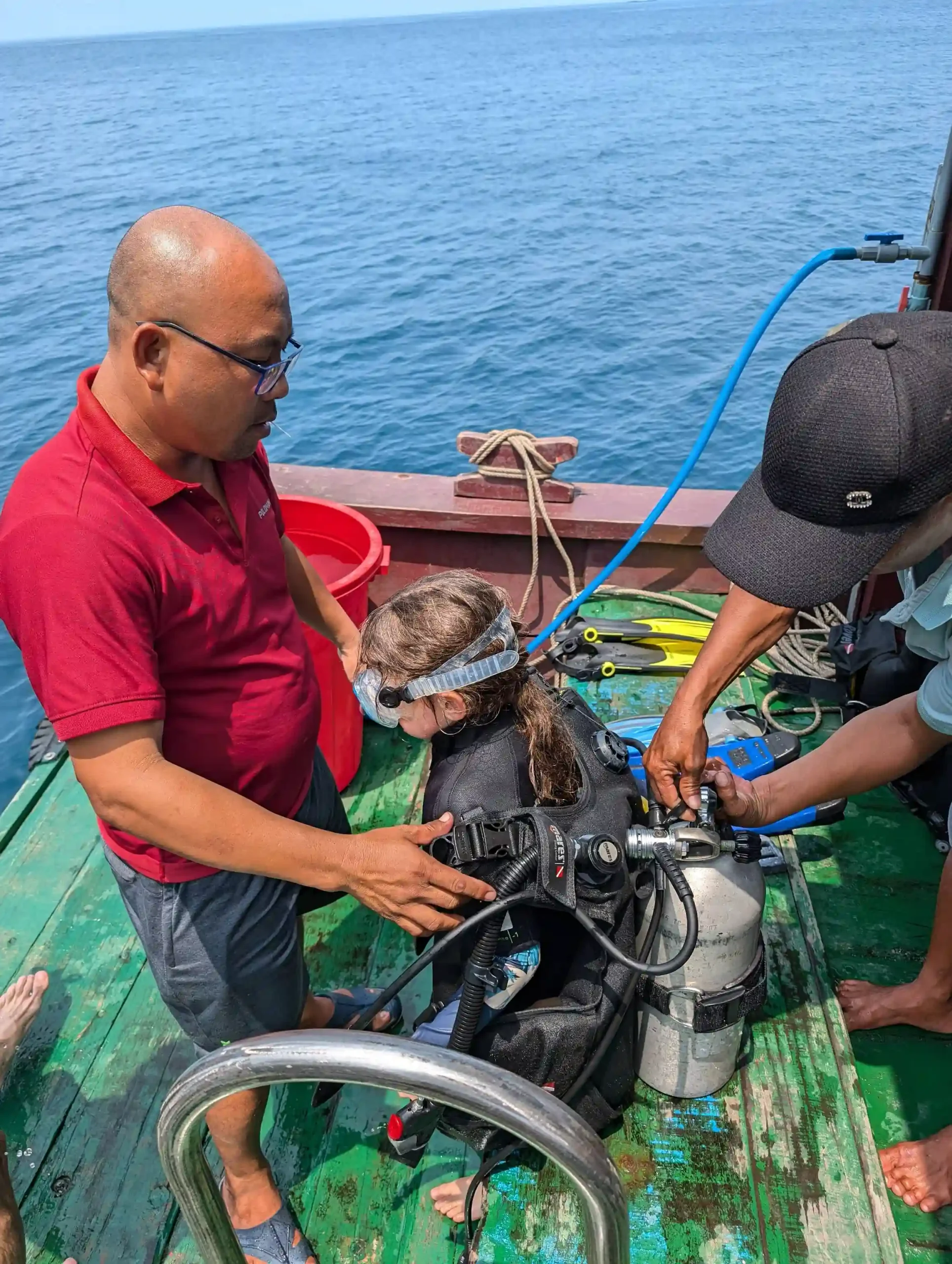
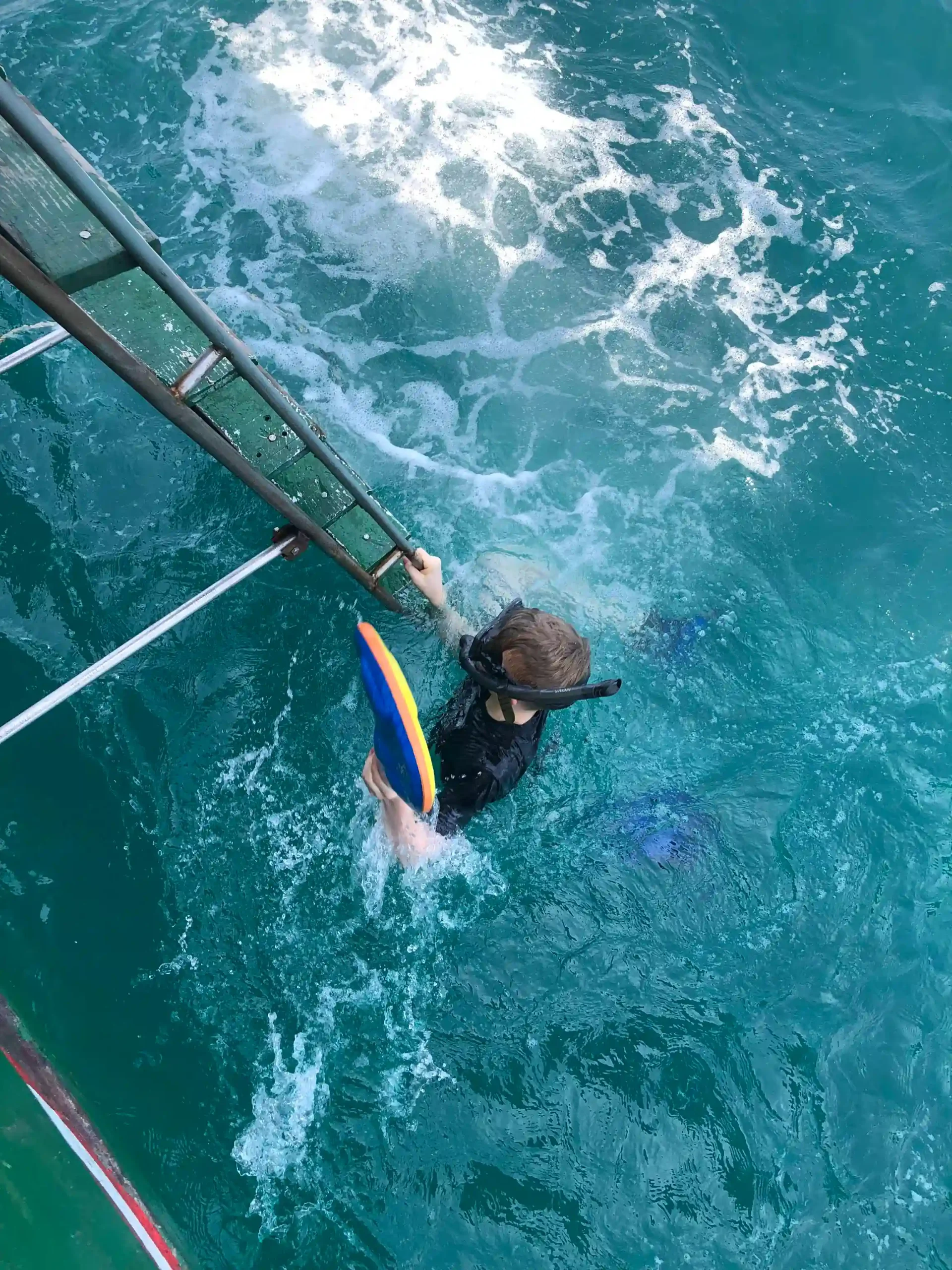
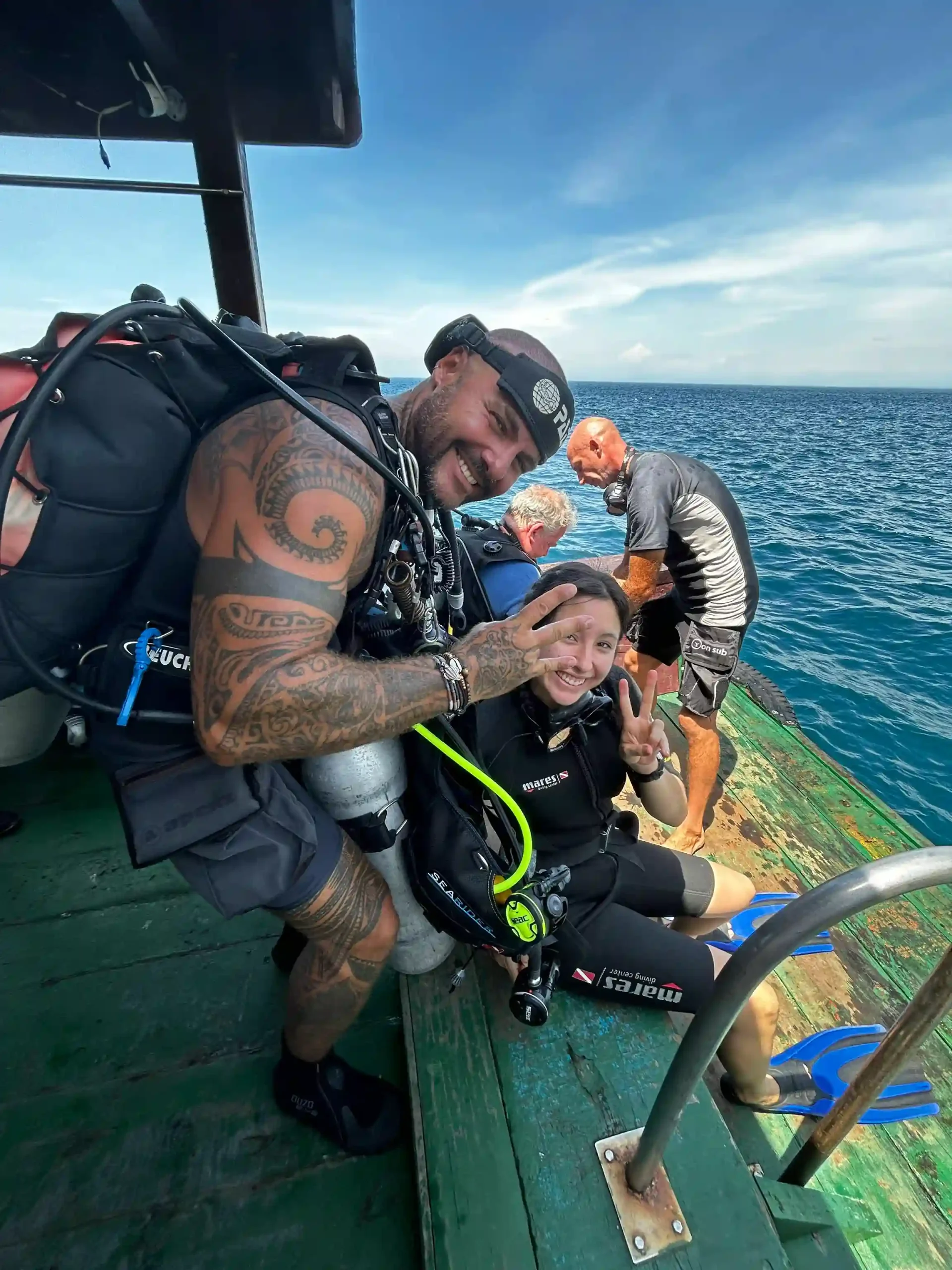
The Dive Sites
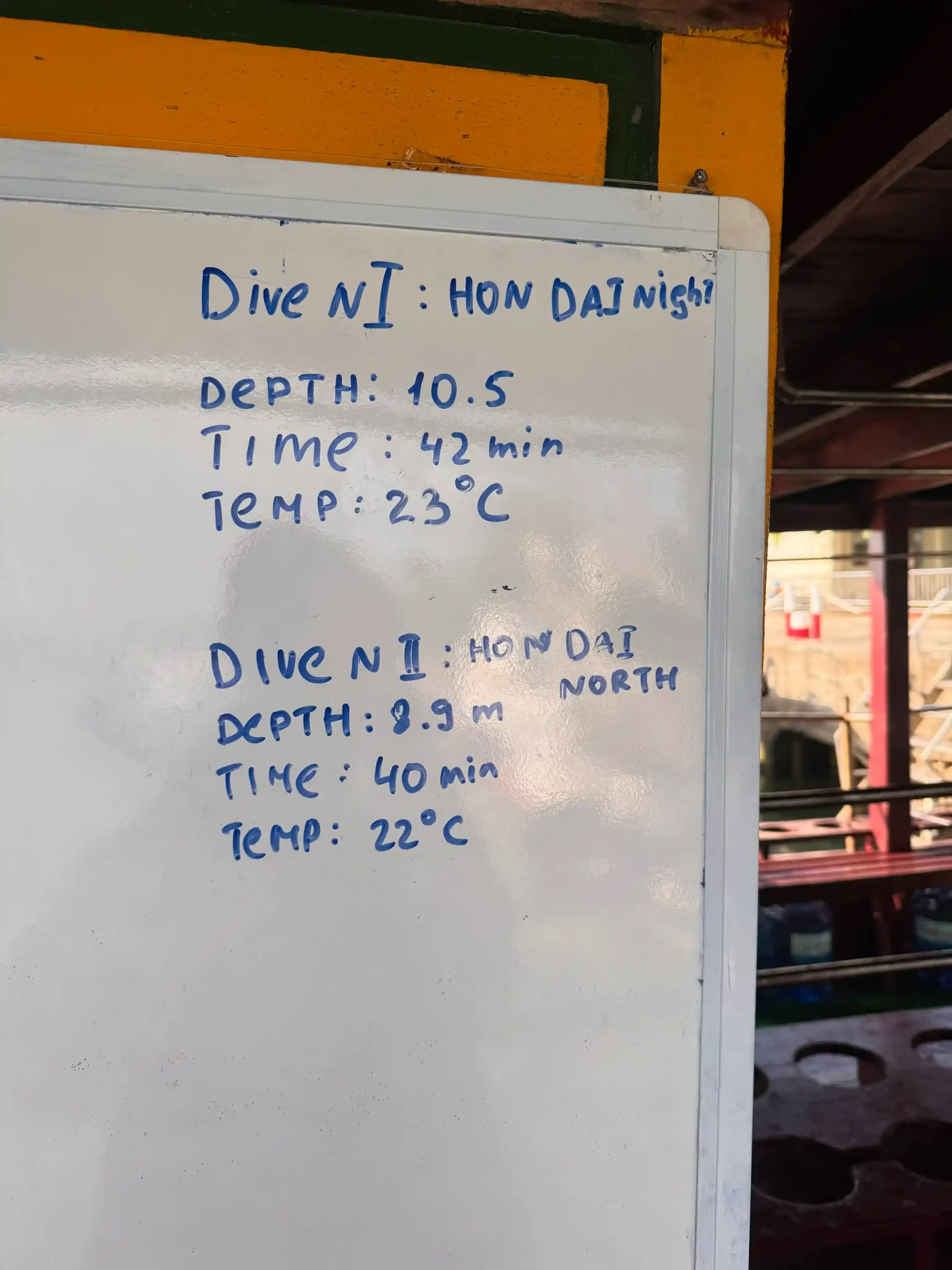
The regular sites are Hon Tai North and South, Hon Dai North, and one called Crazy Pineapple, which I’ve never got a satisfactory explanation for. There’s a night dive at Hon Dai for certified divers.
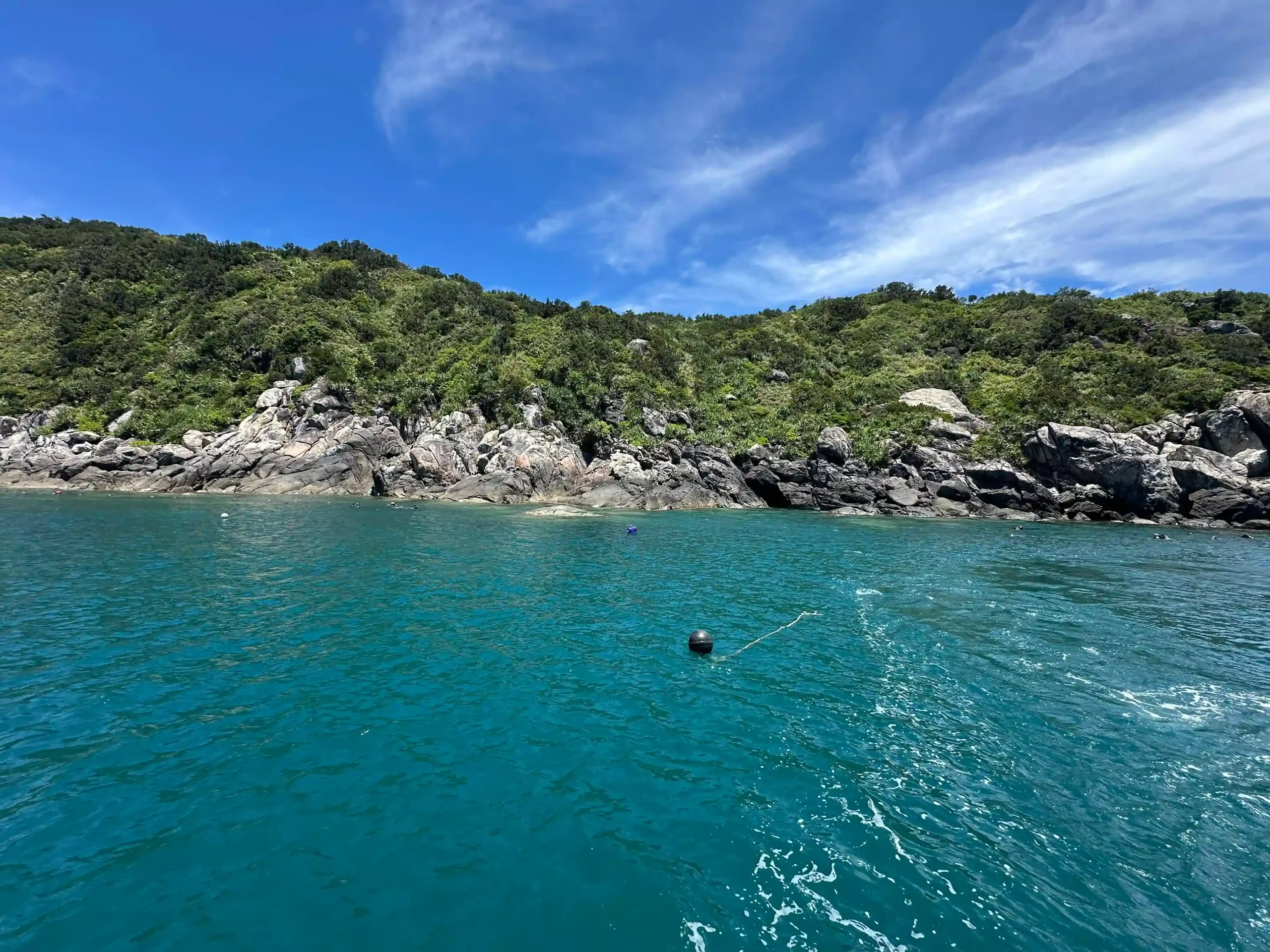
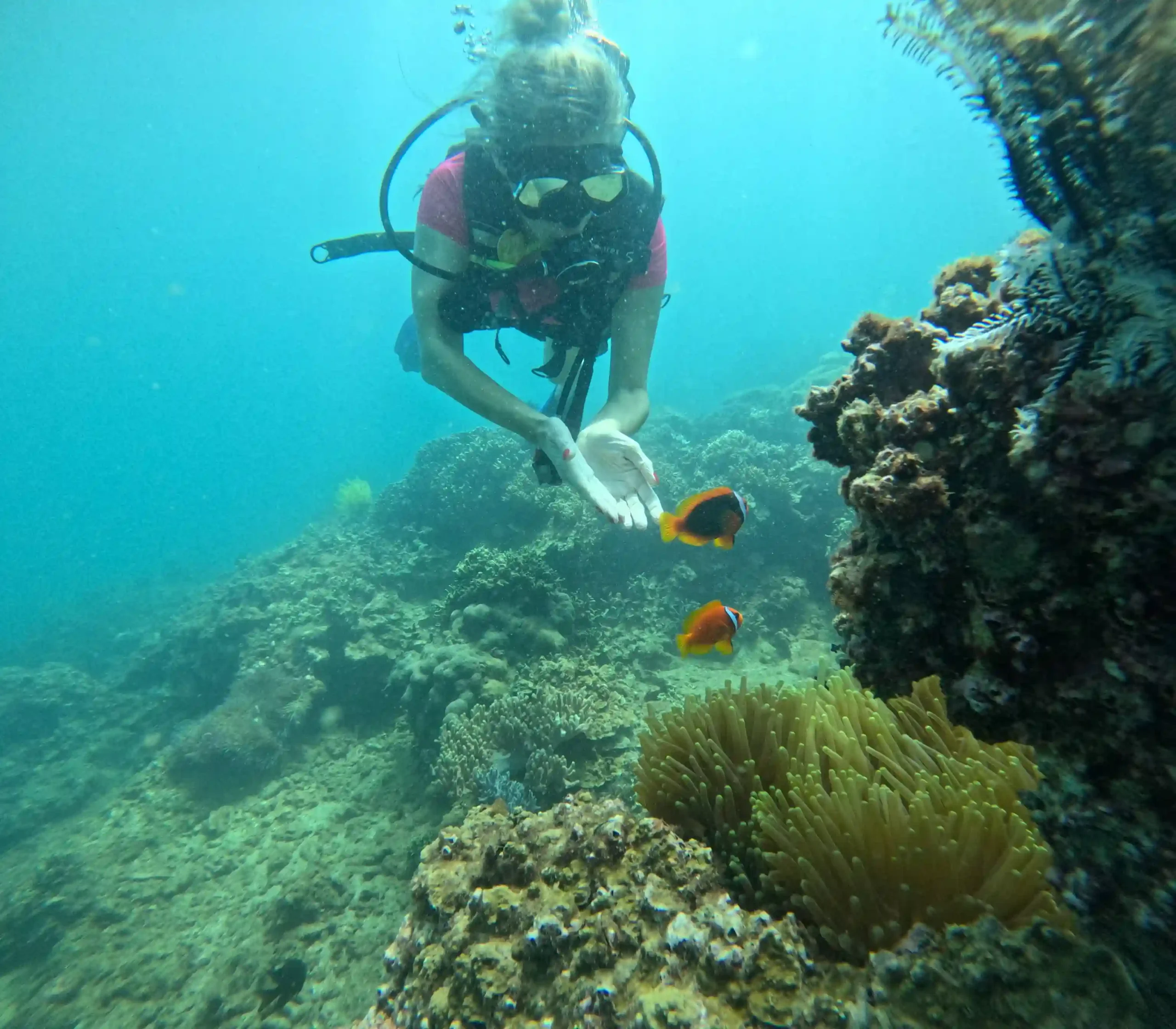
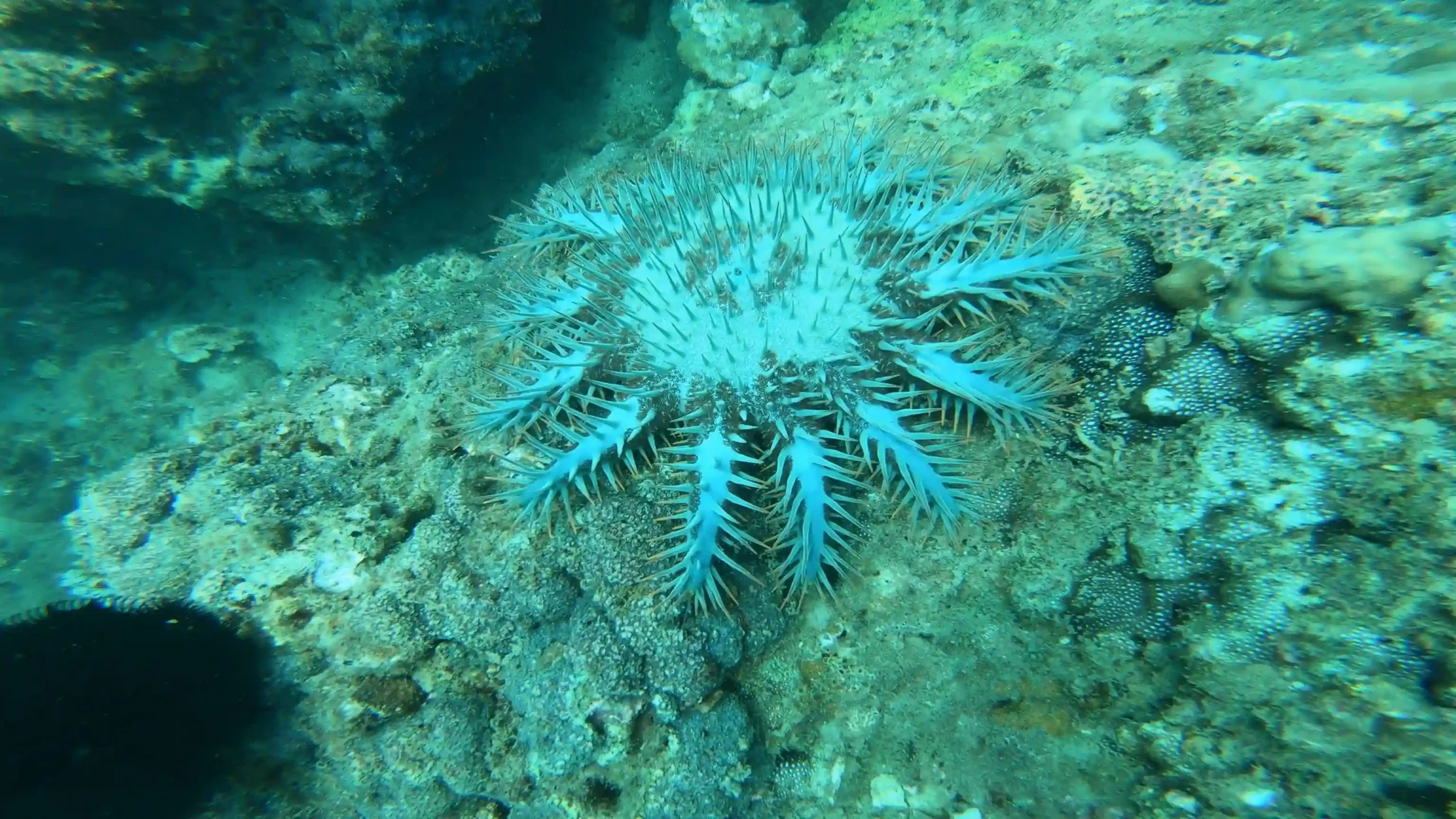
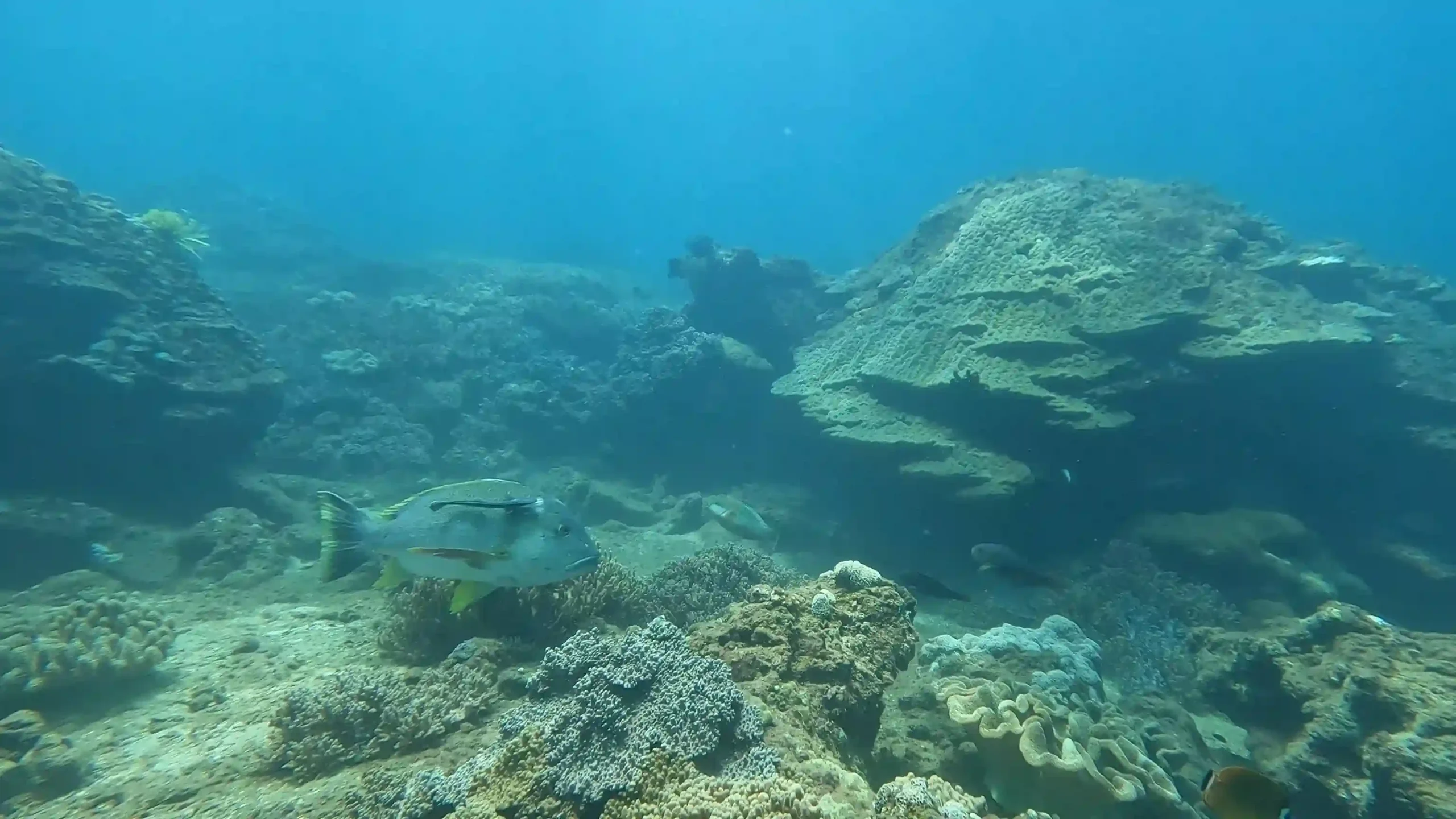
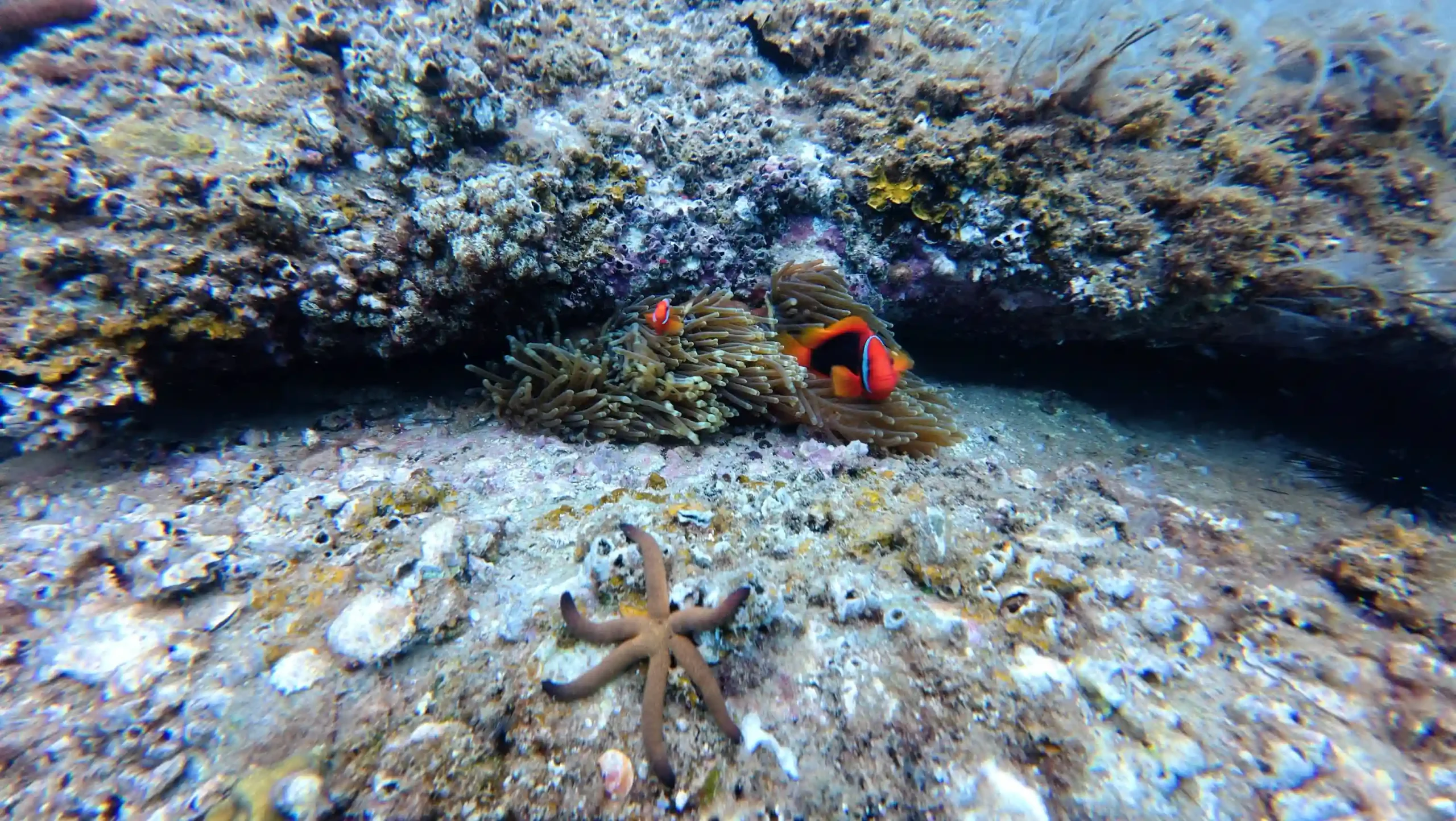
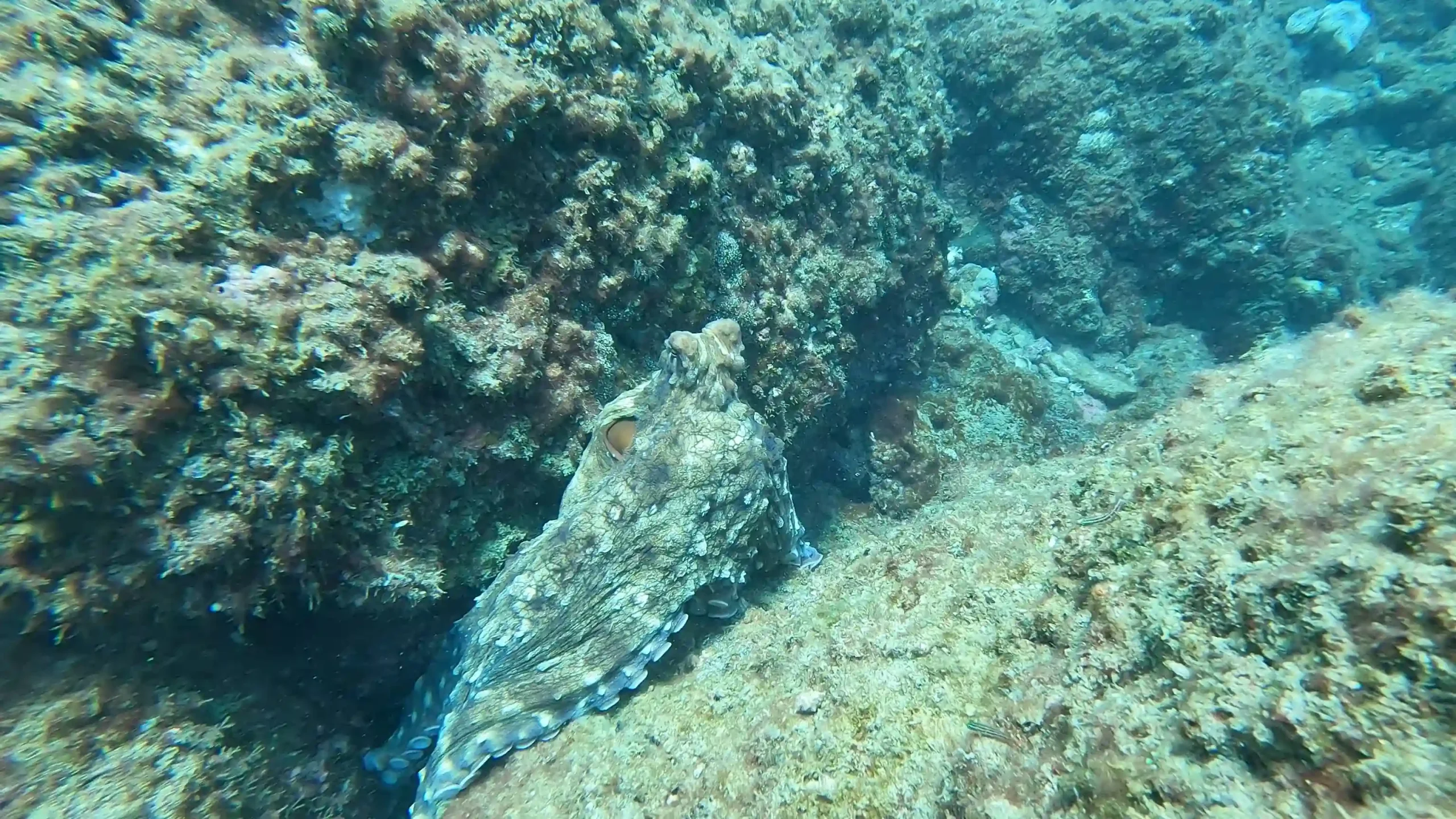
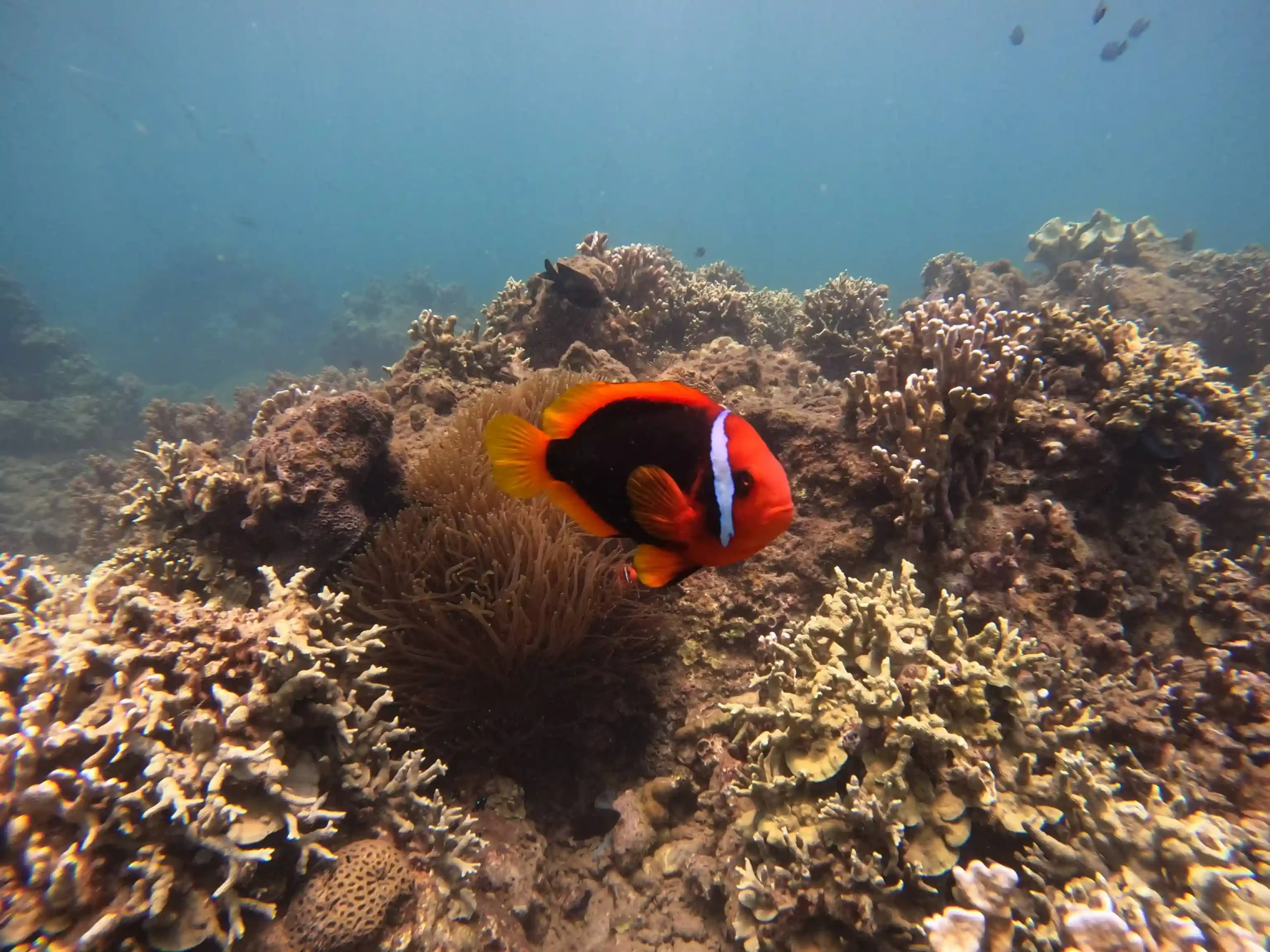
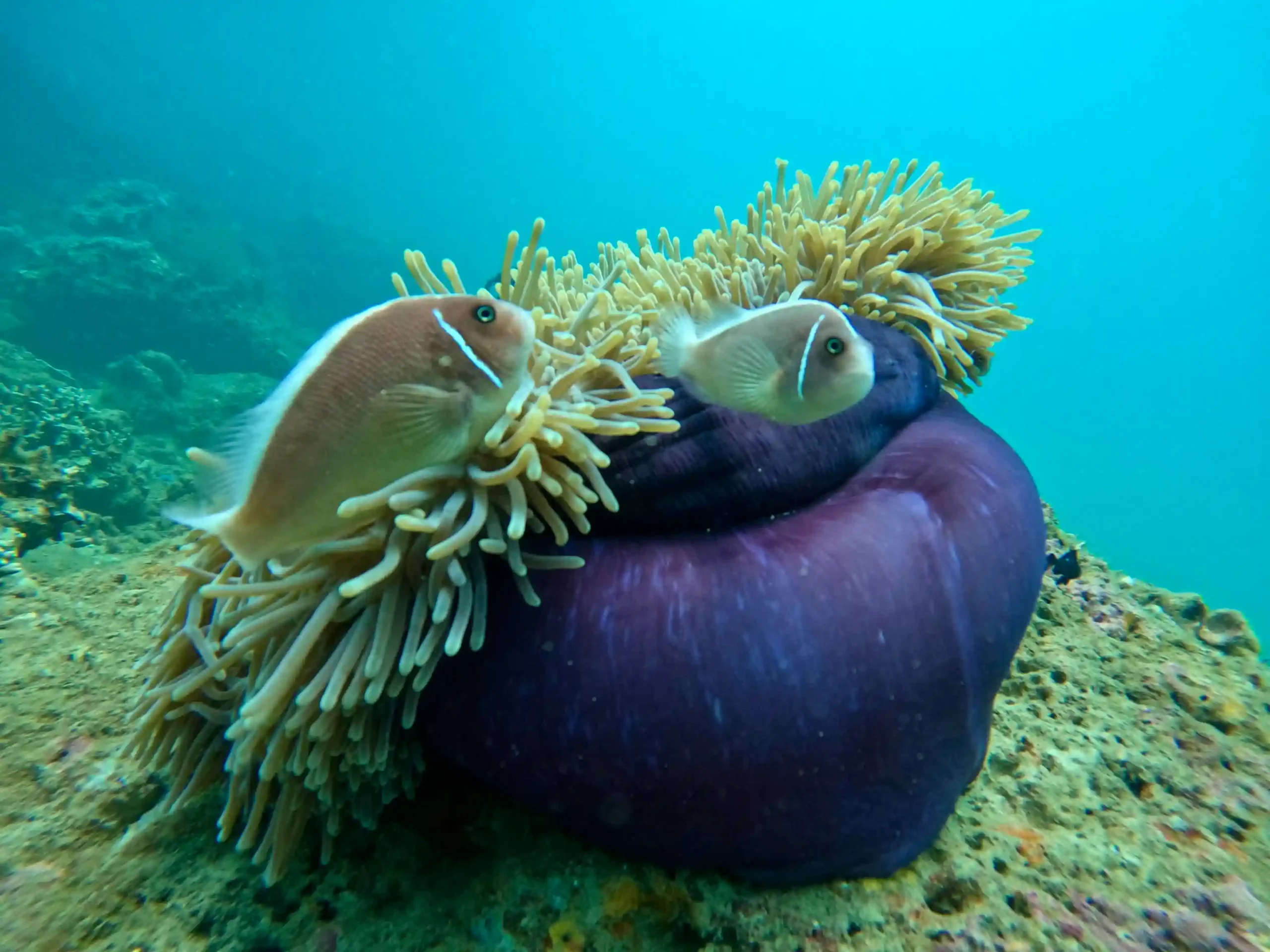
The reefs have 135 species of coral and over 200 species of tropical fish, and the underwater landscape is granite boulders with coral gardens between them, which is a bit more interesting to look at than flat reef.
I’d set expectations honestly here. This is not the Philippines or Raja Ampat. Visibility varies a lot with the season and the weather, and coral coverage has thinned in places, which is true of most of Southeast Asia. What you get is warm, easy, shallow diving in a UNESCO biosphere reserve, and for a first dive that’s more than enough.
Getting Out There
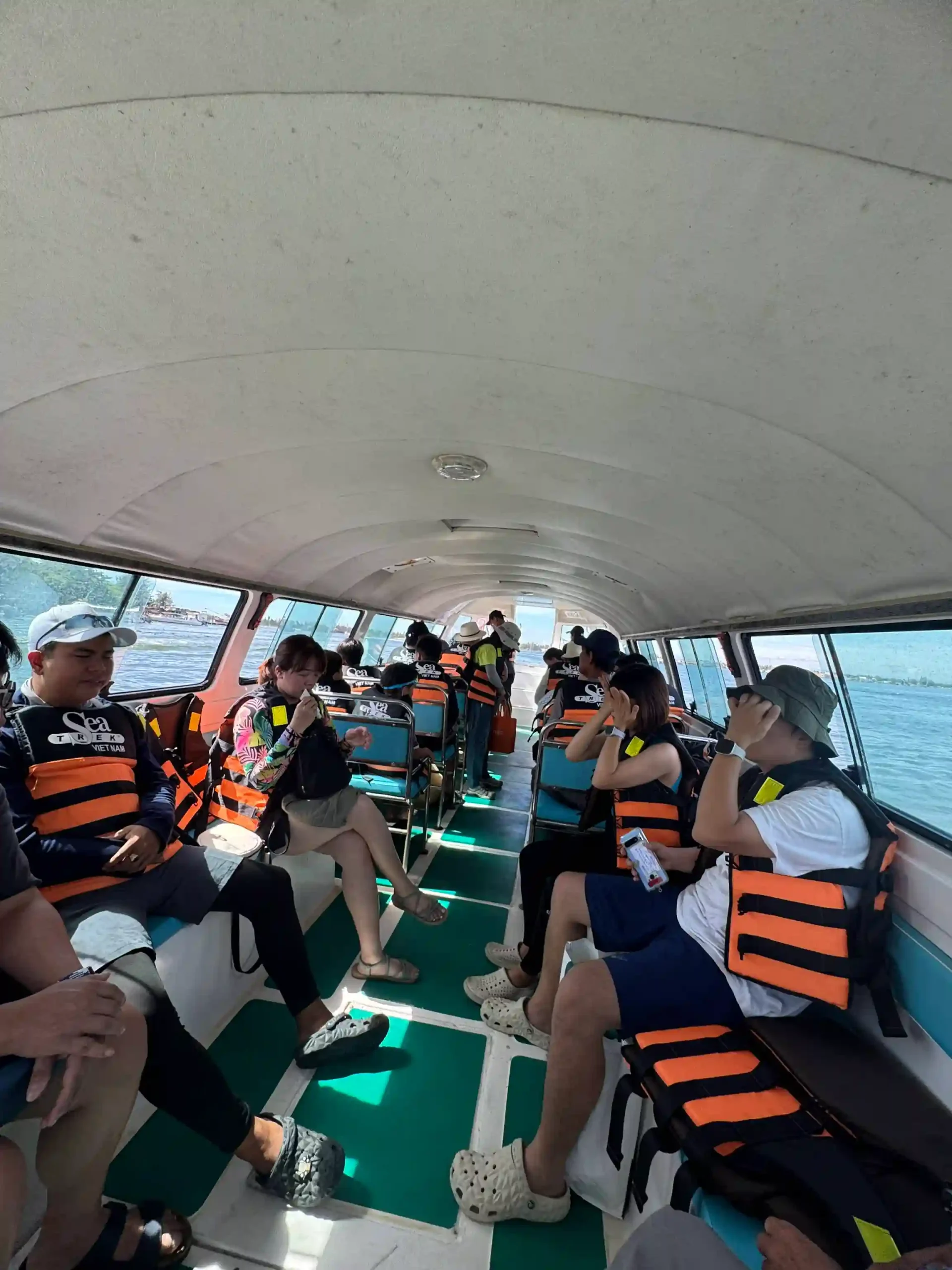
The dive centres run their own boats from Hoi An, so if you’ve booked with them the transport is sorted and you don’t need to think about ferries.
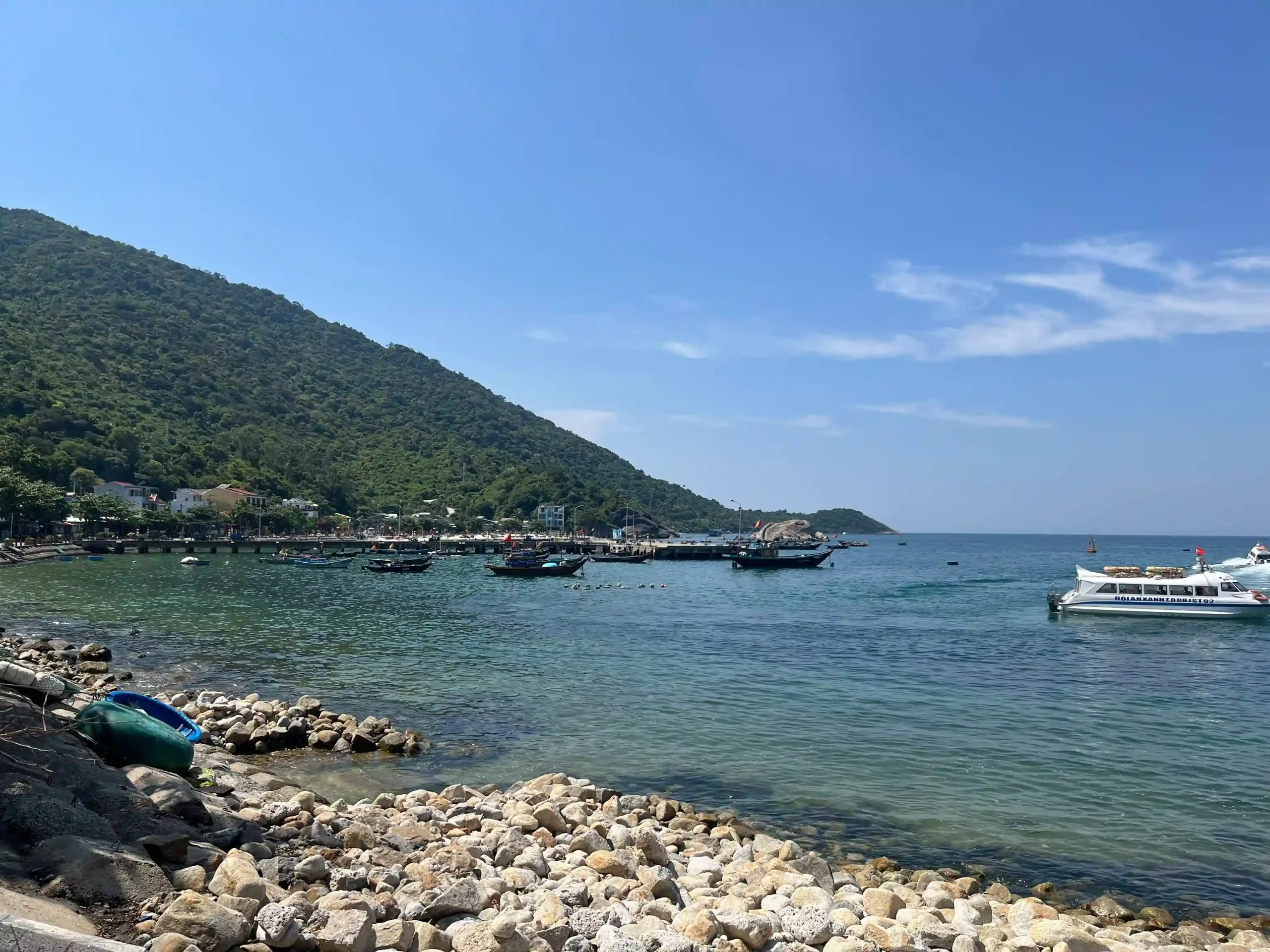
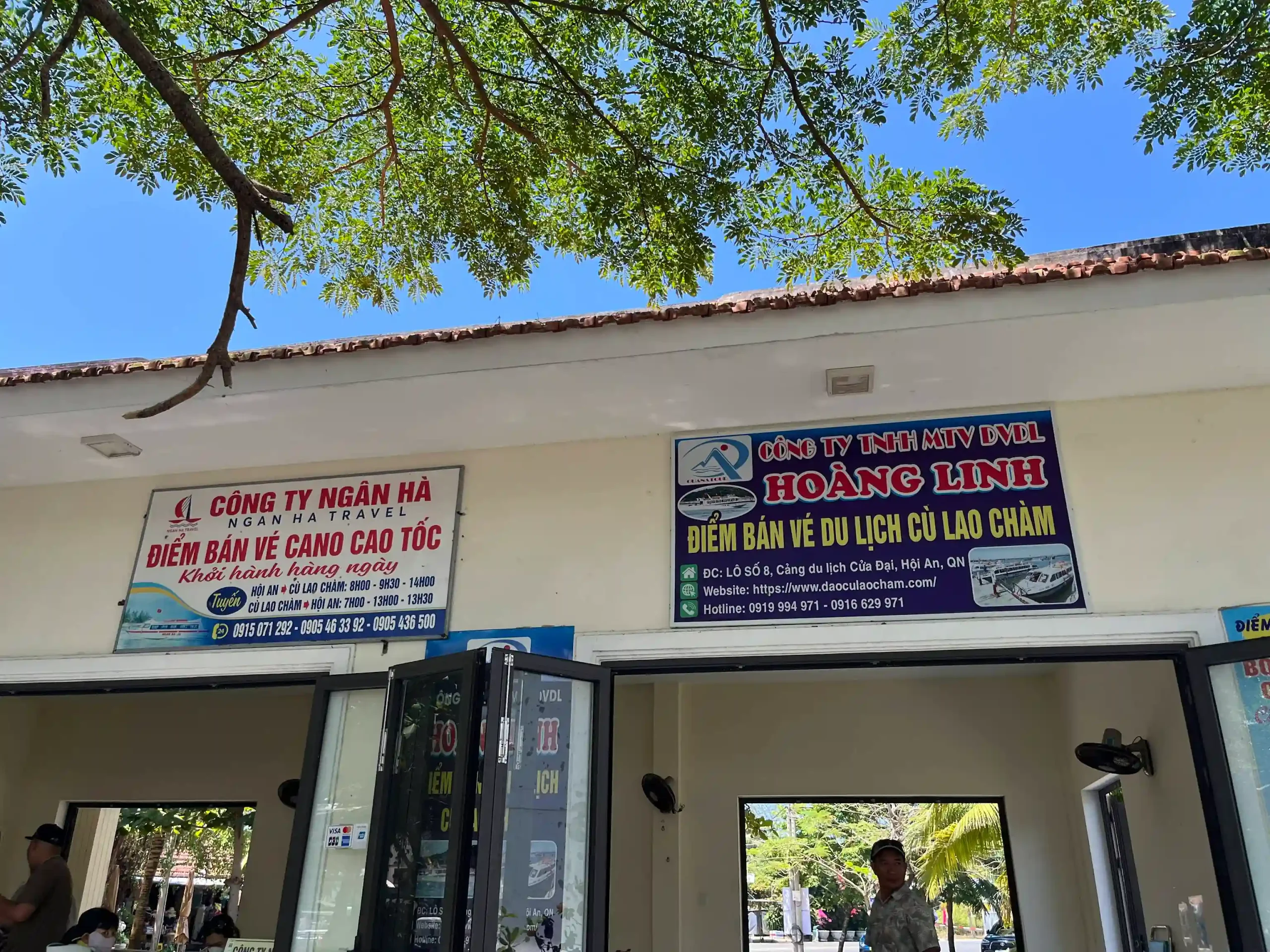
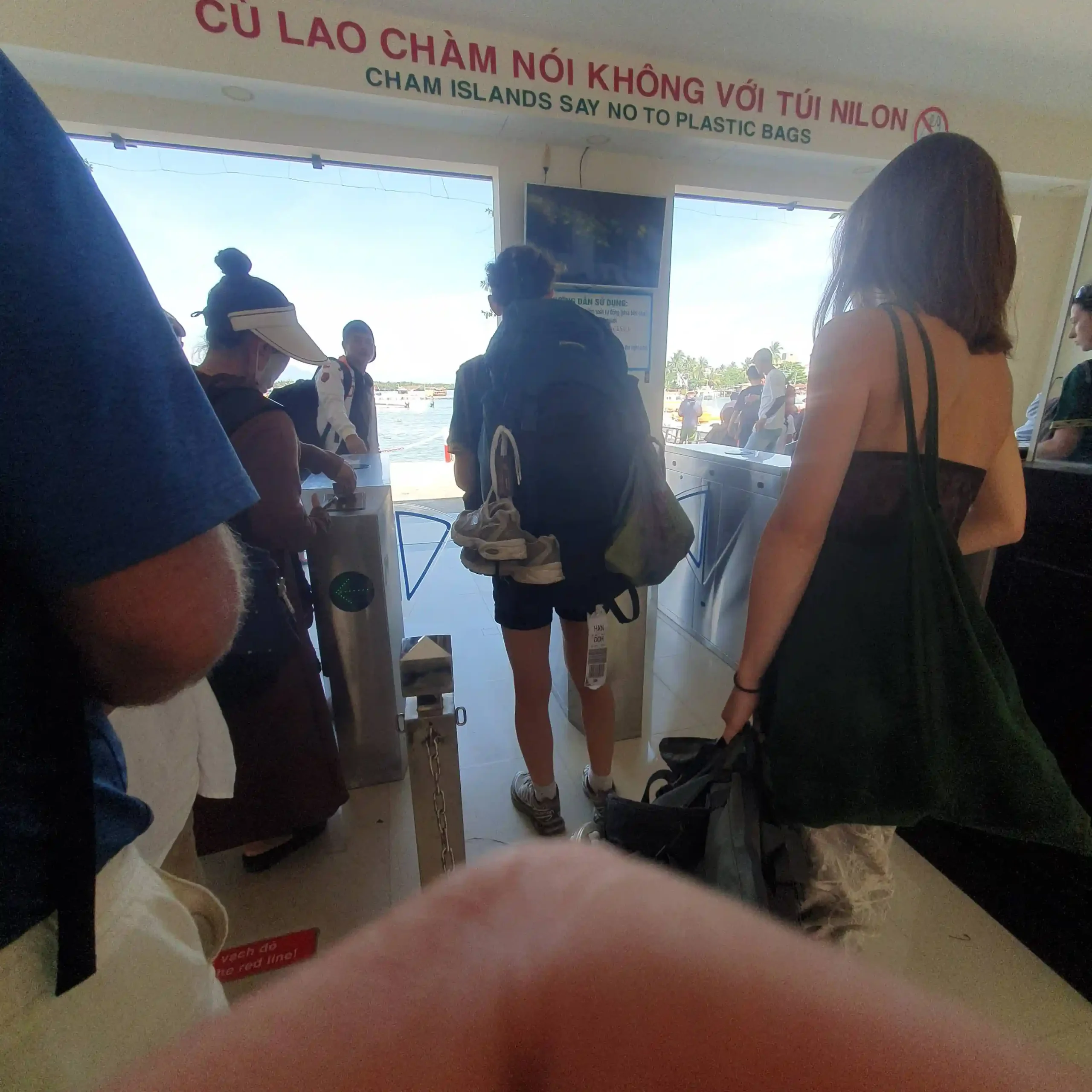
If you’re going independently, the public ferries and speedboats leave from Cua Dai pier. Speedboats take about twenty minutes and the slow ferry considerably longer. Cham Island is 15 to 20km offshore depending which part you’re heading for.
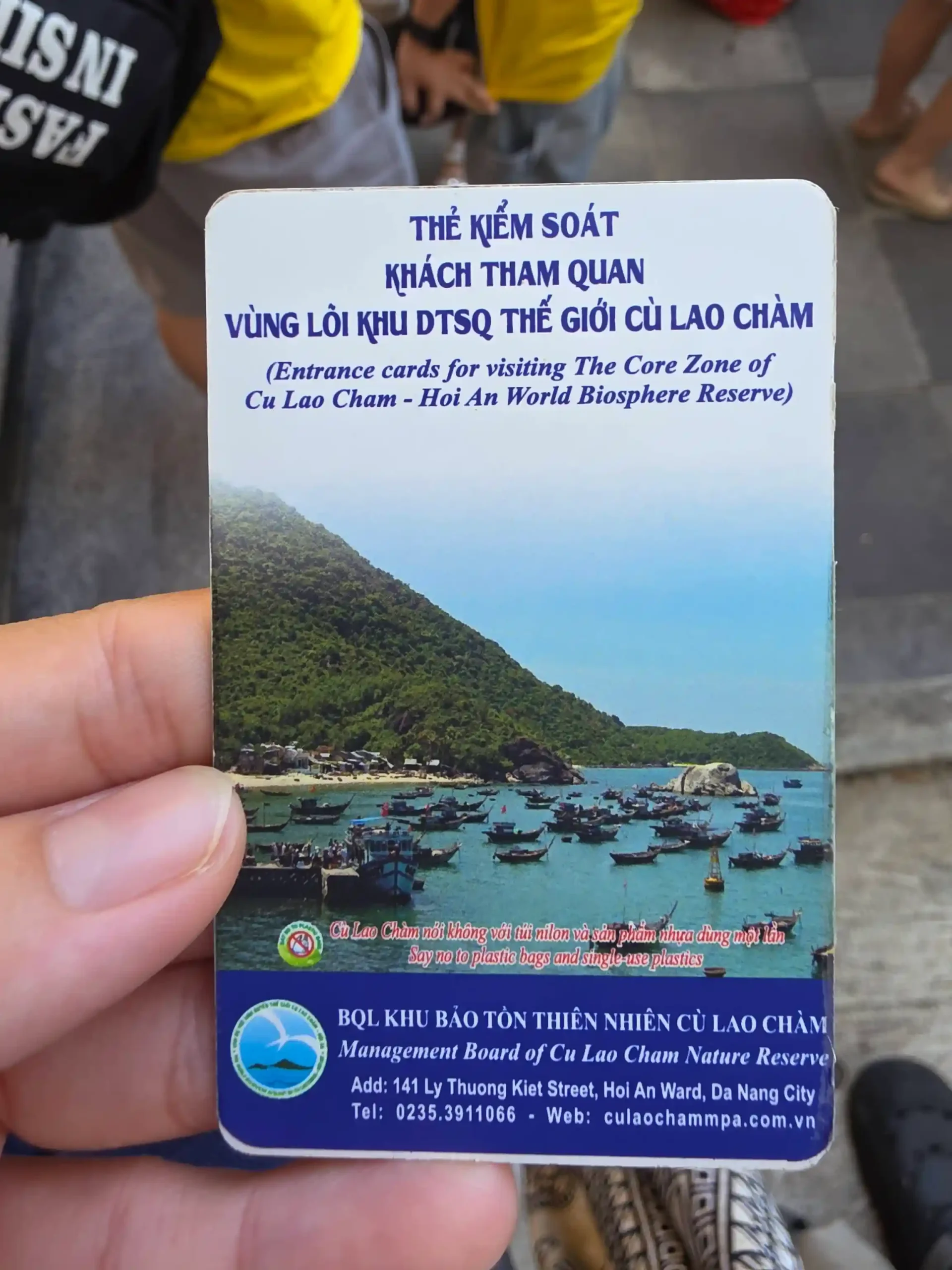
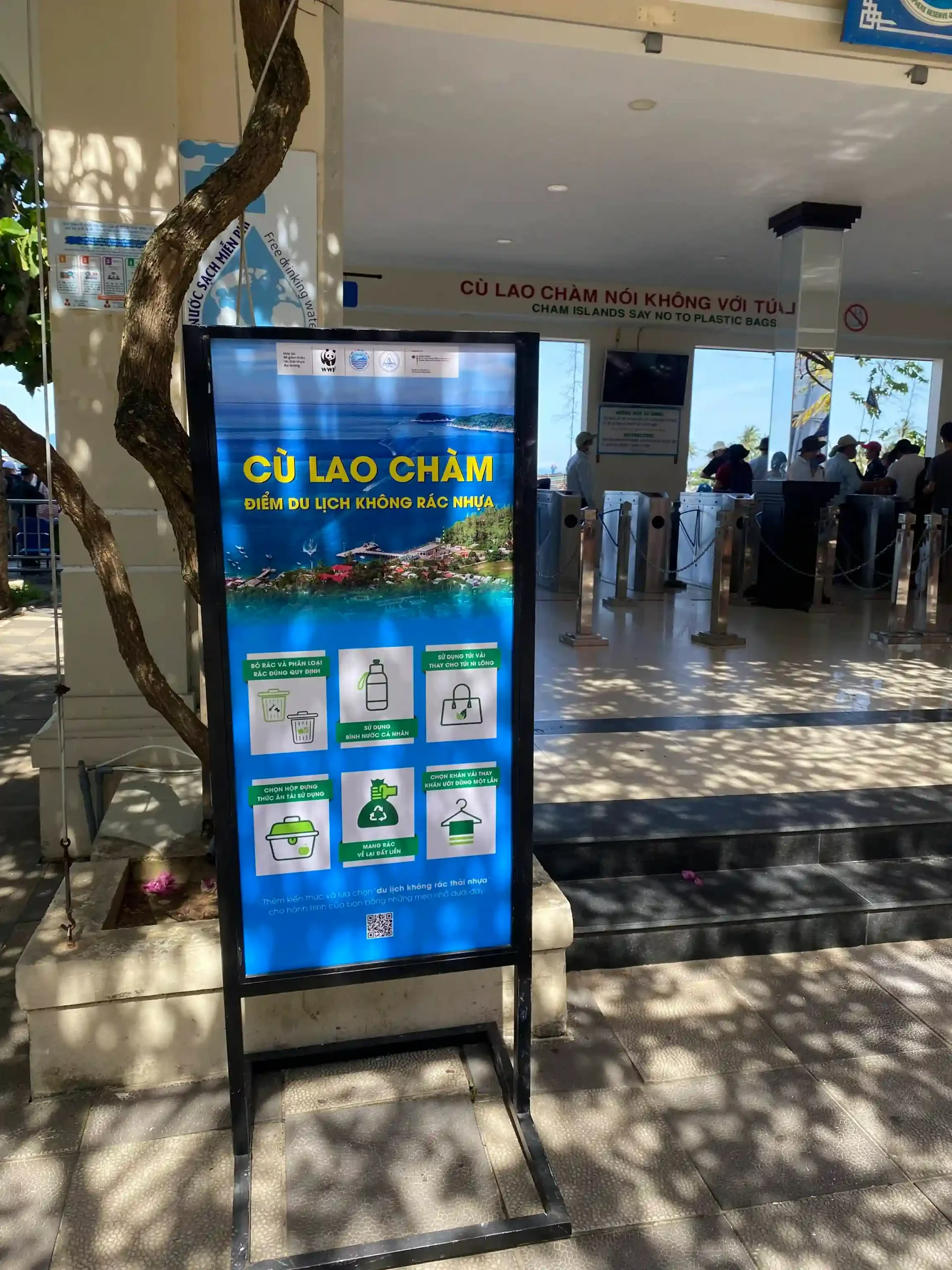
The marine reserve charges an entry fee, which most dive and snorkel tickets include but not all of them, so it’s worth checking before you’re standing at the pier.
If You’d Rather Snorkel
Plenty of people book a dive and then realise they mainly wanted to look at fish from the surface, which is a perfectly respectable thing to want.
A snorkelling day trip with the boat and lunch included starts from around 650,000 VND, and it’s the cheaper and more sociable option. The reefs here sit shallow enough that snorkelling actually shows you a lot, which isn’t true everywhere.
If you’re travelling with someone who wants to dive and someone who doesn’t, most of the boats carry both groups on the same trip, so nobody has to sit it out on land.
What to Bring
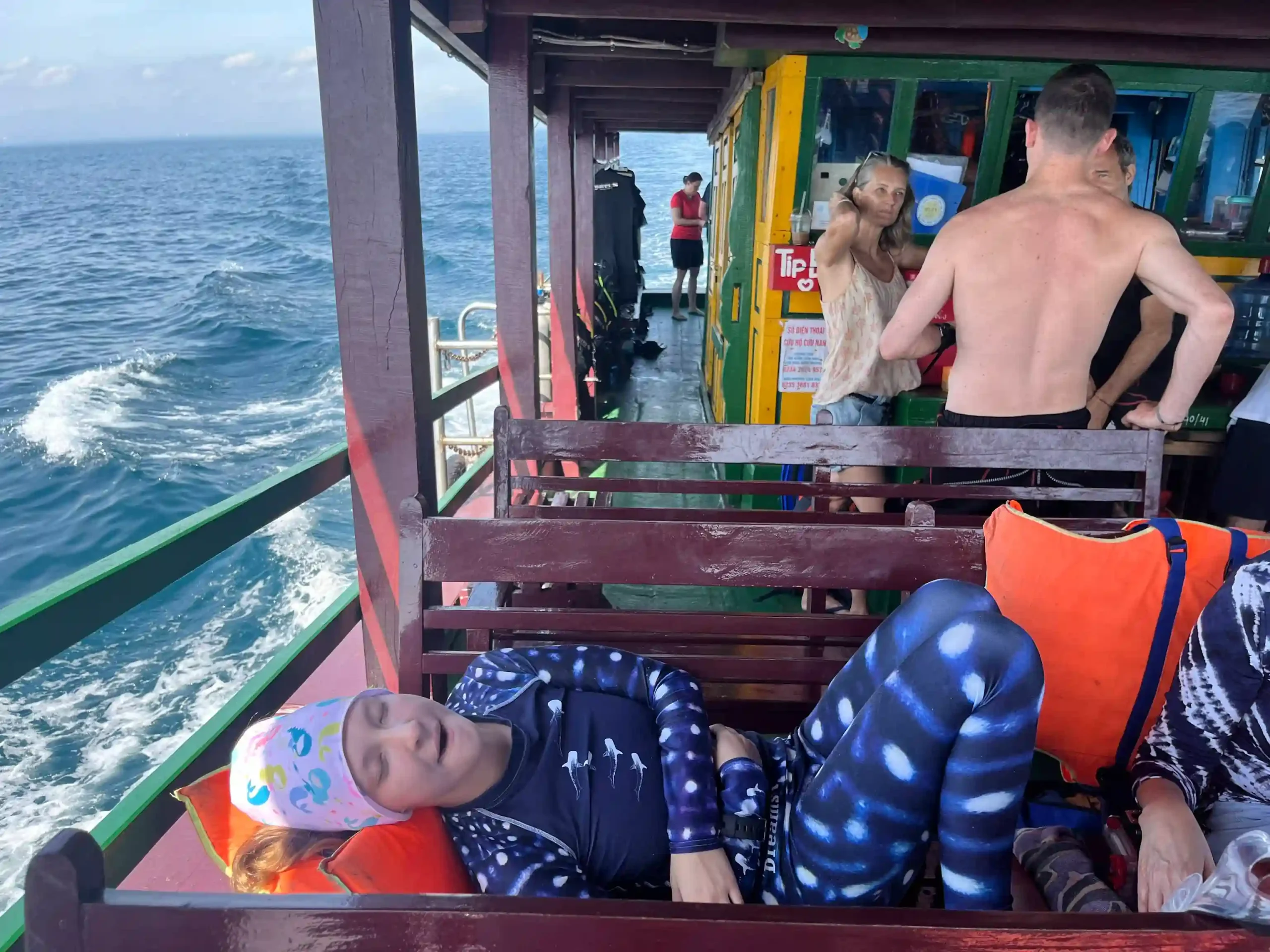
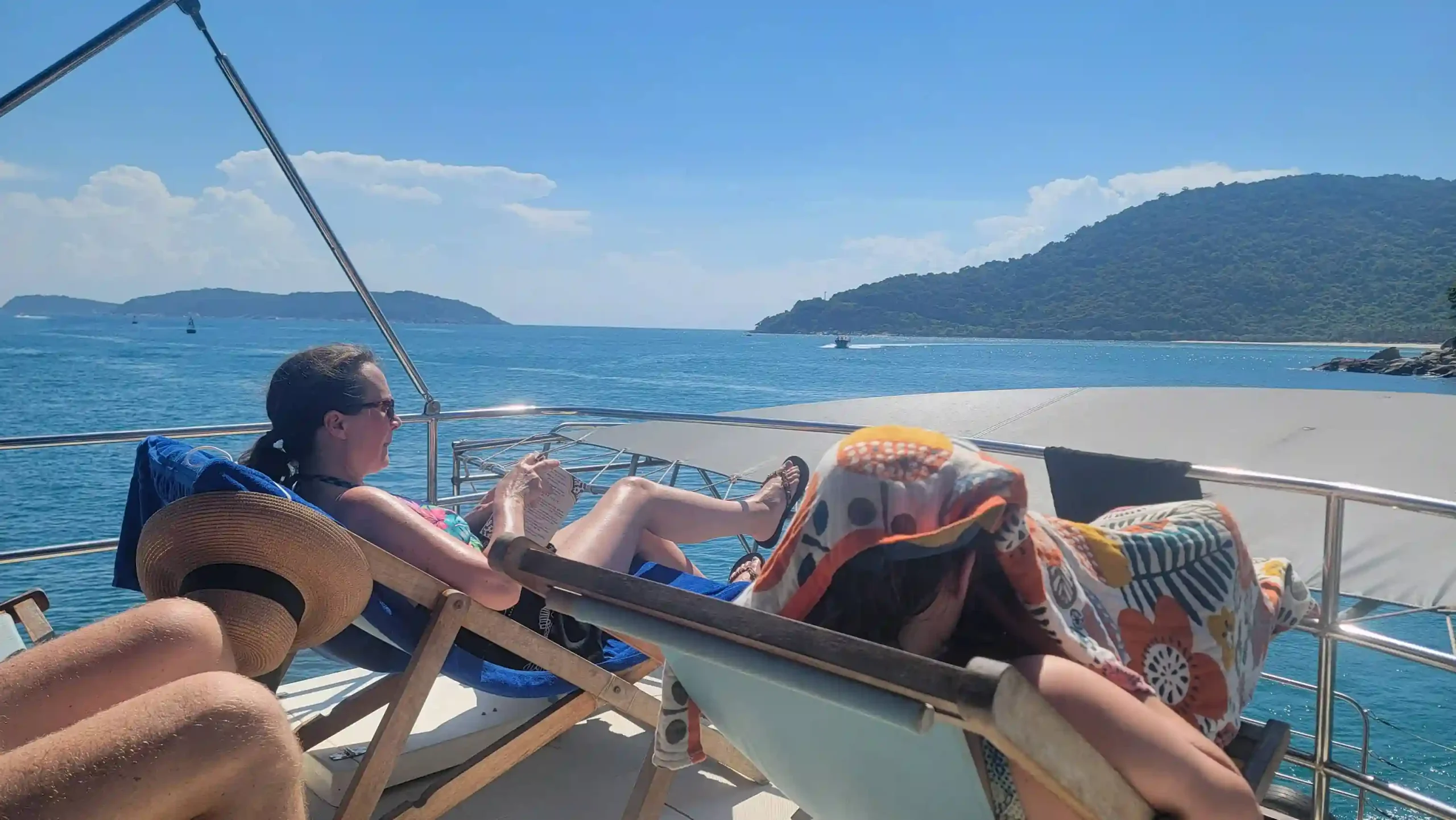
Arrive already wearing your swimsuit. There isn’t a changing room on the boat, whatever the booking page implies, and this comes up in reviews often enough that I’d treat it as standard.
A t-shirt to snorkel in, unless you want the pink shoulders that everyone comes back with. Reef-safe sunscreen, a towel, and something dry to put on for the ride home.
Seasickness tablets if you’re prone to it. The crossing is short but it can be choppy, and taking one an hour before is easier than regretting it.
Cash for anything extra, since the island runs on it.
The Weather Problem
Even inside the season, wind can shorten the day.
What happens is that the boat still goes, but the stop on the island gets cut and you’re back in Hoi An by lunchtime instead of mid-afternoon. That’s a real complaint, from people who booked specifically for the island time and got a shortened trip twice.
I don’t think that’s the operator being difficult. It’s the sea. But if the island half matters to you, book early in your stay so you’ve got a spare day to try again, and pick something with free cancellation.
Who I’d Tell Not to Bother
Anyone with ear or sinus trouble, which makes equalising unpleasant and sometimes impossible.
Anyone here between October and February, since the question doesn’t arise.
Anyone expecting world-class diving, because you’ll be comparing it to somewhere it doesn’t need to be compared to. As a first dive, or an easy day out from Hoi An, it’s good. As a diving destination in its own right, Con Dao is the better trip.
Anyone who’s already booked a full day of Ba Na Hills or My Son that week, because this is another early start and another full day, and three of those in a row is a lot in this heat.
Fitting It Into a Short Stay
It’s a full day, out early and back mid-afternoon, and it starts with a boat, so it isn’t the day to schedule alongside anything else.
On a three-night trip I’d think hard about whether it earns the slot, because you’re giving up most of a day that could go on the old town, the beach and the countryside. There’s an argument for it if diving is a thing you’ve wanted to try, and less of one if you’re only mildly curious.
On four nights or more it fits easily. I’ve laid out how the days stack up in my 3 days in Hoi An itinerary, and if you’re still working out the length of your stay, how many days in Hoi An covers that.
Common Questions
When is the Cham Island diving season? March to September. The dive centres close outside that.
How much is Cham Island scuba diving? From about $81 for a full-day two-dive trip. Discover Scuba for beginners is $50 to $70.
Do I need a licence? Not for a Discover Scuba session, which is designed for people with no certification.
Is Cham Island good for diving? For beginners and easy warm-water diving, yes. It isn’t a destination people fly in for.
How far is Cham Island from Hoi An? Roughly 15 to 20km offshore, about twenty minutes by speedboat from Cua Dai.
Can non-divers come on the boat? Usually yes, and they snorkel while you dive.
What’s the water temperature? 25 to 30°C, so a thin wetsuit or none at all.
Is there an entry fee for the island? Yes, it’s a marine reserve. Most tickets include it, but check.
If You’re Deciding Between This and Snorkelling
Do the dive if you’ve never dived and you’ve been curious about it, because this is a gentle place to find out whether you like it, and the equipment and instruction are included in a way that makes it hard to get wrong.
Do the snorkelling if you already know you’d sooner be on the surface, or if you’re bringing children, or if you want the day to be about the island and the beach as much as the water.
Either way, go in May and not August, get on an early boat, and don’t book it for your last day in case the wind has other ideas.












 Tiếng Việt
 한국어
한국어 中文 (中国)
 日本語
日本語 ไทย
ไทย Deutsch
 Español
 Destinations
 Instagram
 Facebook
 X (Twitter)
 Threads
 Tiktok