









 Ha Giang
 Hanoi
Hanoi Ho Chi Minh City
 Ha Long
 Sapa
Sapa Mekong Delta
 Da Nang
 Hue
Hue Hoi An
 Ninh Binh
 Da Lat
 Nha Trang
 Phan Thiet
 Phu Quoc
 Quang Binh
 Quy Nhon
 Vung Tau
 Thai Nguyen


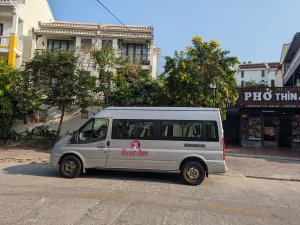



Da Nang to Hoi An is 30 kilometres of flat coastal road and it takes 45 minutes, which is why it annoys me how much bad information there is about it.
People land at Da Nang airport having read that there’s a train, or a direct airport bus, or that the old yellow bus still runs. None of that is right.
There are five ways to make this trip and the gap between the cheapest and the most expensive is about fifteen dollars, so the decision is less about money than people think.
Here’s all five, with what they actually cost this year.
- Quick Answer: How to get from Da Nang to Hoi An: it’s roughly 30km, 40 to 50 minutes by car. Your options are a pre-booked private transfer at $13 to $20, a Grab or taxi at 250,000 to 400,000 VND, a public bus at about 30,000 VND, a tourist shuttle at about $6, or riding a motorbike yourself. Grab is the right answer for most people arriving at the airport. There is no train to Hoi An and there never has been.
- The Five Ways, Priced:
- Private transfer, booked ahead: $13 to $20 per car, driver waiting at arrivals.
- Grab or taxi: 250,000 to 400,000 VND depending on time of day and car size.
- Tourist shuttle bus: around $6 a seat, fixed departure times, hotel drop-offs.
- Public bus, routes 02 and LK02: 30,000 to 31,000 VND in practice, 5am to about 6pm, one change of bus.
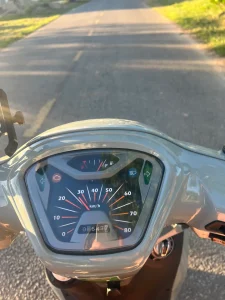
- Motorbike: 120,000 to 150,000 VND a day to rent, about an hour on the coast road.
- Things That Catch People Out:
- The old yellow bus route 01 no longer runs. Phuong Trang took the route over in 2024 and split it in two.
- No public bus reaches the airport, and it’s still the closest starting point to Hoi An anyway, closer than the city centre.
- At the bus station nobody sells you a Hoi An ticket at the counter. You pay the driver on the bus.
- Since July 2025 Hoi An is officially part of Da Nang City, so old addresses saying Quang Nam are not wrong, just out of date.
- Coming back, allow extra time. The airport road backs up badly from 4pm.
How Far Is Da Nang from Hoi An?
About 30 kilometres, which is 18 miles, and it’s a straight run south along the coast. No mountains, no pass, nothing dramatic. The Hai Van Pass is the other direction, towards Hue, and people mix this up constantly.
| Starting from | Distance to Hoi An | Time by car |
|---|---|---|
| Da Nang International Airport | ~30 km | 40 to 45 min |
| Da Nang city centre | ~30 km | 45 to 50 min |
| Da Nang railway station | ~30 km | 45 to 50 min |
| My Khe beach | ~25 km | 35 to 40 min |
| Marble Mountains | ~15 km | 20 min |
The airport is marginally closer than the city centre, which surprises people who assume the airport must be miles out. It’s four kilometres from downtown Da Nang. You can see it from most tall buildings.
Da Nang to Hoi An travel time only really moves for two reasons. School traffic around Ngu Hanh Son in the late afternoon, and rain, which slows everything in Vietnam to a crawl. Budget an hour if you’re catching a flight.
The Five Options Side by Side
| Option | Cost | Time | Book ahead? | Good for |
|---|---|---|---|---|
| Private transfer | $13 to $20 per car | 45 min | Yes | Late arrivals, families, luggage |
| Grab or taxi | 250,000 to 400,000 VND | 45 min | No | Almost everyone |
| Tourist shuttle bus | ~$6 per seat | 60 to 75 min | Usually | Solo travellers, daytime |
| Public bus, 02 + LK02 | 30,000 to 31,000 VND | 80 to 100 min | No | Light luggage, no rush |
| Motorbike | 120,000 to 150,000 VND/day | ~60 min | No | Confident riders only |
Note that the shuttle and the public bus are two completely different things that both get called “the bus” online. Lumping them together is how guides end up quoting you a fare and a route that no longer exist.
1. Grab or a Taxi, and What a Taxi Actually Costs
This is what I’d tell most people to do and it’s what I do myself when I’m not on a scooter.
Grab from Da Nang airport to Hoi An runs 250,000 to 400,000 VND for a four-seat car, and you see the fare before you confirm, so there’s no meter and no conversation about it. A seven-seater is maybe 100,000 more. Late at night it goes up.
A metered taxi lands around 400,000 to 450,000 VND, so slightly more than Grab but not the rip-off people expect. Mai Linh and Vinasun are both metered and both fine, and they’re lined up right outside arrivals.
| Vehicle | Da Nang airport to Hoi An |
|---|---|
| Grab, 4 seats | 250,000 to 400,000 VND |
| Grab, 7 seats | Add roughly 100,000 VND |
| Metered taxi | 400,000 to 450,000 VND |
| Pre-booked private car | $13 to $20, fixed |
| Man quoting dollars in the terminal | More than all of the above |
You need data to book Grab. Airport wifi works but it’s slow at the arrivals hall, so most people buy a SIM in the terminal for 50,000 to 100,000 VND, or turn on an eSIM before they land, which is easier and what I’d do now.
The Grab pickup point at Da Nang airport is signed and it’s a short walk from arrivals.
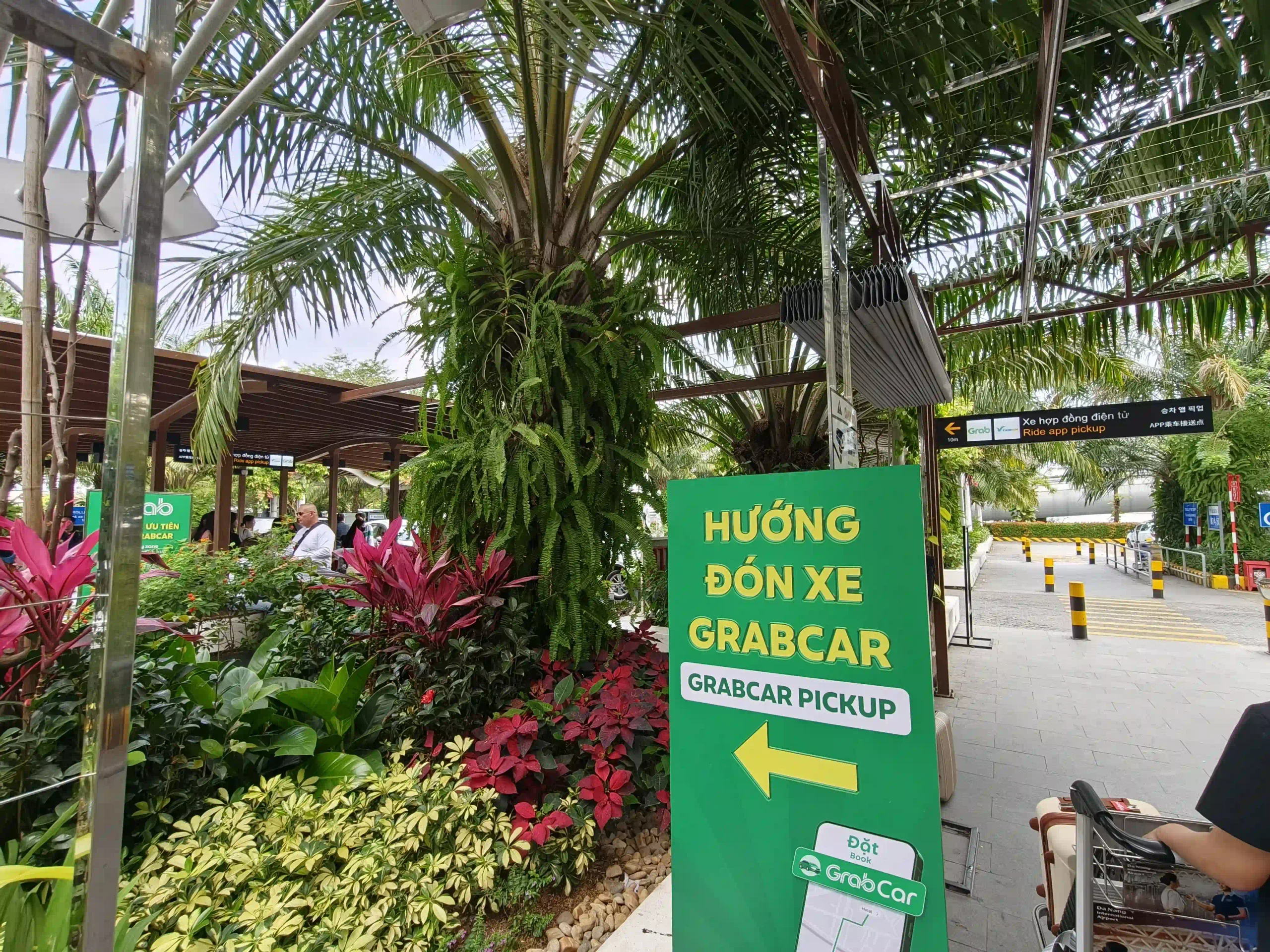
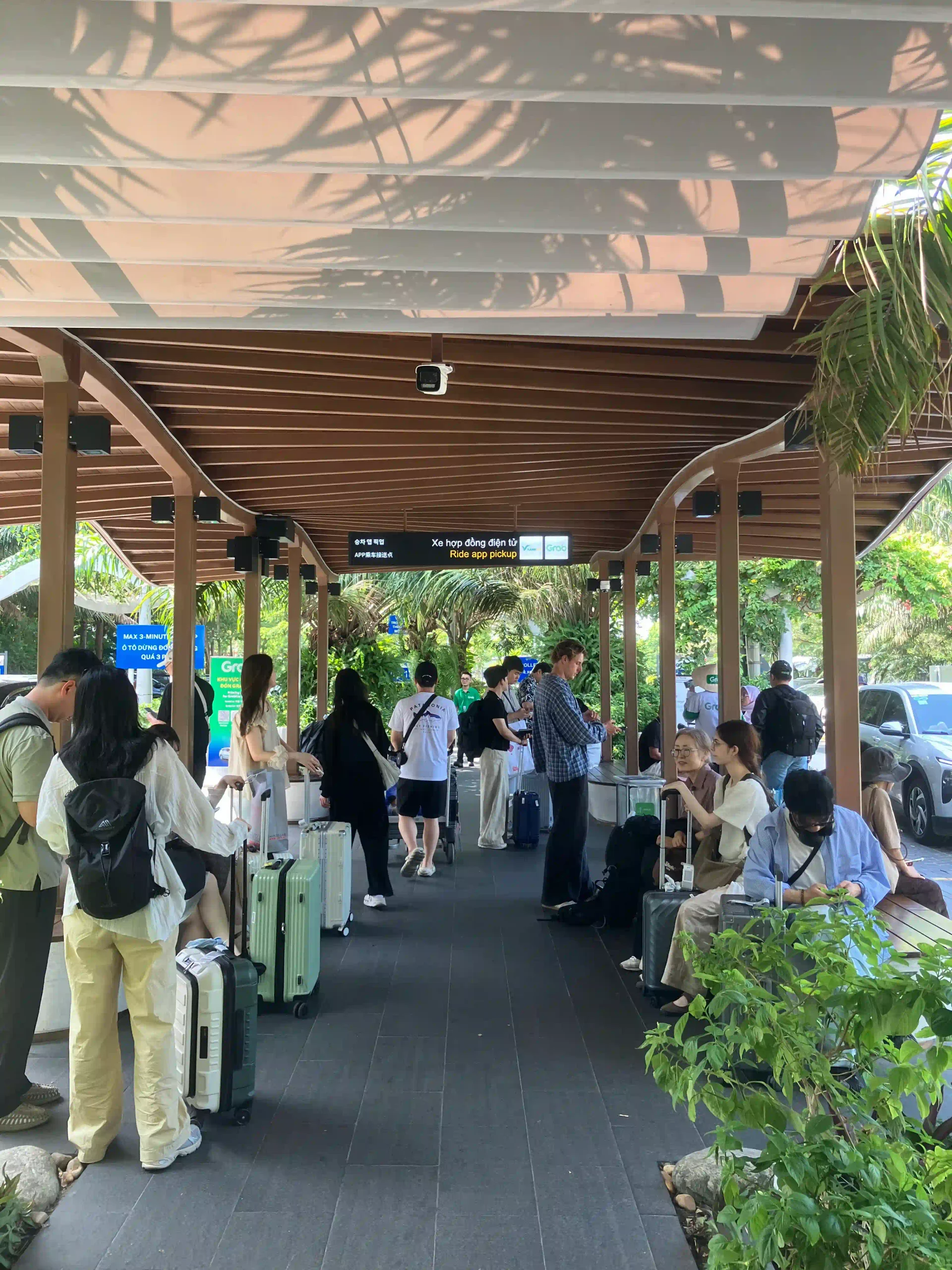
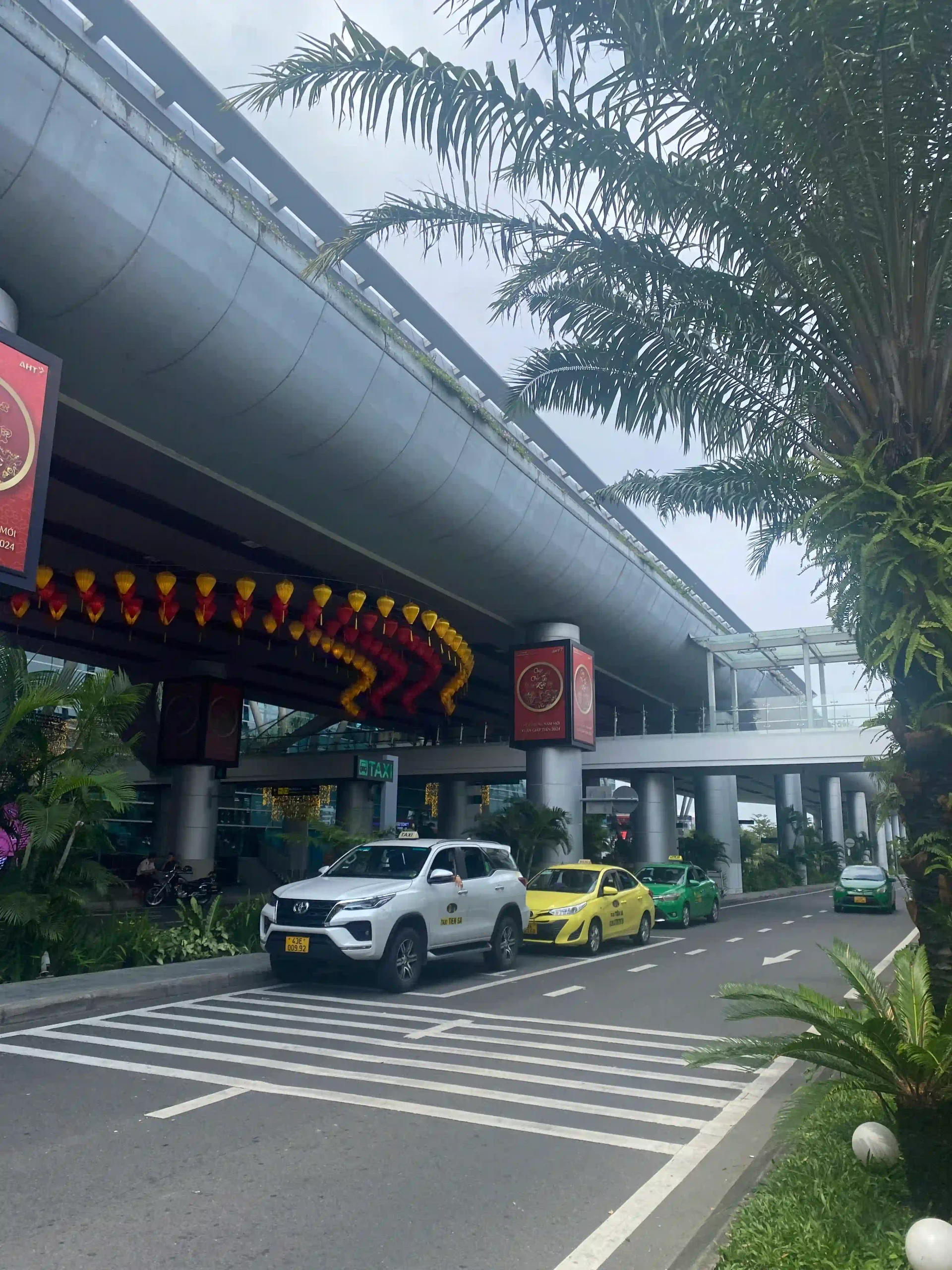
What I’d avoid is the men who approach you inside the terminal quoting a flat price in dollars. Not because it’s a scam exactly, but because it’s always higher than Grab and you have no idea which car you’re getting into.
Going the other way, Grab from Hoi An to Da Nang airport is the same money and easy to book from anywhere in town.
2. A Private Transfer Booked in Advance
Fifteen dollars or so, sometimes as low as $13, and a driver is standing at arrivals with your name written on a card.
The comparison is this. A private car from Da Nang airport to Hoi An costs roughly the same as Grab, sometimes a bit less, and the difference is certainty. You’ve paid, the car exists, and if your flight is late the driver waits.
That matters in three situations and not much otherwise. Landing after 11pm. Travelling with small children and a pile of bags. Or arriving with no Vietnamese SIM and no appetite for sorting one out at midnight.
For everyone else it’s a slightly expensive way to buy peace of mind you probably don’t need on a 30km road.

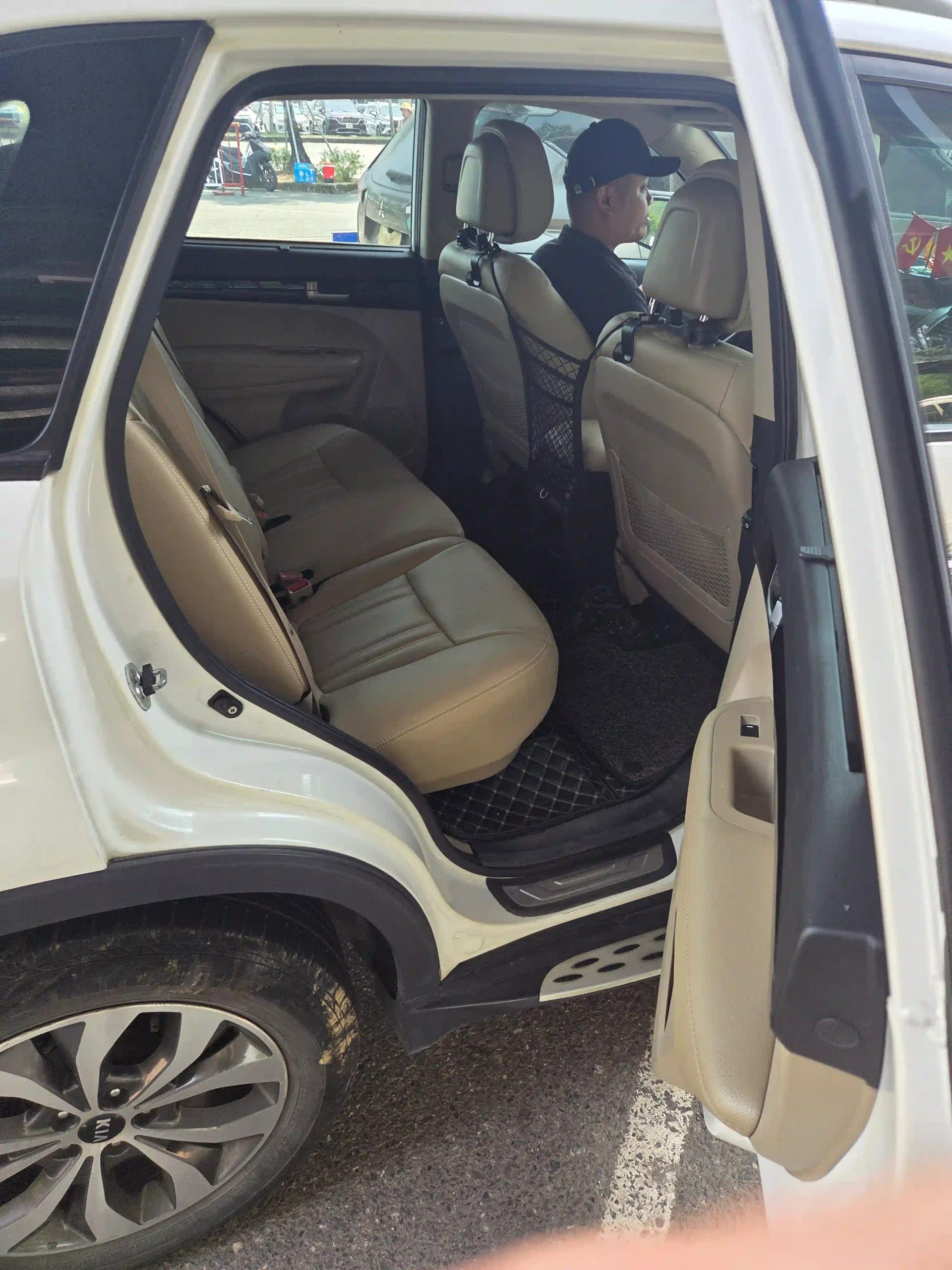

Book the drop-off as your hotel name and address. If you’re staying in the Ancient Town, the car can’t reach the door, because the old town is pedestrianised in the evenings and half the lanes are too narrow anyway. Drivers know this and will get you to the nearest corner, which is fine until you’re wheeling a suitcase over cobbles.
One more argument for reading places to stay in Hoi An before you book anything.
3. The Bus, Both Kinds
The tourist shuttle
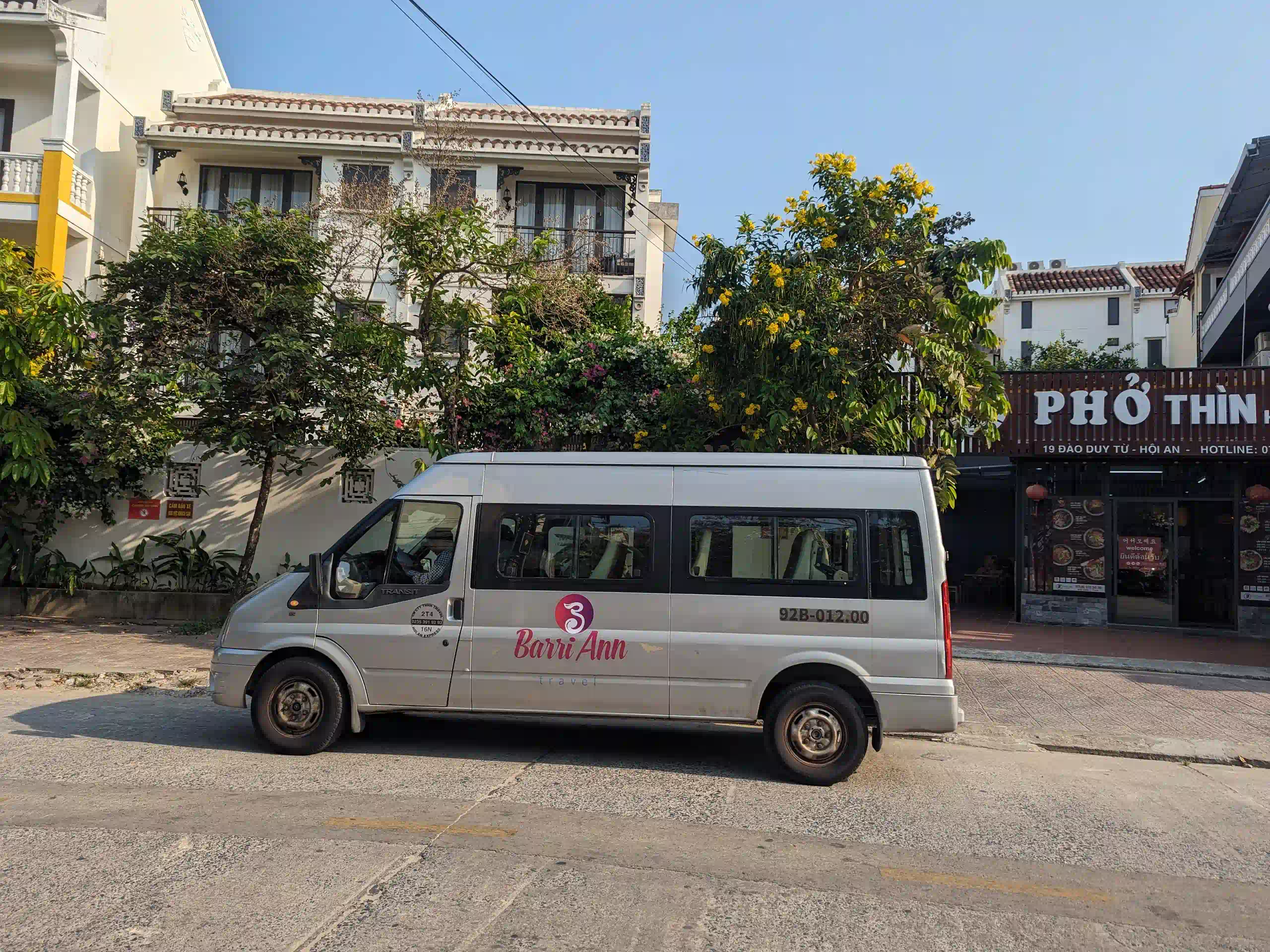
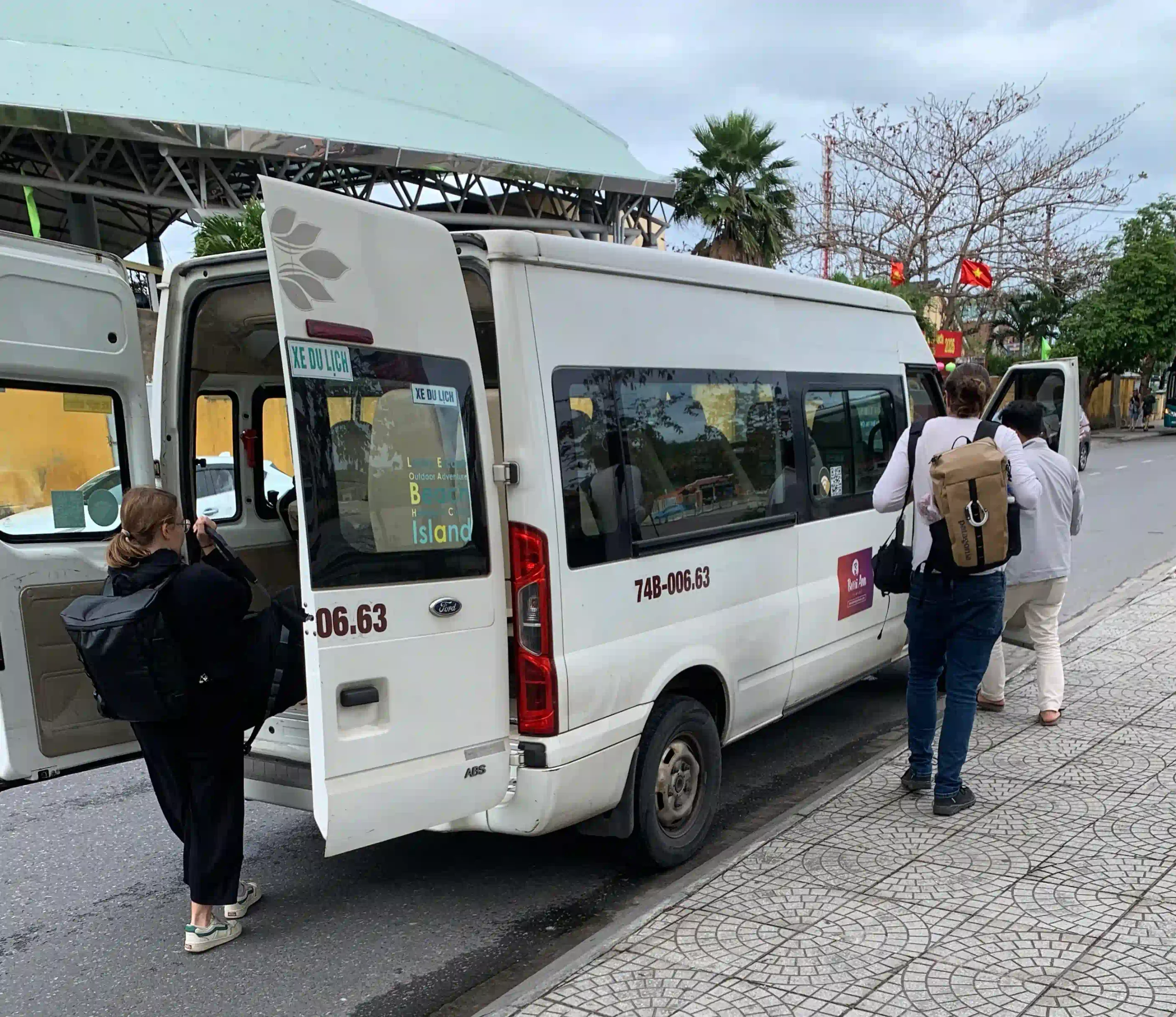
Around $6 a seat. These run from Da Nang airport and from a few pickup points in the city, Cham Museum and the A La Carte hotel among them, and they drop at fixed points in Hoi An including offices on Tran Hung Dao and Lac Long Quan.
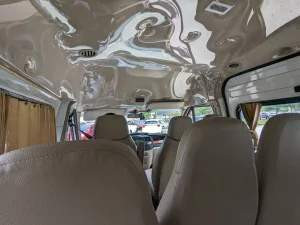
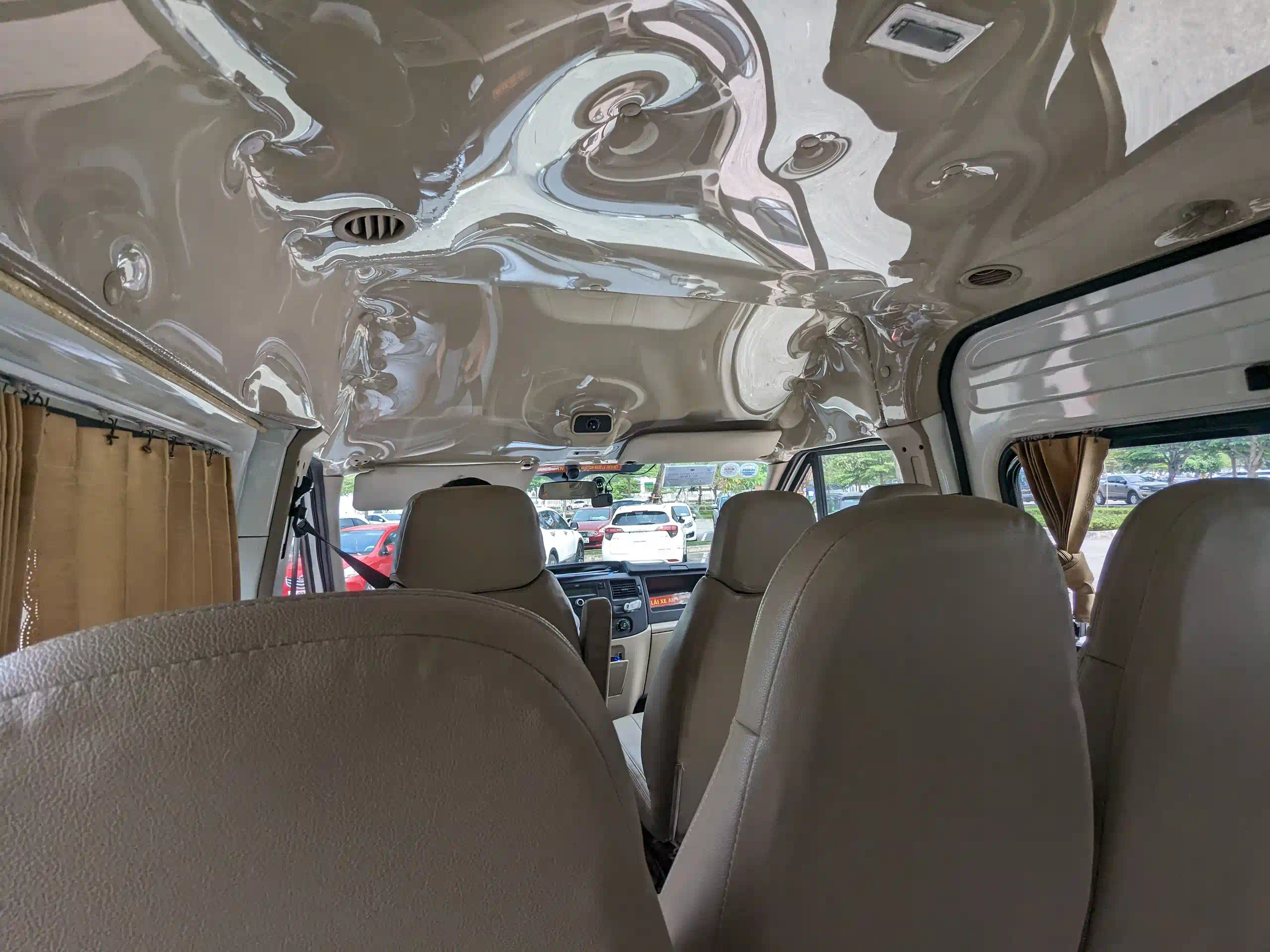
Fixed departures, air conditioning, room for a bag, someone who speaks English, and it goes door to door. For a solo traveller who isn’t in a hurry, this is the sensible budget option and it costs about a fifth of a private car.
It’s also the only bus that touches the airport, which makes it the default for anyone landing without much luggage.
The catch is the timetable. If your flight lands at an awkward hour you’ll wait, and waiting an hour to save $9 is a bad trade after a long flight.


The public bus, and why route 01 isn’t the answer any more
Almost every guide still tells you to take the yellow bus number 01 from Da Nang Central Bus Station straight through to Hoi An bus station for 30,000 dong. That route stopped running, and the advice has been copied around for years since.
What replaced it, in April 2024, is a Phuong Trang operation under the DanaBus and QuangNamBus systems. Same road, new buses, and one change in the middle.
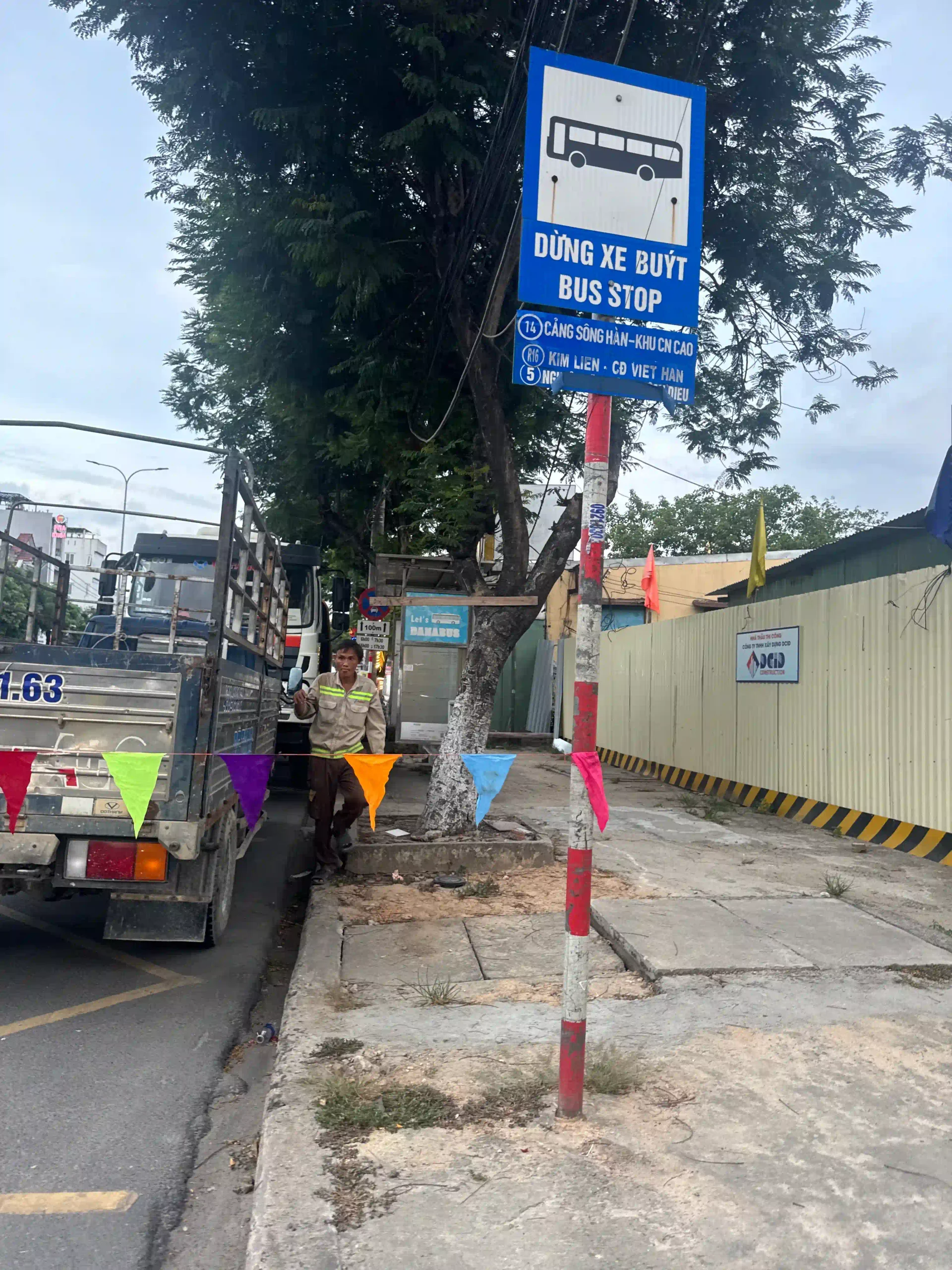
- Route 02: Da Nang Central Bus Station to Viet Han University, 30.5km, out along the coast on Vo Nguyen Giap and Truong Sa.
- Route LK02: Viet Han University to Hoi An and on to Cua Dai beach, 23.2km, past Hoi An bus station and down Ly Thuong Kiet.
Both run from about 5am, every 15 to 25 minutes. Last departures are reported anywhere between 6pm and 7:30pm depending on who you ask, so treat 6pm as the safe cutoff. Children under six and under 1.3m travel free.
The buses themselves are a genuine upgrade on what they replaced. New 26-seaters, automatic doors, air conditioning, free wifi, cameras, a designated seat for wheelchair users, and staff who are meant to have some English.

What it really costs, and where to stand
The official through fare is 35,000 VND. What people actually hand over is 30,000 to 31,000, split as about 16,000 for route 02 and the rest for LK02. Several travellers report paying exactly 30,000 and getting a printed ticket with that number on it, so this is the figure to budget.
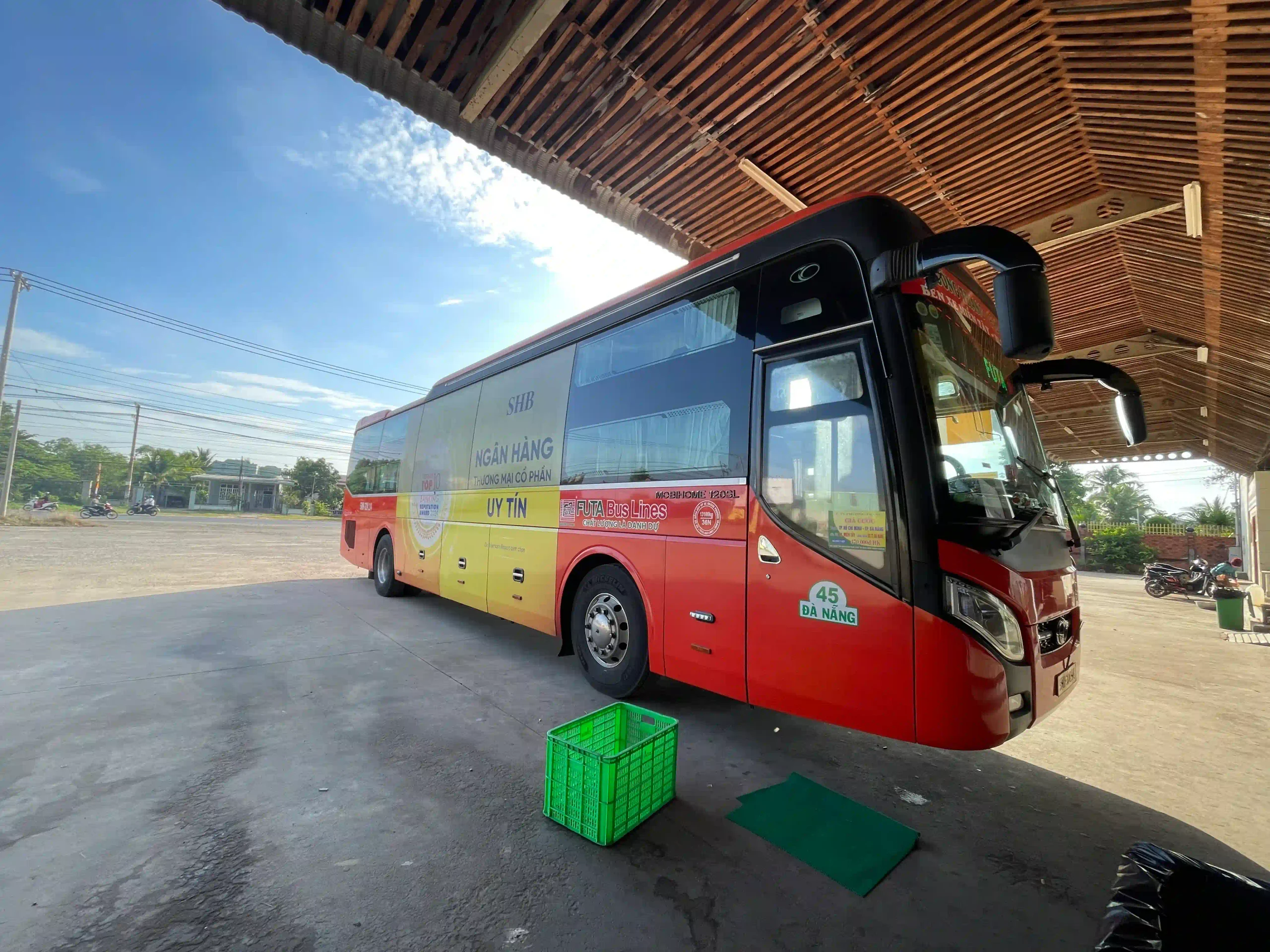
The part nobody tells you: the ticket counter inside the station does not sell Hoi An tickets. Staff there will sometimes tell you the bus doesn’t exist. It does. Walk out of the ticket building, cross to the opposite side, and look for the Futa Bus Lines minibus parked across from the entrance. You pay the driver directly, in cash.
One more thing about that station. If you take a taxi there, agree the fare and then ask about the station exit fee before you get in. It’s 10,000 VND. Drivers have been known to charge 35,000 for it.
Two things to know before you commit.
- It does not go to the airport. Every year people search for the Da Nang airport to Hoi An bus and end up disappointed. You’d have to get from the airport to the central bus station first, which is a taxi, which defeats the point. Take the shuttle instead.
- You have to change buses. Nobody warns you about this and it’s the single biggest difference from the old route 01. You ride 02 to Viet Han University, get off, wait, and get on LK02. It’s a marked stop and it isn’t hard, but it turns a 60-minute trip into 80 or 90, and doing it with a suitcase is miserable.
I still take this when I’m on my own with a backpack, because 30,000 dong is 30,000 dong and the coastal leg is a nice ride. I wouldn’t do it from the airport with luggage, and I wouldn’t put a family on it.
One last thing. LK02 carries on past Hoi An to Cua Dai, so if you’re staying out by the beach you can stay on and skip the taxi at the end. If you’re heading for the old town, get off at Hoi An bus station and it’s about 1km, a short taxi or a 15-minute walk.
4. Riding Yourself
An hour on a rented scooter, and the coast road is a good one, past My Khe and the Marble Mountains with the sea on your left most of the way.
Rental is 120,000 to 150,000 VND a day in Da Nang, and most places will let you drop the bike in Hoi An for a fee if you ask.
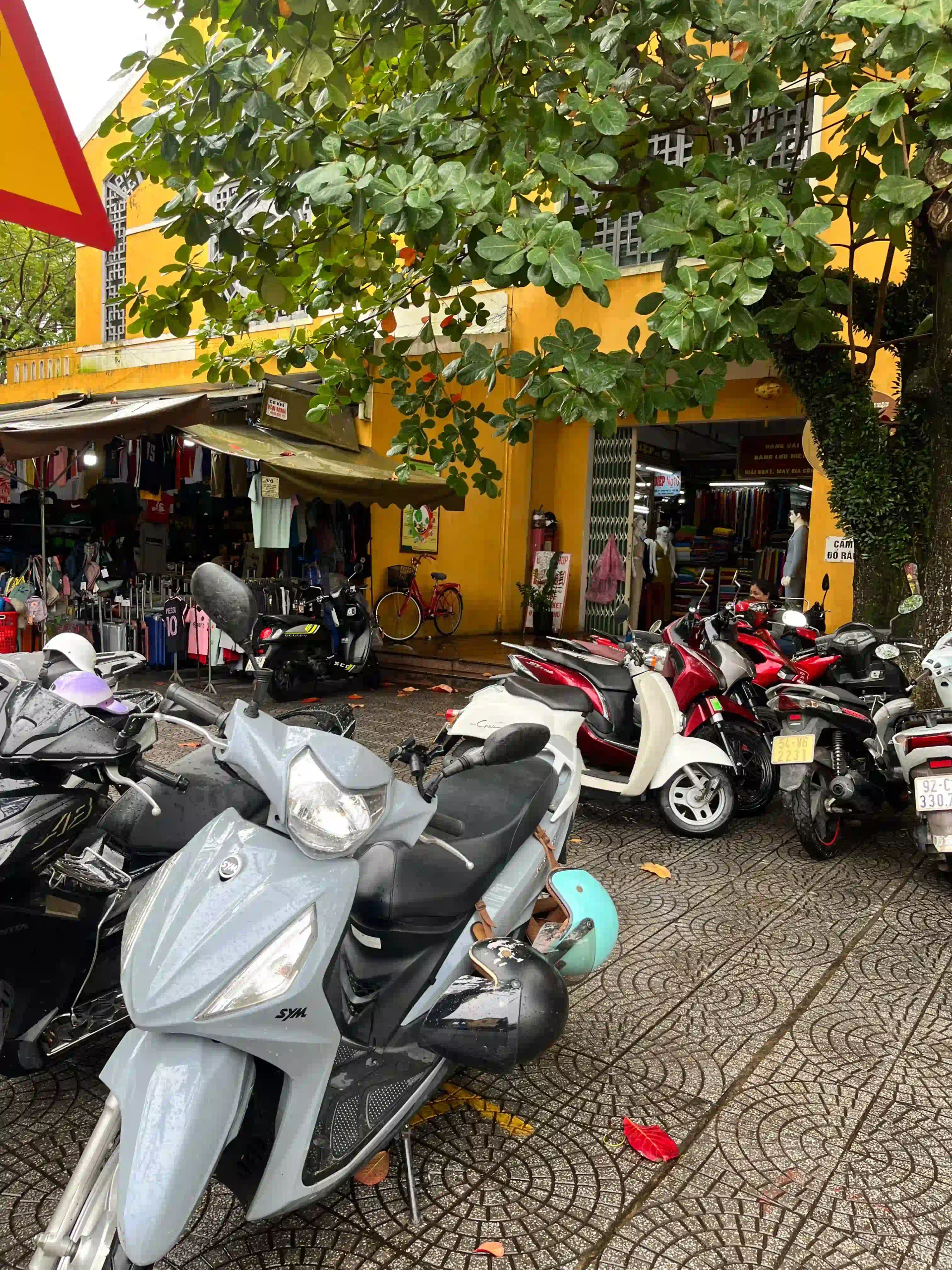
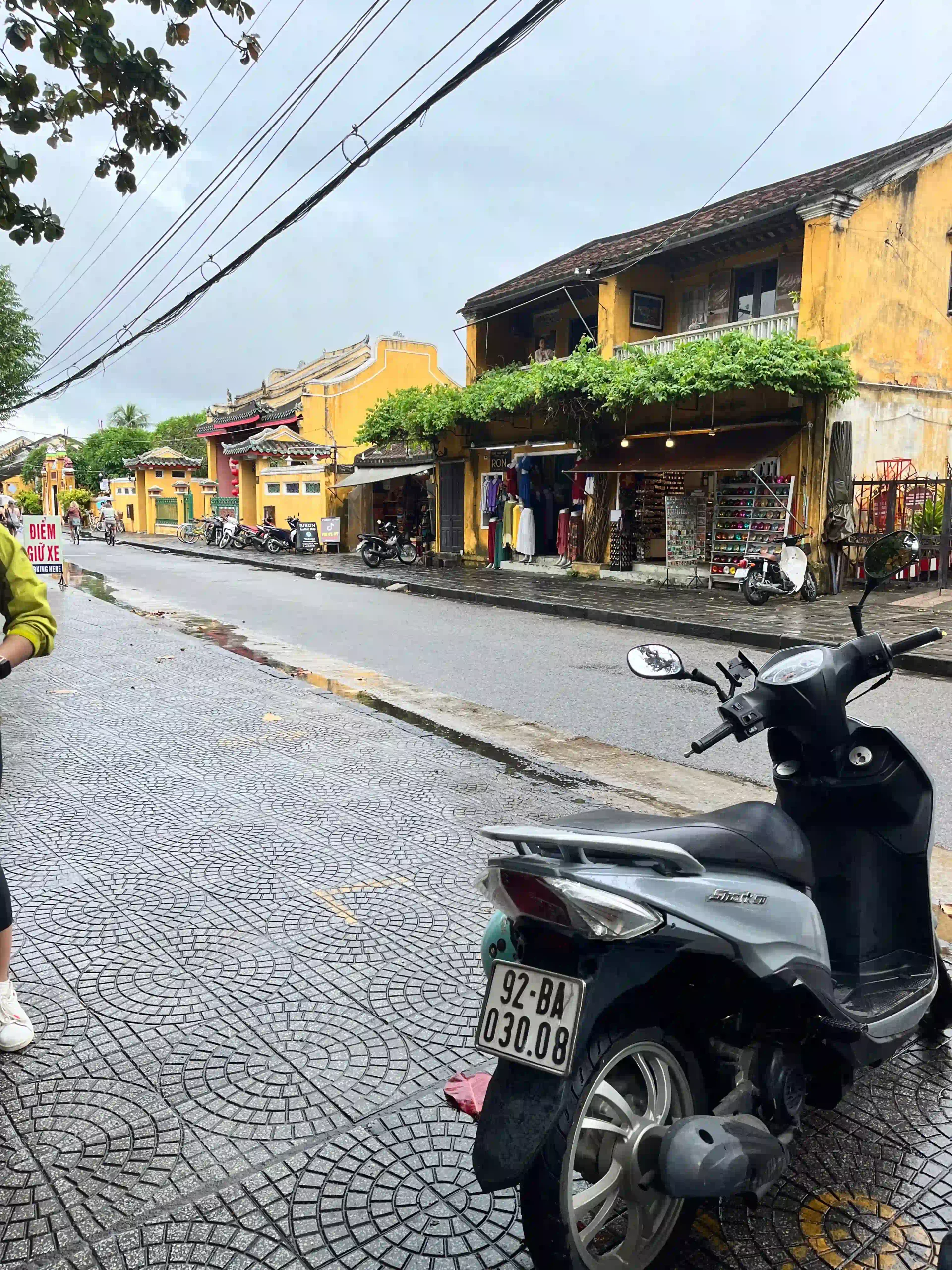
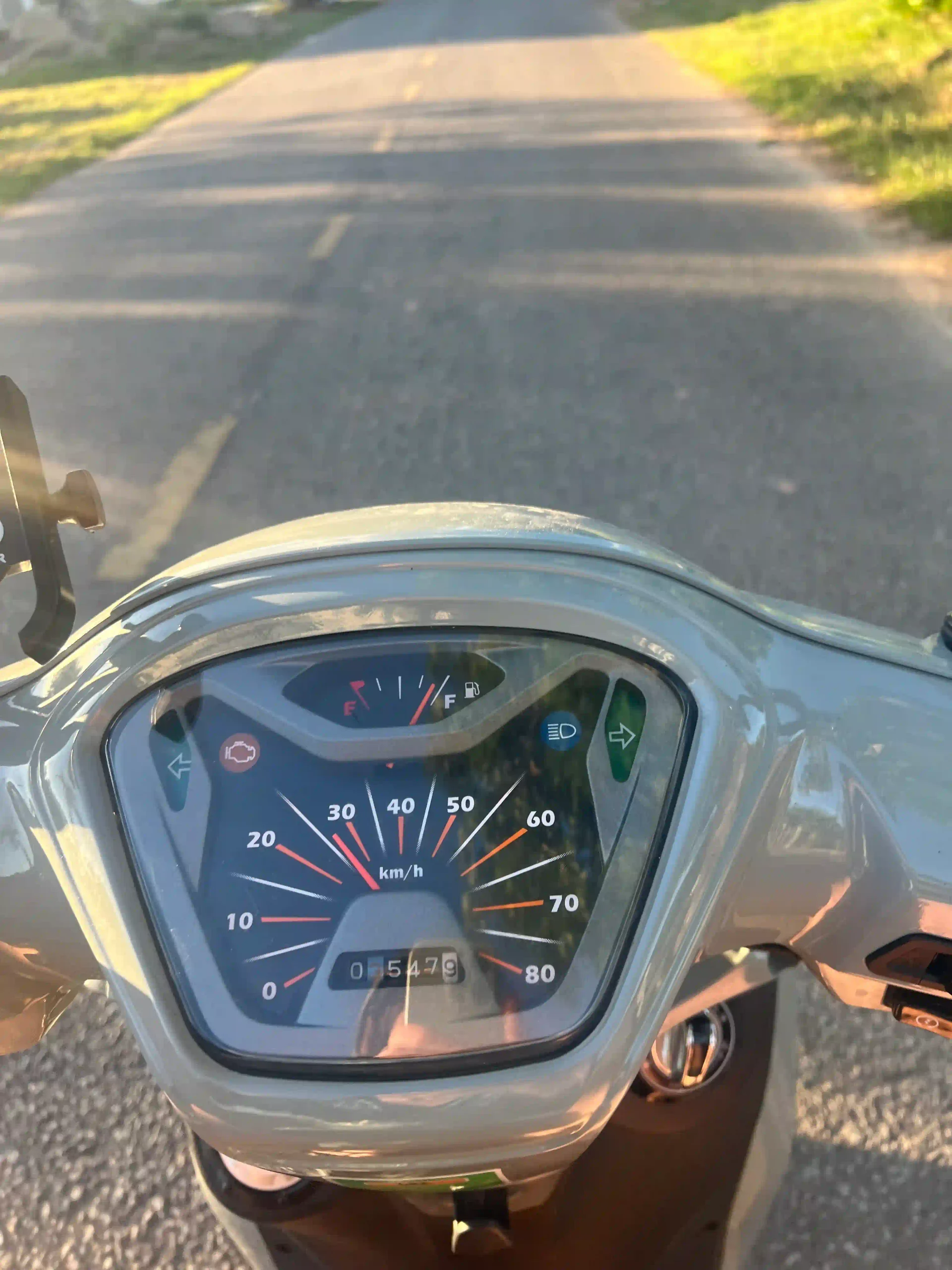
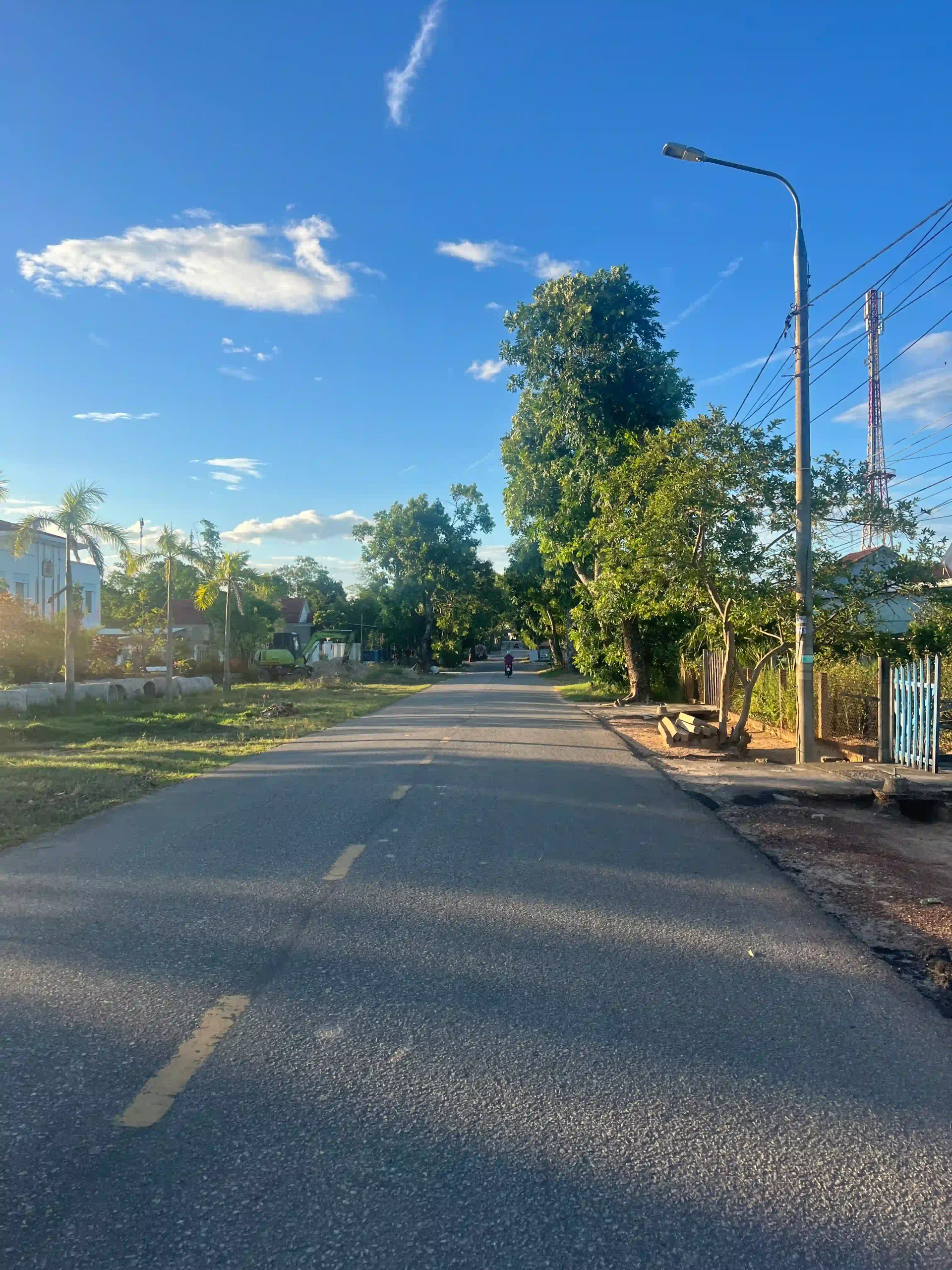

I do this route on a bike often and I still won’t recommend it to a first-time visitor. Vietnamese traffic is not difficult in a technical sense, it’s difficult in a what-is-that-truck-doing sense, and the stretch through Ngu Hanh Son has a lot of everything on it.
Insurance is the other thing. Most travel policies won’t pay out on a motorbike claim without a licence valid in Vietnam, and an international permit alone usually isn’t enough.
If you’re an experienced rider who’s already spent time on Vietnamese roads, take the bike. If your riding experience is a moped in Greece, take the Grab and rent a bicycle in Hoi An instead, where it’s flat and slow and much more fun.
What Doesn’t Exist, So You Can Stop Looking
- There is no train to Hoi An. The nearest station is Da Nang, 30km north. Tra Kieu station is closer at about 18km but almost nothing useful stops there. If you’re arriving on the Reunification Express, you get off at Da Nang and take one of the options above.
- There is no flight to Hoi An. No airport. Da Nang International is the one, 30km away, and it’s the airport everyone means.
- There’s no scheduled boat. The rivers connect, more or less, but there’s no regular passenger service between the two.
- And there’s no direct public bus any more. Route 01 is gone, whatever the older guides say.
That’s four of the most searched Da Nang to Hoi An transport questions and the answers are all much the same. It’s a road. Pick a vehicle.
The Best Way to Get to Hoi An from Da Nang, by Situation
| Your situation | Take |
|---|---|
| Landing at Da Nang airport, daytime | Grab |
| Landing after 11pm | Pre-booked private transfer |
| Family with kids and bags | Private transfer, seven-seater |
| Solo, budget, arriving at the airport | Tourist shuttle |
| Already in Da Nang city, light bag | Public bus 02, change to LK02 |
| Staying out at Cua Dai beach | LK02 all the way to the end |
| Confident rider, decent weather | Scooter down the coast |
| Day trip from Da Nang to Hoi An | Grab both ways, or a hired car for the day |
On that last one. A Da Nang to Hoi An day trip works, plenty of people do it, but the town is at its best after dark when the lanterns are lit and the day tours have gone. Two Grabs costs less than most organised day tours and gives you the evening. I’ve made the longer argument for staying over in Hoi An itinerary, and the case for the town itself is in is Hoi An worth visiting.
Going Back: Hoi An to Da Nang Airport
Give yourself more time than you think.
The Hoi An to Da Nang airport run is the same 30km but the afternoon is worse than the morning, and between 4pm and 6pm the approach into Da Nang is slow. For a flight leaving at 7pm I’d be in the car by 3:30.
Grab works from anywhere in Hoi An. Hotels will book a car for you at a markup of about 100,000 VND, which is worth paying if you’re leaving at 5am and don’t fancy your chances on the app.
The public bus runs back the same way, LK02 then 02, and the last ones go in the early evening. Fine for a daytime departure, useless for an evening flight, and it drops you at the central bus station, not the terminal, so there’s a taxi at the end anyway.
Questions I Get Asked
How do I get from Da Nang to Hoi An? Grab or a taxi for most people, 45 minutes and 250,000 to 400,000 VND. A pre-booked private car if you’re landing late, the tourist shuttle at $6 if you’re alone and not in a hurry, the public bus at 30,000 VND if you have time and a small bag.
How far is Hoi An from Da Nang? About 30 km, or 18 miles, from either the airport or the city centre. Flat coastal road, 40 to 50 minutes.
How much is a taxi from Da Nang to Hoi An? A metered taxi is 400,000 to 450,000 VND. Grab is cheaper at 250,000 to 400,000 and you see the price before you book.
What’s the best way to get to Hoi An from Da Nang airport? Grab, unless you’re landing after 11pm or travelling with children and a lot of luggage, in which case book a private transfer before you fly.
Is there a bus from Da Nang airport to Hoi An? Only the tourist shuttle, around $6. The public bus does not reach the airport.
How much is the public bus? 30,000 to 31,000 VND in practice, paid to the driver. You change buses once, at Viet Han University.
Is there a train from Da Nang to Hoi An? No. Hoi An has no station and never has. Da Nang station is the nearest.
Can I do Hoi An as a day trip from Da Nang? Yes, and I’d still stay a night. The town is better after the coaches leave than it is at any point during the day.
The Short Version
Thirty kilometres, forty-five minutes, five ways to do it, and the whole spread from cheapest to dearest is about fifteen dollars.
Land in daylight with a phone that works, open Grab, and you’re in Hoi An before you’ve finished reading this page. Land after eleven at night with two children and four bags, book the car in advance. Everything else on this page is the detail behind those two sentences.
The one number that moves is the Grab fare, which swings on weather, time of day and how many flights have just landed. I’ve seen the same trip come up at 260,000 and at 420,000 within a week, so check it on the app before you commit to anything else.

Keep Exploring Hoi An
-
See & do UltimateMy 7 favorite things to do in Hoi An as an expat ›
-
Guide Must readIs Hoi An worth visiting or overrated now in 2026 ›
-
GuideHoi An lantern festival 2026: Dates & ultimate local guide ›
-
GuideI lived in Hanoi & Hoi An: Which is better for first-timers? ›
-
GuideHai Van Pass Easy Rider from Hoi An to Hue: Prices & advice ›











 Tiếng Việt
 한국어
한국어 中文 (中国)
 日本語
日本語 ไทย
ไทย Deutsch
 Español
 Destinations
 Instagram
 Facebook
 X (Twitter)
 Threads
 Tiktok