









 Ha Giang
 Hanoi
Hanoi Ho Chi Minh City
 Ha Long
 Sapa
Sapa Mekong Delta
 Da Nang
 Hue
Hue Hoi An
 Ninh Binh
 Da Lat
 Nha Trang
 Phan Thiet
 Phu Quoc
 Quang Binh
 Quy Nhon
 Vung Tau
 Thai Nguyen
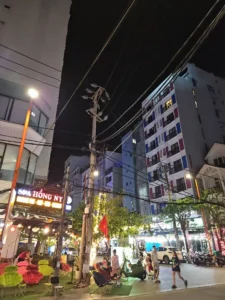



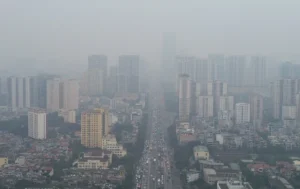



Hanoi and Da Nang are essentially two different countries under the same flag. If you are planning a trip to Vietnam or looking to base yourself here for a few months, trying to choose between them by staring at booking sites or standard travel maps is useless. The geography makes them look like close neighbors, but the daily reality of walking their streets, breathing their air, and eating their food is completely different.
One is a 1,000-year-old maze of narrow alleys where history sits right on the pavement, and the other is a rapidly modernized coastal hub built around clean beaches and massive suspension bridges.
The decision shouldn’t be about which city is “better.” It’s about what you are willing to tolerate. Hanoi offers some of the best street food on earth, but you pay for it in noise, traffic gridlock, and seasonal air pollution. Da Nang offers clean air, cheap beach apartments, and an incredibly easy daily commute, but it lacks the dense, raw cultural character that makes the north so fascinating.
Let’s look at the actual details of both cities in 2026, from rent prices and traffic safety to the street food culture and typhoon seasons, so you can decide which one actually fits the pace you want to travel.
- Quick answer: The best Hanoi vs Da Nang decision basically comes down to your tolerance for noise. Choose Hanoi if you care strictly about finding the best street food, getting lost in historical alleys, and you don’t mind heavy traffic and bad air quality in the winter. Choose Da Nang if you just want to rent a scooter on wide empty roads, go to My Khe beach, eat cheap seafood, and work from cafes with reliable AC.
- Logistics & Walkability
- Hanoi: Very poor walkability. Sidewalks are occupied by parked scooters and businesses, forcing you to walk on the active road. You rely heavily on Grab bike ride-hailing to get anywhere.
- Da Nang: Highly walkable, especially near the beach. Wide, paved streets with functioning traffic lights make it the easiest city in Vietnam to navigate yourself by renting a scooter.
- Weather & Environmental Realities
- Air Quality: Hanoi struggles with severe seasonal smog (PM2.5) from November to March due to geographic inversions. Da Nang’s coastal winds keep the air consistently clear year-round.
- Climate: Hanoi has freezing, damp winters and suffocatingly humid summers. Da Nang remains warm year-round but experiences heavy street flooding and typhoons during October and November.
- The Food Scene
- Northern Flavors (Hanoi): Famous for delicate, savory bone broths (Pho Bo, Bun Cha, Bun Rieu) eaten at tiny, cramped street stalls tucked deep inside historical alleys.
- Central Flavors (Da Nang): Focused heavily on fresh seafood, chili spices, and regional specialties like Mi Quang (turmeric noodles) and rice paper pork wraps.
- Day Trips & Basecamp Convenience
- Hanoi: Sights like Ha Long Bay, Ninh Binh, or Sapa are stunning but require exhausting 2.5 to 6-hour road trips each way.
- Da Nang: Incredibly convenient. Hoi An ancient town is a 35-minute taxi ride, and the scenic Hai Van Pass road is right at your doorstep.
- The Expat & Nomad Lifestyle
- Hanoi: Expats cluster in the Tay Ho (West Lake) area, trading air quality for a deeply integrated community, complex historical alleys, and a massive independent cafe scene.
- Da Nang: Digital nomads gather in the An Thuong beach district, enjoying modern serviced apartments, Western gyms, and a relaxed, oceanfront daily routine.
Walkability and the daily commute
The biggest shock you deal with when comparing Hanoi vs Da Nang is how much personal space you have on the street.
In Hanoi
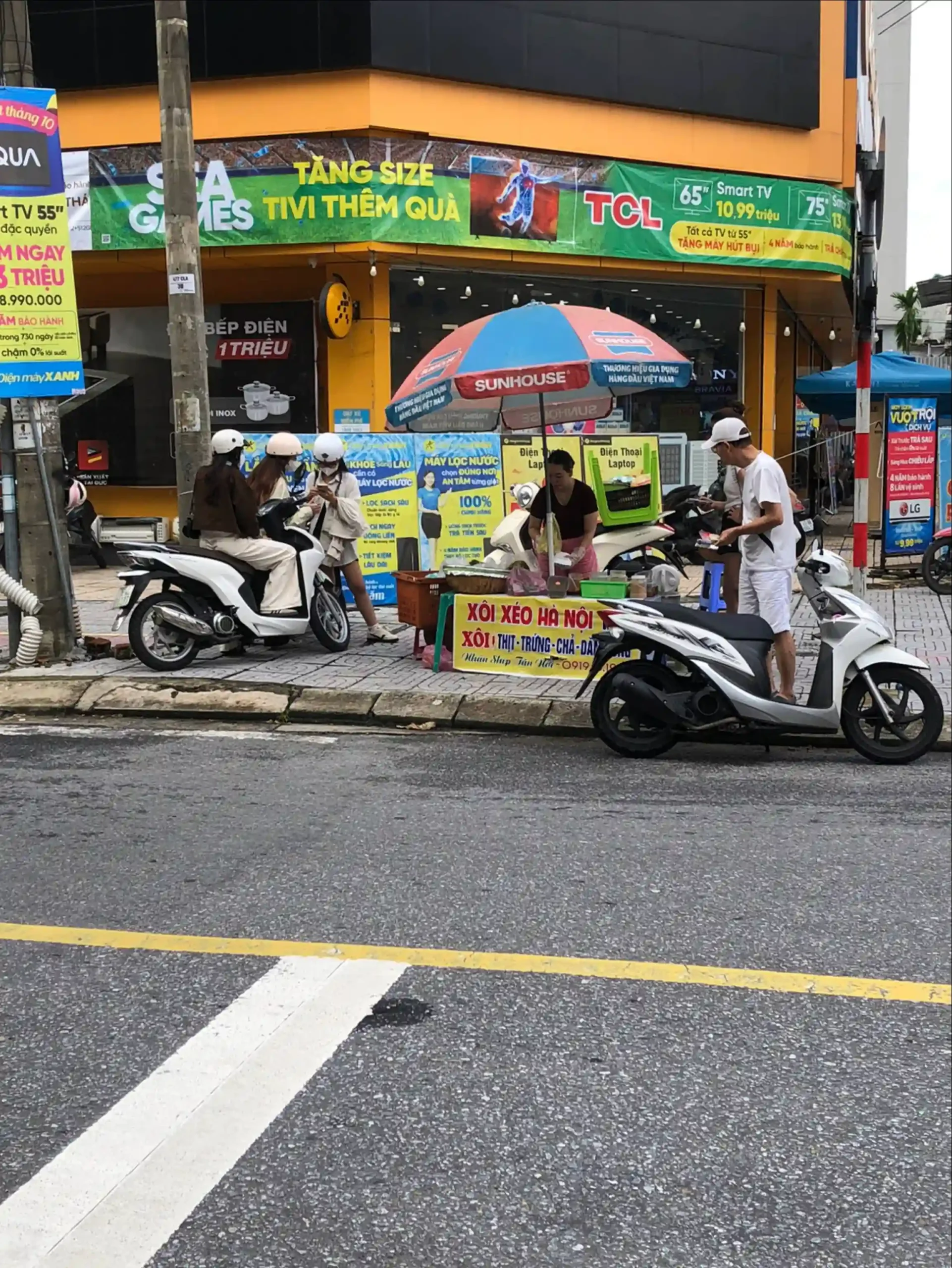
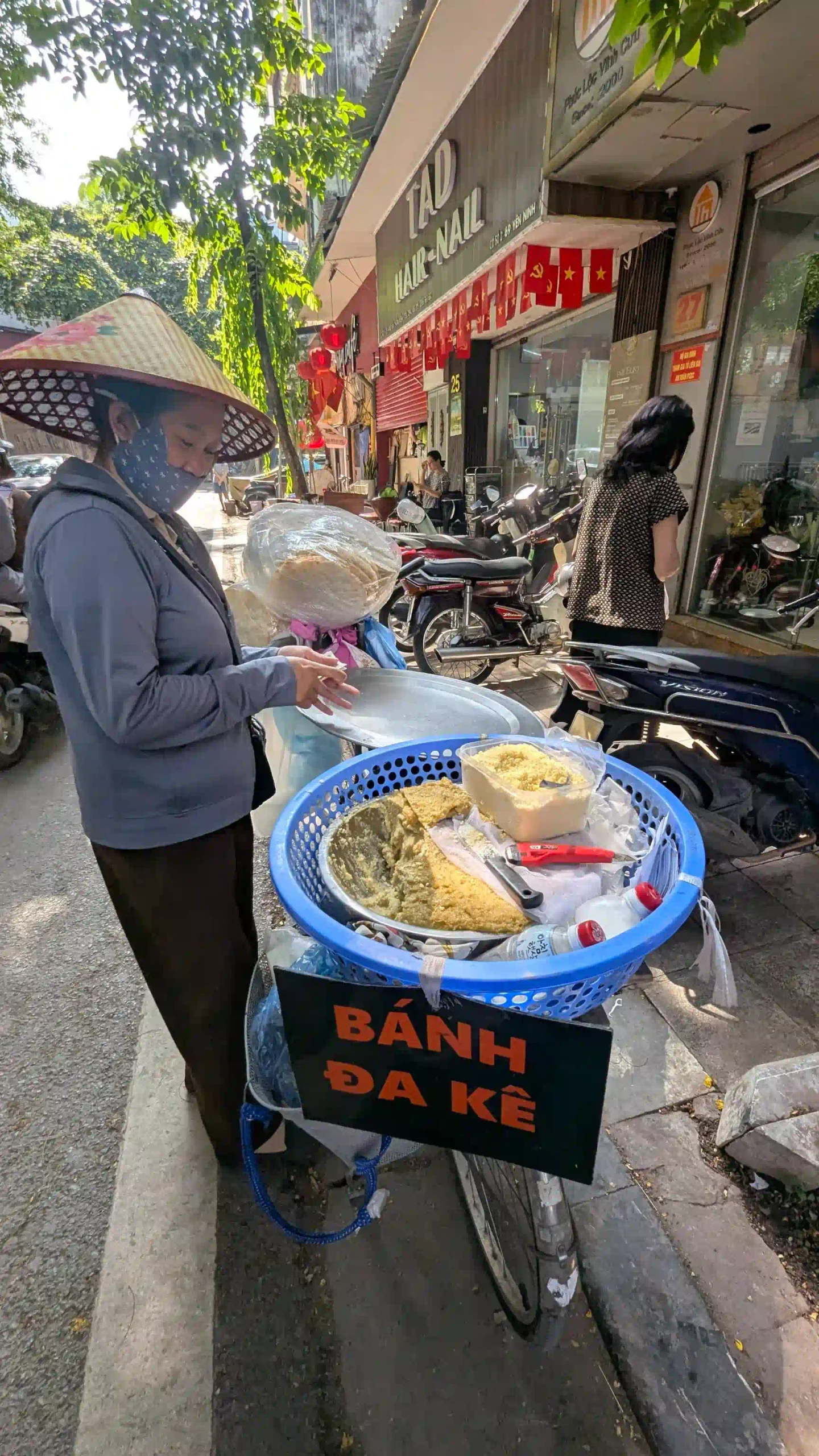
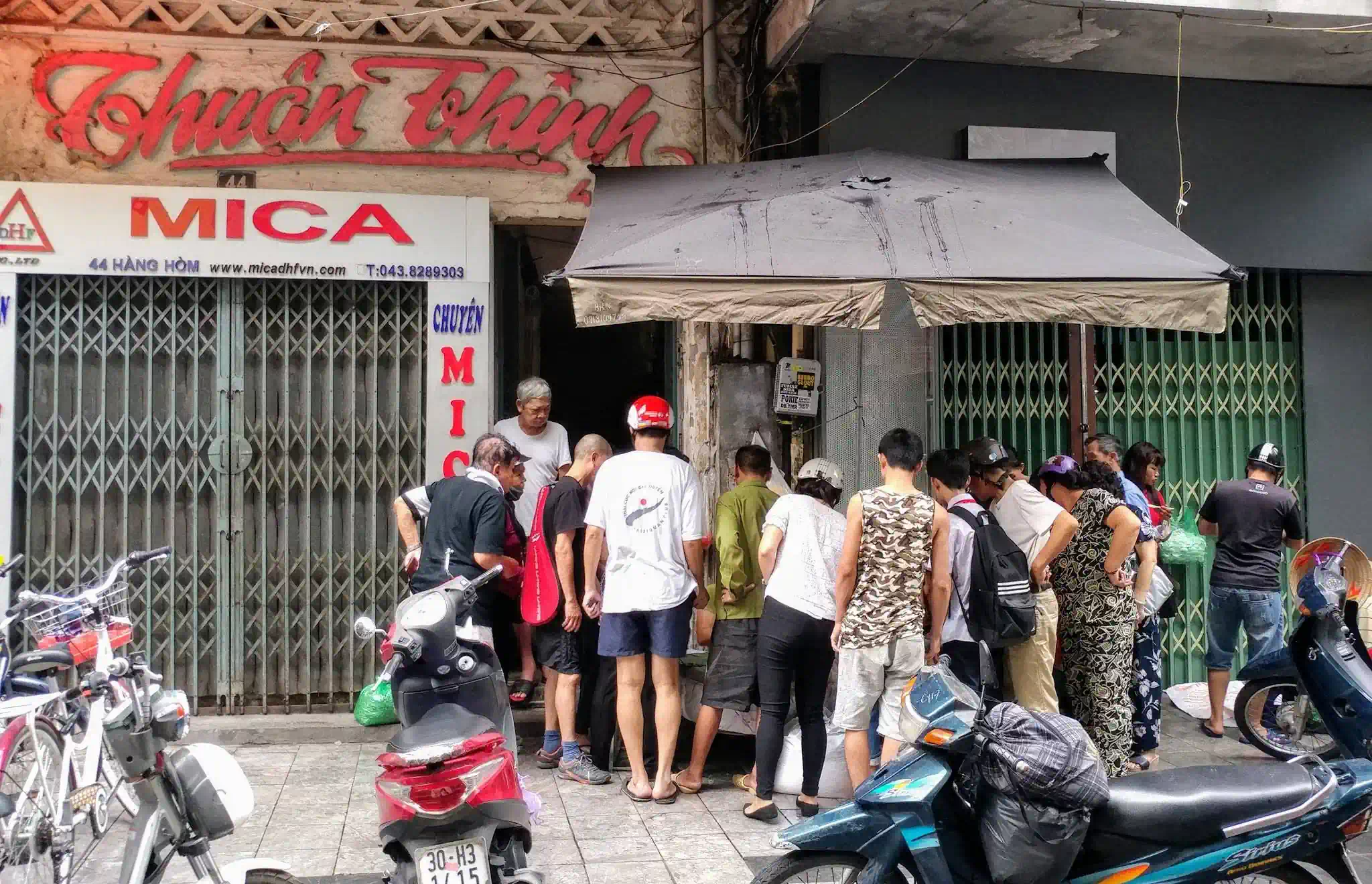
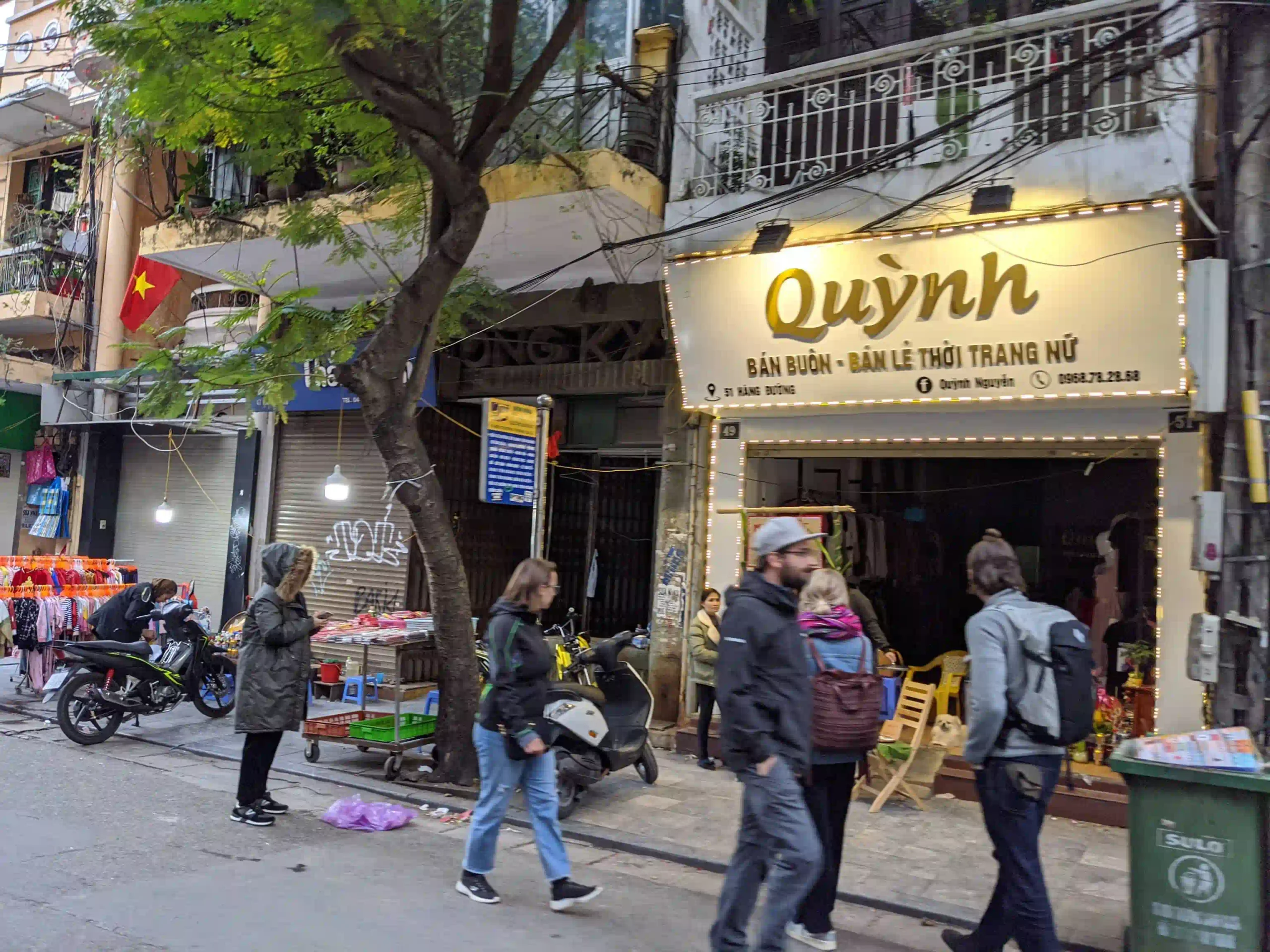
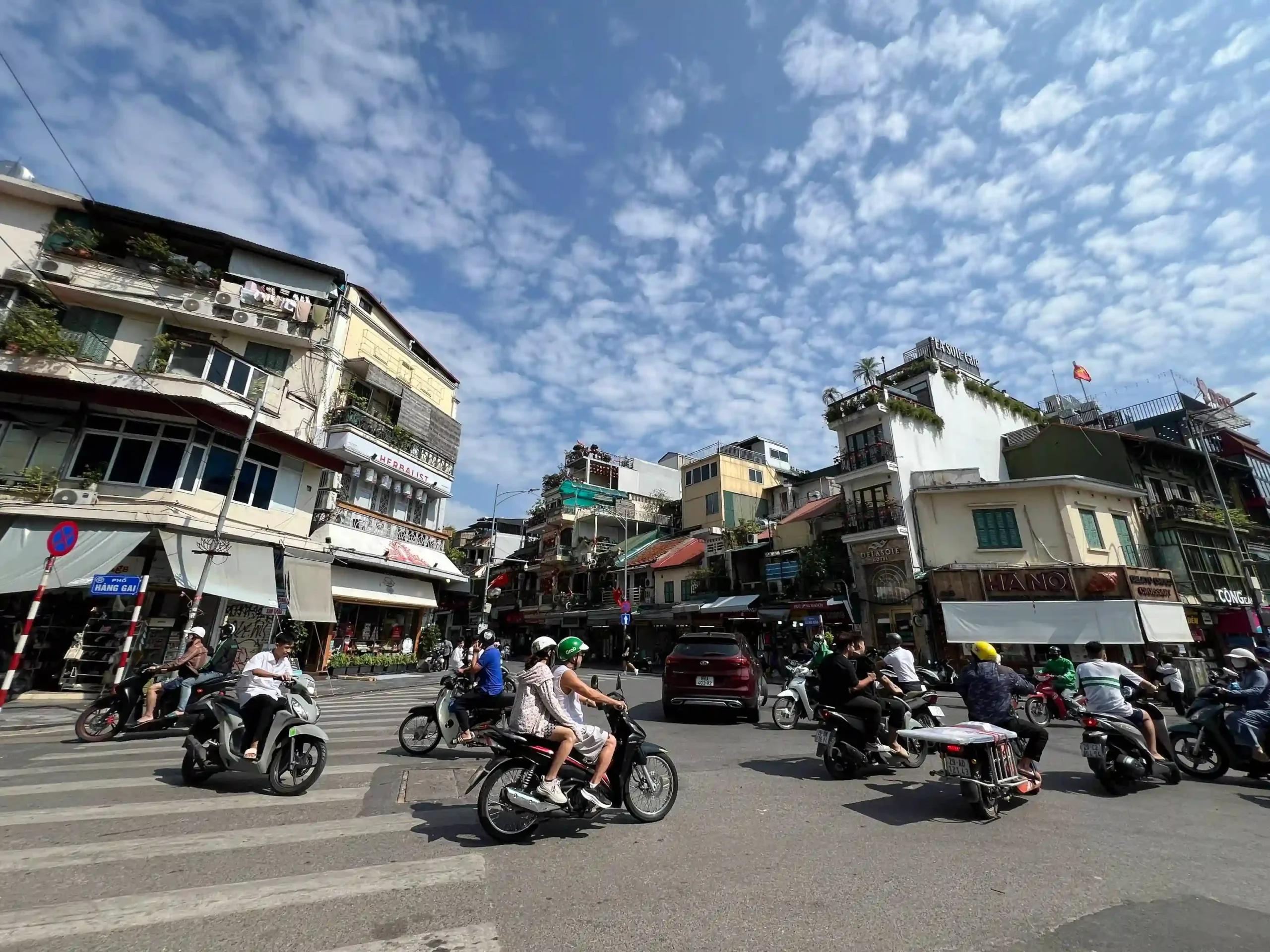
Hanoi was never designed for the number of people who currently live in it. In the central districts like Hoan Kiem or Ba Dinh, the sidewalks are almost purely functional storage spaces for locals. People park their scooters there, vendors put out charcoal stoves to cook meat, and kids play.
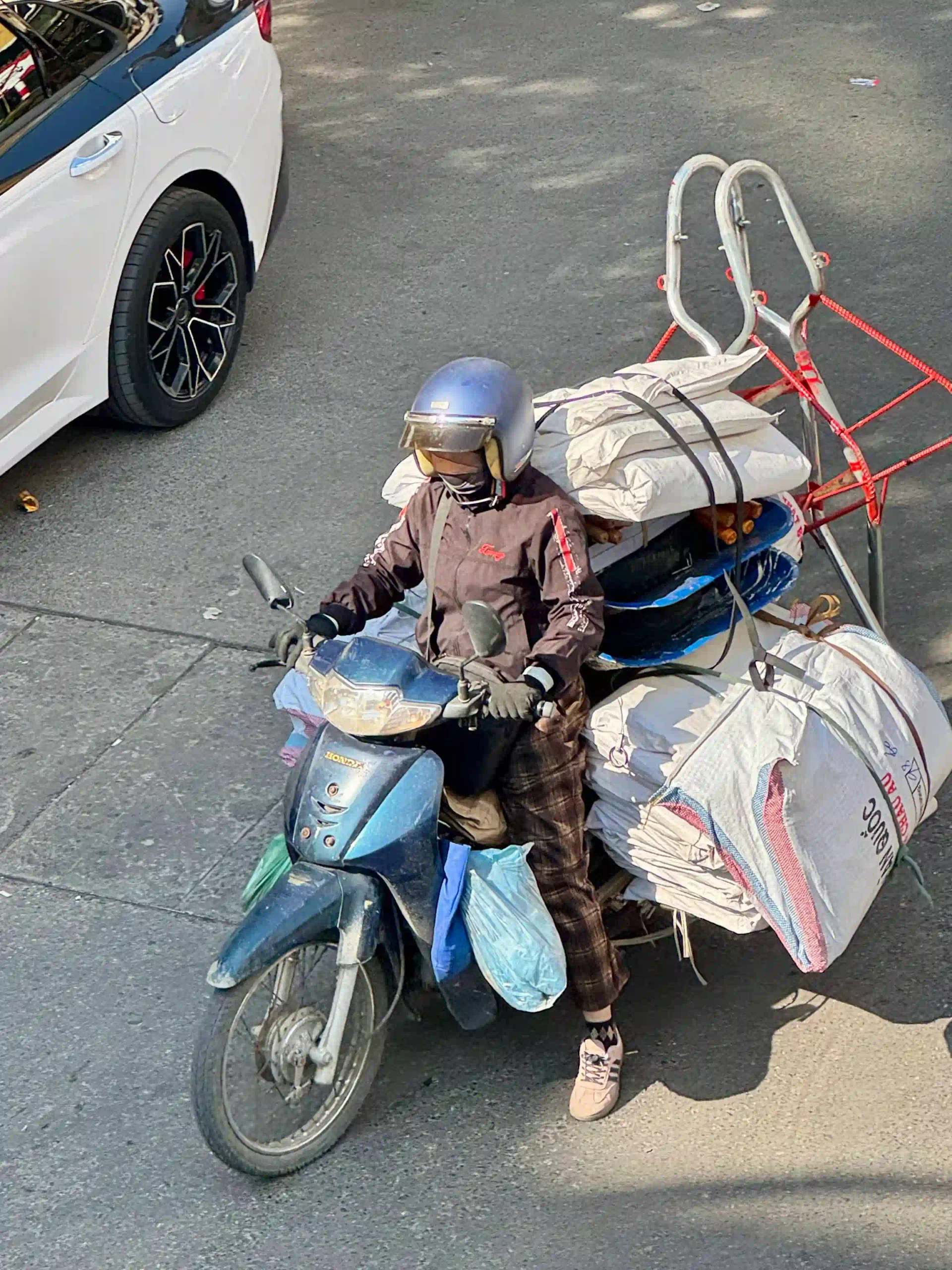
You cannot walk down a sidewalk for more than thirty seconds without having to step out into the road. And when you step out into the road, you are instantly swallowed by the motorbike traffic. You get used to it eventually, you learn how to walk slowly and let the bikes go around you, but for a tourist it’s mentally exhausting. You just end up booking a Grab bike for a distance of 800 meters because it’s easier than walking.
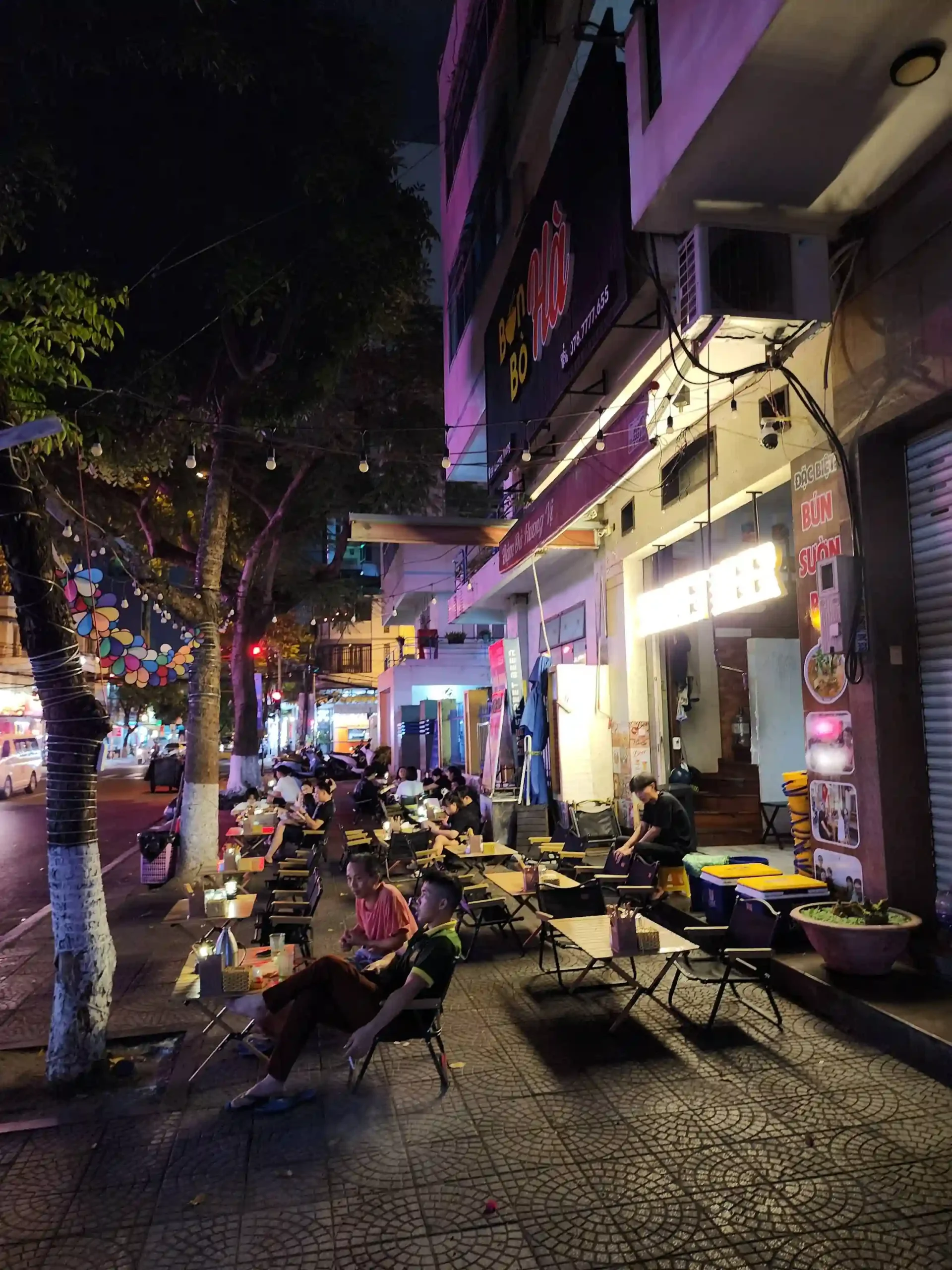
In Da Nang
Da Nang feels entirely different.
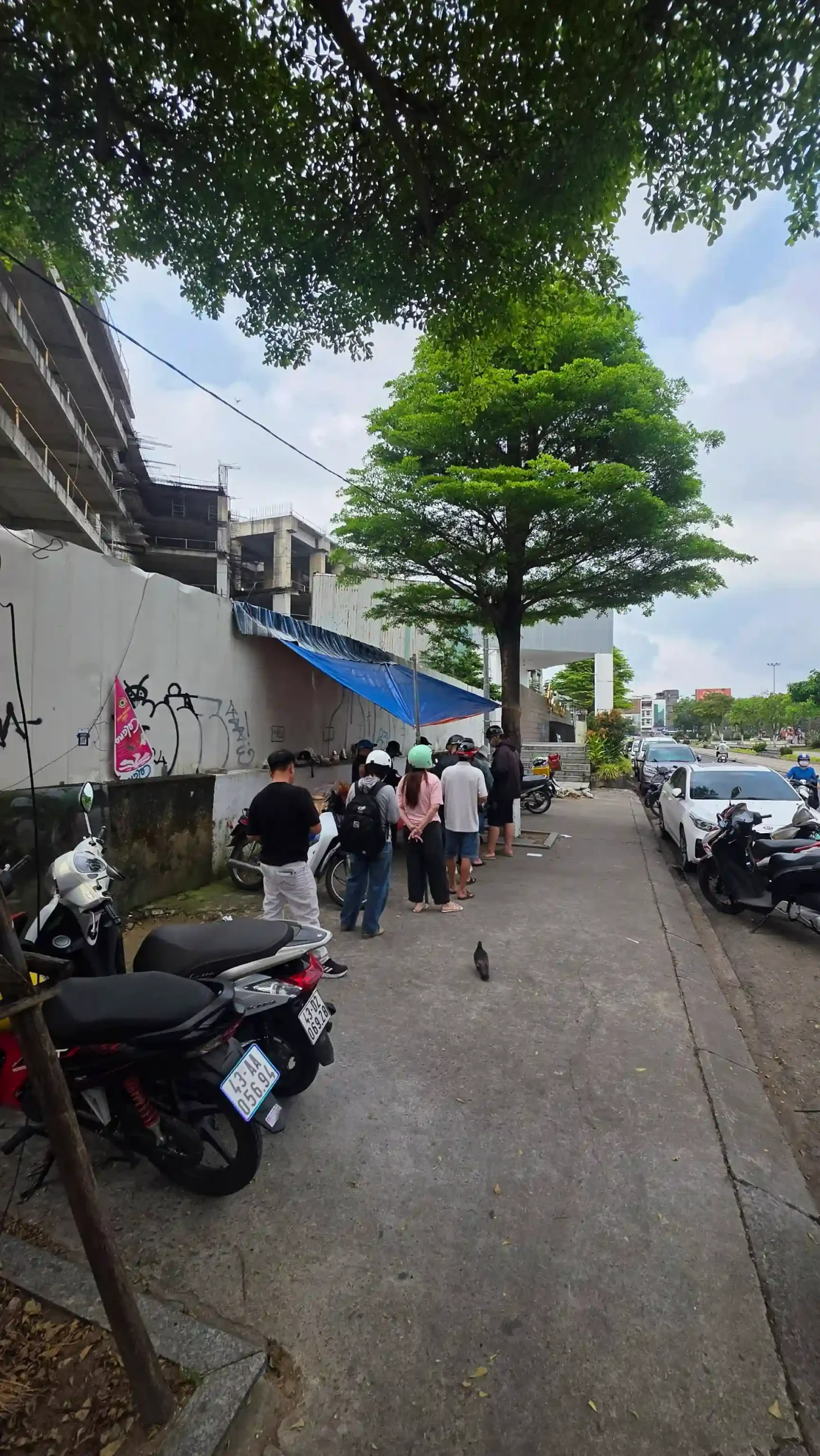
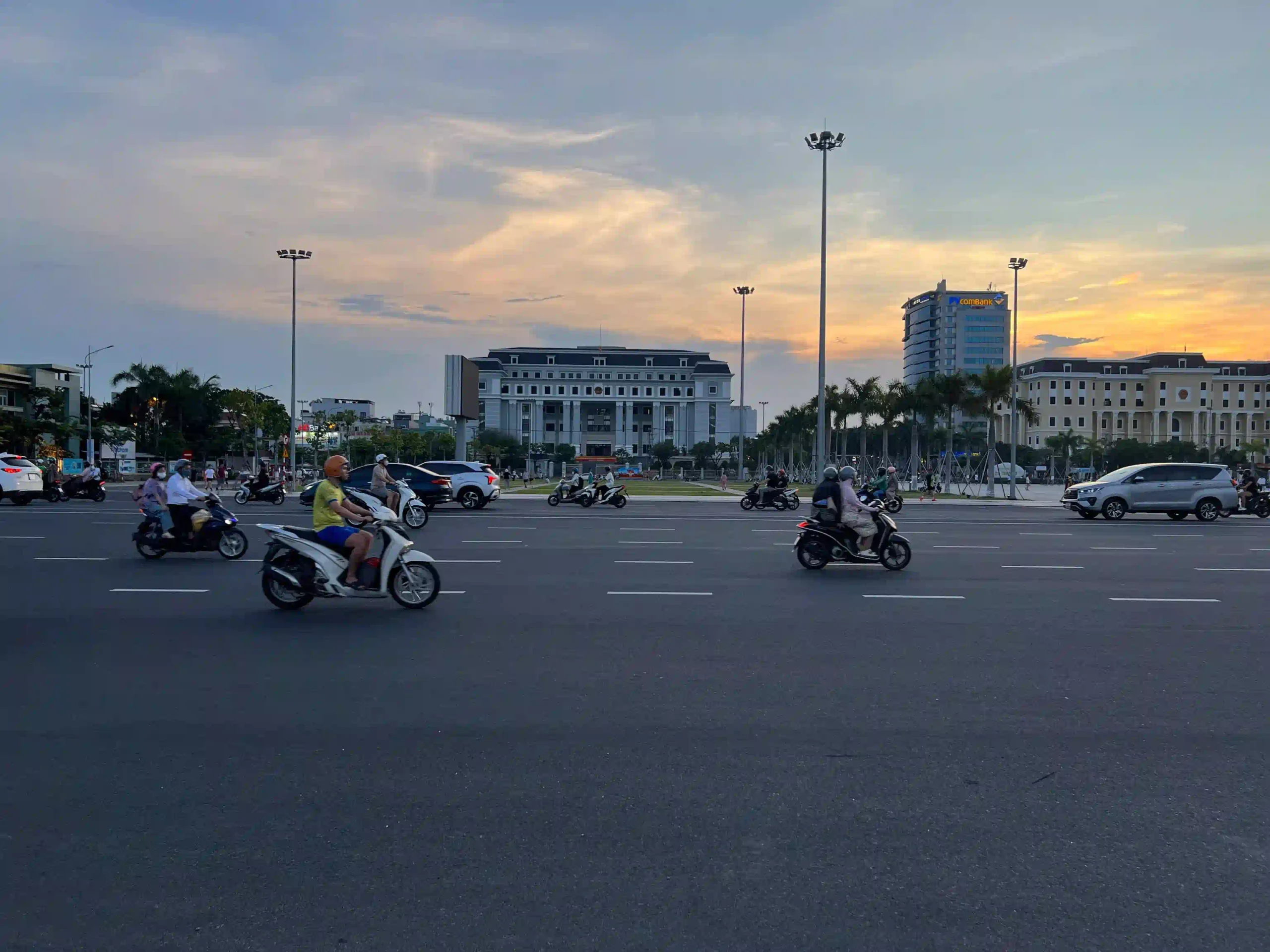
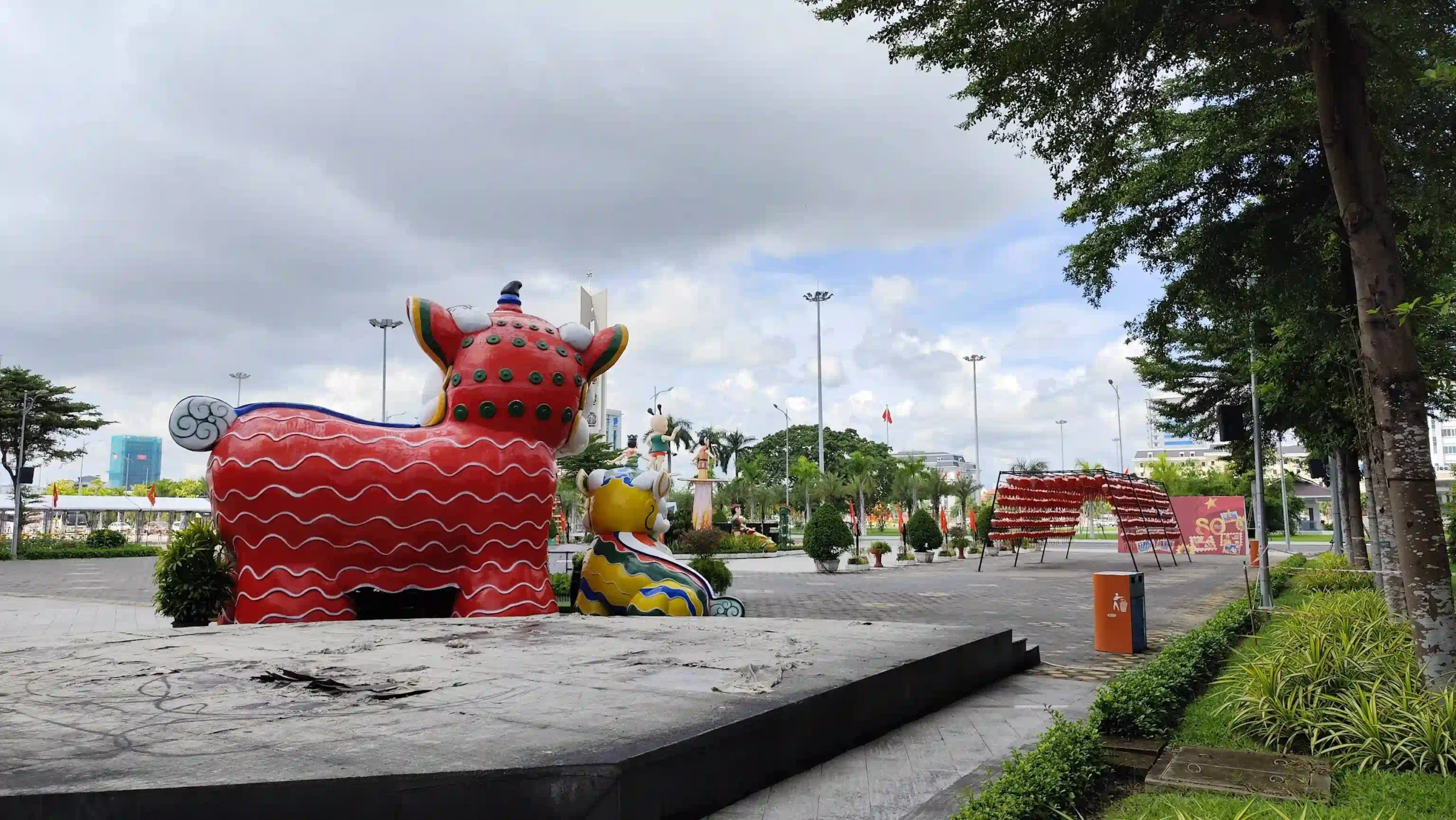
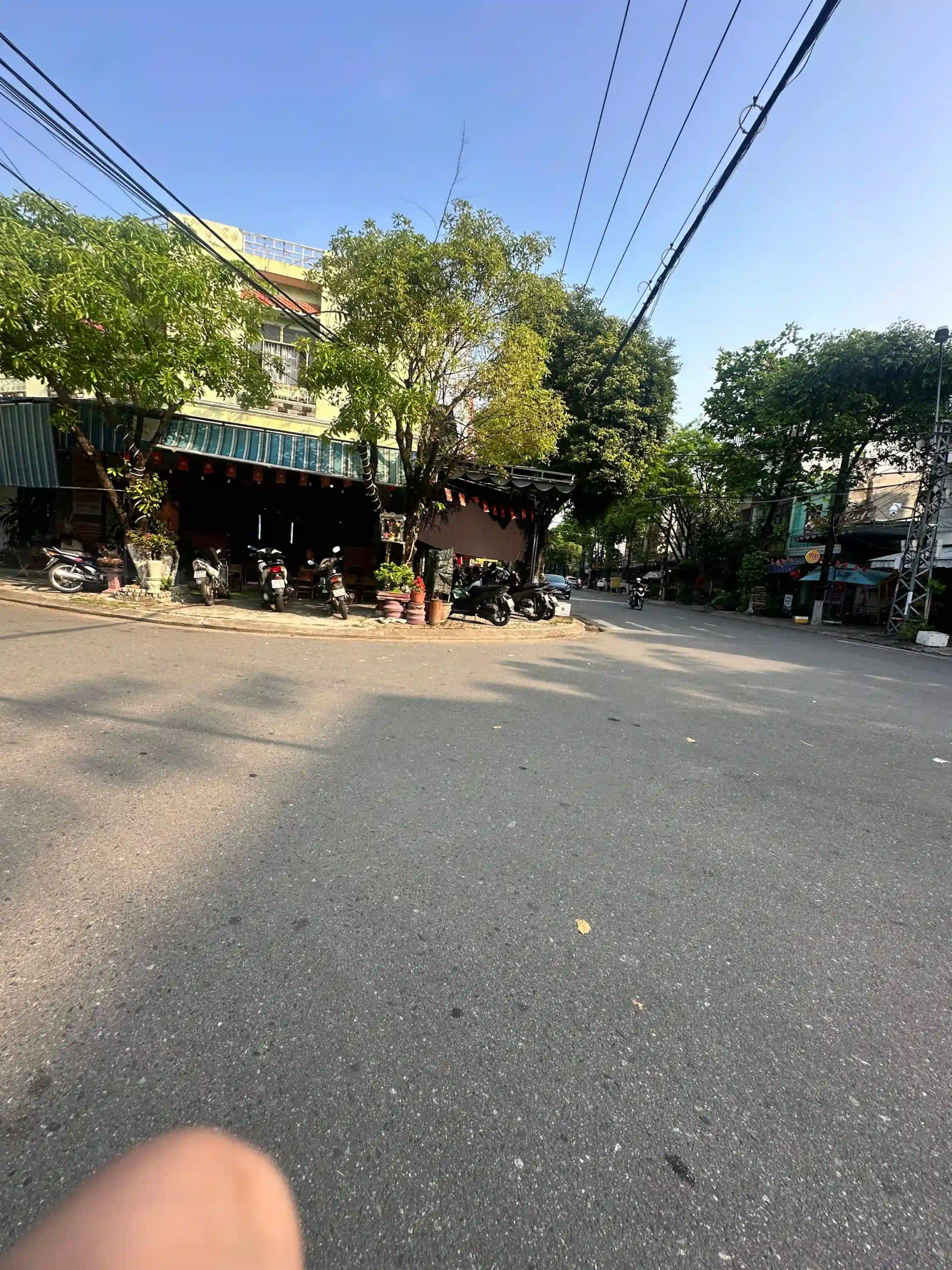
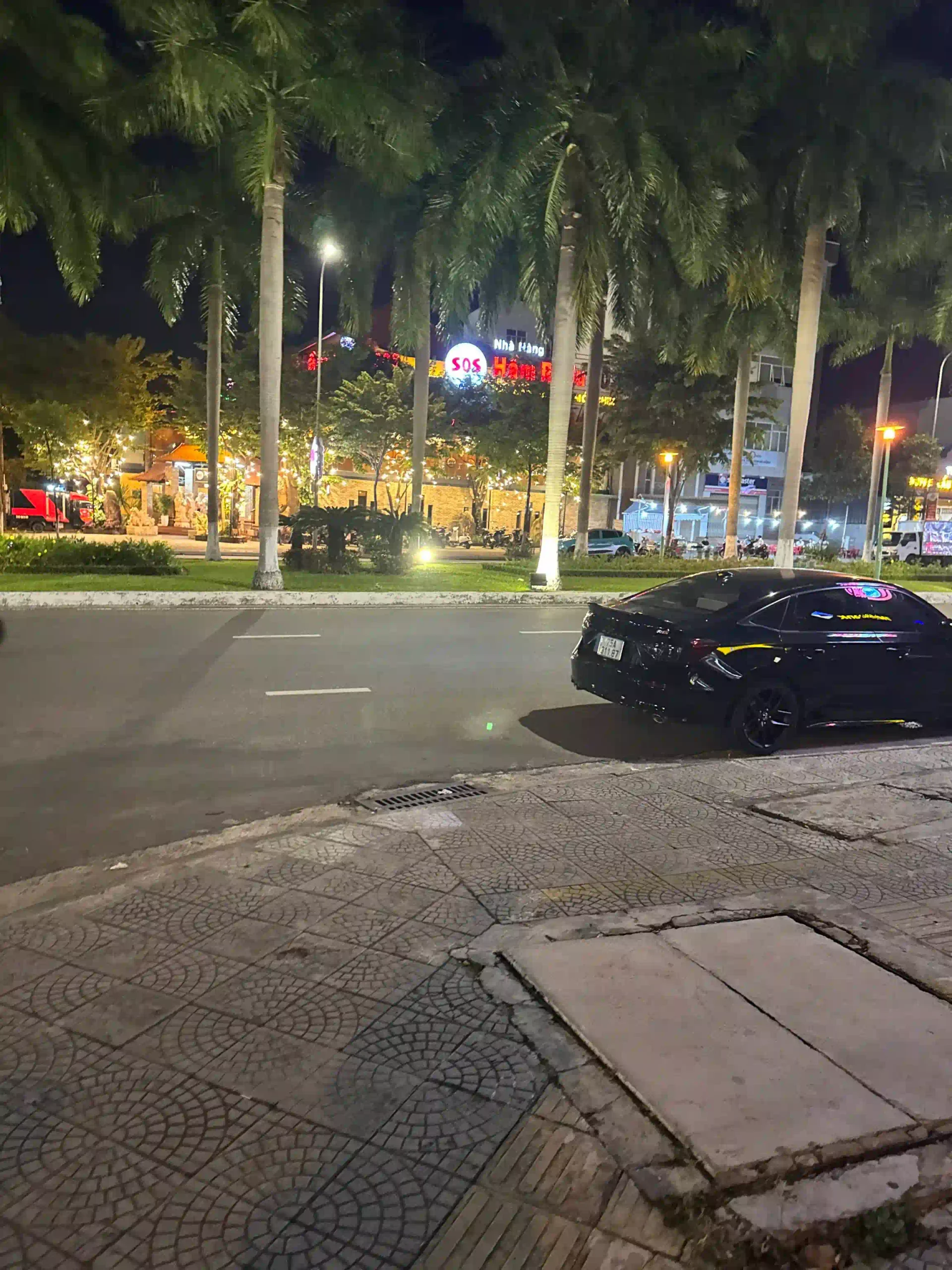
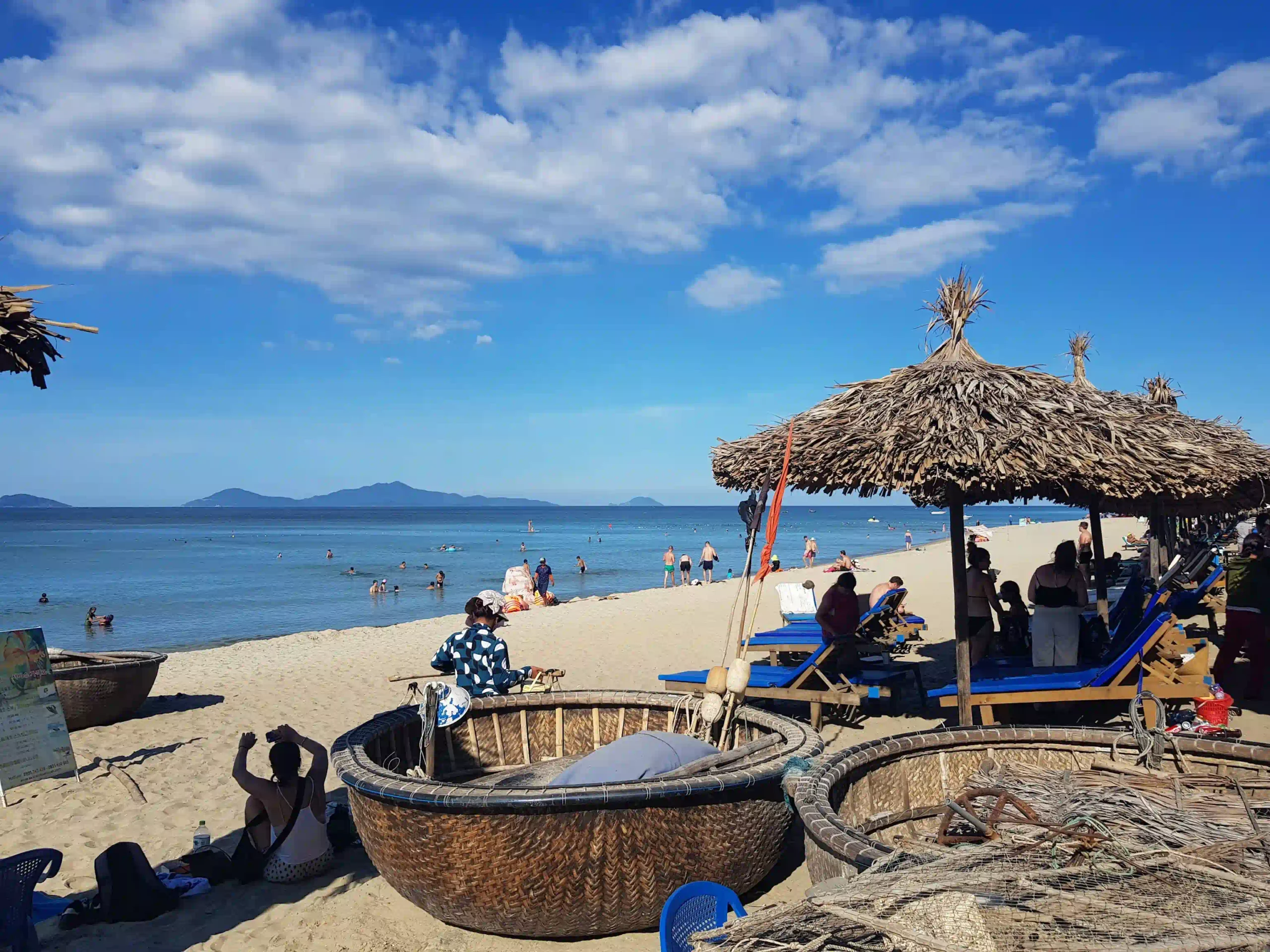
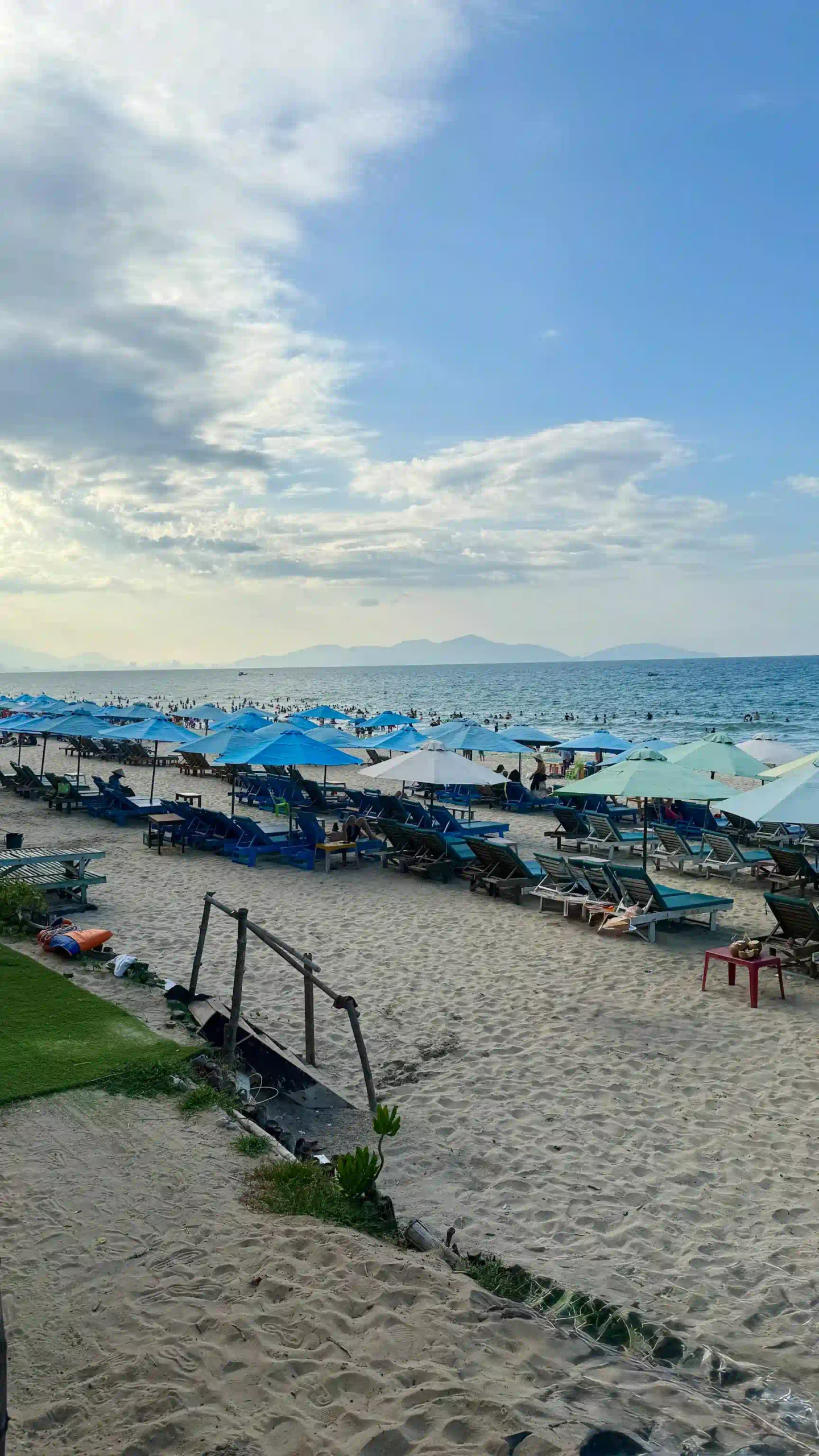
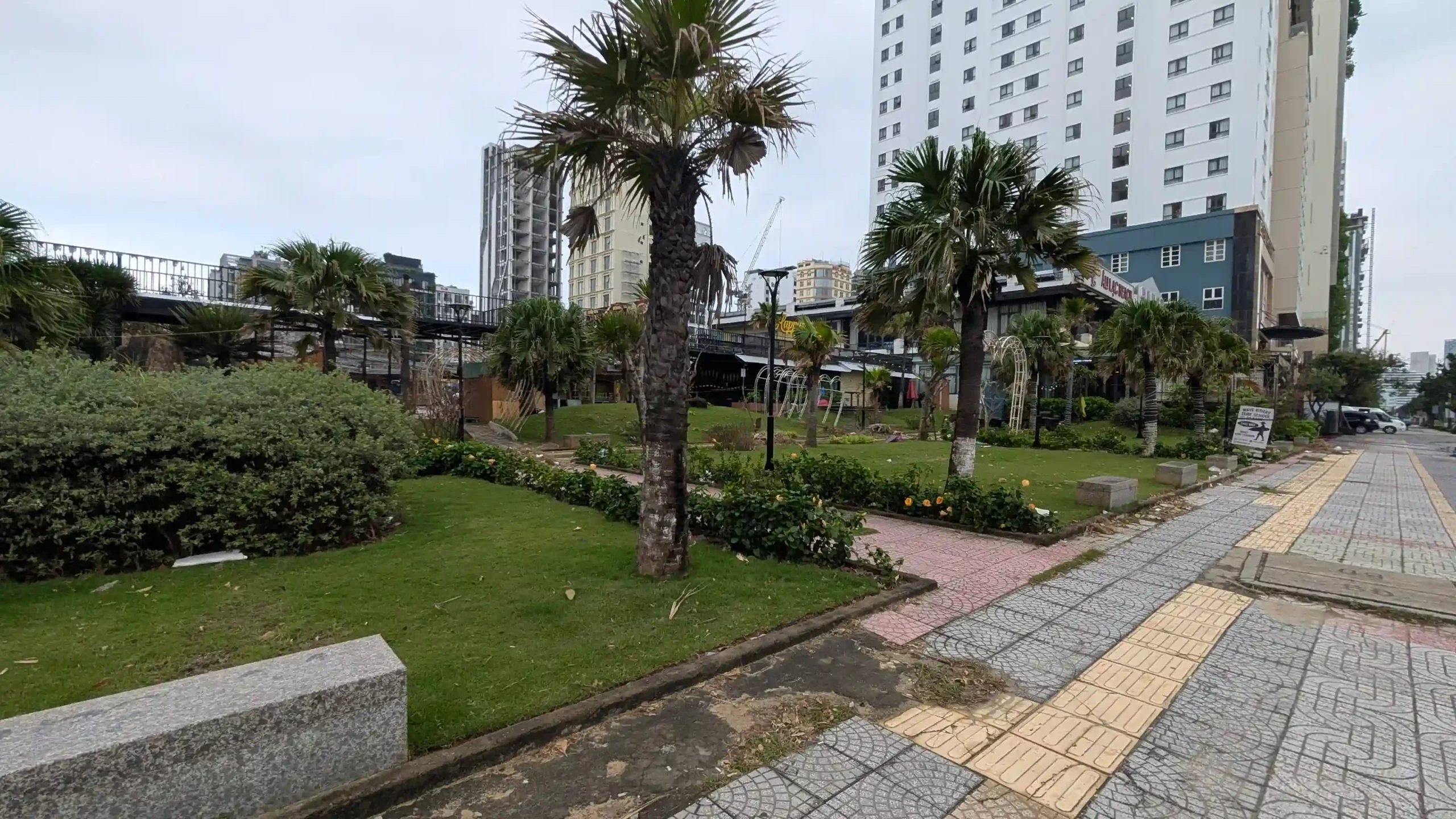
The city is separated into two halves by the massive Han River. On the eastern side near My Khe beach, the grid is heavily modernized. The roads are multiple lanes wide. The sidewalks are actually paved and empty. You can walk out of an apartment building in the Son Tra district and casually walk three blocks to the beach without looking over your shoulder.
They also have actual traffic lights that locals obey (for the most part).
Da Nang is honestly the only major city in Vietnam where I tell people visiting on holiday that it’s relatively safe to rent their own motorbike to explore. You drive over these massive, empty suspension bridges at night and you barely see any traffic compared to the constant gridlock of the Hanoi ring roads.
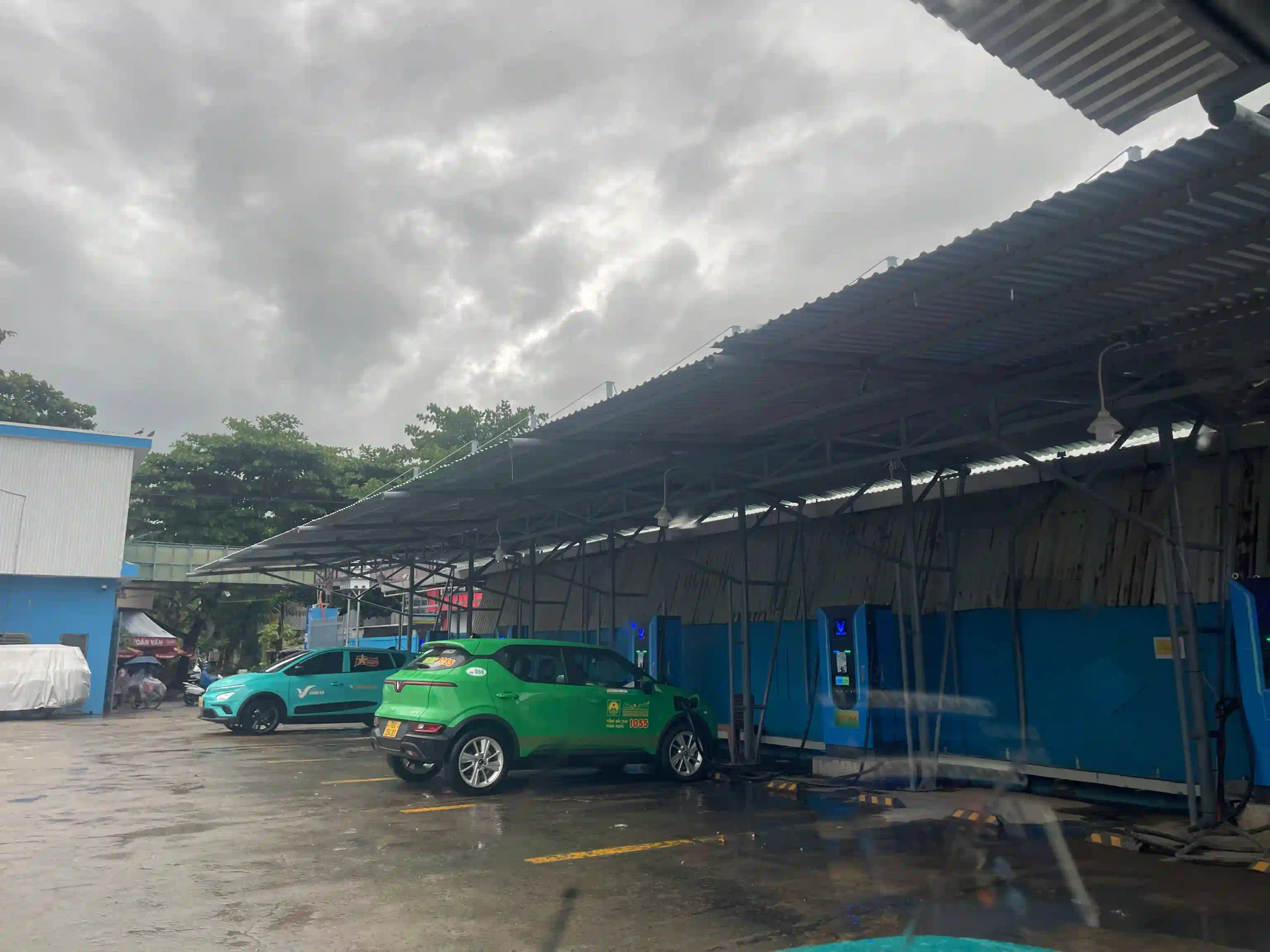
A new development recently too is the Xanh SM electric taxis (the cyan blue VinFast cars and bikes you see everywhere). They completely took over both cities, so getting a clean, quiet taxi is incredibly easy either way now, but your ride in Da Nang will take a fraction of the time it takes to travel the same distance in Hanoi.
The Food Dispute
Vietnamese food is aggressively regional. The local stuff you find up north tastes nothing like the food in the central provinces.
Food in Hanoi
If your main goal is to find the kind of dense, intensely flavored street food in old bowls in alleys, Hanoi wins.
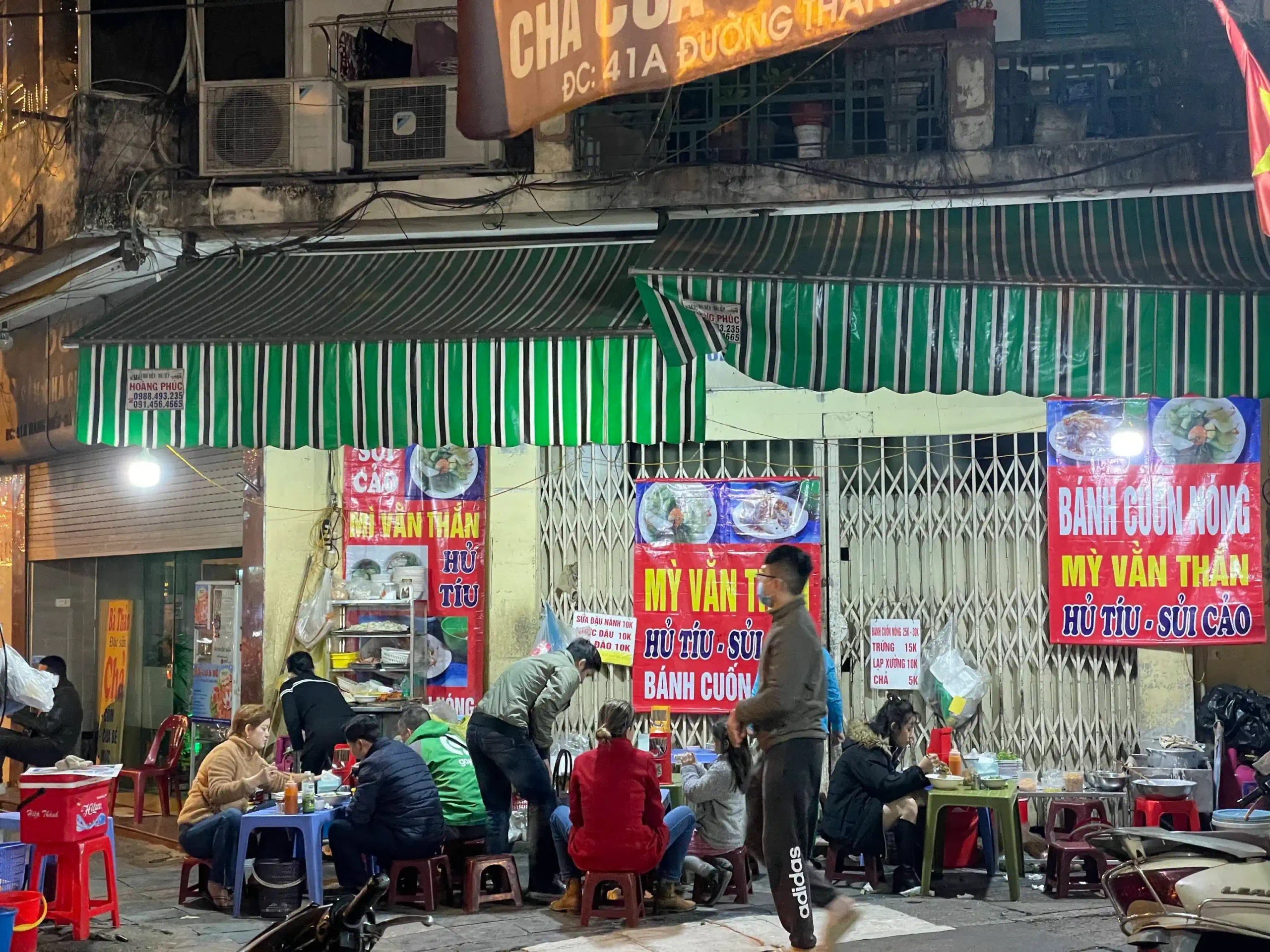
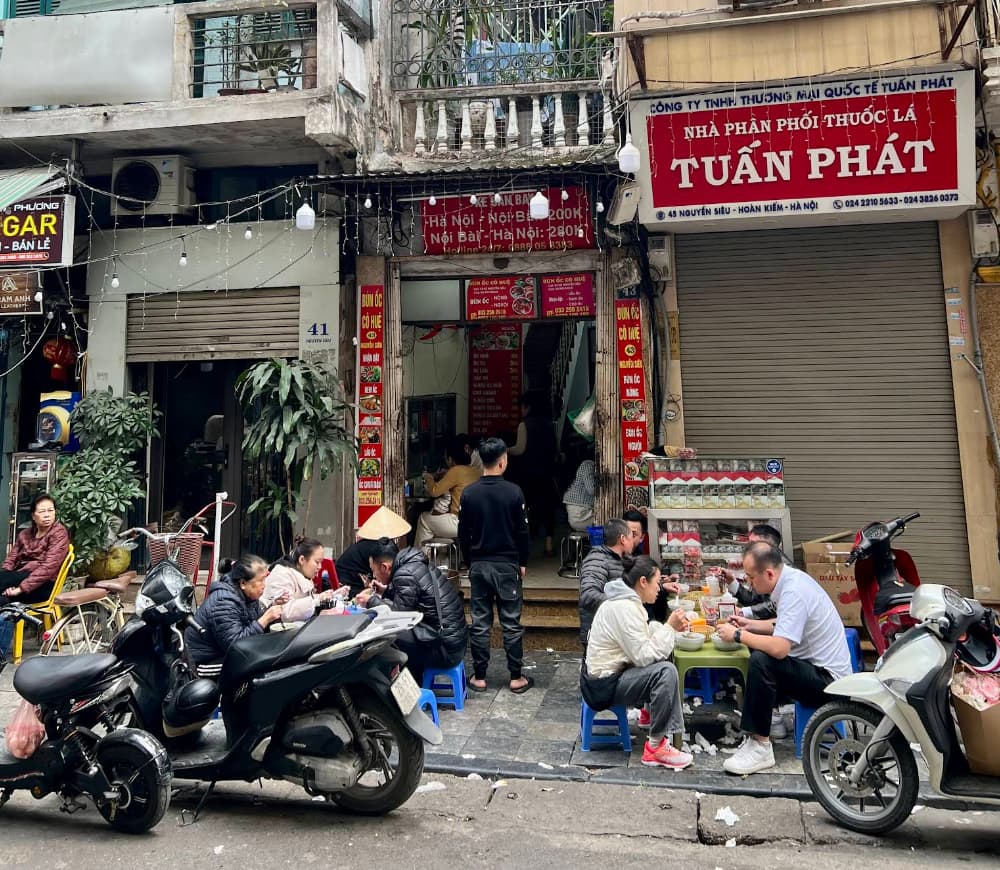
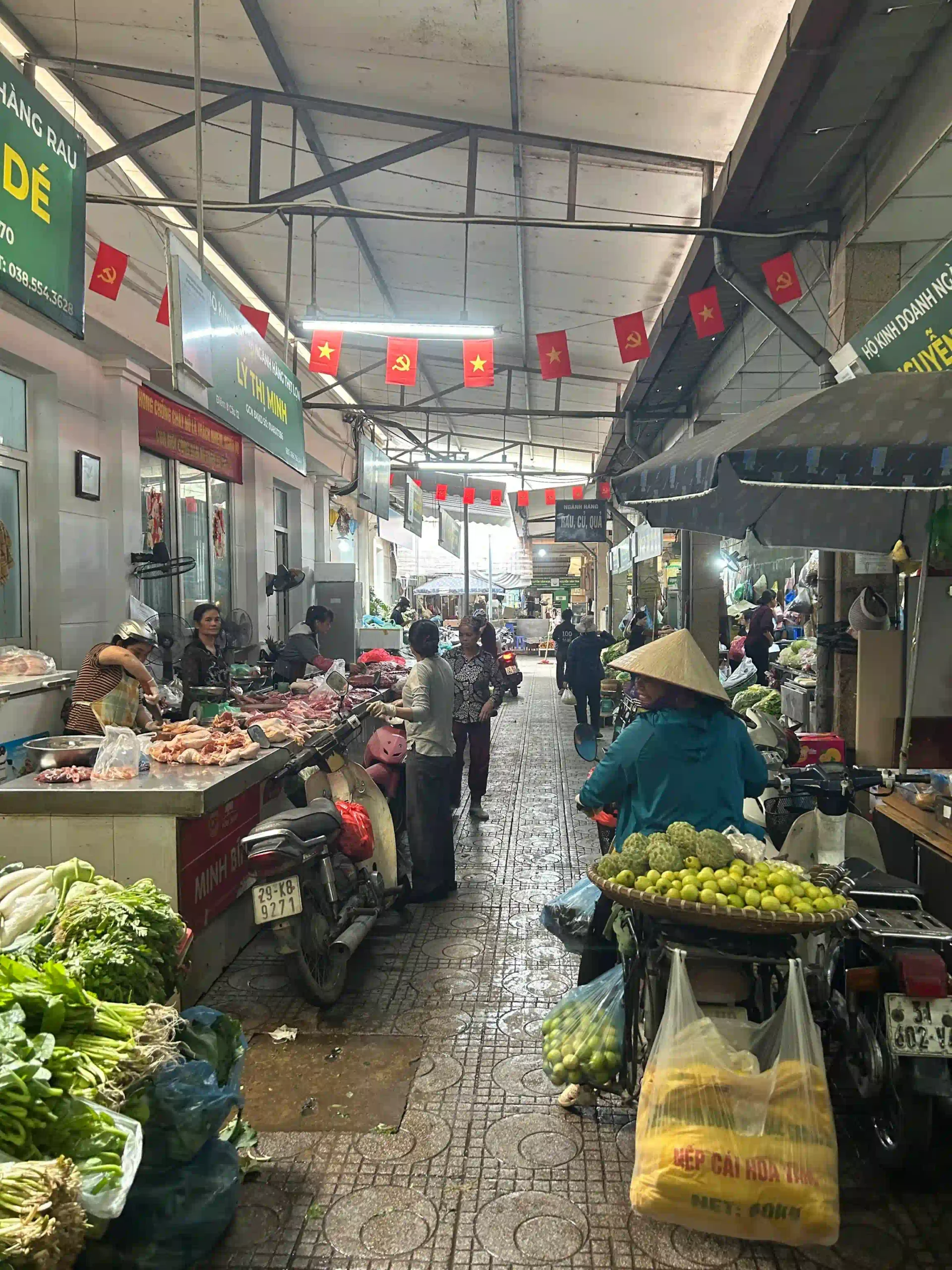
The north is famous for clear bone broths and heavy garlic/vinegar profiles. It’s where Pho Bo (beef noodle soup) actually comes from. You go into places like the Old Quarter market alley and pay 40,000 VND to sit on a blue stool and eat Bun Cha.
Hanoi requires you to crouch in weird narrow hallways to eat the best food, and it’s always incredible.
Food in Da Nang
Da Nang food is much brighter, slightly sweeter, and leans heavily into spice and seafood.
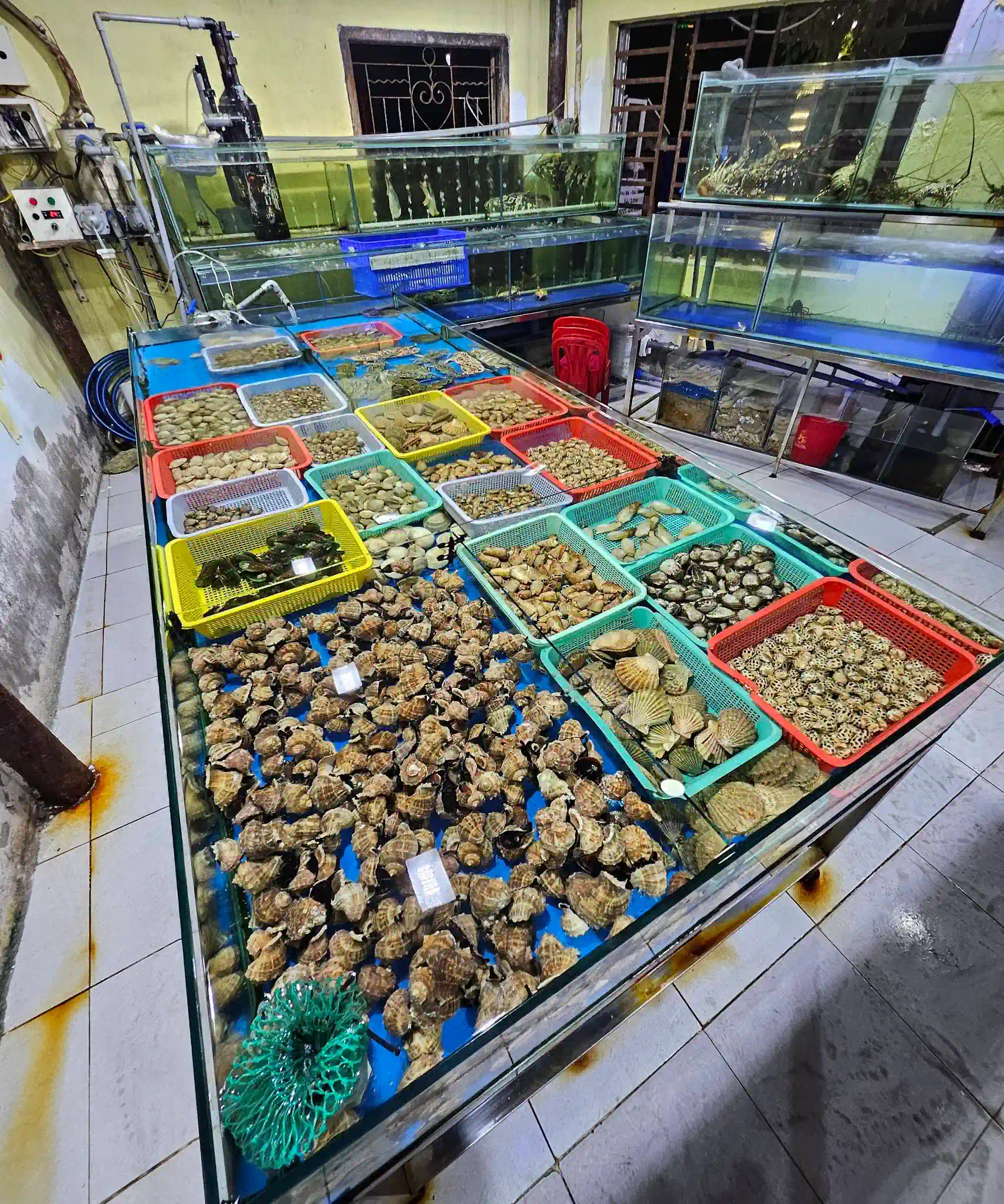
They pull tons of fish, crab, and squid right out of the ocean every morning, so seafood restaurants dot the entire coastline.
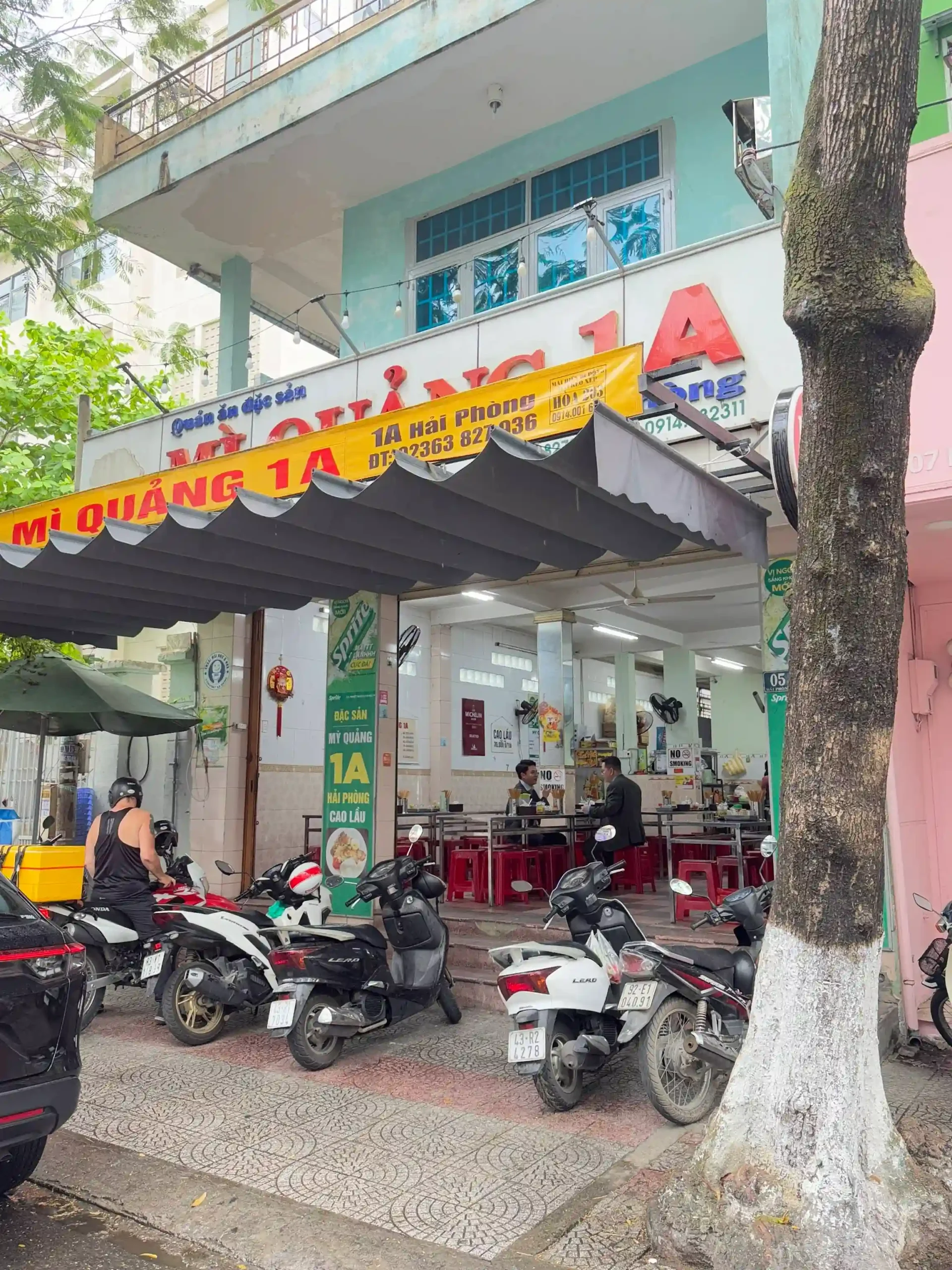
The main dish you have to know in Da Nang is Mi Quang. It’s a wide turmeric-dyed noodle served with a very small amount of rich pork and shrimp broth, topped with roasted peanuts and a big sesame rice cracker.
In terms of Western food and cafes, Hanoi has older, deep coffee culture. Da Nang’s café scene in the tourist areas caters extremely hard to the digital nomad crowd. You get tons of vegan cafes, massive iced oat milk lattes, and Mexican food joints.
The local Vietnamese food costs the same in both cities, but the imported/western food in Da Nang has been getting way more expensive lately just because landlords in the beach area know the foreigners have cash to spend.

What dealing with the weather actually looks like
You can ruin your whole itinerary if you don’t check the historical weather data before you pick Hanoi or Da Nang. A lot of people land in January wearing shorts and flip-flops and freeze their asses off.
Hanoi weather
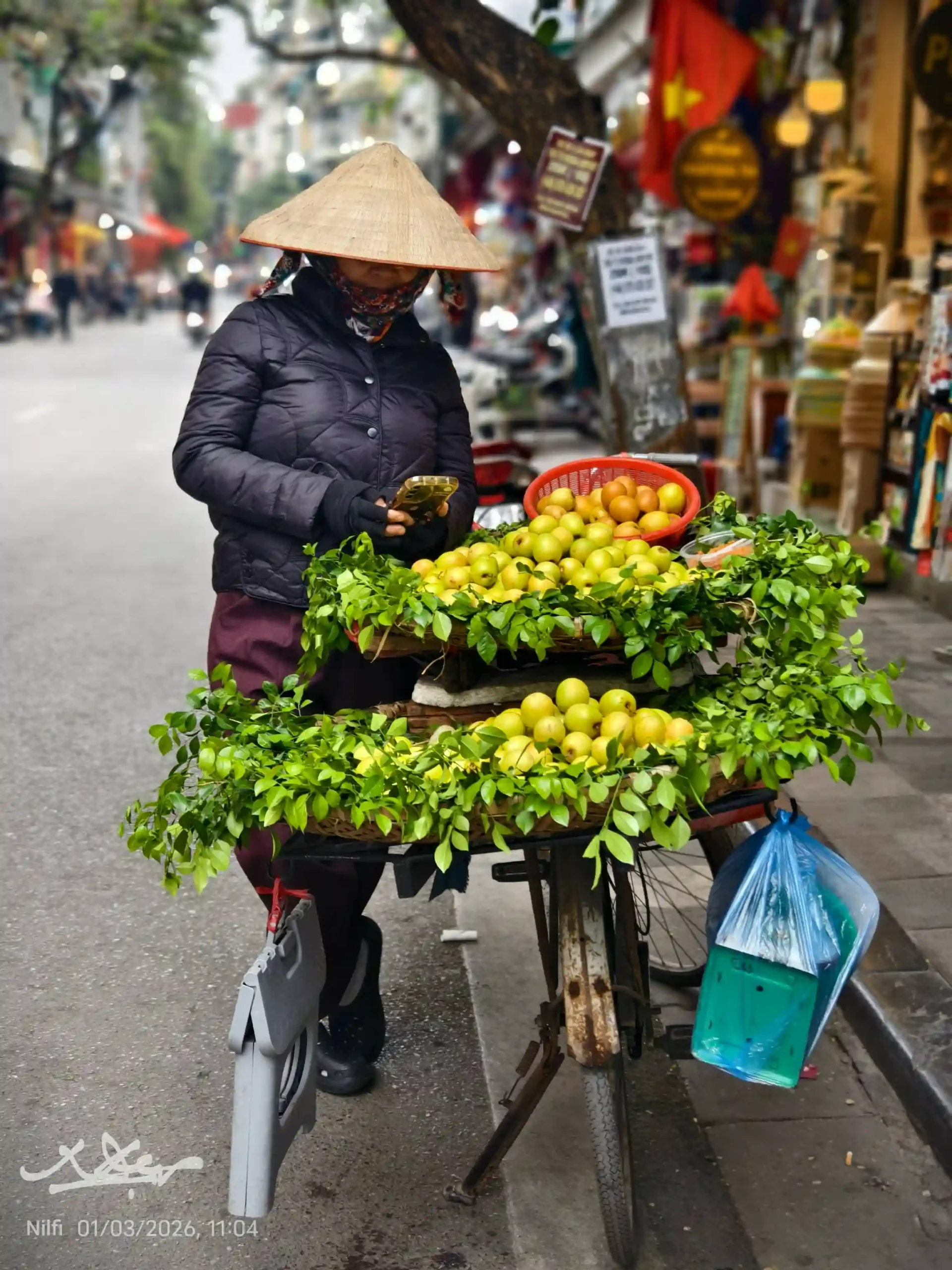
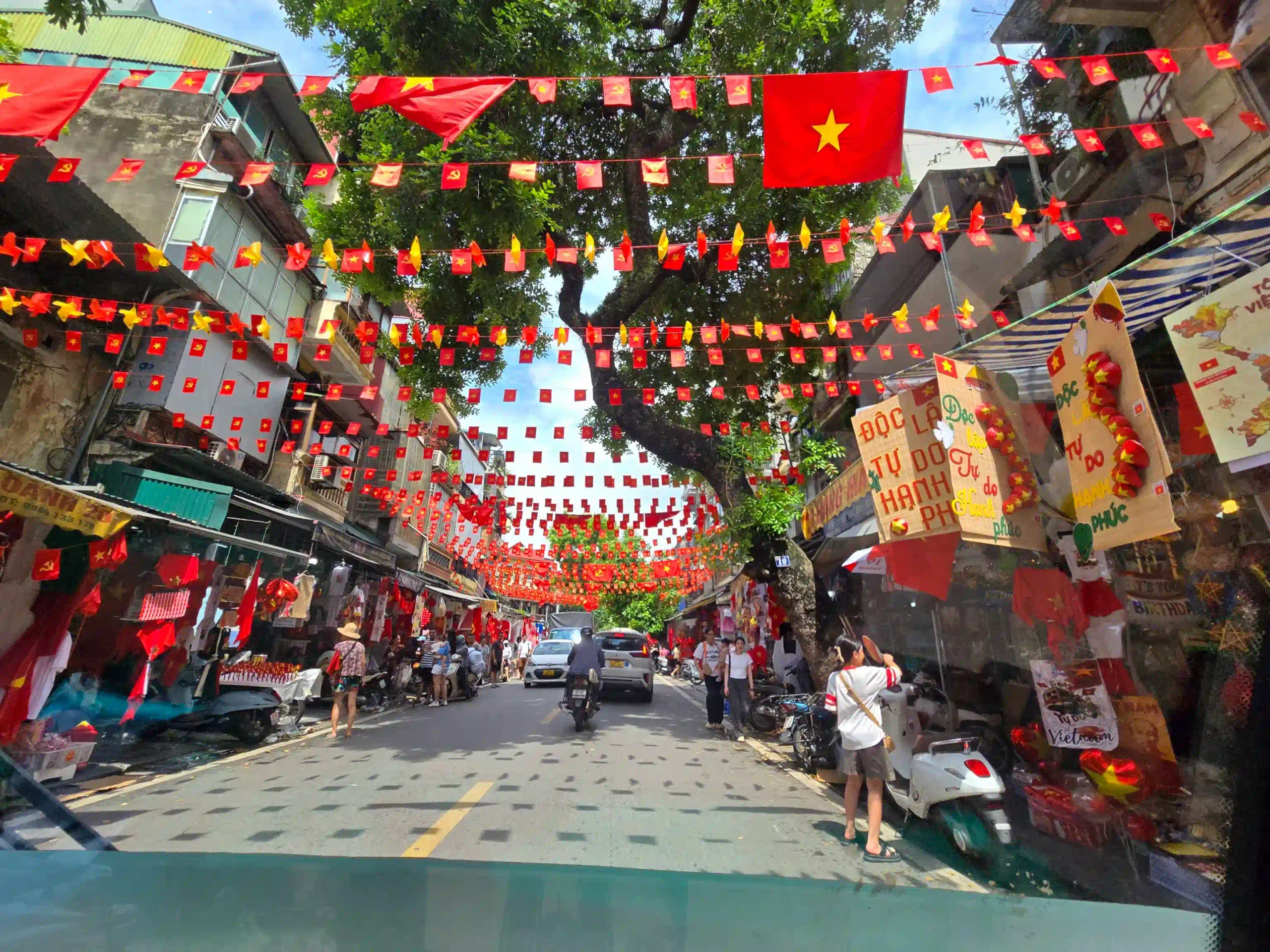
Hanoi has actual winters. Around December through February, it drops to 10-15°C (50-60°F). It is a grey, bone-chilling, damp cold. Because very few buildings have central heating or double-glazed windows, you feel cold inside your own bedroom. Locals wear giant puffer jackets on their motorbikes.
In the summer (May to September), Hanoi turns into an oven. It’s normally hovering around 38°C but the urban concrete traps the heat and the humidity is relentless. I barely leave the house before 4 PM in July.
Da Nang weather
Da Nang has a tropical monsoon setup.
Because it’s right on the ocean, even during the brutal summer heat of June, the ocean breeze naturally flushes out the stagnant air. You can sit outside on a patio near the beach in Da Nang in July and just drink a beer normally.
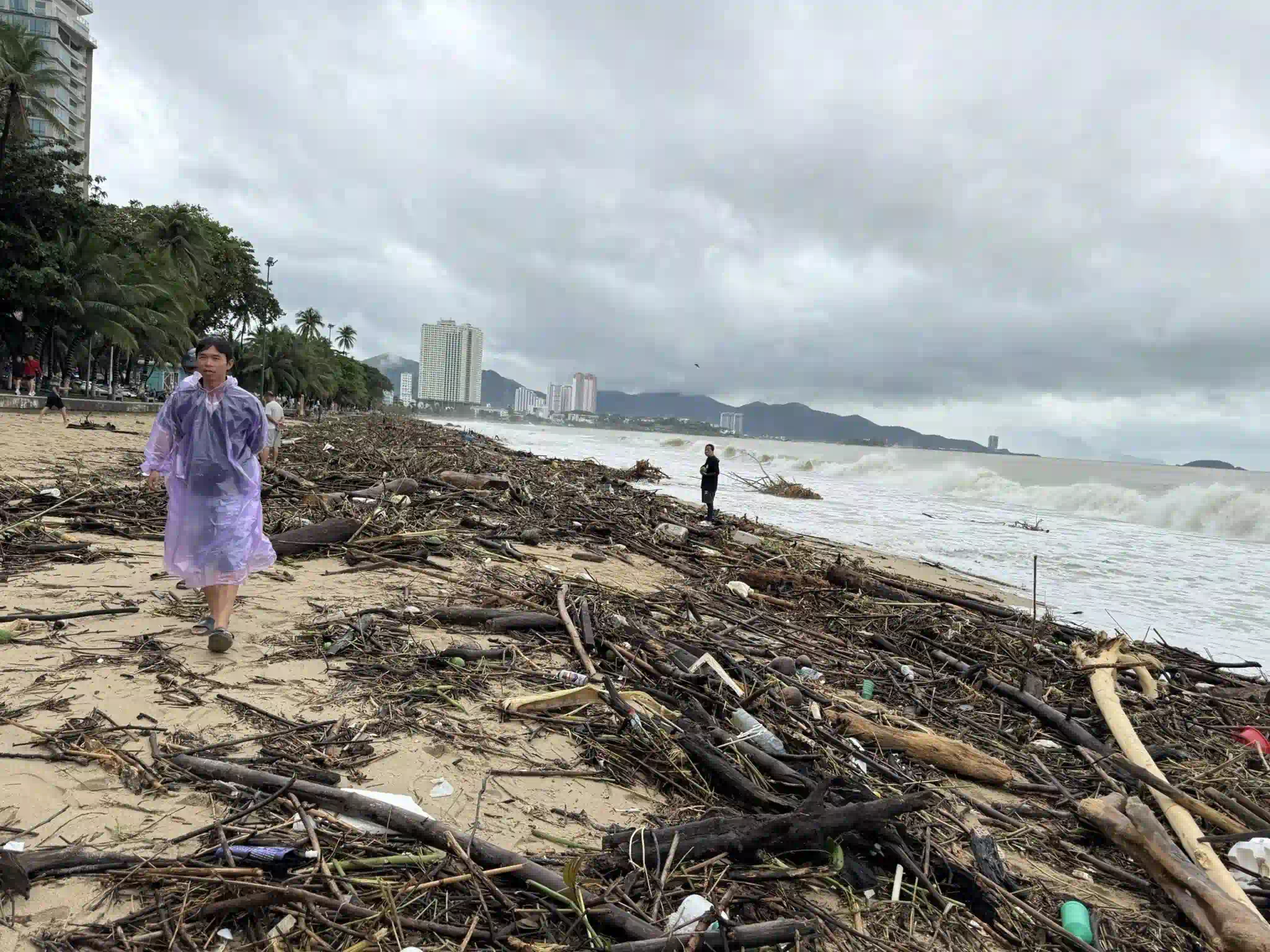
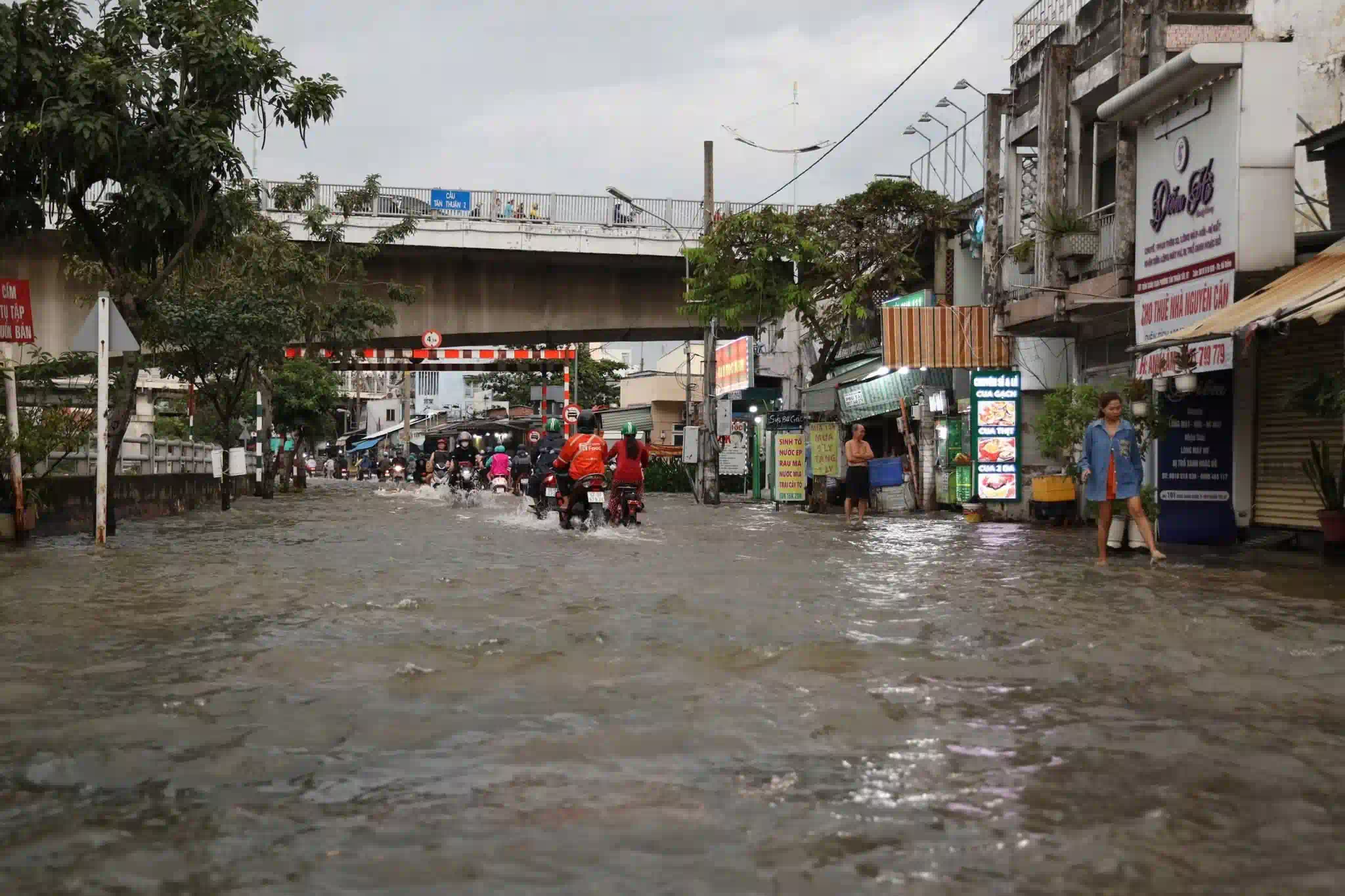
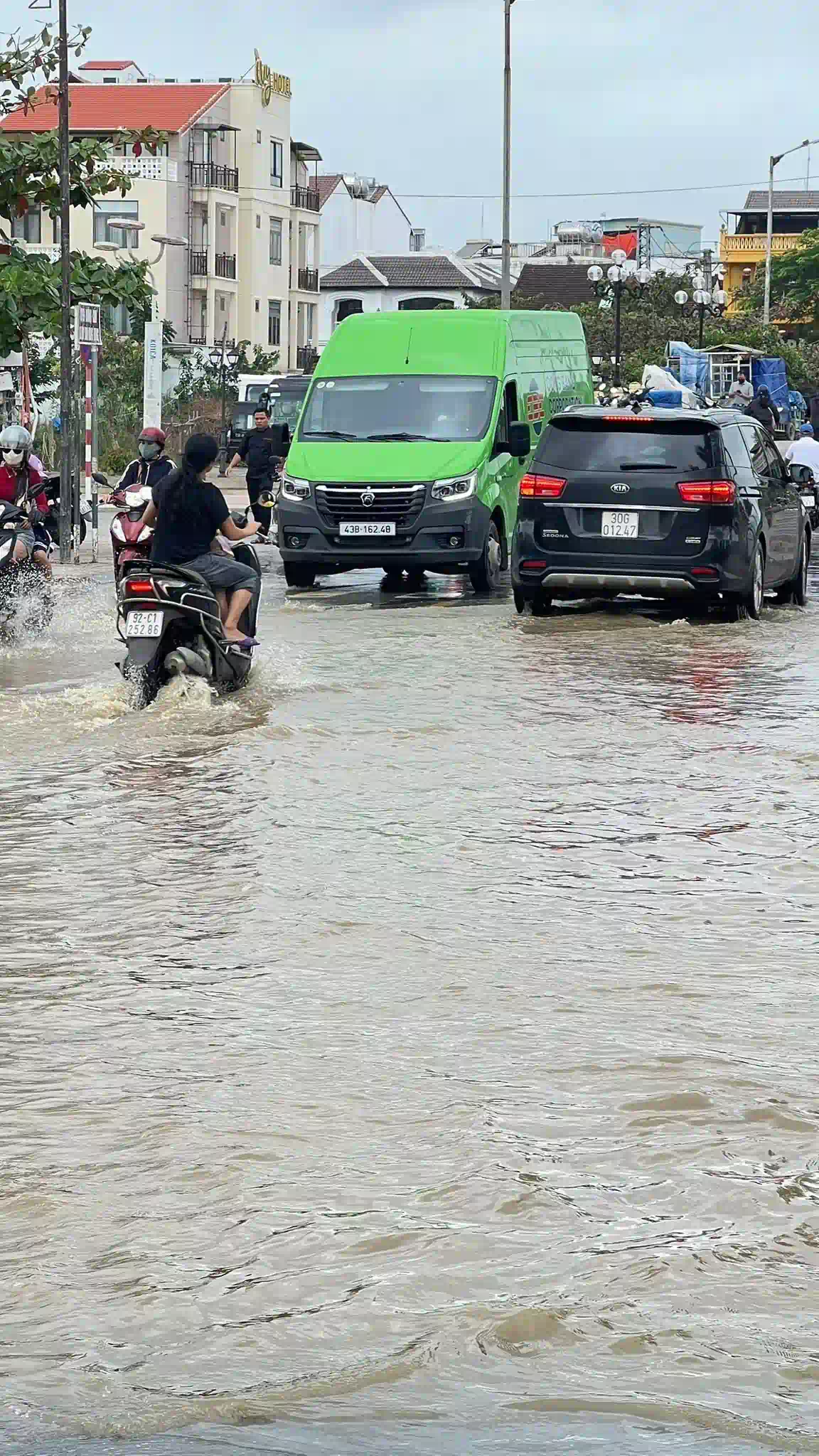
The downside of Da Nang is the typhoon and flood season. September, October, and early November can be devastating. Torrential monsoon rains frequently flood the central streets in Da Nang so bad you have to wade through knee-deep brown water, and businesses just put sandbags up and close down for days.
Then there is the air quality factor.
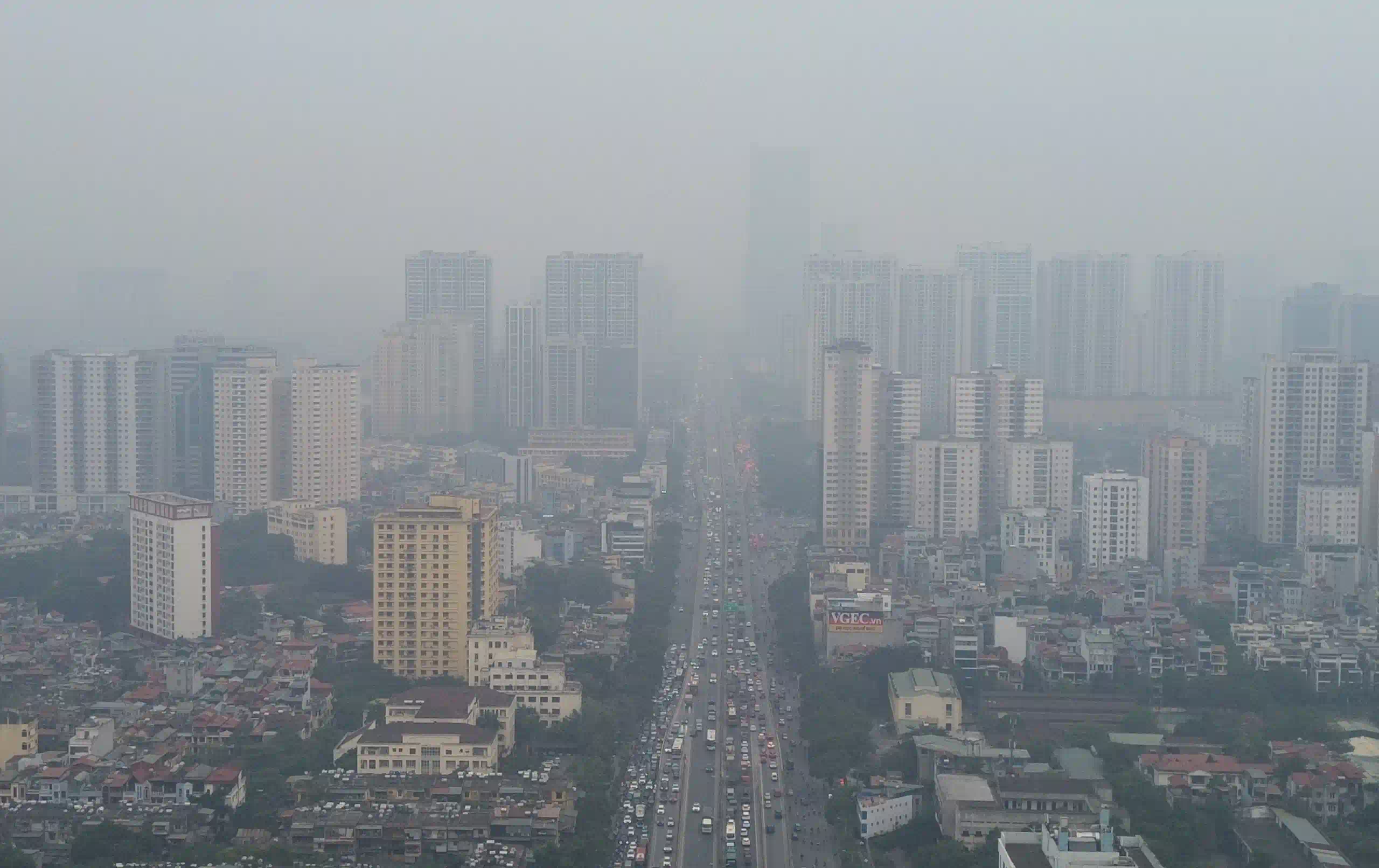
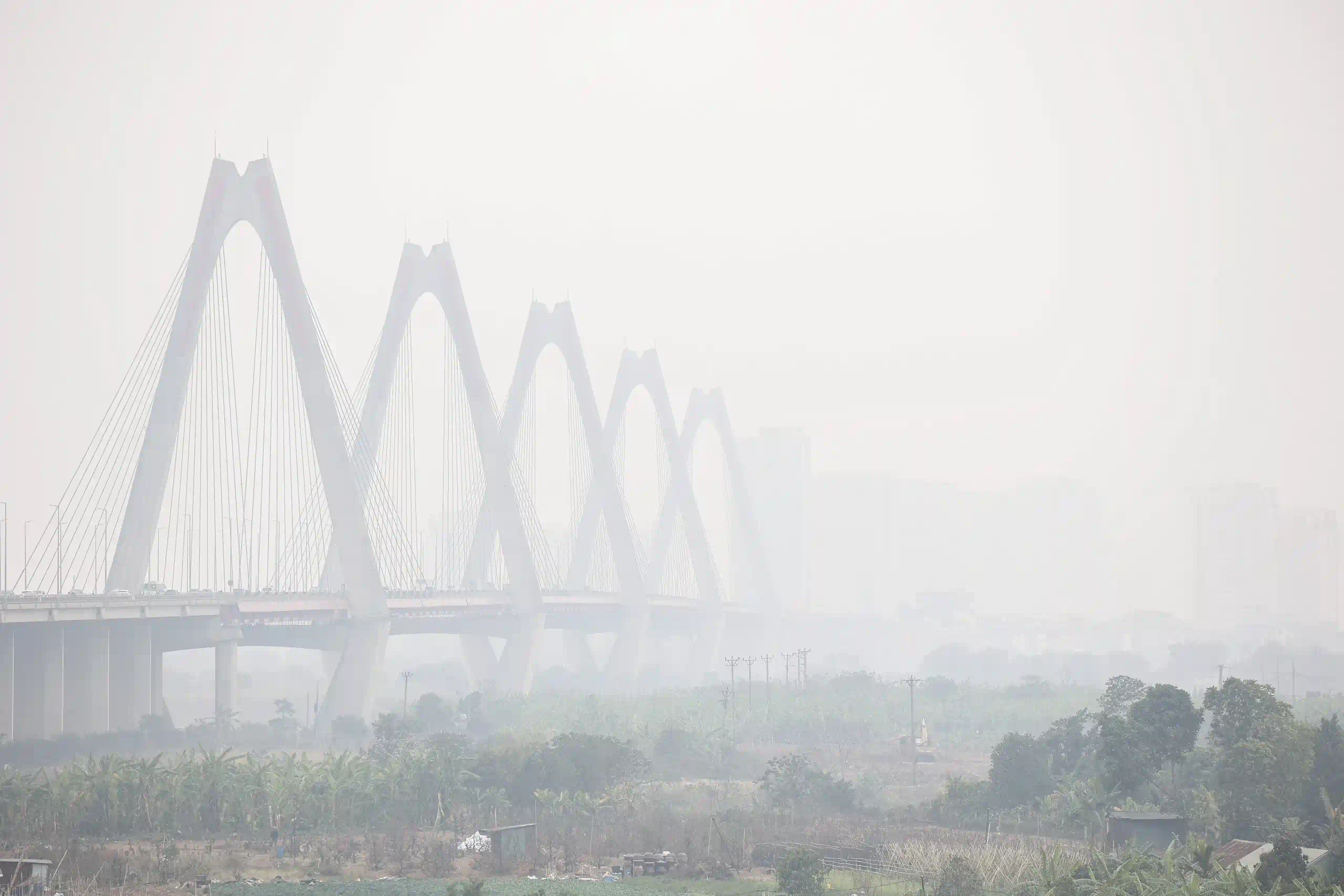
Hanoi struggles heavily with pollution. According to IQAir monitoring, during the winter months (especially between October and March), the air quality frequently spikes into the “unhealthy” and sometimes hazardous zones (AQI often hitting the 150-180+ marks).
The geographic bowl of the city traps vehicle exhaust, industrial fumes from the neighboring provinces, and the agricultural burning from rural areas right at street level. I own two large Xiaomi air purifiers in my apartment for this exact reason.
Da Nang rarely has this problem. The ocean wind clears out the PM 2.5 particles constantly. For people with asthma or who are traveling with young babies, Da Nang is objectively the safer health choice during the winter.
Day trips and logistics out of the city
Day trips in Hanoi
I tell everyone building their activities in Hanoi list to look at a map. You rarely stay strictly inside the city borders for a two-week trip.
If you are basing yourself in Hanoi, you are signing up for some very long bus rides.
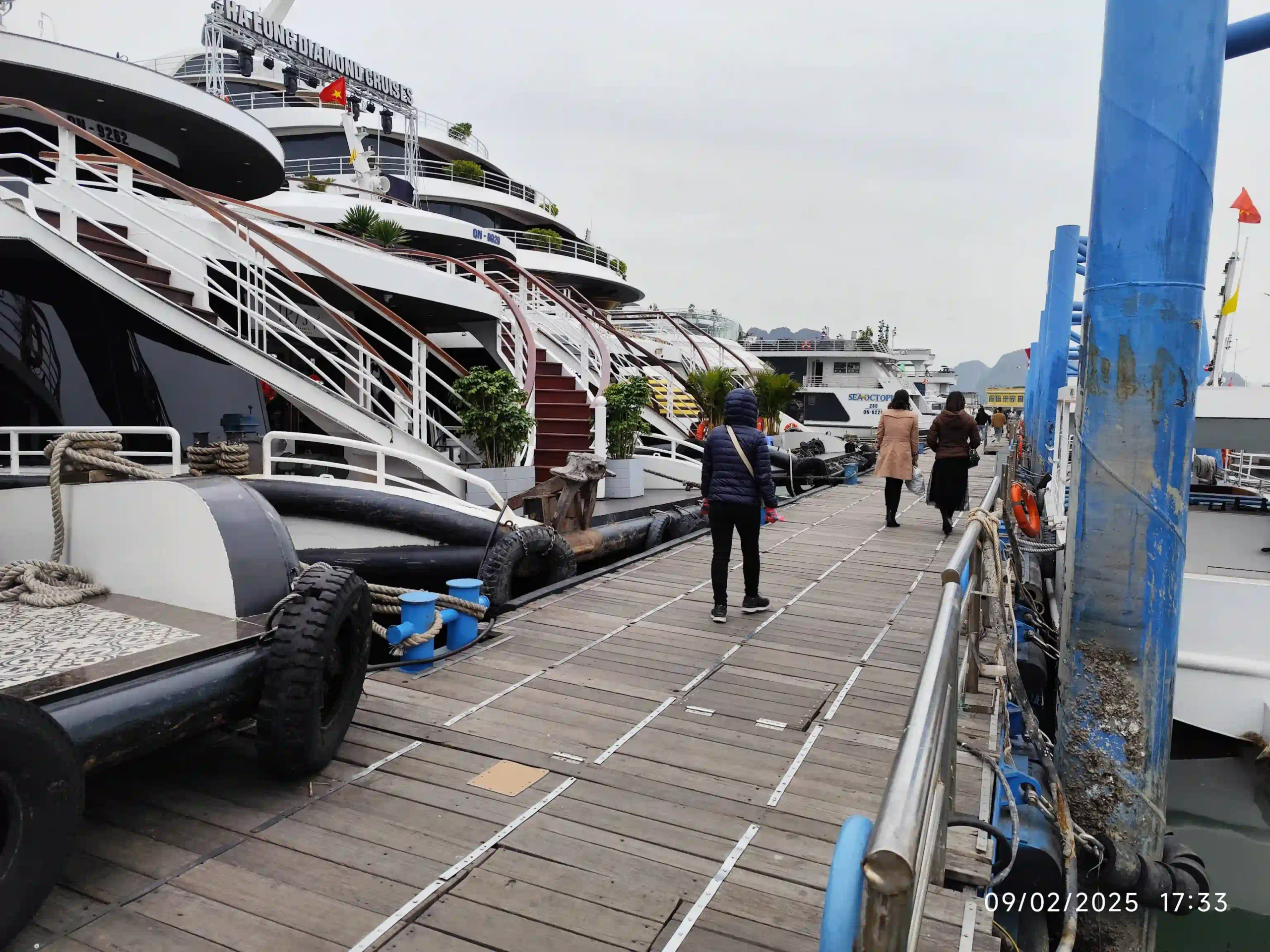
To go from the Old Quarter out to Ha Long Bay to do the limestone karst cruises, it’s roughly 2.5 to 3 hours down the expressway.
To do a day trip down to Ninh Binh (the inland boat tours in Trang An), you are in a limousine van for about 2 hours each way.
To get up to the mountains in Sapa or Ha Giang, you are looking at a 6-to-8 hour overnight sleeper bus.
Hanoi is an incredible launchpad to see the rugged, rural northern landscapes, but none of it is easy or fast. You spend a massive percentage of your trip sitting in vehicles.


Day trips in Da Nang
Da Nang is aggressively convenient for side trips.
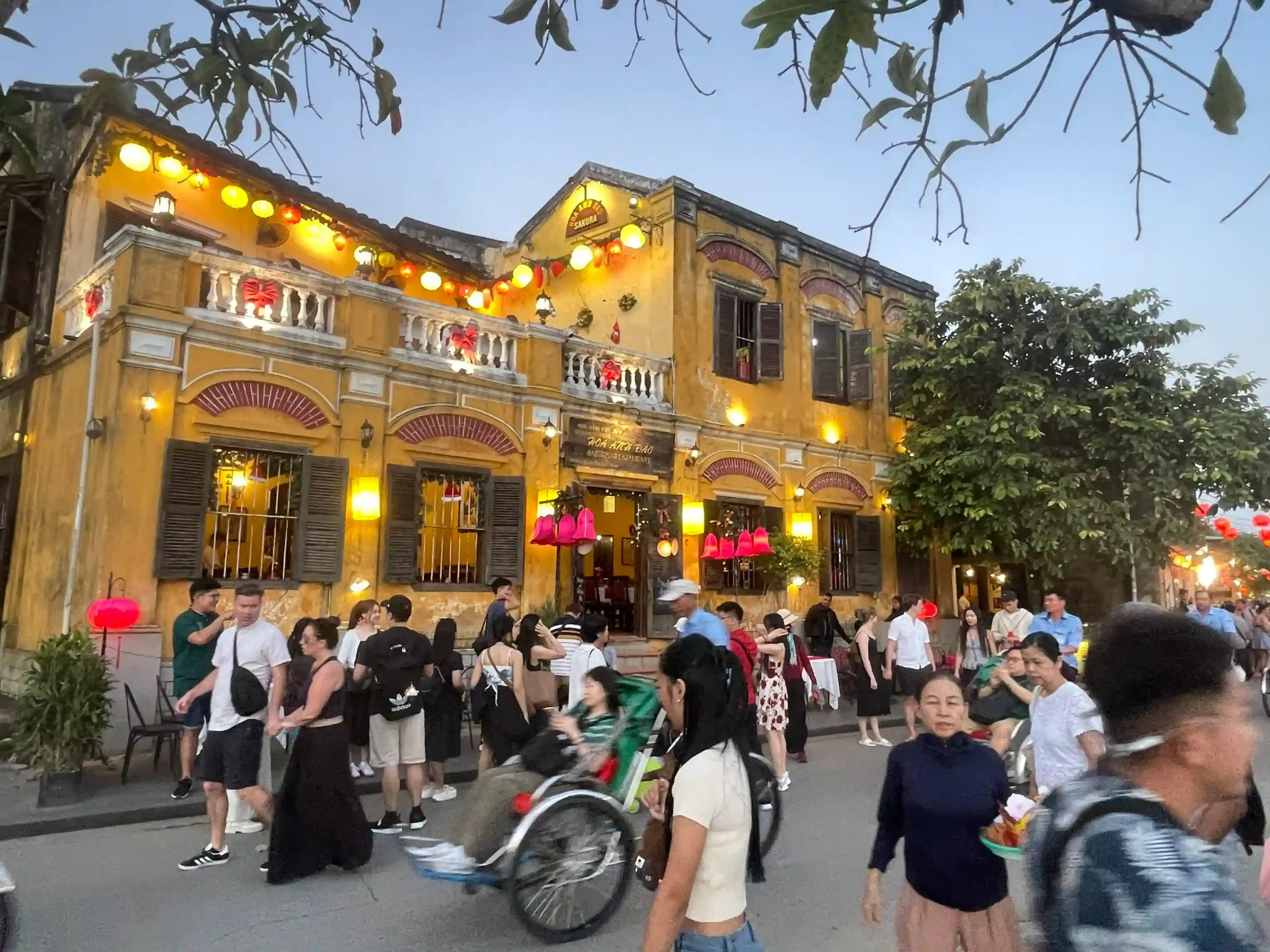
You can order a Grab car from your hotel near My Khe beach and be dropped off directly in the ancient town of Hoi An in 35 to 40 minutes for about 350,000 VND ($14). It is incredibly easy to spend the day at the beach in Da Nang and commute to Hoi An just for dinner by the lanterns.
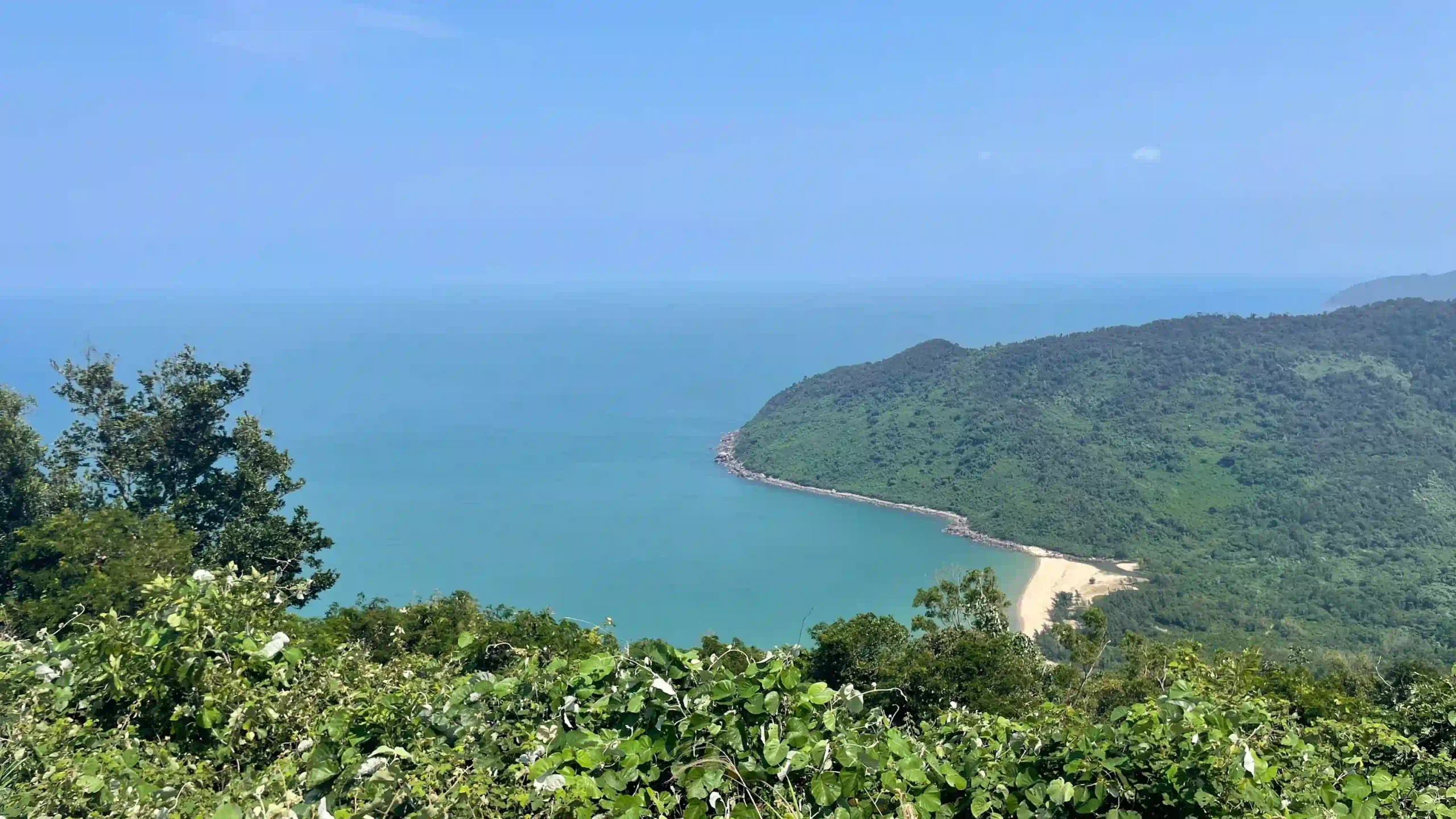
The Hai Van pass, that famous stretch of coastal road Jeremy Clarkson drove on Top Gear, is just 45 minutes north of the city center. You just rent a scooter and drive over it.
Even the Ba Na Hills theme park (with the giant hands holding the golden bridge) is under an hour away by taxi.

I use Klook/Getyourguide or 12Go for literally all domestic transfers and day trip ticketing in both cities. You can search for both Ha Long Bay vans and Ba Na Hills skip-the-line tickets right here. It saves you having to carry wads of local cash or haggle with taxi drivers holding fake price charts at the airport.
Living there: Rent, Expats, and Digital Nomads
If you aren’t just visiting for five days but are actually considering signing a 3-to-6 month lease in 2026, the contrast is stark.
Living in Da Nang
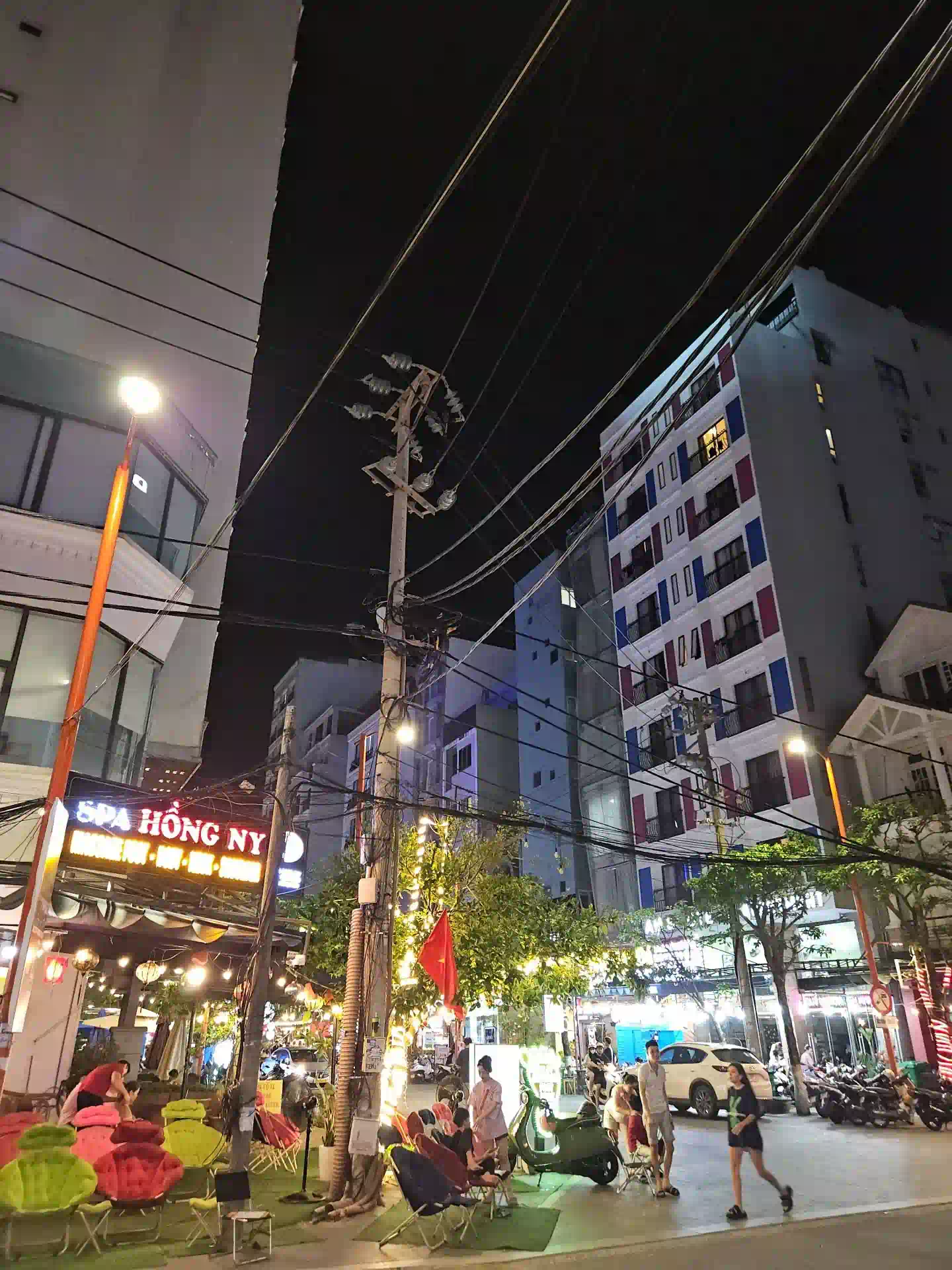
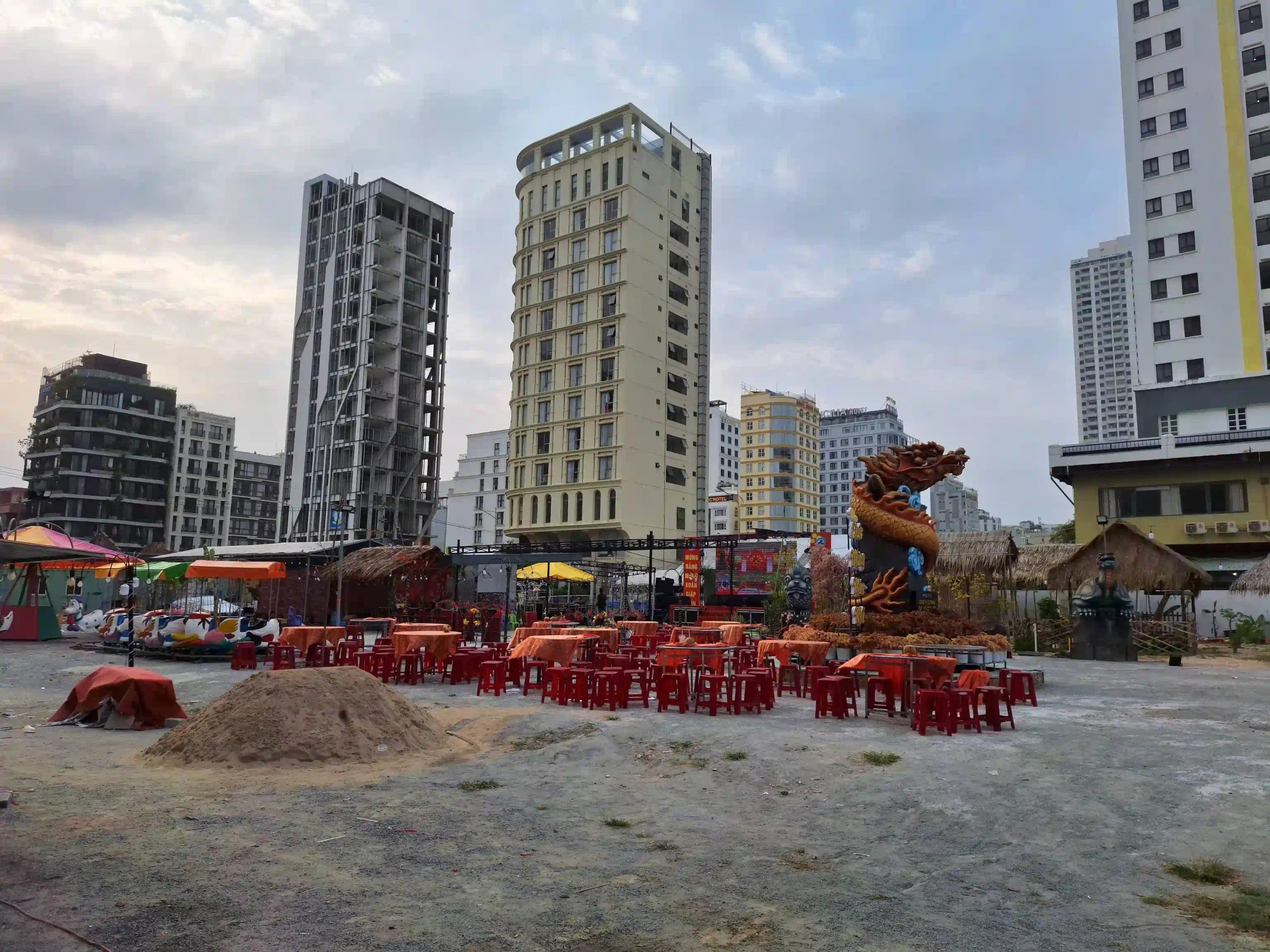
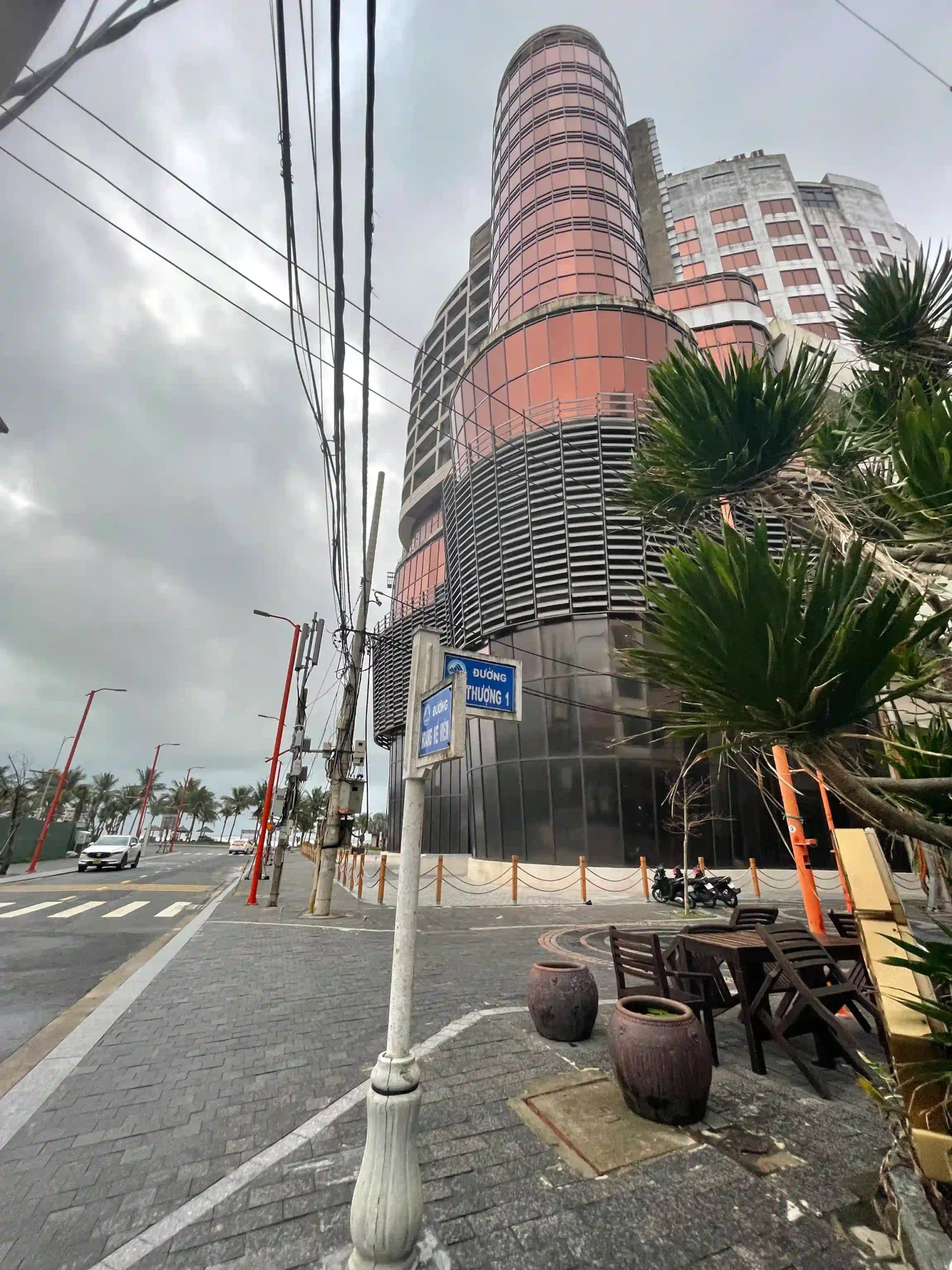
In Da Nang, the foreign community mostly clusters into a couple of wards in Ngu Hanh Son district, specifically an area known as An Thuong. It’s physically just a few blocks back from My Khe beach.
Over the last few years, the development in An Thuong has been hyper-aggressive. It is wall-to-wall serviced apartments, new hotels, coworking spaces, surf shops, and sports pubs.
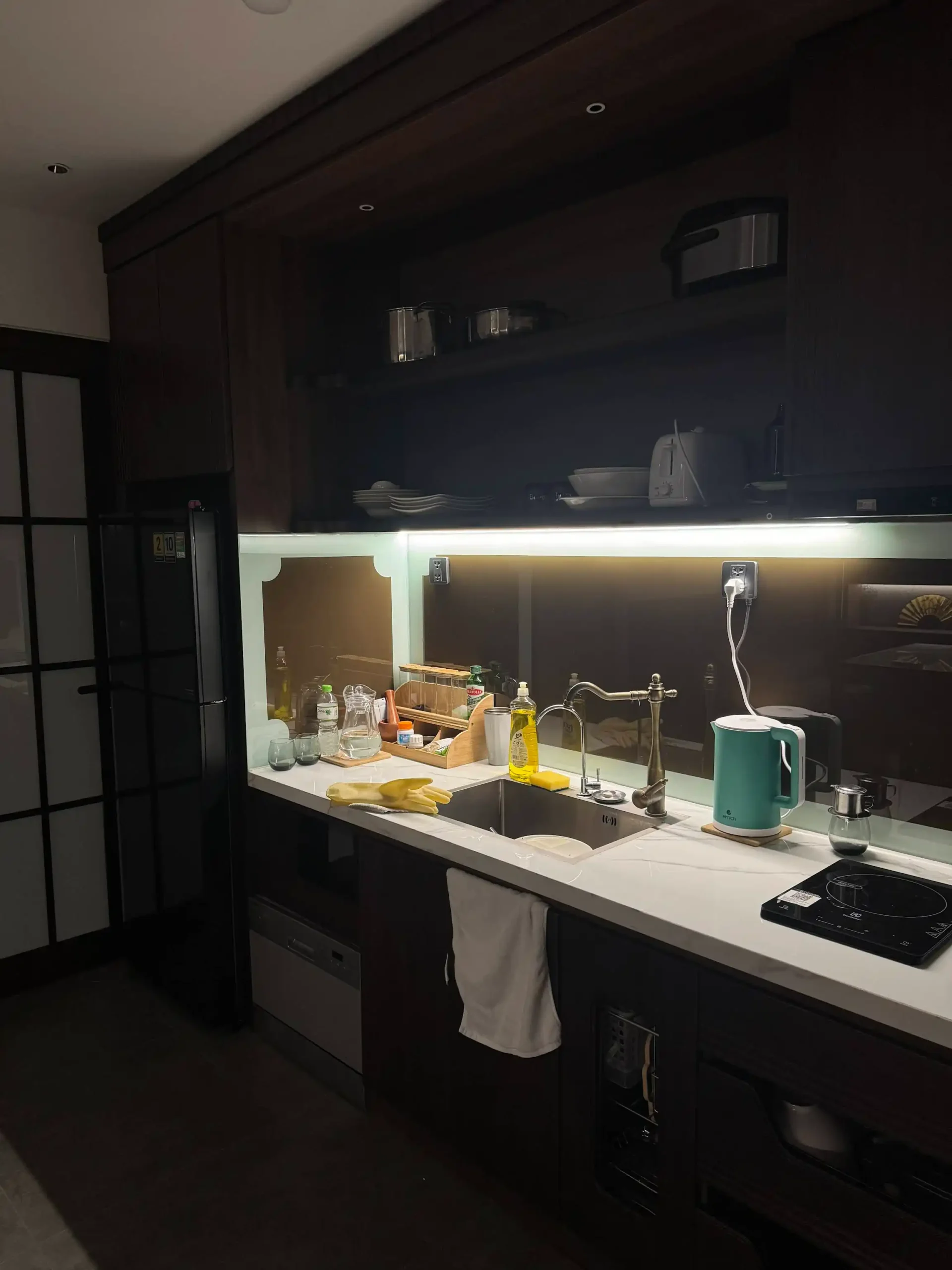
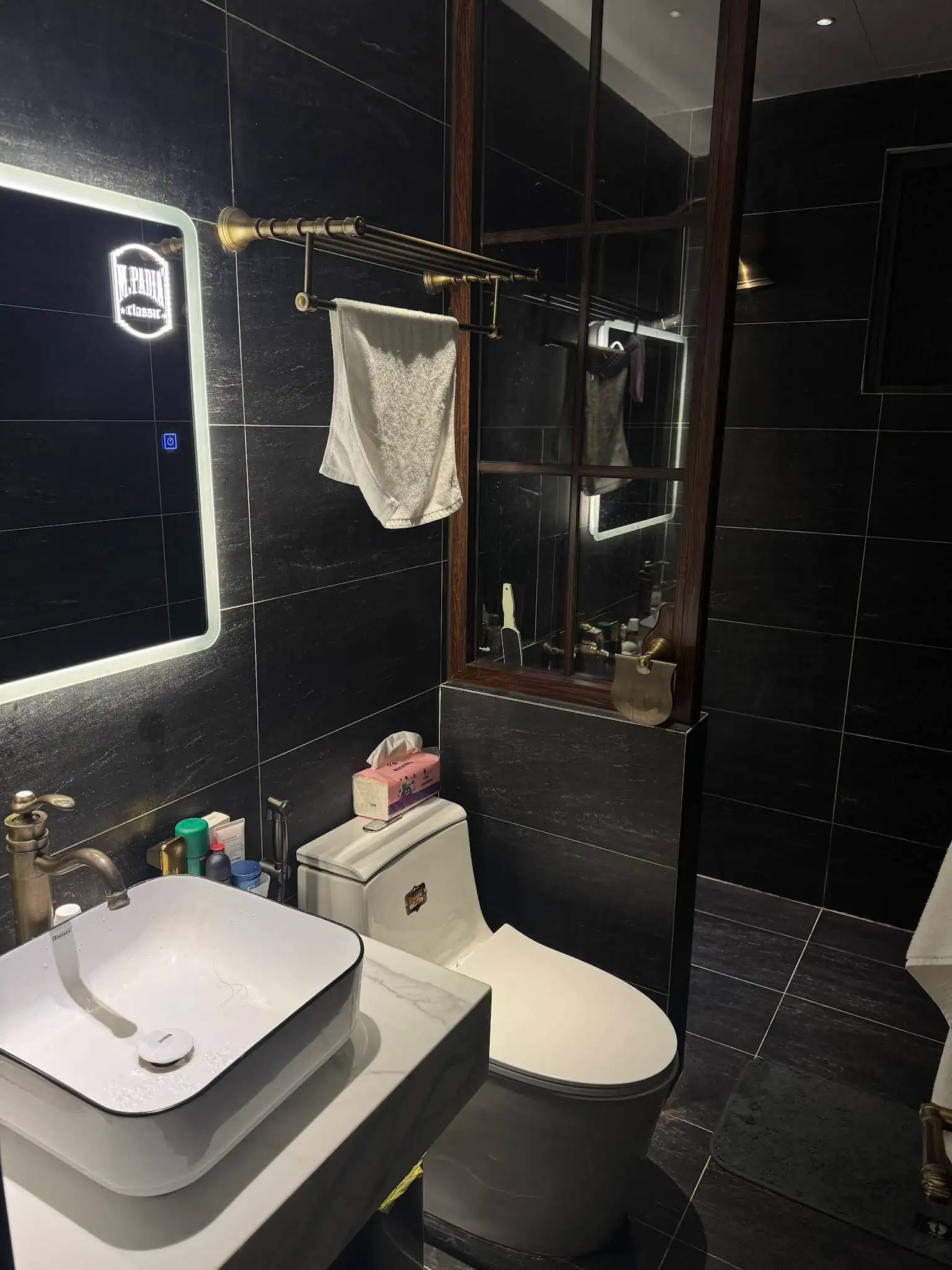
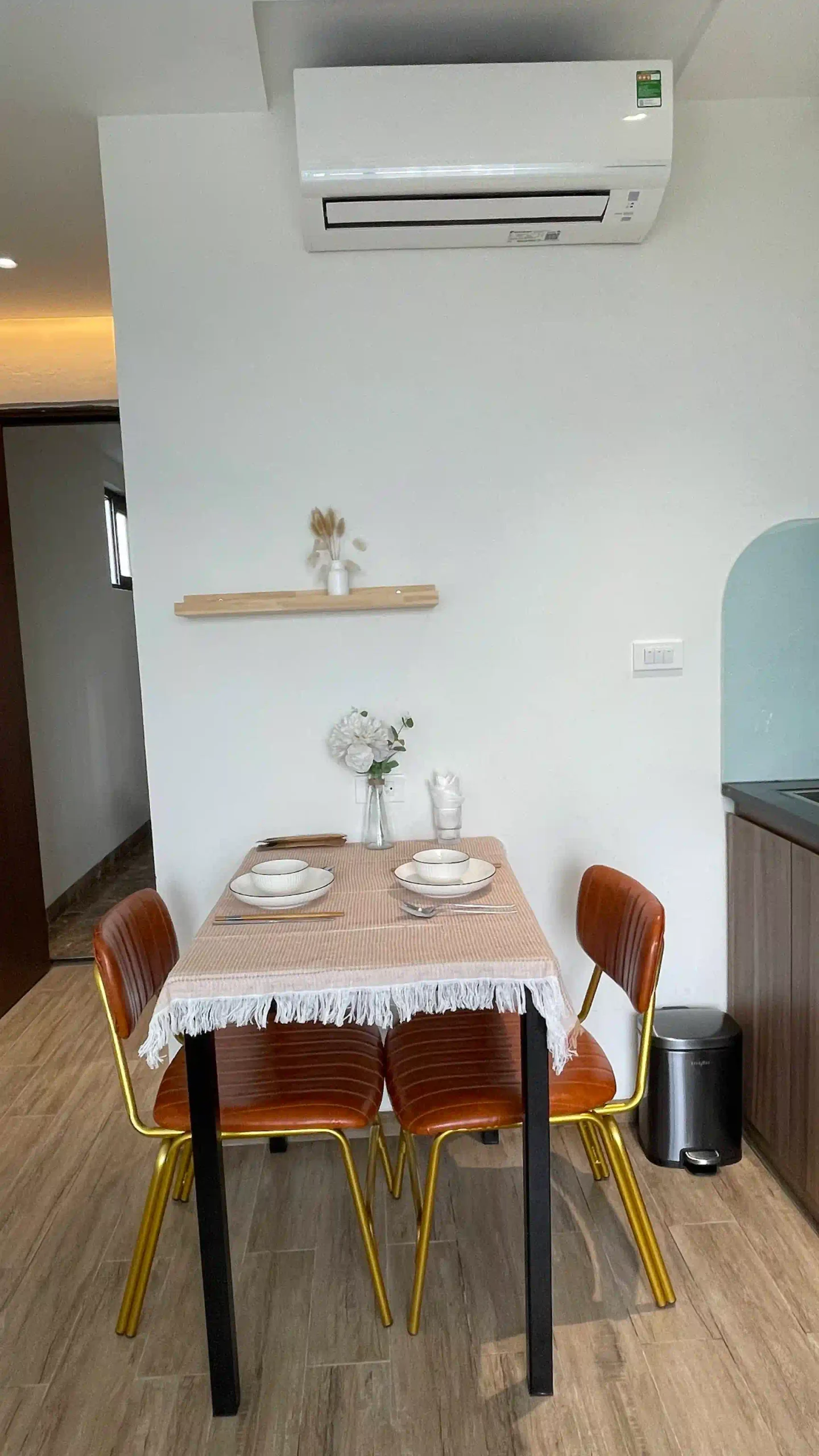
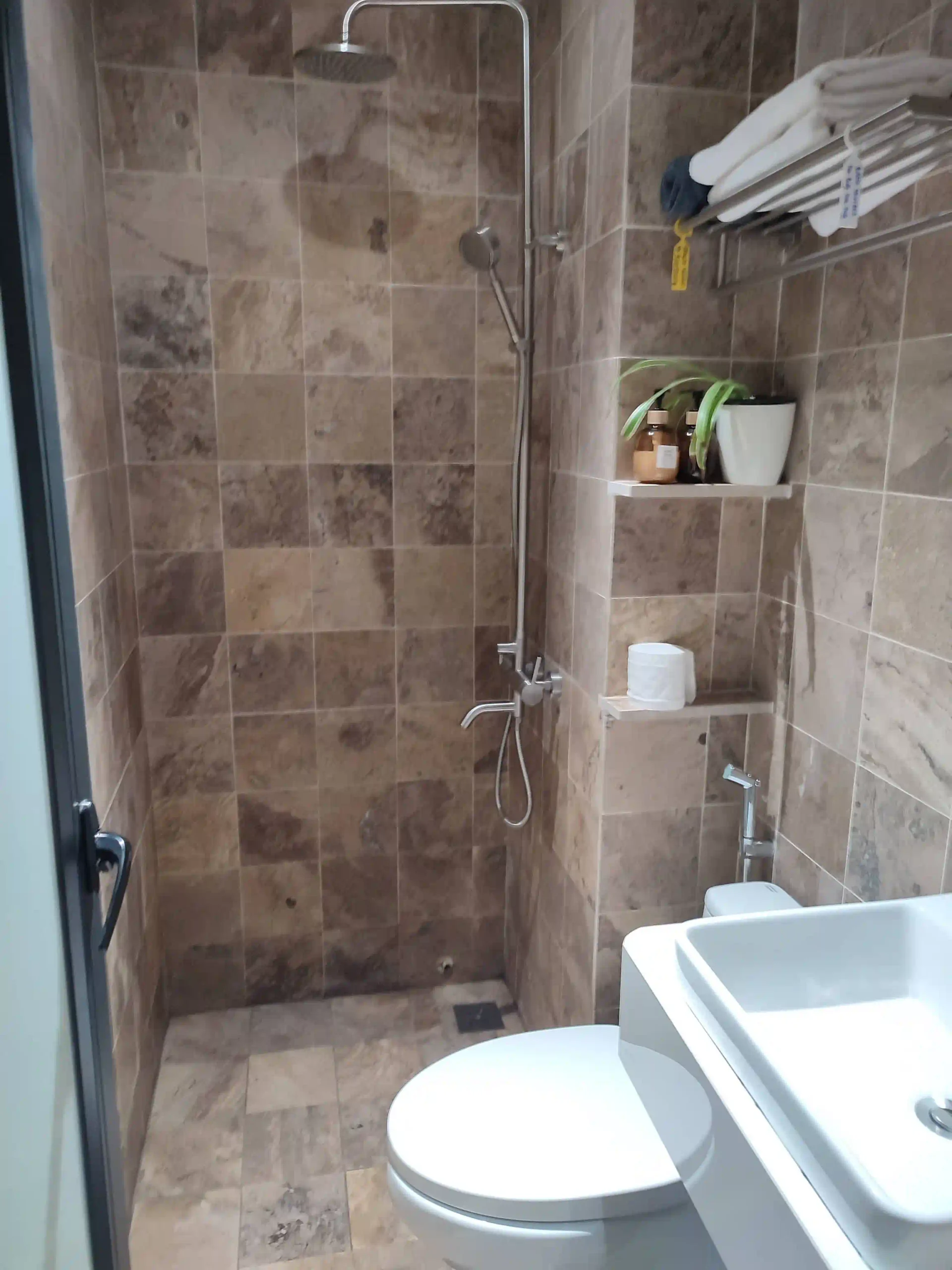
You can rent a brand new, extremely modern 1-bedroom serviced apartment with a rooftop pool in this area for somewhere between 9 million to 12 million VND ($350 – $480 USD) a month.
You live the ultimate cheap nomad life. You get up, walk five minutes to the ocean, work for three hours, grab a Mexican bowl, and play padel in the evening. It’s easy, it’s laid back, but expats complain that you get trapped in an english-speaking bubble and barely interact with local Vietnamese culture.

Living in Hanoi
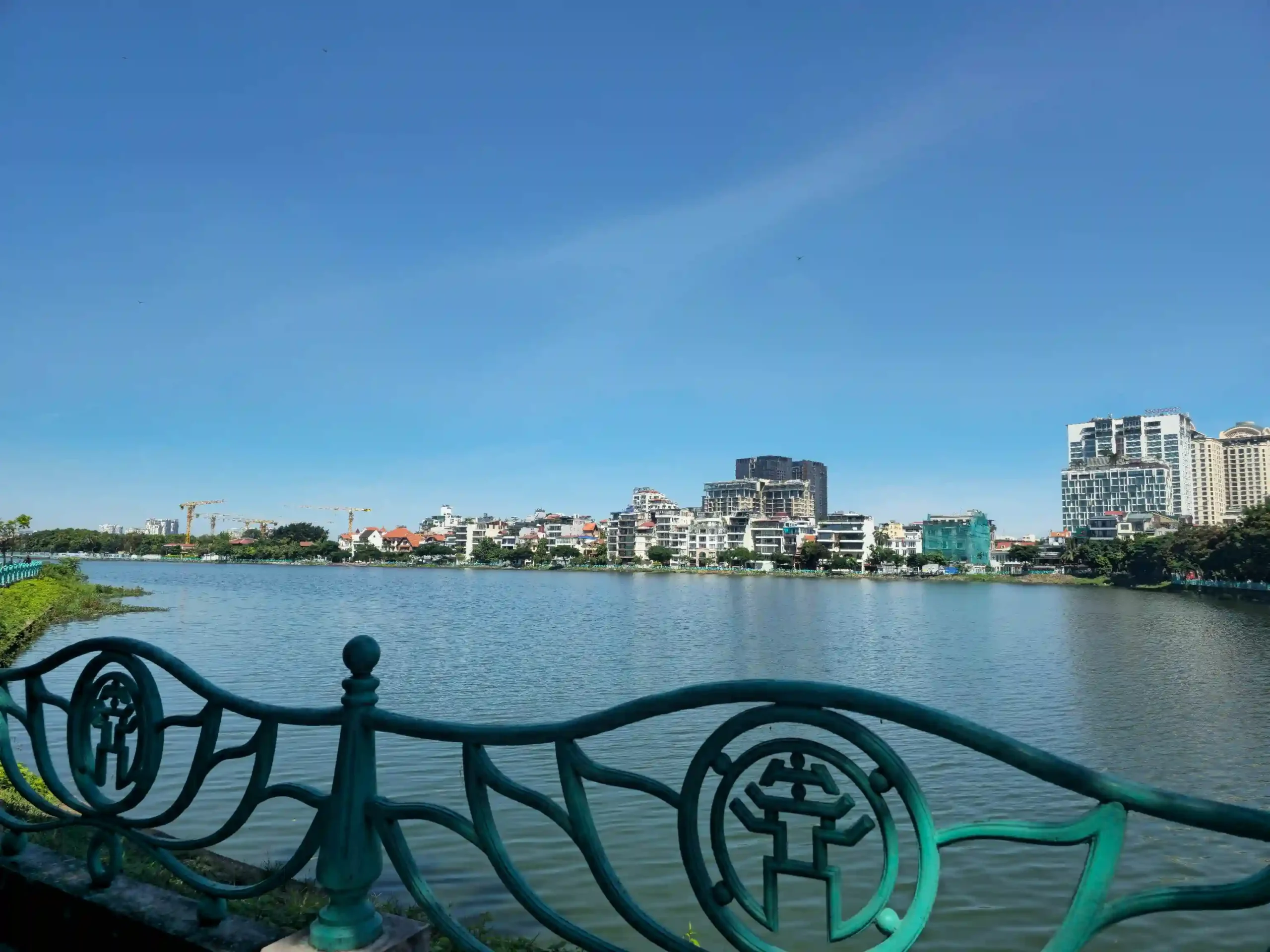
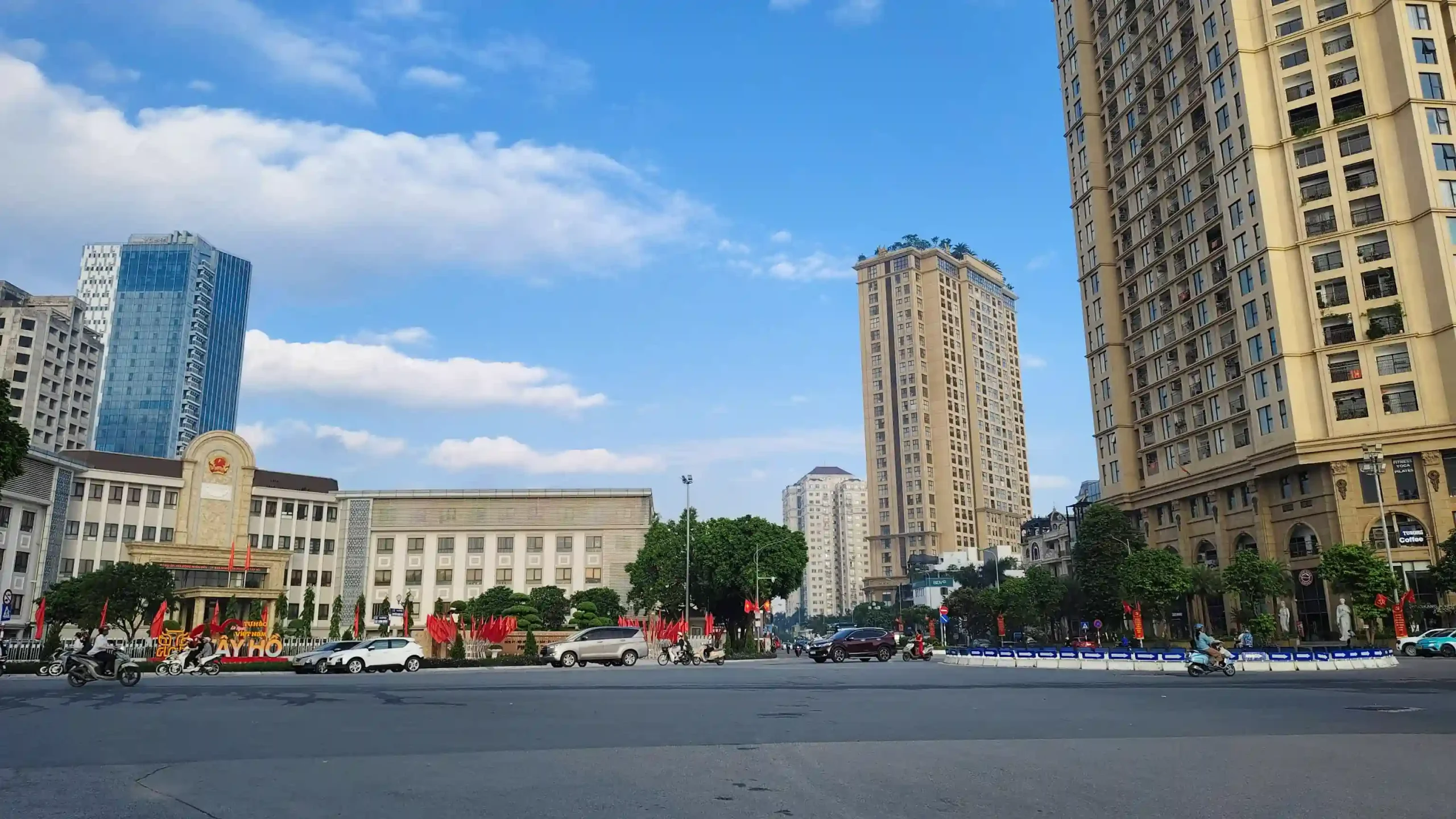
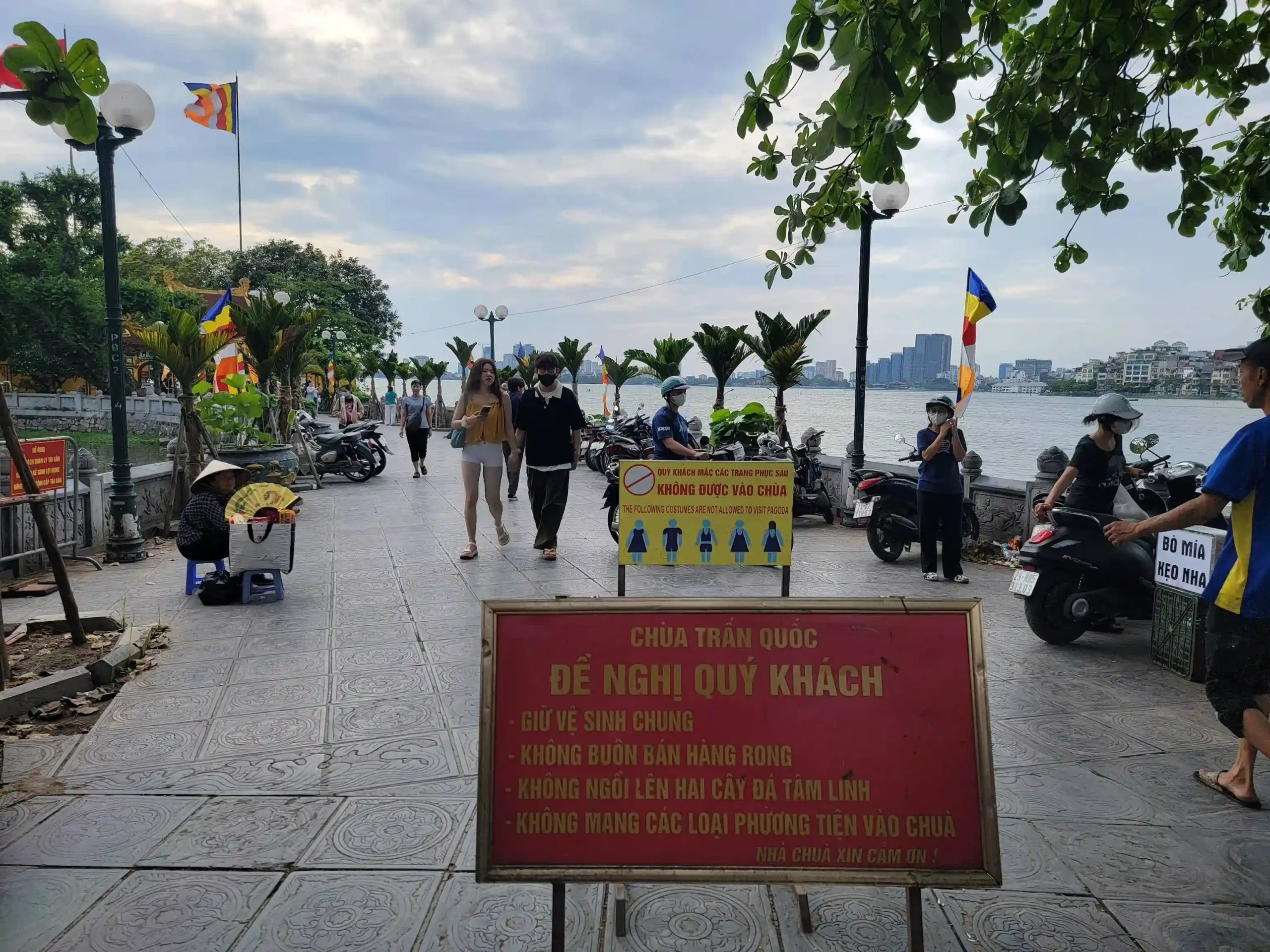
Expats in Hanoi cluster primarily around Tay Ho (West Lake).
Tay Ho isn’t next to a beach; it’s just built around a massive, murky lake in the northern part of the city.
The rent up here is generally more expensive than Da Nang right now. A decent, non-moldy 1-bedroom in Tay Ho will cost you more towards the $450 – $600 USD range depending on the street, and general household items or groceries trend slightly more expensive in the north too.
But the culture in Tay Ho feels less like a temporary transit hub and more like a permanent neighborhood. It’s heavily woven into local neighborhoods. The winding alleys, the small independent bakeries, the thousands of motorbikes squeezing past tight corners, it has grit.
People stay in Hanoi for years because they get addicted to the intense energy of the city, not because the weather is good.


The Comparison Summary
If you hate reading large blocks of text, here is how the two cities compare on paper when deciding Hanoi vs Da Nang.
| Thing you probably care about | What it looks like in Hanoi | What it looks like in Da Nang |
|---|---|---|
| Sidewalks / Walking | Don’t bother. Sidewalks are just scooter parking lots. You take a Grab bike or walk in the street. | Wide, actually paved promenades near the beach. Easy to walk blocks at a time. |
| Driving a Scooter | Requires heavy defensive driving skills. Swarm mentality. Pure chaos at roundabouts. | Totally doable for beginners on the wide, multi-lane bridges and beach roads. |
| Food Highlights | Deep broth culture. Pho, Bun Cha, tiny plastic stools in dark alleyways. Cheap local pricing. | Heavy on spice, crab, noodles (Mi Quang), rice paper wraps. High volume of massive open-air seafood restaurants. |
| Air Quality (Winter) | Historically poor from November to March. Regular PM 2.5 spikes. Purifiers highly recommended indoors. | Excellent air movement due to the coastal wind pulling the smog away constantly. |
| Accessing day trips | Most major natural sights (Ha Long, Ninh Binh, Ha Giang) take anywhere from 2.5 to 8 hours to reach. | Incredibly fast. 40 minutes to Hoi An, 1 hour to Ba Na hills. Easy jumping off point. |
| Nightlife style | Loud Bia Hoi corner (Ta Hien), late night alley cocktail bars, deep café scene, hidden spots. | Mostly clustered along the beach road and the An Thuong pub grid. Big beach clubs. Early shut downs compared to Saigon. |
If you choose the chaos and head north, go bookmark my exact hour-by-hour breakdown without burning out over on the Hanoi itinerary post, or find the safest places to sleep on my guide write-up.
Tying it to your overall route
Ultimately, finding an answer to Hanoi vs Da Nang just comes down to knowing yourself and the pace you travel at.
I see people drag older parents into Hanoi on a four-day layover. The parents end up spending three of those days sitting inside their hotel lobby because the heat and the 5 PM scooter traffic at intersections physically scare them too much.
Da Nang solves that problem completely. You put your bags down in Da Nang, step out, look at the ocean, eat cheap fresh oysters on a massive breezy patio, and your blood pressure goes down immediately.
But I also have backpacker friends who lasted exactly two days in Da Nang before taking a train back out. They found the empty four-lane roads sterile. They found the huge modern hotels boring. They wanted to sit on the floor of a three-century-old conical hat village in the dust, or they wanted to squeeze between crumbling brick walls in the Old Quarter looking for egg coffee at midnight.
Both versions of the trip are fine. Just align it with whatever gives you energy.

Keep Exploring Hanoi
-
See & do UltimateReal things to do in Hanoi for travelers who hate big crowds ›
-
Guide Must readIs Hanoi worth visiting? Why I still love it after 10 years ›
-
GuideInside the private Hanoi Da Nang train sleeper cabins ›
-
GuideThe best Hanoi to Sapa route I recommend to all my friends ›
-
Guide(2026) A Solo Female Guide to the Hanoi to Ha Giang Loop ›











 Tiếng Việt
 한국어
한국어 中文 (中国)
 日本語
日本語 ไทย
ไทย Deutsch
 Español
 Destinations
 Instagram
 Facebook
 X (Twitter)
 Threads
 Tiktok