









 Ha Giang
 Hanoi
Hanoi Ho Chi Minh City
 Ha Long
 Sapa
Sapa Mekong Delta
 Da Nang
 Hue
Hue Hoi An
 Ninh Binh
 Da Lat
 Nha Trang
 Phan Thiet
 Phu Quoc
 Quang Binh
 Quy Nhon
 Vung Tau
 Thai Nguyen








If you look at old travel guides from 3 or 5 years ago, they all say the same thing. They tell you the best time to visit Da Nang is between February and May.
But if you actually live here in 2026, you know that the weather has gotten weird.
Trying to figure out the best time to visit Da Nang is less about finding perfect weather and more about deciding which type of weather you are willing to tolerate. Every season here has a massive trade-off. You are either trading good weather for big crowds, or you are trading cheap prices for rain.
If you are trying to map out your trip and figure out all the places you actually want to check out around the city, you need to know how the weather is going to impact those plans. Driving the Hai Van Pass is incredible in April. It is terrifying and dangerous in a November rainstorm.
So, let’s break down what the calendar actually looks like on the ground right now. No sugarcoating, just the reality of the seasons.
- Quick Answer: The best time to visit Da Nang is from February to May when the weather is dry, sunny, and comfortably warm (22-30°C). Avoid October and November due to heavy typhoon rains and flooding, and be prepared for extreme heat and massive domestic crowds if you visit between June and August.
- February to May (The Sweet Spot):
- Clear skies and manageable temperatures (22°C – 30°C).
- Best time for beaches, driving the Hai Van Pass, and outdoor exploring.
- June to August (The Furnace & Crowds):
- Brutally hot (35°C+) and highly humid.
- Peak domestic tourist season. Expect packed beaches, heavy traffic, and doubled hotel prices.
- September to November (Typhoon Season):
- Heavy, multi-day rainstorms and severe street flooding.
- Flights and tours often get canceled. Very cheap, but a massive gamble for a short vacation.
- December to January (The Grey Zone):
- Cool (18°C – 22°C), constantly drizzling, and overcast.
- The ocean is rough and unswimmable. Good for food tours, terrible for a beach holiday.
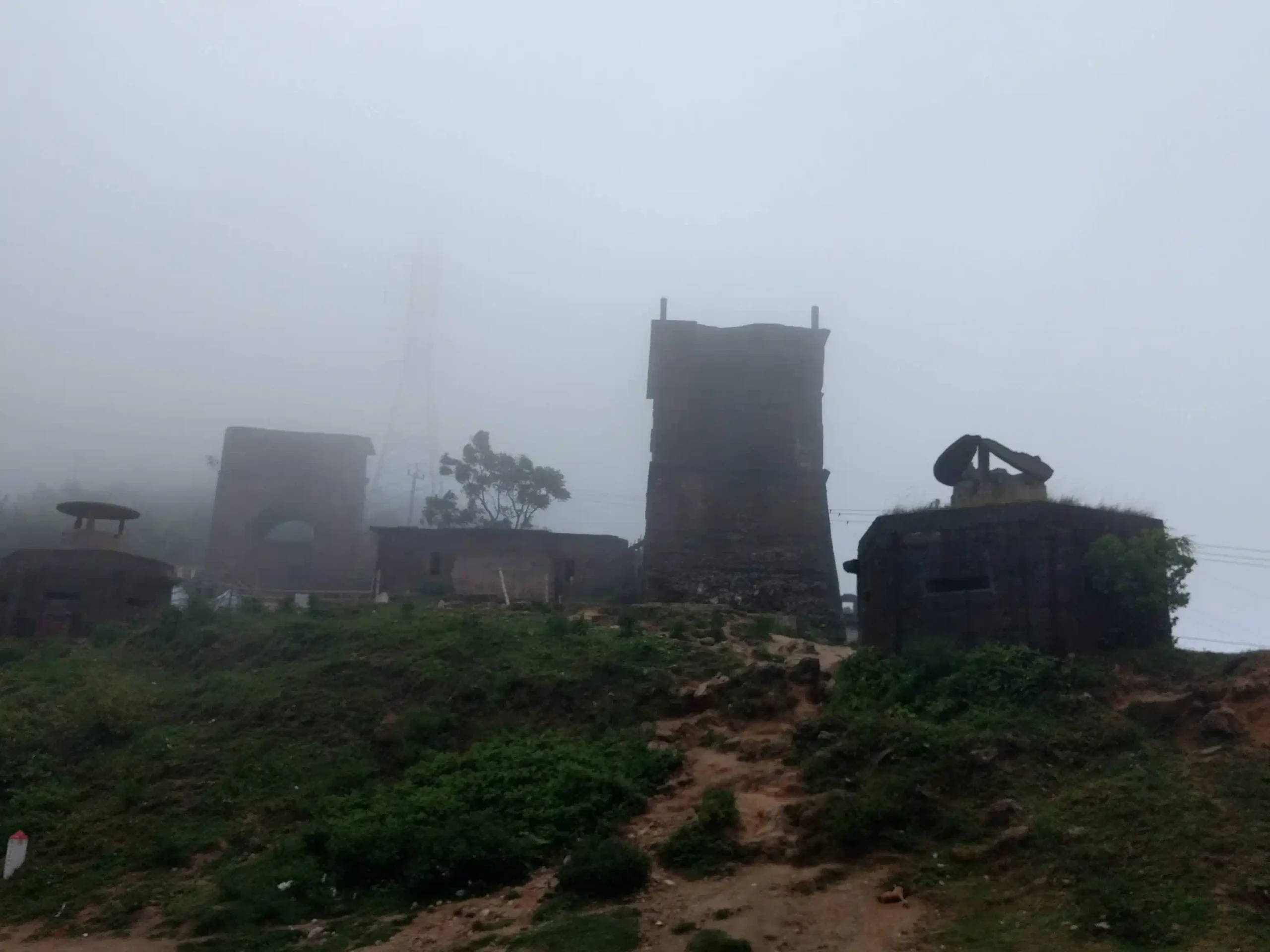
- Location Warnings: Ba Na Hills is freezing and covered in thick fog during winter and autumn. Nearby Hoi An regularly floods knee-deep during October and November.
The Two Seasons (Forget Spring and Autumn)
People coming from Europe or North America usually think in terms of four seasons. You need to drop that idea immediately. Da Nang basically has two modes: Dry and Wet.
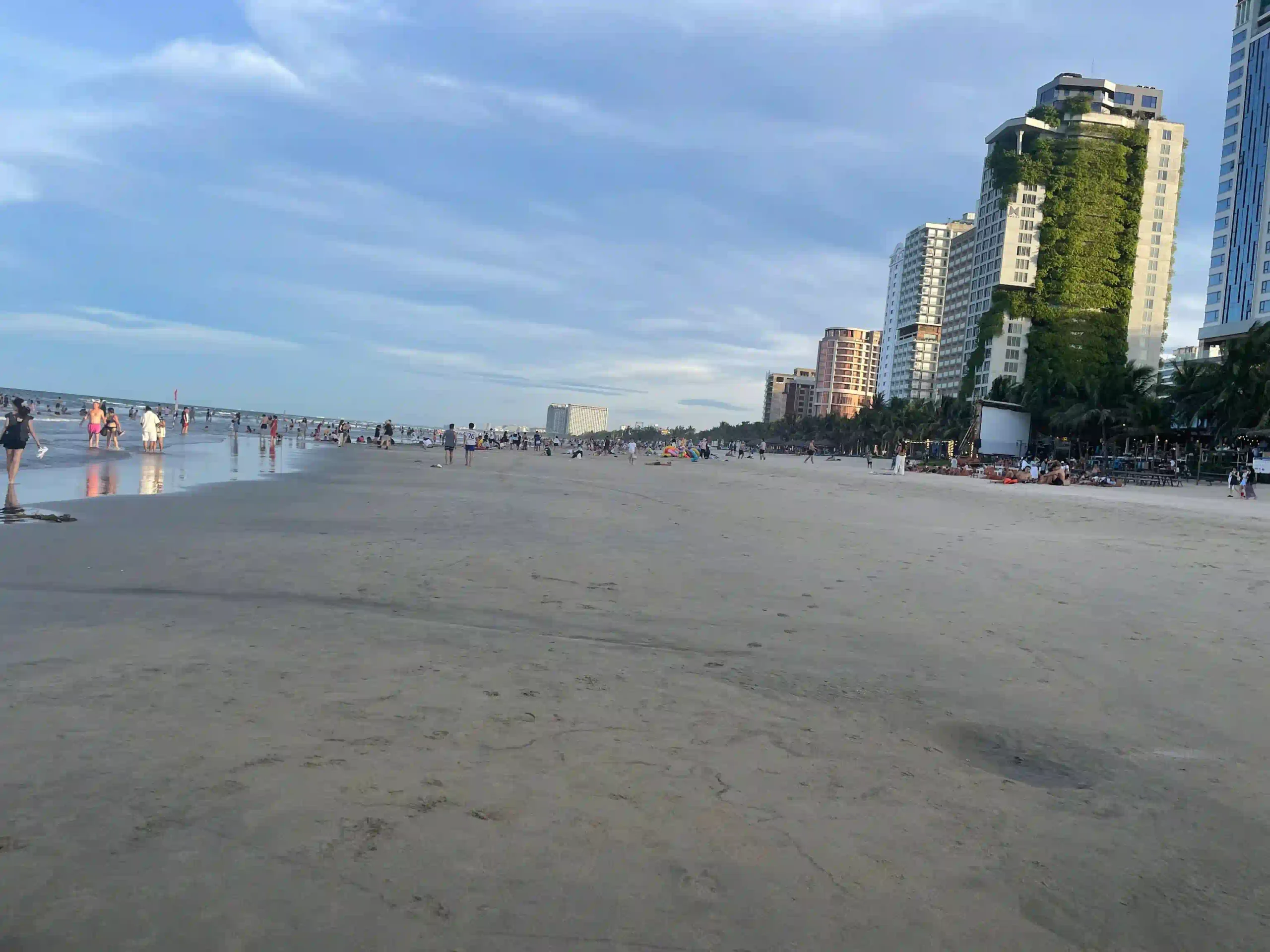
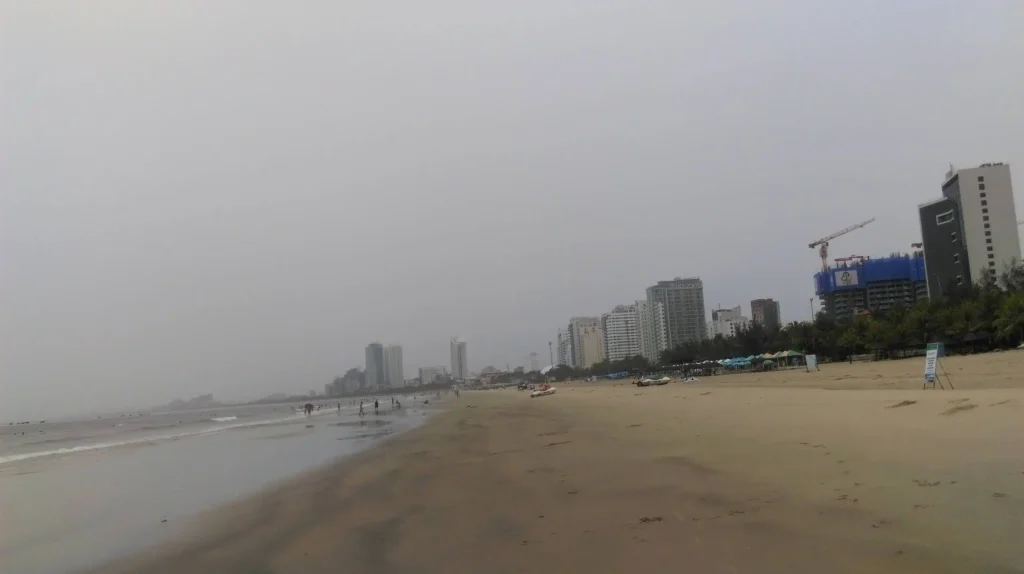
The dry season runs roughly from February to August. The wet season runs from September to January.
But even within those two blocks, the conditions change drastically. A dry day in March is beautiful. A dry day in July will make you want to sit in an air-conditioned mall all afternoon.
Let’s go month by month so you know exactly what you are walking into.
February to May
If someone forces me to give a straight answer about the best time to visit Da Nang, this is the window I tell them.
February and March
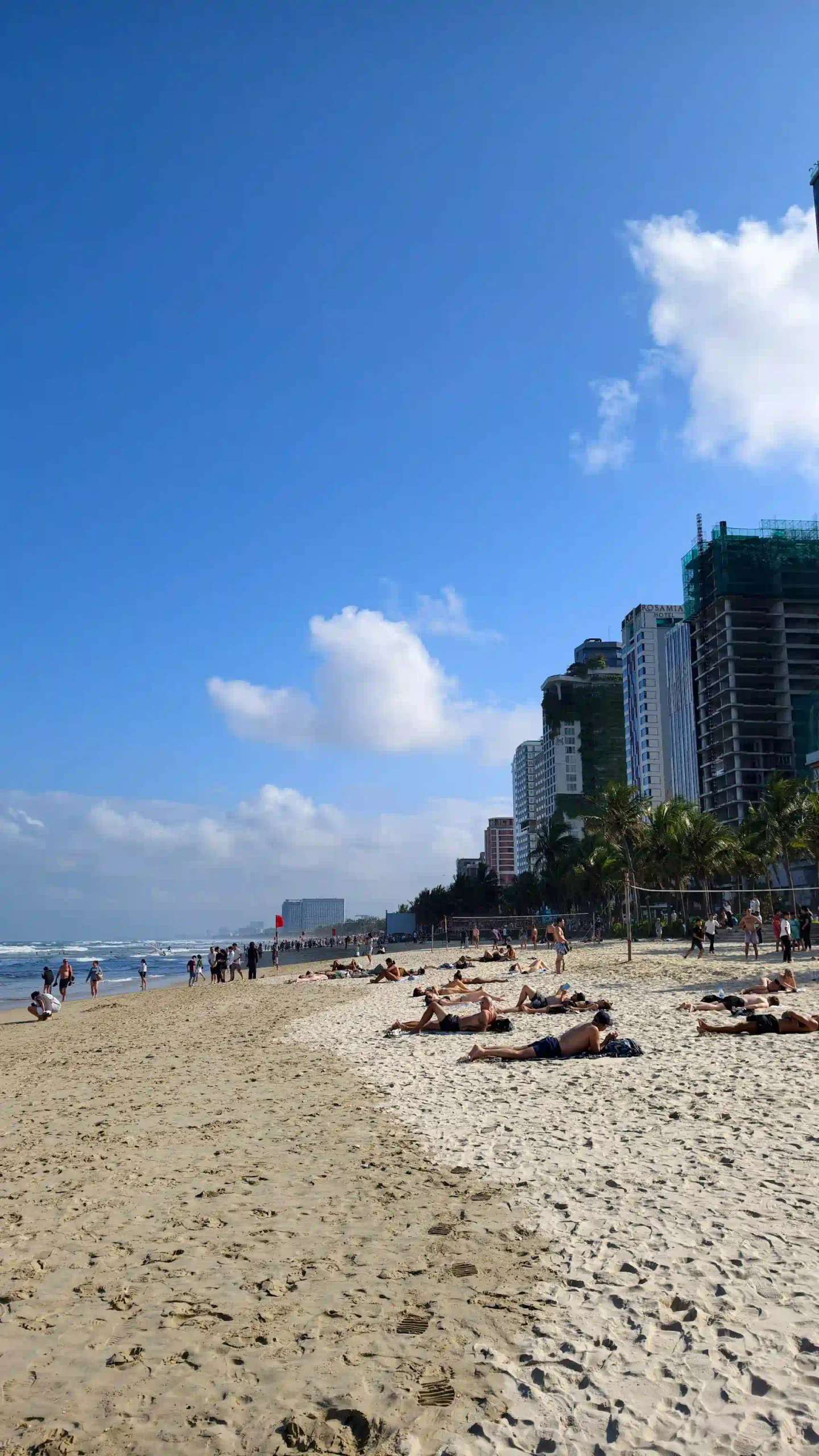
This is the transition period out of the rainy winter. The heavy rains have stopped. The sky is mostly blue. The temperature sits comfortably between 22°C and 28°C.
You can actually walk around outside at noon without sweating through your shirt. You can sit at a sidewalk cafe and drink coffee without feeling like you are baking.
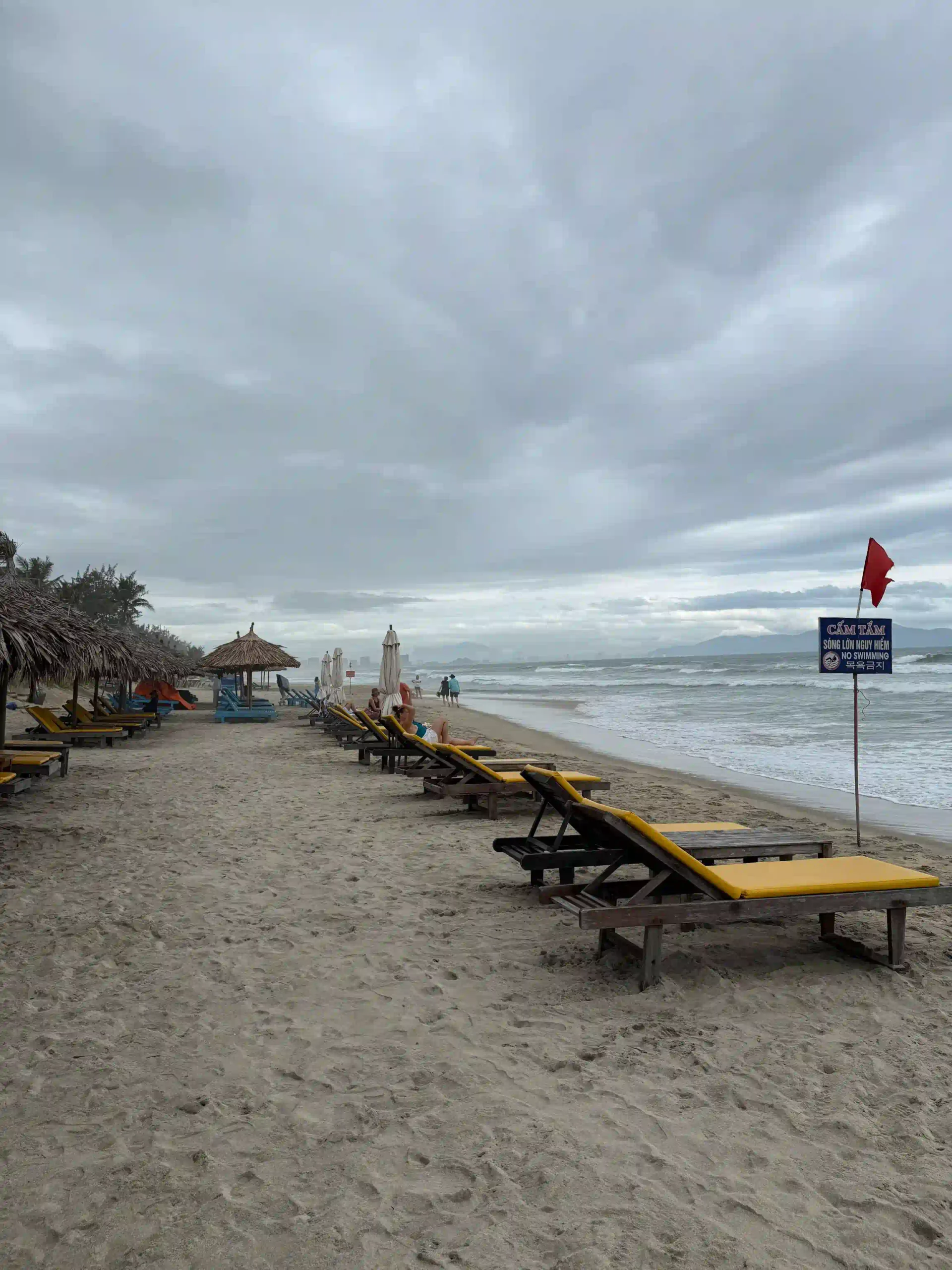
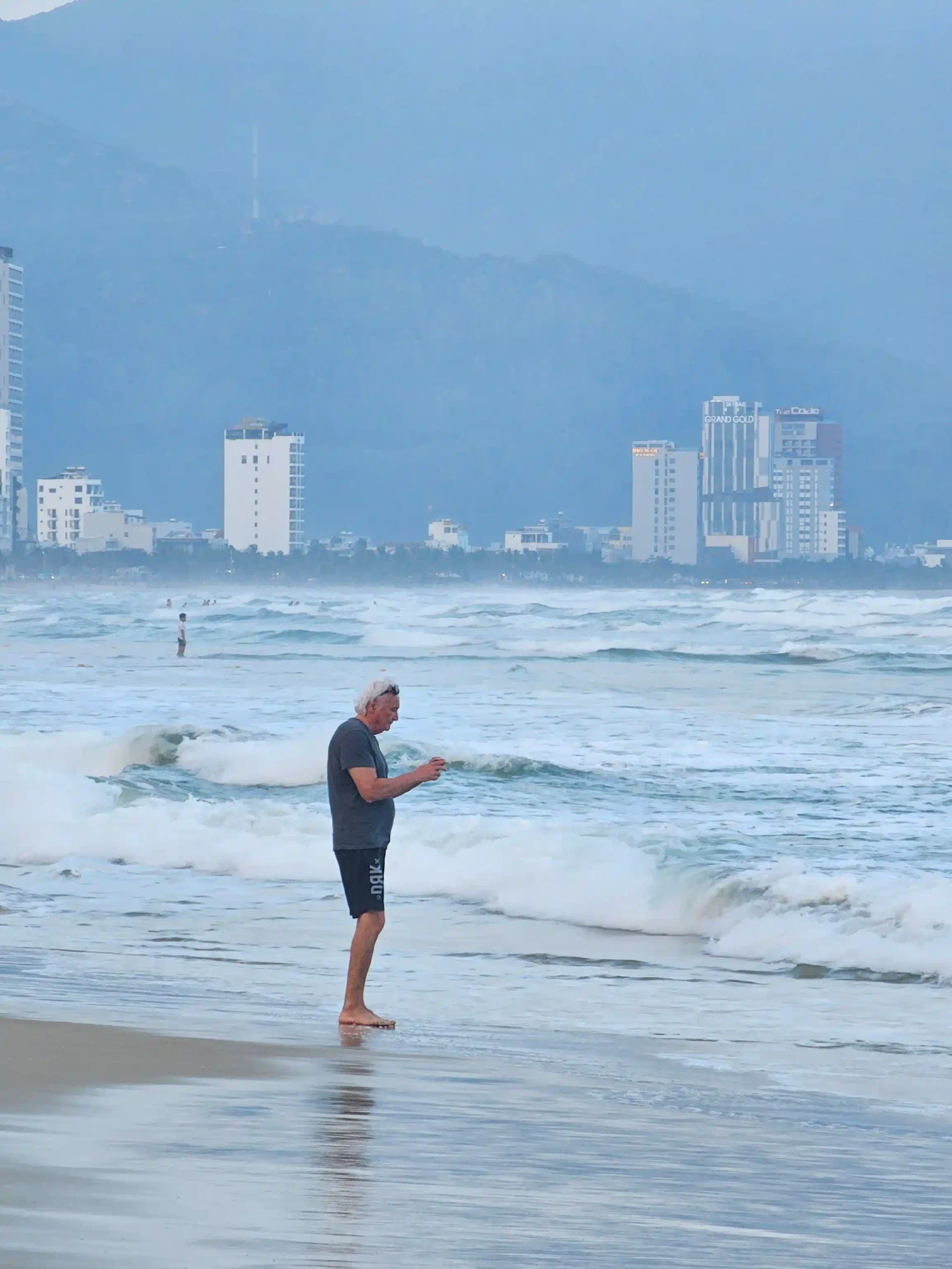
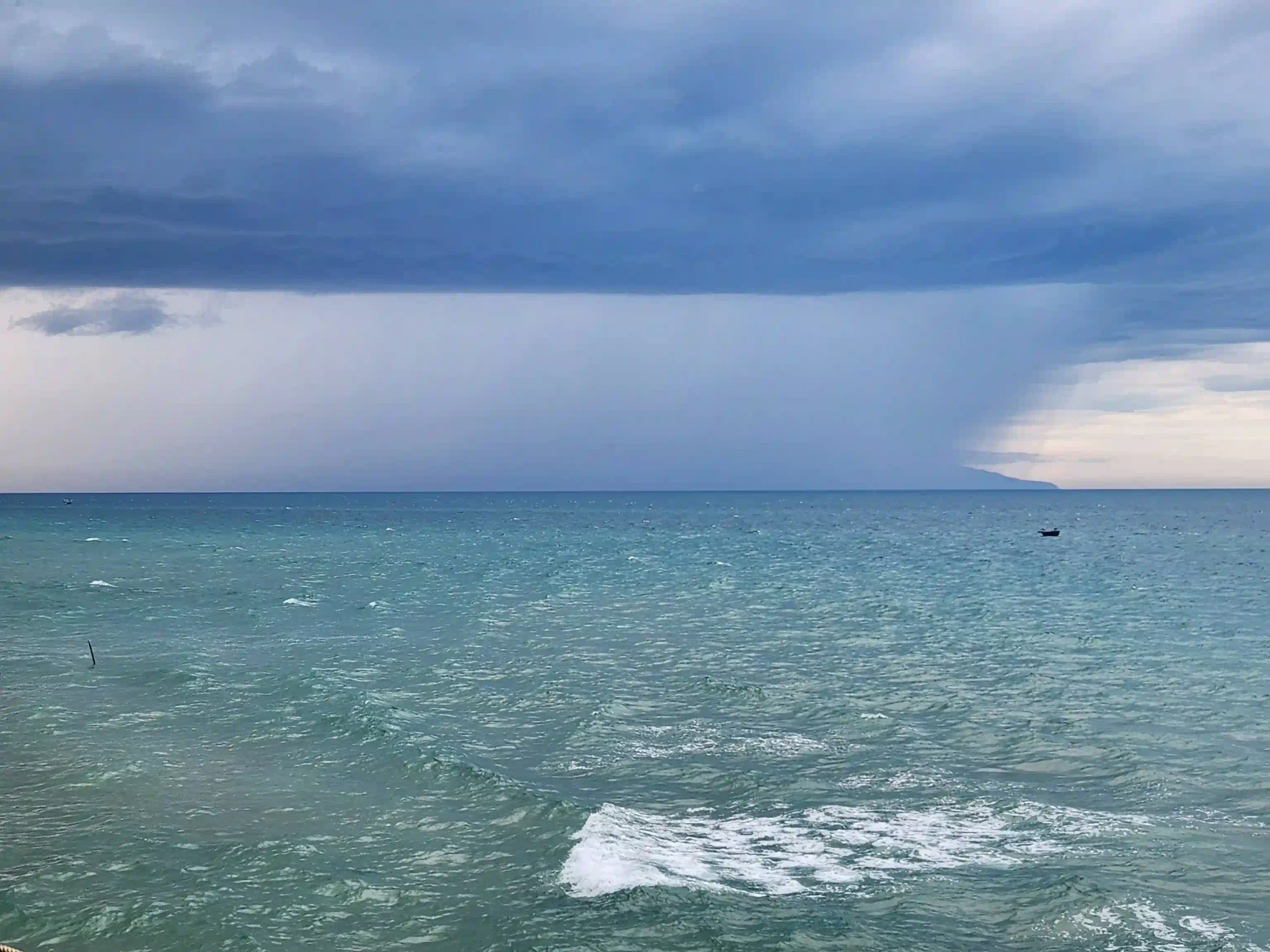
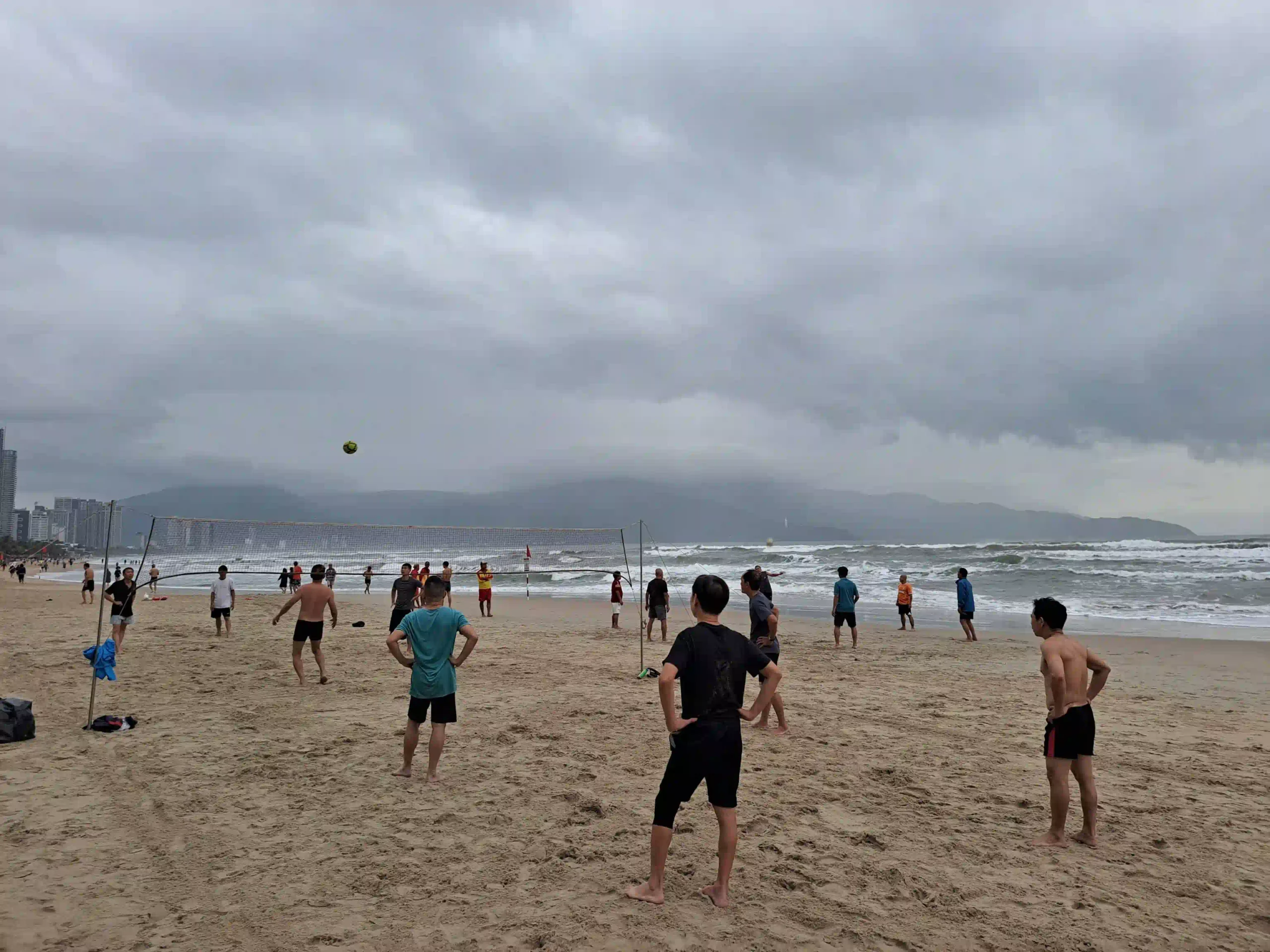
The only downside to February and March is the ocean. The water is still pretty cold from the winter. You will see expats and tourists swimming, but the locals won’t touch the water until it gets much warmer. The waves can also still be a bit rough.

A warning about Tet: The Lunar New Year (Tet) usually falls in late January or early February. If your trip overlaps with Tet, the city shuts down. Half the restaurants close because the staff goes back to their hometowns. The places that stay open will charge a 20% holiday surcharge.
It is a terrible time to be a tourist here. Always check the exact dates for Tet before you book a February flight.
Read more: I asked 50 locals to rank 5 best restaurants in Da Nang !
April and May
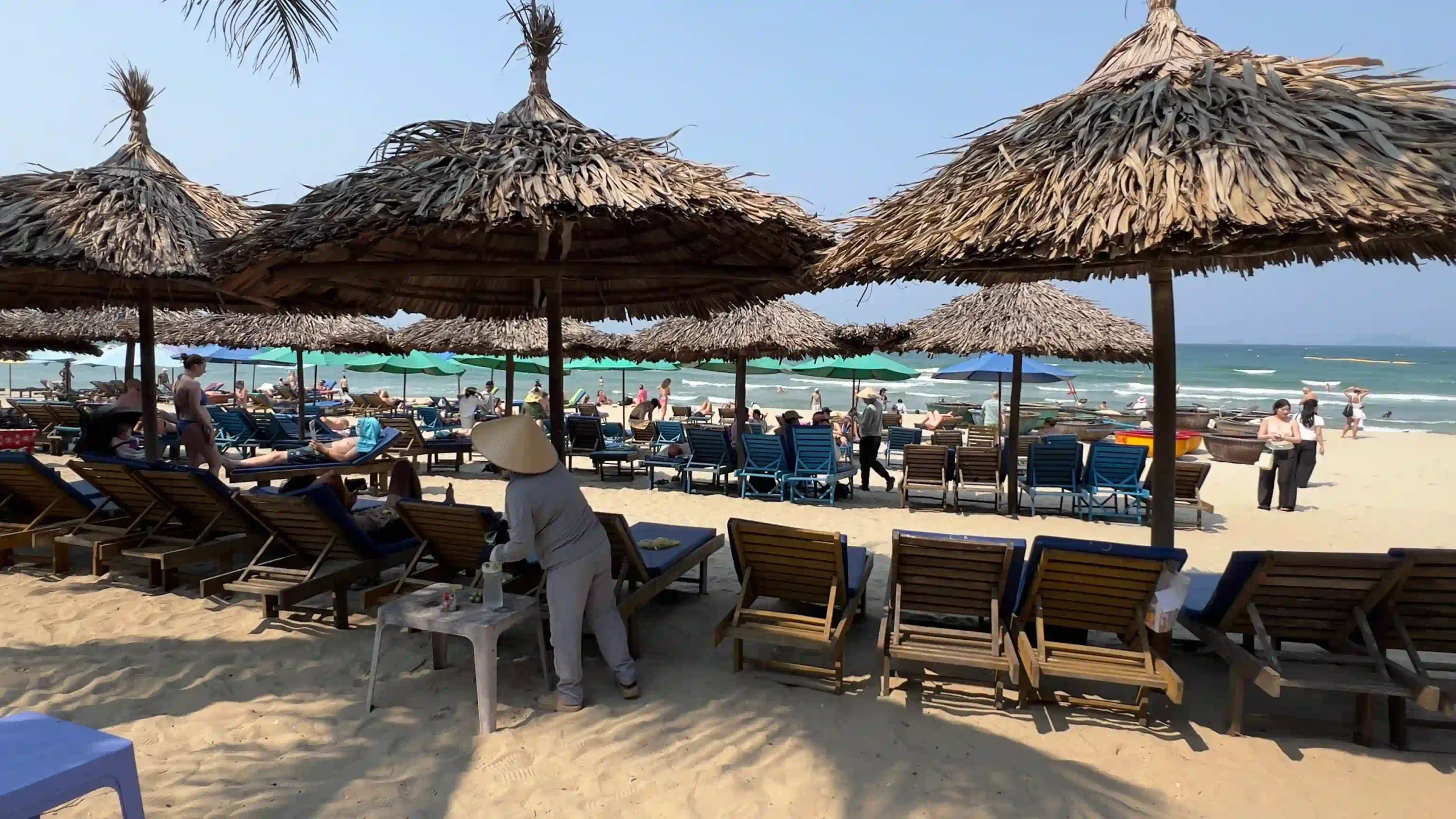
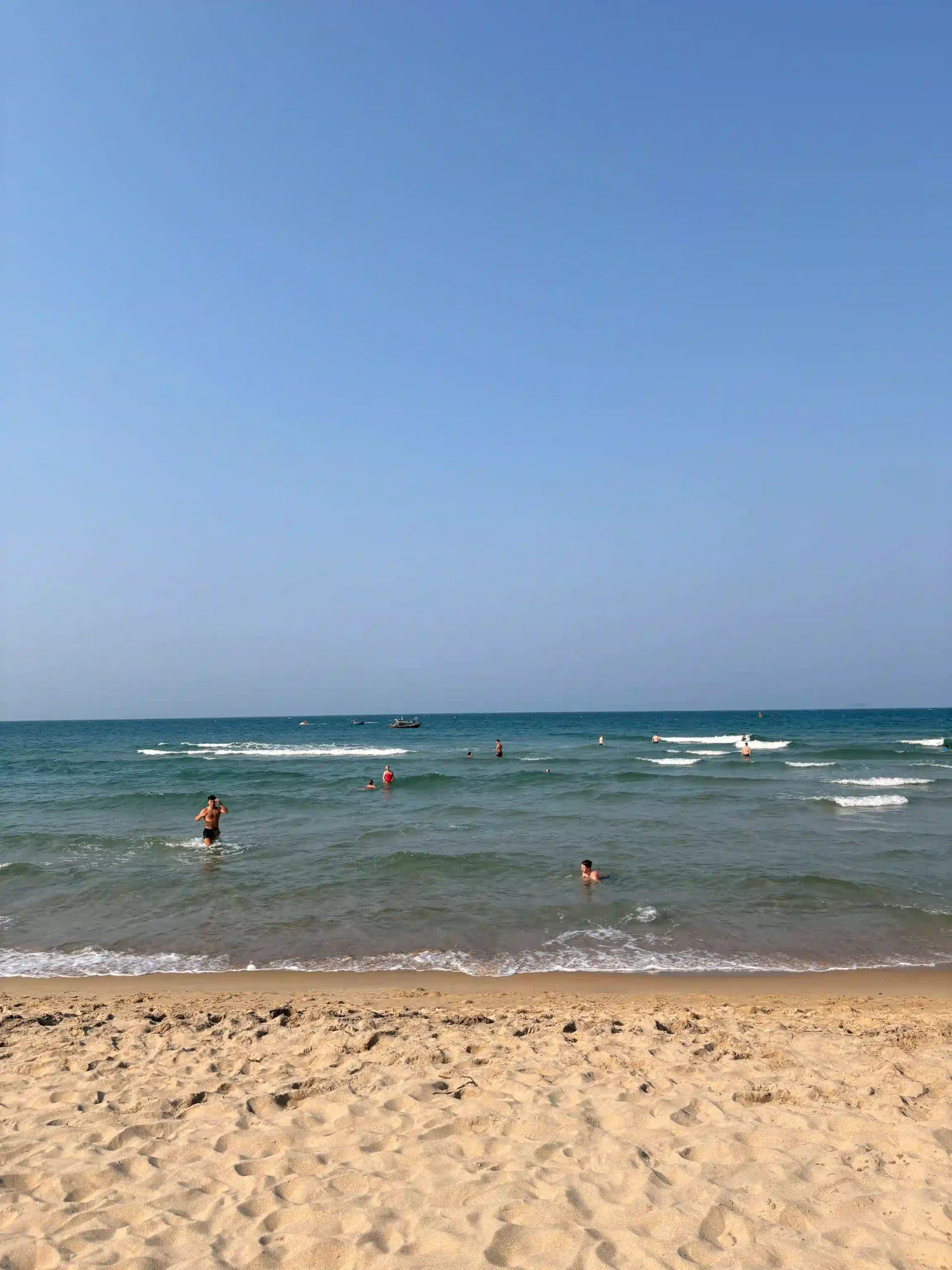
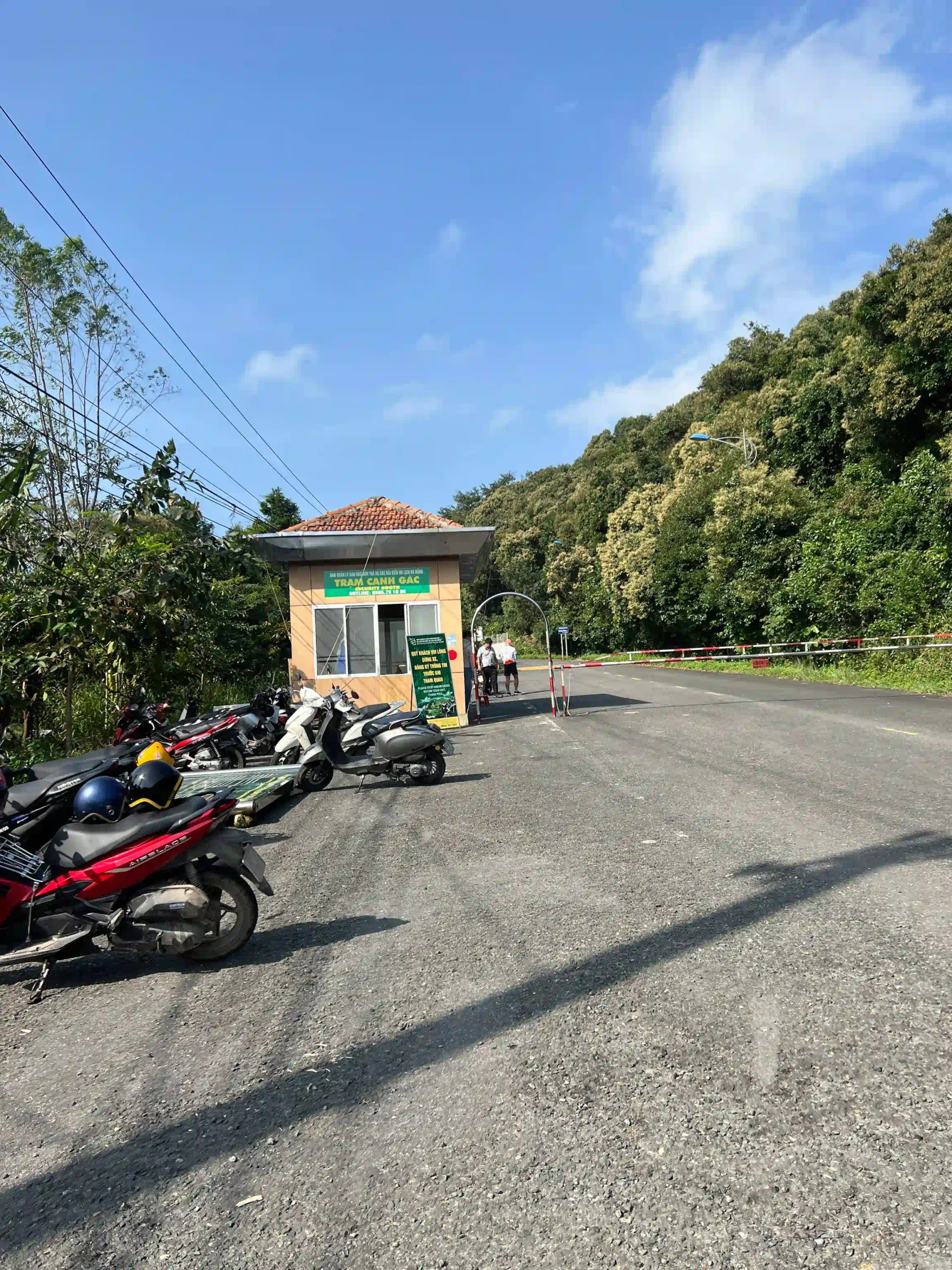
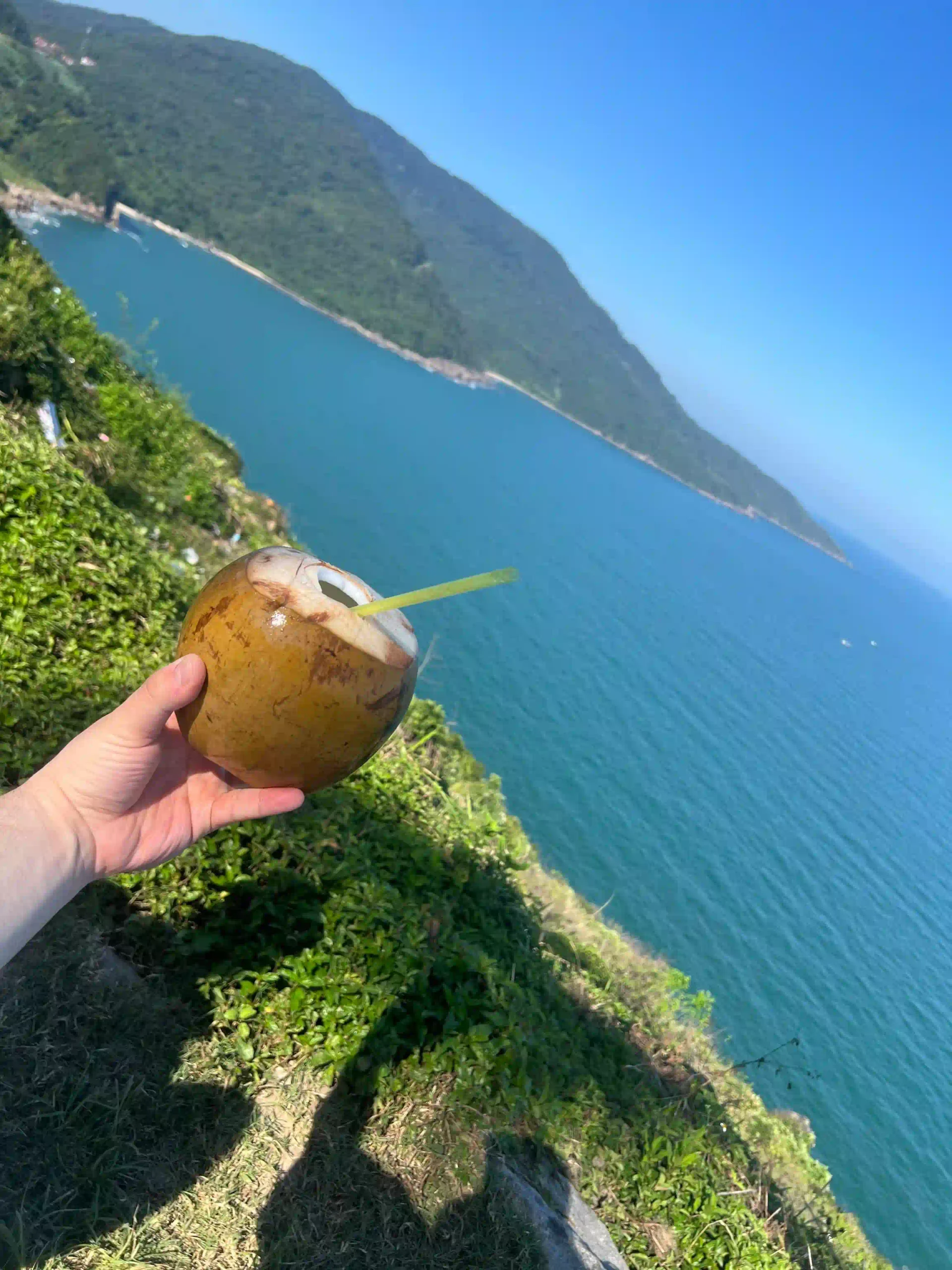
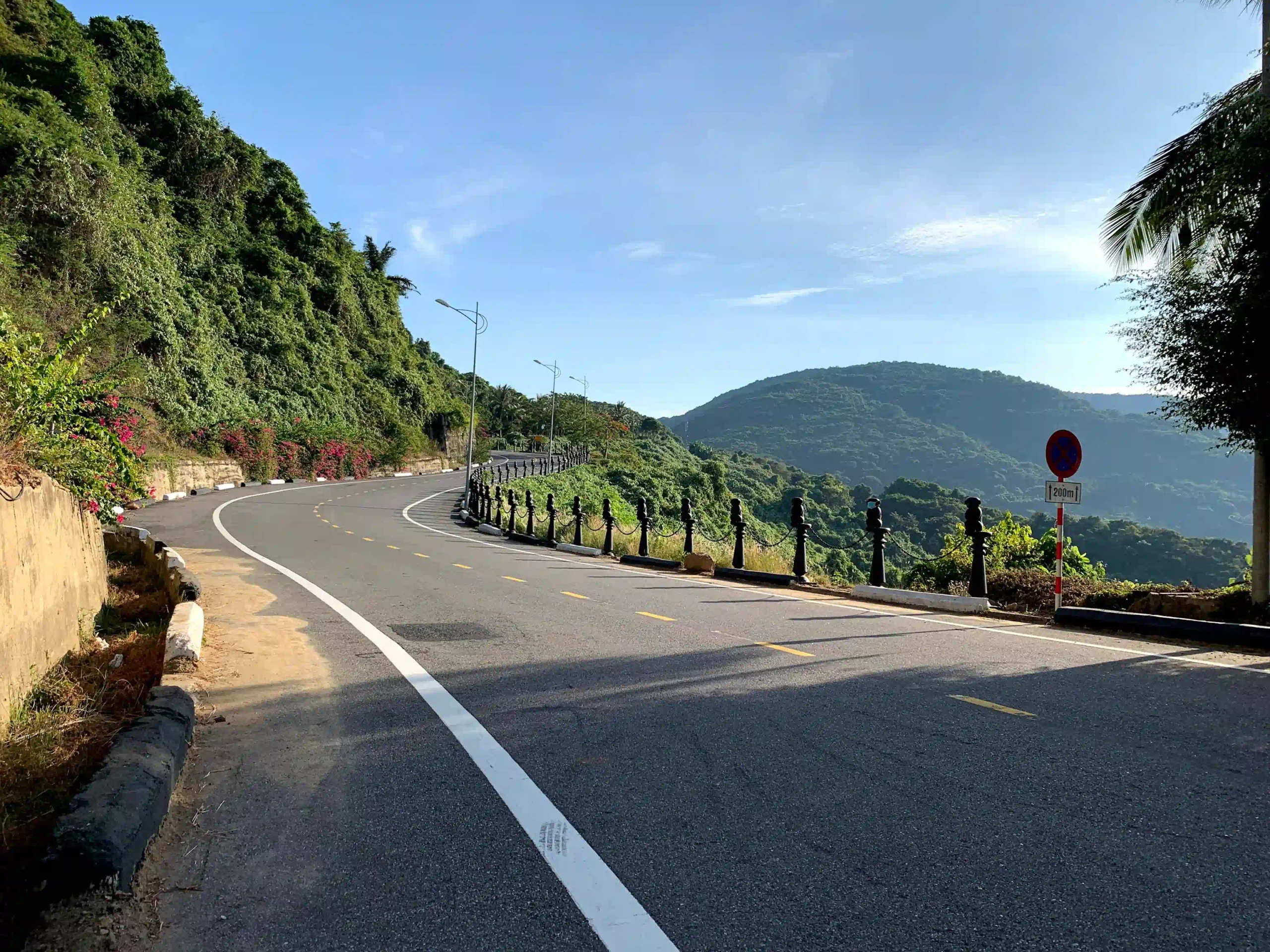

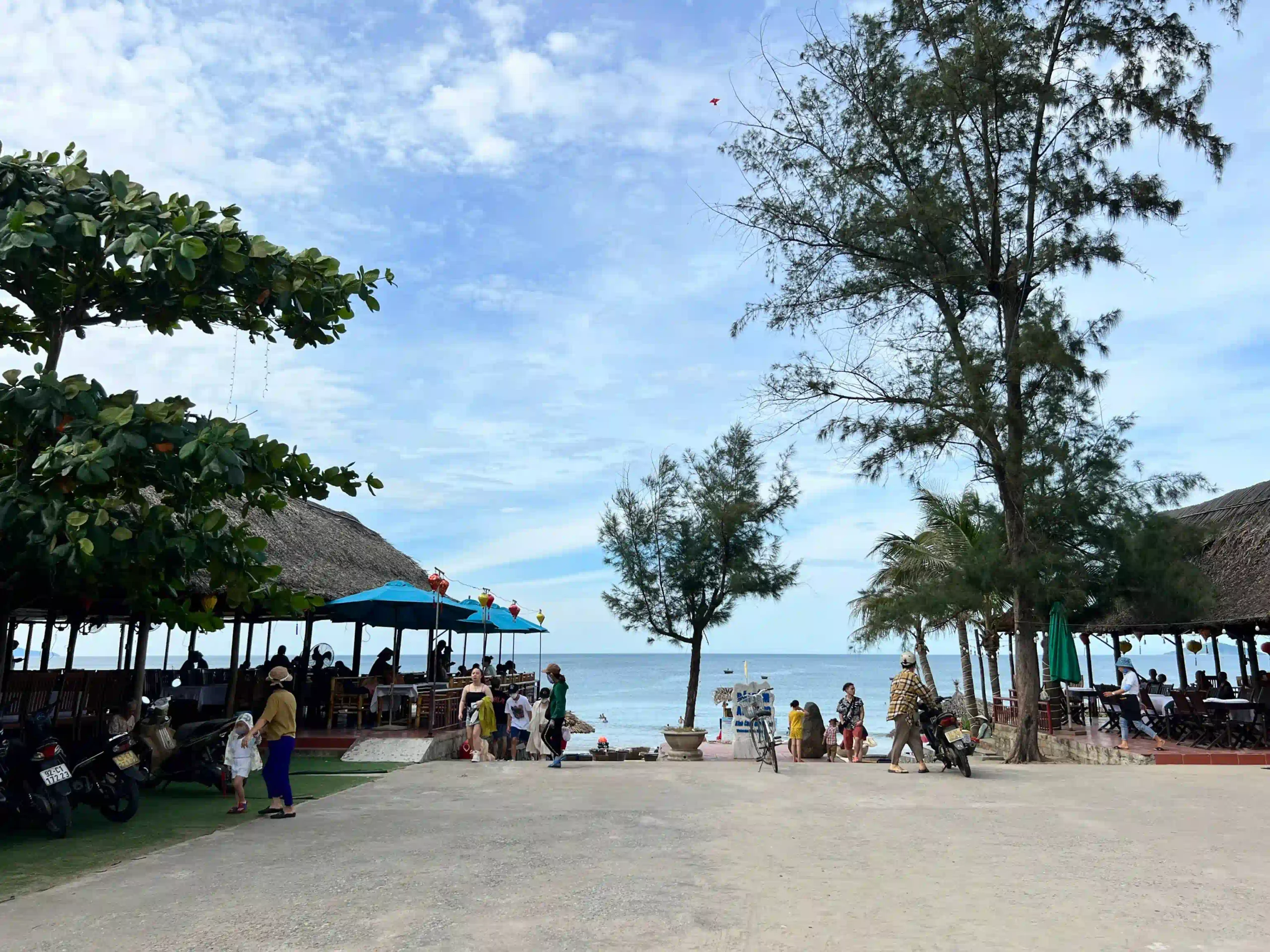
This is probably the absolute peak of good conditions. The water has warmed up, so the beach is actually usable. The sky is clear. The humidity is starting to climb, but it hasn’t reached the suffocating levels of mid-summer.
This is the best time to rent a motorbike and drive up the Son Tra Peninsula or over the Hai Van Pass. The roads are dry, and you actually get clear views instead of just looking at fog.
Because this is the ideal window, prices are standard. You aren’t getting the massive discounts of the rainy season, but you also aren’t paying the crazy markups of the summer rush.
A decent mid-range hotel near My Khe beach will cost you around 800,000 to 1,200,000 VND ($30 to $50 USD) a night.
June to August
A lot of foreign tourists assume summer is the best time to visit Da Nang because that’s when they take their vacations. This is a massive miscalculation.
The Heat
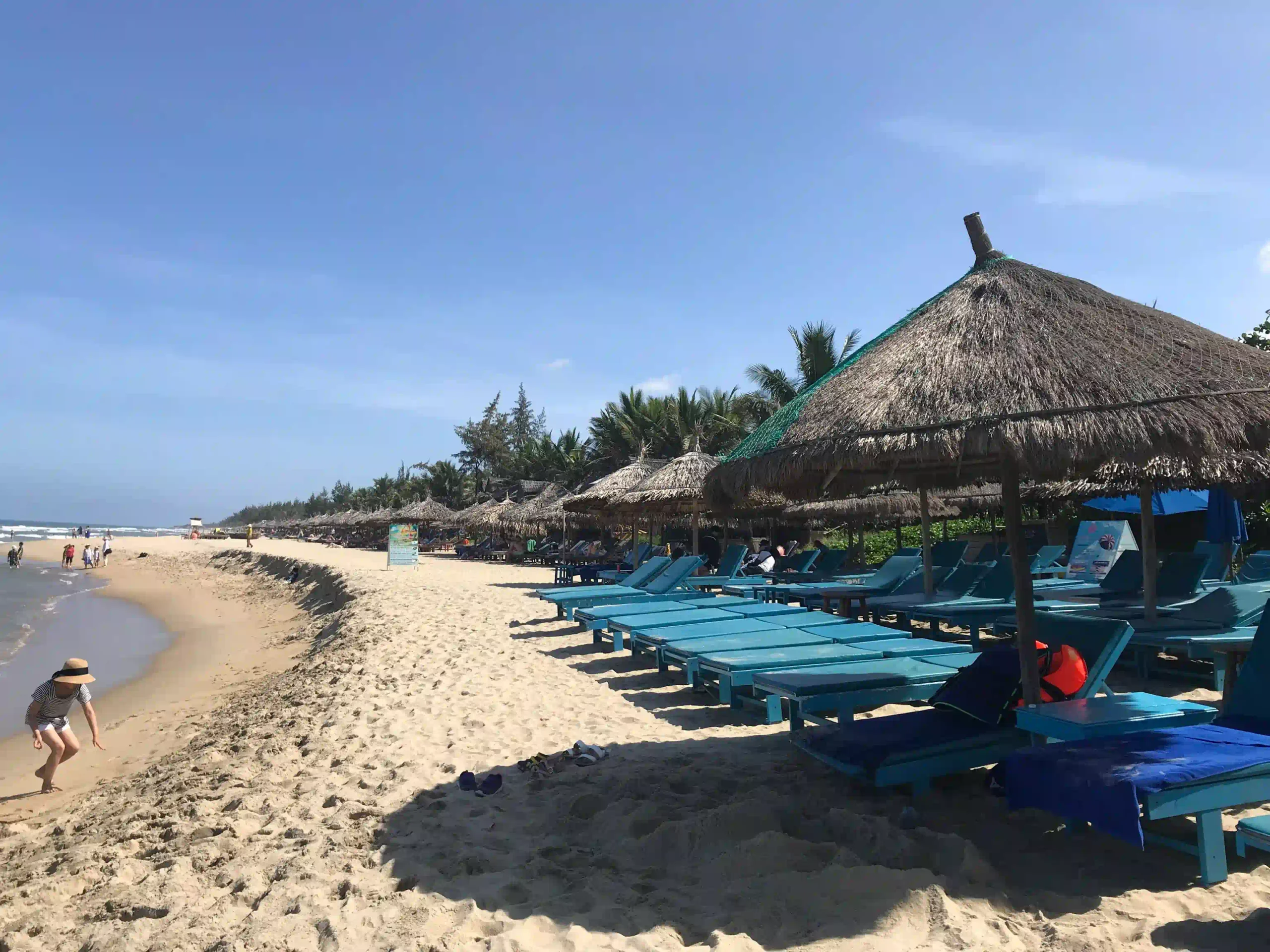
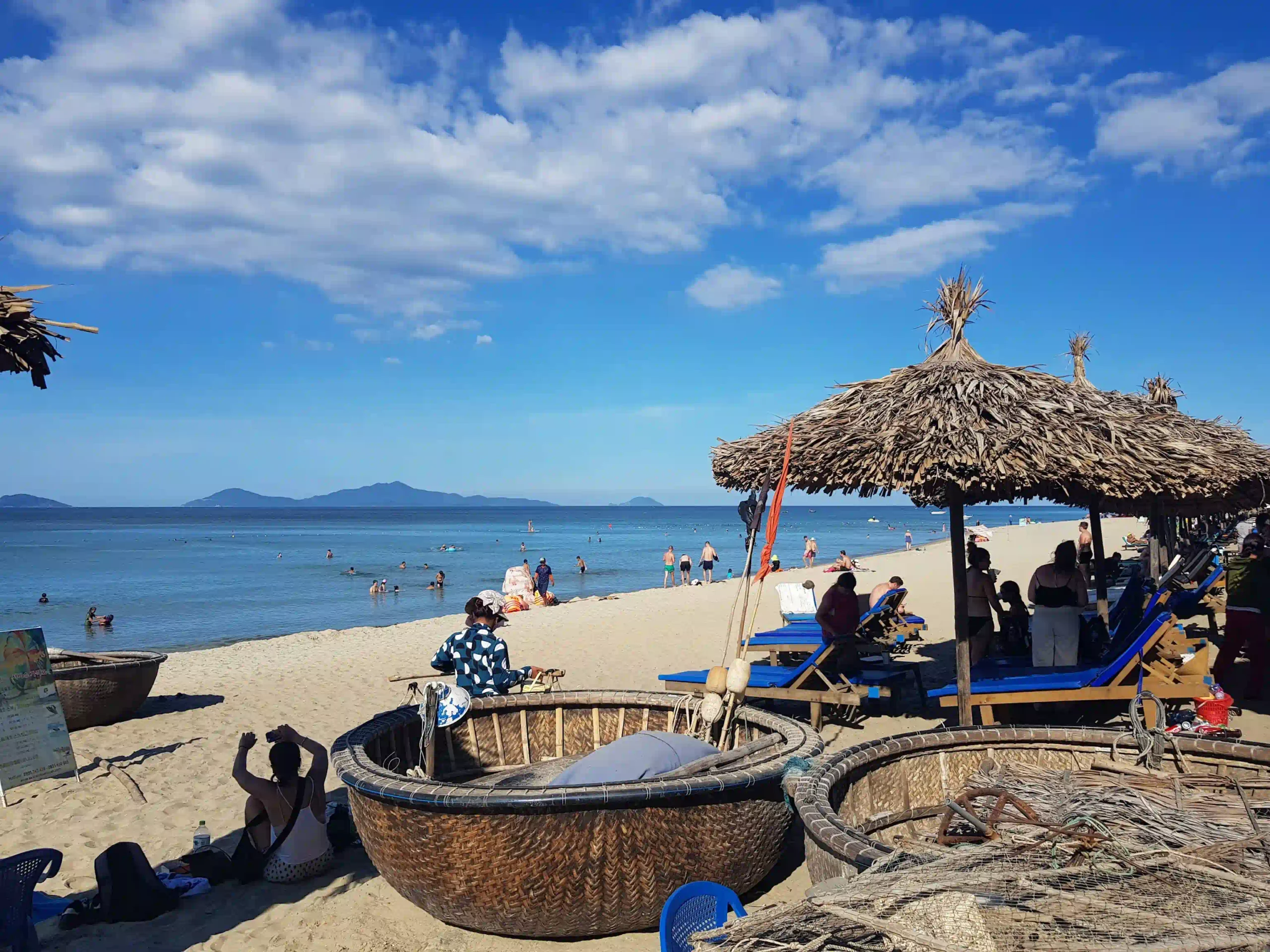
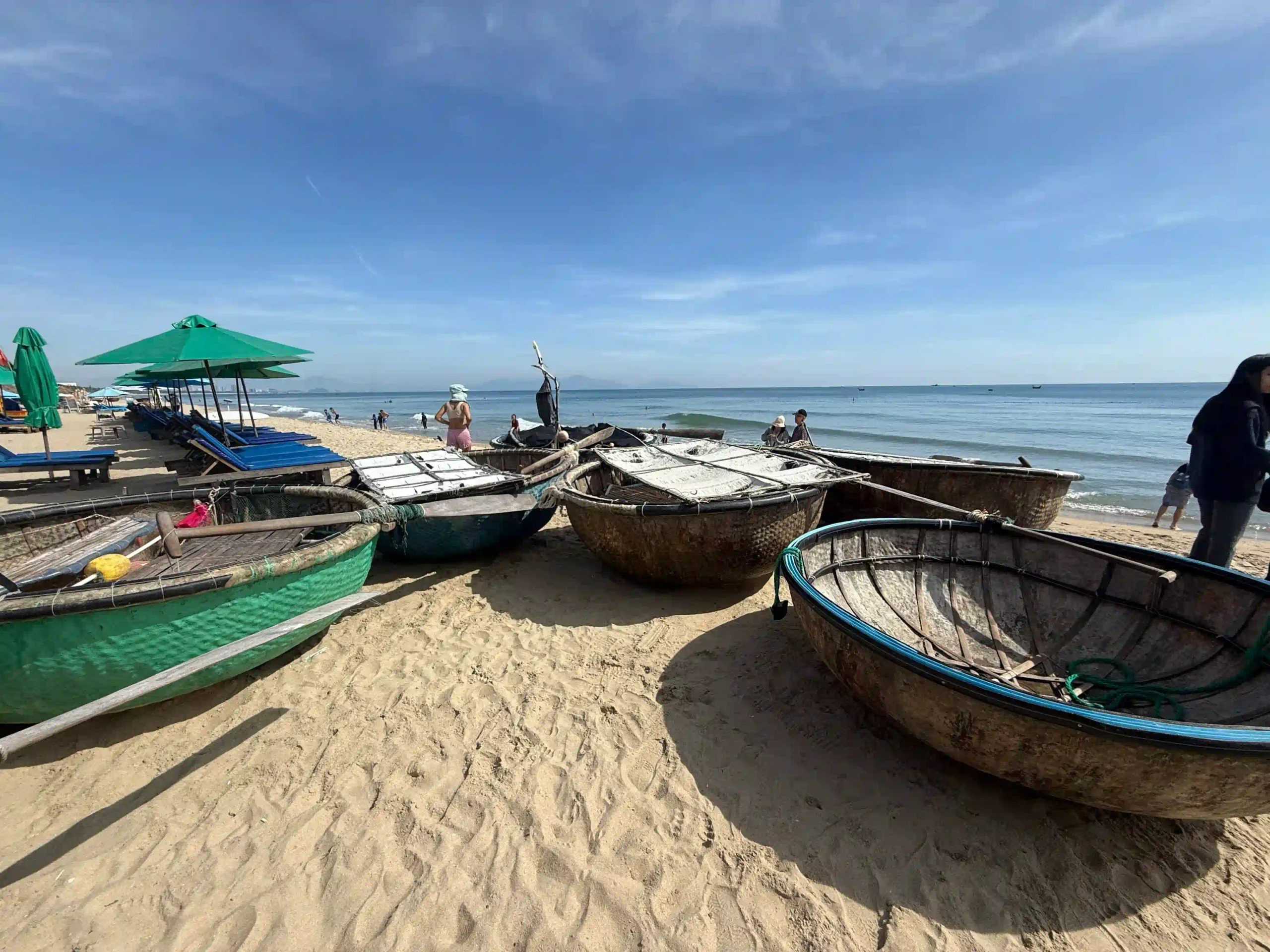

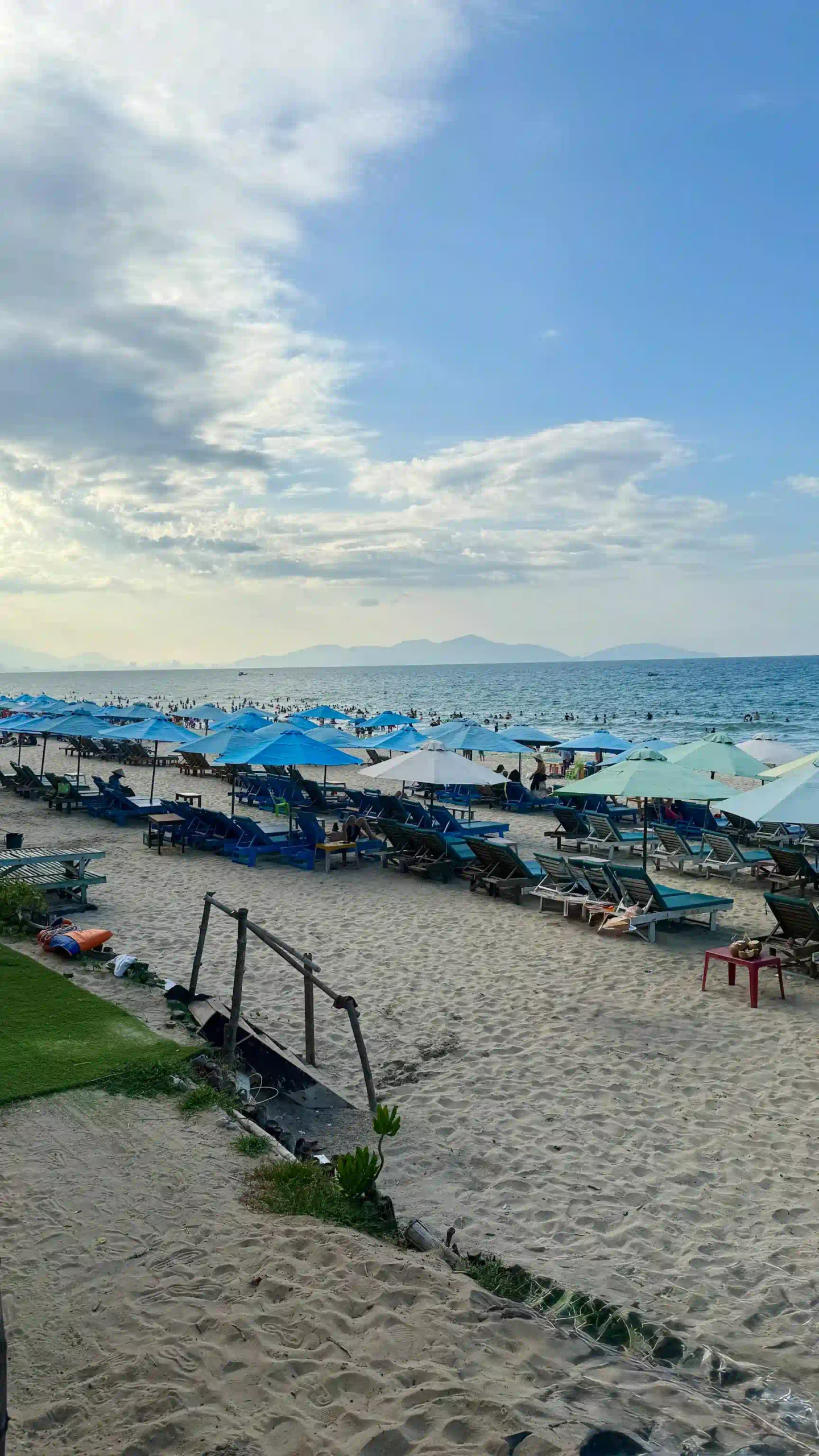
By June, the heat becomes aggressive. The temperature regularly hits 35°C to 38°C, and the humidity is usually hovering around 80%.
You cannot do outdoor tourist stuff in the middle of the day. If you try to walk around the Marble Mountains at 1:00 PM in July, you will be miserable. The stone steps radiate heat.
The local schedule completely changes during these months. The city wakes up at 4:30 AM. The beaches are packed with locals swimming before the sun gets too high.
By 8:00 AM, the beach is empty. Everyone goes inside. The city basically goes to sleep from 11:00 AM to 4:00 PM.
Then, when the sun starts to go down, everyone comes back out, and the streets get busy again.
If you come in the summer, you have to adopt this split schedule.
The Domestic Tourist Rush
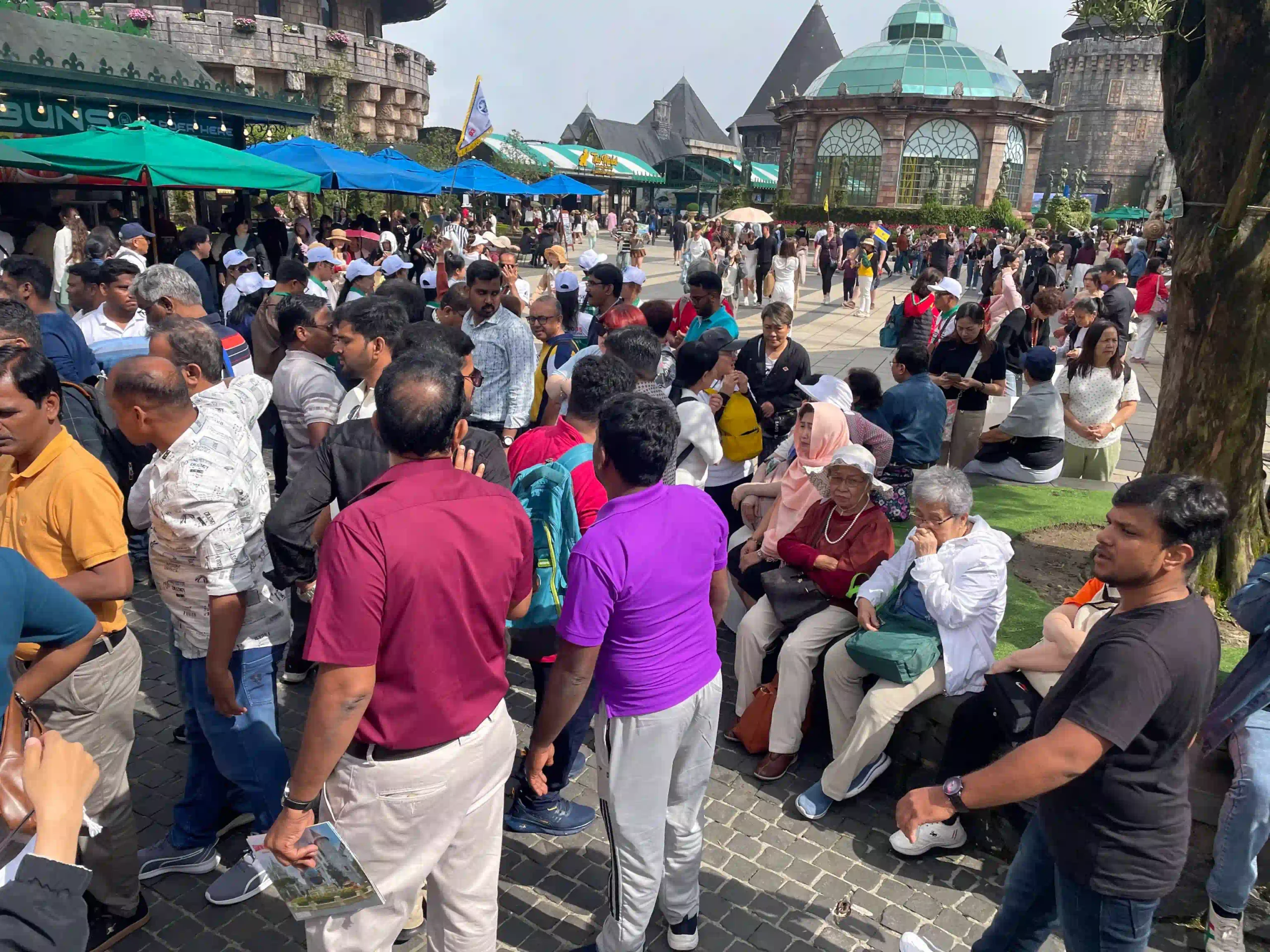
This is the biggest factor. Vietnamese kids get out of school in late May. From June to August, Da Nang is the number one domestic vacation destination in the country.
Thousands of families fly in from Hanoi and Ho Chi Minh City every single day. The airport is a zoo. The seafood restaurants along the beach are packed to capacity every night. Traffic on the main roads gets heavy.
Because demand is so high, prices skyrocket. That hotel room that cost $40 in April will suddenly cost $80 or $100 in July. Flights into the city double in price.
The Fireworks Festival (DIFF)

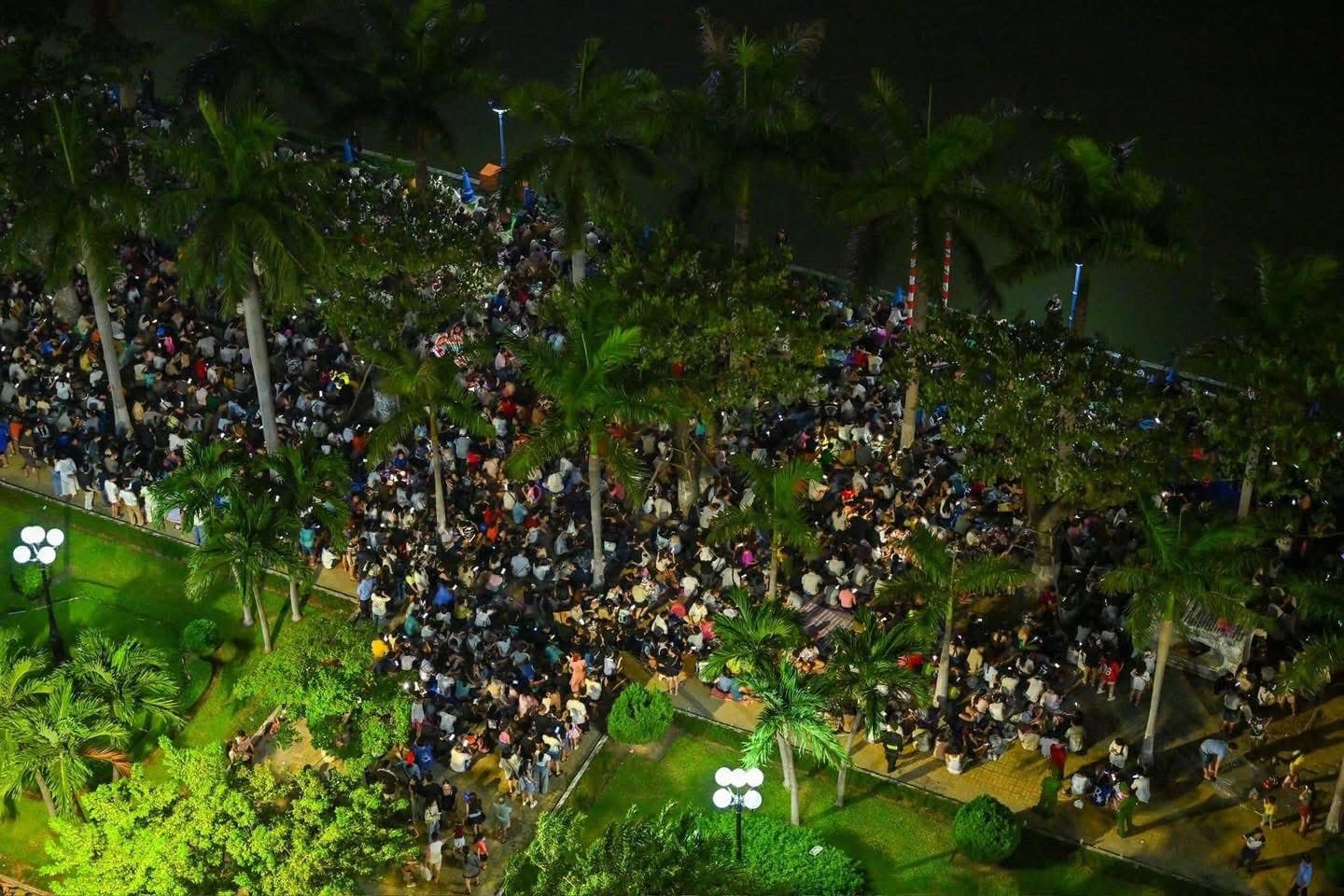
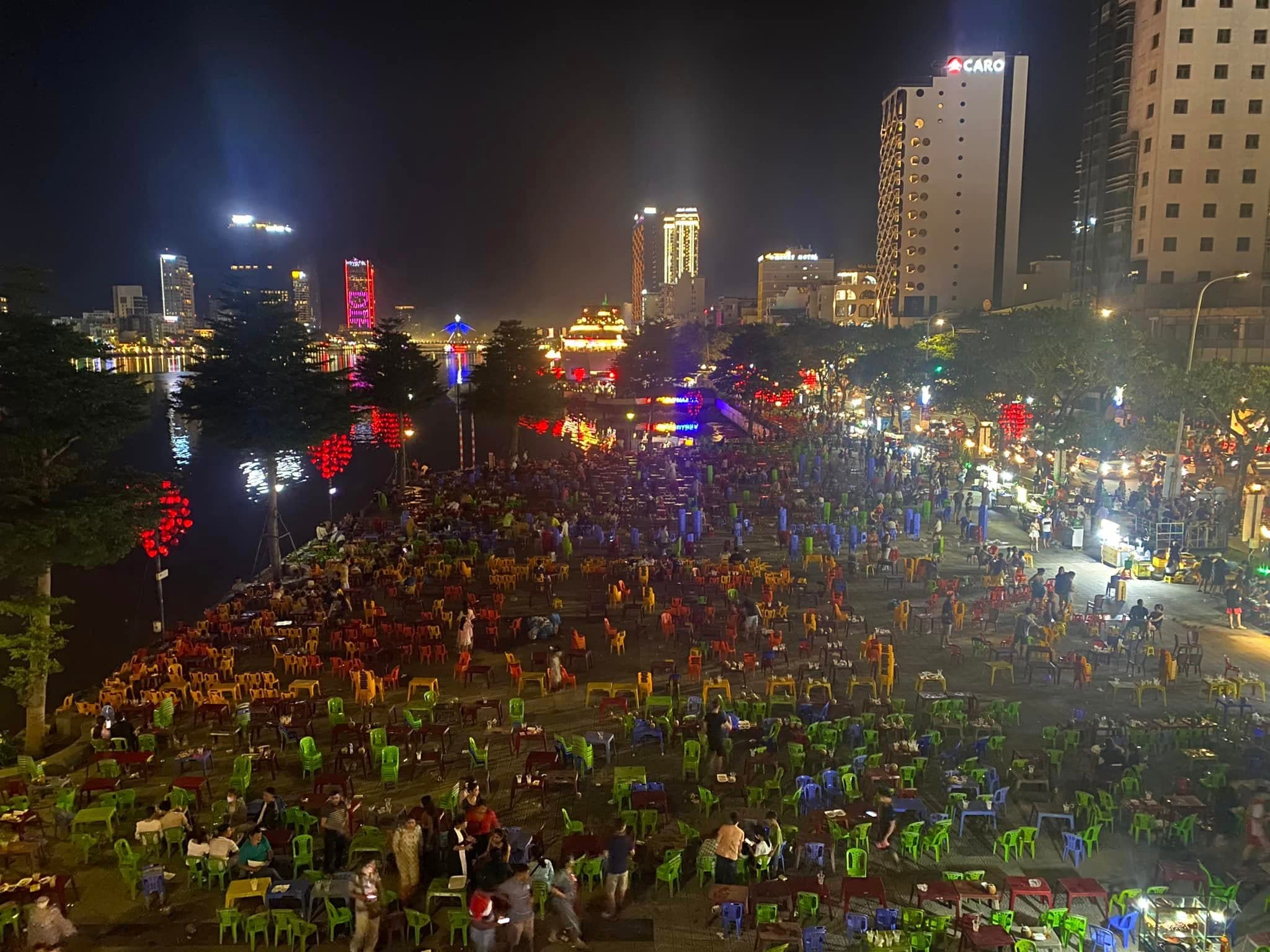


Da Nang hosts the International Fireworks Festival usually in June and July. Different countries compete by setting off massive fireworks displays over the Han River on Saturday nights.
It is a really cool event. But it also means the city center becomes completely gridlocked on weekends. Hotels along the river book out months in advance.
If you are coming during this time, you have to plan your transport carefully because getting a Grab car on a Saturday night is almost impossible.
September to November
This is the rainy season. But “rainy season” is a mild way to put it. This is typhoon season.
Starting in September, the weather becomes completely unpredictable. You might get three days of beautiful sunshine, followed by four days of torrential, non-stop rain.
The Reality of the Rain
When it rains in Da Nang during the autumn, it doesn’t just rain for an hour in the afternoon like it does in Thailand or Bali. It can rain heavily for 48 hours straight. The sky turns a solid, depressing grey.
This causes massive flooding. The drainage system in the city cannot handle the volume of water that comes down during a tropical depression. Major streets in the city center, like Ham Nghi, Nguyen Van Linh, and Le Duan, regularly flood knee-deep or even waist-deep.
If you are staying on the beach side (An Thuong area), the flooding isn’t usually as deep, but the streets still turn into lakes. You end up trapped in your hotel, ordering food delivery from drivers who are wading through the water.
Typhoons
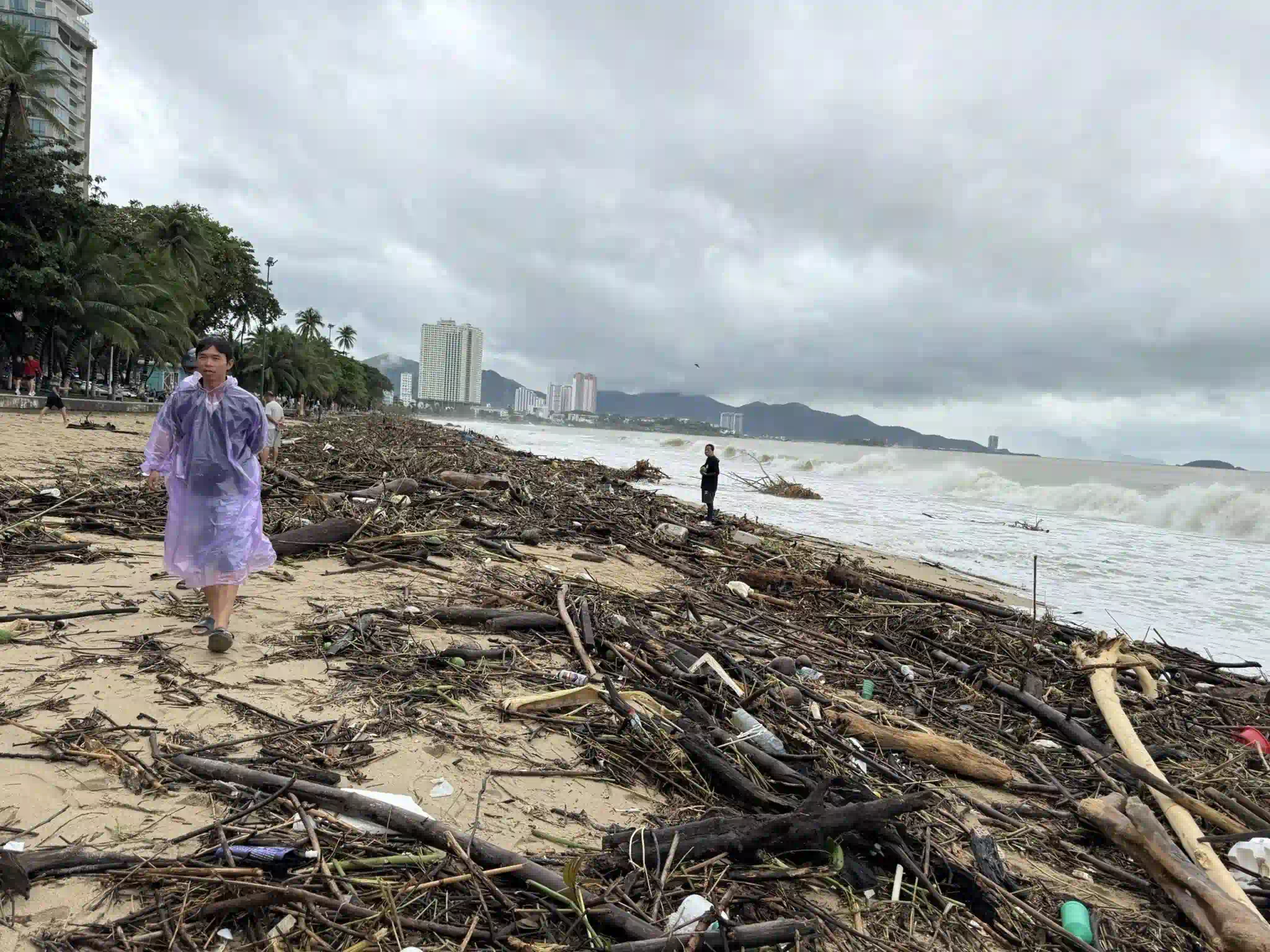
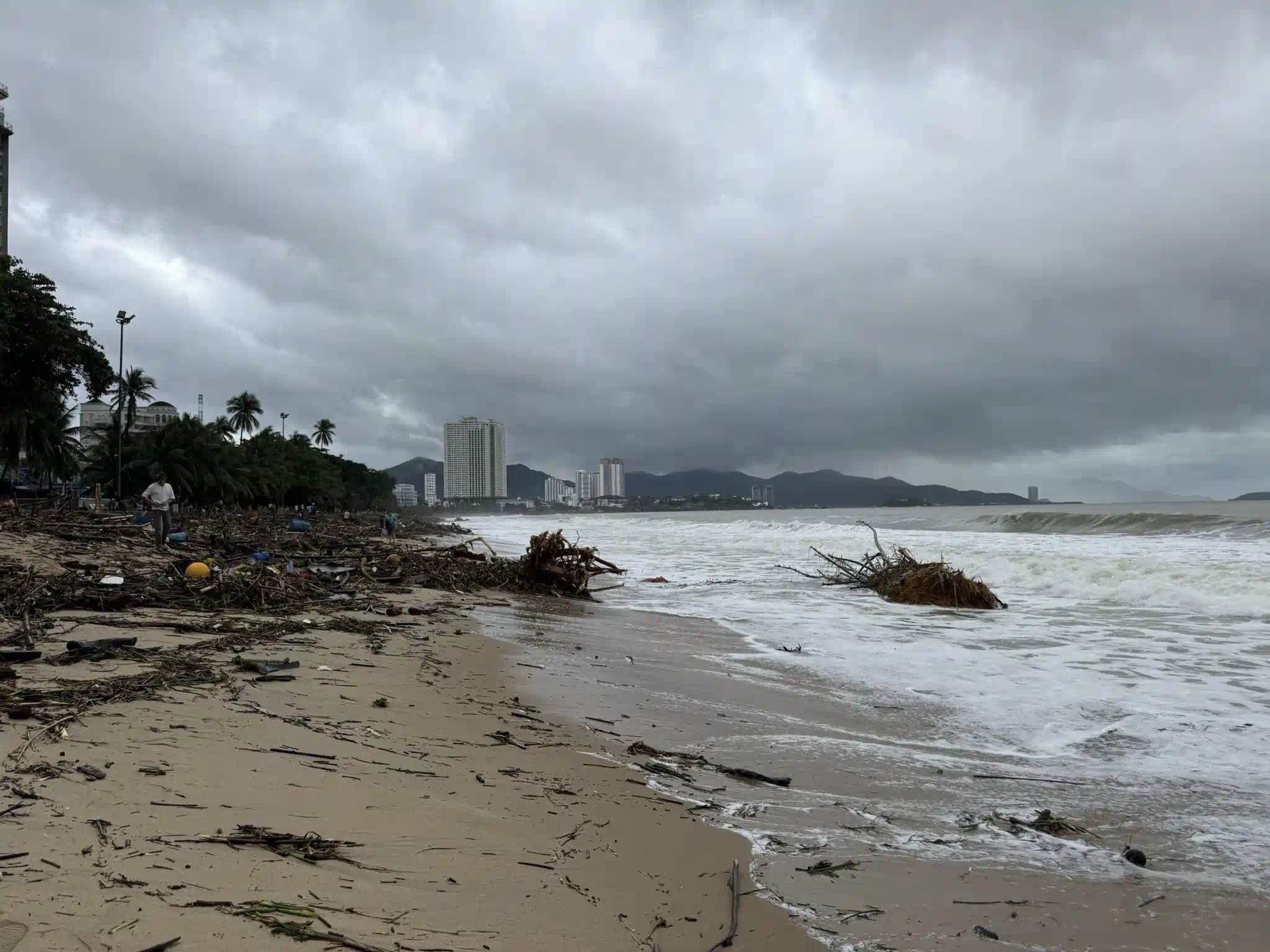





Usually, Da Nang gets hit by one or two direct typhoons a year, mostly in October or November. When a typhoon hits, the wind is destructive. Trees get knocked down, power goes out, and the government bans everyone from leaving their houses. Flights get canceled for days.
Why do people still come?
Because it is incredibly cheap.
Hotels drop their prices to the floor. You can get a room in a four-star hotel for $25 a night. Flights from Hanoi or HCMC drop to $30.
If you are a digital nomad who just wants to sit in a cafe and work on your laptop, and you don’t care if you don’t see the sun for a week, this is a cheap time to be here.
But if you only have a one-week vacation and you want to see the sights, coming in October is a massive gamble. You might get lucky, or you might spend your entire trip watching Netflix in your room while the wind howls outside.
December to January
This is the most misunderstood time of the year.
People look at a map, see that Da Nang is in Southeast Asia, and assume it will be hot in December. They pack shorts and tank tops. Then they arrive and freeze.
Da Nang is in Central Vietnam. It gets a weather pattern coming down from China during the winter.
From December through January, the temperature drops. It usually sits around 18°C to 22°C. That might not sound freezing to someone from Canada, but combined with the high humidity and the constant wind coming off the ocean, it feels much colder. Locals wear thick winter jackets, scarves, and gloves on their motorbikes.
It also drizzles constantly. It’s not the heavy, flooding rain of October. It’s a fine, annoying mist that never seems to stop. The sky is permanently overcast.
The ocean is rough, brown, and completely unswimmable. The beach is empty.
This is a terrible time for a beach holiday. However, it is actually a pretty good time for eating and exploring the city. Walking around the local markets or eating a hot bowl of Pho is much more enjoyable when you aren’t sweating.
If you are planning your list of cultural spots to explore, the cool weather makes walking around much easier. Just bring a light jacket and a good raincoat.
How the weather affects the main attractions
You can’t just look at the city weather. The things you want to do are spread out, and the weather impacts them differently.
Ba Na Hills (The Golden Bridge)
Ba Na Hills is a theme park built on top of a mountain, about 45 minutes outside the city. Because it is almost 1,500 meters above sea level, it has its own microclimate.
It is always about 5 to 8 degrees cooler up there than it is in the city.
- In the summer (June/July): This is great. You escape the city heat.
- In the winter (Dec/Jan): It is freezing up there. You need a real jacket.
- In the rainy season (Oct/Nov): Do not go. The mountain gets completely swallowed by clouds. You will pay a $35 entrance fee to take the cable car up, and you won’t even be able to see the giant stone hands holding the bridge because the fog is so thick.









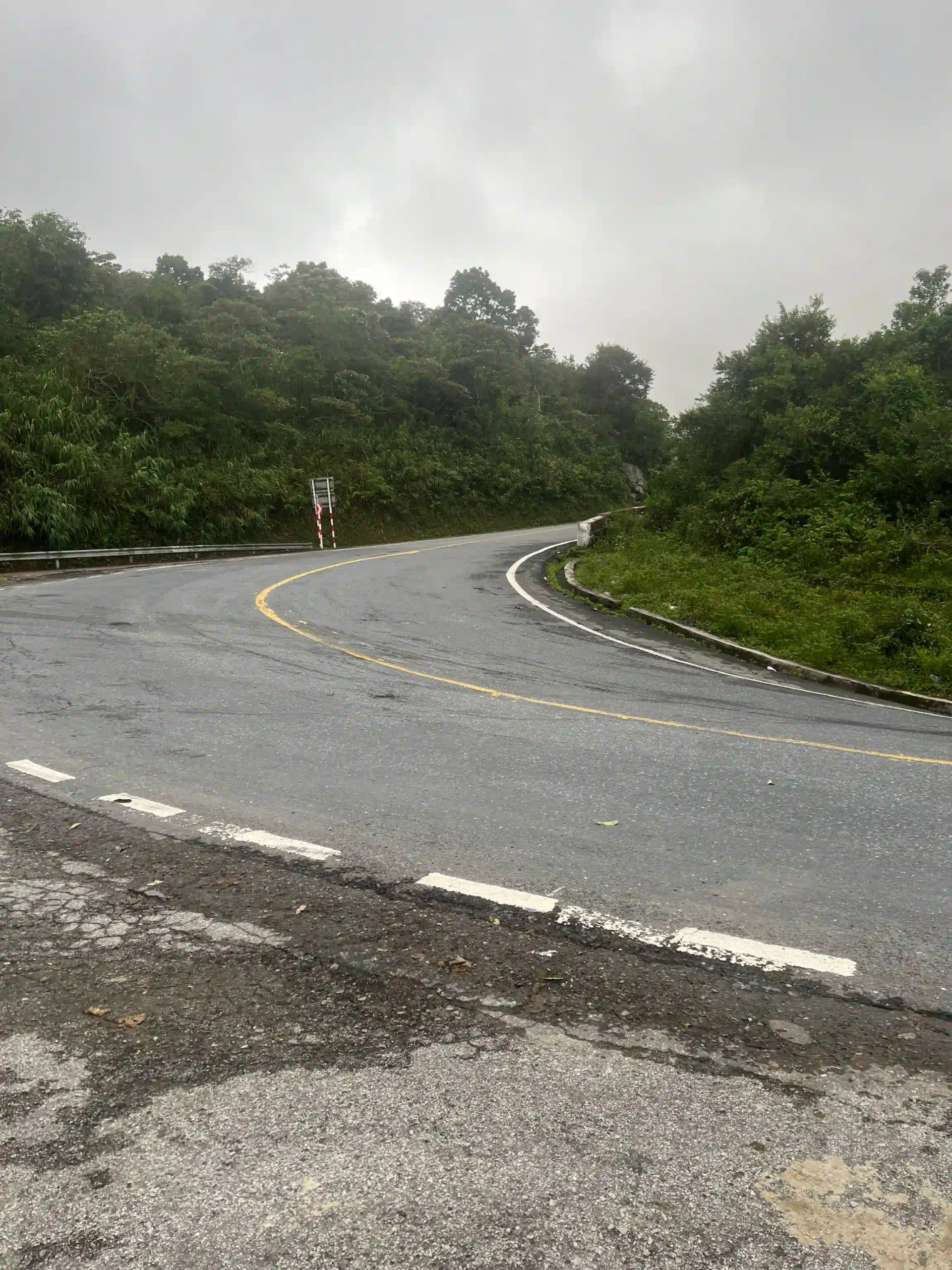
The Hai Van Pass
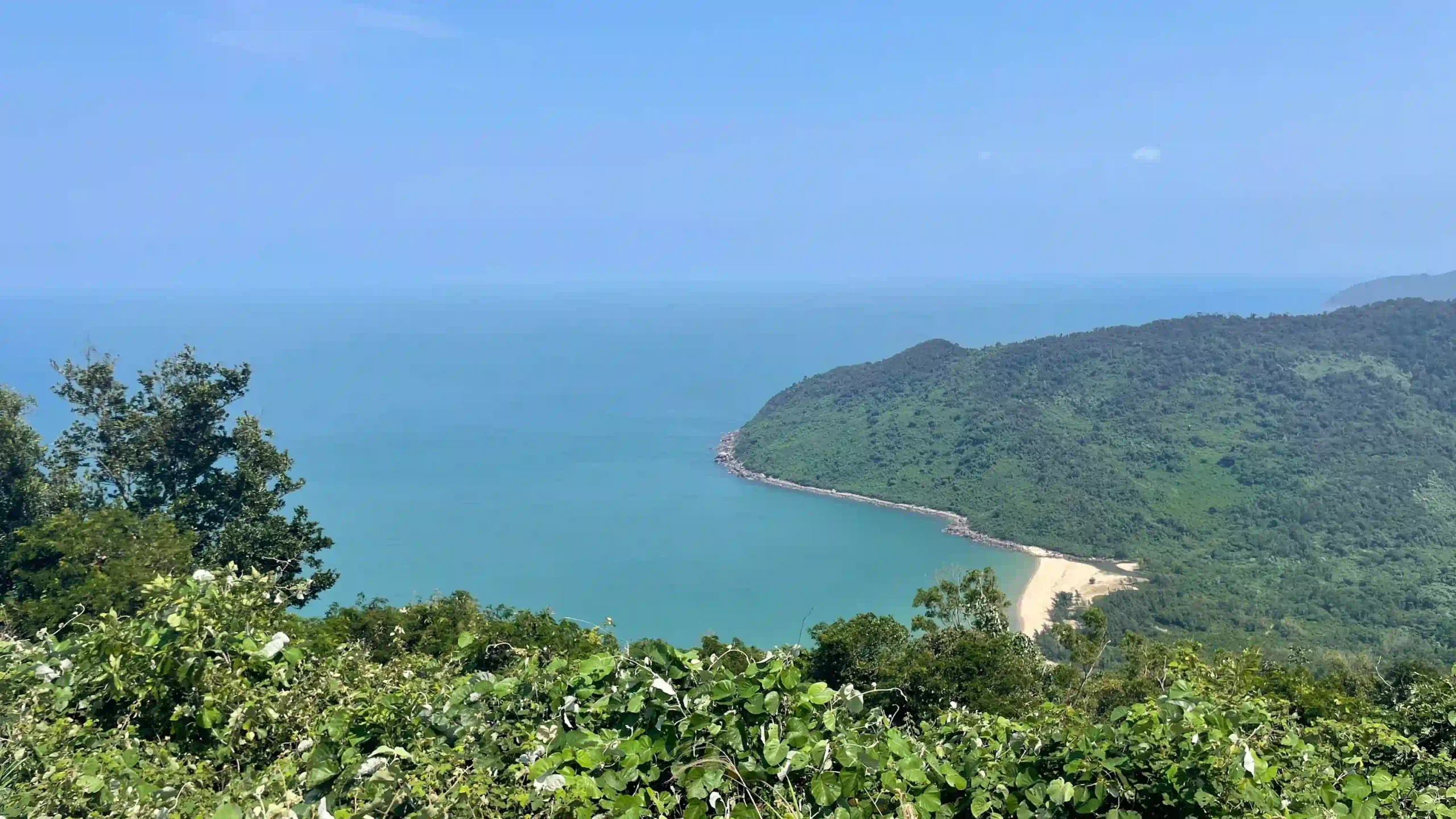
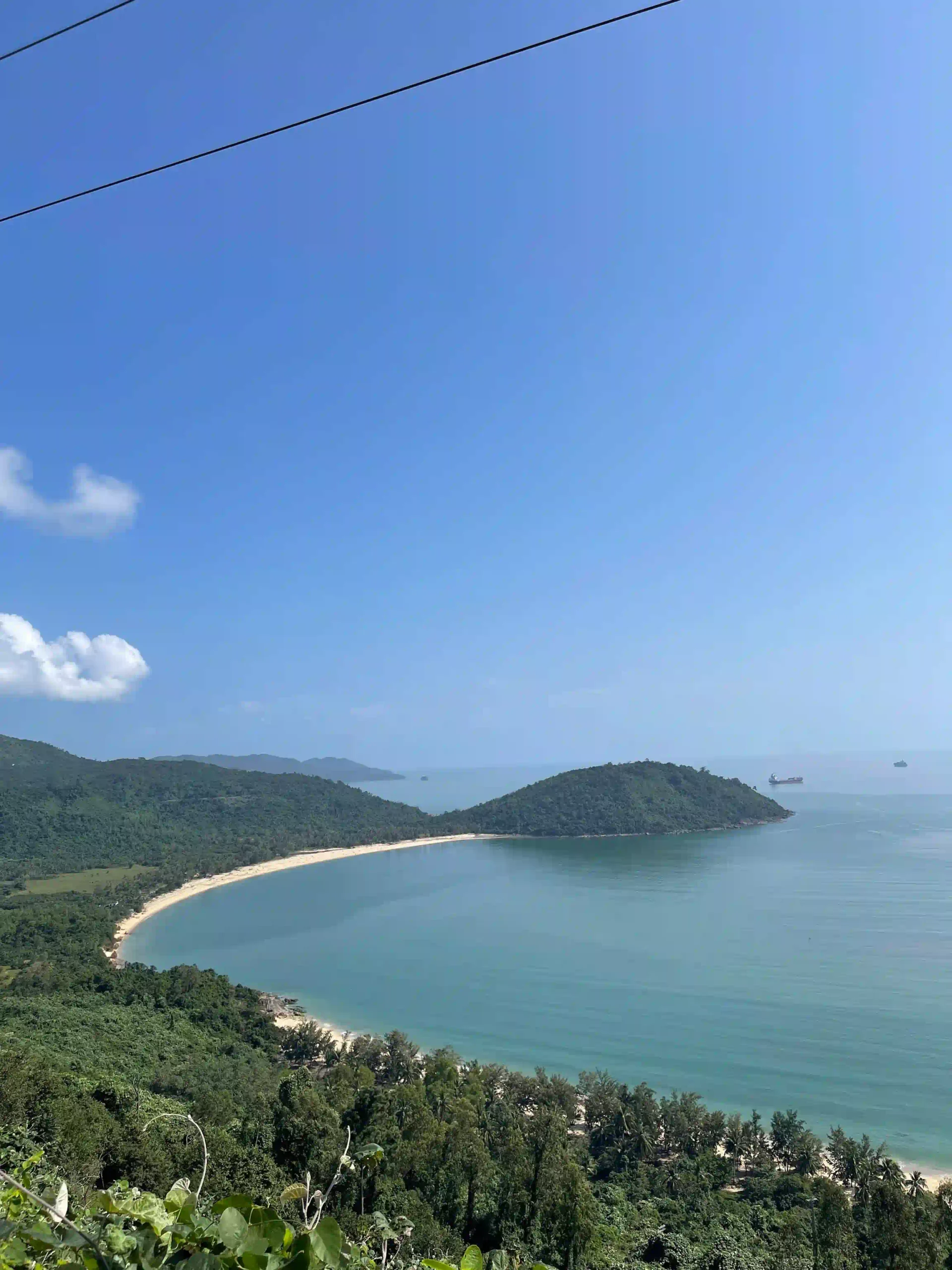
This is the famous coastal mountain road.
- Best time: March to May. Clear views of the ocean.
- Worst time: October to January. The pass gets covered in thick fog. Driving a motorbike through clouds when you can’t see ten feet in front of you, with massive trucks coming the other way, is terrifying.
Hoi An
Hoi An is about 45 minutes south of Da Nang. The weather is basically the same.
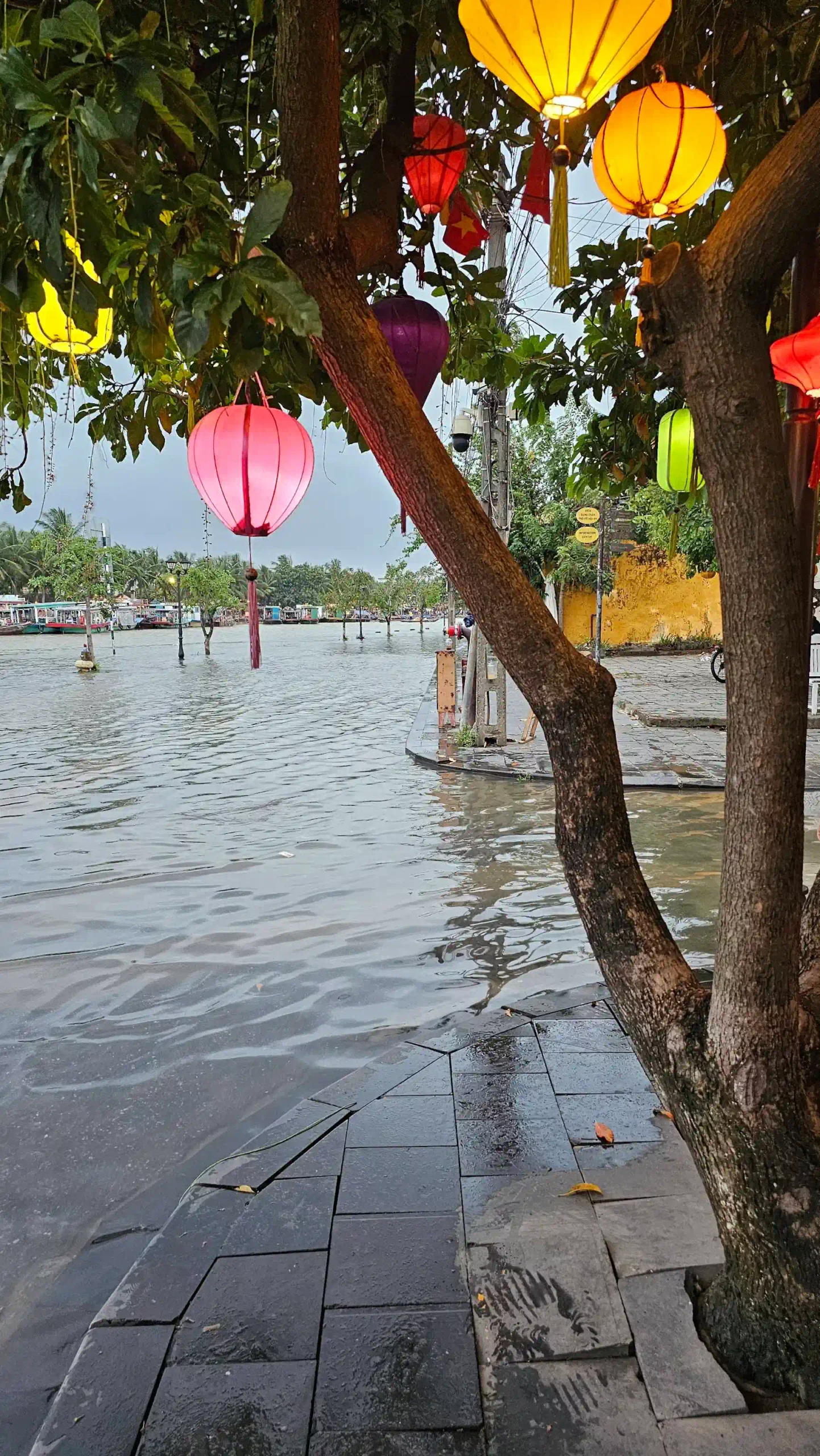
However, Hoi An is located on a river, and the old town is very low-lying. During the heavy rains in October and November, the river regularly bursts its banks. The famous yellow streets of the old town flood completely.
Locals have to move their furniture to the second floor, and tourists get paddled around in small wooden boats. It makes for a crazy photo, but it ruins the actual experience of walking around the town.




Read more: Danang Hue Hoi An detail itinerary built for slow travelers
What to pack based on when you arrive
Because the weather shifts so much, packing the wrong clothes is a common mistake.
If you come between March and August:
- Light, breathable clothing. Linen is your best friend.
- A strong sunscreen. The sun here is intense, and imported sunscreen in the local pharmacies is expensive.
- A light long-sleeve shirt. You will want this for driving a motorbike to protect your arms from the sun.
If you come between September and November:
- Waterproof sandals. Do not bring expensive leather sneakers. You will be walking through puddles, and your shoes will get ruined. Crocs or plastic sandals are what the locals wear.
- A heavy-duty raincoat. Don’t bother bringing an umbrella. The wind will destroy it in five minutes. Buy a thick plastic poncho from a local convenience store when you arrive.
- Dry bags. If you are carrying a laptop or a camera in your backpack, put them in a sealed dry bag first.
If you come in December or January:
- A light sweater or a fleece jacket.
- Long pants. You will not want to wear shorts.
- A windbreaker. The wind coming off the beach is cold.
The reality of weather apps in Vietnam
I need to mention this because it causes so much anxiety for travelers.
If you look at Apple Weather or AccuWeather for Da Nang, especially during the transition months, it will almost always show a rain cloud icon for every single day.
People look at their phones a week before their trip, see ten days of rain icons, and panic.
Ignore the daily icon. It is useless here. Because Da Nang is tropical and sits between the mountains and the ocean, the weather changes by the hour. A “rainy day” on the app usually just means it will rain hard for 20 minutes at 3:00 PM, and the rest of the day will be perfectly fine.
Instead of looking at the daily forecast, look at the radar map. If there is a massive red blob sitting over the ocean moving toward the city, then you know it’s going to be a bad day. Otherwise, just look out the window.
So, when should you actually book your flight?
Let’s summarize this so you can actually make a decision.
Choose February to May if: You want the classic vacation experience. You want to swim, you want to drive motorbikes without getting soaked, and you want to sit at beach bars. This is the objectively best time to visit Da Nang. Just book your hotels a few weeks in advance.
Choose June to August if: You have no other choice because of school holidays. Just be prepared for the heat. Plan to wake up early, take a nap in the afternoon, and deal with large crowds at every restaurant. Bring more money, because everything costs more.
Choose September to November if: You are on a strict budget, you have a flexible schedule, and you don’t mind spending a few days stuck indoors. If you are coming for a two-week trip, you will probably get enough good days to make it worth it. If you are only coming for three days, do not risk it.
Choose December to January if: You hate the heat and you are more interested in food and culture than beaches. It’s a great time to sit in a cafe and watch the city move, as long as you don’t mind the grey skies.
Da Nang is a great city, but it is entirely at the mercy of its geography. The mountains trap the weather, and the ocean dictates the temperature. You can’t fight it. You just have to plan around it. Pick the season that fits your tolerance for heat, rain, or crowds, pack the right shoes, and you’ll be fine.

Keep Exploring Da Nang
-
See & do UltimateMy best things to see in Da Nang if you only have 3 days ›
-
Guide Must readDa Nang travel guide: Save hours of stress with this article ›
-
Guide3 best shops to rent motorbikes in Da Nang & my A-Z guide ›
-
GuideComparing all 4 ways to get from Da Nang to Hoi An ›
-
GuidePhu Quoc vs Da Nang: Where expats actually prefer to live ›











 Tiếng Việt
 한국어
한국어 中文 (中国)
 日本語
日本語 ไทย
ไทย Deutsch
 Español
 Destinations
 Instagram
 Facebook
 X (Twitter)
 Threads
 Tiktok