









 Ha Giang
 Hanoi
Hanoi Ho Chi Minh City
 Ha Long
 Sapa
Sapa Mekong Delta
 Da Nang
 Hue
Hue Hoi An
 Ninh Binh
 Da Lat
 Nha Trang
 Phan Thiet
 Phu Quoc
 Quang Binh
 Quy Nhon
 Vung Tau
 Thai Nguyen


You can read all the guides you want. You can watch the travel vlogs. But nothing quite prepares you for the moment you step onto a curb in Hanoi and realize the street is functionally uncrossable. Or the first time you sit down for a meal and your knees are level with your ears.
This is a field guide to the beautiful, baffling, and brilliant realities of Vietnamese culture that most tourists don’t see coming. It’s about understanding the why behind the what, straight from the perspective of someone who has been navigating it for years.
For a quick overview, here are the core experiences we’ll unpack.
- What is Vietnam really like? Forget the glossy guides. This is a boots-on-the-ground look at Vietnamese culture, exploring 15 experiences that shock foreigners. From the symphony of motorbike horns and the art of the coffee ‘phin’ to the subtle concept of ‘losing face’ and overwhelming local kindness. Prepare for your trip with real, practical insights into Vietnam travel that you won’t find elsewhere.
- 1. The Uncrossable Street and the River of Motorbikes
- The Reality: Traffic, especially in big cities, is a constant, flowing river of motorbikes with no discernible gaps, making crossing the road seem impossible.
- Pro-Tip: Walk at a slow, steady, and predictable pace directly into the traffic. The motorbikes are accustomed to flowing around pedestrians. Do not stop or run.
- 2. The Kindergarten Furniture Where the Best Food is Born
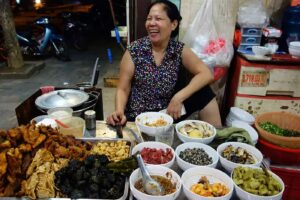
- The Reality: The most delicious and authentic Vietnamese food is often served from street vendors where you sit on tiny plastic stools on the sidewalk.
- Pro-Tip: Embrace the awkward seating. The food will be cheap, fresh, and unforgettable. If unsure what to order, just point at what a local next to you is having.
- 3. The Bathroom Hose That Changes Everything
- The Reality: Most toilets are equipped with a bidet sprayer (a “bum gun”) for cleaning, and toilet paper is often secondary or absent.
- Pro-Tip: Always test the sprayer’s pressure into the toilet bowl first. It’s also wise to carry a pack of tissues with you at all times for drying or as a backup.
- 4. Coffee That Demands You Sit Down and Wait
- The Reality: Vietnamese coffee is served with a metal filter (phin) that drips very slowly. It is a ritual that forces you to pause, not a quick caffeine fix.
- Pro-Tip: Order a cà phê sữa đá (iced coffee with condensed milk) and enjoy the wait. In Hanoi, you must try the cà phê trứng (egg coffee).
- 5. The Constant, Unavoidable Wall of Sound
- The Reality: Vietnam is perpetually loud, with a dense soundscape of horns, vendor calls, construction, and music from morning until night.
- Pro-Tip: Pack high-quality earplugs for sleeping. During the day, try to accept the noise as part of the country’s vibrant energy rather than fighting it.
- 6. The Personal Questions That Aren’t Personal
- The Reality: Locals may ask your age, marital status, or salary upon first meeting. This isn’t nosiness.
- Pro-Tip: Understand that asking your age is necessary to use the correct respectful pronouns in the Vietnamese language. Answer vaguely if you’re uncomfortable with other questions.
- 7. The Price is a Suggestion, Not a Rule
- The Reality: In local markets and with street vendors, the first price quoted is a starting point for negotiation, not a fixed cost.
- Pro-Tip: Counter with about 50% of the initial price and be prepared to meet in the middle. Always stay friendly and be willing to walk away politely.
- 8. The City-Wide Siesta No One Tells You About
- The Reality: Many small shops and businesses close from roughly 12 PM to 2 PM for a midday rest to escape the heat.
- Pro-Tip: Plan your activities for the morning and late afternoon. Use this time to have lunch, visit a museum, or take a rest yourself.
- 9. Karaoke: The Decibel-Heavy National Pastime
- The Reality: Karaoke is a hugely popular and very loud form of entertainment for all occasions, often happening at any time of day or night.
- Pro-Tip: If invited, you should go! It’s a fantastic bonding experience, and enthusiasm is valued far more than singing ability.
- 10. “Nhậu” and the Art of Communal Drinking
- The Reality: Social drinking (nhậu) is a loud, communal affair involving constant toasts (“Một, hai, ba, dô!”) where everyone drinks together.
- Pro-Tip: Pace yourself. You don’t have to finish your glass with every cheer. Learning the chant will earn you major points with the locals.
- 11. The Ever-Present Altar in the Corner of the Room
- The Reality: Nearly every home and business has a small altar with photos, incense, and food offerings to honor deceased ancestors.
- Pro-Tip: Be respectful. Do not touch the altar or point the soles of your feet toward it. It is a sacred and important part of family life.
- 12. The Invisible Concept of “Losing Face”
- The Reality: Avoiding public embarrassment for oneself and others is crucial. This leads to indirect communication where “no” is often phrased as “I will try” or “maybe.”
- Pro-Tip: Never criticize or confront someone publicly. If you have a problem, address it gently and in private.
- 13. Humidity That Becomes a Second Skin
- The Reality: The heat is intense, but the humidity is what truly shocks the system. It’s thick, oppressive, and you will feel constantly damp.
- Pro-Tip: Drink much more water than you think you need. Wear lightweight, loose-fitting clothing and slow your pace down.
- 14. The Small Bills for Table Wipes and Tissues
- The Reality: The packet of wet wipes or tissues on the table at a local restaurant is usually not free. You will be charged a small fee per item used.
- Pro-Tip: If you don’t want to pay, don’t use them. It’s easiest to carry your own hand sanitizer and tissues.
- 15. The Disarming, Unexpected Generosity
- The Reality: Beyond the initial chaos, the most profound shock is often the genuine and overwhelming kindness of the Vietnamese people.
- Pro-Tip: Be open to these interactions. A smile and a simple, heartfelt “Cảm ơn” (Thank you) will go a very long way.
1. The Uncrossable Street and the River of Motorbikes
The first real test for any newcomer in a Vietnamese city isn’t finding their hotel or ordering food. It’s crossing the street. A tourist will stand on the pavement, eyes wide, watching the traffic.
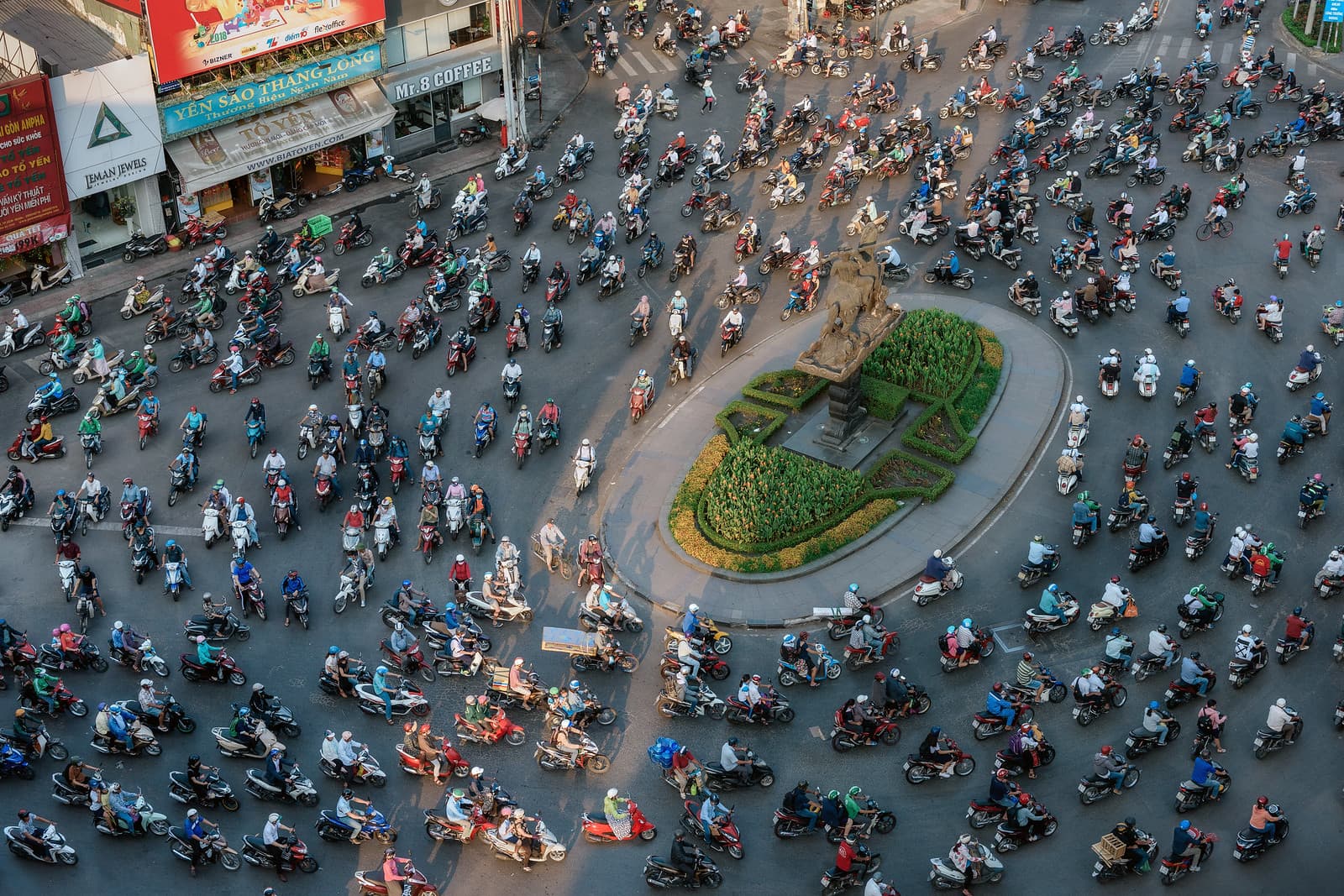
It’s not like traffic at home, with cars in neat lanes. It’s a fluid dynamics problem made of thousands of motorbikes, each occupying a tiny pocket of space, all in constant motion.
There are no gaps. Waiting for one is an exercise in futility. You see a family of four glide past on a single Honda Wave, the baby asleep between the parents. A man with a six-foot pane of glass strapped to his pillion seat weaves through the flow. It doesn’t look like traffic; it looks like a biological event.
The logic isn’t based on rules, but on flow. Horns aren’t angry; they’re sonar. A quick beep-beep means “I’m here, don’t turn.” A longer honk means “I am coming through, maintain your path.” It’s a collective conversation.
The key to this part of Vietnamese culture is realizing you are not an obstacle to the flow; you are a part of it. The crossing ritual is a leap of faith. You step off the curb and walk. Slowly. Deliberately. You do not stop, you do not run, you do not make sudden moves. You become a predictable stone in the river, and the water parts around you.
The easiest way to learn is to “draft” behind a local grandmother. She’ll get you across every time.
2. The Kindergarten Furniture Where the Best Food is Born
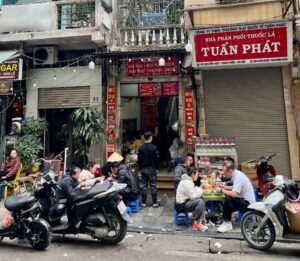
Forget spacious restaurants with tablecloths. The most memorable meals in Vietnam happen on tiny plastic stools, usually blue or red, that belong in a preschool.
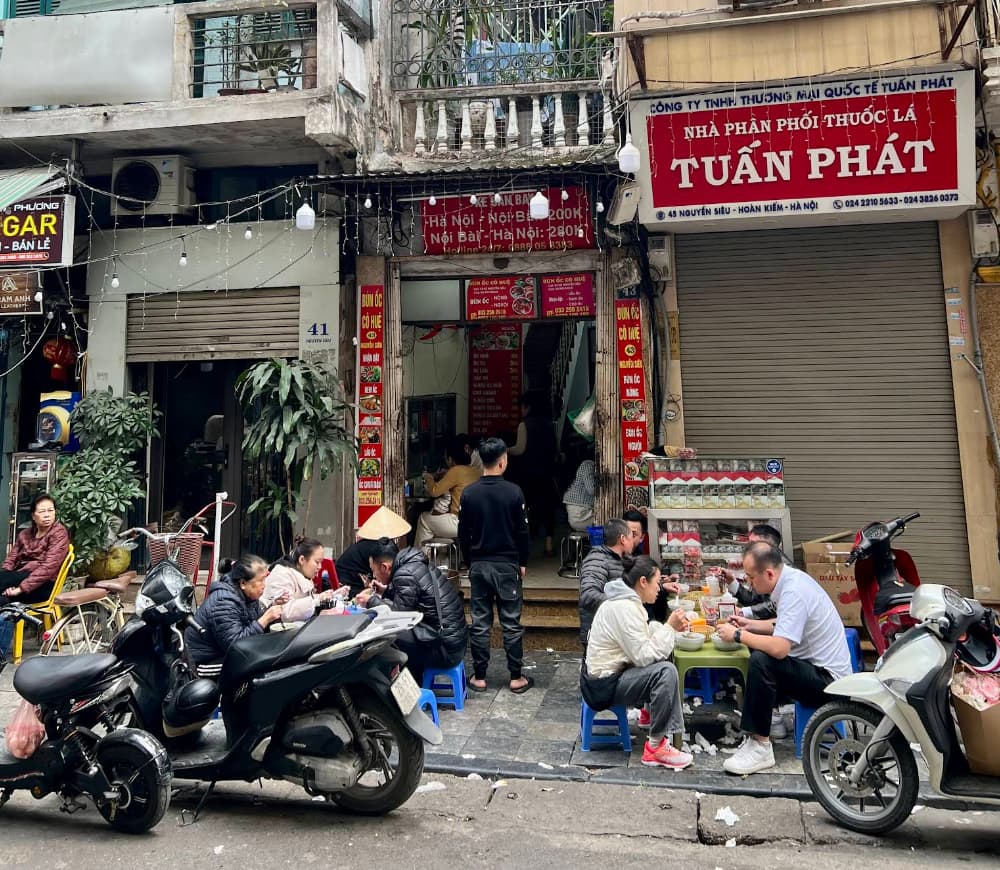
A traveler from Europe or North America, often taller than the average local, will fold themselves onto one of these stools, their legs cramping almost immediately.
The “table” is a low-slung metal or plastic surface. You are inches from the exhaust pipes of passing motorbikes, and the symphony of the street is your dinner music.
This isn’t just about saving space. It’s a foundational element of street food life. These setups are hyper-mobile. A world-class Bún Chả spot can materialize on a sidewalk at 10 AM and vanish by 2 PM. This is how food stays cheap, fresh, and accessible. It’s aggressively democratic. The millionaire and the moto-taxi driver sit on the same blue stool, slurping the same bowl of noodles.
For a benchmark experience in Hanoi, find Bún Chả Hương Liên on Lê Văn Hưu street. Since Obama ate there, it’s more formal now, but the principle is the same. Expect to pay around 80,000 VND ($3.25 USD) for a meal that will redefine grilled pork for you.
3. The Bathroom Hose That Changes Everything
The first encounter with a Vietnamese toilet can be confusing. The toilet paper might be missing or exist only as a sad, damp roll on top of the cistern. But next to the toilet, there’s a small shower head on a hose. This is the bidet sprayer, or “bum gun.” For many Westerners, it’s a mystery. The initial attempt often sends a high-pressure jet of cold water ricocheting off the wall.
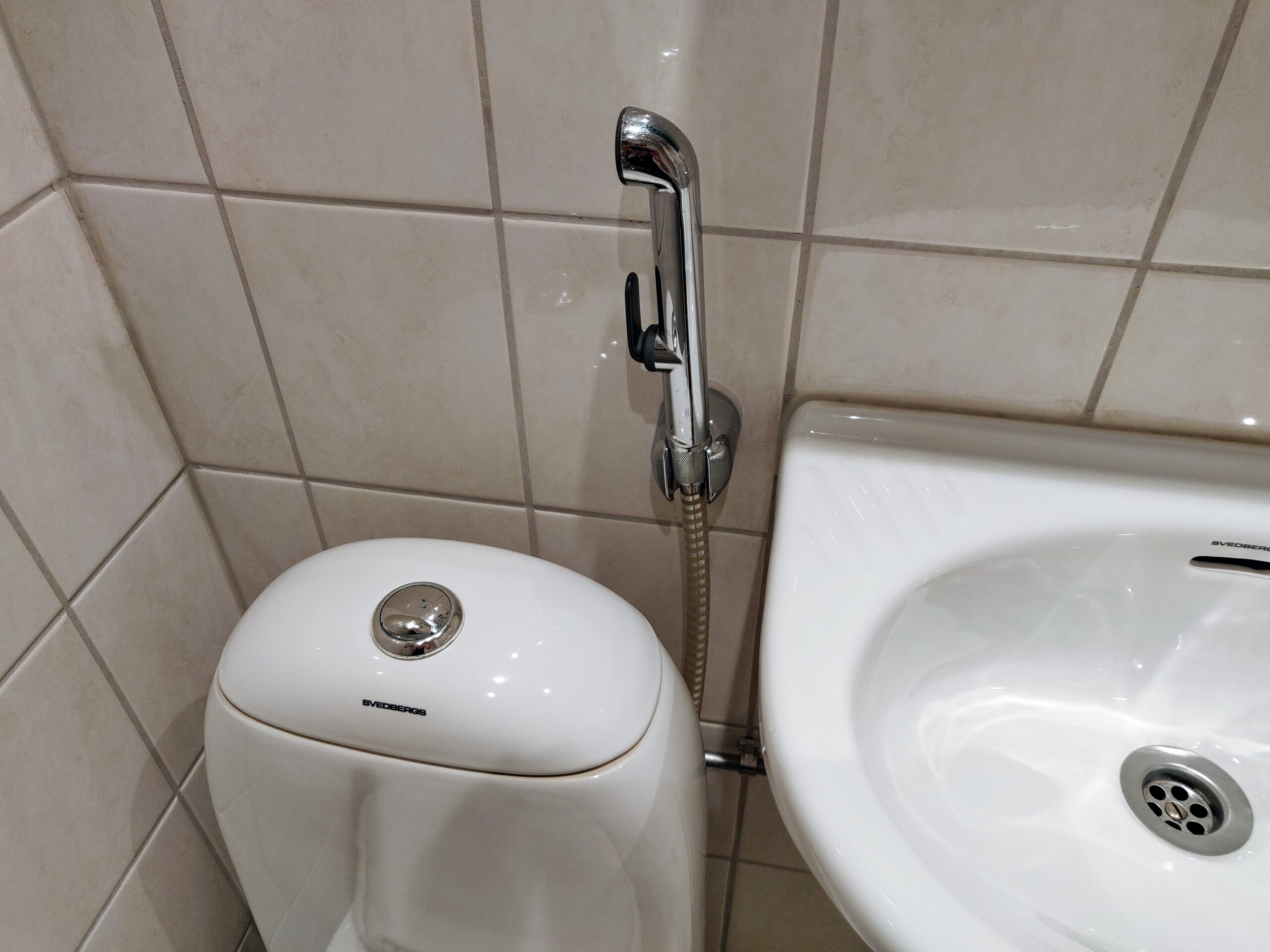
In a climate this hot and sticky, water is simply cleaner and more practical than paper. It’s a standard feature across Southeast Asia.
The trick is to test the pressure first by pointing it into the toilet bowl and giving a gentle squeeze. It’s one of those Vietnamese customs and traditions that, once adopted, makes you wonder how you ever lived without it.
Still, a pro-tip for any traveler: always carry a pocket pack of tissues. They are invaluable for drying off or for the rare bathroom that has neither paper nor sprayer.
4. Coffee That Demands You Sit Down and Wait
Coffee in the West is often about efficiency—a caffeine delivery system to be consumed on the go. In Vietnam, it’s the opposite. It is an enforced pause.
You order a cà phê sữa đá (iced coffee with condensed milk), and what arrives is a glass containing a thick layer of condensed milk, topped with a metal filter called a phin. The coffee is inside, slowly, painstakingly, dripping into the glass.

You can’t rush it. You are forced to sit, to wait, to watch the traffic, to talk. It’s a ritual. The resulting brew is thick, dark, and intensely strong, the bitterness of the robusta beans cut by the almost fudge-like sweetness of the milk. It’s a reflection of a core tenet of Vietnamese culture: the most important things take time.
To try the city’s most famous concoction, find Giảng Cafe in a small alley at 39 Nguyễn Hữu Huân in Hanoi. Their legendary Cà Phê Trứng (egg coffee) is a dessert in a cup, costing a mere 35,000 VND ($1.50 USD).
It’s a travel experience in itself, and our guide to Hanoi’s Unique Coffee Scene can show you more.
5. The Constant, Unavoidable Wall of Sound
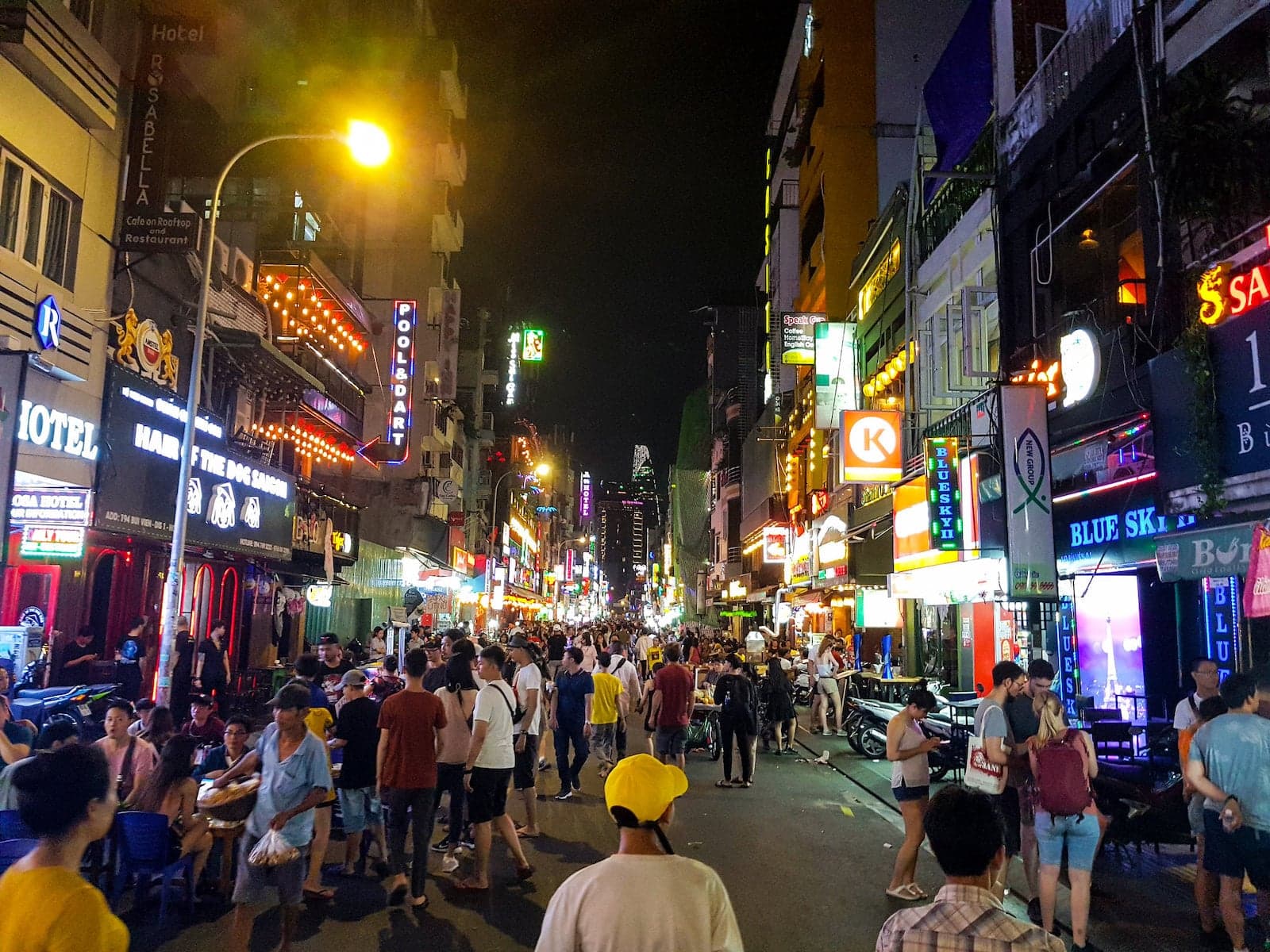
Vietnam is never quiet. The noise starts before dawn and doesn’t end. It’s a complex layering of sounds. There’s the roar of motorbike engines, the cacophony of a thousand different horn tones, the metallic clang of a shop’s security gate rolling up. Then come the human sounds: the street vendors with their unique, looping cries (“Ai xôi lạc bánh khúc đây!“), the tinny music from a neighbor’s television, the sudden, explosive sound of a welder’s torch from a makeshift repair shop on the sidewalk.
For someone used to insulated walls and quiet residential zones, the sensory assault can be draining. It feels like there is no privacy, no off-switch. But it is the sound of a country living its life in the open.
Commerce, socializing, and family life all spill onto the street. The noise isn’t an interruption; it’s the medium. The best advice is to pack high-quality earplugs for sleeping. For the daytime, the only solution is acceptance. Eventually, it fades from noise into simple ambiance.
6. The Personal Questions That Aren’t Personal
“How old are you?” “Are you married?” “How much do you earn?” These questions, often asked within minutes of meeting someone, can feel invasive to a foreigner. It seems shockingly nosy. But it’s not about prying. It’s about grammar.
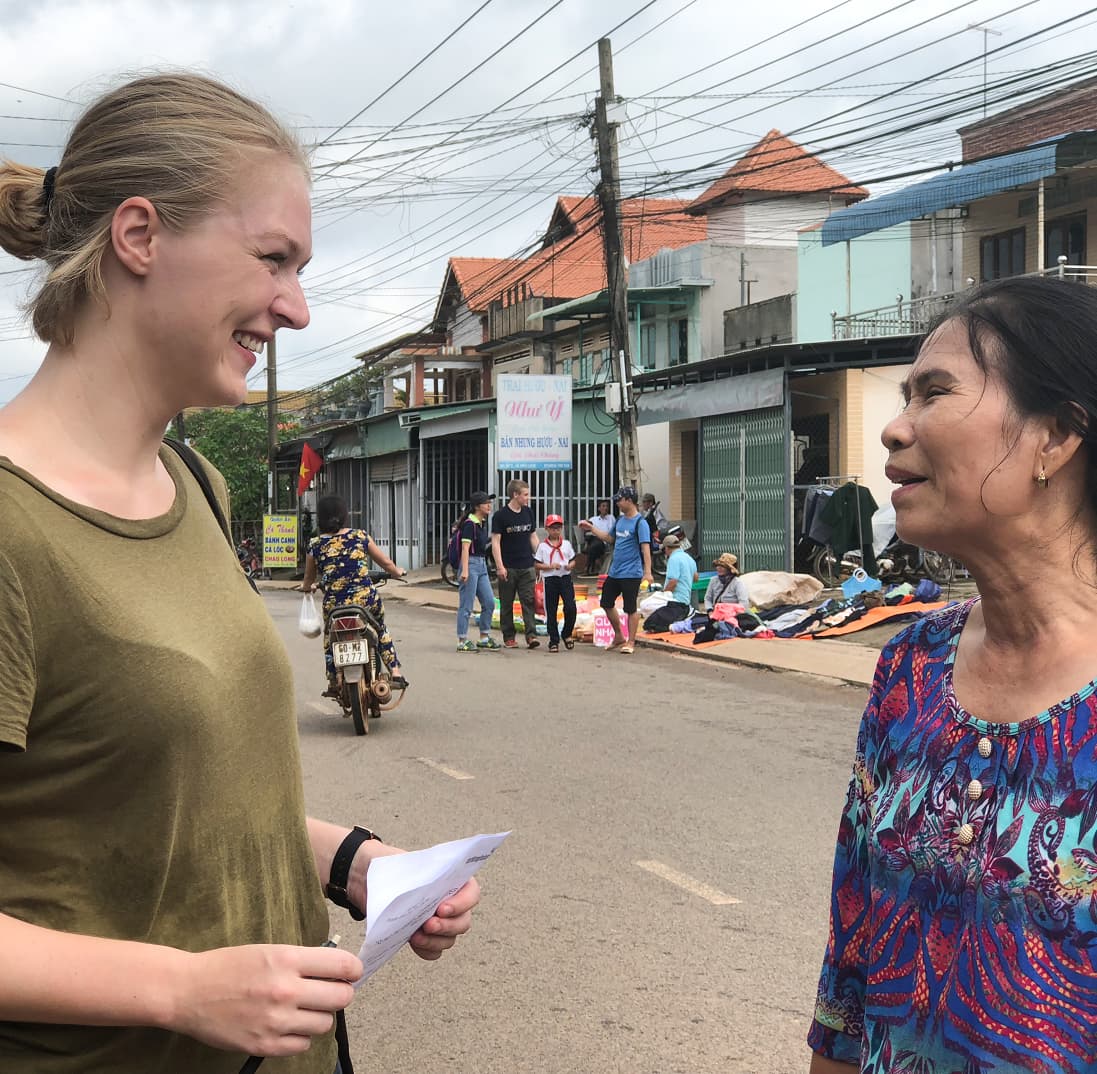
The Vietnamese language is built on a hierarchy of relationships. You cannot properly address someone without knowing their age relative to yours.
This determines the pronoun you use. If they are a bit older, you might call them anh (older brother) or chị (older sister). If they’re younger, em (younger sibling). If they are your parents’ age, cô or chú (aunt or uncle).
Asking your age is a logistical necessity for a polite conversation. It’s a sign of respect. The questions about marriage and salary are often simple curiosity. Answer honestly if you’re comfortable, or be vague. A smile and a simple “I’m traveling” often suffices.
7. The Price is a Suggestion, Not a Rule
In a supermarket or a mall, the price is fixed. But in a local market or from a street vendor, the first number you hear is the opening offer in a negotiation.
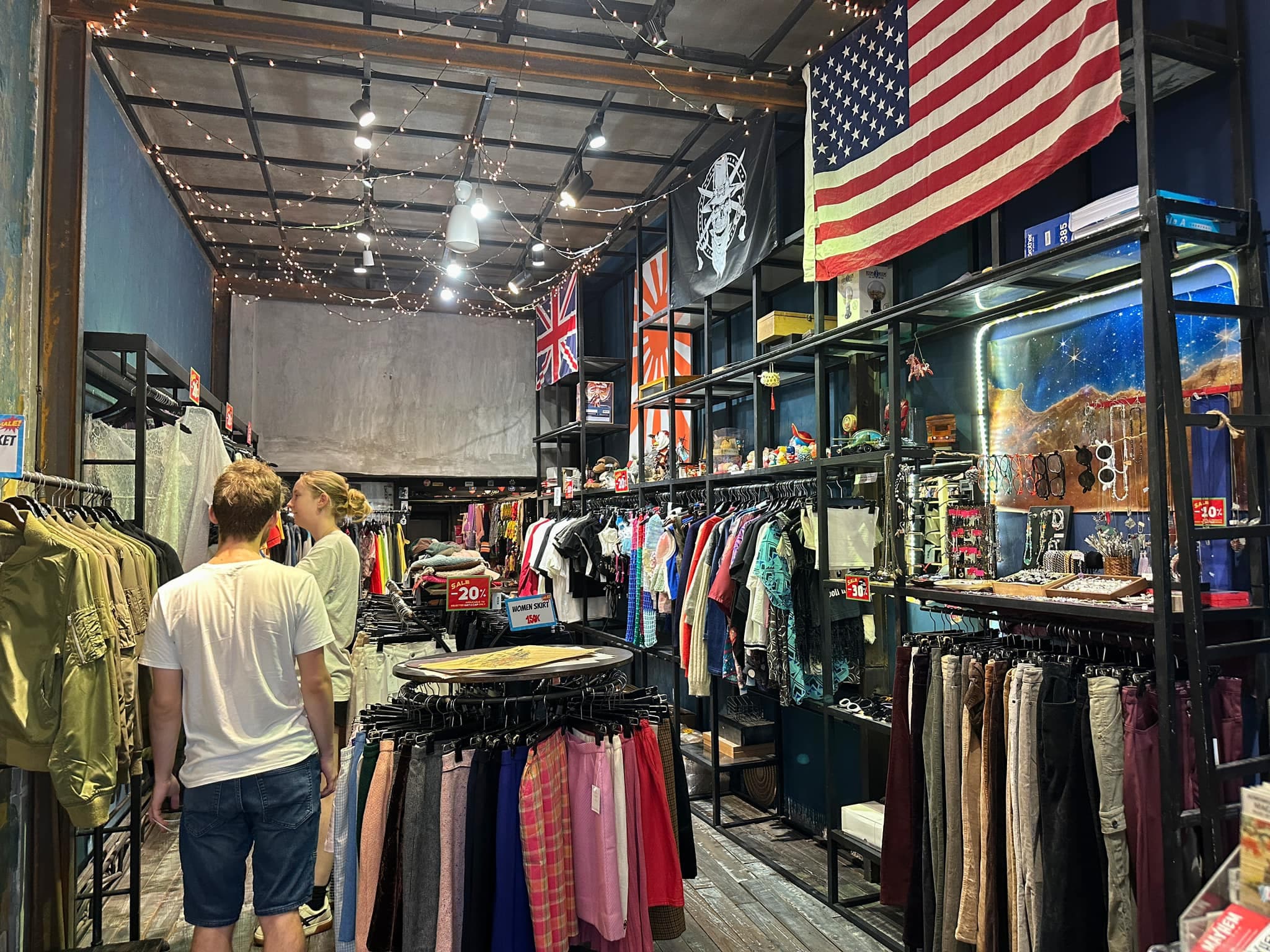
A tourist, unaware, might visit Ben Thanh Market in Ho Chi Minh City, ask the price of a souvenir, be quoted 400,000 VND, and pay it. They don’t realize that the real price was probably closer to 150,000 VND.
This isn’t necessarily a malicious scam; it’s just how the game is played. Haggling is a skill and a standard part of the transaction. The interaction is expected. A good strategy is to decide what you are willing to pay in your head, then counter the initial offer with a price a bit lower than that.
The key is to stay lighthearted and polite. Smile. A laugh goes a long way. If the price isn’t right, a simple “cảm ơn” (thank you) and a slow walk away is your most powerful tool.
More often than not, you’ll hear a new, lower price called out to you before you’ve gone ten feet. Knowing the local value of things is one of the most important Vietnam travel tips.
8. The City-Wide Siesta No One Tells You About
From roughly noon to 2 PM, the energy of a Vietnamese city changes. The relentless pace slows. The traffic thins slightly. Many smaller shops will pull their metal shutters halfway down. This is the unofficial national nap time. The midday heat, especially in the south, is oppressive. A siesta is not laziness; it’s a deeply practical strategy for survival.

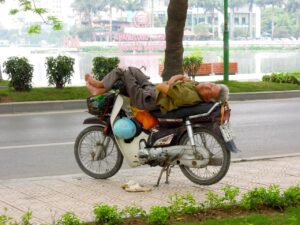
A tourist might find it frustrating. They’ve planned to visit a specific shop, only to find the owner fast asleep in a hammock strung up between two shelves. You’ll see it everywhere: delivery drivers napping on their motorbikes, security guards dozing on plastic chairs.
The smart traveler adapts. Use this time to go back to your hotel for a rest, sit in an air-conditioned cafe, or visit a museum. The city will wake up again around 2:30 PM, ready for the second half of the day.
9. Karaoke: The Decibel-Heavy National Pastime
Karaoke is not just a fun activity in Vietnam; it’s practically a religion. It is the default setting for any celebration: a birthday, a wedding, a business deal, a Tuesday night. And it is loud. The singing is characterized by passion, not precision, with heavy reverb on the microphones to make everyone sound like a star.

A traveler might be in their hotel room at 11 PM when a neighboring house erupts in a full-throated ballad. Large, multi-story KTV palaces with flashy lights are a common sight, but so are portable karaoke machines with massive speakers that can be rolled out for an impromptu street party.
If you are invited to join a karaoke session, you must accept. It’s a huge sign of friendship. No one cares if you can’t sing. The act of participating is what matters.
10. “Nhậu” and the Art of Communal Drinking
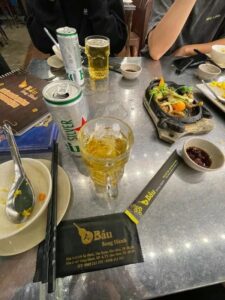
Drinking here isn’t about quietly sipping a pint. It’s a loud, structured, communal activity called Nhậu. It usually happens at a wide-open, bustling sidewalk restaurant. The beer is light lager, like Bia Saigon or Bia Hanoi, poured into small glasses over a single large chunk of ice. But the drinking is punctuated by a ritual.
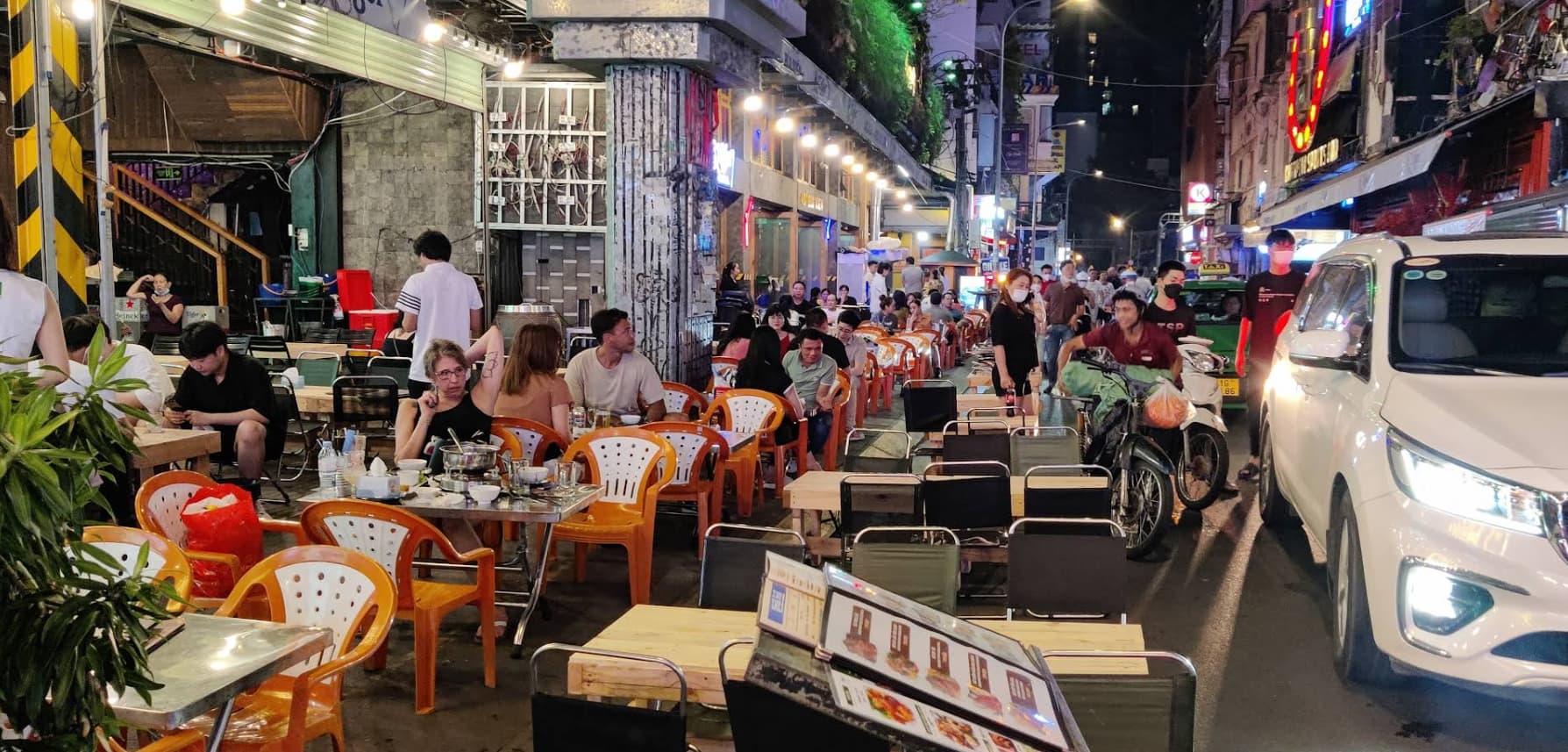
Someone will raise their glass and yell, “Một, hai, ba, dô!” (One, two, three, IN!). The entire table yells it back and everyone drinks. This happens every five to ten minutes. It’s a mechanism for group bonding. You drink together, you are in it together.
It’s fueled by a constant stream of shared food plates—grilled squid, fried tofu, hot pot. The goal isn’t just to drink; it’s to build camaraderie. For an even more local experience, seek out a Bia Hơi corner. This is fresh, daily-brewed draught beer that costs as little as 10,000 VND ($0.50 USD) a glass.
It’s one of the most authentic urban experiences you can have.
11. The Ever-Present Altar in the Corner of the Room
In a sleek, modern coffee shop, a noisy mechanic’s garage, or a family home, you will find an ancestor altar. It is usually placed in the most respected location, a small, often ornate shelf or cabinet. On it will be photos of deceased relatives, an incense burner, and offerings: a plate of fruit, a small cup of tea, maybe a can of beer.

This is the physical manifestation of ancestor veneration, a core pillar of spiritual life in Vietnam. It’s believed the spirits of the ancestors remain with the family, offering guidance and protection.
The offerings are to provide for them in the afterlife. It’s a daily, quiet practice of respect and remembrance.
For a visitor, the only rule is to be respectful. Don’t touch the items on the altar or point your feet towards it. Just observe it as a window into the deep importance of family that defines Vietnamese culture.
12. The Invisible Concept of “Losing Face”
This is the most subtle, yet most powerful, cultural barrier. “Face” is a blend of a person’s reputation, honor, and social standing.
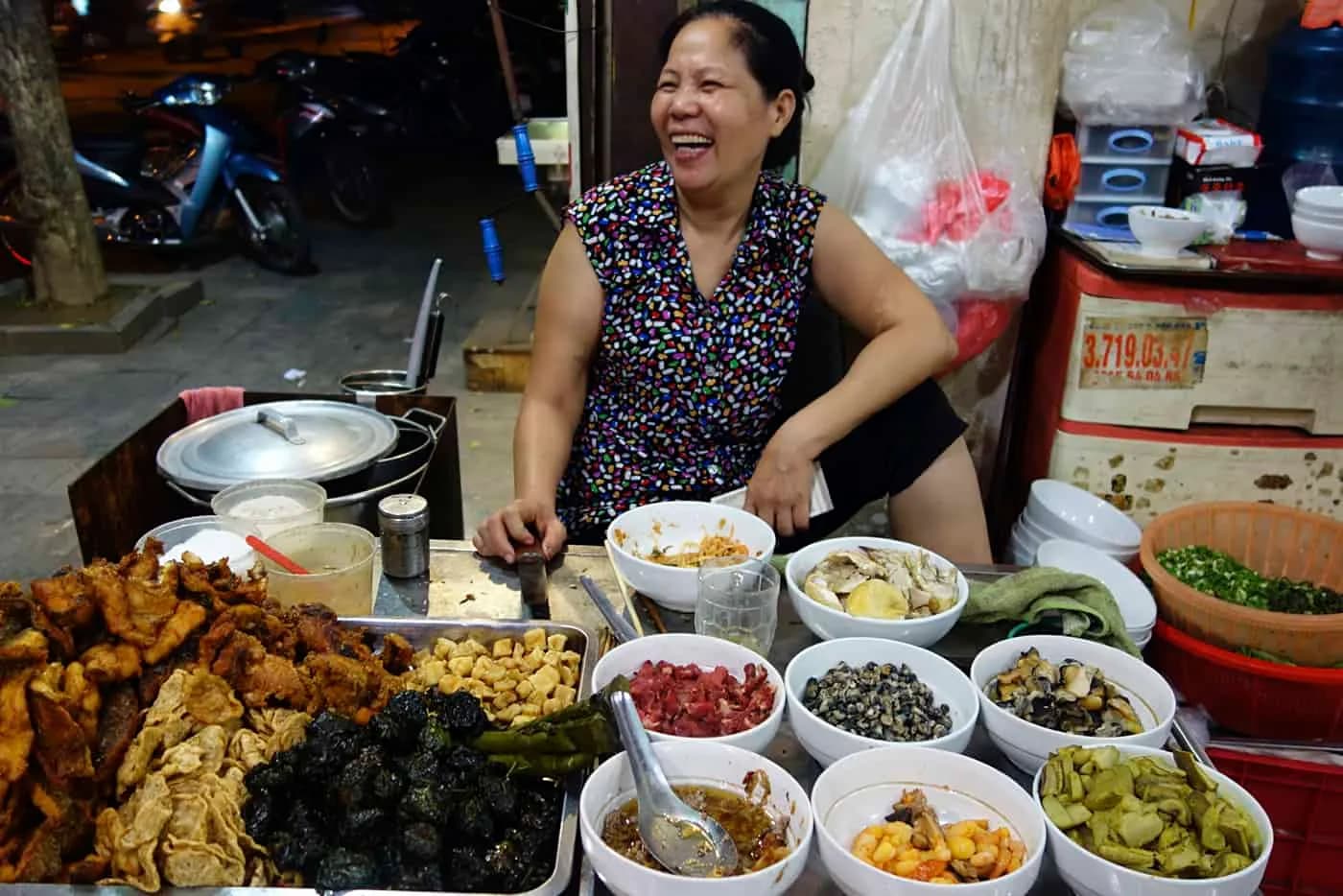
Causing someone to “lose face” is a grave social error. This manifests in a preference for indirect communication that can be baffling for foreigners.
For example, you might ask for directions, and a person who doesn’t know the answer will give you wrong directions with complete confidence. To admit “I don’t know” would be a small loss of face.
A Vietnamese colleague might not say “no” to a request they cannot fulfill. Instead, they will say, “I’ll try” or “It will be difficult.” This is to avoid embarrassing the person who made the request by rejecting them directly.
The lesson is to avoid public confrontation and to learn to read between the lines. A gentle, private approach is always better than a loud, direct one.
13. Humidity That Becomes a Second Skin
You can’t talk about the experience of Vietnam without talking about the weather. It’s not just the heat; it’s the humidity. Stepping outside in a city like Saigon feels like walking into a hot, wet towel. Within minutes, a layer of sweat forms on your skin and stays there all day. Your clothes feel perpetually damp.
This physical reality dictates the rhythm of life. It’s why people take a midday nap. It’s why iced tea (trà đá) and iced coffee are ubiquitous. It’s why you see locals riding motorbikes in the blazing sun wearing jackets, gloves, and full-face masks—it’s not for warmth, but to shield their skin from the brutal UV rays. The only way to deal with it is to surrender. Drink copious amounts of water, wear light, breathable clothing, and abandon any hope of staying perfectly dry.
14. The Small Bills for Table Wipes and Tissues
At many local eateries, you’ll find a plastic container of wet wipes or a packet of tissues on the table. A tourist, finishing a messy meal of shellfish, might use a few, assuming they are a complimentary part of the service. But when the bill arrives, there will be a small charge, perhaps 10,000 VND per wipe.
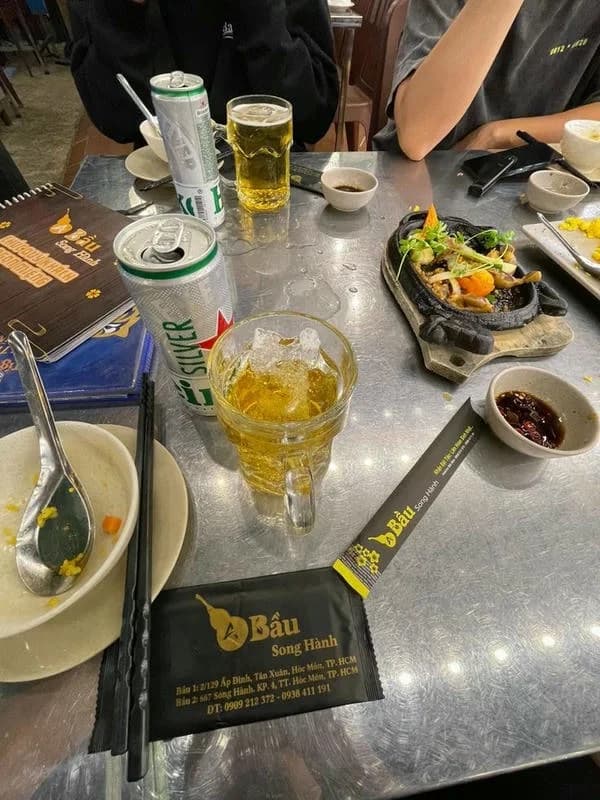
It’s not a scam; it’s just a different service model. These items are provided for your convenience, but they are not free.
The same can be true for the small dish of peanuts or pickled vegetables brought to your table at a nhậu restaurant.
If you don’t want them, simply move them to the side and don’t touch them. It’s a minor detail, but knowing about it in advance can prevent a moment of confused frustration.
15. The Disarming, Unexpected Generosity
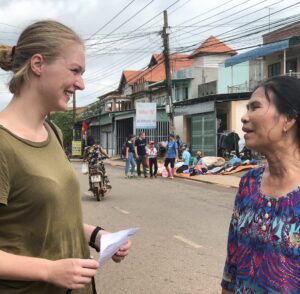
After navigating the traffic, the noise, and the haggling, the thing that ultimately shocks most visitors is the kindness.
It comes in small, unexpected moments. You get a flat tire on a rental motorbike, and within minutes, a man from a nearby house comes out with tools to help, refusing any payment.
An elderly woman selling fruit on the street sees you looking hot and tired and hands you a small fan. Your Grab driver waits to make sure you get inside your apartment building safely late at night.
Beneath the hectic, sometimes abrasive surface of daily life, there is a powerful culture of hospitality and a genuine curiosity about outsiders.
People will often go out of their way to help, expecting nothing in return. This is the final, and most important, piece of the puzzle.
The best way to respond is with a simple, genuine smile and the two most important words you can learn: “Cảm ơn” (Thank you). Being aware of potential pitfalls is smart, as our guide on Staying Safe in Vietnam covers, but being open to these moments of connection is what will truly define your trip.












 Tiếng Việt
 한국어
한국어 中文 (中国)
 日本語
日本語 ไทย
ไทย Deutsch
 Español
 Destinations
 Instagram
 Facebook
 X (Twitter)
 Threads
 Tiktok