









 Ha Giang
 Hanoi
Hanoi Ho Chi Minh City
 Ha Long
 Sapa
Sapa Mekong Delta
 Da Nang
 Hue
Hue Hoi An
 Ninh Binh
 Da Lat
 Nha Trang
 Phan Thiet
 Phu Quoc
 Quang Binh
 Quy Nhon
 Vung Tau
 Thai Nguyen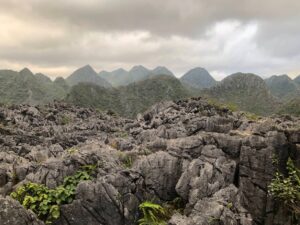
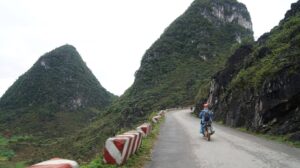
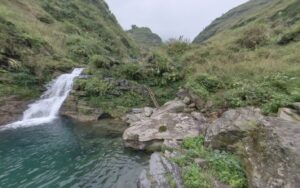
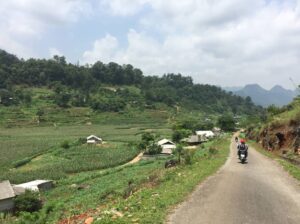
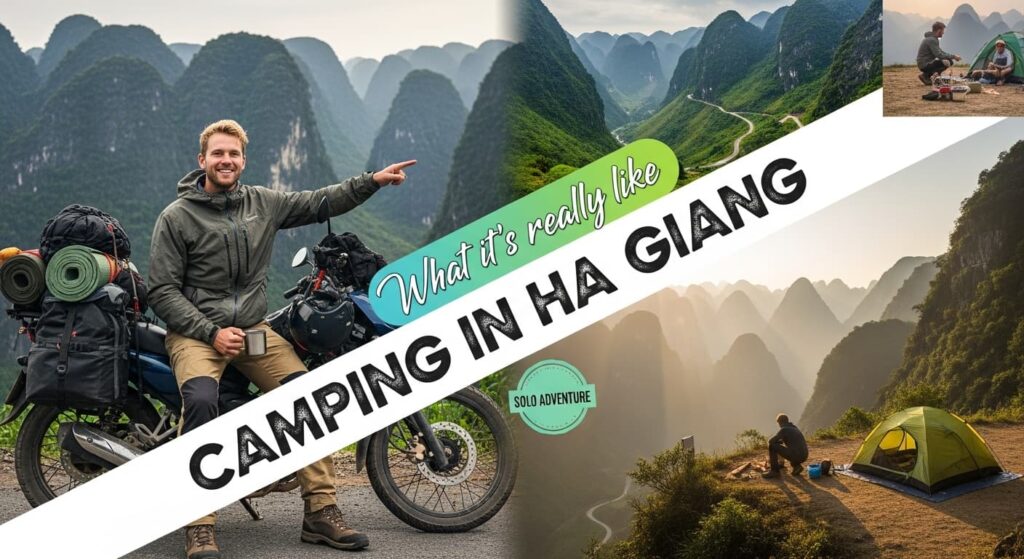


Everyone comes to Vietnam and hears about the Ha Giang Loop. You see the photos: epic roads carved into mountains, foggy peaks, lush valleys.
And most people do it the same way: on the back of a bike with an easy rider, or with a group of friends renting bikes, staying in homestays.
It’s a solid plan. It’s what most people do. But me? I’ve been in Vietnam for years. I’ve done the tourist stuff. I wanted something else. I wanted to see what it’s really like to do the Loop completely on my own terms.
So, I packed a tent, strapped it to the back of a motorbike, and went looking for a different kind of freedom.
And let me tell you, camping in Ha Giang is not what you think it is. It’s not a relaxed, “find a spot and set up” kind of trip. It’s hard work, it’s stressful, and it’s absolutely one of the most rewarding things I’ve done. This isn’t a fluffy travel guide. This is the truth.
- Independent camping on the Ha Giang Loop is a real challenge, but the reward is unmatched. This brutally honest guide from a female expat living in Vietnam reveals the raw truths about camping in Ha Giang. Get the inside scoop on gear, safety, and finding a secret campsite away from the crowds.
- Preparation is non-negotiable. You need to pack smart and light but be prepared for anything. This means bringing a quality, lightweight, waterproof tent and a sleeping bag rated for low temperatures (0-5°C), as nights are incredibly cold, even outside of winter. You must also rent a reliable semi-automatic or manual motorbike, not a scooter, and have it thoroughly checked before you go. Finally, carry enough food (instant noodles, snacks) and water for at least a full day, as well as the mandatory Ha Giang permit.
- The journey is a constant search. The reality of Ha Giang Loop self-camping is that finding a campsite is a major challenge. You can’t just stop anywhere; you have to actively search for a safe, flat, and non-private spot before dark, which can be a major source of stress. The most beautiful views on the famous Ma Pi Leng Pass are often the least suitable places to set up a tent, so be prepared to be flexible and resourceful with your Ha Giang Loop itinerary.
- Be ready for the hard truths. This is a physically and mentally demanding trip. Be prepared for uncomfortable nights in the cold, dealing with fog and rain, and being constantly covered in dirt and dust. It’s a solitary experience, so you won’t have the comfort of a homestay or the social aspect of group travel. This is a journey of Ha Giang independent travel, and it requires true resilience.
- Safety is your top priority. Beyond the normal challenges, you must be hyper-aware of your surroundings. The roads are dangerous with blind turns and steep drops, so always ride cautiously. Be prepared for police checkpoints by having your passport, license, and permit ready. Always carry a headlamp, a basic first-aid kit, and enough cash for emergencies. Follow “Leave No Trace” principles to protect the stunning environment you’re there to see.
- The reward is worth every struggle. Despite the hardships, the feeling of freedom and accomplishment is unparalleled. You will wake up to unique views that no one else gets to see from a guesthouse, experience true solitude, and gain a profound sense of self-reliance. This is about more than just motorbiking—it’s about the unique, raw, and honest adventure that makes camping in Ha Giang a truly unforgettable experience.
The Prep: Before Ha Giang Gets Real
I didn’t just wake up one morning and decide to go camping in Ha Giang. That’s a recipe for disaster. This whole trip started weeks before I even left Hanoi. I was obsessed with the idea of a true Ha Giang Loop self-camping experience.
First, the gear. I knew I couldn’t just rely on what’s available in Ha Giang City. The shops there are for motorbiking essentials, not quality camping gear. So, I went to a proper outdoor store in Hanoi. The key items were:
- Tent: A two-person, lightweight, and waterproof dome tent. I got one with a separate rain fly. Rain is a constant threat in the mountains, and a cheap tent will leak and make you miserable. My tent weighed about 2.5 kg, which was perfect for strapping to the back of the bike.
- Sleeping Bag: I got a synthetic fill bag rated for 0-5°C. People seriously underestimate how cold it gets up there, especially in the winter months (November to February). At night, it can drop to single digits. A cheap bag won’t cut it, and you’ll be shivering all night.
- Stove & Gas: A small, portable backpacking stove that screws onto a gas canister. Crucial for cooking noodles, making coffee, and just having a little bit of warmth in the evening. I brought two small gas canisters, which was more than enough for a 4-day trip.
- Cooking Pot & Utensils: A small, nested cooking pot set, a spork, and a pocket knife. Minimalist, but it gets the job done. A headlamp is also non-negotiable. It’s the only thing you have for light once the sun goes down.
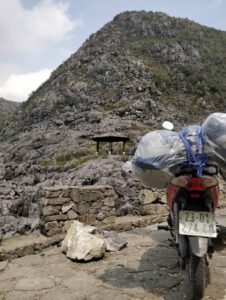
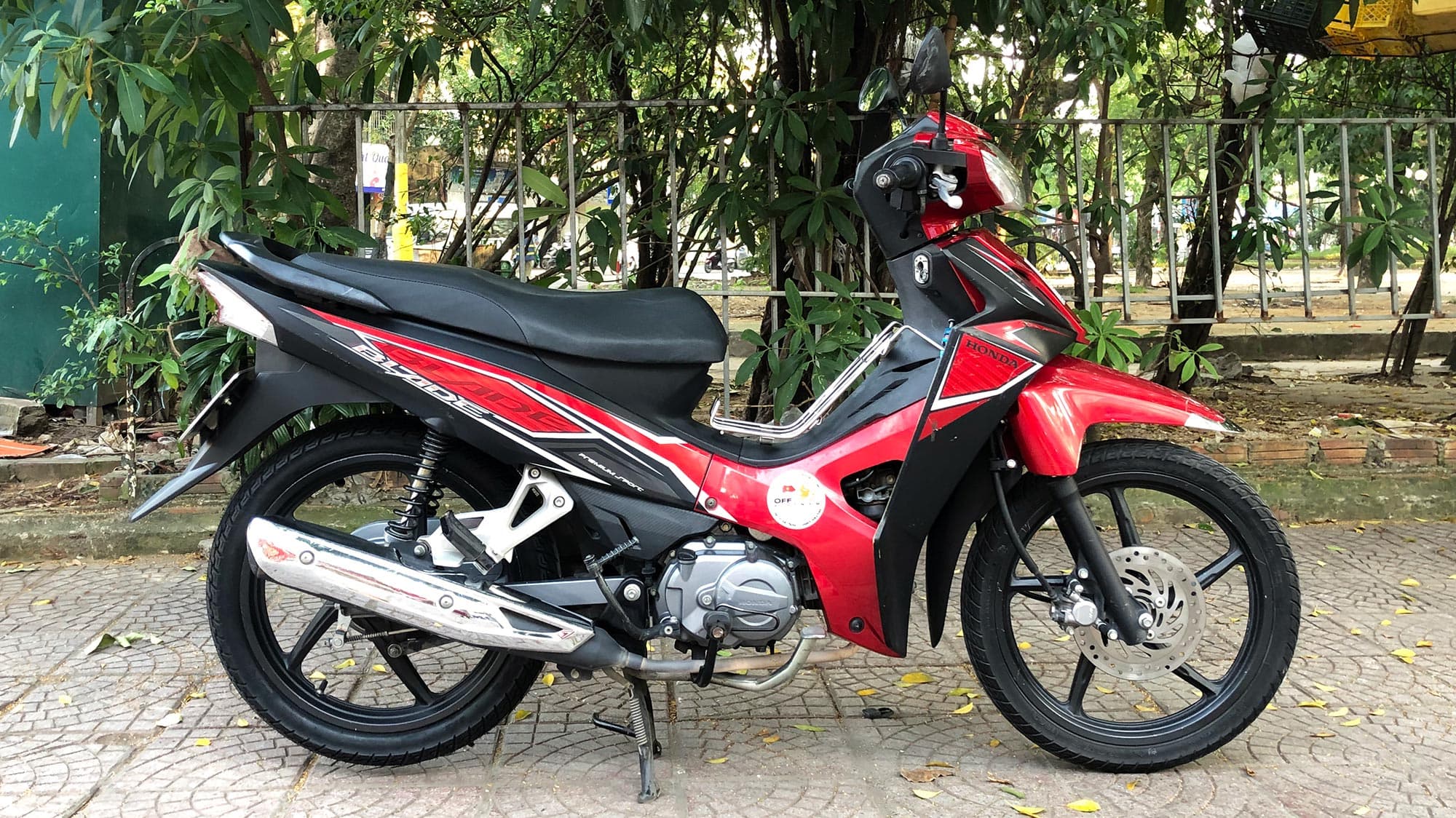
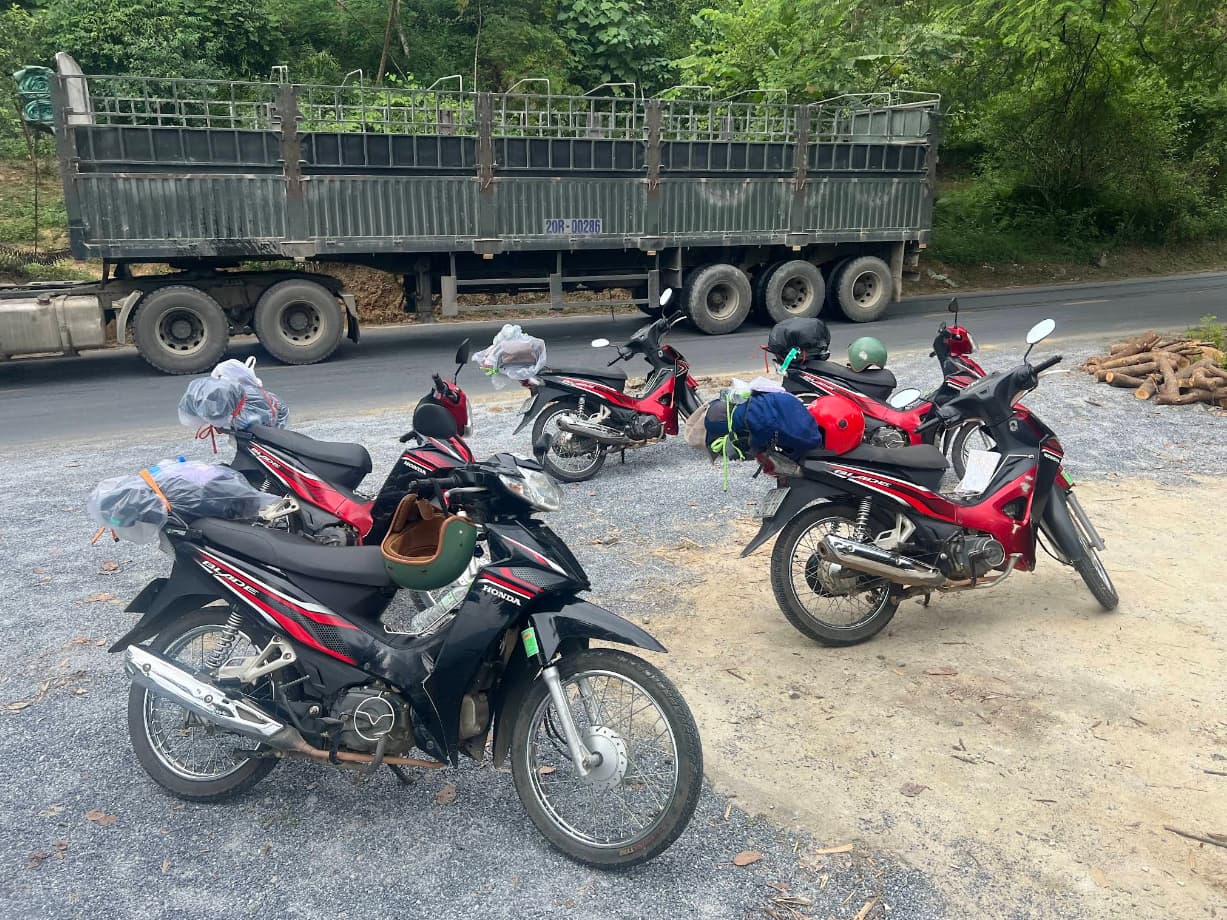
I strapped all this to the back of my Honda Blade, a semi-automatic I’d been riding around Vietnam for months.
The Honda Blade is a good choice for the loop—it’s tough, reliable, and has enough power to get you up the hills, unlike a scooter.
For those considering their first trip, you can learn more about renting a bike for the loop in my other post: Guide to Renting a Motorbike in Vietnam.
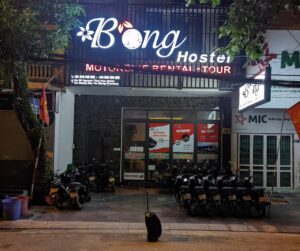
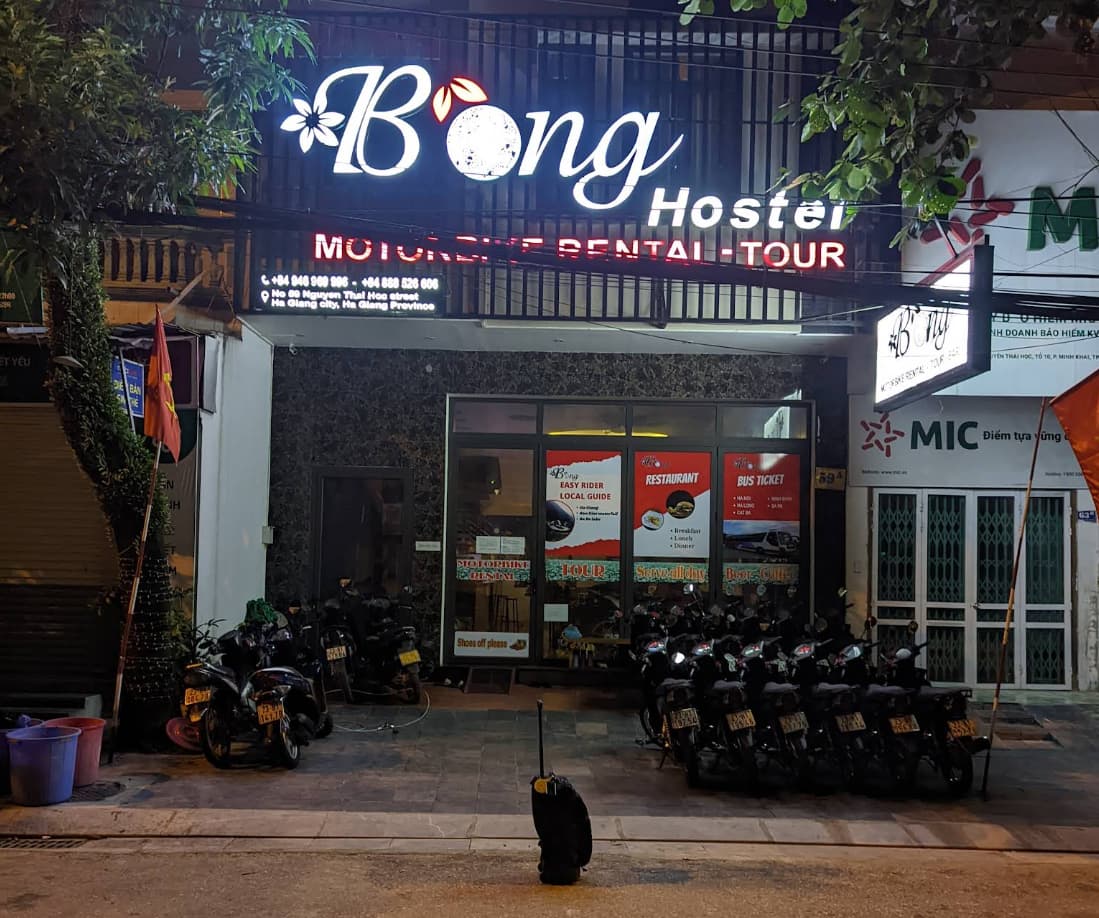
I made sure to get my bike checked at a local mechanic before I left Hanoi. A quick oil change, check the tires and brakes. It’s an extra step, but it’s cheap insurance. In Ha Giang City, I’ve heard good things about QT Motorbikes and Bong Hostel for rentals—they have quality bikes and are used to helping foreigners.
Next, the food. This is a crucial part of wild camping Ha Giang. You can’t rely on finding a restaurant every time you’re hungry, and you can’t just cook whatever you want.
In Ha Giang City, before I started the Loop, I went to a local market and bought:
- Instant Noodles: The foundation of my diet. I bought about two packets for each night.
- Canned Food: Canned tuna or meat, something with protein that won’t go bad.
- Snacks: Granola bars, crackers, some dried fruit, and a few chocolate bars for energy.
- Water: At least 4-5 liters to start. You can refill at local shops in towns, but you can’t rely on finding a clean source. I also carried a water purification filter, just in case.
I also budgeted for about 200,000 VND ~$7 USD per day for petrol and food, plus some extra for unexpected costs.
Bike rental was about 200,000 VND/day. I spent maybe 100,000 VND on petrol for the entire loop. It’s definitely cheaper than staying in a guesthouse if you already own the gear. I wanted a true Ha Giang independent travel experience, and that meant being prepared for anything.
Finally, the permit. You need to get a permit to travel in the border areas of Dong Van and Meo Vac. It’s cheap, maybe 10,000 VND, and you can get it at the immigration office in Ha Giang City.
It’s a formality, but it’s important to have it with you, along with your passport and motorbike registration papers, in case of a police checkpoint.
While the Ha Giang Loop is a trip in itself, it’s just one part of a great Vietnam adventure. If you’re looking to fit this into a bigger plan for your vacation, I’ve laid out the perfect route in The only Vietnam 2-week itinerary you’ll ever need !!!
The Loop: Day-by-Day, The Reality
Day 1: Ha Giang City to Yên Minh. The First Night.
The first day on the loop is always a bit of a shock to the system. The roads are intense, the views are incredible, and my bike felt heavy with the extra gear.
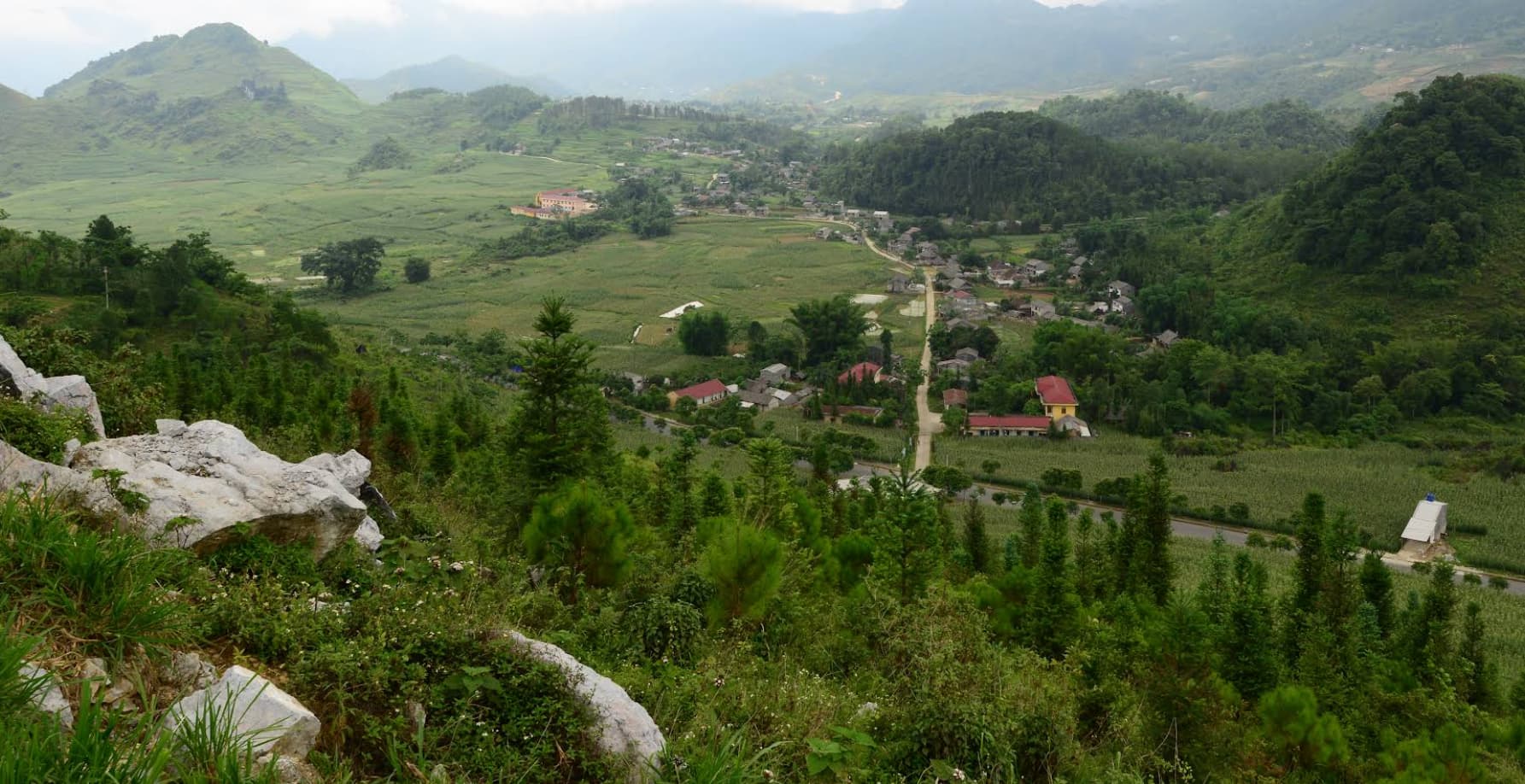
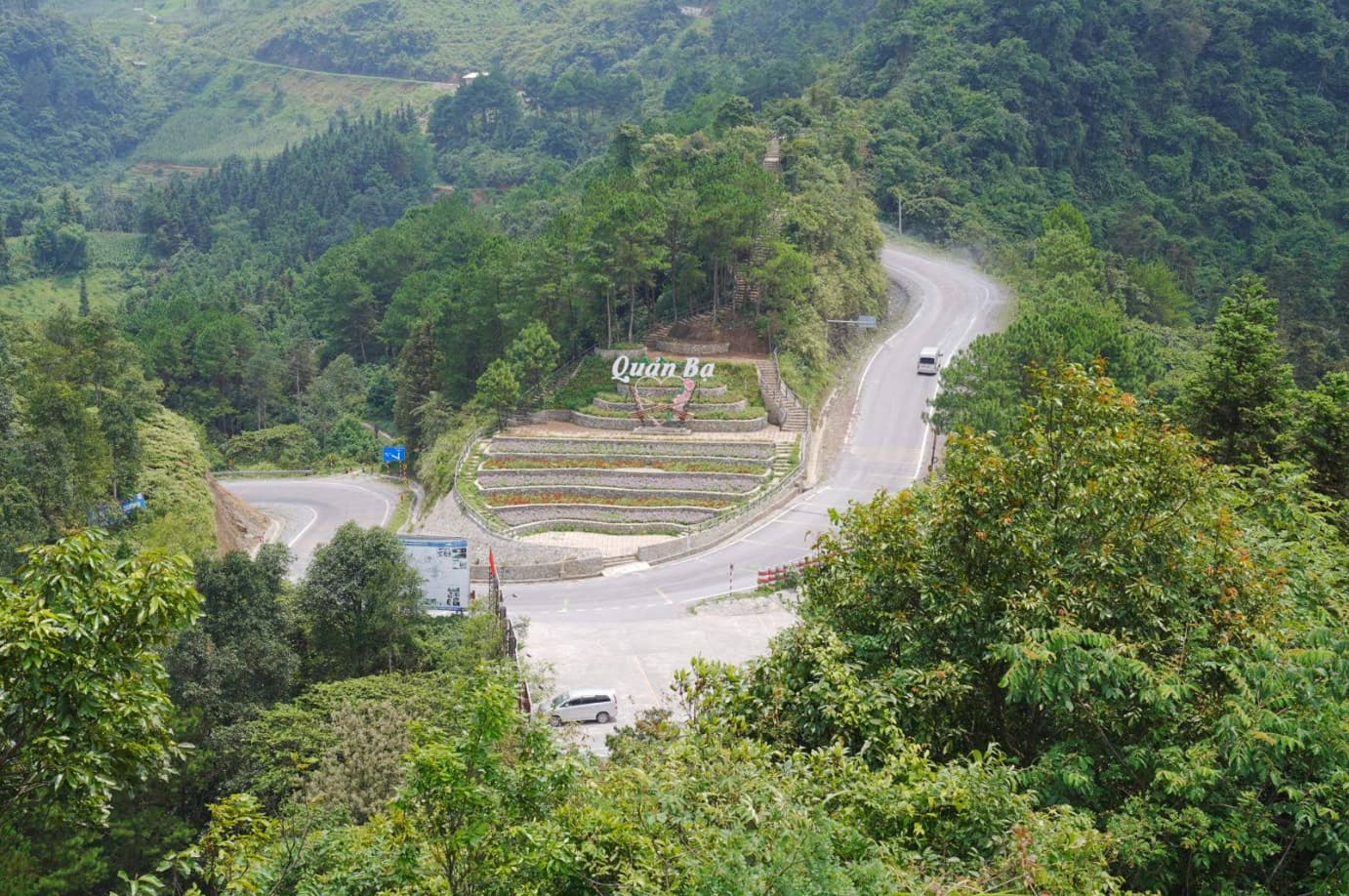
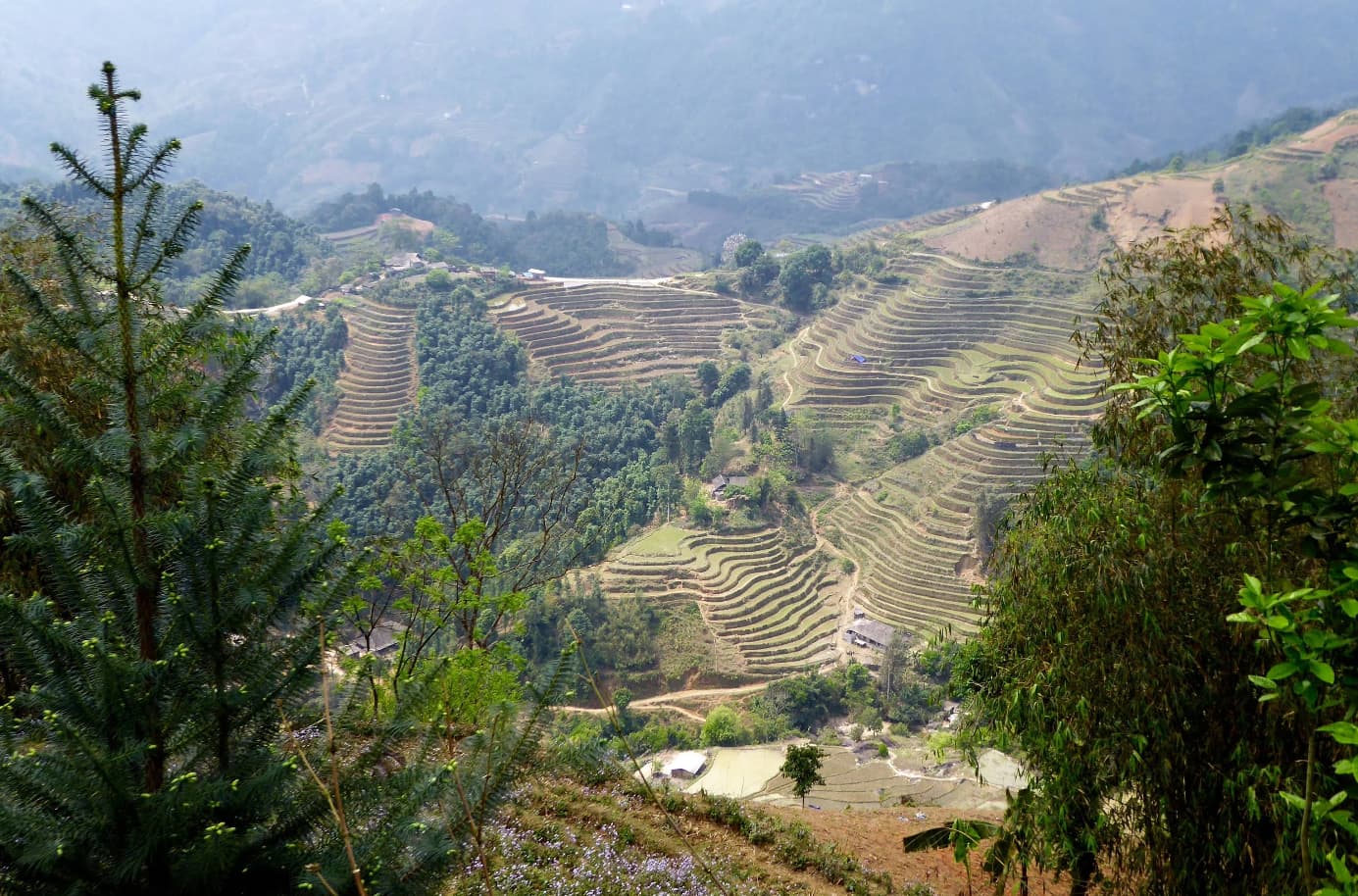
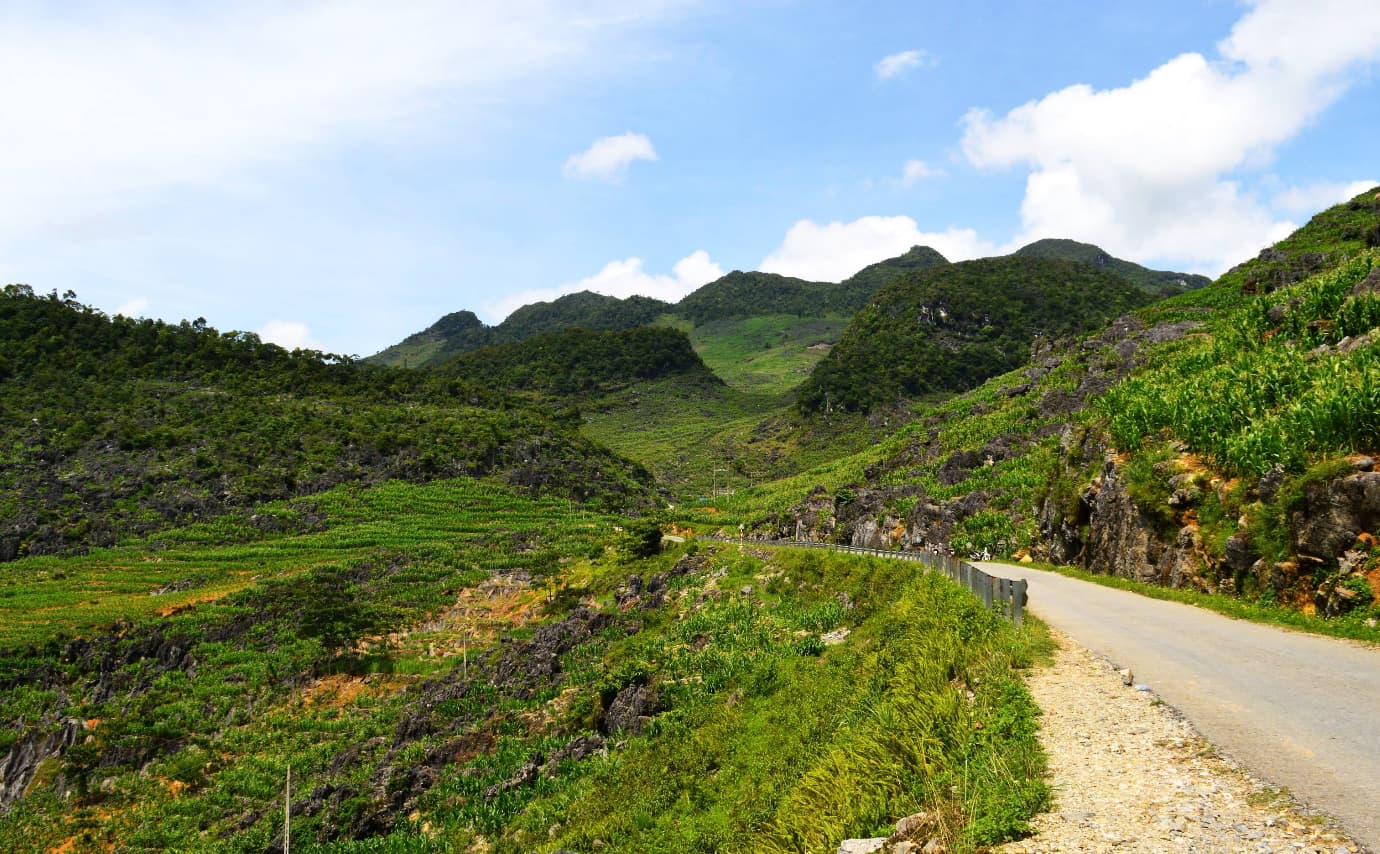

I left Ha Giang City and rode through Quan Ba, saw the famous twin mountains, and made my way towards Yên Minh. The plan was to find my first campsite before dark.
This is where the reality of Ha Giang Loop self-camping hits you. You see all these beautiful spots along the road, but they’re either on a steep slope, someone’s farm, or right next to the road where everyone will see you.
I must have spent an hour and a half slowly riding, scanning for a good spot. My anxiety was building. The sun was going down fast, and I knew setting up a tent in the dark would be a pain.
Finally, just past Yên Minh, I saw a small dirt road leading down a hill. I followed it for about a kilometer and found a small, flat patch of land near a stream.
It was quiet, hidden, and felt perfect. It wasn’t a scenic viewpoint, but it was functional. I was tired, dirty, and a little bit scared. But I got the tent set up, cooked some noodles, and listened to the sounds of the stream.
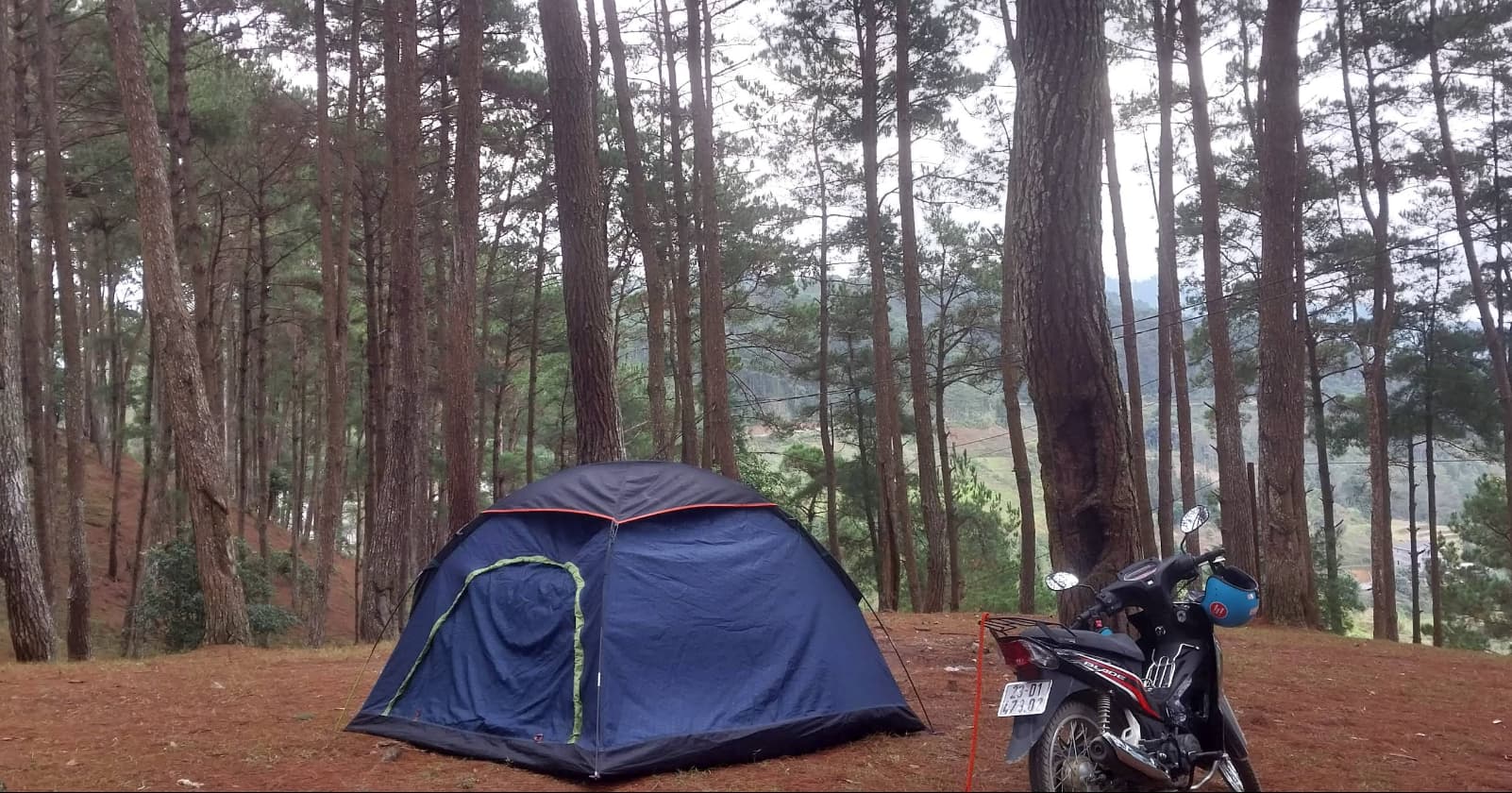
That first night, lying in my tent, was when I knew this was the right choice. No guesthouse, no other tourists, just me and the mountains. It was raw, honest freedom.
Day 2: Yên Minh to Dong Van. The Struggle.
The next day was a big one. I was riding into the famous Dong Van Karst Plateau, the heart of the loop. The roads got even more dramatic.
I passed through incredible scenery and little Hmong villages. Finding a place to camp tonight felt even more important. I wanted something epic.
I rode past the famous Dong Van flagpole and considered camping nearby, but the area was too busy.
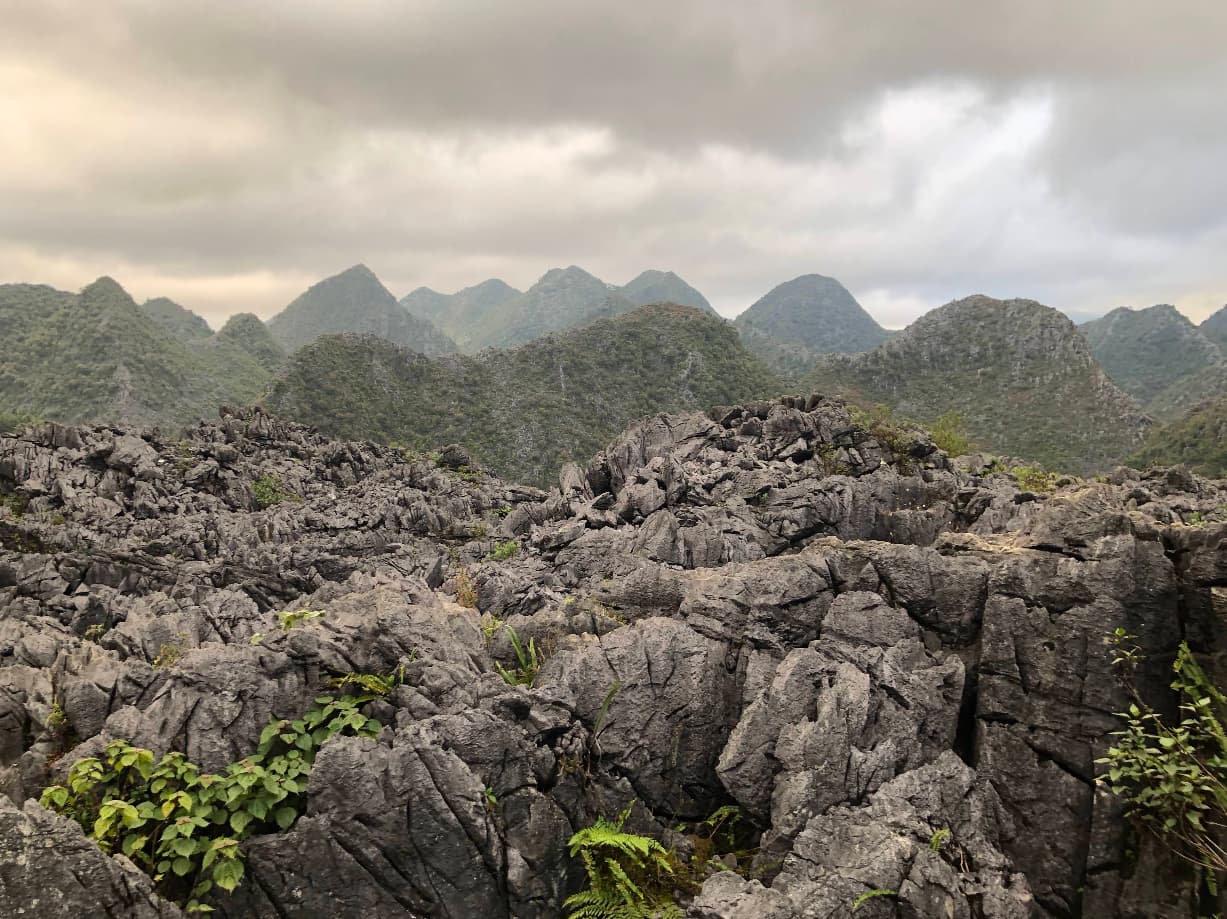
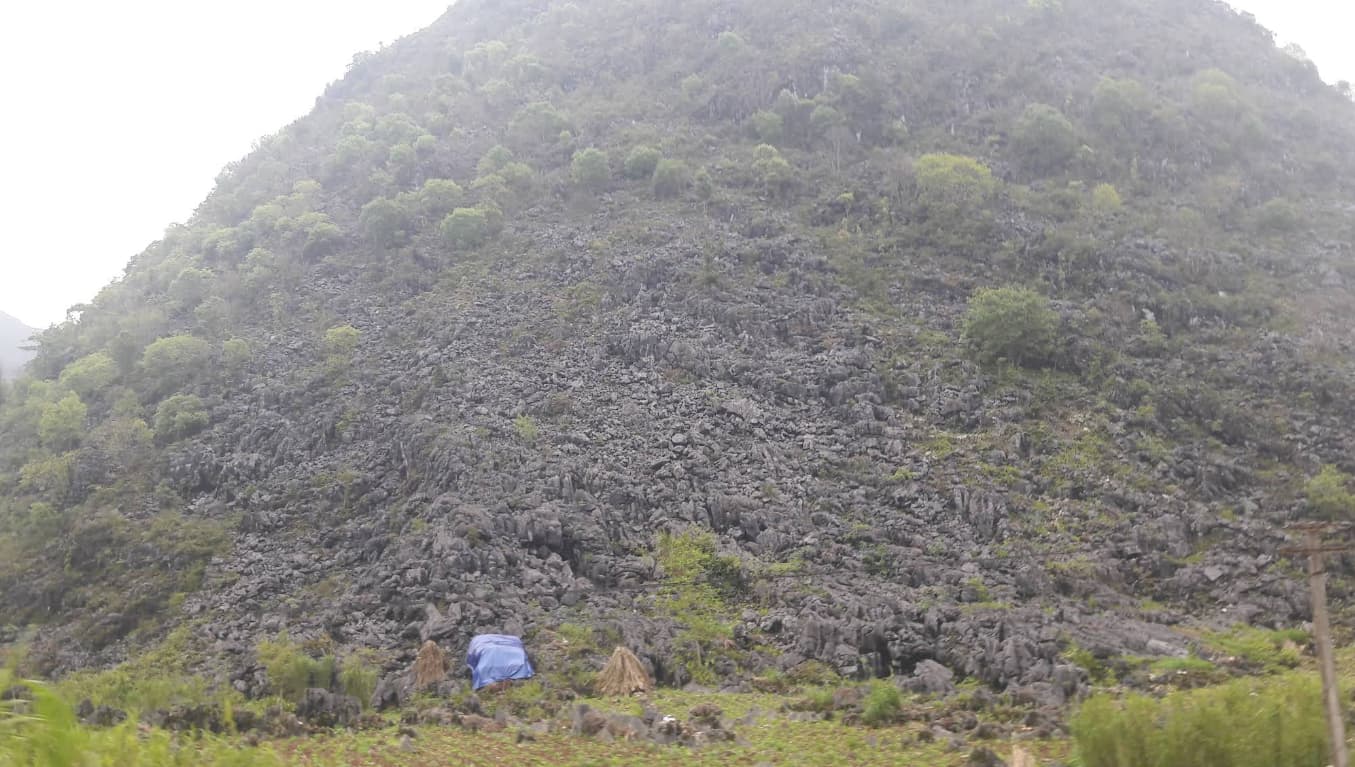
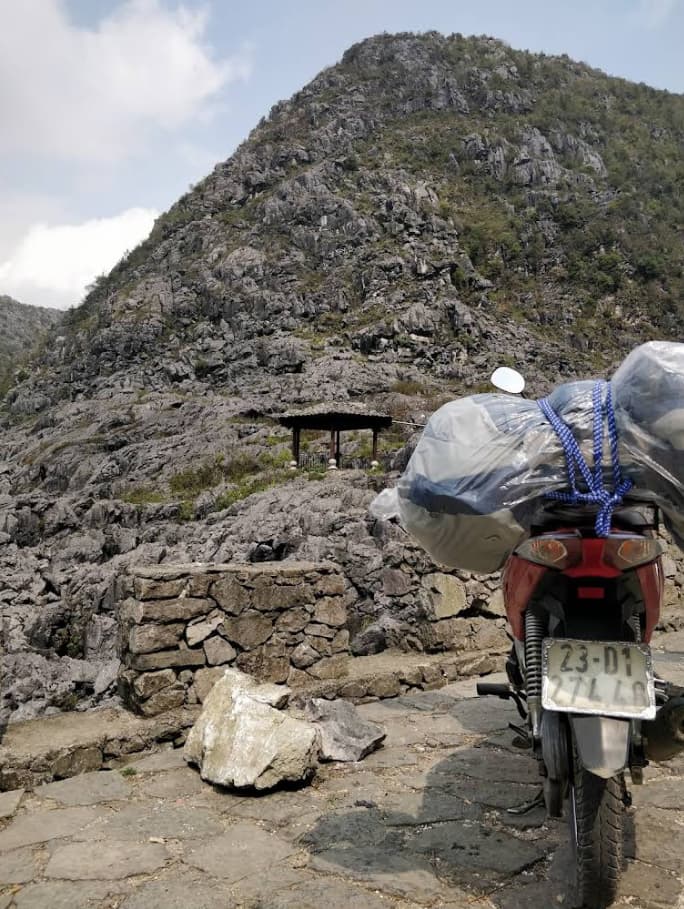
The truth about Ha Giang wild camping is that the most beautiful, iconic spots are often the least suitable for a tent. They’re either tourist traps, too exposed, or too steep. I kept going, riding past the town of Dong Van.
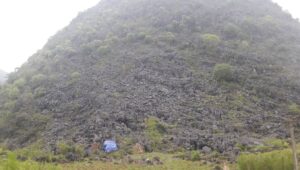
It was getting late again. The fog was starting to roll in, making everything feel a bit more intense. I found a spot down a small side road, an abandoned field just off the main road. It wasn’t beautiful. It wasn’t epic. But it was flat, dry, and hidden. It was enough.
That night was cold. Very cold. The temperature dropped significantly. I was so glad I had a good sleeping bag. As the fog thickened, I couldn’t see anything outside my tent.
The isolation was profound. It wasn’t a romantic, starry-night kind of camping. It was a “hope nothing creepy happens” kind of night. And that’s part of the experience. It taught me a valuable lesson: camping in Ha Giang isn’t about the perfect photo op. It’s about surviving and finding peace in the struggle.
Day 3: Dong Van to Mèo Vạc. The Payoff.
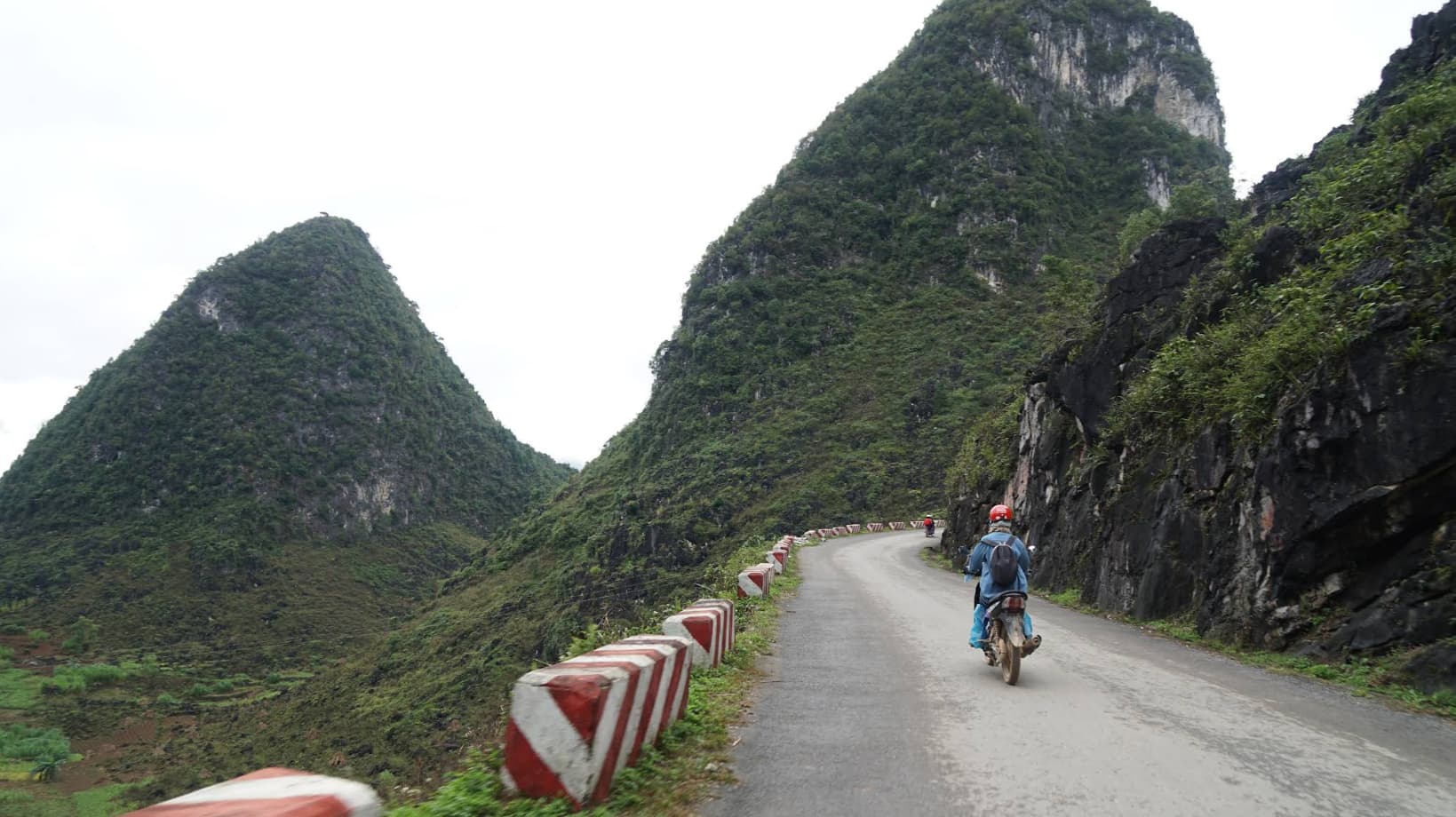
The third day was the one everyone talks about: the Mã Pí Lèng Pass. The most beautiful road in Vietnam. I rode it slowly, taking in the views of the Nho Quế River. The scale of it all is hard to comprehend.
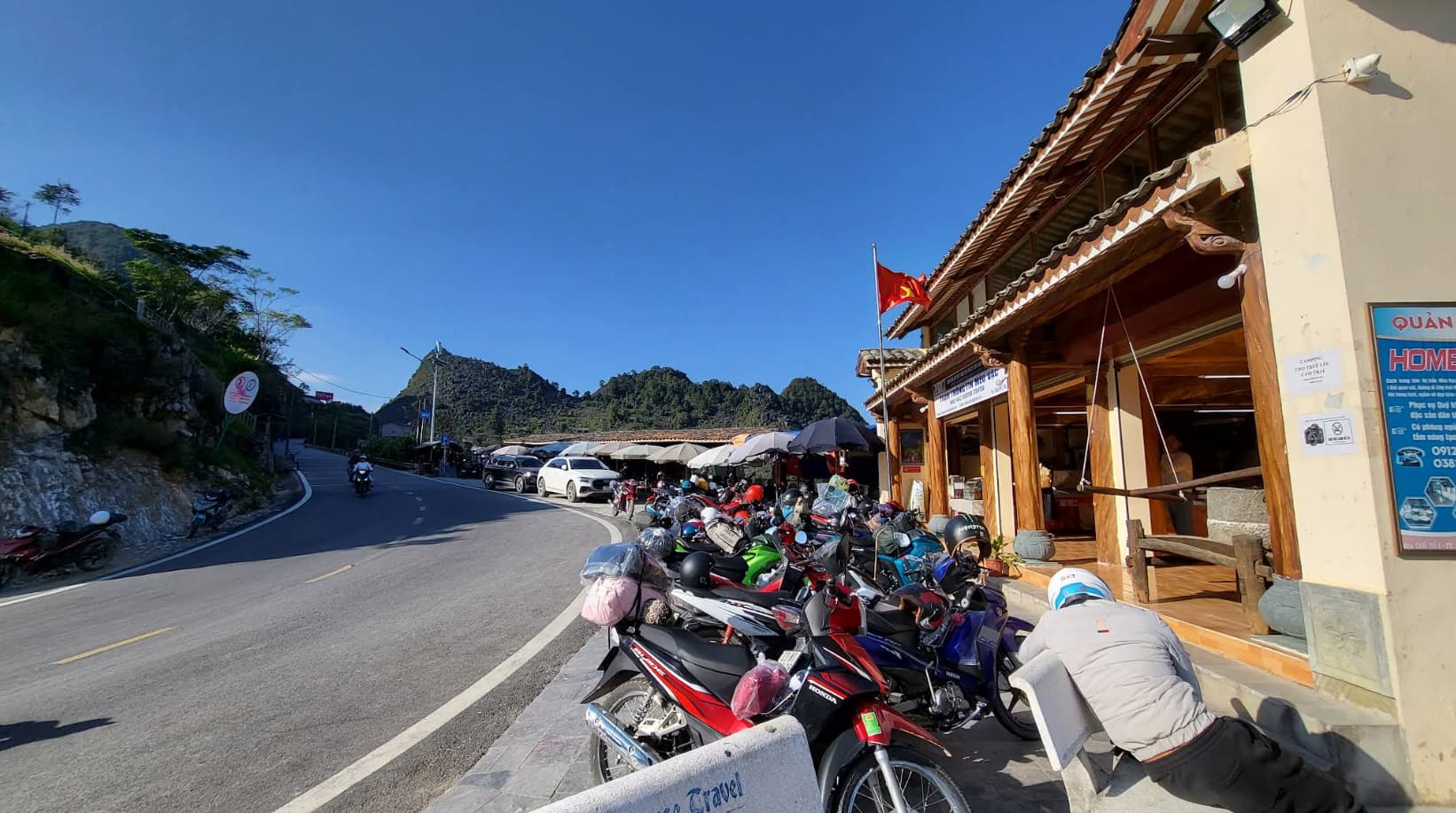
After the pass, I went into Mèo Vạc to get supplies. I topped up my water, bought more instant noodles, and found a small shop to grab a Coke.
With a full tank and a full backpack, I started looking for my final campsite. I knew I couldn’t camp on the pass itself—too exposed, too many people. The terrain is also impossibly steep.
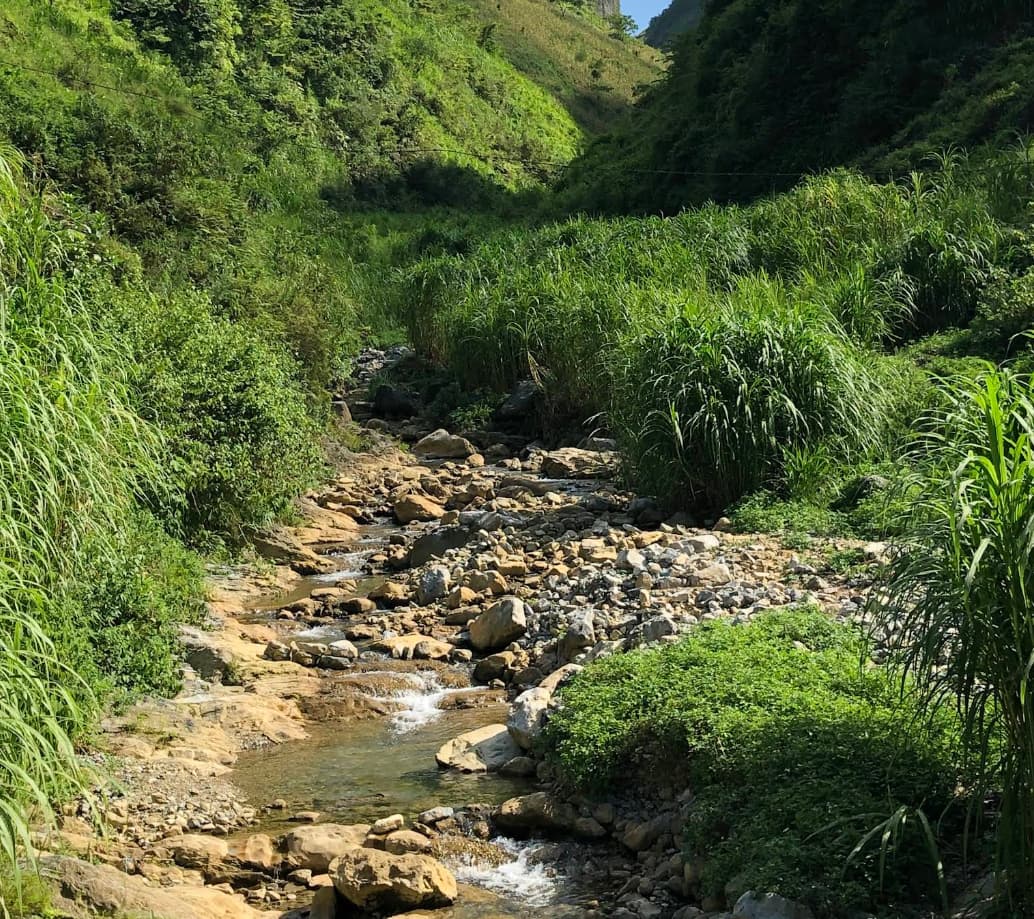
I rode a good distance out of Mèo Vạc, looking for another hidden spot. I found a small track leading down to a river. The road was rocky and I had to be careful with the bike.
But at the end of it, there was a small, flat area right next to the water. I had to pay a local farmer 20,000 VND to use his land, but it was worth it.
The truth is, most land is owned by someone, so asking for permission is always the right thing to do.
This was the campsite I had been dreaming of. It was completely secluded, the sound of the river was all I could hear, and the stars were incredible.
I set up my tent, cooked my noodles, and just sat by the river, watching the stars. This was the moment that made all the previous stress and uncertainty worth it.
This is the payoff of Ha Giang independent travel.
Day 4: Mèo Vạc to Du Gia. The End of the Loop.
The final day of the loop. The road from Mèo Vạc to Du Gia is known for being beautiful and a bit less crowded.
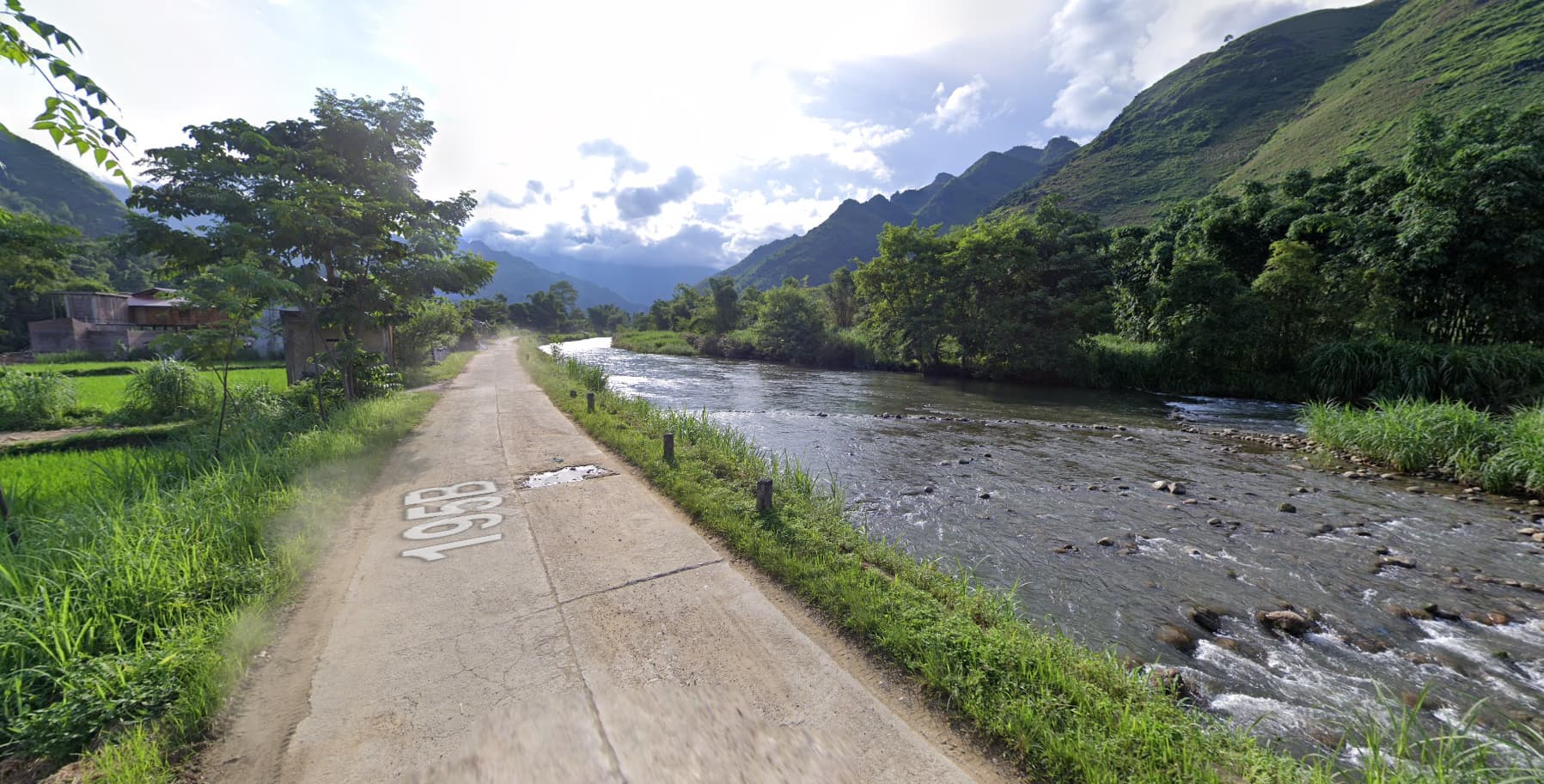
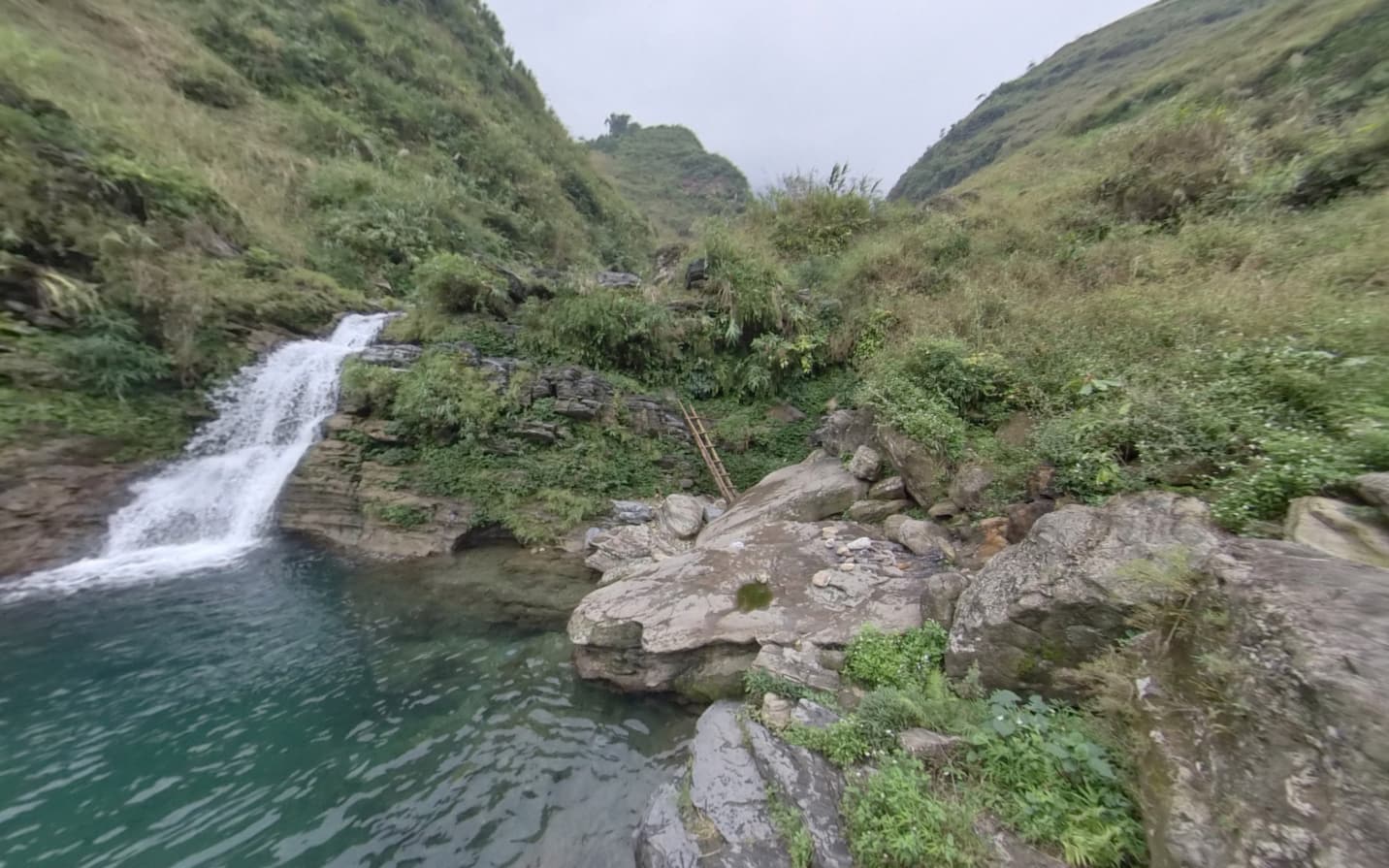
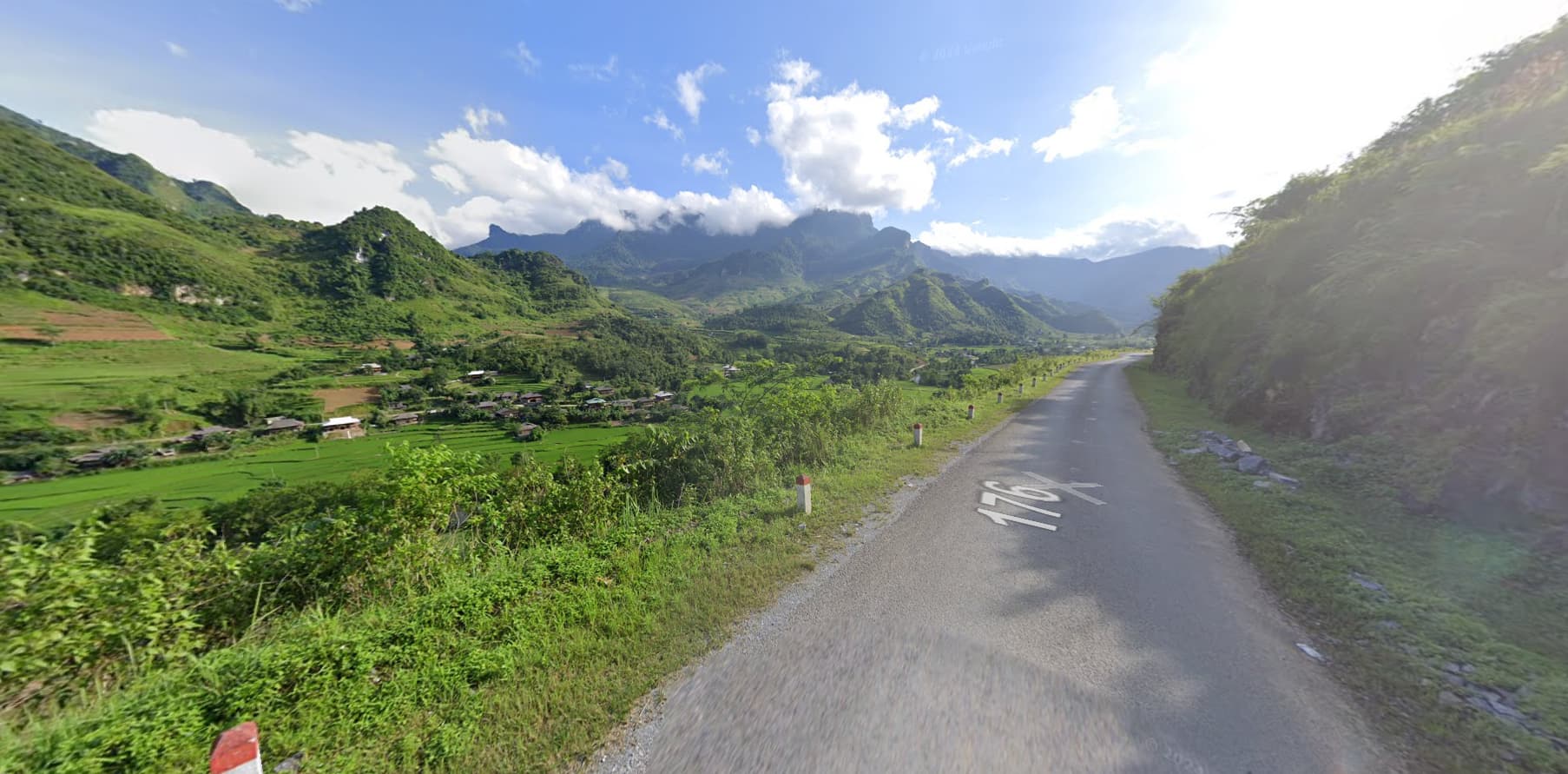
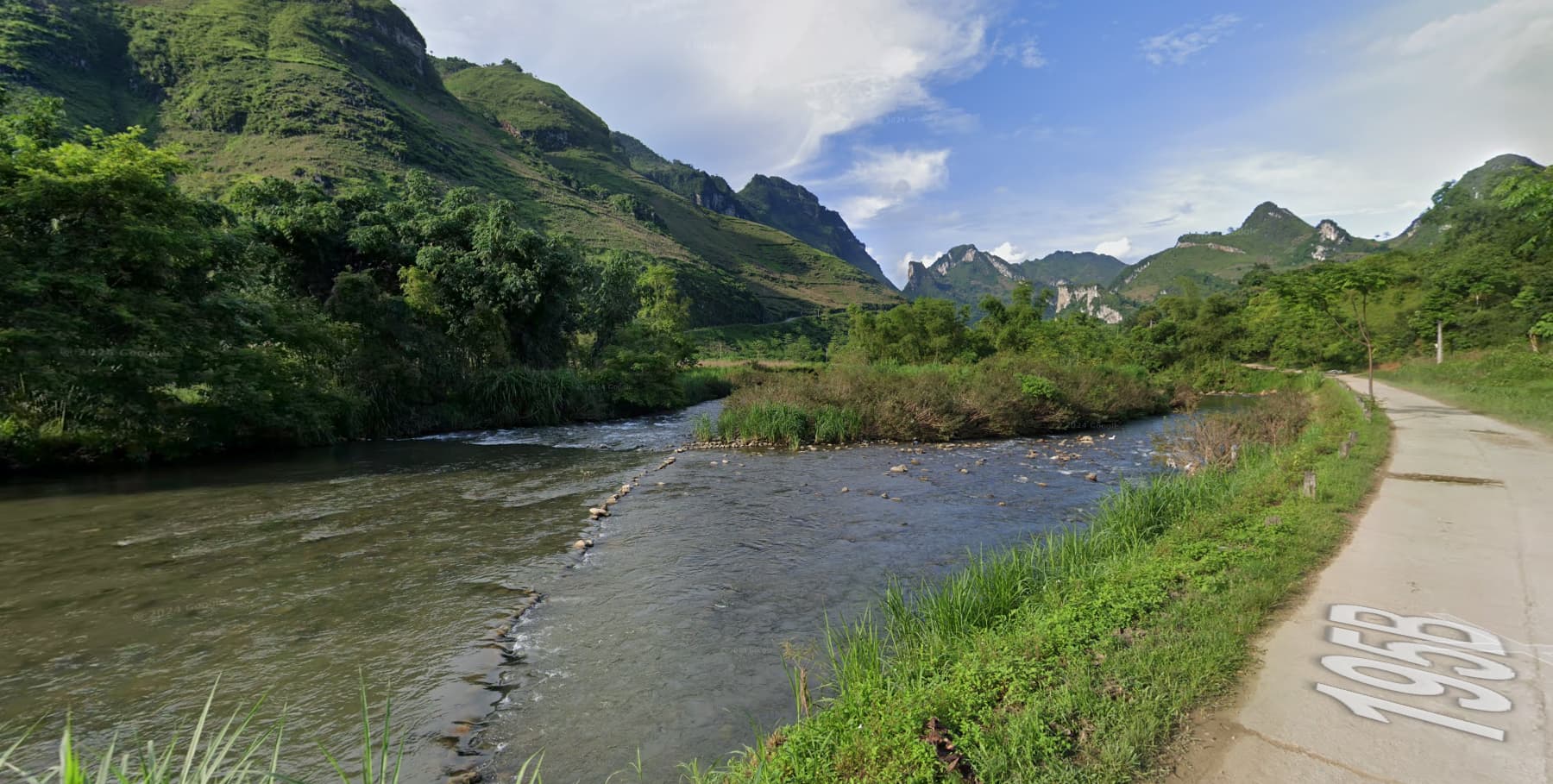
It’s a different kind of scenery, more green and lush. I had no rush today. My only goal was to find a comfortable last night before heading back to Ha Giang City the next day.
I rode past rice paddies and small villages. Near the village of Du Gia, I found a perfect little spot next to a stream. It was already a bit of a known spot, with a few other backpackers hanging out, but it was still quiet enough to feel independent.
This was my last night. It was a good time to reflect. I was tired. My clothes were dirty. My hair was a mess. But I felt completely alive. I had done it. I had faced the challenges of camping in Ha Giang on my own and come out the other side with a story, not just a bunch of pictures.
The Ugly Truths & The Rewards
Let’s not sugarcoat it. Camping in Ha Giang is not a fairy tale.
- Finding a spot is stressful. It’s a constant concern. You are always watching the clock, looking for a place that’s safe, flat, and legal. My best advice for finding a spot? Look for side roads that lead down to a river or up to a hill away from the main road. Just be prepared to turn back if it’s a dead end. Always arrive before sunset.
- The weather is a factor. I was lucky, but fog and rain can come out of nowhere and make setting up a tent miserable. The temperature drops drastically. Knowing the Best time to visit Ha Giang can help, but it’s never guaranteed. Pack layers.
- Safety is a serious concern. The roads are dangerous. The local drivers can be reckless. There are sharp turns and blind spots everywhere. Go slow, use your horn, and pay attention. You also need to be prepared for police checkpoints. They’re common, especially on the main roads. Have your license, passport, and the Ha Giang permit ready.
- It’s dirty. You’re not going to shower for a few days. You’ll be covered in dust and mud.
- It’s lonely. This is a solo activity. If you’re looking for social interaction, this isn’t it. The Ha Giang Loop itinerary for campers is different from the one for group tours.
But here’s why it’s worth it.
- Unmatched Freedom: You can stop wherever you want, whenever you want. You are completely in control.
- Unique Views: You wake up to views that no one else sees from a guesthouse window. You are in the heart of nature.
- The Accomplishment: You feel like you’ve truly done something. You’ve conquered a difficult challenge.
If the mountains of Ha Giang sound like your kind of adventure, you should know this is just the tip of the iceberg for what Northern Vietnam has to offer. After living here for so long, I’ve put together my list of My 20+ best places in North Vietnam to help you explore even more hidden gems.
Final Thoughts: Is It For You?
So, who is camping in Ha Giang for? It’s for the person who has been in Vietnam for a while, who has some experience on a motorbike, and who wants a deeper, more challenging experience. It’s for the person who values solitude and the feeling of self-reliance over comfort and convenience.
If you’re a first-timer, a little nervous on a bike, or prefer a hot shower and a bed at the end of the day, there is absolutely no shame in staying in homestays. The homestays in Ha Giang are fantastic, the food is incredible, and you’ll still have an amazing time.
But if you’re like me, if you want a trip that pushes you, that makes you a little uncomfortable, and that gives you a story you’ll be telling for years, then yes. Strap a tent to your bike. Pack some noodles. And go find your own perfect spot on the Ha Giang Loop.
What about you? Have you ever thought about an independent Ha Giang Loop itinerary? Let me know in the comments if this is something you’d try.












 Tiếng Việt
 한국어
한국어 中文 (中国)
 日本語
日本語 ไทย
ไทย Deutsch
 Español
 Destinations
 Instagram
 Facebook
 X (Twitter)
 Threads
 Tiktok
希望我在离开越南前体验下这种刺激又难忘的户外活动