









 Ha Giang
 Hanoi
Hanoi Ho Chi Minh City
 Ha Long
 Sapa
Sapa Mekong Delta
 Da Nang
 Hue
Hue Hoi An
 Ninh Binh
 Da Lat
 Nha Trang
 Phan Thiet
 Phu Quoc
 Quang Binh
 Quy Nhon
 Vung Tau
 Thai Nguyen

Thanh Ha Pottery Village Hoi An is about three kilometres west of the Old Town, it’s flat the whole way, and you don’t need a tour to do it. That’s the short version.
The thing worth knowing before you set off is that there are two separate tickets out there and they aren’t the same thing. One gets you into the village lanes, the other gets you into the Terracotta Park next door, and they close an hour apart.
So this is how I’d do it on a bike, what each ticket actually buys, what a pottery workshop costs if you just walk in, and how long the whole thing really takes.
- Quick Answer: To visit Thanh Ha Pottery Village Hoi An self-guided, cycle or ride three kilometres west along Hùng Vương to Phạm Phán in Hội An Tây, which takes about fifteen minutes. The village entrance fee is 35,000 VND, bought at the ticket counter on arrival. A combined ticket for the village and the Thanh Hà Terracotta Park is 85,000 VND and includes a 10,000 VND café voucher.
- Tickets and hours:
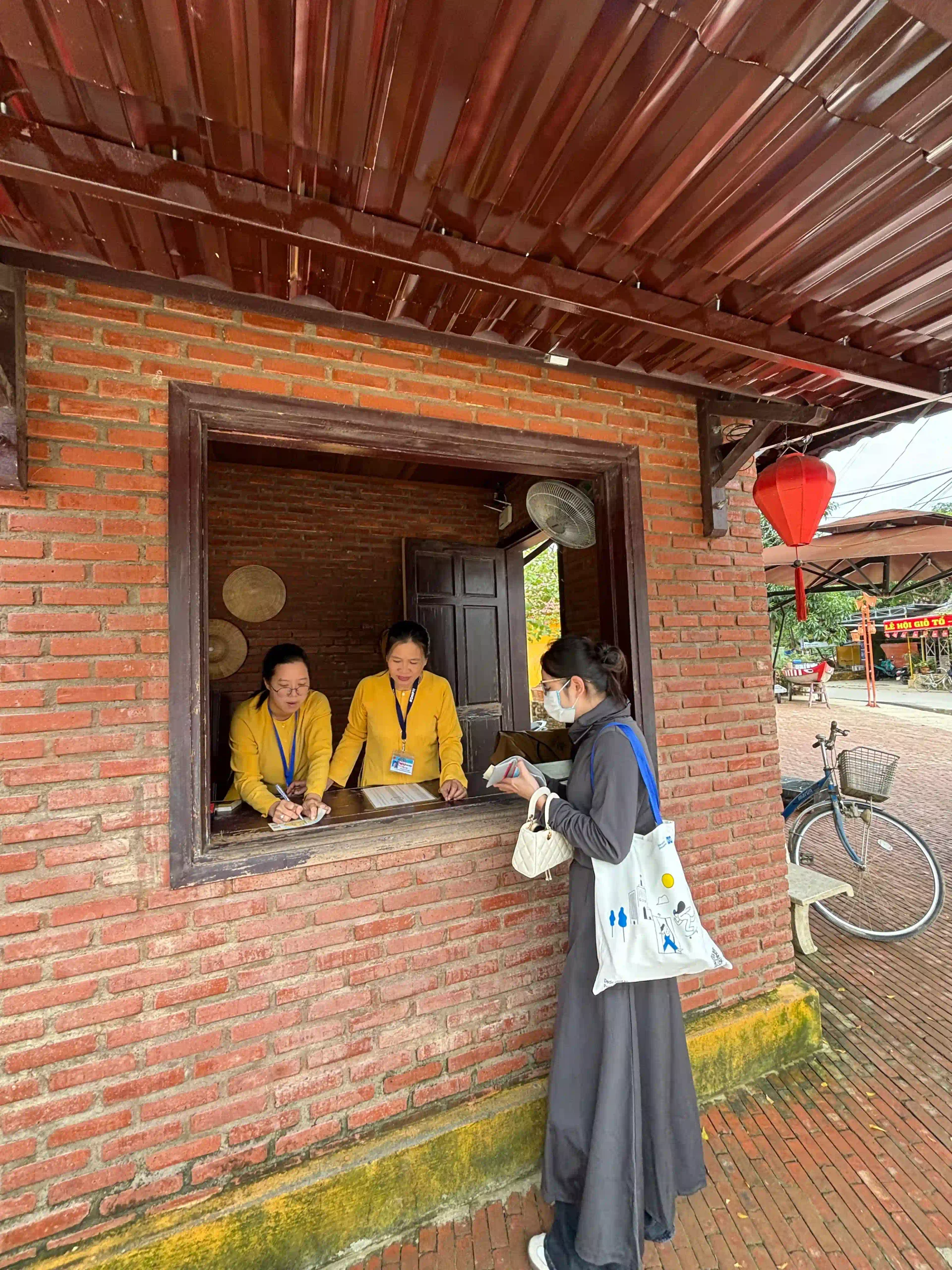
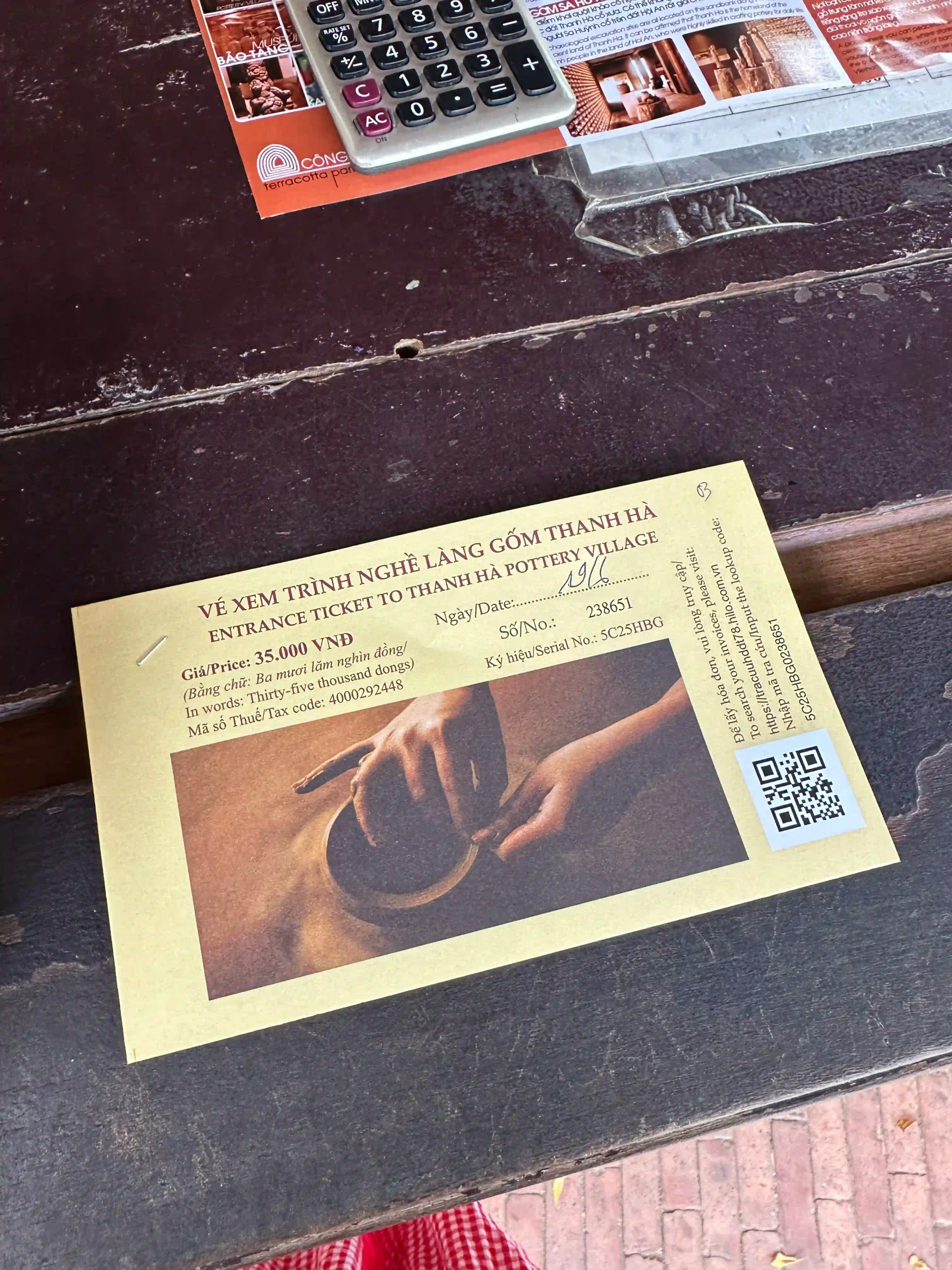
- Village entrance: 35,000 VND per person, from the counter at the entrance.
- Terracotta Park only: 50,000 VND adults, 30,000 VND children.
- Combined ticket: 85,000 VND, and it comes with a 10,000 VND voucher for the museum café.
- Village hours: 8am to 6:30pm daily. Terracotta Park: 8am to 5:30pm.
- Getting there from the Old Town:
- Bike, about fifteen minutes, flat, and the route is straightforward. Hotel bikes are usually free.
- Grab or taxi, five to ten minutes, roughly 50,000 to 70,000 VND.
- Walking is possible at forty-odd minutes, but I wouldn’t in the heat.
- What you actually do there:
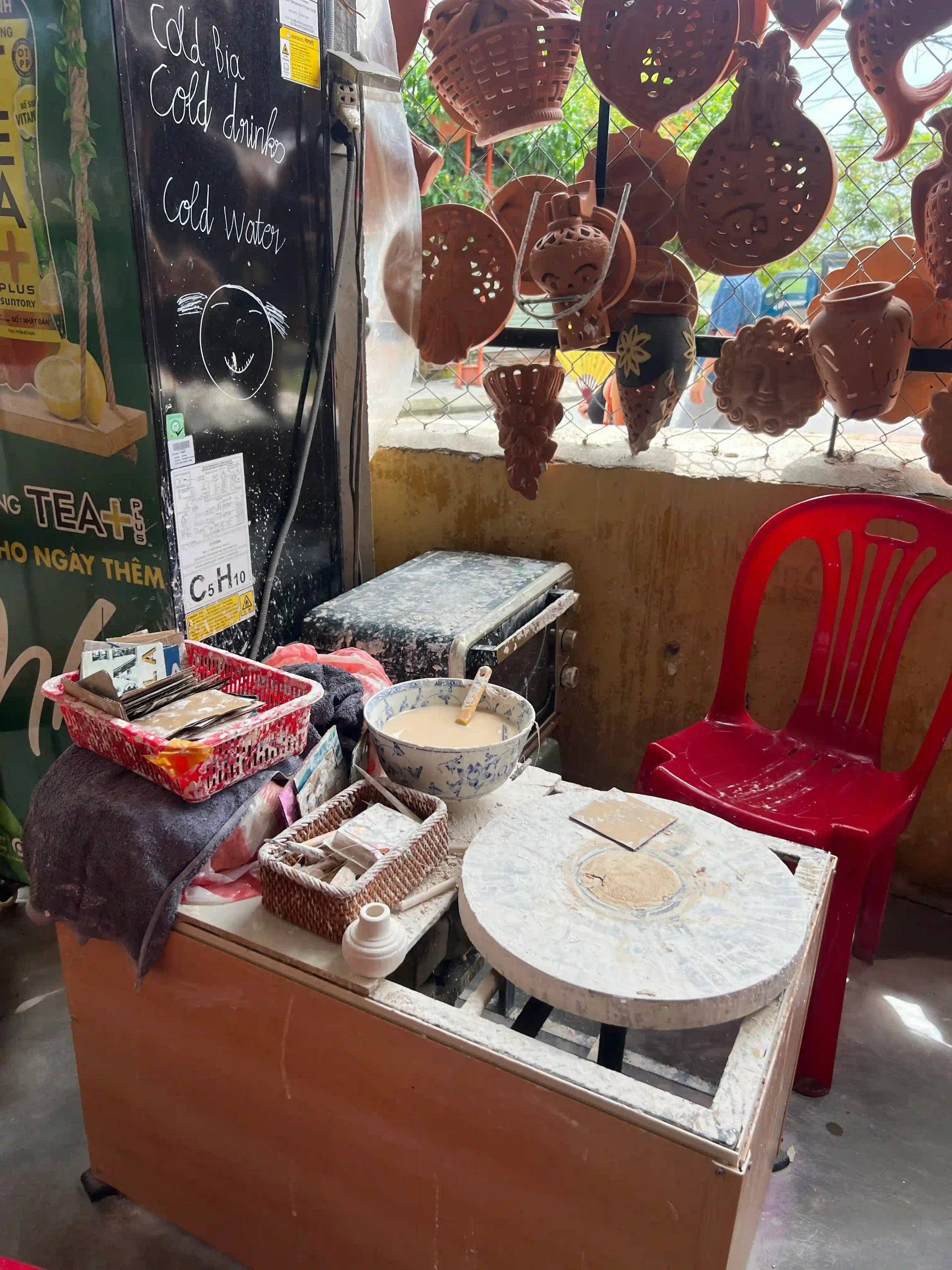
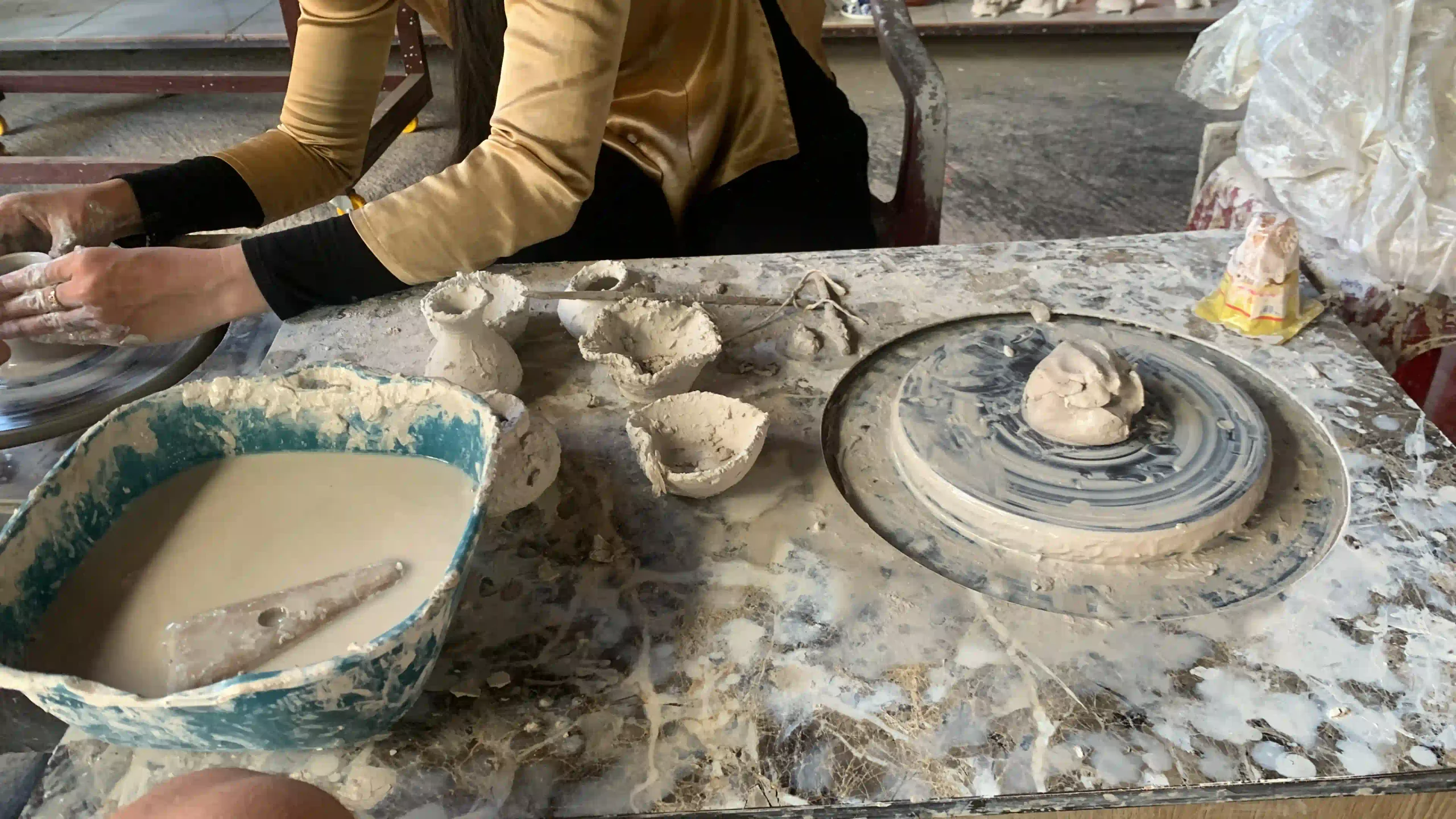
- Wander the lanes and go into the family workshops, which are open and nobody pushes you.
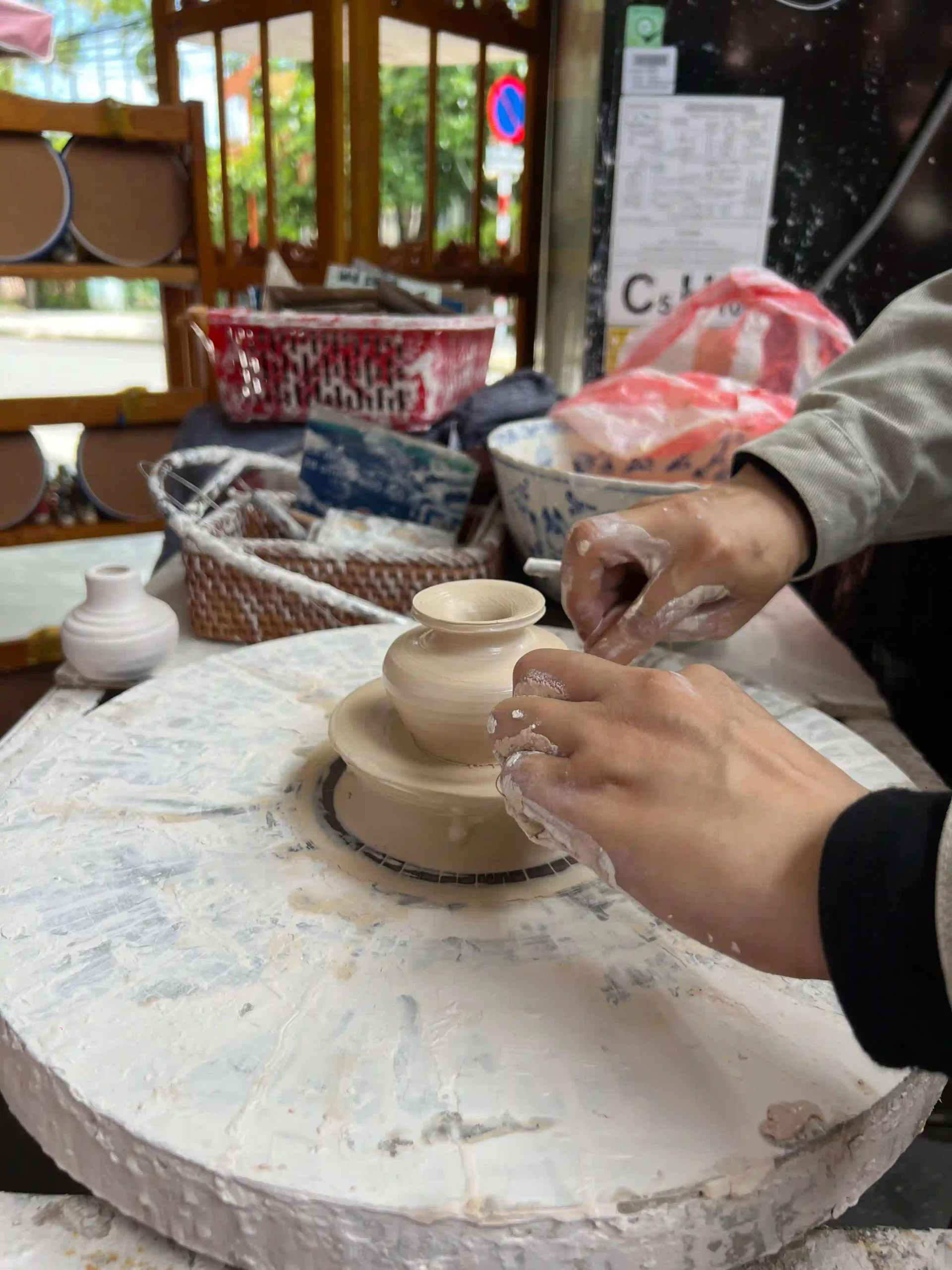
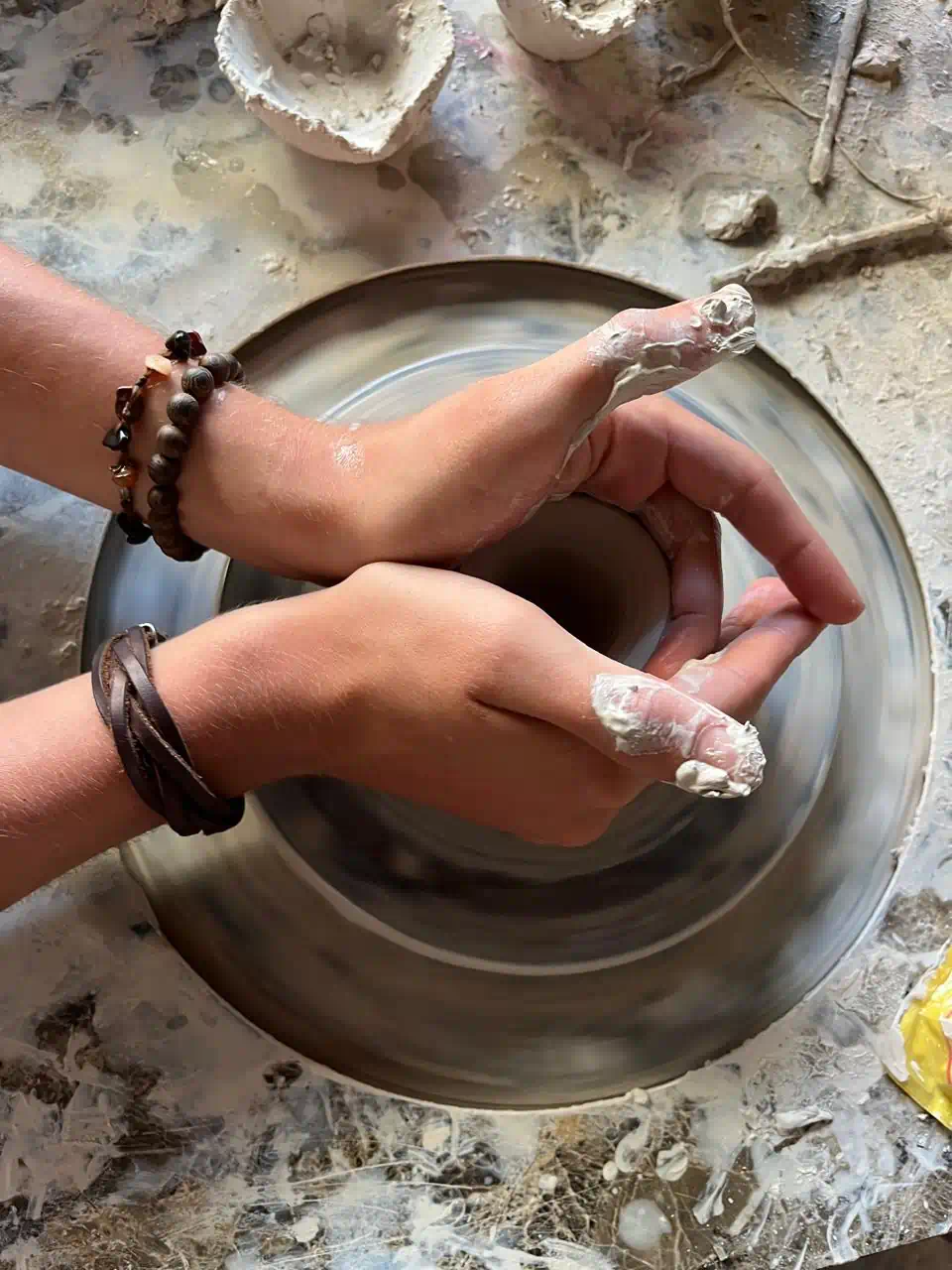
- Make something on a foot-pedalled wheel for around 50,000 VND, or book a guided session for about $8.
- See the Xuân Mỹ communal house and the Nam Diêu temple, both in the village.
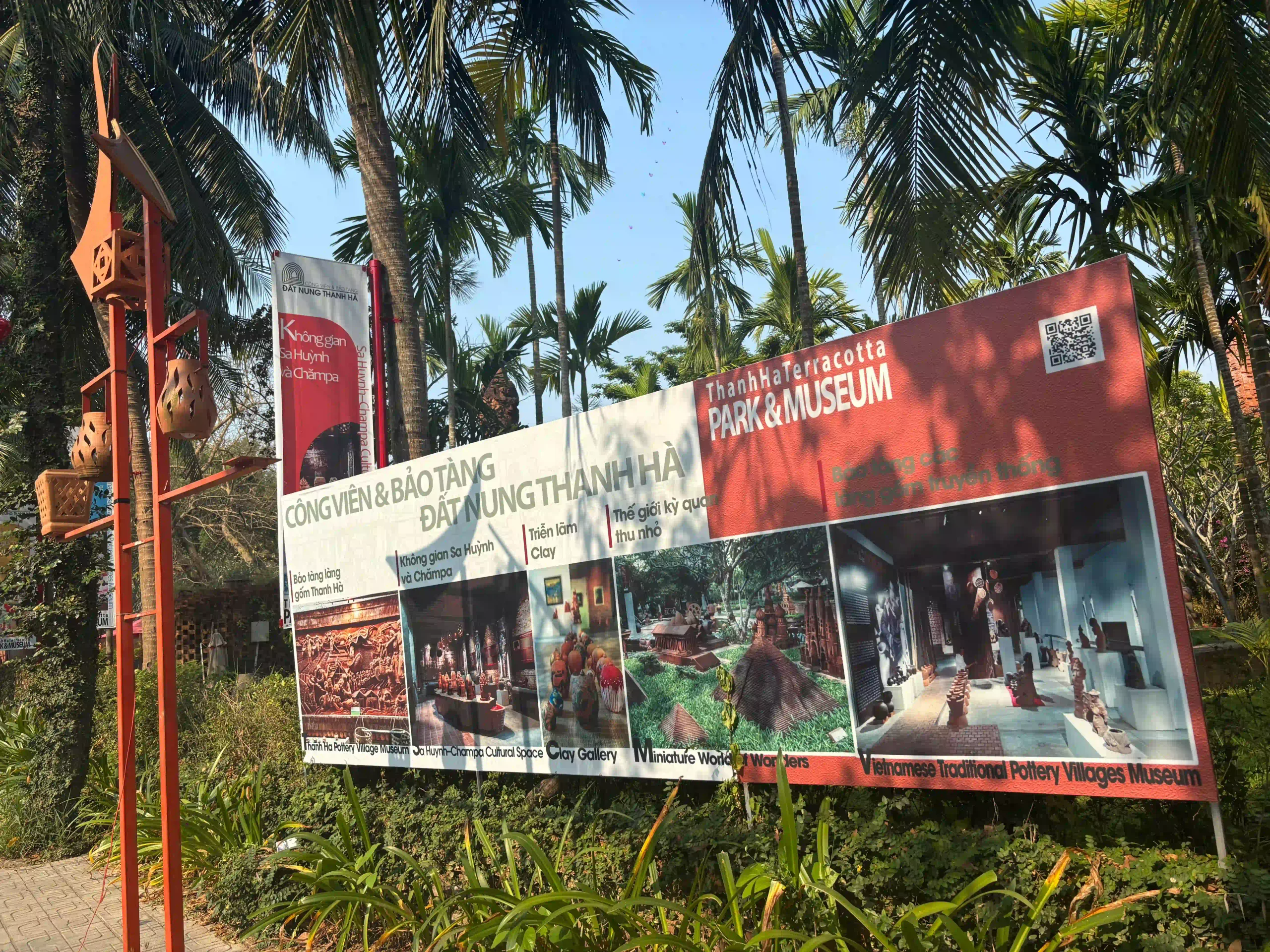
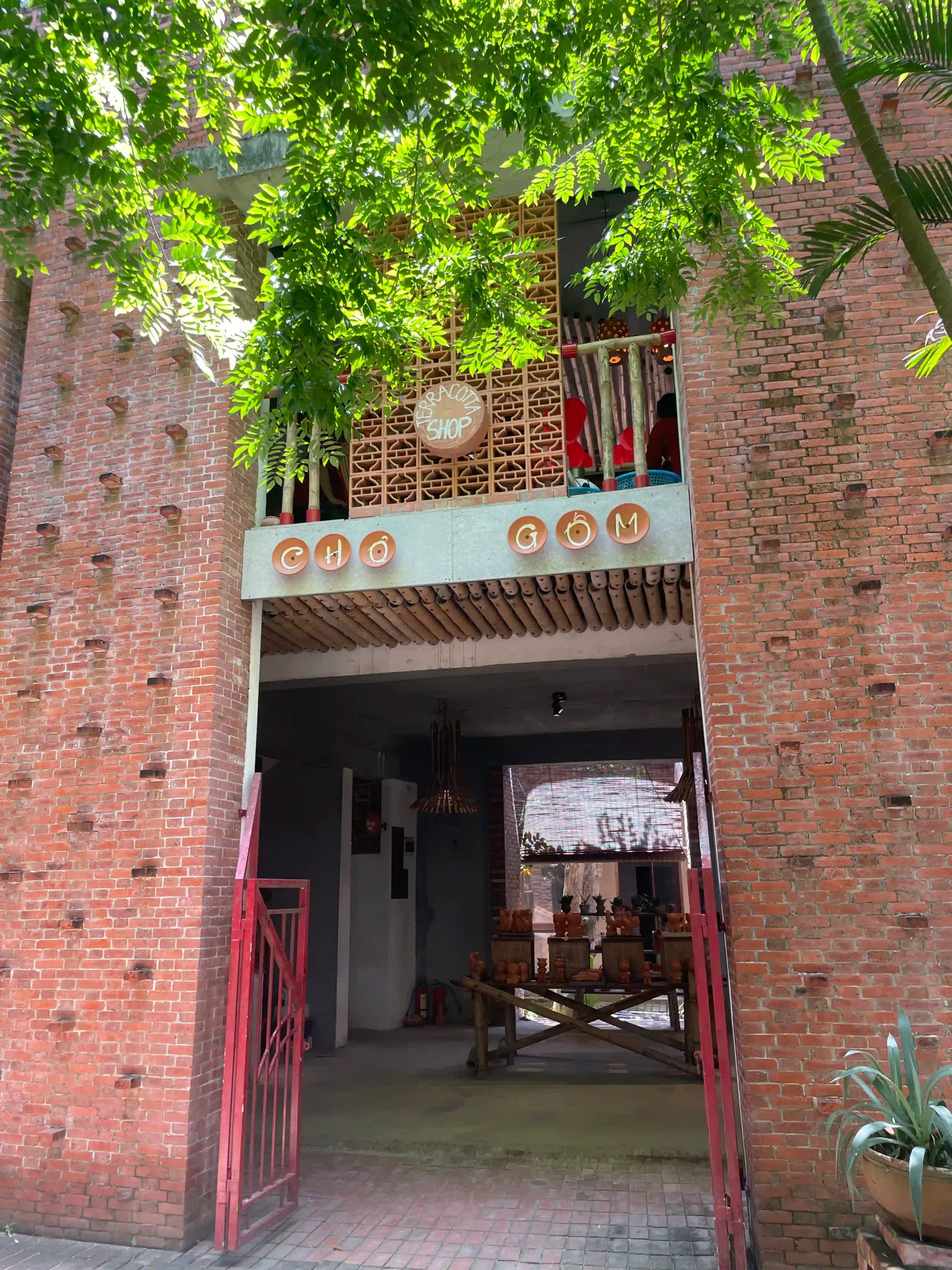
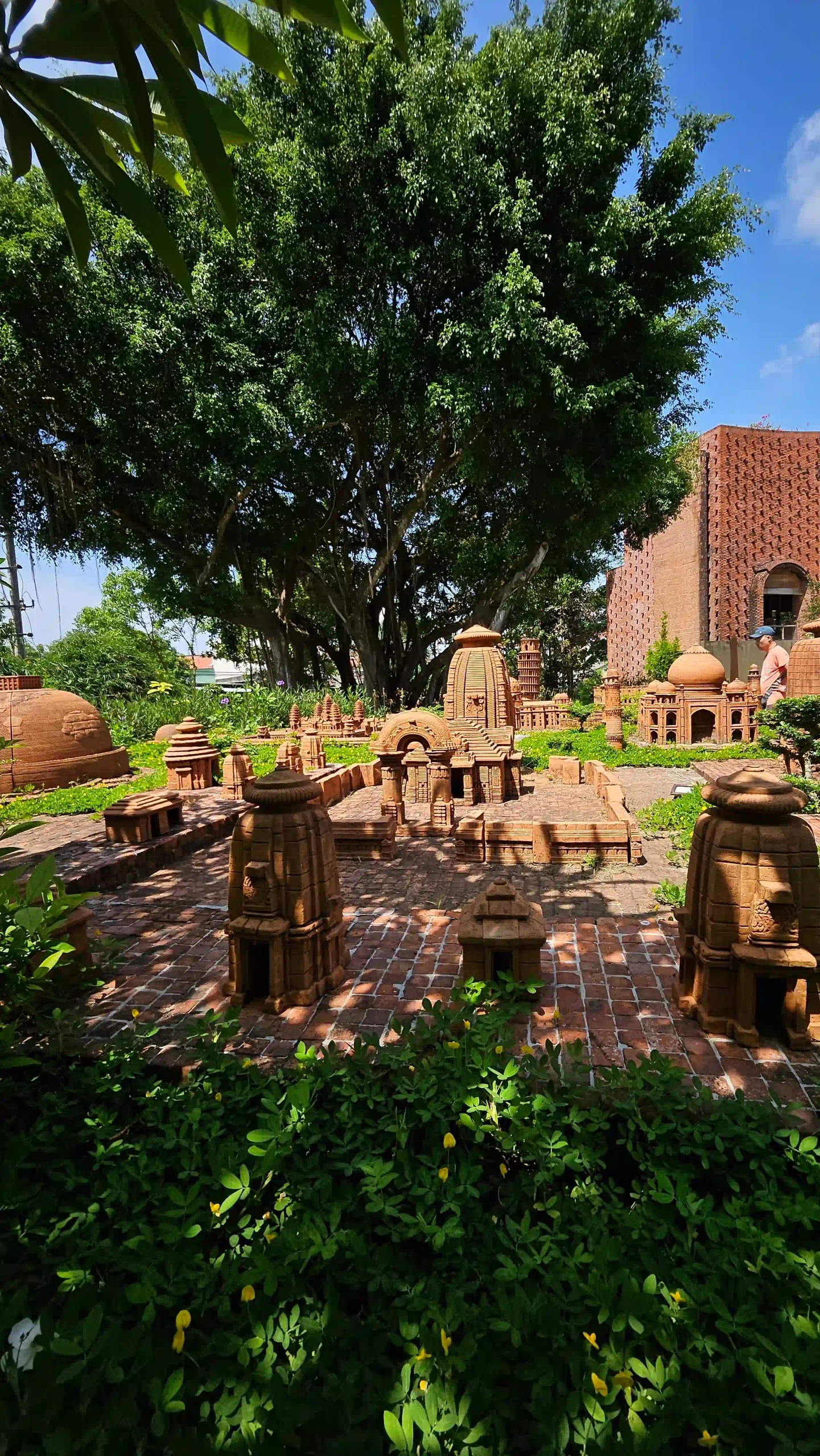
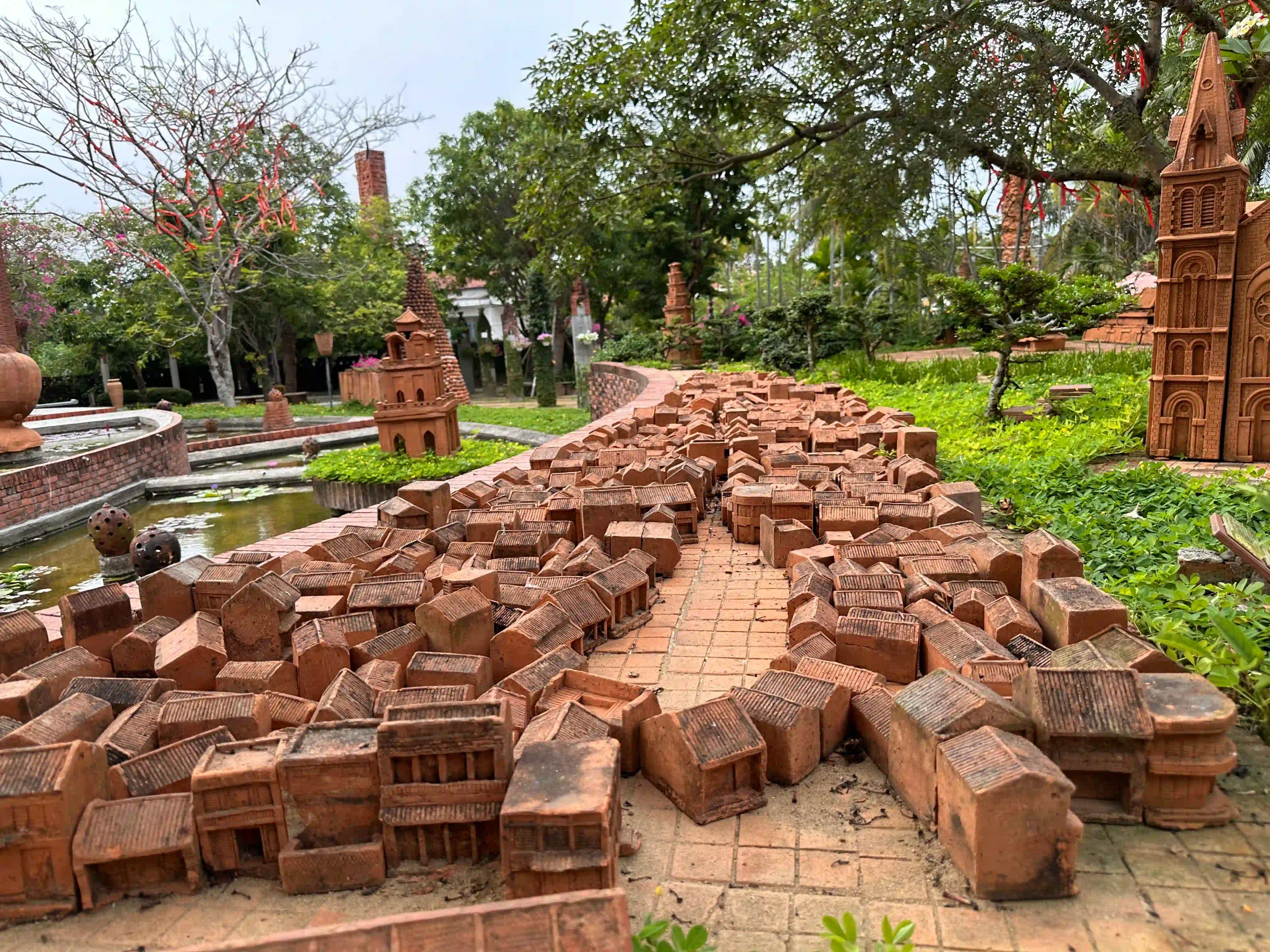
- The Terracotta Park has a proper museum plus a garden of world landmarks rebuilt in terracotta.
- Worth knowing:
- There’s very little shade at the Terracotta Park and a lot of walking. Go in the morning.
- Not suitable if you use a wheelchair or struggle with uneven ground.
- Almost nowhere to eat out there, so plan to eat back in town.
How to Get to Thanh Ha Pottery Village
The location is Phạm Phán in Hội An Tây, which is the ward this area falls under since the 2025 administrative changes, so if a map or an older page gives the address as Thanh Hà ward or Quảng Nam, it’s the same place. It’s also listed in a few places as Thanh Ha ceramic village, which is the same village again.
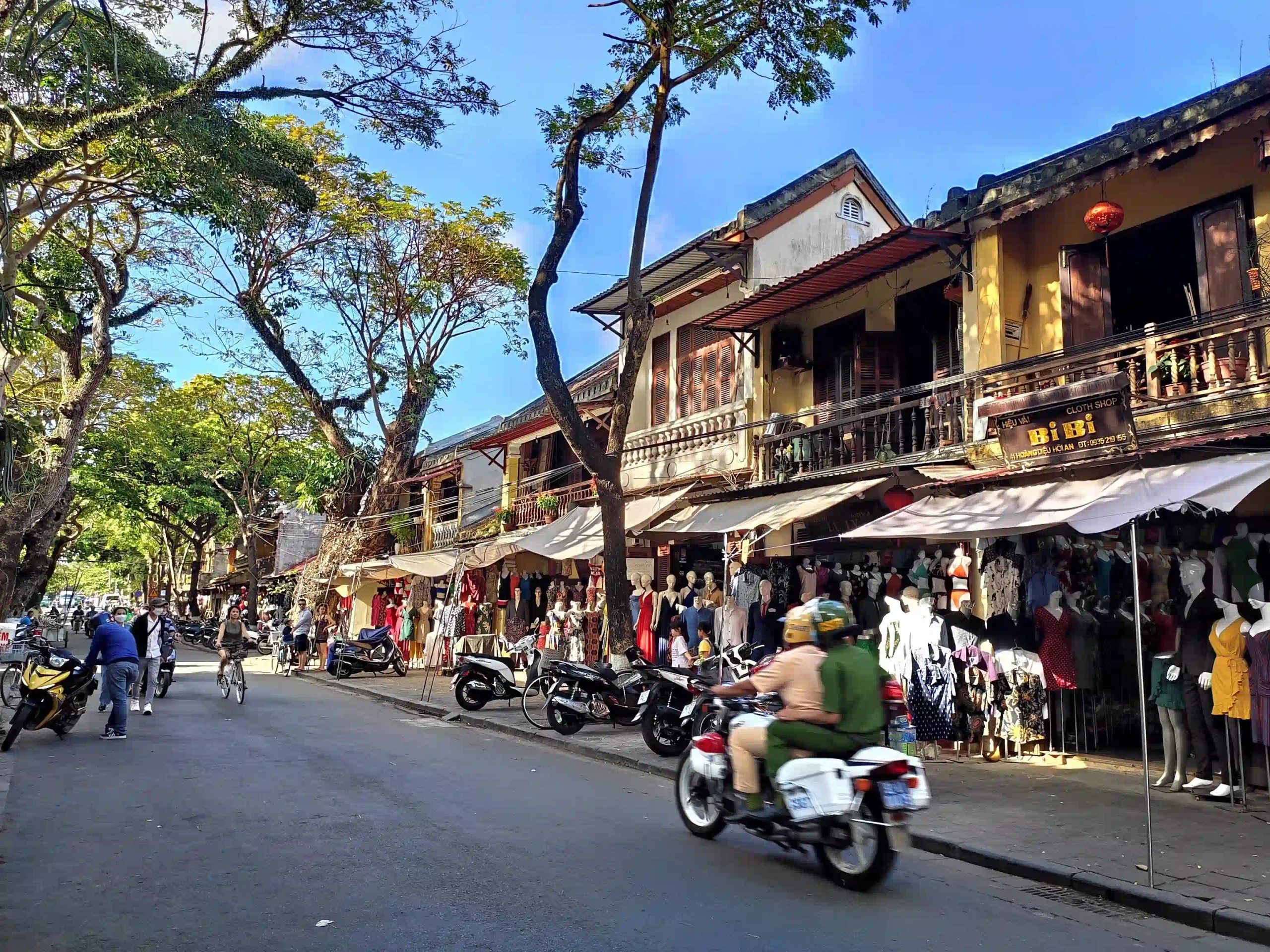
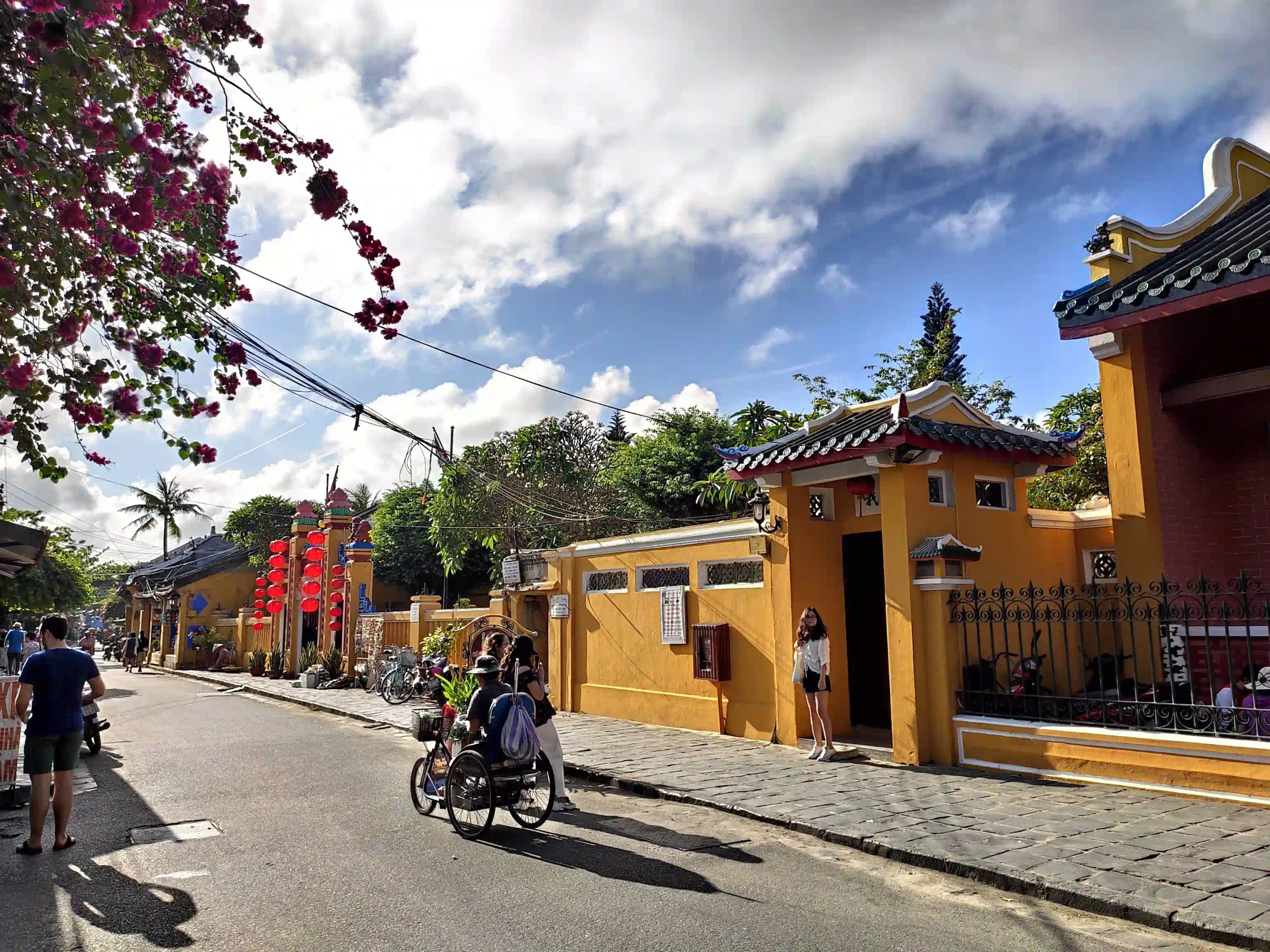
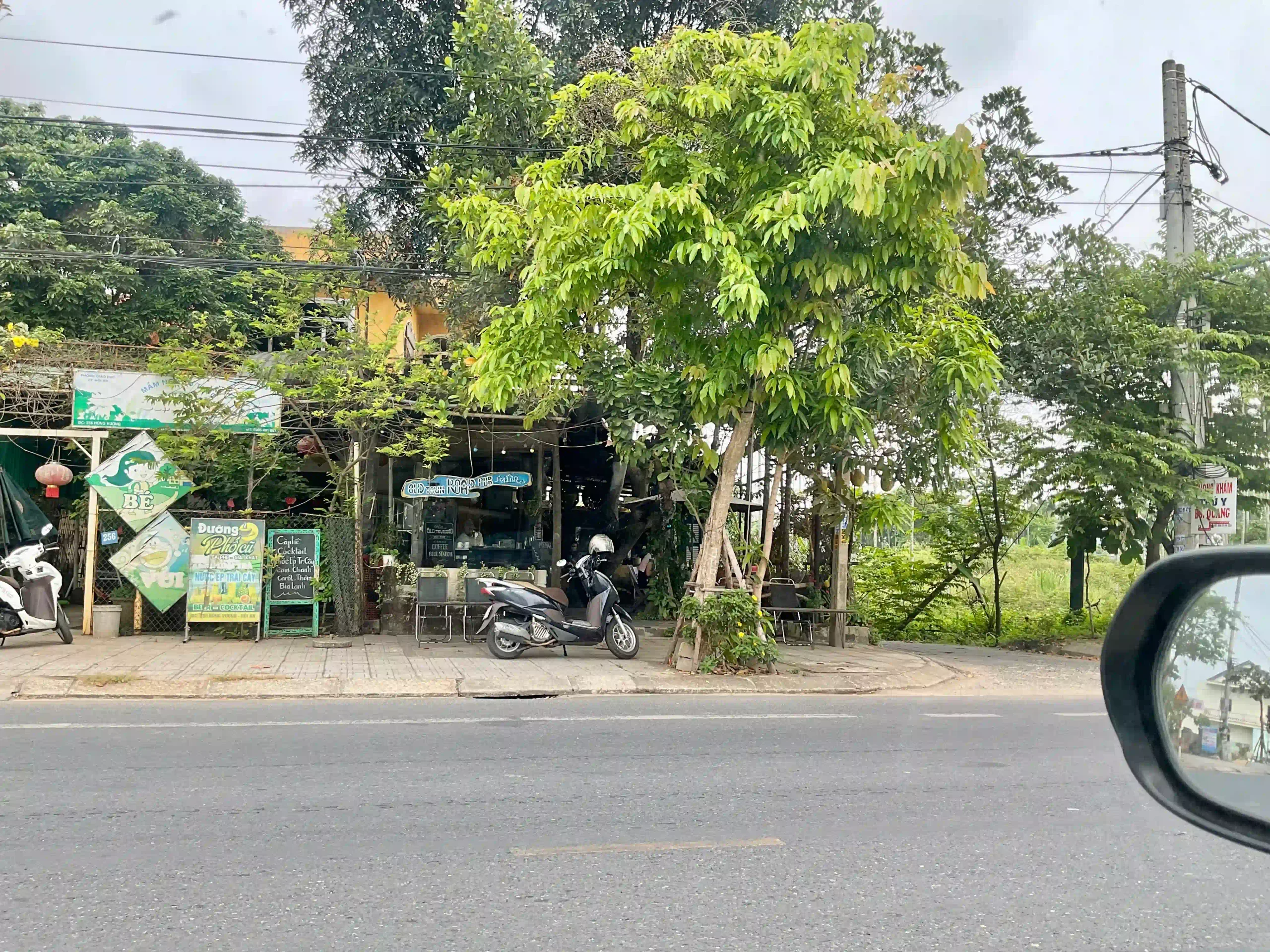
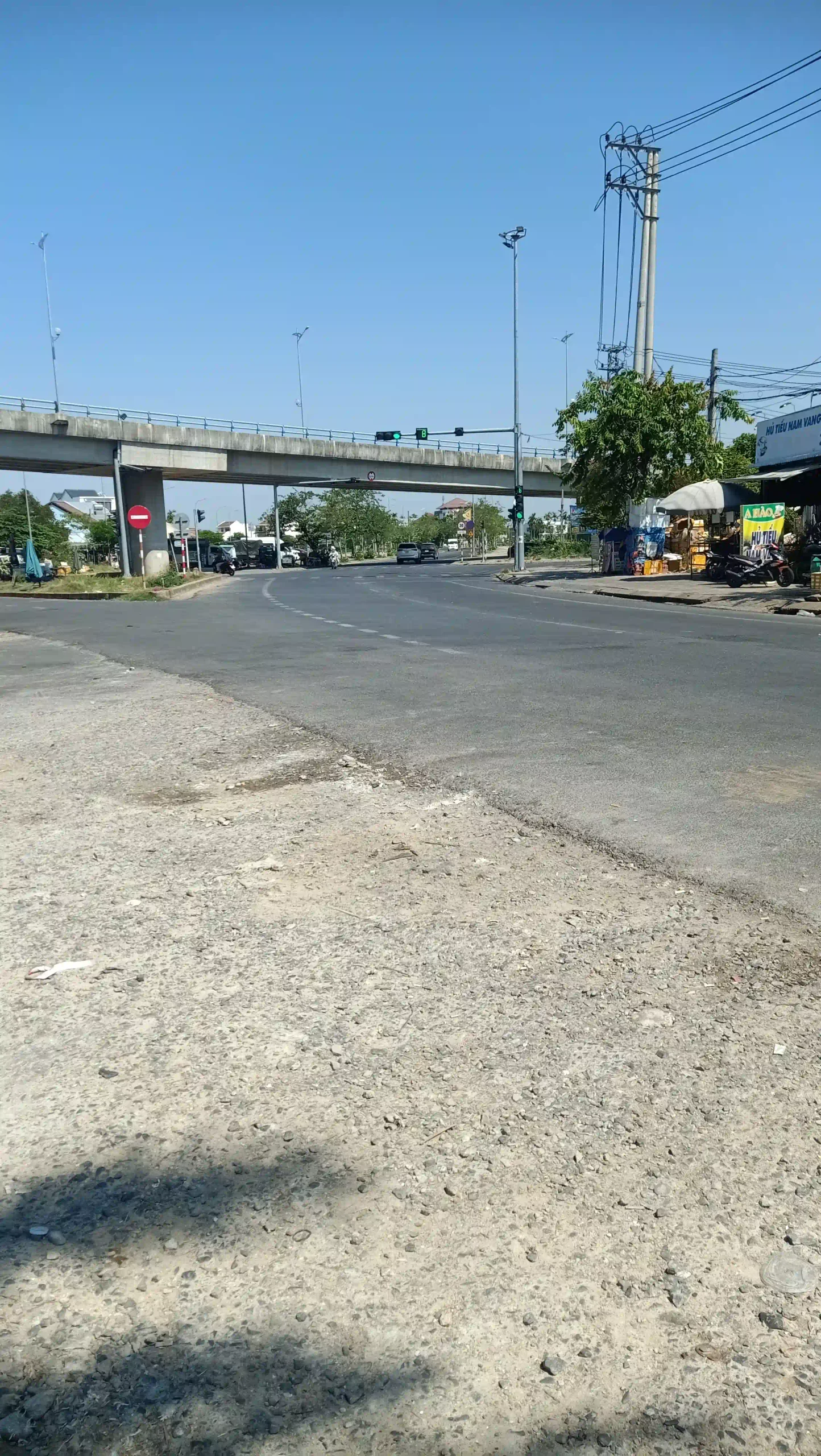
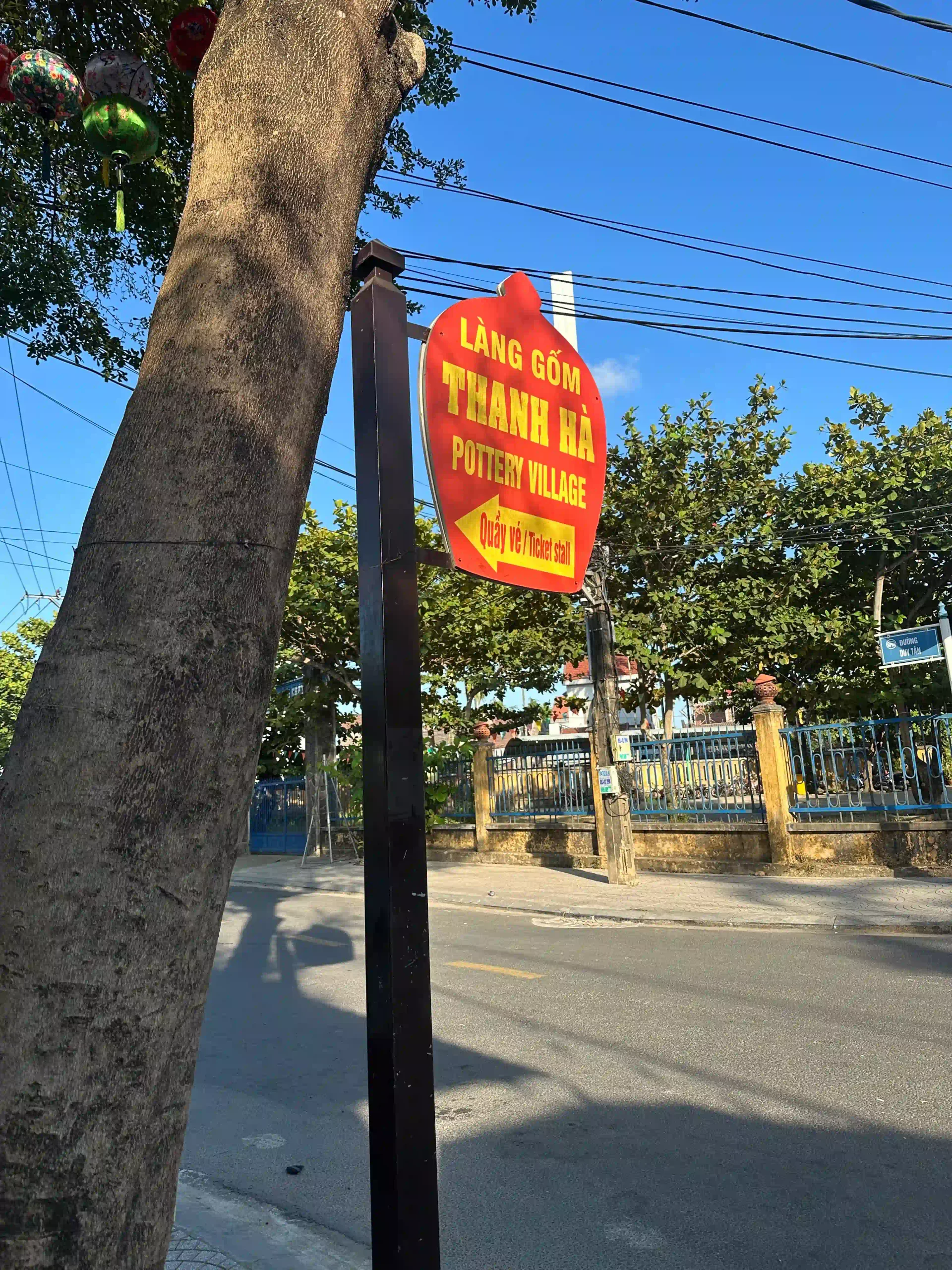
- By bike is how I’d go. Head west out of the Old Town on Phan Chau Trinh to Hùng Vương, keep going for about three kilometres and follow the signs down towards the river. It’s fifteen minutes, it’s flat, and most hotels lend bikes for nothing. There’s somewhere to leave it at the entrance.
- By Grab or taxi is five to ten minutes and around 50,000 to 70,000 VND each way. Worth doing if it’s the middle of the day or if the weather’s grim, and there are usually drivers waiting near the entrance to get back.
- On foot it’s forty to fifty minutes each way along a road with traffic on it. People do it. I wouldn’t, unless it’s December and cool.
Thanh Ha Pottery Village Tickets, Entrance Fee and Opening Hours
Here’s the bit I’d sort out before you arrive, because there are two separate attractions sharing one corner of the village.
| Price | Hours | |
|---|---|---|
| Village entrance | 35,000 VND | 8:00am – 6:30pm |
| Thanh Hà Terracotta Park | 50,000 VND adult, 30,000 VND child | 8:00am – 5:30pm |
| Combined ticket | 85,000 VND, plus a 10,000 VND café voucher | Same as each site |
The village ticket is bought at a counter at the entrance and it gets you into the lanes and the workshops. It does not include making anything, which is a separate 50,000 VND ~ $2 USD or so paid directly to whichever family you sit down with.
The Terracotta Park is a separate, modern museum and garden complex next door. If you want both, the 85,000 VND combined ticket is the sensible buy and it’s what most people end up doing.
Note the closing times. The park shuts an hour before the village does, so if you turn up at five you can walk the lanes but you’ve missed the museum.
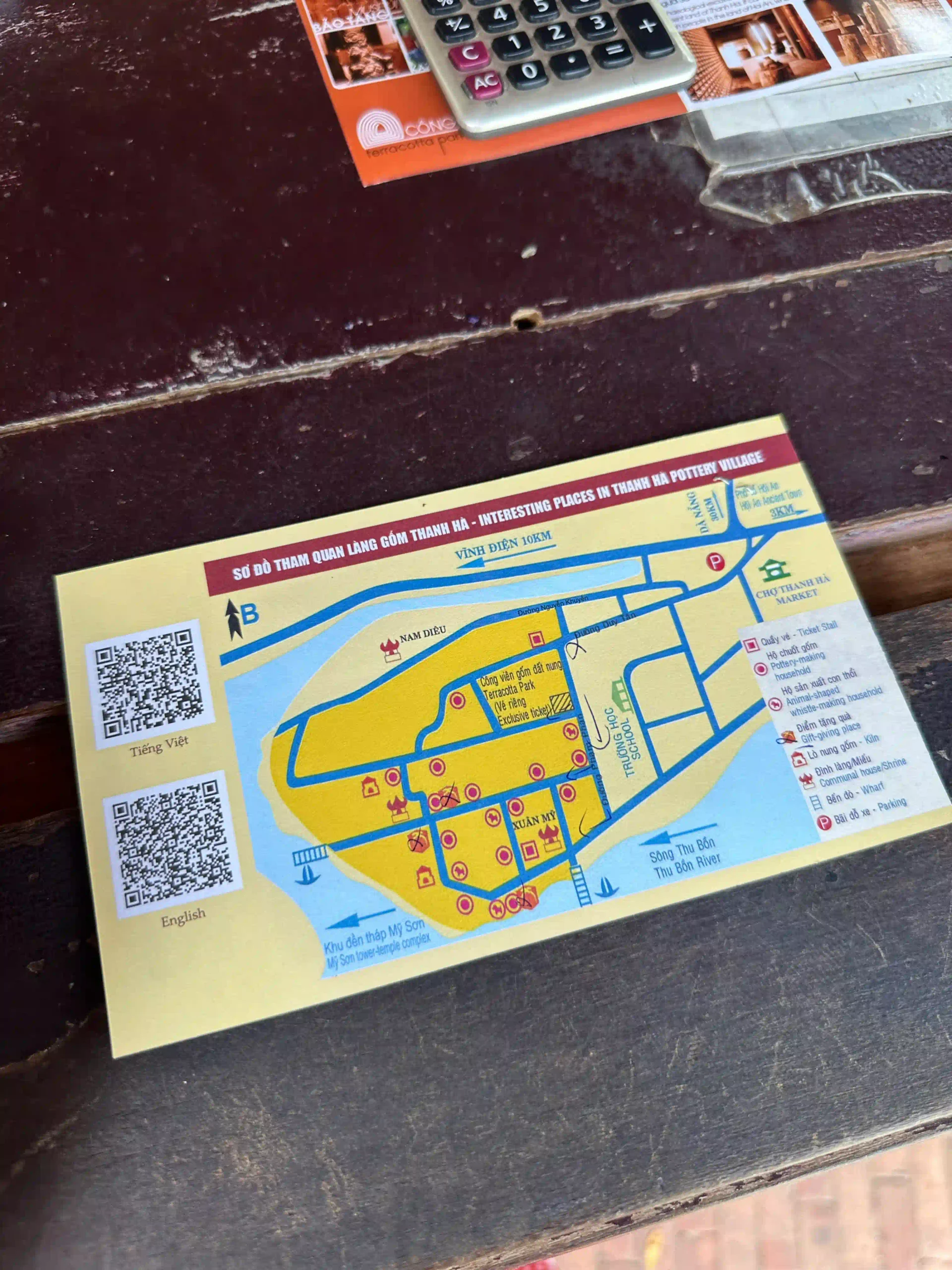
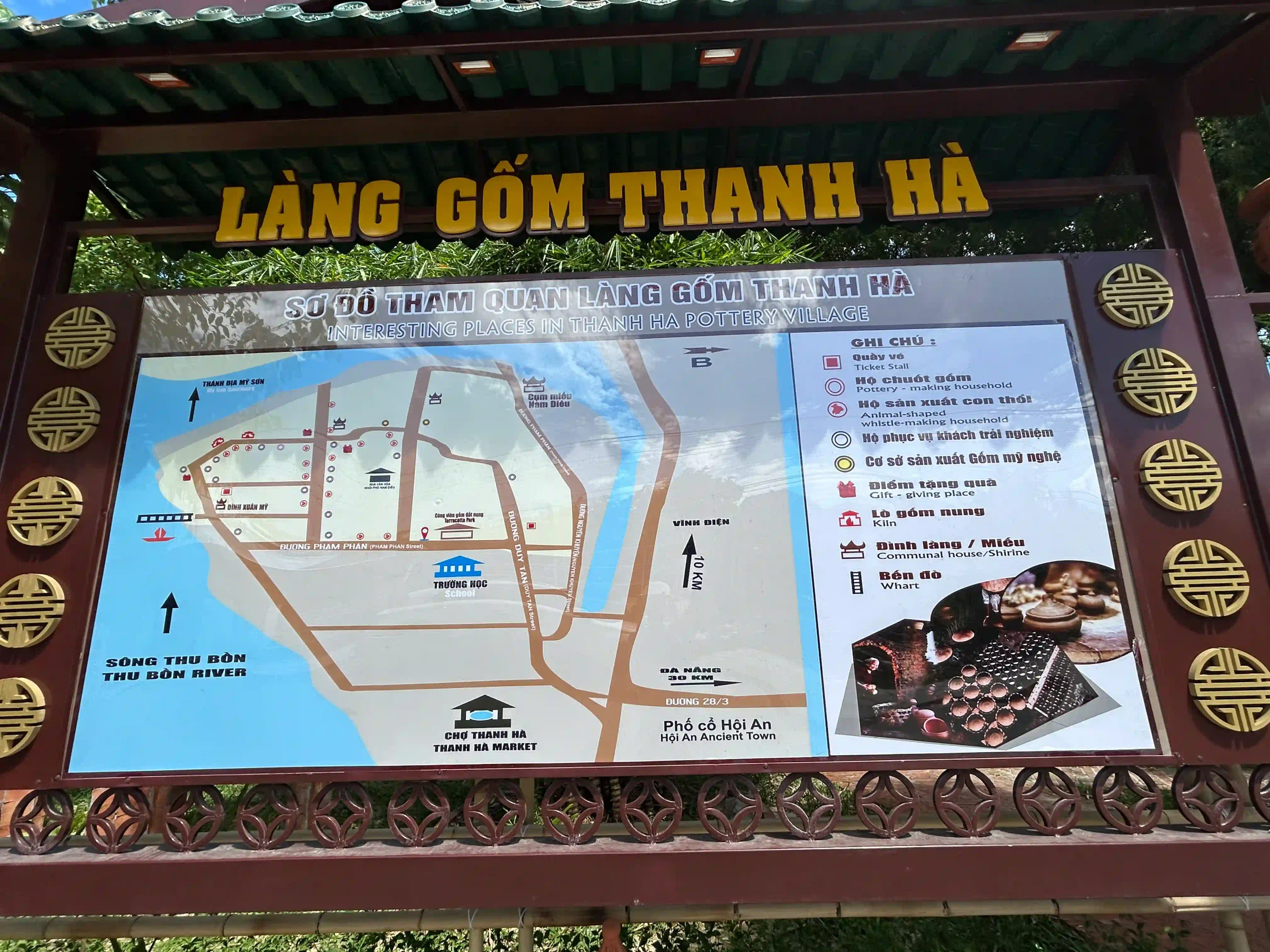
What’s in the Village, and the Ceramic Village Museum
It’s small. Thanh Hà is a working village of a few lanes, not a heritage site laid out for visitors, and half the interest is that it’s still someone’s street.
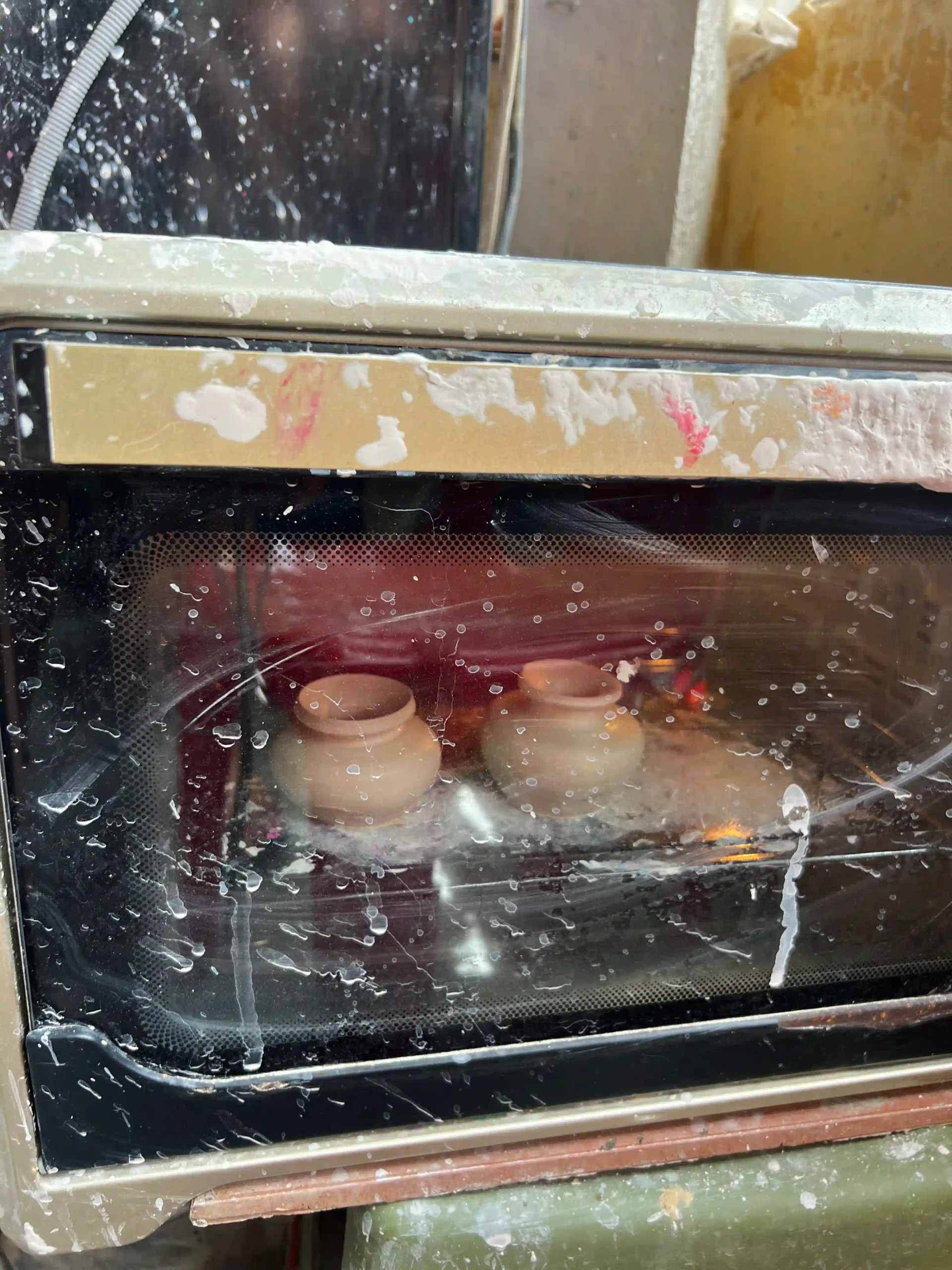
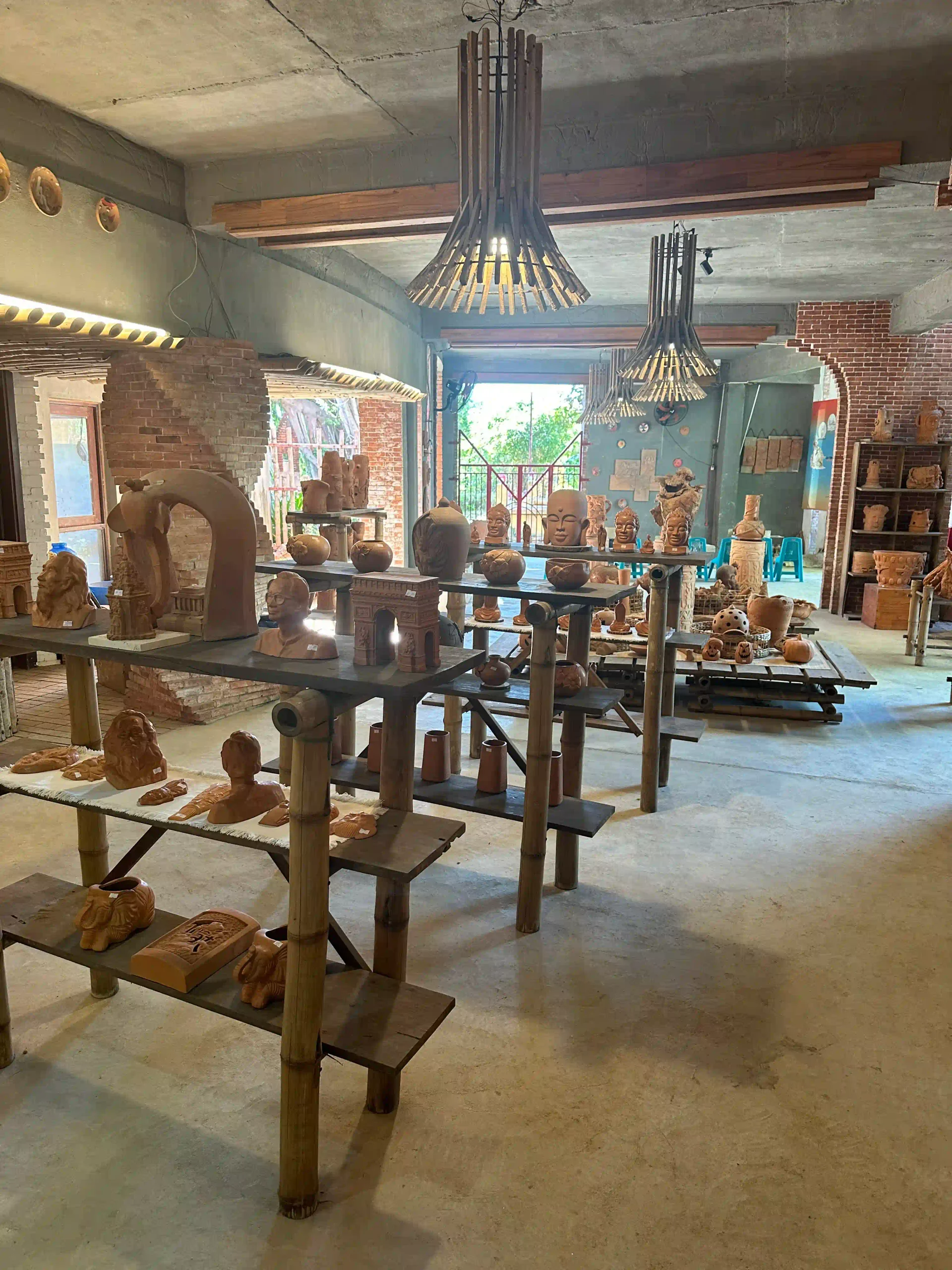
What you get is rows of low houses with terracotta drying in the yards, kilns out the back, and family workshops with the doors open.
You can walk into most of them. Nobody follows you around and nobody does the hard sell, which after a few days in the Old Town is a relief in itself.
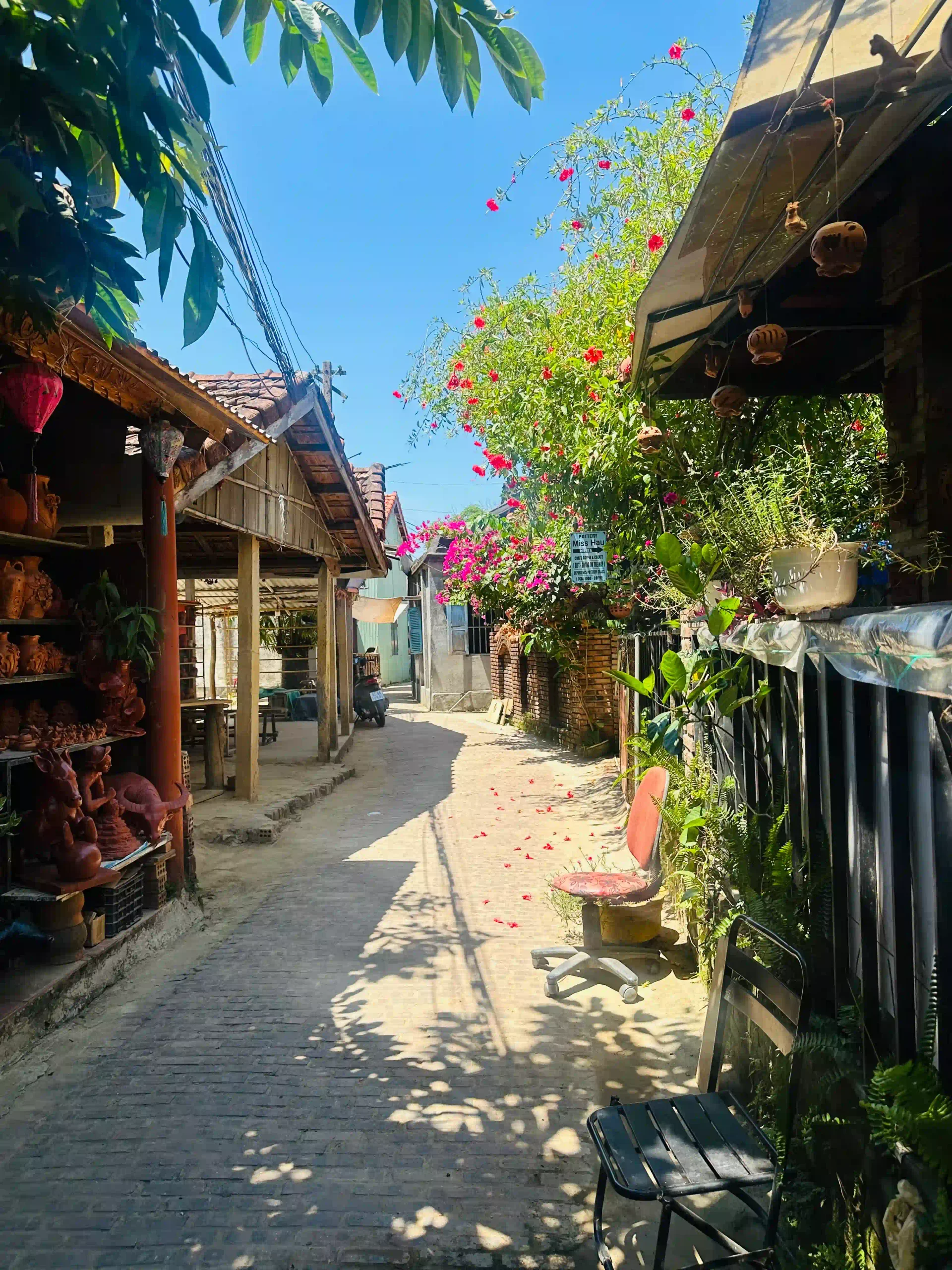
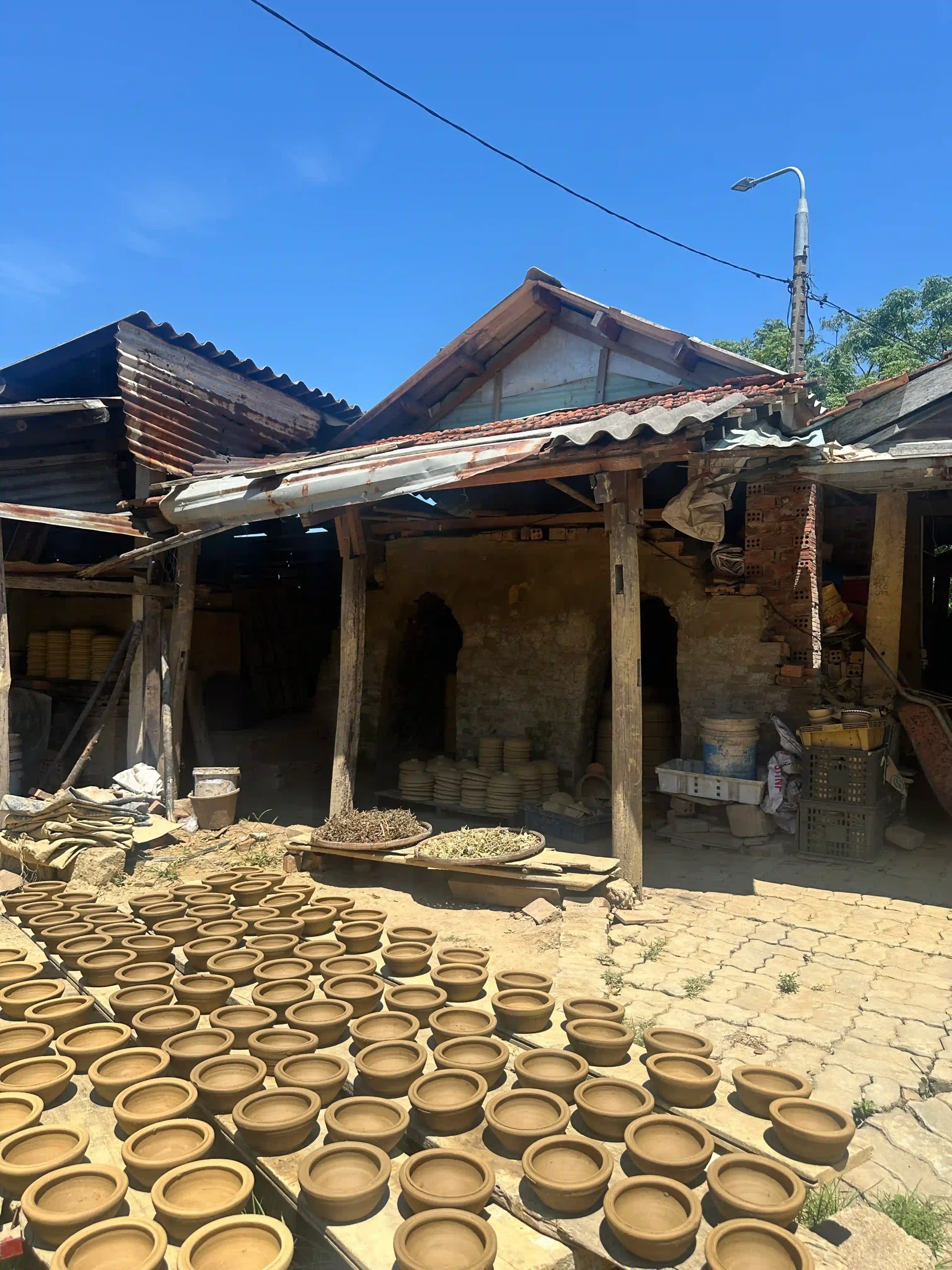
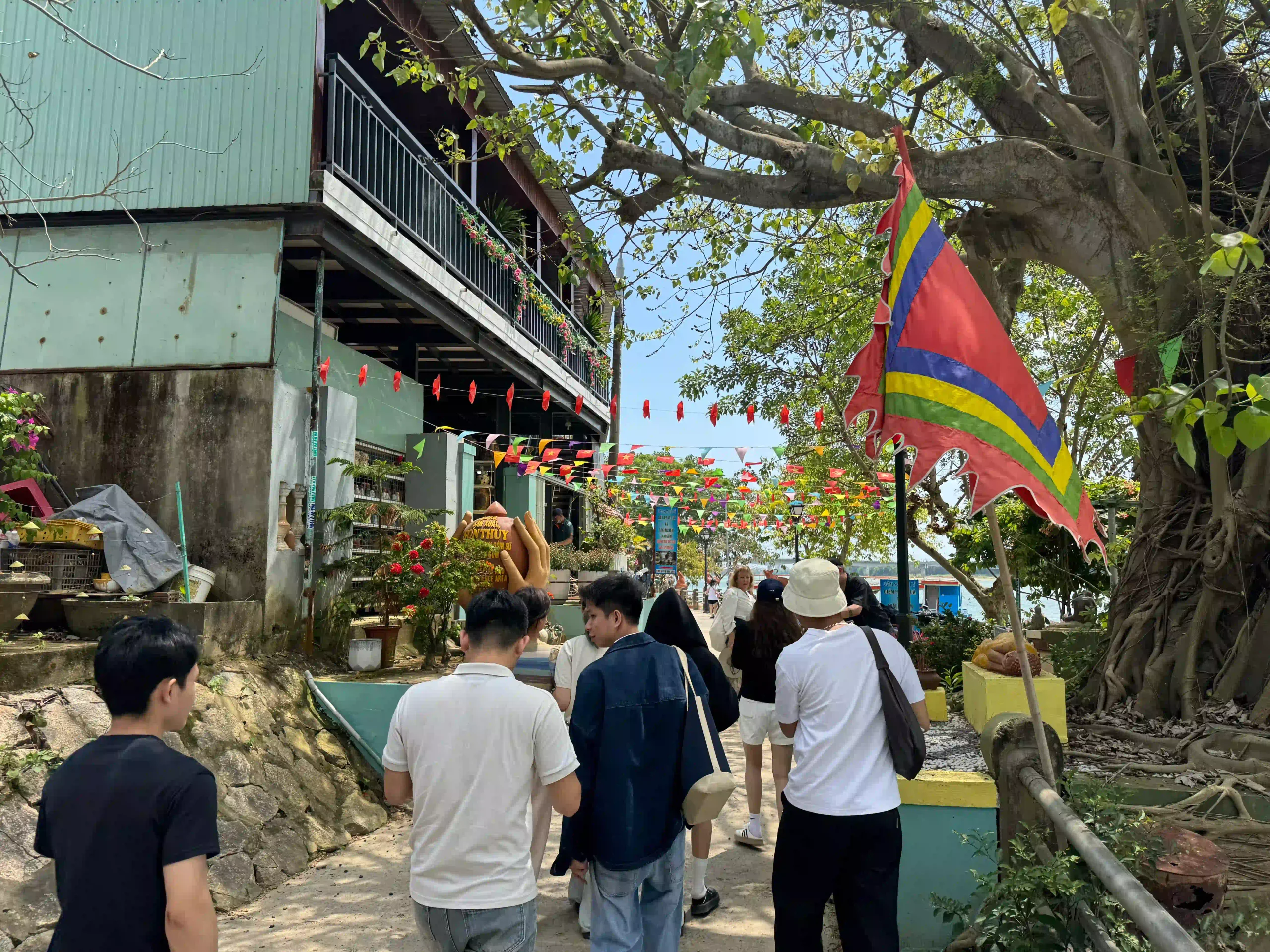
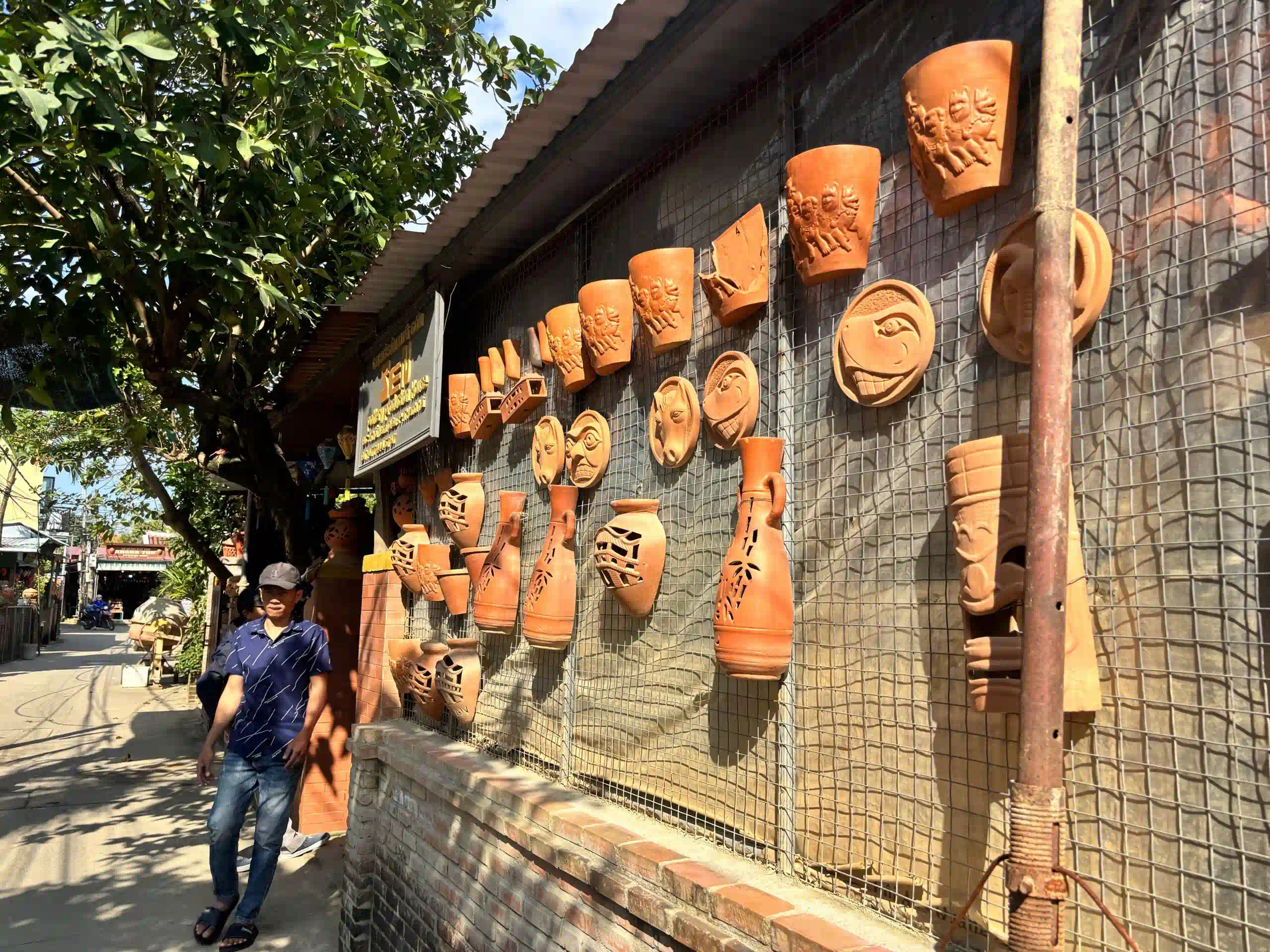
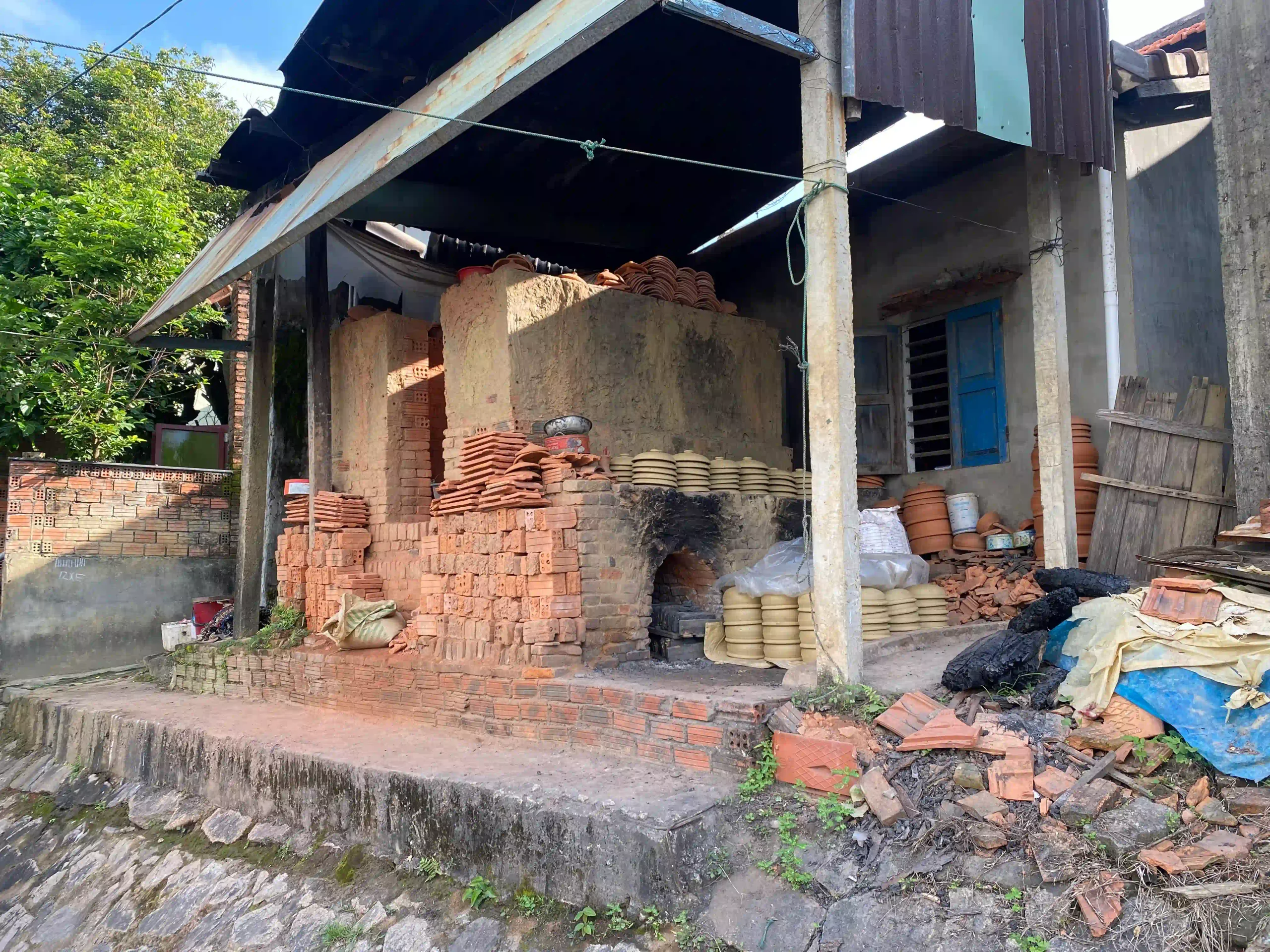
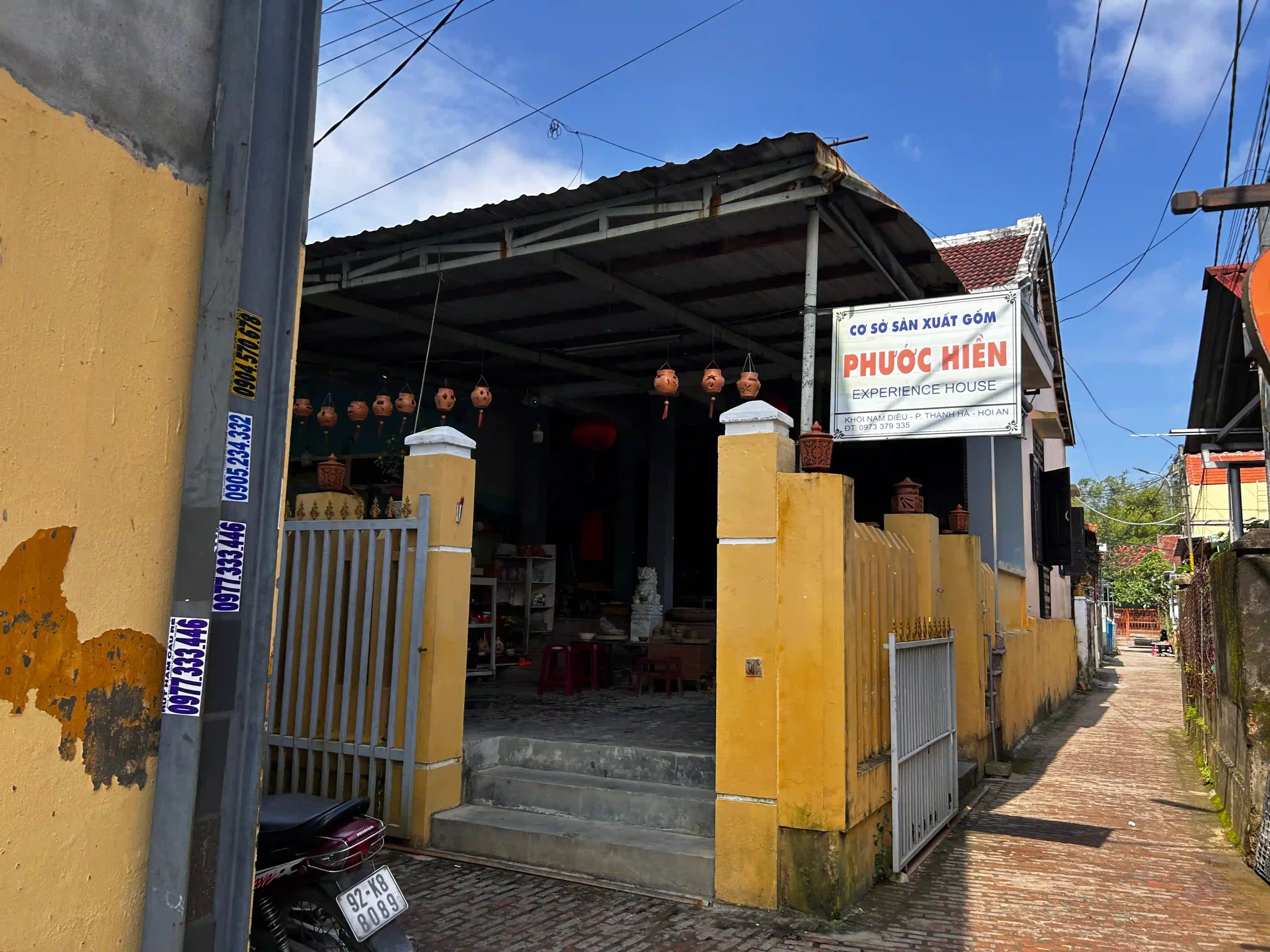
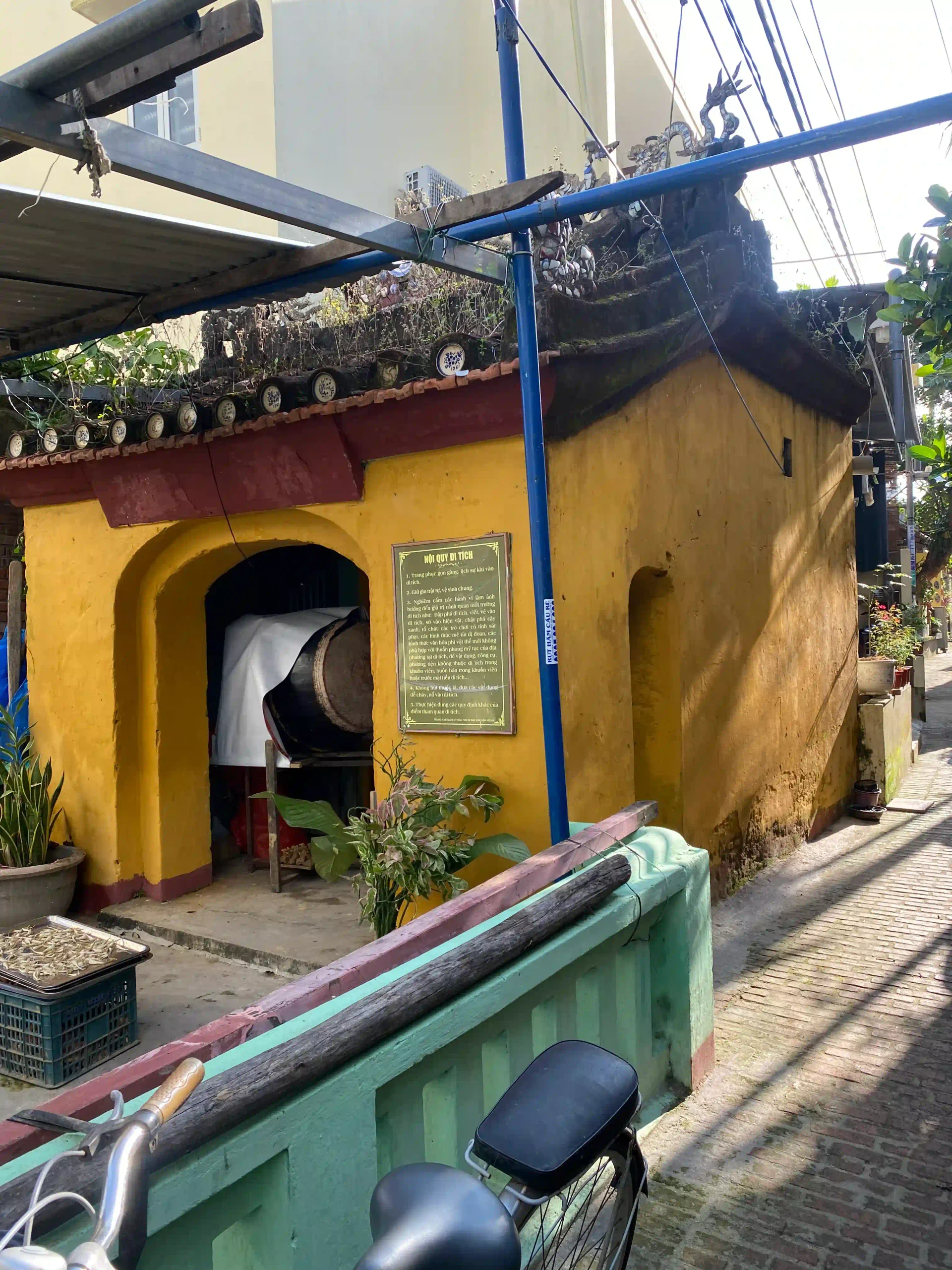
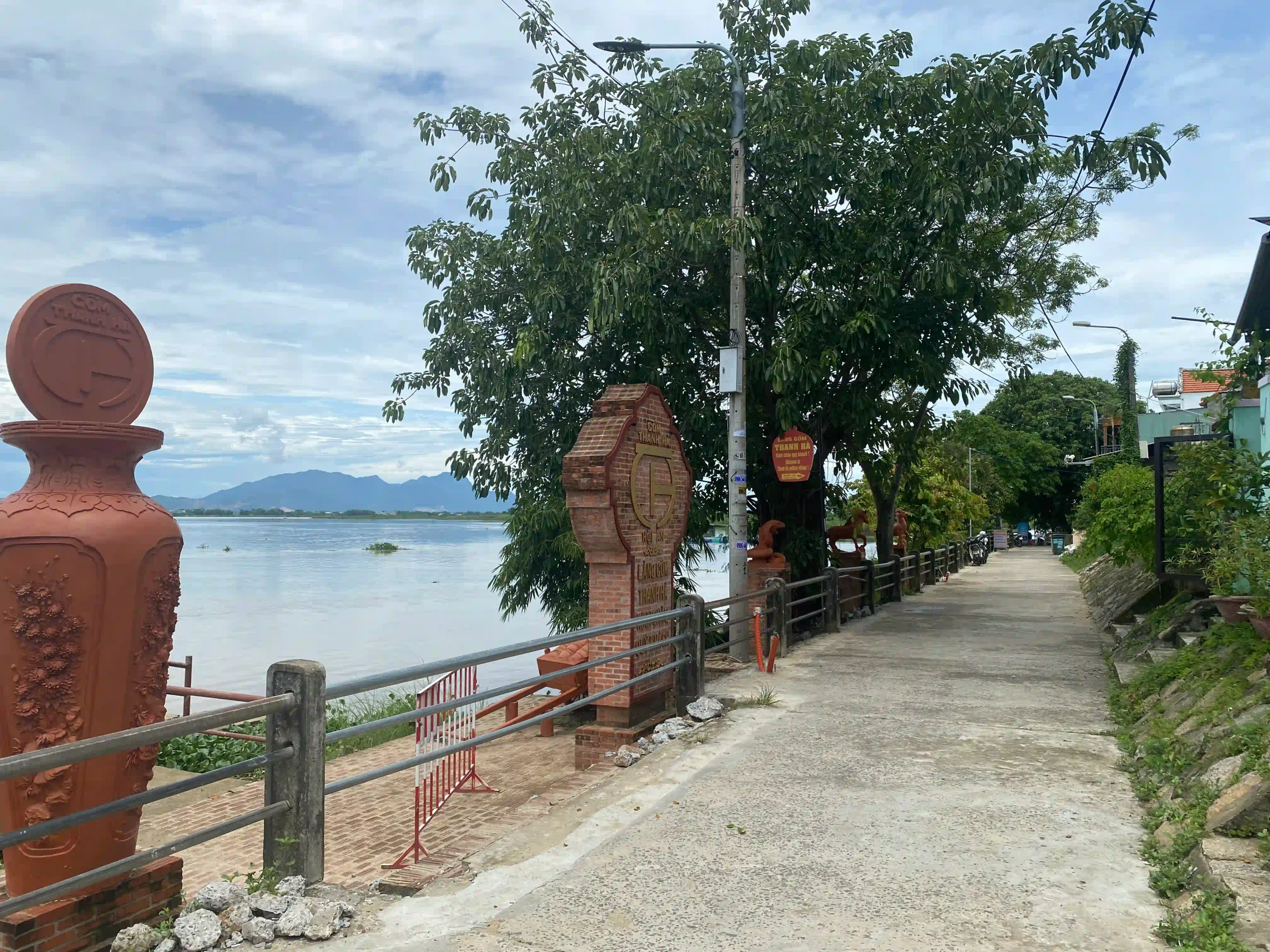
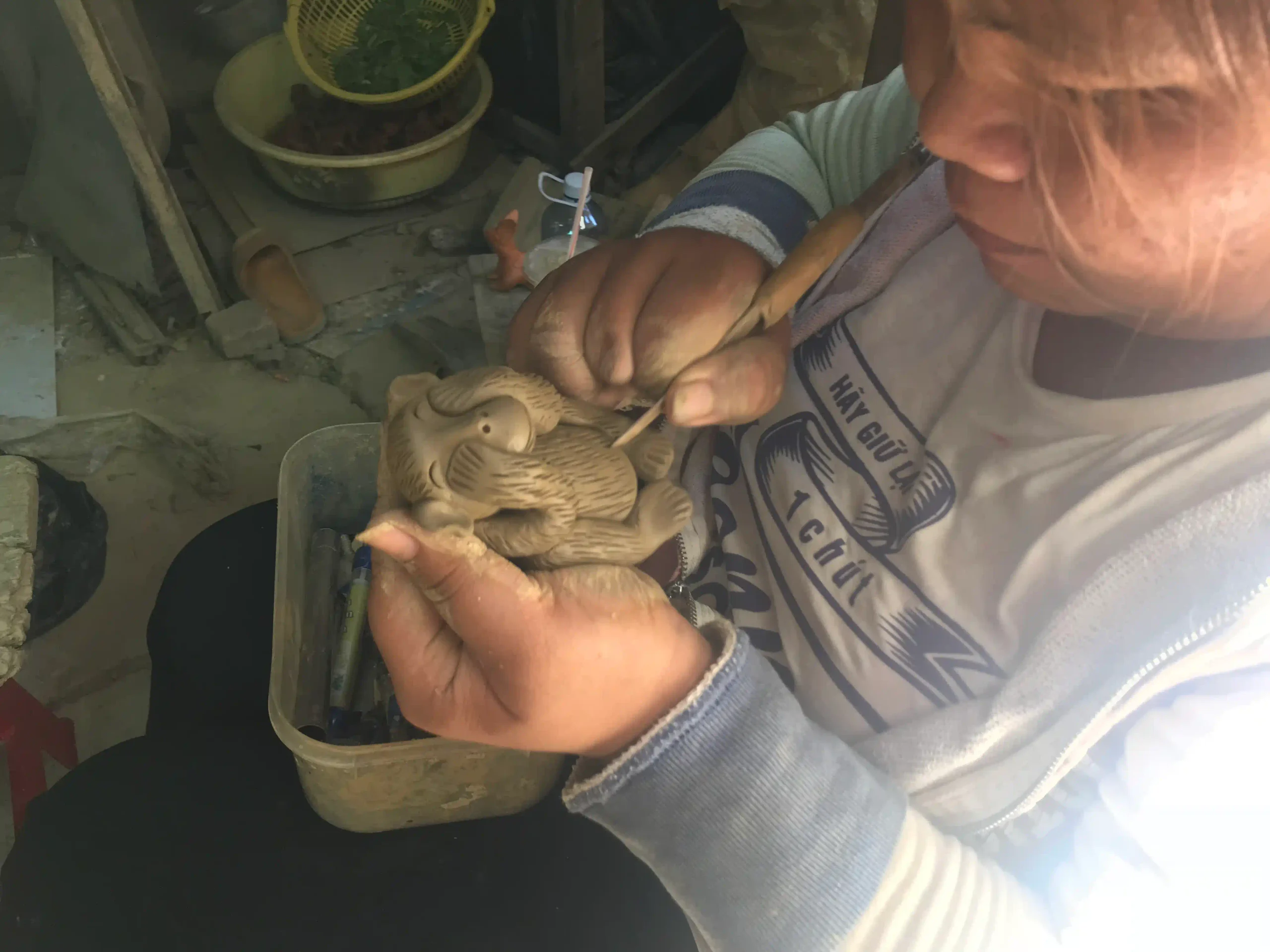
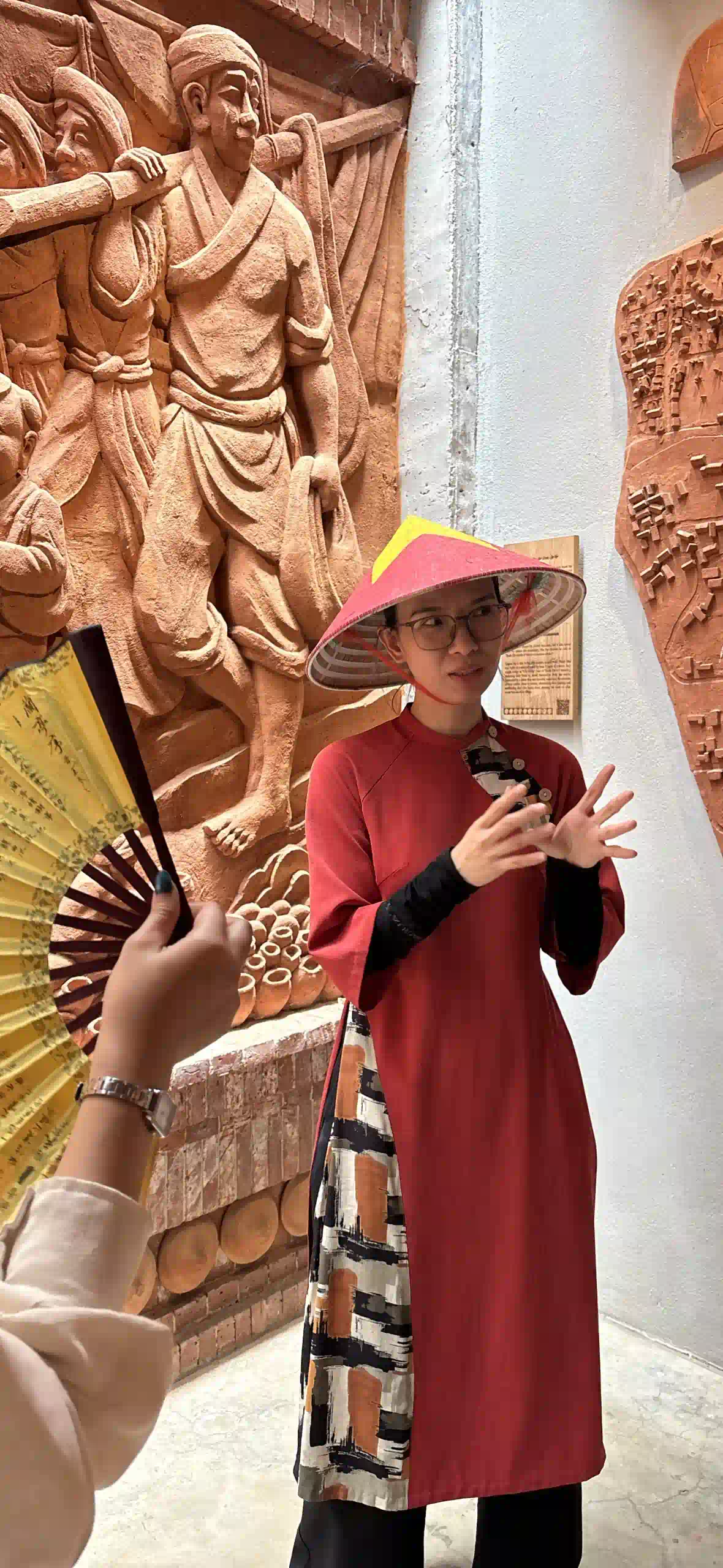
Some of the houses have been making pots for three or four generations and will happily show you what they’re doing if you show an interest.
The craft itself is properly old. Families here have been at it for something over five hundred years, working by hand and foot pedal without moulds, which is why the pieces don’t match each other.
The pottery-making was recognised as national intangible cultural heritage in 2019, and for what it’s worth that’s a Vietnamese designation and not a UNESCO one, which a fair few pages get wrong.
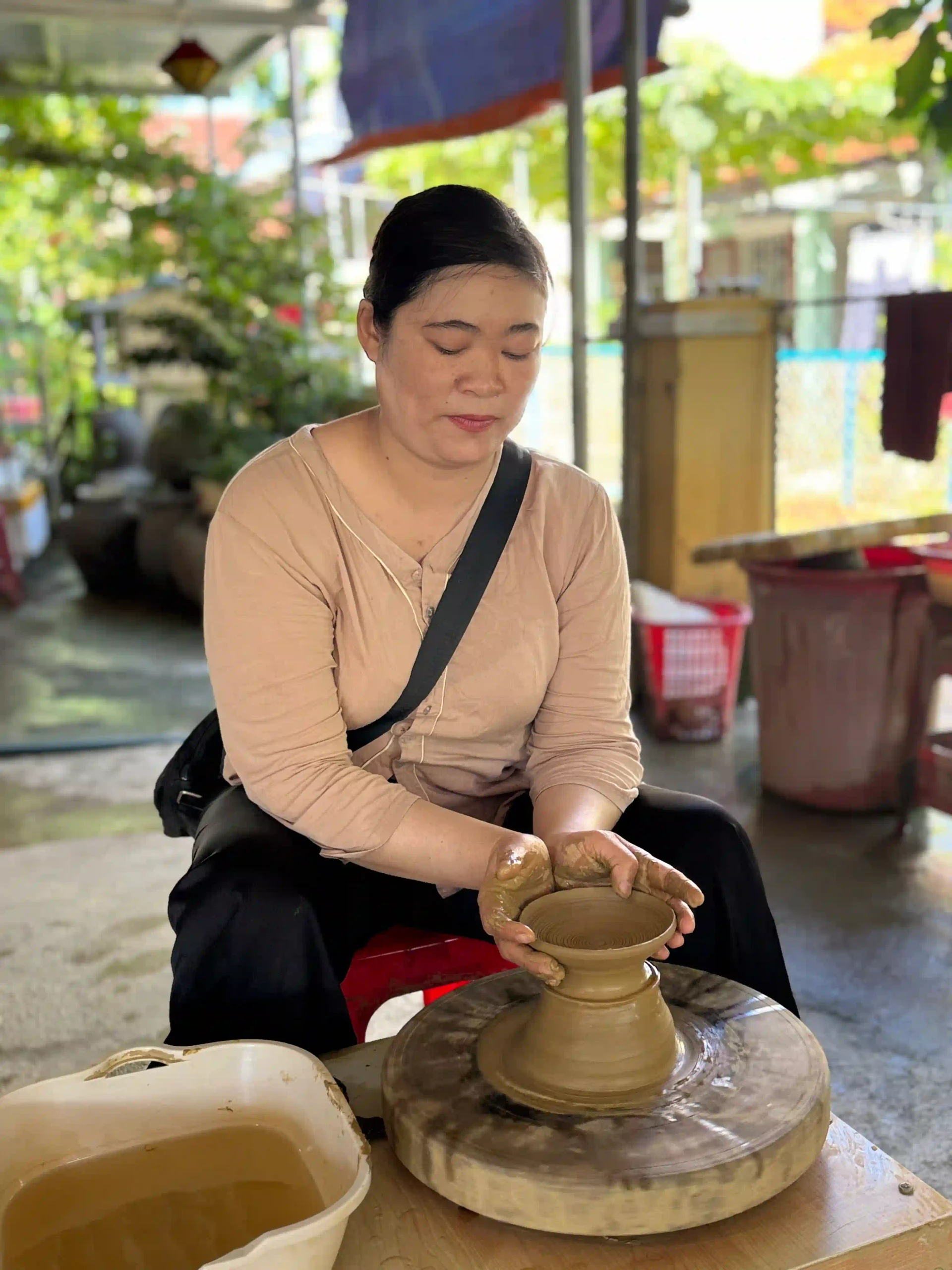
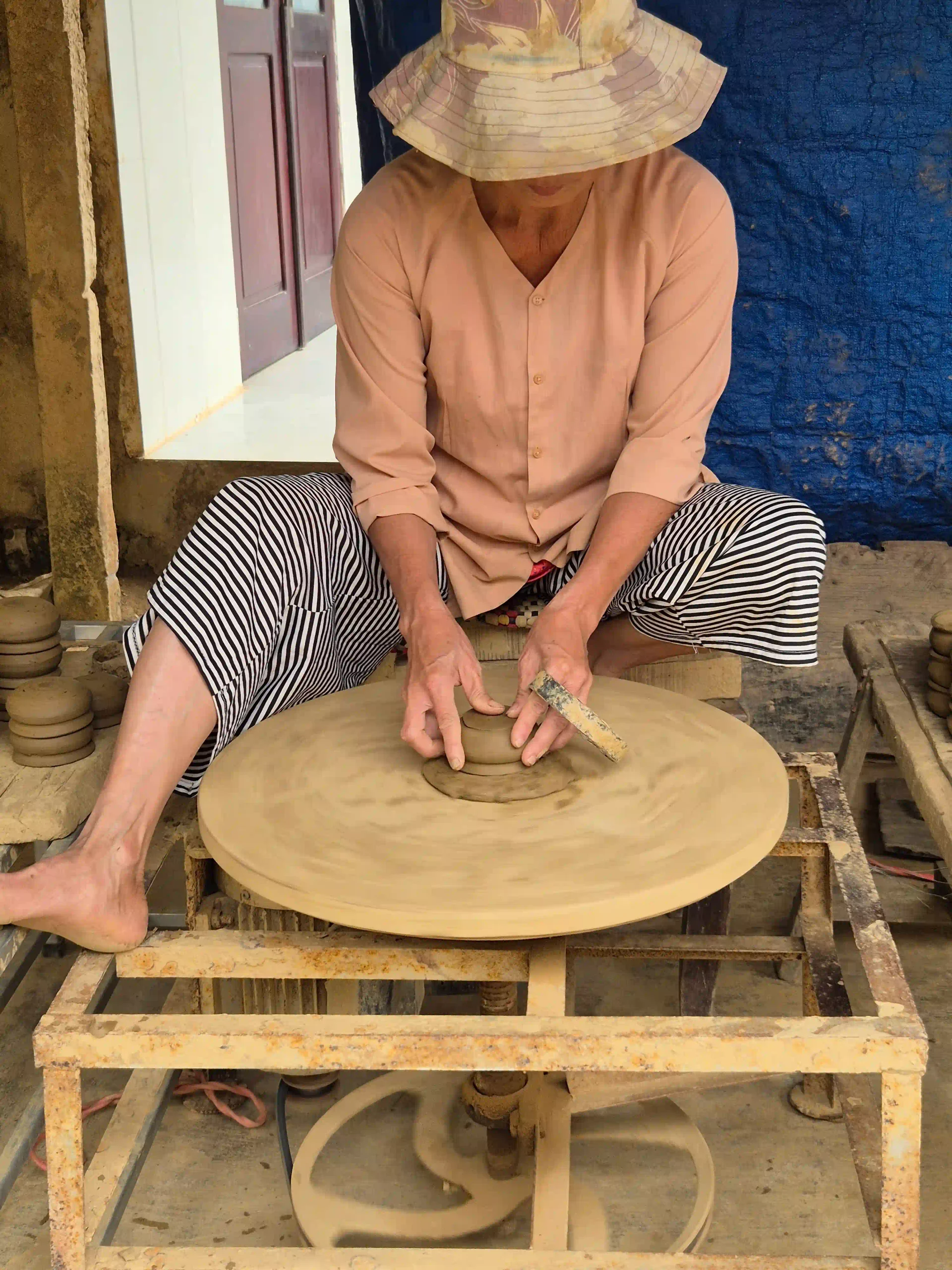
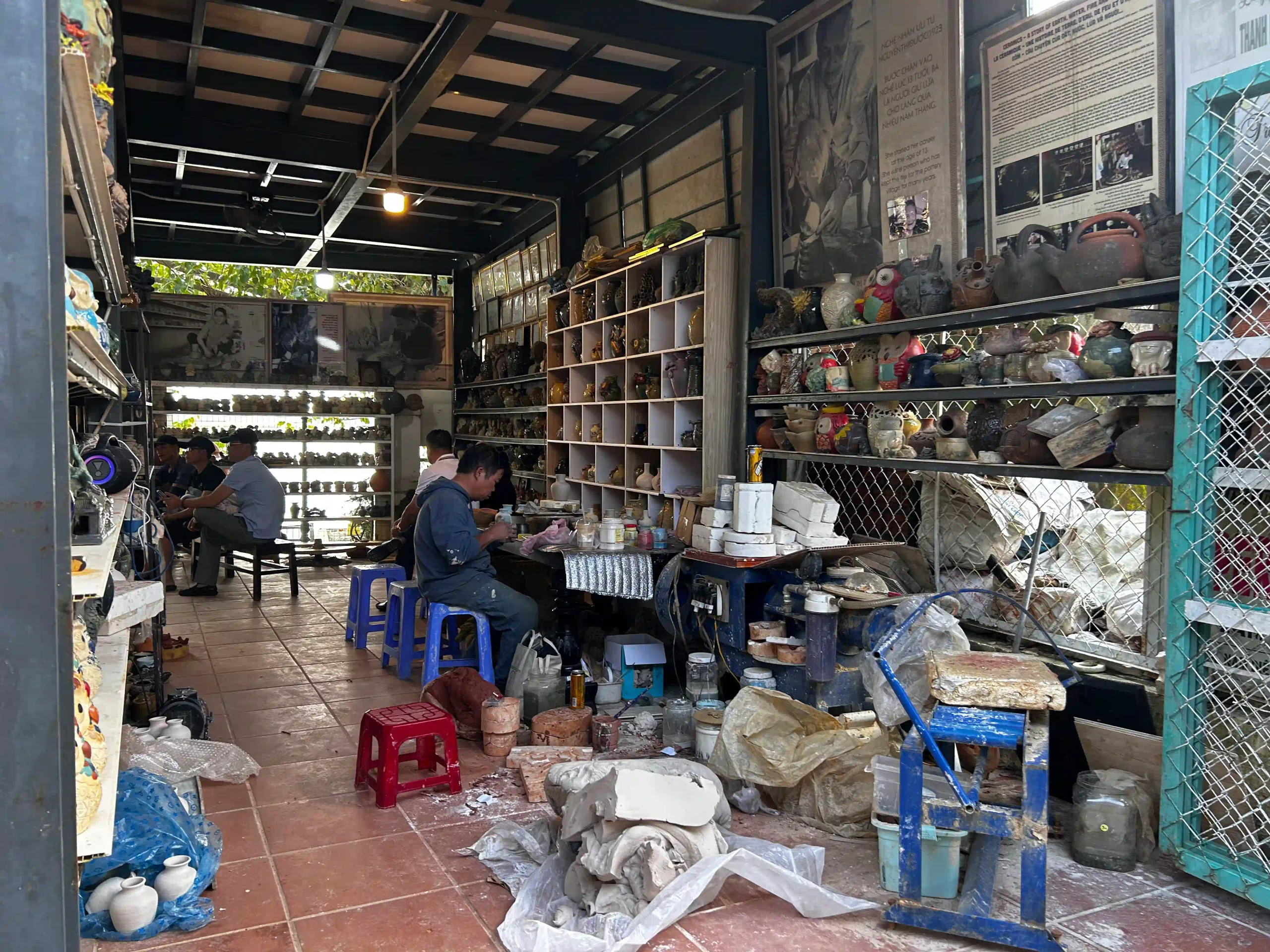
Two things to look for while you’re wandering. The Xuân Mỹ communal house and the Nam Diêu temple are both in the village and both are quiet, and neither takes more than a few minutes.
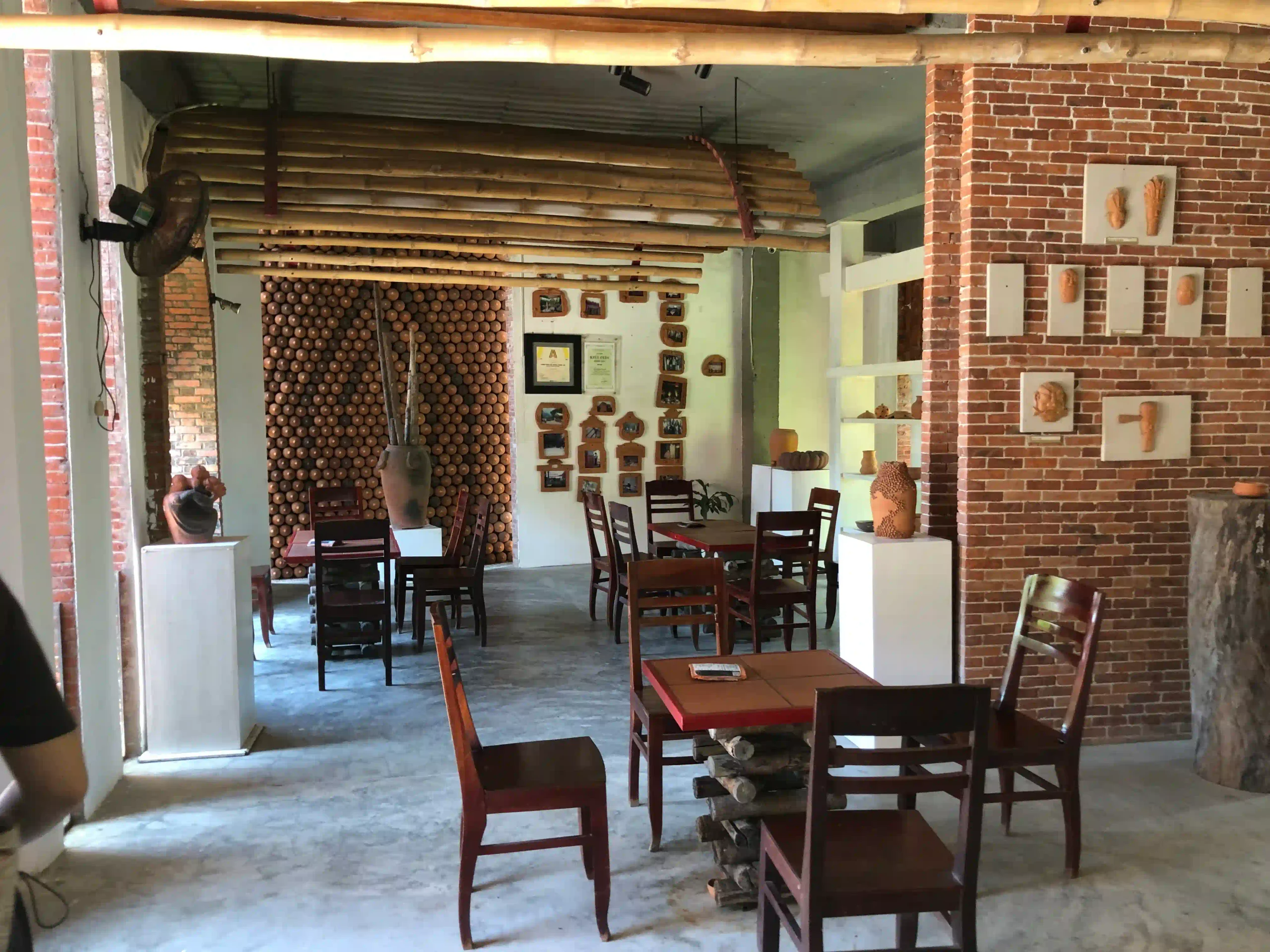
Also worth knowing: there’s next to nowhere to eat out here. A couple of drinks stops, the museum café, and that’s about it. Eat before you come or eat when you get back, and if you need a plan for that I’ve got five restaurants in Hoi An I’d actually send people to.
Doing a Thanh Ha Pottery Workshop or Pottery Class
This is the bit people come for, and you have two ways to do it.
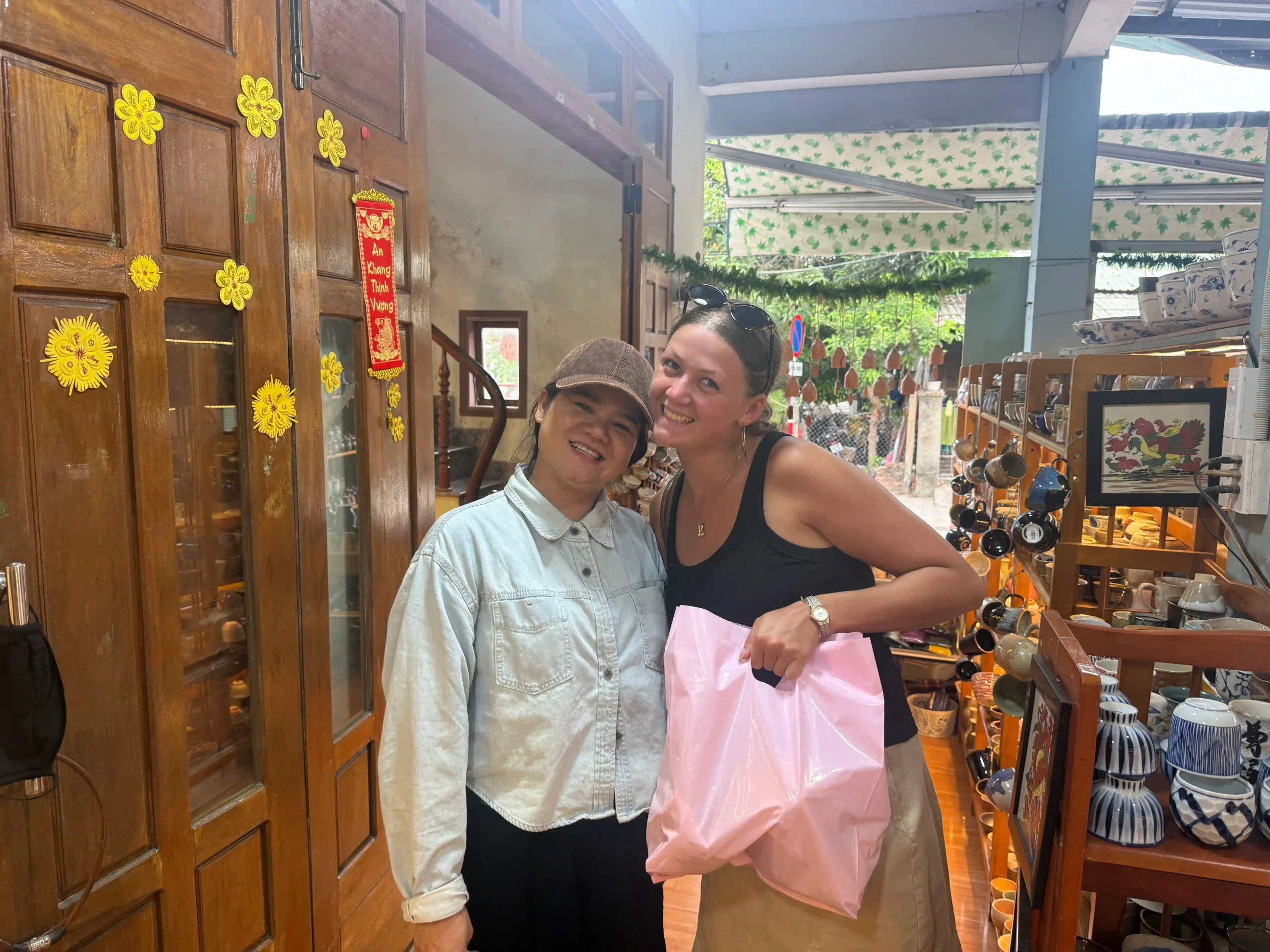
Just walk in
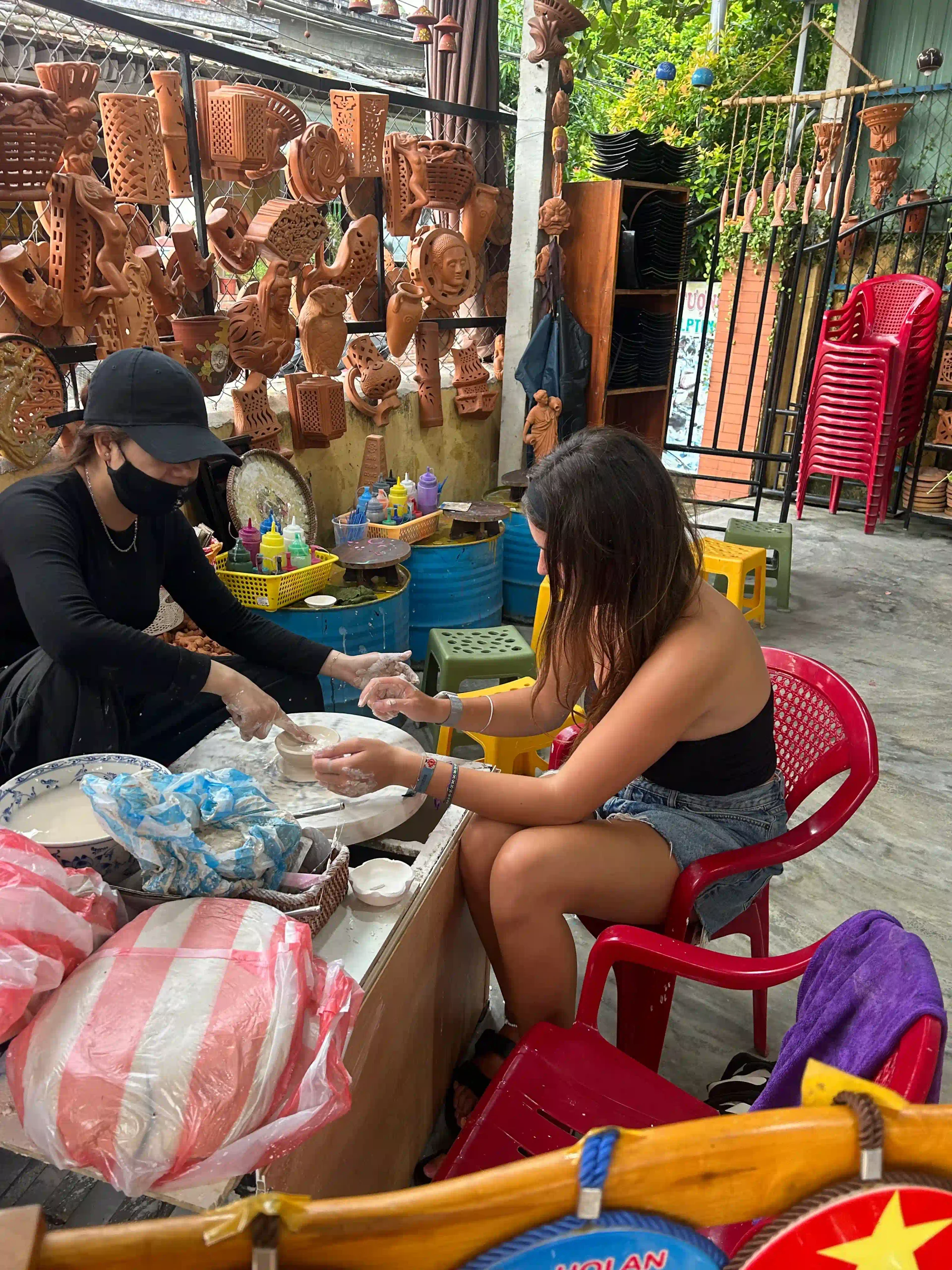
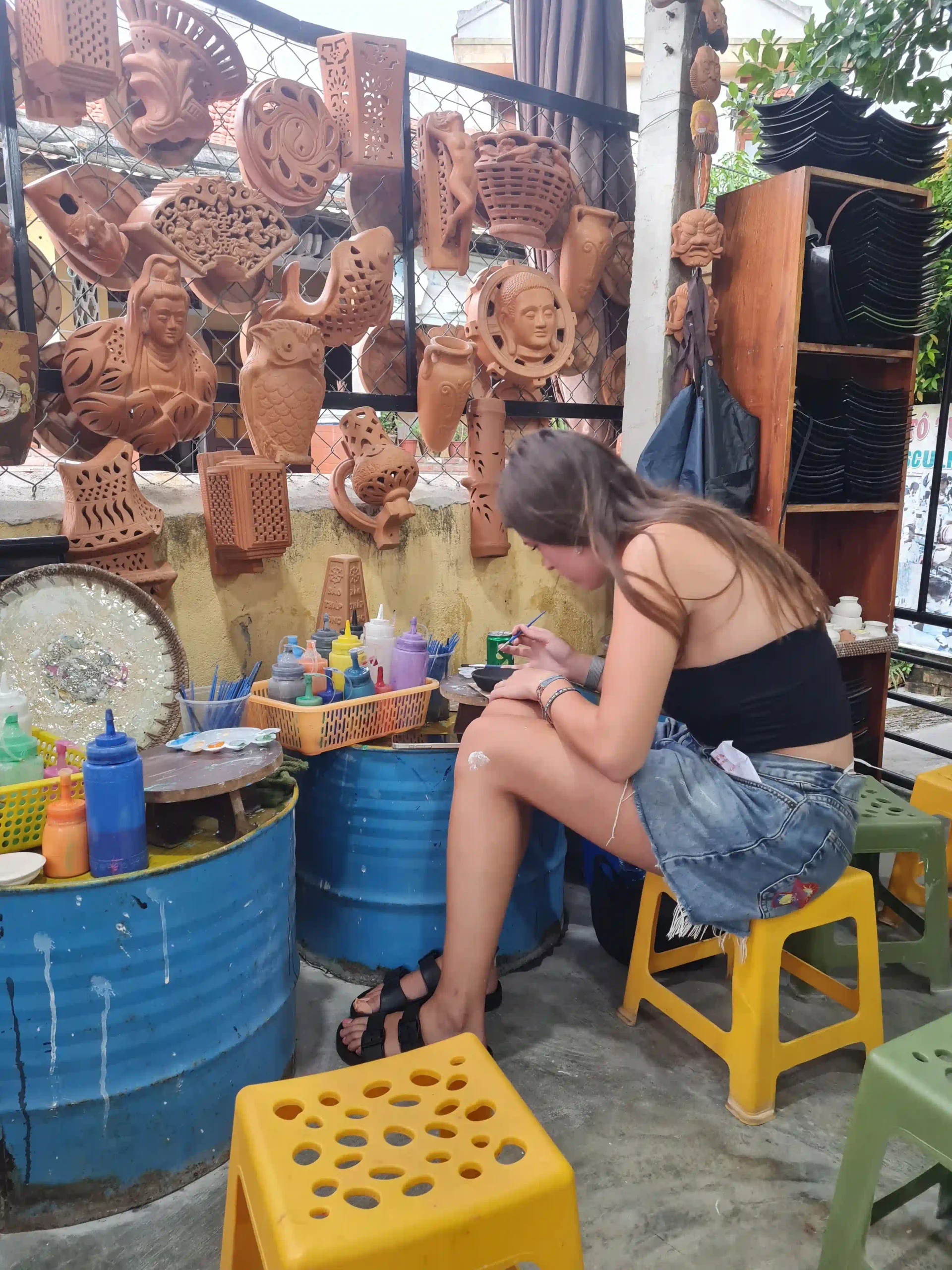
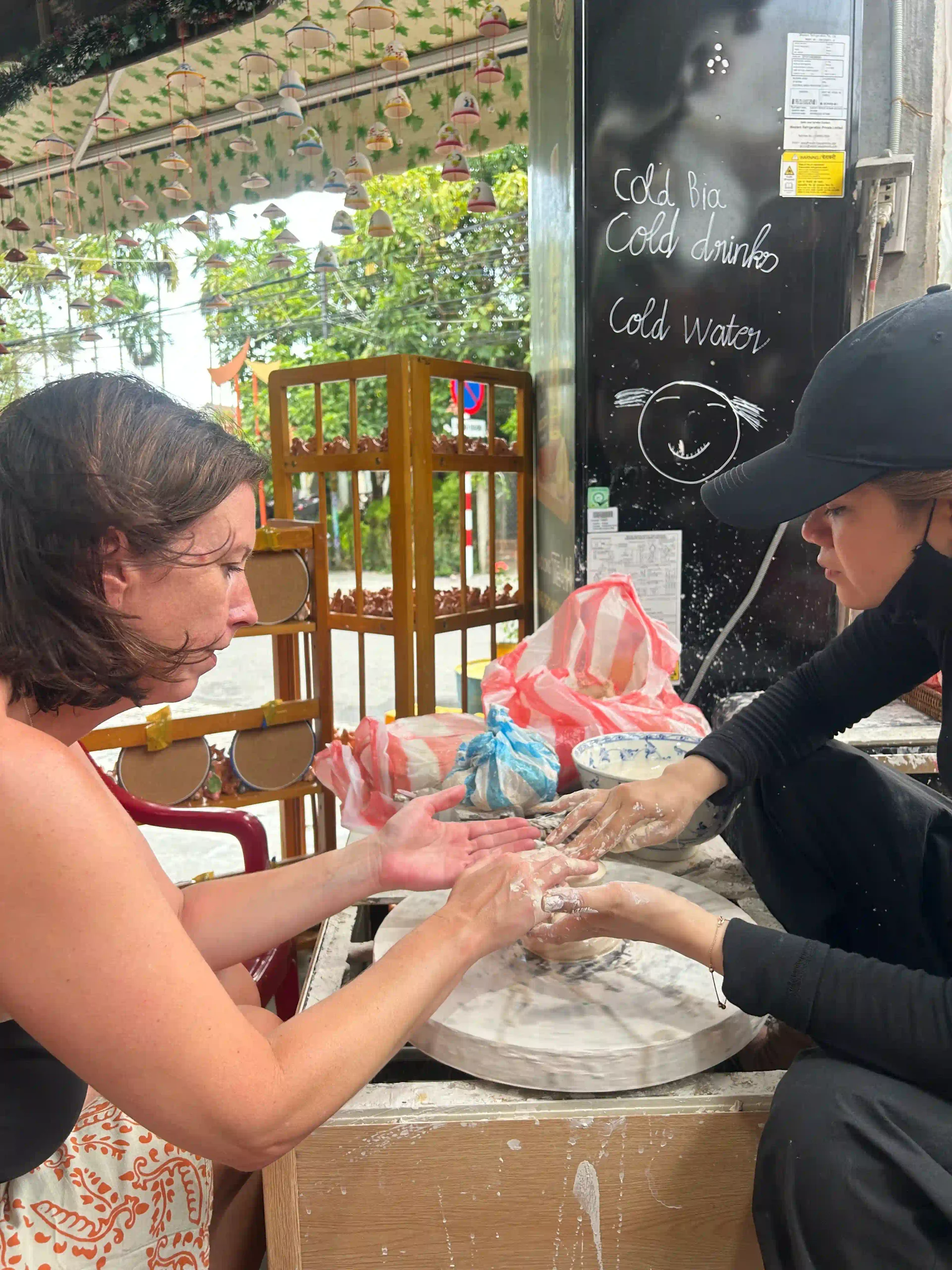
Sit down at one of the family workshops and pay about 50,000 VND for a piece. You get clay, a foot-pedalled wheel, someone’s hands over yours, and you take the thing home. It’s the cheapest and most direct version and it’s what I’d do.
English is limited in most of the houses, which turns out not to matter much, because the whole thing gets demonstrated, not explained.
Book it in advance
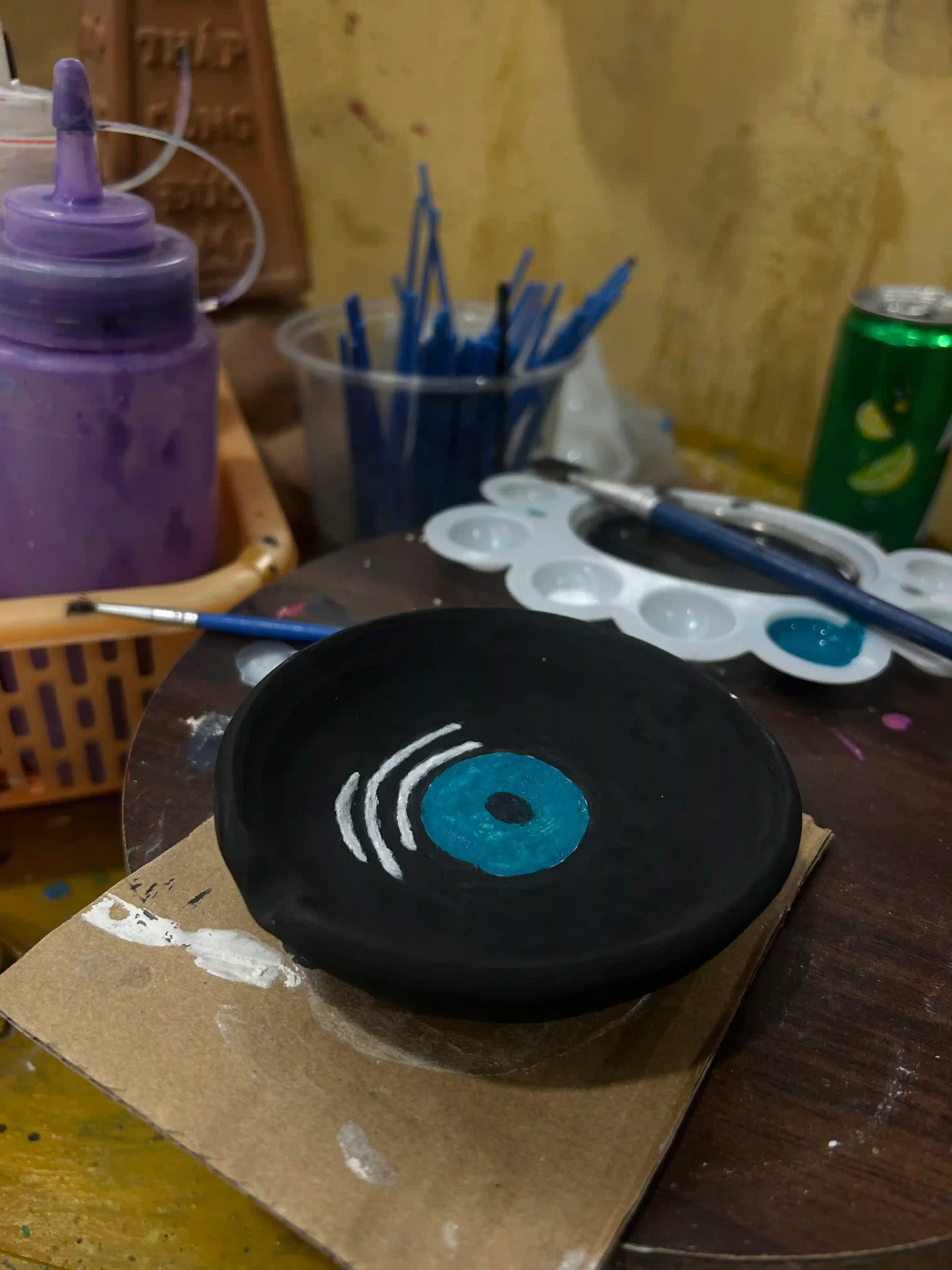
There are organised sessions for around $8 a head that include an instructor, a small gift and your finished piece. They’re about thirty minutes with roughly twenty minutes of actual making. The entrance fee to the village isn’t included, so you still stop at the counter and pay your 35,000 VND.
Worth it if you’d rather have it arranged and know where you’re going, and the reviews are consistently warm about the older couples who run the sessions.
This is a twenty minute go on a wheel, not a pottery class. You will not come away able to throw a pot. If you want the longer, more instructed version of a Hoi An craft session, the lantern making workshops in town do that better, and you can build a frame from scratch there in an hour and a half.
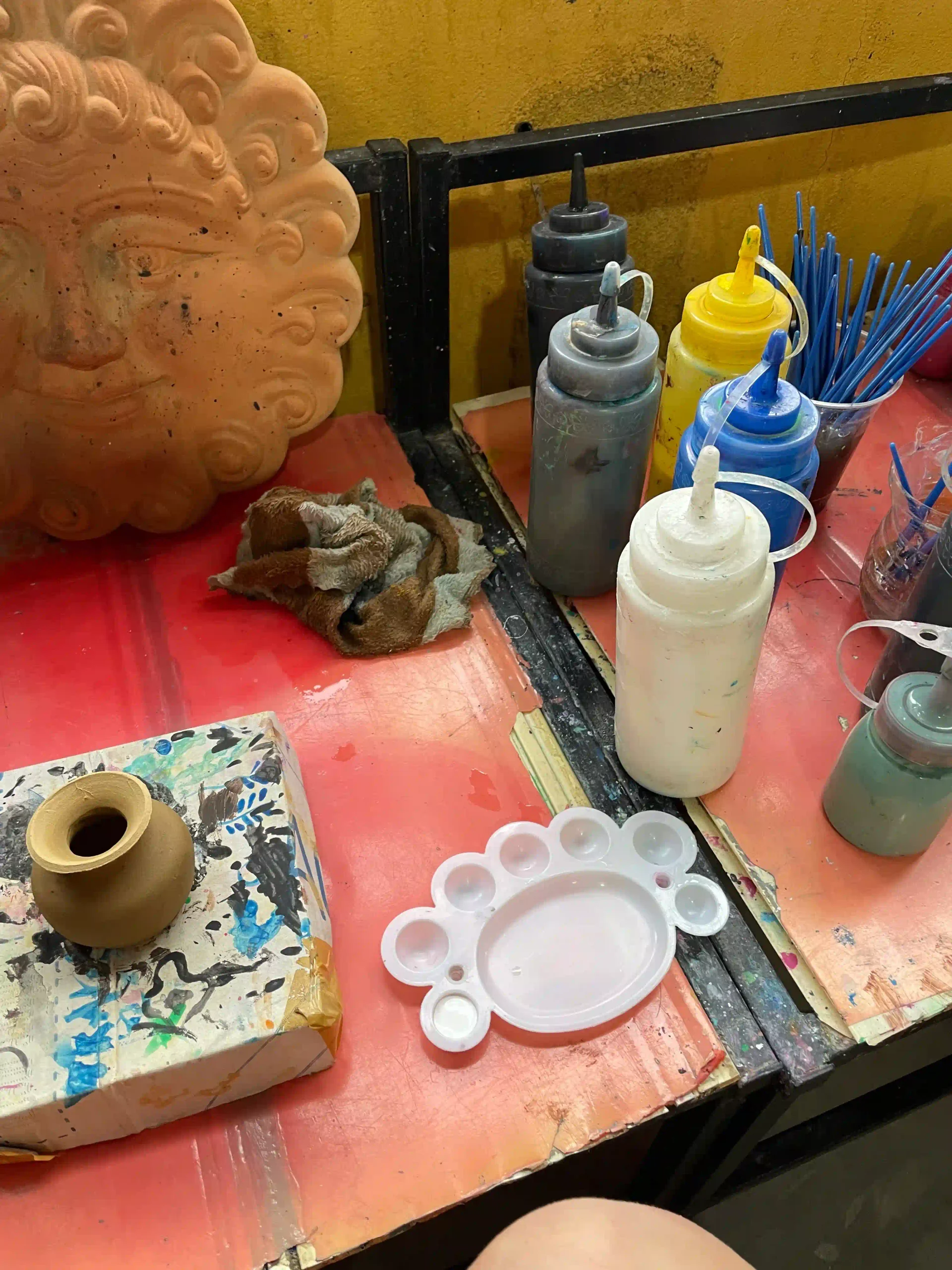
If you’d rather use a wheel with a bit more guidance, the Terracotta Park runs its own sessions at 60,000 VND, and they fire your piece.
Is the Thanh Hà Terracotta Park Worth It?
Mixed, and it depends what you’re after.
The museum part is good. It’s a proper modern building with the history of terracotta and roof tile production in the area, information boards in English and Vietnamese, short video reconstructions, and a gallery and shop. If you like museums you’ll get an hour out of it. If you don’t, you’ll get twenty minutes.
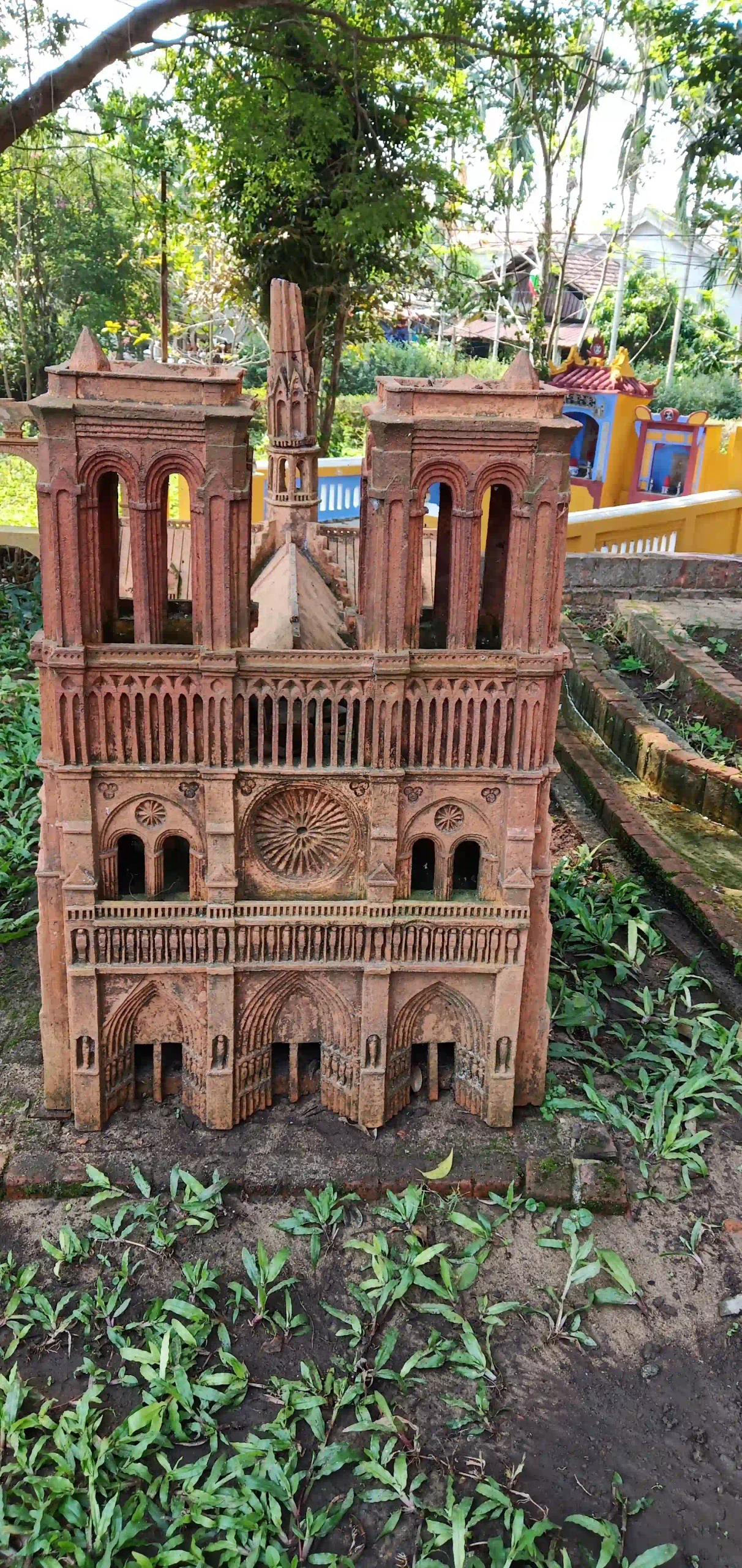
Outside there’s a garden of famous world buildings rebuilt in terracotta, the Sydney Opera House, Big Ben, the Colosseum, the Taj Mahal and so on. It’s odd and a bit charming and children like it.
The problem is the heat. There’s very little shade, the walking is more than you’d expect, and on a hot afternoon it’s really unpleasant. Several visitors say the same thing and I’d take it seriously.
It’s also not accessible in any real sense, so if anyone in your group uses a wheelchair or finds uneven ground difficult, the park and the village lanes are both going to be hard work.
How Long to Spend at Thanh Ha Pottery Village
Ninety minutes for the village on its own, including a workshop. Add an hour if you’re doing the Terracotta Park properly. So half a morning door to door from the Old Town.
I’d go early, out by half eight or nine, which gets you the cool part of the day and the workshops actually working. By eleven it’s hot and the yards are quieter.
The thing I’d say about scheduling is the same thing I’ve said about the duck farm and a few other places out here. Hoi An has a lot of cheap one-hour experiences fifteen minutes outside town, and each one costs you closer to two hours once you count the getting there and back.
Adding Kim Bong Carpentry Village
If you want to make a morning of it, Kim Bồng is the other old craft village and it’s across the river on Cẩm Kim, so it pairs naturally with Thanh Hà.
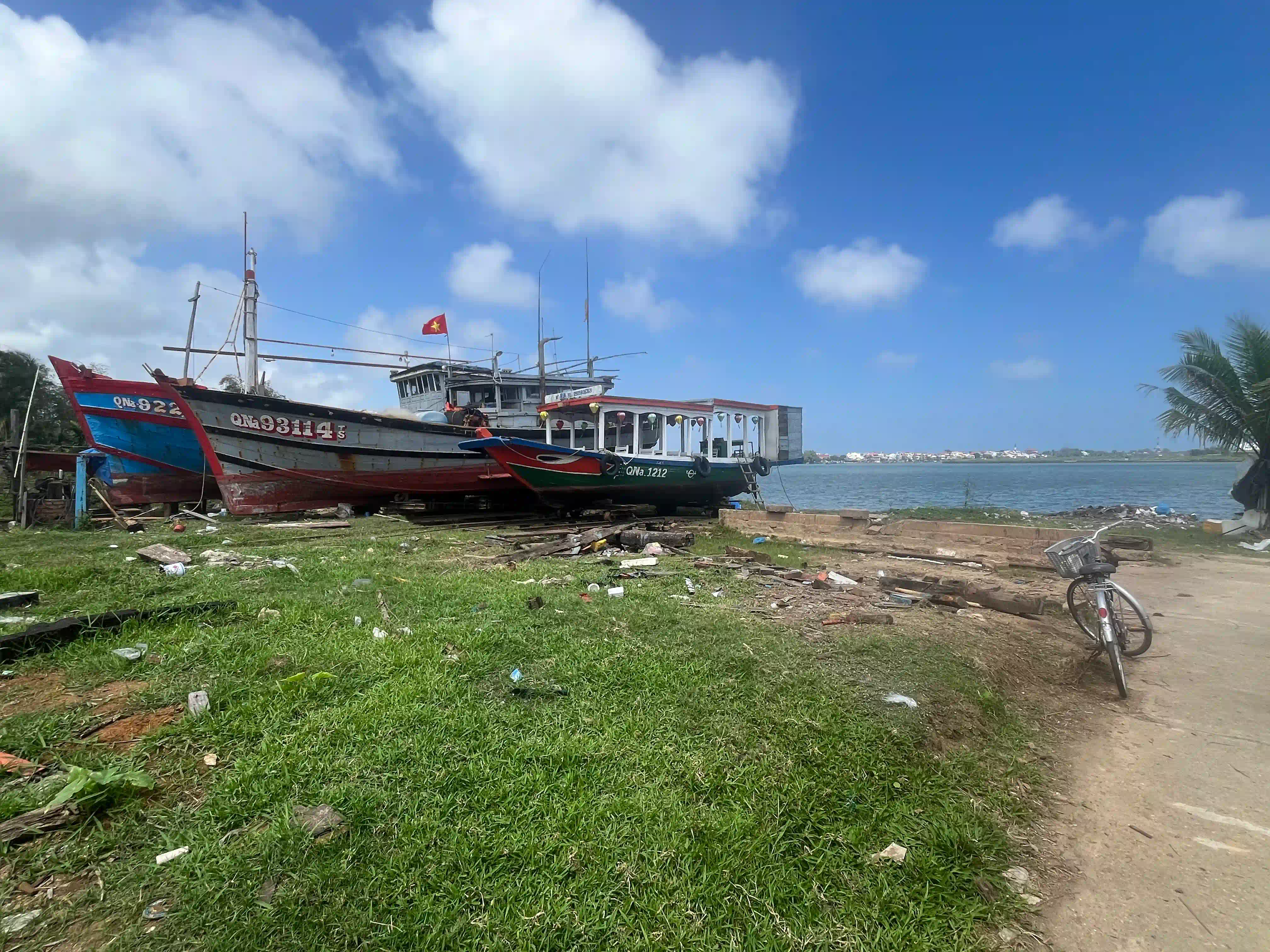
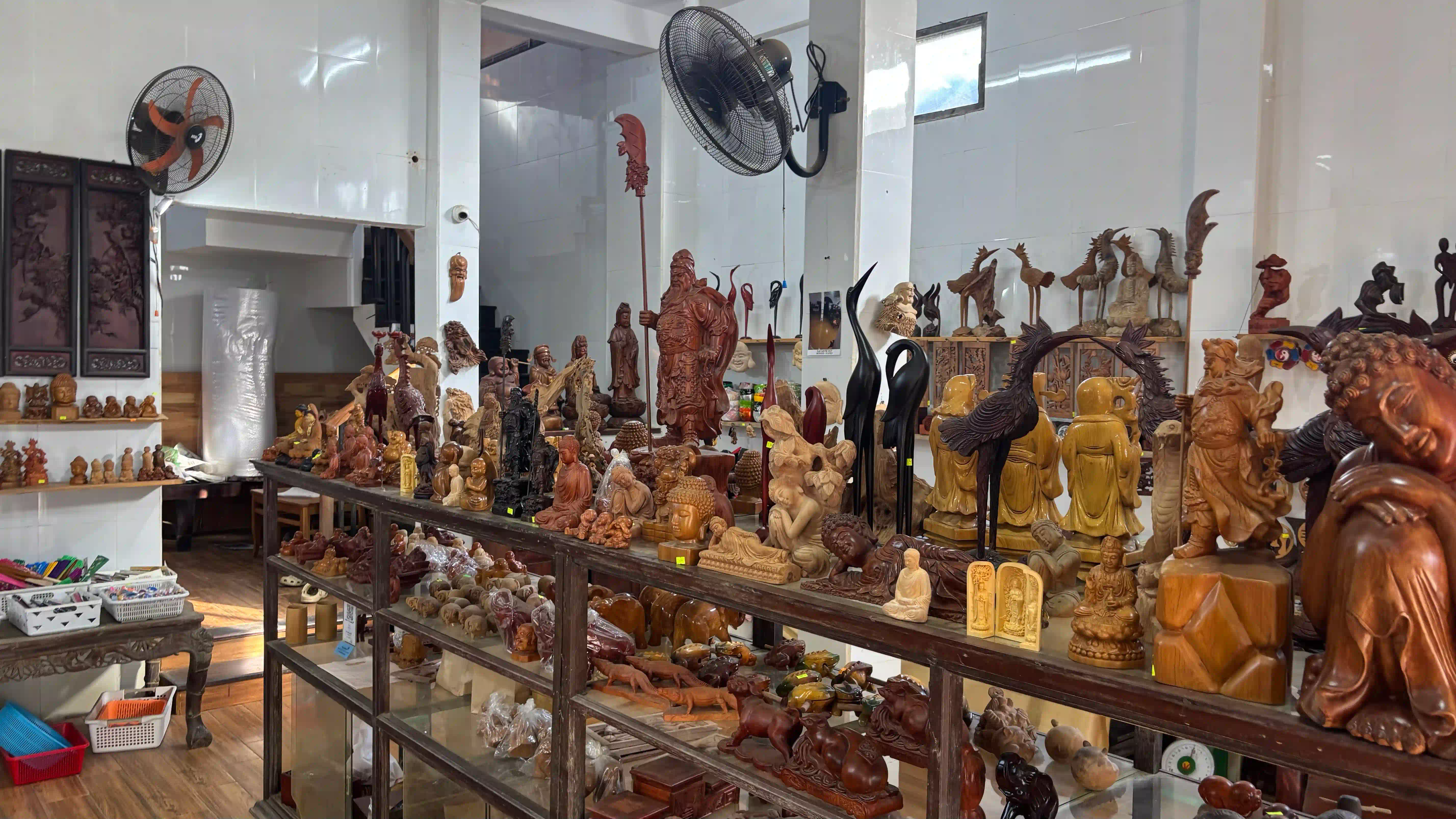
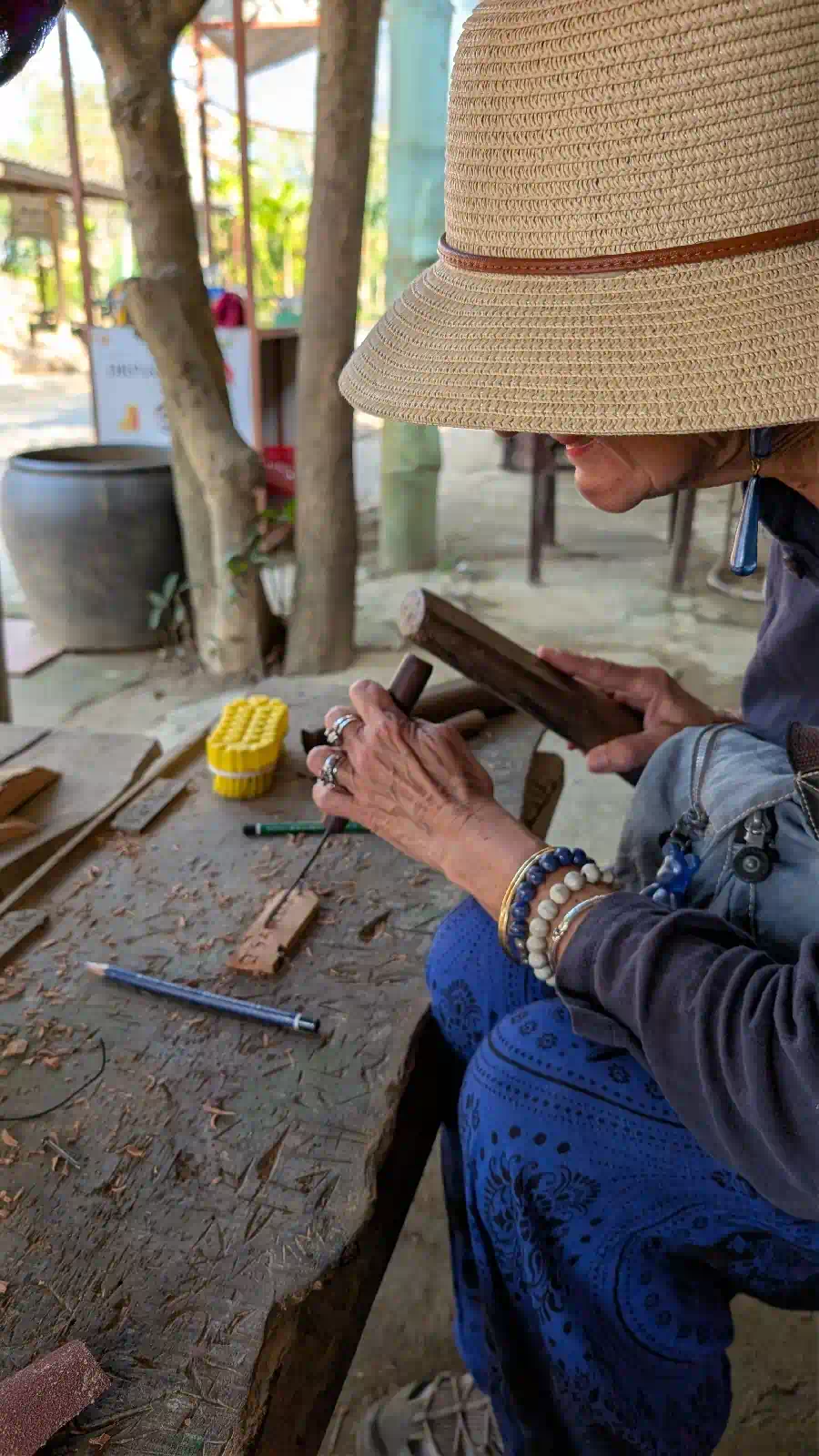
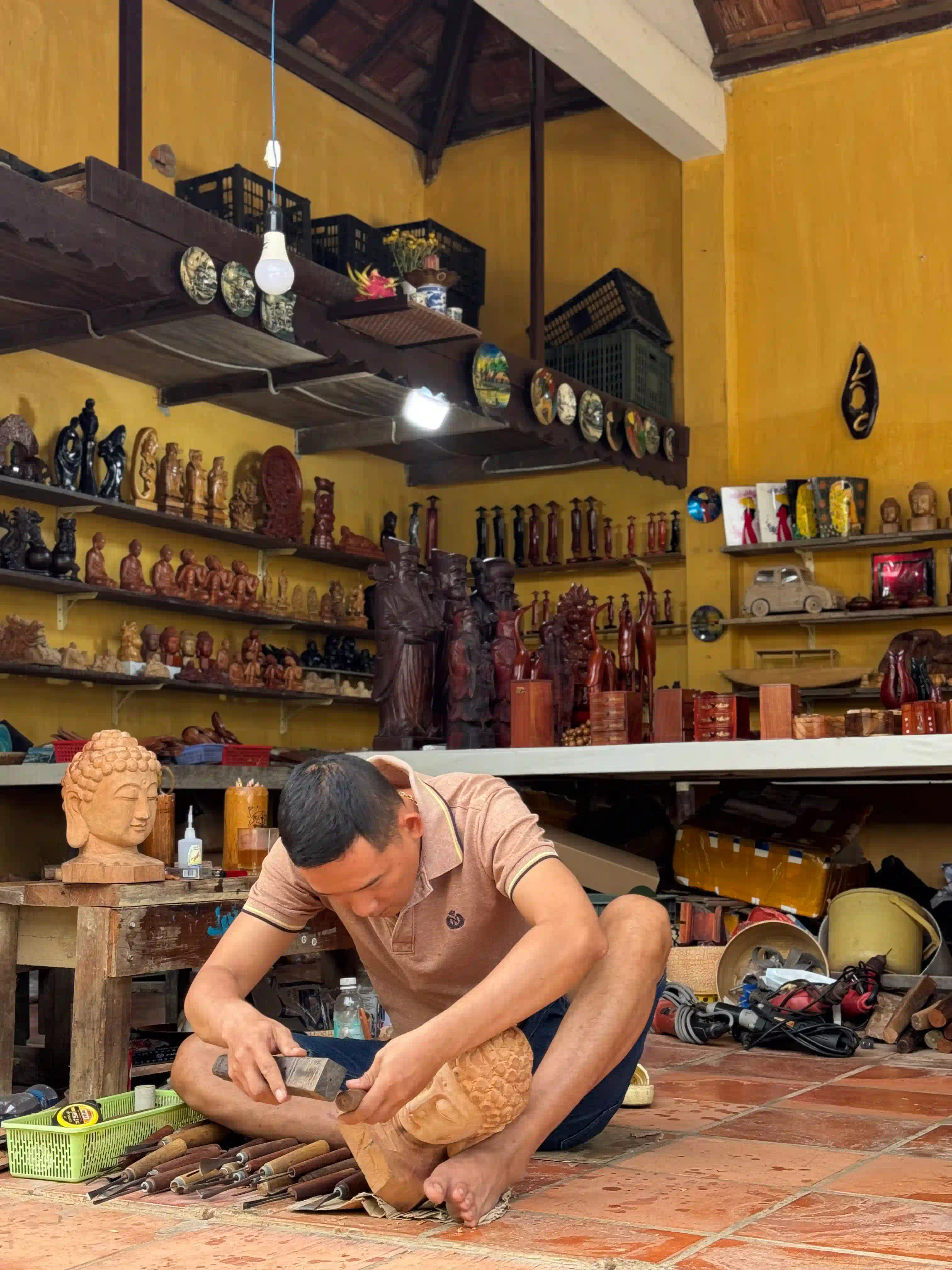
It’s woodcarving, not pottery, and it’s smaller and quieter again, and forty-five minutes is about right. You can carve something yourself at a couple of the workshops, the craftsmen are relaxed about visitors, and there’s a boat-repair yard that’s more interesting than it sounds. It’s a nicer bike ride than the one to Thanh Hà, too.
The two together plus the ride is a solid half day, and it’s the version I’d recommend if craft villages are actually your thing and not just a box to tick.
FAQ
What’s the Thanh Ha Pottery Village entrance fee? 35,000 VND for the village, or 85,000 VND combined with the Terracotta Park.
What are the opening hours? The village is 8am to 6:30pm daily. The Terracotta Park closes at 5:30pm.
Where is it and what’s the exact location? Phạm Phán, Hội An Tây, Đà Nẵng, about three kilometres west of the Old Town. Search it on the map as Thanh Ha Pottery Village and the pin is correct.
How long does it take to visit? Ninety minutes for the village, two and a half hours with the park.
How much is a pottery class? Around 50,000 VND walking into a family workshop, 60,000 VND at the Terracotta Park, or about $8 for a booked session with an instructor.
Do I need a tour? No. It’s a short flat ride and everything there is walk-in.
Is it UNESCO listed? No. The pottery-making was recognised as Vietnamese national intangible cultural heritage in 2019.
Is it suitable for wheelchairs? No, not the village lanes or the park.
The Half Morning I’d Actually Do
Leave the Old Town around nine on a hotel bike. West on Hùng Vương, fifteen minutes, buy the 85,000 VND combined ticket at the counter. Village lanes and a workshop first while it’s still cool, about an hour. Then the museum, which is the shaded part, for another hour. Cross to Kim Bồng after if you’re enjoying yourself, or ride back and have lunch in town if you’re not.
The only real decision is whether you buy the 35,000 VND village ticket or the 85,000 VND combined one, and that comes down to one thing: whether you’d visit a small local museum at home. If you would, take the combined ticket. If museums bore you, the village on its own is the better ninety minutes and you’ll have spent about a dollar fifty.
For where this sits against everything else competing for a morning here, that’s in things to do in Hoi An.












 Tiếng Việt
 한국어
한국어 中文 (中国)
 日本語
日本語 ไทย
ไทย Deutsch
 Español
 Destinations
 Instagram
 Facebook
 X (Twitter)
 Threads
 Tiktok