









 Ha Giang
 Hanoi
 Ho Chi Minh City
 Ha Long
 Sapa
 Mekong Delta
 Da Nang
 Hue
 Hoi An
 Ninh Binh
 Da Lat
 Nha Trang
 Phan Thiet
 Phu Quoc
 Quang Binh
 Quy Nhon
 Vung Tau
 Thai Nguyen
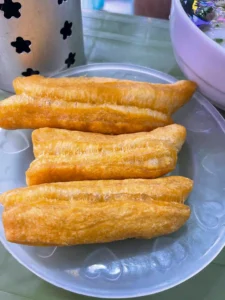
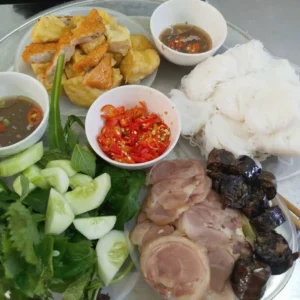
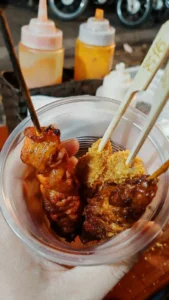
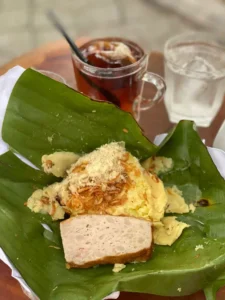
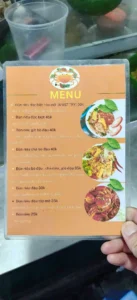
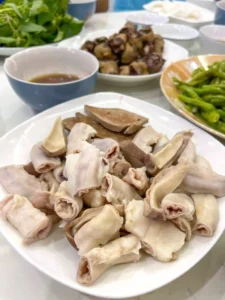
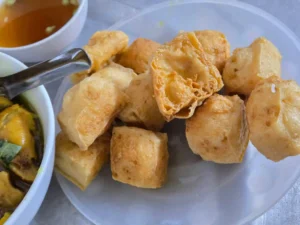


Most Hanoi street food is sold by places that make one dish and have made it for a very long time. The shop is a front room or a strip of pavement, the menu is the name on the sign, and the dish runs out at a time everyone local knows.
That one-dish-per-shop habit is the core of Hanoi food culture, and it means you don’t need a long list of addresses to eat well here. You need to know what to eat at what time of day, and which few famous places have started charging visitors whatever they like.
I eat Hanoi street food on plastic stools most days, and it’s the local food I’d steer any visitor towards first. The ten below are in the order I’d eat them through a day, from sticky rice at breakfast to a bánh mì after midnight, with the one place I’d send a friend for each, and a couple of warnings where they’re needed.
- Quick Answer: The best Hanoi street food dishes are xôi xéo (sticky rice) and bánh cuốn (steamed rice rolls) for breakfast, pho in the morning, bún riêu crab noodle soup and wonton noodles before they sell out at midday, bún chả for lunch, bún đậu mắm tôm, egg coffee in the afternoon, cháo sườn rice porridge in the evening and bánh mì Dân Tổ late at night. Most dishes cost 30,000 to 60,000 VND. Eat at places busy with Hanoians, carry small notes, and at the few famous spots without a price list, ask the price before ordering.
- The 10 dishes and where I eat them:
- Xôi xéo: Xôi Mây, now at 51 Hàng Bài. 30,000 to 50,000 VND.
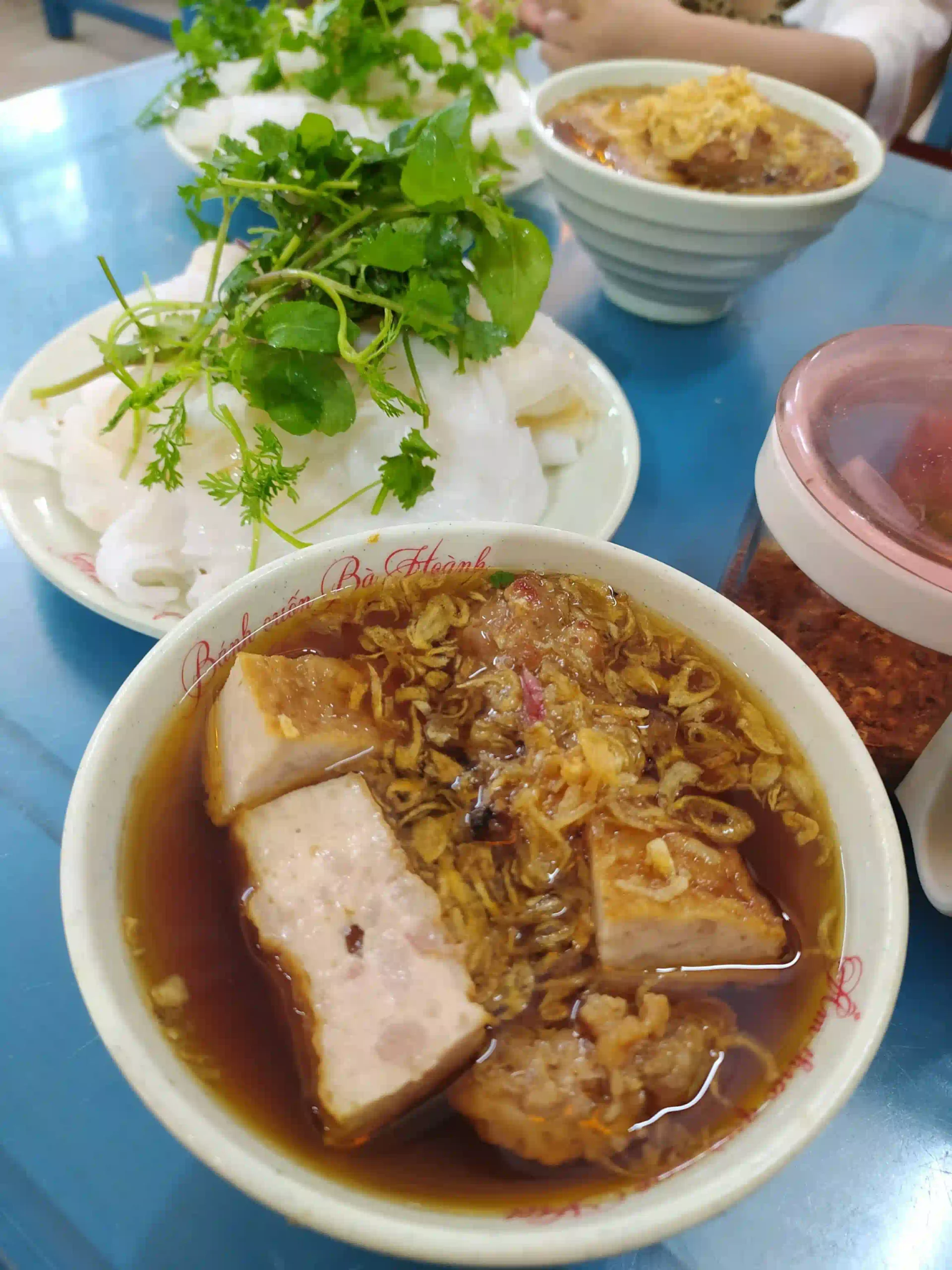
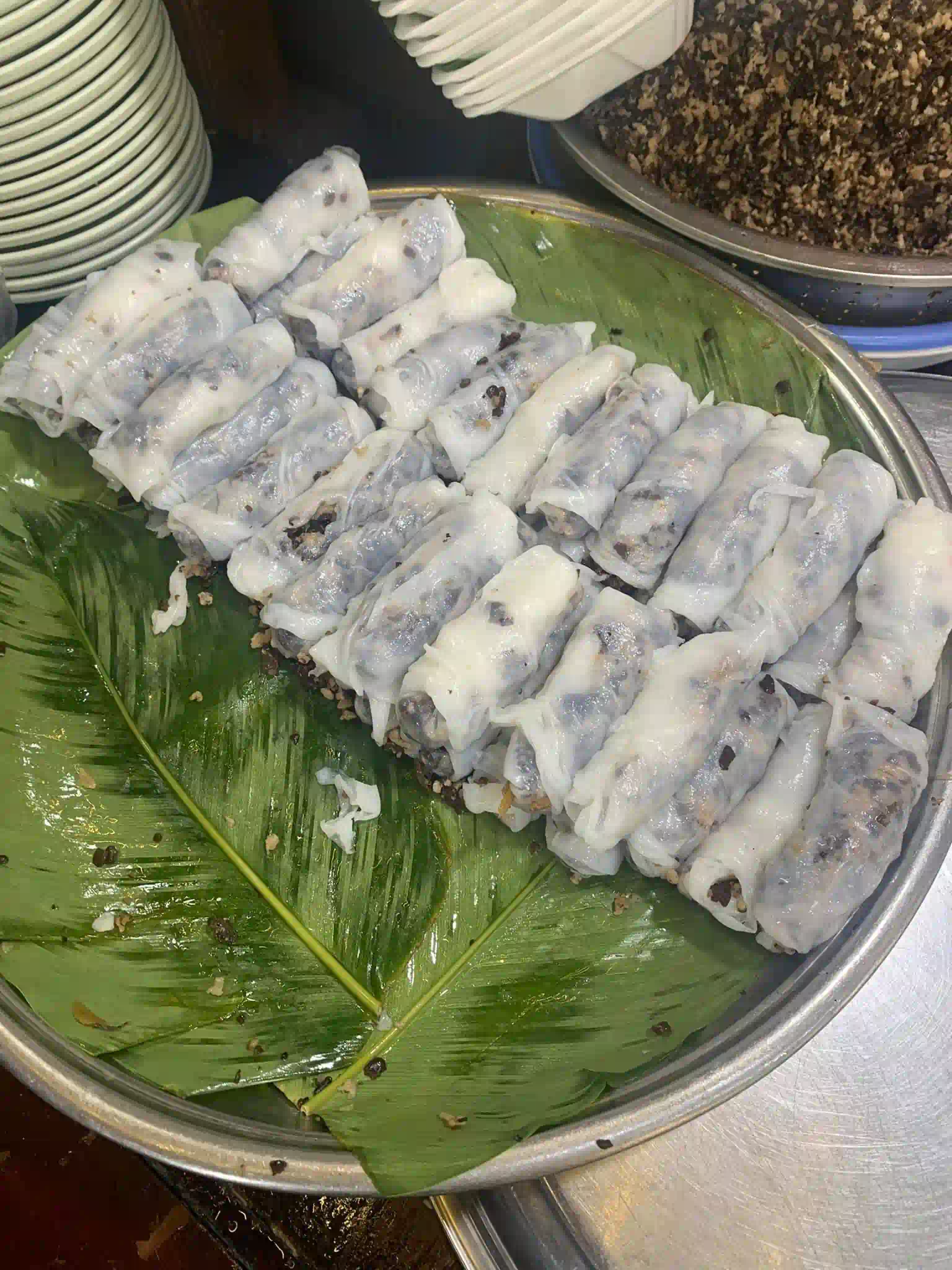
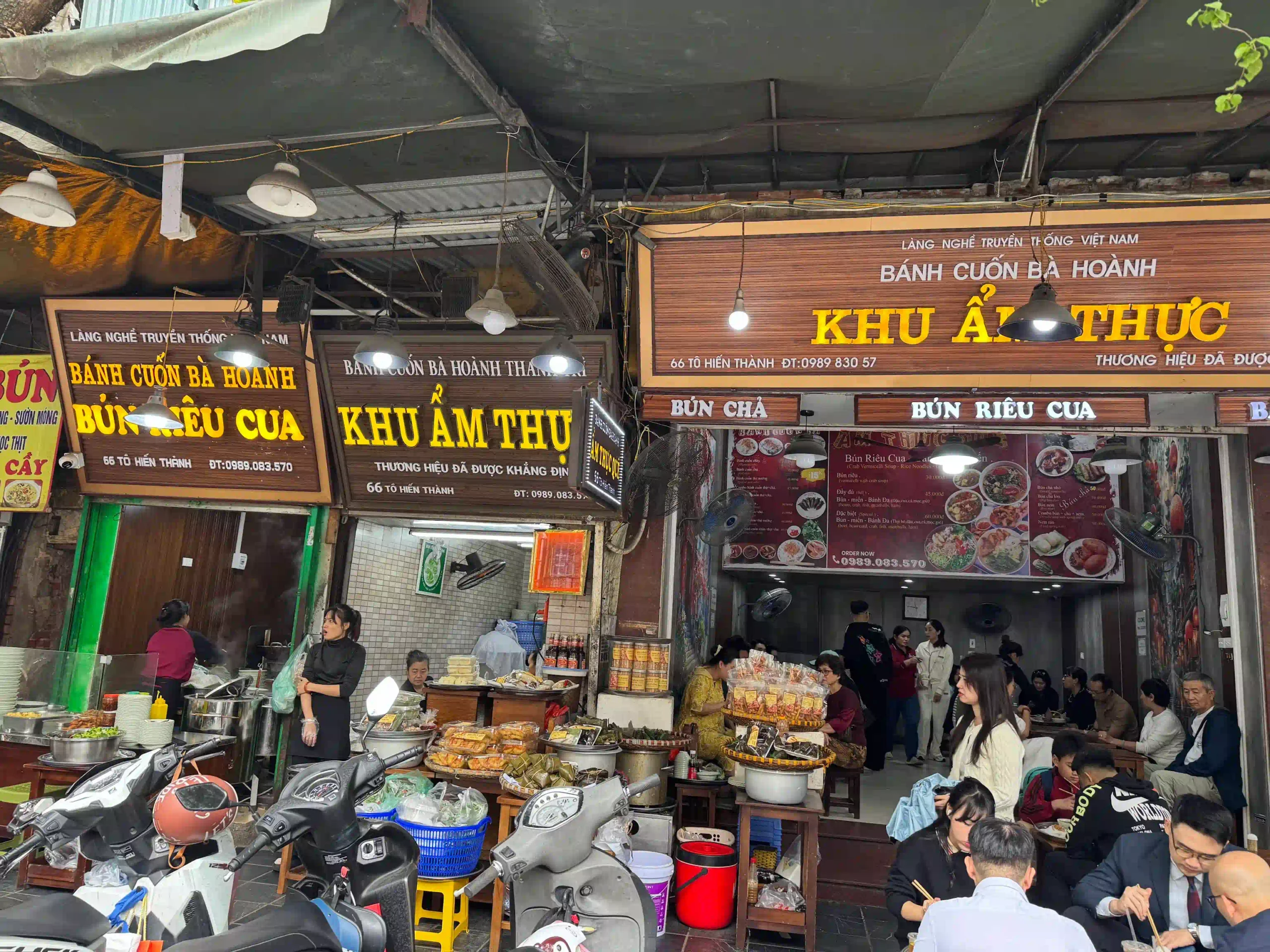
- Bánh cuốn: Bà Hoành, 66 Tô Hiến Thành.
- Pho: Phở Mặn Gầm Cầu, 34 Hàng Giấy, mornings.
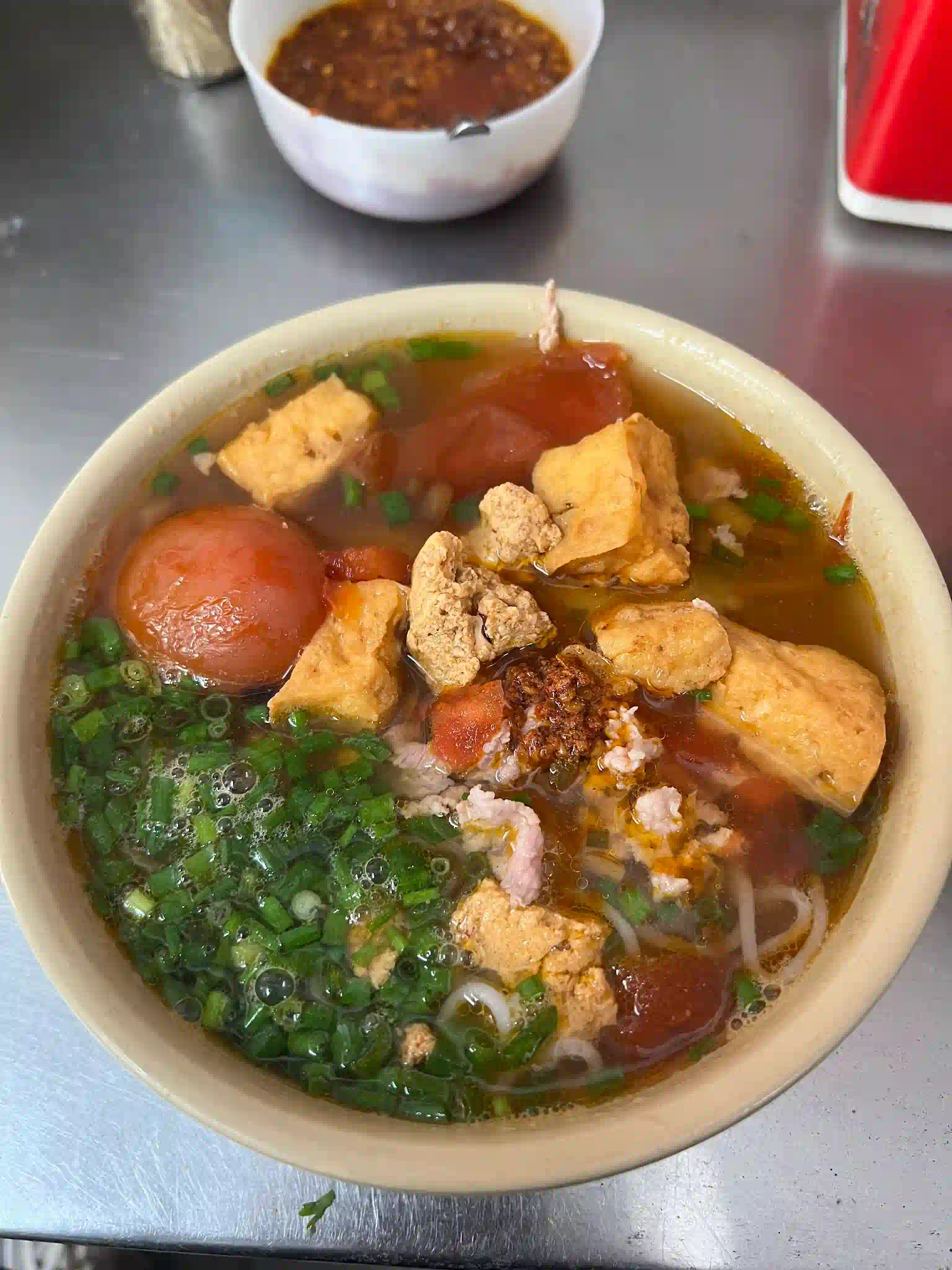
- Bún riêu: 11 Hàng Bạc. 35,000 to 50,000 VND.
- Mì vằn thắn: Minh Ngọ, 01 Hàng Chiếu, until it sells out. Ask the price first.
- Bún chả: lane 74 Hàng Quạt, lunch only. About 50,000 VND.
- Bún đậu mắm tôm: 1B Ngõ Trạm, lunch. Ask the price first.
- Egg coffee: Giảng, 39 Nguyễn Hữu Huân. About 30,000 to 35,000 VND.
- Cháo sườn: 3 Ngõ Huyện, afternoon and evening. 25,000 to 30,000 VND.
- Bánh mì Dân Tổ: Cao Thắng and Trần Nhật Duật, night only. About 25,000 VND.
- Also good: chả cá, bún thang, bún ốc, phở cuốn, bánh tôm Hồ Tây, kem Tràng Tiền, chè.
- Paying: cash in small notes, no tipping, wet towels on the table cost a few thousand dong if opened.
- Safety: busy places with fast turnover, no tap water, ice in city restaurants is generally fine.
10 Best Hanoi Street Food Dishes, Morning to Night
1. Xôi Xéo (Xoi Xeo), Sticky Rice for Breakfast
- Xôi Mây, 51 Hàng Bài, near Trần Hưng Đạo.
Xôi xéo is sticky rice turmeric-yellow, topped with a smear of mashed mung bean, fried shallots and a spoon of spring onion fat, and it’s what a lot of Hanoi eats on the way to work.
Xôi Mây used to be a pavement stall on the corner of Hàng Bài and Lý Thường Kiệt, and plenty of guides still send people there. It’s moved a few doors along into a proper shopfront at 51 Hàng Bài, with seats inside, and it’s cleaner and much easier to sit down in. It’s very busy in the morning and still quick, because someone’s directing people to seats.
A bowl with braised pork or an egg on top is 30,000 to 50,000 VND. Some mornings it’s heavy on the fat, which is part of the point.


2. Bánh Cuốn (Banh Cuon Hanoi), Steamed Rice Rolls
- Bánh Cuốn Bà Hoành, 66 Tô Hiến Thành.
The best bánh cuốn in Hanoi is the kind you watch being made, a ladle of batter spread on cloth over steam, peeled off thin as paper and rolled round minced pork and wood ear mushroom, with fried shallots, slices of chả quế cinnamon pork and a bowl of dipping sauce.
Bà Hoành makes it fresh in front of you all day and is busy for it, more so at weekend breakfasts and in the evenings, and on a weekday morning there’s barely a wait. It’s south of the Old Quarter, a short Grab ride. The brown sign is easy to walk past.


3. Phở Tái Lăn, Hanoi Pho
- Phở Mặn Gầm Cầu, 34 Hàng Giấy, under the railway bridge.
Hanoi pho is clear broth, flat rice noodles, beef, and very little else, and the city put it on the national intangible heritage list in 2024. Phở tái lăn, where the beef is flash-fried with garlic and ginger before it goes in the bowl, is the version I’d try first, and Phở Mặn does it well, with a lot of meat.
It’s mornings, and the ground floor is small and hot, with a wait at busy times. Prices have gone up here, with the prime cut now around 150,000 VND, and the broth is on the salty side. I’ll have more on pho, including where the tái lăn technique started, in a guide of its own.


4. Bún Riêu (Bun Rieu Hanoi), Crab Noodle Soup
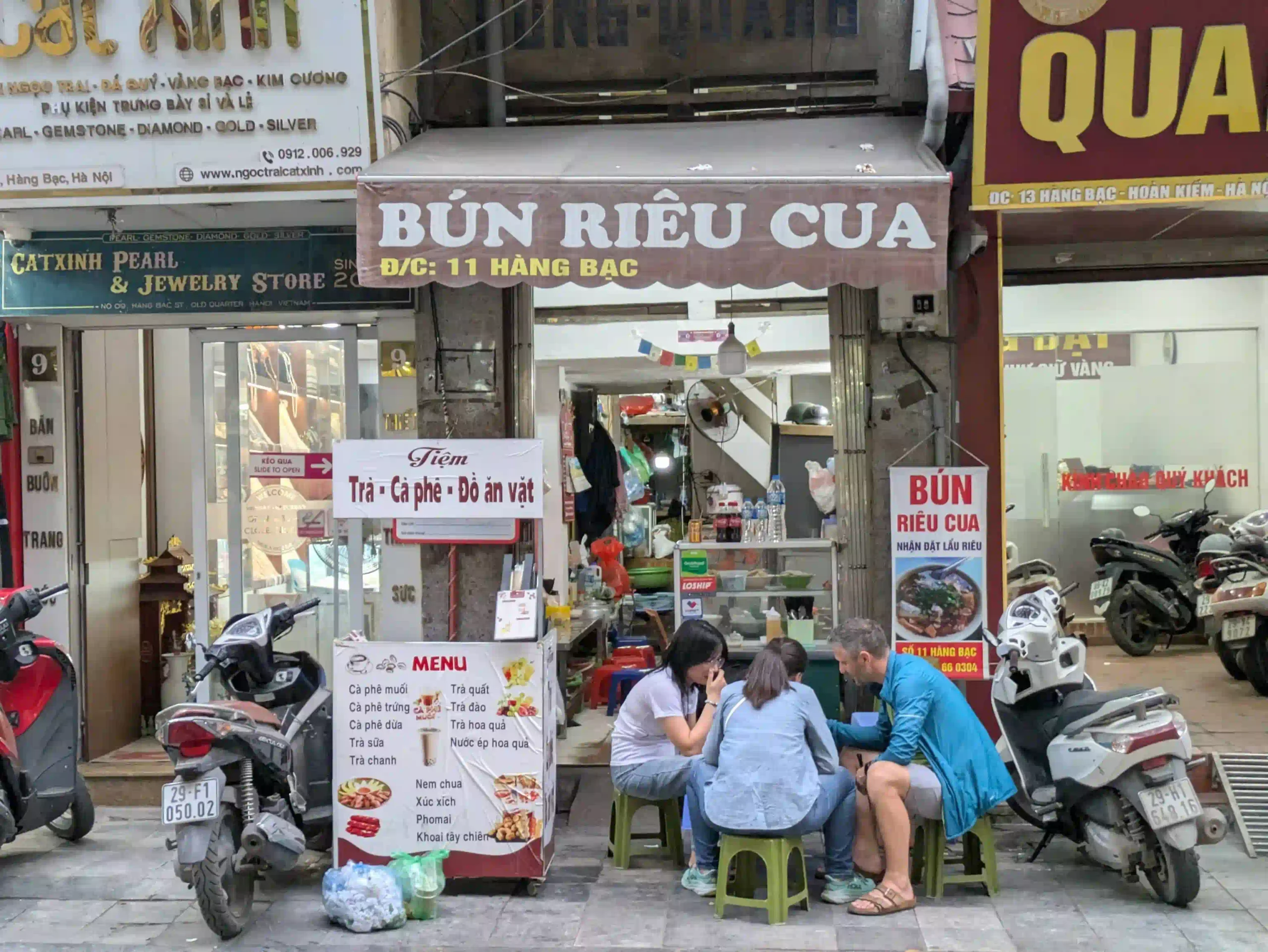
- Bún Riêu Hàng Bạc, 11 Hàng Bạc.
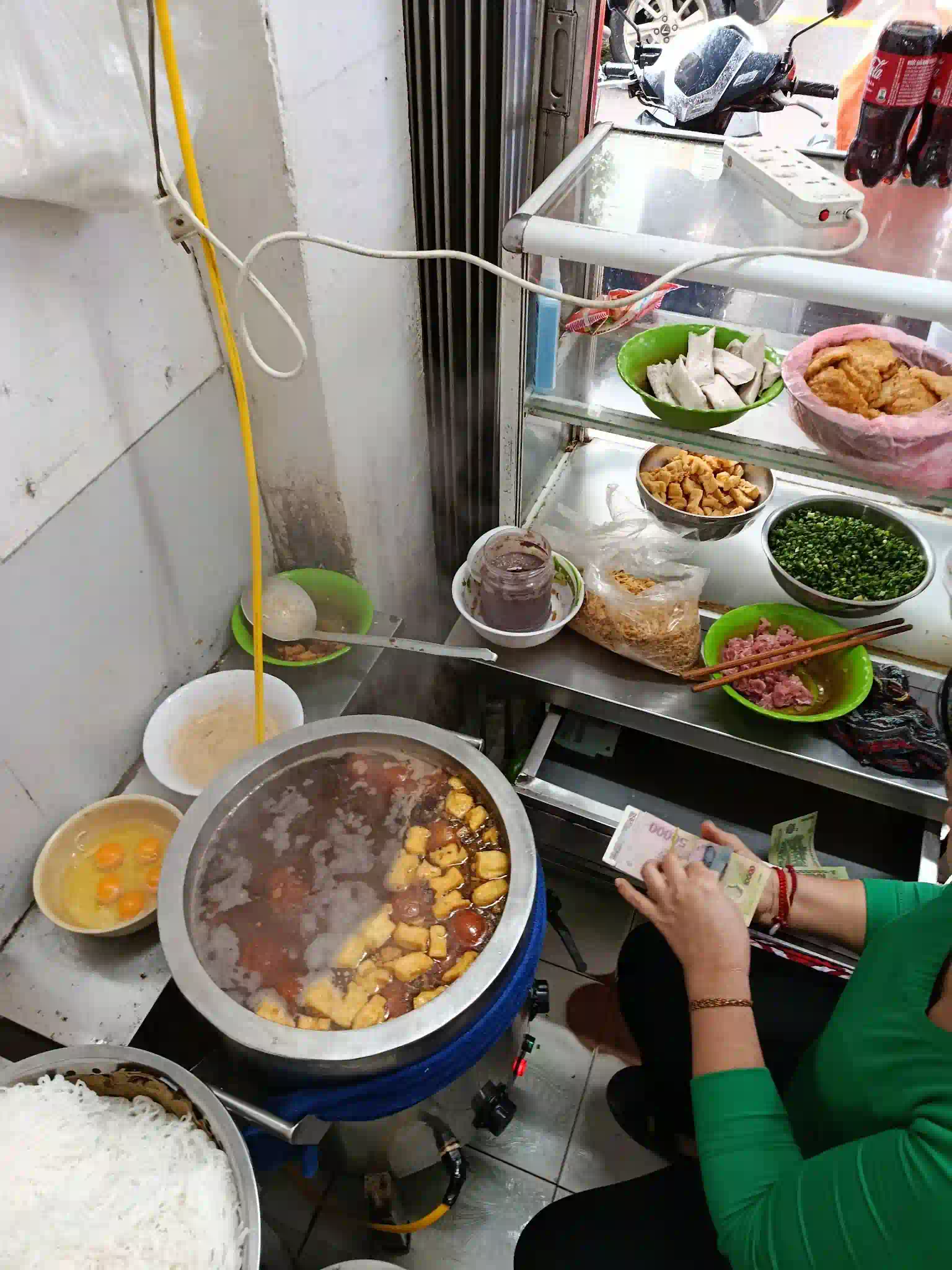
If I had to pick one bowl that tastes of Hanoi more than pho does, it would be bún riêu: a sour tomato broth with soft clumps of paddy crab, tofu, crisp pork crackling and a pile of herbs.
The one at 11 Hàng Bạc is a tiny place with a few tables inside and on the pavement, 35,000 to 50,000 VND a bowl, 50,000 for the special, and cash only.
It isn’t as consistent as it used to be, and some days the broth is too sour or thinner than it should be, but on a good day it’s the best bún riêu in Hanoi I know of in the Old Quarter, and on a cold day it’s exactly right.


5. Mì Vằn Thắn (Mi Van Than), Wonton Noodles
- Mì Vằn Thắn Minh Ngọ, 01 Hàng Chiếu.
Egg noodles, wontons, slices of char siu and a broth that tastes strongly of shrimp, at a small place by the old city gate that closes when it runs out, sometimes by one in the afternoon. The noodles are springy and the soup is very good.
This is also one of the two famous places where I’d ask the price before ordering, since there’s no price list on the wall and foreign customers have been charged different amounts, some of them well over the usual 60,000 VND or so.


6. Bún Chả (Bun Cha), Lunch Only
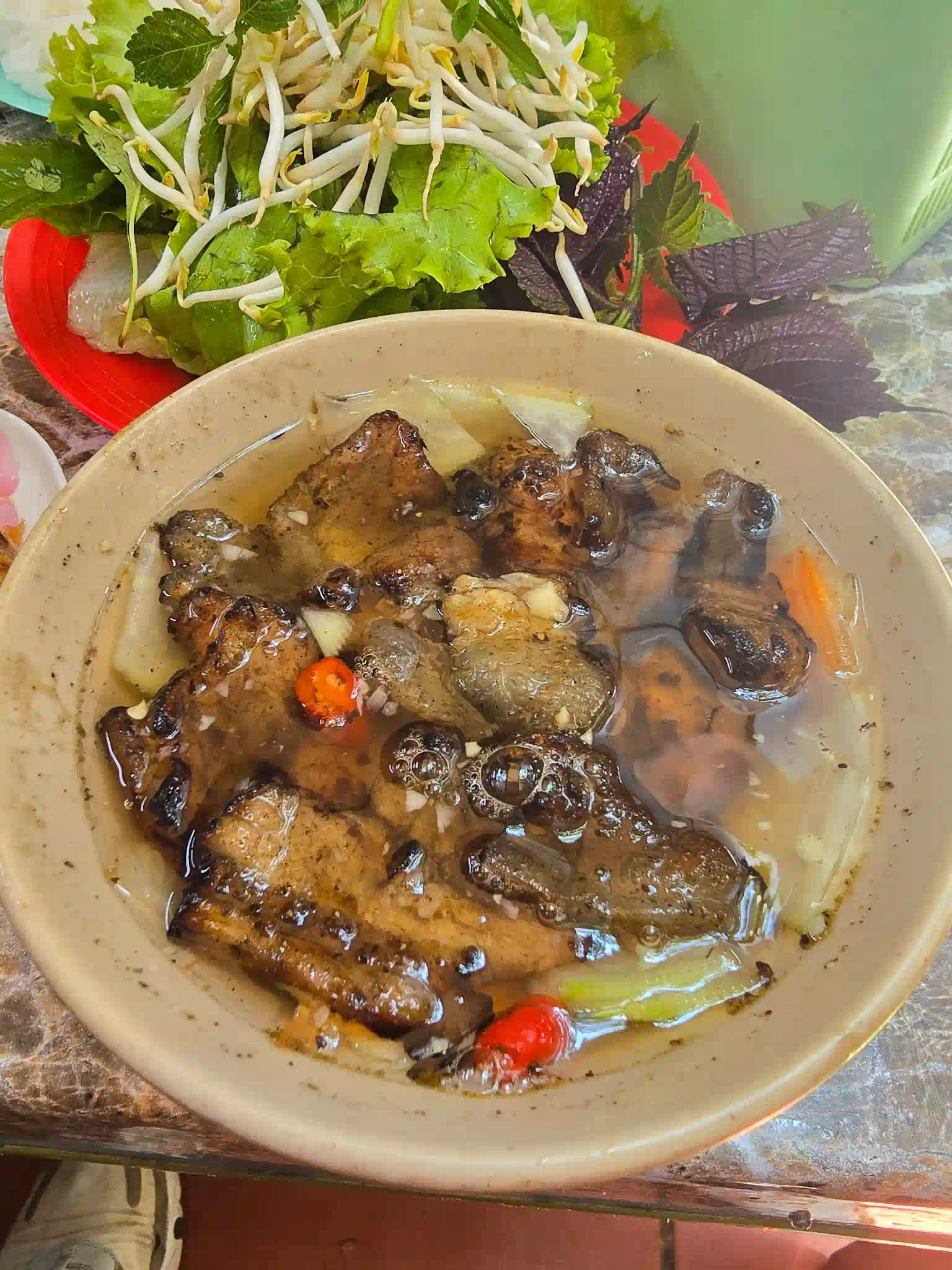
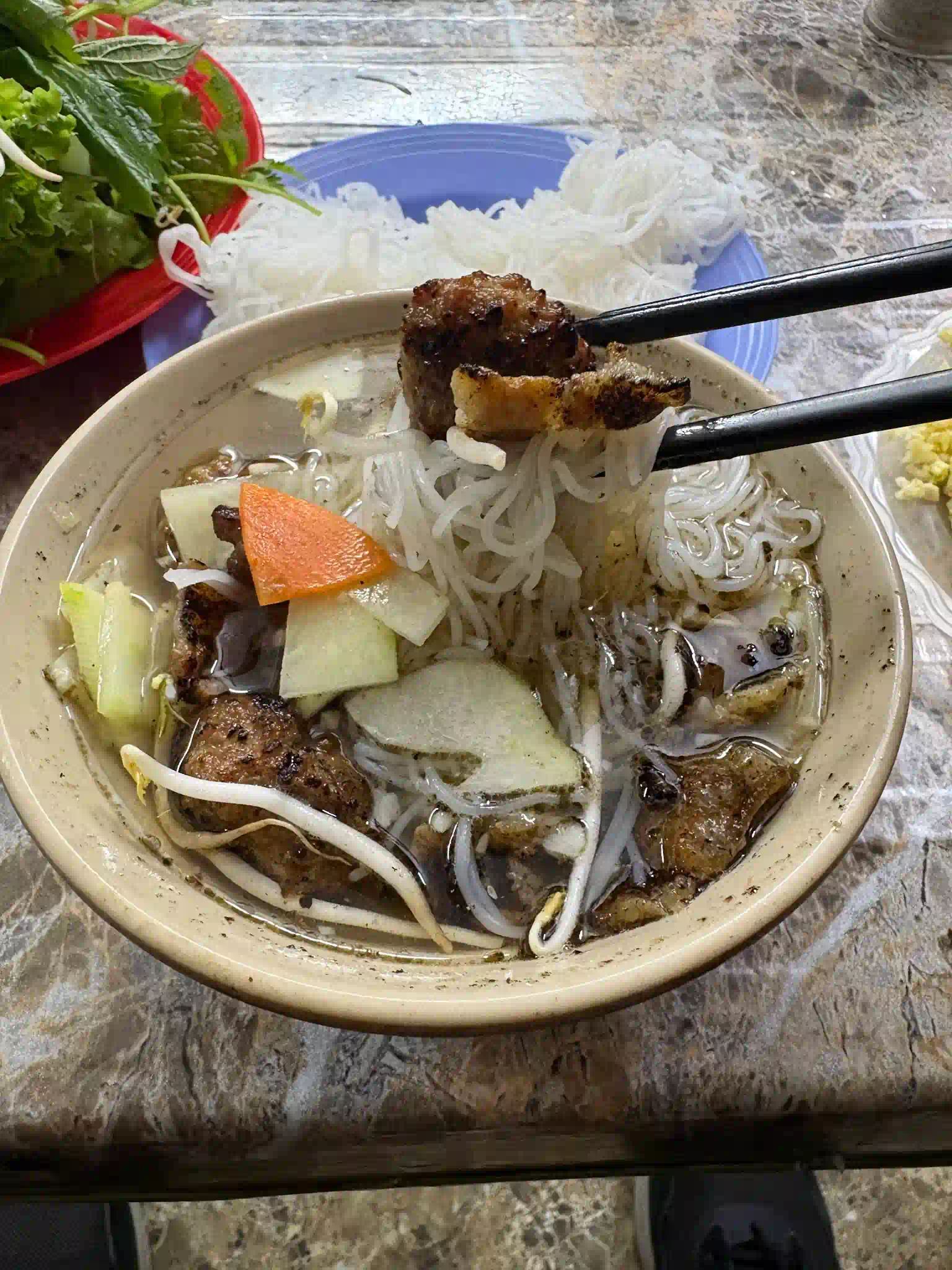
- Bún chả 74 Hàng Quạt, down the lane at 74 Hàng Quạt.
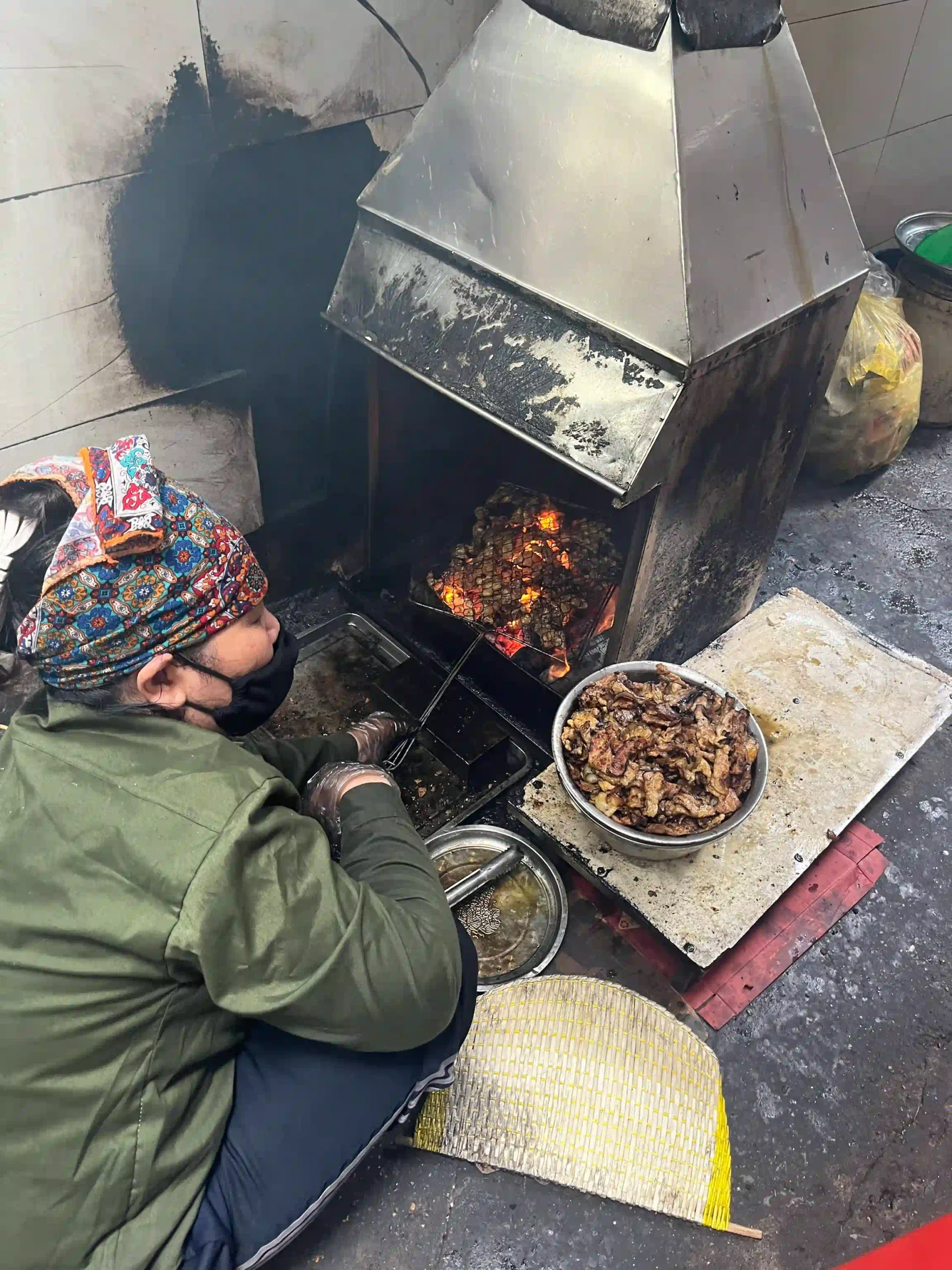
Grilled pork patties and slices of pork belly in a warm sweet-sour fish sauce, with cold rice noodles and herbs on the side, and a crisp spring roll or two. It’s a lunch dish. The charcoal goes on at about half past ten and most places are done by two.
Hàng Quạt is a small place in a lane, around 50,000 VND a portion and 10,000 for a spring roll, and you rarely wait, even at lunch. I’d check the bill against the price on the wall, since spring rolls have been charged double.
Bún Chả Hương Liên, at 24 Lê Văn Hưu, is the one where Obama and Anthony Bourdain ate, with their table kept under glass. It’s indoors and comfortable, and with the combo and a drink it comes to 100,000 to 200,000 VND a person, two to four times Hàng Quạt, for bún chả that a lot of Hanoians find too sweet.
I’d go once for the story and eat my bún chả elsewhere. There’s more on both in a separate bún chả guide on the way.


7. Bún Đậu Mắm Tôm (Bun Dau Mam Tom Hanoi)
- Bún Đậu Ngõ Trạm, 1B Ngõ Trạm.
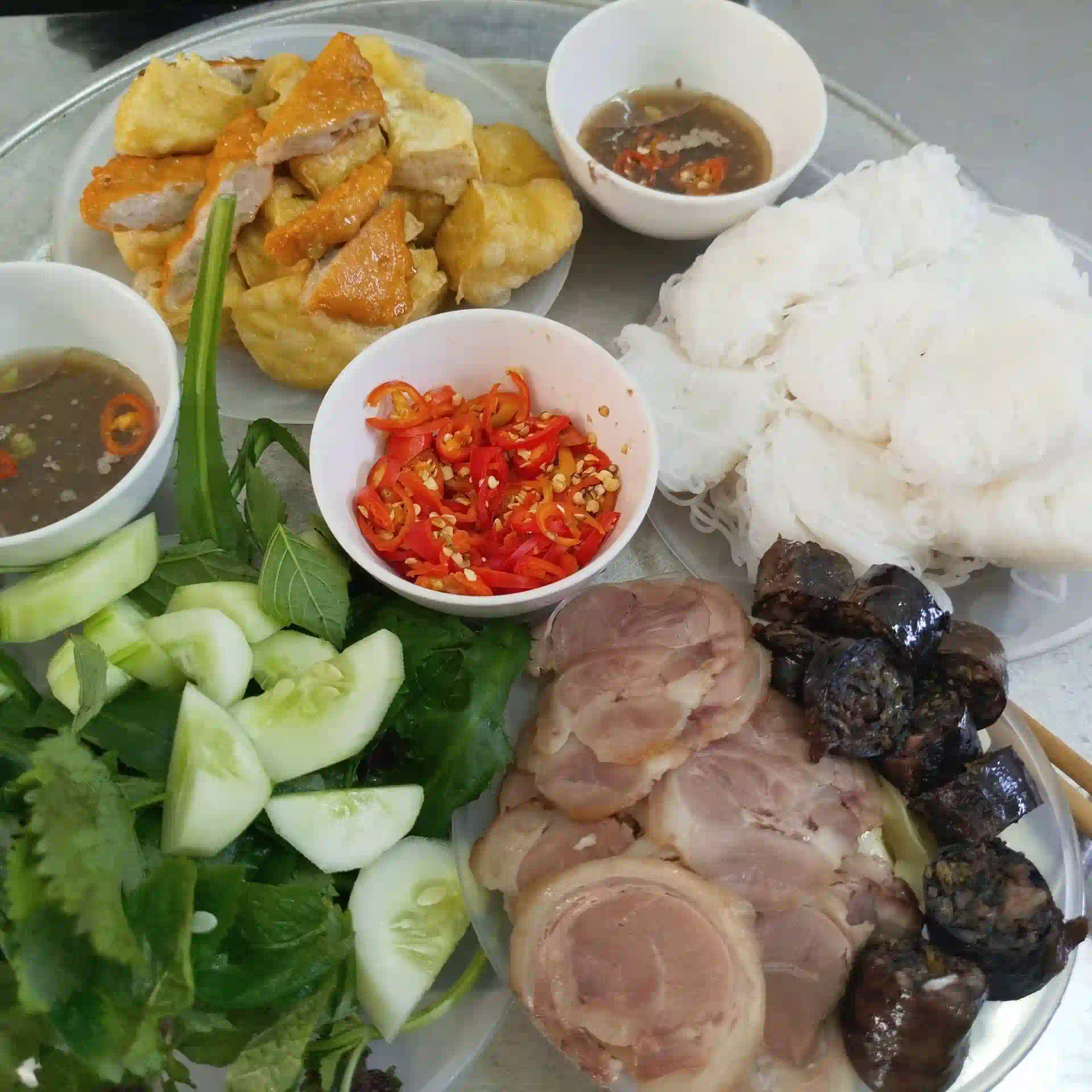
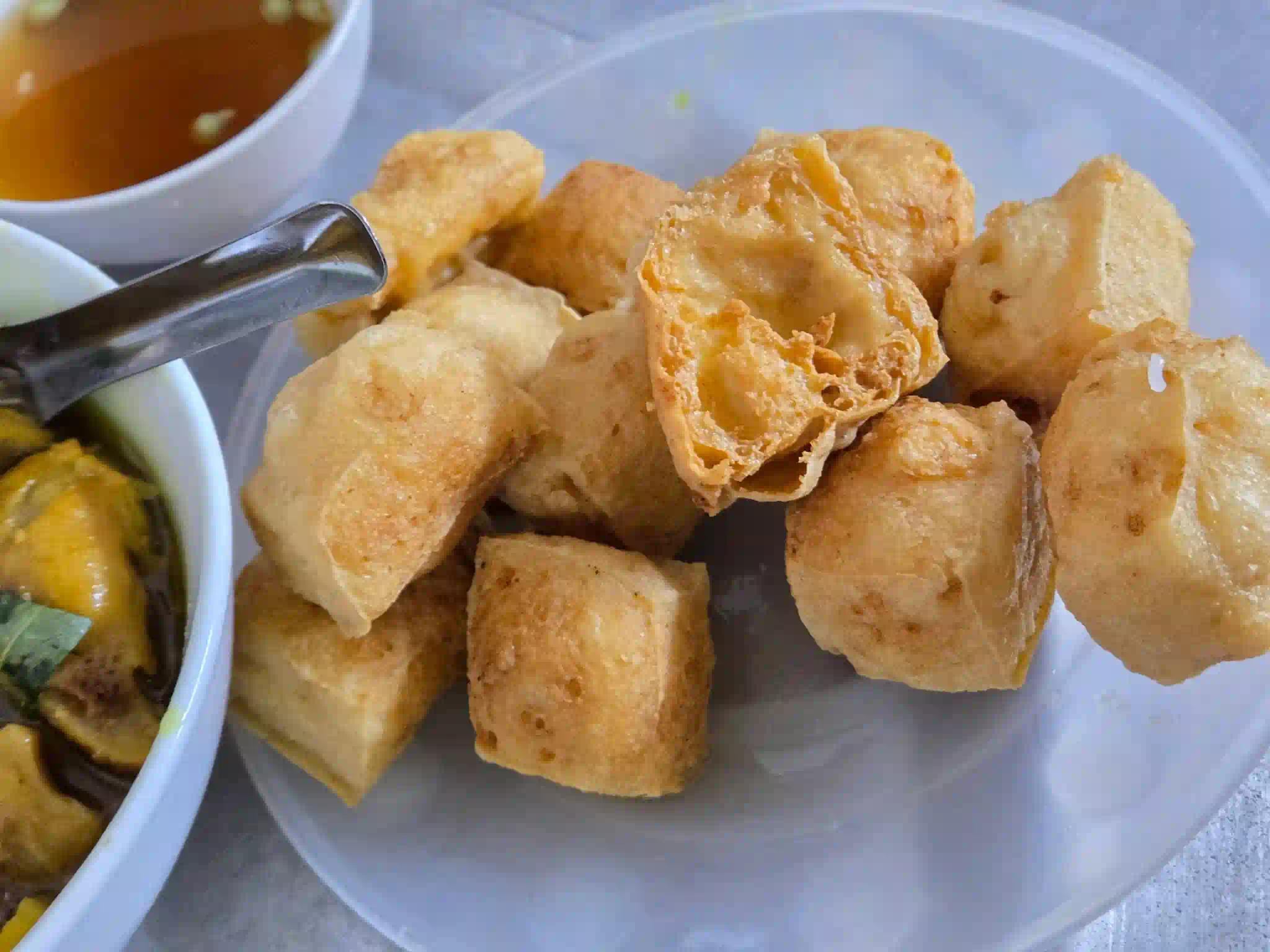
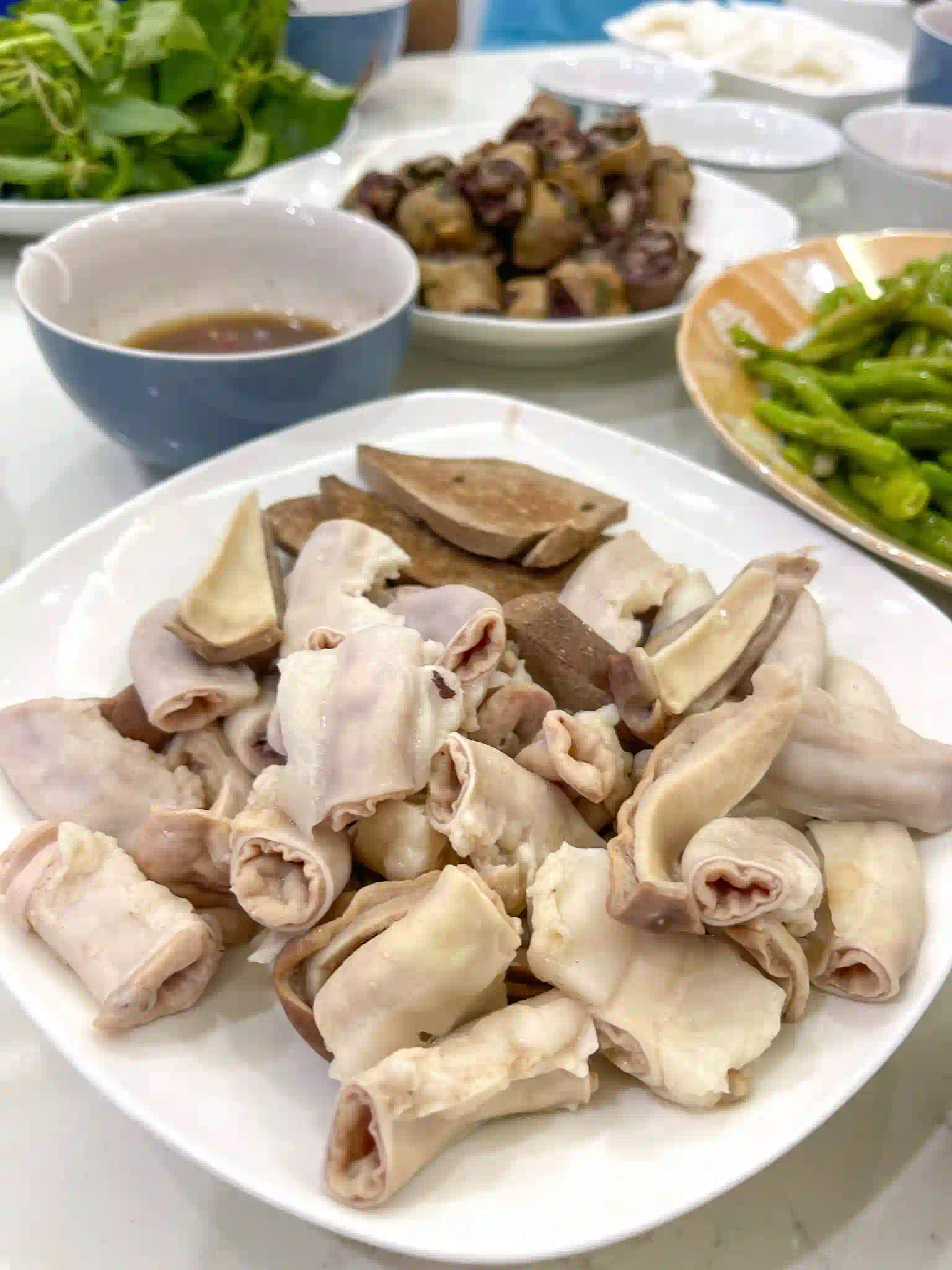
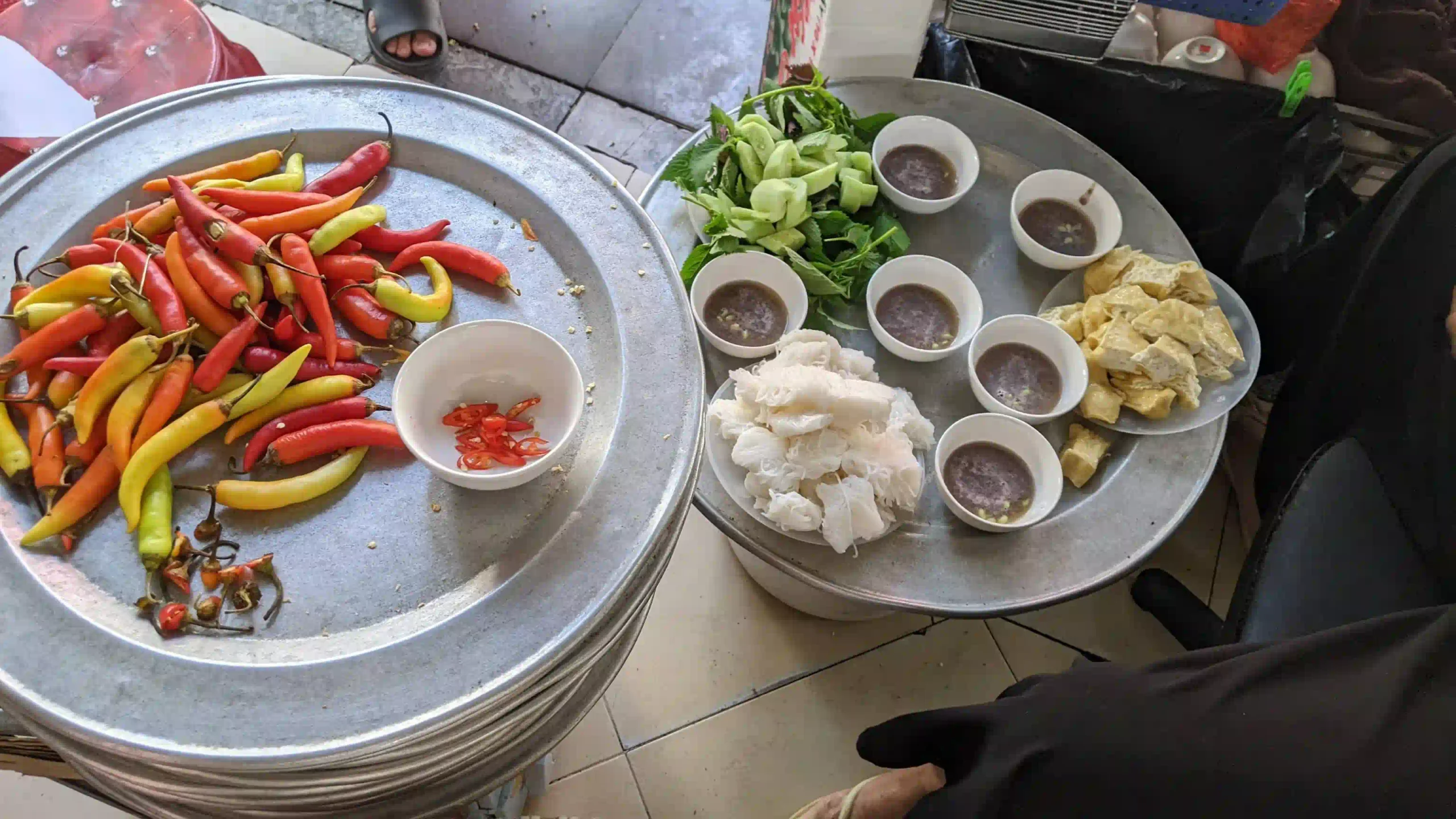
A tray of fried tofu, rice noodle cakes, boiled pork, green rice sausage and herbs, with mắm tôm, fermented shrimp paste whipped with lime and chilli until it foams. The smell is strong and the taste is milder than the smell. It’s the dish I’d leave until the second or third day, when you’re used to the food.
Ngõ Trạm makes a very good one, with crisp tofu and well-mixed mắm tôm, and it’s packed, hot and cramped at lunch. It’s also the other place I’d ask the price first. There have been different prices quoted for the same tray and pressure to order more than you asked for, and a tray for one shouldn’t cost much more than 60,000 VND.

8. Egg Coffee in the Afternoon
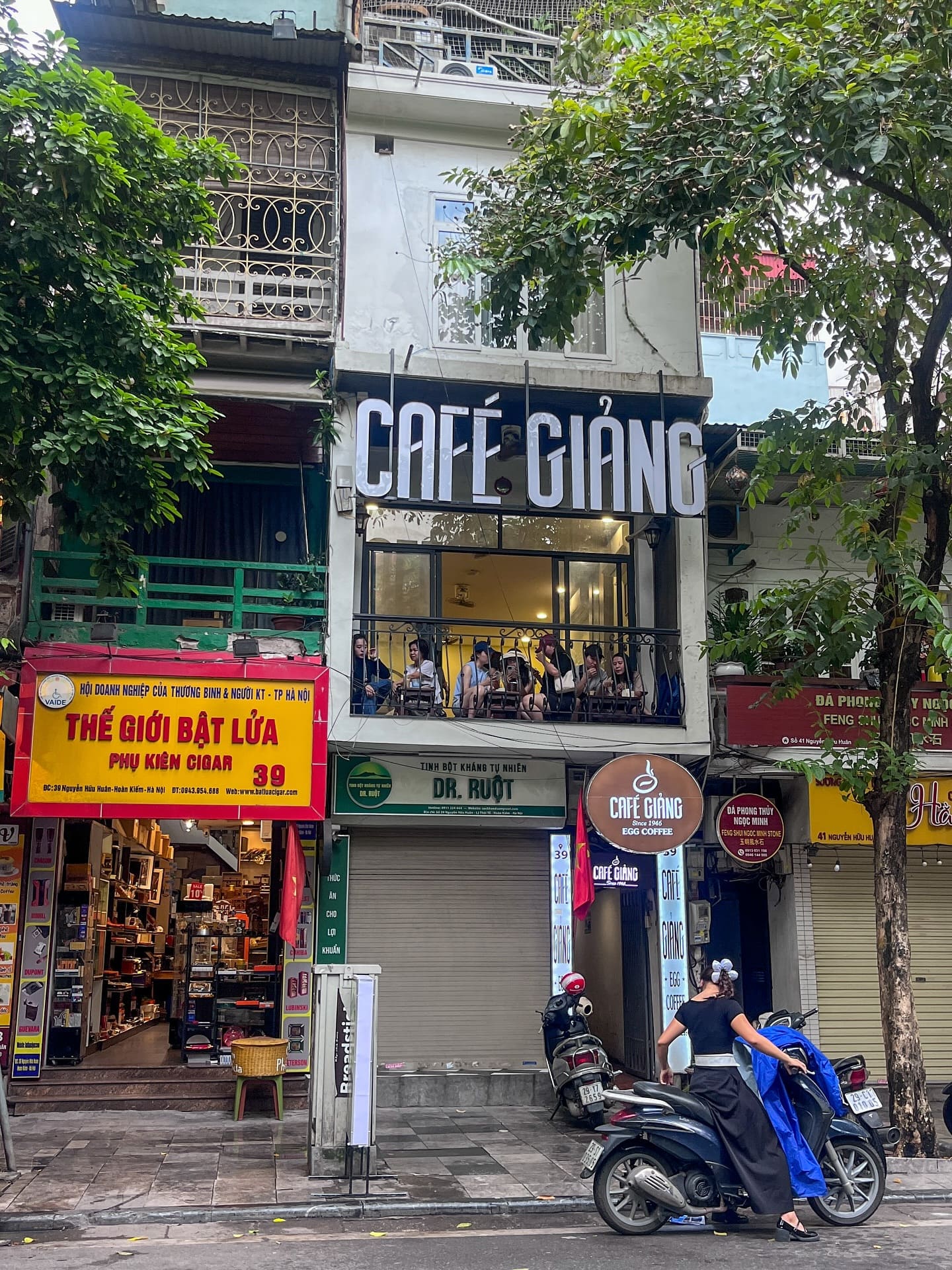
- Cafe Giảng, 39 Nguyễn Hữu Huân.
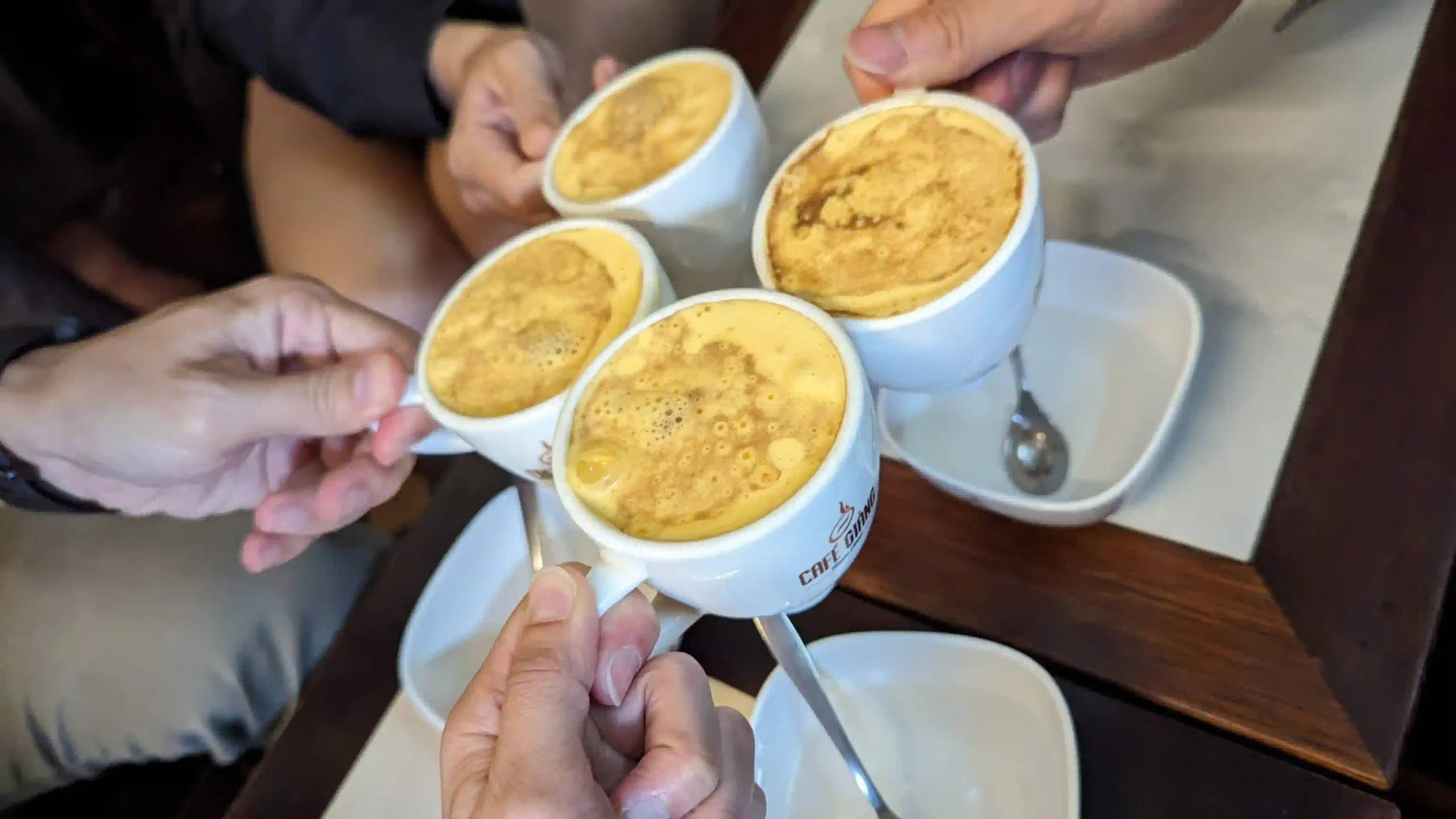
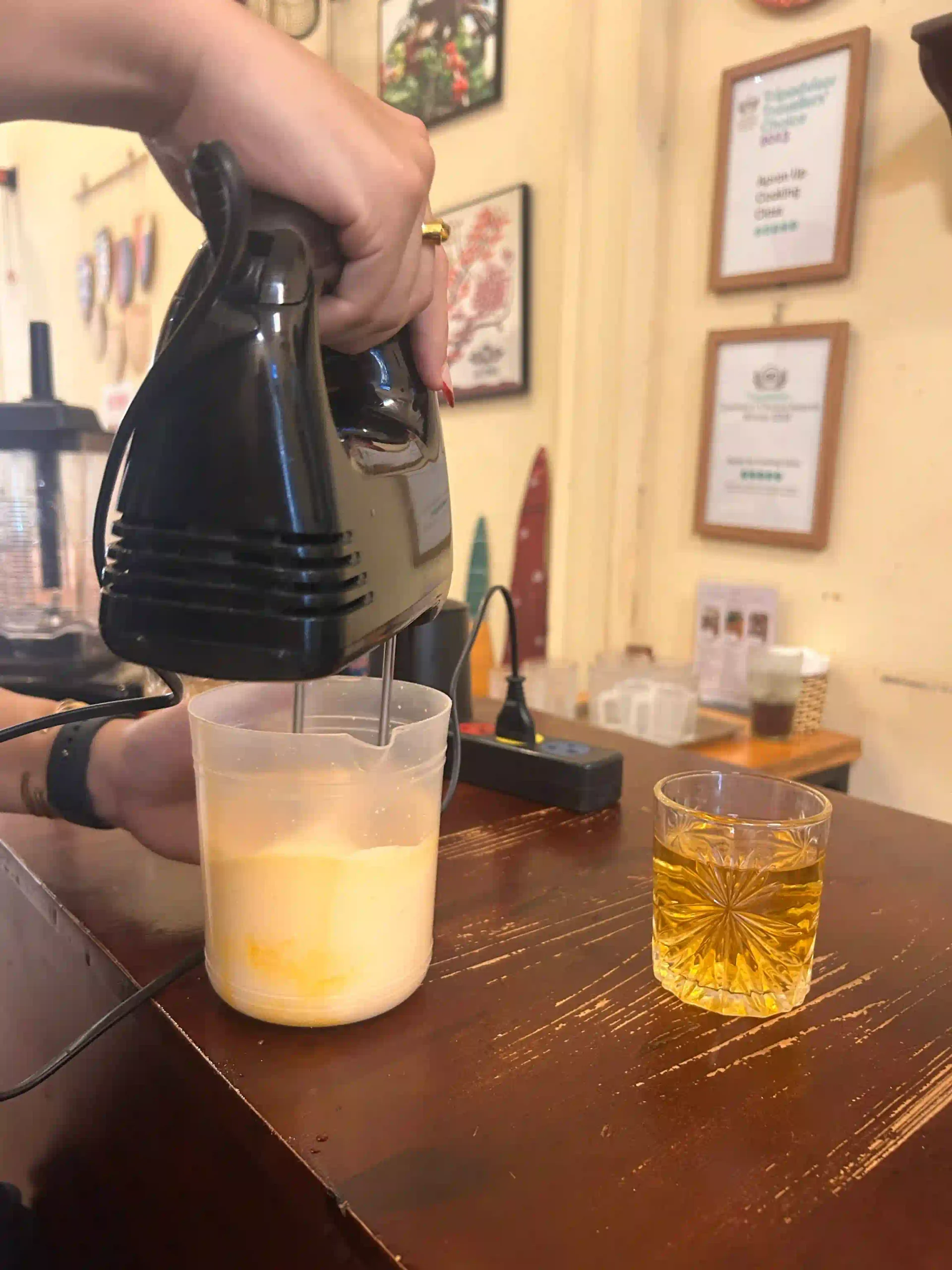
Egg yolk beaten with sugar and condensed milk until it’s like a warm custard, floated on strong coffee. Giảng is where it was invented, in 1946, and it’s crowded, cramped and noisy, with a wait of ten minutes at most. I’d have it hot, because the iced one goes thin as the ice melts.
Cafe Đinh, up a narrow staircase at 13 Đinh Tiên Hoàng, is quieter and looks over the lake, about 30,000 VND a cup. The others I’d go to are in Hanoi egg coffee shops.


9. Cháo Sườn (Chao Suon), Rice Porridge With Pork Ribs
- Cháo Sườn Ngõ Huyện, 3 Ngõ Huyện, near St Joseph’s Cathedral.
Smooth rice porridge cooked down with pork rib stock, topped with shredded rib meat, crunchy cartilage and strips of fried dough to dip. It’s what Hanoi eats on cool evenings and late at night, 25,000 to 30,000 VND a bowl, outdoors on low stools, and it’s the cheapest good meal on this list. The quẩy can go soft if you’re late, and the porridge thickens as the evening goes on. It’s not the stall called Cô Là nearby.


10. Bánh Mì Dân Tổ (Banh Mi Dan To), After Dark
- Bánh Mì Dân Tổ, the corner of Cao Thắng and Trần Nhật Duật.
A night-only stall that grills baguettes over charcoal and fills them with pâté, egg and a hot mix of meats, about 25,000 VND each. The opening hours depend on who you ask, but it’s an evening and small-hours place, and the queue late at night can be ten to thirty minutes. It’s greasy and very good after a few beers.
There are two spots using the name close together, and a copy stall nearby, so I go by the address on the map.


Hanoi Street Food by Time of Day
| When | What to eat |
|---|---|
| 6am to 9am | Xôi, bánh cuốn, pho |
| 9am to midday | Bún riêu, mì vằn thắn, before they sell out |
| 10:30am to 2pm | Bún chả, bún đậu mắm tôm |
| Afternoon | Egg coffee, chè, kem Tràng Tiền |
| Evening | Cháo sườn, chả cá, bún ốc |
| After 10pm | Bánh mì Dân Tổ, Tống Duy Tân |
The times are the most useful thing to know about Hanoi street food. Going at the wrong time is how most visitors miss a dish, because a bún chả place at five in the afternoon is just a closed shutter.
More Hanoi Food to Try
Ten is a small number for a city that eats this well, and these are the other dishes I’d fit in on a longer stay, the Hanoi food must try list beyond the street stalls.
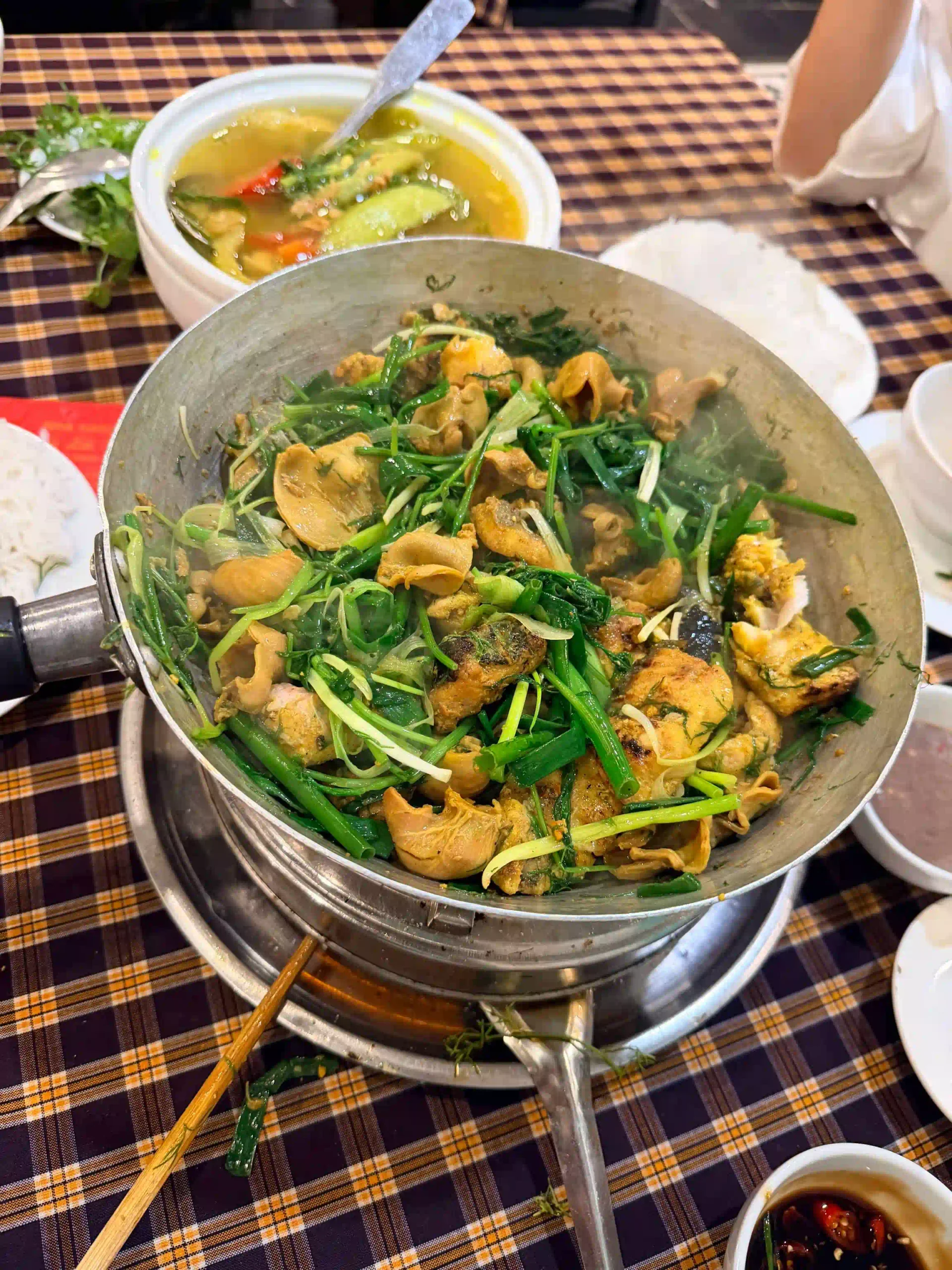
- Chả cá, cha ca Hanoi style, is turmeric fish fried at the table with dill and spring onions, perhaps the most famous food in Hanoi to be named after a street, and a sit-down meal more than street food.
- Bún thang is a delicate chicken noodle soup with shredded egg and pork, more of a home dish and easiest to find in the Old Quarter.
- Bún ốc is snail noodle soup, sour and full of herbs.
- Phở cuốn, fresh pho sheets rolled round beef and herbs, belongs to the lakeside streets of Ngũ Xã by Truc Bach.
- Bánh tôm Hồ Tây, shrimp and sweet potato fritters, is eaten by West Lake.
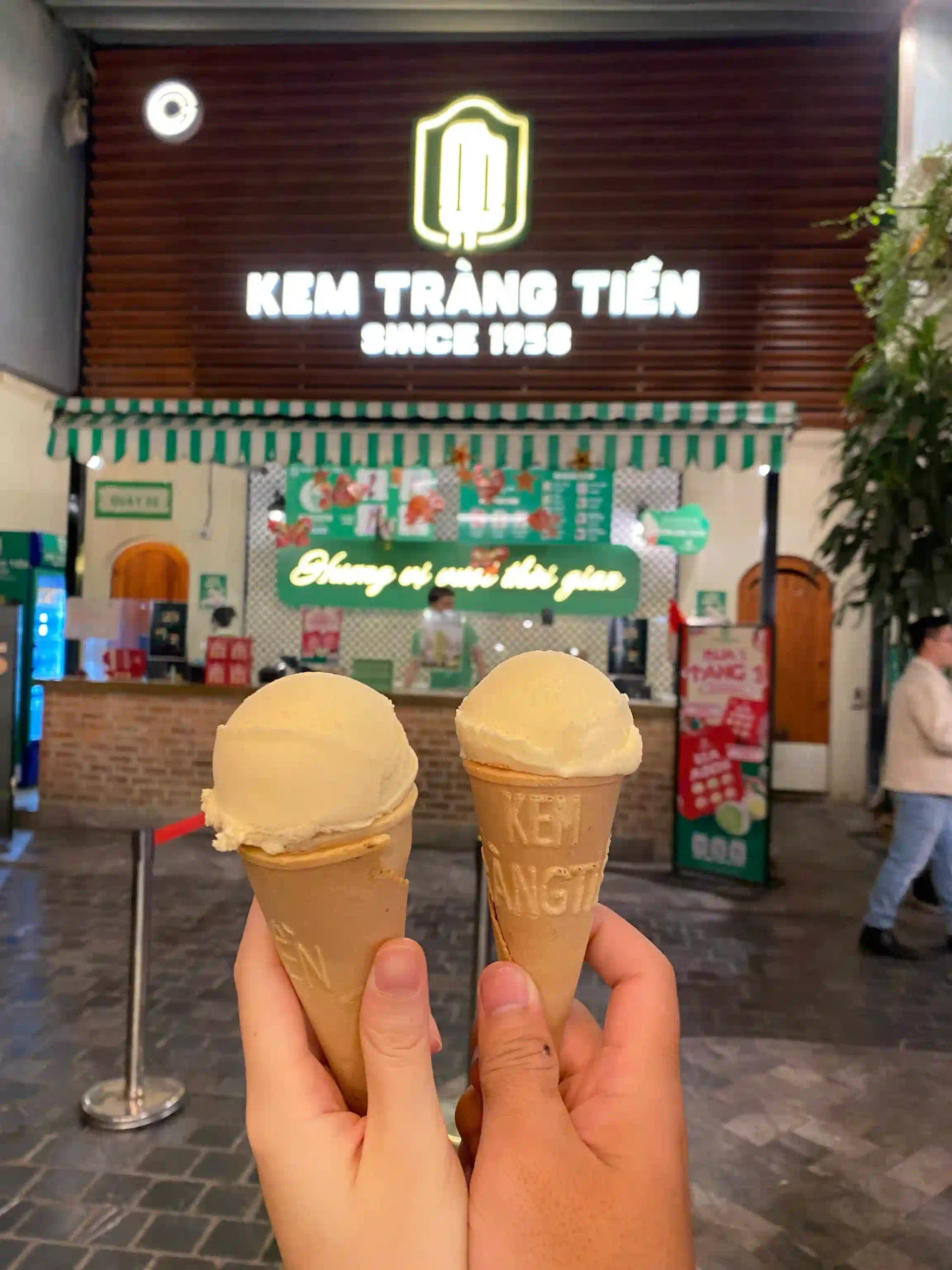
- And for something sweet, kem Tràng Tiền ice cream from the shop on Tràng Tiền street that Hanoians have queued at for decades
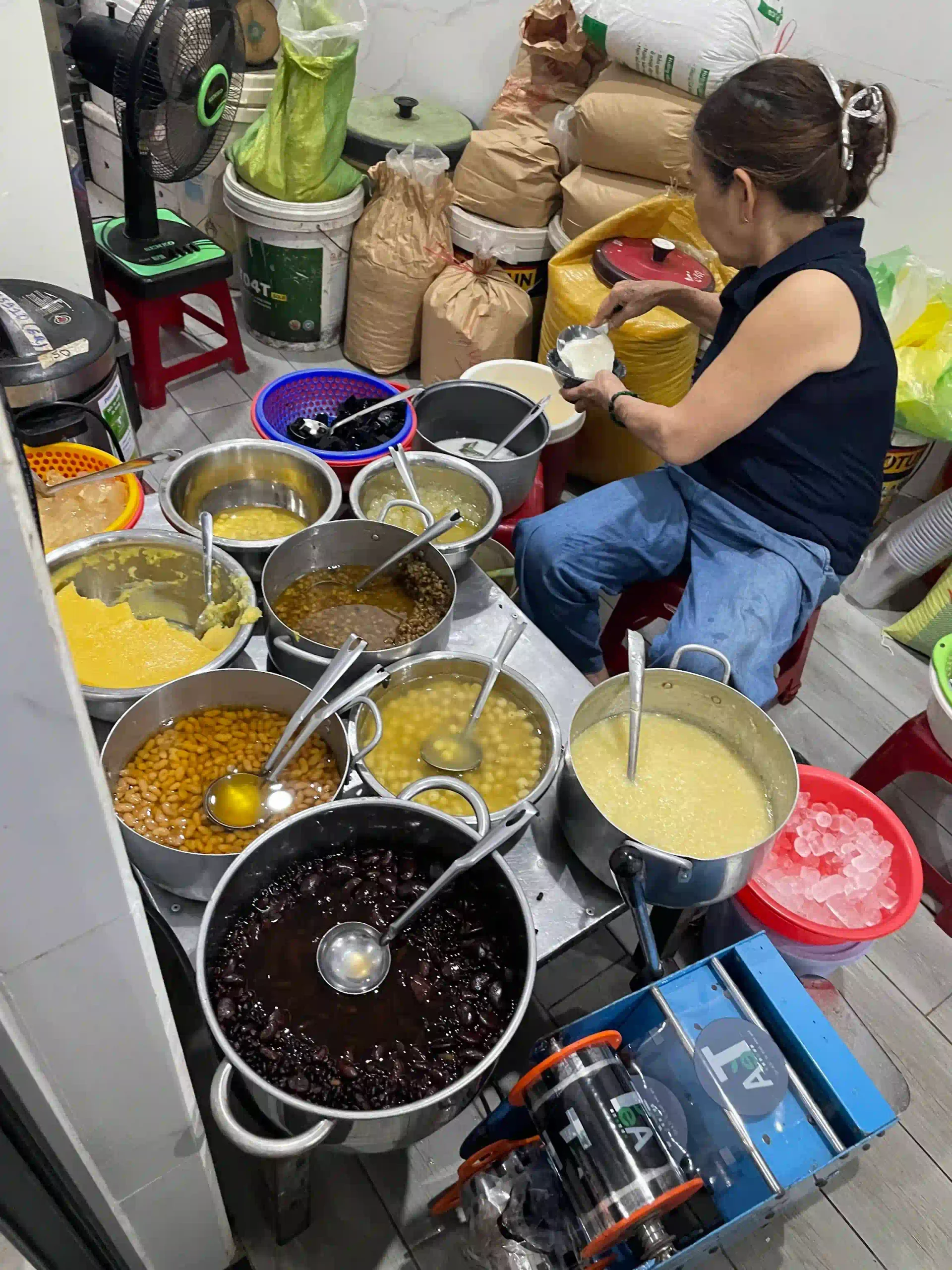
- And chè, the sweet soups of beans, jelly and coconut milk that come out in every season.


Two more names come up constantly. Xôi Yến on Nguyễn Hữu Huân is the big, busy, stays-open-late sticky rice place, and Bánh Mì 25 on Hàng Cá is the bánh mì most foreign visitors find first. Both are fine. Neither is where I’d go for the best version of the dish.
Old Quarter Street Food and Late Night Food
What to eat in Hanoi Old Quarter is most of the list above, since Old Quarter street food covers nearly every dish here, and nearly all of it is within a fifteen-minute walk of Hoan Kiem Lake.
Walking between them is half the pleasure, and the Hanoi walking route I give visitors passes several. On a tight budget, the Old Quarter on $35 a day shows how far street food prices go.
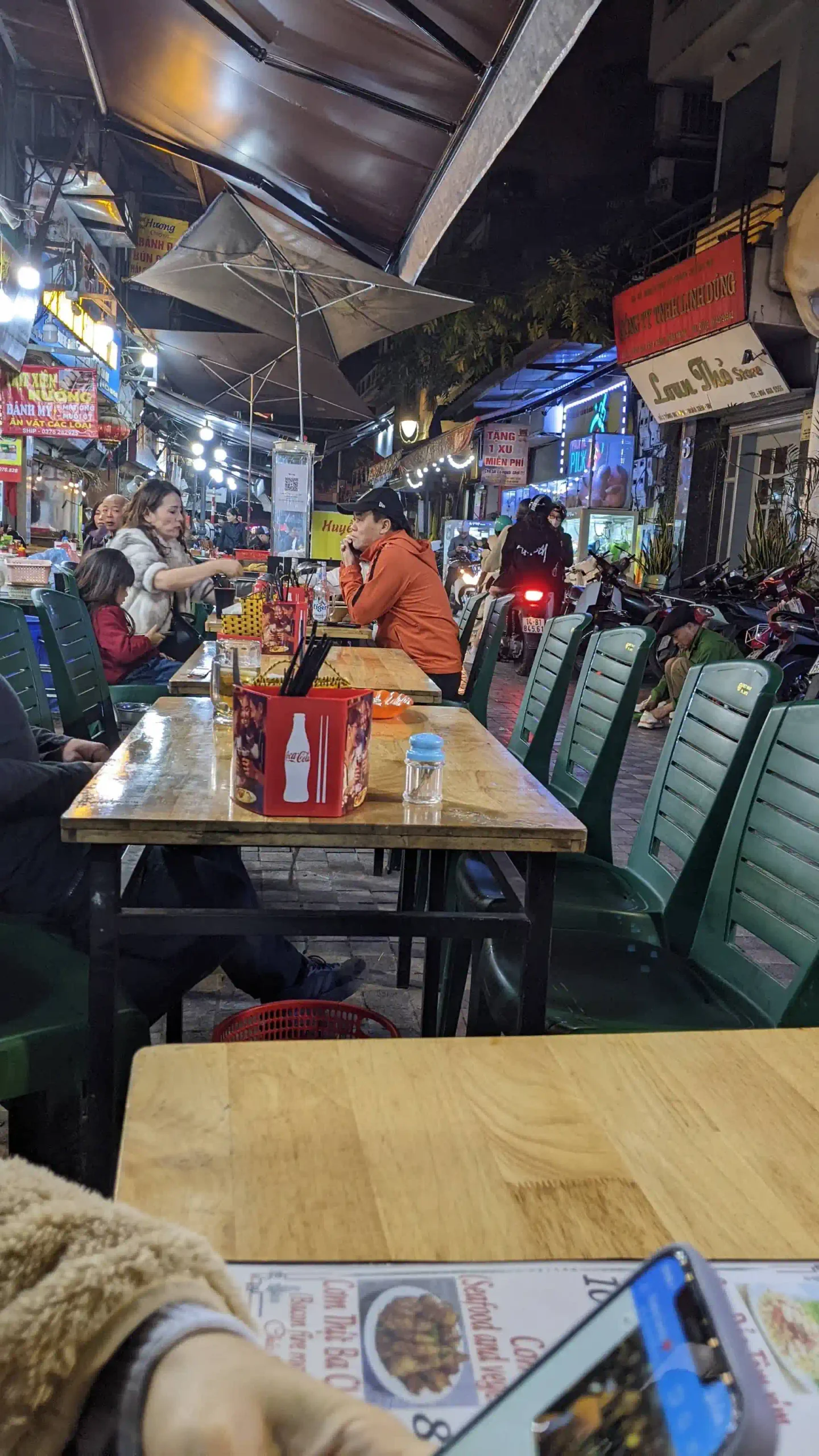
For late night food, Tống Duy Tân is the street people who live here use after ten, with noodle and rice places open late. The weekend night market from Hàng Đào to Đồng Xuân has food stalls too, grilled skewers, sausages and sweets, more of a snack than a meal, and on Friday to Sunday evenings the walking street round the lake is full of people eating on the move.



Is Hanoi Street Food Safe, and What It Costs
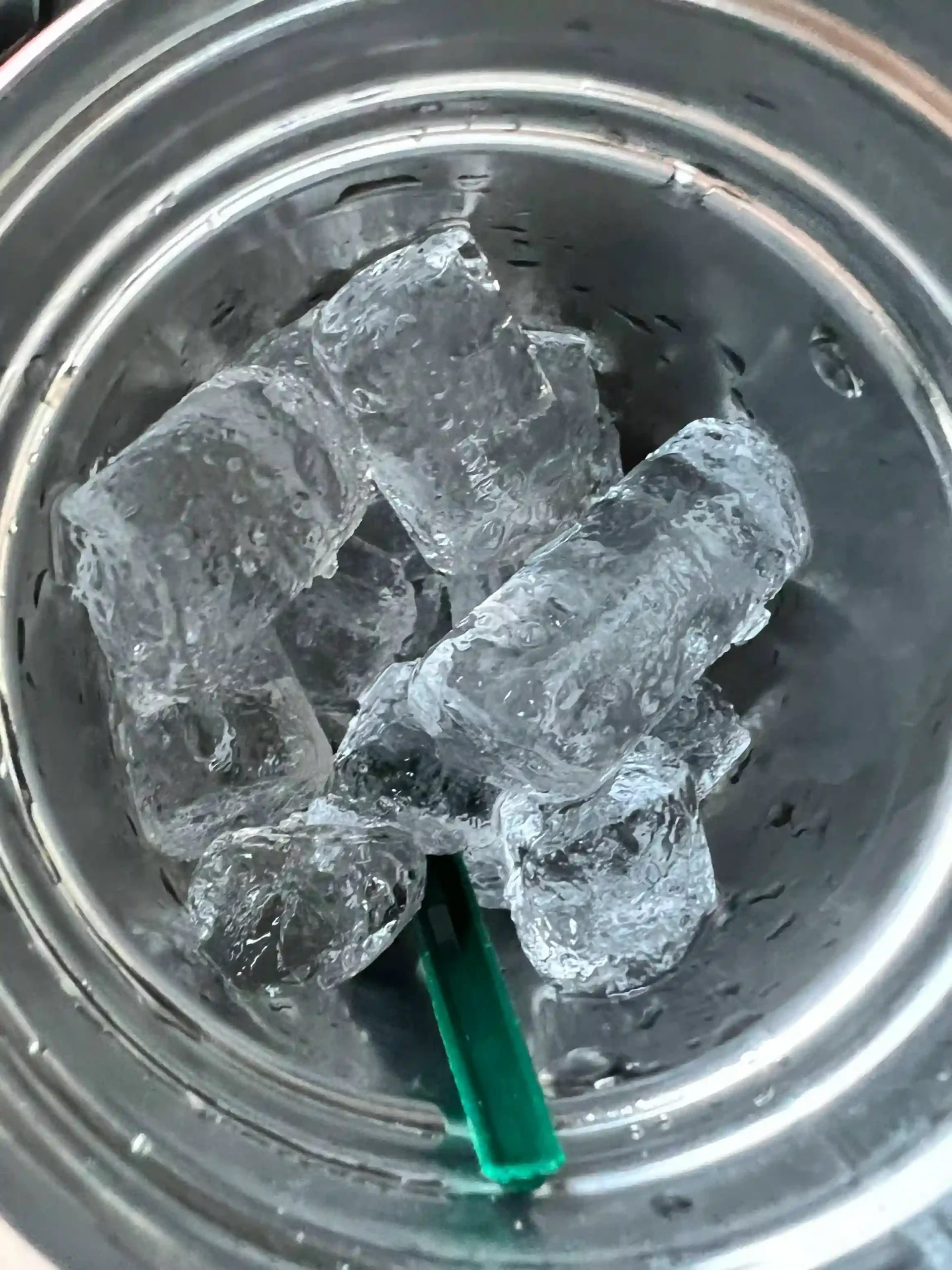
Hanoi street food is as safe as you make it, and the rules are simple. I eat at places that are busy with Hanoians at mealtimes, where the food doesn’t sit around. A place that’s empty at lunchtime is telling you something. Tap water isn’t for drinking, and ice from the factory, the kind with a hole in the middle that city places use, is generally fine, though some people avoid it in the first days. A bottle of hand sanitiser and a slow start help more than anything else.
Hanoi street food prices are low: most dishes on this list cost 30,000 to 60,000 VND, and a full day of eating on the street doesn’t need to come to more than a few hundred thousand. I carry small notes, because a 500,000 note at a noodle stall causes a small crisis. Packets of wet wipes on the table cost a few thousand dong if you open them. Nobody tips at a street stall. Where there’s no price on the wall, at a place that sees a lot of tourists, it’s normal to ask before ordering, and at Minh Ngọ and Ngõ Trạm I’d always do it.
A couple of local habits too. Chopsticks aren’t left standing upright in a bowl of rice, since that’s how rice is offered to the dead. Pho in Hanoi doesn’t come with hoisin and sriracha on the table the way it does in Saigon, and adding them is treated as a slightly odd thing to do. Lime, chilli and garlic vinegar are what go in.
If you’d like someone to take you round the first time, a food tour is a good first evening, and the ones I’d book are compared in the Hanoi street food tour guide. A cooking class is the way to learn how bún chả or nem are actually made, and there’s a whole guide to vegan restaurants in Hanoi for anyone who doesn’t eat meat.
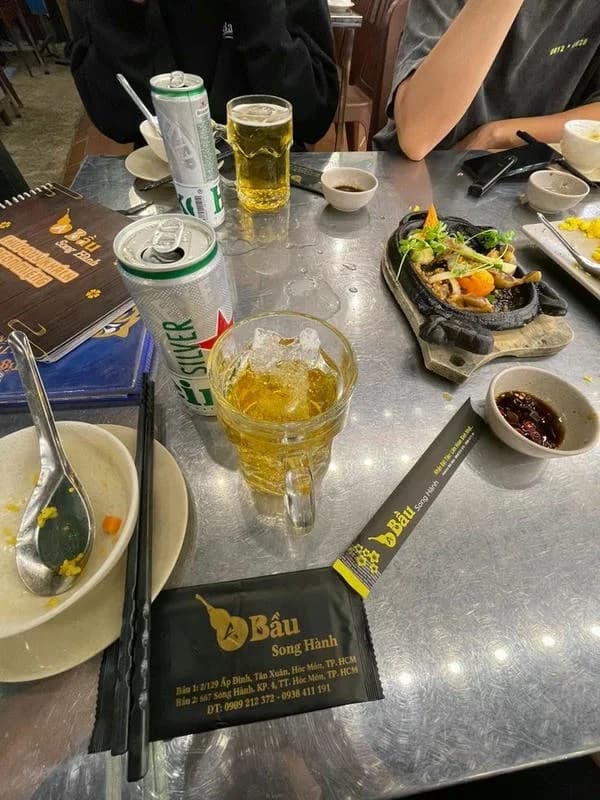
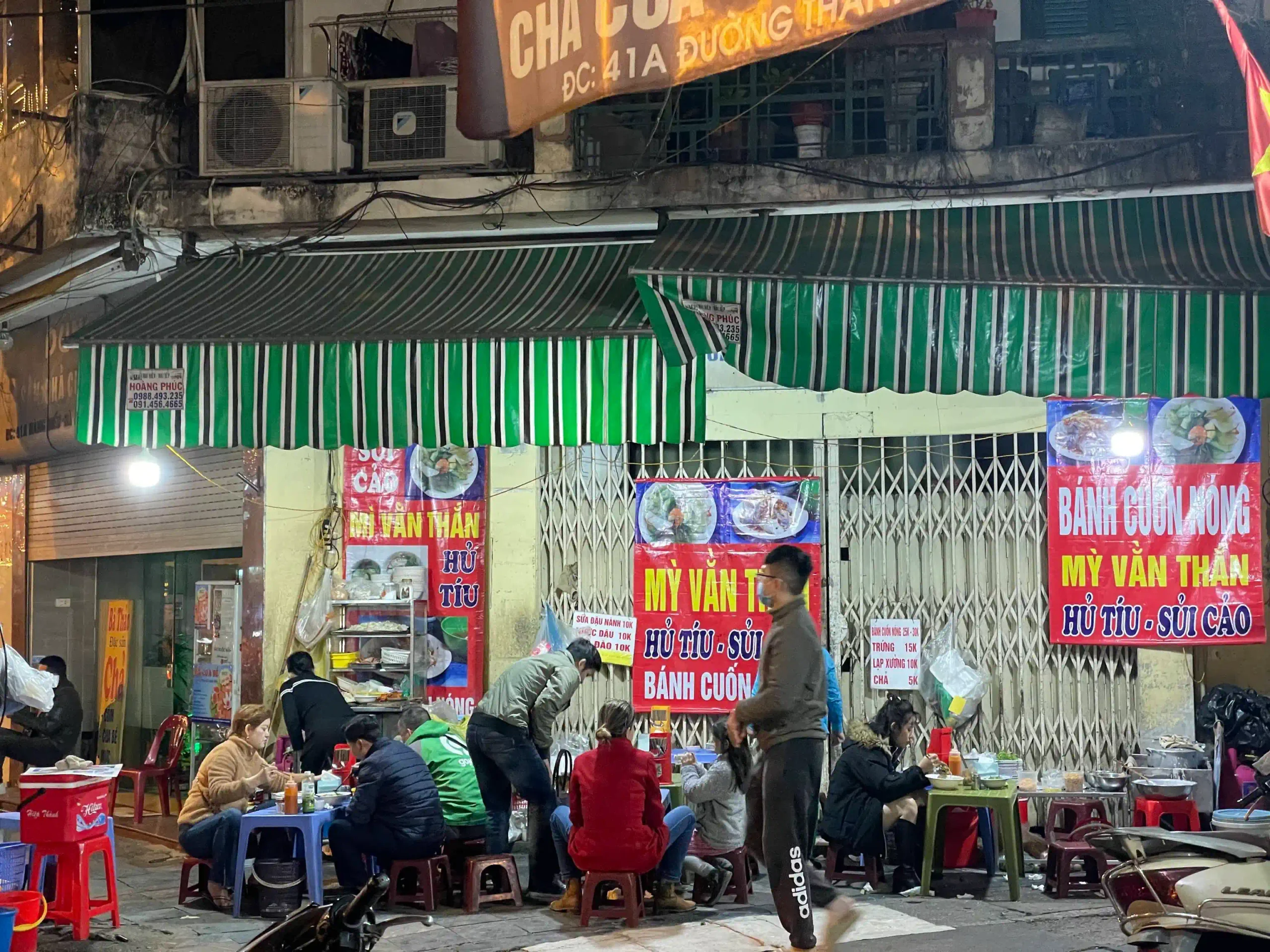
The best food in Hanoi I’ve eaten has mostly come from places with no name on the sign at all, and the way to find them is to notice where the crowds of office workers are sitting at noon, and to sit down with them.

Keep Exploring Hanoi
-
See & do UltimateHanoi Local Life: Best Things to Do & Explore in 2027 ›
-
FoodWhy a Hanoi cooking class beats taking a normal food tour ! ›
-
FoodIs the $25 Hanoi street food tour better than eating alone? ›
-
FoodWhat to do in Hanoi if you want to eat everything? ›
-
Food5 Best instagrammable Vegan Restaurants in Hanoi ›
-
Stays Must readWhere to Stay in Hanoi: Best Handpicked Areas (2027) ›
-
Route Must readHow Many Days in Hanoi is Enough? + Ideal Itinerary & Map ›











 Tiếng Việt
 한국어
 中文 (中国)
 日本語
 ไทย
 Deutsch
 Español
 Destinations
 Instagram
 Facebook
 X (Twitter)
 Threads
 Tiktok
Had and unreal Ban Cha here, loved it! Also had great service. Would definitely recommend to my friends!
Really nice food and those are the best on planet earth, who explained everything and came to check if everything was alright multiple times!
Great food, great service!! Wooooooooooow it was goooooooooooooooooooooooooooooood. I loveeeeeeeee Hanoi <3 <3
Good food! They have multiple locations in the city so check which one you want to sit with