









 Ha Giang
 Hanoi
Hanoi Ho Chi Minh City
 Ha Long
 Sapa
Sapa Mekong Delta
 Da Nang
 Hue
Hue Hoi An
 Ninh Binh
 Da Lat
 Nha Trang
 Phan Thiet
 Phu Quoc
 Quang Binh
 Quy Nhon
 Vung Tau
 Thai Nguyen




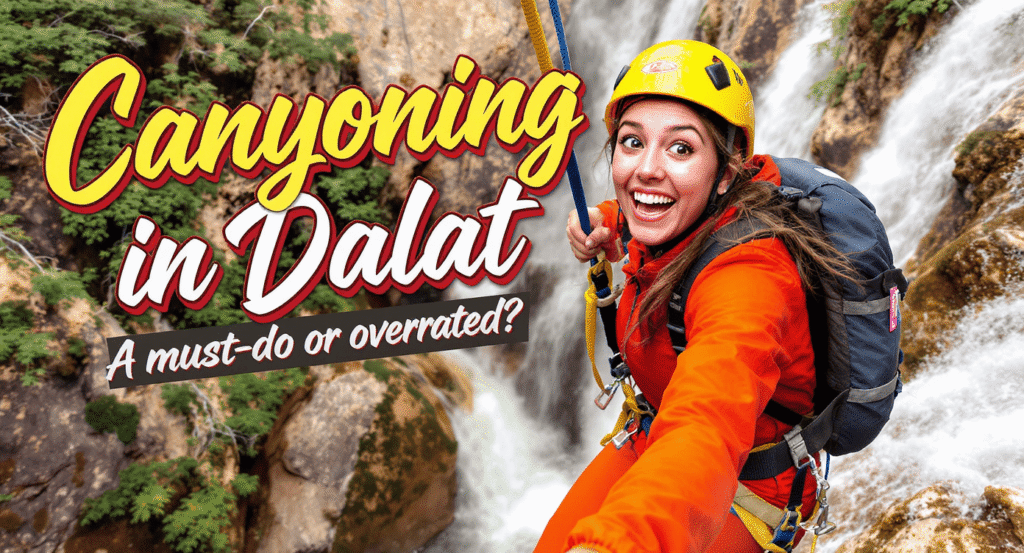

Look, you’re probably scrolling through stuff about canyoning in Dalat. Maybe a friend told you about it, maybe you saw a photo of someone hanging off a waterfall. I did it. This is exactly what happened. No frills. No trying to convince you it changed my life. Just the facts. Is it worth your money? Is Dalat canyoning actually any good for a first-timer? Let’s just break it down.
- Planning your Vietnam trip and eyeing Dalat canyoning? This detailed guide shares a first-timer’s honest experience. Learn about reputable tour operators, vital safety tips, what equipment is used, and how to conquer the ‘Washing Machine’ waterfall. Discover if this adrenaline-pumping adventure is truly worth adding to your itinerary. Practical insights and more.
- What it is: You use ropes to go down waterfalls (rappelling), slide down natural rock formations into water, jump off cliffs into pools, ride a zipline, and trek through the jungle. It’s a full-day thing, usually 6-7 hours from pickup to drop-off.
- Where it happens: Almost always at Datanla Waterfall, which is about a 20-minute drive from Dalat city center. It’s a dedicated spot for this activity, so don’t expect quiet nature.
- How much it costs: Expect to pay between $70 – $85 USD per person. This price typically includes all the essentials: round-trip transportation from your hotel, professional guides (English-speaking), all the safety equipment (harness, helmet, ropes, specialized shoes sometimes), a picnic lunch, drinking water, first aid, national park permits, and usually photos and videos from your guides. No hidden fees generally.
- Do you need to be fit?: Yes, a moderate level of fitness is needed. You’ll be walking uphill for periods (including a significant trek out at the end), navigating uneven terrain (slippery rocks, roots), and using your body strength for rappelling. You don’t need to be an athlete, but if walking up a few flights of stairs makes you tired, this might be tough. You also need to be okay with heights and getting completely wet.
- Is it safe?: If you pick a reputable company, yes. They use good equipment. The guides are trained. They give a thorough safety briefing. They don’t let you do anything risky without proper instruction. Always check reviews specifically for safety mentions and guide professionalism.
- Verdict: Must-Do or Overrated?: For someone looking for an active, challenging outdoor experience that’s different from normal sightseeing, it’s a definite must-do. It’s not overrated. It delivers on the adventure.
- What you need to bring: A swimsuit to wear under your clothes, quick-drying clothing (shorts, t-shirt), sturdy water shoes or sandals with good grip (or confirm if the tour provides them, which many do). Also, sunscreen, insect repellent, and a small towel and change of clothes for afterwards.
- What NOT to bring: Valuables like expensive phones, large wallets, or jewelry that can get lost or damaged. Guides usually take photos/videos, so you don’t need your phone during the activities.
- Best time to go: The dry season (November to April) usually means more stable weather, less rain. But canyoning runs year-round. Water levels can be higher in the wet season (May to October), which can make some parts more challenging or faster.
My First Time Doing Dalat Canyoning

Okay. So, Dalat. It’s known for being cooler than the rest of Vietnam. Pine trees. Flowers. Lakes. French colonial villas. That’s what most people think of. After a couple days of walking around Xuan Huong Lake and drinking coffee, I started looking for something else. Something more active. That’s when canyoning in Dalat popped up online. Friends had been, some said it was ‘insane,’ others just ‘yeah, it was fine.’ I needed to see for myself.
I’m not an adventure sports enthusiast. I don’t rock climb on weekends. But I keep reasonably active. This was a new thing. Zero prior experience with rappelling, or anything like it. My main goal was just to figure out if this was a legitimate adventure or just another tourist activity hyped up for social media. I wanted to know if a complete beginner could actually do it and not hate it.
Booking the Tour

Finding a tour was easy enough. I just did a quick search for “GetYourGuide Canyoning Dalat.” Several options popped up. Most of them seemed to cover the same itinerary, heading to Datanla Waterfall. The prices were all pretty close, hovering around $70 to $85 USD per person.
I focused on tours with consistent high ratings—like 4.8 or 4.9 out of 5 stars from hundreds of reviews. That generally means the operations are solid. I saw names like “Dalat: Extreme Canyoning Adventure” or “Full-Day Dalat Canyoning Tour.” The descriptions were mostly identical, promising rappelling, slides, jumps, and a zipline.
The one I ended up picking specifically mentioned small group sizes (max 10-12 people), which sounded better than a huge crowd. It also clearly stated what was included: transport, guides, all safety equipment, waterproof bags for cameras, lunch, and free photos/videos.
This transparency helped. Some tours also mentioned offering specialised canyoning shoes, which was a plus for a first-timer worried about proper footwear. My tour included them.
Pickup time was confirmed for 8:15 AM from my hostel in the city center. This is pretty standard for Dalat adventure tours. Being on time is key. They don’t wait long. The idea is to get to the site early to avoid the biggest crowds, though Datanla gets busy anyway.
The Journey to Datanla
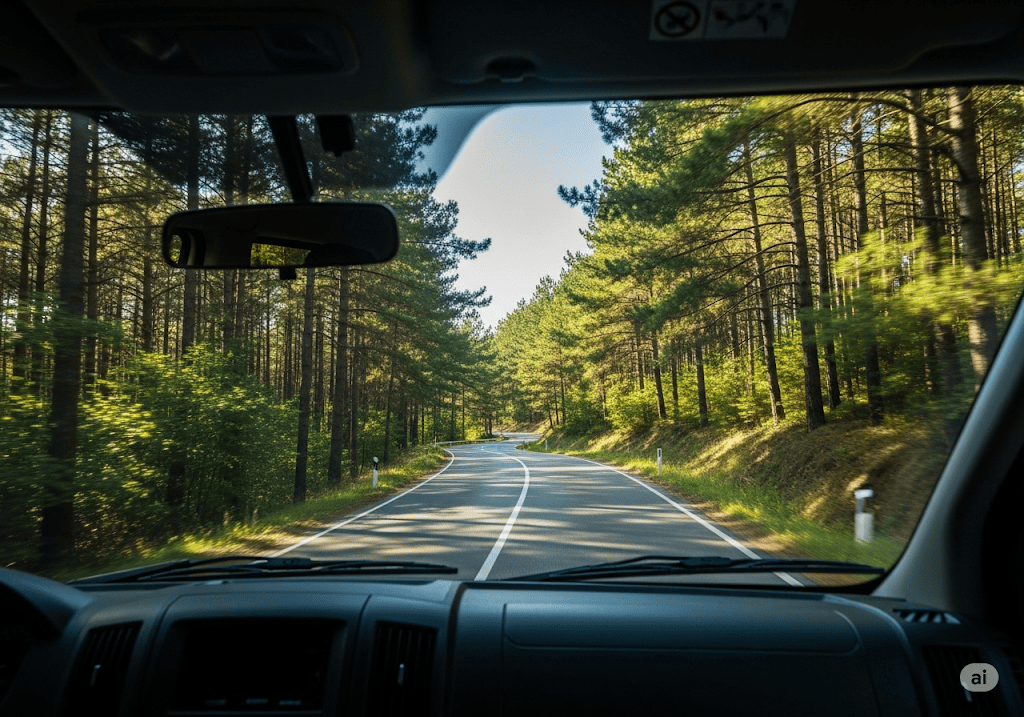
The van arrived on time. It was a standard 10-seater van, nothing luxurious. Just functional. Inside, there were already a few other people, mostly young travellers from Europe and Australia. We didn’t talk much at first. Everyone was still waking up or mentally preparing.
The drive from Dalat city center to Datanla Waterfall took about 20-25 minutes. The road was decent, winding through some pine forest and past small farms. The air was cool and fresh, typical Dalat weather. I wasn’t feeling particularly nervous yet, more just observant.
Thinking about what the day would actually involve. I had read about the “Washing Machine” part, that was the one that stuck in my head.
Arriving and Gearing Up
When we got to the Datanla Waterfall area, it wasn’t just a quiet nature spot. It’s a busy park, with a main entrance, a ticketing booth, and people walking around. The canyoning tours have a specific meeting point, usually a small area near the entrance. Our guides led us to a shaded spot where there were stacks of equipment.
This is where it gets real. They laid out the gear for each person: a Petzl harness, a figure-8 descender (that’s the metal piece you thread the rope through to control your speed), two locking carabiners, a helmet (plastic shell with inner padding), and canyoning shoes (rubber soles, good grip, quick-draining fabric). They also gave us thin wetsuits.
These weren’t full suits, more like thin neoprene tops and shorts. They help with warmth in the cold water and protect against scrapes from rocks. They told us to change into our swimsuits first, then put the wetsuit over.
The guides were all local Vietnamese, probably in their 20s or early 30s. They looked like they’d done this a thousand times. Their English was functional and clear, focused on instructions. They had an assistant guide who mostly helped with gear and carrying bags.
The safety briefing itself took about 30-40 minutes. We sat on some rocks or plastic stools. They held up each piece of equipment and explained its purpose. They showed us how to correctly put on the harness – making sure the leg loops were snug, the waist belt was high and tight. They demonstrated how to clip the carabiners to the harness, emphasizing that crucial “two clicks” sound when locking them.
Then came the rappelling technique. They demonstrated the “figure-8” descender. How to thread the rope through it, how to feed it with your brake hand (the hand that controls your speed, always kept behind you). They taught us the “lean back” posture – keeping your feet flat against the rock, legs straight, and leaning back fully into the harness.
It feels counter-intuitive at first. They made us practice the stance on flat ground. They also taught us how to “lock off” the rope if you needed to stop mid-descent, for example, to clear a knot or just rest.
Communication was a big part of it. They showed us the hand signals: a clenched fist for “stop,” an open palm for “go.” They stressed that the guide at the top controls the main rope (the safety line), but you control your own descent with the brake hand. If they shouted “STOP,” you stop immediately. No questions asked. They talked about slippery rocks, where to place your feet, and common mistakes.
They also advised tying back long hair to avoid it getting tangled in the ropes or equipment. It was a lot of information, but it was delivered clearly, without rushing. They waited until everyone nodded or showed understanding before moving on. This thoroughness was reassuring for a first-timer. It made you trust the process.
Into the Canyon
After the briefing, we started trekking into the forest. It wasn’t a casual stroll. We had our helmets and harnesses on, and the guides carried the heavy ropes and equipment bags. The path was uneven, some uphill sections, some downhill, roots, and rocks. It was hot under the sun in spots, even though Dalat is cool. The jungle was dense. This trek alone felt like a workout.

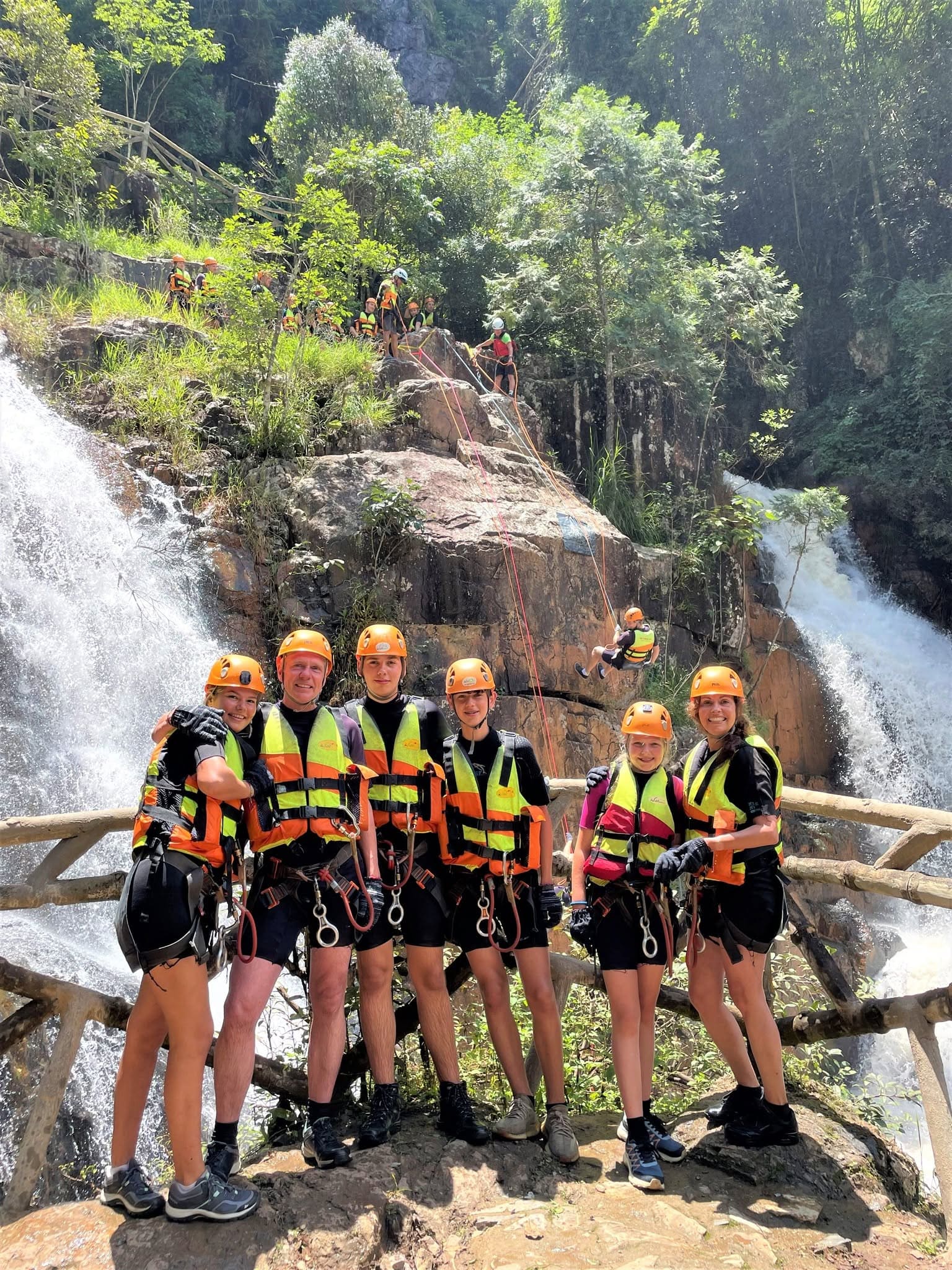

1. The Warm-Up: Dry Cliff Rappel (18 meters)
Our first actual rappel was an 18-meter (about 59 feet) dry cliff. This is usually the easiest one. It’s for getting comfortable. Standing at the top, looking down, it looks higher than it sounds. Your turn comes. The guide clips you in. You put your feet on the edge. You lean back. Your stomach drops a bit. But you do what they told you: feet flat, lean back, control the rope.
The first few meters are the hardest. You’re trying to trust the rope. The guide at the top has a safety rope on you, so if you mess up, they can stop you. Slowly, you get the rhythm. One foot down, push off, feed the rope. It’s a controlled descent.
The feeling of being suspended, controlling your own speed, is unique. Landing at the bottom, there’s a small rush. You feel like you’ve actually done something. It breaks the ice. Everyone cheers.
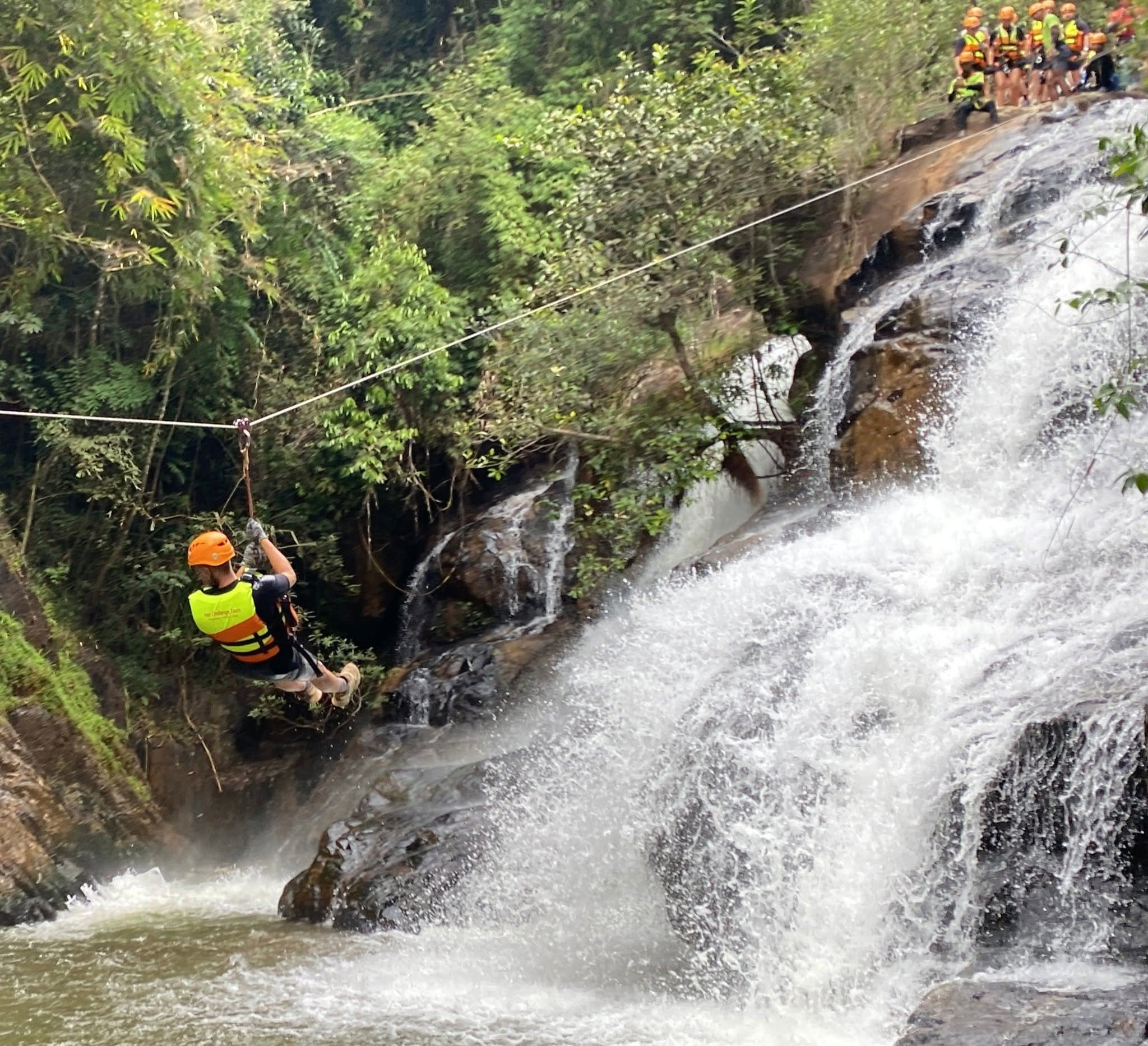
2. Flying Through Air: The Zipline (70-100 meters)
After the first rappel, we walked to the zipline. This was a welcome break from the focused concentration of rappelling. The zipline was pretty long, around 70 to 100 meters (230-330 feet), stretching over a part of the canyon.
You just sit in your harness, they clip you onto the cable, and you push off. It’s fast. Wind in your face. Trees rushing past below. It’s just pure, easy fun. No skill needed, just hold on. It’s a good way to see a different angle of the canyon and let loose a bit.
3. Water Fun: Natural Water Slides (7 meters and other variations)
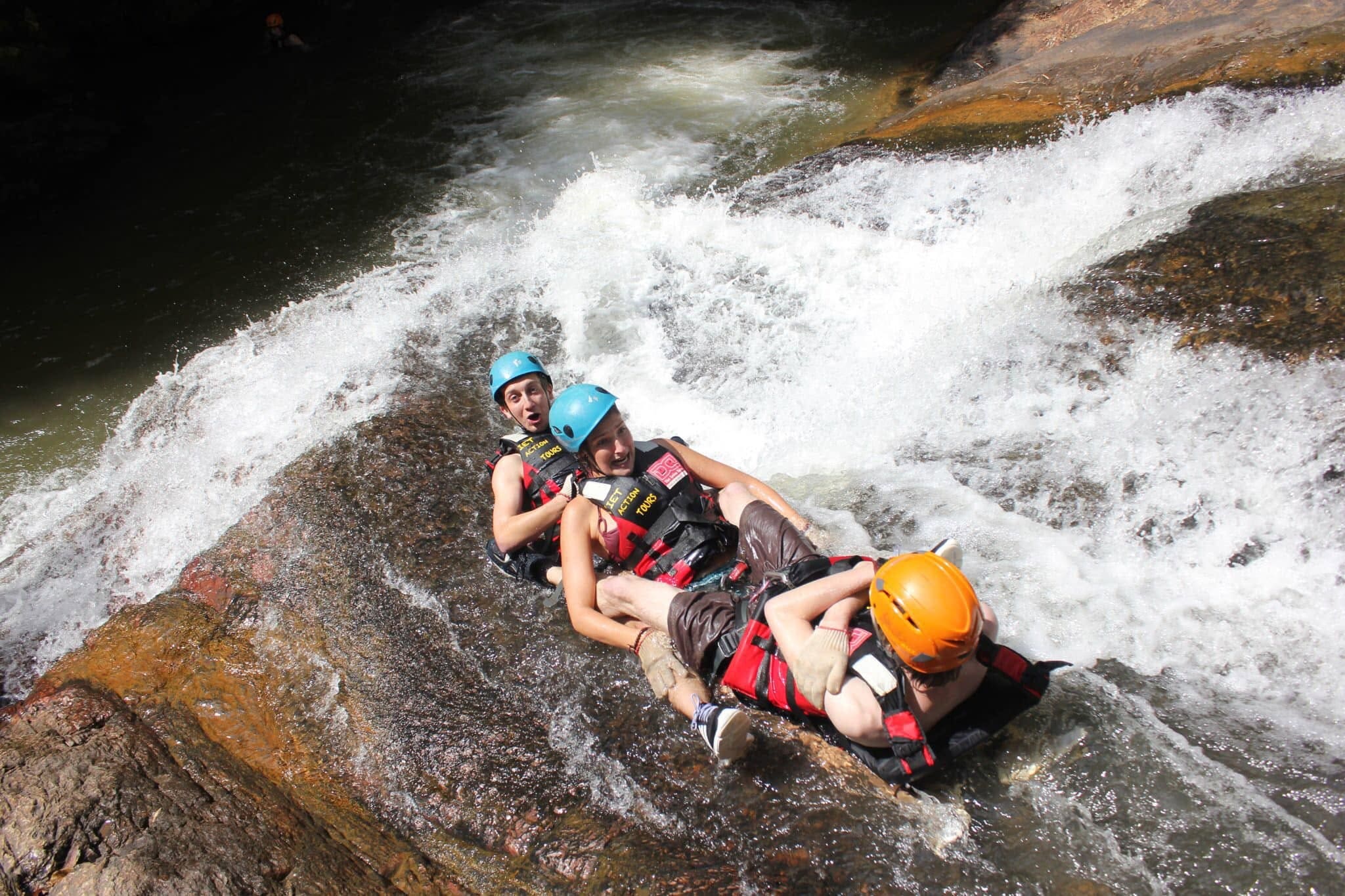
This was my favorite part, probably because it was pure, simple fun, with less ‘controlled danger.’ These aren’t man-made slides. They are smooth, water-worn rock formations that act like natural chutes. The guides position you. You sit down, legs up, maybe cross your arms over your chest. They give you a little push. And then you just slide.
It’s fast. You hit the water at the bottom with a splash. It’s cold but refreshing. One specific one was mentioned as a “7-meter water sliding down the waterfall.” The feeling of just letting go and trusting the water to carry you is great.
Some slides are short and quick, others are longer and windier. They are always into a deep enough pool, so no worries about hitting the bottom. You just pop up, grinning, and swim to the side. This is where the group really loosened up. Lots of laughter.
4. The Leap of Faith: Cliff Jumping (7-11 meters)
This part is always optional. The guides make that clear. There were usually two or three spots. The lowest was around 7 meters (about 23 feet), and the highest could be up to 11 meters (around 36 feet).
I stood at the edge of the 7-meter one for a bit. Looking down, it seems higher than it sounds. Your mind plays tricks. The water looks far away.
The guides would tell you where to land, usually in a specific, clear spot. They’d count down. “3, 2, 1, JUMP!” The feeling of pushing off, that brief moment of freefall, is intense. Then the cold shock of hitting the water. It’s over in less than a second.
You surface, shake off the water, and feel a surge of adrenaline. It’s a very direct way to face a small fear. I did the 7-meter one. Didn’t try the 11-meter. One jump was enough for me to get the feeling.
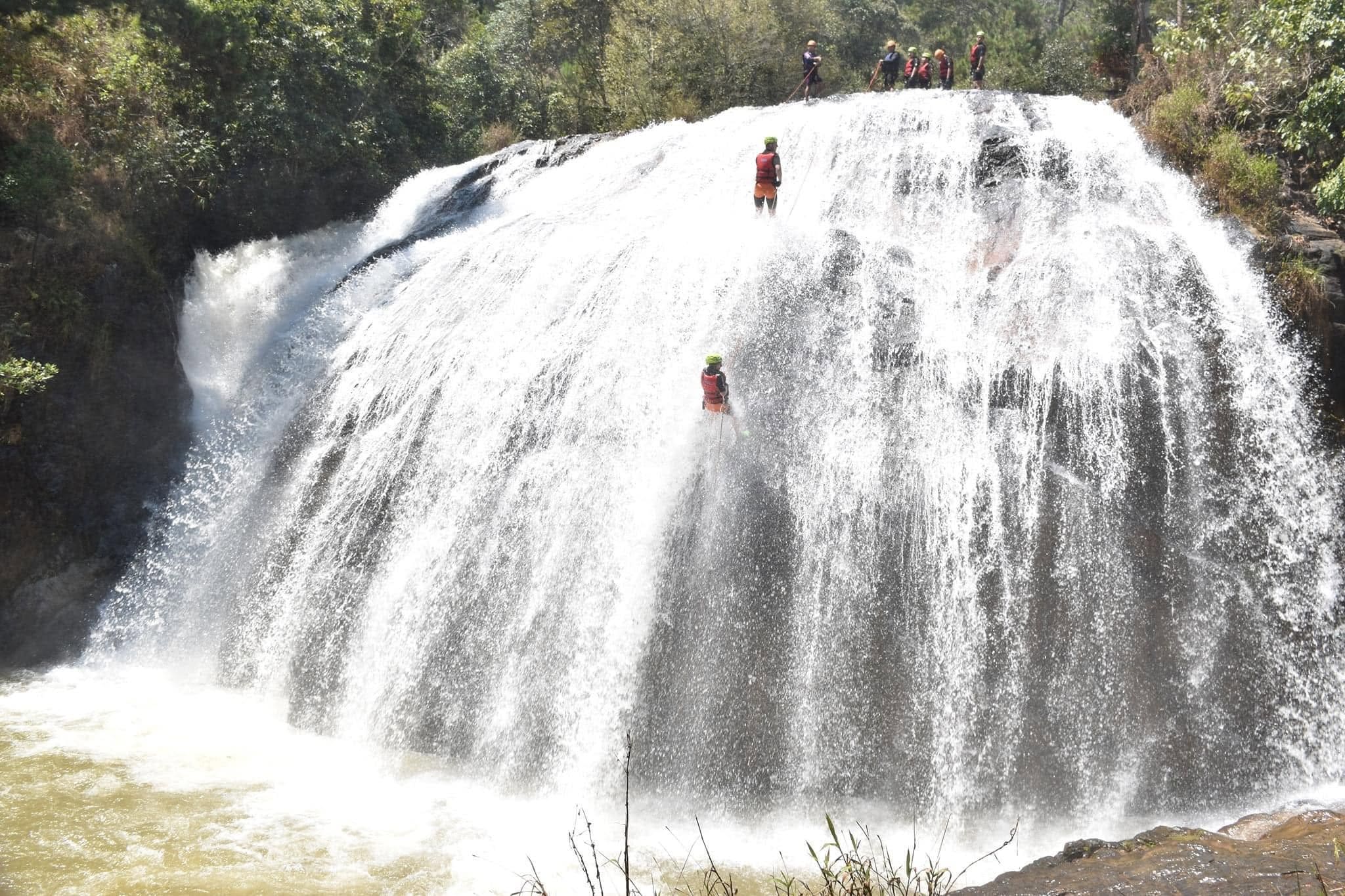
5. The Main Event: The 25-Meter Waterfall Rappel (The “Washing Machine”)
This is the big one. The “Washing Machine.” It’s a 25-meter (roughly 82 feet) waterfall. And you go down through the water. Not beside it. This is the part that gets the most buzz.
Standing at the top, the roar of the water is loud. You can feel the spray. It looks like a solid sheet of water crashing down. It’s much more intimidating than the dry cliff.
The guide clips you in. You step onto the slippery rocks right at the edge. The water starts hitting you immediately. It’s powerful. It’s cold. It’s hard to see and hear clearly.
You have to lean back, even more than before, letting the water hit your face and body. The force of the water makes it harder to control your descent with the rope. Your hands might be a bit numb from the cold water.
The guide at the top is shouting instructions, but the water makes it difficult to hear. You just focus on the rope, on your feet, and on trusting your gear. Your feet are sliding on the wet rock, trying to find purchase.
The water pours over your head, into your eyes. It’s disorienting. You’re completely soaked. But you keep going, slowly, meter by meter. Getting to the bottom, soaked, shivering, and breathless, there’s a massive sense of accomplishment.
It’s physically demanding and mentally challenging. This is the core of canyoning in Dalat. This is where you actually feel like you earned something.
6. Another “Washing Machine” or Challenging Rappel (14-meters)
Some tours might have a second, slightly shorter, but equally challenging wet rappel, sometimes also referred to as a “Washing Machine” or simply a very wet 14-meter (around 46 feet) descent. This often involved navigating a particularly strong current or a section where the water hit with more force. It wasn’t just about lowering yourself; it was about bracing against the water’s power. It reinforced the skills from the 25-meter drop and was a final burst of adrenaline before the trek out.
7. The Final Push: Jungle Trekking Out
After the last waterfall, the activity isn’t over. There’s usually a significant uphill trek to get out of the canyon. My tour had about a 40-minute uphill hike through dense jungle. It was steep in some parts, muddy, and involved climbing over roots and rocks.
After all the rappelling and swimming, your legs feel it. This part requires a reasonable level of fitness. Everyone was breathing hard, but there was a good sense of camaraderie. You’re all tired, all muddy, all accomplished.
Lunch Break
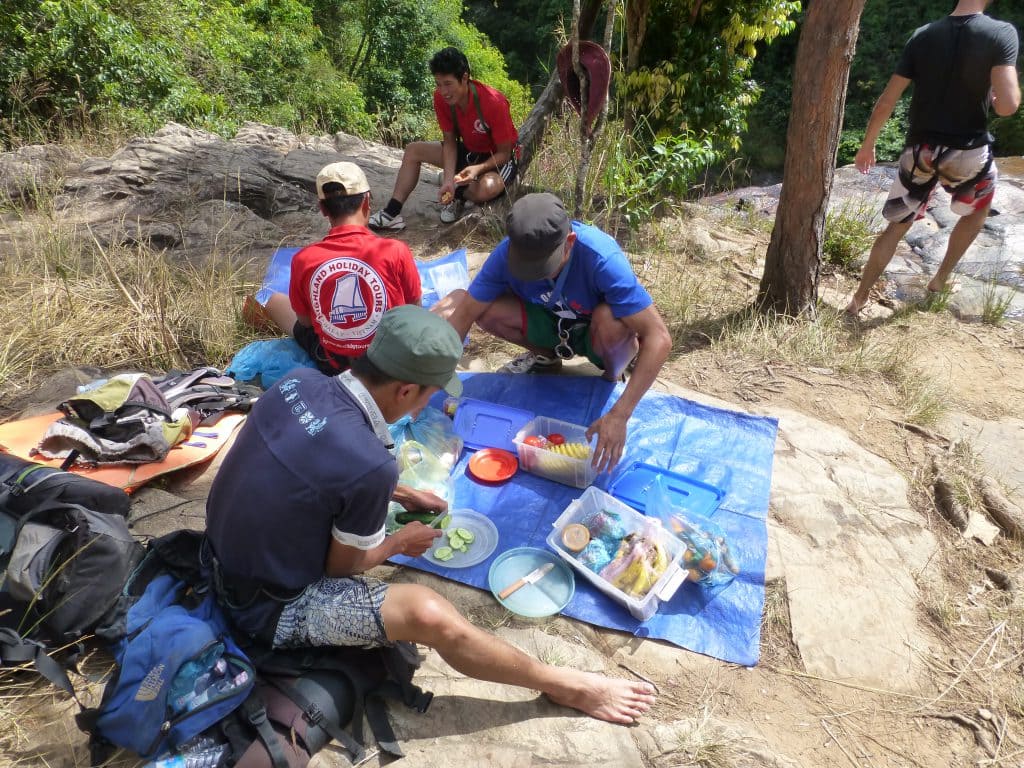
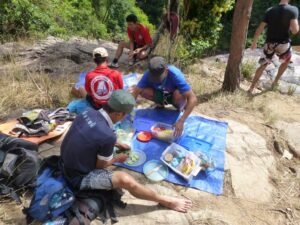
Midway through the day, usually after a few activities, the guides stop for a picnic lunch. It’s typically very basic but exactly what you need. Baguettes, some cheese, cold cuts (pork or chicken), a few pieces of fruit (like bananas or passionfruit), and bottled water.
Sometimes instant coffee is offered. It’s set up on a tarp on a flat rock or a clearing in the jungle. Eating with wet clothes, surrounded by the sounds of the jungle and the distant roar of waterfalls, feels pretty primal. It’s not gourmet, but it refuels you for the second half of the day. And you appreciate every bite.
Post-Canyoning
After the final uphill climb, we reached the vans. Everyone peeled off their wetsuits and helmets, which were then collected by the guides. We changed into dry clothes (thank goodness for that spare change!).
The ride back to Dalat was quieter than the morning ride. Most people were tired. Some were dozing off. Everyone had a slightly dazed, accomplished look.
Dropped off at my hotel around 3:30 or 4:00 PM. Straight to the shower to wash off the mud and cold water. I was physically tired, a bit sore, but genuinely satisfied. It wasn’t about being ‘epic’ or ‘extreme.’ It was about completing a series of real physical challenges in a beautiful, natural environment.
Dalat Canyoning: My Verdict
So, was canyoning in Dalat a must-do or overrated? For a first-timer like me, and for pretty much anyone looking for a direct, physical adventure in Vietnam, it is absolutely a must-do. It’s not just for adrenaline junkies.
Here’s a breakdown of why it holds up:
- Real Adventure, No Fluff: It delivers on what it promises. The rappels are proper descents down real waterfalls. The jumps are real jumps. The “Washing Machine” is a genuine challenge. It’s not a watered-down tourist version. It requires effort and focus. This isn’t a theme park ride. It’s an outdoor activity.
- Unique Way to See Dalat: You’re not just looking at the waterfalls from a viewpoint. You’re in them. You’re part of the landscape. It’s an immersive experience. You get to see the canyon from angles most tourists never do. It’s a completely different perspective of Dalat’s natural environment.
- Boosts Confidence: As a first-timer, there are moments of genuine fear, especially before that first big drop. But successfully completing each section, controlling your descent, and pushing past the initial nerves builds real confidence. You learn to trust the gear, the guides, and yourself. It’s a good feeling to overcome something new.
- Professional Operation: The reputable tour operators take safety seriously. The guides are well-trained. The equipment looks well-maintained. The safety briefing is thorough. This isn’t a risky, back-alley operation. They manage risks effectively, allowing you to focus on the experience.
- Good Value for Money: For $70-$85 USD, you get a full day (6-7 hours) of guided activity, including transport, all the gear, training, a meal, and even photos/videos. Considering the specialized equipment and guide expertise, it’s a fair price for a truly memorable experience that lasts longer than a typical half-day tour.
It’s not overrated at all. The hype around Dalat canyoning is justified, especially for those who want to be active and have a unique story to tell. It’s not just for the ‘extreme’ crowd; it’s accessible for moderately fit first-timers.
Practical Tips for Your Dalat Canyoning Adventure
Planning to jump into Dalat canyoning yourself? Here are some very practical tips based on actually doing it:
Booking Your Tour:
- Check Reviews: Seriously, spend time on GetYourGuide or Viator. Look for tours with consistent 4.8+ star ratings and recent good reviews. Prioritize comments that mention guide professionalism, equipment quality, and thorough safety briefings. Avoid anything that sounds too cheap; safety should be your main concern.
- Confirm Inclusions: Make sure the price covers everything: transport, guides, equipment, lunch, water, and photos/videos. Most reputable tours include this.
- Small Group Size: If possible, choose a tour that advertises small group sizes (e.g., maximum 8-12 people). Smaller groups mean more individual attention from guides, less waiting time at each activity, and a more personalized experience.
Physical Preparation:
- Walk Uphill: Practice walking up and down stairs or hills if you’re not used to it. The final trek out of the canyon is uphill and can be tiring after hours of activity.
- Core Strength: Rappelling uses your core and leg muscles. No need for special training, but knowing you can hold a plank for a minute helps.
- Comfort with Water: You will be completely soaked. Get used to cold water if you’re not.
What to Wear (Important!):
- Swimsuit: Wear it under your clothes from the start. You’ll change into wetsuits over it.
- Quick-Drying Clothes: Lightweight shorts and a t-shirt (synthetic materials like polyester or nylon are best) are ideal. Avoid cotton at all costs – it gets heavy, cold, and takes ages to dry.
- Footwear: This is critical. Sturdy, closed-toe water shoes with good grip are essential. Many tours provide specialized canyoning shoes (like Five Ten or similar brands) that are excellent. Confirm if your tour provides them, or bring your own if you have them. Do NOT wear flip-flops, open sandals, or regular running shoes that will get ruined and heavy when wet.
- Wetsuit: If offered, take it. Even if the weather feels warm in Dalat, the waterfall water is cold. The wetsuit provides warmth and also acts as a layer of protection against minor scrapes when sliding or bumping against rocks.
What to Bring (and What to Leave Behind):
- Small Backpack: For your dry change of clothes, towel, sunscreen, and insect repellent.
- Sunscreen and Insect Repellent: You’ll be exposed to the sun and bugs in the jungle. Apply before you leave the hotel.
- Personal Medications: If you need them (e.g., asthma inhaler, allergy meds), bring them in a small, waterproof bag.
- Towel and Full Change of Clothes: Absolutely essential for after the tour. You’ll be wet and dirty.
- NO Valuables: Leave your expensive phone, wallet with all your cash, passport, and fancy jewelry at your hotel. Guides typically take photos and videos with their waterproof cameras and share them with the group later (usually via a Google Drive link or WhatsApp). Your personal phone is a liability during the activity.
- Water Bottle: While tours provide water with lunch, carrying a small reusable water bottle is a good idea.
During the Activity:
- Listen to Your Guides: This cannot be stressed enough. They are experienced. They know the terrain. They know the equipment. Follow their instructions precisely, whether it’s about body positioning, hand signals, or where to place your feet. Your safety depends on it.
- Patience: There will be waiting times. For others to rappel, for guides to set up ropes. Just accept it as part of the process. It’s a group activity.
- Embrace It: There will be moments where you feel nervous, maybe even scared. That’s normal. Push through it. The sense of achievement at the end is significant. Don’t overthink every step; trust your training and the guides.
Where to Stay in Dalat After Canyoning
After a full day of canyoning in Dalat, you’re going to be tired, probably a bit sore, and definitely want a comfortable place to clean up and relax. Dalat has a wide range of options for international tourists. Here are a few reliable, highly-rated choices that are well-located for tour pickups and general city exploration:
- La Fleur Premium Central Apartment Hotel: (Avg. $90/night, rating around 9.2 Exceptional) – This is a good choice if you prefer more space than a standard hotel room. It’s apartment-style, well-furnished, and very centrally located. Easy to walk to food and markets. Check availability here.
- Colline Dalat: (Avg. $110/night, rating around 8.7 Excellent) – A larger, more established hotel. It has good facilities, often praised for its spacious rooms and comfortable beds. It’s a solid, slightly more upscale option if you want more amenities. Check availability here.
- Redhouse Dalat Hotel: (Avg. $12/night, rating around 9.0 Exceptional) – If you’re on a budget but still want a clean, well-located place, this is a strong contender. It’s right in the city center, making it convenient for pretty much everything. Basic but functional. Check availability here.
- Le House DaLat: (Avg. $42/night, rating around 8.9 Excellent) – A good mid-range option. It generally gets positive reviews for its comfort and value. It’s a reliable choice if you want something decent without breaking the bank. Check availability here.
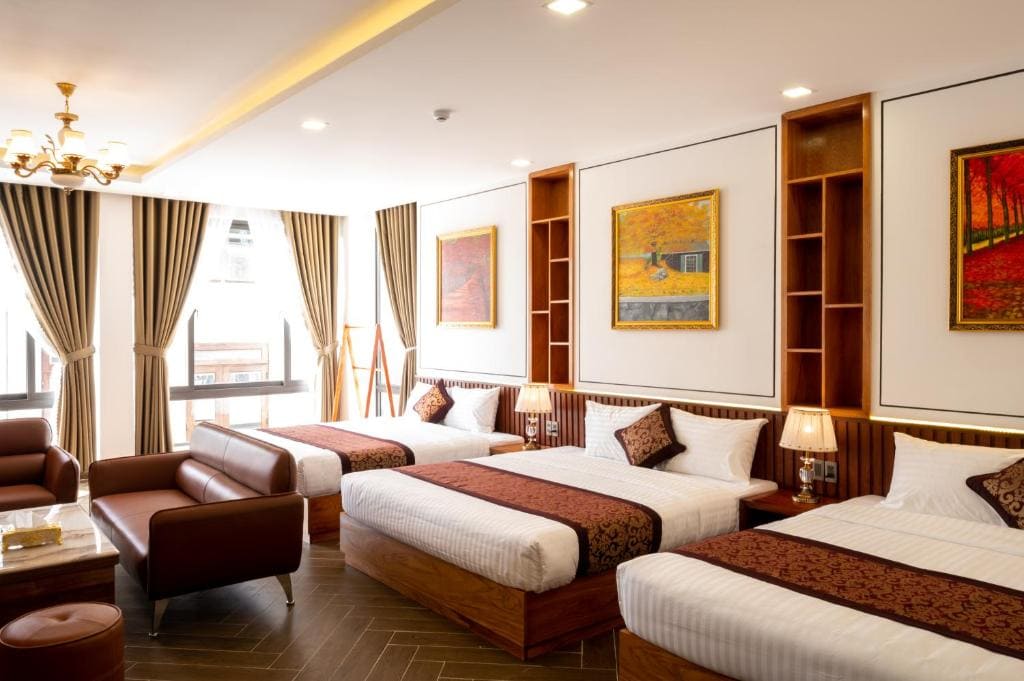
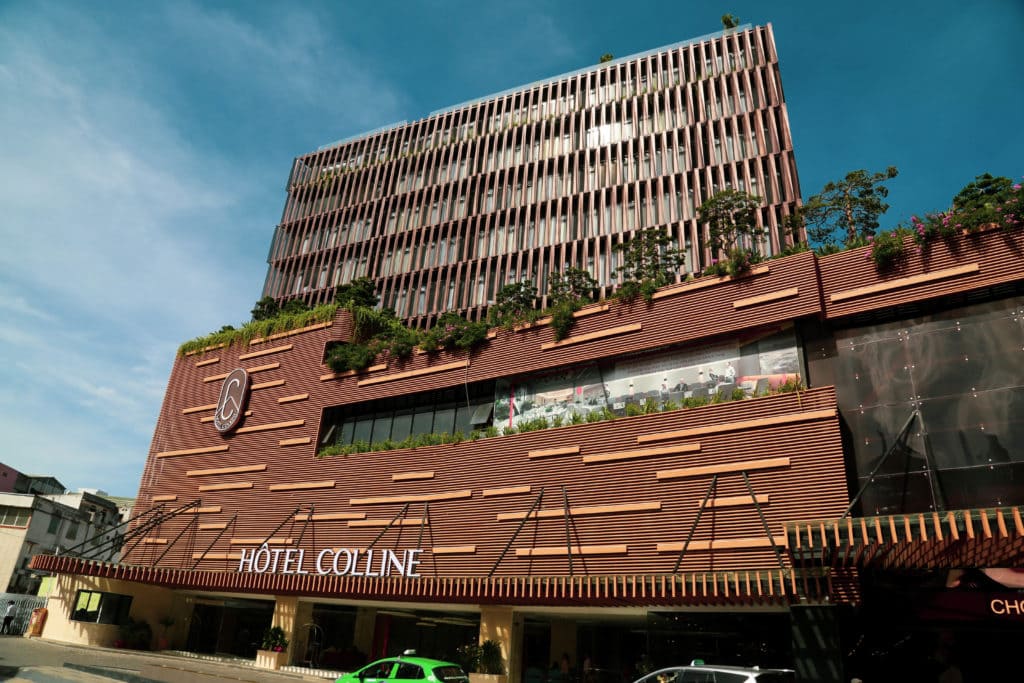
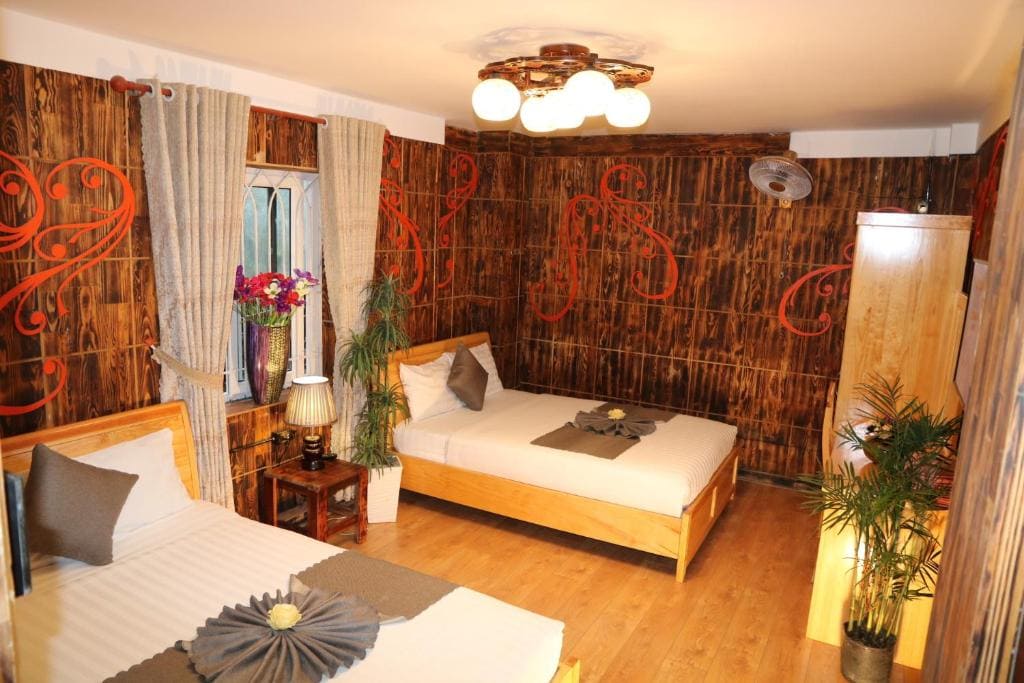
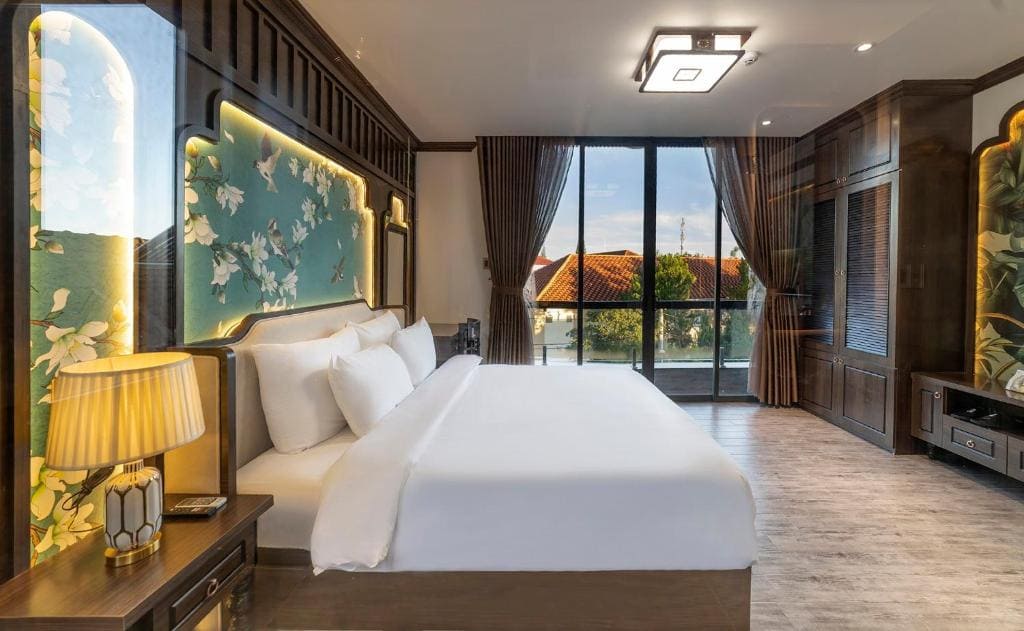
These hotels are all generally well-known and convenient. Check current prices and availability for your dates, as they can fluctuate. Check my guide here for the best Dalat hotels.
Beyond Canyoning
While Dalat canyoning might be the highlight for active travellers, Dalat offers much more. Here are a few related activities or places to consider, depending on your interests, which also fit into an adventure or nature theme:
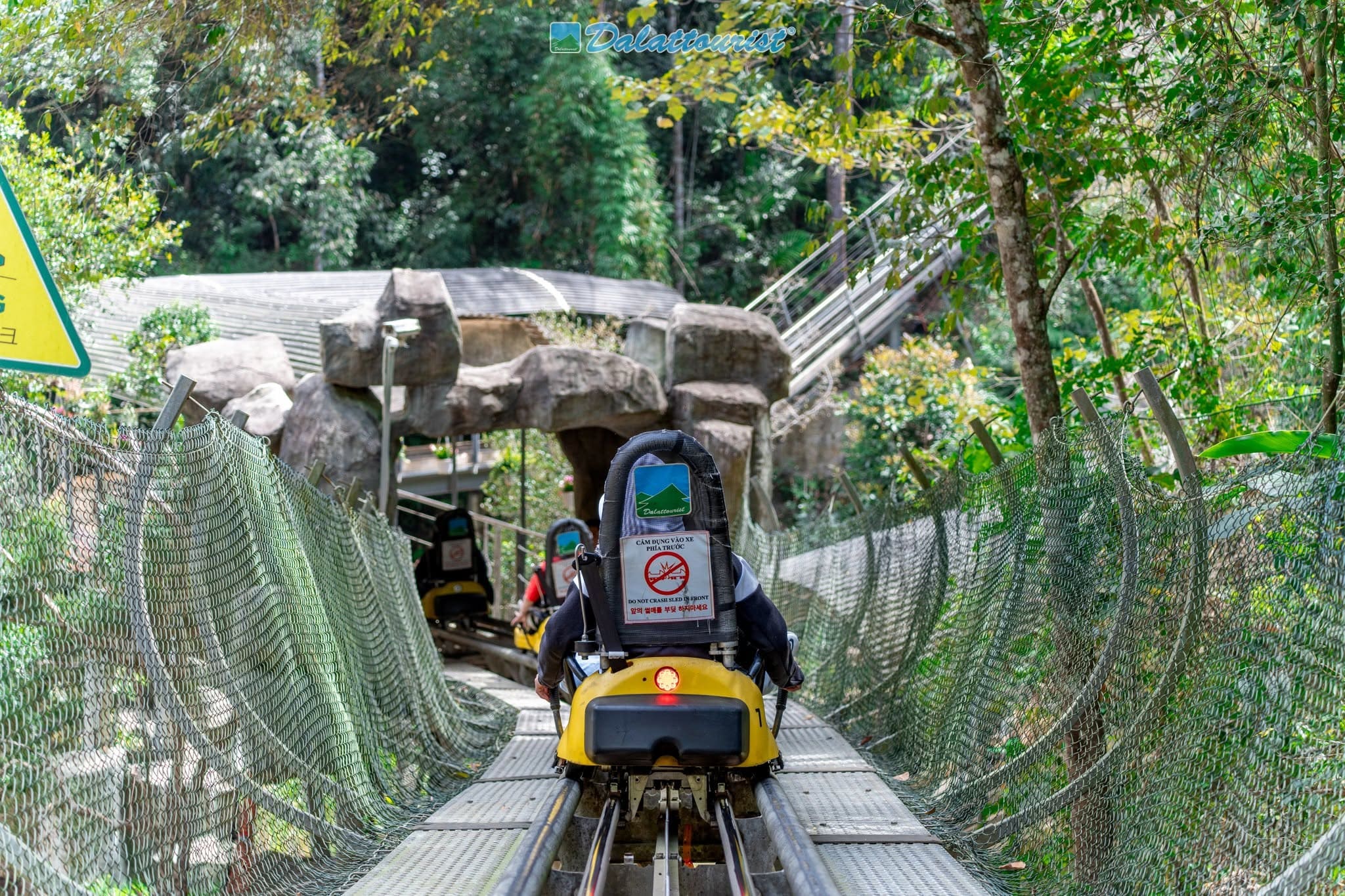
- Explore Datanla Waterfall More: If you want to see more of Datanla without rappelling, the main complex has an alpine coaster. It’s a fun, slower way to descend to the waterfall base. It’s less adrenaline, more scenic ride.
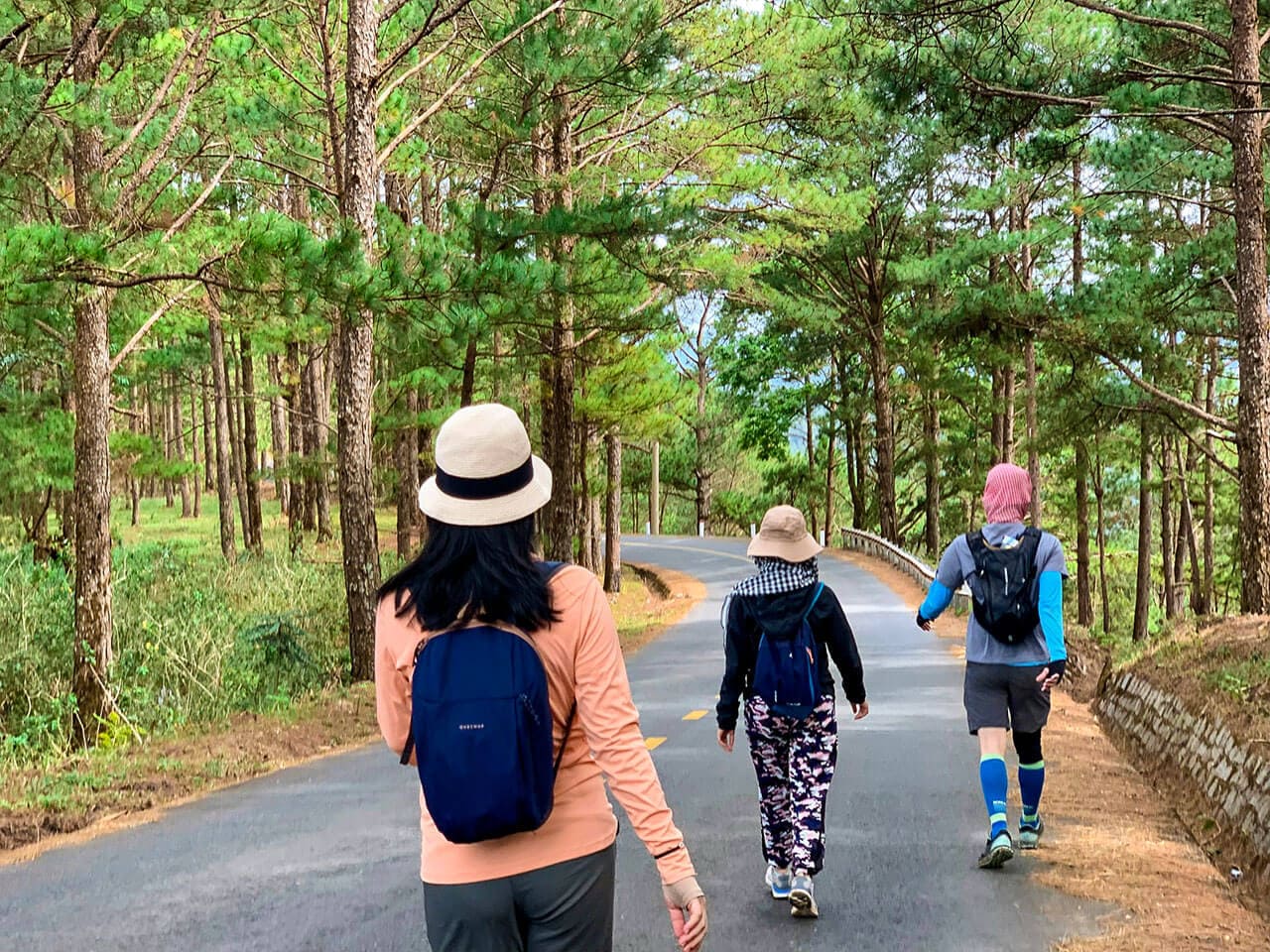
- Trek Lang Biang Mountain: For more challenging hiking and panoramic views of Dalat and its surrounding valleys, Lang Biang Mountain is a popular choice. You can hike all the way up or take a jeep most of the way. It’s a different kind of outdoor activity.
- Planning more time in the outdoors? Our “11 Amazing things to do in DaLat“ covers various trails and difficulty levels.
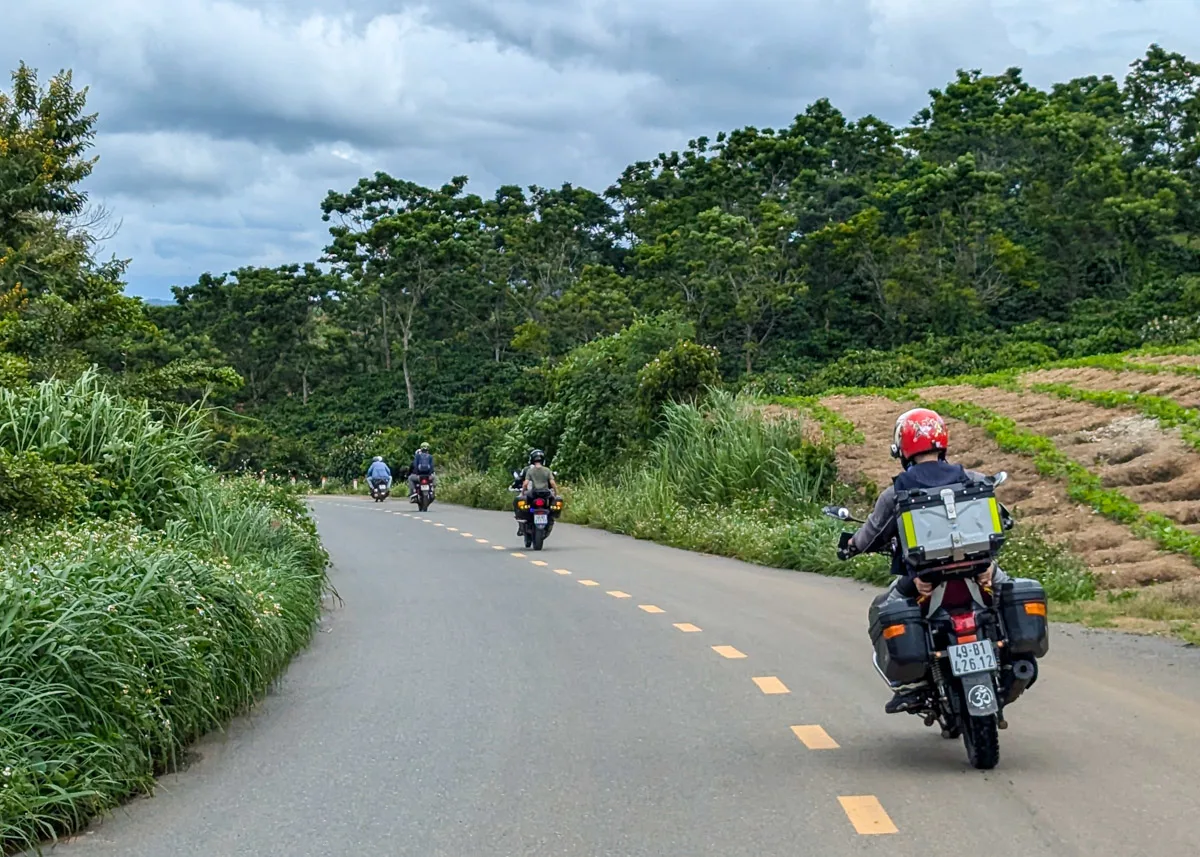
- Motorbiking the Dalat Countryside: Renting a motorbike (or hiring an Easy Rider) and exploring the surrounding countryside is a fantastic way to see local life, coffee plantations, flower farms, and local villages. It offers a sense of freedom and discovery.
- Crazy House (Hang Nga Guesthouse): This isn’t adventure in the physical sense, but it’s an architectural adventure. It’s weird, unique, and like something out of a fairy tale. A completely different kind of Dalat experience.
Just Go Do It
My first canyoning in Dalat experience was exactly what it needed to be. No over-the-top drama. Just a series of physical challenges. It was tough enough to feel like an accomplishment. It was fun enough to make you smile. And it was safe enough that you weren’t constantly worried.
For any international tourist in Vietnam, if you’re looking to break away from standard sightseeing, get active, and experience Dalat’s natural side in a direct way, then Dalat canyoning is a solid choice. It’s not a once-in-a-lifetime spiritual journey, but it is a genuinely memorable, challenging, and worthwhile day out. You’ll be tired, you’ll be wet, but you’ll have done something cool. Just book a good tour, listen to the guides, and enjoy the water. You won’t regret it.












 Tiếng Việt
 한국어
한국어 中文 (中国)
 日本語
日本語 ไทย
ไทย Deutsch
 Español
 Destinations
 Instagram
 Facebook
 X (Twitter)
 Threads
 Tiktok