









 Ha Giang
 Hanoi
 Ho Chi Minh City
 Ha Long
 Sapa
 Mekong Delta
 Da Nang
 Hue
 Hoi An
 Ninh Binh
 Da Lat
 Nha Trang
 Phan Thiet
 Phu Quoc
 Quang Binh
 Quy Nhon
 Vung Tau
 Thai Nguyen

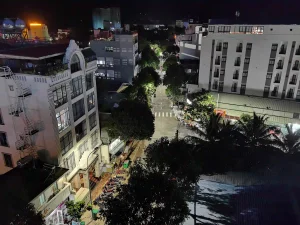
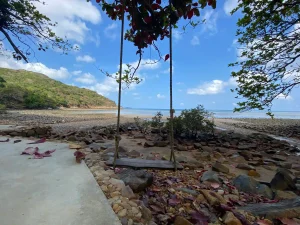
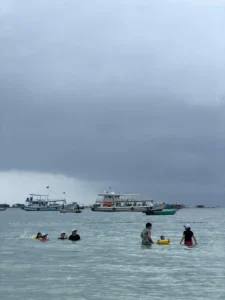
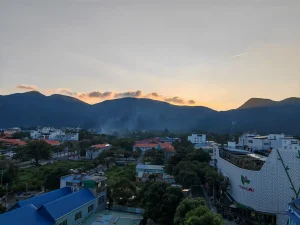
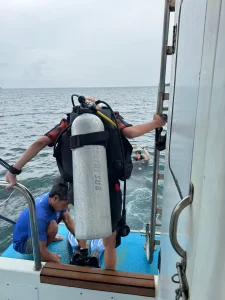
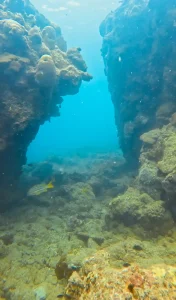


Both islands are under an hour’s flight from where I live in Saigon, and when friends ask me Phu Quoc or Con Dao, the question always arrives as “which one is better”. I think it’s the wrong question. The month you’re travelling decides more than the island does, and in 2027 there’s a second thing to check, because Phu Quoc hosts the APEC summit in November.
Phu Quoc is the big one: 50km long, built up fast, with direct international flights, a theme park, a cable car, a night market and every kind of hotel. I spent a month there across three different bases and know it well.
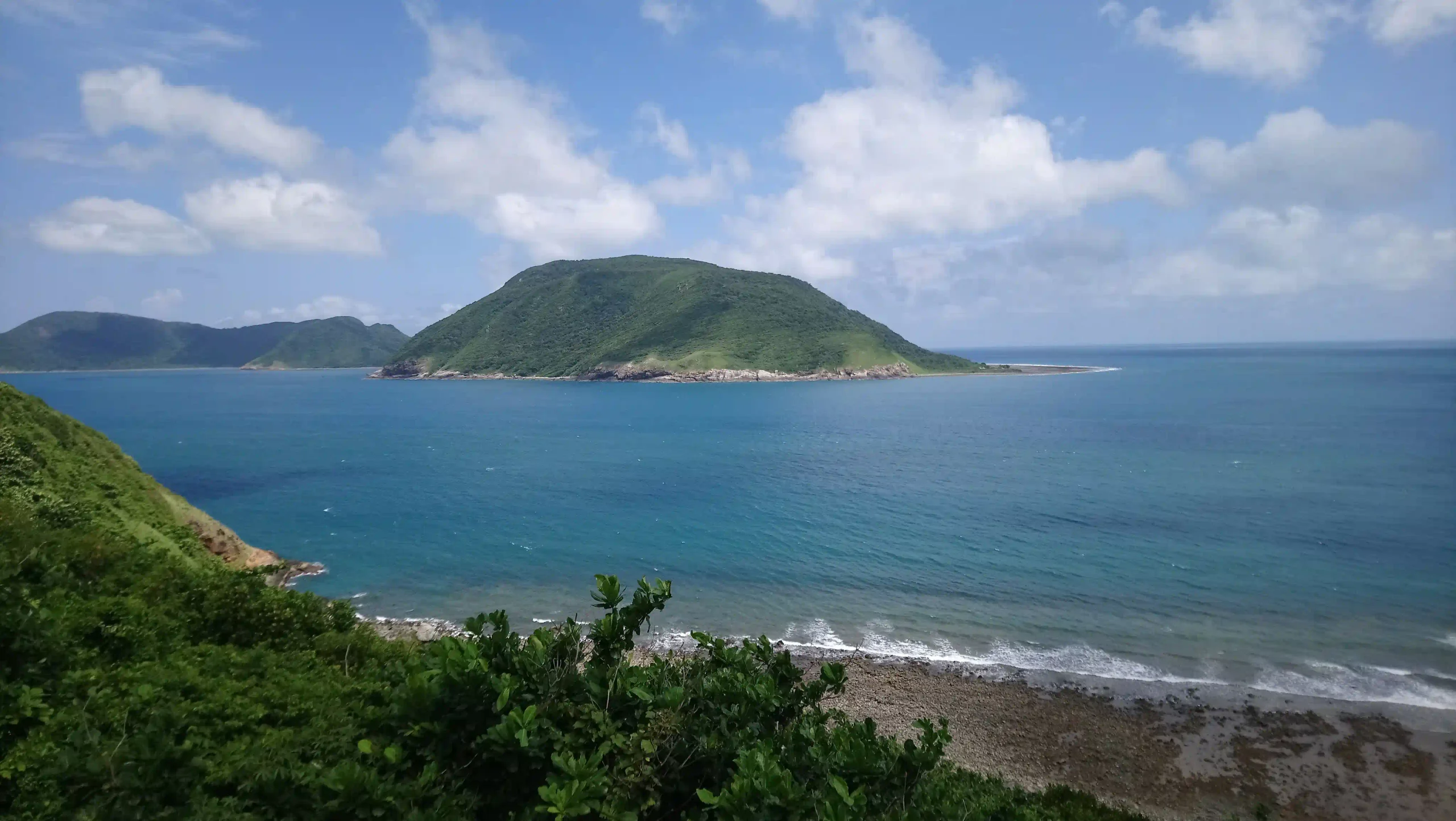
Con Dao is small and quiet, mostly national park, with the most important sea turtle nesting beaches in Vietnam and a colonial prison that most Vietnamese visitors come for. It’s reached on small propeller planes that only fly by day, or by boat from the Mekong Delta.
They’re different enough that most people only need to know two things, what they want from the trip and which month they’re going, and the rest follows.
- Quick Answer: Phu Quoc or Con Dao comes down to the month and the trip. Choose Phu Quoc for an easy beach holiday with plenty of hotels, restaurants, nightlife and direct international flights, especially for families and first-timers. Choose Con Dao for quiet beaches, diving, the sea turtles and the prison history, especially as a couple who want to switch off. From November to April both islands are good for the beach and Phu Quoc is the easier trip. From June to September Con Dao is the better one.
- Who should pick which:
- When to go:
- November to April: beach weather on both. Phu Quoc is best December to March.
- March to September: diving and clear water on Con Dao.
- June to September: peak turtle nesting and hatching on Con Dao. Rain and rough seas on Phu Quoc’s west coast.
- November 2027: APEC on Phu Quoc. Expect construction, security and higher room prices.
- Getting there:
- Phu Quoc: direct international flights, frequent domestic flights, ferries from Hà Tiên and Rạch Giá.
- Con Dao: ATR-72 flights from Saigon and Cần Thơ plus VietJet from Hanoi and Saigon, daytime only, no international flights. Ferries from Trần Đề and Cần Thơ.
- Cost: Phu Quoc has more range and is easier on a budget. Con Dao looks cheap at the bottom end but usually costs a little more for the same comfort.
- Doing both: no direct link. Fly through Saigon, allow a full travel day, finish on Phu Quoc, and get a Vietnam e-visa, because the Phu Quoc visa exemption ends when you leave the island.
Phu Quoc or Con Dao: Which One Suits You
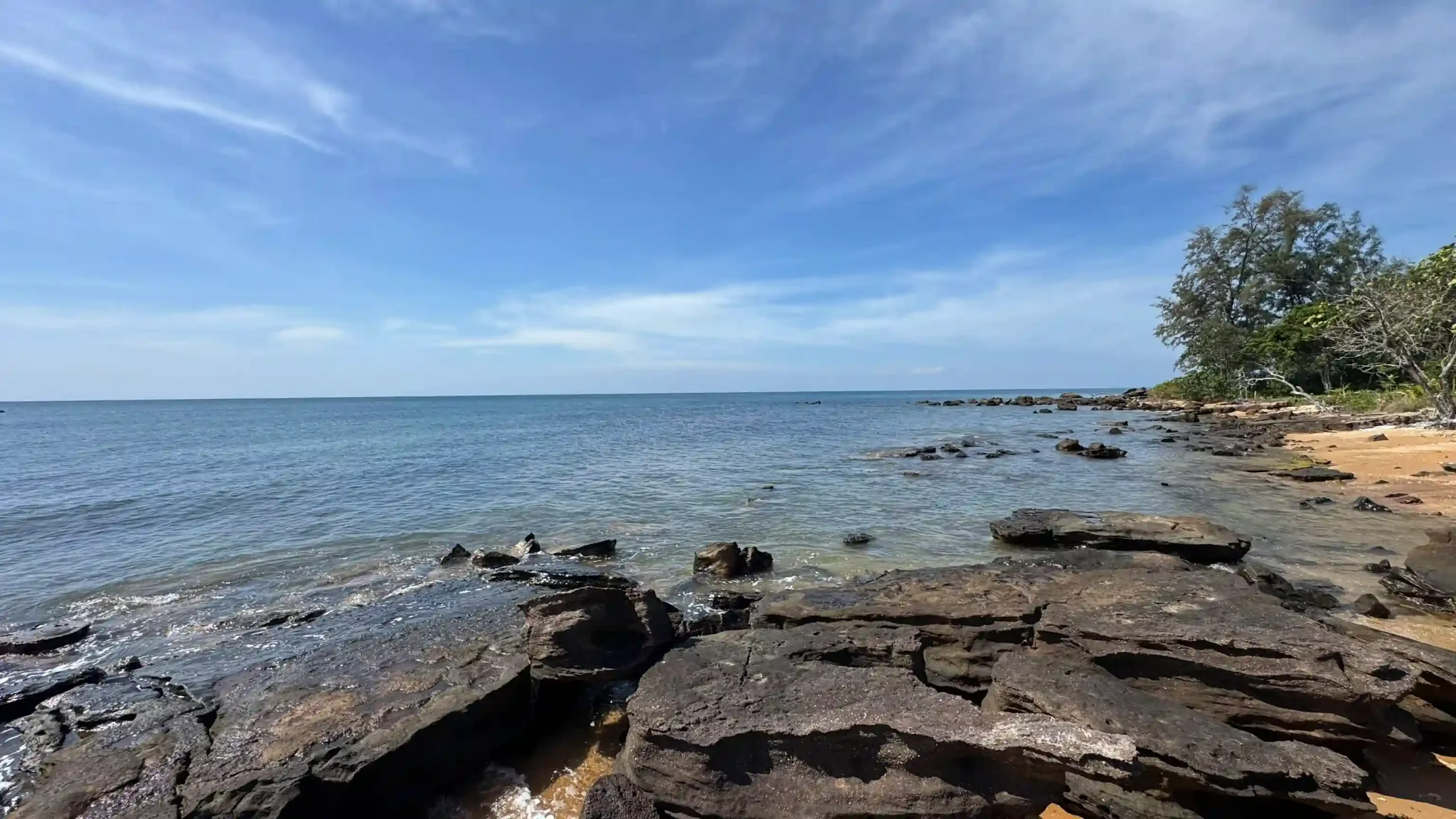
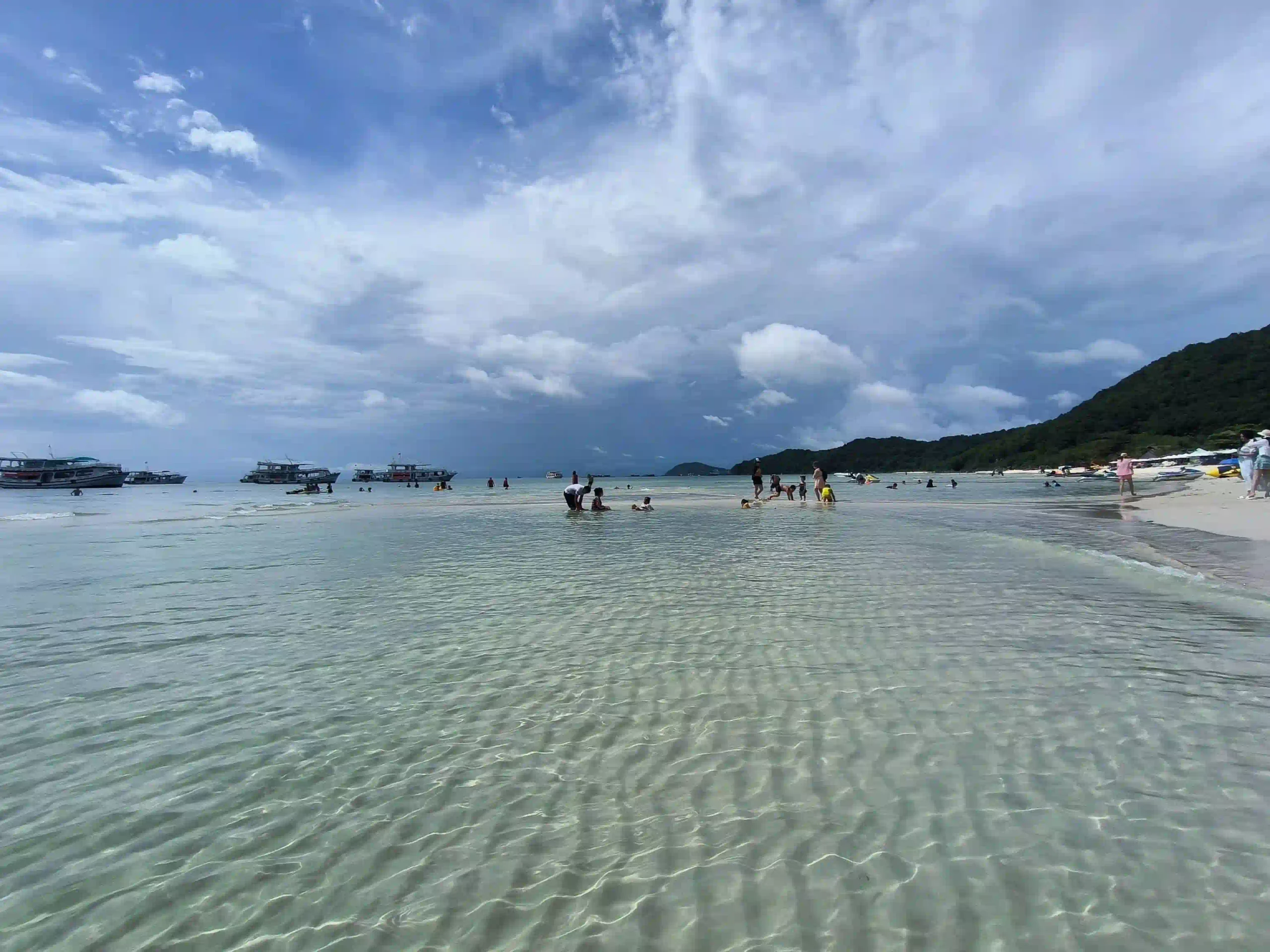
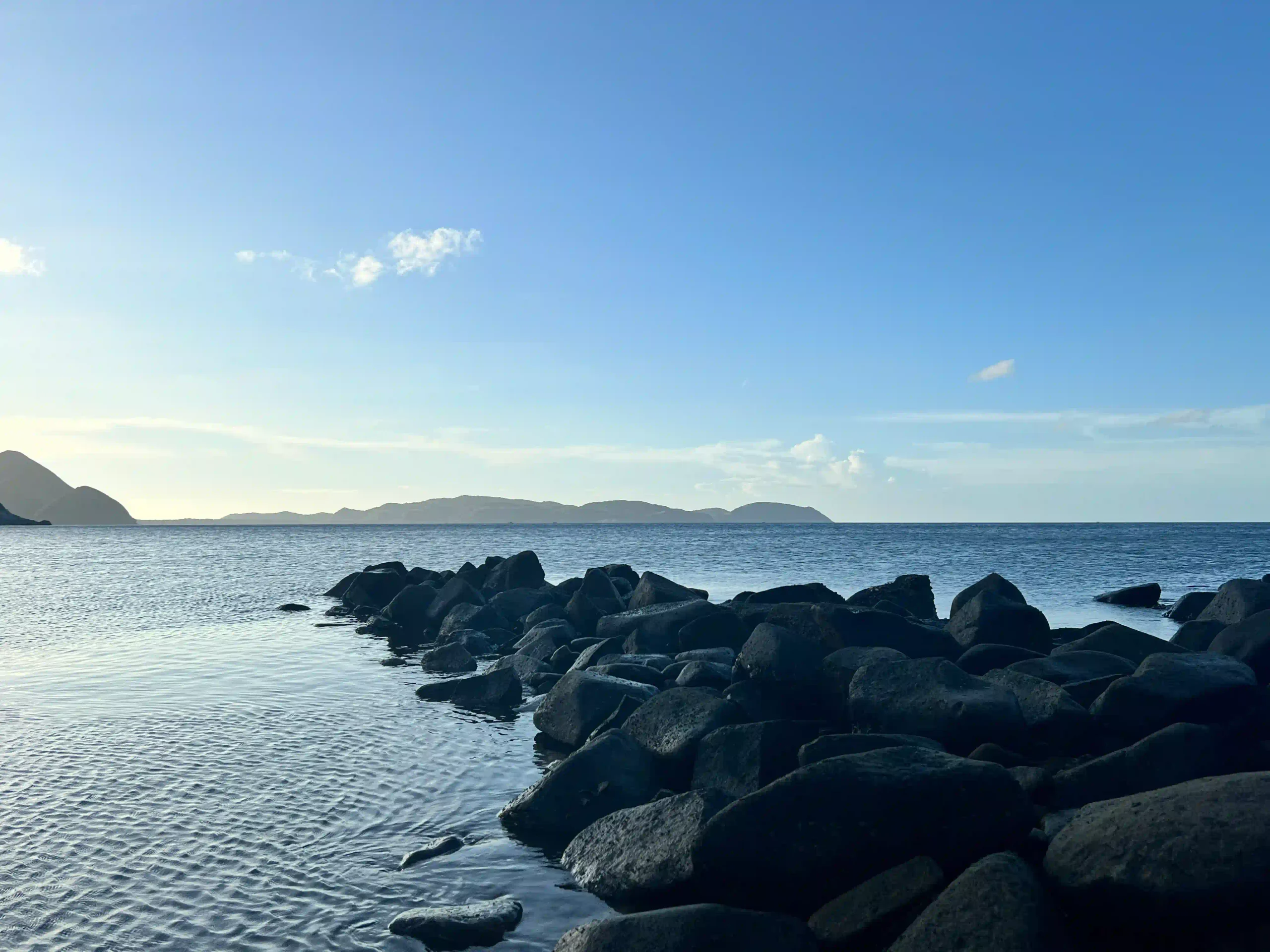
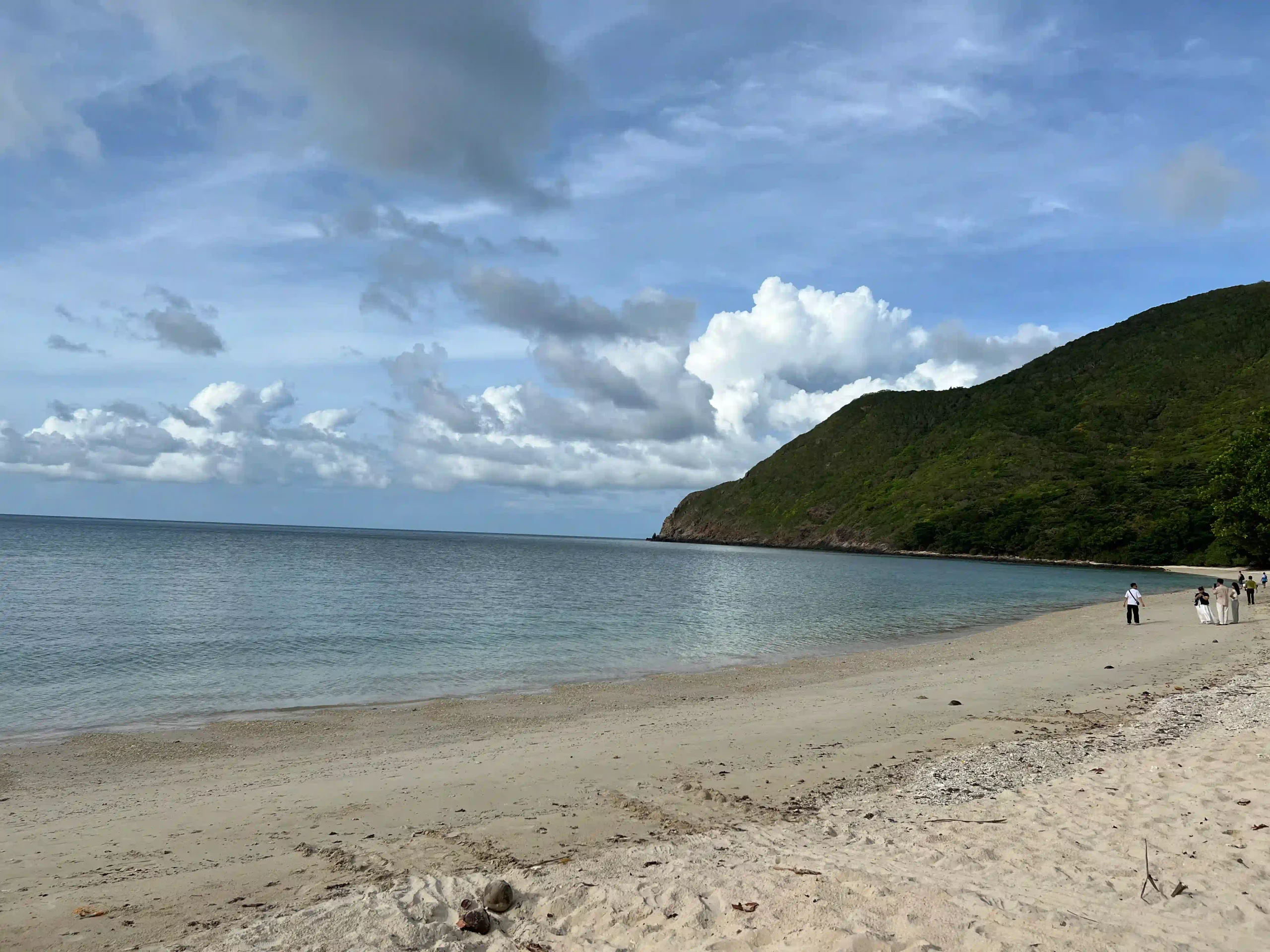
If I had to put Con Dao vs Phu Quoc in one line: Phu Quoc is the easier holiday and Con Dao is the more particular one. Phu Quoc works for nearly everybody and excites fewer people than it used to. Con Dao suits fewer people, and the ones it suits tend to like it a great deal.
A family with small children I’d send to Phu Quoc without much thought. The water on the west coast is shallow a long way out, there’s a hotel at every price, the theme parks fill a day each, and if the sea turns rough there’s still plenty to do. The same goes for a first trip to Vietnam, or anyone flying in from abroad for a week of beach, who can land on the island directly and skip the mainland altogether.
Con Dao is for people who already know what they’re going for. Divers, anyone who wants to see a turtle come up a beach at night, anyone interested in what happened in the prison, and couples who’d be happy with three days of empty beach and an early night. If what puts you off Phu Quoc is the construction and the crowds, Con Dao is the closest thing to what Phu Quoc was fifteen years ago, with the trade-off that you have to bring your own evening.
| Phu Quoc | Con Dao | |
|---|---|---|
| Feel | Big, busy, built up | Small, quiet, mostly national park |
| Getting there | Direct international and many domestic flights, ferries | Small planes by day only, ferries from the Mekong Delta |
| Beach months | November to April, best December to March | November to April |
| In the water | Worn reefs, fine for a first snorkel | Vietnam’s best diving, March to September |
| Evenings | Night market, shows, bars | Quiet, restaurants close early |
| Suits | Families, first-timers, resort holidays | Divers, history, couples after quiet |
Best Time to Visit: Go by the Month
Most arguments about these two islands are really arguments about the month.
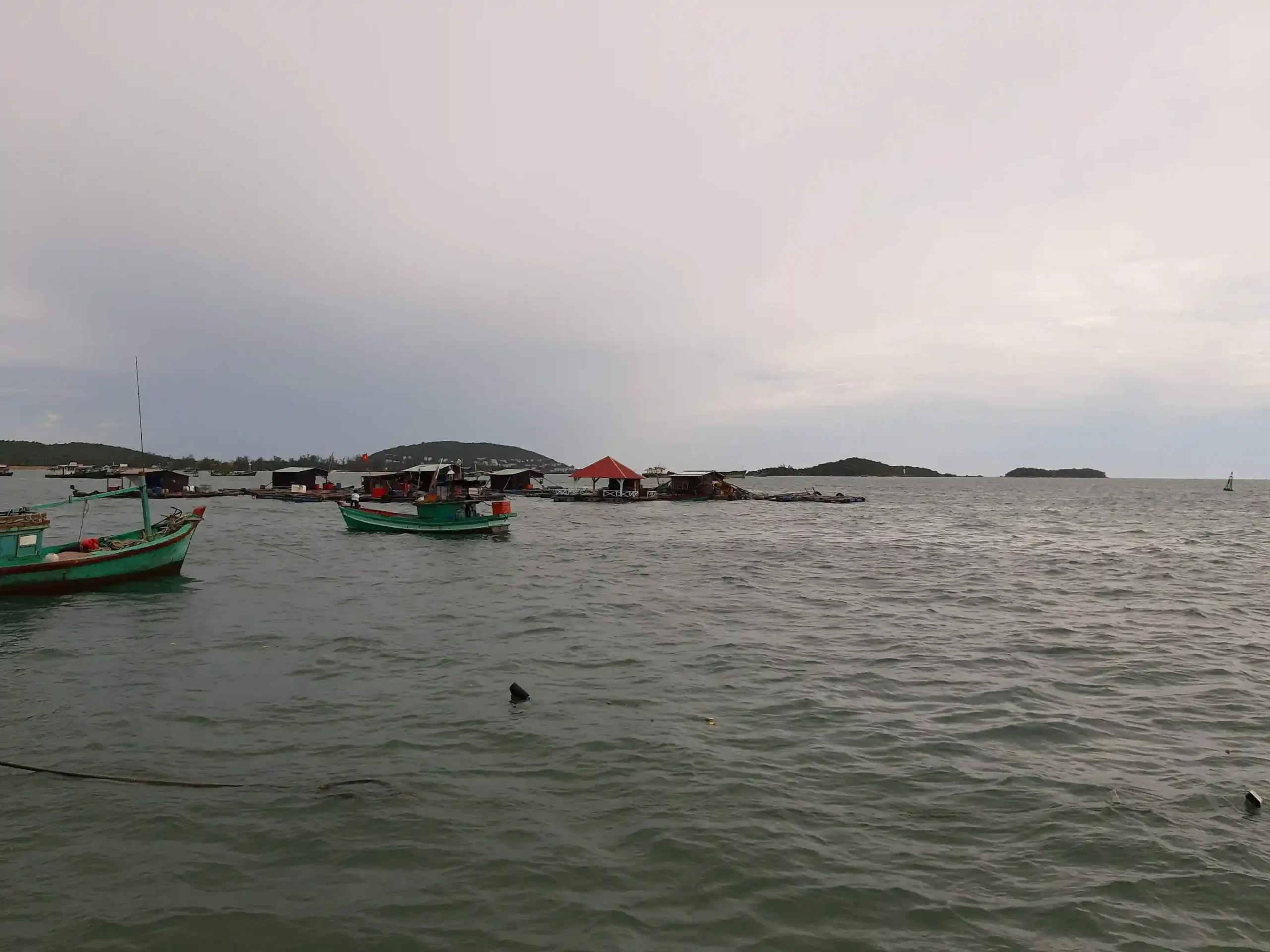
Phu Quoc’s dry season runs from November to April, and the best of it, December to March, is when I’d go: calm sea, clear water, the boats out every day. It’s also when prices peak. From May to October it rains, hardest in August and September, and the west and north coasts get rough, though the east side around Bãi Sao and Bãi Khem stays calmer.
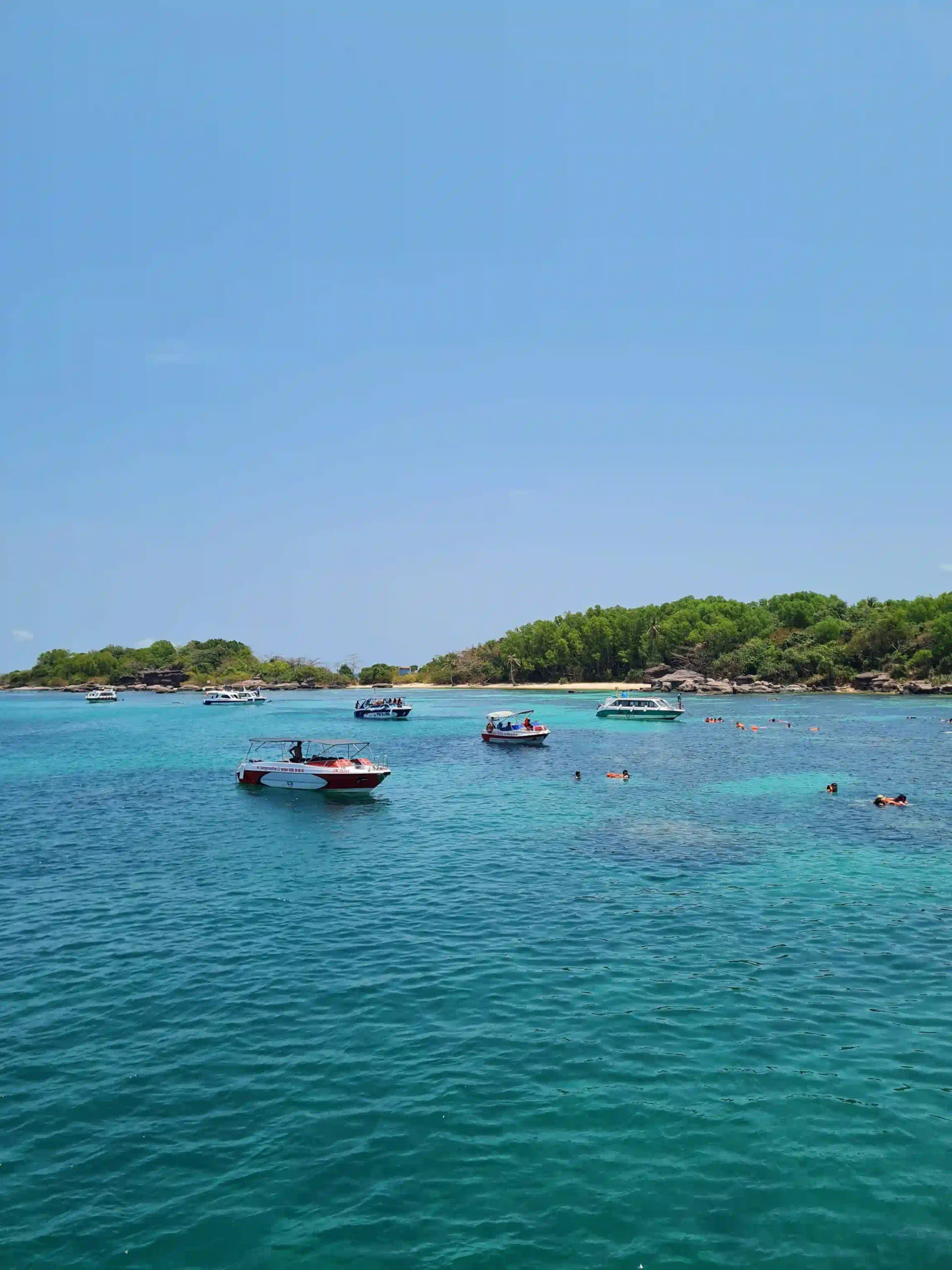
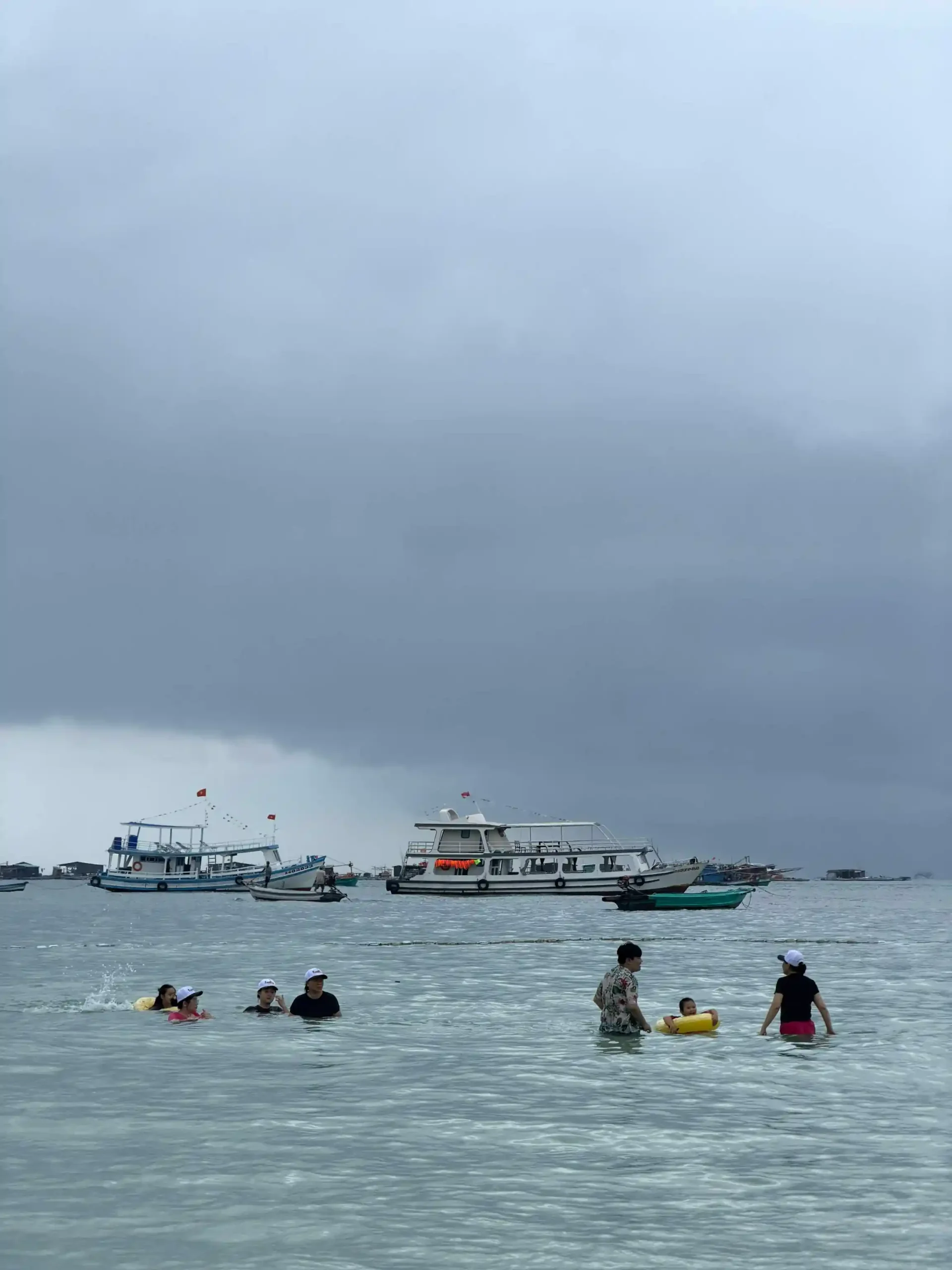
Con Dao island weather is where most comparisons go wrong, because Con Dao has two good seasons and which one you want depends on why you’re going. For the beach and easy travel it’s November to April, the same as Phu Quoc. For diving and the turtles it’s roughly March to September, when the water is clear and the turtles come in to nest. September is wet, with rain on about half the days, and November, the tail of the rainy season, is the month most likely to see flights and boats cancelled, so I’d leave a spare day either side.


Put together, this is the list I’d go by:
- December to March: Phu Quoc, unless the point of the trip is quiet, history or diving.
- April and May: either, and Con Dao starts to pull ahead for divers.
- June to September: Con Dao, for the turtles and the diving. Phu Quoc in these months is a rainy-season trip with a rough west coast.
- October and November: the awkward months on both islands.
And one month on its own: November 2027, when Phu Quoc hosts APEC. The island has been rebuilding for the summit for two years, with a 7,000-room hotel complex going up around the clock next to the new convention centre in the south, and that week will bring tighter security and higher prices on top of the cranes. For a trip that November I’d pick Con Dao, or move the dates.
How to Get to Con Dao Island, and to Phu Quoc
Getting there is where the two islands differ most, and it’s the practical reason Con Dao suits a shorter list of people.
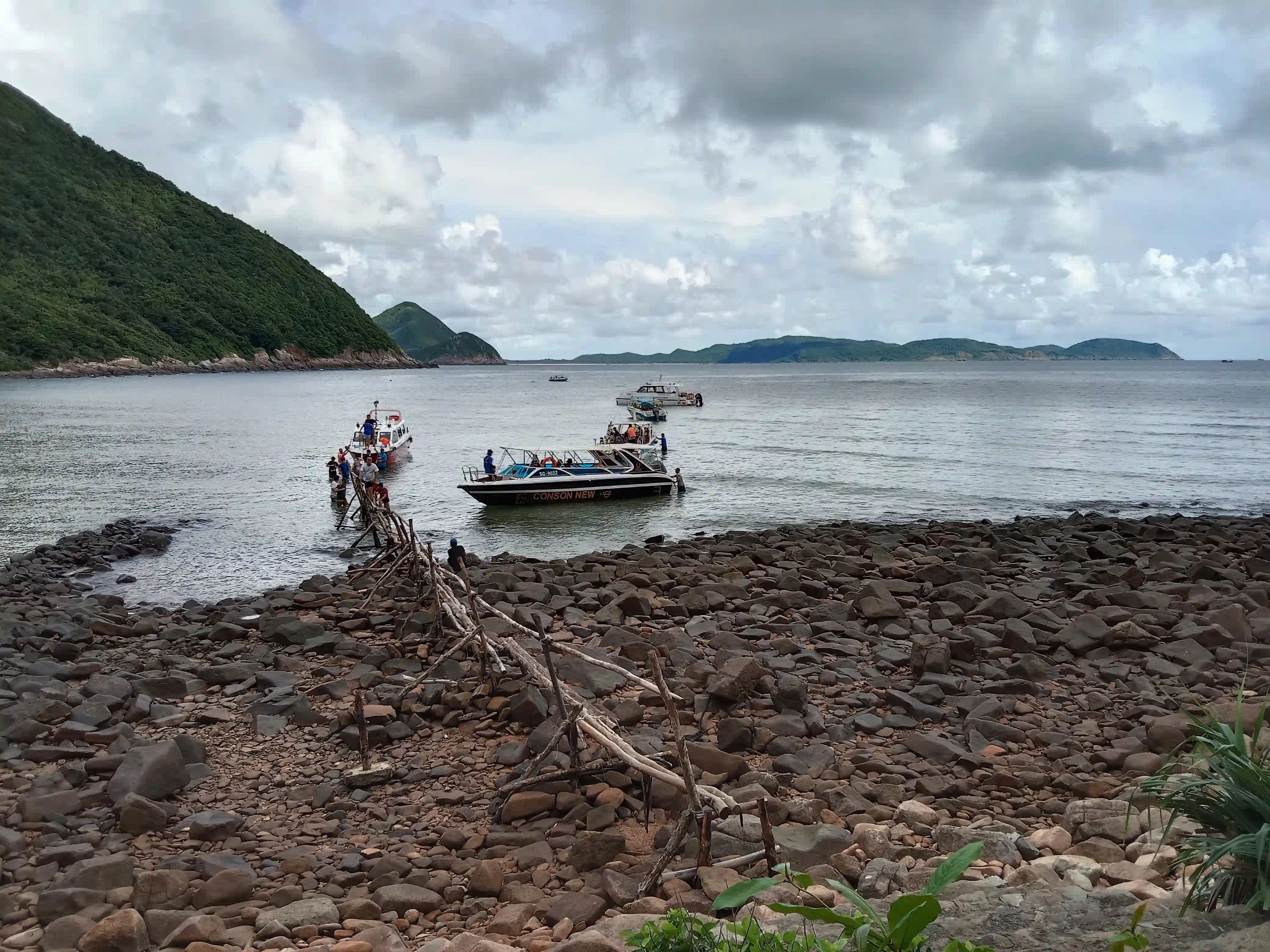
Con Dao’s airport only takes small ATR-72 turboprops, only operates by day, with the last departures around 5pm, and has no international flights, so every trip runs through Saigon, Cần Thơ or Hanoi.
The boats leave from the Mekong Delta, mostly from Trần Đề in Sóc Trăng, and rough seas cancel them without a storm, which makes the plane the safer bet on a fixed schedule. A bigger airport has been planned for years, but there’s no date for it, so 2027 will still be small planes in daylight.
The flights, boats and prices are all in how to get from Saigon to Con Dao.


Phu Quoc needs far less thought. From Saigon it’s an hour’s flight with around twenty departures a day, the trip I make most often and have written up in Saigon to Phu Quoc, and the island has direct international flights from across Asia. The boats from Hà Tiên and Rạch Giá are in the Phu Quoc ferry guide.
Visitors flying straight in from abroad also get 30 days visa-free on the island, which matters if you’re thinking of adding Con Dao, as the last section explains.


What Con Dao Has That Phu Quoc Doesn’t
Three things, and almost everyone who picks Con Dao picks it for at least one of them.
The Sea Turtles
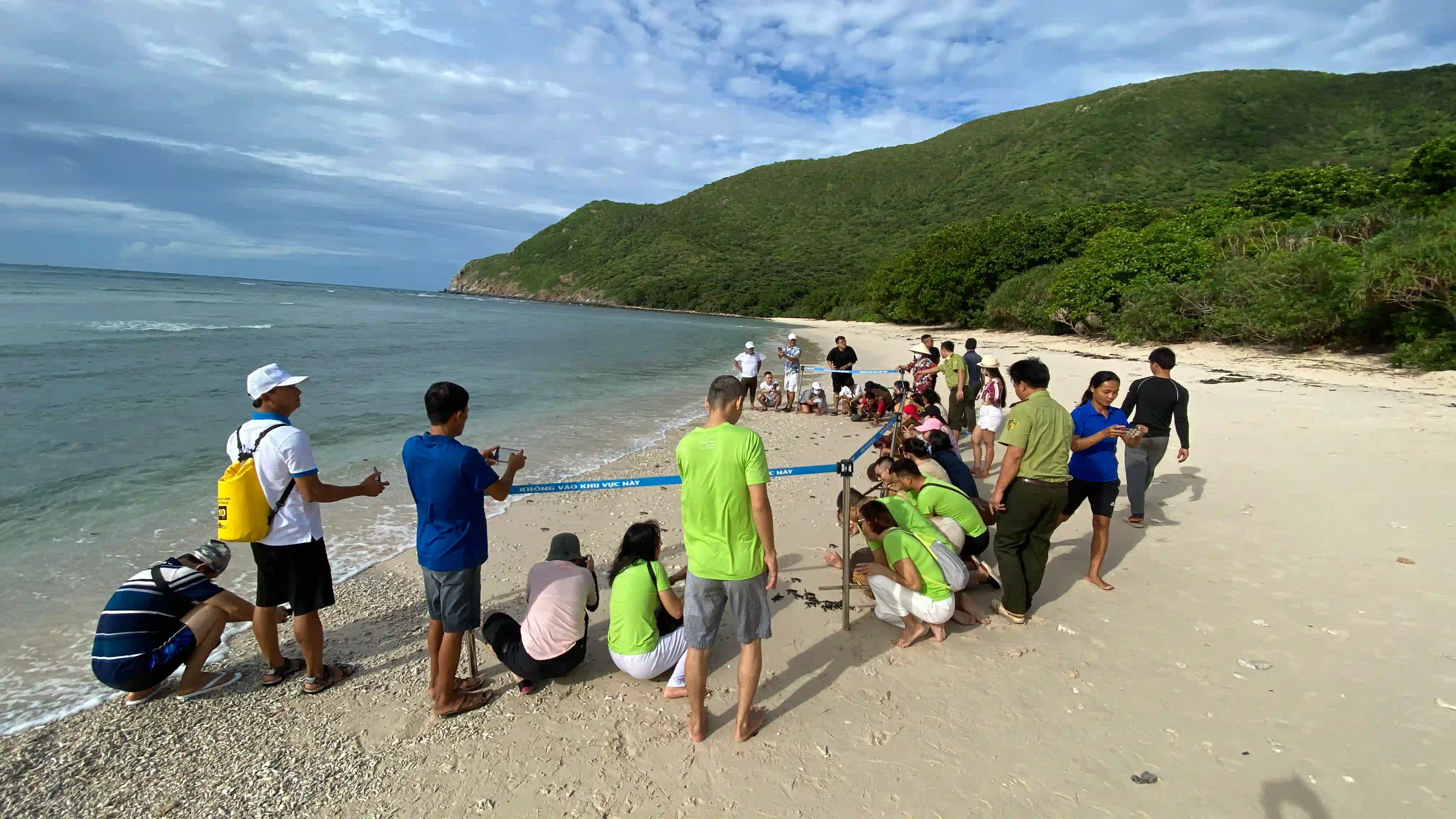
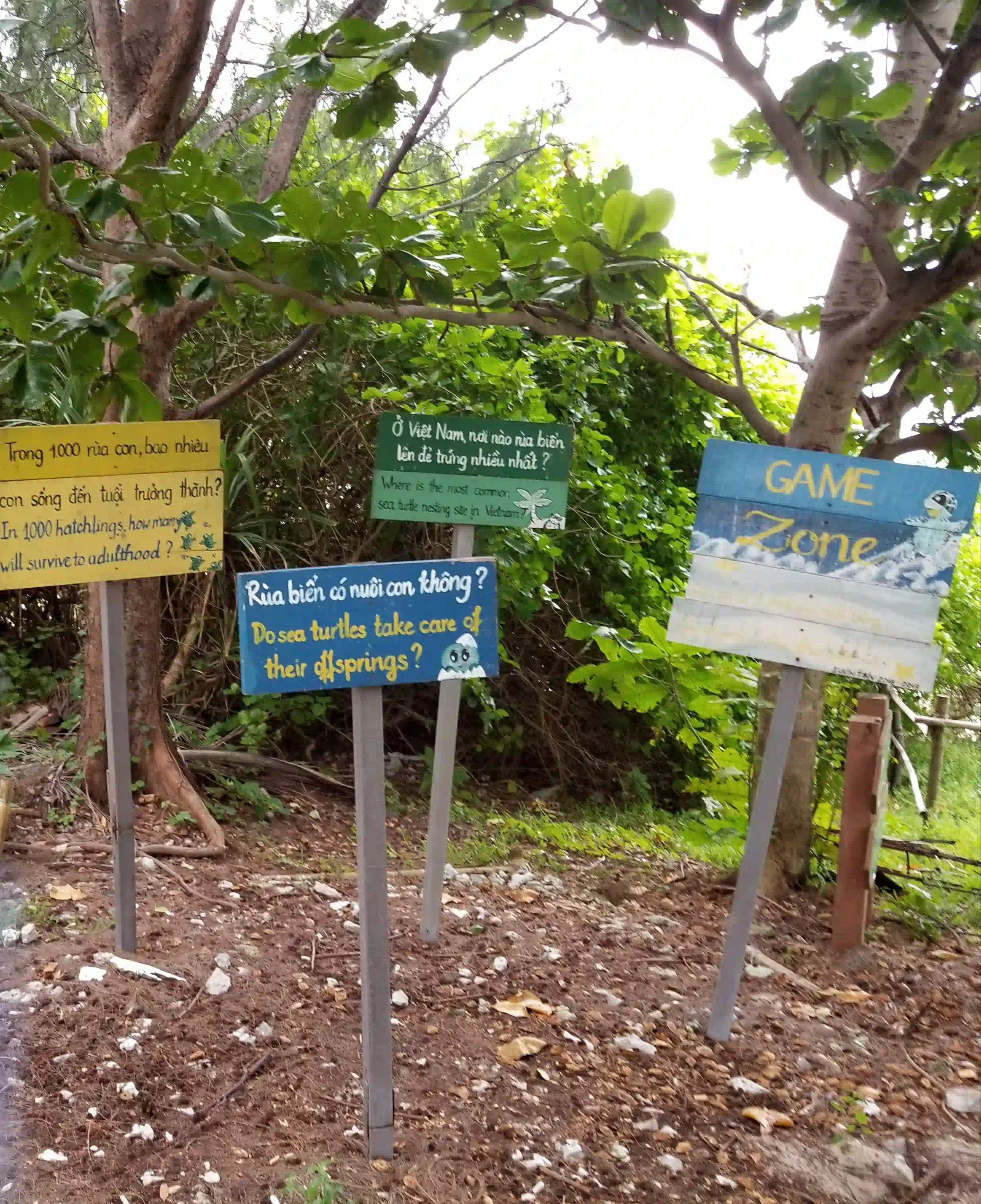
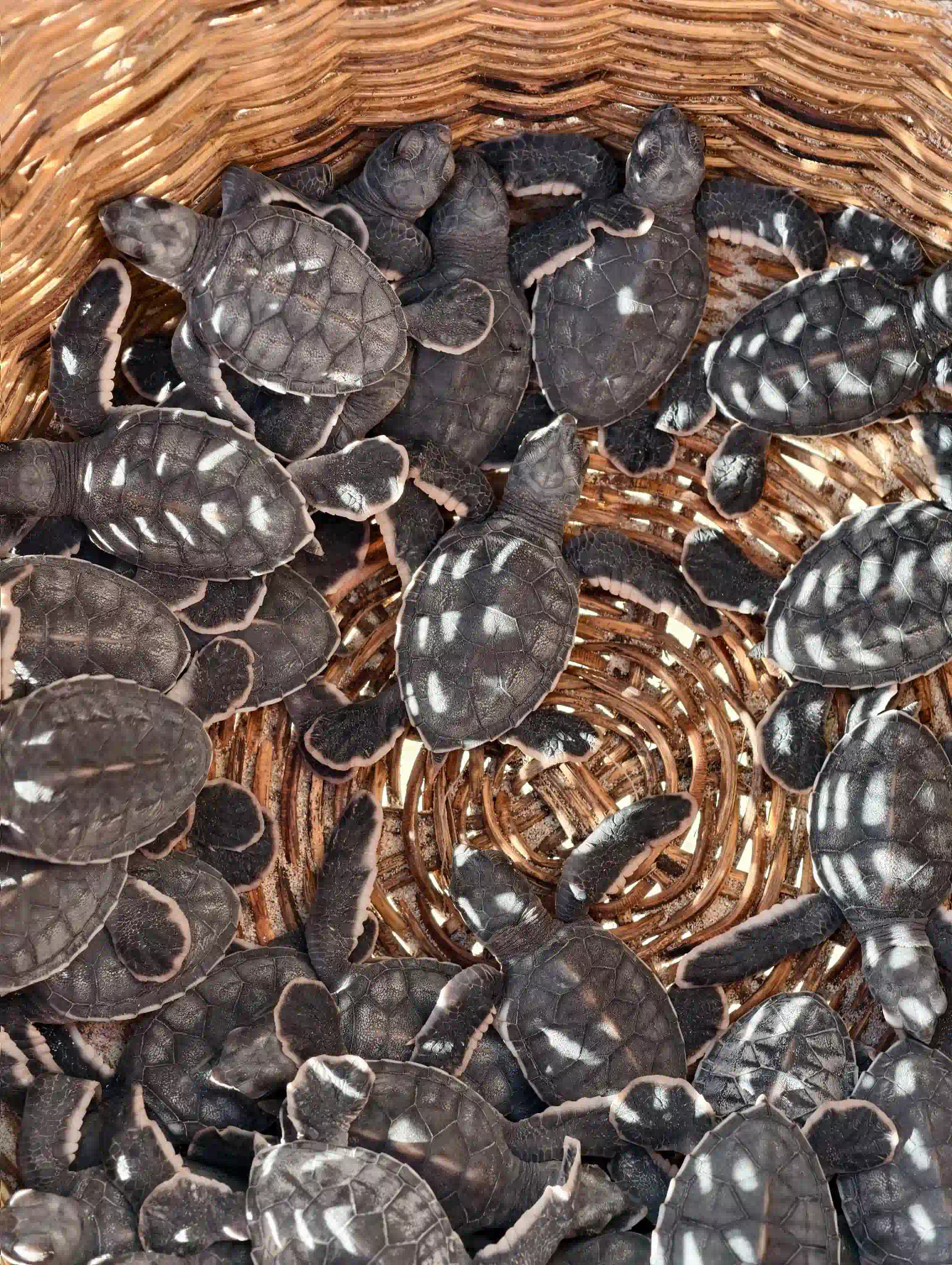
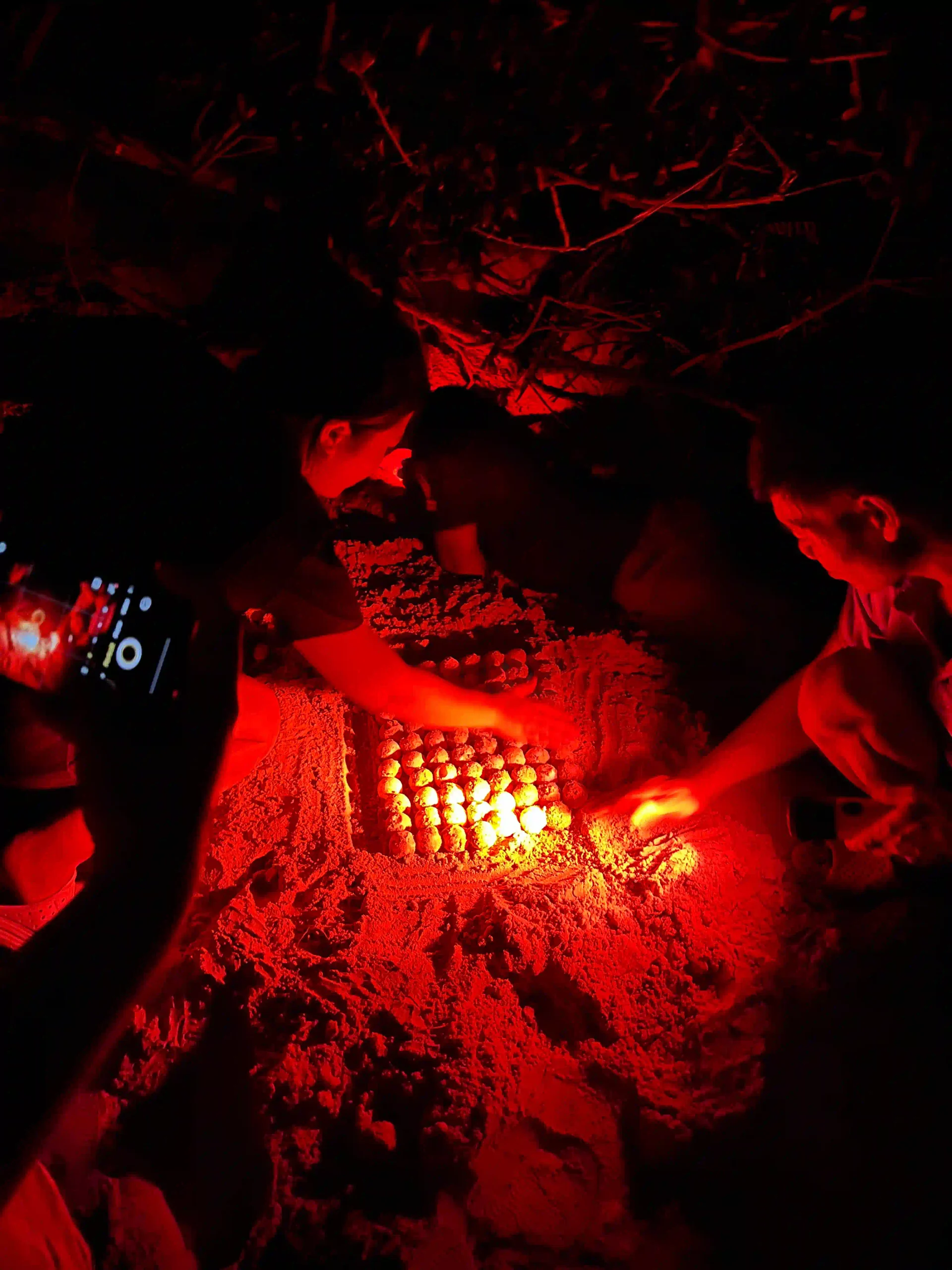
This is the thing Phu Quoc has no answer to. Around nine in ten of the sea turtles that nest in Vietnam come ashore on Con Dao, mostly on Bảy Cạnh and the small islands around it, and the numbers have climbed from about 220 nesting females in 1993 to nearly a thousand in 2025. The season runs from April to October, possibly into November depending on who you ask, and it’s busiest from June to September.
The only way to see it is a night tour run by the national park, with a ranger. The boat goes out in the late afternoon, you wait on the beach after dark for a turtle to come up with the tide, and the hatchlings are released at dawn.
Groups are kept small, there’s a cap on how many people each beach takes a night, and flash, noise and plastic bags are banned. It costs roughly 1.8 to 3.5 million VND a person, and in the peak months it’s booked weeks ahead, which is why I’d arrange the turtle tour before the flight.
The Diving
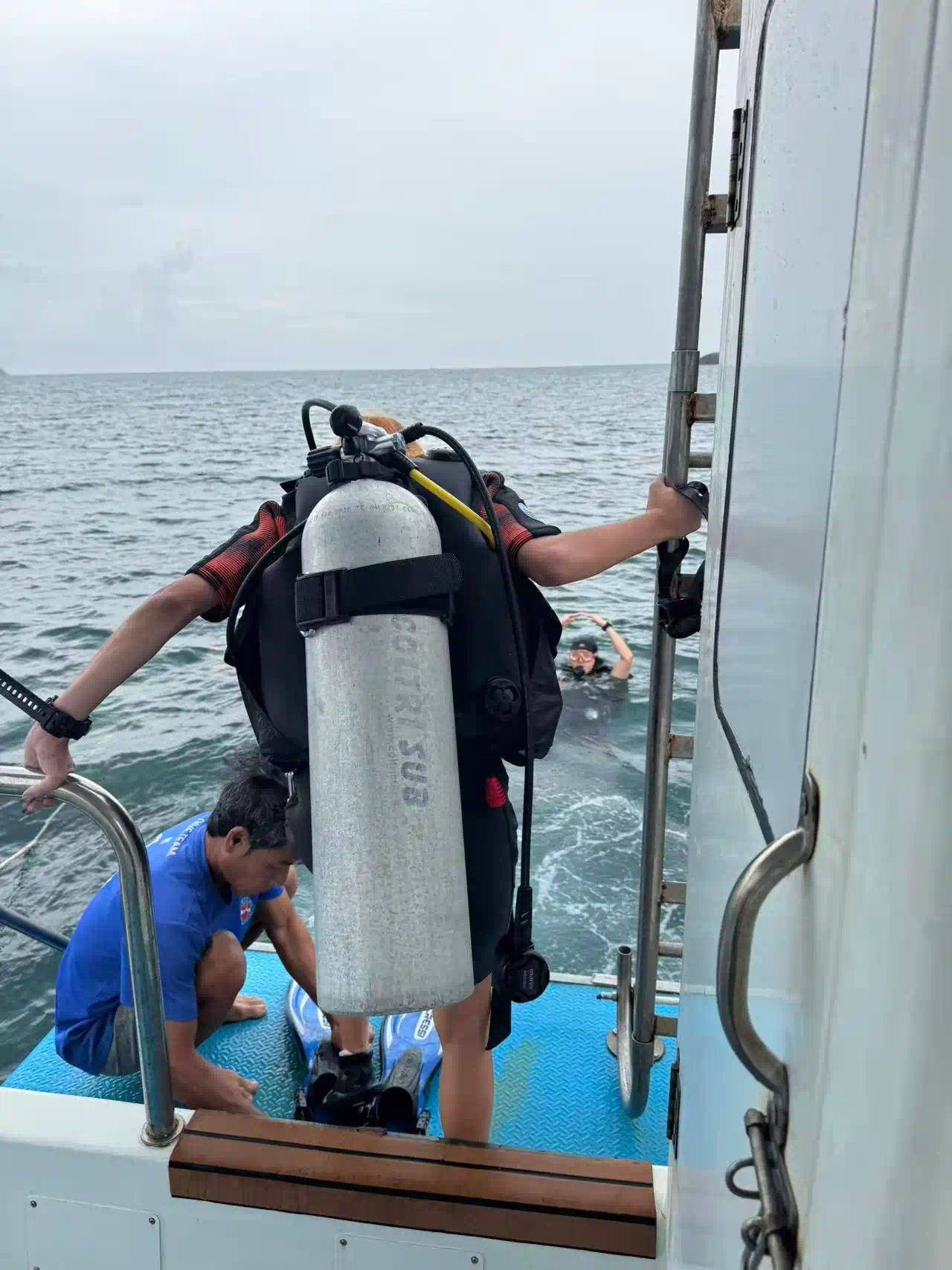
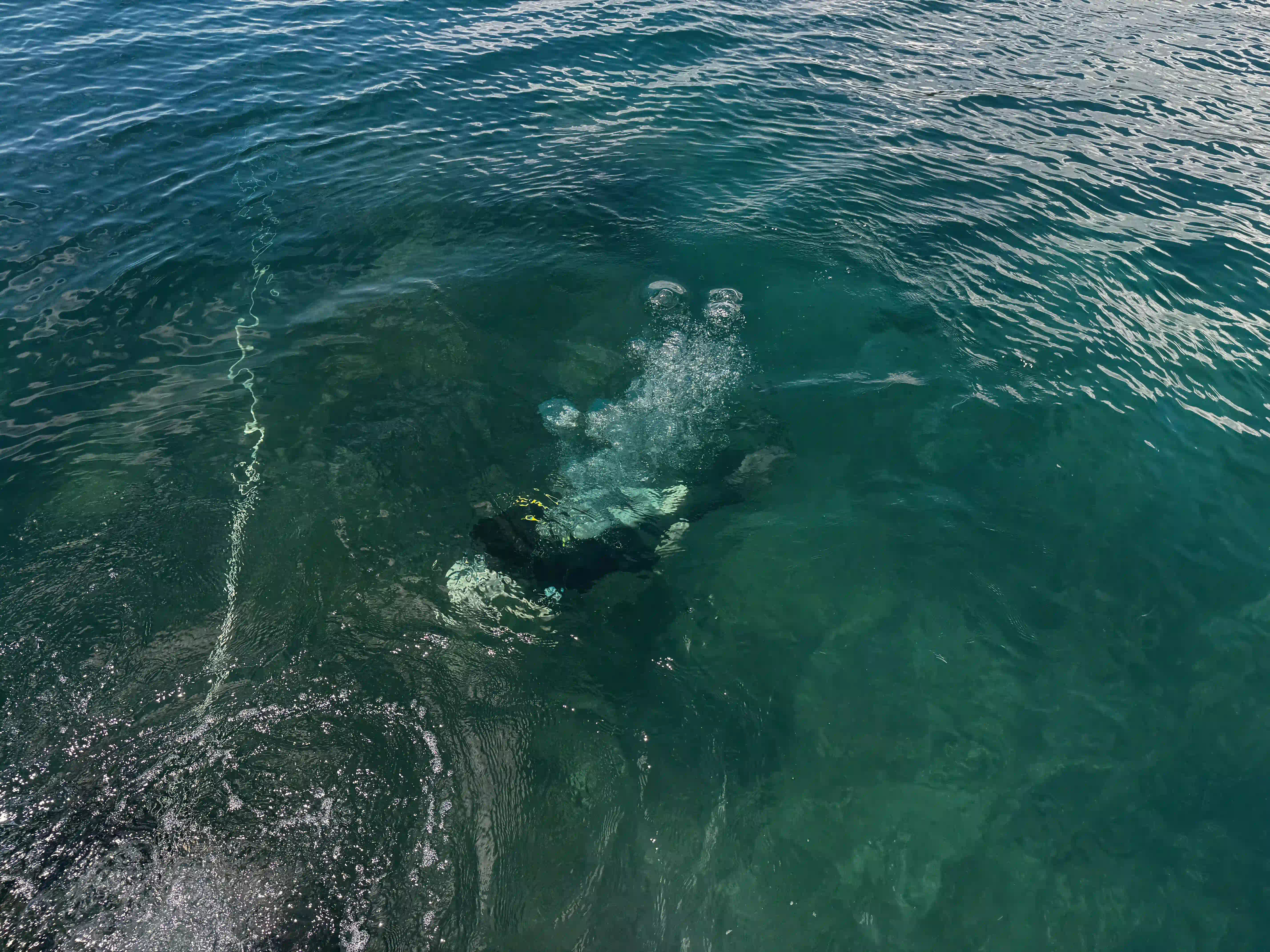
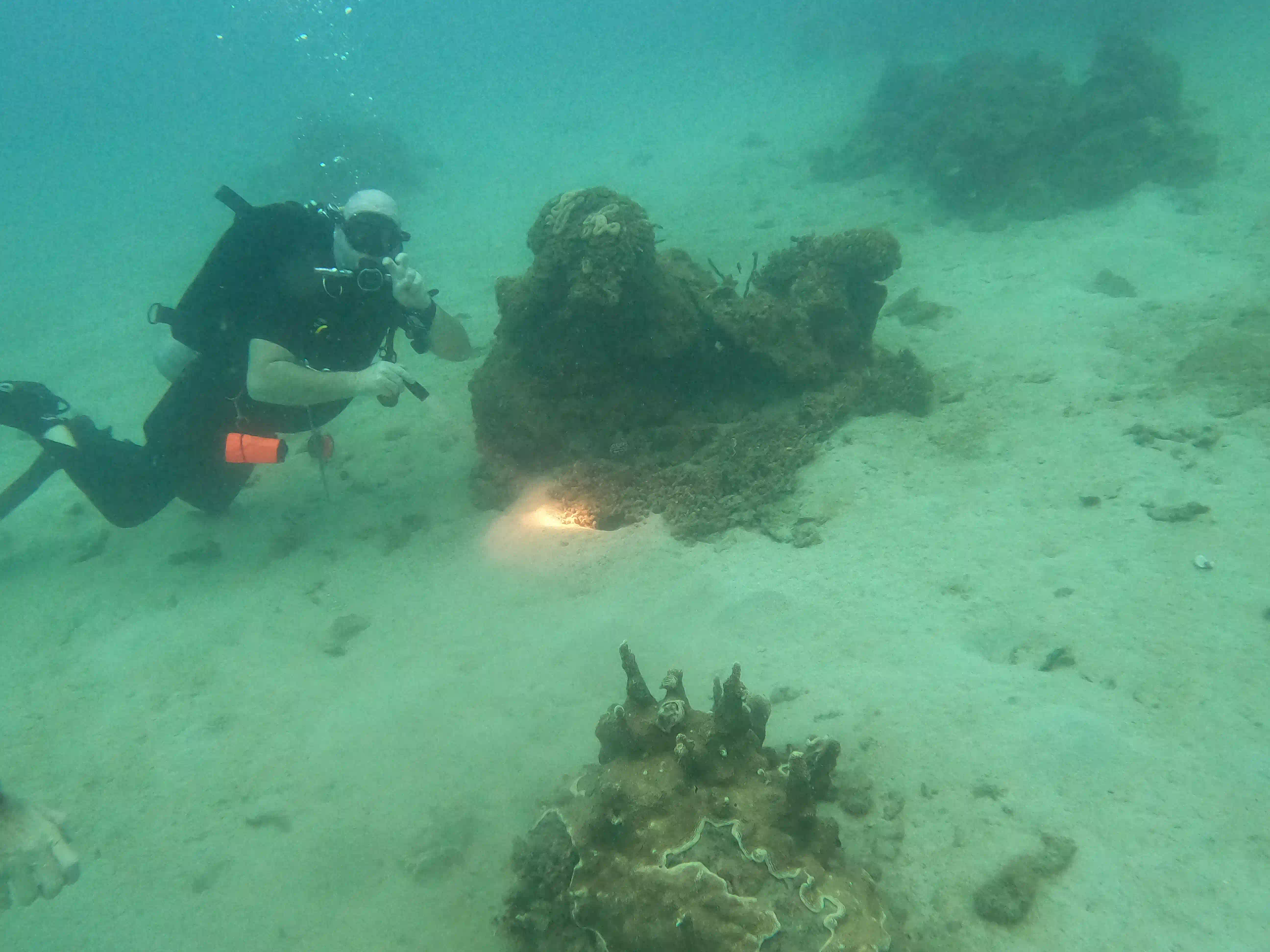
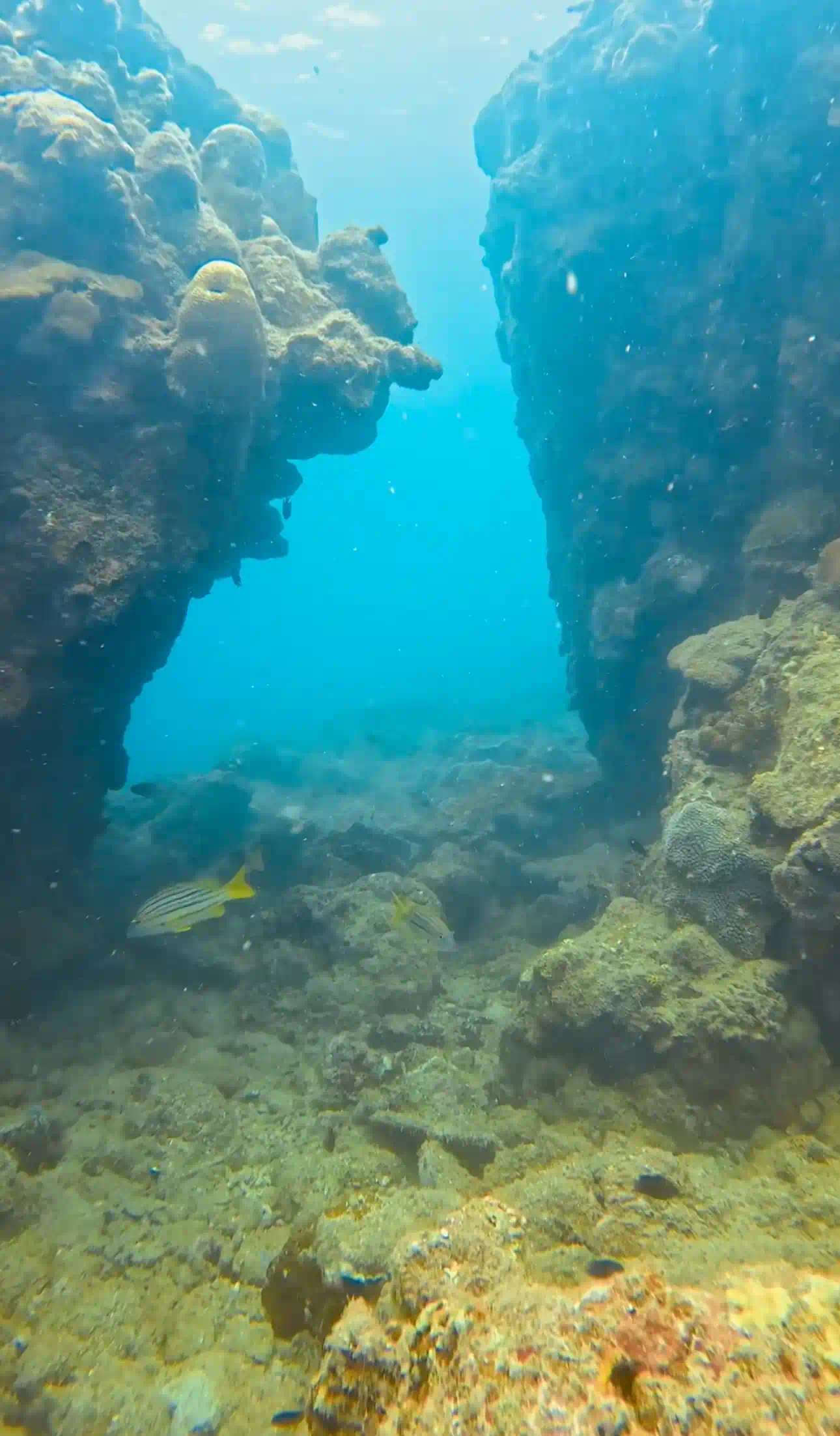
Con Dao island diving is the best in Vietnam: healthier reefs, water clear past 15 metres in the good months, and the only dugong left in Vietnamese waters.
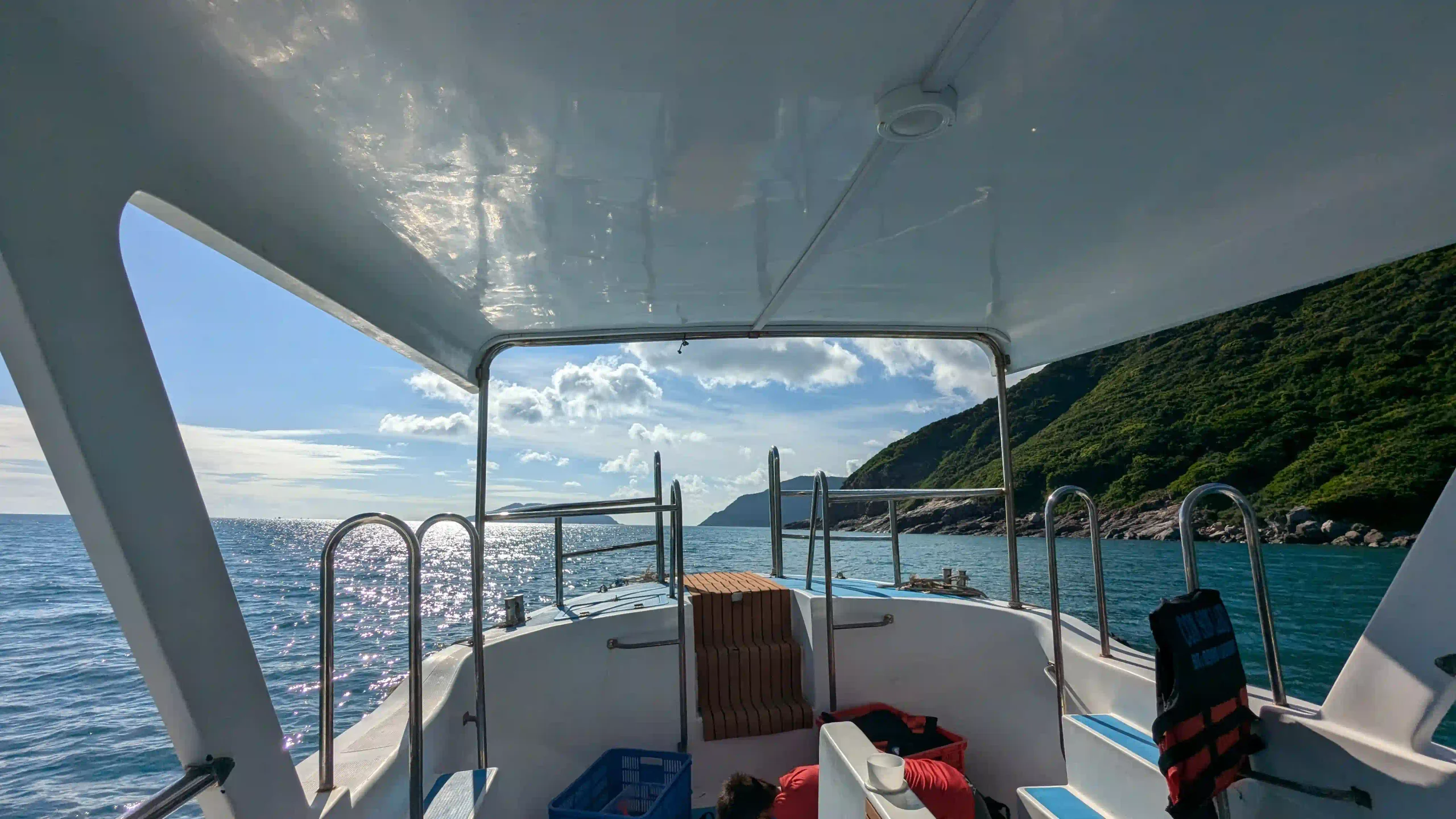
Hòn Tài, a few minutes out by boat, is shallow enough for beginners, and two dives with Con Dao Dive Center come to about 3.6 million VND with gear and the park fee. The season is March to September.
On Phu Quoc I did the 4-island boat run twice, and the full account is in the snorkelling guide: the famous reefs at Gầm Ghì and Hòn Móng Tay have been worn down by anchors and by people standing on them, there’s still live coral and plenty of fish, and December and January give the clearest water. It’s a good first snorkel and a good day out. I wouldn’t choose the island for it, and for anyone who dives, this one isn’t close.
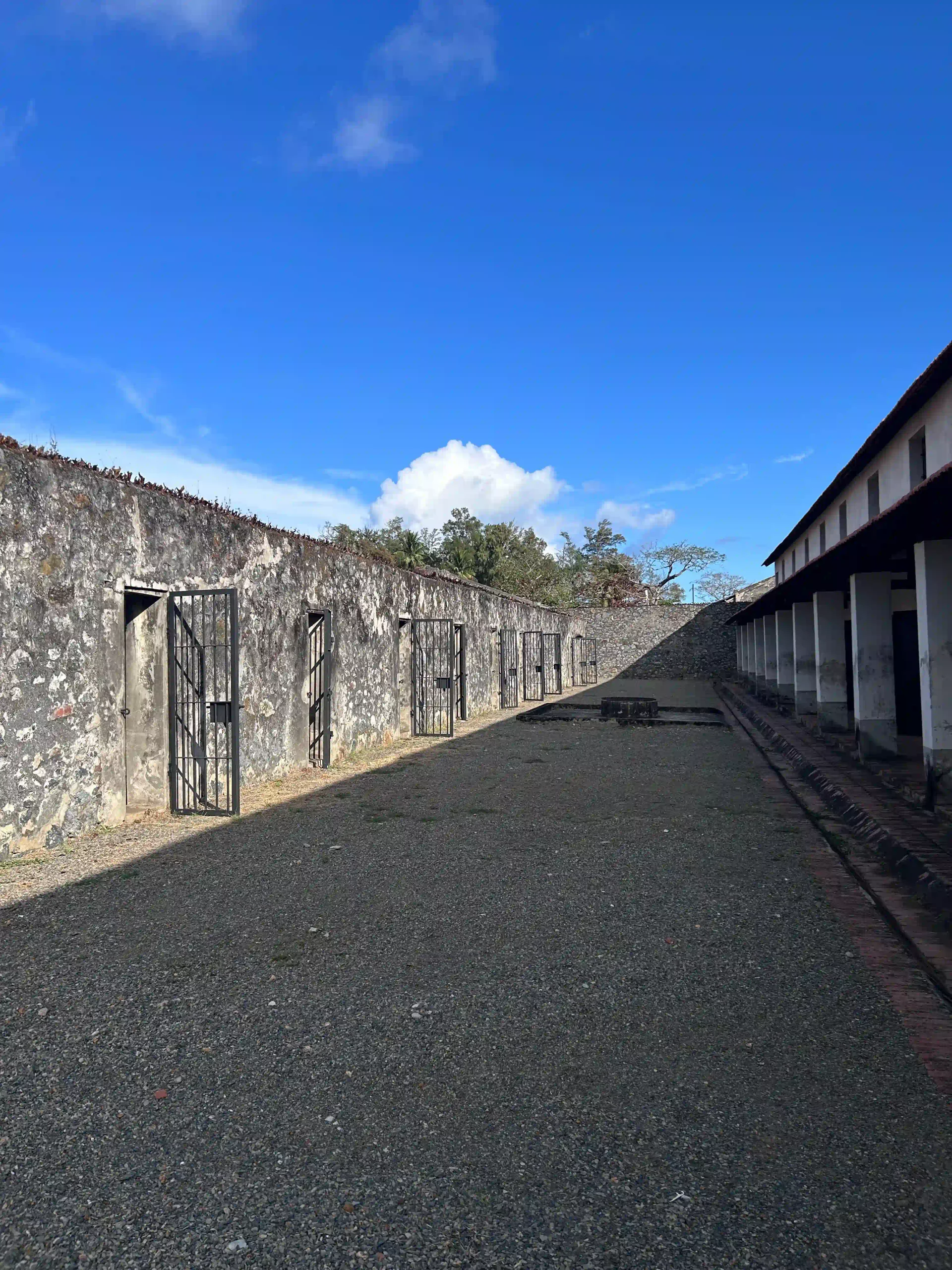
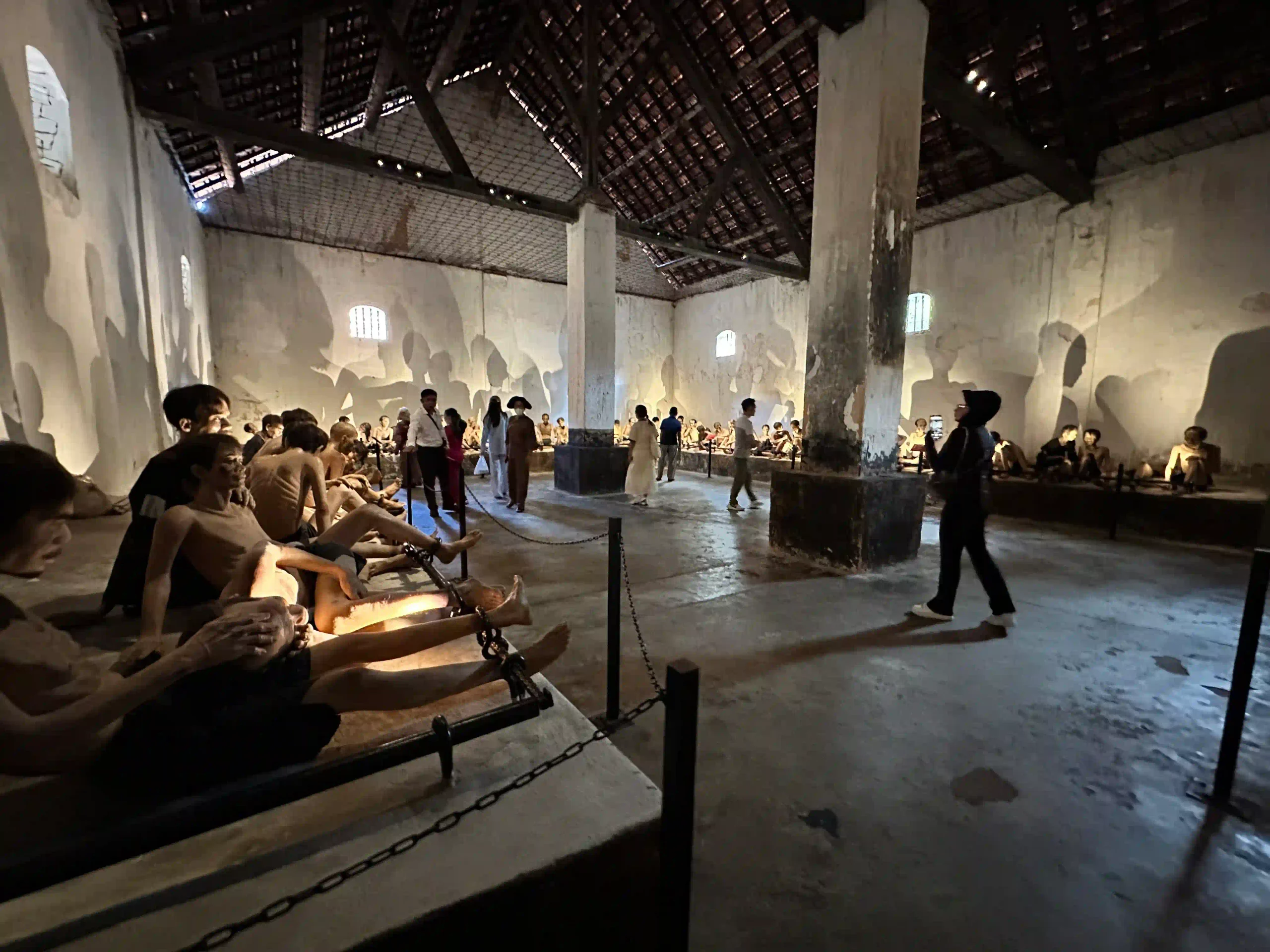
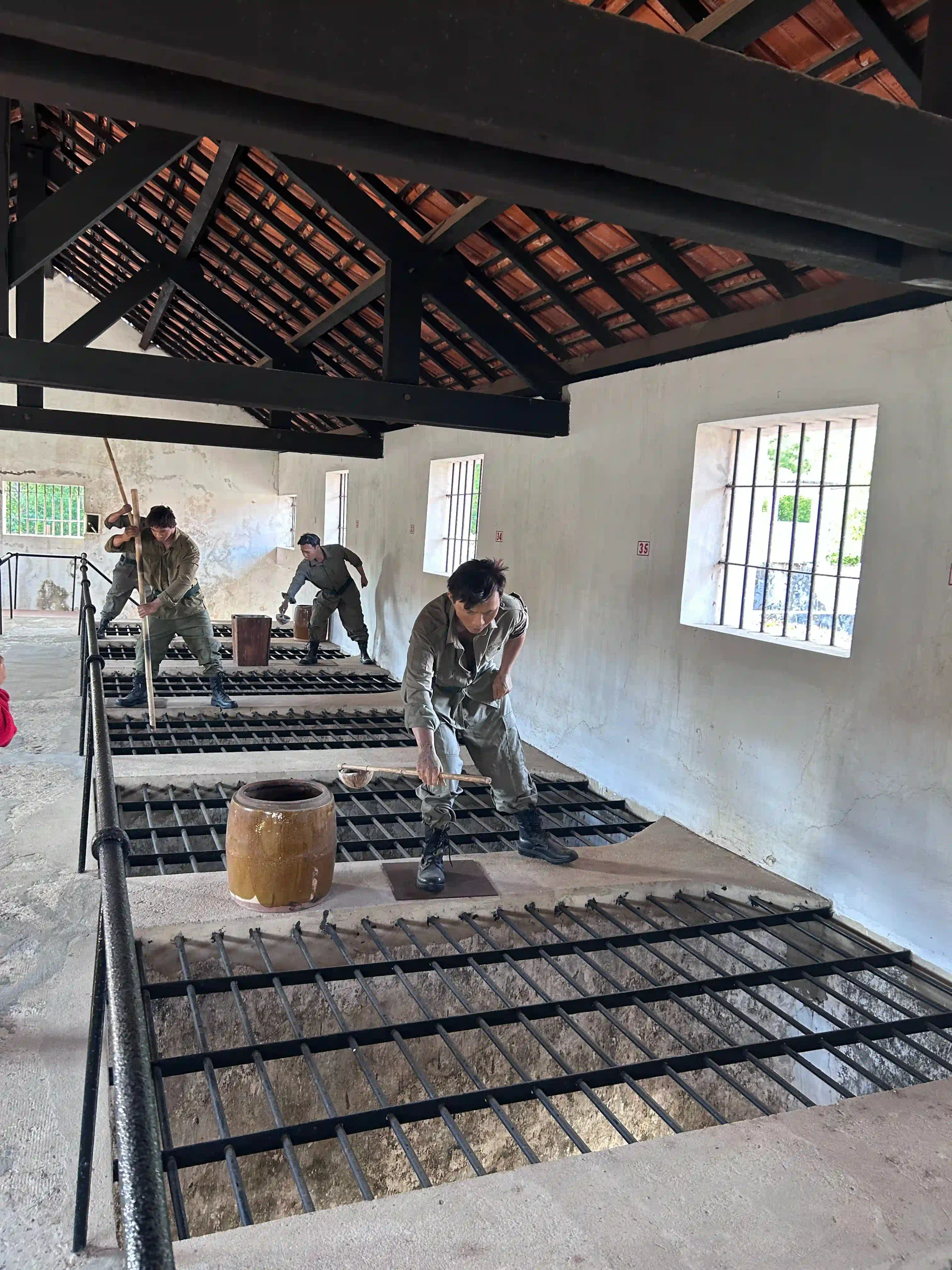
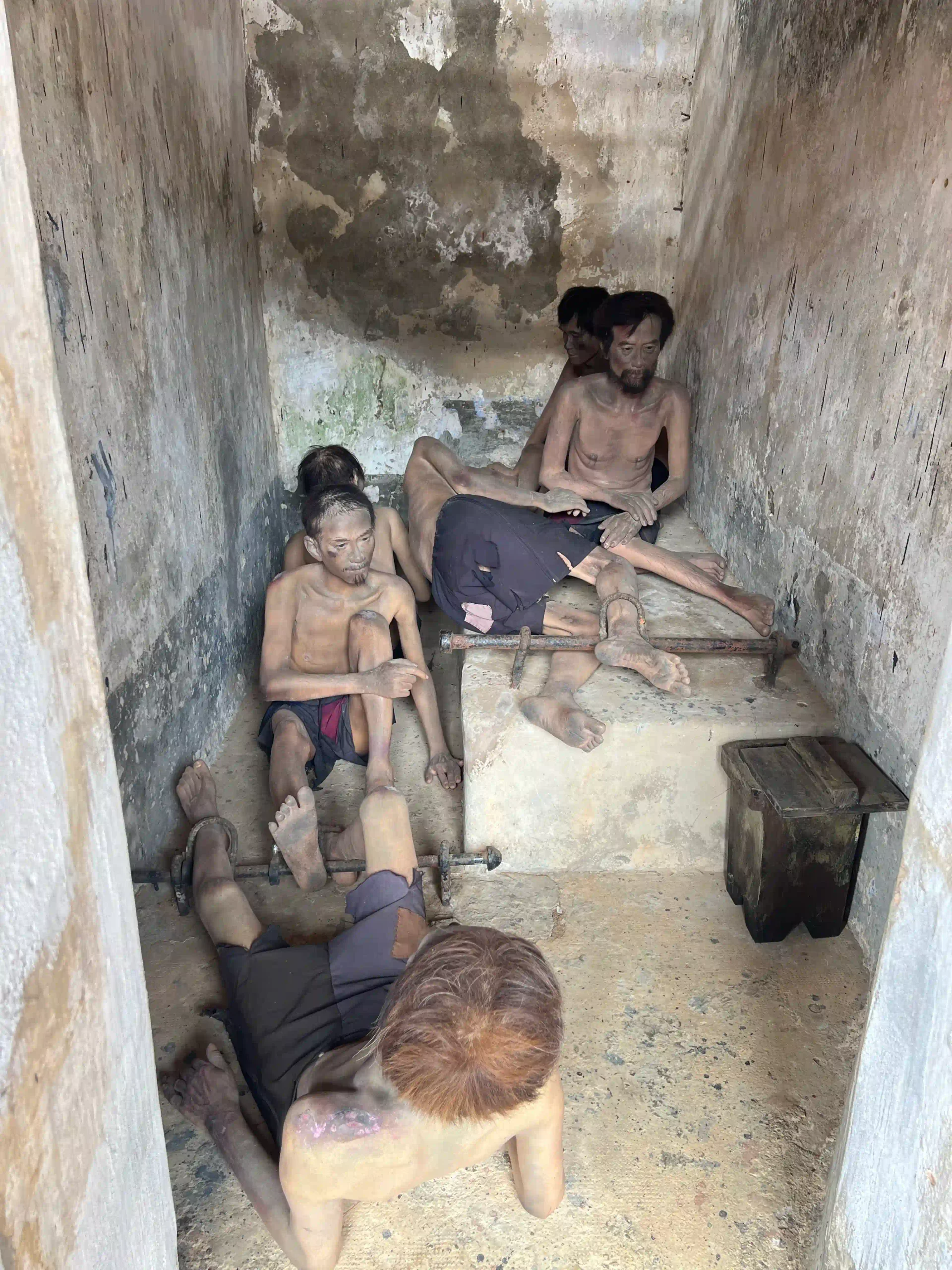
The Prison
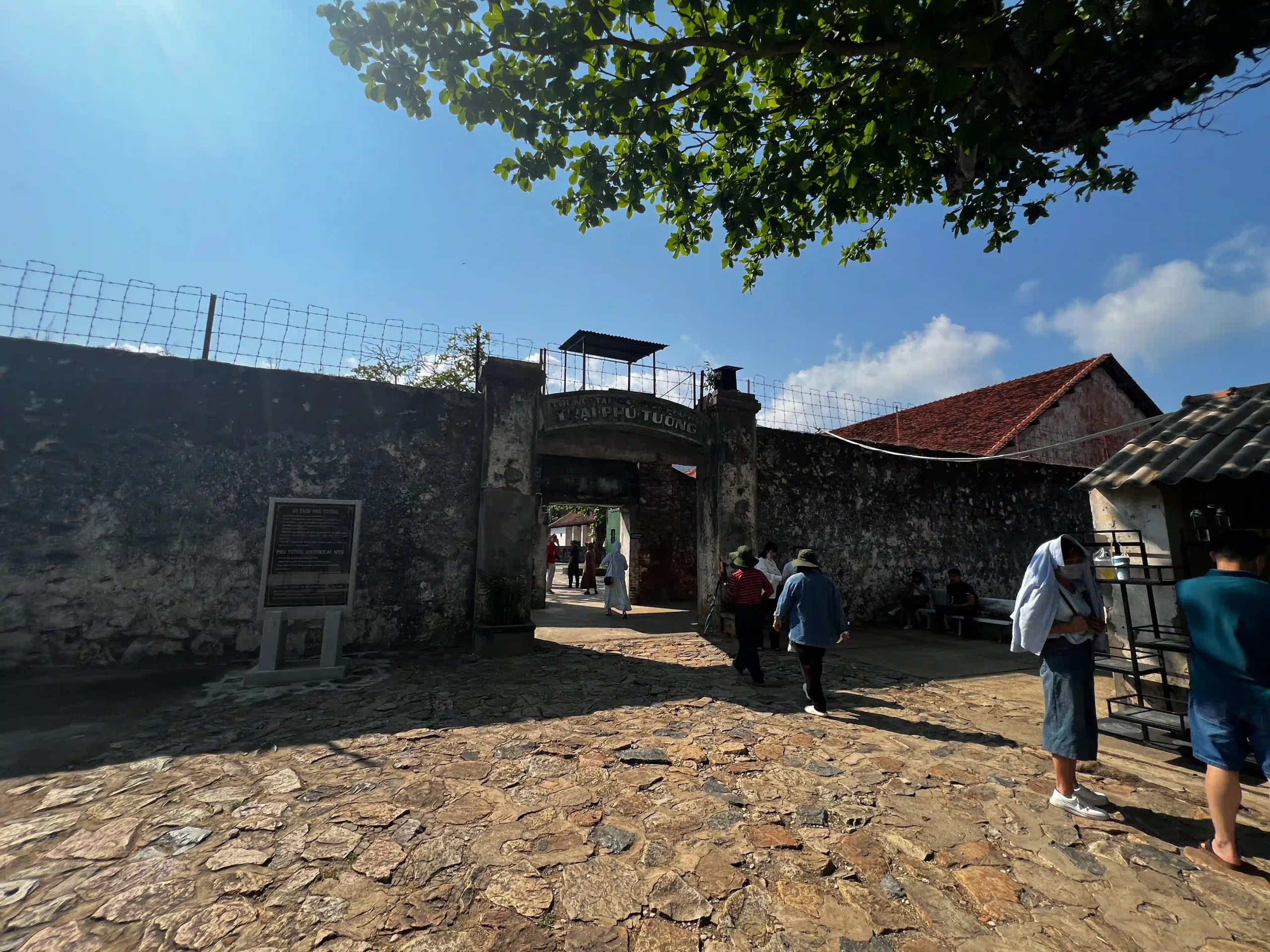
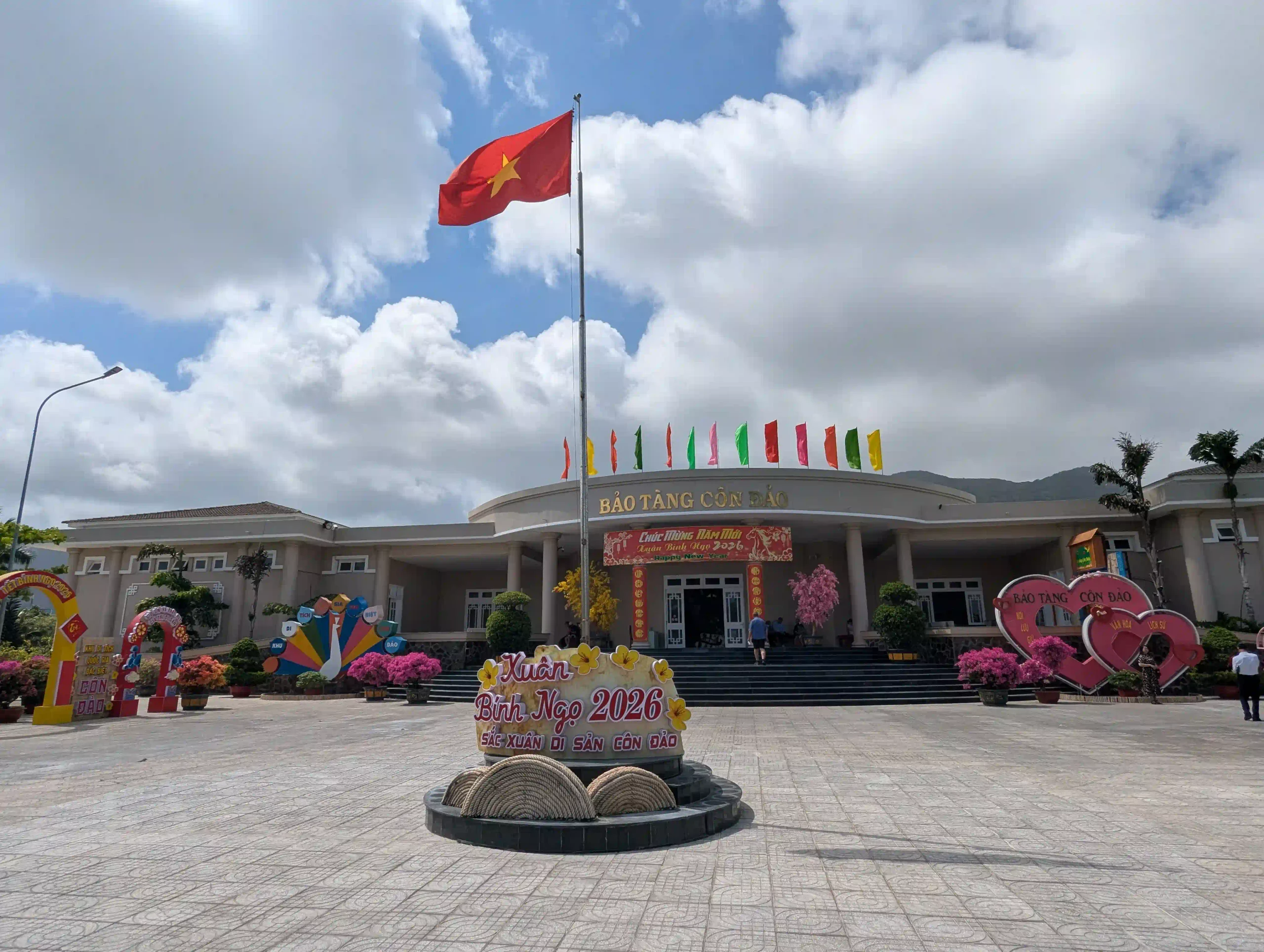
Most Vietnamese visitors come to Con Dao for this, and for many of them it’s closer to a pilgrimage than a sightseeing stop.
The French opened the prison in 1862 and it held political prisoners until 1975. Its tiger cages, cells roofed with bars where guards beat prisoners from above, only became known abroad in 1970, when an American congressional aide got in and photographed them for Life magazine.
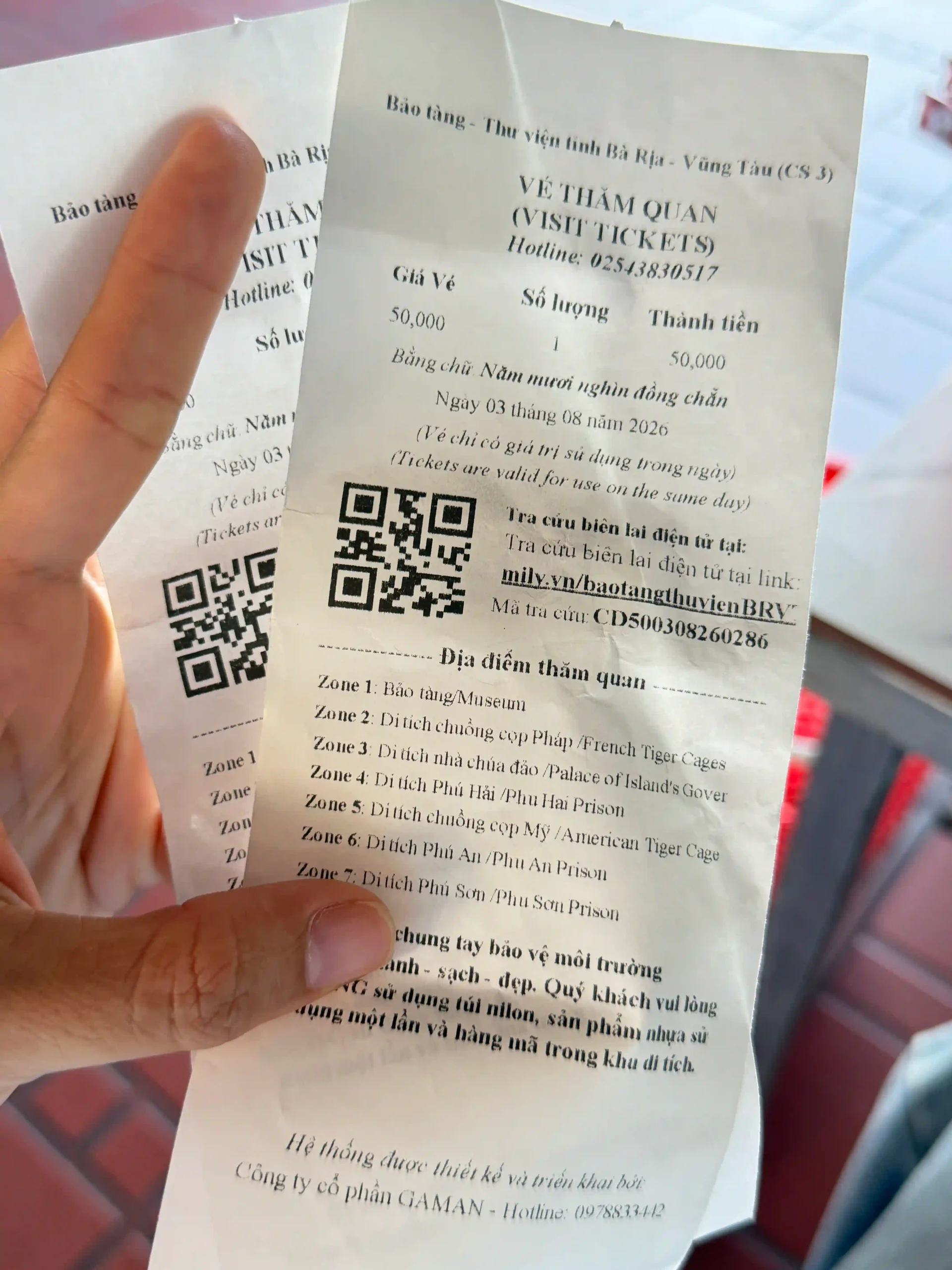
One ticket, around 50,000 VND from the Con Dao Museum, covers the museum and the prison sites. They’re open 7:30 to 11:30am and 1:30 to 5pm, and the guided tours at 7am, 9am, 2pm and 3pm are how I’d do it, since most of the story isn’t written on the walls.
Hàng Dương cemetery, where many of the prisoners are buried, holds the grave of Võ Thị Sáu, and visitors bring a mirror, a comb and flowers to it.
What Phu Quoc Does Better
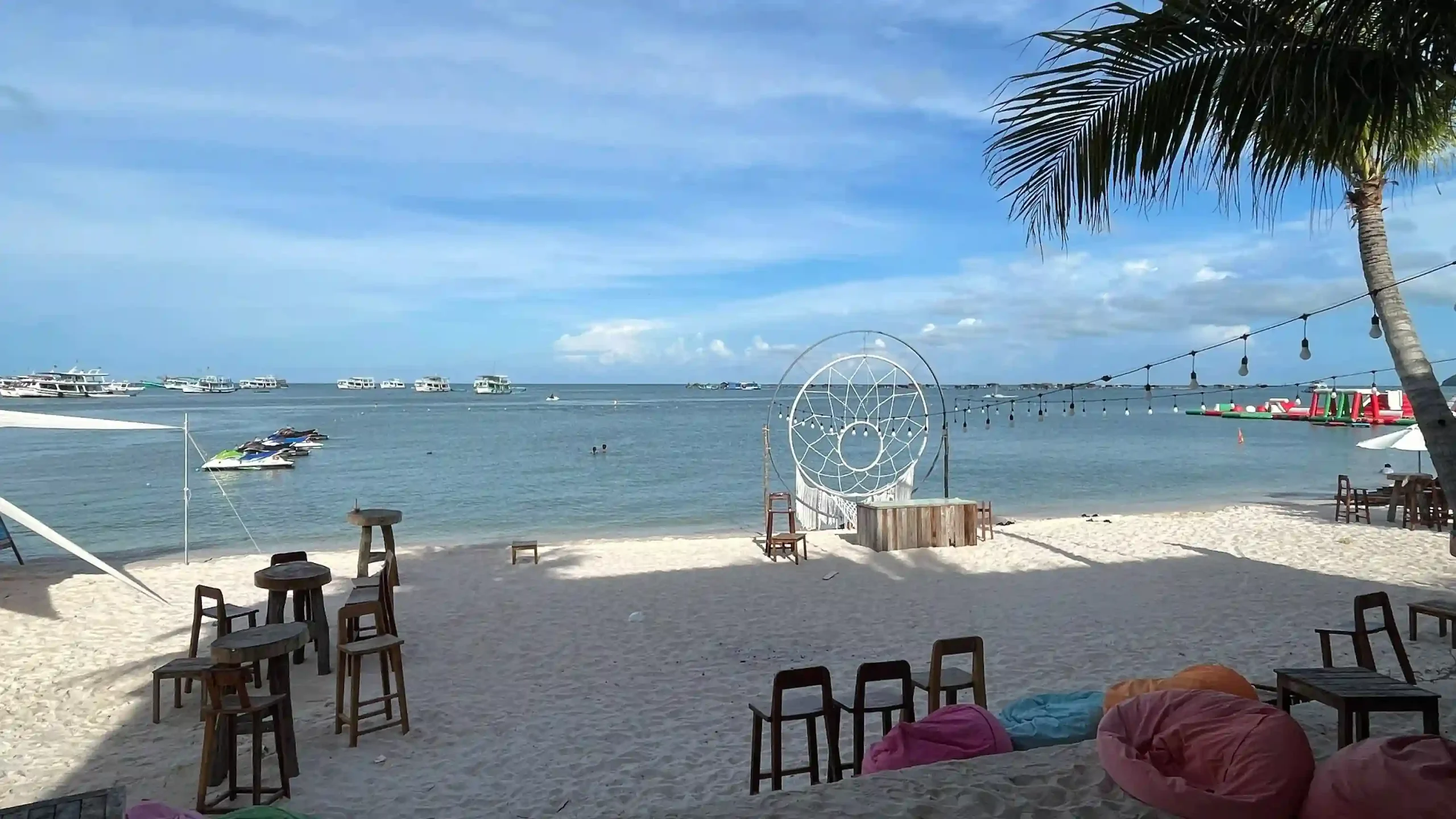
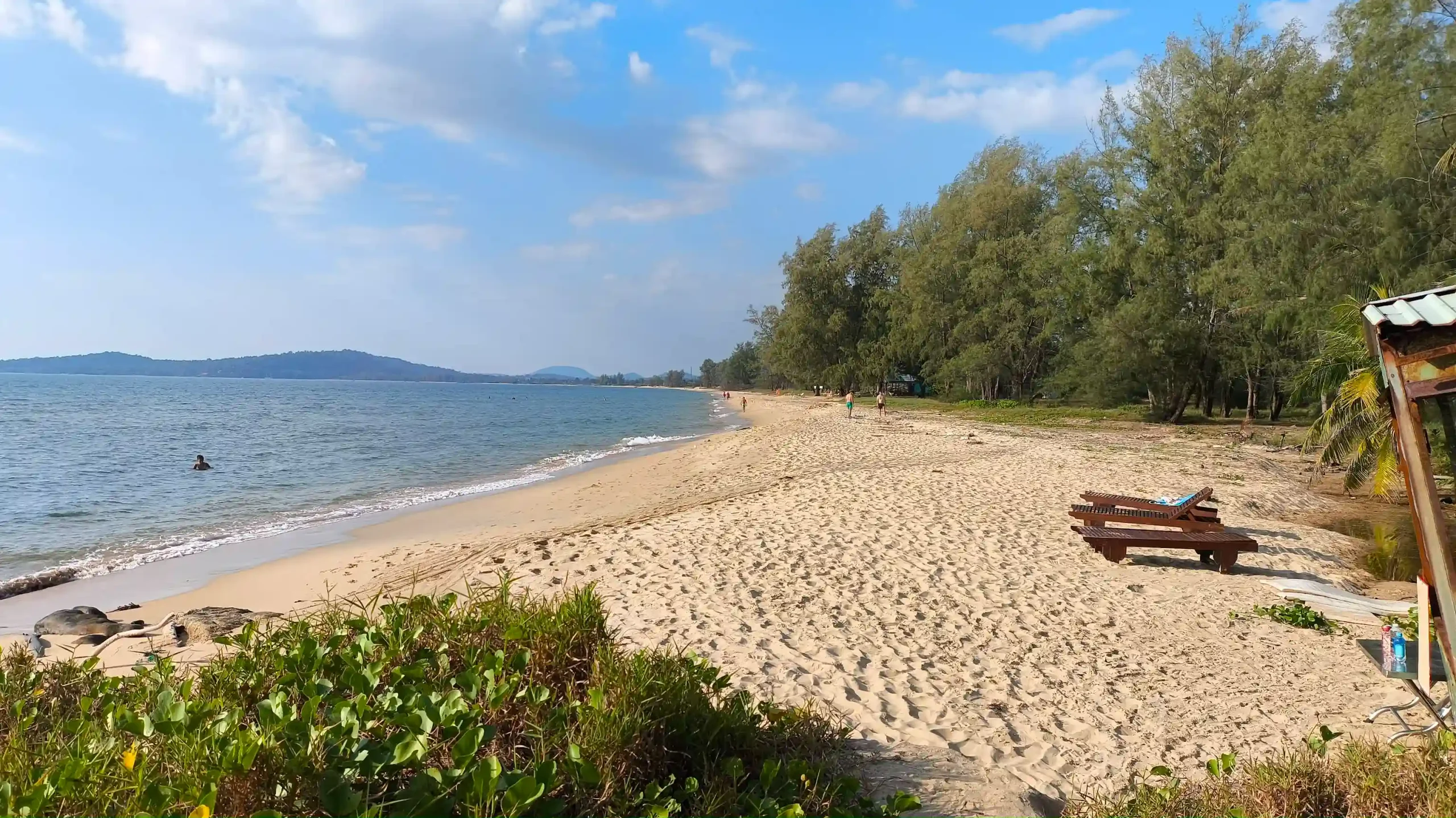
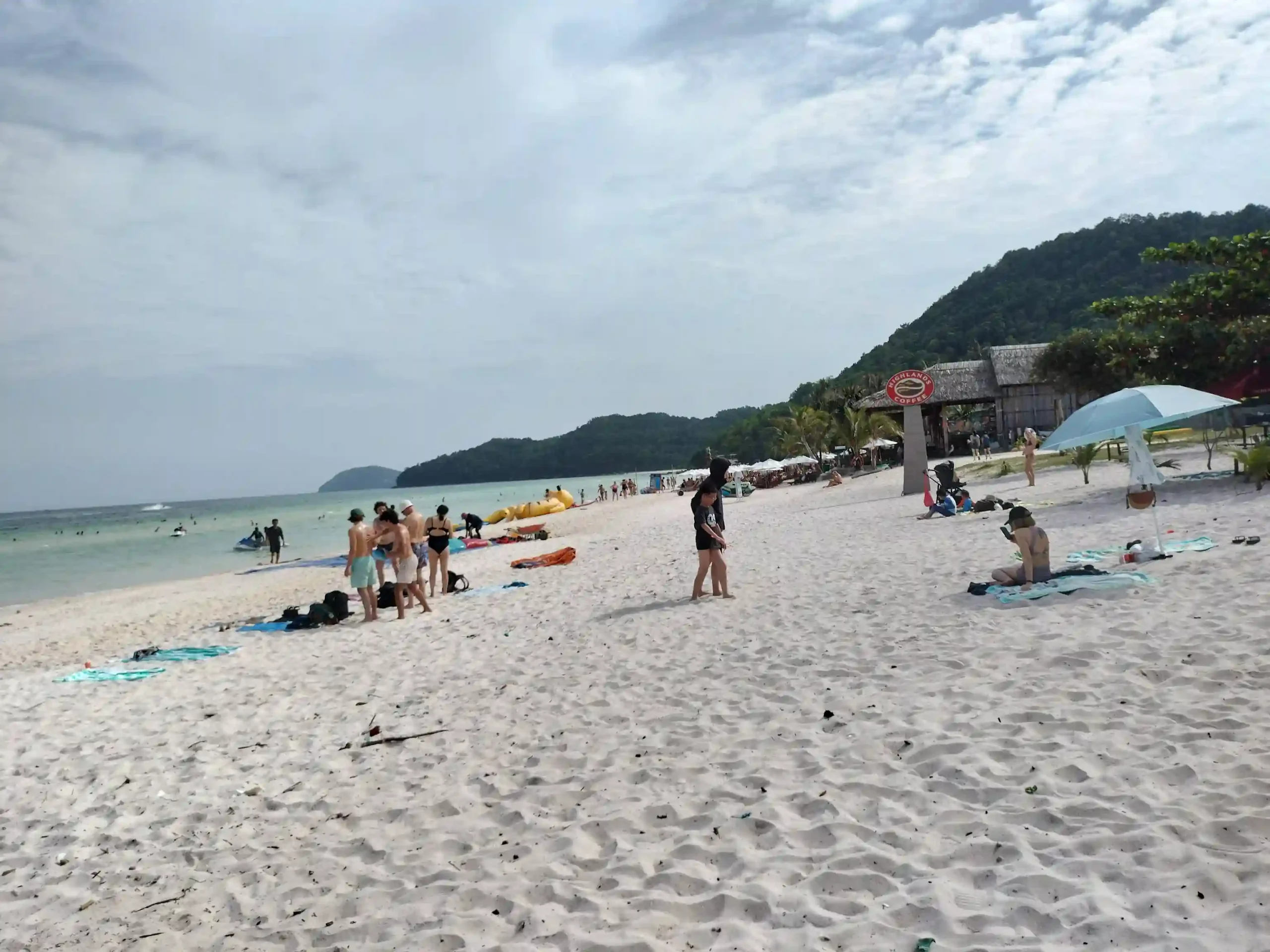
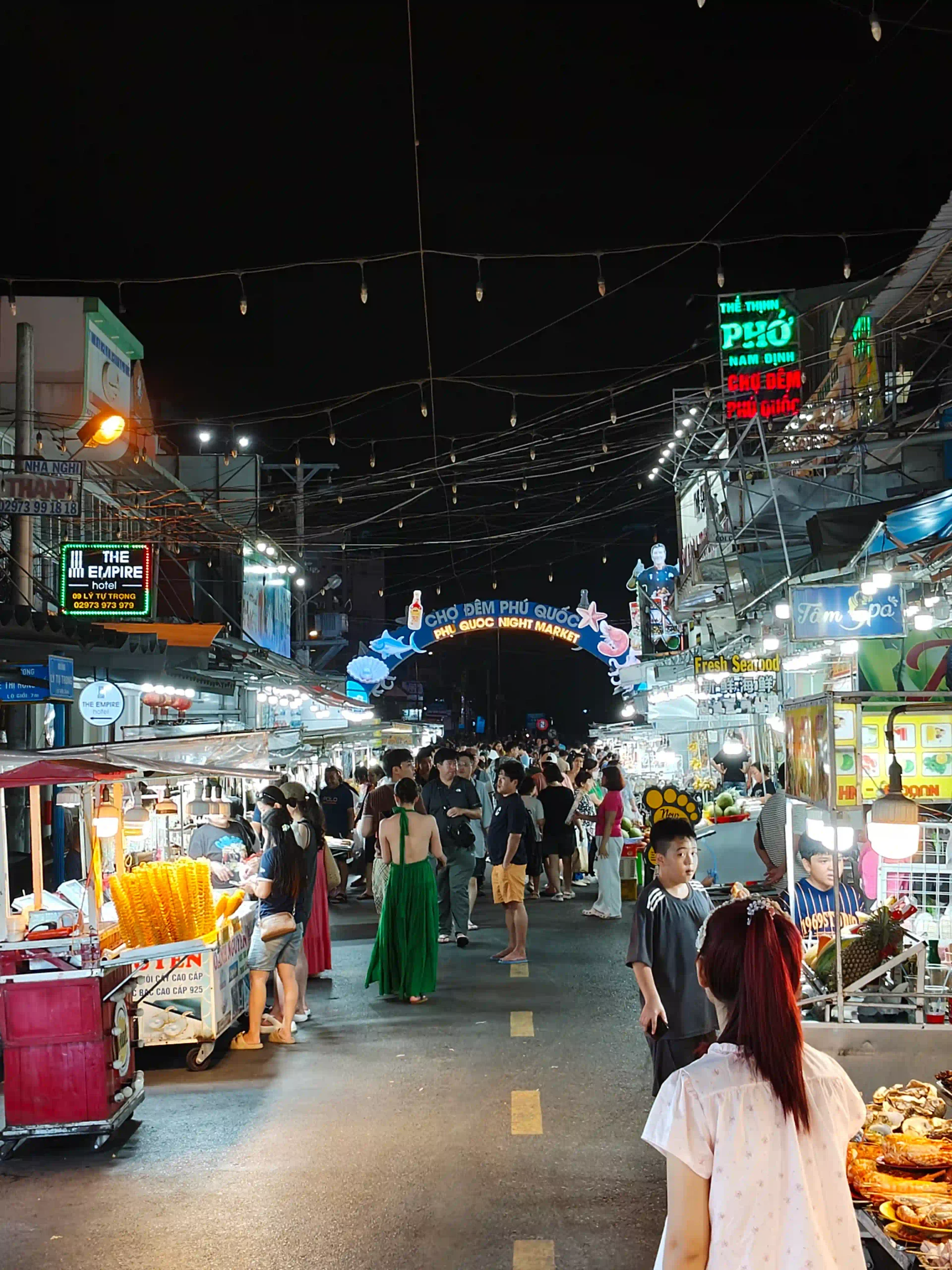
Range, mostly. Long Beach runs about 20km down the west coast and has the sunsets, Ong Lang, where I spent the middle of my month, is a run of quieter coves, and Bãi Sao in the south has the white sand. There’s a hotel for every budget, a choice of restaurants that Con Dao can’t come near, and evenings with something in them: the night market in Duong Dong, the Kiss of the Sea show at Sunset Town, bars along Long Beach. The food is the thing I’d miss most going the other way.
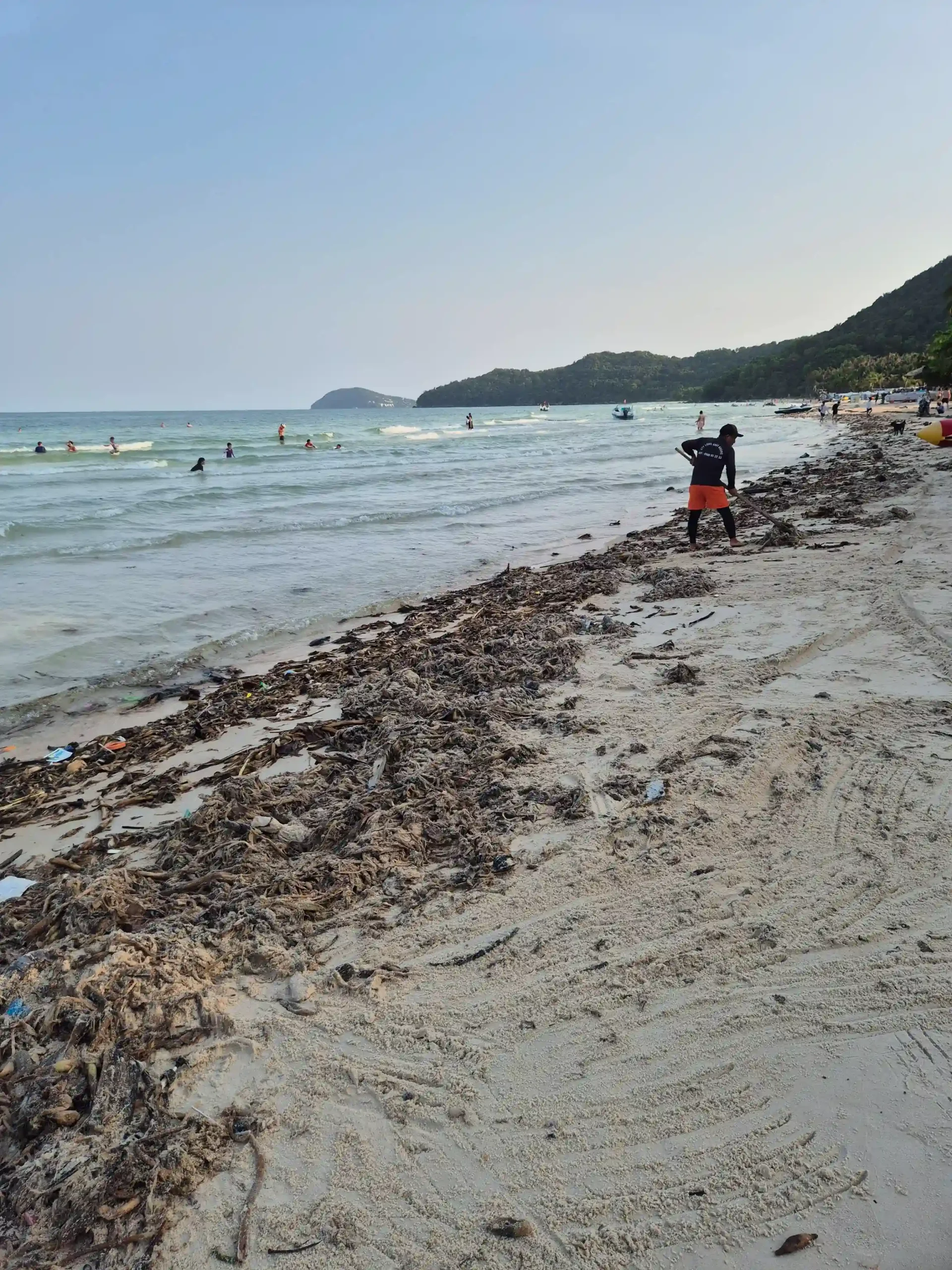
What it does worse is keep its beaches clean. The rubbish is worst straight after the rains. In January 2026 Bãi Khem and Bãi Sao were covered in rubbish and water hyacinth washed down the rivers, which the island’s environment department called a yearly event, and the resorts clean their own stretch while the rest waits. In May, September and October I’d look at recent photos before paying extra for the beach.
The Catch With Con Dao
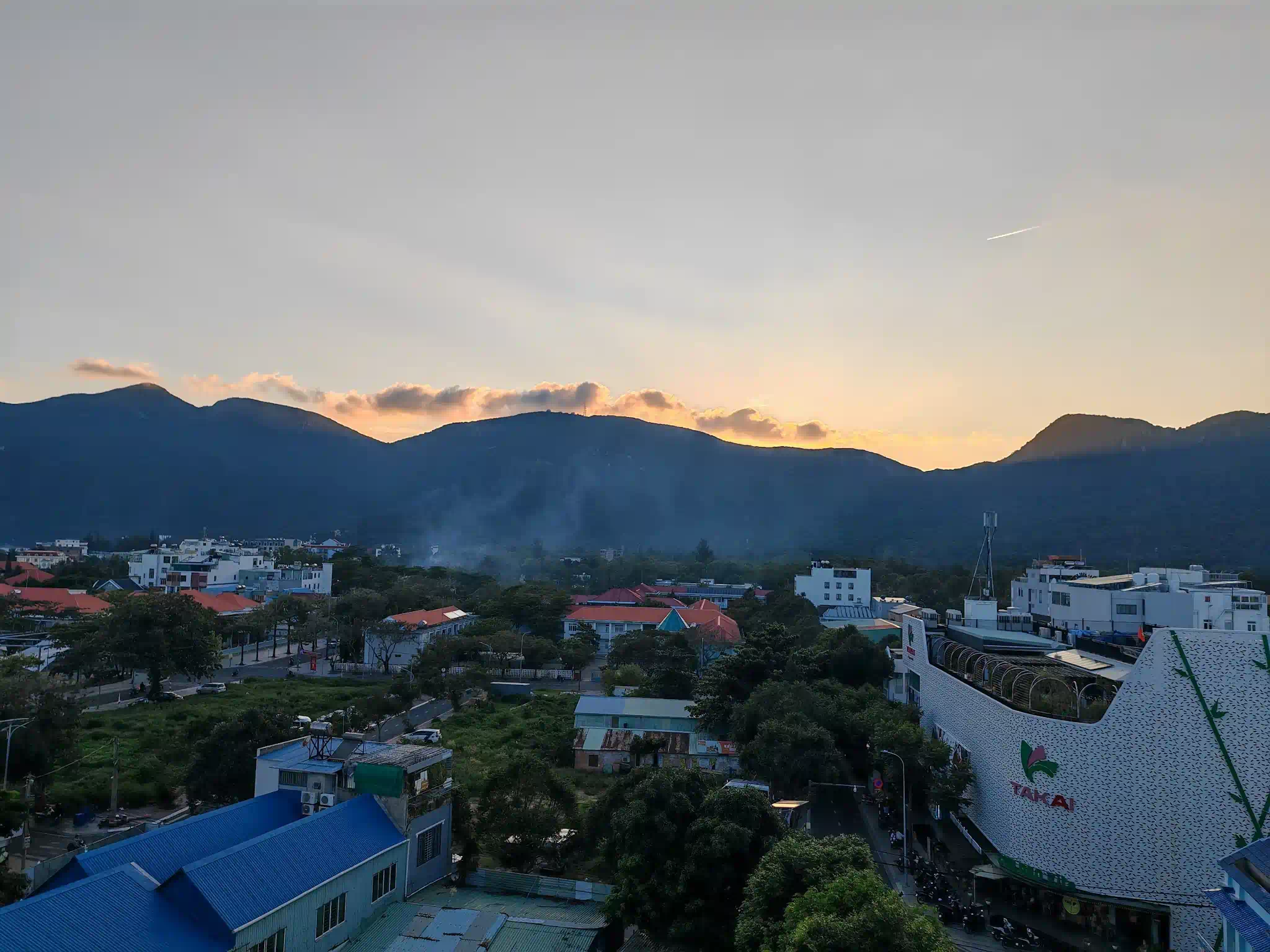
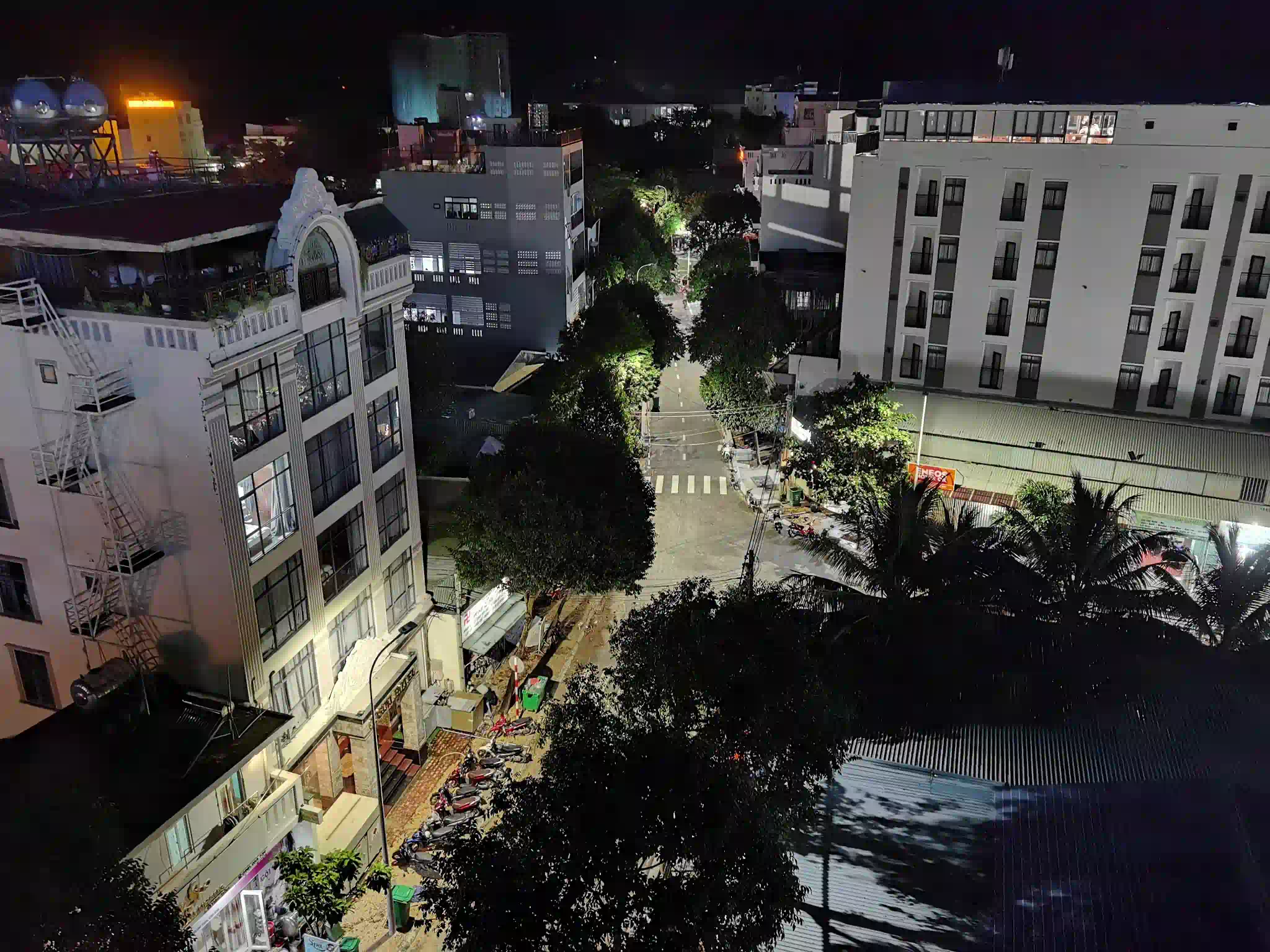
Con Dao goes quiet after dark, and it’s quieter than most people expect. Restaurants in Côn Sơn town close early, there’s no nightlife to speak of, and a meal for two with drinks runs about 500,000 VND at the places that are open. The things to eat are the seafood, ốc vú nàng among it, and kem hạt bàng, an ice cream made from the nuts of the tropical almond trees along the town streets.
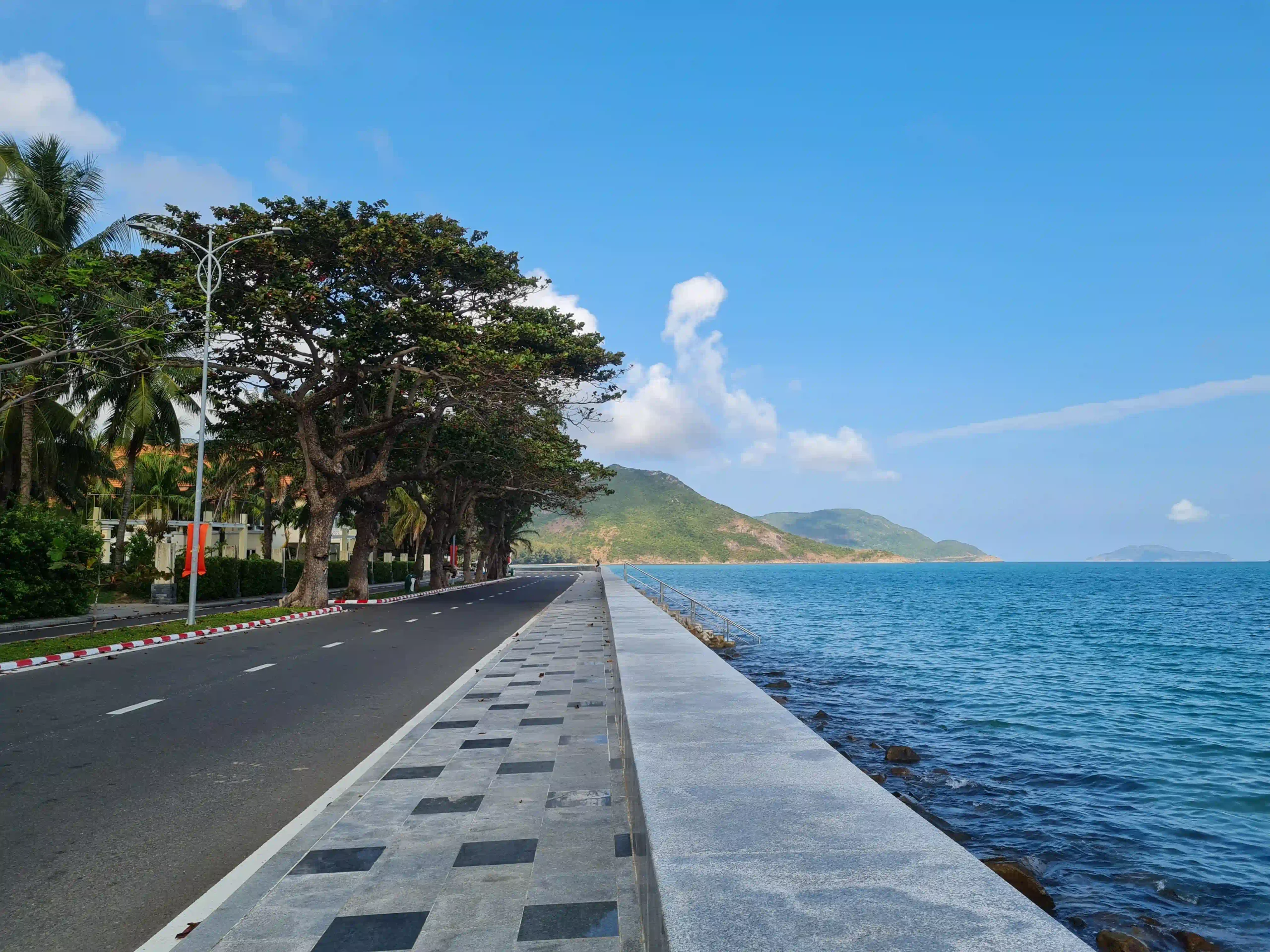
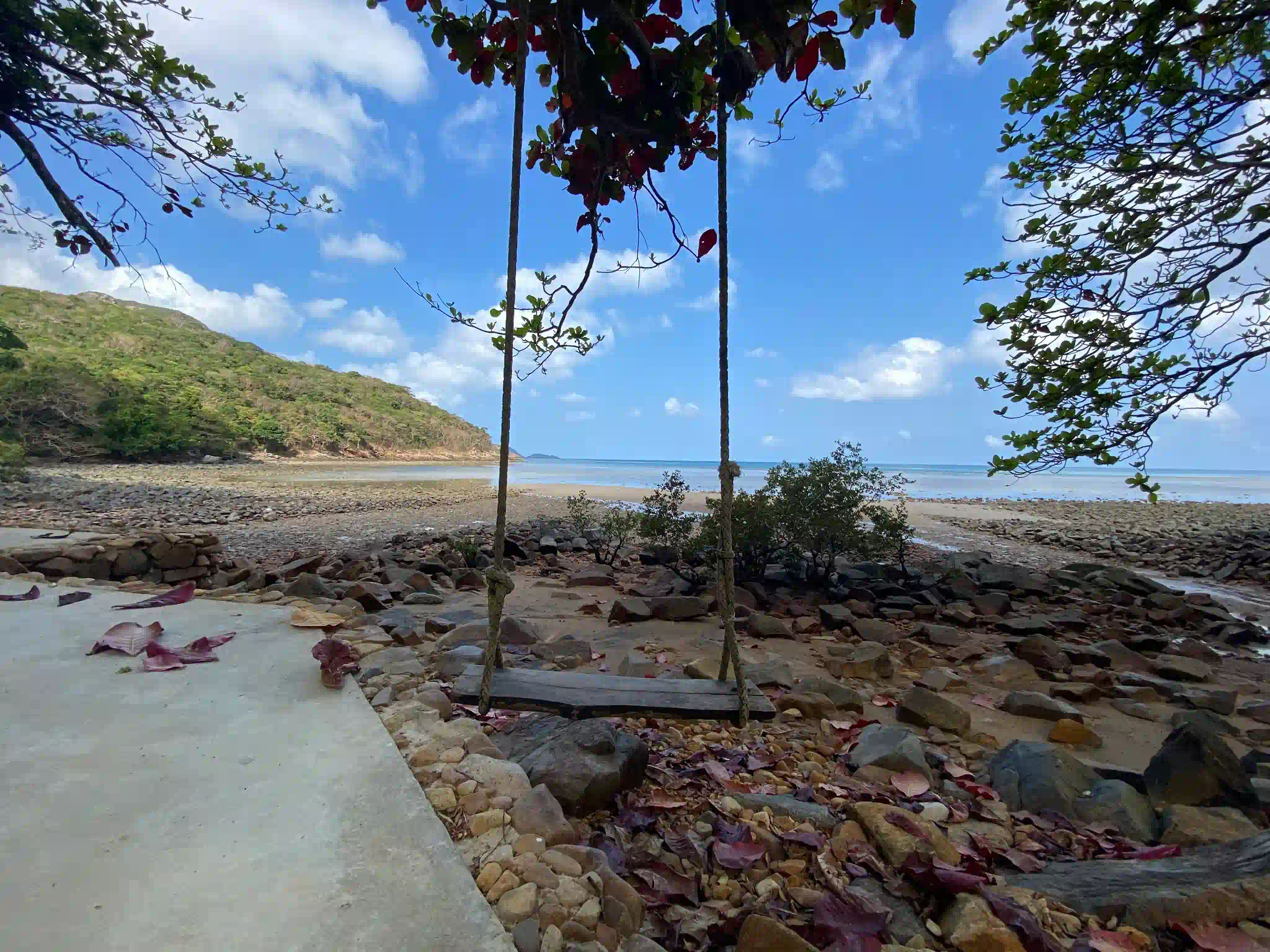
The beaches are emptier and simpler. Đất Dốc and An Hải are near the town, Đầm Trâu near the airport has a seafood shack that also does vegetarian food, and one coastal road runs down the main island, quiet and well surfaced and easy for anyone new to a scooter.
In the windy months the gusts along the cliffs are strong enough to slow down for, food is hard to find once you leave town, so lunch goes in the bag on a day out, and not every trail is open: the road to Ông Đụng beach has been closed at times for blasting.
There are also not many rooms, about 2,900 on the whole island, mostly simple guesthouses in town, a few good boutique places and Six Senses at the top, with little in between. In turtle season and at Tết, the good ones go first.
Is Con Dao More Expensive Than Phu Quoc?
Usually a little, for the same comfort, though it doesn’t look it at the bottom end. A fan room in Côn Sơn starts at about 500,000 VND and one with air-con at about 700,000, and a plate of rice in town is cheap. A good boutique room is 1.2 to 2.2 million VND, and Six Senses starts around $400 a night.
The gap closes on everything else. Most of the food comes over from the mainland, the planes carry fewer seats, so a one-way flight from Saigon swings between about $40 and $130, and the reasons to go are the expensive part: the turtle tour and the diving each cost more than a day’s spending money.
Phu Quoc has so many hotels that the prices stay down, five-star resorts at Ong Lang start around 2.75 million VND a night, and on a tight budget it’s the island I’d pick.
Doing Both: Phu Quoc and Con Dao in One Trip
There’s no direct flight or boat between the two islands. In practice it’s Phu Quoc to Saigon and Saigon to Con Dao, six to ten hours door to door, a full day of the trip. The overland and sea route through Rạch Giá, Cần Thơ and Trần Đề takes longer still.
The order I’d do it in is Con Dao first and Phu Quoc last. Con Dao’s flights only run by day and get cancelled in rough weather, so ending a trip there means trusting a turboprop to make an international connection in Saigon, which I wouldn’t do on the same day.
Phu Quoc has direct international flights home. Two to three nights on Con Dao is enough for the island, more for the turtles or diving, and three to four on Phu Quoc covers the main things to do.
The visa is the catch. Phu Quoc’s 30-day exemption only covers people who fly straight in from abroad and stay on the island. Leave it for Con Dao or anywhere else in Vietnam and you need a visa for your nationality, which for most people means the e-visa, done online before the trip.
One thing I still can’t pin down is how the 2026 turtle rules work on the sand. Some operators quote groups of 24, while the park’s new limits talk about 50 people a beach split into groups of about ten. If you’ve done a night on Bảy Cạnh since the rules changed, tell me how many of you were on the beach, because that’s the detail the next person booking will want and I’d like to get it right here.












 Tiếng Việt
 한국어
 中文 (中国)
 日本語
 ไทย
 Deutsch
 Español
 Destinations
 Instagram
 Facebook
 X (Twitter)
 Threads
 Tiktok