









 Ha Giang
 Hanoi
Hanoi Ho Chi Minh City
 Ha Long
 Sapa
Sapa Mekong Delta
 Da Nang
 Hue
Hue Hoi An
 Ninh Binh
 Da Lat
 Nha Trang
 Phan Thiet
 Phu Quoc
 Quang Binh
 Quy Nhon
 Vung Tau
 Thai Nguyen

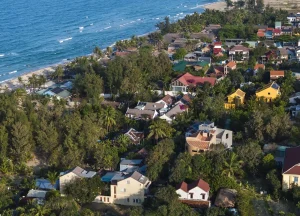


Hoi An is small. Everything is within fifteen minutes of everything else, so where to stay in Hoi An isn’t really a question about distance. What your area actually decides is which hours of the day you get easily and which ones cost you a bike ride.
The Ancient Town gives you the evening and takes your sleep. The beach gives you your mornings and makes the evening a decision. The ring in between gives you most of both, which is why it’s the answer I’d give a first-timer now.
- Quick Answer: The best area to stay in Hoi An for a first visit is the ring just outside the Ancient Town, meaning Cam Pho, Cam Chau, Tan An and Son Phong. You’re a five to fifteen minute walk or a short cycle from the old streets, rooms run 20 to 30% cheaper than inside them, and you can actually sleep. Stay in the Ancient Town itself only if your trip is two nights or shorter. Stay at An Bang Beach if you have four nights or more, or if the beach is the point.
- The Four Areas, Ranked for First Timers:
- 1. The ring around the Ancient Town (Cam Pho, Cam Chau, Tan An, Son Phong). Best balance of price, quiet and access. My default recommendation.
- 2. Hoi An Ancient Town (Minh An). Walk to everything, pay the most, sleep the least. Right for short trips.
- 3. An Bang Beach (Cam An). Best beach, best long-stay option, 15 minutes by bike from the old town through rice fields.
- 4. Cua Dai. Big resorts, eroded beach, furthest from anything walkable.
- Rough Prices Per Night:
- Homestay or guesthouse in the ring: $15 to $35.
- Mid-range hotel with a pool in the ring: $35 to $70.
- Boutique hotel in the Ancient Town: $60 to $150.
- An Bang beachside villa or homestay: $40 to $120.
- Cua Dai resort: $70 to $200.
- Getting Between Them: An Bang is 5km from the Ancient Town, about 15 minutes by bicycle on a flat road through the paddies, or 10 to 15 minutes and 60,000 to 80,000 VND by Grab. Most hotels lend bicycles free, and a lot of them run a free shuttle into town.
- The One Thing to Check: whether your hotel is inside the evening vehicle ban zone, because if it is, arriving with luggage after six means walking the last stretch.
Where to Stay in Hoi An: How the Four Areas Sit
Hoi An runs east from the Ancient Town to the sea, and the four areas are essentially four rings out from the old streets.
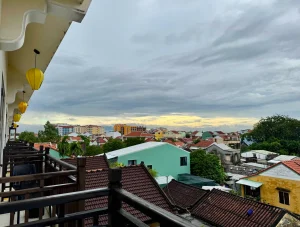
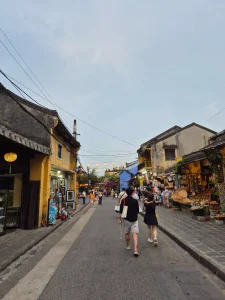
The Ancient Town, officially Minh An ward, is the pedestrianised heritage core along the Thu Bon river. The ring immediately around it, Cam Pho to the west, Cam Chau and Tan An to the east and north, starts where the heritage zone ends and is mostly ordinary streets with hotels, homestays and pools on them.
5 kilometres further east is An Bang, Cẩm An on the Vietnamese signage, which is the beach with the restaurants and the foreign community. Cua Dai is south of An Bang along the same coast, and it’s the older resort strip.
| Area | Walk to Old Town | Nightly, mid-range | Best for |
|---|---|---|---|
| Ancient Town (Minh An) | You’re in it | $60-150 | Two nights or fewer |
| The ring (Cam Pho, Cam Chau, Tan An) | 5-15 min | $35-70 | Most first-timers |
| An Bang Beach (Cam An) | 15 min by bike | $40-120 | Beach trips, 4+ nights |
| Cua Dai | 20 min by bike | $70-200 | A specific resort deal |
One thing worth knowing before you compare listings: Hoi An was folded into Da Nang city administratively, so addresses now read Hội An Tây or Hội An Đông instead of the old ward names. The neighbourhoods haven’t moved, but booking sites and Google are using both sets of labels, which makes some listings look further out than they are.
1. The Ring Around the Ancient Town: Where I’d Actually Stay
This is my answer for a first trip and it’s the one nobody puts first, because it doesn’t have a landmark attached to its name.
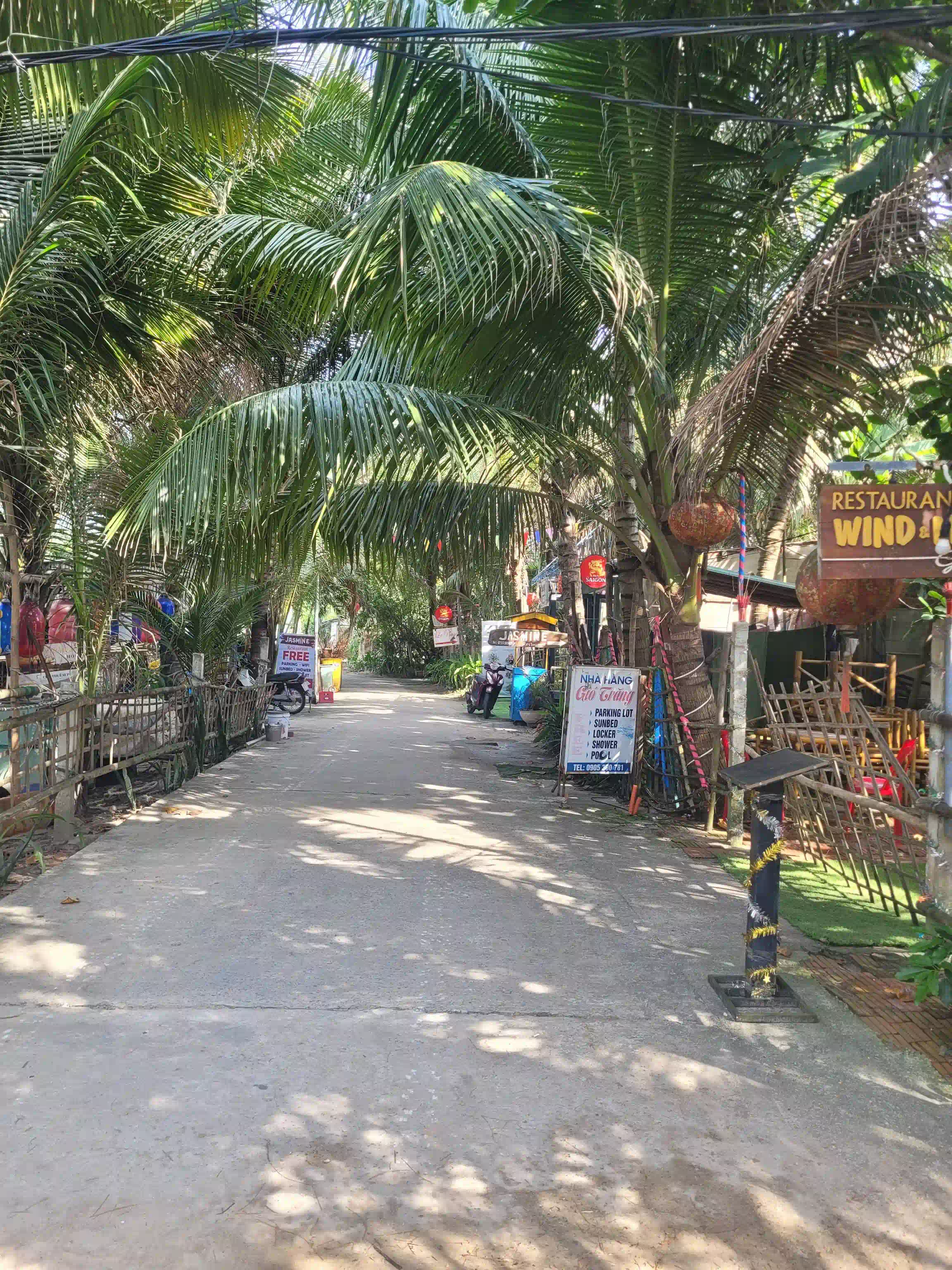
You’re on ordinary Hoi An streets 5 to 15 minutes’ walk from the heritage zone. Cam Pho sits to the west, closest to the Japanese Bridge end, and has a cluster of good-value hotels along its eastern edge.
Cam Chau is east of the town and has the spas, some decent cocktail bars, Ba Le market and the road out to the coconut palms.
Tan An and Son Phong fill in between.
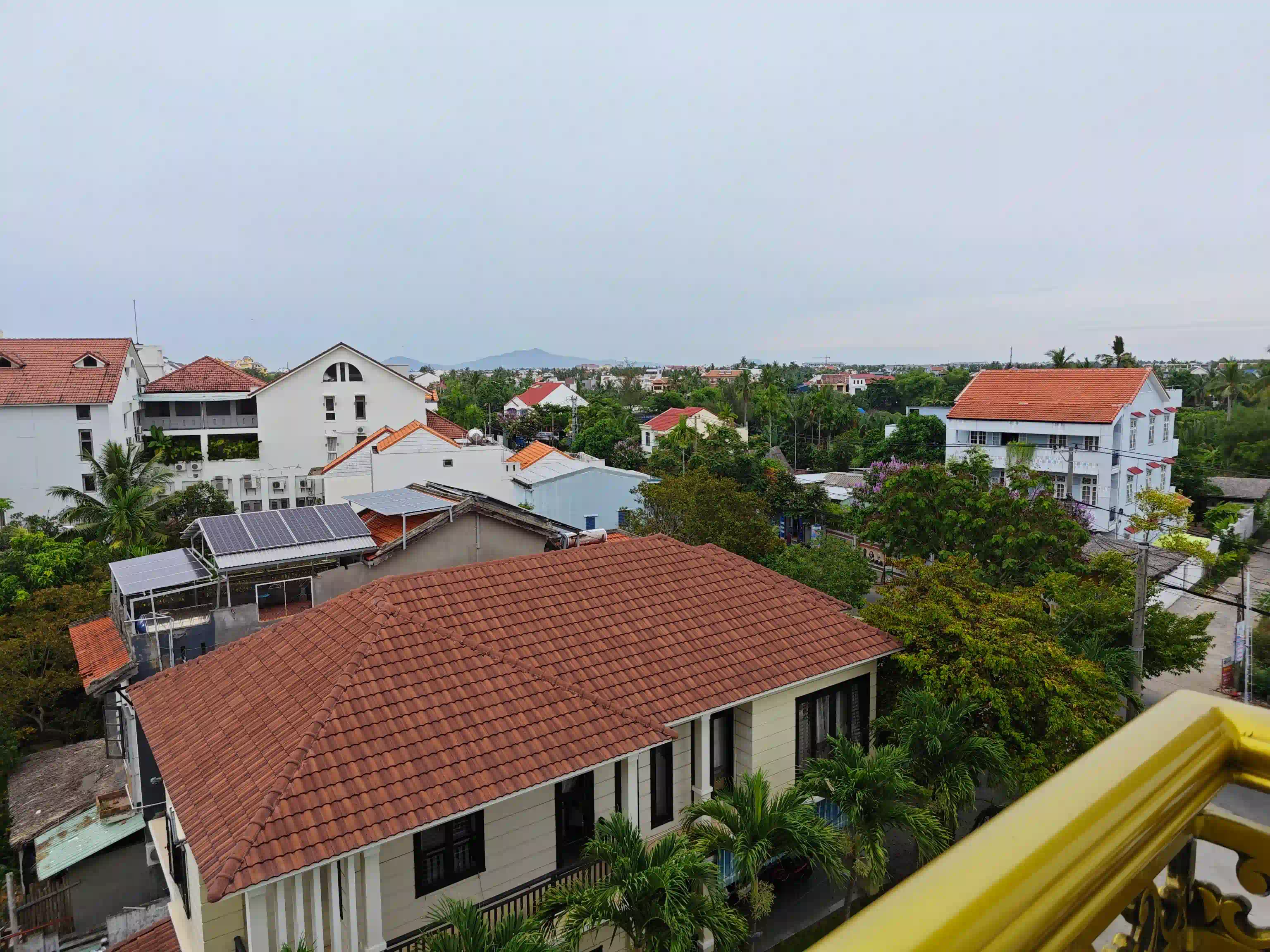
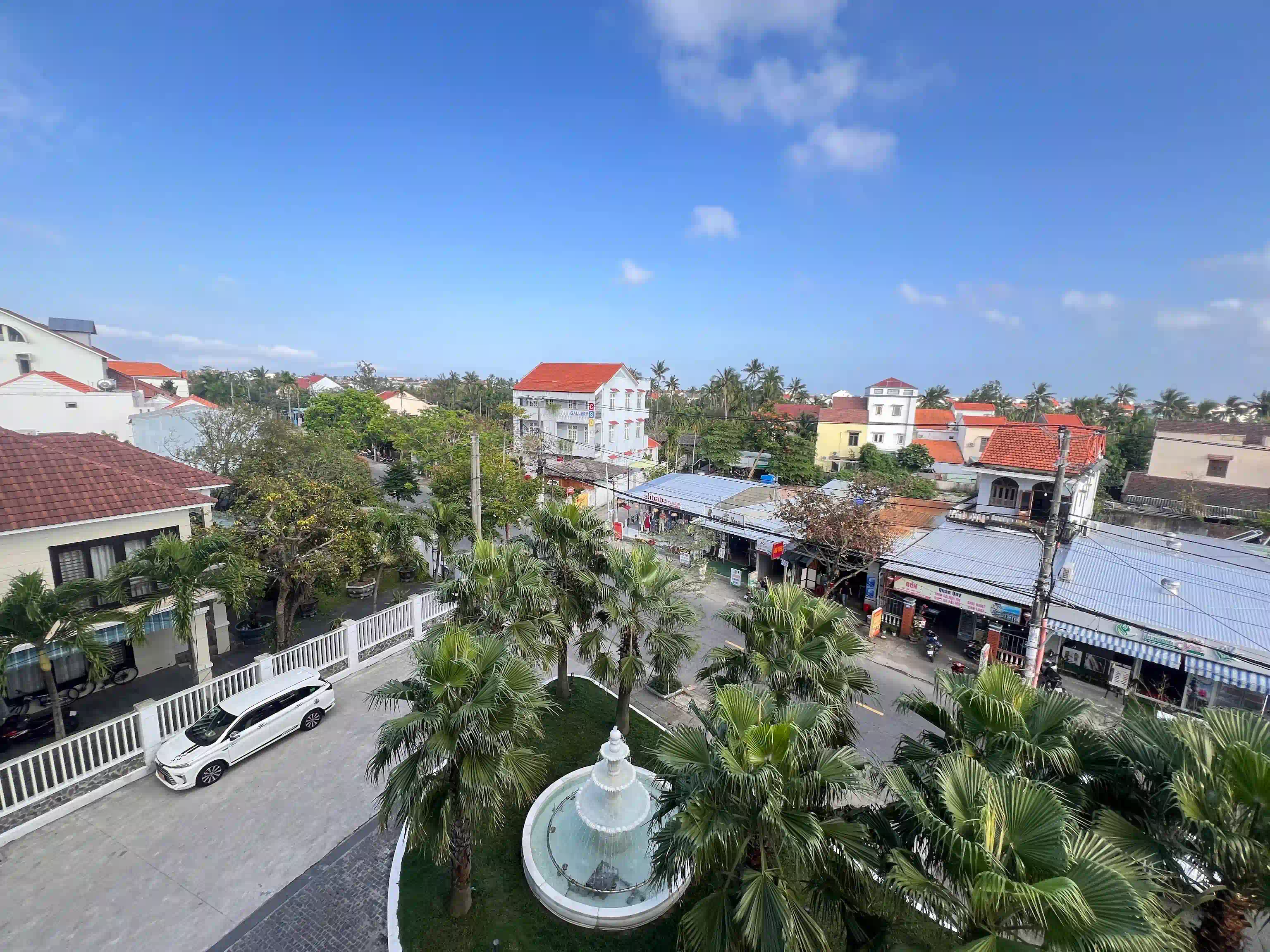
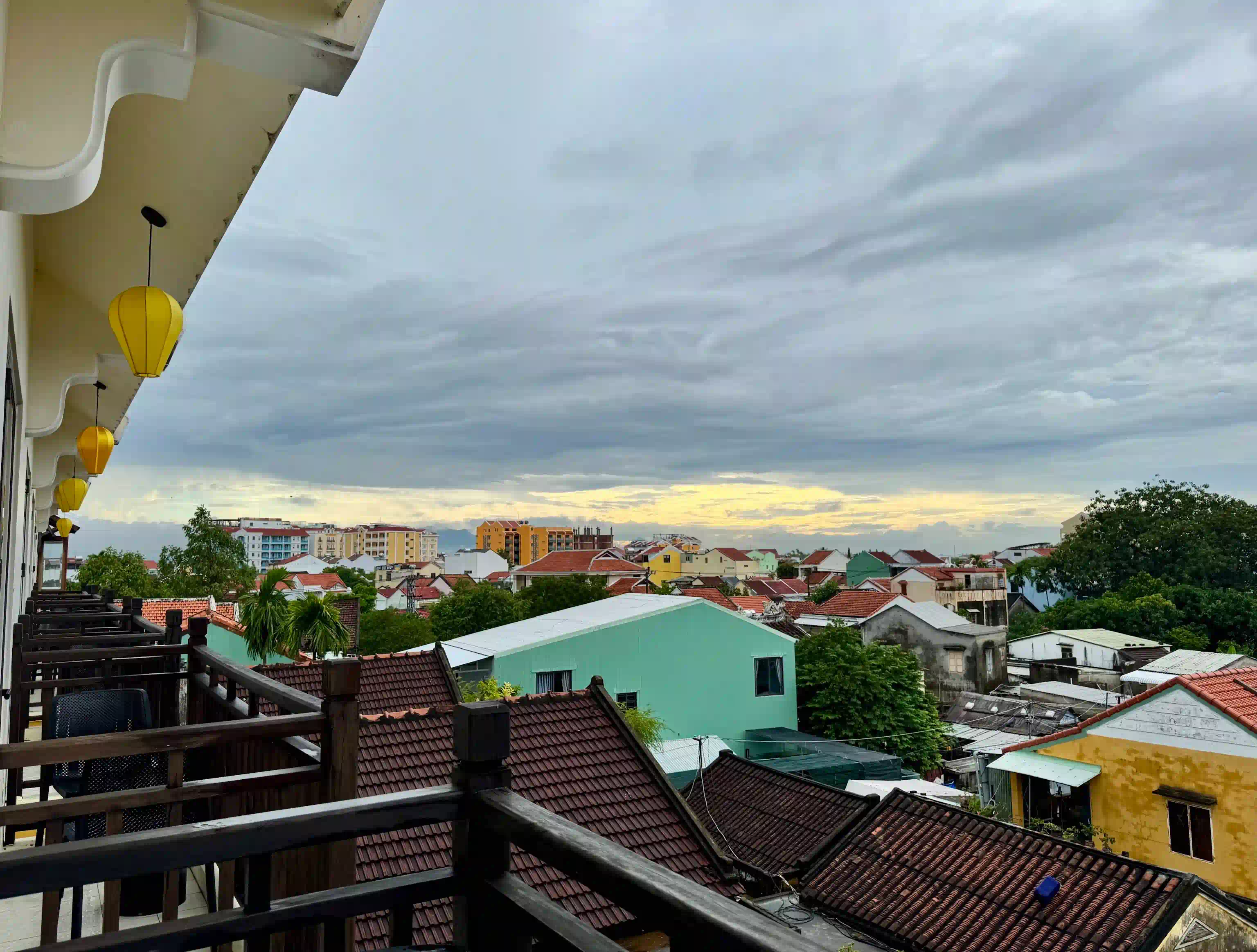
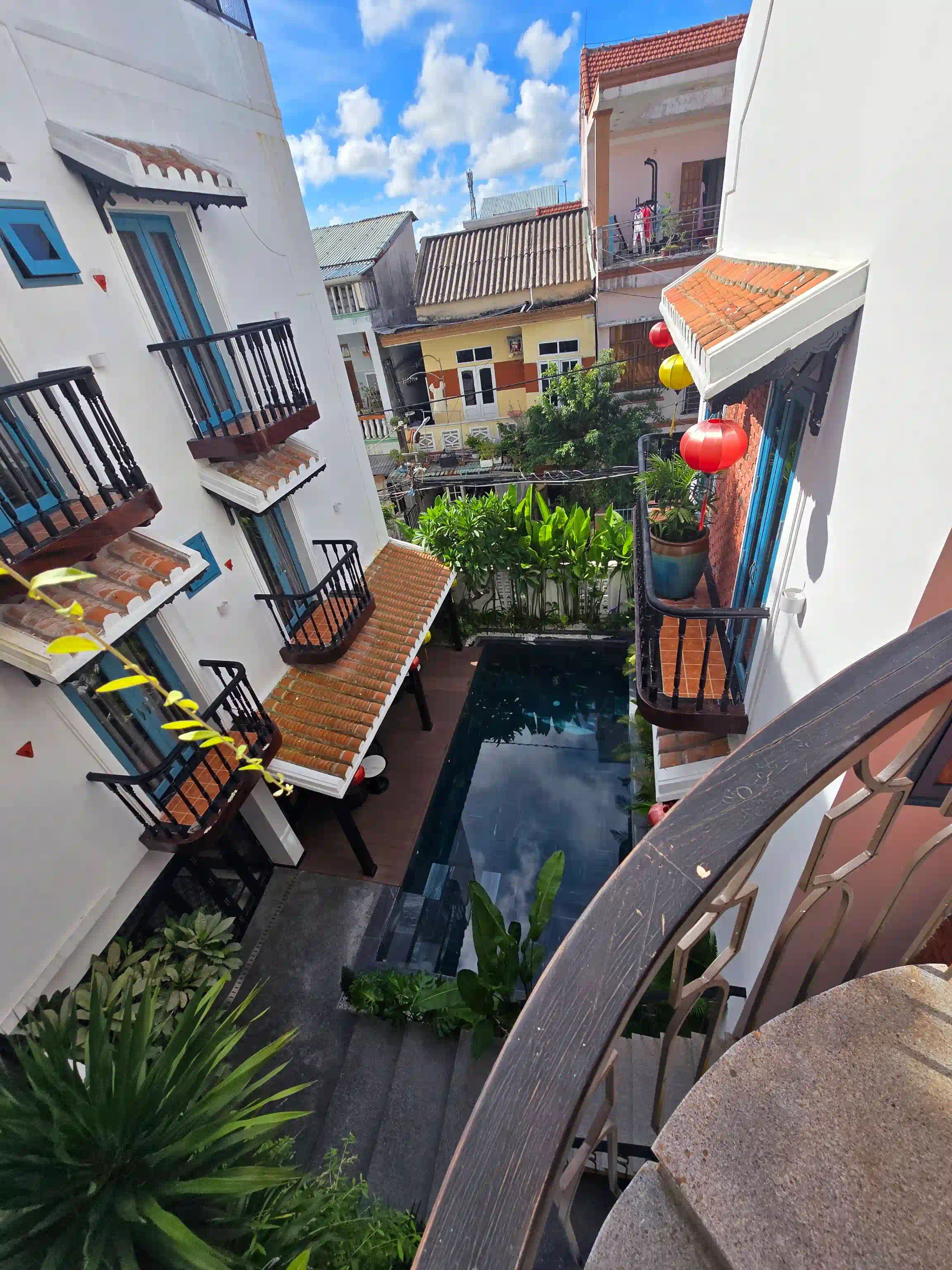
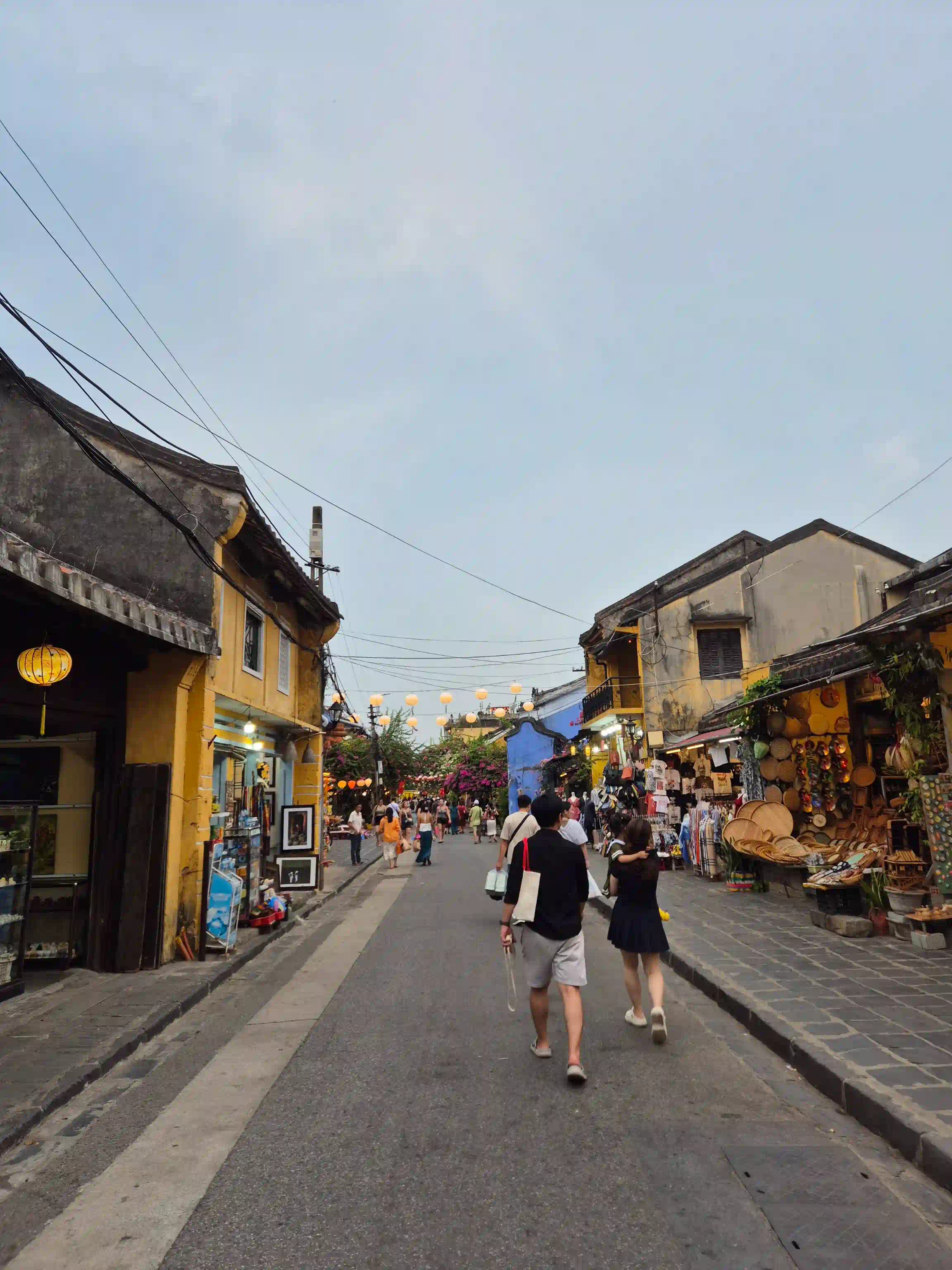
What you get is the same evening as everyone staying inside the Ancient Town, since you can walk in, plus a room with a pool for the price of a room without one inside. The 20 to 30% price difference is real and it’s the single easiest saving on a Hoi An trip.
What you also get is quiet. The Ancient Town has bars that run late and a river full of boats, and the streets carry sound. Out here you hear scooters until about ten and then not much.
The trade-off is that you’re not stepping out of your door into the postcard. You’re stepping out onto a normal street with a laundry and a bánh mì cart, walking five minutes, and then you’re in the postcard.
For most people that’s not a loss, and it’s how you meet a bit of the town that isn’t performing for anyone.
The properties here are mostly homestays and small hotels, nothing grand, which suits me. Specific ones are in the best Hoi An homestays guide.
2. Hoi An Ancient Town: The Convenient, Expensive, Noisy One
Staying inside Minh An means the whole town is a walk. No bikes, no Grab, no thinking about it. If your trip is two nights and you want to arrive, drop your bag and be having dinner by the river forty minutes later, this is the right call and I’d stop arguing.
Three honest costs come with it.
Price is the obvious one. You’re paying a heritage-zone premium and rooms are often smaller and older for it, because these are protected buildings with limits on what can be changed.
Noise is the one people underestimate. The riverside blocks are lively until late, some bars go until dawn, and the old buildings were not built with double glazing. If you sleep lightly, ask specifically for a room off the street and away from the river before you book.
The third is the vehicle ban. Cars and motorbikes are kept out of the old streets for hours in the morning and again through the evening, which is lovely to walk around and a nuisance when you’re arriving with suitcases at seven in the evening. Check where your taxi can actually stop.
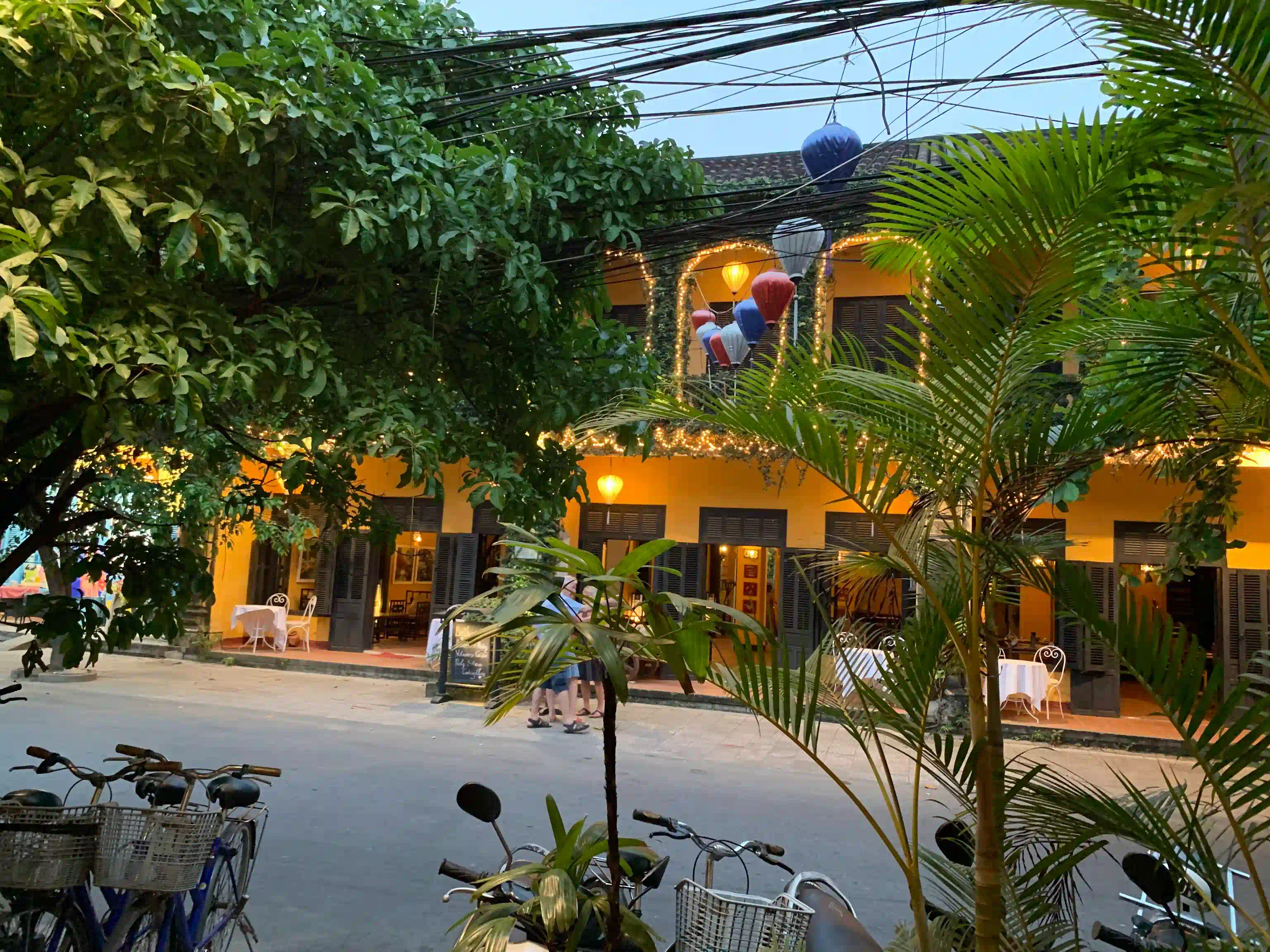
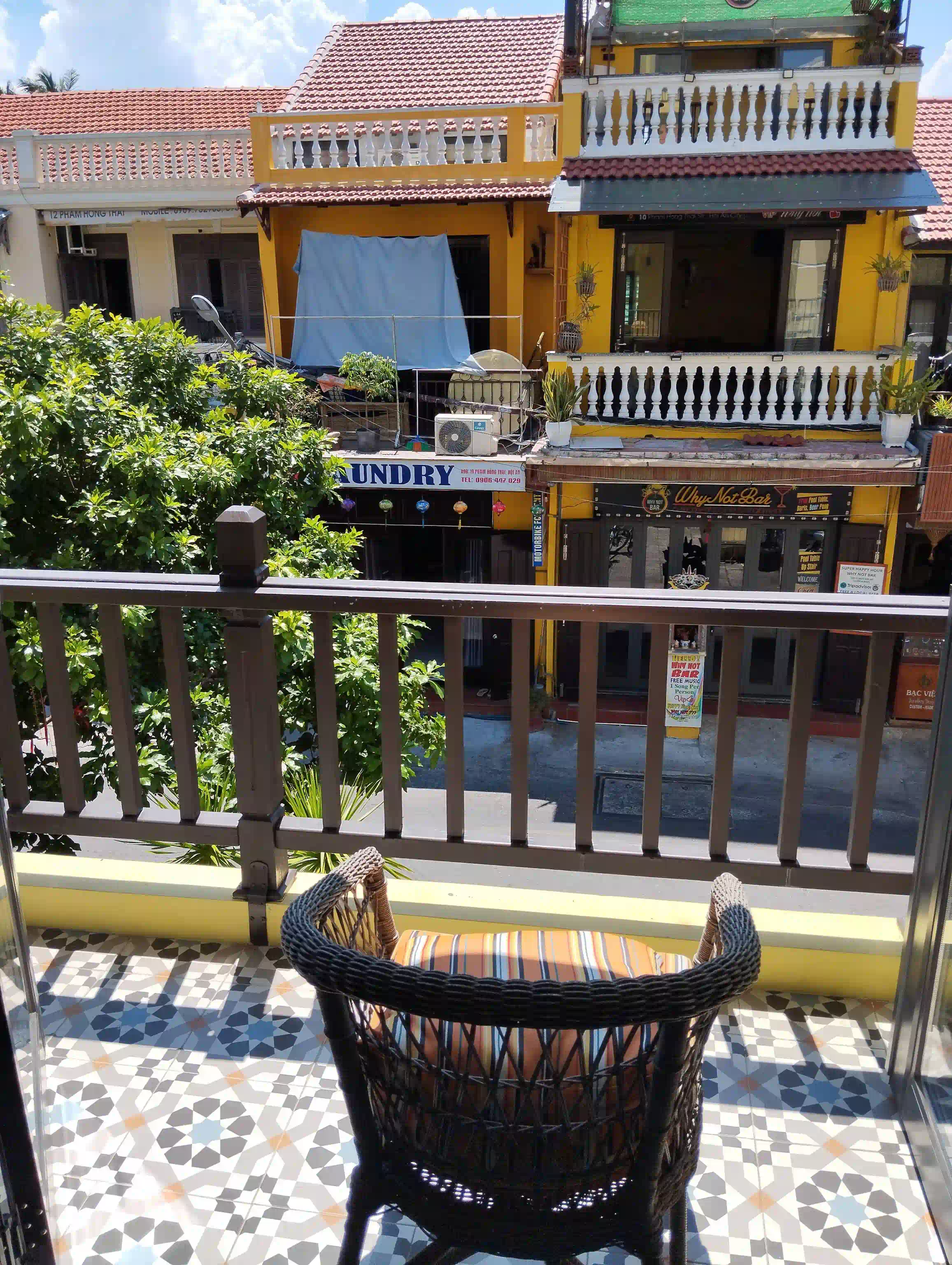
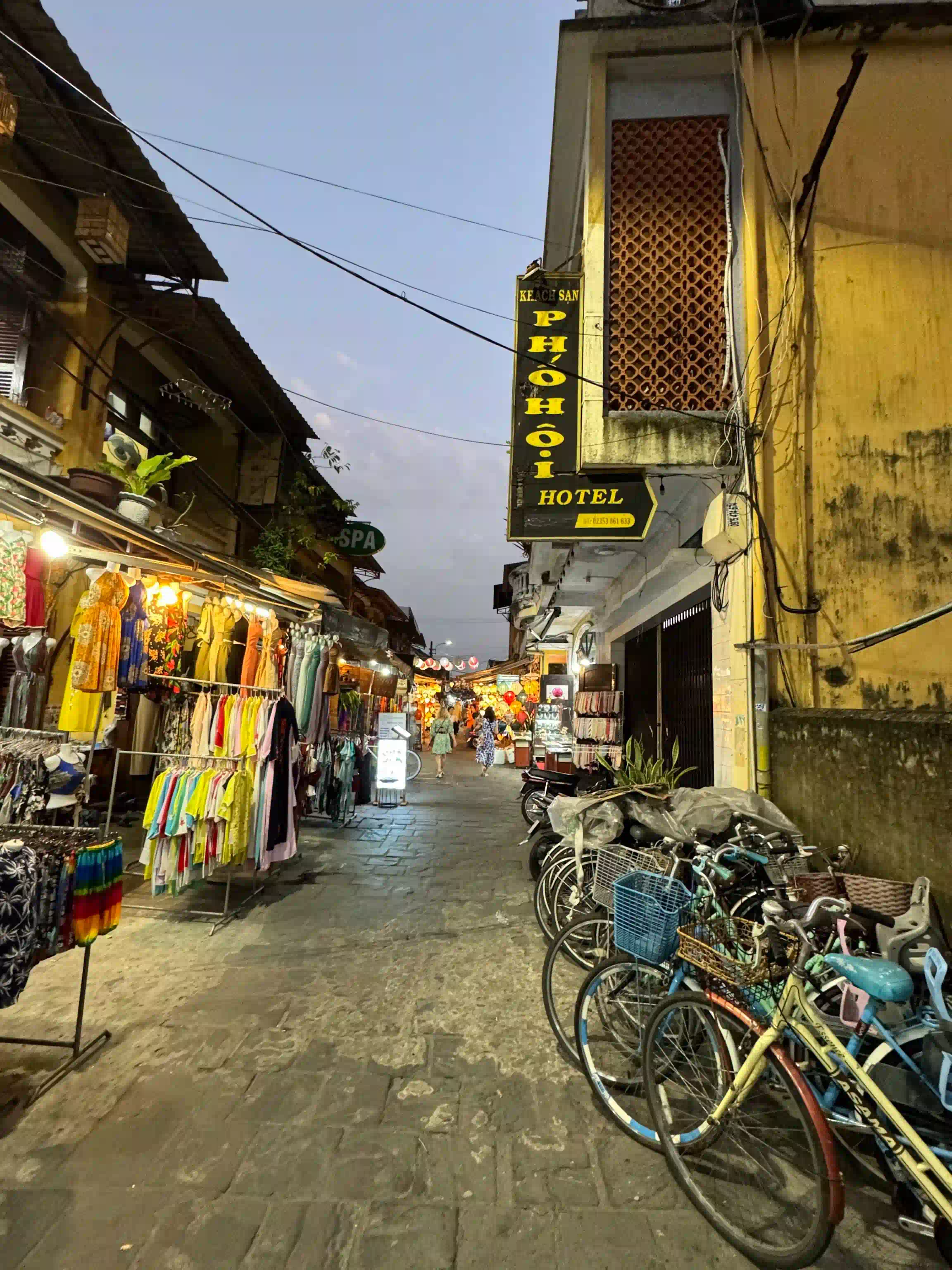
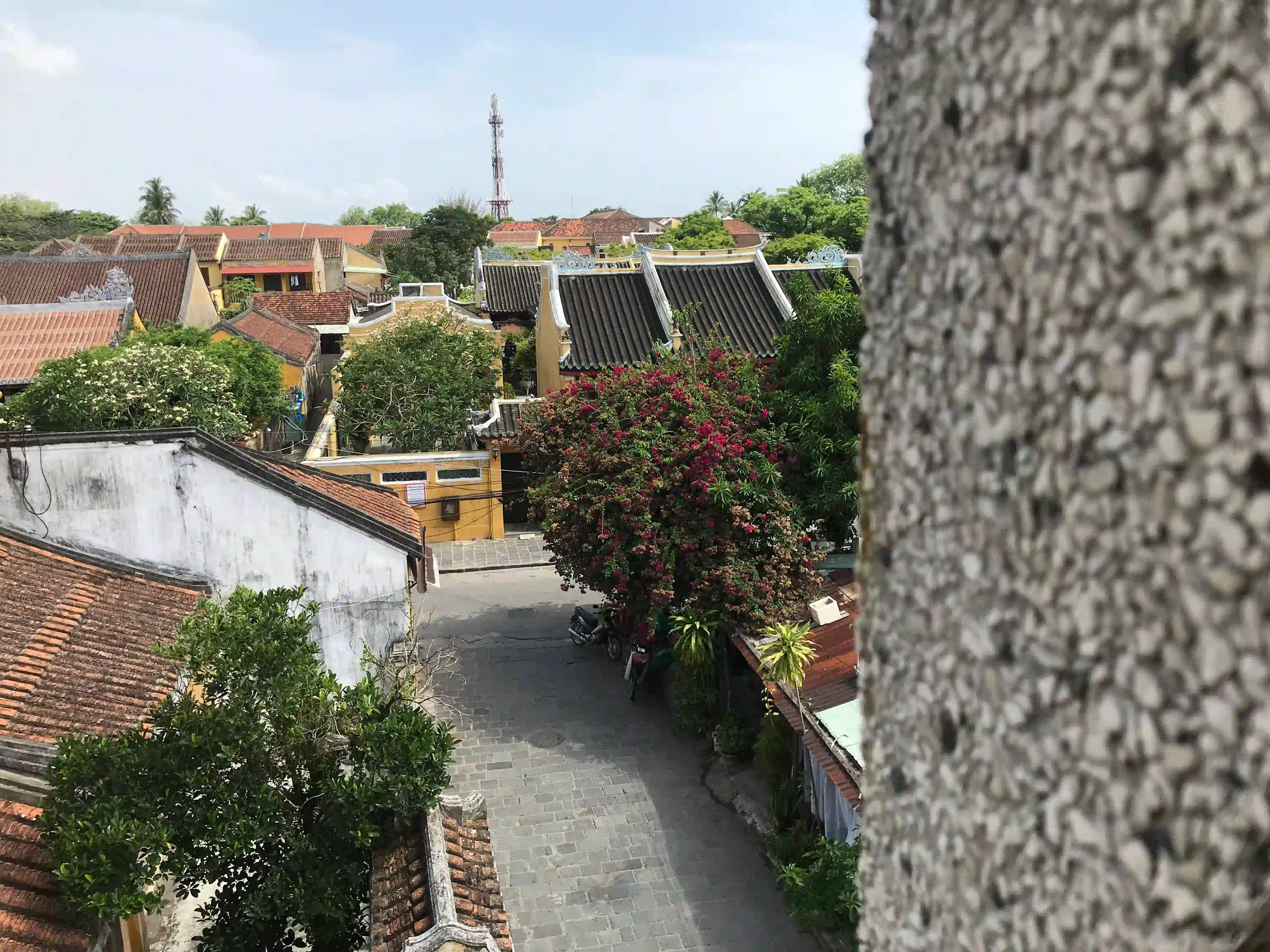
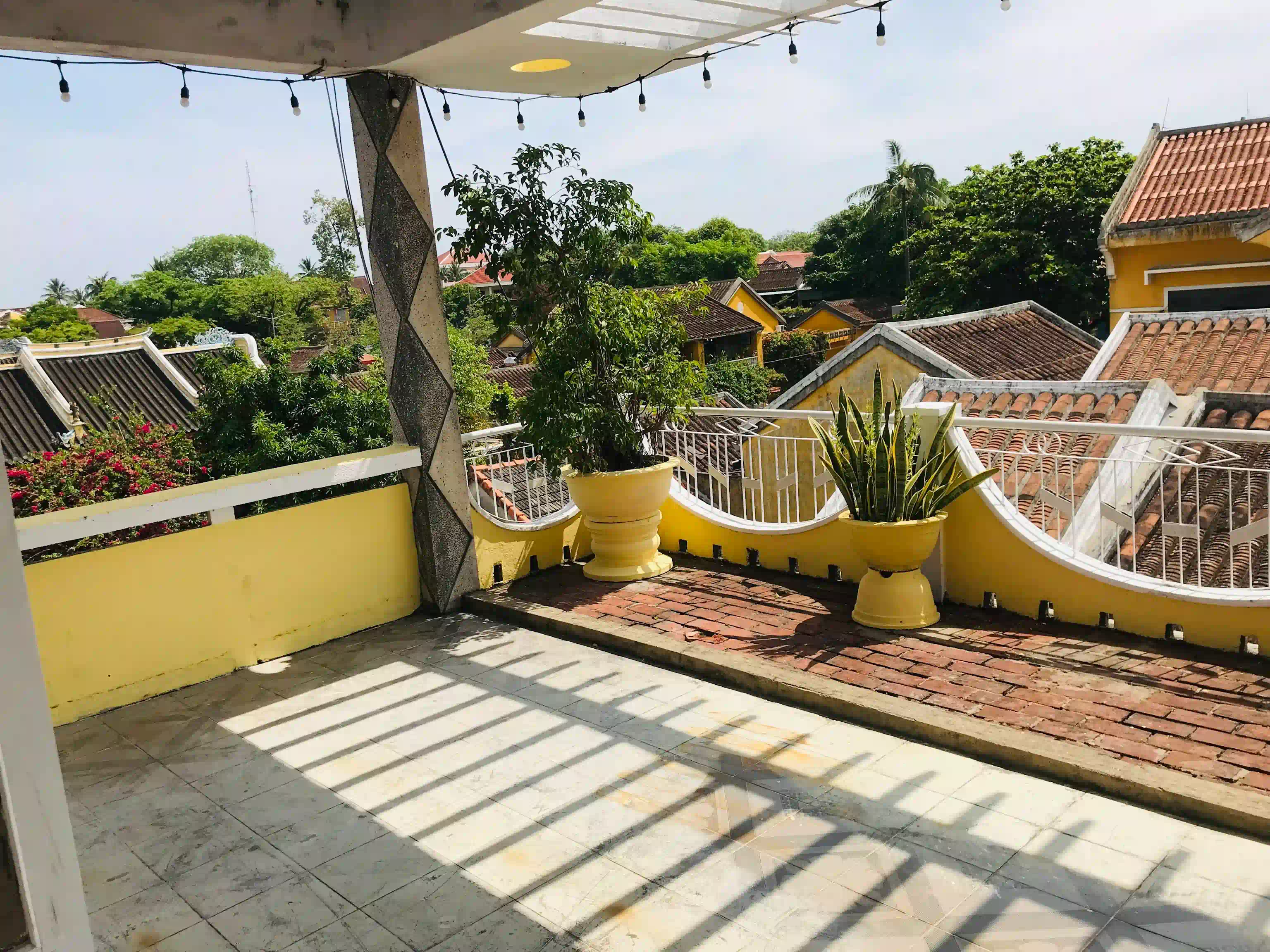
There’s a middle option worth knowing about: the eastern edge of Cam Pho and the streets right along the boundary. You’re two minutes from the heritage zone, outside the ban, and paying ring prices. That strip is the best-value pocket in Hoi An and it’s where I’d look first.
3. An Bang Beach: Best for Longer Stays and Second Visits
An Bang is where I stay now, and it’s where a lot of the long-stay foreign community here has ended up.
It’s 5 kilometres east of the Ancient Town in Cam An ward, and the ride in is genuinely nice.
15 minutes on a flat road that goes past Tra Que and through rice paddies. Grab is ten to fifteen minutes and 60,000 to 80,000 VND. Plenty of the beach hotels also run a free shuttle into town once or twice a day, which is worth checking for since it changes the maths on eating in the old town at night.
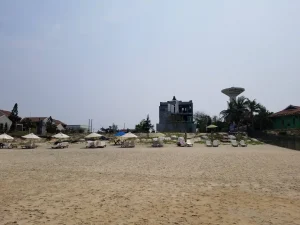
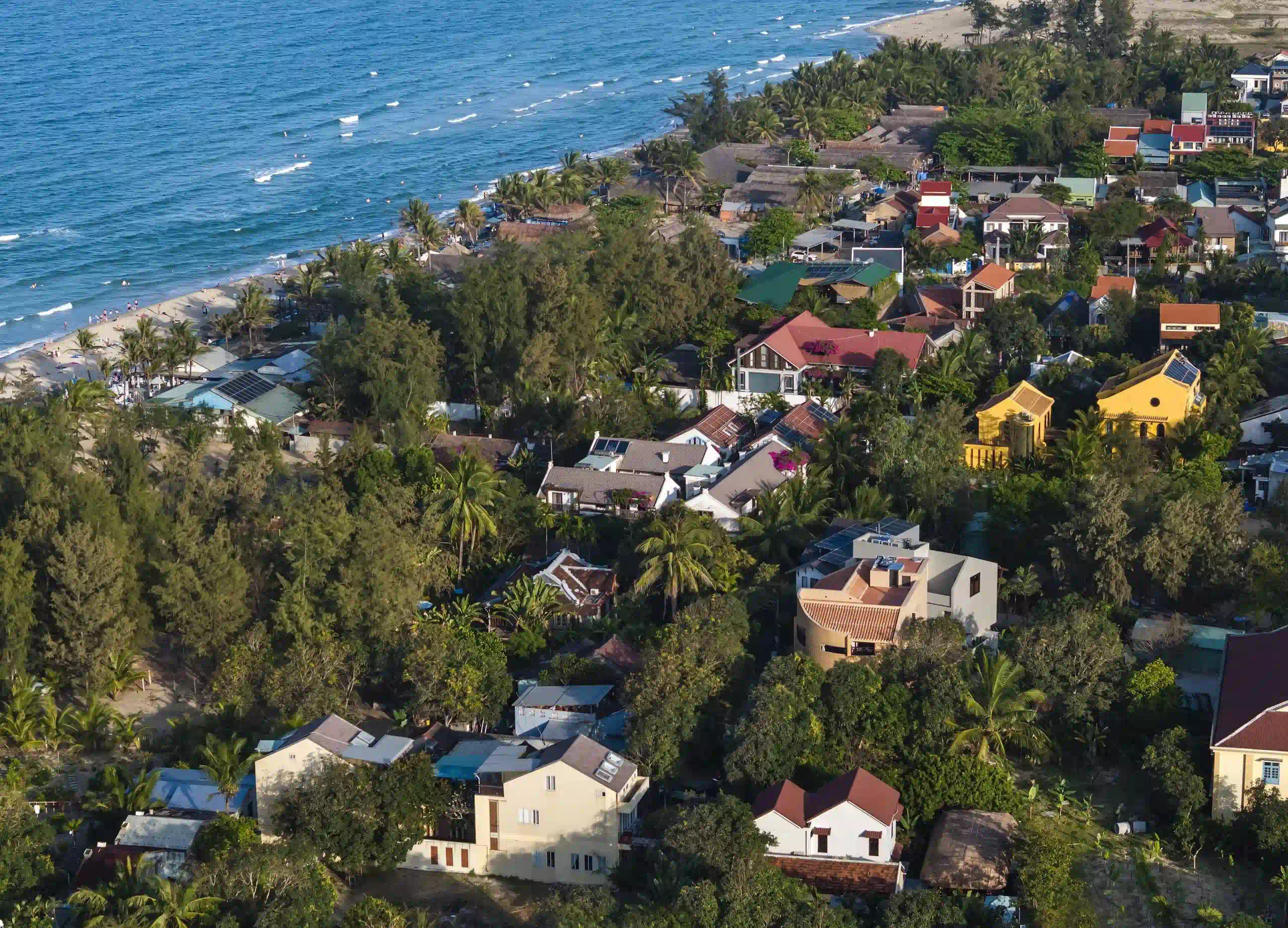
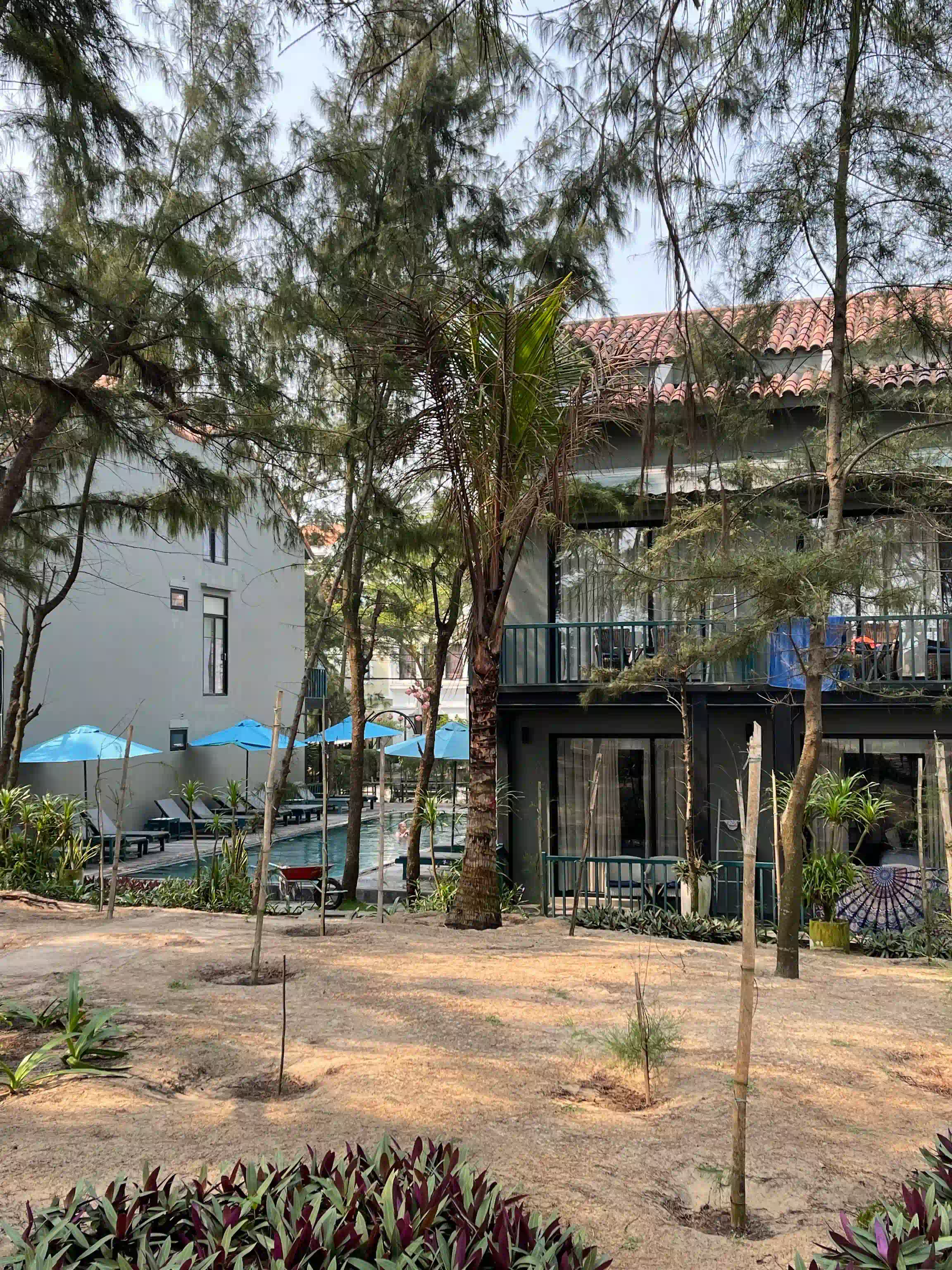
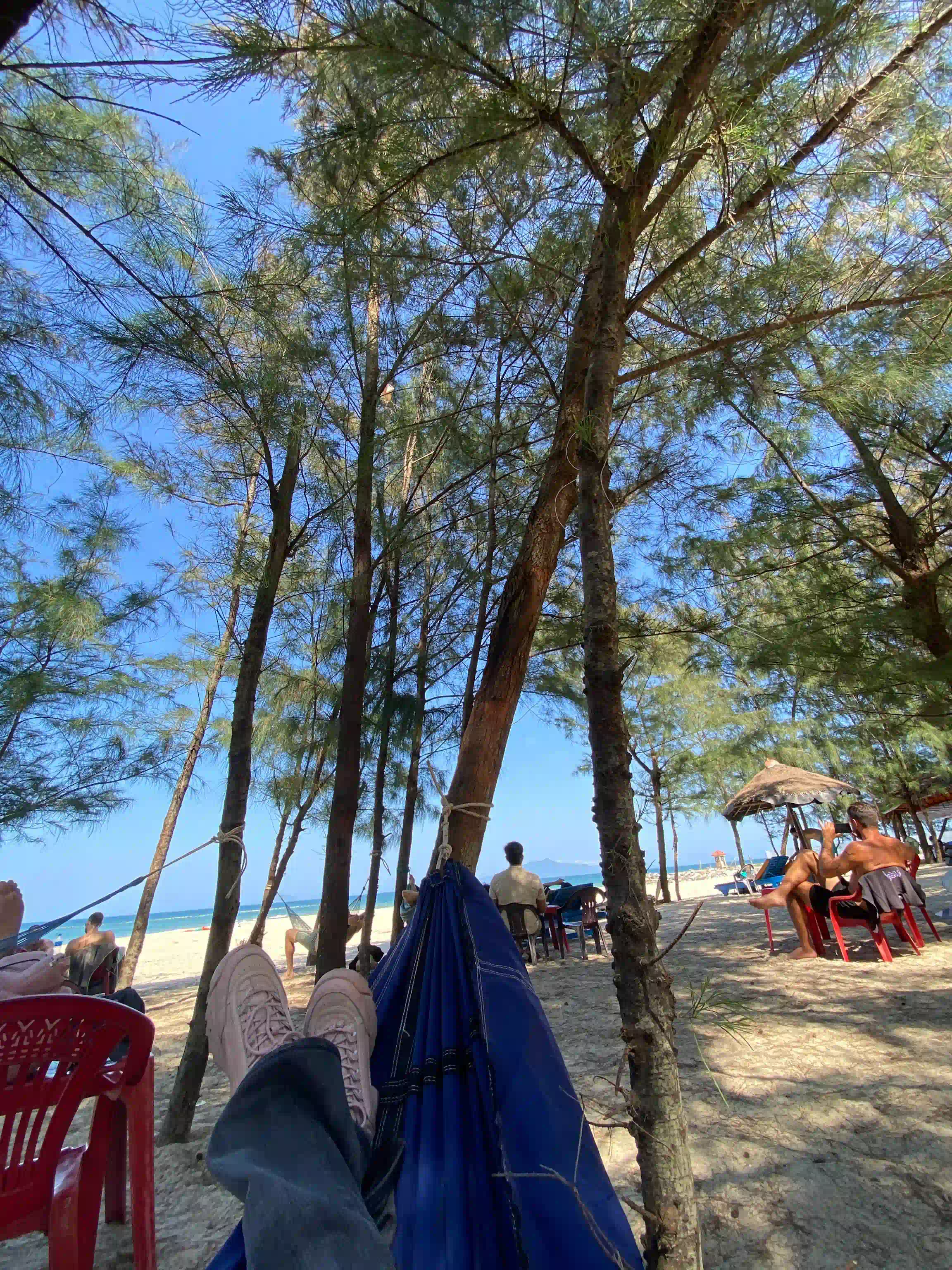
The beach itself is the best one on this stretch of coast, wide and swimmable most of the year, with a row of restaurants and bars behind it. There’s a small, walkable core of cafés, spas and eateries around the beach entrance, so you’re not stranded.
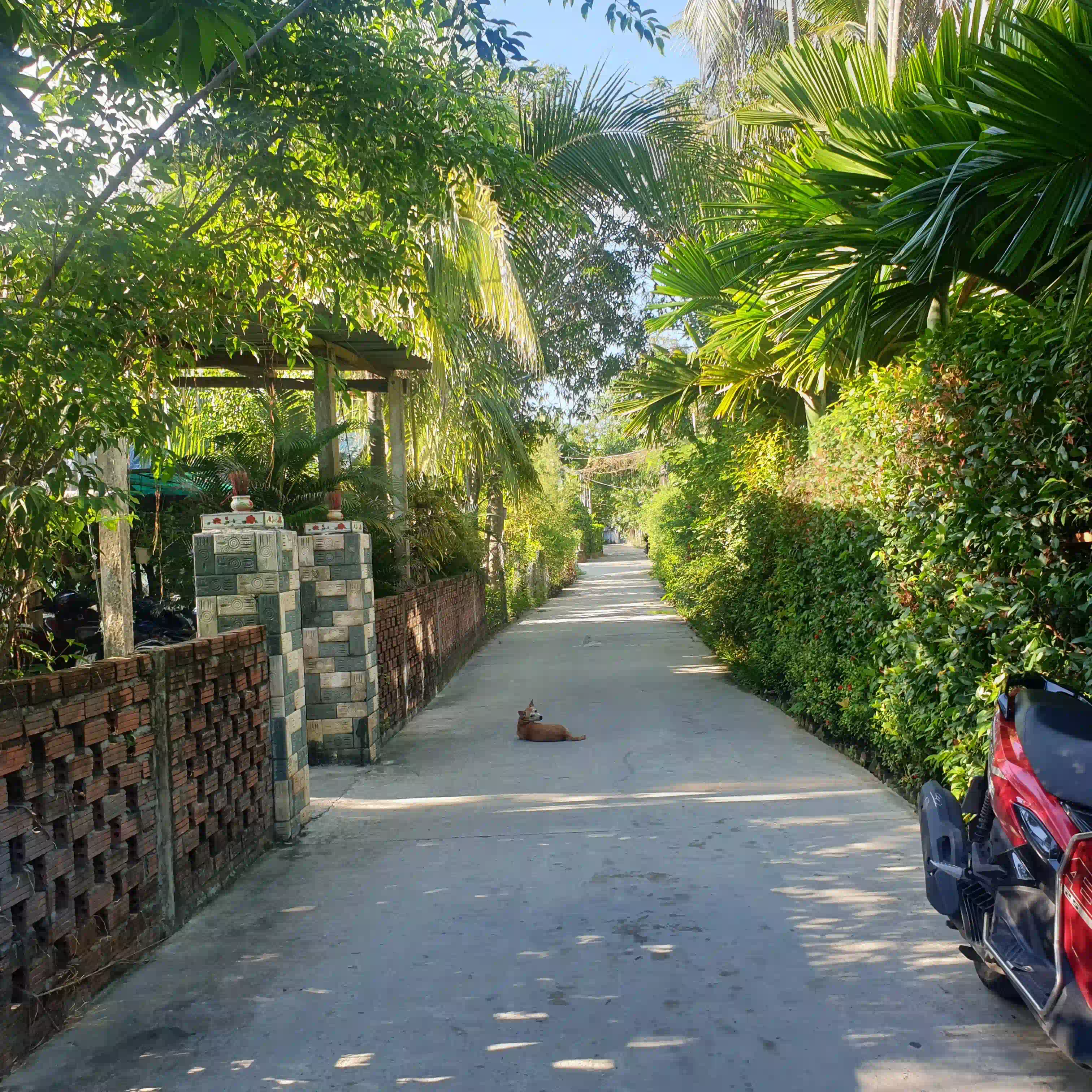
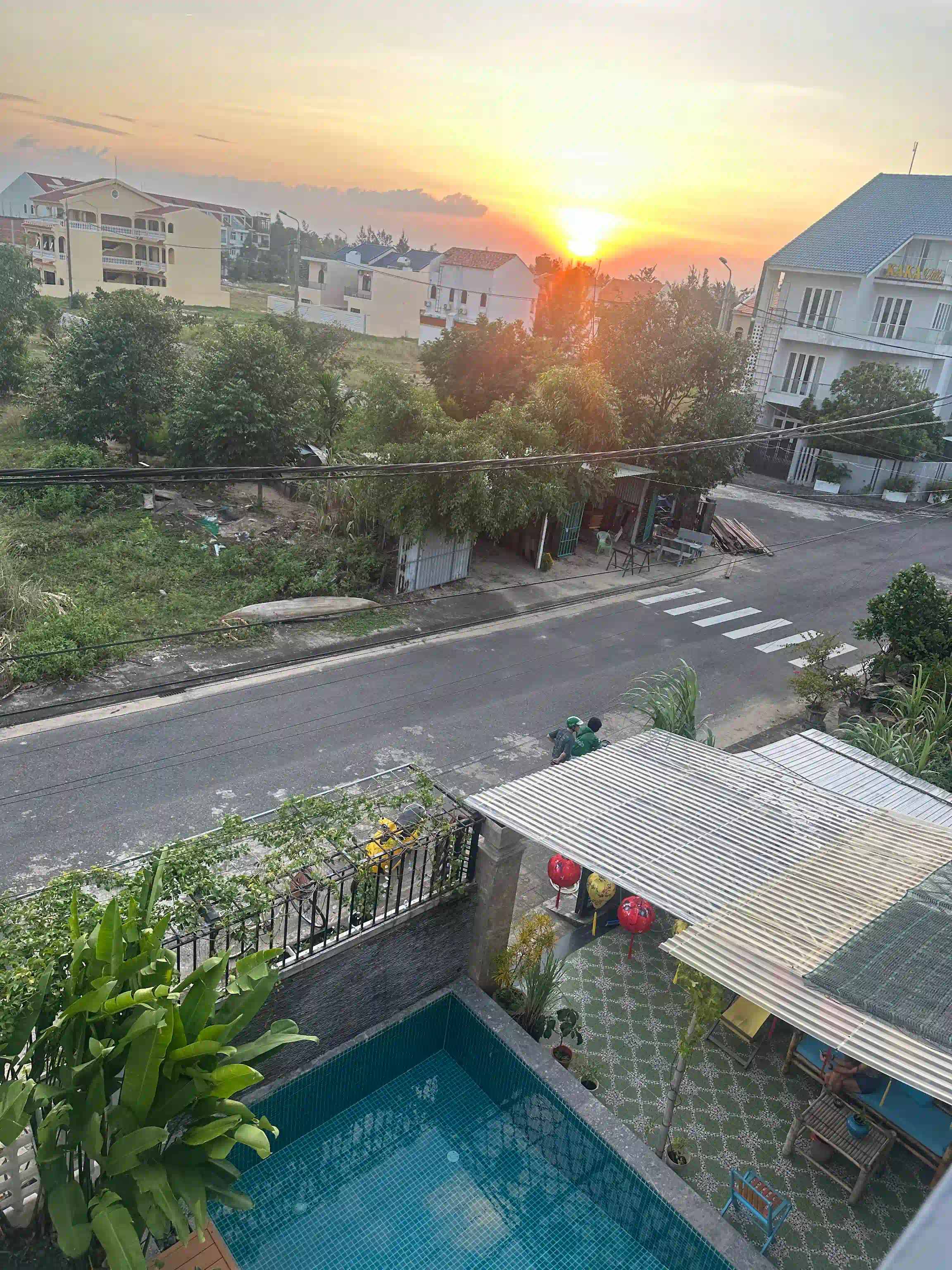
The accommodation here is different in character from town. Fewer hotels, more villas and family-run homestays down sandy lanes, and the standard for the money is noticeably higher than in the Ancient Town. Several of them run at 4.9 on Google with hosts people write paragraphs about.
Two things to weigh
- The evening becomes a decision instead of a default. Going into town for the lanterns means a ride each way, and after a beach day plenty of people just don’t.
- And the sea has a season: March to August is calm, and from about October the water turns rough and debris washes up.
If your trip is 4 nights or more, or if you’ve been to Hoi An before, this is where I’d book. Two nights and it’s the wrong choice.
4. Cua Dai: The One I’d Skip
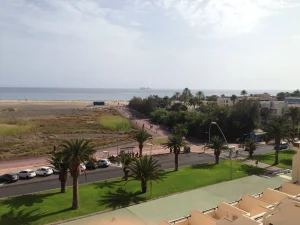
Cua Dai was Hoi An’s resort strip before An Bang became the place, and the big properties from that era are still there. The problem is that the beach mostly isn’t.
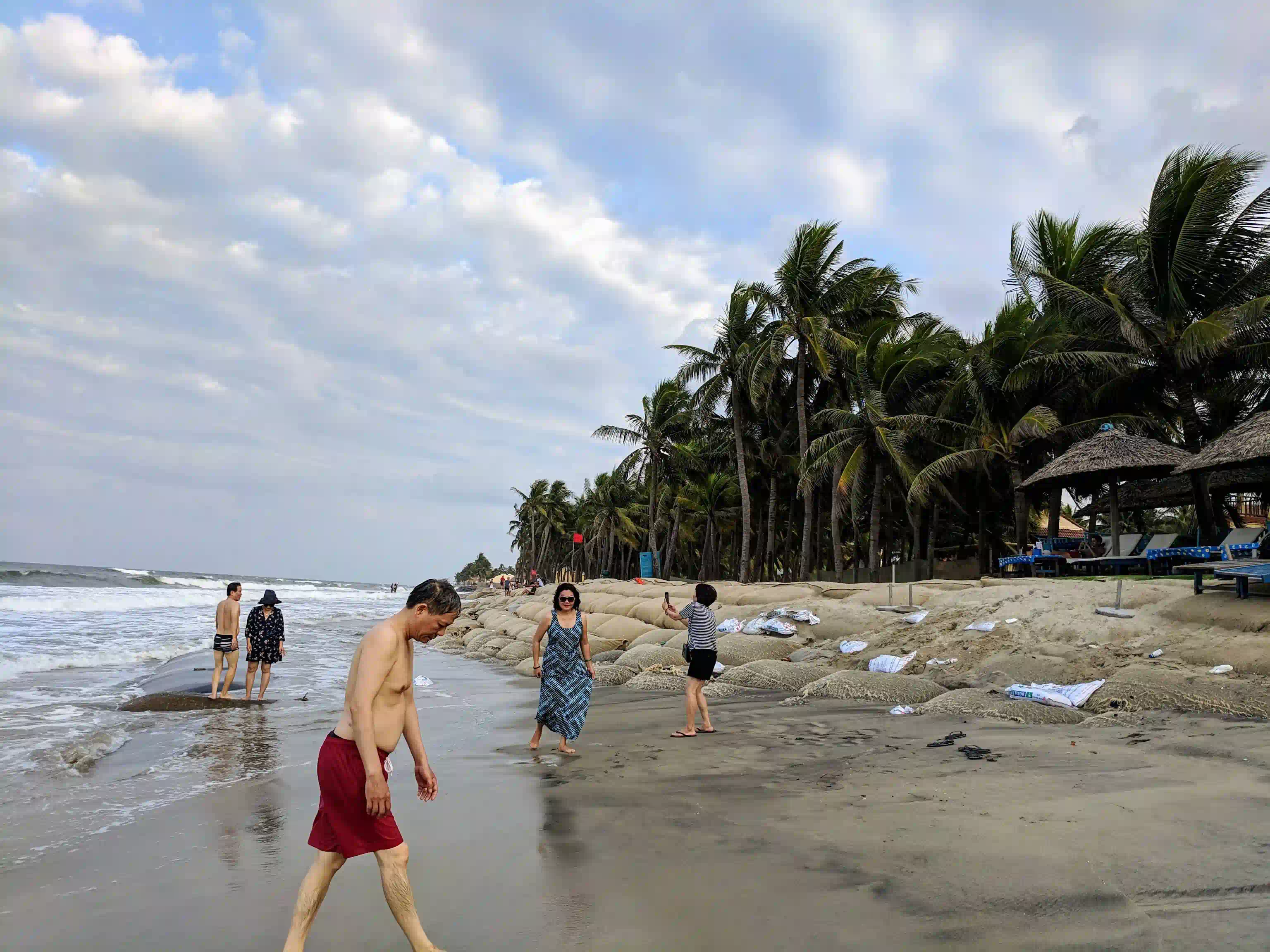
Erosion has taken a lot of the sand over the last decade. Sea walls and sandbags hold the line in front of several hotels, the beach in front of some of them largely disappears at high tide, and while sand returns a bit in the dry months it doesn’t come back to what the marketing photos show. Some resorts now shuttle guests up to An Bang, which tells you what you need to know.
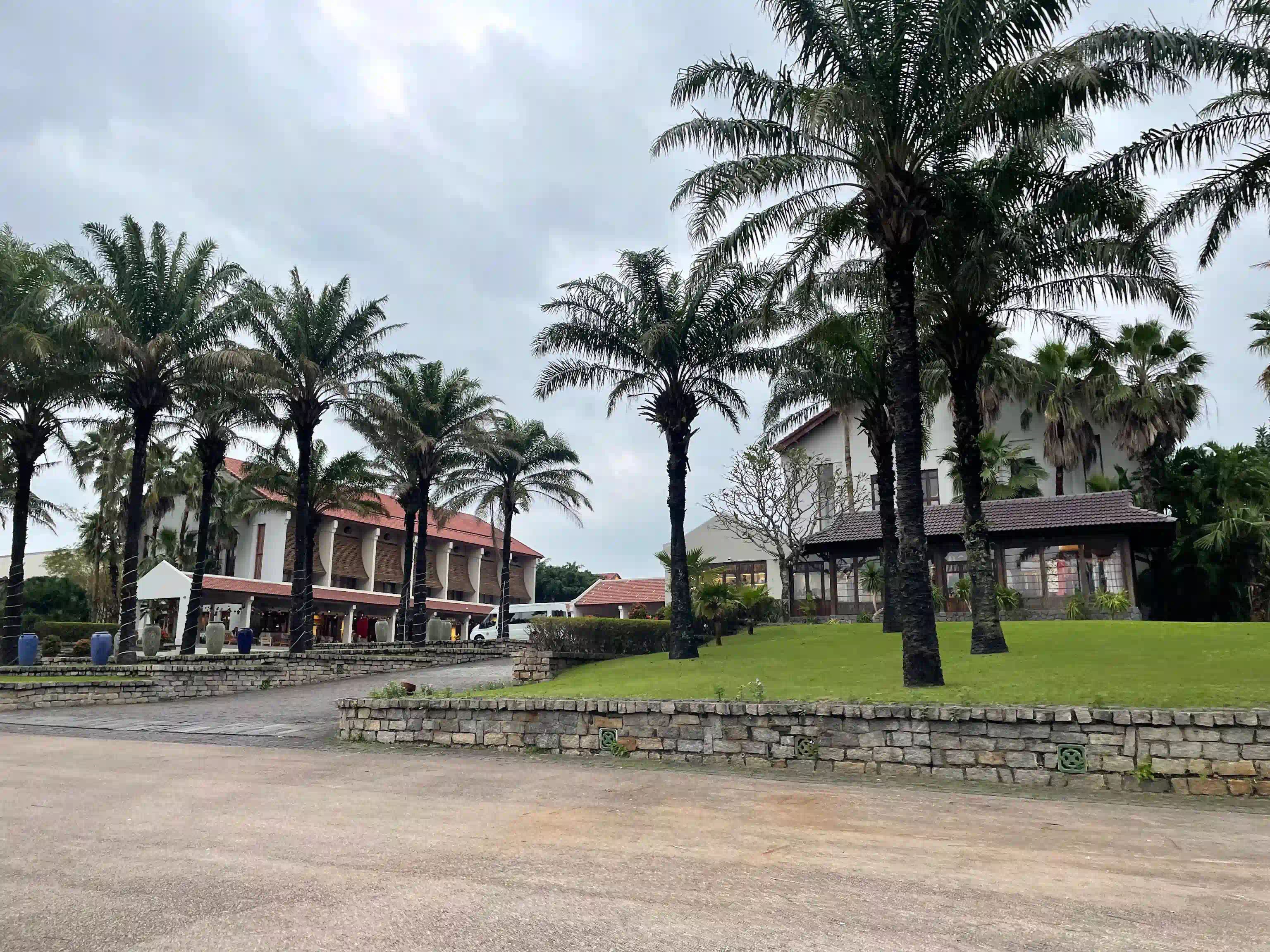
The resorts themselves are often fine. Big grounds, pools, buffets, and a couple of them are genuinely good properties with private stretches that are better maintained than the public sand.
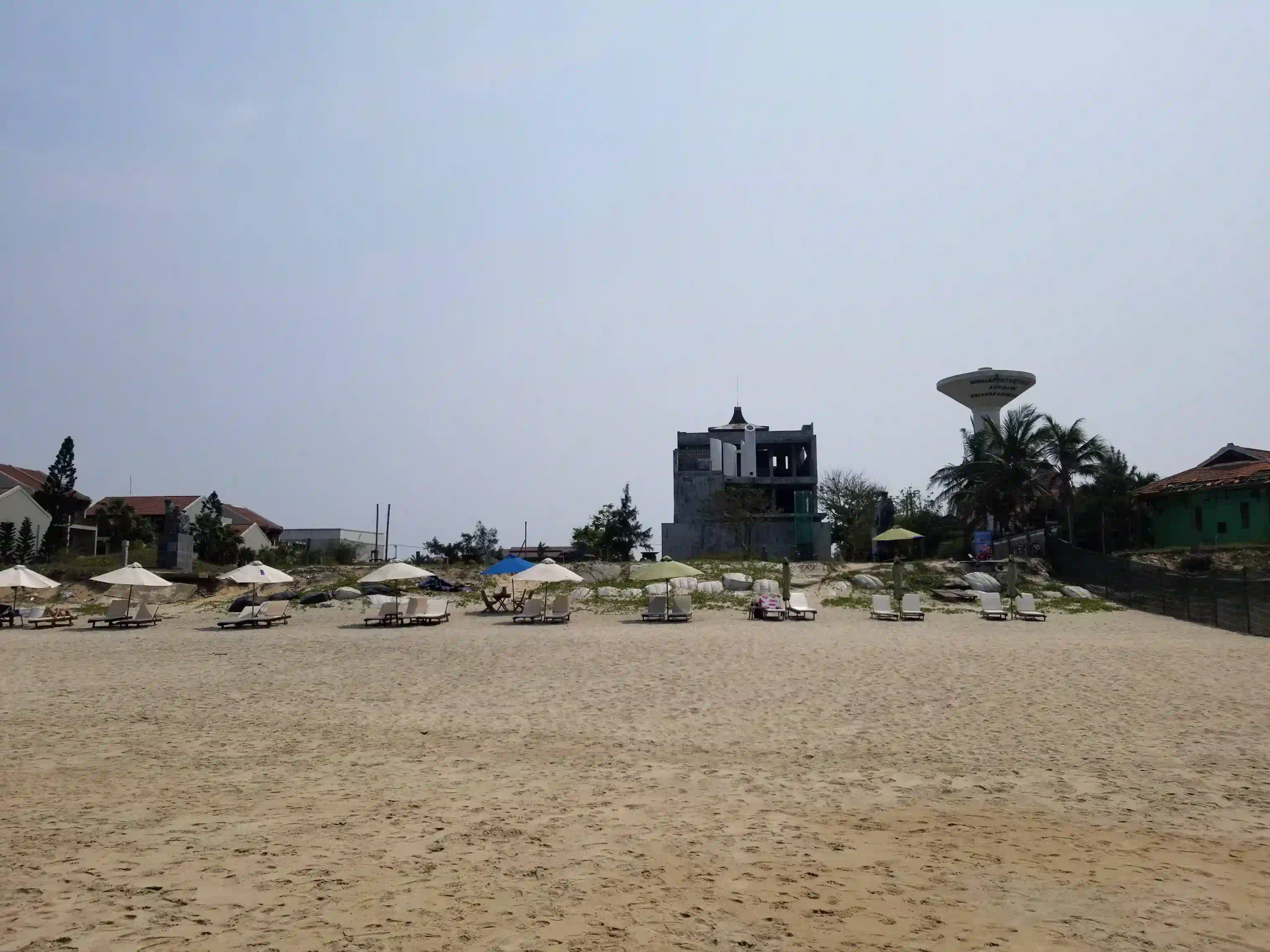
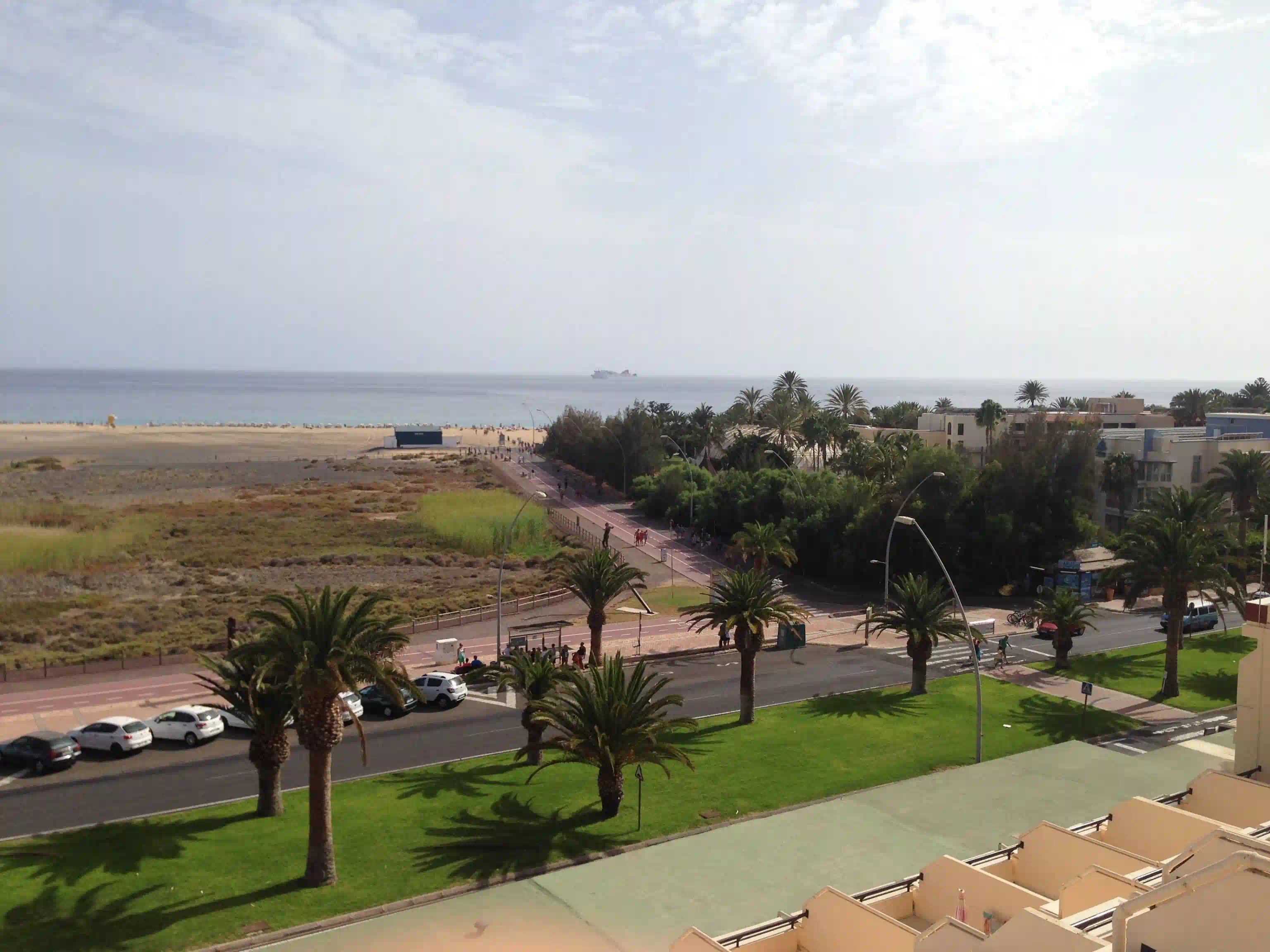
One thing to check on this strip specifically is whether there’s a road between the hotel and the beach, because at some of them there is, and it’s busier than you’d want.
I wouldn’t book here on a first trip. If you find a resort deal that’s meaningfully cheaper than the equivalent at An Bang, and you’re going to spend most of your time at the pool anyway, it’s defensible. Otherwise you’re paying resort prices to be further from both the town and the good beach.
The Fifth Option: The Countryside
Not one of the four, but it comes up enough to mention.
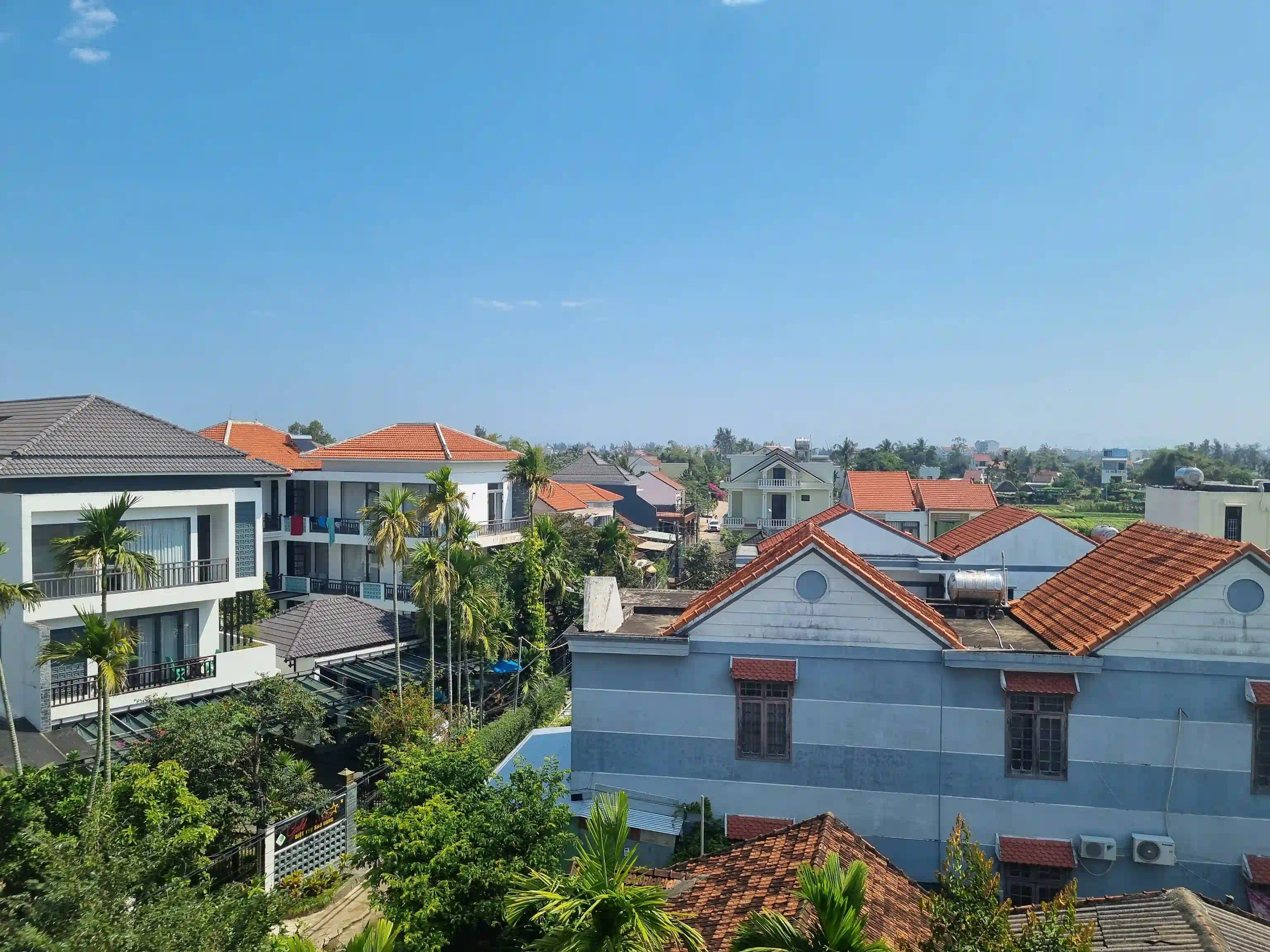
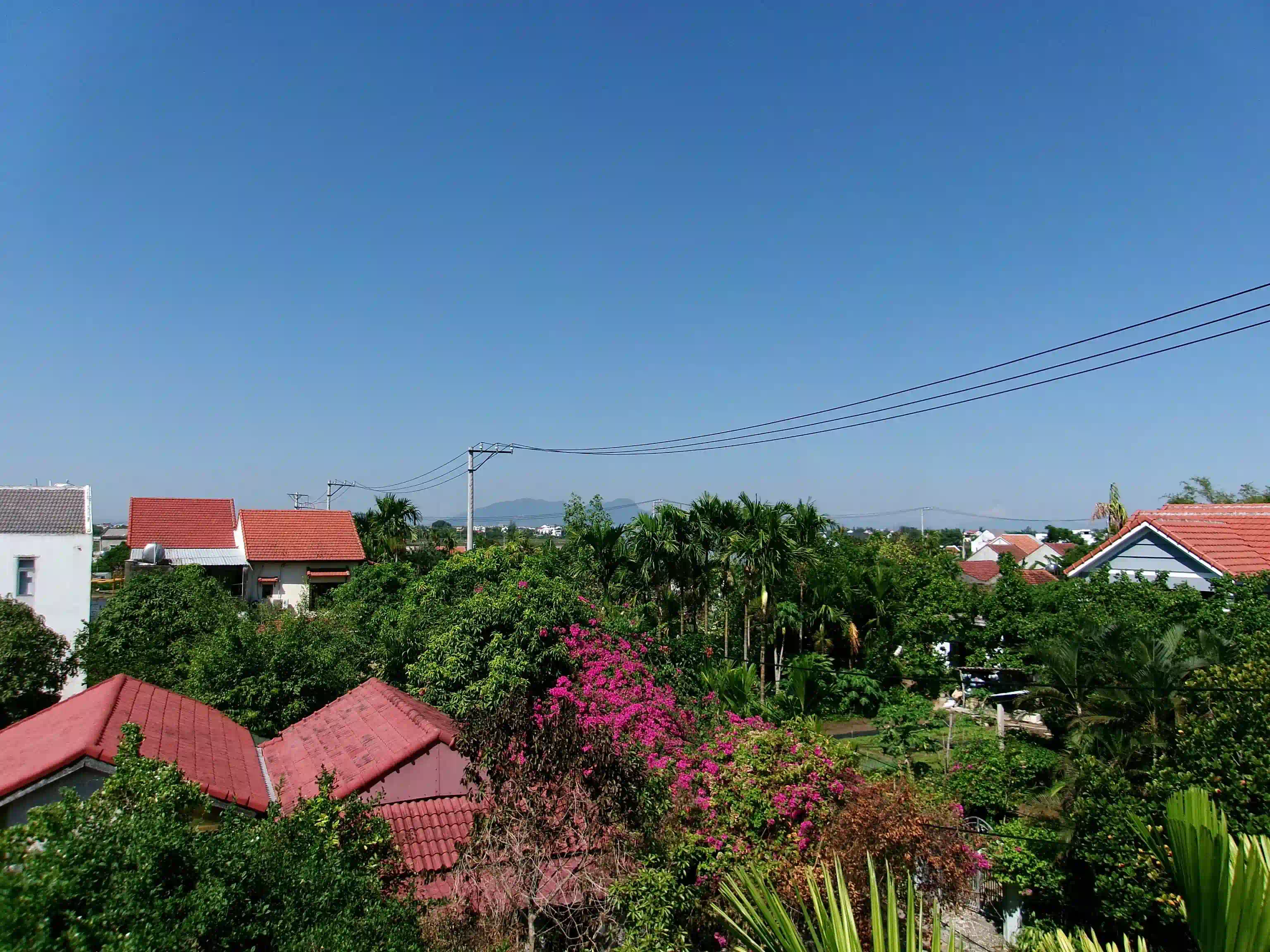
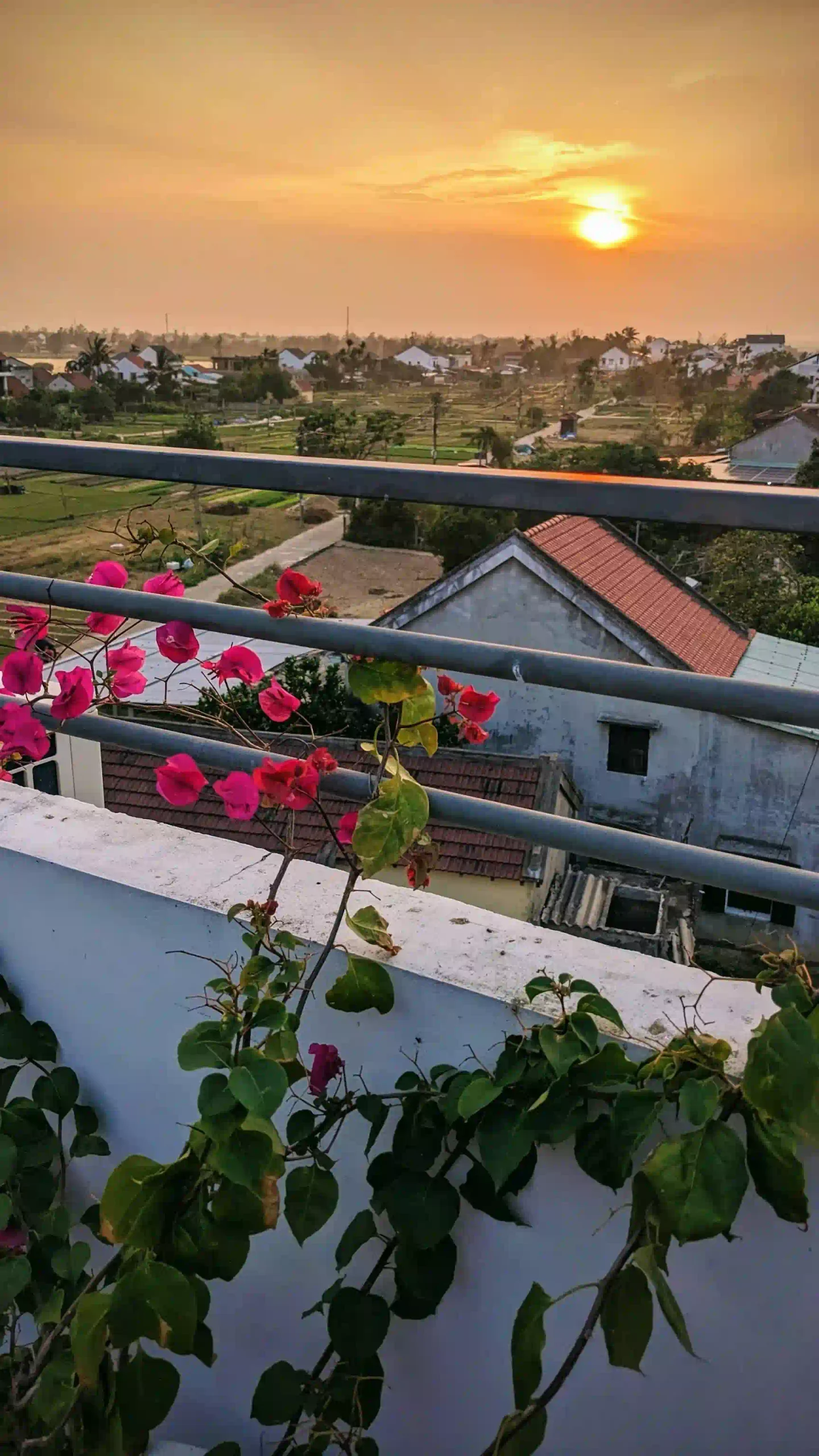
Out towards Cam Thanh and Tra Que there are homestays and small villas sitting among rice paddies and vegetable gardens, ten to fifteen minutes by bike from town.
No night market, no tailors, and no beach. What you get instead is waking up to fields, which for some people is exactly the trip.
I’d only do it on a longer stay and only with a bicycle. It’s a lovely base and a poor one if you’re planning to be in the old town every evening.

Homestay, Boutique Hotel or Resort?
Homestays
Homestays here are the strongest value in Vietnam that I know of. Family-run, breakfast cooked to order, someone who will book your bus and fix your bike, and $15 to $35 a night. The trade is that you’re in somebody’s house, so the walls are thinner and the vibe is social.
Most of the ring and most of An Bang runs on these.
Boutique hotels
Sit at $40 to $90 and are what most first-timers actually want: a pool, a proper breakfast, a front desk, and enough anonymity to come and go.
Hoi An has an unusual number of good ones because the town has been doing this for thirty years.
Resorts
Start around $100 and are concentrated at Cua Dai and out along the coast towards Đà Nẵng.
They make sense if the holiday is the hotel. They make less sense in a town this walkable, and a resort ten kilometres up the coast is a resort anywhere.
Villas and whole houses
Villas and whole houses are worth looking at around An Bang if there are four or more of you. Per head they land near boutique hotel prices and you get a kitchen and a garden.
Which Area Suits Which Trip
| Your trip | Stay in | Why |
|---|---|---|
| First visit, 2 nights | Ancient Town or its eastern edge | You have no time to spend on transport |
| First visit, 3-4 nights | The ring | Cheaper, quieter, still walkable |
| Beach trip or 5+ nights | An Bang | Better rooms per dollar, better mornings |
| Travelling with young children | An Bang or the ring | Space, quiet, and no afternoon crowds at the door |
| Couples, atmosphere first | Eastern Cam Pho | Two minutes from the lanterns, none of the noise |
| Second or third visit | An Bang | You’ve done the Ancient Town |
| Tight budget | The ring or Cam Chau | Homestays from $15, free bicycles standard |
Before You Book: What to Check in Any Hoi An Area
A few things that apply across all four areas and catch people out.
- Ask whether bicycles are free. Most places include them and it changes the whole trip, because Hoi An is flat and the distances are short. If a hotel charges for bikes, that tells you something about the hotel.
- Check for a free shuttle if you’re at the beach or in Cua Dai. Some run several times a day, some run once, some don’t run at all, and it’s the difference between eating in town in the evening and not bothering.
- Look at where the property sits relative to the vehicle ban. Fine if you’re walking in. Awkward if you’re arriving in the evening with bags.
- Read the noise reviews specifically, not the overall score. A place can be 9.0 and still be above a bar. In the Ancient Town this matters more than anywhere.
- Check the season if you’re booking the beach. From October the sea is rough and some of the beachfront businesses shut for the worst of it, so a beach base in November is a different proposition from a beach base in April.
- Book earlier than you think for the full moon. The lantern night fills the town monthly and the good mid-range rooms go first.
Where you sleep here matters less than it does in most places, and more than the guides suggest, which is a slightly annoying thing to have to say.
Five kilometres is nothing. But five kilometres decides whether the evening in the old town is a walk or a plan, and that’s the difference between two quite different holidays.
Now the bit I’d like help with. My ranking puts the ring first and I’m aware that’s a minority position, since most guides and most first-timers go for the Ancient Town.
If you stayed inside the old town and loved it, tell me which street and how you slept, because the thing I’m least sure about is whether the noise problem is as general as I think it is or whether it’s a few specific blocks. And if you stayed somewhere in Cam Chau or Cam Pho that I should look at next time, put the name in and I’ll go and see it.
For what to actually do once you’ve booked, the things to do in Hoi An below has the full list, and how many days you need will tell you whether three nights or four is the right call before you commit to an area.

Keep Exploring Hoi An
-
See & do UltimateMy 7 favorite things to do in Hoi An as an expat ›
-
StaysLa Siesta Hoi An Resort & Spa review: The good and the bad ›
-
Stays3 best Hoi An Beachfront Hotels I’d book again in 2027 ›
-
Stays7 Hoi An Homestays Near Old Town I Booked Myself (2026) ›
-
Route Must readHow many days in Hoi An is ideal for first timers? ›
-
Guide Must readIs Hoi An worth visiting or overrated now in 2026 ›











 Tiếng Việt
 한국어
한국어 中文 (中国)
 日本語
日本語 ไทย
ไทย Deutsch
 Español
 Destinations
 Instagram
 Facebook
 X (Twitter)
 Threads
 Tiktok