









 Ha Giang
 Hanoi
Hanoi Ho Chi Minh City
 Ha Long
 Sapa
Sapa Mekong Delta
 Da Nang
 Hue
Hue Hoi An
 Ninh Binh
 Da Lat
 Nha Trang
 Phan Thiet
 Phu Quoc
 Quang Binh
 Quy Nhon
 Vung Tau
 Thai Nguyen

Here is the thing about Hanoi: it smells like motorbike exhaust, coal smoke, frying garlic, and damp earth. And honestly? I wouldn’t change a single note of it.
I’ve lived here long enough to know that if you come to this city and eat your breakfast at the hotel buffet, you are committing a crime against humanity. Or at least a crime against your own stomach.
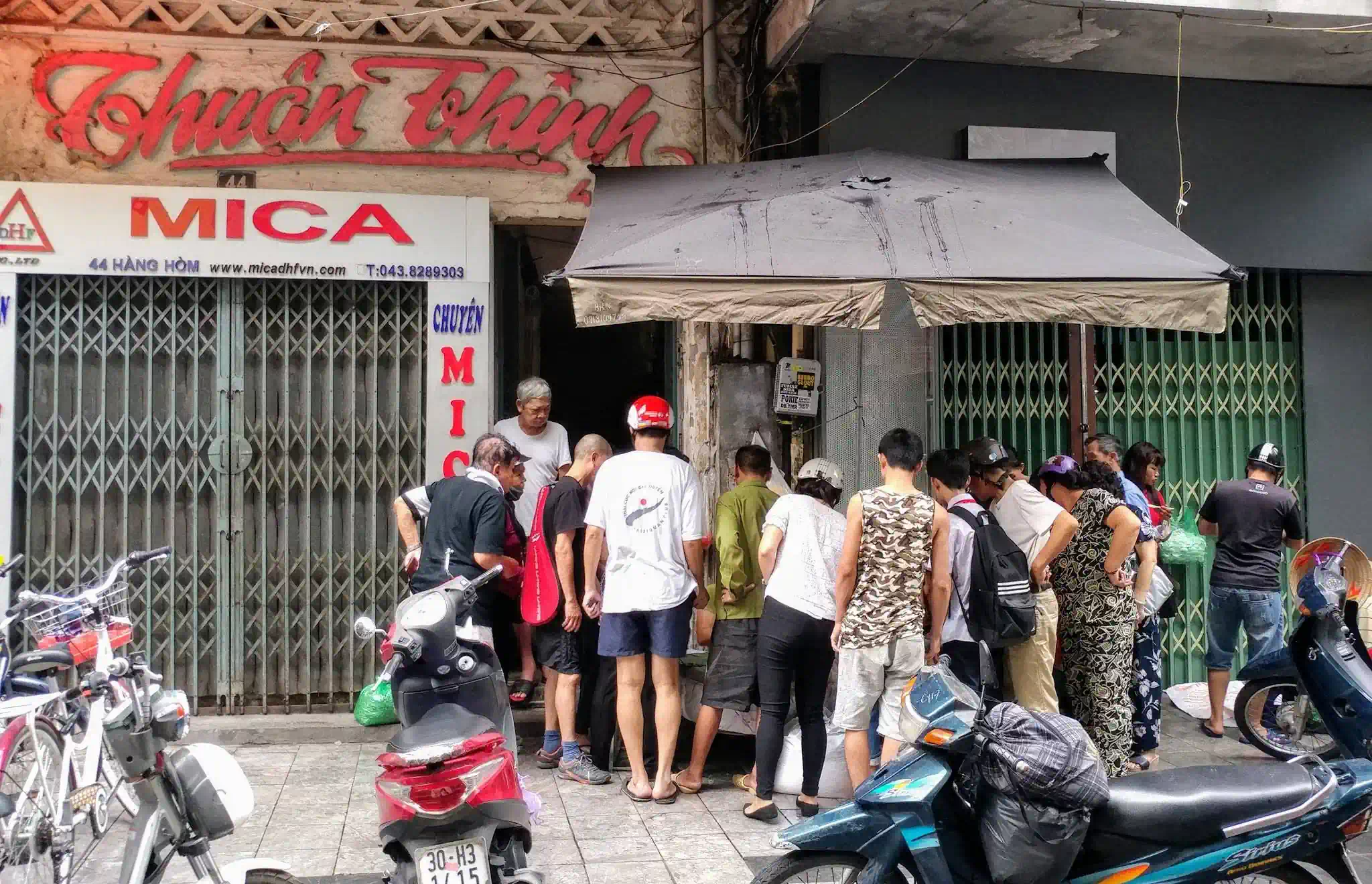
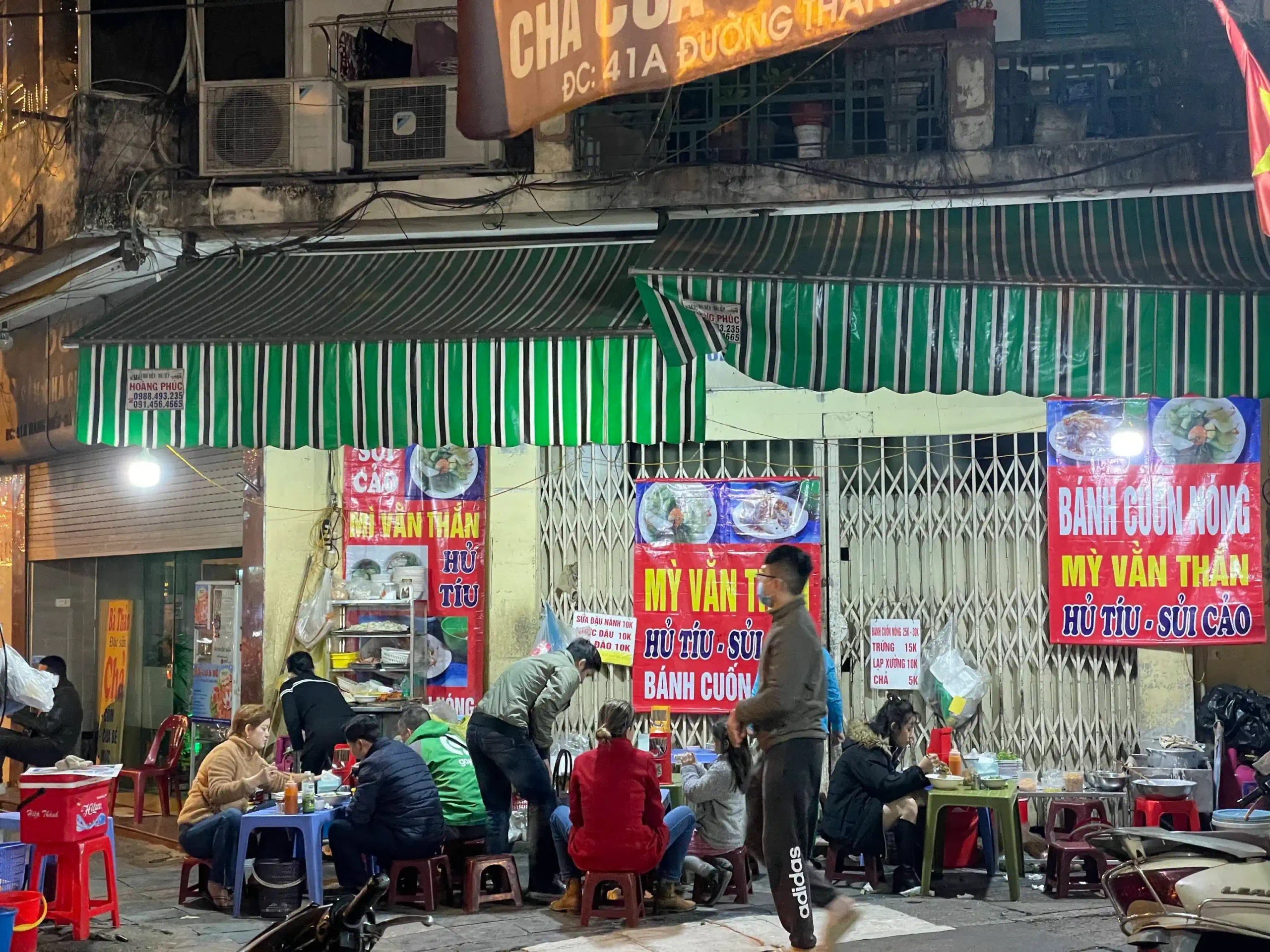
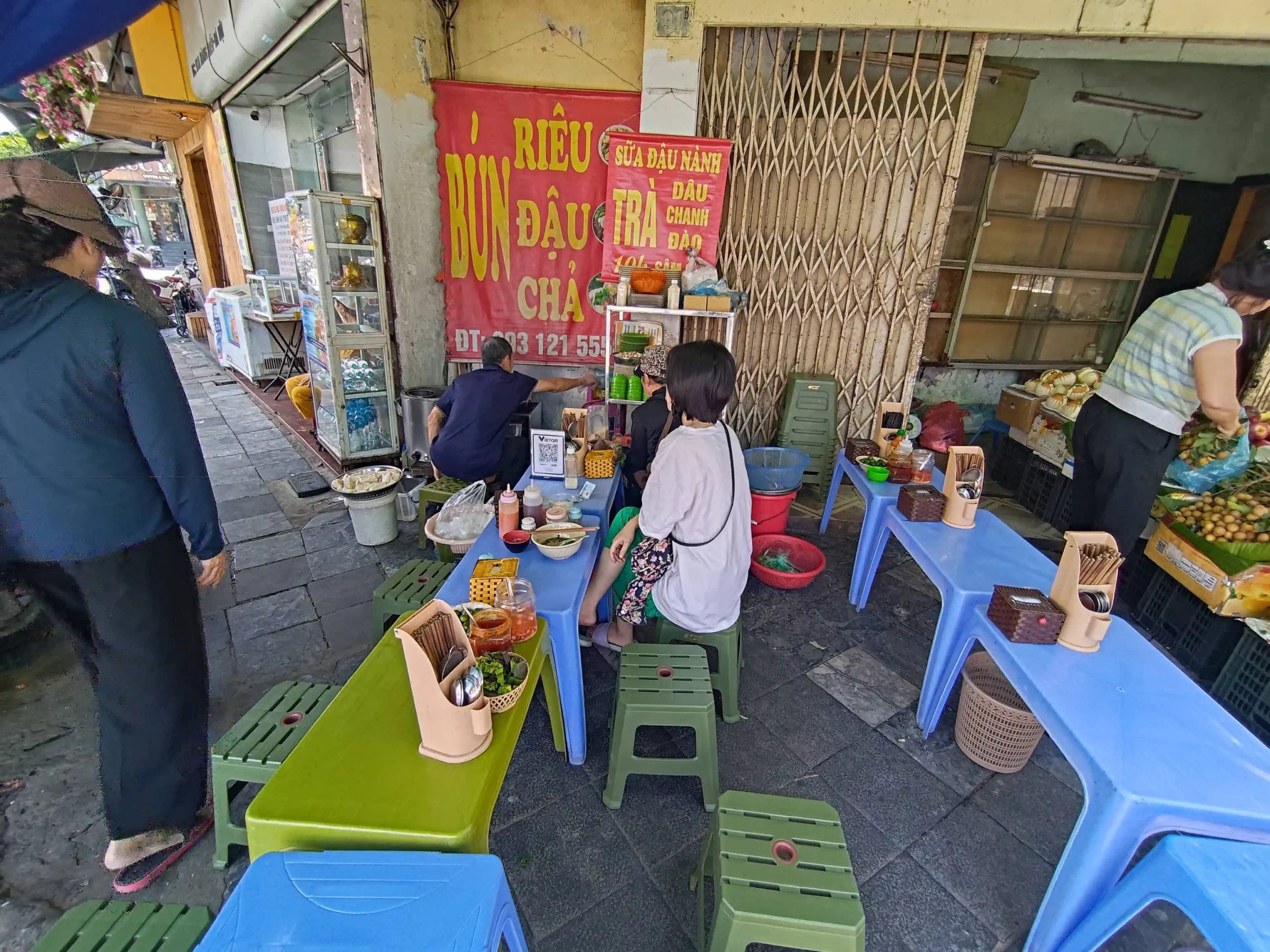
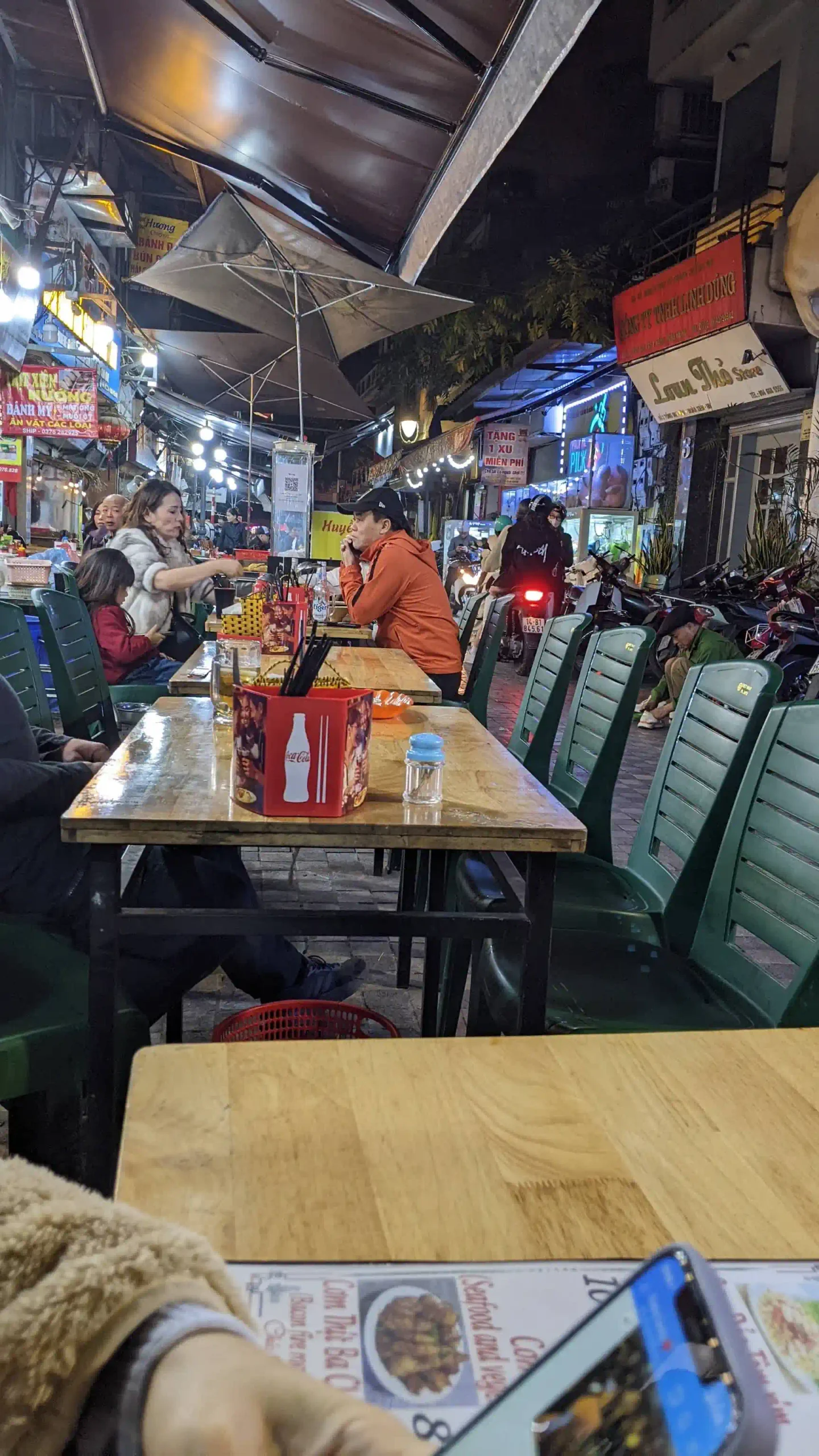
The best food here doesn’t come on white tablecloths. It comes on dented metal trays, served by a woman who is likely shouting at someone while she ladles broth, and it’s eaten while sitting on a plastic stool that was definitely designed for a toddler.
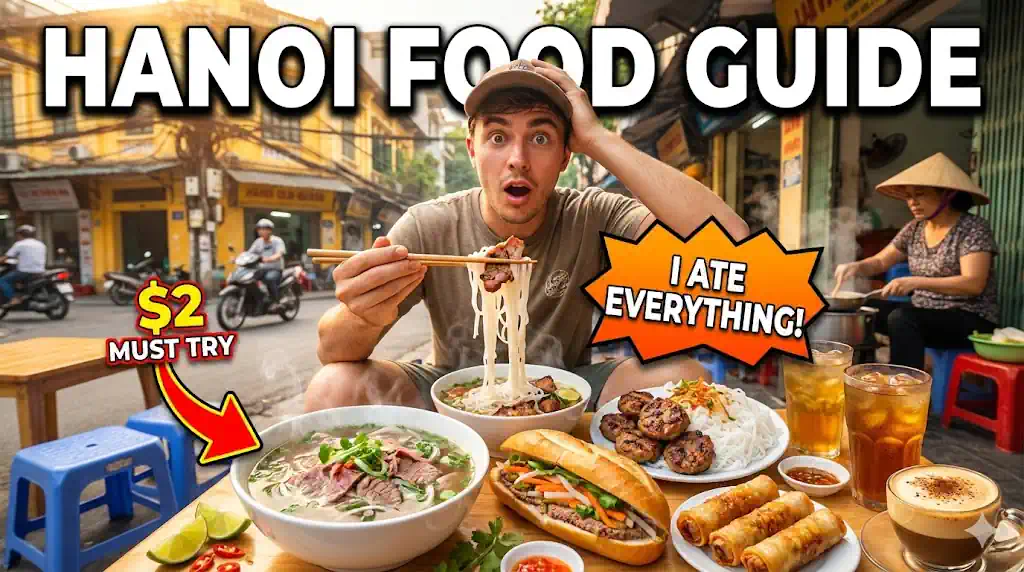
If you are Googling “what to do in Hanoi,” the answer isn’t “visit a museum.” It is eat. This city is an obstacle course of calories.
This isn’t a “fine dining” guide. This is a manual for the brave, the hungry, and those willing to risk a splash of fish sauce on their shirt.
Quick Guide: What to do in Hanoi for Serious Eaters (TL;DR)
If you are short on time and high on hunger, here is your cheat sheet to navigating the culinary chaos of Hanoi without losing your mind (or your stomach).
- The answer to “what to do in Hanoi” is simple: sit on a low plastic stool and eat. This expat guide cuts through the noise, showing you exactly where to find the best Pho Bo, crispy Banh Mi, and Turmeric Fish. We tackle hygiene fears, explain street etiquette, and guide you through the smells of the Old Quarter. Stop trusting generic reviews and start eating your way through Vietnam’s capital like a pro.
- The Street Survival Rules (Read Before You Eat)
- Embrace the Squat: The best food is served on low plastic stools. If you see a crowd of locals hunched over dented metal tables on the sidewalk, that is your target; avoid empty places with white tablecloths.
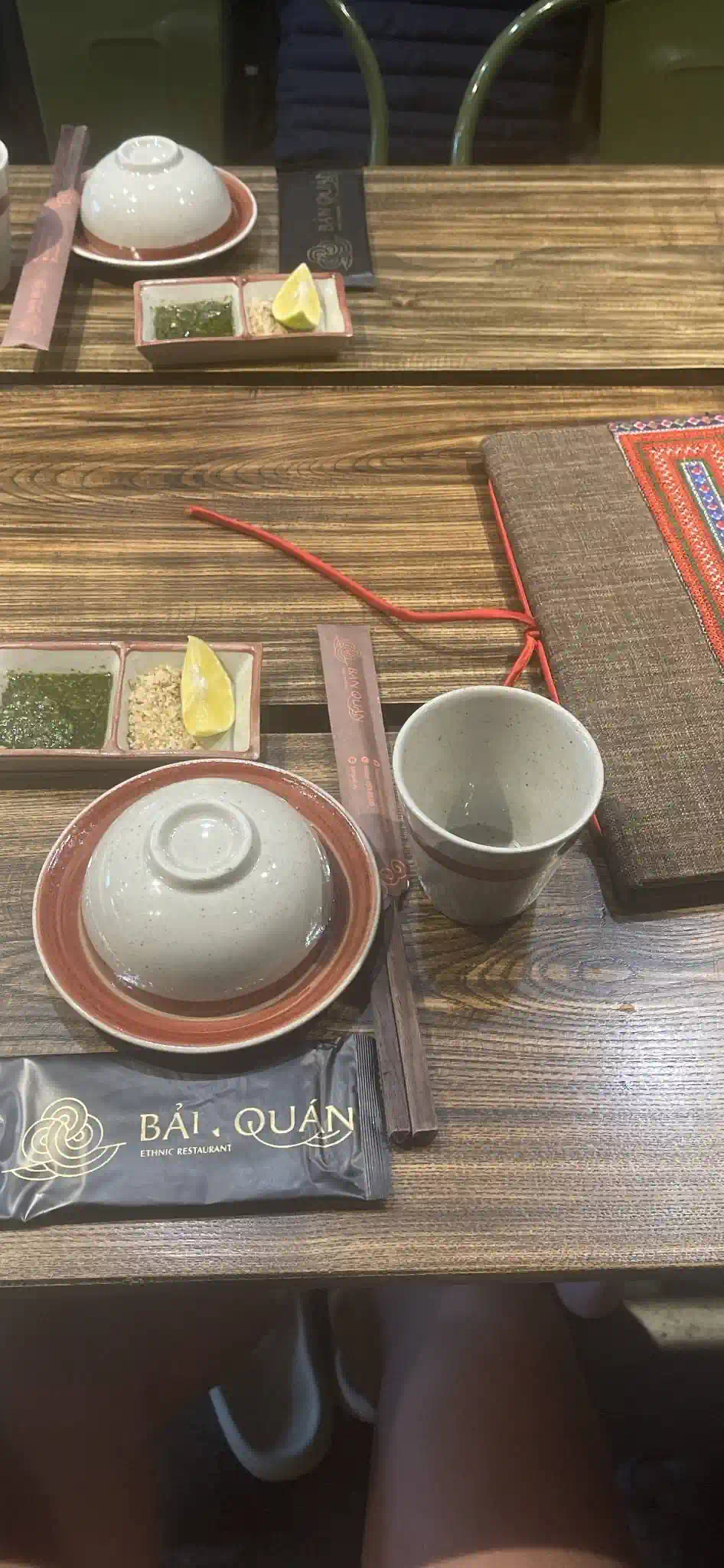
- Hygiene Hacks: Always wipe your chopsticks with the provided lime wedge (it kills bacteria… mostly), drink only bottled water, and accept that the packet of wet wipes on the table is not free (it’s a tiny surcharge).
- Traffic Flow: Eating on the street means sitting inches from traffic. To cross the road to your restaurant, walk slowly and predictably, never run, and the scooters will flow around you like water.
- The Non-Negotiable Menu Checklist
- Breakfast (7:00 AM): You must choose a side. Pho Bo (Beef Noodle Soup) at Pho Gia Truyen for purists, or a Banh Mi from a street cart where the bread is so fresh it shatters when squeezed.
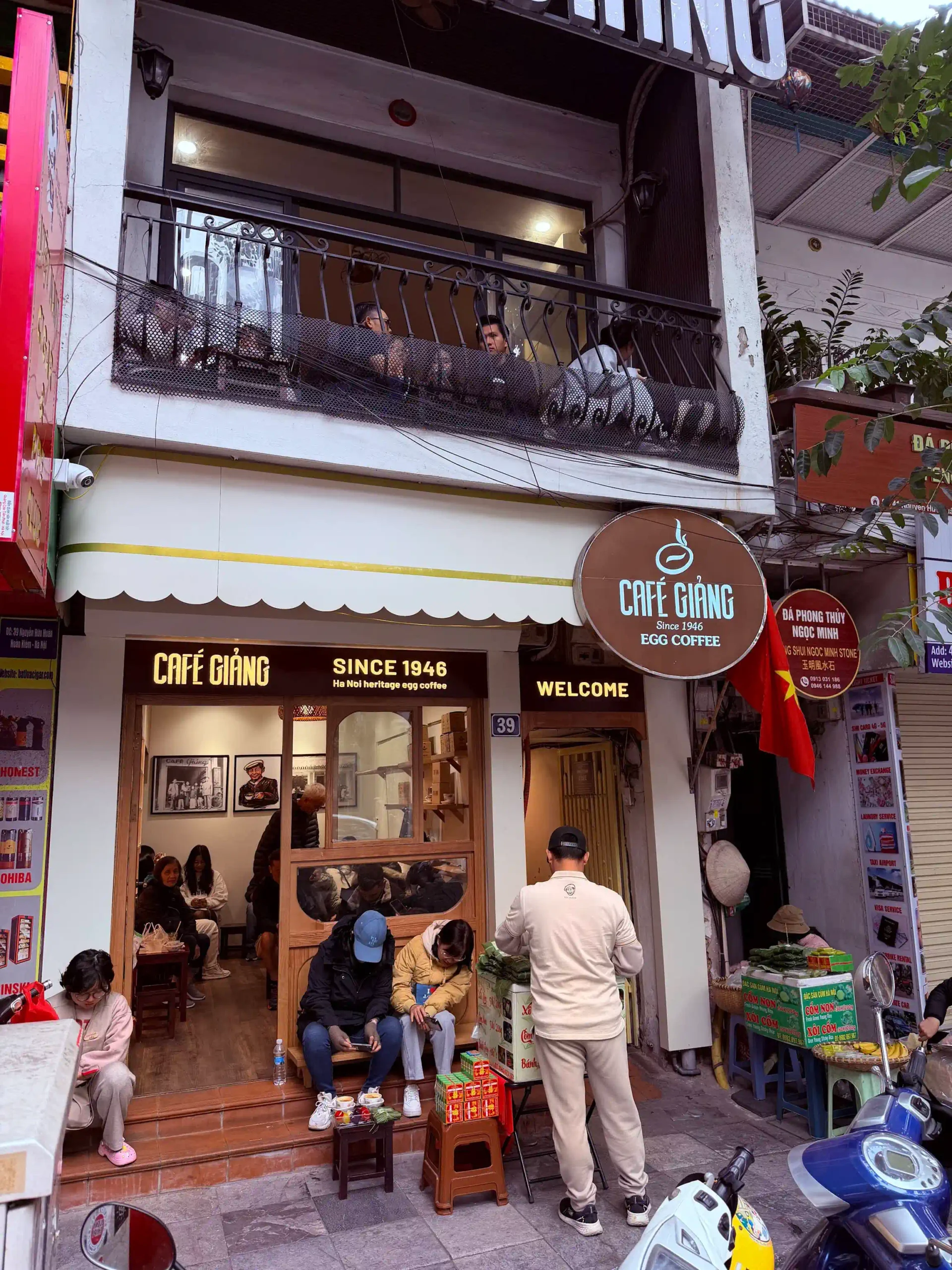
- Caffeine Fix (10:00 AM): Hunt down Cafe Giang down a hidden alley for Ca Phe Trung (Egg Coffee) – a thick, sweet, meringue-like caffeine hit that tastes like liquid tiramisu.
- Lunch (12:30 PM): Follow the blue charcoal smoke to find Bun Cha. It’s grilled pork, meatballs, and noodles submerged in dipping sauce; Bun Cha Huong Lien is famous, but random street stalls often taste smokier.
- Dinner & Late Night: Go communal with Cha Ca (Turmeric Fish with Dill) cooked at your table, or sit at Ta Hien Corner for fresh draft beer (Bia Hoi) and salted chicken until the police shut the party down.
- Shortcuts for the Overwhelmed
- The “Safety Net” Option: If the maze of the Old Quarter is too intimidating or you don’t know what is safe to eat, booking a Street Food Walking Tour (check GetYourGuide for small groups) is the fastest way to hit 5-6 dishes safely in 3 hours.
- Go Behind the Scenes: To truly understand the flavor profile, skip a meal out and take a Cooking Class that includes a wet market tour – seeing the raw ingredients at 6 AM changes how you appreciate the final dish.
The Pre-Game: Rules of Engagement
Before we talk about what to shove in your face, we need to discuss how to survive the experience. Eating on the sidewalk (vỉa hè) is an extreme sport.
- The Stool Test: You will be squatting. The legendary blue or red plastic stools are iconic, but they are unforgiving. If you have bad knees, stretch before you go out. Seriously.
- The “Wet Wipe Tax”: If there is a packet of wet wipes on the table, it’s not free. If you crack it open, you pay for it (usually 2,000 – 3,000 VND). It’s negligible money, but people get oddly offended when they see it on the bill. Just accept it. You’ll need it to wipe the grease off your chin.
- Sanitation Reality: Look, I’m not going to lie to you. The hygiene standards here are “flexible.” But here is my expat rule of thumb: If the place is packed with locals, the food turnover is high, meaning nothing has been sitting out long enough to kill you. Also, always wipe your chopsticks with the wedge of lime provided. It’s mostly psychological, but it feels like you’re doing something science-y.
- Traffic is a condiment: You will be eating with scooters zooming inches from your elbow. The exhaust adds flavor. Lean into it.
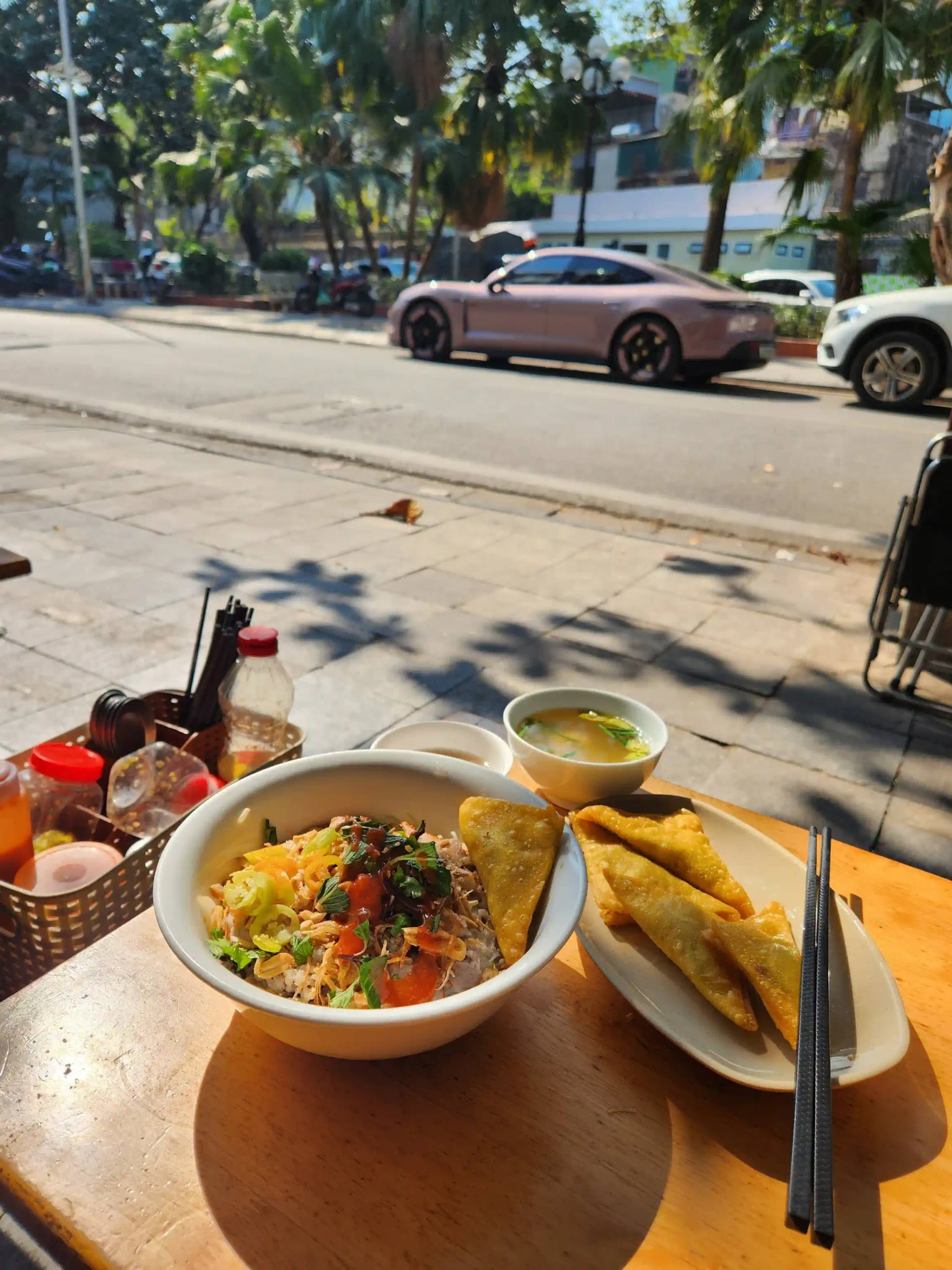
Breakfast: The Pho War (and the Banh Mi Rebellion)
You wake up. It’s 7:00 AM. The humidity is already hitting 85%. You need broth.
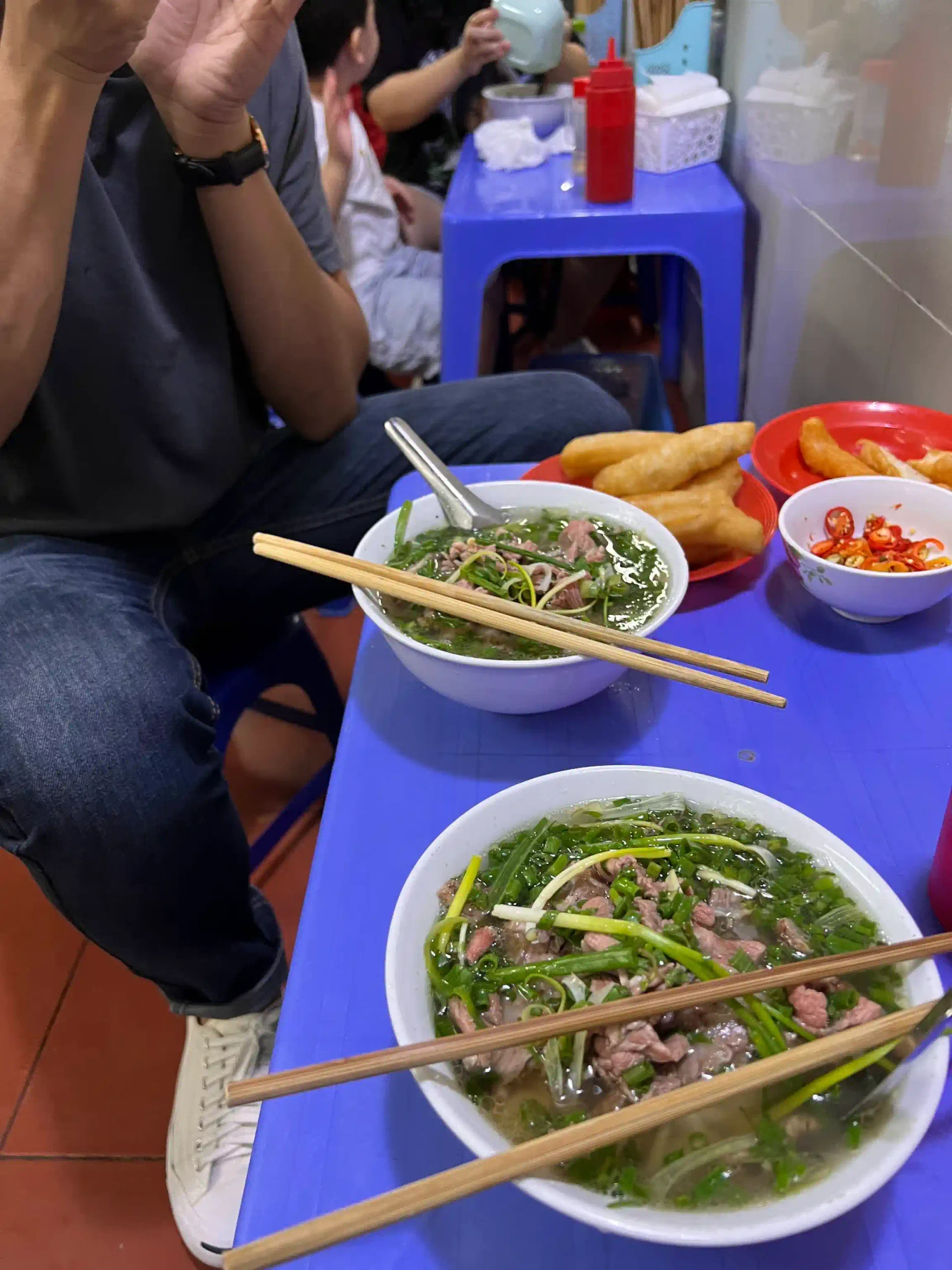
In the West, soup is a winter meal or an appetizer. In Vietnam, Pho is breakfast fuel. But don’t just walk into any place with a sign.
You have a decision to make: Pho Bo (Beef) or Pho Ga (Chicken). They are two different religions here.
Option A: The Beef Purists
Head to the Old Quarter. Everyone talks about Pho 10 Ly Quoc Su. Is it touristy? Yes. Is it good? absolutely. You can watch them chopping the beef behind the glass. The broth here is clear but punches you with star anise and cinnamon.
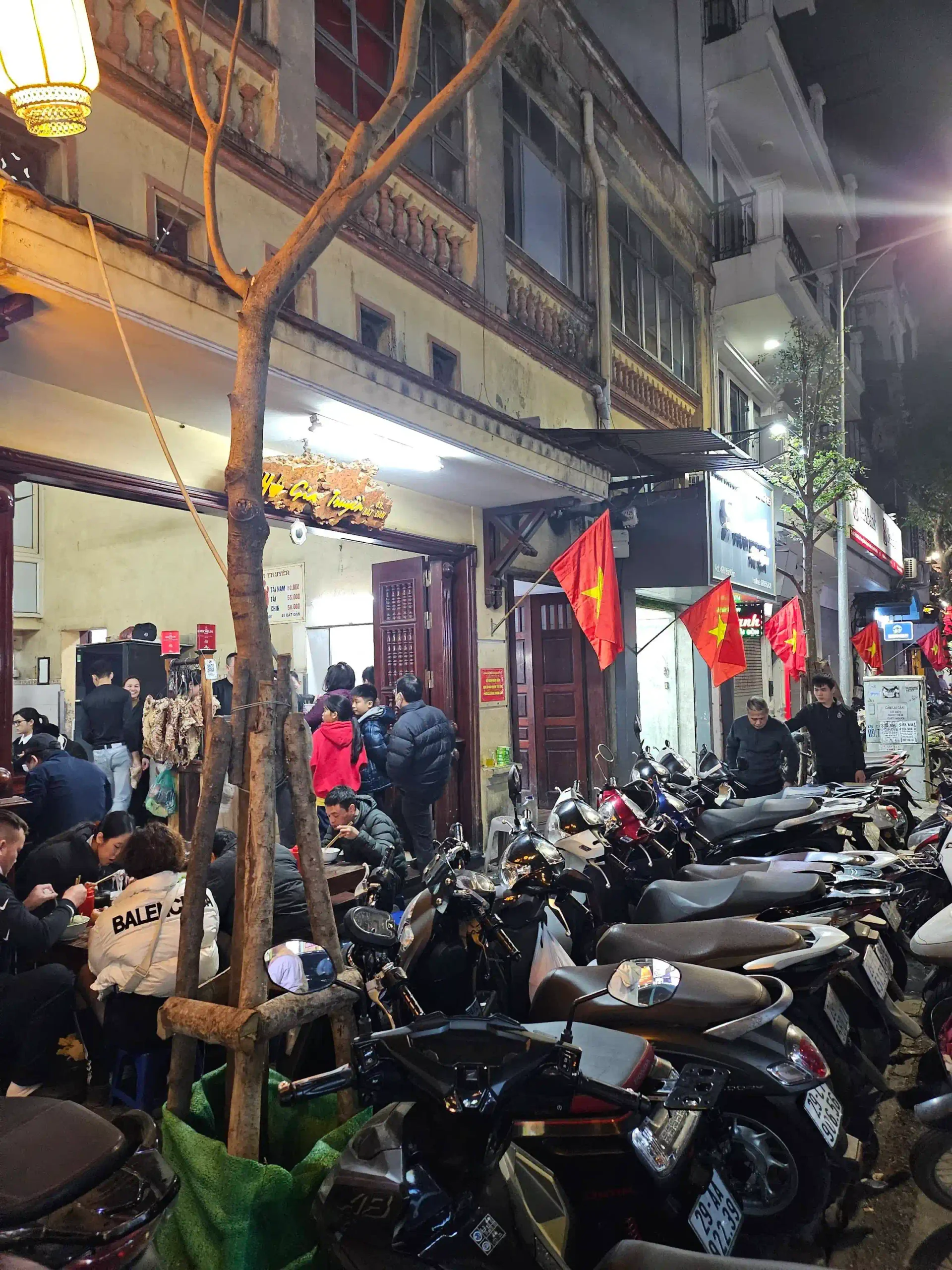
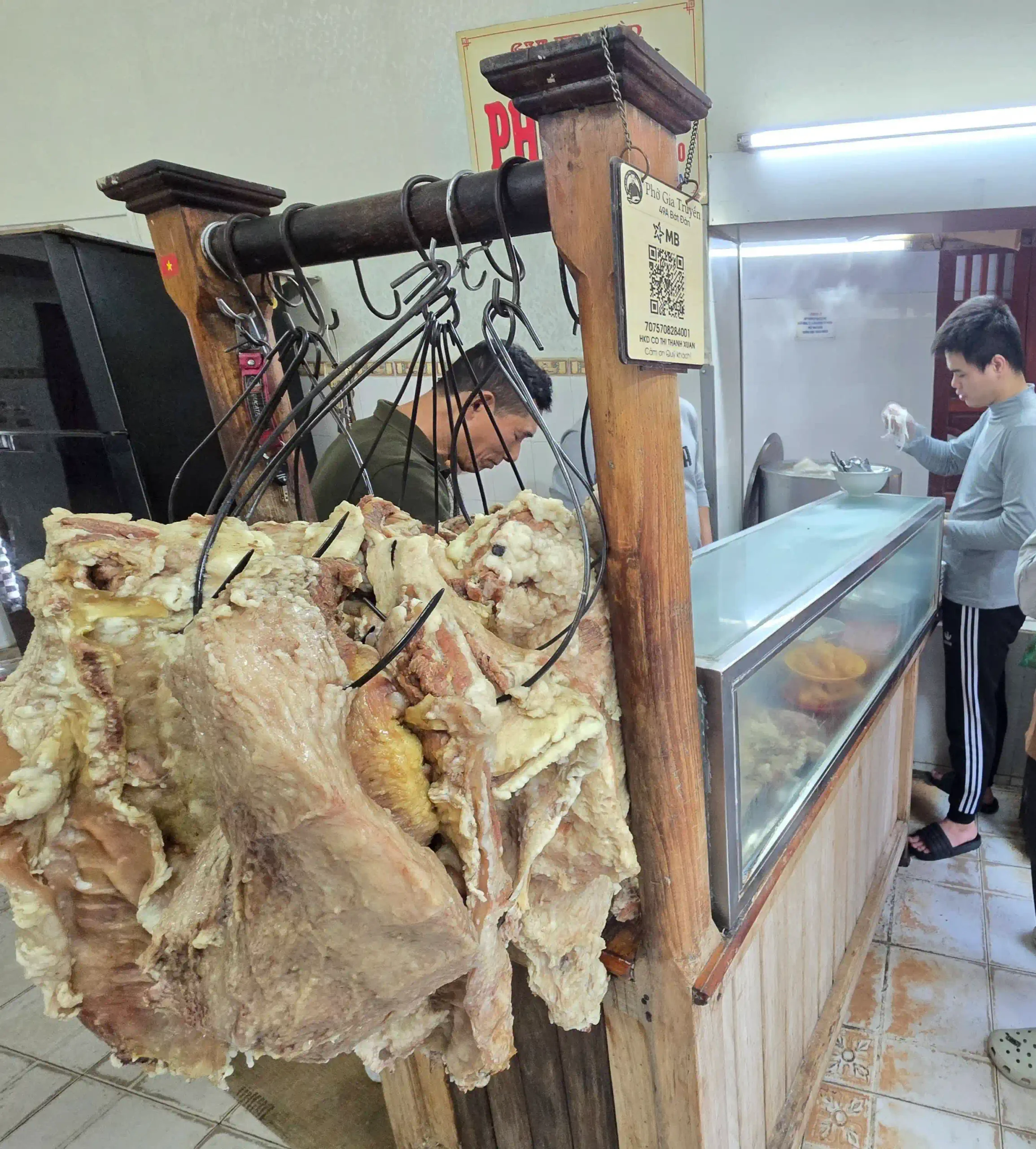
However, if you want the “I’ve lived here for 10 years” vibe, find Pho Gia Truyen on Bat Dan Street. There will likely be a queue. Get in it. You order at the counter, pay, and carry your own steaming bowl to a table. The beef is tender enough to cut with a spoon. There are no smiles from the staff. They know their soup is good; they don’t need to be nice to you.
Option B: The Rebel Sandwich
Maybe it’s too hot for soup. You want the baguette.
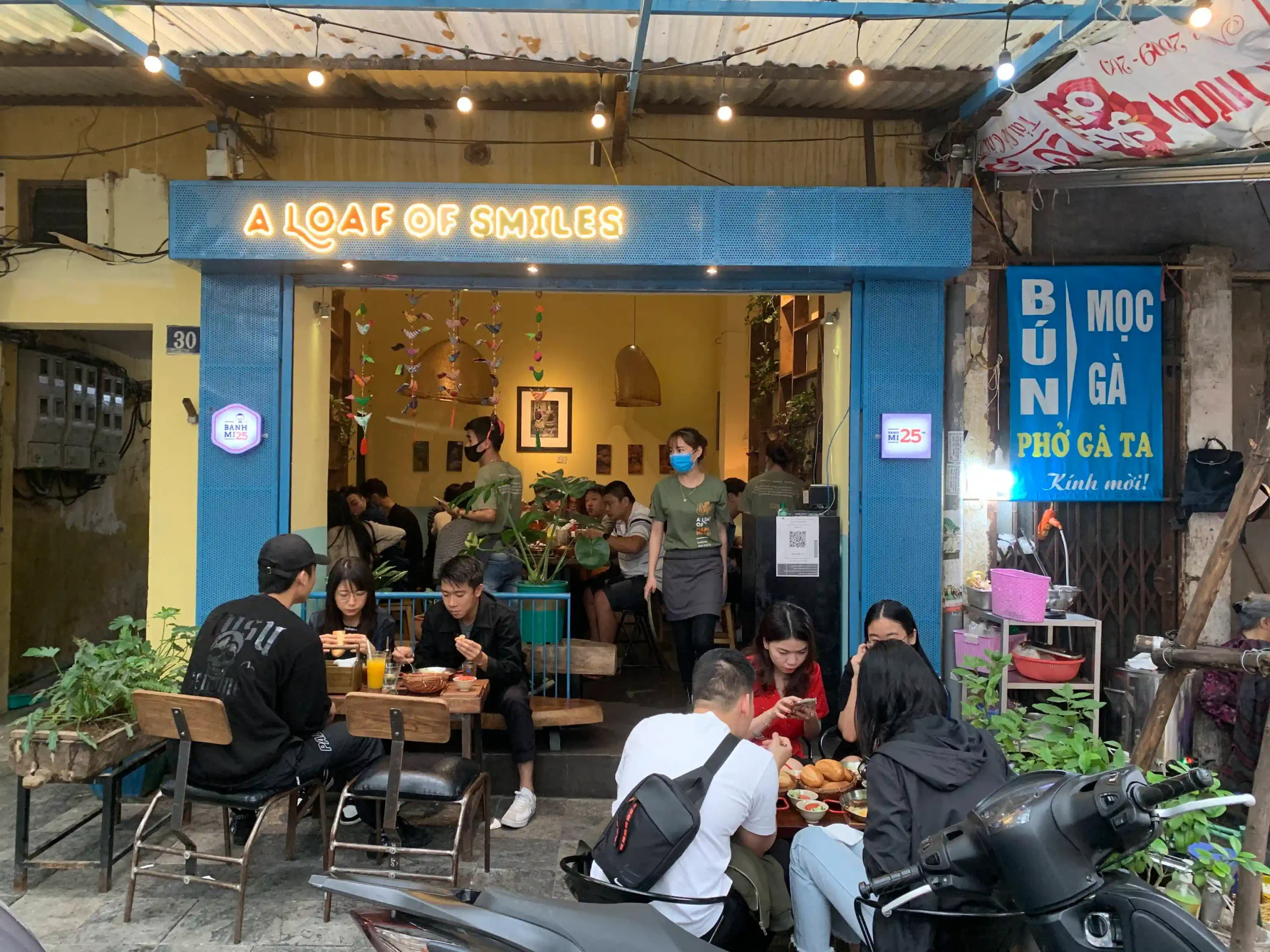
Banh Mi is ubiquitous, but quality varies wildly. The “foodie” guidebooks will point you to Banh Mi 25. It’s fine. It’s great, actually. But it’s sanitized. There’s a line of backpackers and a menu in perfect English.
For a grittier experience, walk down Cha Ca Street or look for nameless carts outside school gates.
A proper Hanoi Banh Mi isn’t overloaded. It’s pate, butter (margarine, really), some cold cuts, pickled daikon/carrot, cucumber, chili sauce, and coriander. It’s about the ratio of crunch to fat.
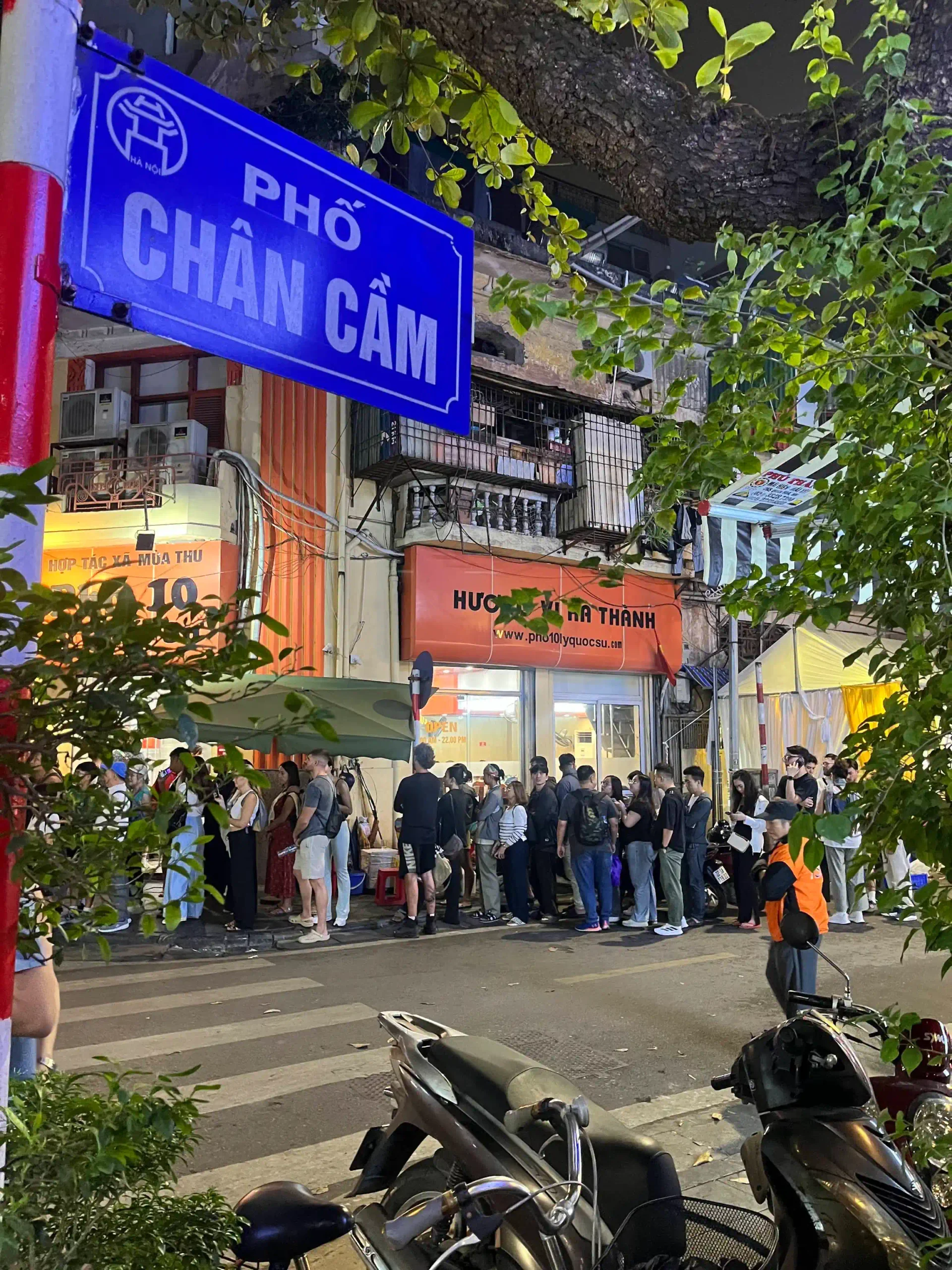
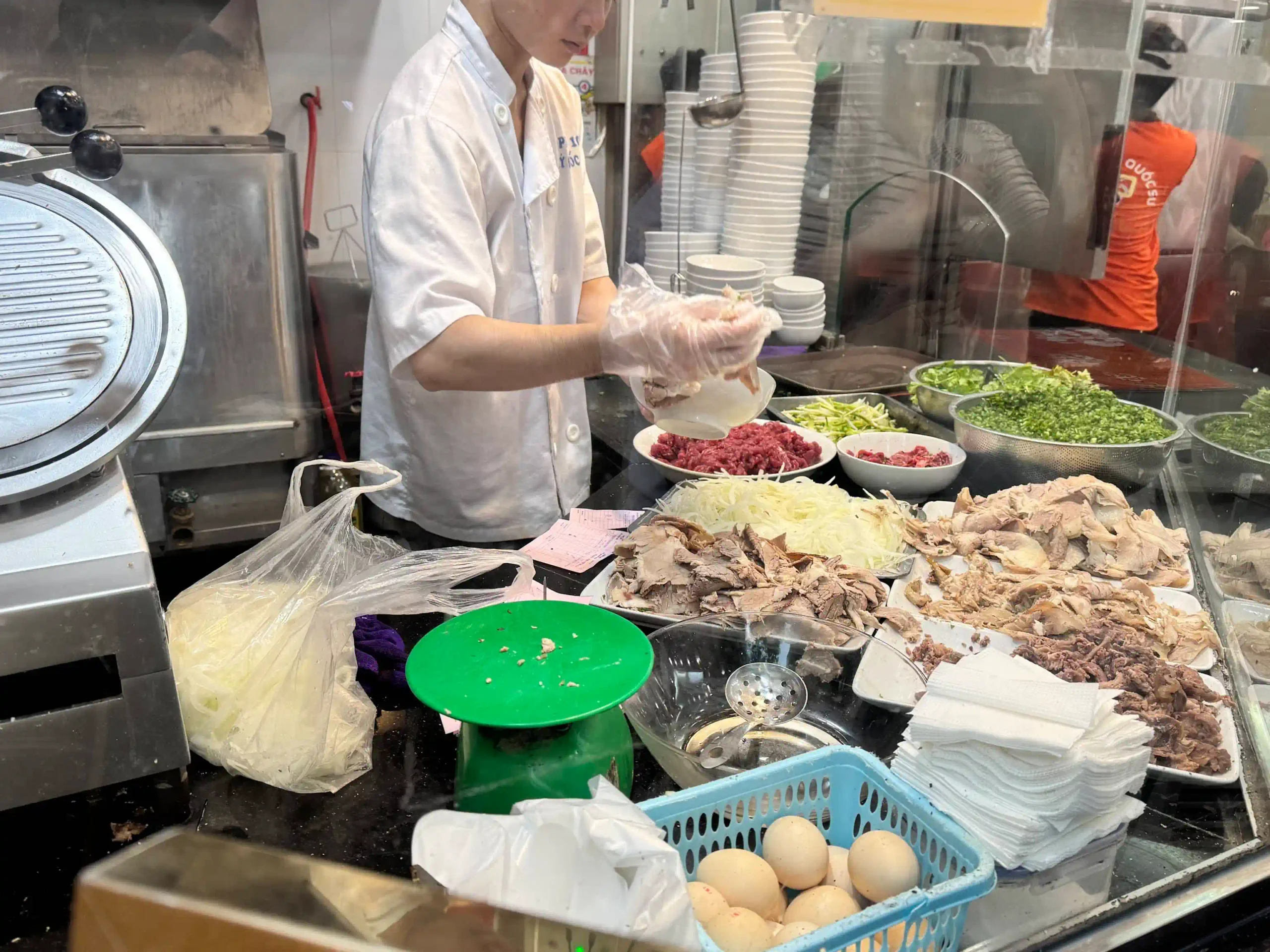
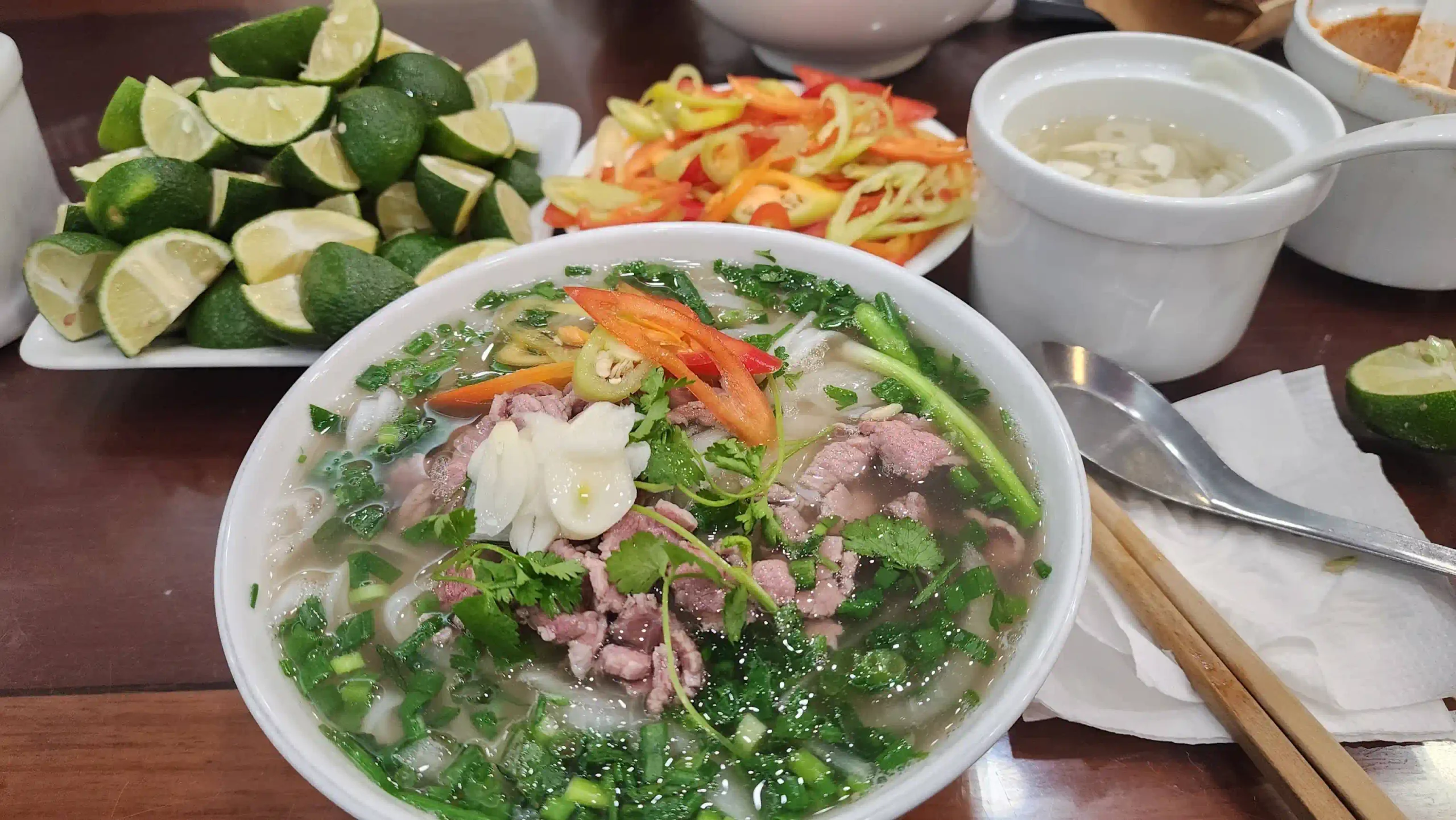
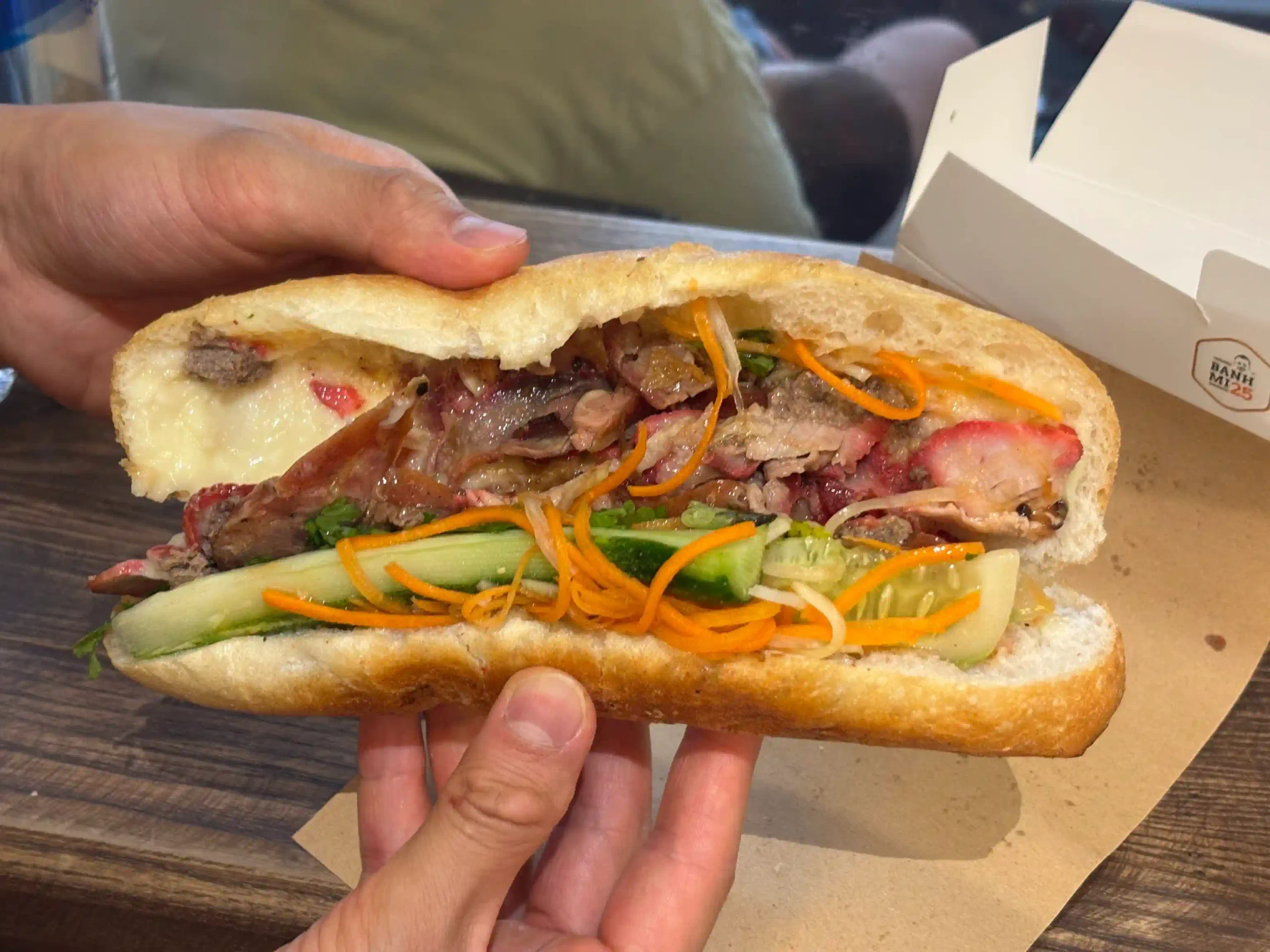
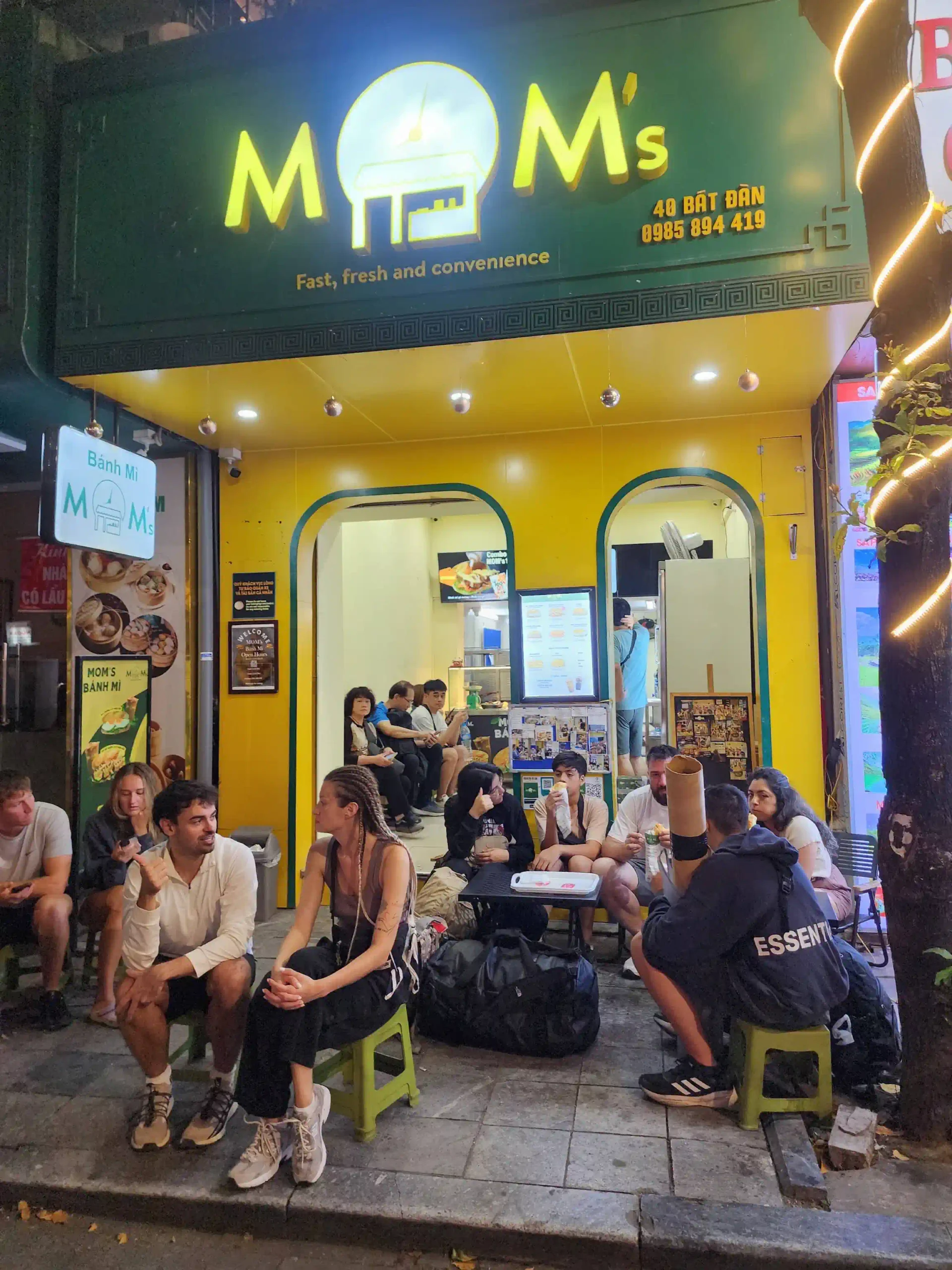
Pro tip: If the bread isn’t shattering and making a mess on your lap, it’s not fresh enough.
The Mid-Morning Caffeine Injection
After a savory breakfast, your palate needs a reset. This brings us to Hanoi’s most famous chaotic creation: Ca Phe Trung (Egg Coffee).
Head to Cafe Giang. It’s hidden down a narrow alleyway that looks like you’re trespassing in someone’s basement. Walk through, head upstairs to the room with the tiny low tables.
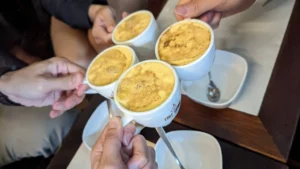
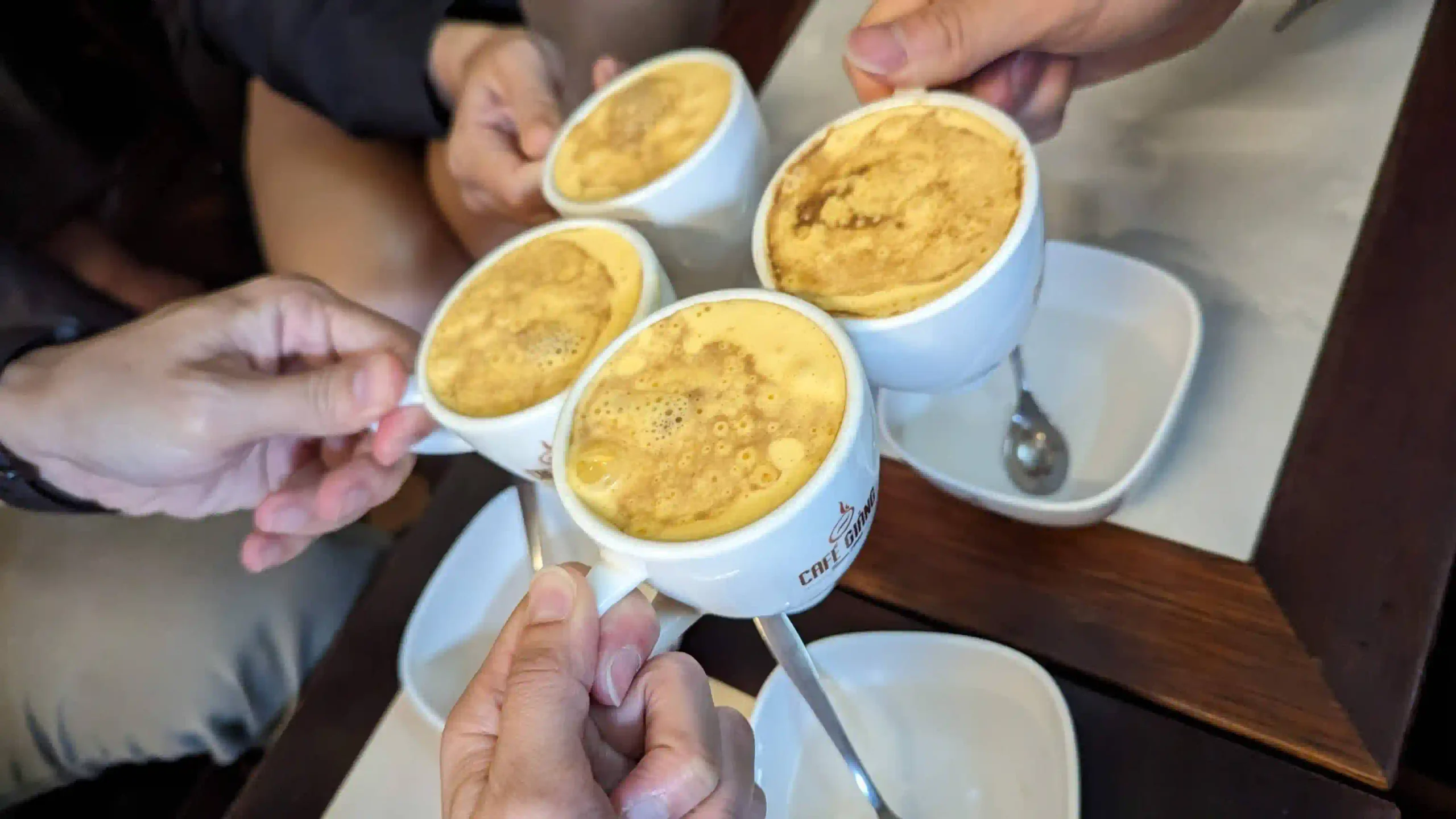
Egg coffee sounds aggressive to the uninitiated. “Drink a raw egg?” But it’s not that. It’s robusta coffee topped with a meringue-like foam of whipped yolk, condensed milk, and secret ingredients (some say rum, some say butter).
It tastes like liquid tiramisu that fights back. Stir it well, or don’t. Just drink it hot. The sticky sweetness perfectly counterbalances the petrol-strength coffee at the bottom.
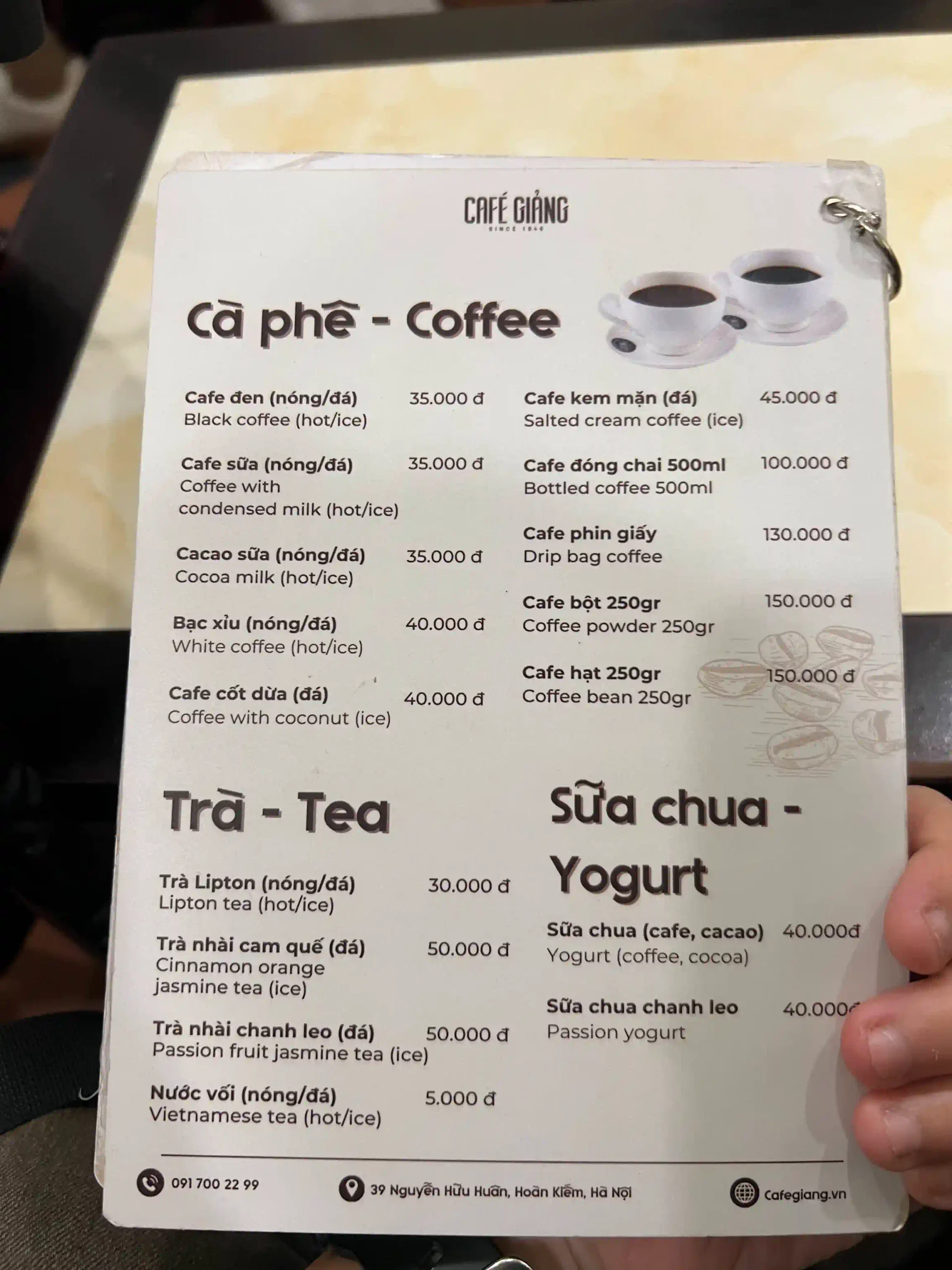
I have a full guide for the best egg coffee shops in Hanoi, read it here
Lunch: Where the Magic (and Smoke) Happens
By 12:30 PM, the smell of grilling pork takes over the atmosphere. This is the hour of Bun Cha.
If you leave Hanoi without eating Bun Cha, did you really visit?
This is grilled pork patties and slices of pork belly served in a bowl of warm, sweet-savory fish sauce (nuoc cham), alongside cold rice vermicelli noodles and a mountain of fresh herbs (perilla, lettuce, coriander).
The Breakdown:
You sit down. They dump the ingredients in front of you. You grab a clump of noodles with your chopsticks, dip it into the bowl of pork/sauce, throw in some herbs, and shove it in.
You have two choices for venues:
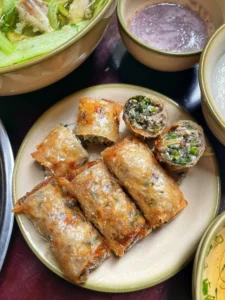
- Bun Cha Huong Lien: Yes, the place Anthony Bourdain and Obama ate. They literally encased the table they sat at in glass. It’s a bit of a shrine now, but the Crab Spring Rolls (Nem Cua Be) there are genuinely brick-heavy and delicious.
- Bun Cha Dac Kim on Hang Manh street. It’s legendary, but aggressively expensive compared to street stalls, and they will try to upsell you too much food.
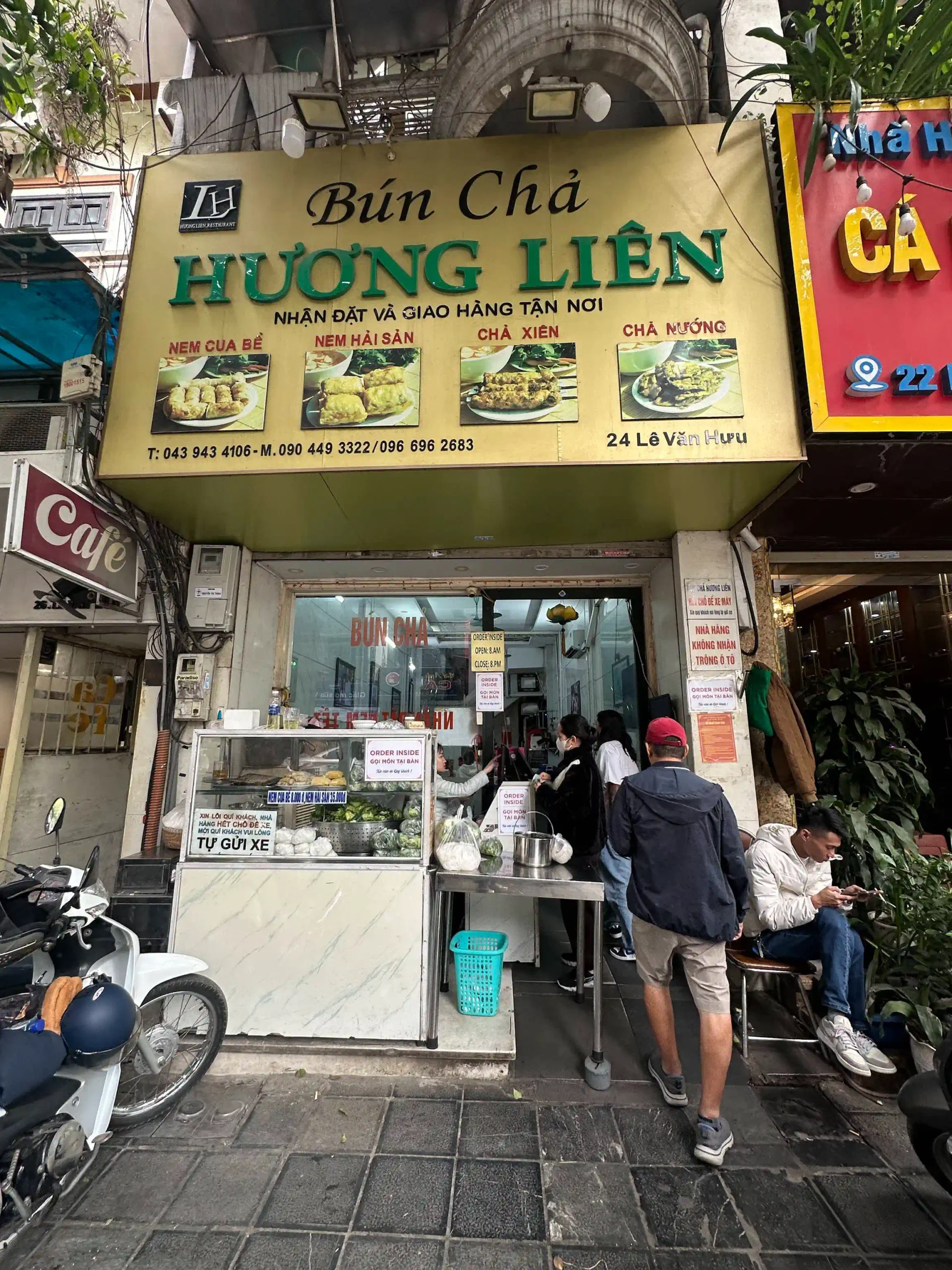
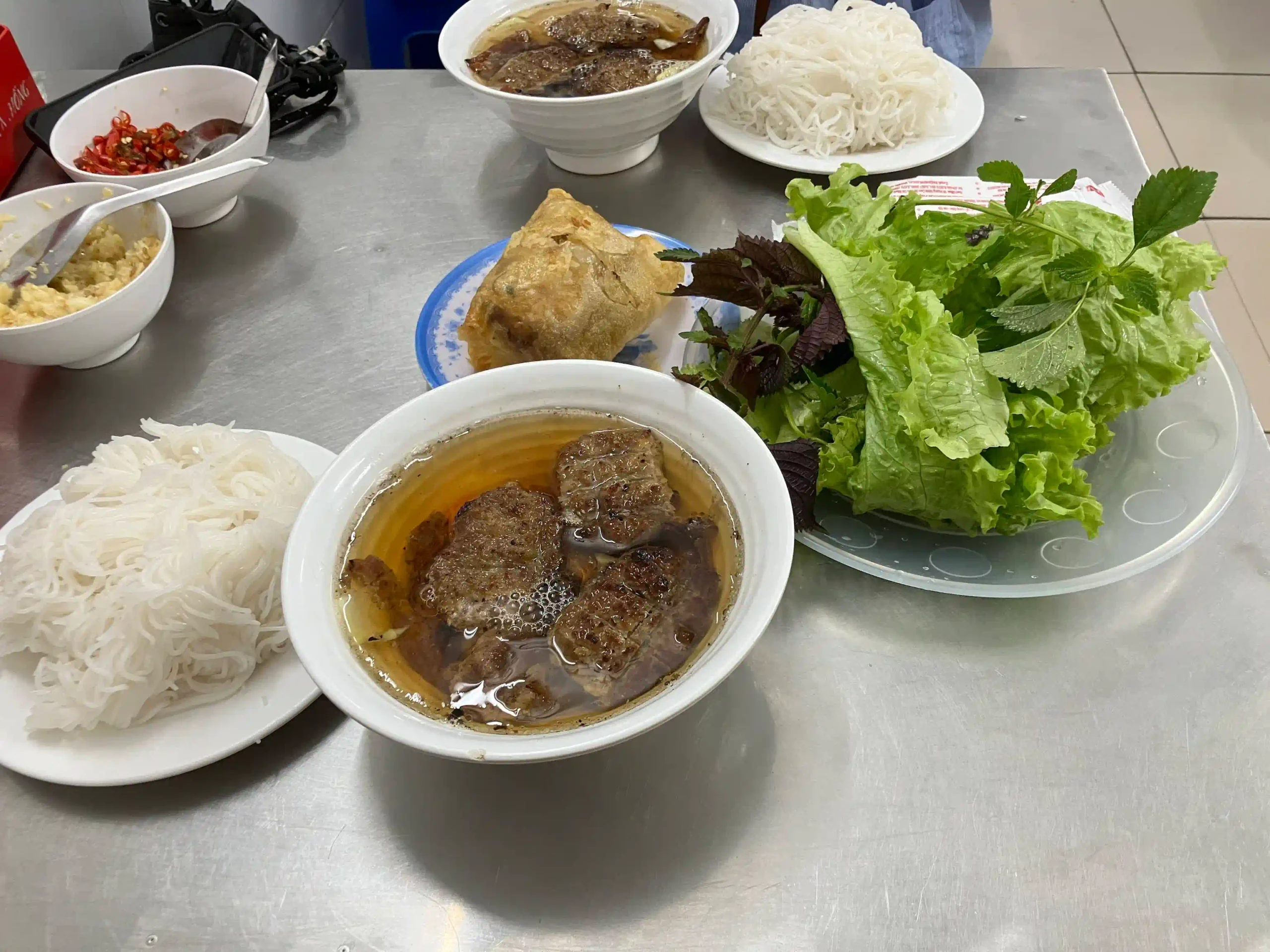
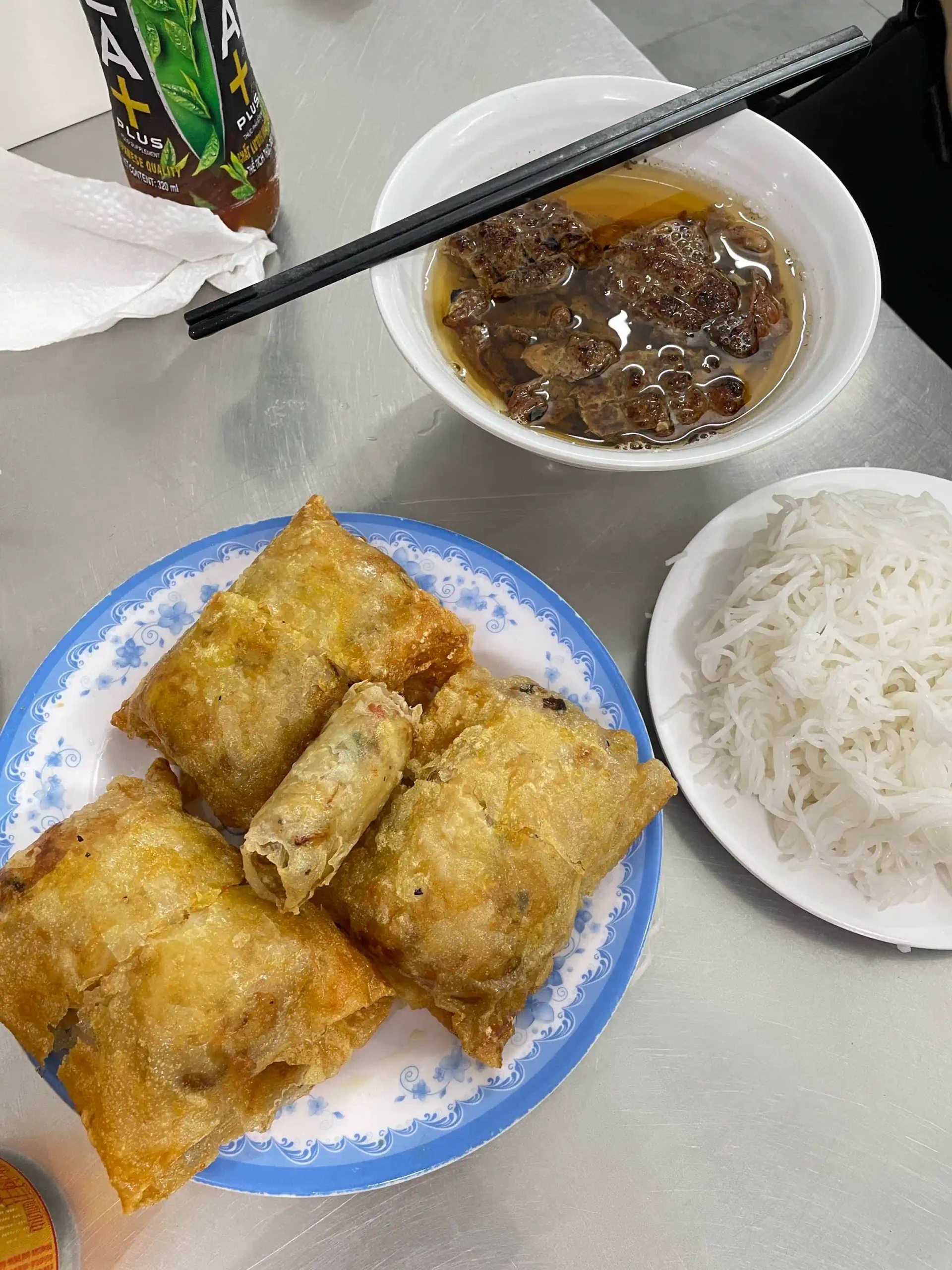
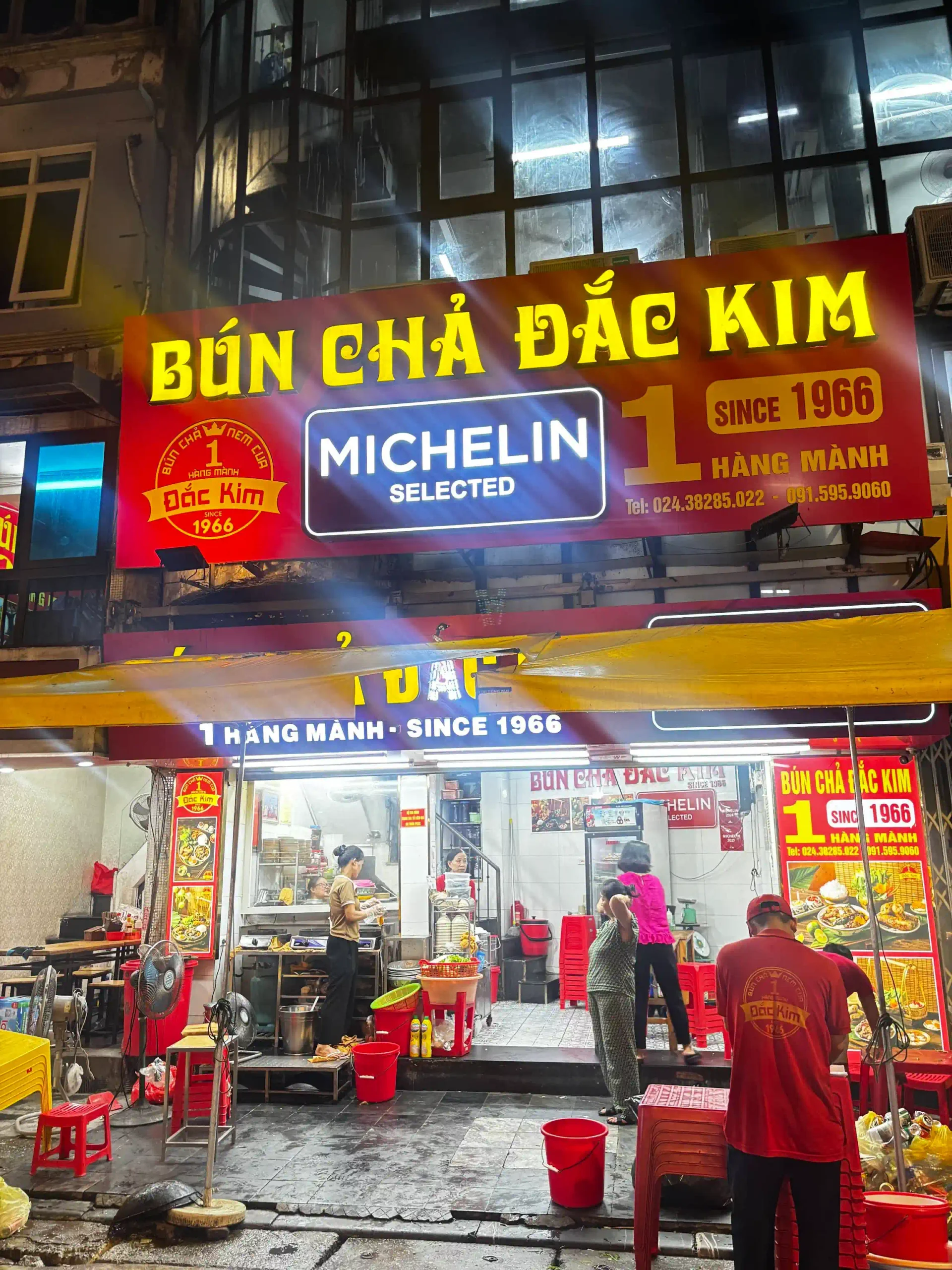
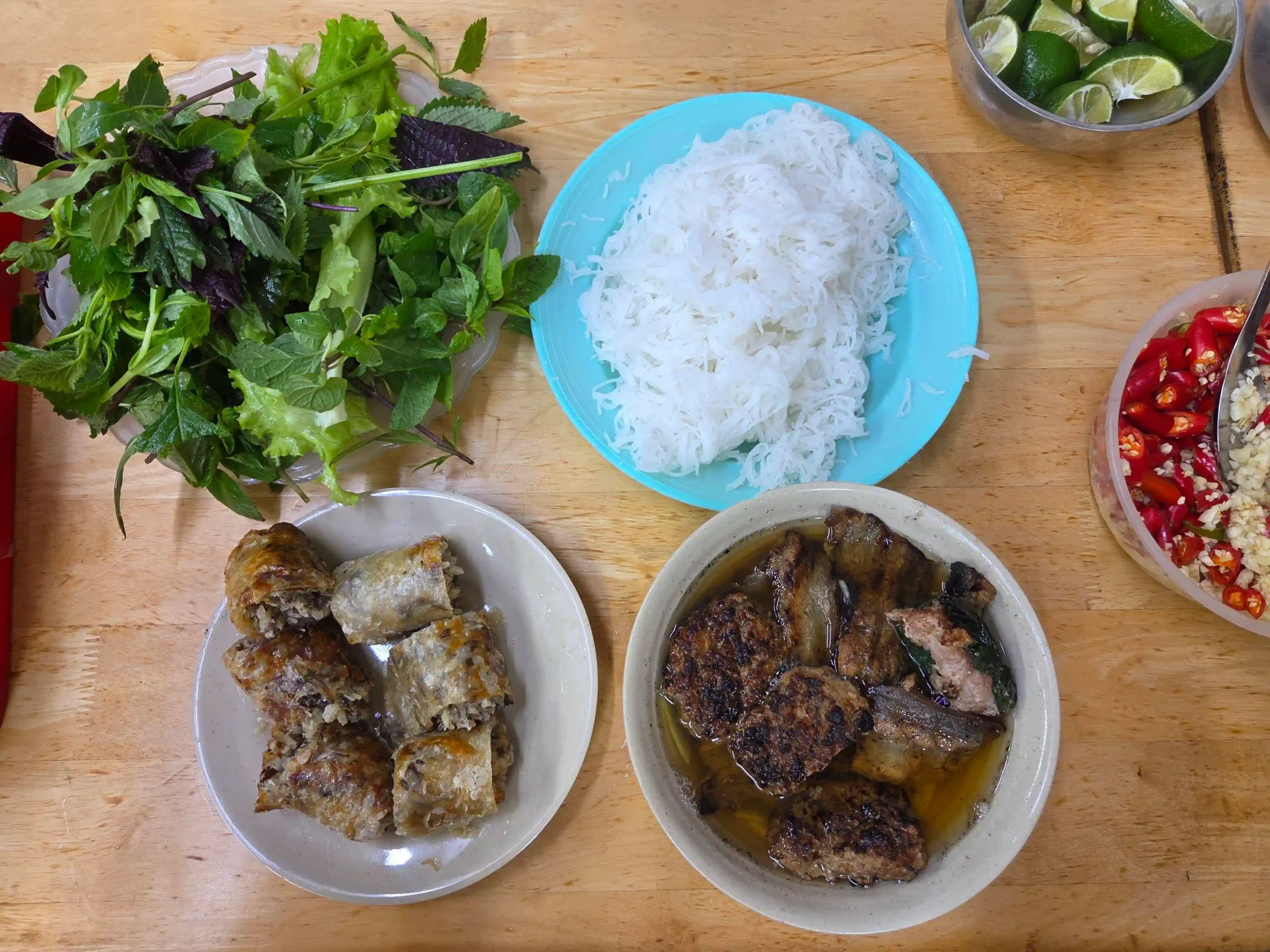
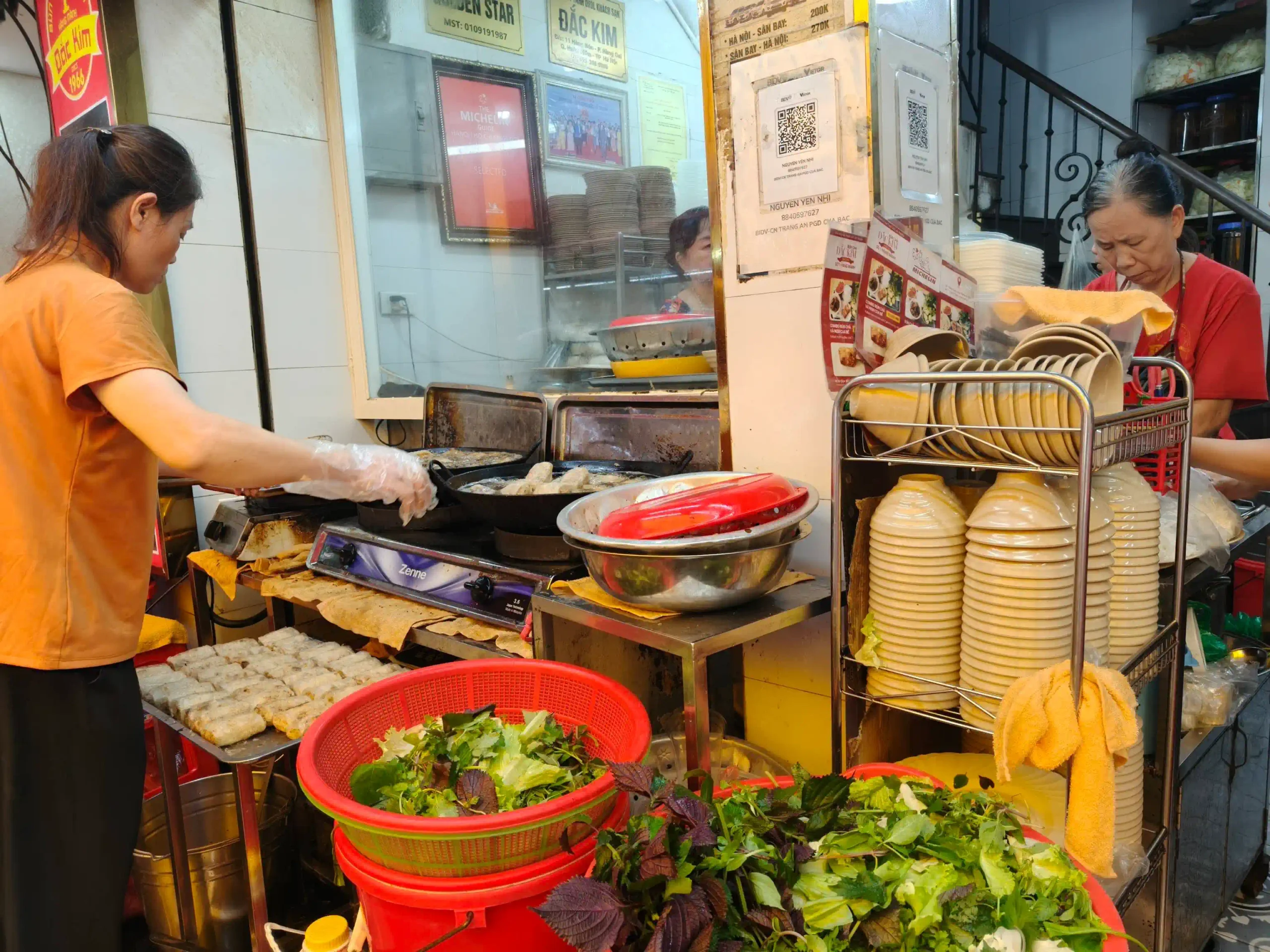
Expat Choice: Find a random street spot where the lady is fanning coals on the sidewalk. Follow the blue smoke. The best Bun Cha is always the one where you leave smelling like a barbecue pit.
Getting Overwhelmed? A Tactical Suggestion
Let’s pause. If you are reading this and thinking, “There is no way I am navigating that traffic, or confident enough to point at a mystery meat and eat it,” I get it. The Old Quarter is a labyrinth.
If you have limited time and high anxiety about where to start, you might want to consider a structured approach to tackle the chaos.
A really popular option that my friends usually do when they visit is the Hanoi Street Food Walking Tour (you can find solid ones on GetYourGuide/Viator/Klook).
I like suggesting these specific tours because:
- The “Fixer”: The guides act as buffers. They negotiate the seating, they wipe the chopsticks, and they explain what everything is so you don’t accidentally eat dog meat (rare, but a common fear).
- Access: They take you down alleyways (ngõ) that look like dead ends but open up into tiny courtyards serving the best Nom Bo Kho (dried beef salad) you’ve ever had.
- Safety: If you’re nervous about sanitation, the guides usually have a roster of “safe” vendors that won’t kill your vacation with a stomach bug.
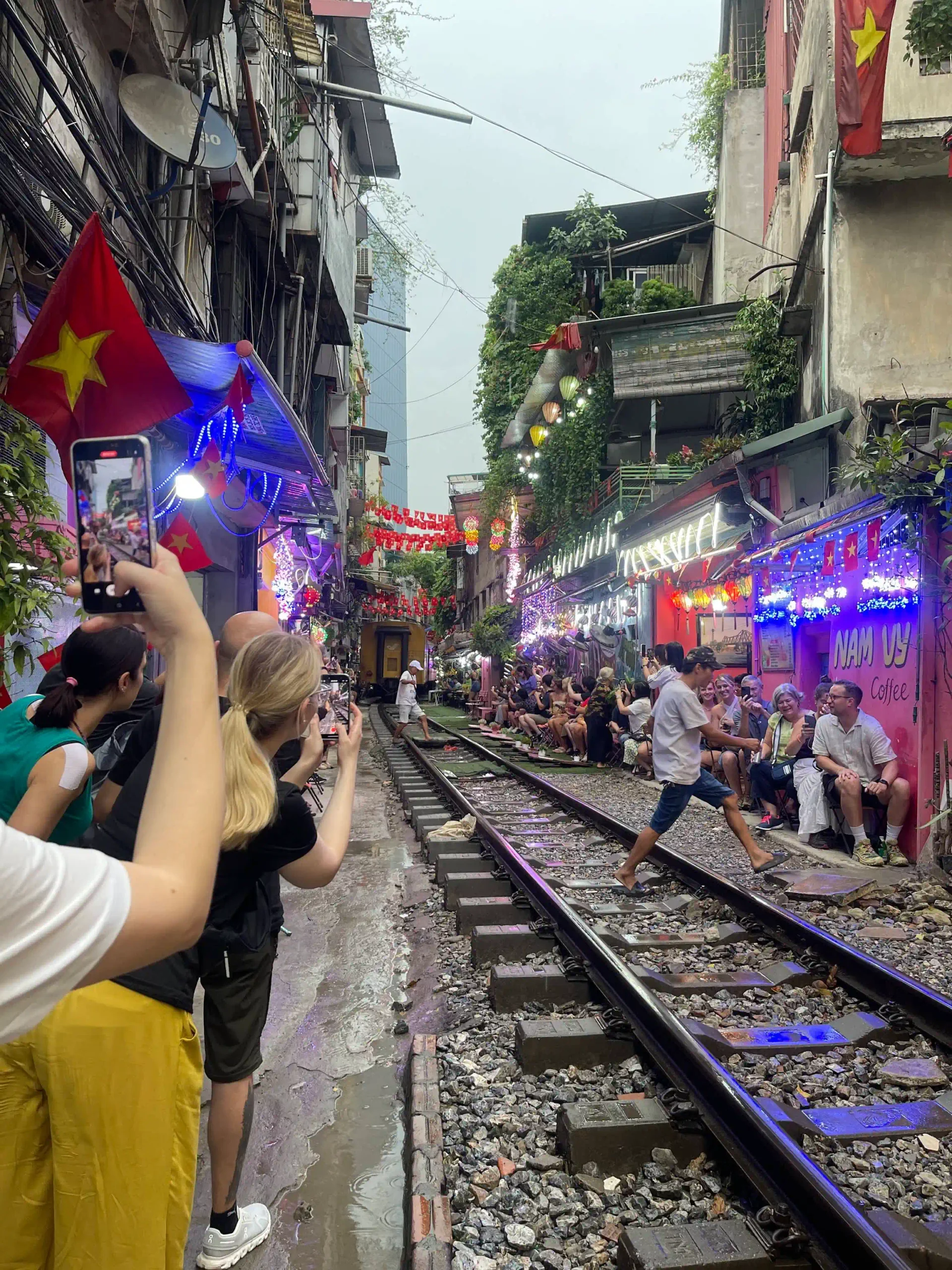
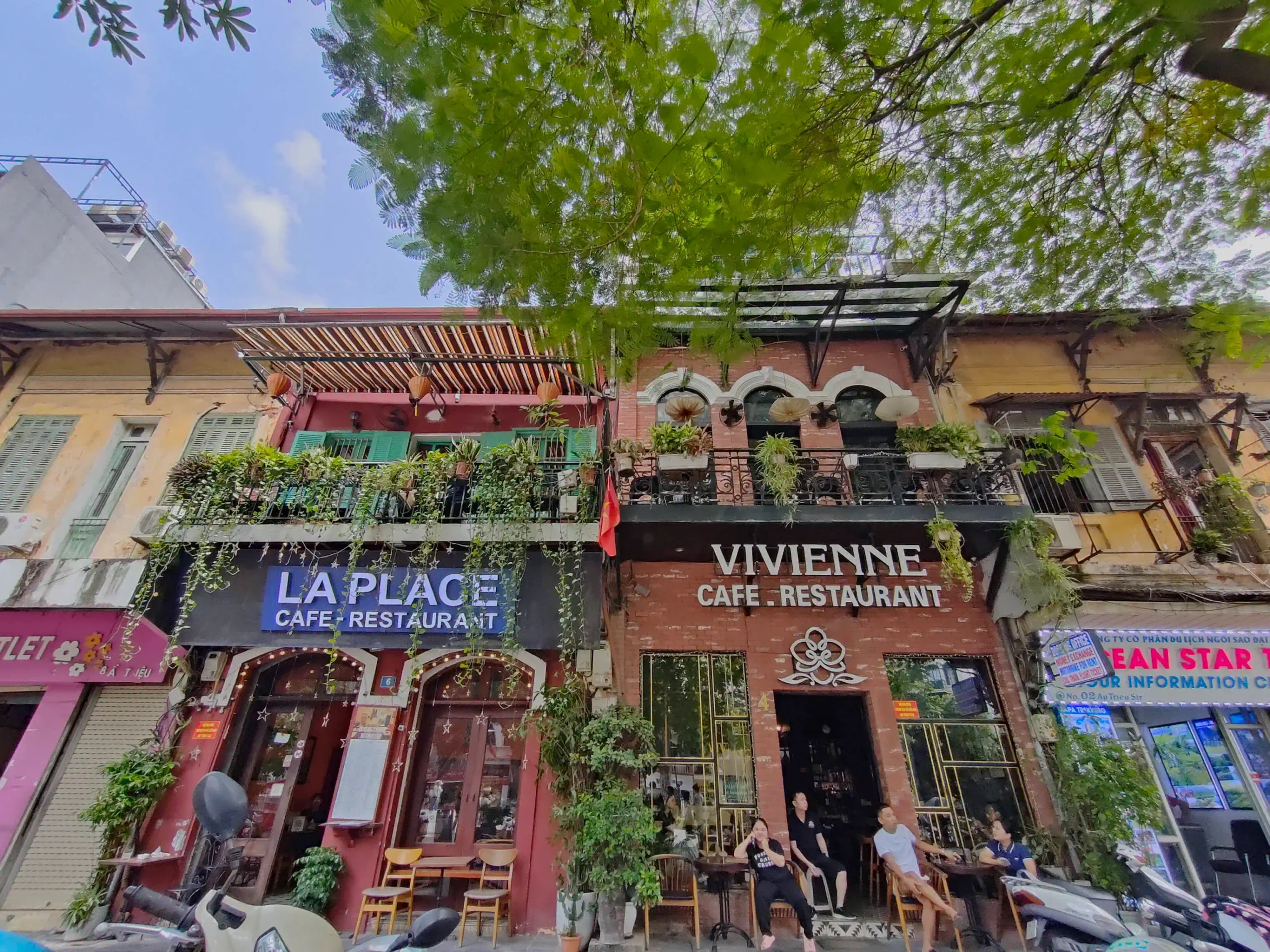
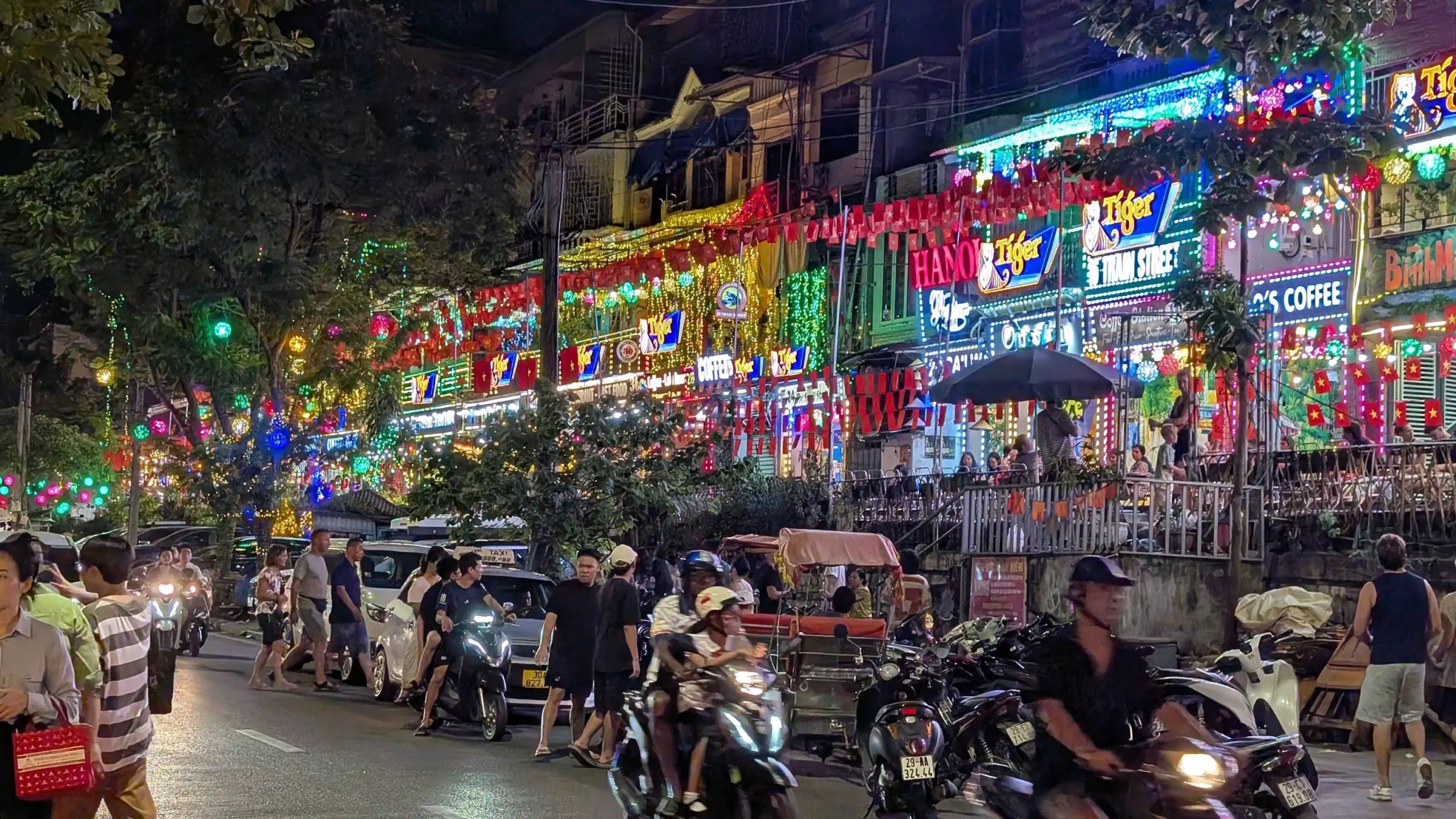
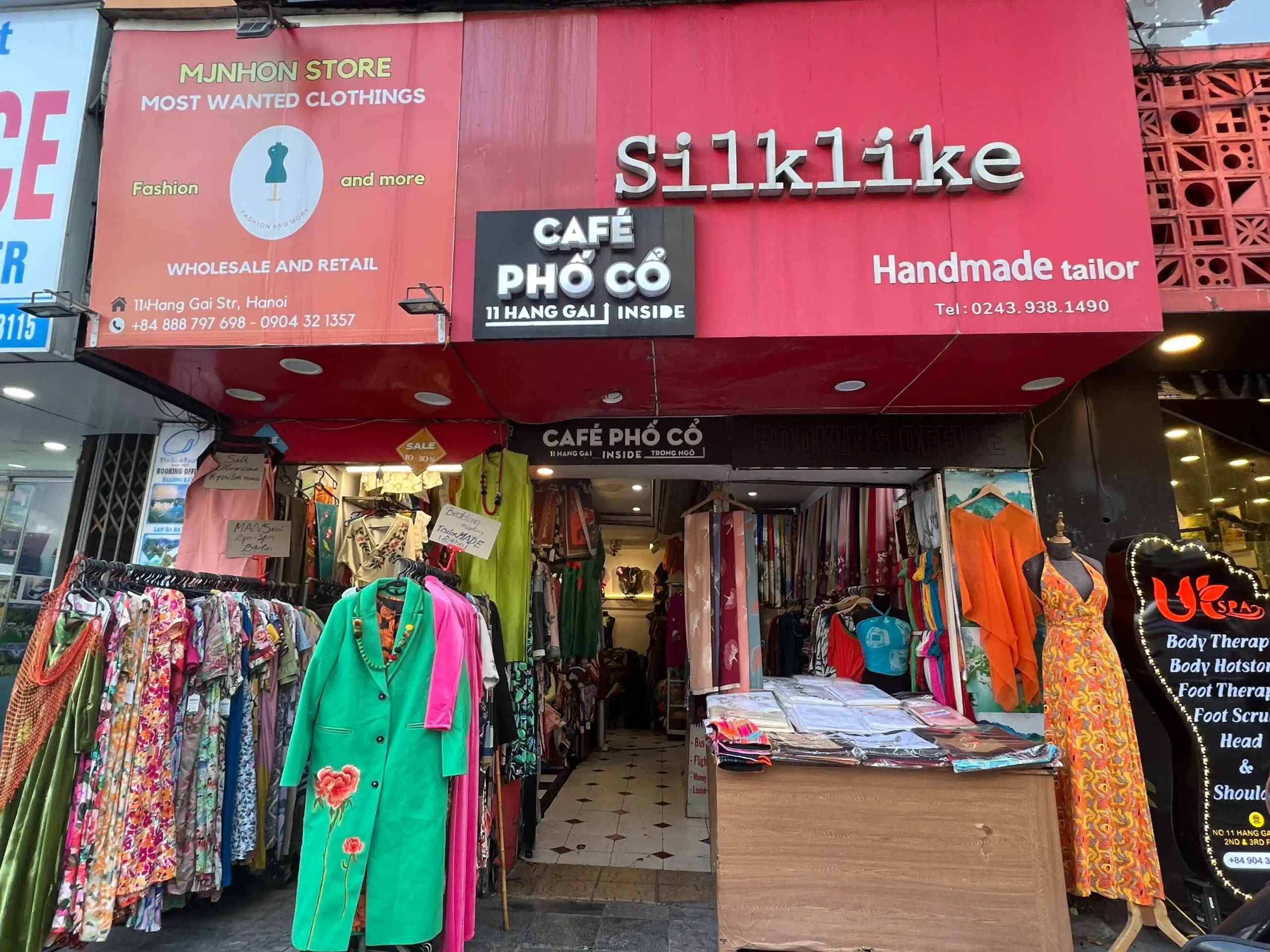
If you go this route, look for the “Small Group” options on GetYourGuide. Don’t get on a bus. Street food requires walking or being on the back of a motorbike.
Afternoon Slump
It’s 3:30 PM. The lunch rush is over, the streets are quieter (relative term), and your energy is crashing. You need carbs and grease.
Go to the area near St. Joseph’s Cathedral (Nha Tho Lon). This is the headquarters for “Mon An Vat” (snacks).
- Nem Chua Ran: Fermented pork roll, breaded and deep-fried. It looks like a fish stick but tastes like savory, chewy heaven. Dip it in chili sauce.
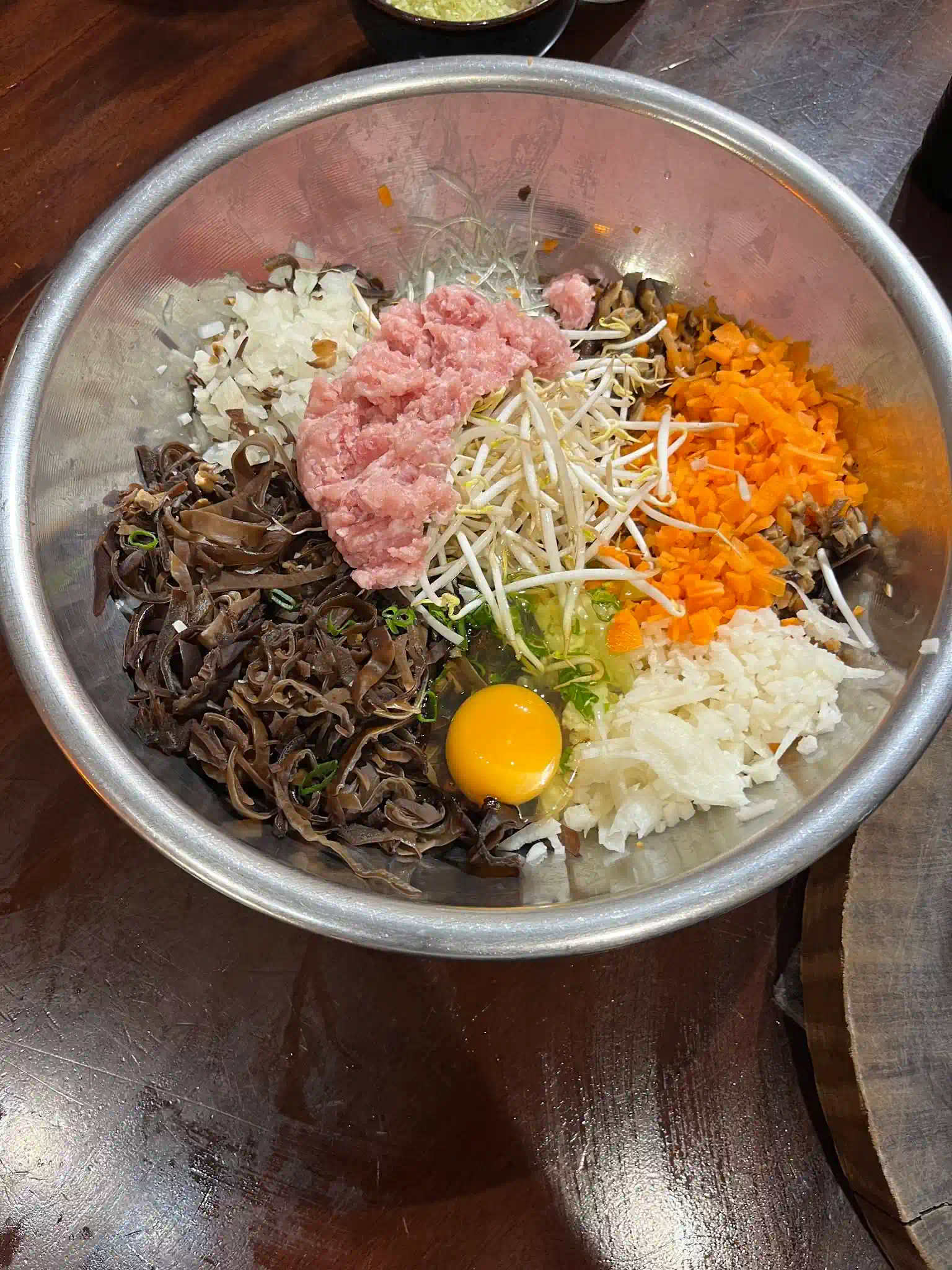
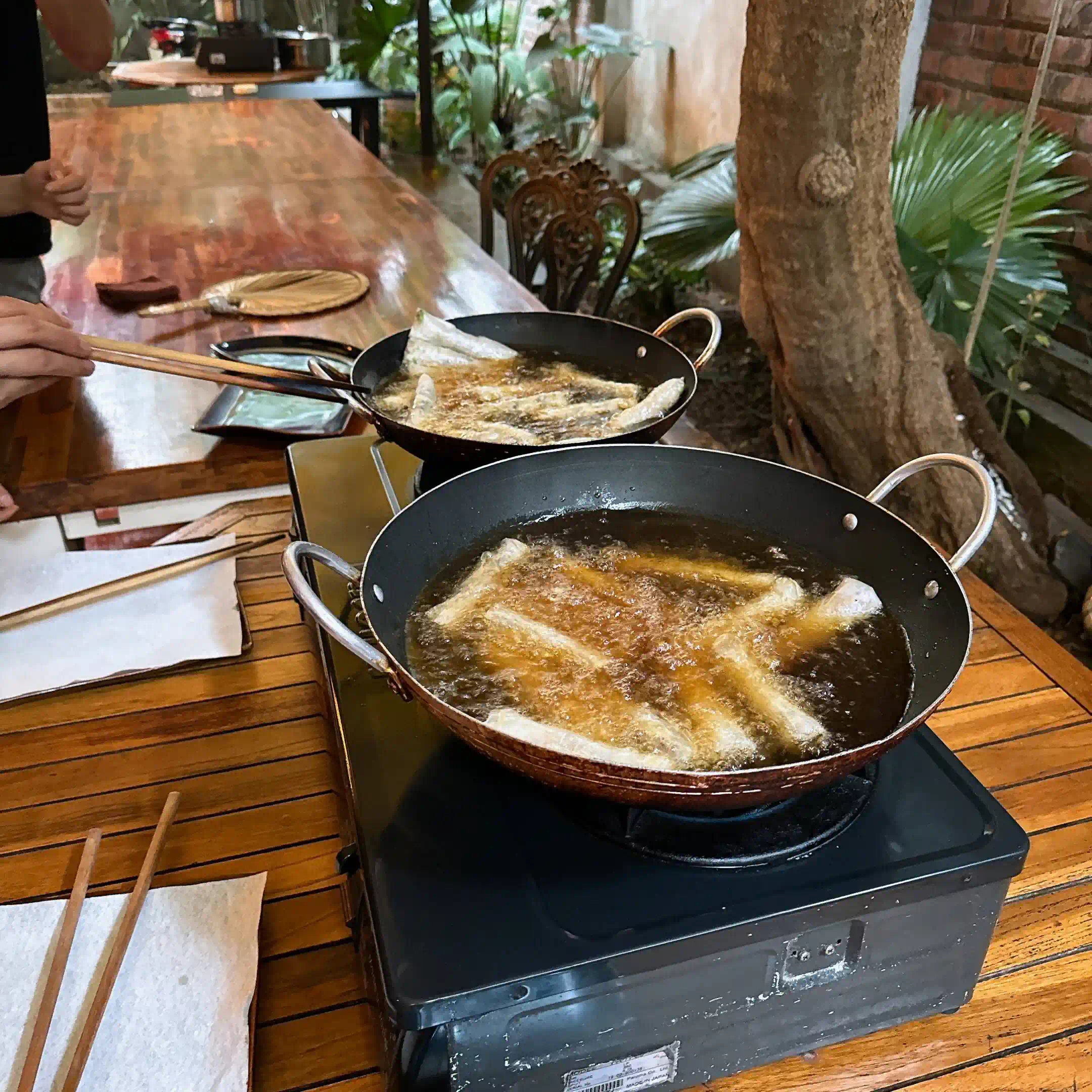
- Banh Goi (Pillow Cake): Imagine an empanada, but filled with minced pork, glass noodles, wood ear mushrooms, and a quail egg. It’s deep-fried until the crust is blistered and crunchy. You cut it up and dunk it in the papaya-vinegar dipping sauce to cut the grease.
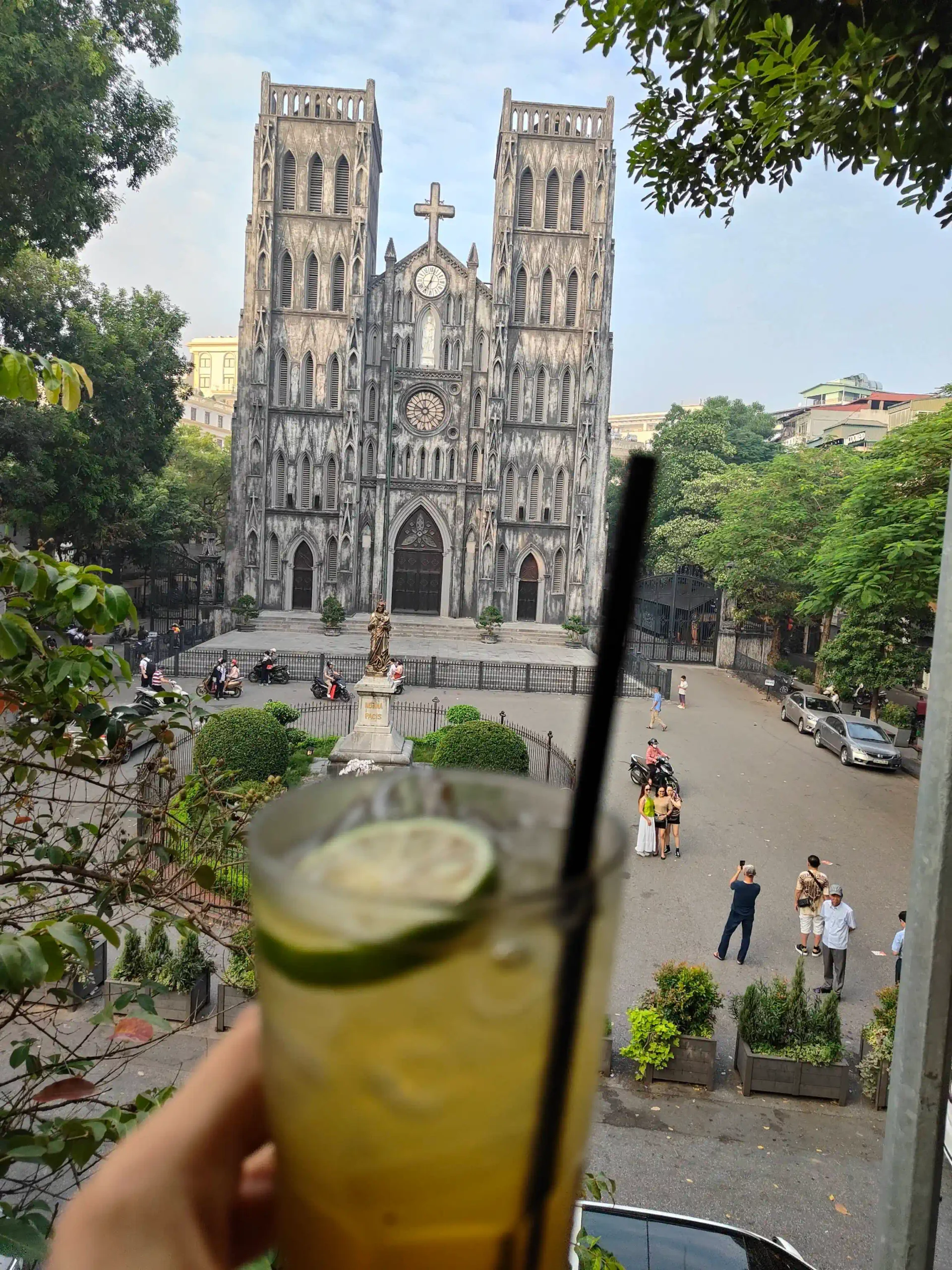
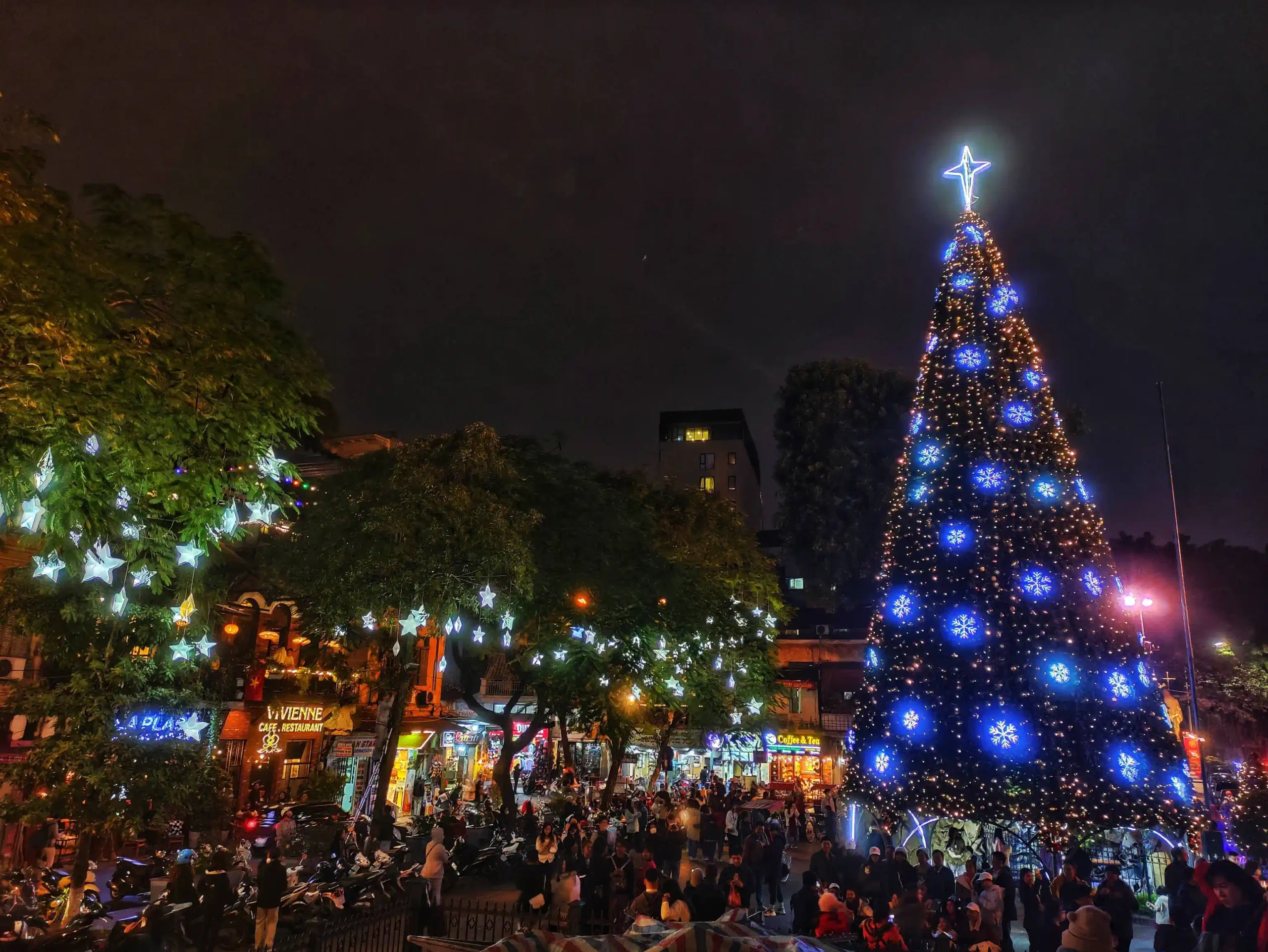
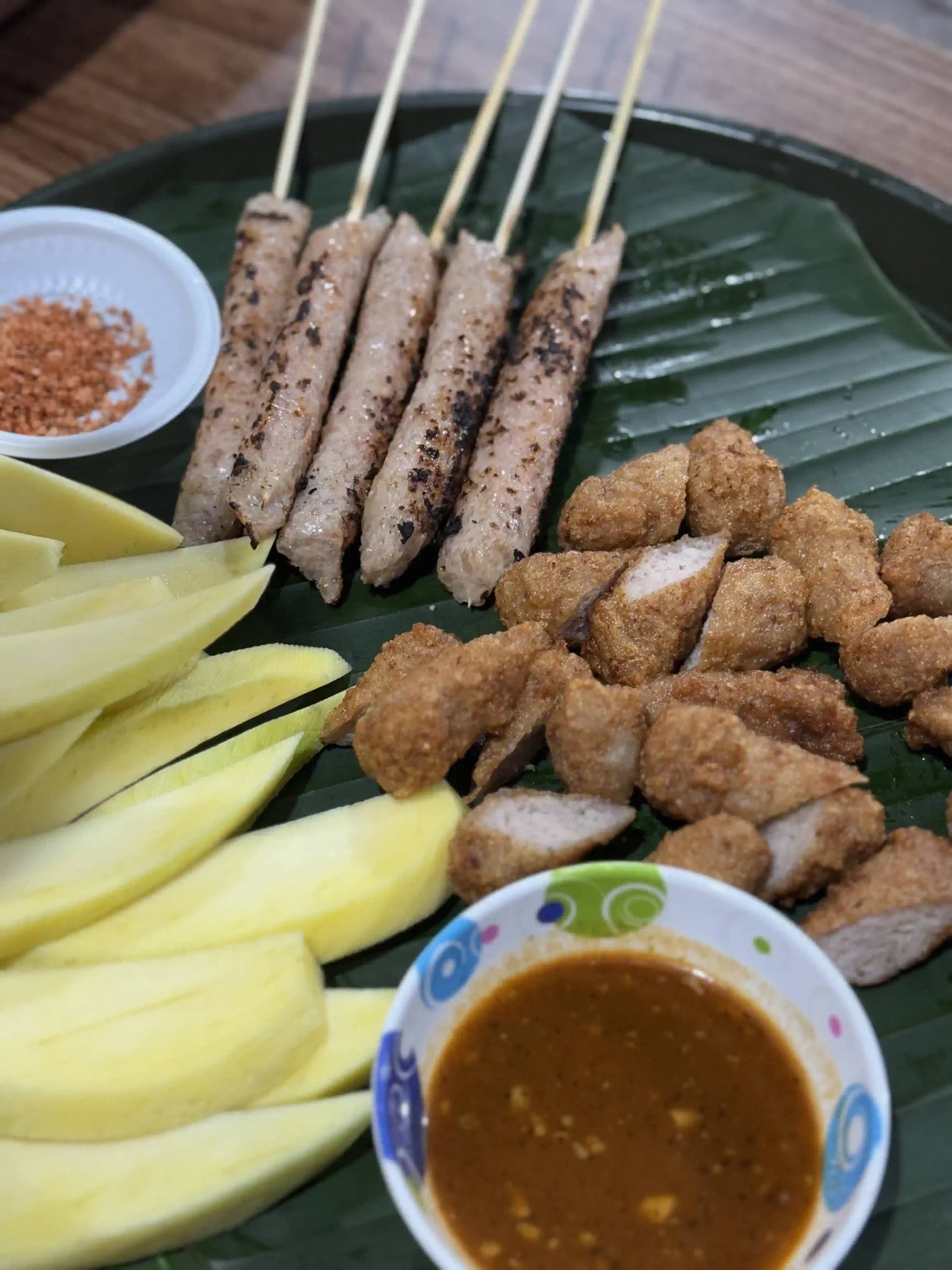

Sit on the cathedral steps or a nearby stool, watch the youth of Hanoi pose for TikToks, and chew on your fried pork. This is the peak “Hanoi Afternoon” aesthetic.
Dinner: Not Pho, Not Bun Cha
For dinner, you want to shift gears. You want volume, and you want noise.
Option 1: Cha Ca (Turmeric Fish)
This dish is so famous they named a street after it. Cha Ca Thang Long is a solid bet.
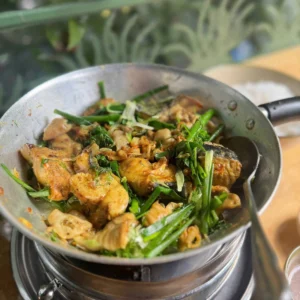
You get a skillet of sizzling oil with turmeric-marinated catfish. You fry it at the table with mountains of dill and spring onions. You serve it over noodles with peanuts, coriander, and – here is the kicker – Mam Tom (fermented shrimp paste).
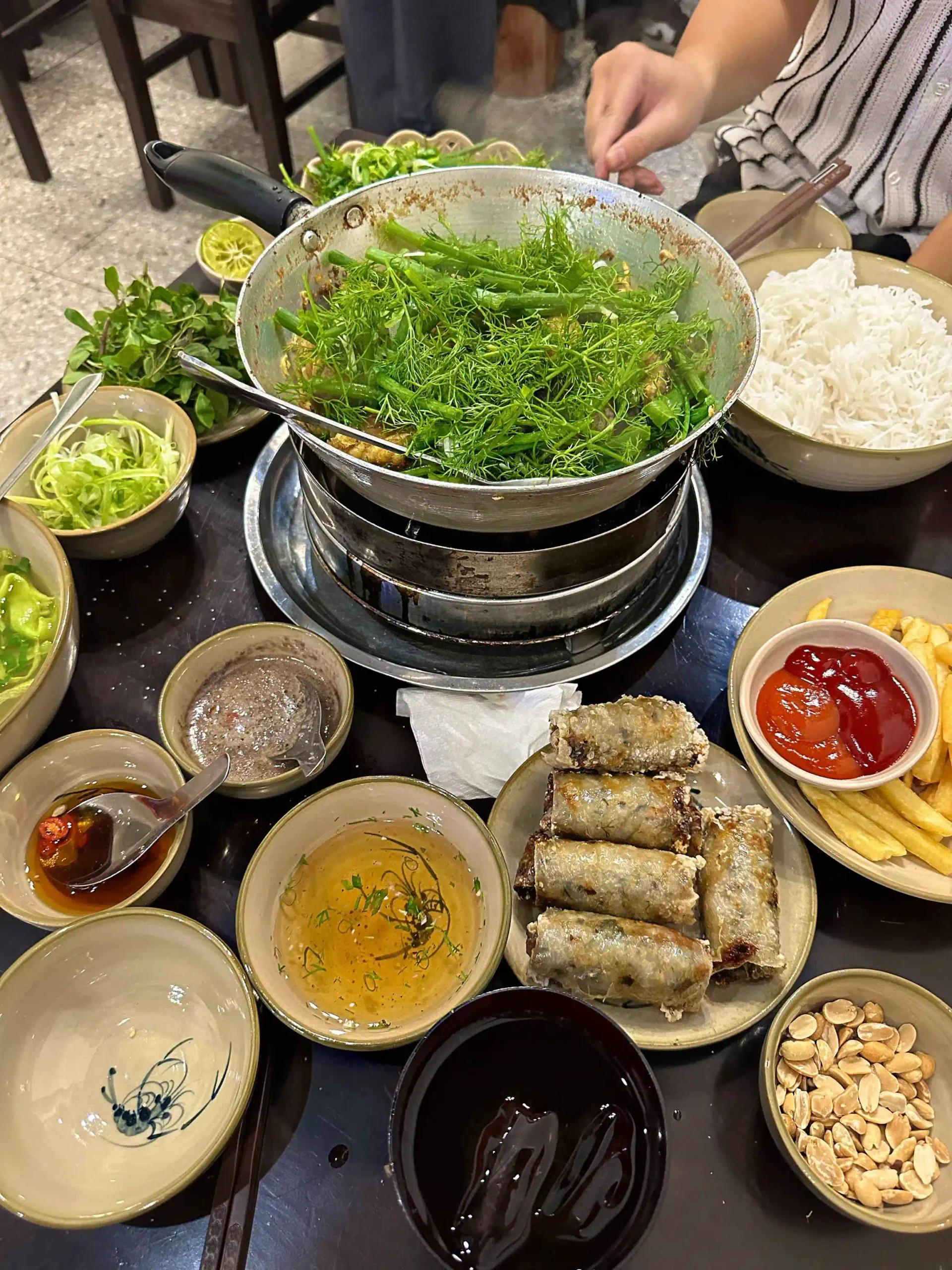
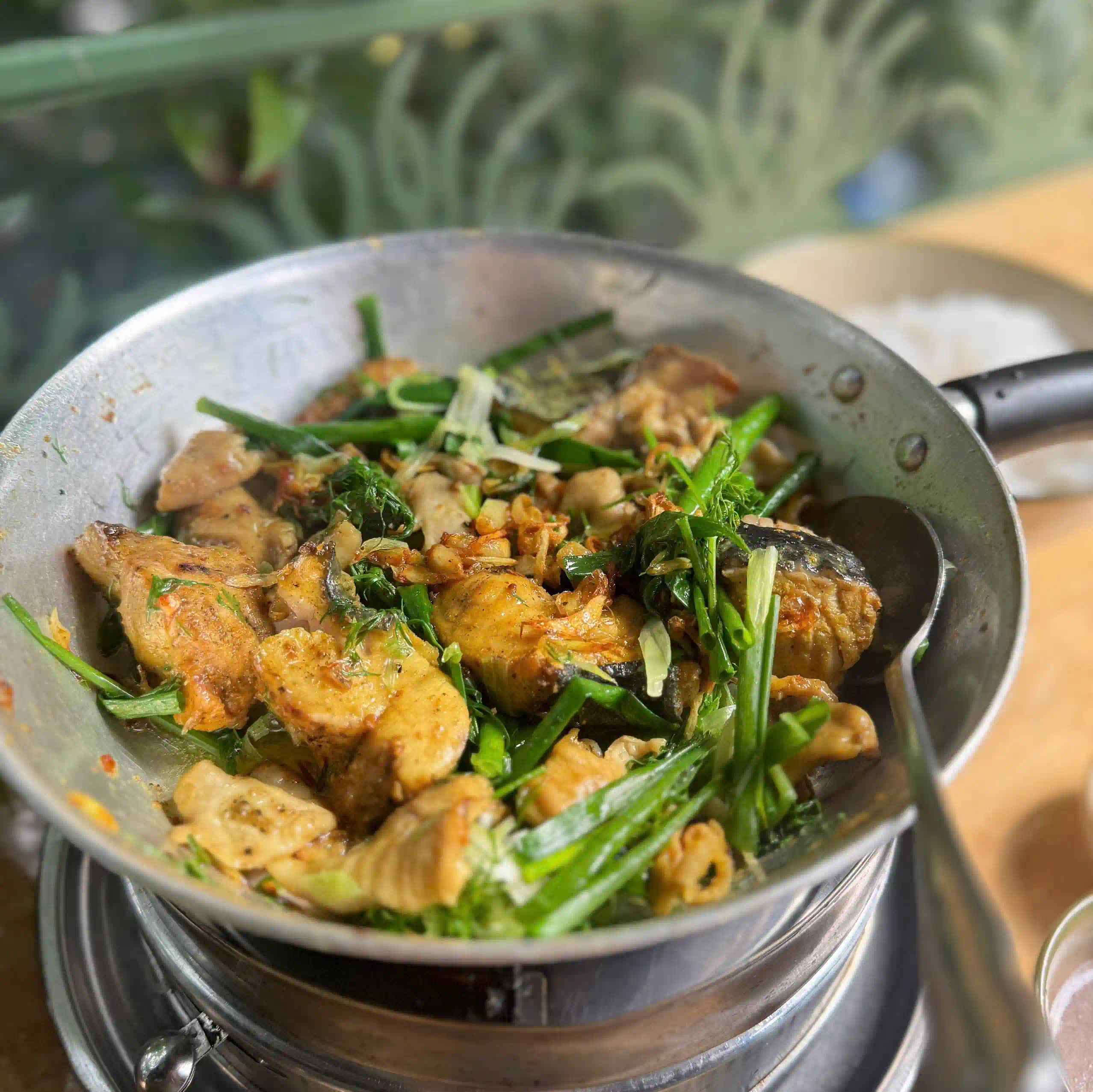
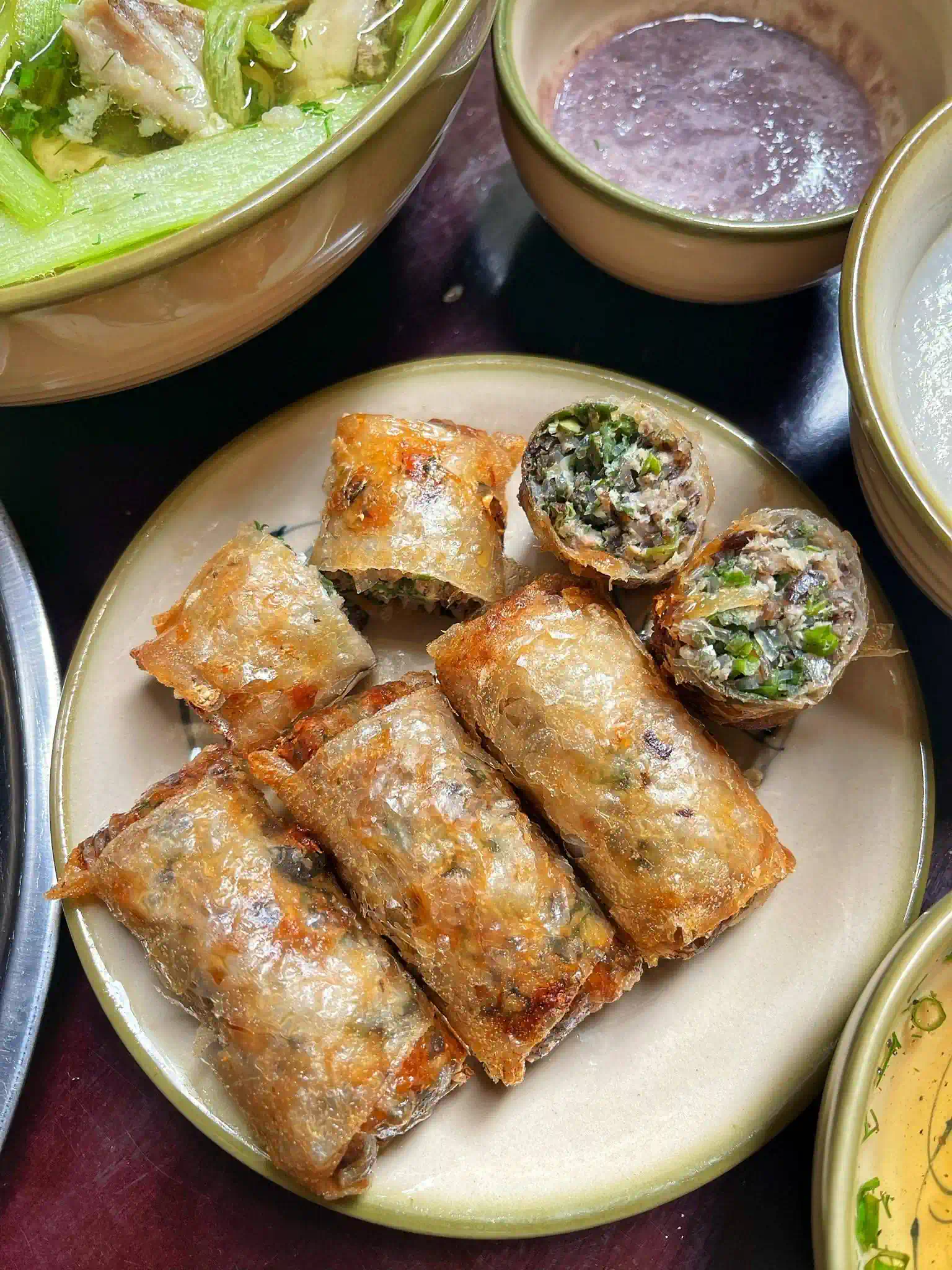
Warning regarding Mam Tom: It smells like a wet sock left in a gym locker for a month. It is purple. It bubbles when you add lemon and sugar. Try it. The flavor is an umami bomb that transforms the fish. If you can’t handle it, ask for fish sauce. But the staff will silently judge you.
Option 2: The Hot Pot (Lau)
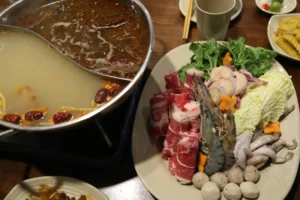
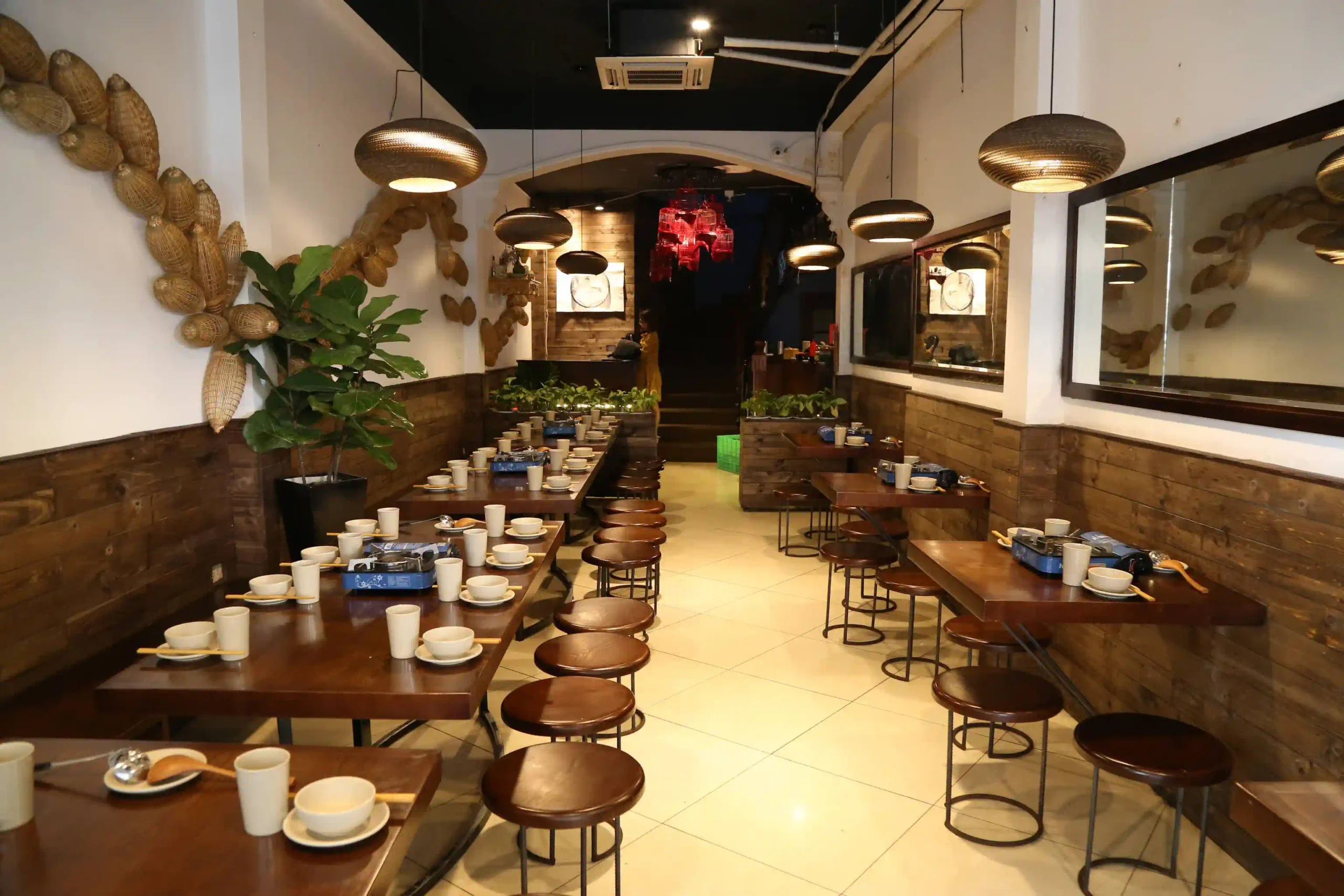
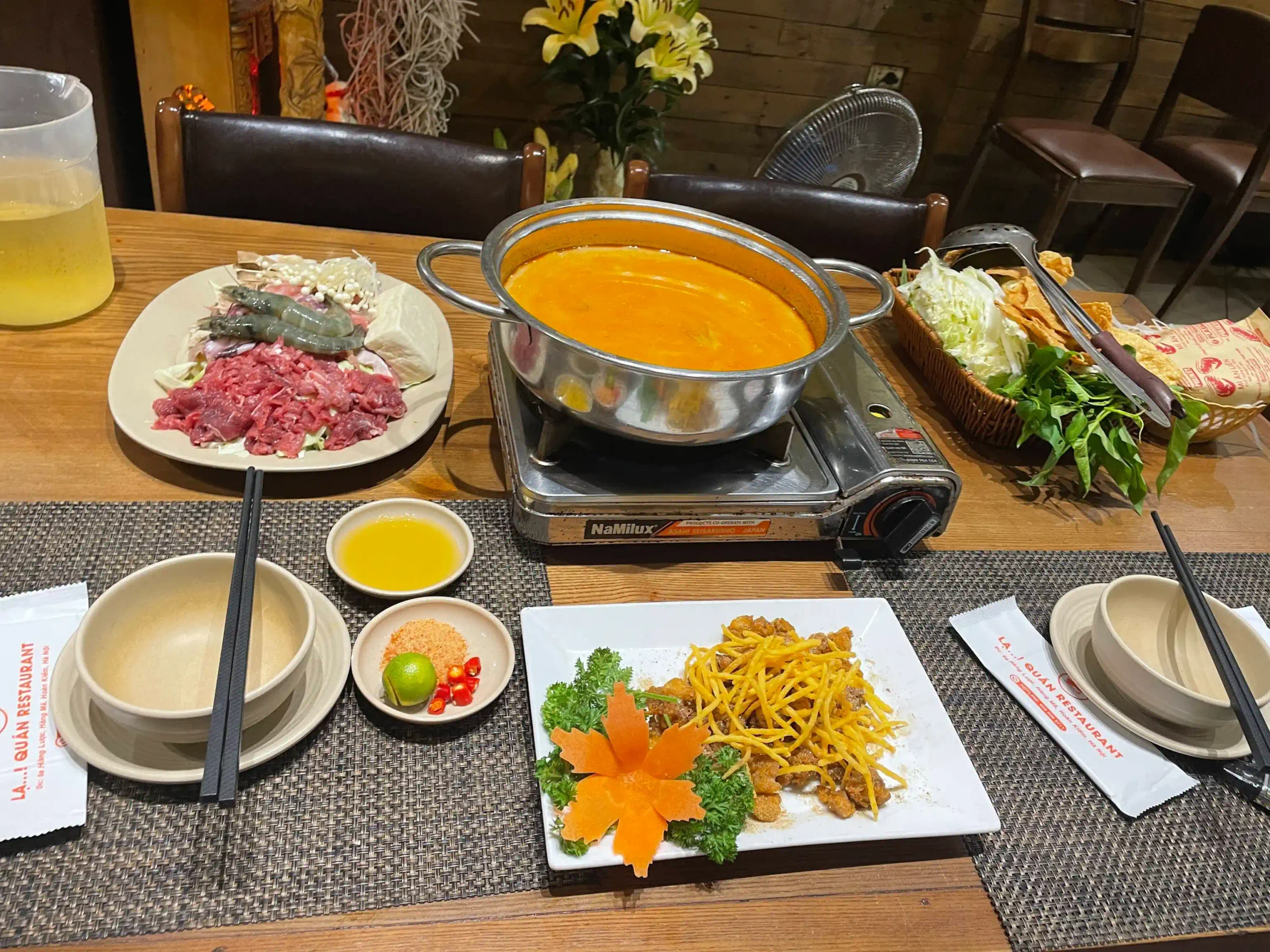
Walk along Phung Hung Street (the one with the mural art). Look for crowds sitting around boiling pots. Lau is communal dining.
You order a pot of broth (Thai sour, spicy, or herbal) and trays of raw beef, cartilage, morning glory, tofu, and noodles. You cook it yourself. It’s sweaty work. It involves beer. It’s loud. It’s perfect.

The Late Night
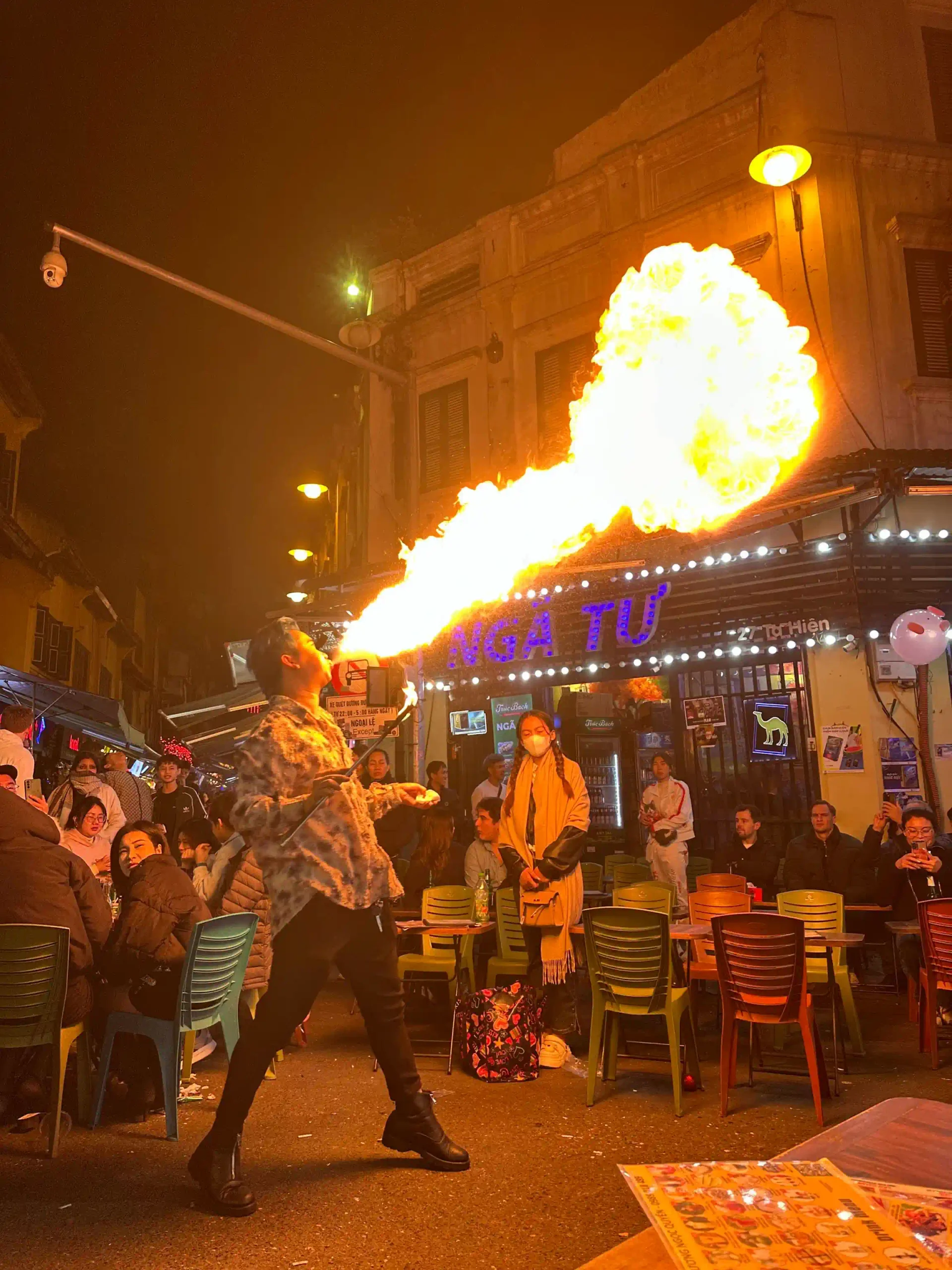
You’ve finished dinner. Now, walk to the junction of Ta Hien and Luong Ngoc Quyen.
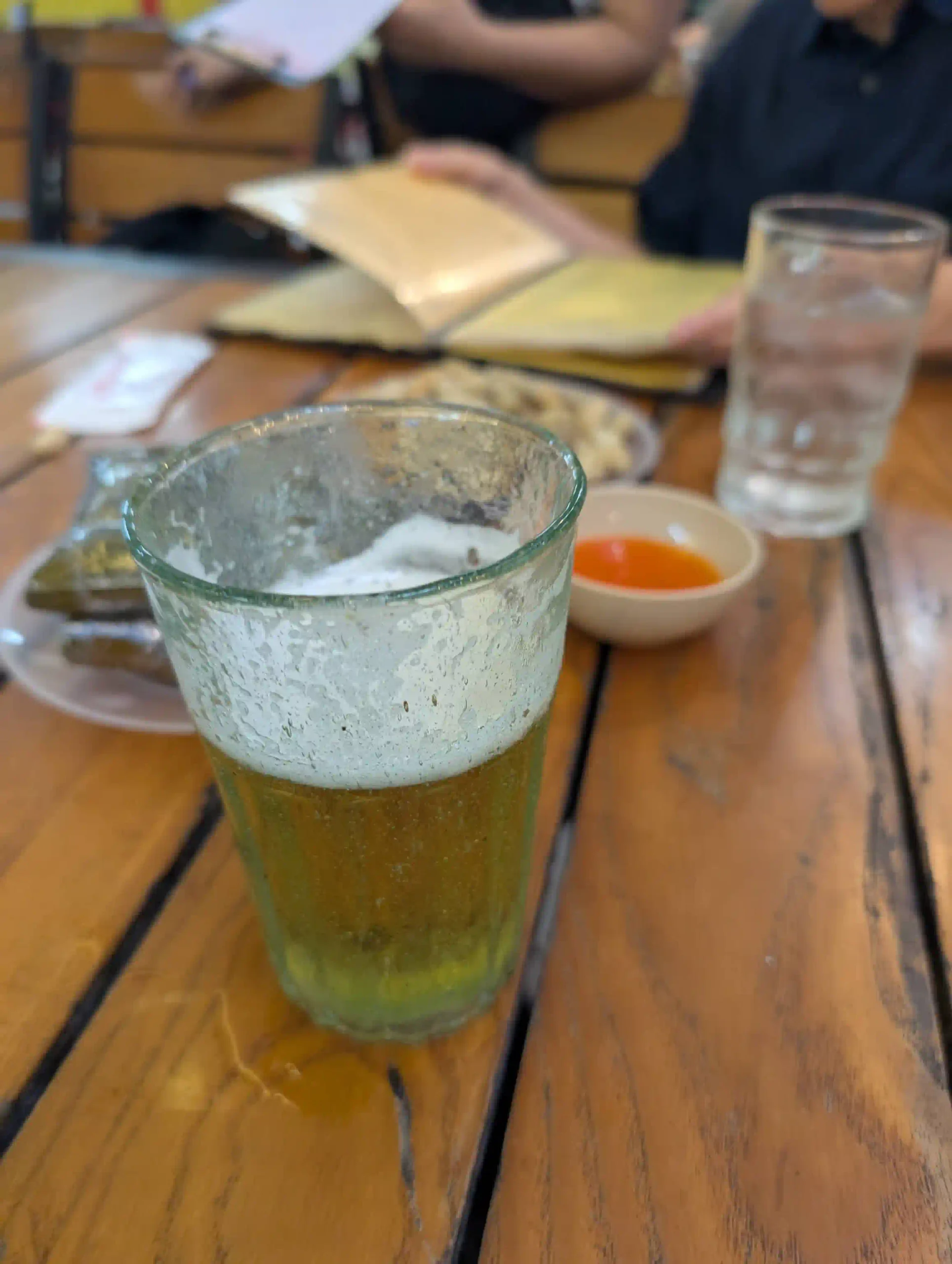
This is “Bia Hoi Corner.” Bia Hoi is fresh draft beer, brewed daily, usually around 3% alcohol, and costs pennies (around 10,000 – 15,000 VND). It tastes watery and crisp, which is exactly what you want in this heat.
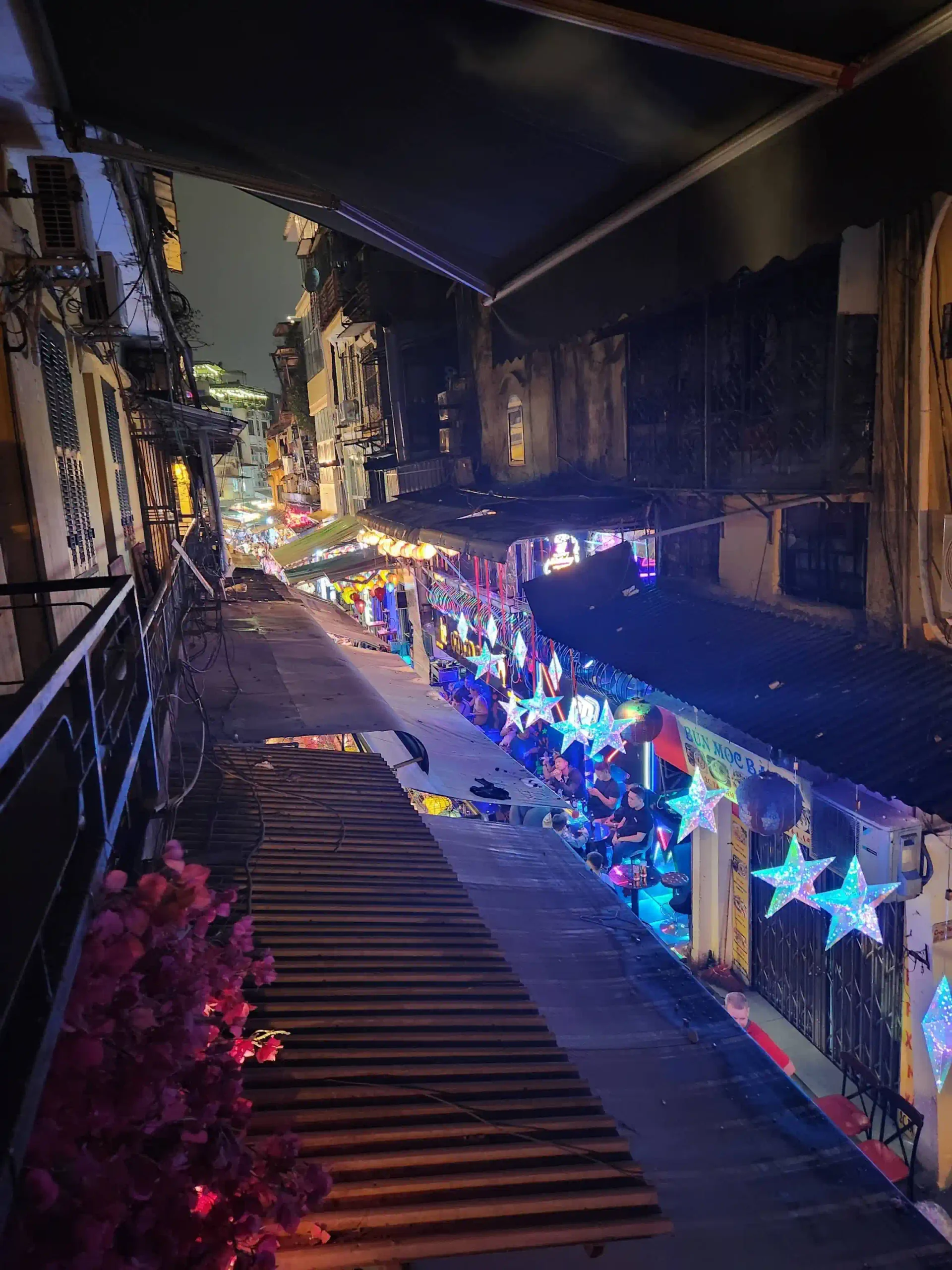
Ta Hien is a zoo. Music is blaring from four different bars, tourists are tripping over curbs, and street sellers are pushing dried squid in your face. Sit on the lowest stool possible, order a jug, and people-watch. It’s absolute carnival madness.
If you get hungry again (and you will) at 1:00 AM, head to Tong Duy Tan Street.
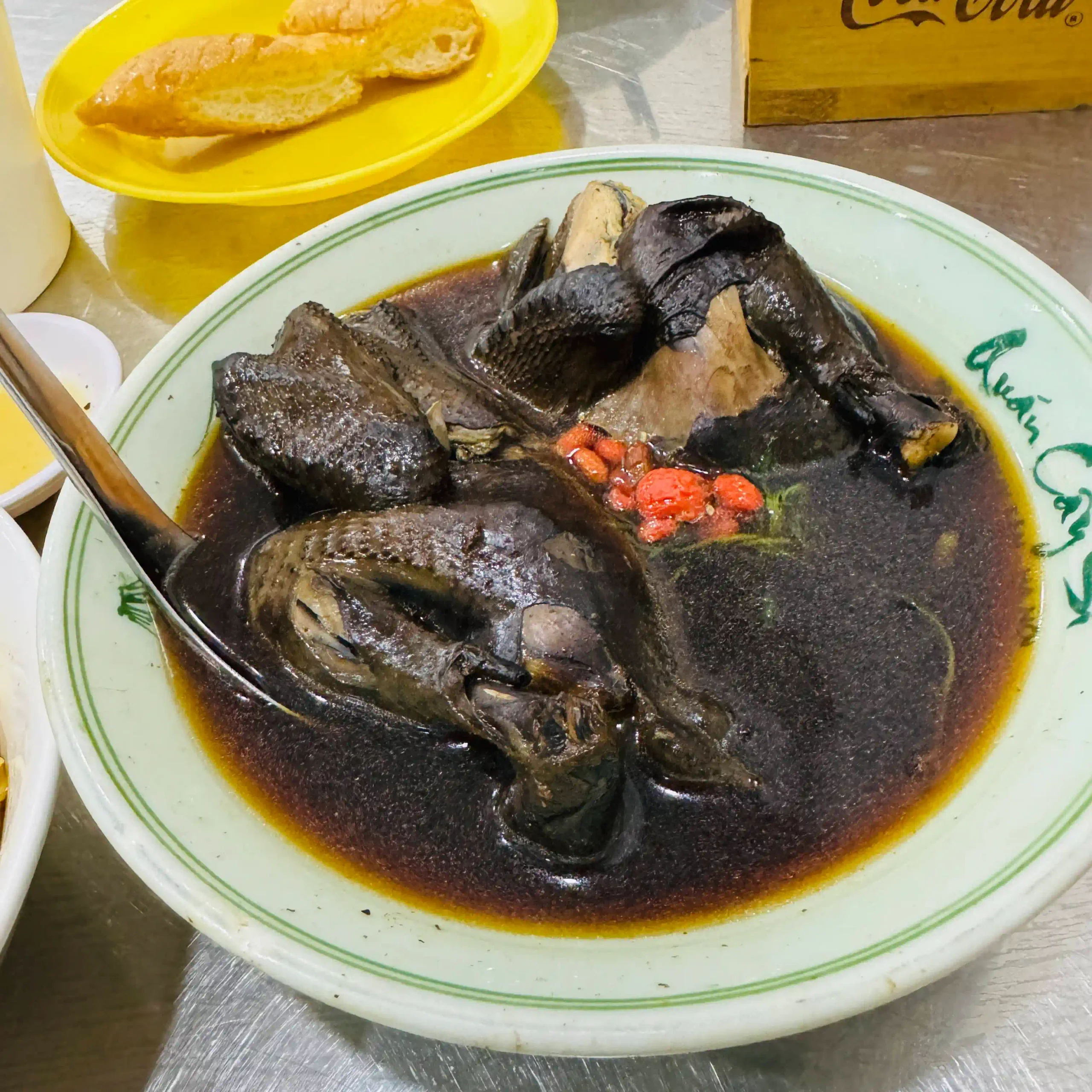
This is the 24-hour food street. Look for Ga Tan (Chicken simmered in a dark herbal medicine broth). The chicken is usually black bone chicken (silkie). It falls off the bone. It tastes like it cures every ailment known to man, including the hangover you are currently earning.
How to Go Deeper
If you have spent 48 hours eating and want to understand why the food tastes this way, you have to look at the ingredients.
I always tell people who stay in Hanoi for more than three days to get out of the restaurant and into a kitchen. But not just a kitchen—a market.
Visiting a wet market in Hanoi at 6:00 AM is visceral. You see frogs being skinned alive (grim, but real).
You smell fresh turmeric, mountains of galangal, and mint so strong it clears your sinuses. You cannot understand Vietnamese food until you see the raw inputs.
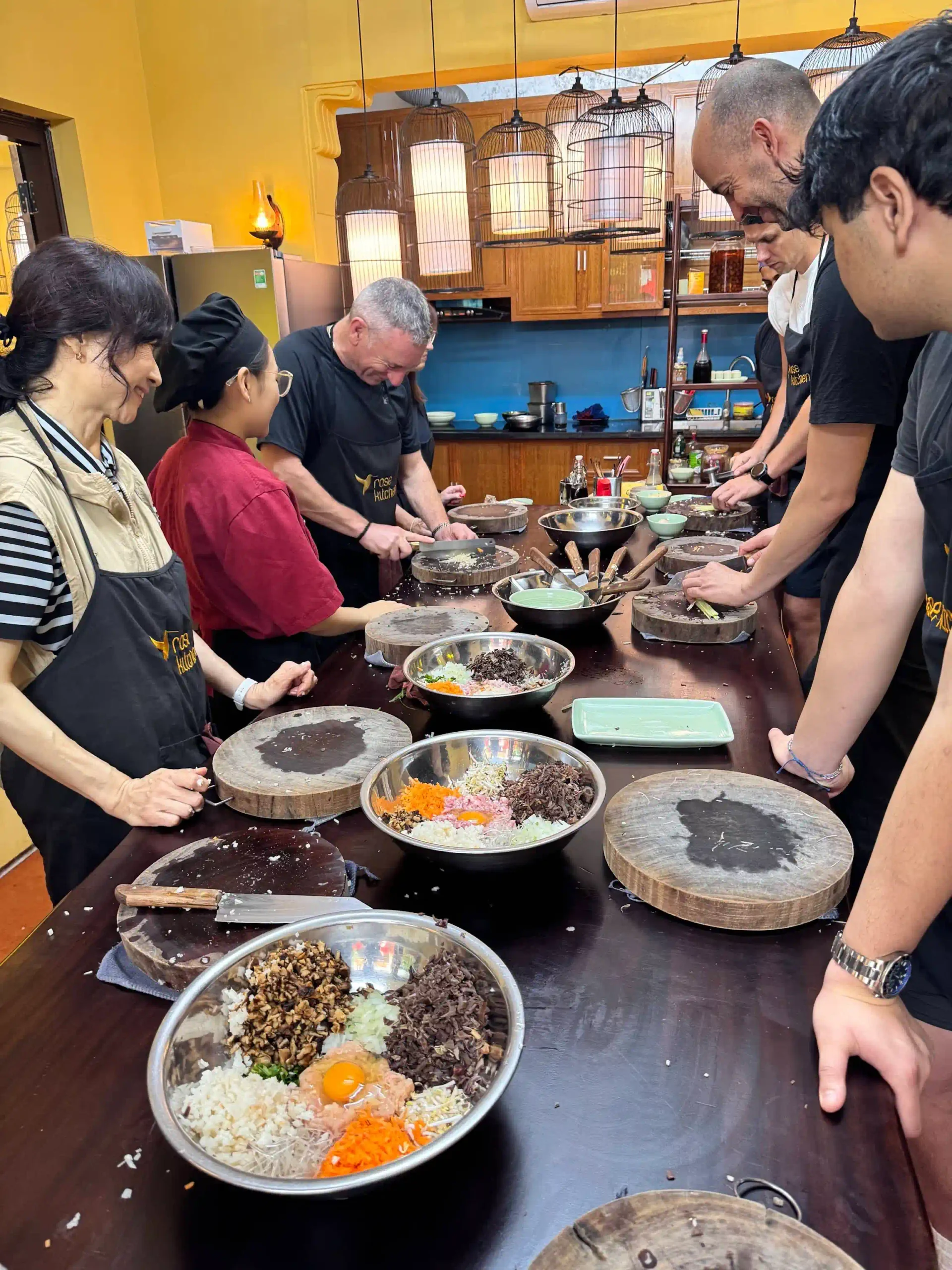
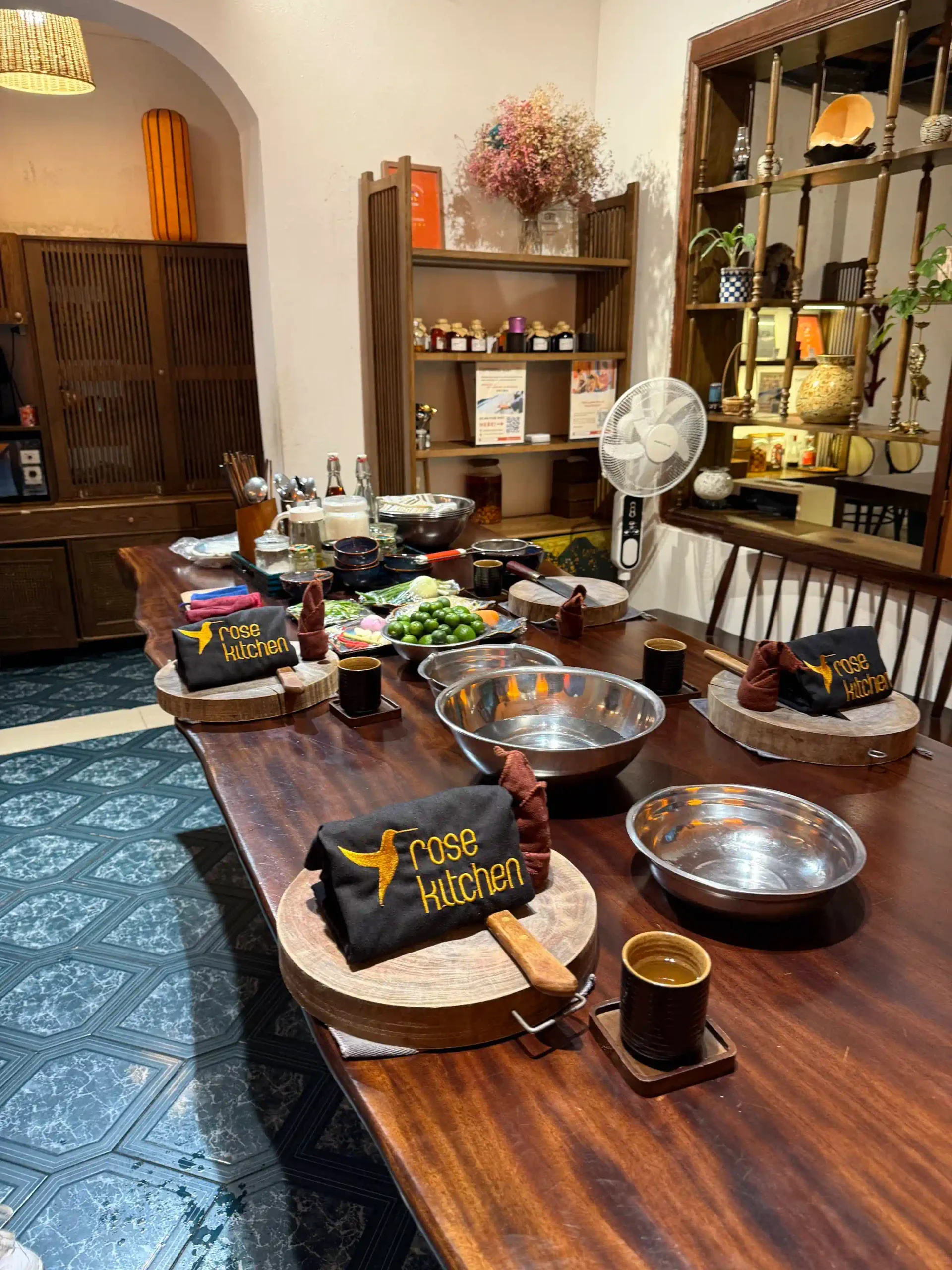
There are excellent classes where you shop with the chef first. Check out the “Rose Kitchen” cooking classes listed on GetYourGuide.
They usually take you to a local market (not the touristy ones) to buy ingredients before hauling you back to a local villa to teach you how to make the broth from scratch.
It’s a great way to escape the exhaust fumes for a few hours and learn how to make that dipping sauce (nuoc cham) that you’ve been practically drinking.
Plus, you get to eat what you cook, which usually tastes better because you suffered for it.

Final Wisdom for the Eater
Here is the bottom line on what to do in Hanoi: Say yes.
If a grandmother points at a bowl of brown sludge and gives you a thumbs up, eat it.
If a guy on a bike offers you a donut that looks like it’s been deep-fried twice, buy it.
The best food in Hanoi isn’t on a list I can write for you. It’s found by getting lost in the grid of the Old Quarter, turning right down an alley because it smelled like grilled lemongrass, and pointing at what the guy next to you is having.
Leave your white shirts at home. Bring hand sanitizer. Embrace the plastic stool.
Bon Appétit, or as we say here, Chúc Ngon Miệng!
Quick FAQ for the Paranoid but Hungry:
Q: Can I drink the water?
A: Absolutely not. Not even for brushing your teeth if you have a weak stomach. Stick to bottled water. Ice in reputable stalls (holes in the middle of the cube) is generally fine because it’s made in factories.
Q: How do I cross the street to get to the restaurant?
A: Walk slowly and predictably. Do not stop. Do not run. The motorbikes will flow around you like water around a rock. If you stop or step back, you disrupt the flow, and you will get hit. Make eye contact and keep walking.
Q: Is MSG in everything?
A: Yes. It’s called “Mì chính.” It’s delicious. Stop worrying about it unless you have a genuine allergy. It’s the white powder that makes the Pho sing.
Q: How much should I pay?
A: Street meal (Pho, Bun Cha): 40,000 – 70,000 VND ($1.5 –
$3).
Coffee: 25,000 – 45,000VND ($1 – $2). If they ask for 200,000 VND for a bowl of noodles, just laugh and walk away. You’re being charged the “newbie tax.”

Keep Exploring Hanoi
-
See & do UltimateReal things to do in Hanoi for travelers who hate big crowds ›
-
Food Must readRanking the 10 best street food in Hanoi locals actually eat daily ›
-
FoodWhy a Hanoi cooking class beats taking a normal food tour ! ›
-
FoodIs the $25 Hanoi street food tour better than eating alone? ›
-
Food5 Best instagrammable Vegan Restaurants in Hanoi ›











 Tiếng Việt
 한국어
한국어 中文 (中国)
 日本語
日本語 ไทย
ไทย Deutsch
 Español
 Destinations
 Instagram
 Facebook
 X (Twitter)
 Threads
 Tiktok