









 Ha Giang
 Hanoi
Hanoi Ho Chi Minh City
 Ha Long
 Sapa
Sapa Mekong Delta
 Da Nang
 Hue
Hue Hoi An
 Ninh Binh
 Da Lat
 Nha Trang
 Phan Thiet
 Phu Quoc
 Quang Binh
 Quy Nhon
 Vung Tau
 Thai Nguyen
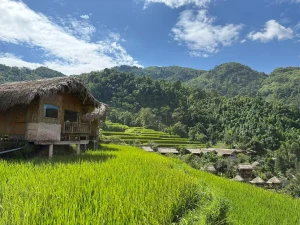


Hoang Su Phi feels very different from the rest of Ha Giang.
Instead of spending most of the day on a motorbike, you’re walking between small villages, rice terraces and tea hills, usually with a local homestay at the end of the day. The distances aren’t extreme and the trip is fairly easy to organise, which makes it a good option if you want to see this part of northern Vietnam at a slower pace.
The part that needs a little more planning is the timing. The rice terraces can look completely different from one week to the next around harvest season, and getting to Hoang Su Phi is not as straightforward as simply taking a bus to Ha Giang City.
In this guide, I’ll cover the best time to go, the trekking routes I’d choose, where to stay, how to get there and how much to budget for a few days in Hoang Su Phi.
- Quick Answer: Hoang Su Phi trekking is village-to-village walking across terraced rice fields in the west of Ha Giang, 8 to 15km a day, sleeping in homestays around Thong Nguyen, Nam Hong and Ho Thau. Go in the last week of September or the first days of October for gold terraces, or late May for the flooded ones. Come by night bus from Hanoi and get off at the Tan Quang junction, 35km from the villages, not at Ha Giang city. Three days and two nights is enough, a local guide costs 300,000 to 500,000 VND a day through your homestay, and the whole trip runs about 2,500,000 to 3,500,000 VND done independently.
- The week decides everything:
- Gold rice: mid-September to mid-October, with the last week of September the safest booking.
- Harvest starts around 15 October and a hillside changes in two days.
- Flooded terraces: May into June. Muddy paths, best reflections.
- December to February: cold, misty, empty trails, green tea hills, no rice.
- Routes worth walking:
- Nam Hong to Nam Khoa to Nam Ai, two or three days, about 10km a day, Red Dao and Long Tunic Dao villages.
- Ban Luoc to Nam Ty to Thong Nguyen, three days, gentler ground, widest terrace views.
- Phin Ho tea village, a 4 to 6km half day, good for the morning you arrive off the bus.
- Where I’d sleep:
- Panhou Retreat, Lang Giang, Thong Nguyen. Hot springs, pool, guides from the door.
- Hoang Su Phi Bungalow, Nam Hong. Family-run, Red Dao herbal bath if you ask ahead.
- Hoang Su Phi Lodge, Nam Hong, from 1,350,000 VND. The name everyone finds first, and the one I’d think twice about.
- Village homestays, 200,000 to 400,000 VND with dinner and breakfast.
- Don’t try to bolt it onto the loop. Hoang Su Phi is 80km west of Ha Giang city and the loop runs north. Trek first, ride after.
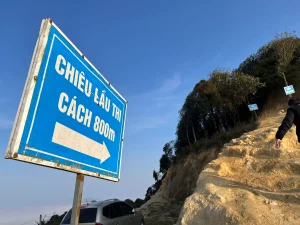
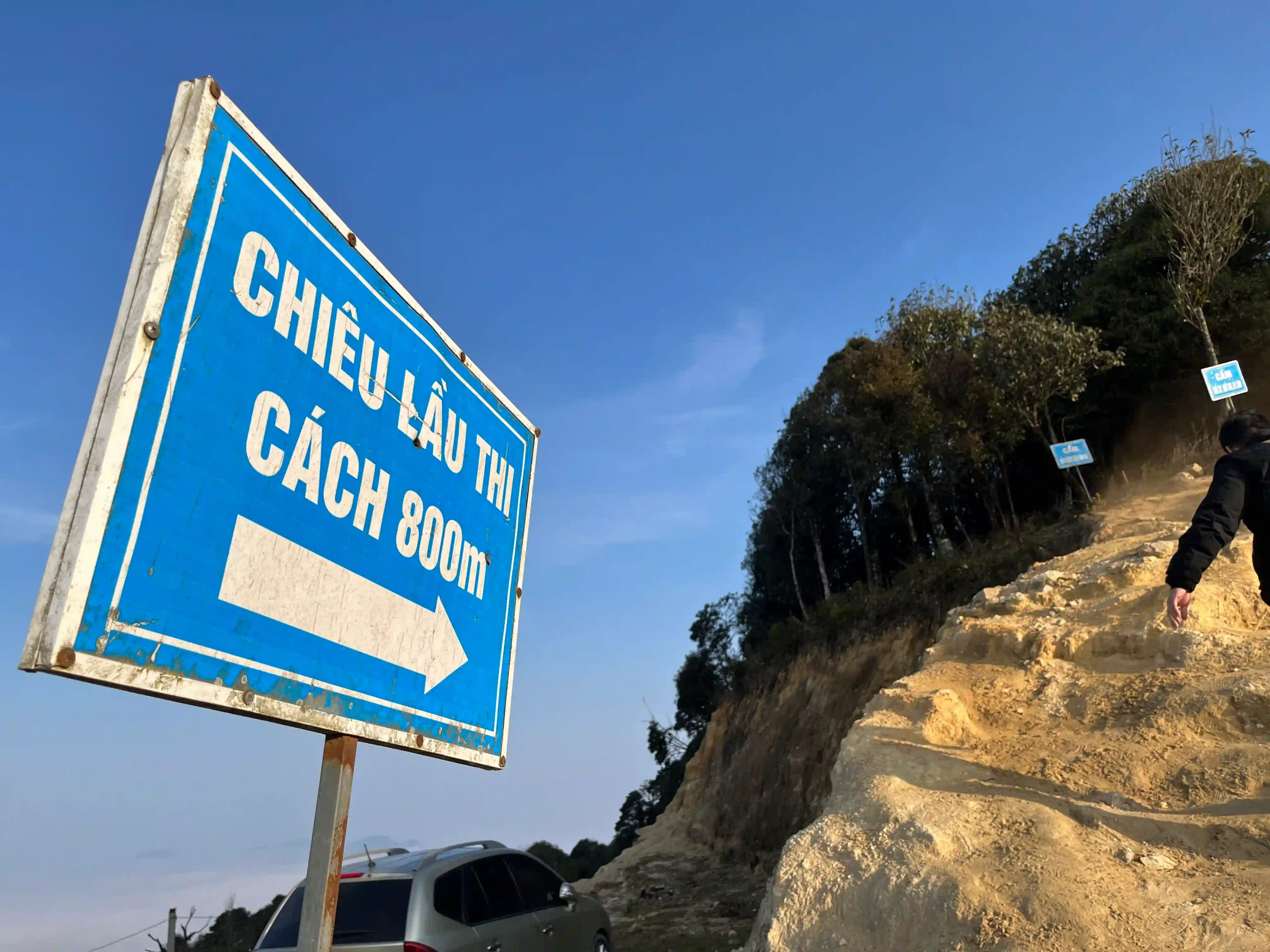
- Chieu Lau Thi, 2,402m, is a separate sunrise trip from Ho Thau, about an hour on foot from the parking area.
Best Time for Hoang Su Phi Trekking: Book the Last Week of September
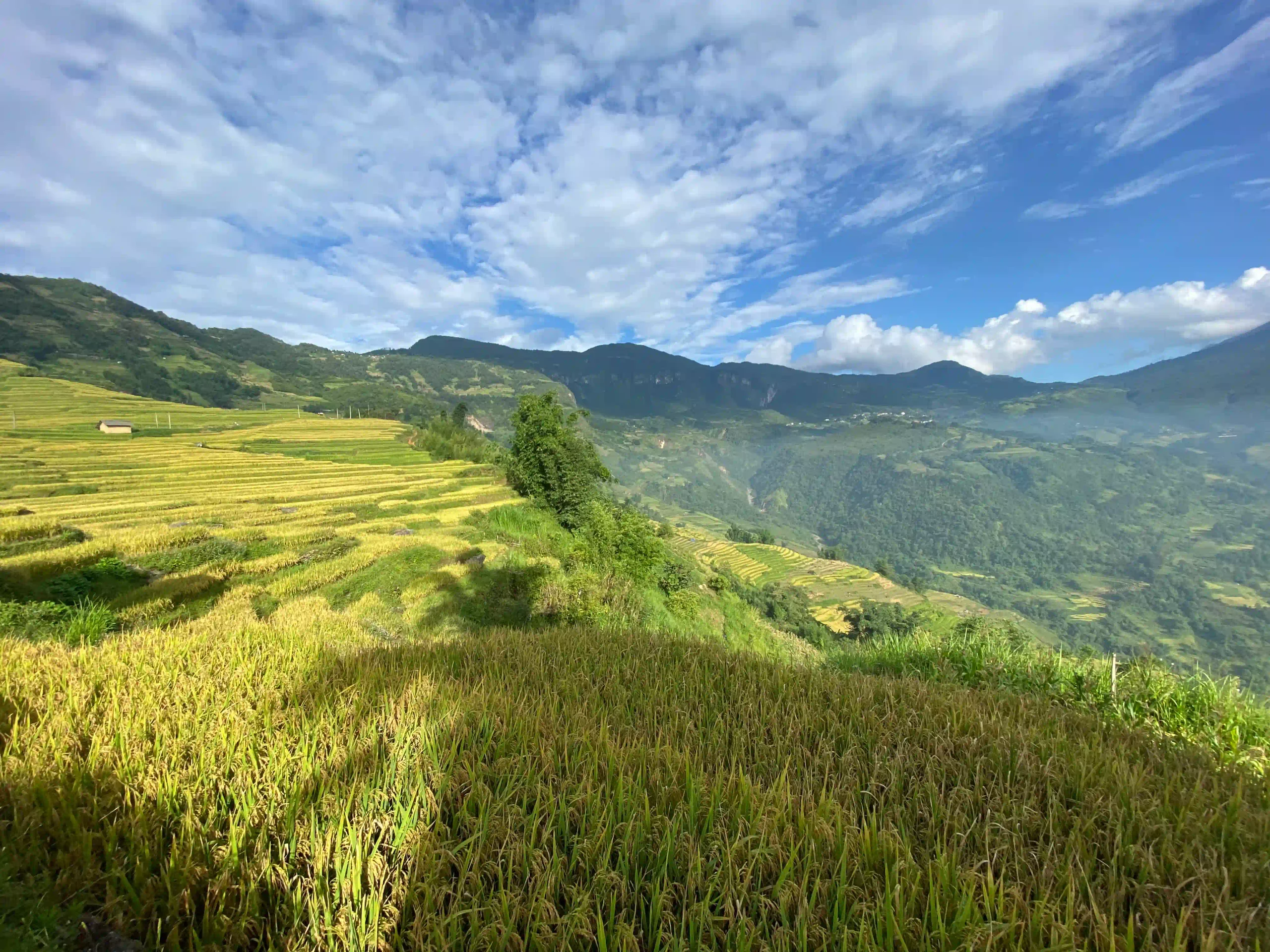
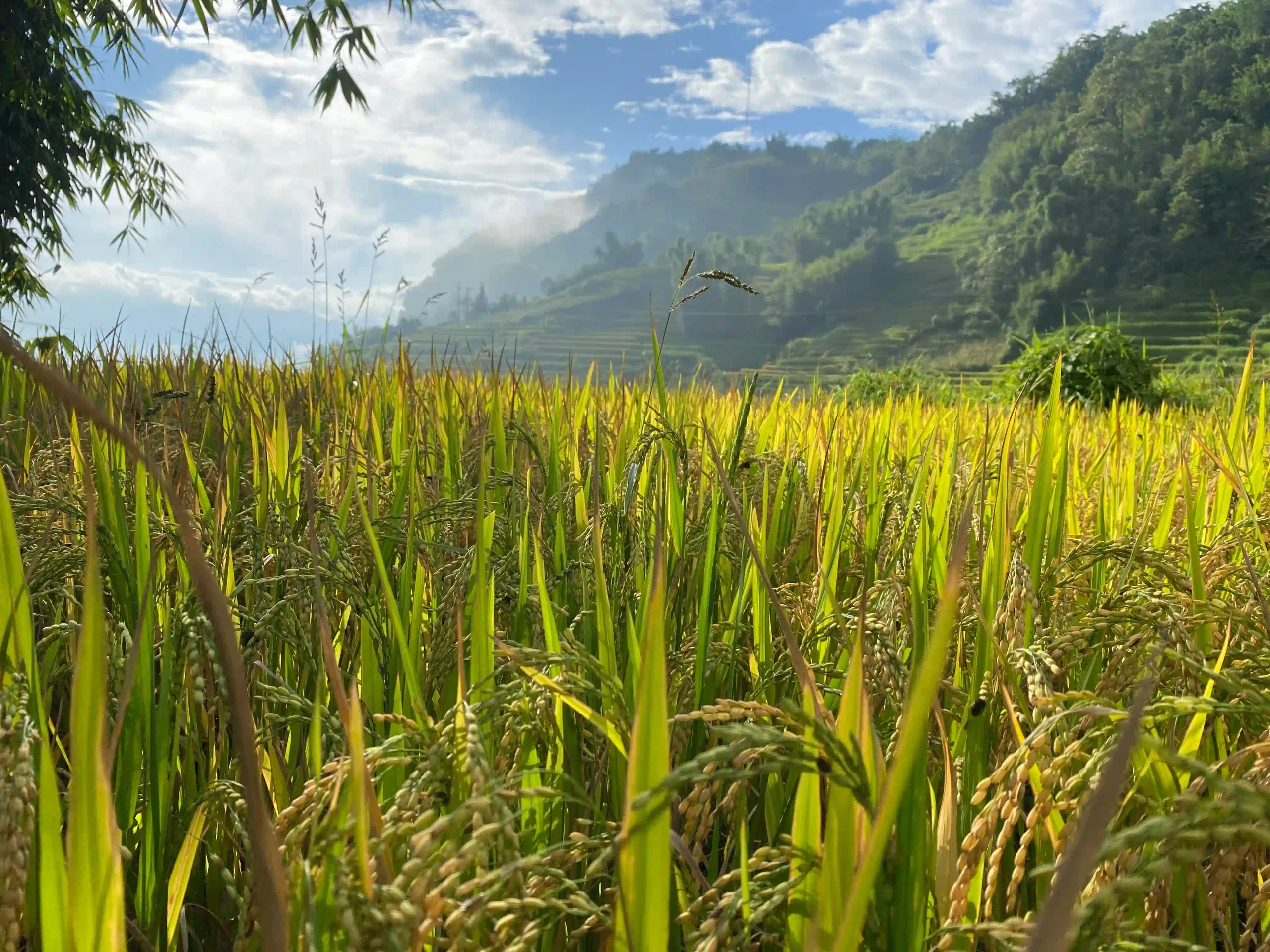
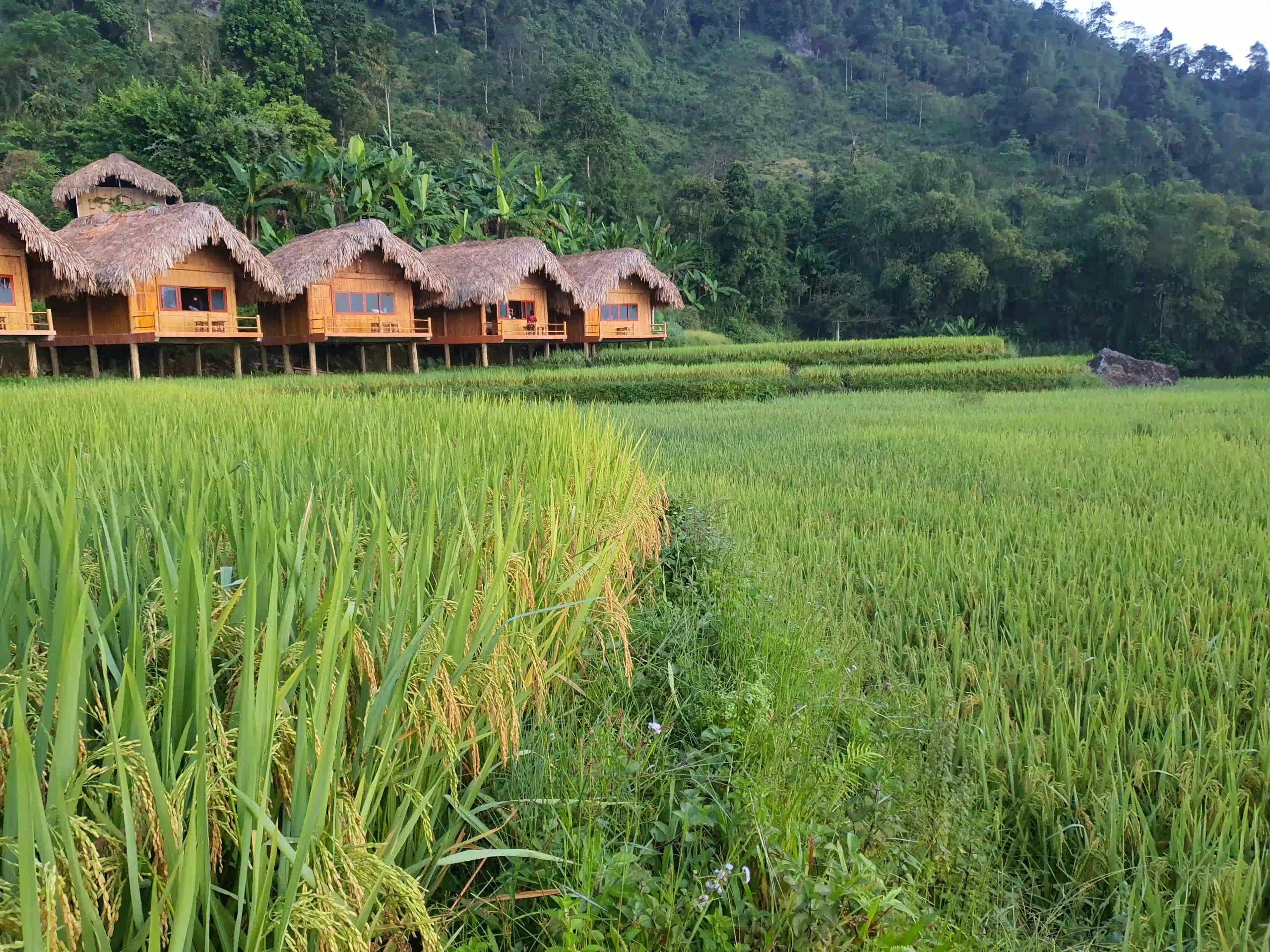
The terraces are gold from about mid-September to mid-October, and if you only get one shot at this, book the last week of September.
Harvest begins around the middle of October and it moves fast. Once a family starts cutting, their slope is stubble by the weekend, and a valley that looked like the photographs on Monday looks like a building site on Friday.
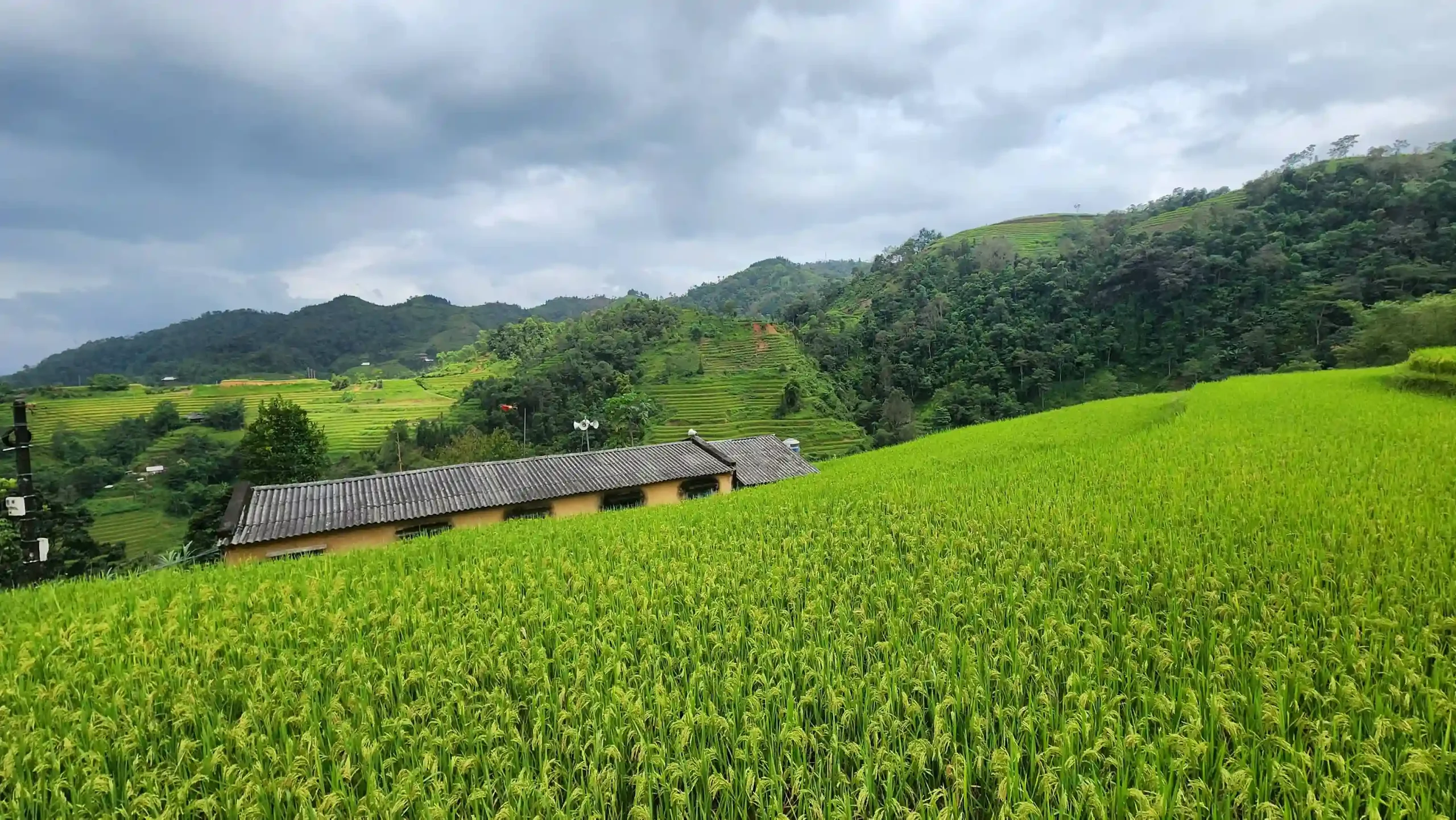
Two weeks early is the other failure, and it’s the one I’ve made. Green terraces are lovely to walk through and they aren’t what you came for.
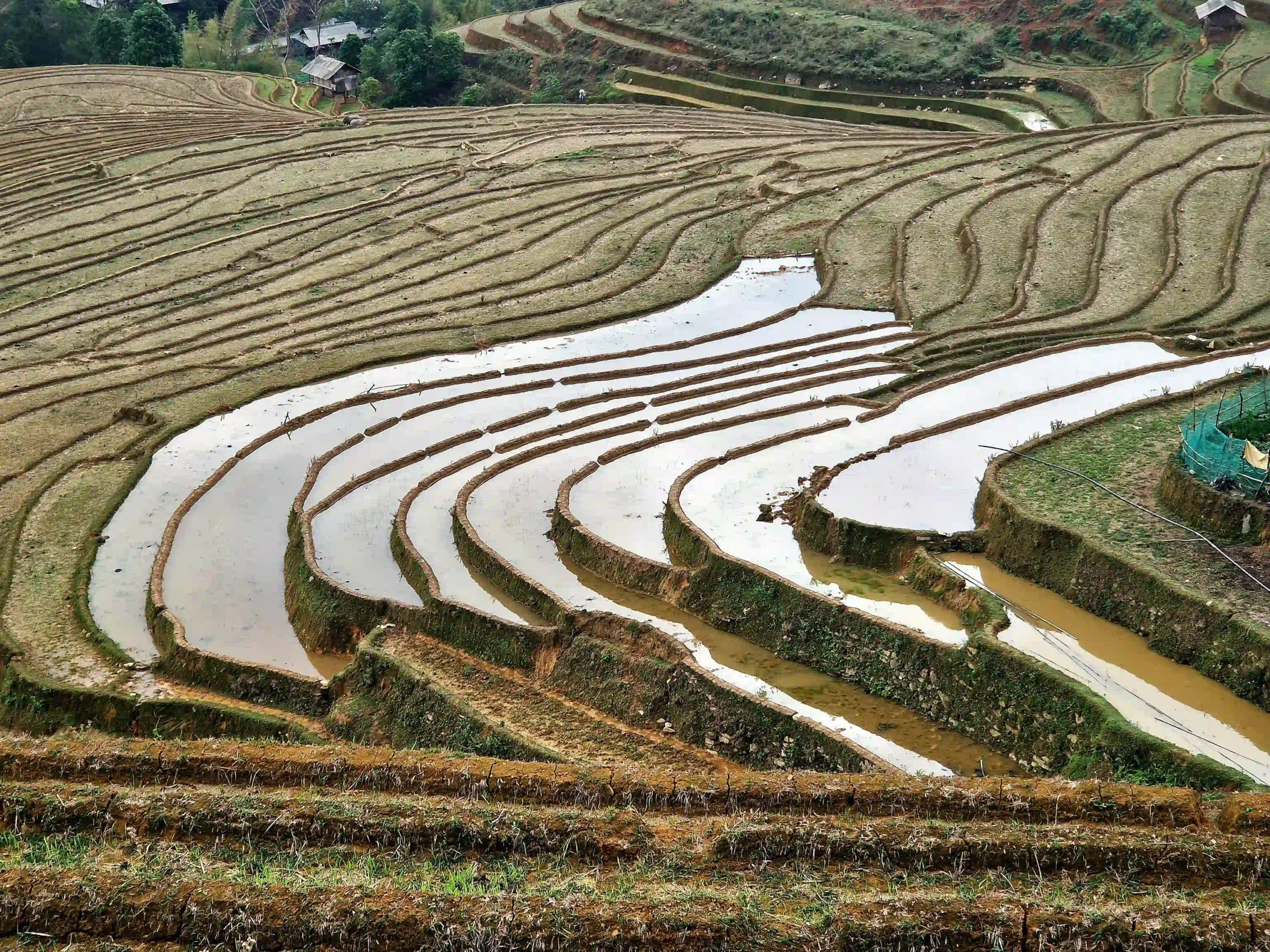
Late May into June is the version I’d pick if September is impossible. That’s the water season, the fields are flooded for transplanting, and the whole hillside turns into broken mirrors in the late afternoon. It rains most days and the paths are slick clay, so you trade one problem for another.
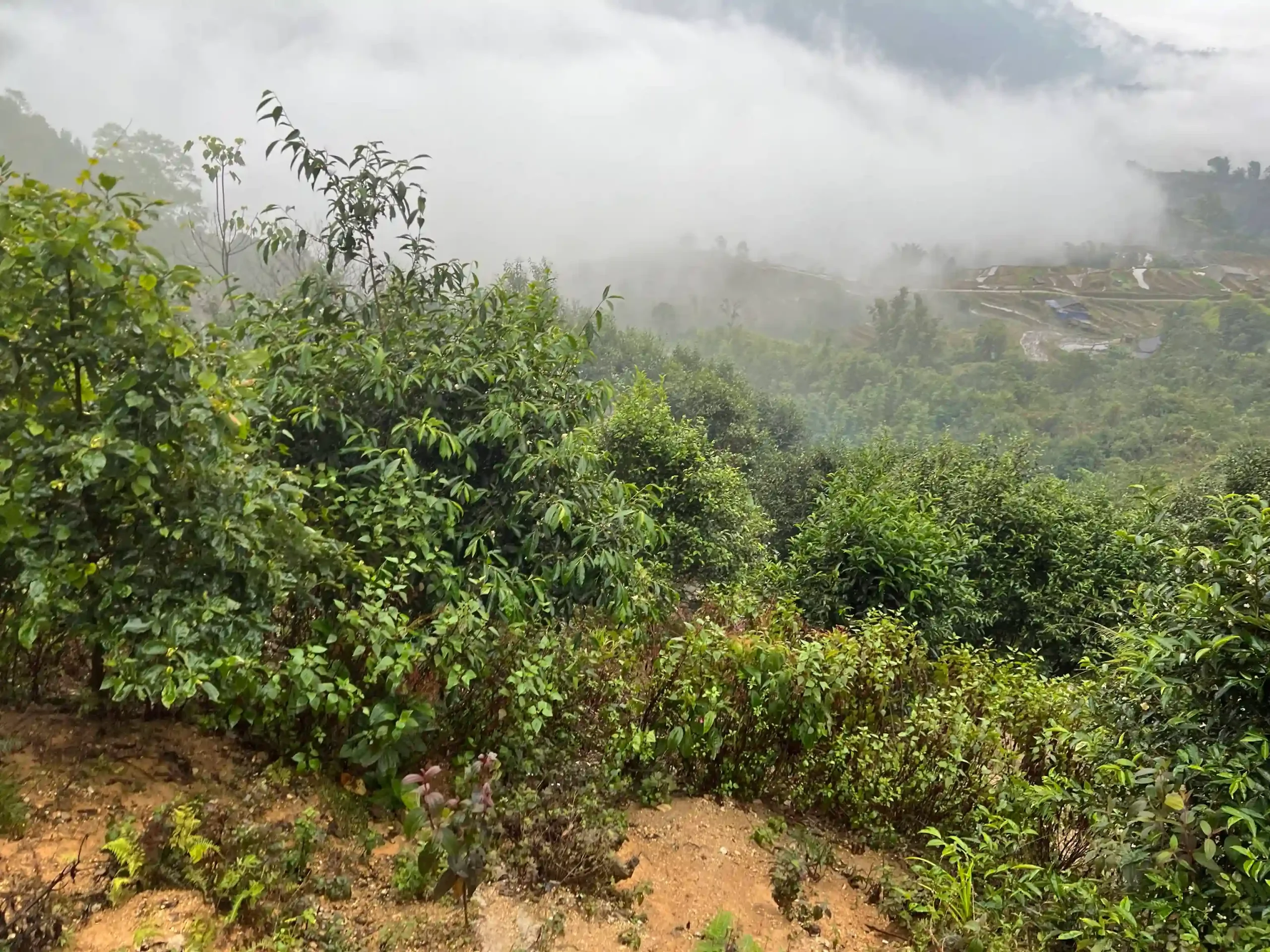
Winter is underrated and nobody writes about it. December and January are cold and often socked in with mist, the rice is long gone, the shan tuyet tea hills stay green, and you’ll walk for a day without meeting another foreigner. If you’re coming for the villages and not for a photograph, that’s the best walking of the year.
July and August I’d skip. Hot, wet, leeches in the long grass, and the terraces are a flat uniform green.
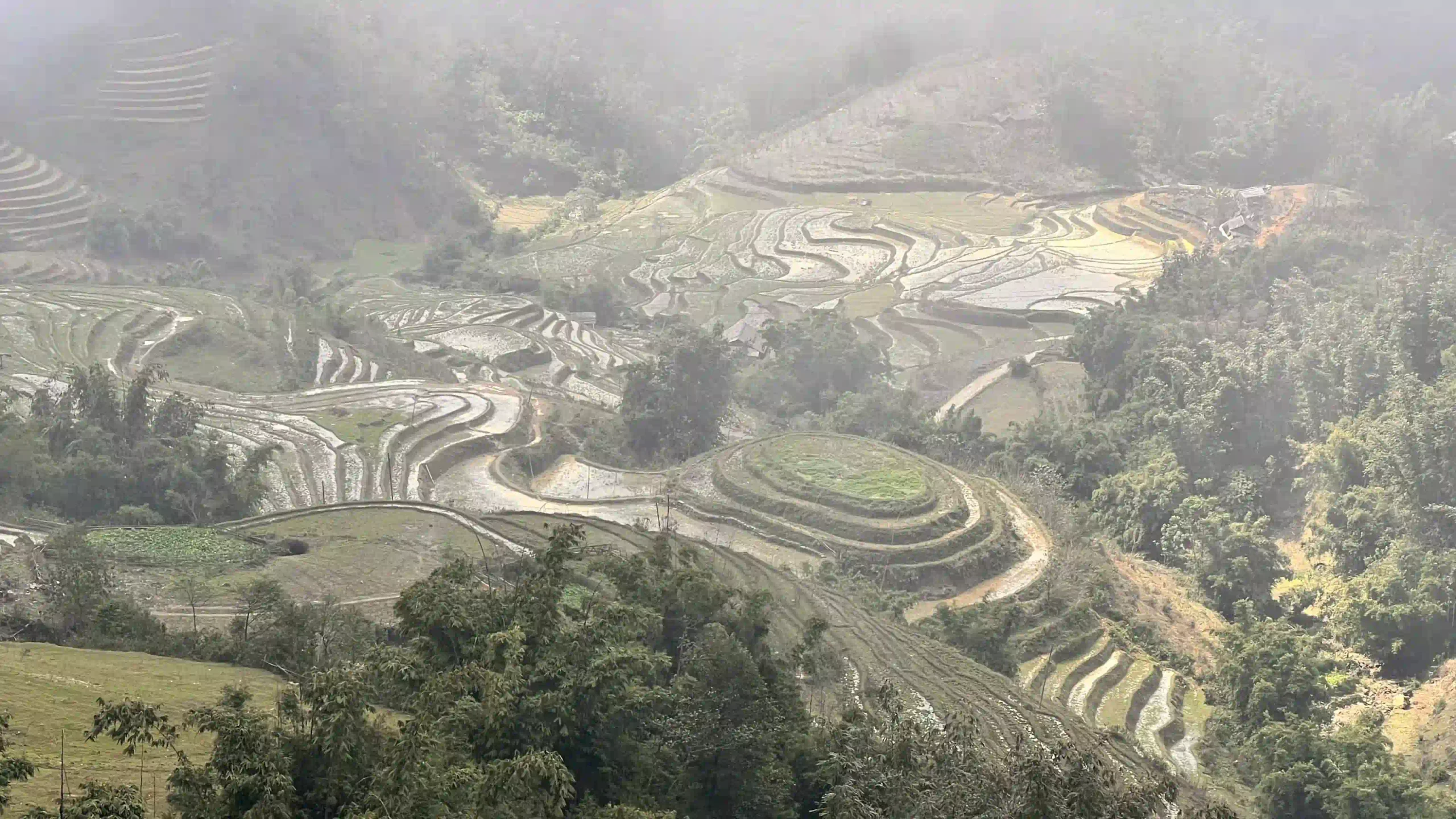
Hoang Su Phi Is Not Part of the Ha Giang Loop
Hoang Su Phi sits roughly 80km west of Ha Giang city and the loop runs north and east, so the two trips only share a bus station.
People search Ha Giang trekking expecting it to mean the loop with some walking in it, and it doesn’t. You finish the loop in Ha Giang city, ride out west for half a day, walk for two days, then come back the same way to get anywhere.
No operator running the standard four-day loop will build it in, and the ones who offer a trekking extension are really selling you two trips back to back.
Do the trekking first if you’re doing both. You arrive in Ha Giang city already used to the cold mornings and the state of the roads, which makes the first day on a motorbike a lot less of a shock. The loop side of things is in the Ha Giang Loop guide and the day-by-day in the Ha Giang Loop itinerary.
How to Get to Hoang Su Phi: Get Off the Bus at Tan Quang
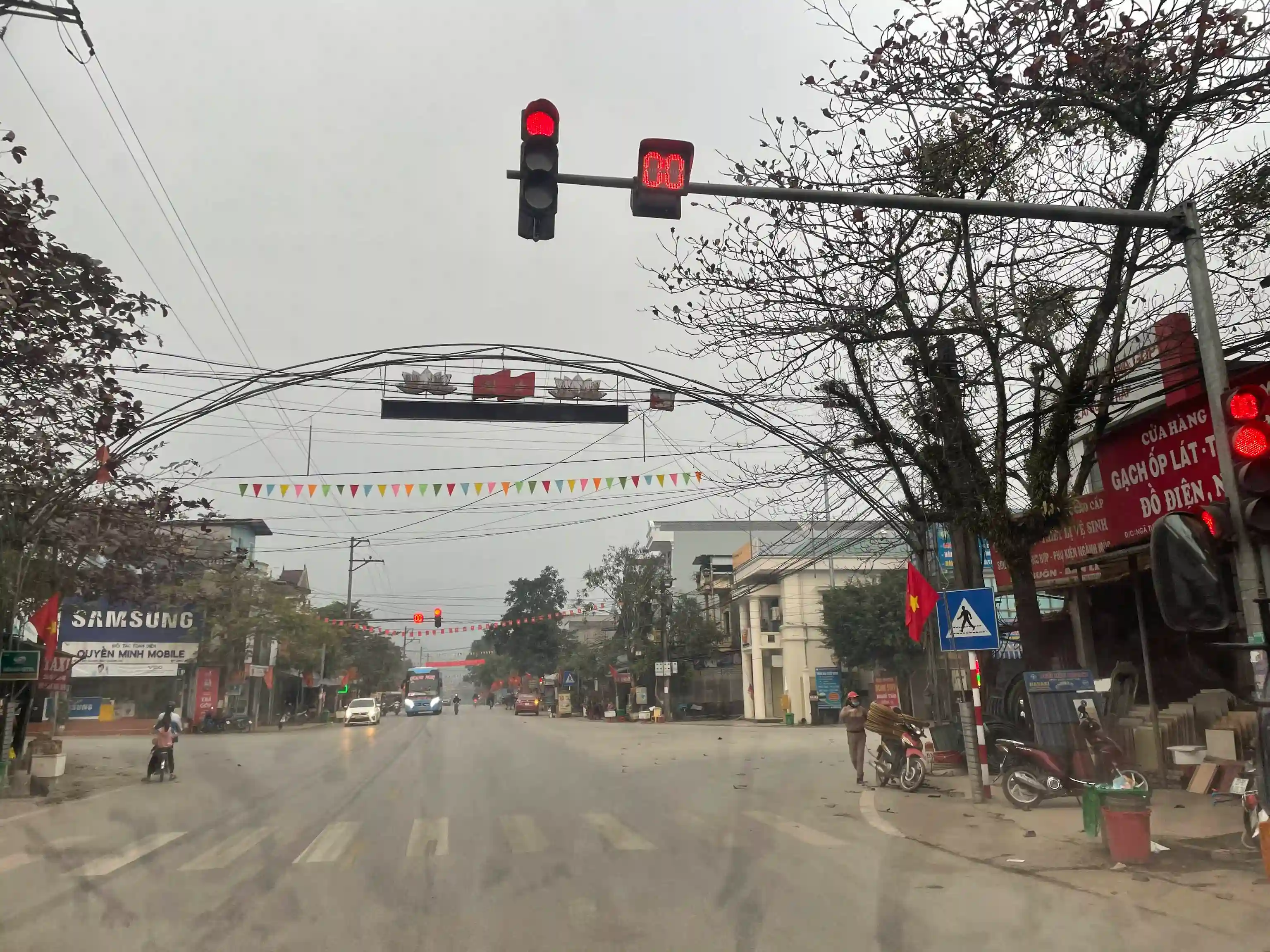
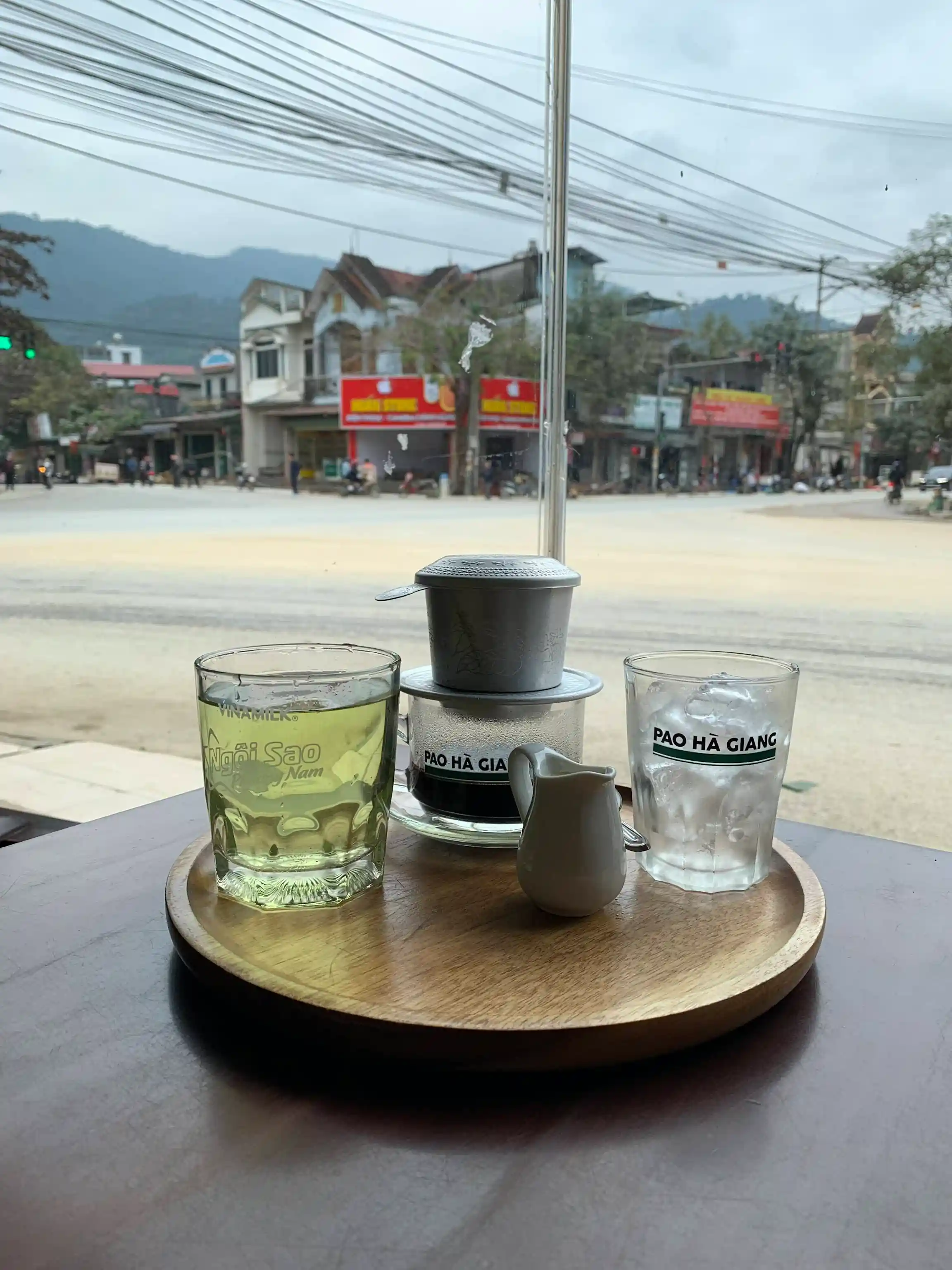
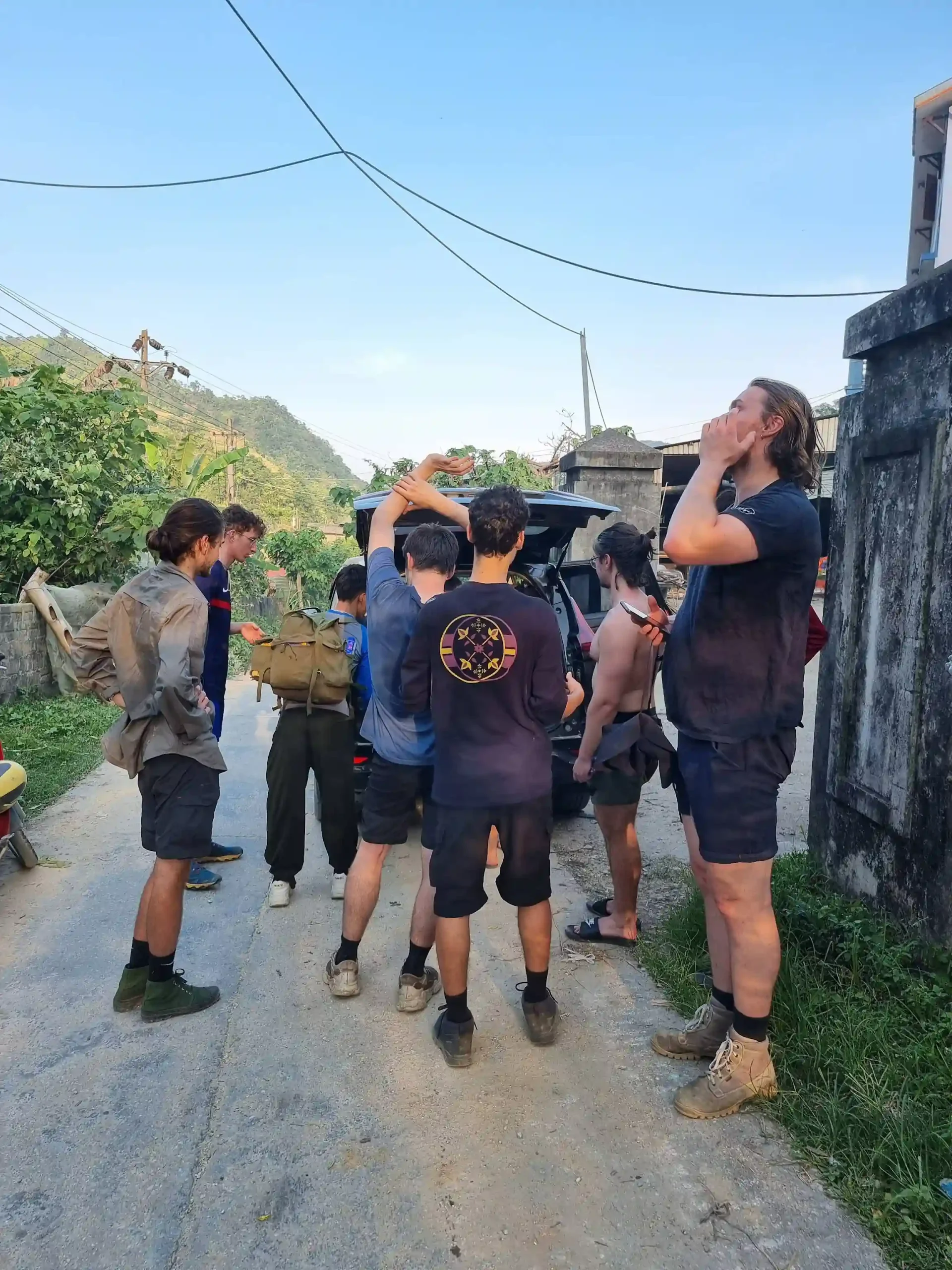
Take the night bus from Hanoi towards Ha Giang and get off at the Tan Quang junction on QL2, which is about 35km from the trekking villages.
This is the single most useful thing on this page. Almost everyone books through to Ha Giang city, wakes up at four in the morning in the wrong town, and then pays for a car to drive them two hours back down the highway they just came up.
Tell the driver “Ngã tư Tân Quang, Hoàng Su Phì” when you get on and remind him before you sleep, because the stop comes up early and drivers forget.
Then have your homestay meet you there. They all do it, it costs 300,000 to 500,000 VND for the car, and there is very little at that junction at 4am. Bus options and companies are in Hanoi to Ha Giang by sleeper bus.
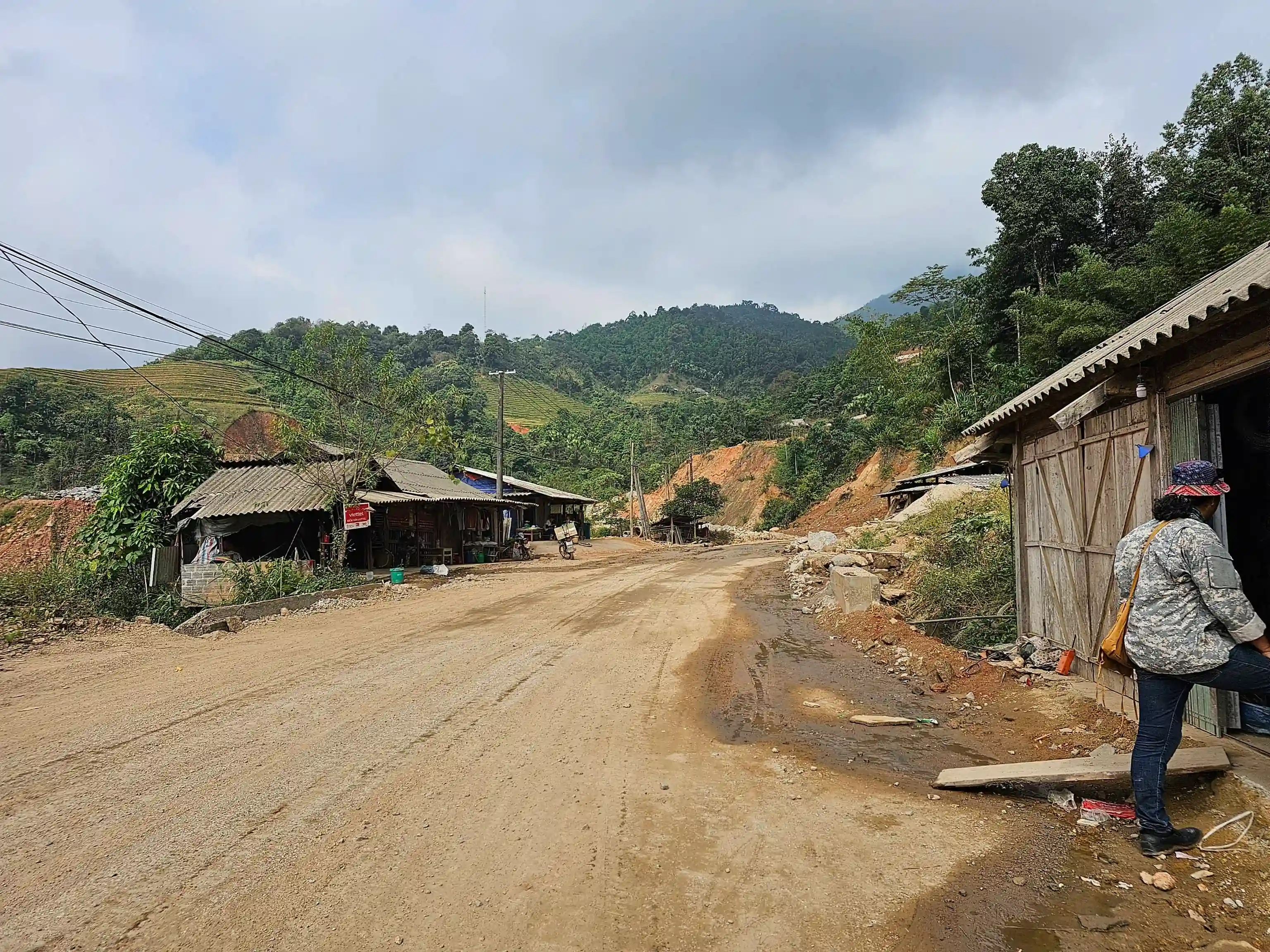
Coming from Ha Giang city is about two and a half hours by car. Coming from Sapa or Bac Ha, you cross through Xin Man from the west, which is a long half day and the only combination I’d actually recommend.
One booking quirk: since the provincial reorganisation, addresses here come up as Tuyen Quang. Same villages, same road, new province name.
The Hoang Su Phi Trek Routes I’d Walk
Three routes cover nearly everything people come for, and they all link villages that have somewhere to sleep.
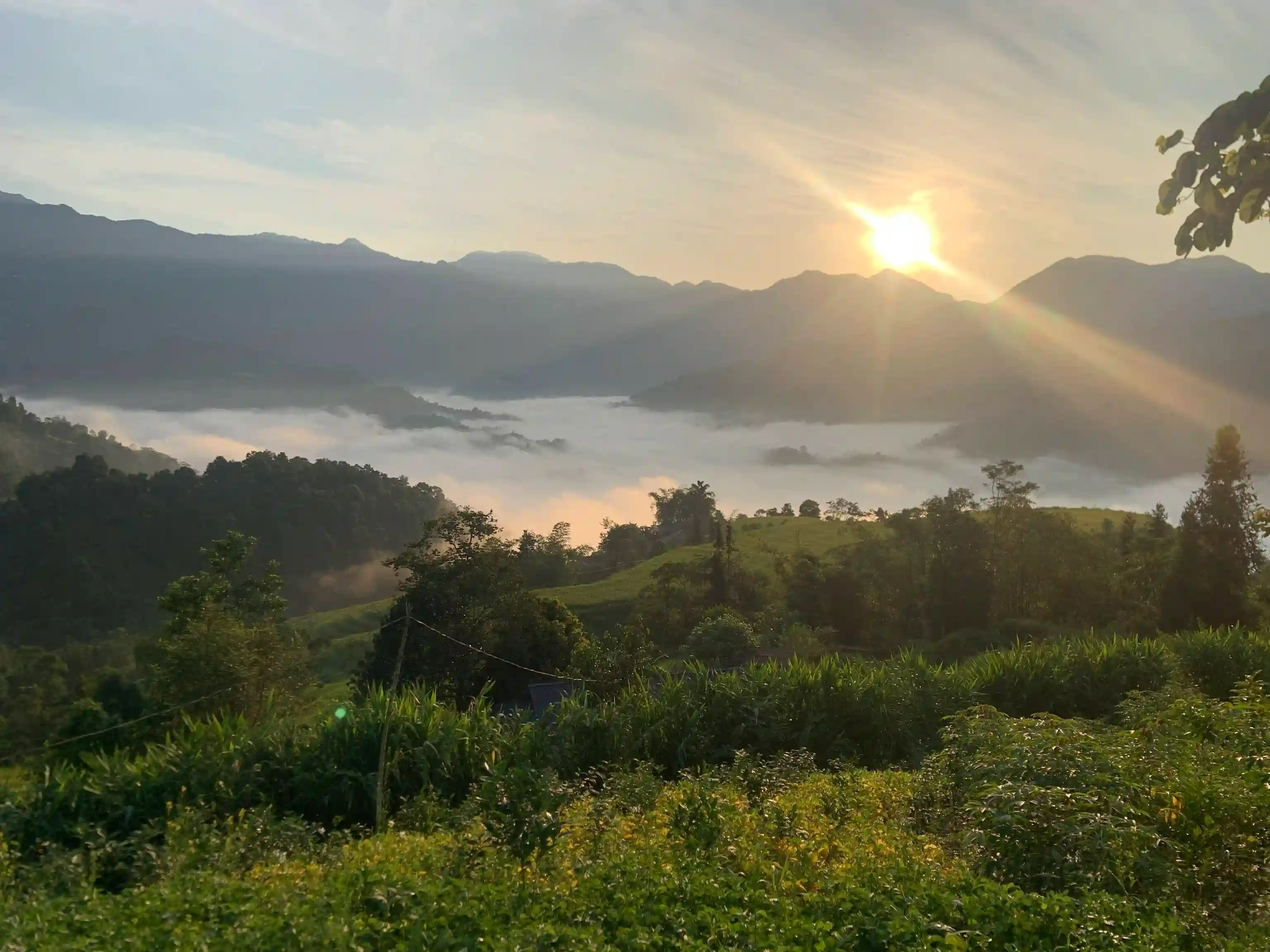
Nam Hong to Nam Khoa to Nam Ai
This is the one I’d walk first. Two or three days, around 10km a day, starting from the cluster of guesthouses at Nam Hong in Thong Nguyen.
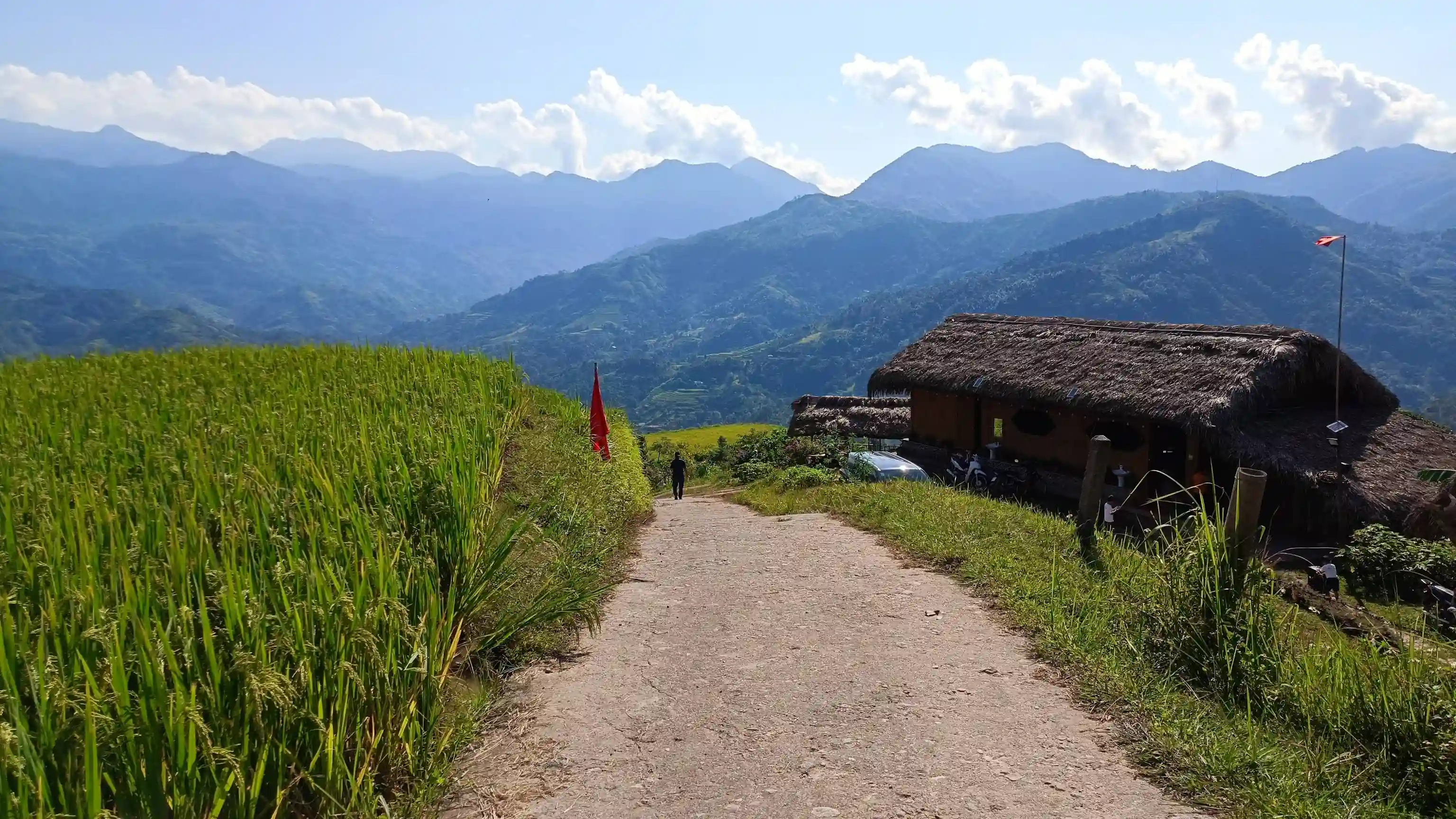
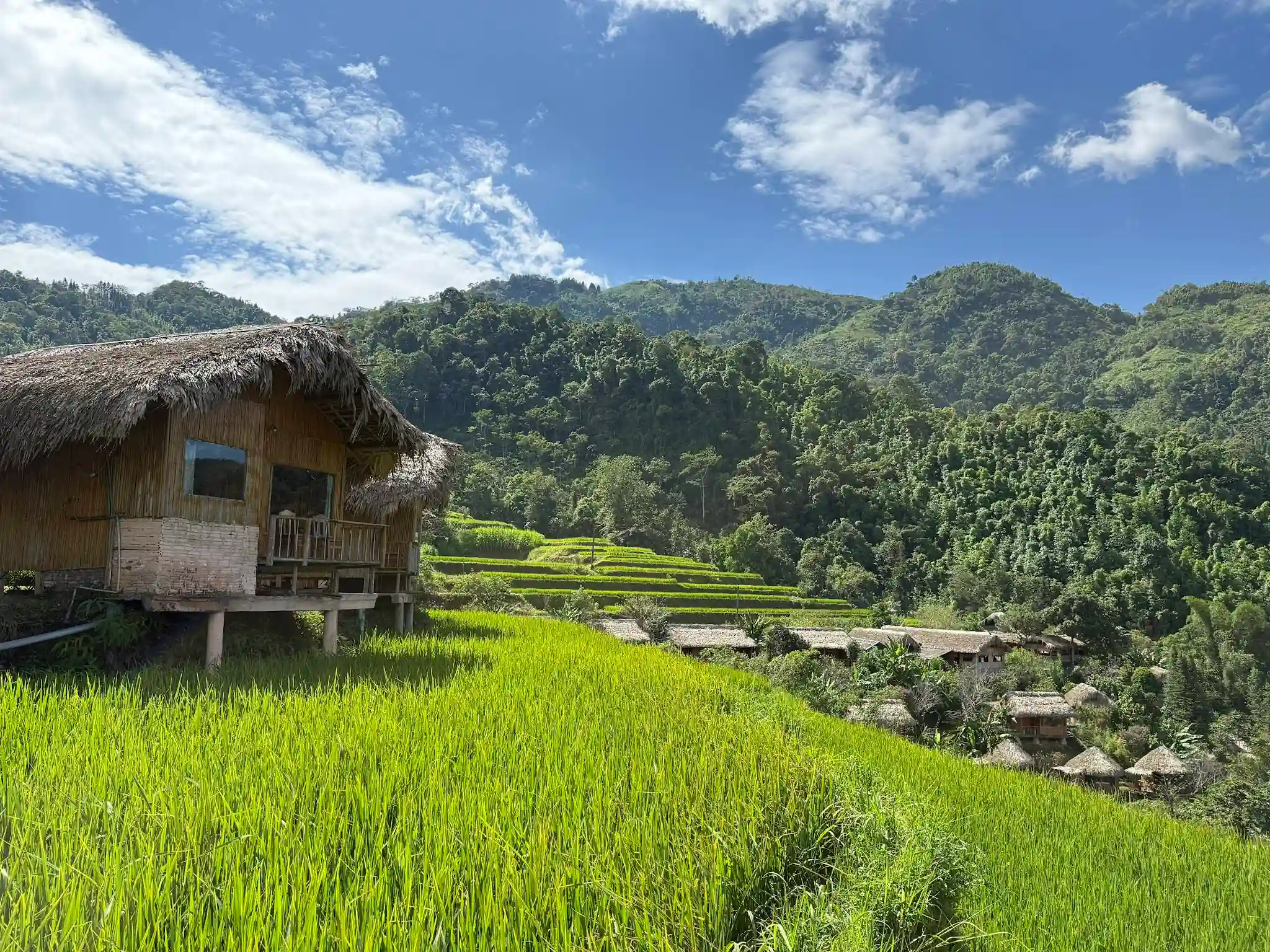
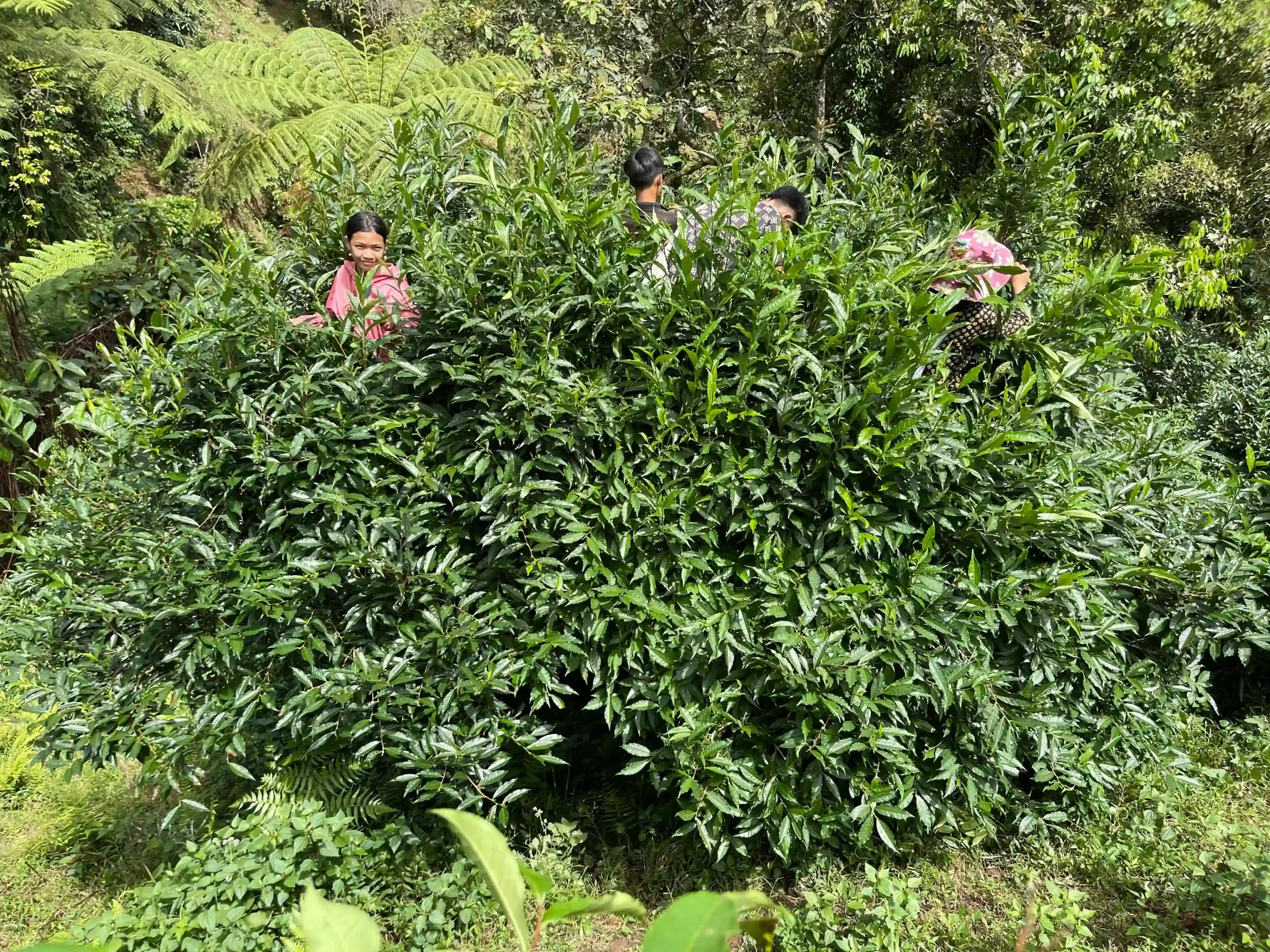
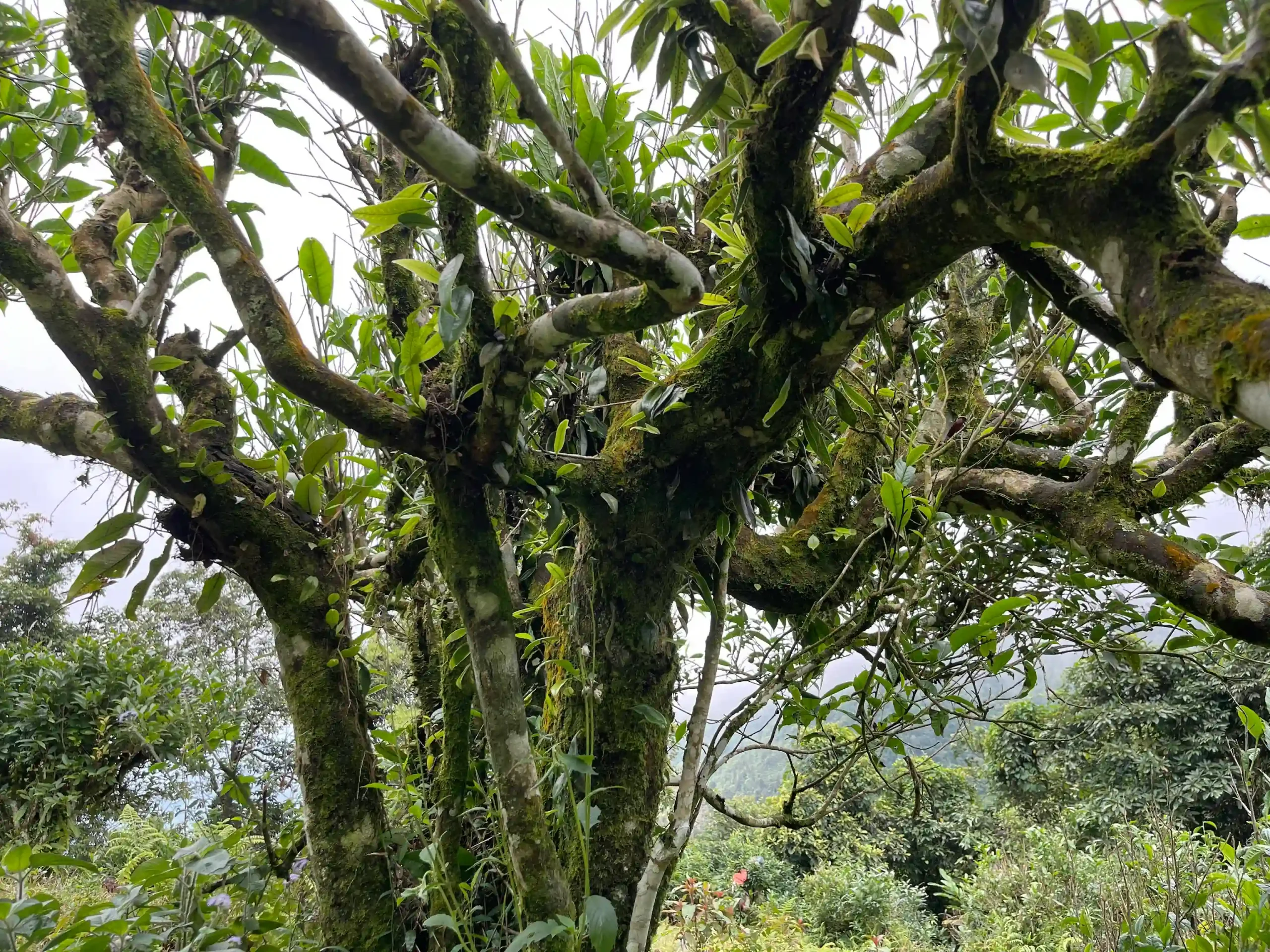
You cross Red Dao country on the first day and reach the Long Tunic Dao at Nam Ai, with old shan tuyet tea trees on the slopes and a stretch along the Nam Thong stream.
It’s the standard trekking company route, which usually makes me suspicious, and here it’s just the best line through the valleys.
Ban Luoc to Nam Ty to Thong Nguyen
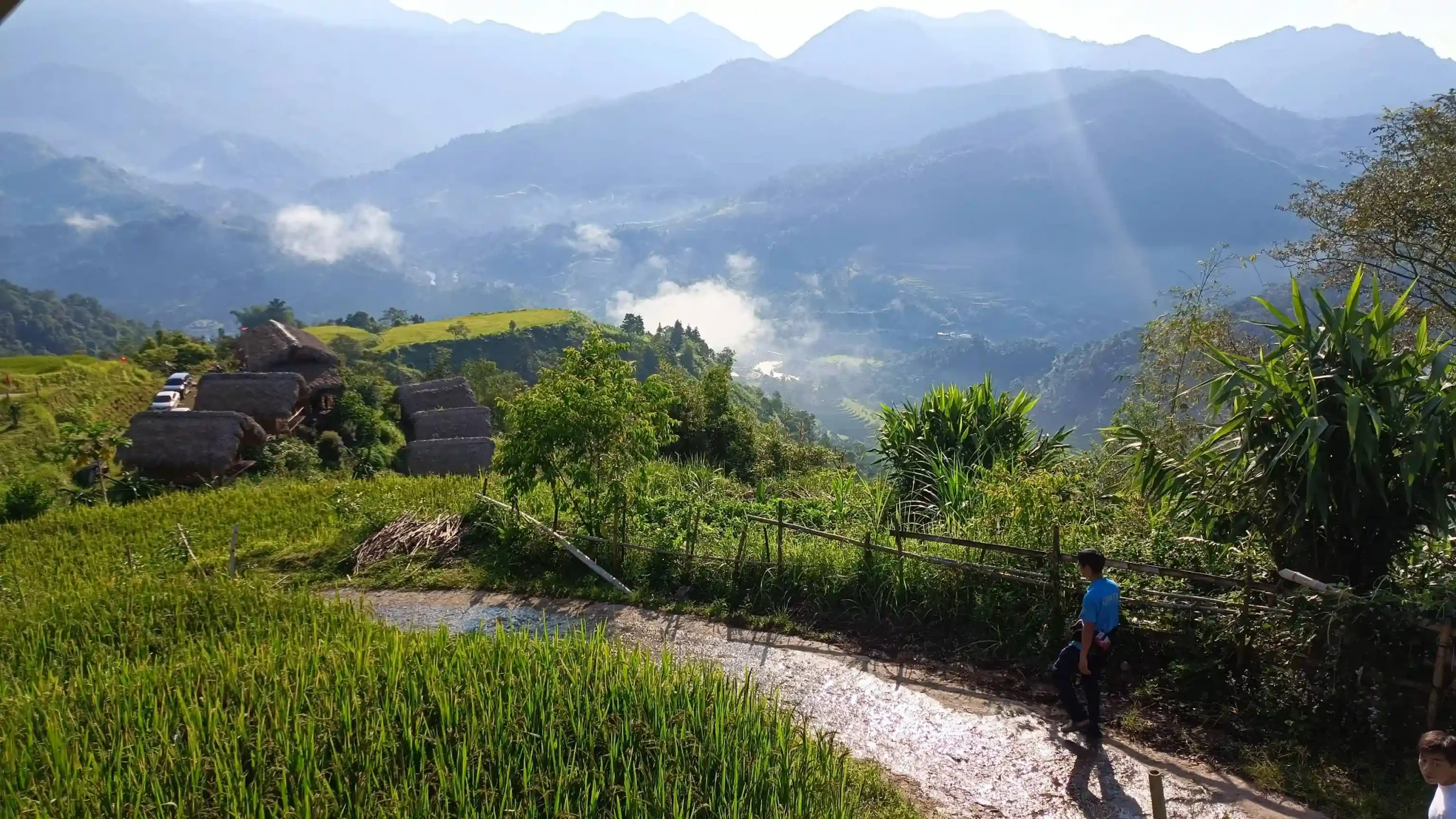
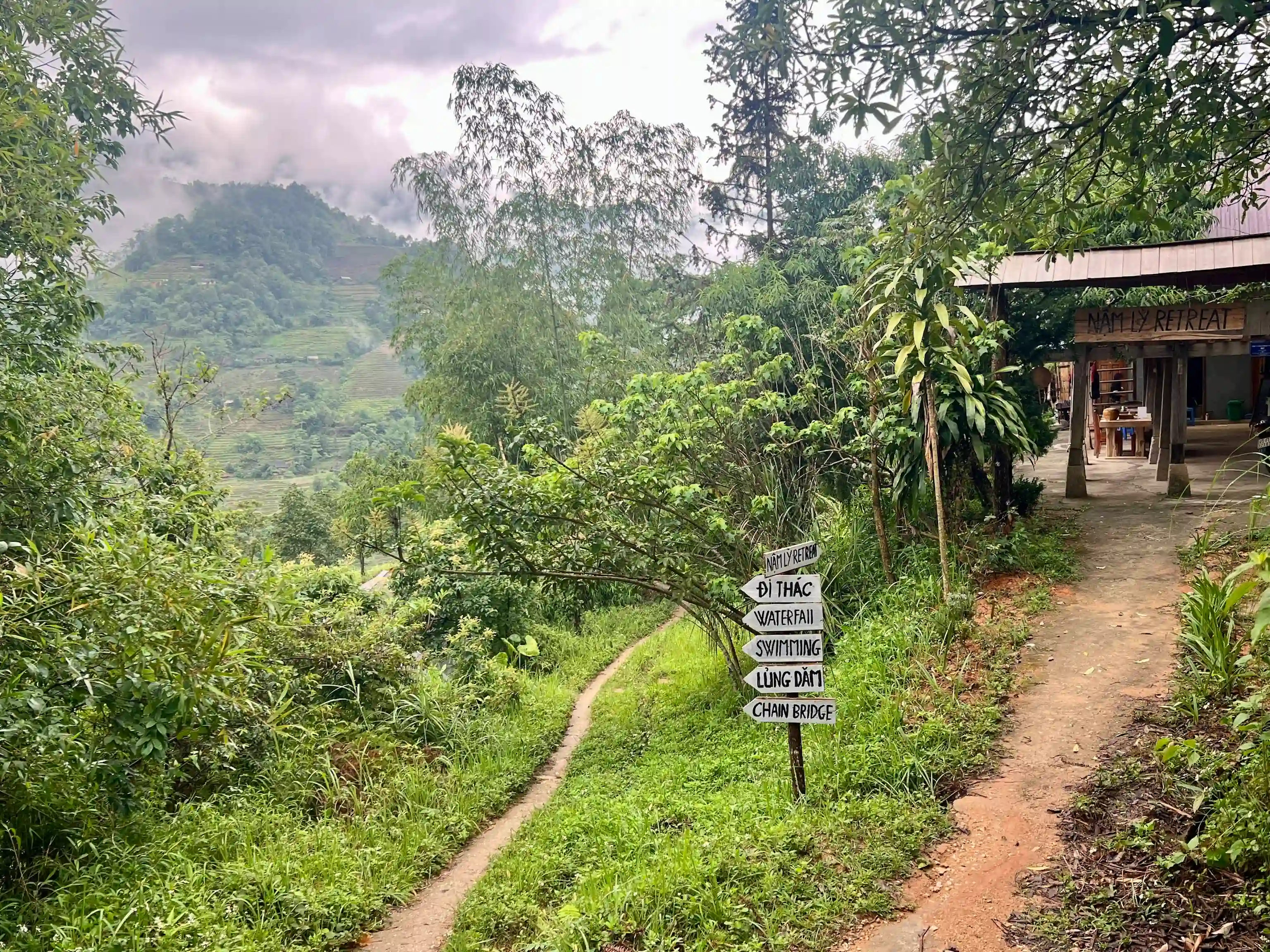
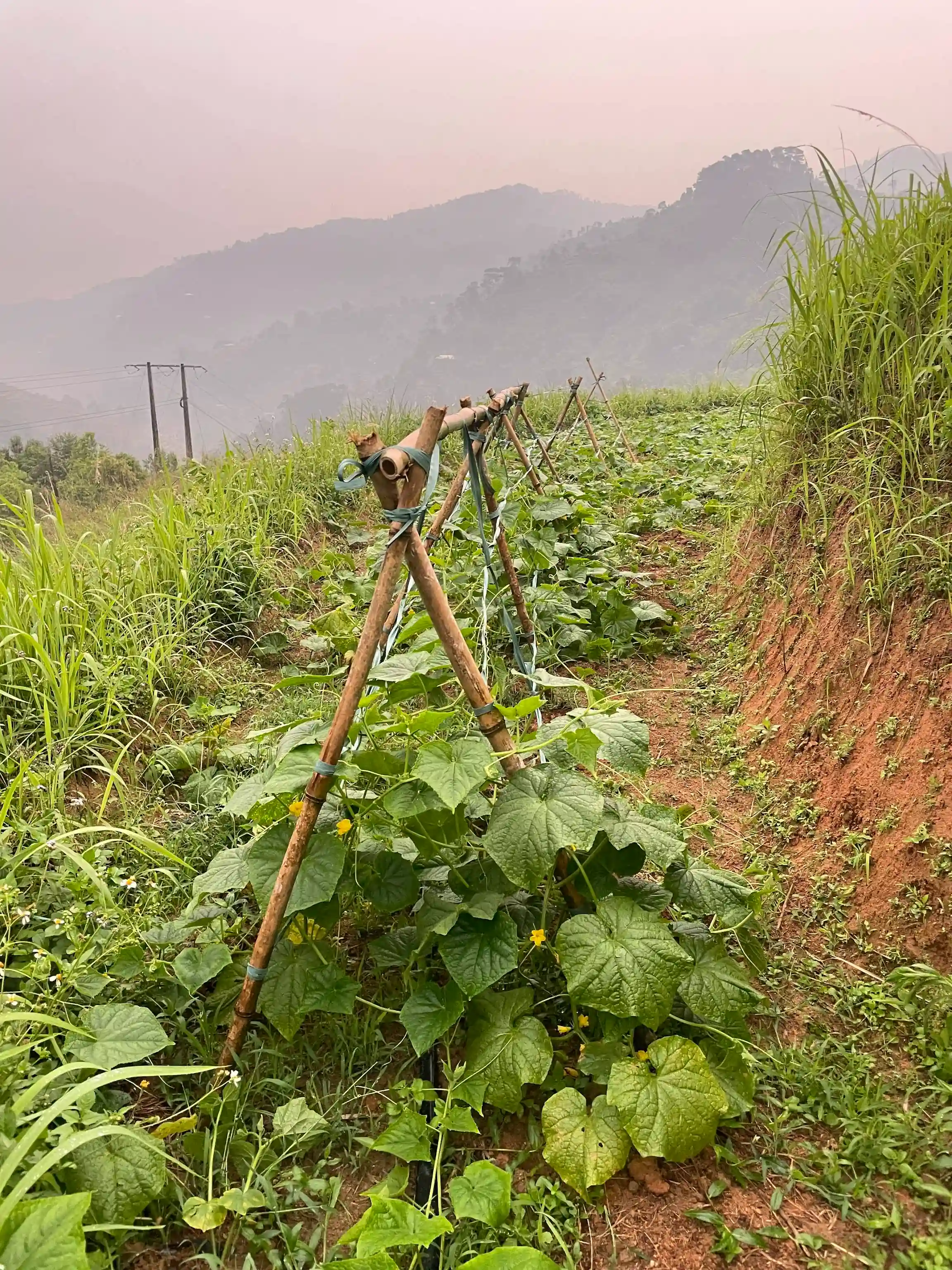
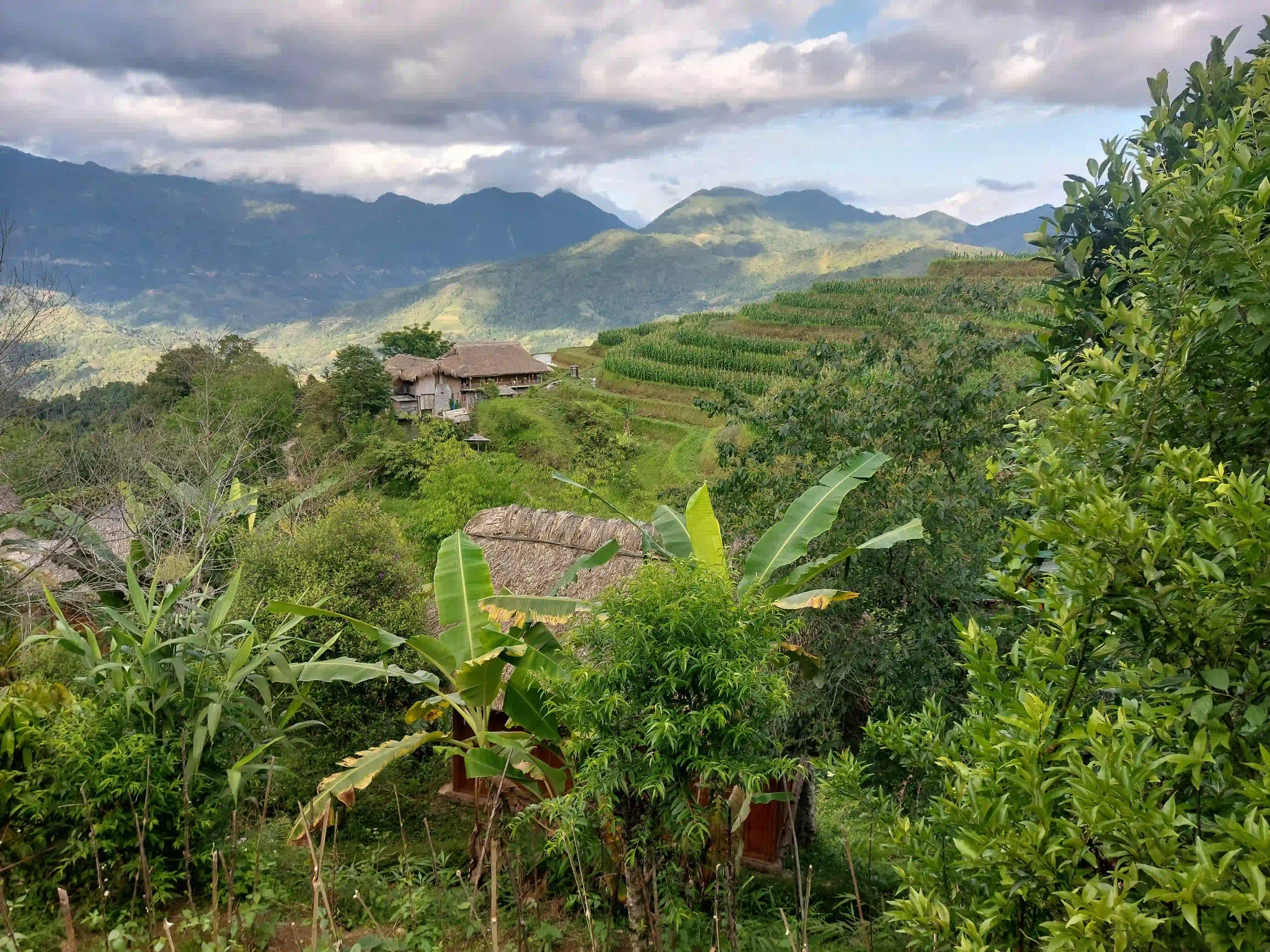
This is three days on gentler ground. The hills at Ban Luoc and San Sa Ho are soil, not limestone, so the terraces sweep in long curves and never stack up into cliffs, and it’s the easier trip if you haven’t done multi-day walking before.
Phin Ho
This is a half day, 4 to 6km downhill from Nam Hong into a tea village, and it’s what I’d do on the morning you arrive off the night bus when nobody wants a full day.
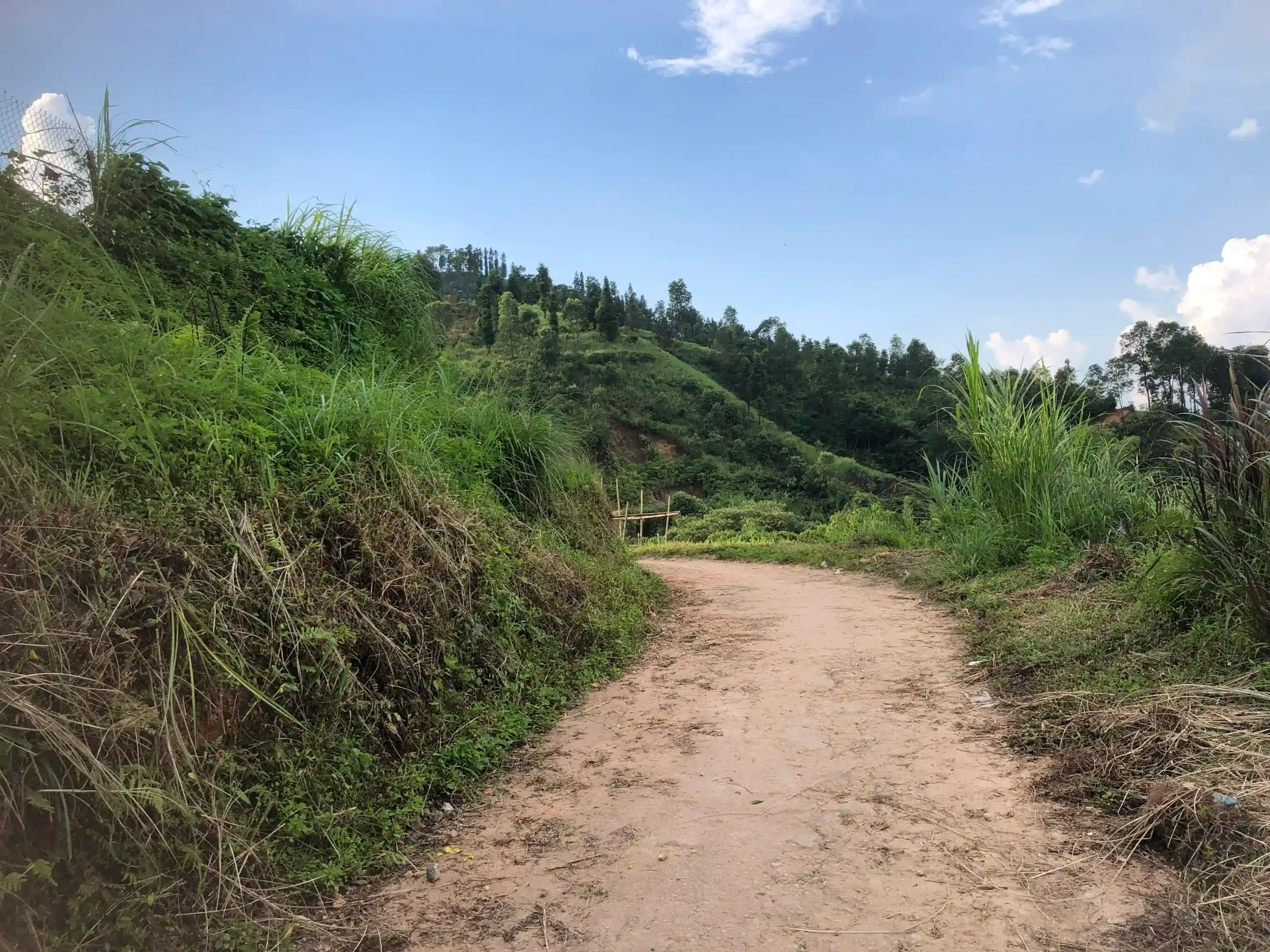
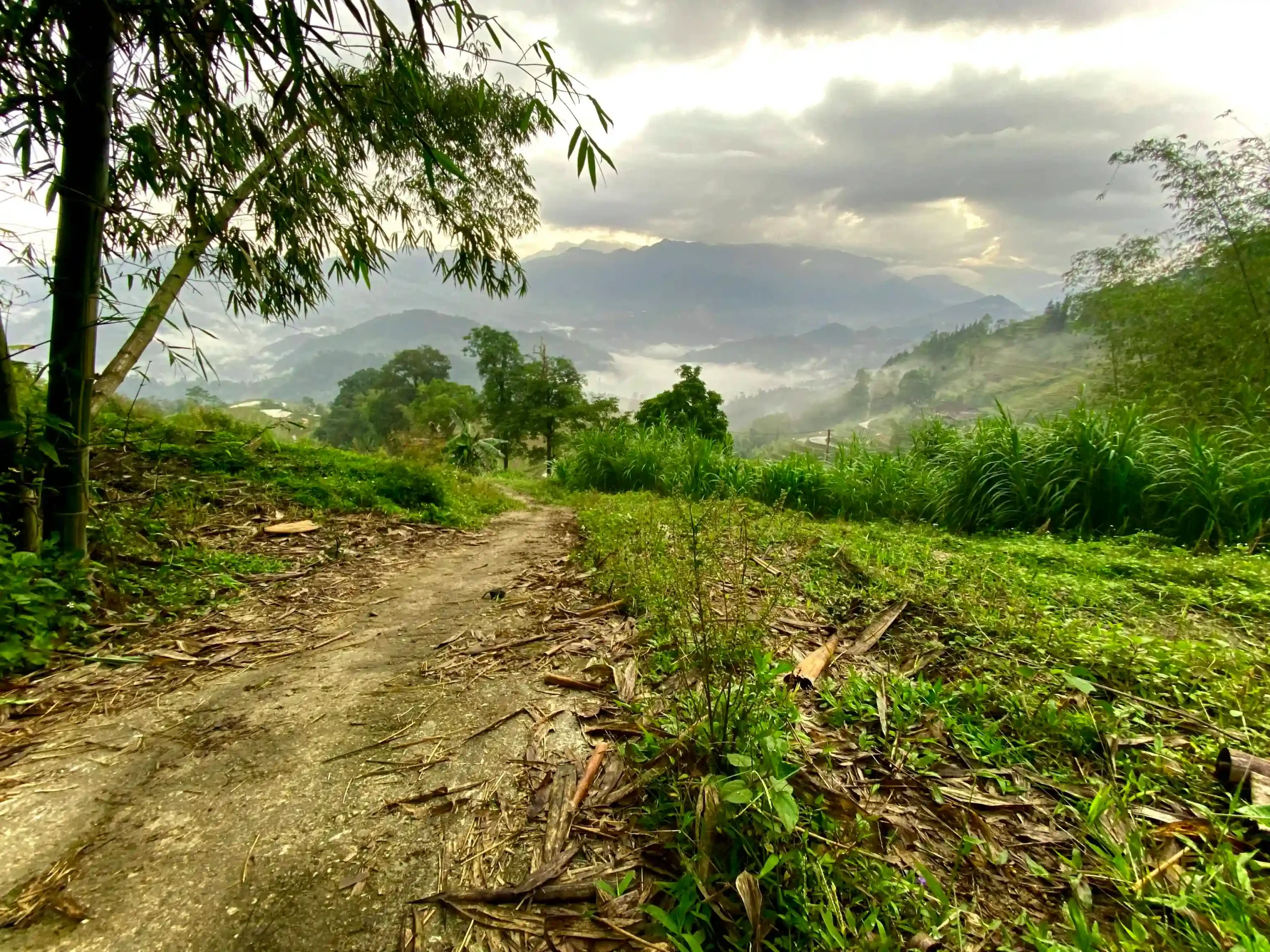
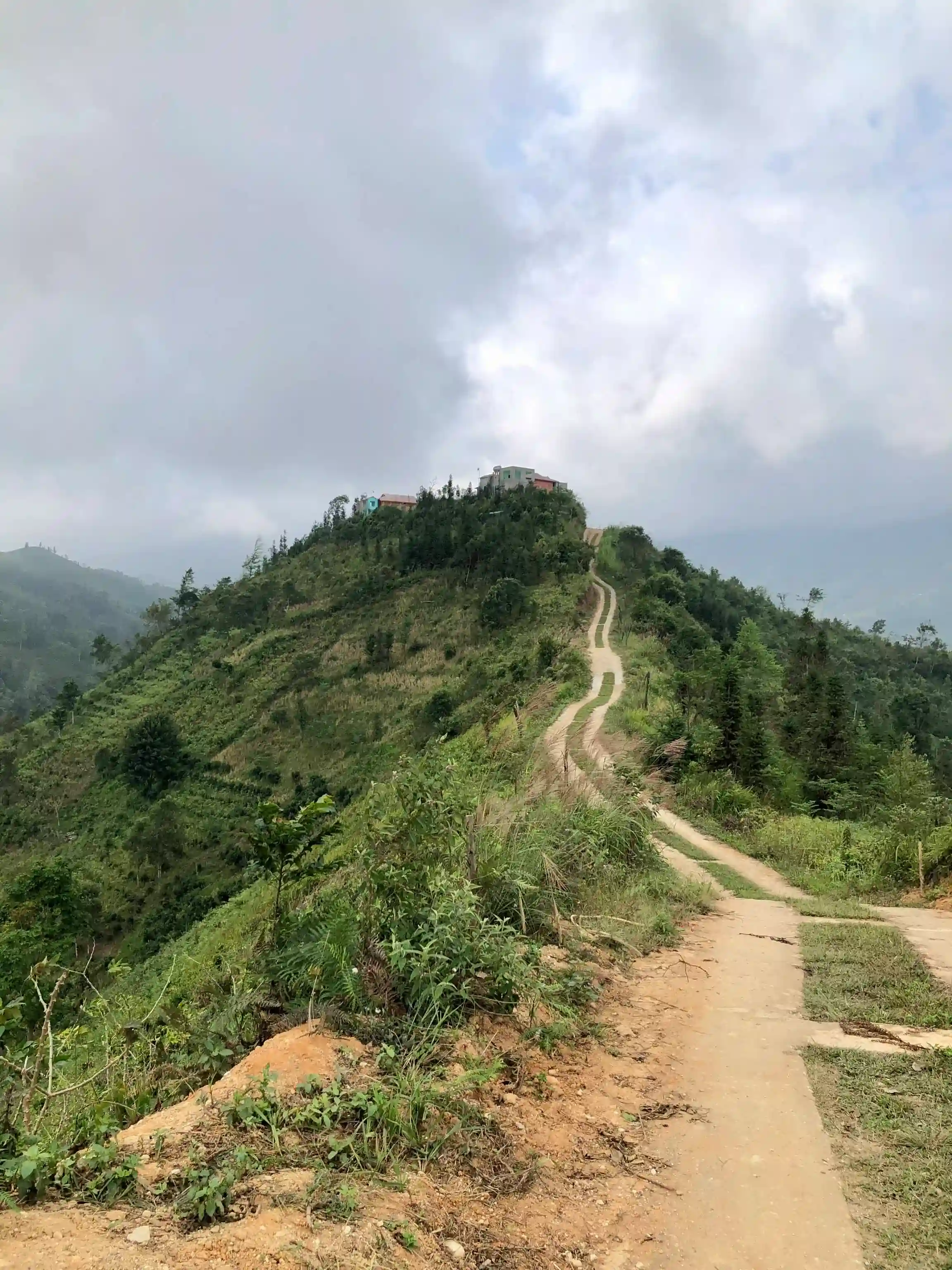
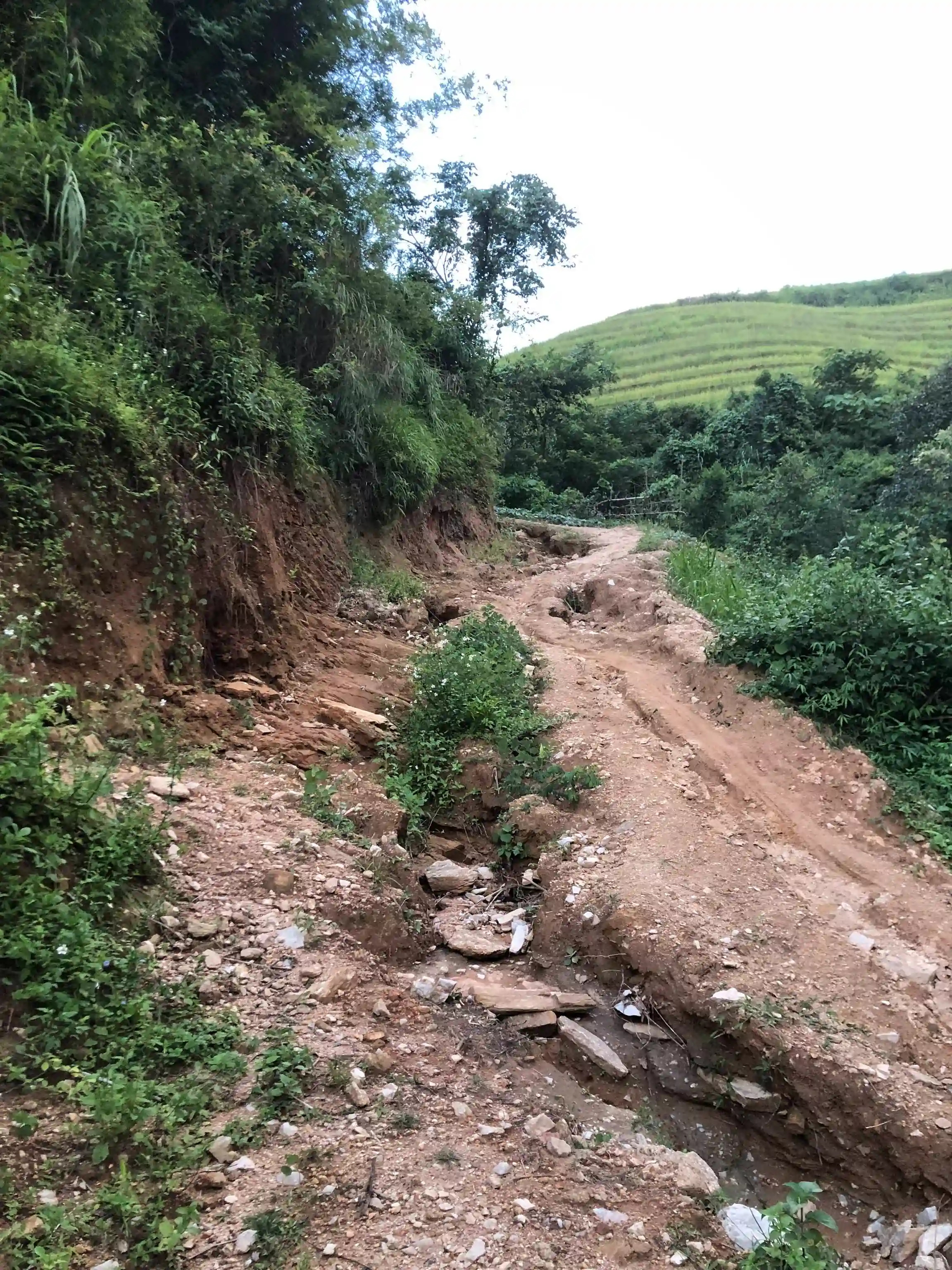
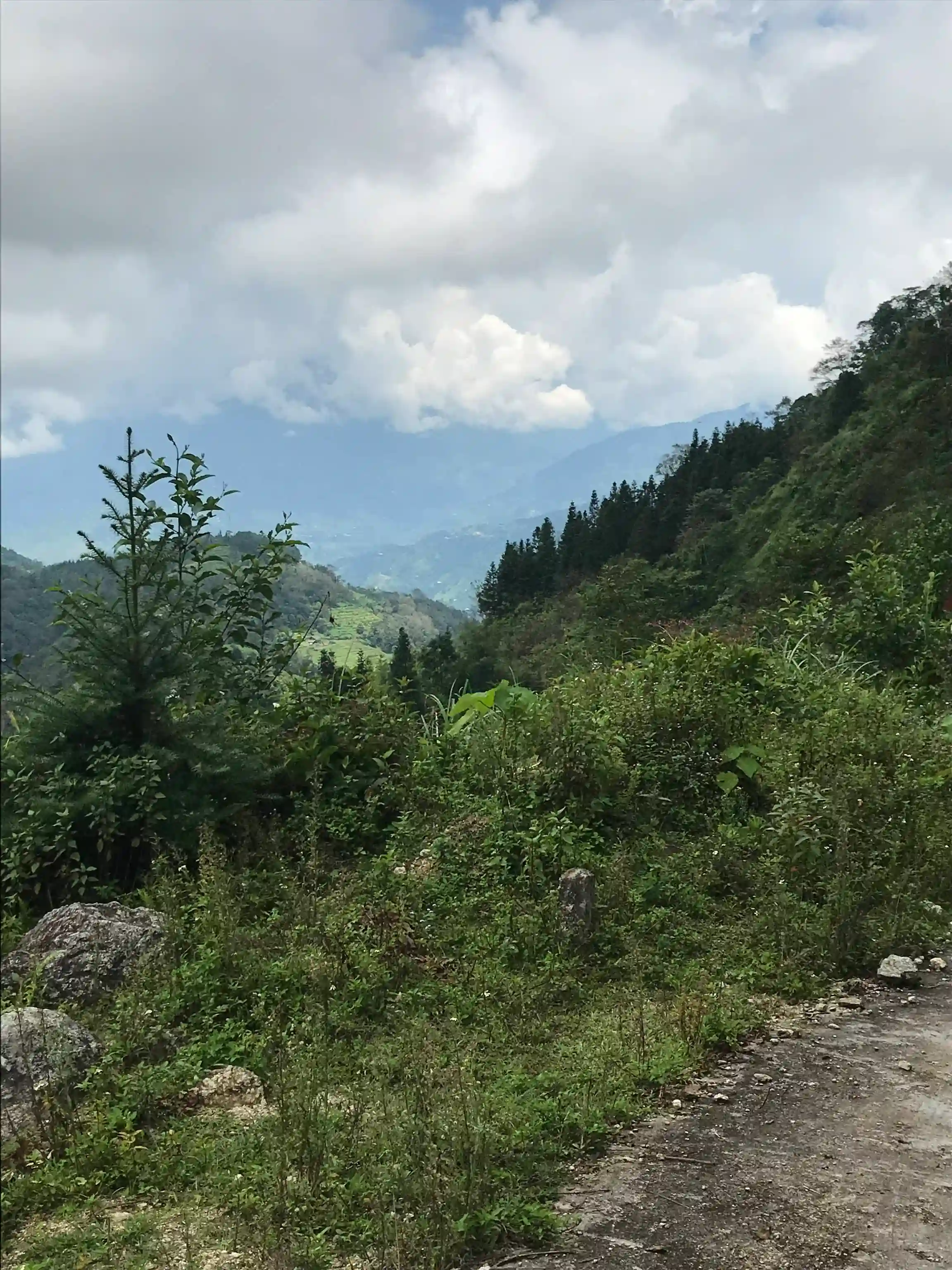
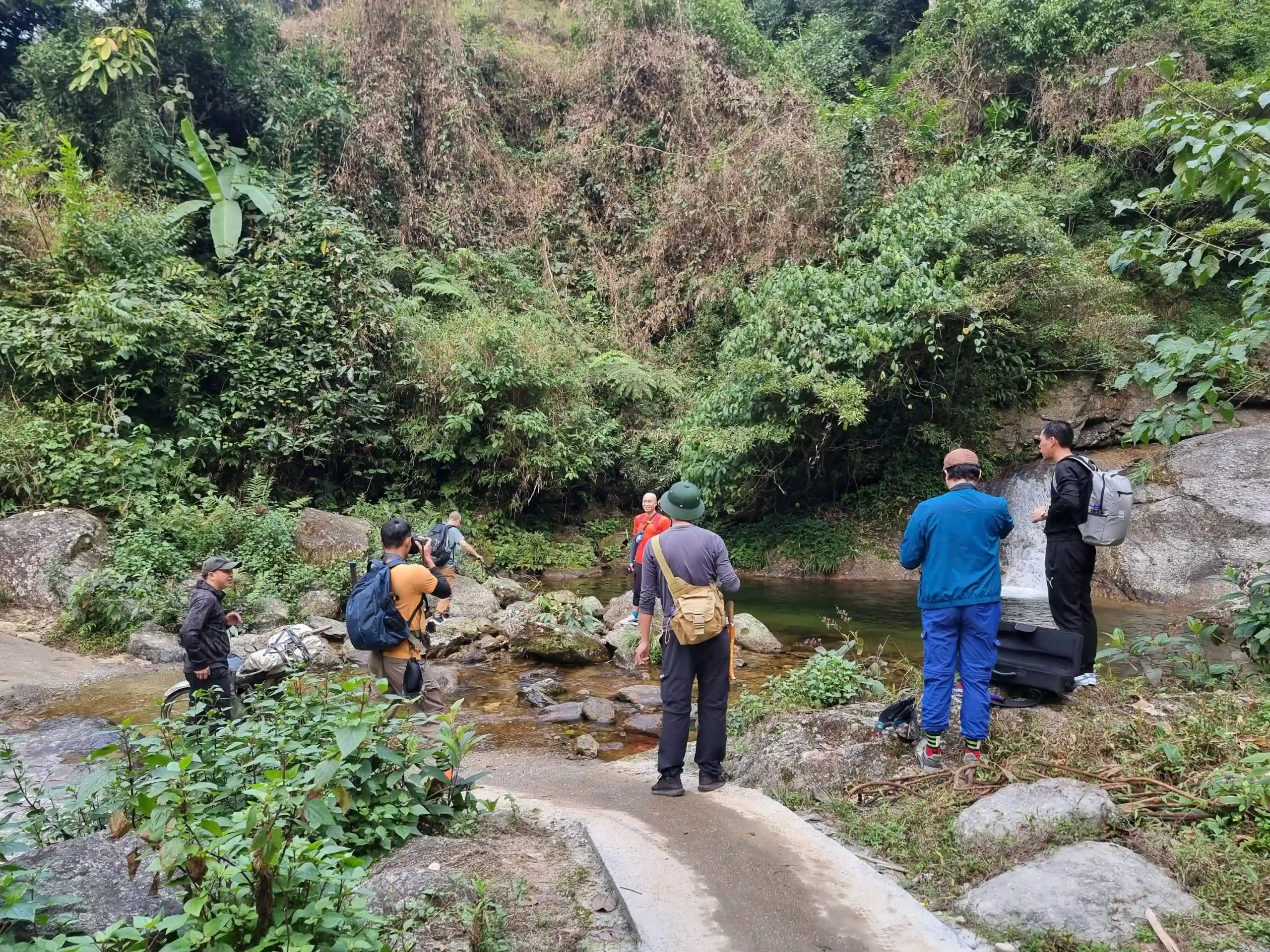
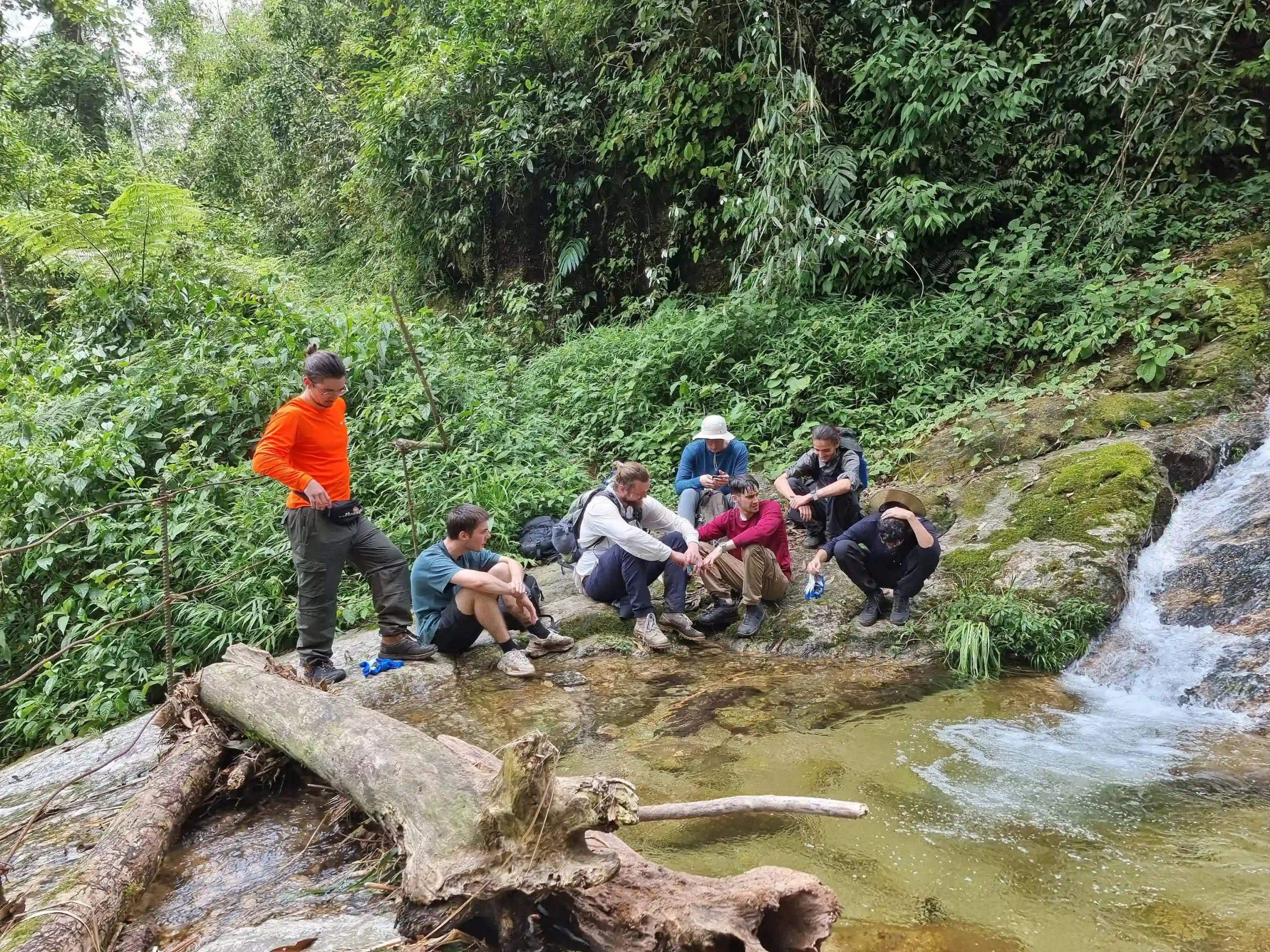
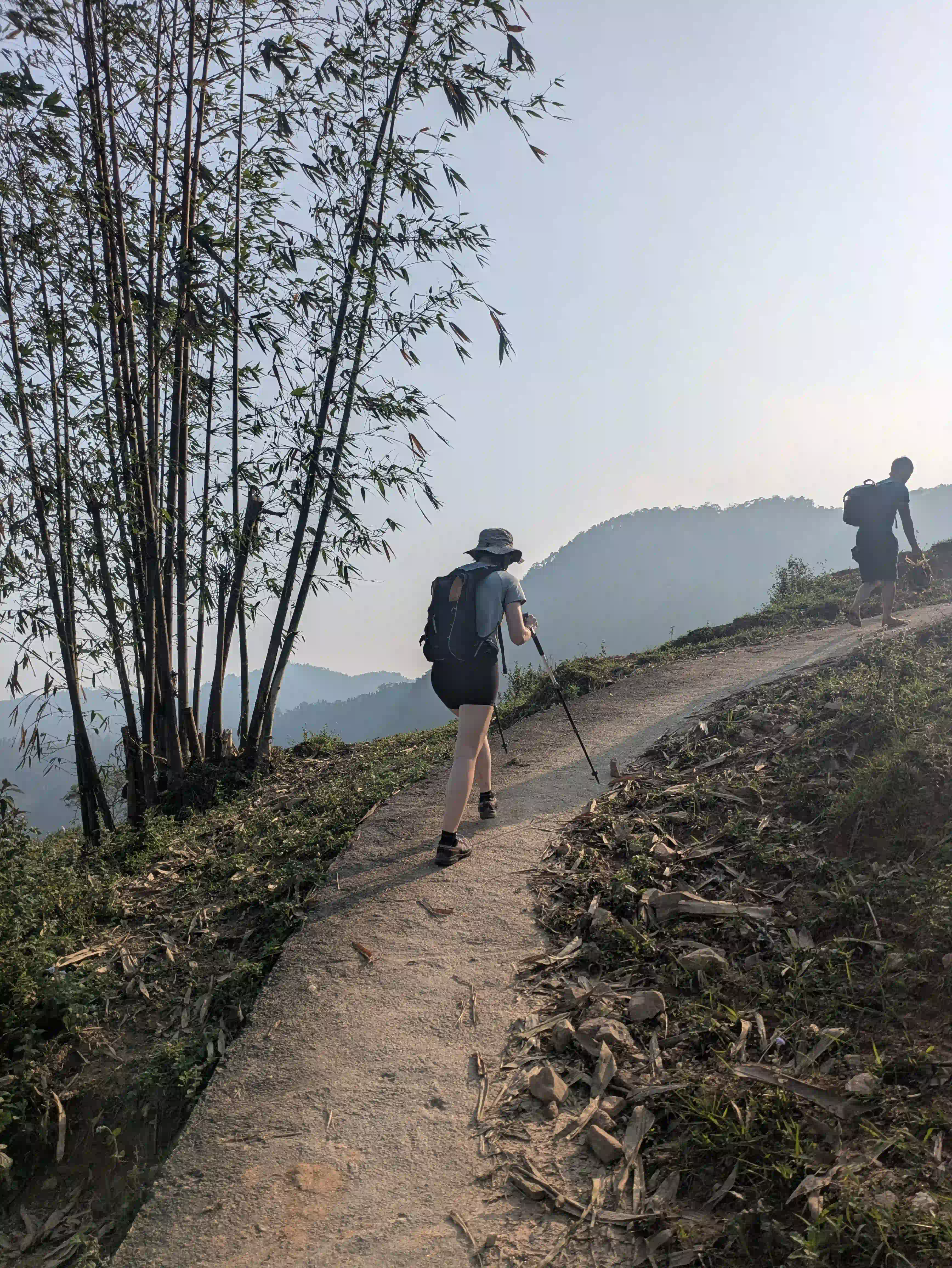
The walking itself is farm paths, bunds between paddies, buffalo tracks and short steep climbs between valleys. Nothing technical, no altitude to speak of below 1,800m.
The one thing I’d insist on is shoes with a real tread, because wet clay on a terrace bund is slippery in a way dry photographs never show, and the drop off the side is into somebody’s rice.
How Many Days You Need in Hoang Su Phi
Three days and two nights. That gives you two full walking days and a half day around the arrival.
Four nights is for people who want to reach Sin Man or spend a day on tea, and I’d only add it if you’re already planning a slow month in the north. A single night is a waste of the drive, and day-tripping from Ha Giang city means five hours in a car for one walk.
Do You Need a Guide for Ha Giang Trekking?
For anything past a half day you want a guide, and the reason is navigation. Nothing is waymarked, paths split at every terrace, and offline maps show roads that have almost no relationship to where you can actually walk.
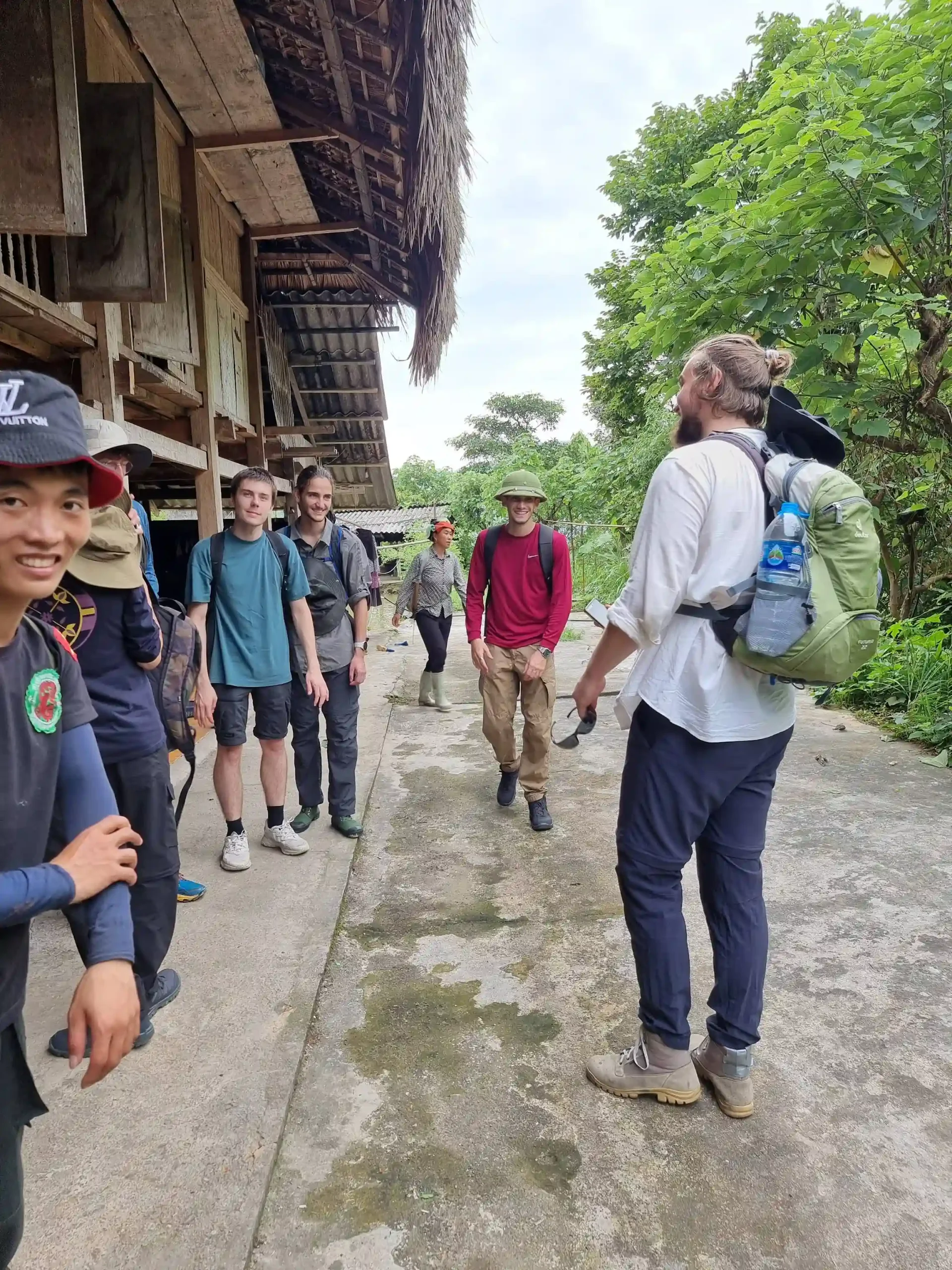
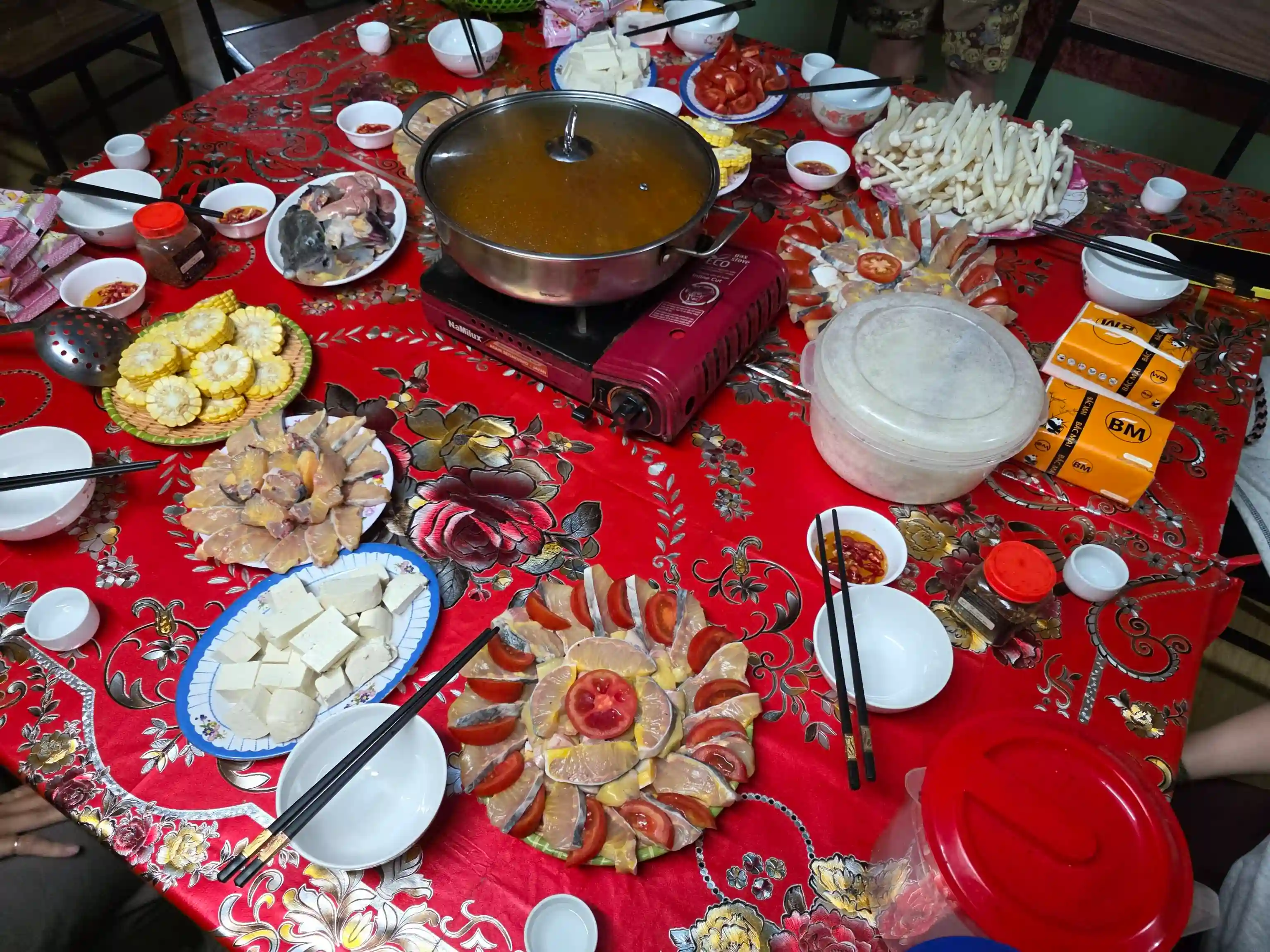
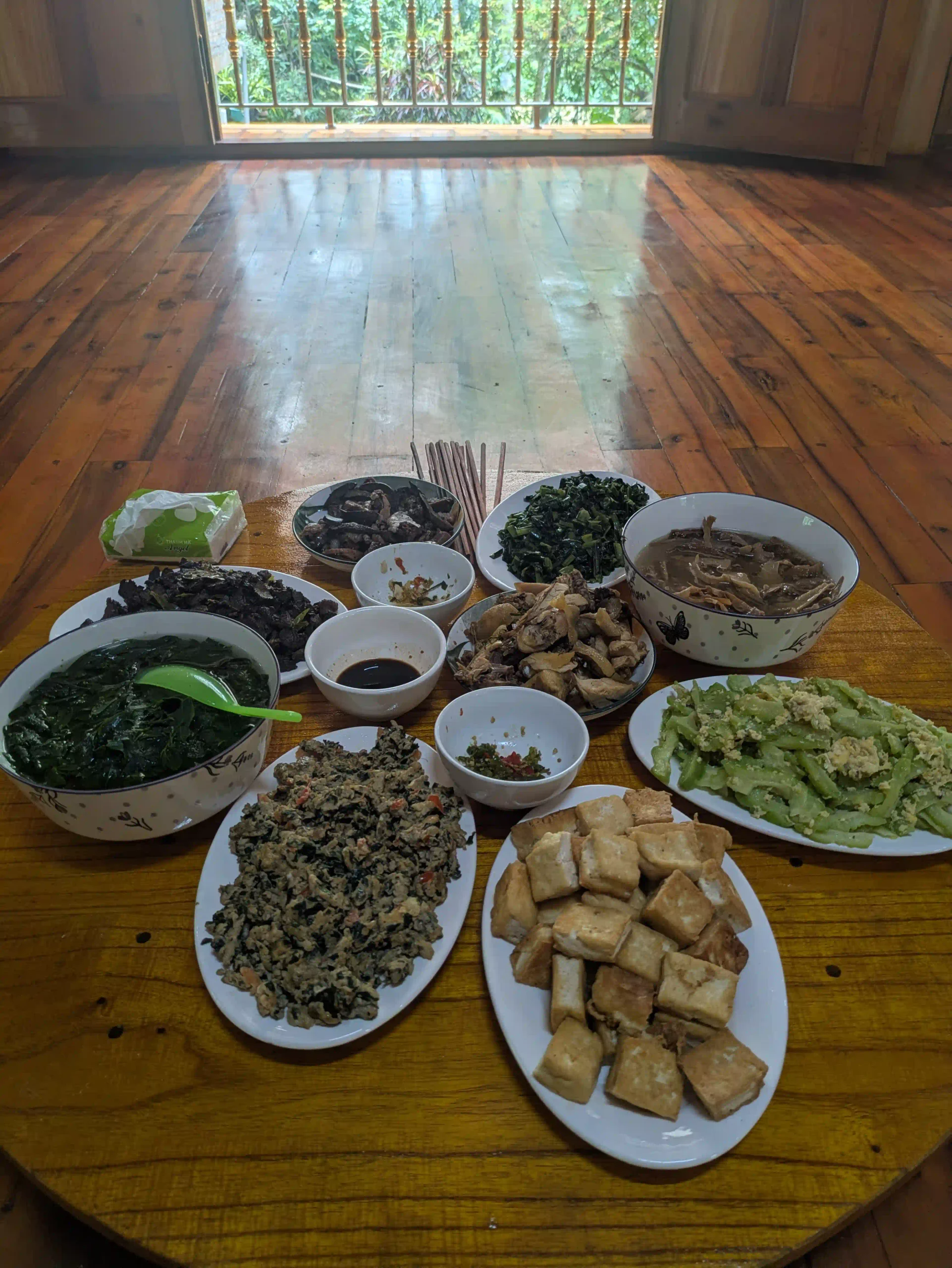
The better reason is that a guide gets you fed in people’s houses at lunchtime, which is most of what makes the walking here worth it. Without one you carry biscuits and eat them on a bund.
Budget 300,000 to 500,000 VND a day for a village guide arranged through your homestay, which is how I do it and what I’d tell most people to do.
An English-speaking guide booked out of Hanoi is closer to 700,000 to 1,000,000 a day. The village guide’s English is usually thin and it has never mattered much on a trail where the conversation is mostly pointing.
Ask the day before, not the morning of. These are farmers with a side income, and harvest week is the one time they’re all busy.
Hoang Su Phi Homestays and Lodges I’d Book
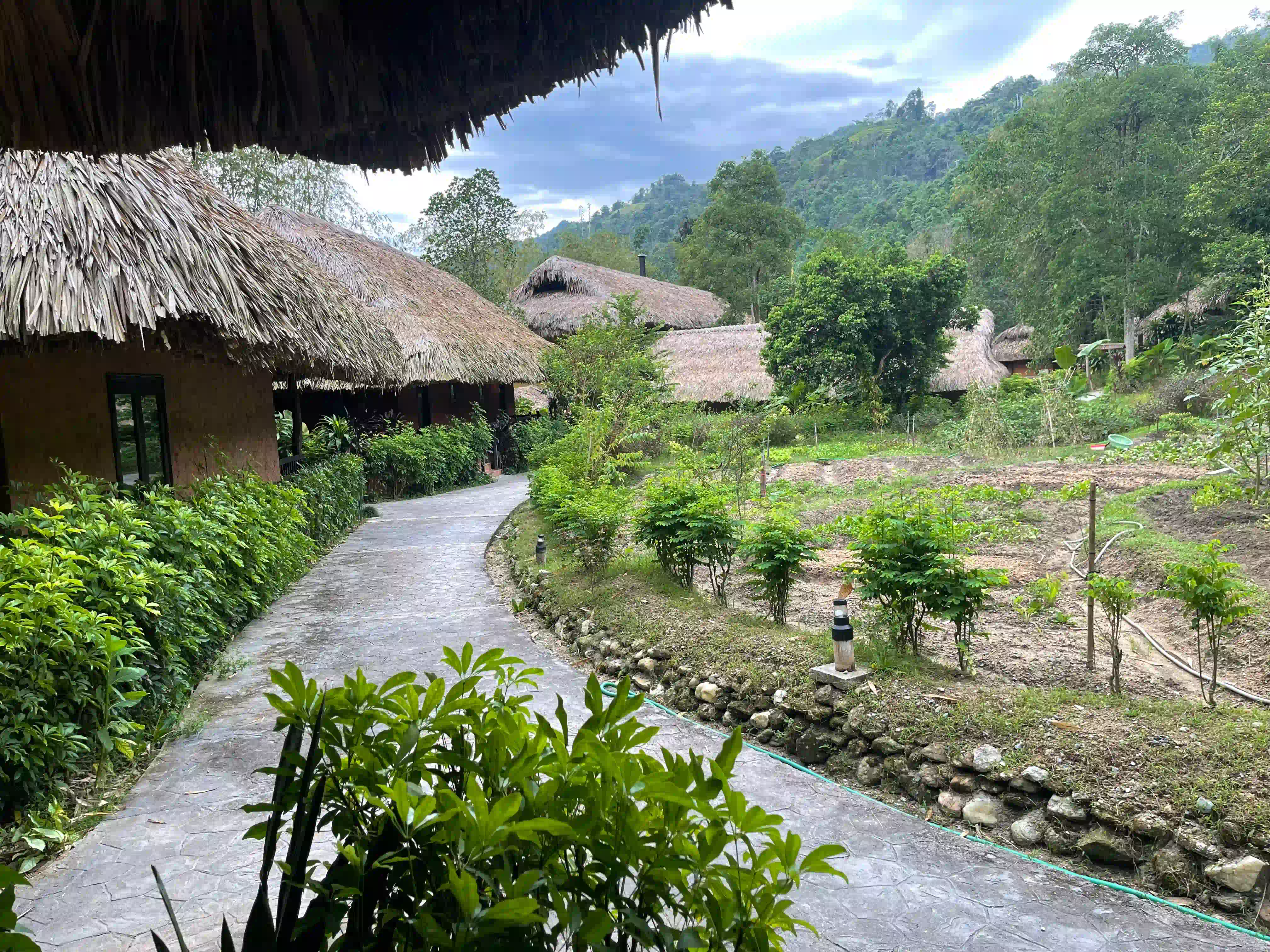
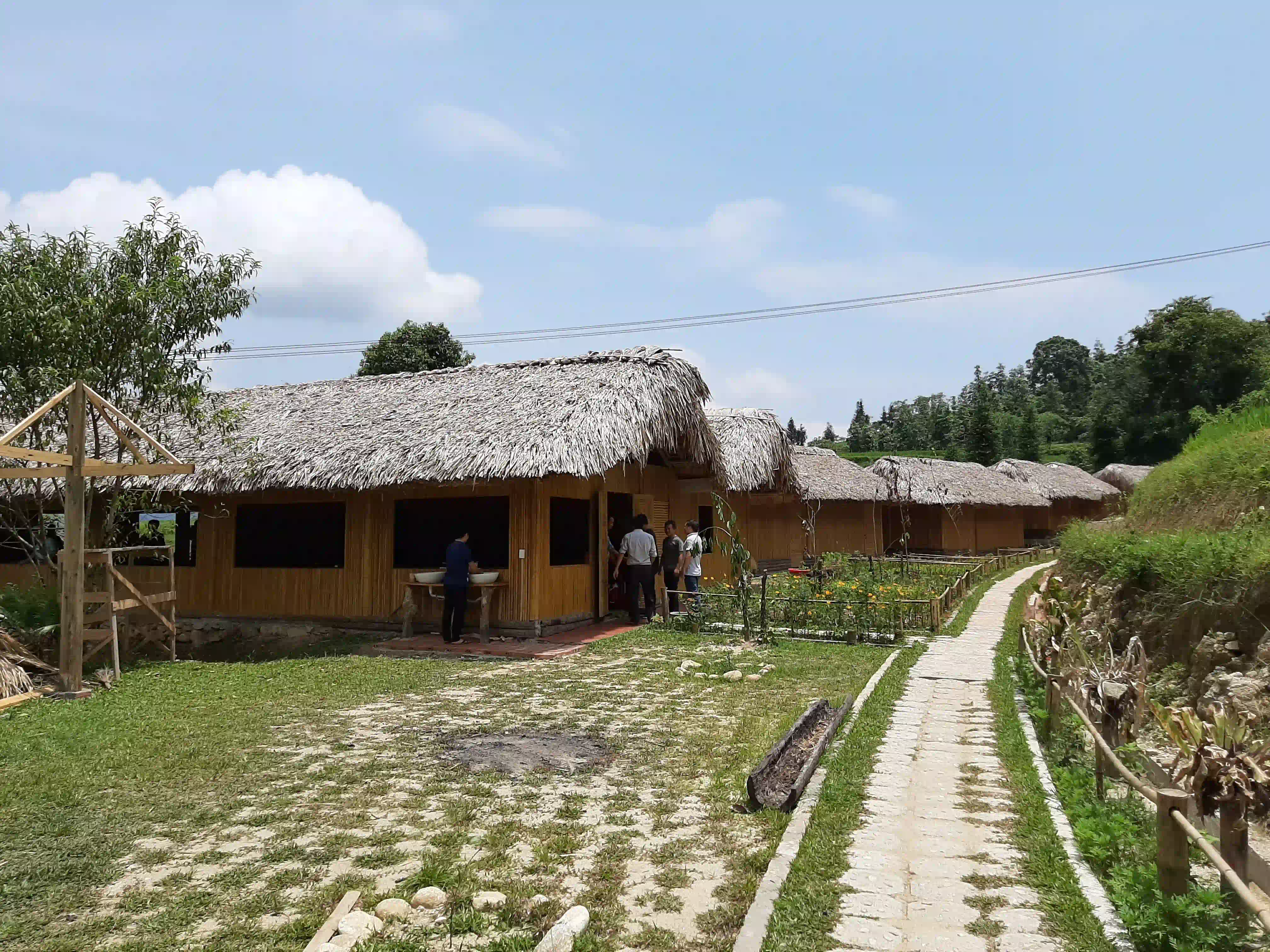
Three places take most of the foreign bookings and they’re within a few kilometres of each other.
Panhou Retreat
Lang Giang, Thong Nguyen. Bungalows in a garden, hot springs, a pool over the valley, set menus at dinner and guided walks straight from the property. It’s the comfortable end and the easiest place to have everything arranged for you.
Hoang Su Phi Bungalow
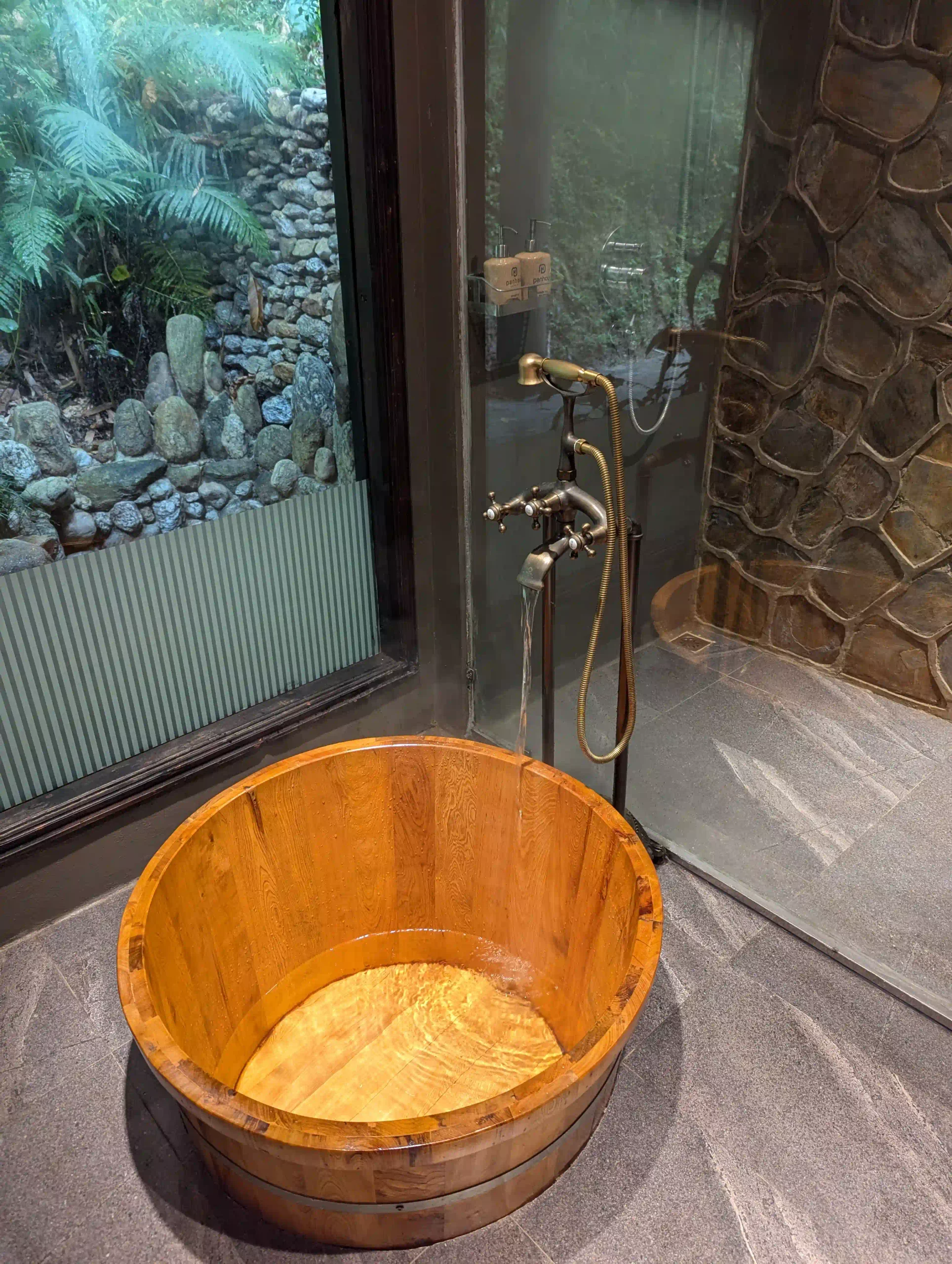
Nam Hong, family-run, a fraction of the size. They’ll heat a Red Dao herbal bath for you if you ask in the morning, and after 20km that bath is the best thing you’ll pay for all week.
Bring a warm layer for the night. The rooms are wooden and the valley gets cold.
Hoang Su Phi Lodge
Nam Hong, from about 1,350,000 VND. This is the name that comes up first everywhere, which for a lodge at that price tells you something. Read the recent one and two-star write-ups before you commit. I’d put the money into Panhou or a third of it into a village homestay.
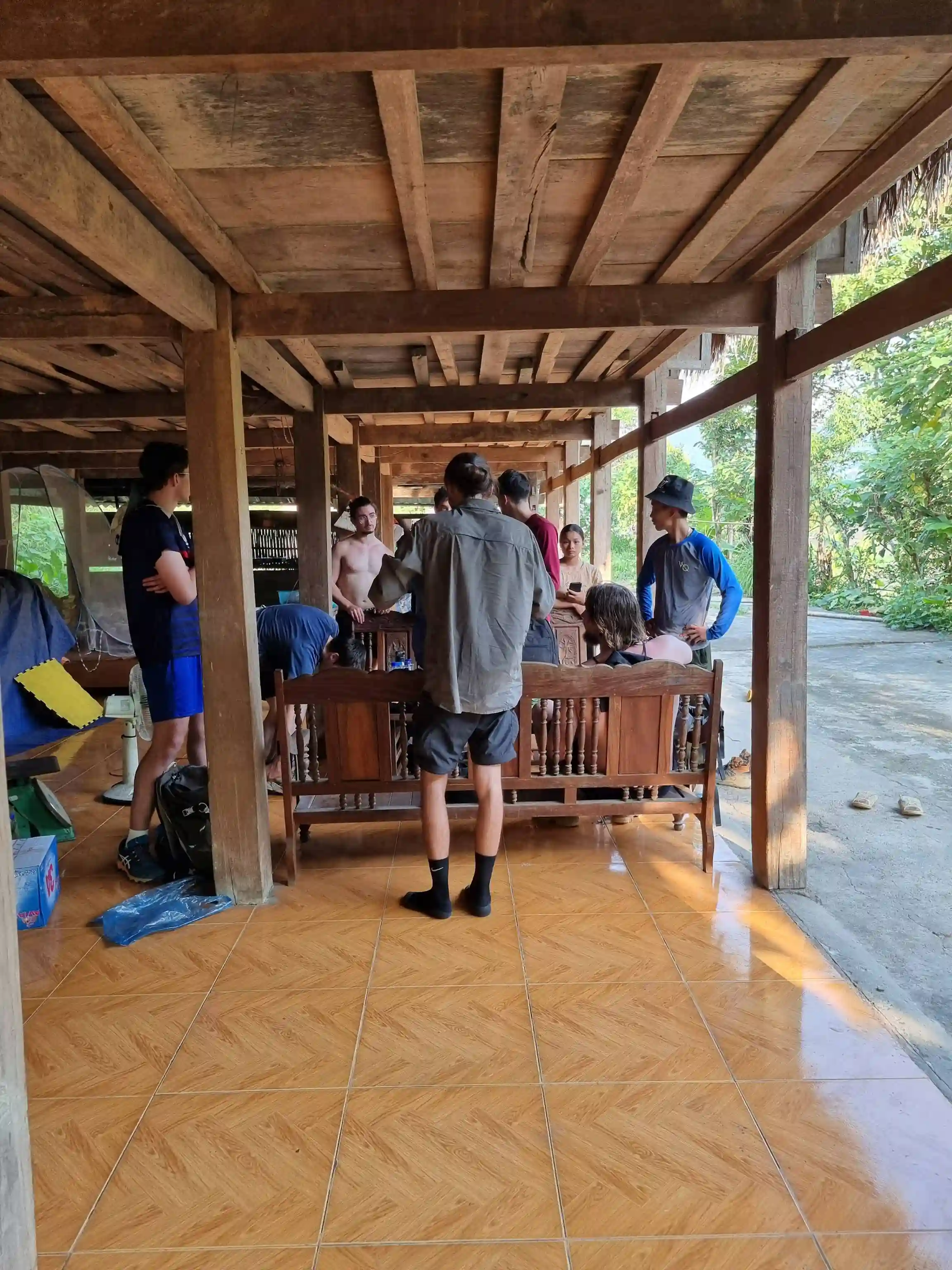
Speaking of which, the village homestays at Nam Hong, Nam Khoa, Ho Thau and Phin Ho are 200,000 to 400,000 VND with dinner and breakfast, a mattress on a wooden floor under a mosquito net, and they’re the reason to come here at all when Sapa is easier to reach.
Chieu Lau Thi Is a Separate Trip
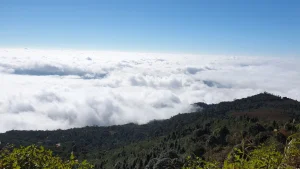
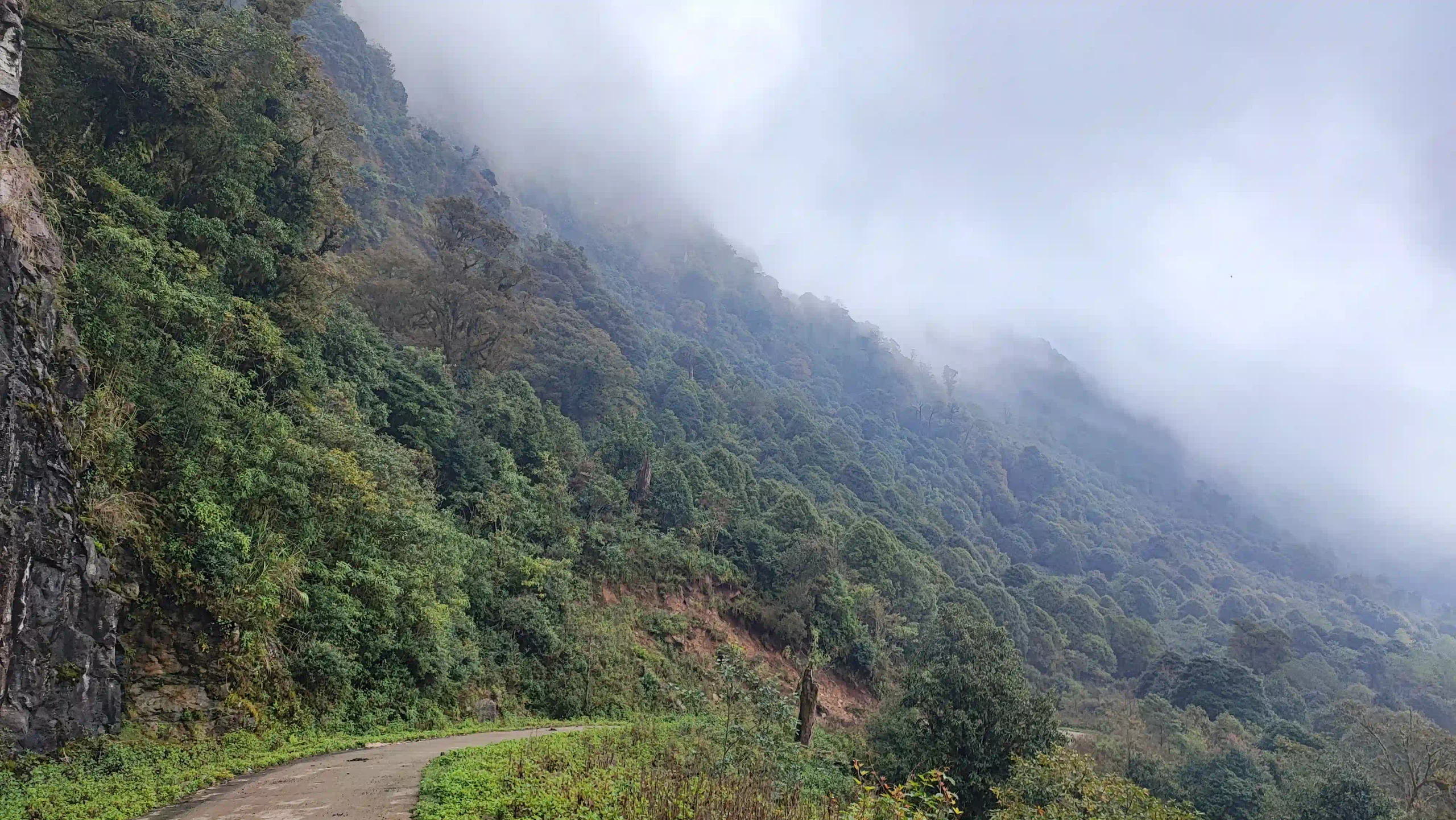
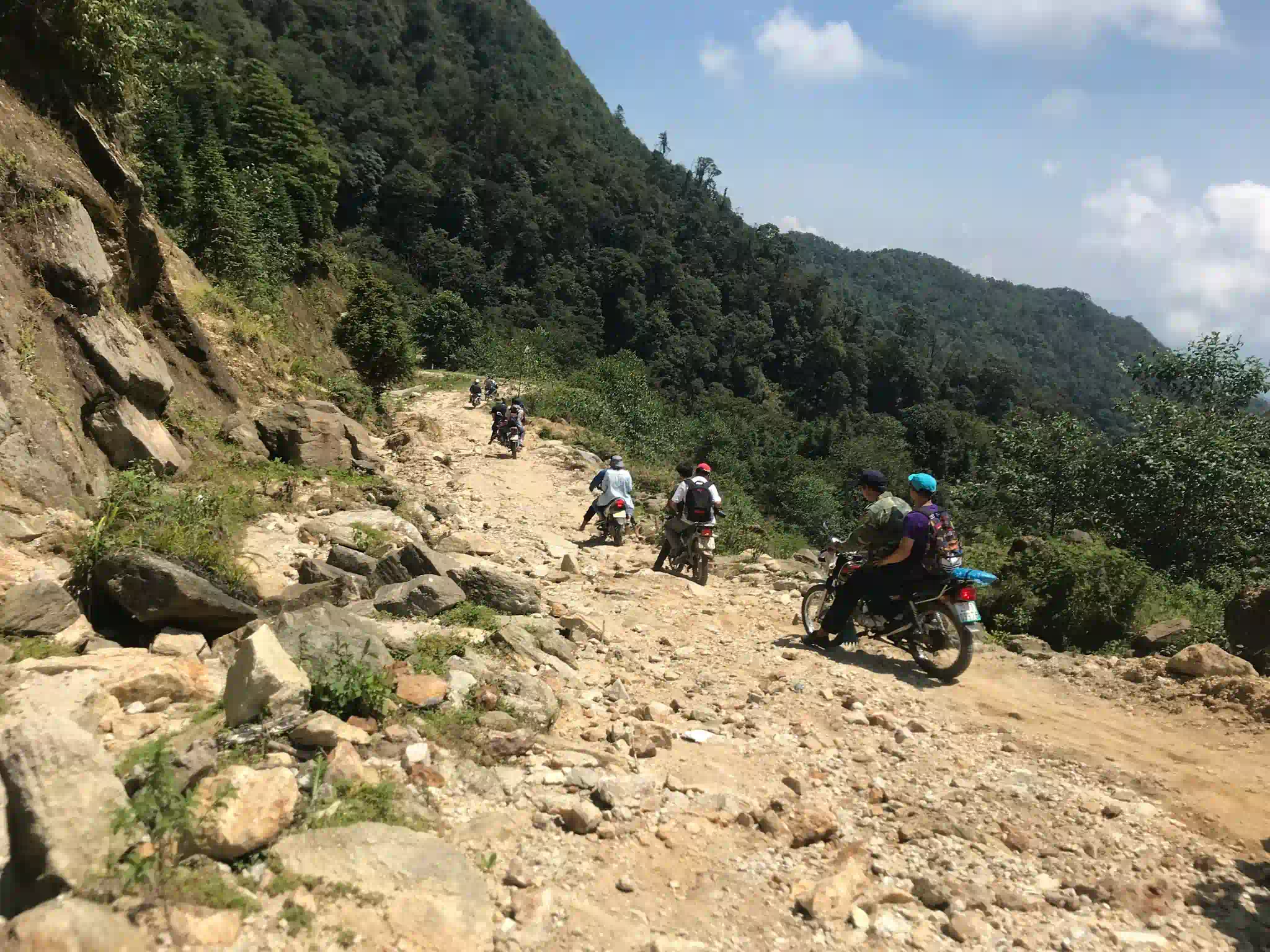
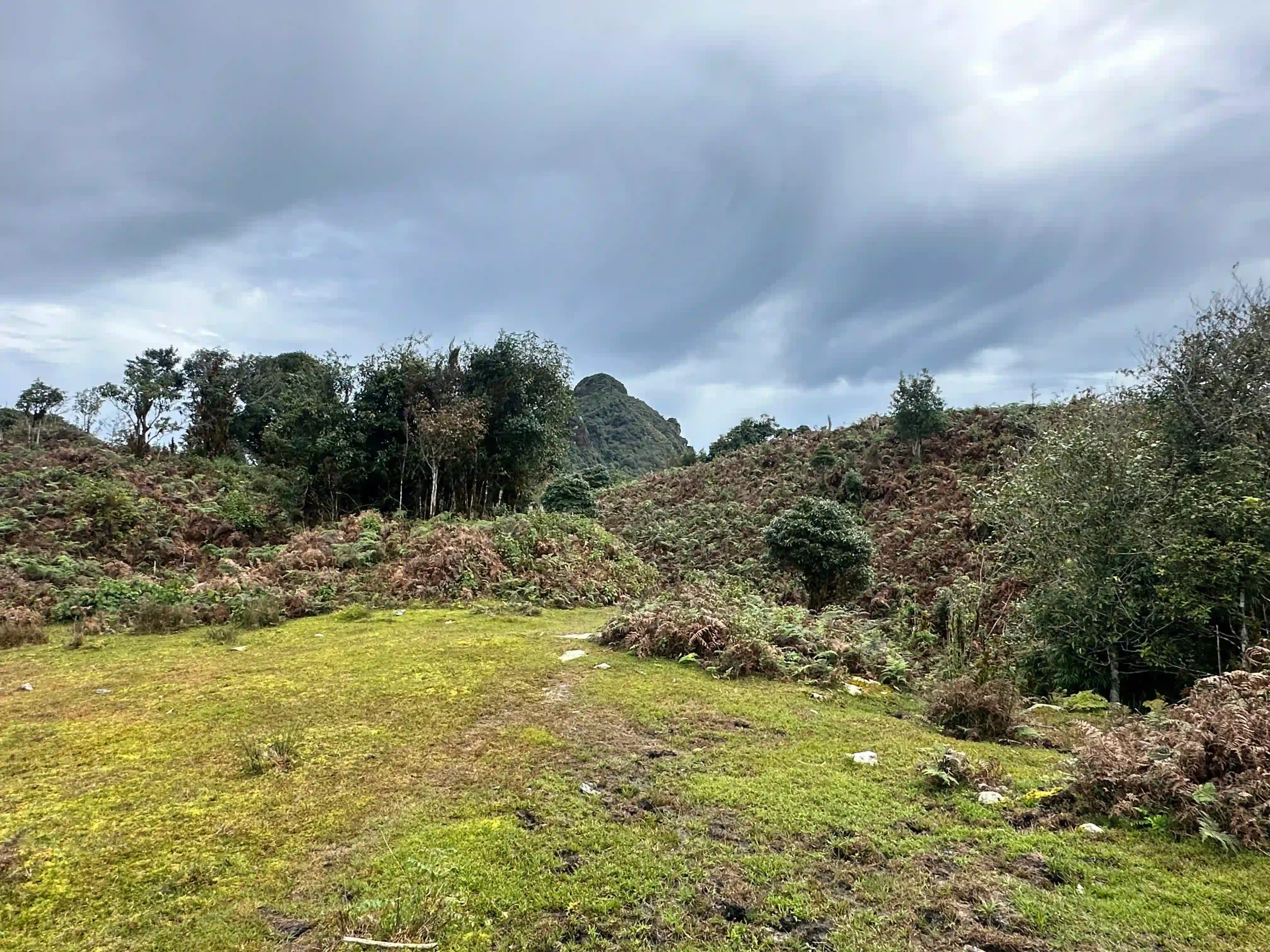
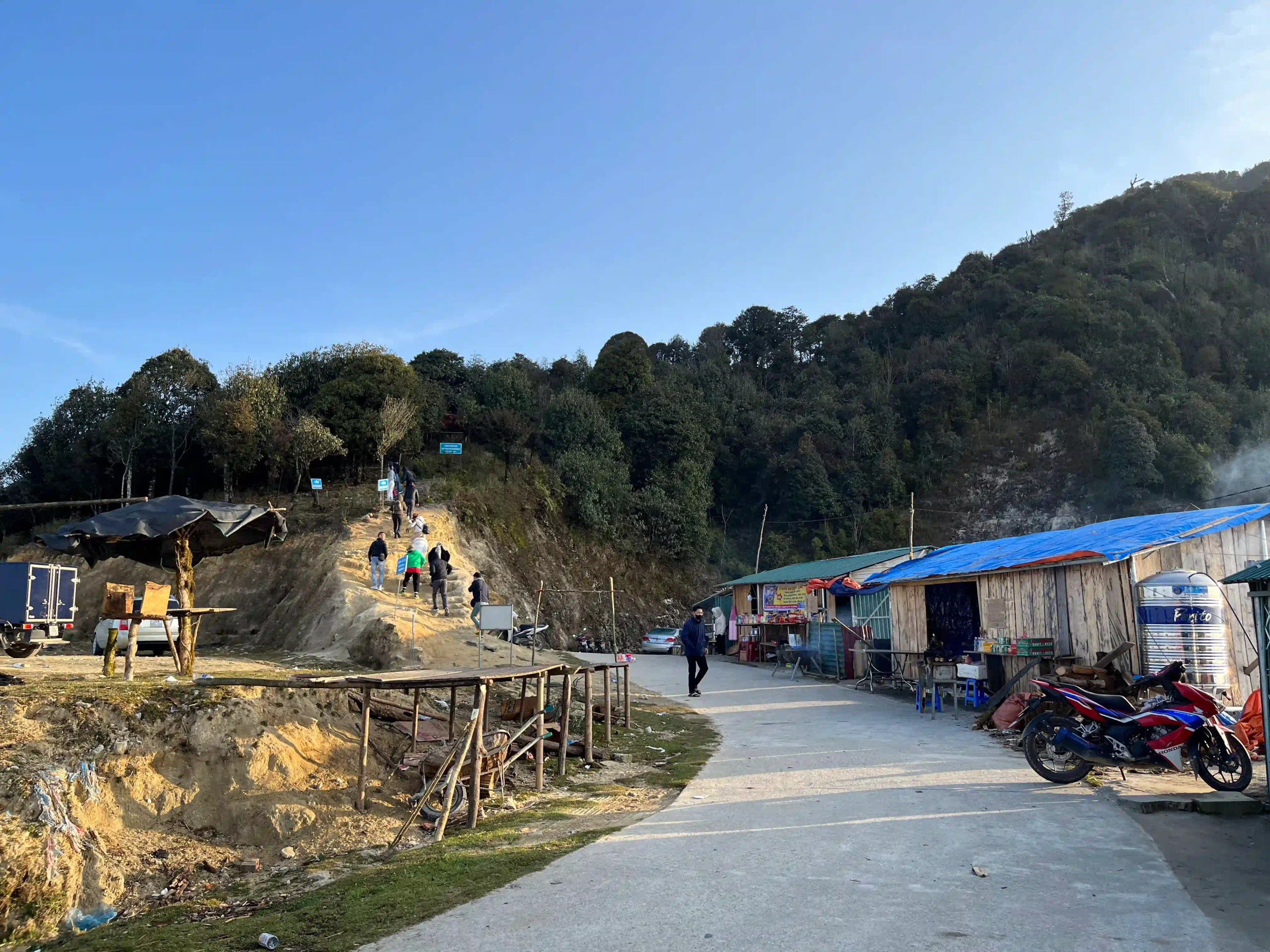
Chieu Lau Thi, 2,402m, in Ho Thau, is a sunrise mountain and not part of a village trek.
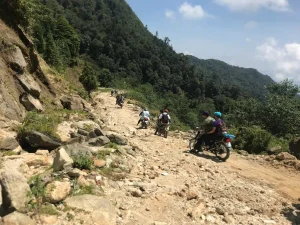
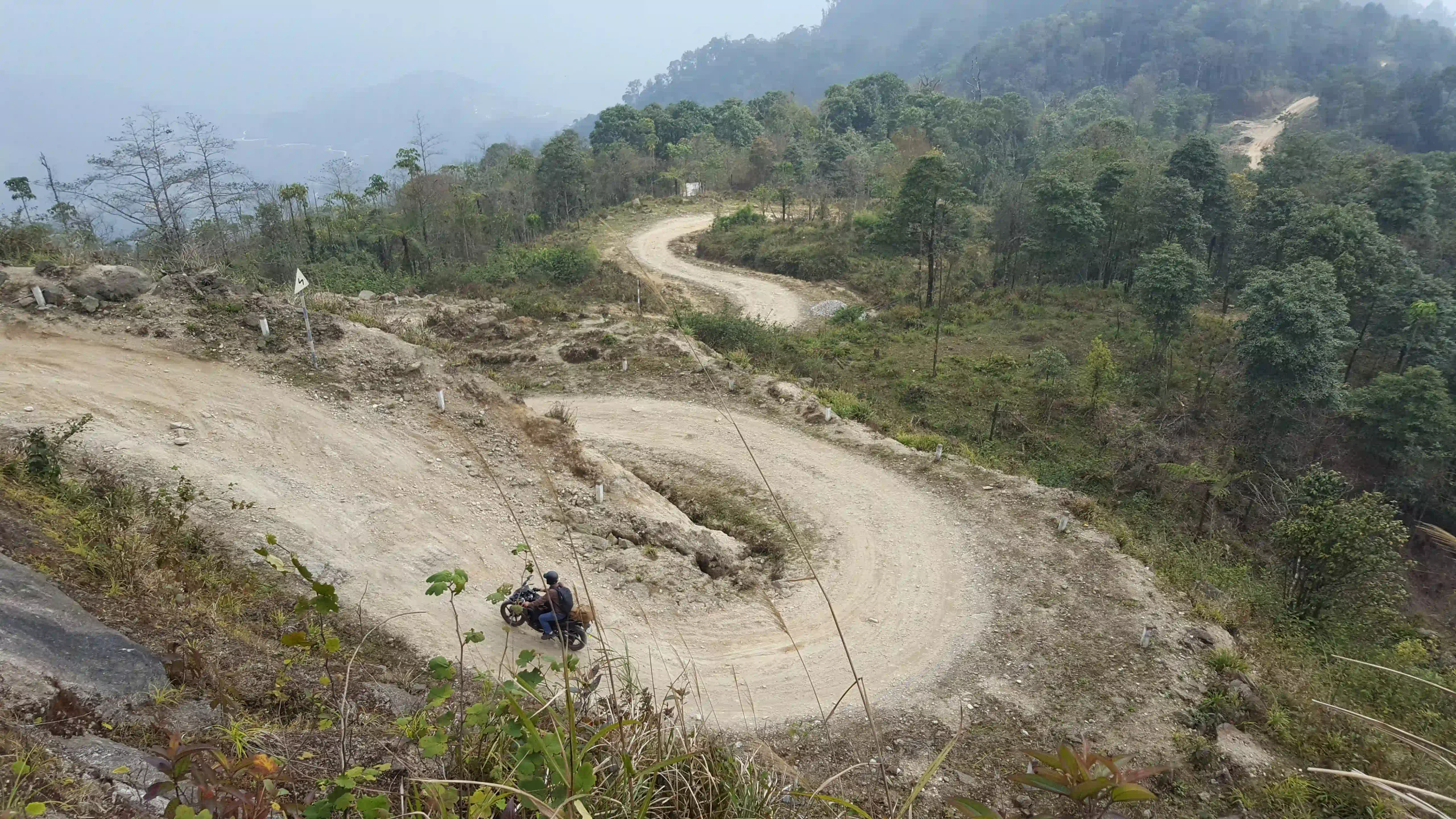
The 12km road up from Ho Thau is rough with landslide damage on the last stretch, so it isn’t a ride I’d do two-up on a loaded bike, and from the parking area it’s about an hour on a stepped path to the top.
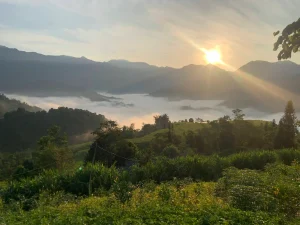
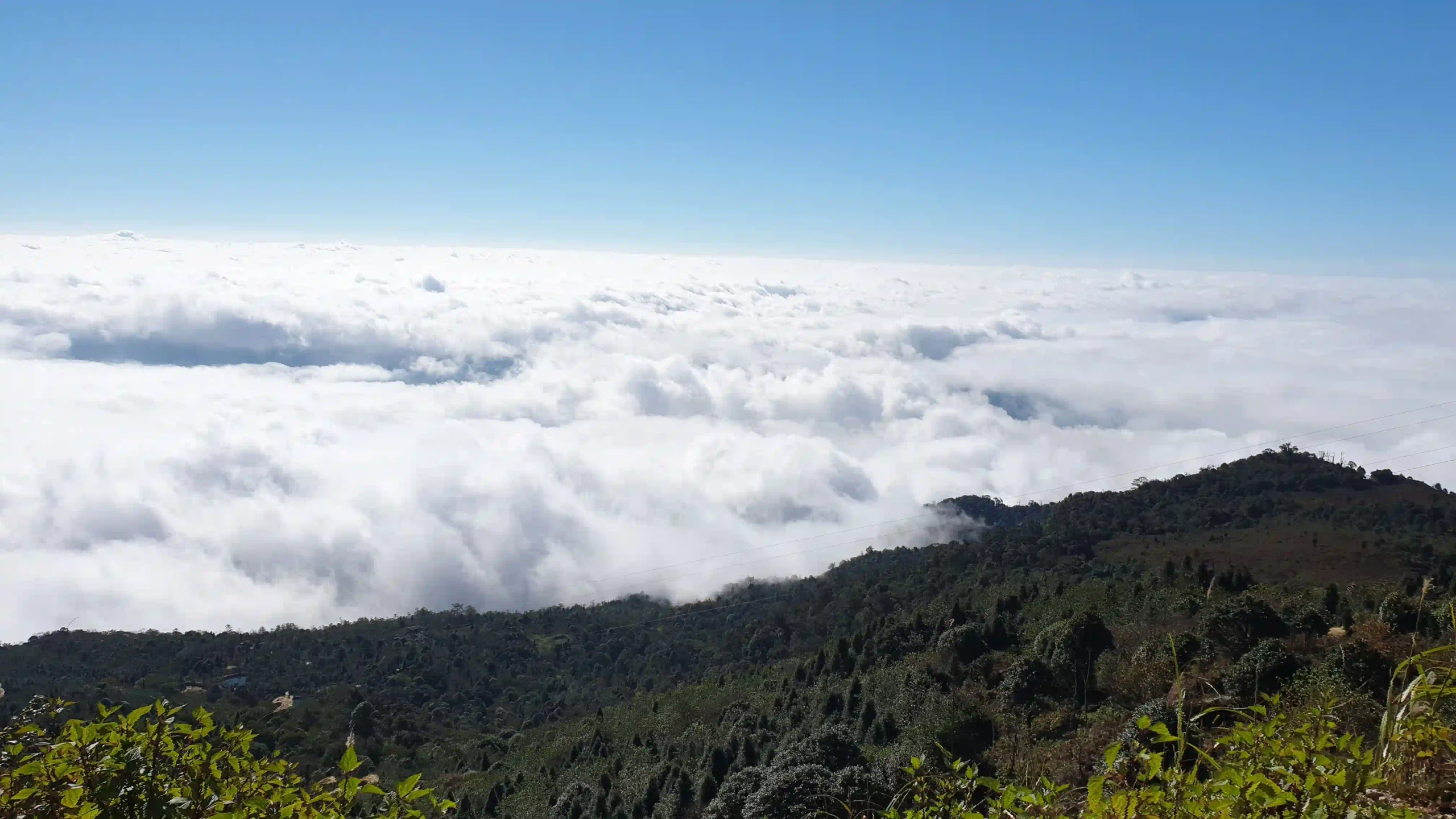
People go for the cloud sea at dawn, which means sleeping in Ho Thau the night before. It’s 4.7 on Google from over 700 ratings and i really think it earns that.
Don’t try to fit it into a two-day walking trip. Either build a day around it or leave it for next time.
What a Three-Day Hoang Su Phi Trek Costs
| Item | Price |
|---|---|
| Hanoi to Tan Quang, sleeper bus | 250,000 to 400,000 VND |
| Pickup at the Tan Quang junction | 300,000 to 500,000 VND per car |
| Village homestay, dinner and breakfast | 200,000 to 400,000 VND |
| Panhou or a bungalow | 1,000,000 VND and up |
| Local guide per day | 300,000 to 500,000 VND |
| Lunch in a house on the trail | 100,000 to 150,000 VND |
Call it 2,500,000 to 3,500,000 VND for three days done independently. Bring all of it in cash. The nearest ATM is in Vinh Quang town and there’s nothing in the villages.
Hoang Su Phi Trekking Tour or Doing It Yourself
I arrange my own guide through the homestay, which takes a couple of messages and saves a fair bit of money.
Book a package if you’ve got one shot at rice season and no Vietnamese number yet, because the two things that actually go wrong are missing the Tan Quang stop and arriving on a harvest weekend with nowhere booked.
The 3-day trip from Hanoi with a village stay covers the Thong Nguyen villages, the guide and the transfers, which is the shape most people want.
If you’re riding the loop afterwards, my Ha Giang Loop motorcycle tour review covers how those operators work and which ones will hold your big bag while you walk.
Hoang Su Phi Trek FAQ
Is Hoang Su Phi trekking hard? Moderate. Long days on uneven ground with a few hundred metres of climbing, and no altitude issues.
Can you do Ha Giang trekking without a guide? Around Nam Hong for a half day, yes. On the village-to-village routes you’ll lose the path.
When are the Hoang Su Phi rice terraces gold? Mid-September to mid-October. Last week of September is the safest booking.
Hoang Su Phi or Sapa? Hoang Su Phi for empty trails and homestays. Sapa if you want infrastructure, easy transport and a hotel with a lift.
Is it good for families? Yes from about ten years old, on the Ban Luoc route and with short days.
The Hoang Su Phi Week I’d Book
Pick the dates first and let everything else follow: last week of September for the gold, late May for the water, mid-January if you’d rather have the trails than the rice.
Then message two homestays in Nam Hong, tell them your dates, ask for a guide for two days and a car at Tan Quang. That’s the booking. It takes ten minutes and you’re done.
The one thing I’d check for yourself is the harvest. It shifts a week either way with the weather and the homestays in the valley know before anybody publishes it, so ask them what the fields look like right now and move your dates to match. Guidebook dates, mine included, are an average of ten different years.












 Tiếng Việt
 한국어
한국어 中文 (中国)
 日本語
日本語 ไทย
ไทย Deutsch
 Español
 Destinations
 Instagram
 Facebook
 X (Twitter)
 Threads
 Tiktok