









 Ha Giang
 Hanoi
Hanoi Ho Chi Minh City
 Ha Long
 Sapa
Sapa Mekong Delta
 Da Nang
 Hue
Hue Hoi An
 Ninh Binh
 Da Lat
 Nha Trang
 Phan Thiet
 Phu Quoc
 Quang Binh
 Quy Nhon
 Vung Tau
 Thai Nguyen


Stop relying on hotel booking platforms to understand the city. The real problem with deciding where to stay in Da Nang isn’t finding a decent bed. It’s the fact that the online map completely hides the actual vibe of the streets.
A beachfront apartment looks like a genius move online until you wake up at 6:00 AM because a construction crew is driving steel beams into the ground ten feet from your balcony.
That dirt-cheap authentic homestay on the west side seems like a massive financial win, right up until you are sweating in a taxi during afternoon rush hour just trying to reach the ocean for a quick swim.
Da Nang essentially operates as three completely separate cities awkwardly forced into one area code. You have the heavily commercialized tourist beach bubble. You have the hyper-dense, extremely loud local downtown center. And you have the dead-quiet concrete highway zones way down south where the luxury mega-resorts sit behind massive security walls.
I’m going to tear apart the neighborhoods right now. I won’t just list a bunch of five-star hotels that sponsored me. I will explain the dirt, the noise levels, the food access, and the specific weird quirks of each area so you know what you are actually buying into.
- Quick Answer: Deciding where to stay in Da Nang comes down to the Han River. Base yourself on the east side in the An Thuong area for instant beach access and English-friendly cafes. Stay on the west side in the Hai Chau district if your priority is cheap, authentic street food. Avoid the deep south resort zones unless you are totally fine with paying daily taxi fares to escape your hotel.
- The Ultimate Geography Rule: The Han River splits everything. The east is built for beach-goers and tourists. The west is where actual city life and traditional commerce happen.
- The Tourist Bubble (An Thuong & My Khe):
- Why stay here: Less than five minutes to the ocean. You can survive easily without speaking Vietnamese. Cheap short-term hotel rates due to massive supply.
- The harsh reality: Heavy gentrification. You will pay double for watered-down street food, and face relentless construction noise from new hotels going up next door starting at 6:00 AM.
- The Real City Center (Hai Chau District):
- Why stay here: It holds the best local street food near Con Market and cool riverfront cafe culture on Bach Dang street. Your food budget goes way further.
- The harsh reality: Intense local motorbike traffic and zero direct ocean access. Getting to the sand requires a 15-minute drive across a busy bridge.
- The Far North Beach (Pham Van Dong): Much wider streets and slightly cleaner beaches. Highly popular with giant Asian tour bus groups, making it feel somewhat commercial, but it’s a very solid cheap spot for long-term apartment rentals.
- The Deep South Resorts (Non Nuoc): Extremely luxurious with massive pools, perfect for stressed families. However, you are geographically trapped on a highway. You cannot walk anywhere for local meals.
- Apartment Warning for Longer Stays: Do not trust windowless “serviced apartments” because they become mold traps. Always clarify the exact electricity rate before you sign anything, as landlords routinely overcharge the meter rate for expats using AC all day.
The massive geographical barrier nobody mentions
Before we argue about specific streets, you need to understand the central conflict of living here.
Da Nang has a psychological dividing line, and that line is the Han River. You either sleep on the Beach Side (East), or you sleep on the City Side (West).
It sounds simple, but the two sides have entirely different personalities, pricing structures, and daily rhythms.
If you talk to an expat who lives near the beach, they will tell you they cross the river to go to the city center maybe twice a month. It just becomes this weird mental block. You get comfortable on your side, and going over the bridge feels like an actual road trip.
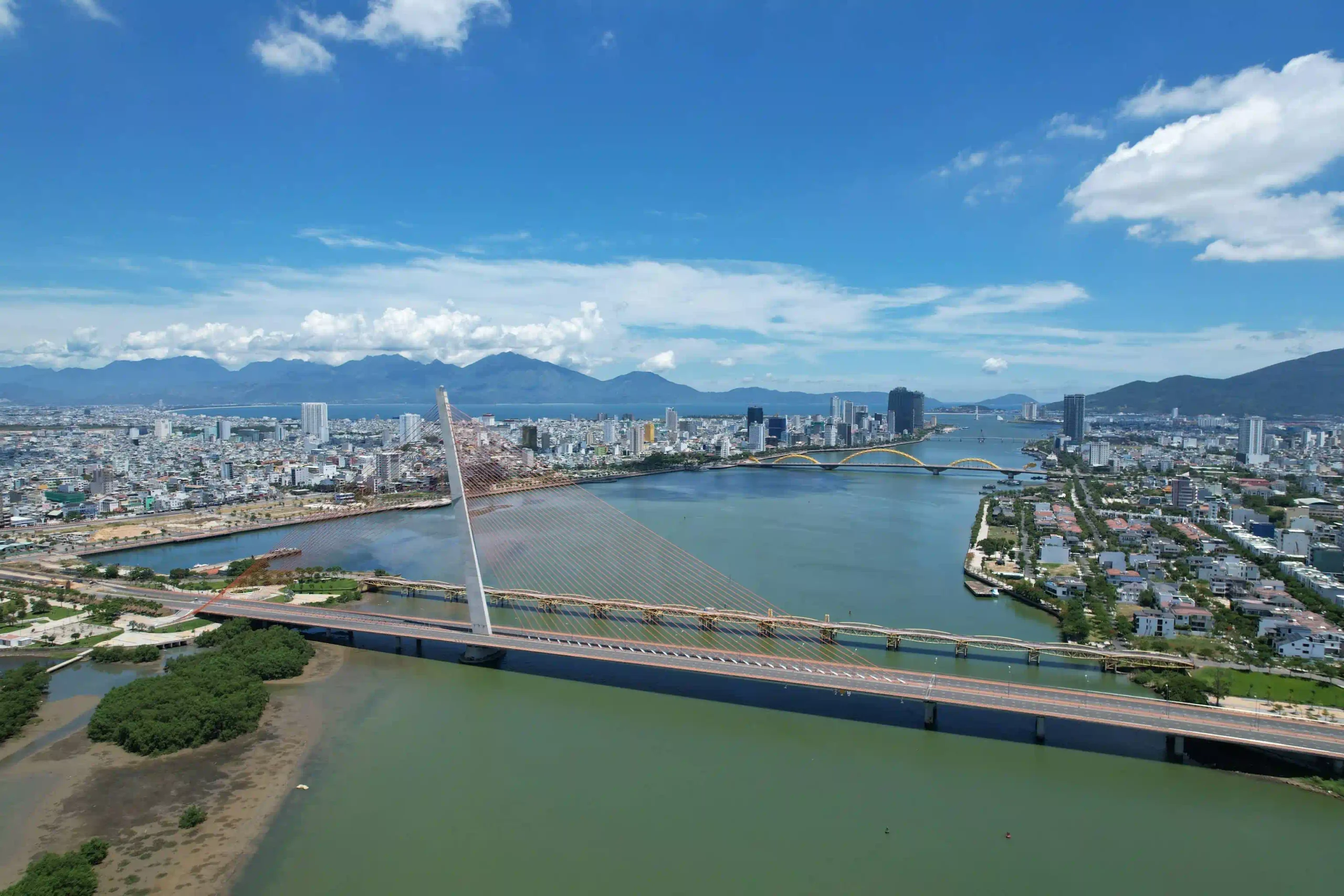
If your priority is waking up, throwing on flip-flops, and walking onto the sand to swim before it gets too hot, you cannot stay on the City Side. You will hate taking a taxi just to go to the beach.
Conversely, if your goal is eating 30-cent street food sitting on plastic stools among locals, you are going to struggle on the Beach Side because nearly everything over there is priced for foreigners and tourists.
So let’s break down the actual pockets of town.
The Expat and Tourist Bubble: An Thuong and My Khe
If you ask any travel forum where to stay in Da Nang, ninety percent of the people will scream “My Khe” or “An Thuong“. These are the grid-like neighborhoods located right across the street from the main strip of My Khe beach.
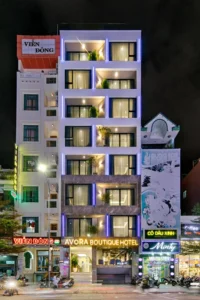
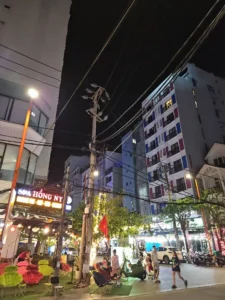
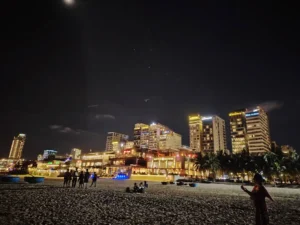
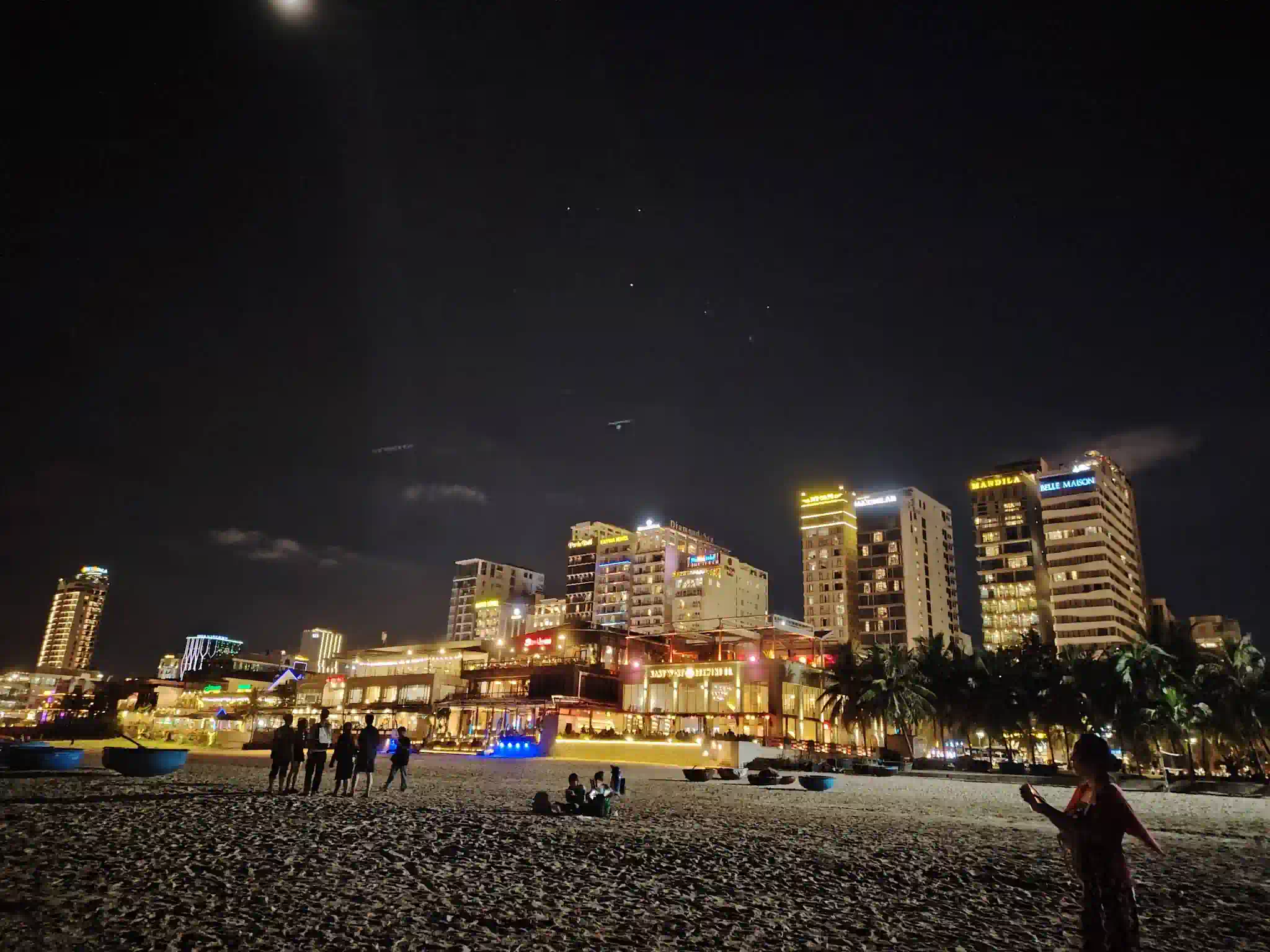
The An Thuong area is essentially a tiny, condensed bubble of Western comforts dumped into the middle of Southeast Asia. You will find craft beer bars, vegan smoothie cafes, Irish pubs, Mexican taco stands, and hundreds of hotels ranging from cheap backpacker hostels to premium mid-range high-rises.
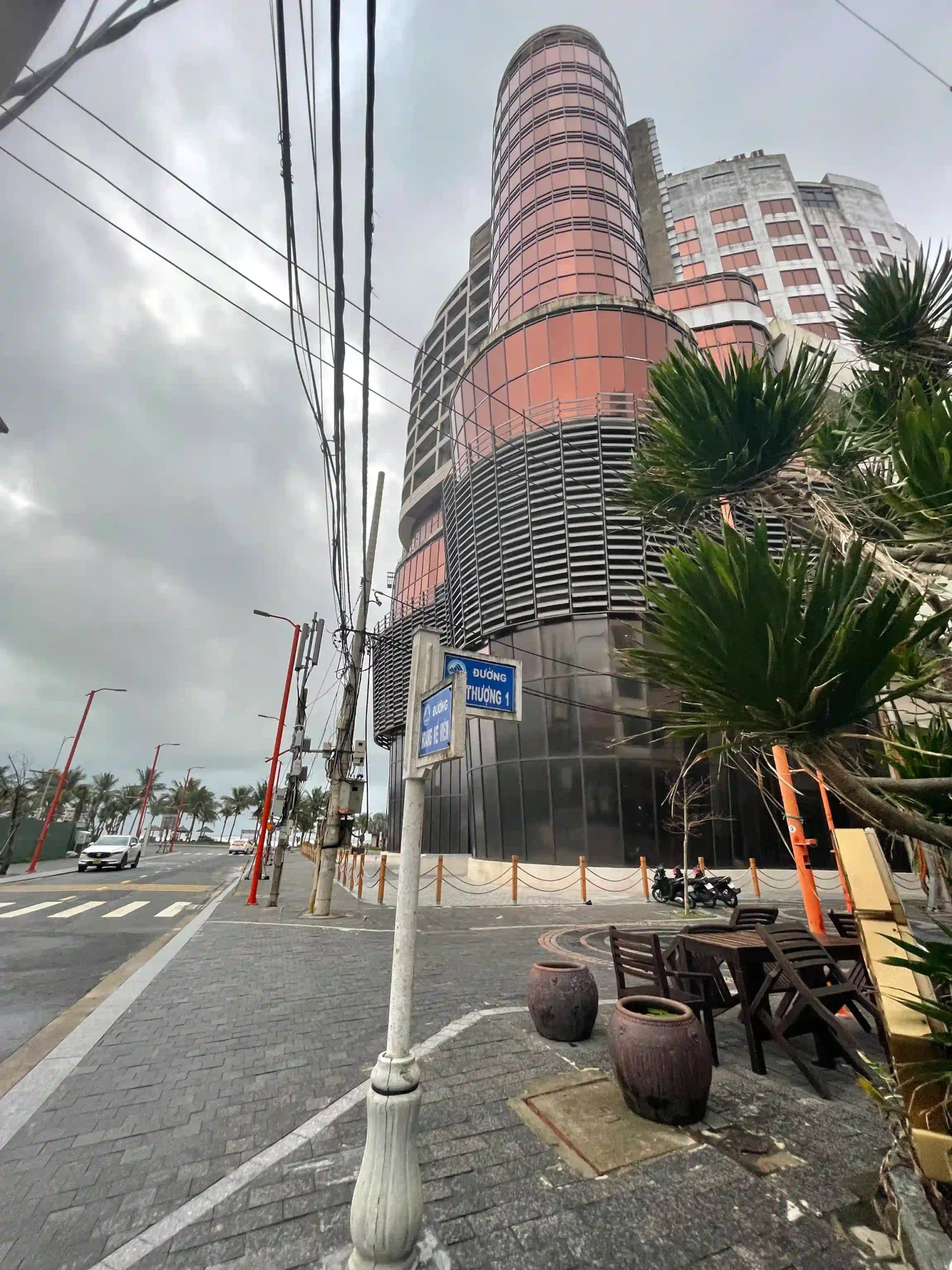
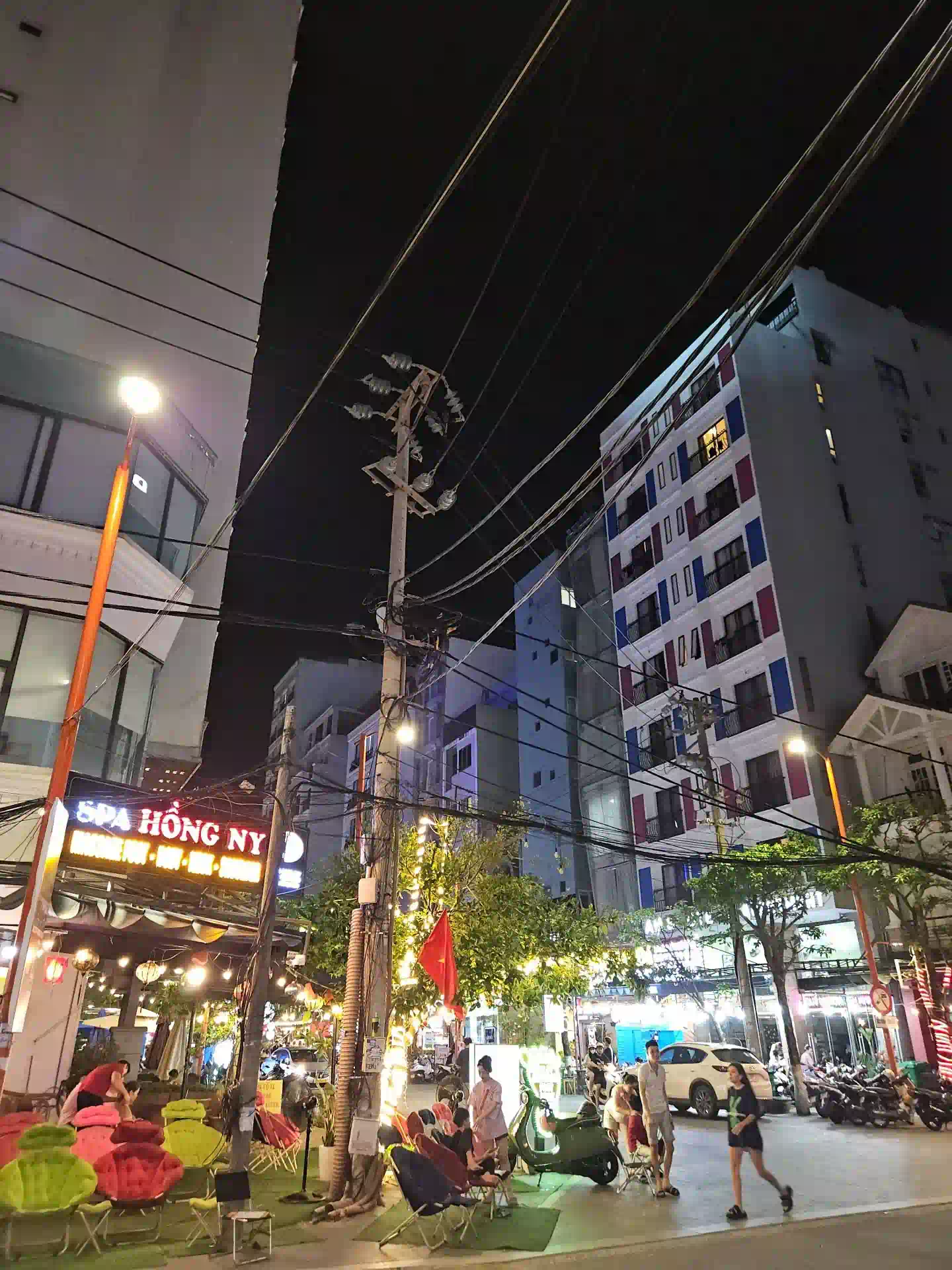
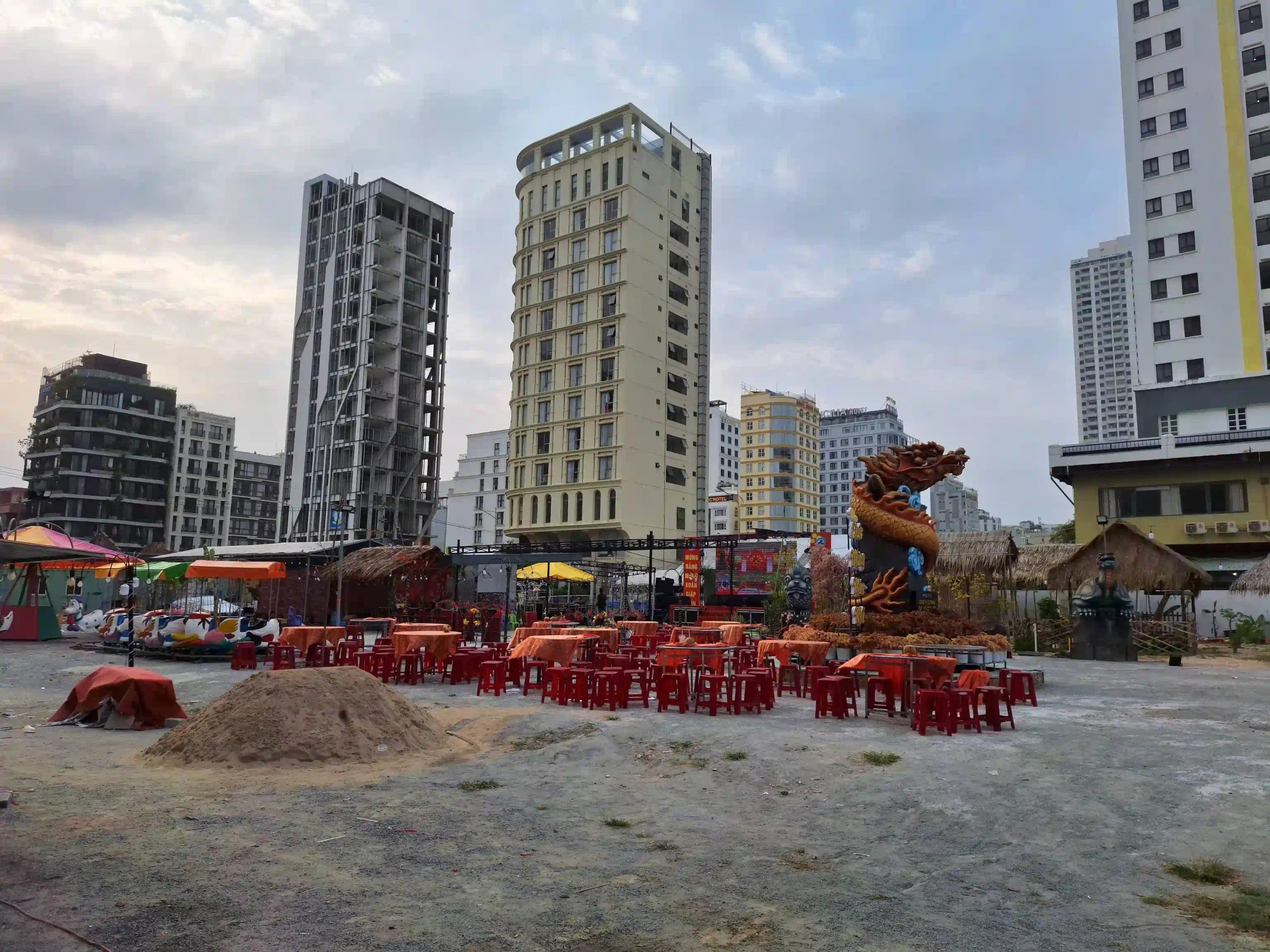
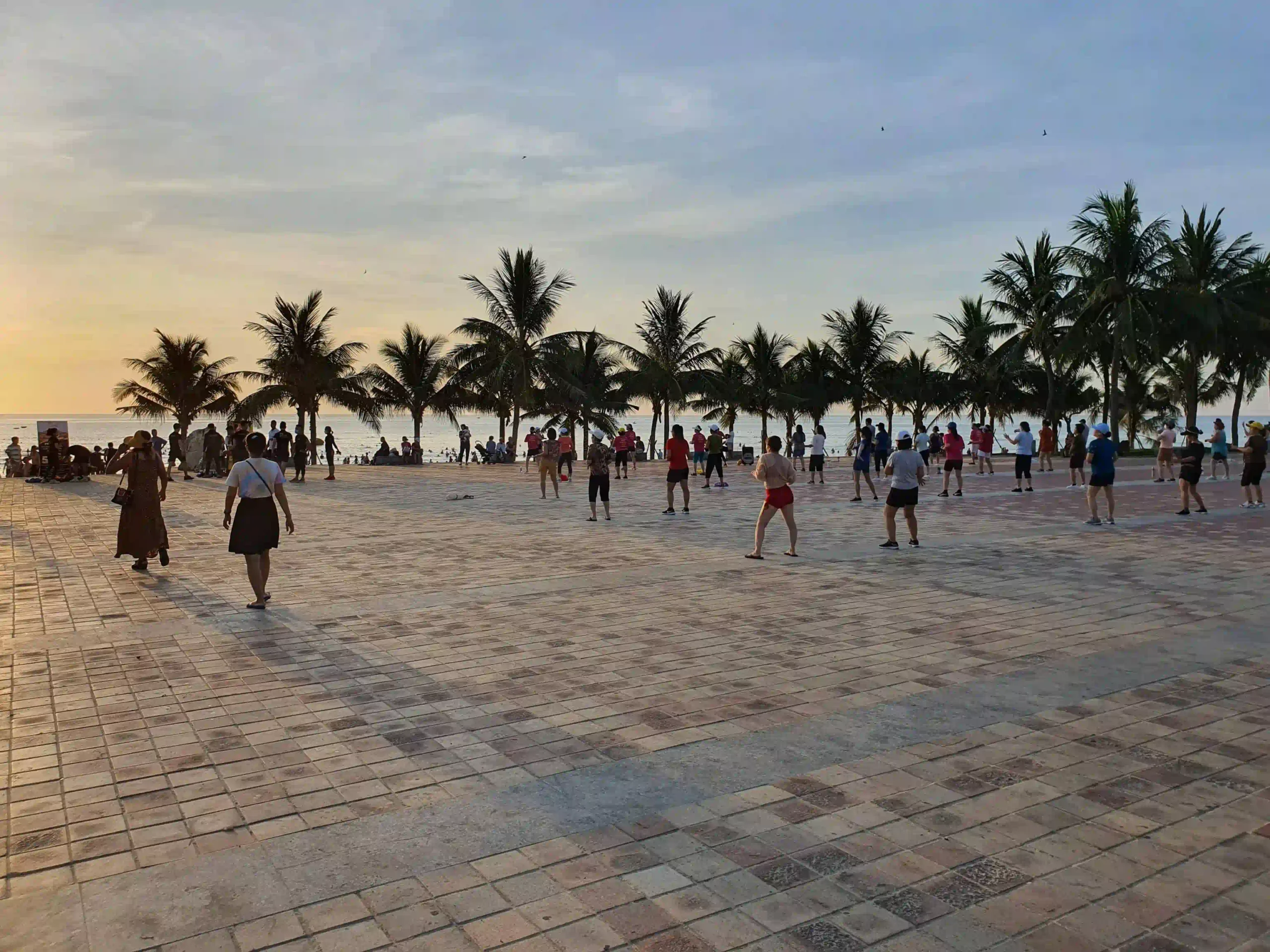
The advantages:
It is incredibly easy here. If you speak zero Vietnamese, you will survive completely fine in An Thuong. Every waiter speaks English. The menus have pictures and translations. You can walk to the sand in less than five minutes. If you want a perfectly made flat white coffee at 7:00 AM, this is where you go.
Because of the massive post-COVID building boom, the sheer number of hotel rooms here is staggering. That high supply keeps prices shockingly low.
As of 2026, you can rent a highly decent, air-conditioned hotel room with a balcony and decent WiFi on streets like Hoang Ke Viam or Le Quang Dao for around 450,000 to 700,000 VND ($18 to $30) a night.
The massive downsides:
You aren’t really in Vietnam anymore. An Thuong feels like a generic international beach town. The street food over here is almost entirely sterilized for western stomachs, and they charge double for it.
A bowl of beef noodles that costs 35,000 VND across the river will cost you 70,000 VND here, and the flavor will be completely watered down because the chefs think foreigners can’t handle fish sauce or chili.
The other giant issue is the noise. This entire neighborhood is one endless construction site. They tear down old villas and build fifteen-story hotels at warp speed. Construction crews in Vietnam start working when the sun comes up, usually around 6:00 AM. They do not care if you are sleeping.
If you book an Airbnb here without reading the recent reviews carefully, you might end up paying to sleep ten feet away from a pile driver hammering steel into the mud for eight hours a day.
If you are only staying in the city for three or four days and your main goal is to lay by the water, An Thuong works perfectly. But if you are staying longer and want any sort of culture, the bubble gets claustrophobic very fast.
The Real City: Hai Chau District (Specifically around Bach Dang)
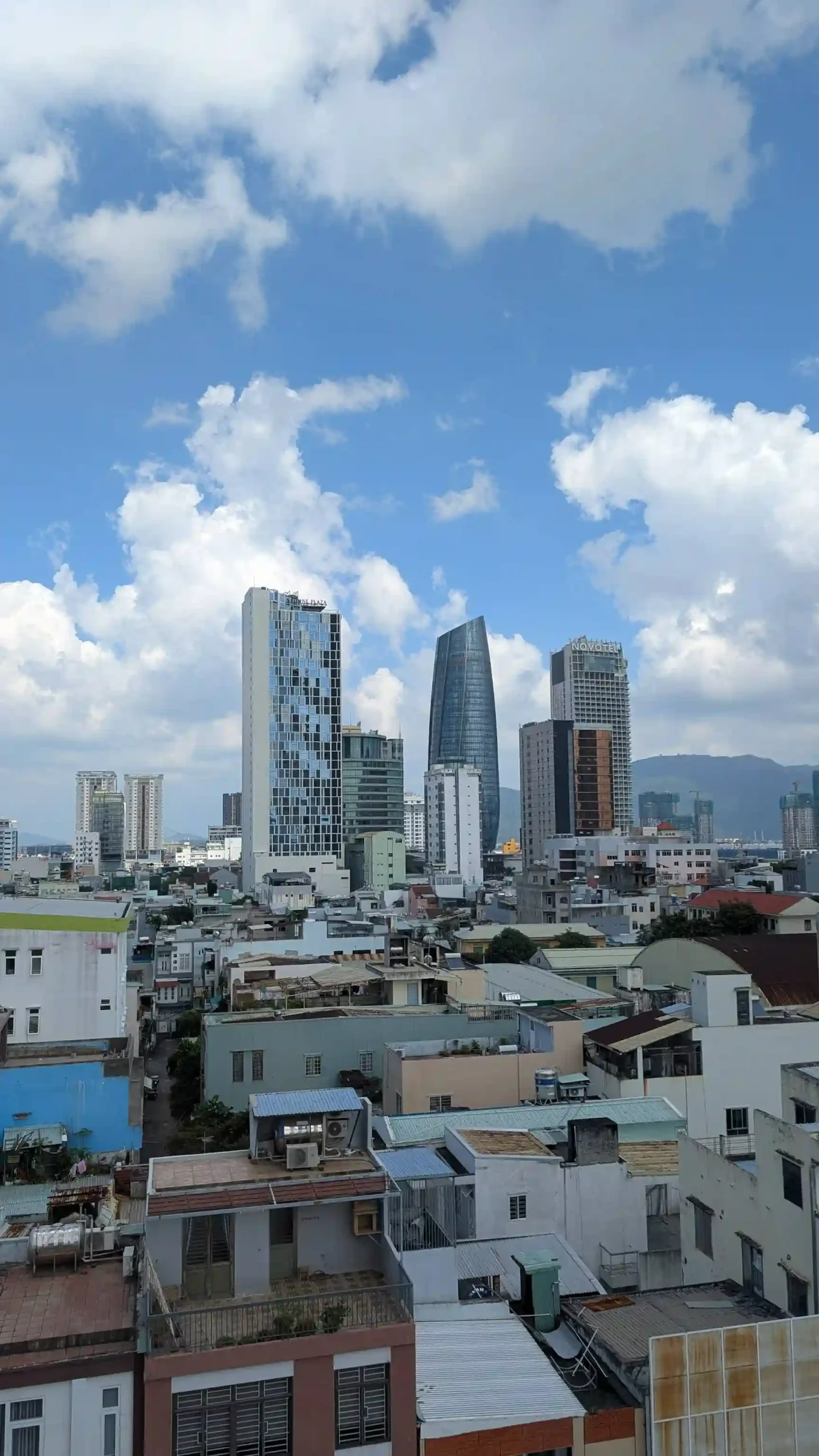
Cross the dragon bridge and enter the west side. This is Hai Chau district. This is where actual Da Nang happens. This is the financial core, the local administrative center, and the historical heart of the area.
If someone asks me for my personal recommendation on where to stay in Da Nang, assuming they aren’t desperate for a beach tan, I point them here. Specifically, look at the area bordered by the Han River to the east, Nguyen Van Linh street to the south, and Le Duan street to the north.
The advantages:
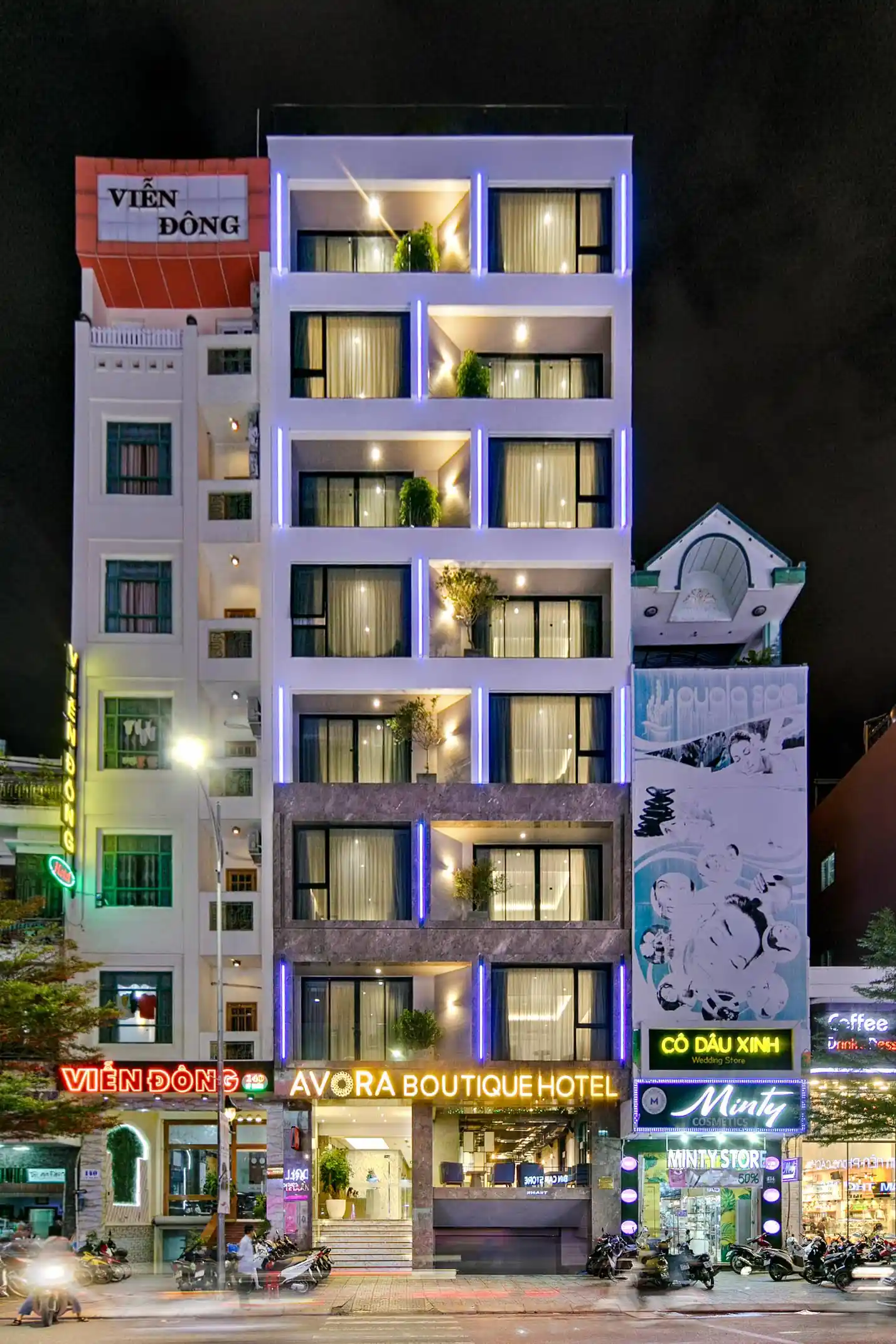
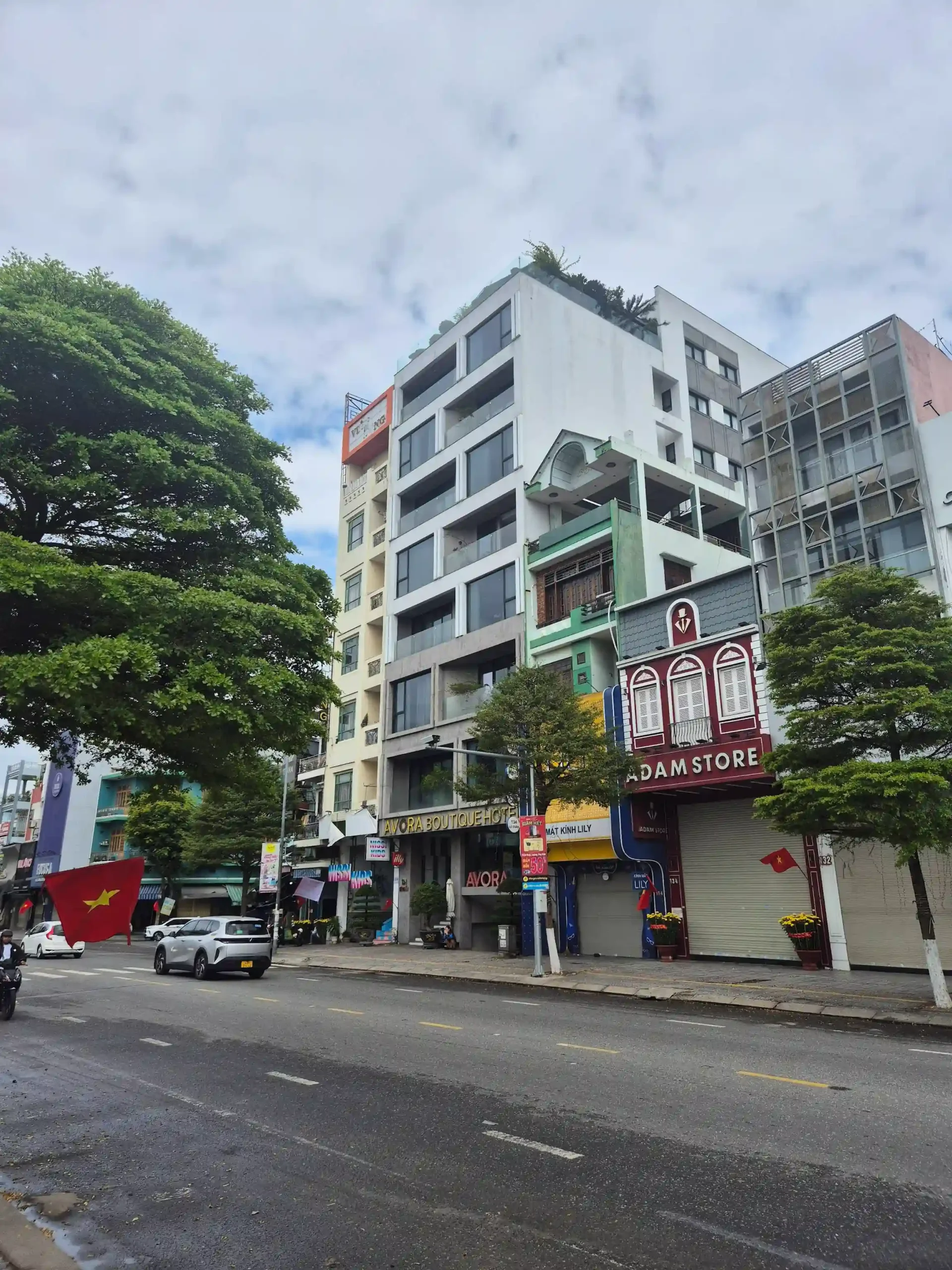
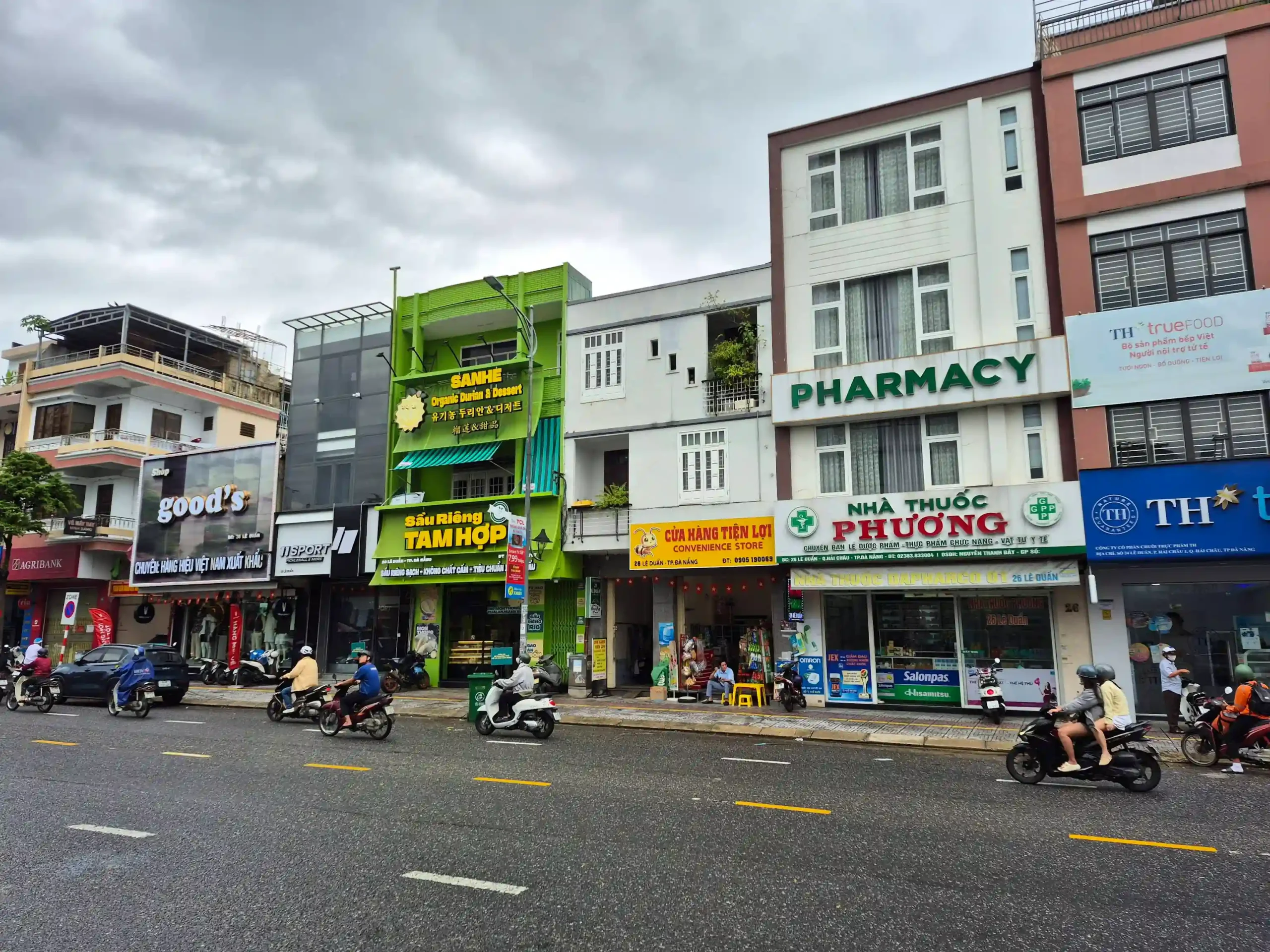
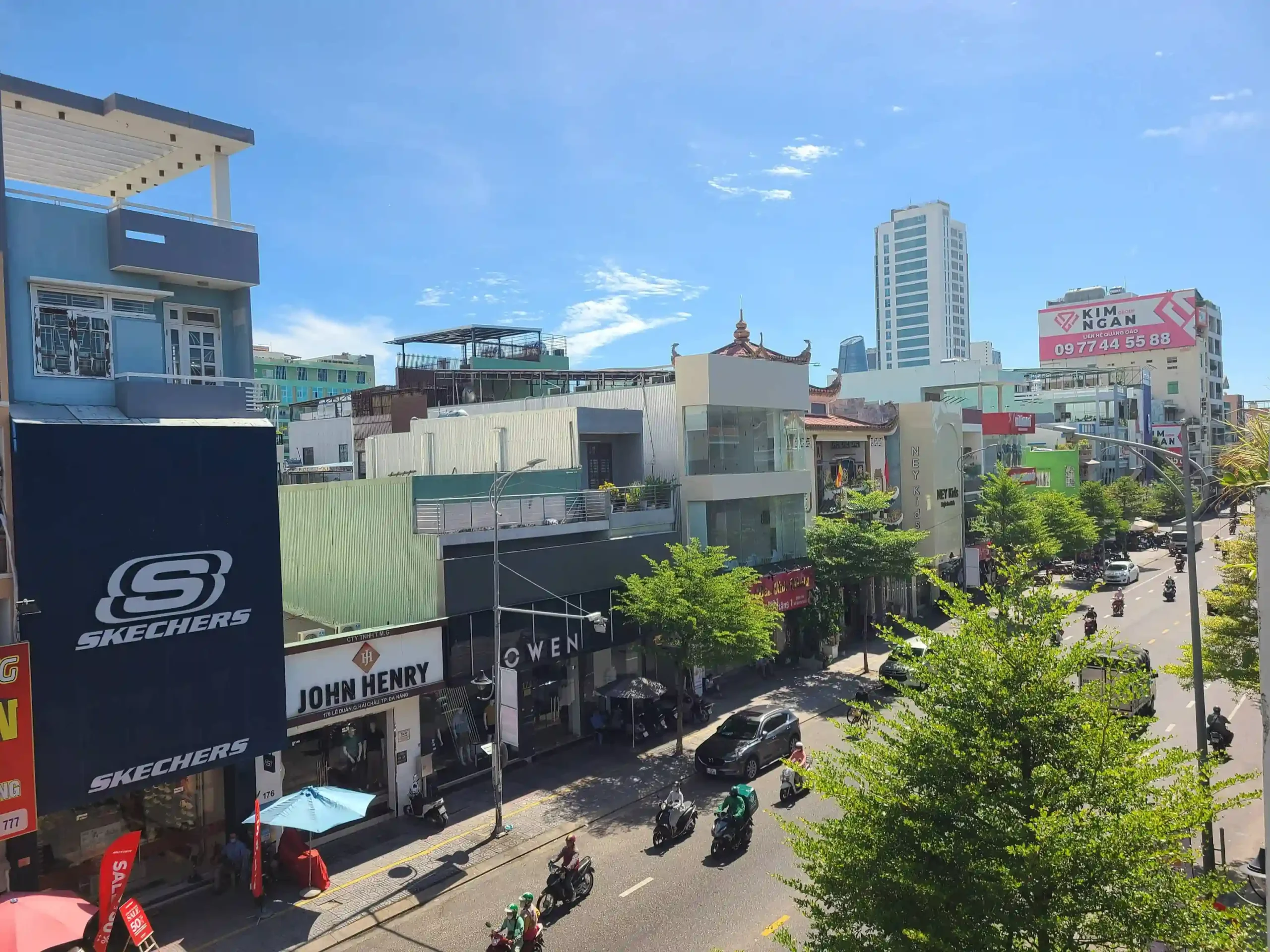
It just feels right. The trees are older and larger. The streets aren’t just empty concrete grids waiting for tourists; they are lined with mechanics, hardware stores, tailors, and tiny little carts serving incredible local dishes that have been run by the same grandmothers for forty years.
Walking along Bach Dang street at night is one of the coolest parts of the city. The riverfront is fully paved. Locals go there to do line dancing, skate, drink iced tea, and let their kids run around. The cafes here are phenomenal, filled with actual Vietnamese students and office workers rather than digital nomads coding on laptops.
The food options are staggering. You are within walking distance of Con Market, which is arguably the most aggressive and diverse local food hub in Central Vietnam.
If you are building out your schedule to figure out the best local spots and the actual authentic day trips to hit, starting your day in Hai Chau just puts you in the right headspace.
The downsides:
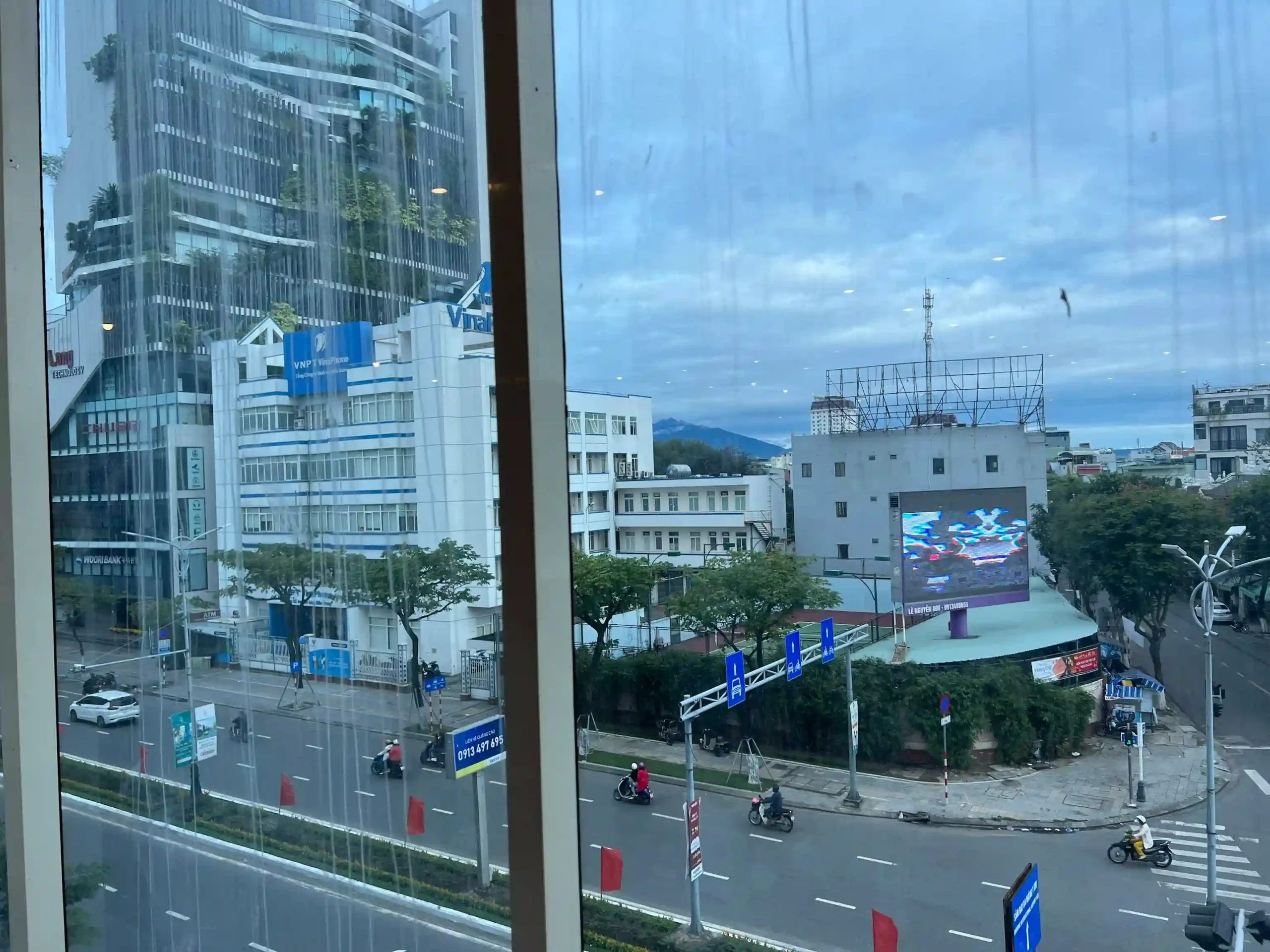
It is noisy, but in a different way. You trade construction noise for the relentless hum of severe traffic. Sirens, thousands of motorbikes leaning on their horns at red lights, and the occasional blast of extremely loud karaoke from a neighbor’s house party on a Sunday afternoon.
There is zero access to the ocean. To go to the beach, you have to cross a massive bridge, which means navigating severe traffic during the late afternoon hours. Getting to the sand takes 15 to 20 minutes in a taxi.
Accommodations here lean toward local guest houses, boutique apartments, or the hyper-expensive global brand hotels lined up exactly on the riverfront (like the Hilton or Novotel).
The mid-tier options aren’t as prevalent as they are in the beach areas. You might struggle to find a sleek, modern apartment for cheap here because space is limited.
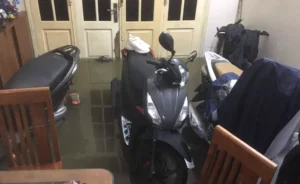
Also, a very real warning for the rainy season (October and November): Hai Chau has terrible drainage. Specific major roads over here will flood thigh-deep after two days of continuous rain.
The Wide Open North Coast: Son Tra & Pham Van Dong
Let’s go back over to the beach side, but move far to the north, heading up toward the base of the massive green mountain. The dividing line here is roughly the huge roundabout at the end of the Han River Bridge.
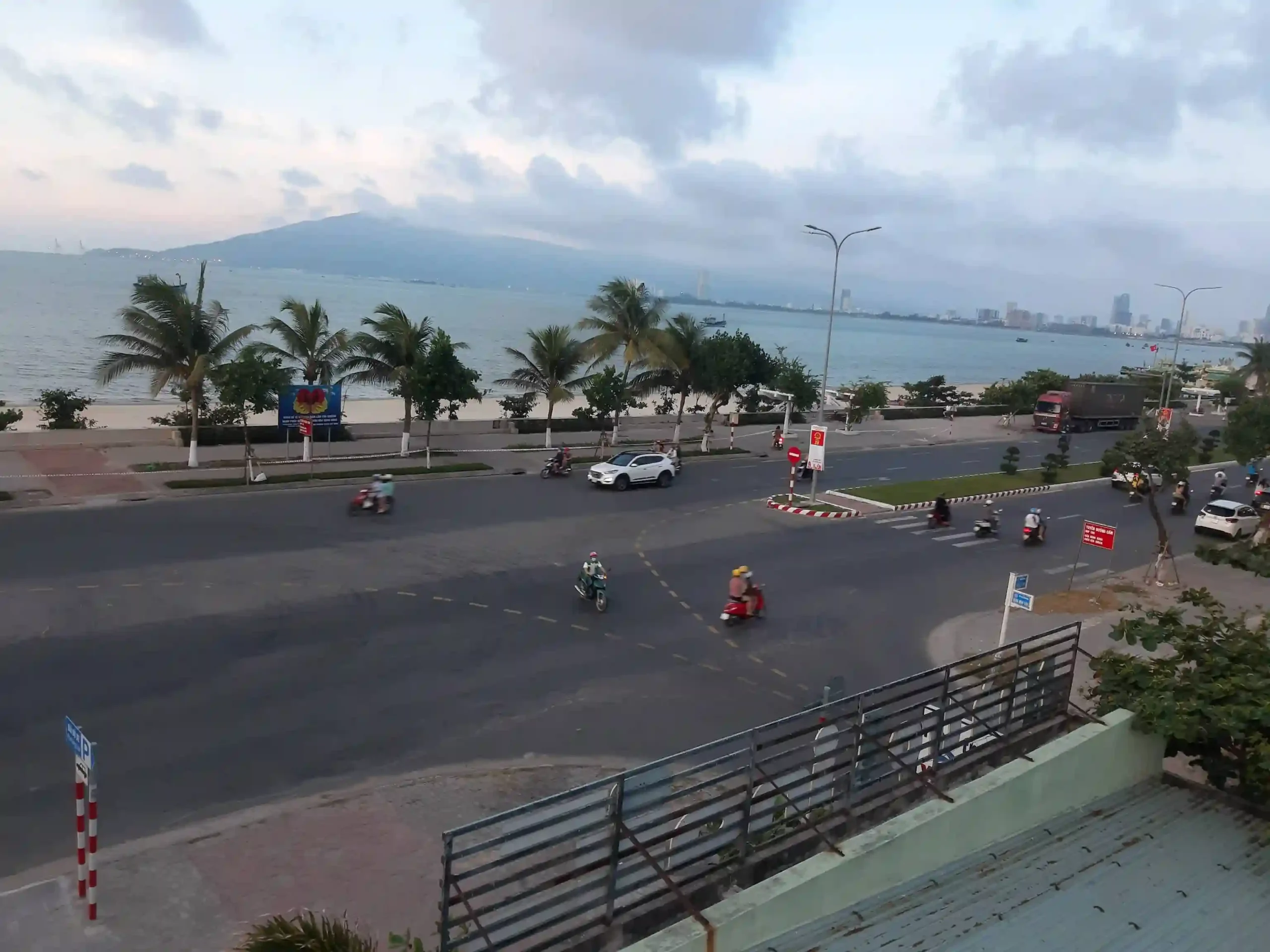
This area centers around Pham Van Dong street, ending up by the fishing boat docks at Man Thai. It is fundamentally different from the An Thuong tourist bubble down south.
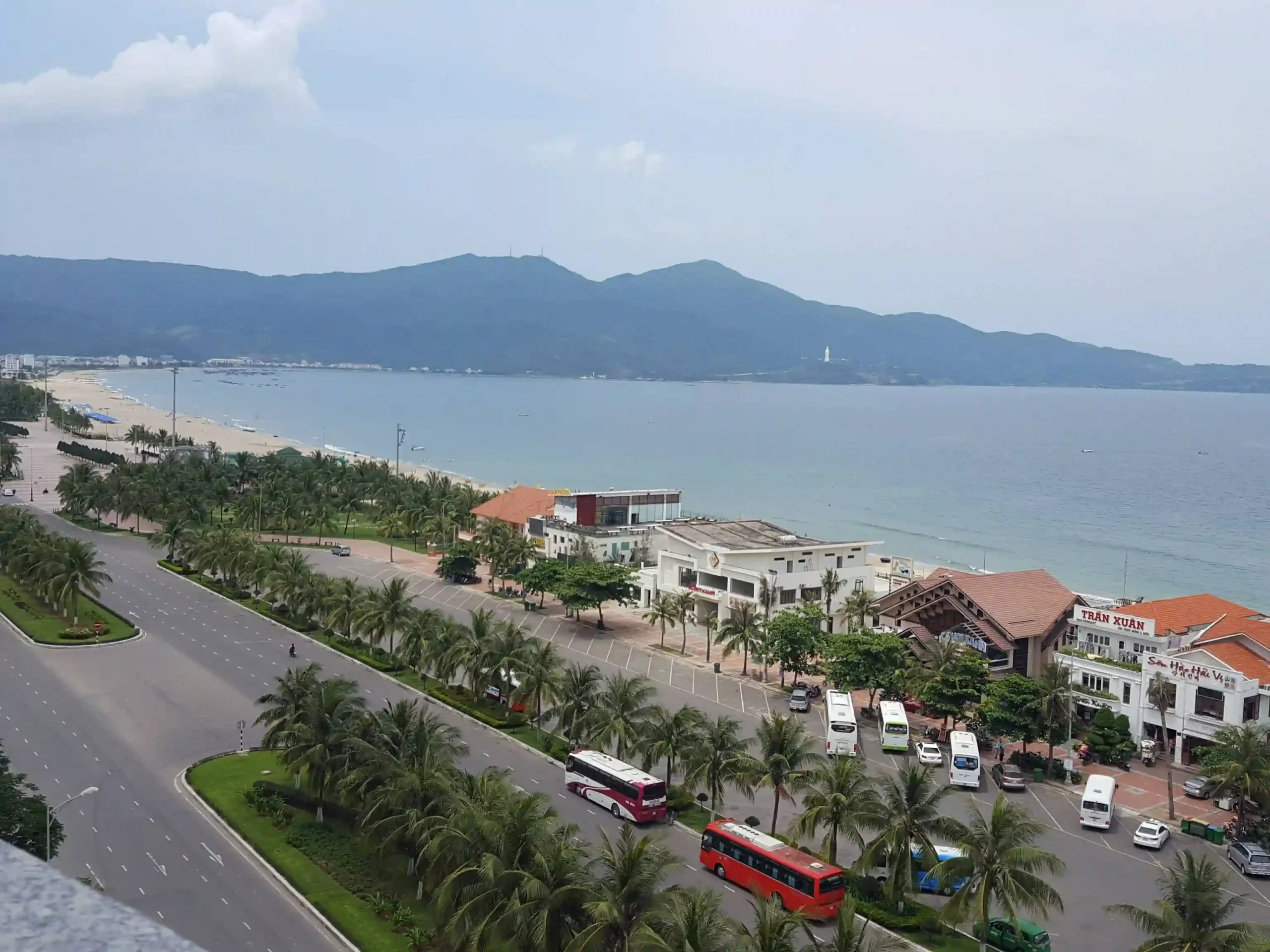
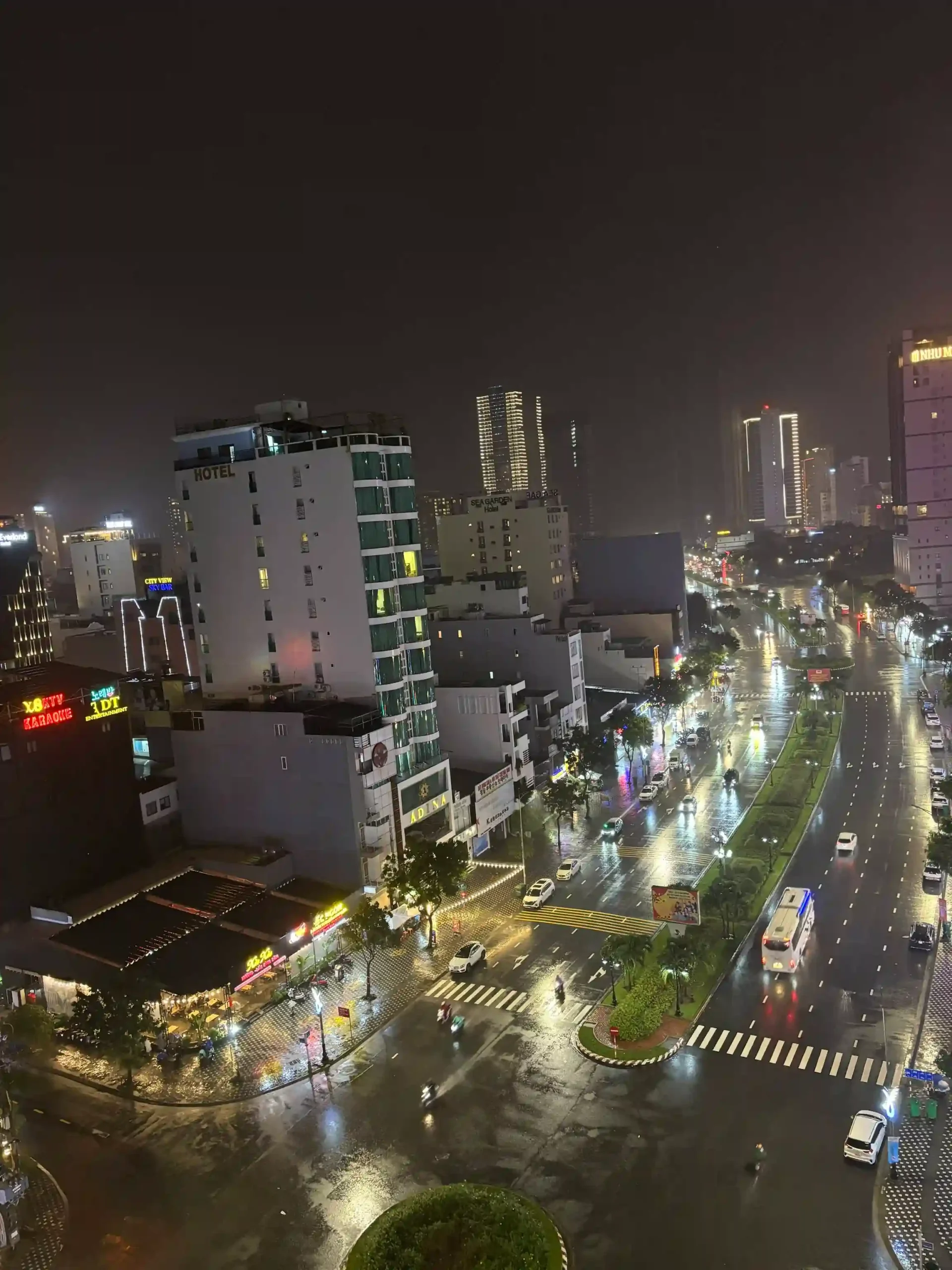
A few years ago, this area turned heavily toward Korean and Chinese tourism packages. You will notice the difference immediately. The signs change language. There are massive Korean K-Marts, giant multi-story BBQ meat houses, and huge seafood halls featuring bright plastic tanks filled with swimming crabs and groupers.
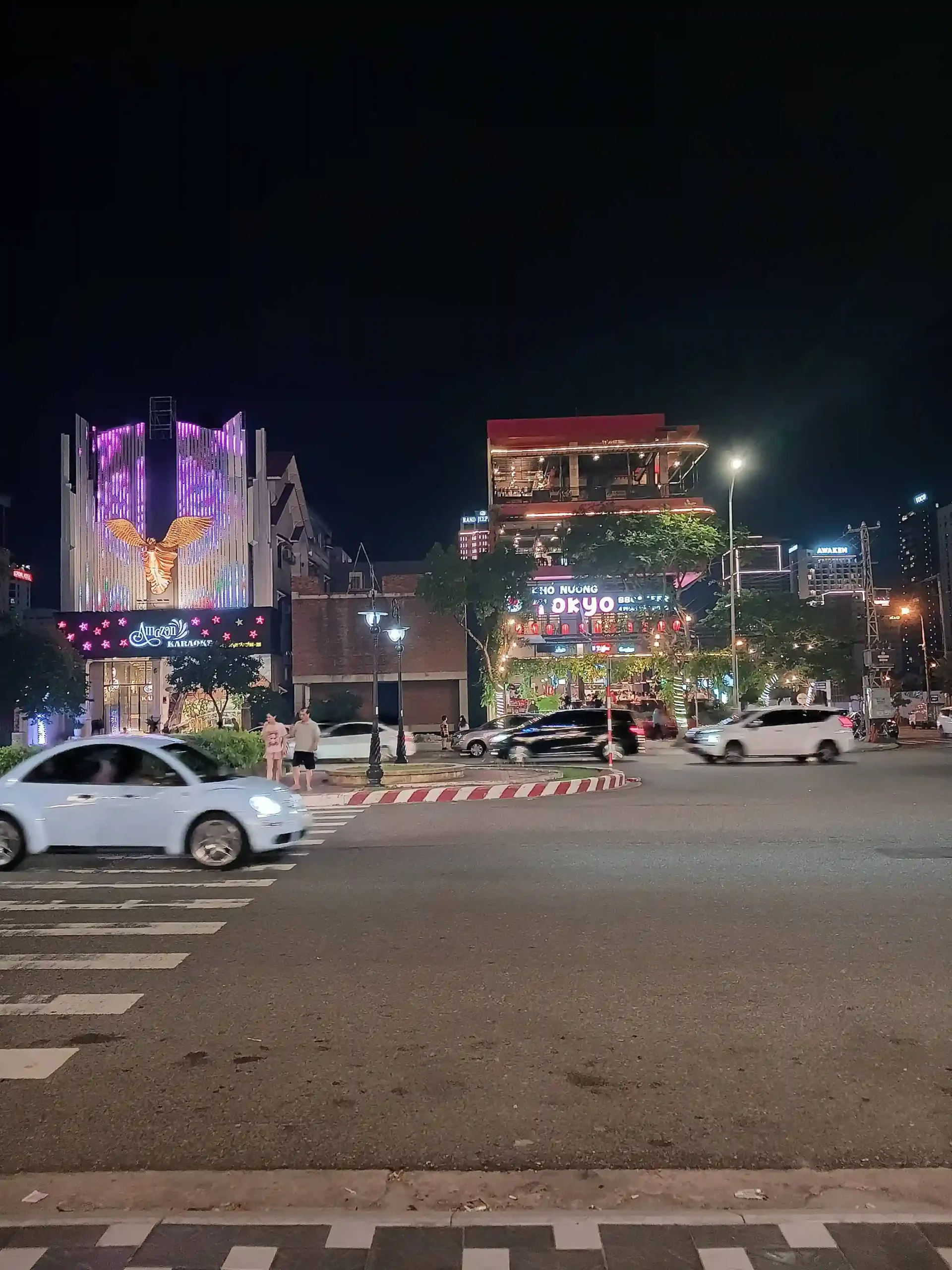
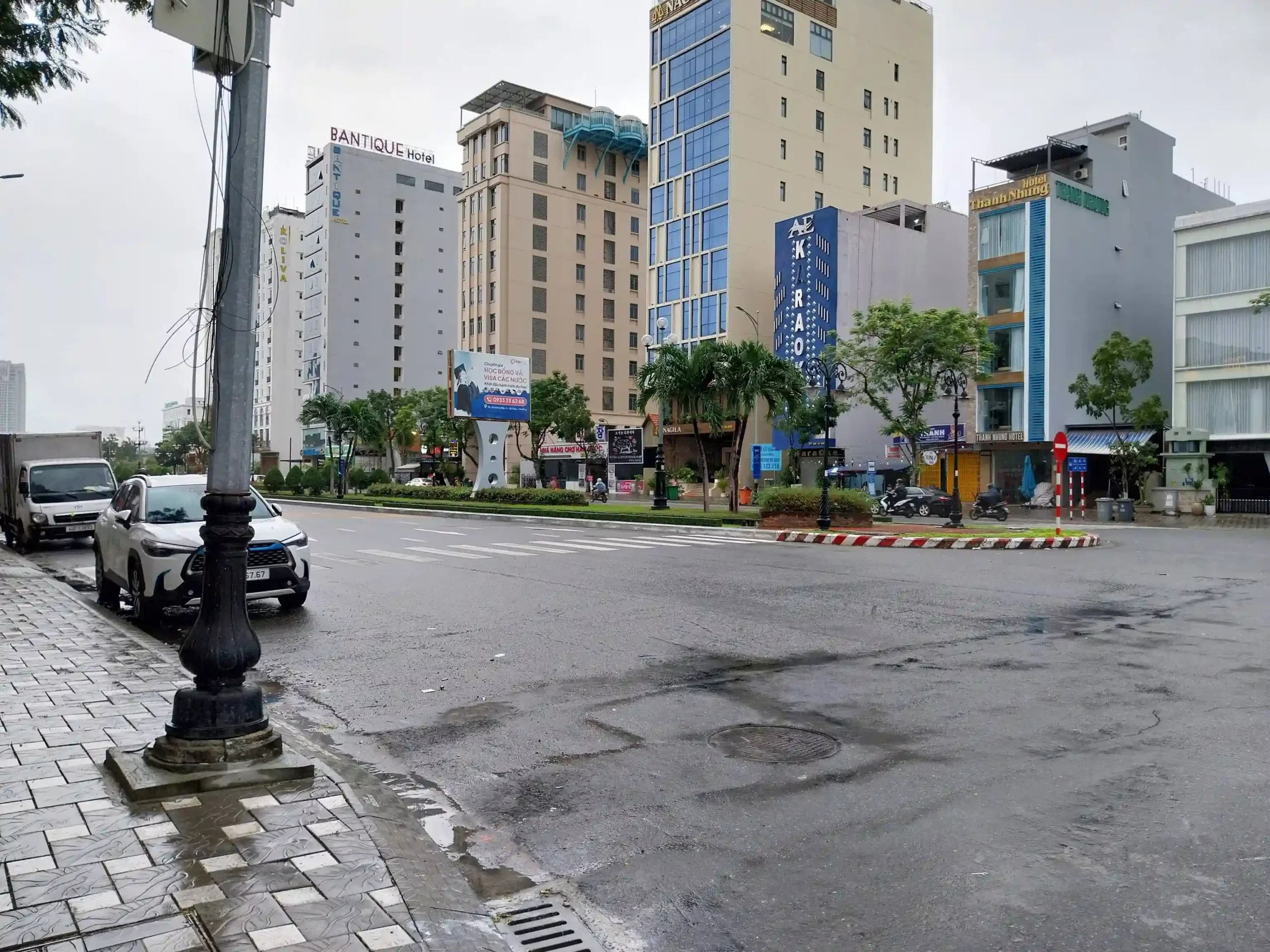
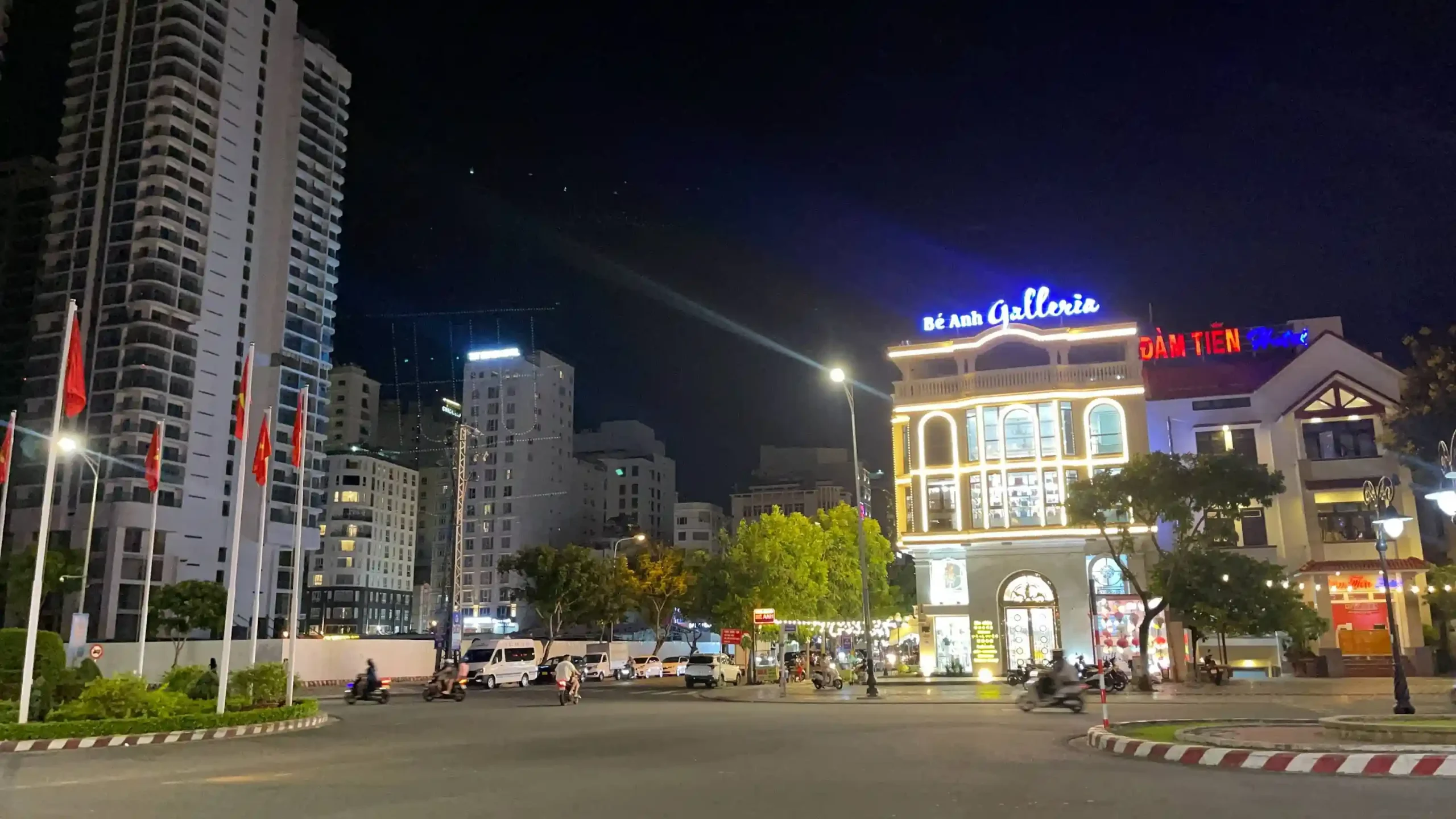
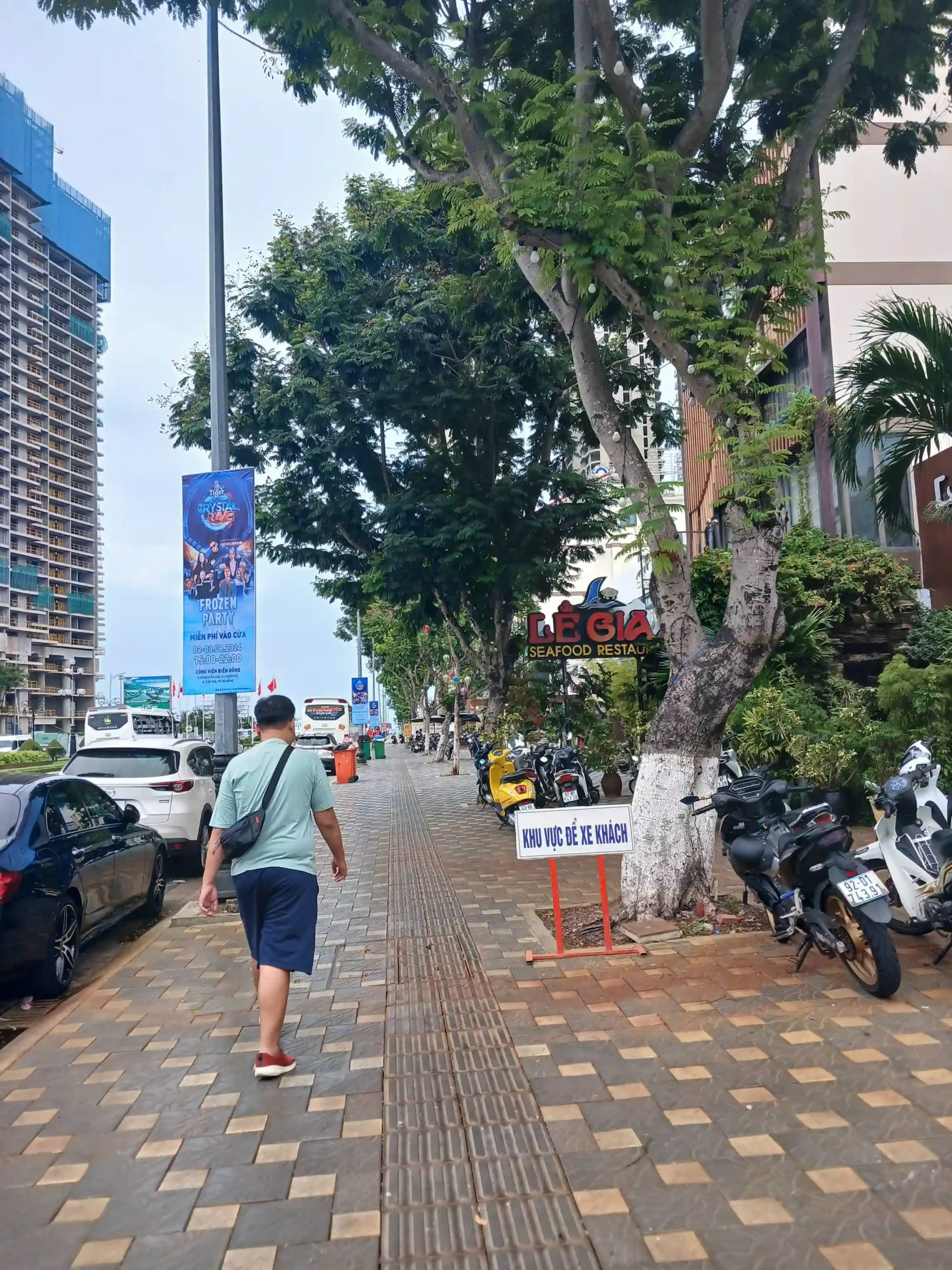
The advantages:
Space. Everything here is physically wider. The streets are massive multi-lane boulevards. If you decide to rent a motorbike to explore, driving in this part of town is drastically less stressful than navigating the cramped alleys of Hai Chau.
The beach up here is generally quieter than My Khe. As you go further north toward the mountain base (the Hoang Sa road area), the sand curves inward. The waves get smaller, the crowds thin out, and the water is cleaner because you are further away from the main city runoff pipes. You start seeing local fishermen paddling out in those round woven basket boats.
Rent prices and hotel rates drop significantly in the northern section because backpackers simply don’t want to be this far away from the western bars. You can easily score a brand-new studio apartment in a quiet alley for maybe 8 million VND a month (around $320 USD) if you negotiate for a slightly longer stay.
The downsides:
You feel a bit stranded. The neighborhood lacks a central, walkable core. The buildings are spread so far apart that you almost have to take a motorbike or a taxi just to go to a coffee shop.
Because the area relies on giant tour buses dumping forty people into a seafood restaurant at once, you won’t find many cozy, intimate places. It feels very commercial and somewhat sterile. And when those big tour buses show up at 7:00 PM, the main roads jam up with coaches doing illegal u-turns, blocking traffic entirely.
The Concrete Mega-Resorts: Non Nuoc and Hoa Hai
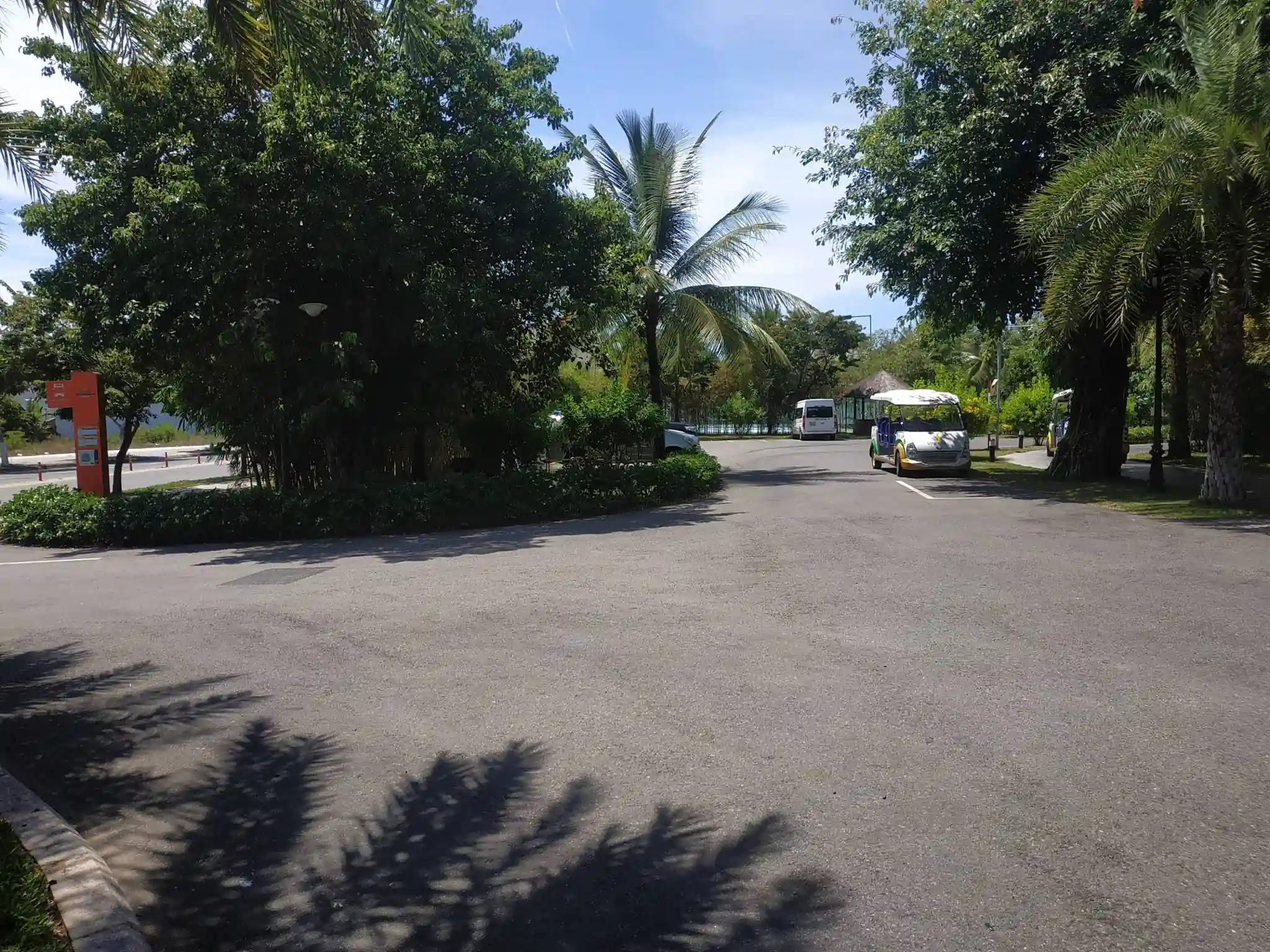
If you open Google Maps and keep dragging south past Da Nang city limits, heading towards Hoi An, you will see the coastline changes. The grid of local streets disappears entirely. Instead, there is just a single massive highway running down the coast, flanked by enormous plots of land.
This is the resort zone.
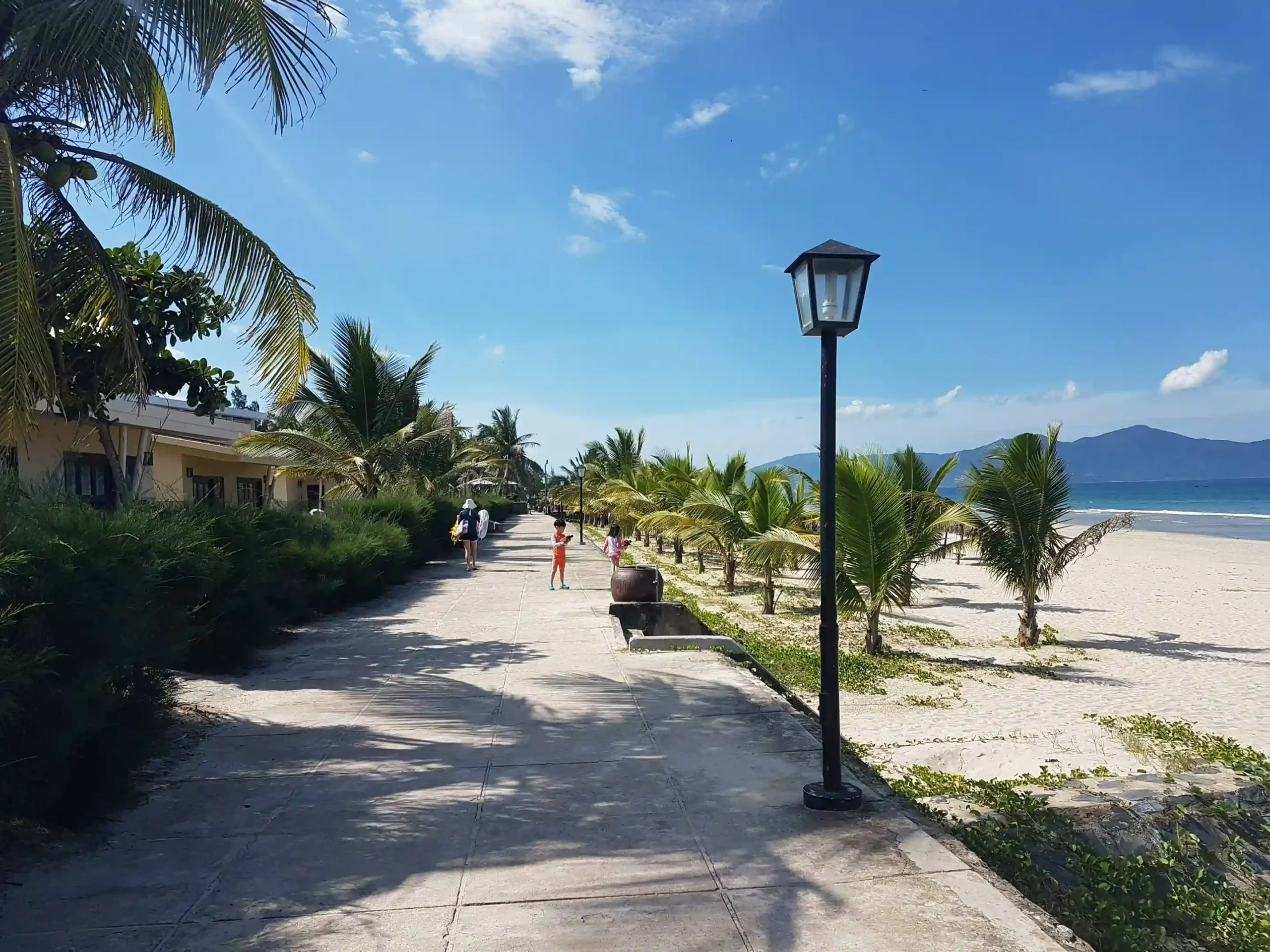
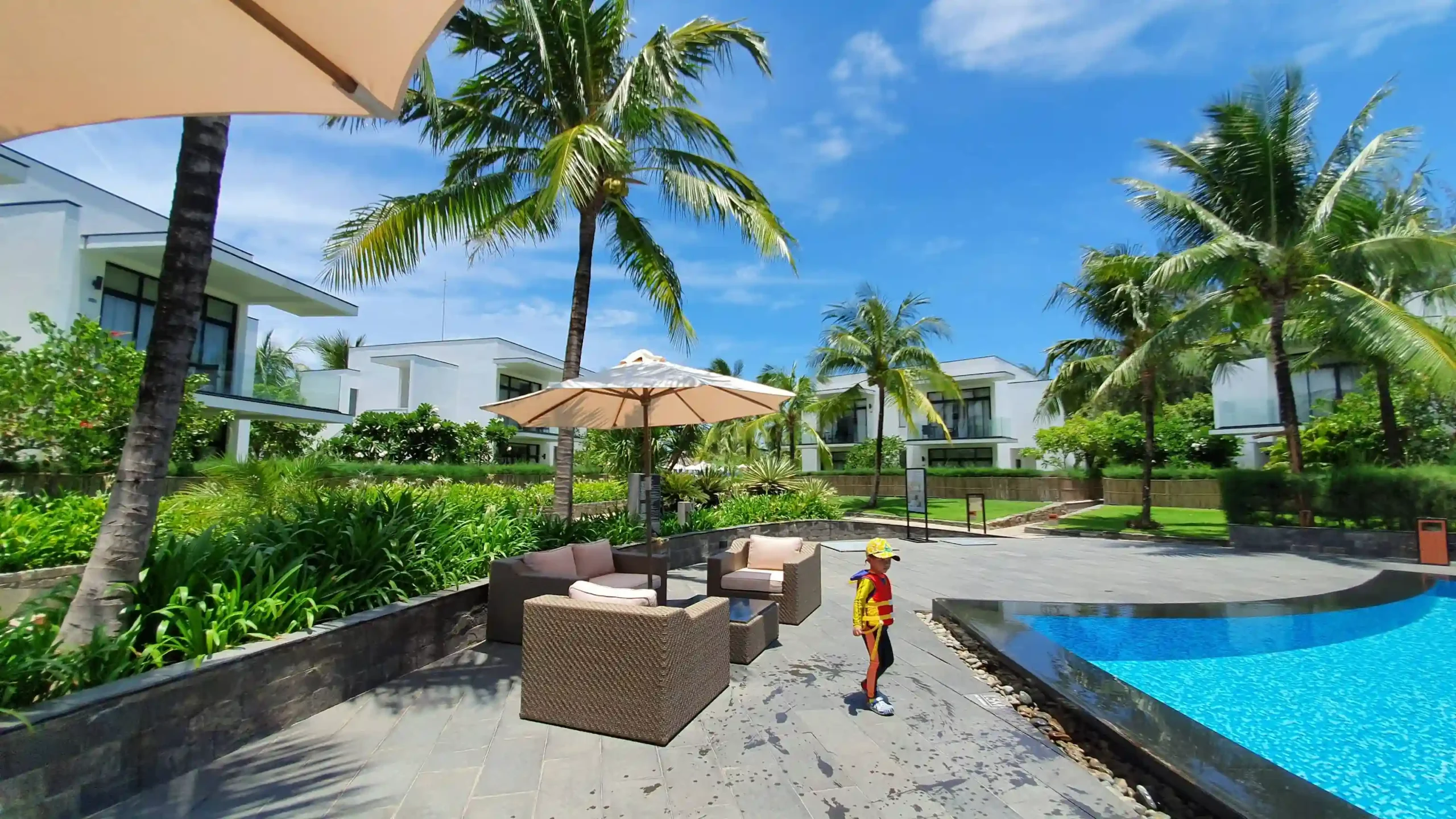
These are your Marriotts, your Hyatts, the massive Melia complexes, and giant integrated golf courses. Every single one of these places has its own private section of sand, infinity pools that look like lakes, and grand marble lobbies that require a golf buggy just to transport your suitcase to your room.
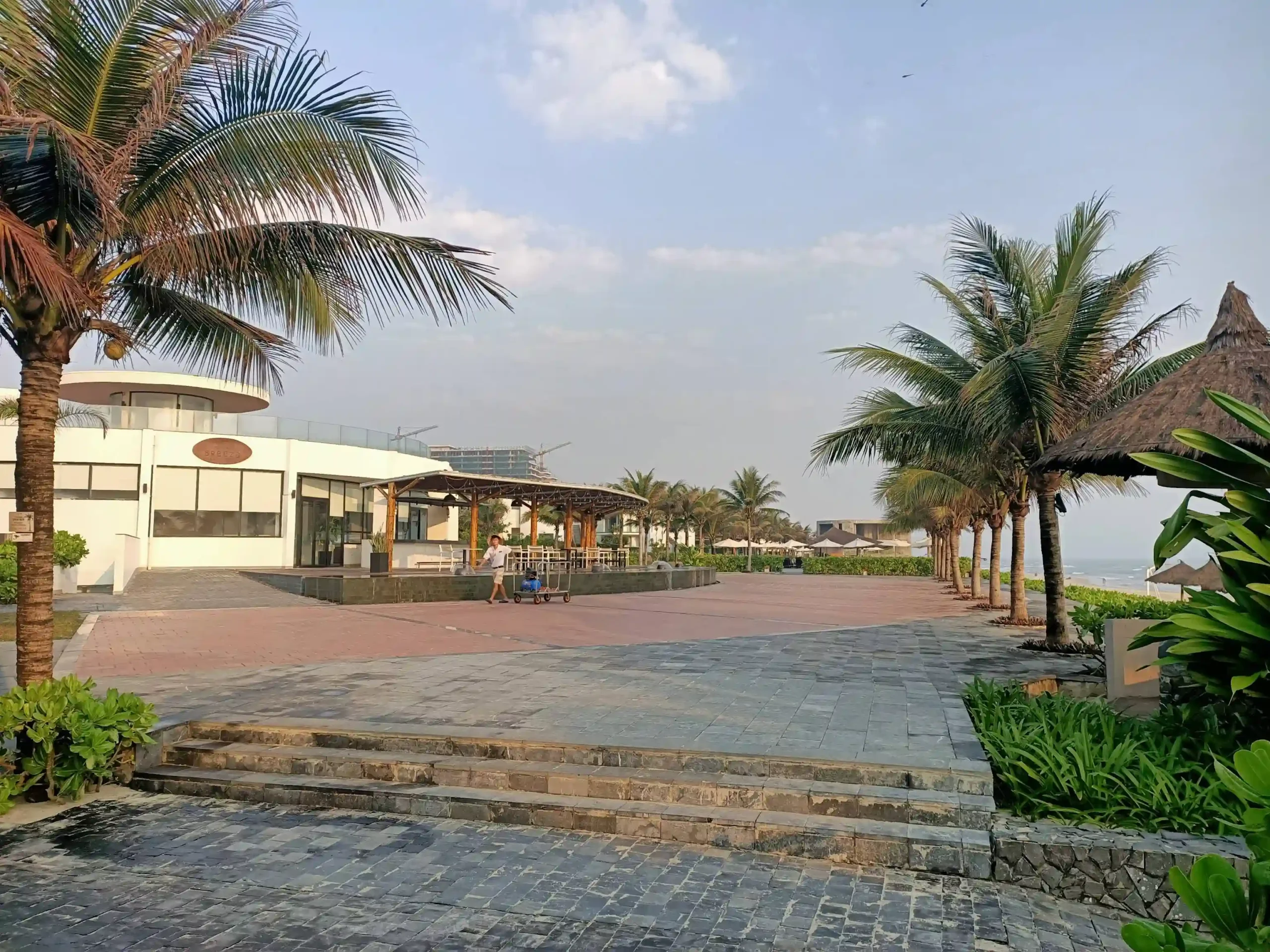
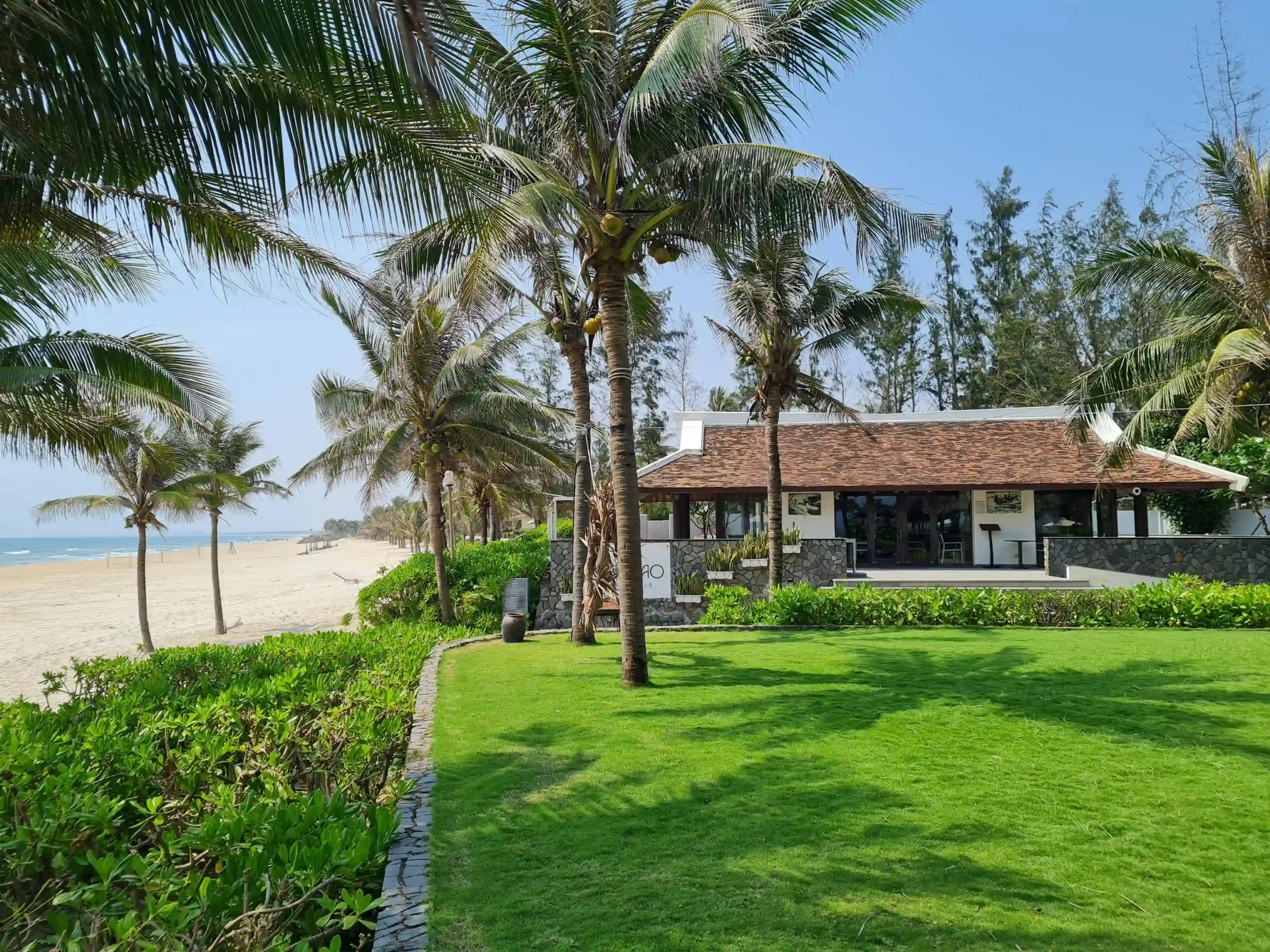
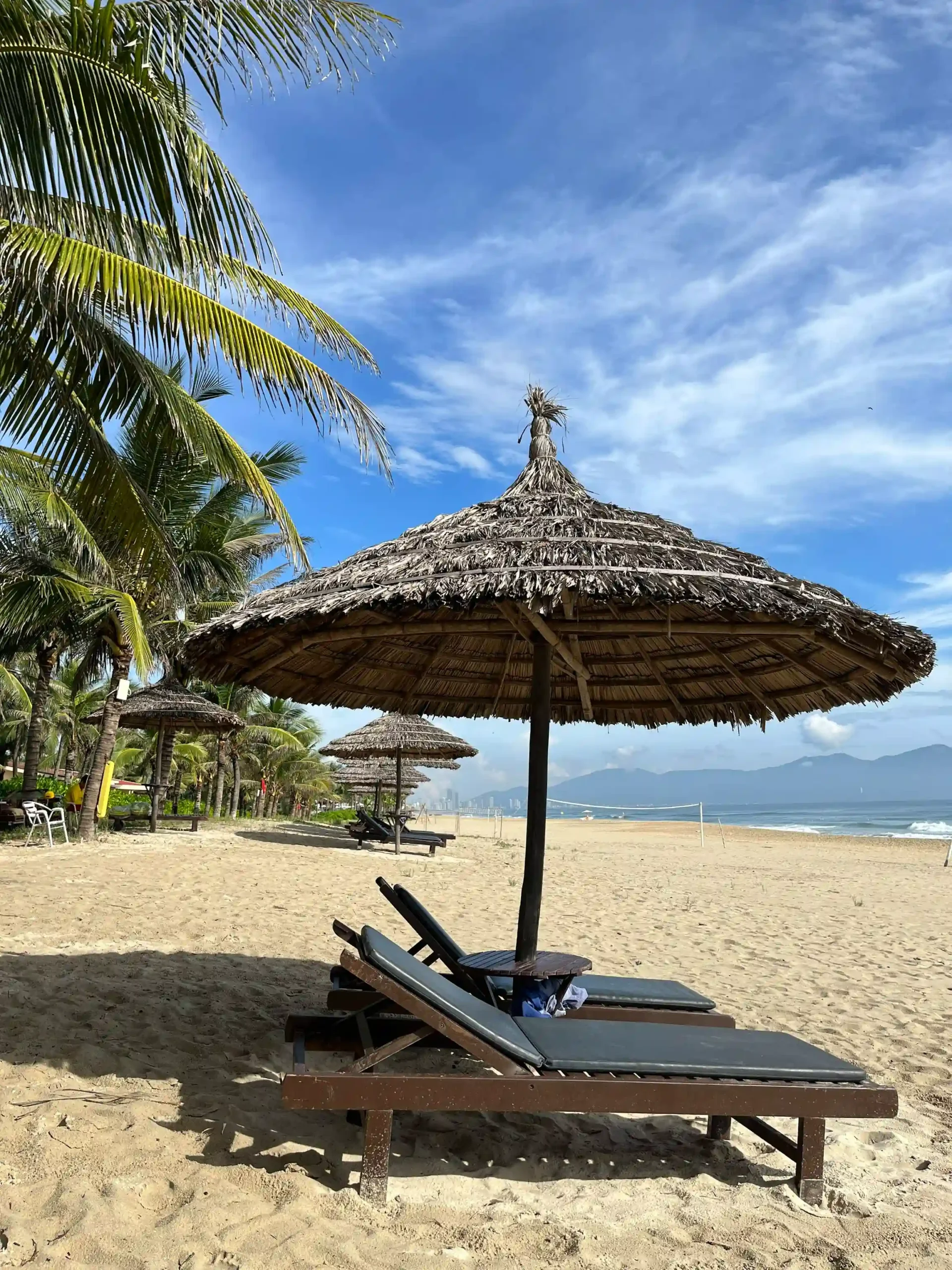
The advantages:
It is exactly what it looks like on the brochure. Complete luxury and zero stress. You never have to listen to a motorbike horn. The security keeps random people out. You order expensive cocktails while lying on a cushioned sunbed and let the staff take care of your laundry.
If you have four children who just want to eat buffet pizza and go down a waterslide all day, these resorts will solve every problem you have.
The massive downsides:
You are completely disconnected from the reality of the country you flew into. You might as well be in Florida, Spain, or a compound in the Caribbean.
Once you drive past the security gates of your resort, you are geographically trapped. There are almost no local restaurants, street vendors, or convenience stores waiting directly outside these giant compounds. The area consists of the highway, a patch of dirt, and the next resort compound wall.
If you get bored of eating $25 mediocre pasta dishes at the hotel restaurant and want to find an actual Vietnamese meal, you cannot walk to find one. You have to order a taxi, wait for it to arrive at the hotel lobby, and pay a premium rate just to drive 20 minutes back up north into the city or 20 minutes south down into Hoi An. The transport costs pile up rapidly.
Unless you are actively playing the golf courses or just desperately want four days of zero brain activity by a pool, booking a spot way down south is generally a waste of a Da Nang trip.
The Far Northwest: Da Nang Bay and Nguyen Tat Thanh
I have to include this because I see budget travelers get fooled by the pricing here constantly.
If you look at the city map, Da Nang doesn’t just face east towards the open ocean. It also curls around a bay in the north, staring out across the water towards the Hai Van pass mountains. The massive, curving coastal road up here is called Nguyen Tat Thanh.
Sometimes people go online, sort hotels by “lowest price,” see something that says “Sea View Studio” for an insanely low rate like $10 a night, and they book it instantly, assuming they are near the main beach action.
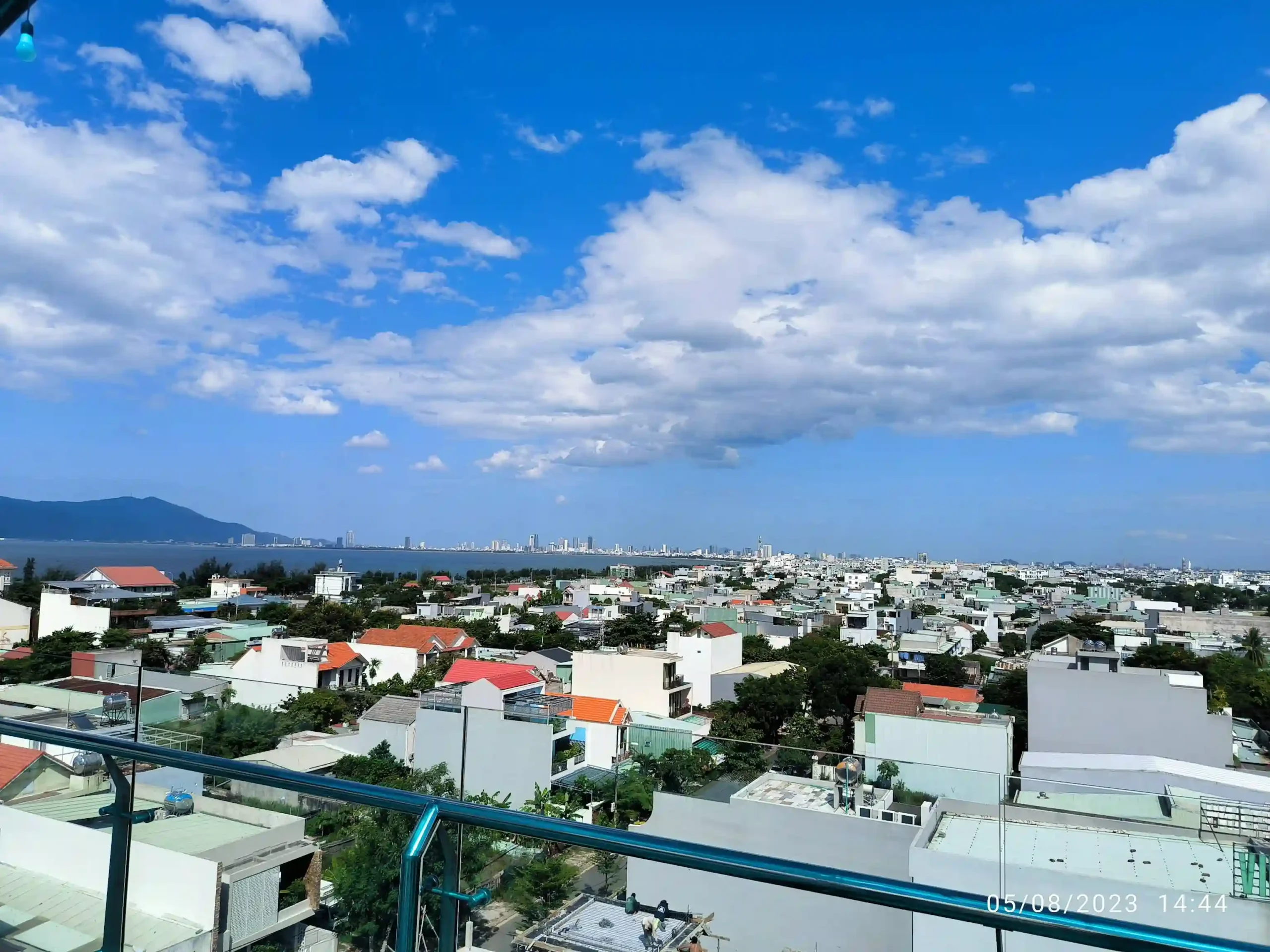
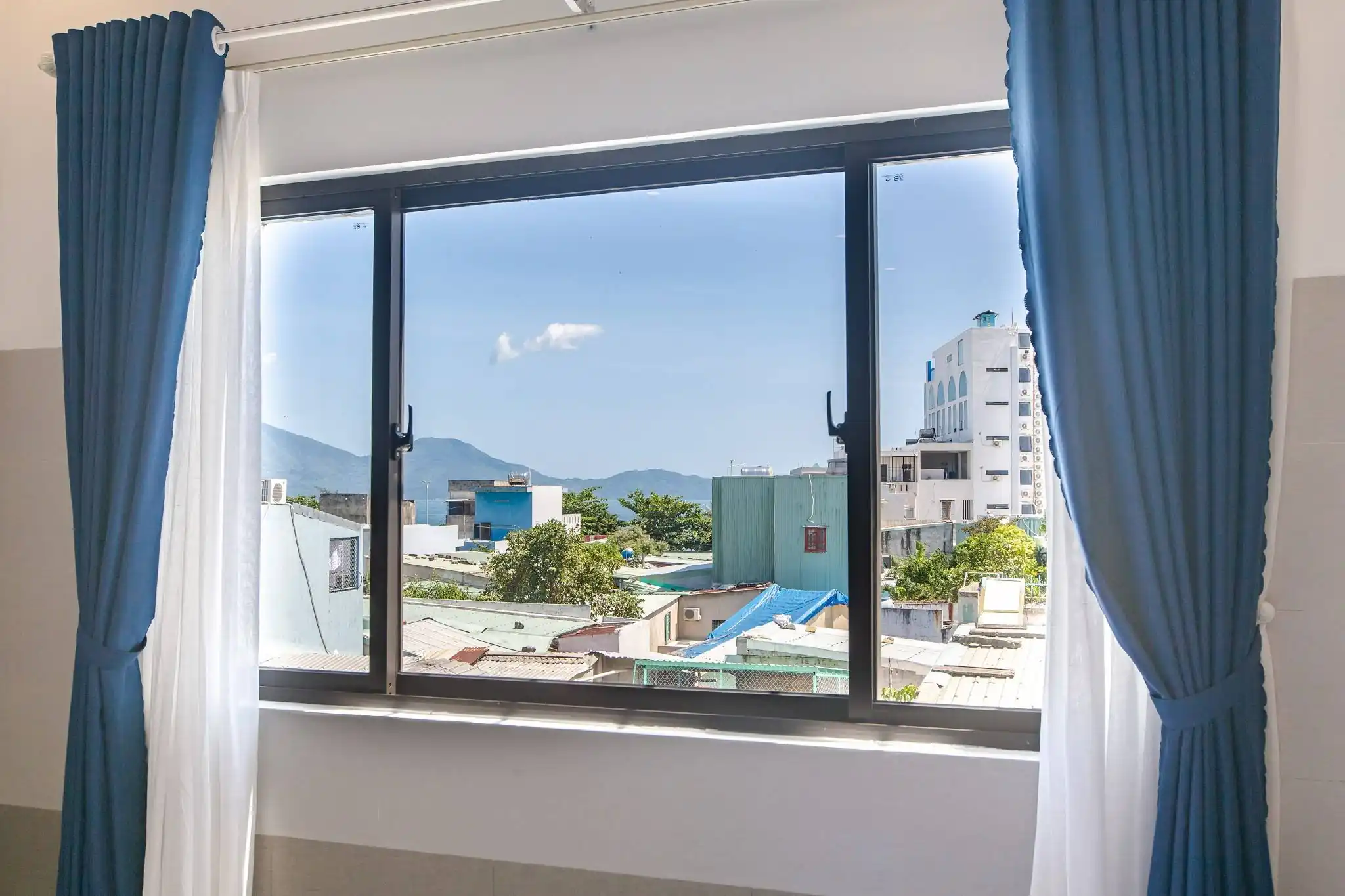
The truth about the Bay side:
Do not stay here if you are coming for a short holiday. It is completely isolated from the rest of the city by the massive airport footprint and a sprawling industrial rail yard.
Getting from this neighborhood down to the places you actually want to visit involves sitting in awful traffic trying to navigate around the airport perimeter walls.
The beach over here is a bay, not the open ocean. That means it doesn’t get swept clean by big currents. A lot of trash and debris collects on the sand depending on the tide.
People generally do not swim here; they just drink beers on the retaining wall while staring out at the cargo ships waiting in the harbor.
It’s windy, barren, and frankly kind of bleak compared to the east side. The cheap rent exists here for a reason.
Dealing with apartments versus standard hotels
Let’s shift gears for a minute. If you are reading this because you want to come for a few weeks rather than a few days, the rules change completely. Staying in a hotel gets miserable when you don’t have a kitchen to chop fruit in or a proper washing machine.
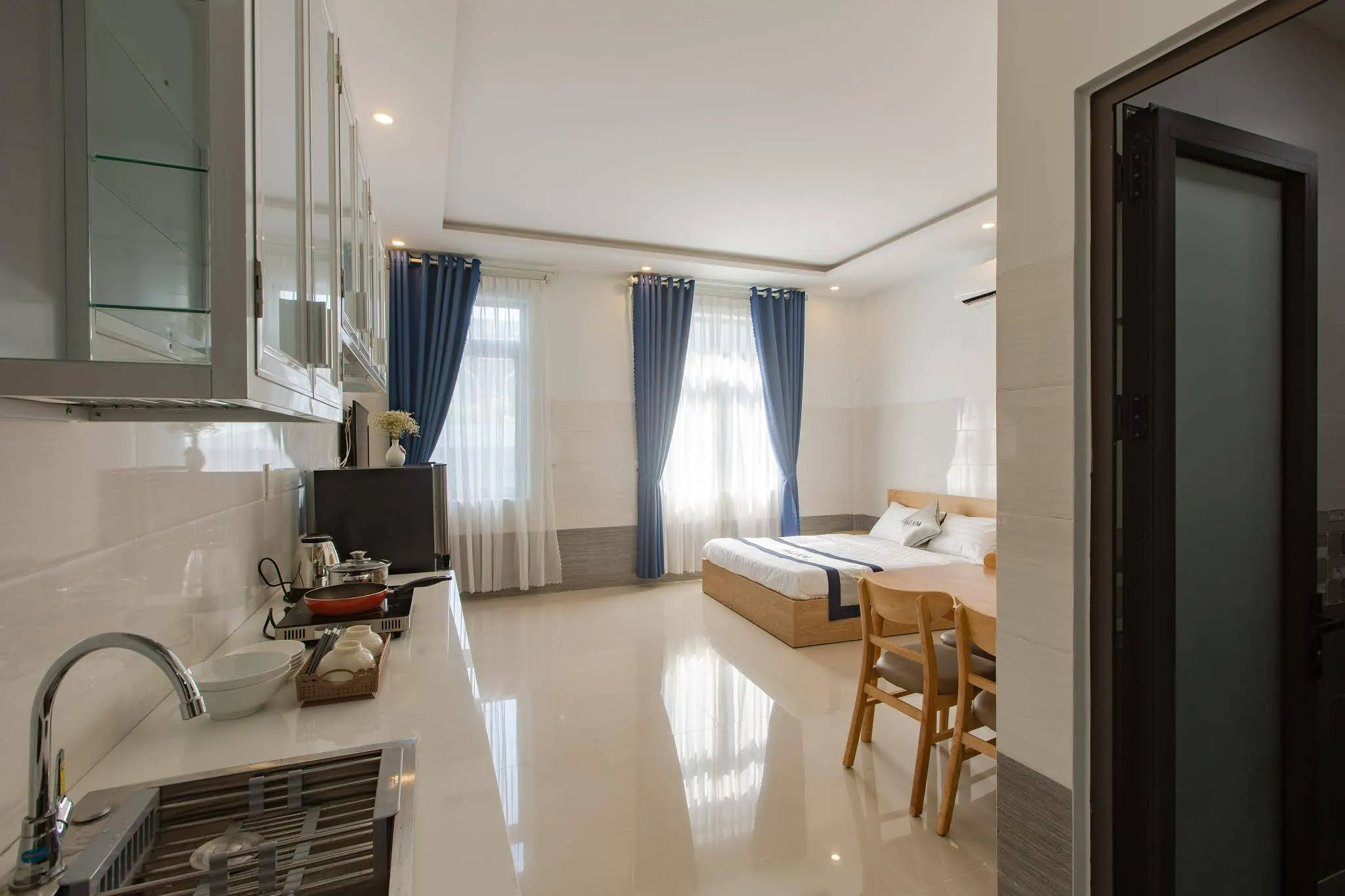
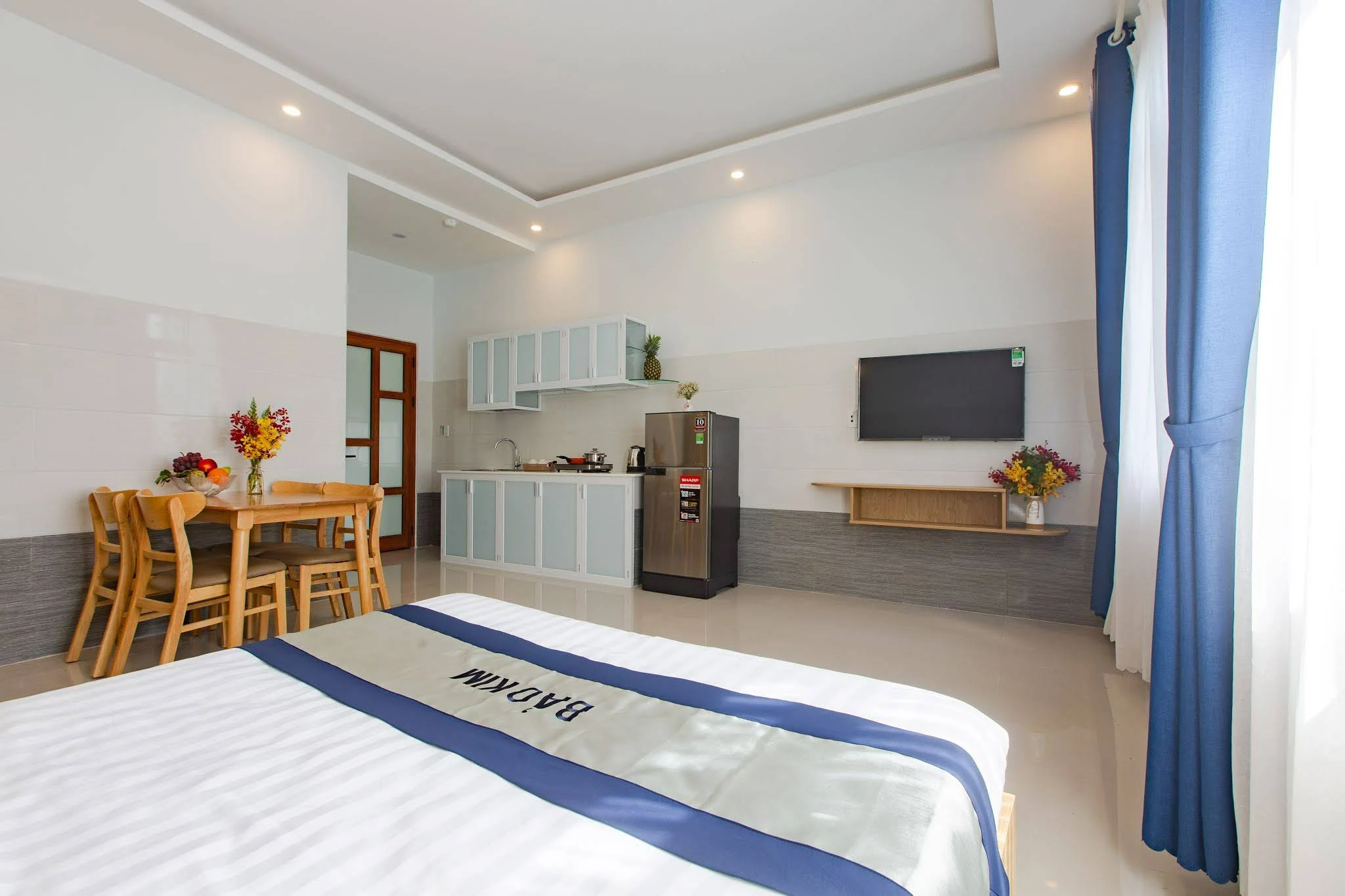
In 2026, renting a serviced apartment (they usually call them “Homestays” here, though nobody is actually staying in a local’s home; it’s just the standard phrase for an apartment block) is the standard move.
The market is massively over-supplied, meaning you hold the negotiating power.
If you book an Airbnb for 3 nights, do not instantly book it for the full month online. Instead, find a neighborhood you like, open your local messaging app (Zalo), and just message the phone numbers plastered on the rental banners hanging outside the buildings. A guy will show up on a scooter five minutes later with a set of keys and let you view five different rooms in the building. You hand them cash, you sign a tiny piece of paper, and you have an apartment.
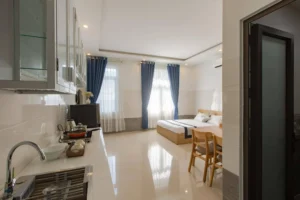
A brand-new studio near the beach will be around 7 to 9 million VND per month (~$260 – $340 USD). A large one-bedroom will run 10 to 14 million VND (~$370 – $530 USD).
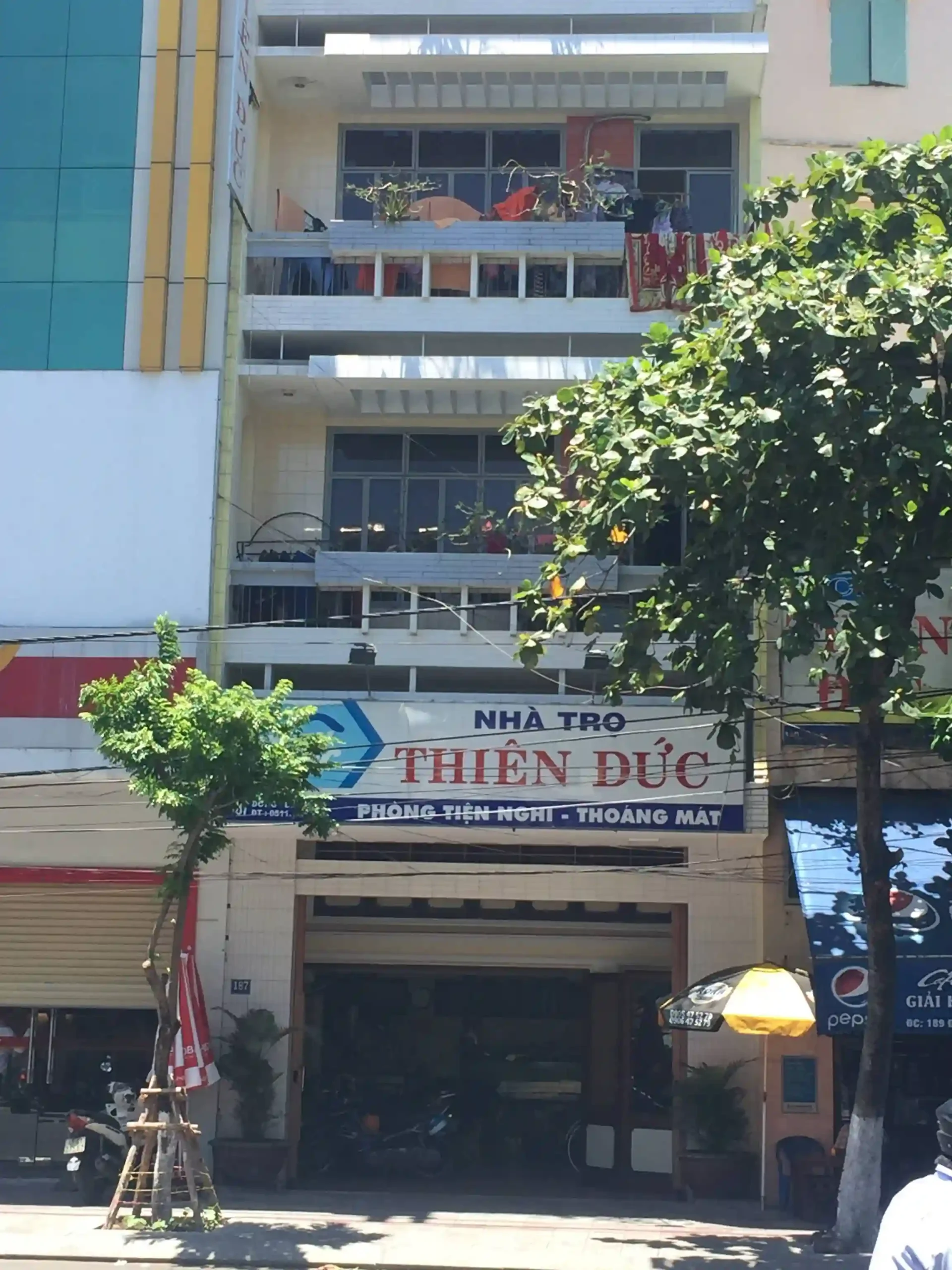
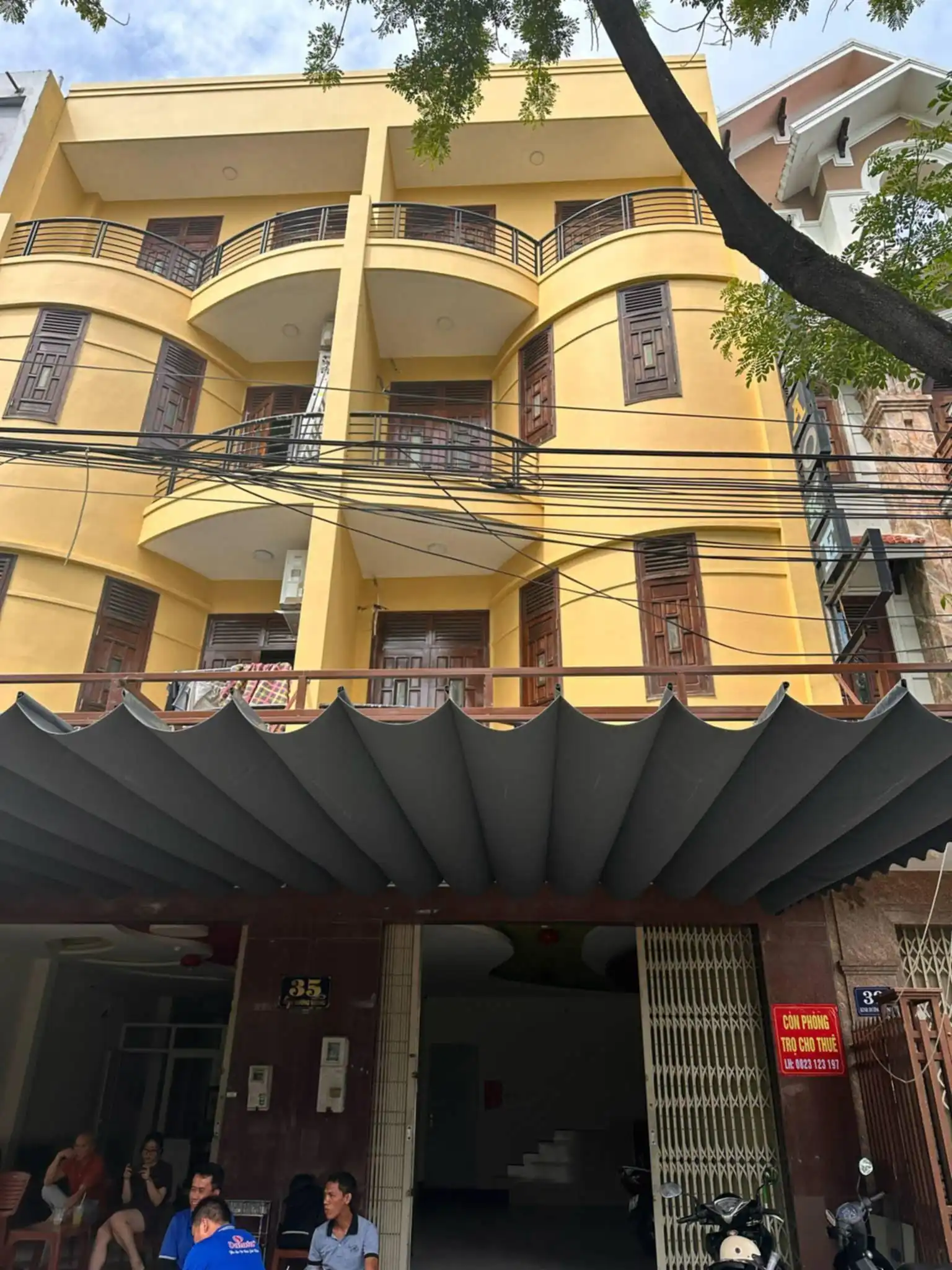
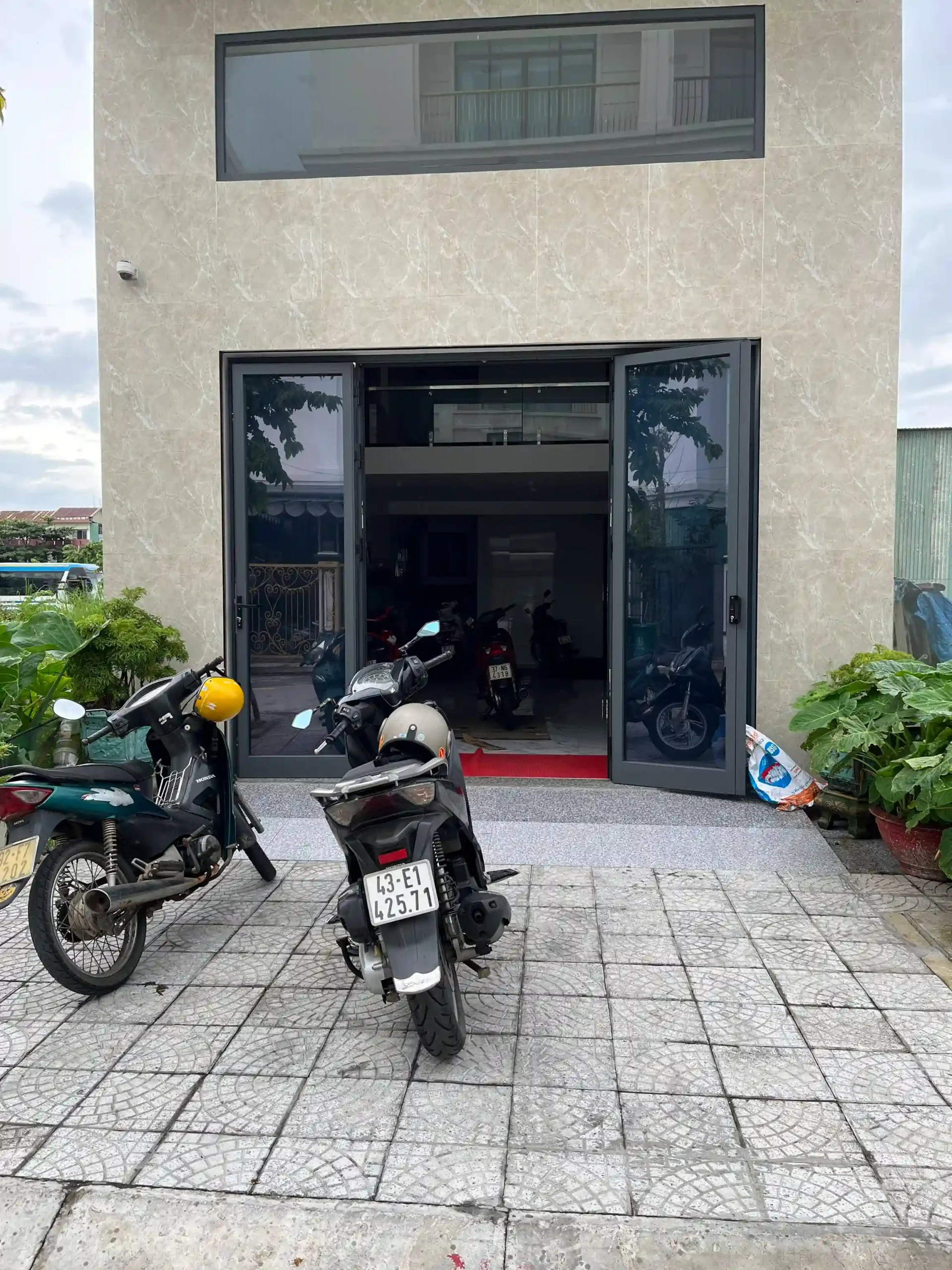
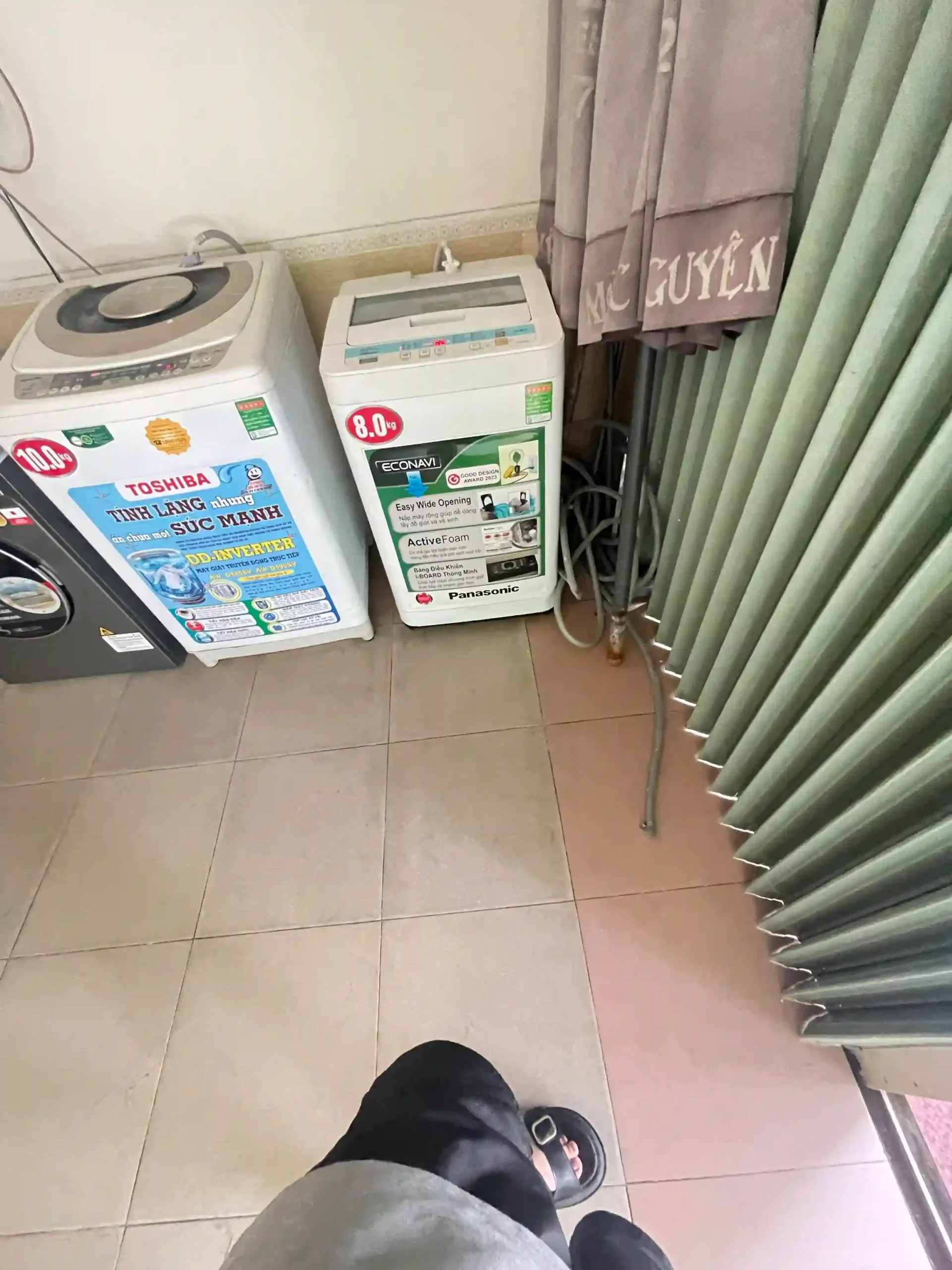
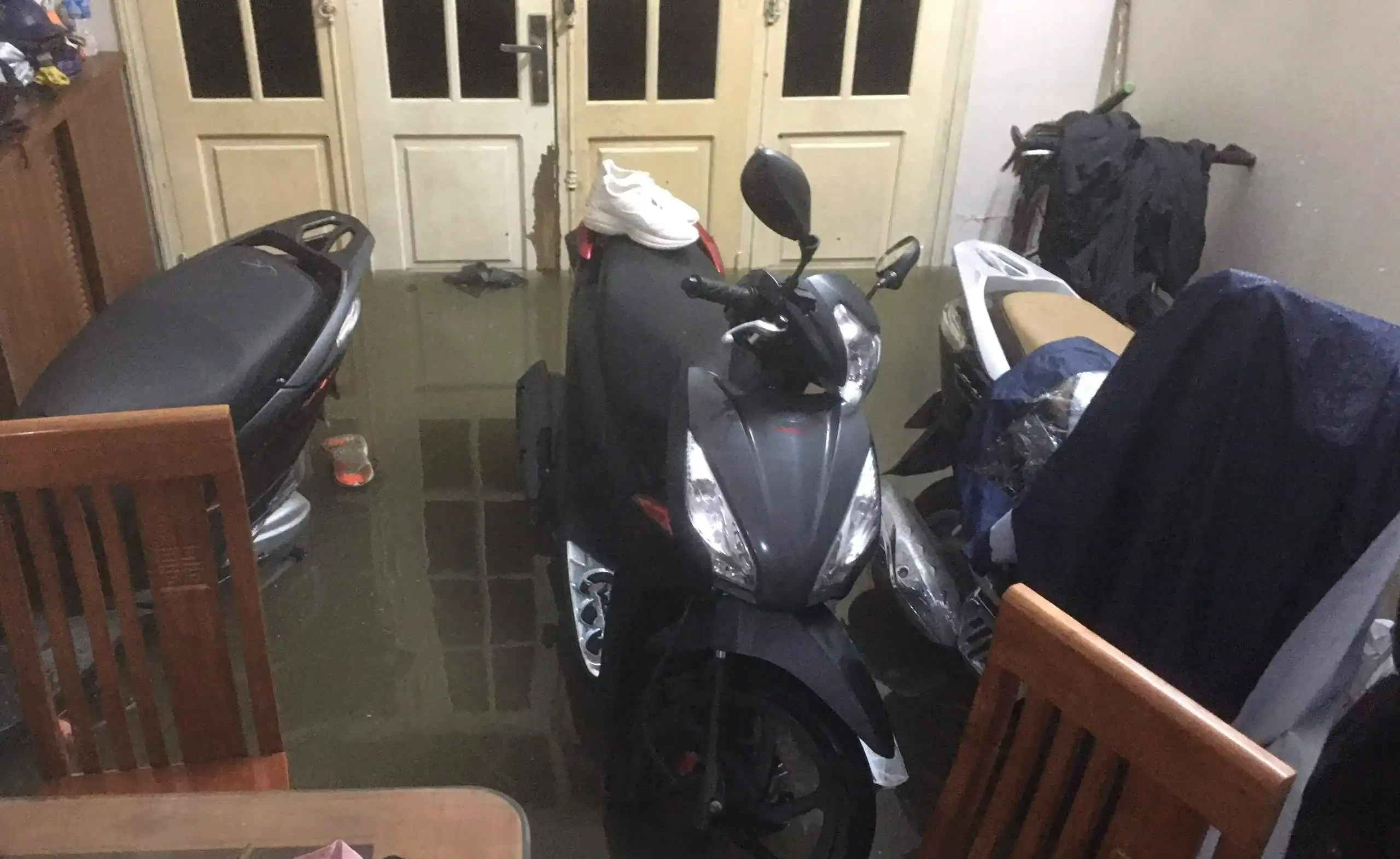
But there are some ugly local realities about these buildings you have to know.
The utility hustle:
The advertised rent price usually never includes electricity. They meter the power to your specific room.
Landlords legally have to follow government caps on power prices, but they rarely do in the expat buildings. The going “accepted” rate in these serviced buildings is 3,500 to 4,000 VND per Kilowatt hour.
This destroys people’s budgets. The buildings are concrete, they absorb heat all day, and there is almost no insulation.
If you leave your air conditioning running constantly while you go to the beach or sleep with it set at 18 degrees Celsius, you are going to get handed a massive 2 million VND electricity bill at the end of the month. Read exactly what the kilowatt price is before handing over your passport for a deposit.
The mold reality:
Da Nang gets exceptionally damp during the monsoon transition months. A lot of these new concrete structures were thrown up with very poor sealing around the aluminum windows.
If a room smells slightly sweet or musty when the guy unlocks the door, turn around and leave immediately. Look heavily at the grout in the bathroom corners and the bottom of the cheap wardrobe closets.
If mildew takes hold in one of these rooms, your clothes and shoes will be ruined in less than two weeks, and you cannot clean it out yourself.
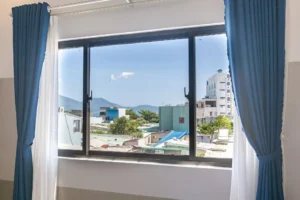
Always insist on seeing a room that has a window facing outward so actual sunlight can dry the place out. Windowless rooms, which they somehow try to rent for similar prices, are guaranteed moisture traps.
My specific picks for who you are
By now, you should see that where to stay in Da Nang relies completely on who you traveled here with and what you hate doing. Let me simplify it down to specific types of people so you don’t make the wrong call.
The First-Time Short Vacationer
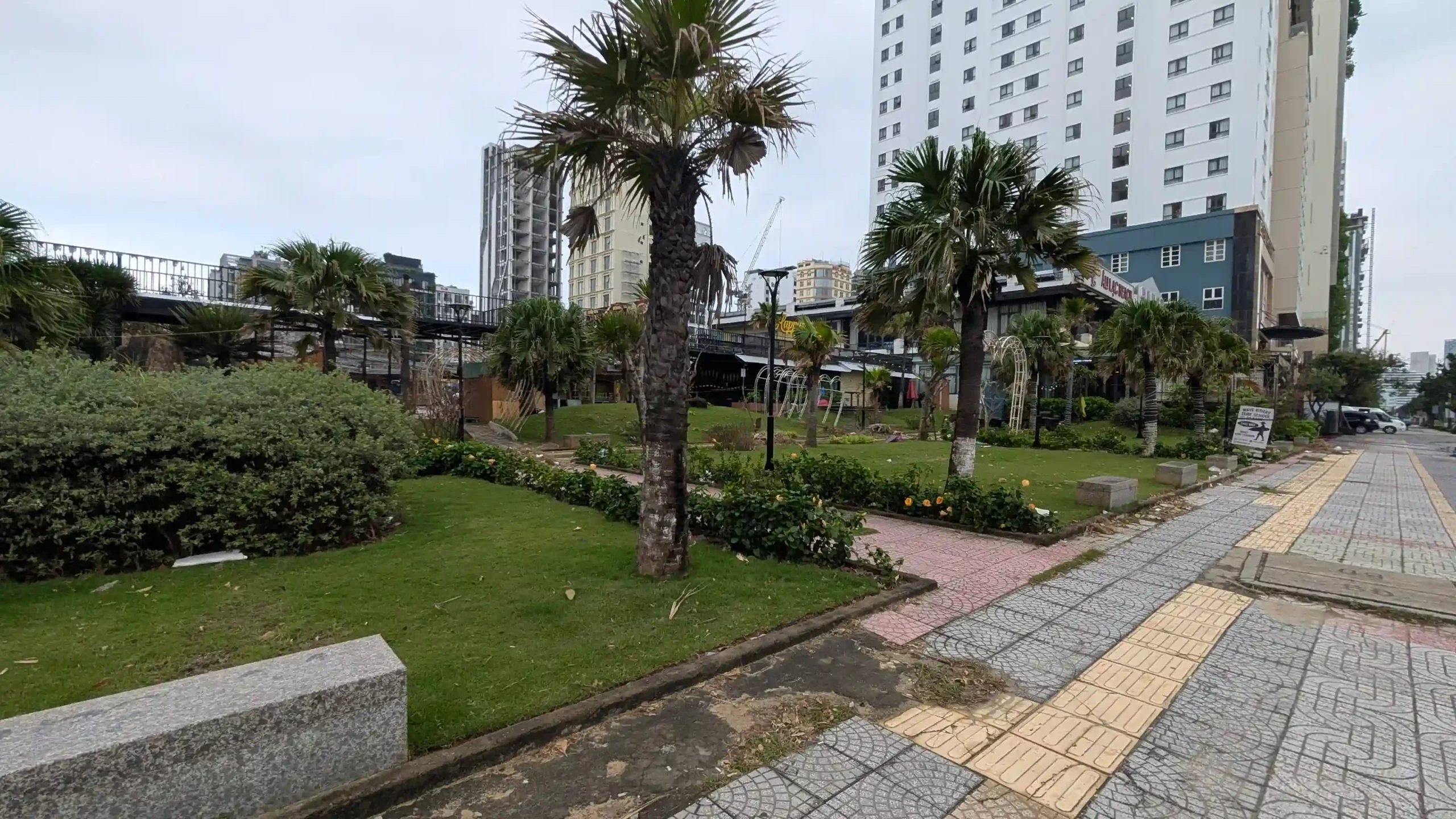
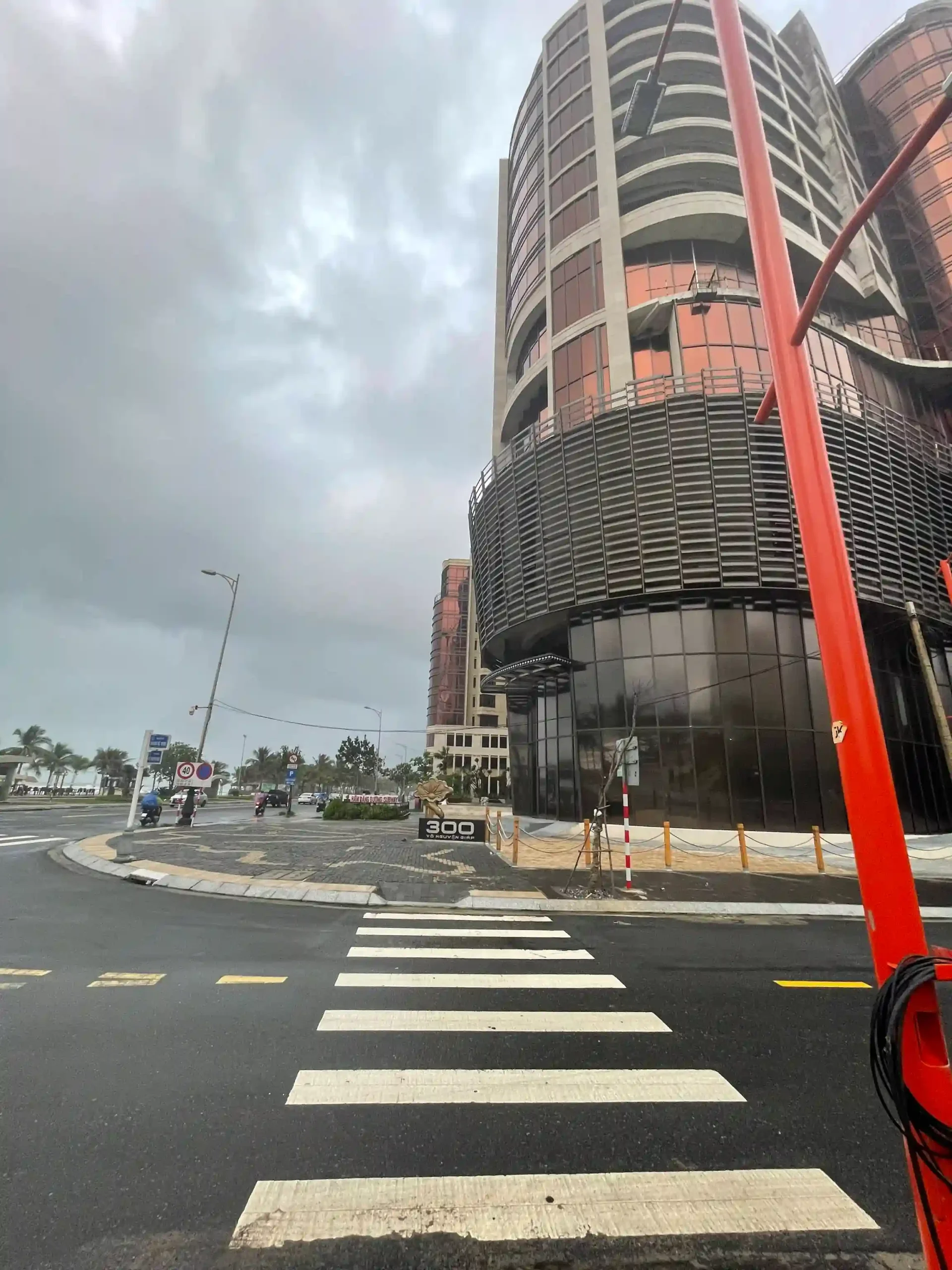
If you have five days here and you just want everything to work flawlessly without overthinking.
Where you stay: An Thuong. Specifically south of Vo Van Kiet street but north of the massive resorts. Yes, it’s a bit of an expat zoo. But when you are only here for five days, you do not want to waste an hour of your morning figuring out bus routes or walking a mile to find decent coffee.
You wake up, rent a lounge chair on My Khe, and grab western food when your stomach can’t handle more local spice. You can take short taxis to the important things and come back to comfort.
The Digital Nomad working online
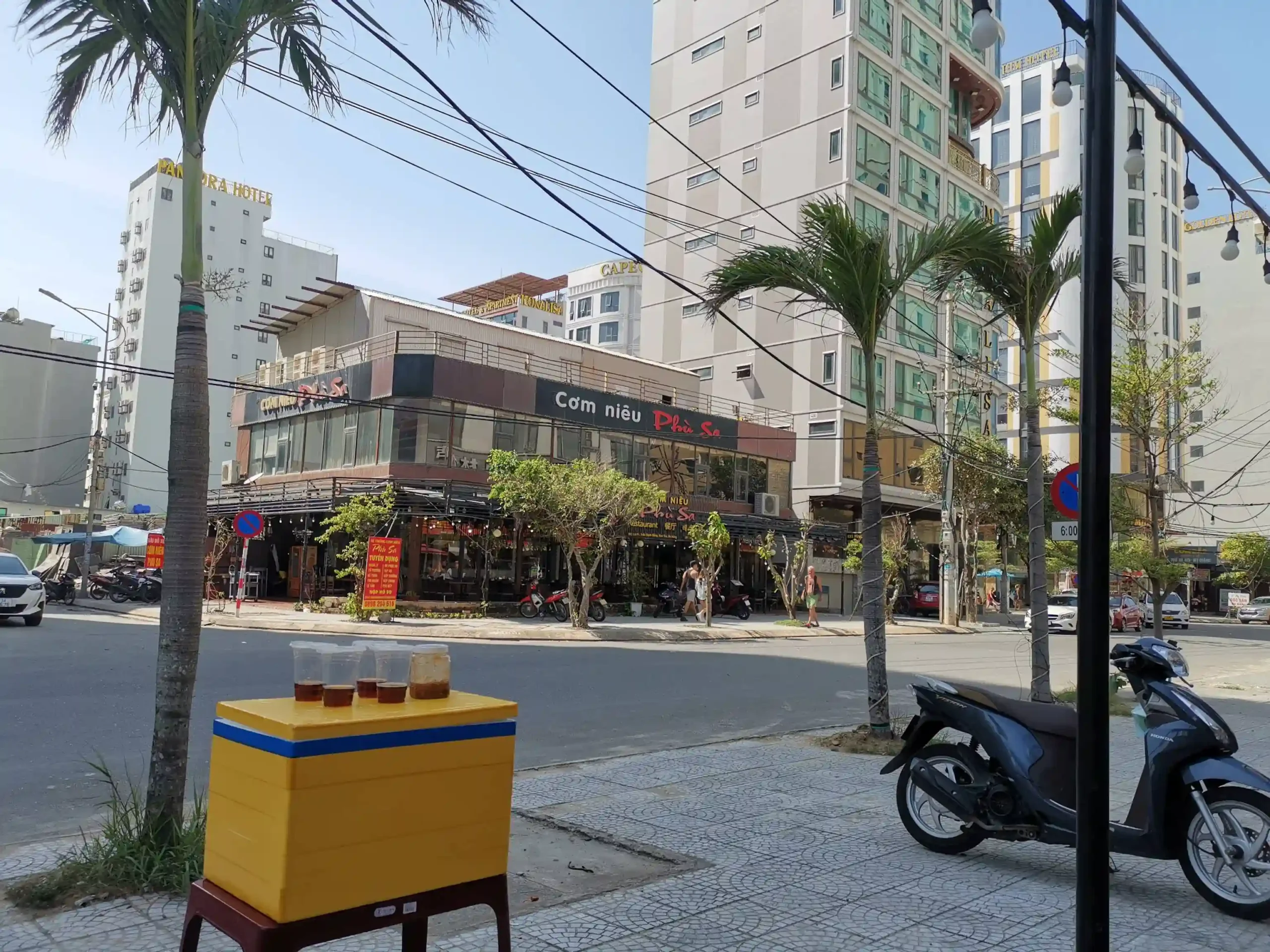
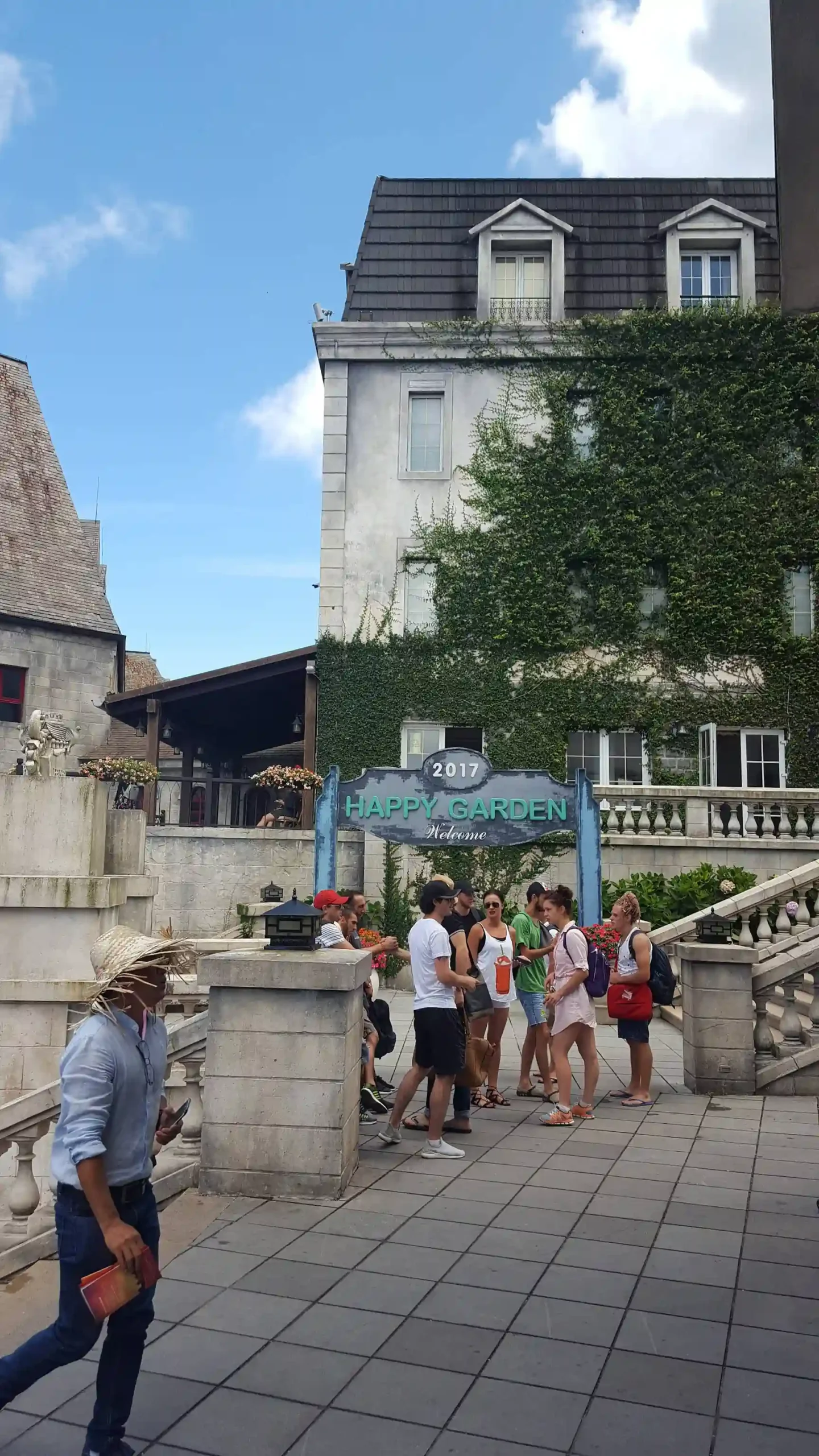
If you have your laptop, you need strong coffee, fast fiber-optic Wi-Fi, and cheap local lunches.
Where you stay: The My An area, slightly further south down the beach from the main An Thuong grid, bordering the local market area called Chau Thi Te.
The noise dies down here. You still have access to the heavy expat infrastructure and the massive modern coworking spaces, but rent plummets drastically just by walking ten blocks south. You buy fresh fruit from local grandmothers sitting on the road every morning and then go tap away at a keyboard overlooking the water.
The Relentless Foodie
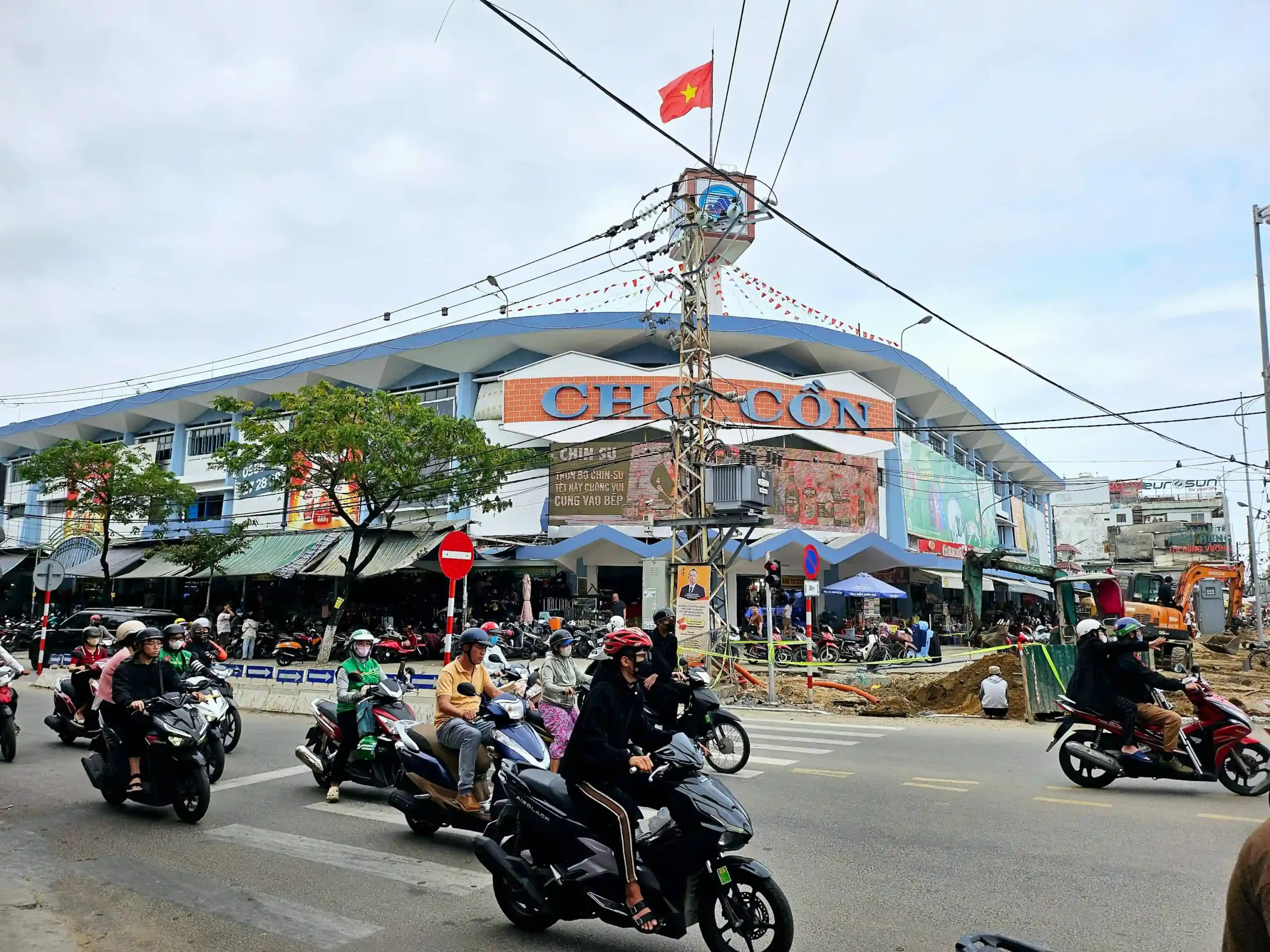
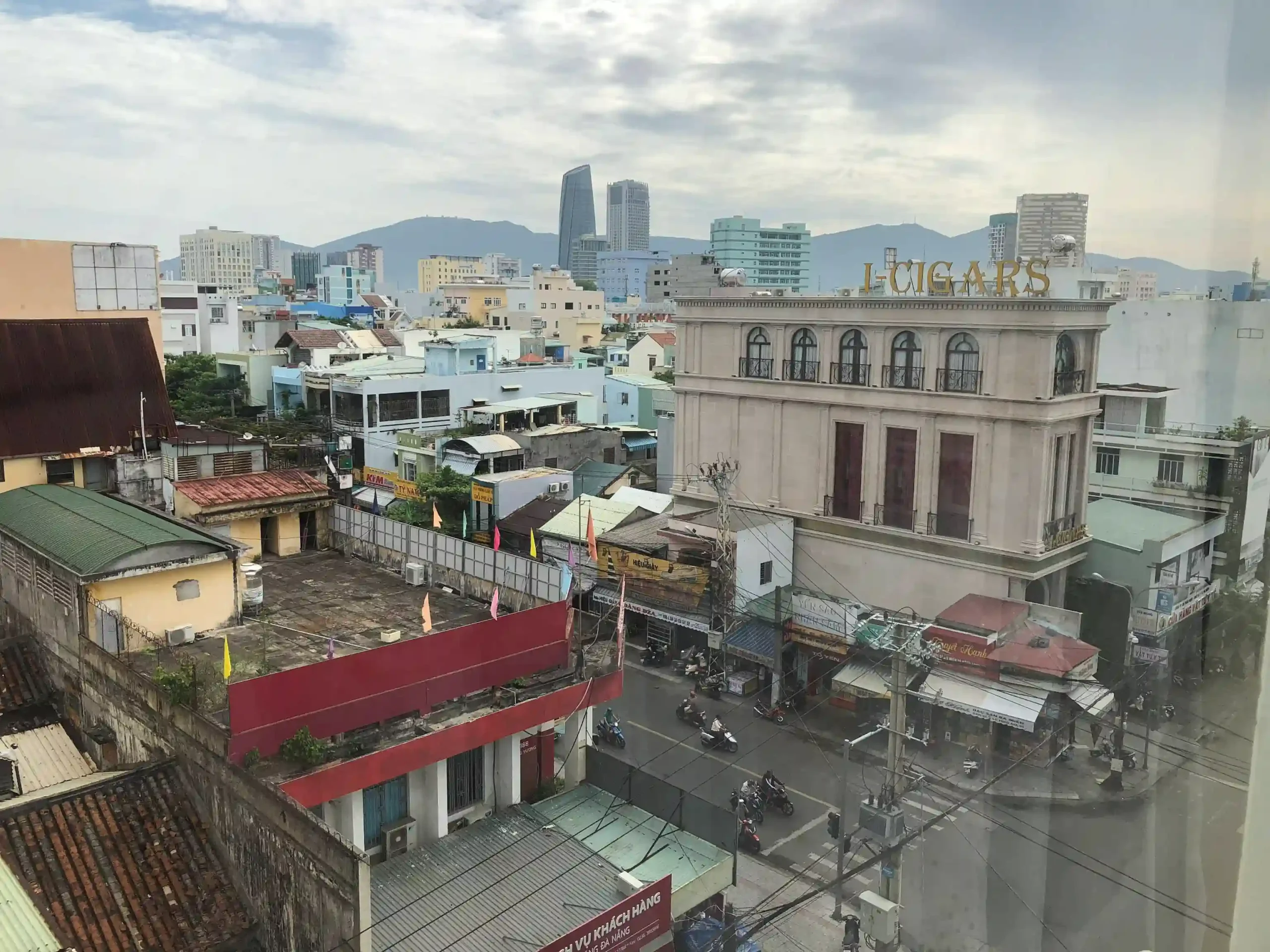
If you brought stomach medicine, watched Anthony Bourdain videos before your flight, and simply want the grittiest, tastiest, most aggressive bowls of soup available.
Where you stay: Right near Con Market on the city side. Draw a circle around the intersection of Hung Vuong and Ong Ich Khiem streets. You will rarely hear English spoken in the alleys. The smells are intense. You wake up, step outside your front door, and eat breakfast seated on tiny blue plastic chairs while dodging scooter exhausts.
This is authentic. Your food costs will be absolutely negligible because local prices haven’t been touched by western inflation over here.
The Stressed-Out Family with Kids
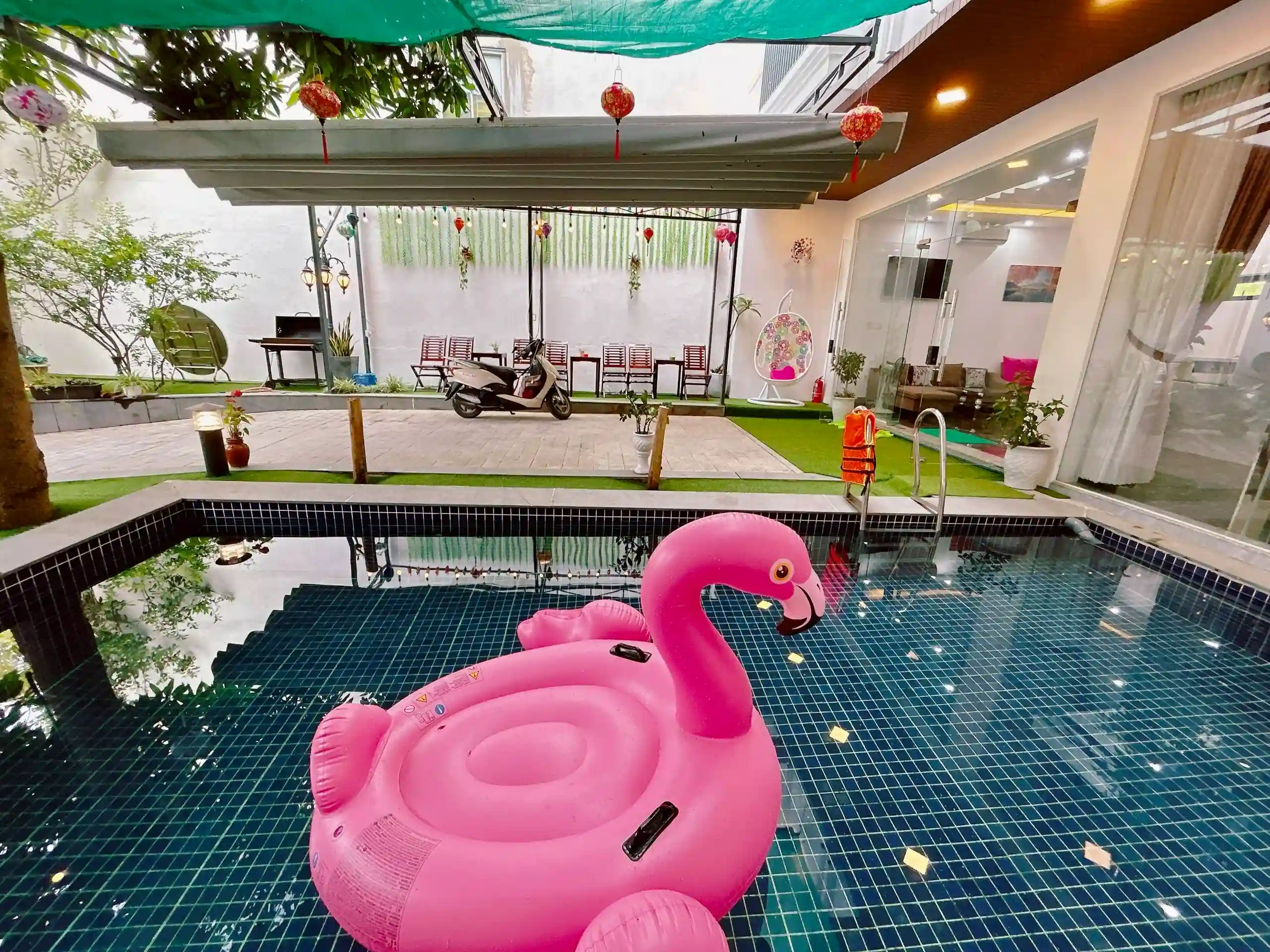
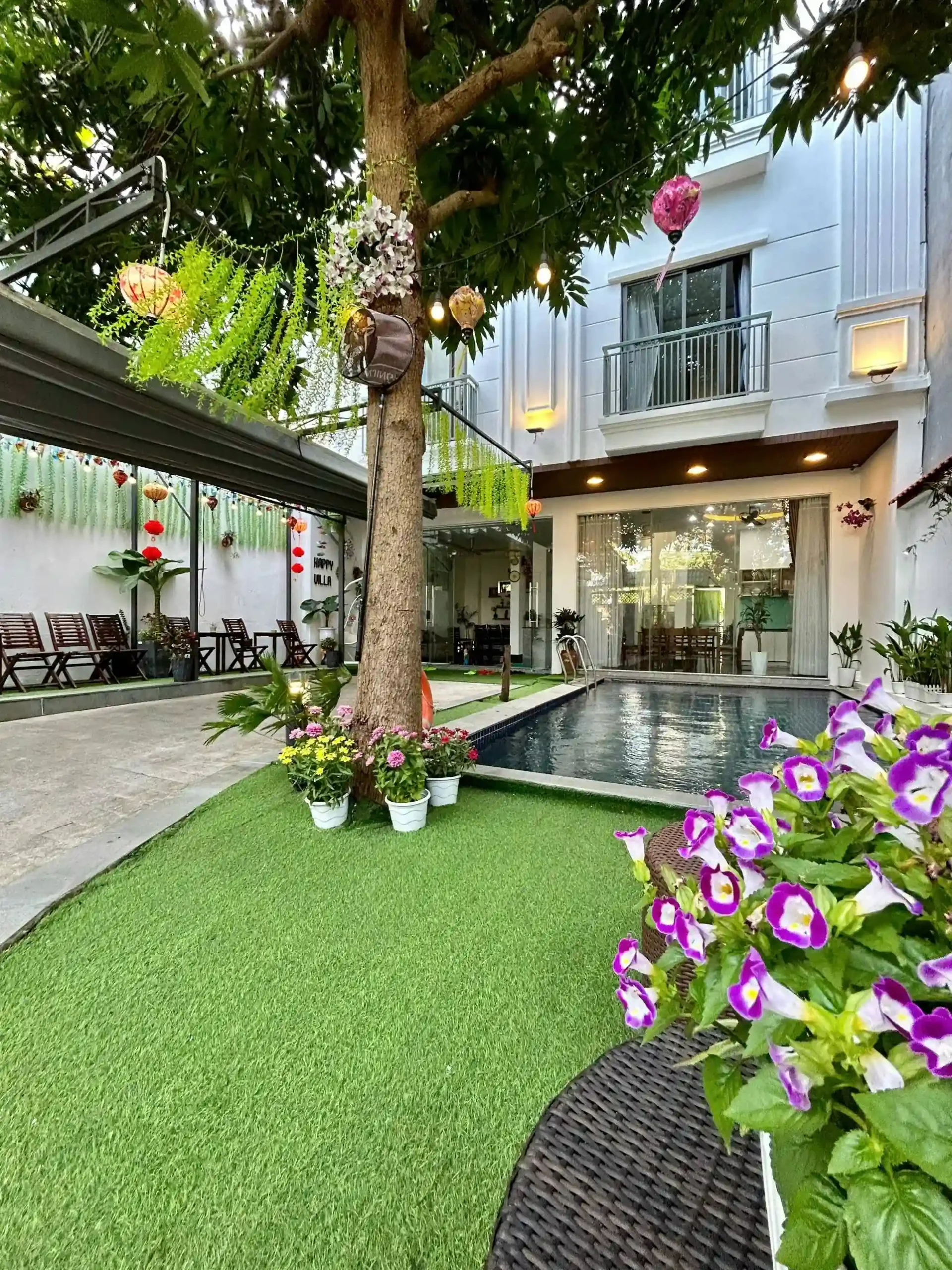
You don’t want your kids trying to cross unregulated traffic, and you are tired.
Where you stay: Do not try to rent a budget Airbnb deep in the city. Rent a small local villa or find a highly-rated apartment compound located directly along the broad roads near Pham Van Dong (North Beach side). It offers more space for kids to run without getting hit by motorcycles.
Alternatively, suck up the costs, book one of the all-inclusive mid-level resorts far out in Non Nuoc, and just write off the extra transport fees to the city as a family peace-of-mind tax.
Dealing with your choice once you get there
Look, wherever you decide to throw your suitcase, you just have to adapt to the friction that comes with it.
Da Nang doesn’t reward perfect planning because the city is changing too rapidly. Entire street food markets get torn down to make room for condos overnight. New cafes appear in spots that were dirt patches a week ago.
Don’t let picking the neighborhood ruin your stress levels. Just accept that you will need to download the transport apps, be ready to deal with the bridges, and accept that getting a bit lost while driving a rented scooter is how you figure the map out.
Focus more on ensuring your specific hotel doesn’t have a giant jackhammer operating next door, and let the location details handle themselves. Choose your level of chaos, whether it’s local traffic chaos or backpacker drinking chaos,and lean into it.
The ocean water feels exactly the same no matter which block you wake up on.

Keep Exploring Da Nang
-
See & do UltimateMy best things to see in Da Nang if you only have 3 days ›
-
StaysBest Da Nang hotels near My Khe Beach, I tried so u don’t have to ›
-
Spots Must readI tried 10 Da Nang activities so you know what to skip ›
-
Route Must readThe only Da Nang itinerary that covers everything you need ›











 Tiếng Việt
 한국어
한국어 中文 (中国)
 日本語
日本語 ไทย
ไทย Deutsch
 Español
 Destinations
 Instagram
 Facebook
 X (Twitter)
 Threads
 Tiktok