









 Ha Giang
 Hanoi
Hanoi Ho Chi Minh City
 Ha Long
 Sapa
Sapa Mekong Delta
 Da Nang
 Hue
Hue Hoi An
 Ninh Binh
 Da Lat
 Nha Trang
 Phan Thiet
 Phu Quoc
 Quang Binh
 Quy Nhon
 Vung Tau
 Thai Nguyen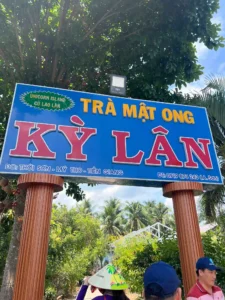




It depends on your situation, but for most people on a 3-5 day trip, yes.
The combo day is long, the schedule is tight, and you will feel rushed at parts. But you’ll also see two completely different sides of Southern Vietnam in one go, which is genuinely hard to pull off otherwise unless you’re staying longer. I’ve done both separately and I’ve done the combo. My view is that the combo wins for most first-timers, with some caveats.
This sits under my Ho Chi Minh City guide and connects to the attractions cluster for the region. If you’re already planning your days more broadly, check the Ho Chi Minh City itinerary here first to figure out how this fits your schedule.
- Quick Answer: Doing Cu Chi Tunnels and Mekong Delta in one day is worth it for travelers with 3-5 days in Saigon who don’t have time to dedicate separate full days to each. It’s a 10-12 hour day with 3-4 hours of driving. The tunnels get about 2 hours, the Delta gets about 3. Both feel slightly rushed, but neither feels pointless. A small-group tour ($40-50 per person) is the only way to make this work logistically.
- The verdict:
- Yes for: short trips (3-5 days), people who want to see both, budget-conscious travelers
- No for: people with a full week, those who specifically care deeply about the history (do Cu Chi separately), anyone who hates long days in a van
- What the day actually looks like:
- 7:00-7:30am: Hotel pickup in District 1
- 8:30-9:00am: Arrive at Cu Chi Tunnels (90km northwest of Saigon)
- 9:00-11:00am: Cu Chi visit: documentary, tunnels, exhibits
- 11:30am: Lunch at a restaurant en route
- 1:00-1:30pm: Arrive My Tho, Mekong Delta
- 1:30-4:30pm: Boat on the river, island stops, sampan through canals
- 5:00-7:00pm: Drive back to Saigon
- Price range:
- Budget group tour (up to 20 people): $40-45
- Small group tour (max 12 people): $45-50
- Private tour (just you, or your group): $50-80
- The honest issues:
- You’re in a van for 3-4 hours total. This is the main complaint.
- Cu Chi gets rushed on the combo. The tunnels deserve more time if you’re really into war history.
- Some Mekong stops feel commercial (coconut candy factory, honey tea with selling pressure).
Why People Question the Combo
The concern makes sense on paper. Cu Chi Tunnels are about 70km northwest of Saigon. My Tho (the main Mekong Delta entry point) is about 70km south. So doing both in one day means going northwest, then swinging south, with lunch somewhere in between. That’s a lot of time in a van.
The tours that run this route are typically 10-12 hours, and of those, 3-4 hours is driving. On a hot day, in a van with other tourists, that’s a real thing to know about before you book.
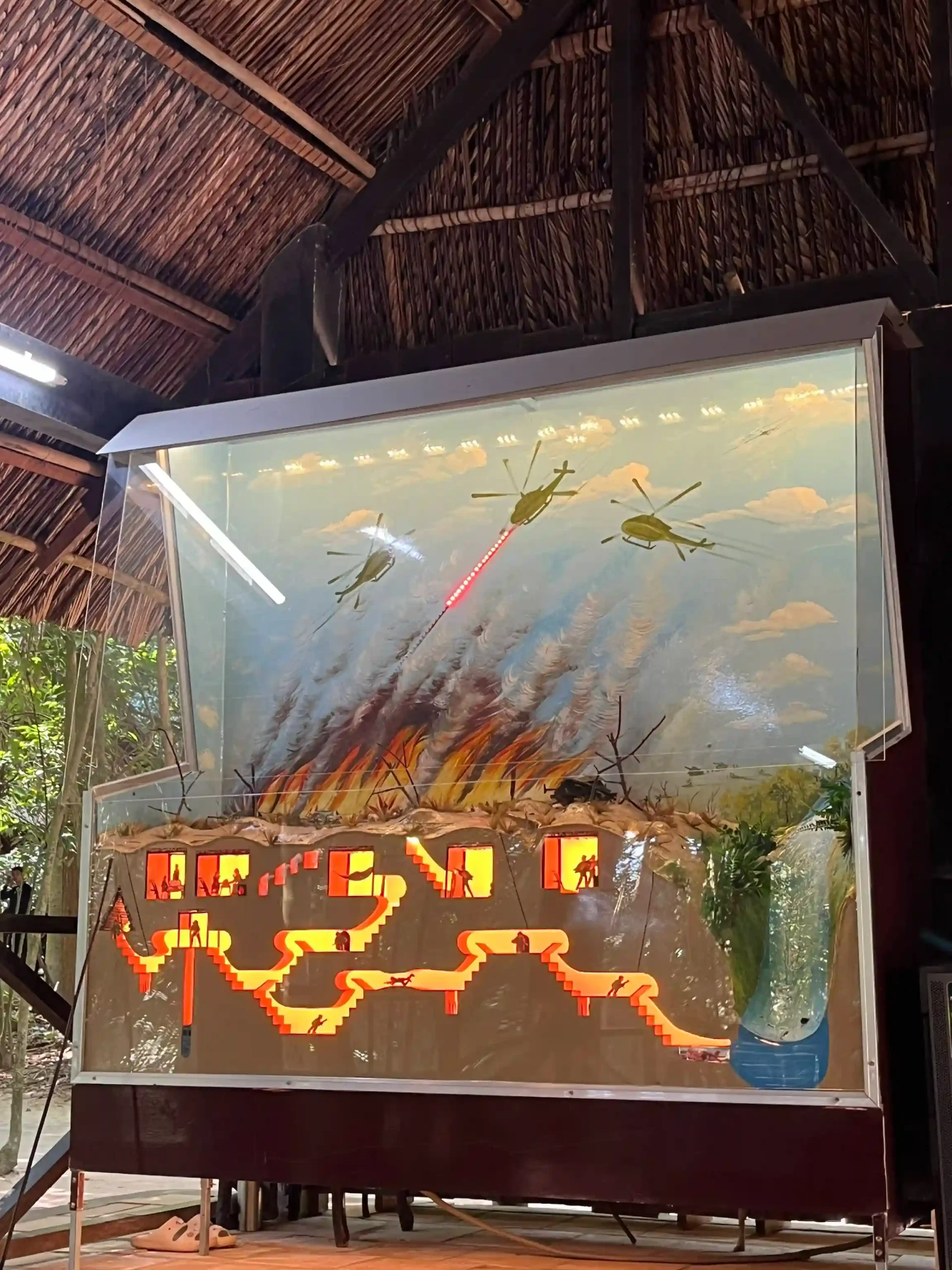
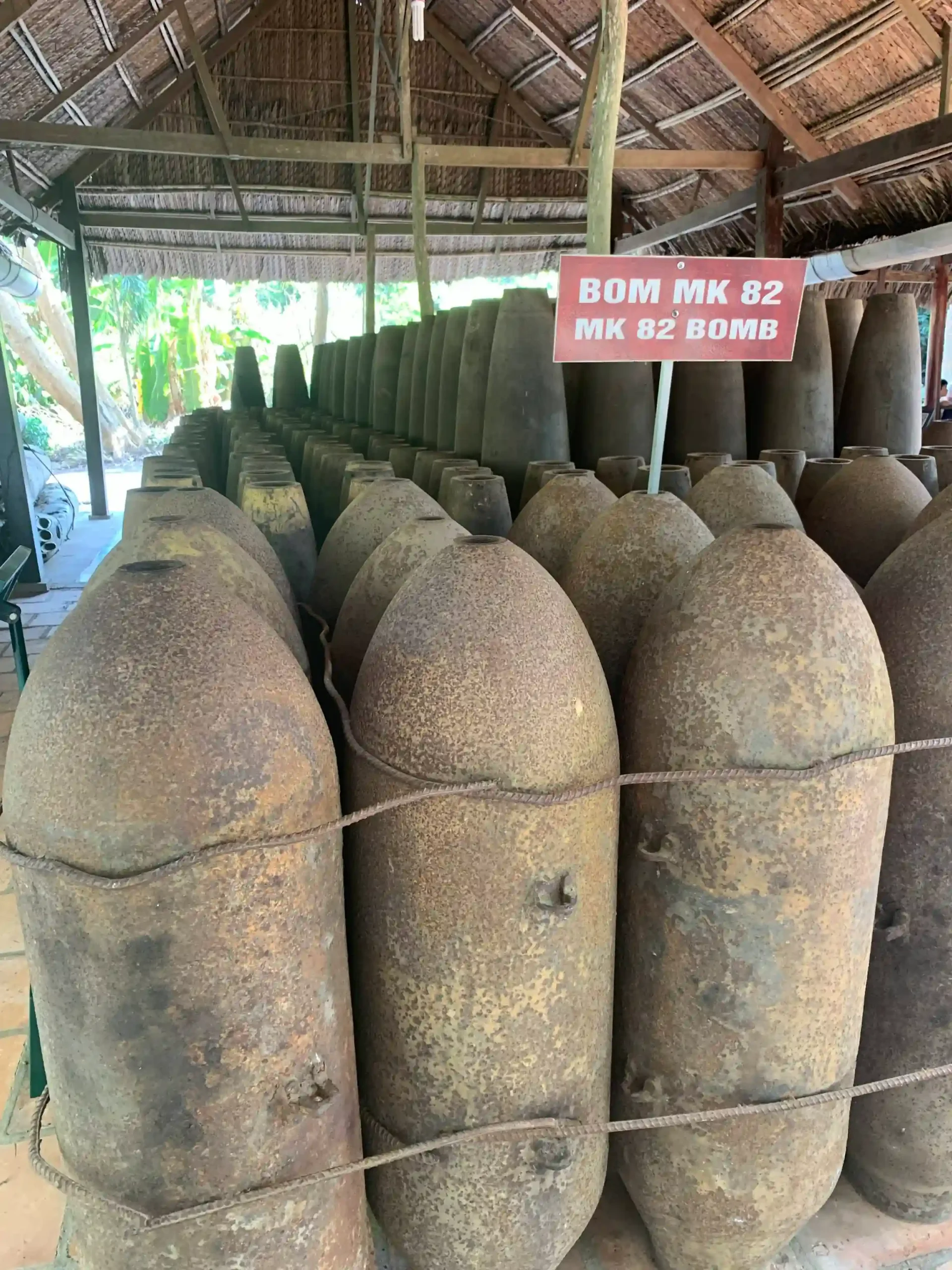
The other concern is what “2 hours at Cu Chi” actually means. The tunnels deserve more time if you’re genuinely interested in Vietnam War history. There’s a lot to take in, from the documentary film they show at the start, to the actual tunnels, to the outdoor exhibits with bomb craters and exploded tanks. Two hours is enough to get a sense of it, but you won’t go deep.
So why do it at all?
Because the alternative for most people is either doing one without the other, or not doing either. The Mekong Delta specifically gets skipped by a huge number of travelers on short Saigon trips, because it’s a full day on its own if you do it solo, and a lot of people don’t have a full day to spare once you factor in the city itself. The combo lets you tick both.
What Cu Chi Actually Gives You in the Time
On a standard combo tour, the Cu Chi portion looks something like this:
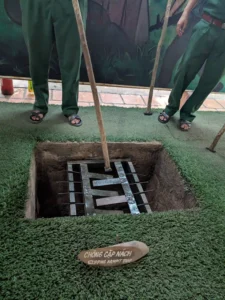
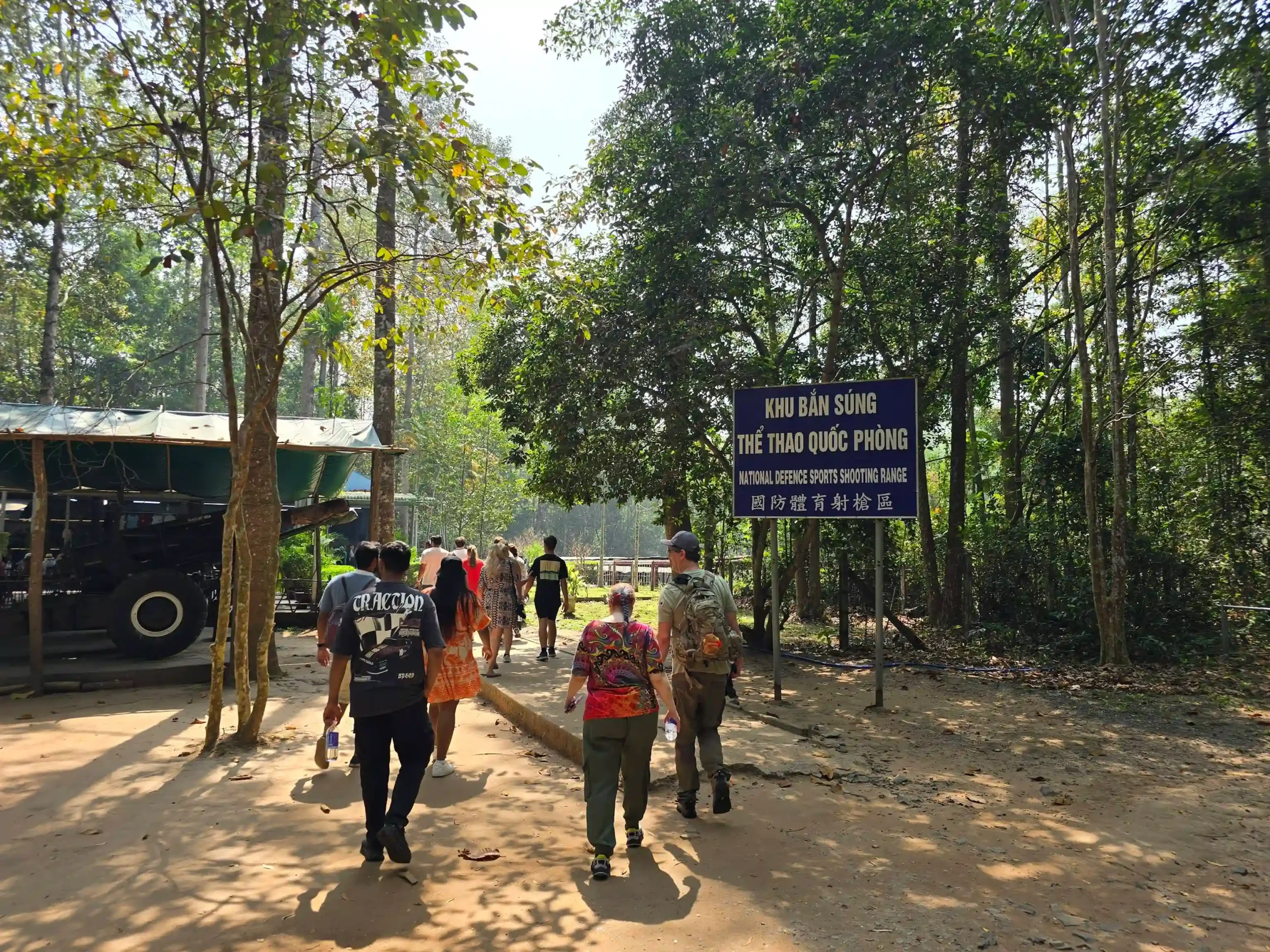
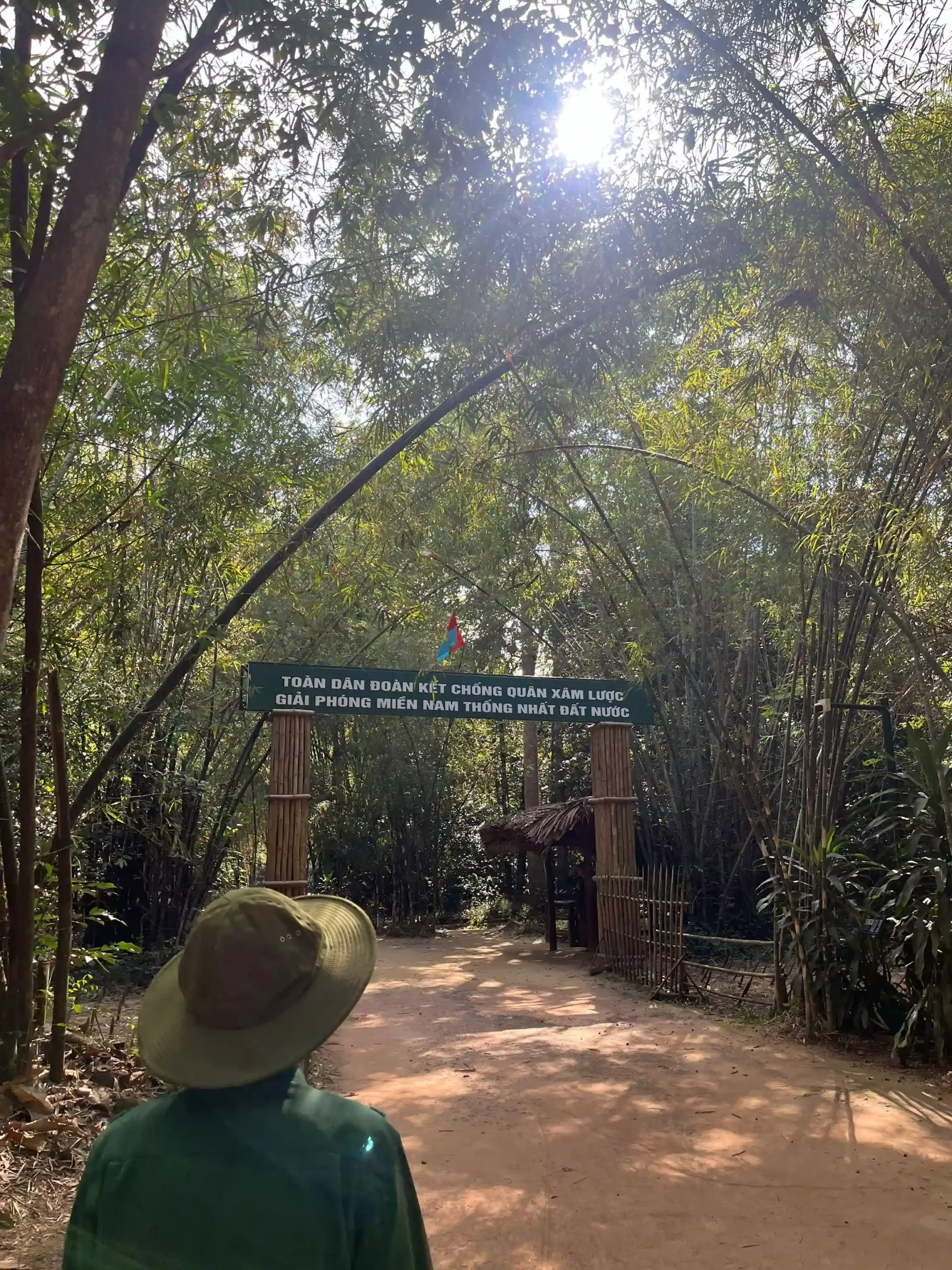
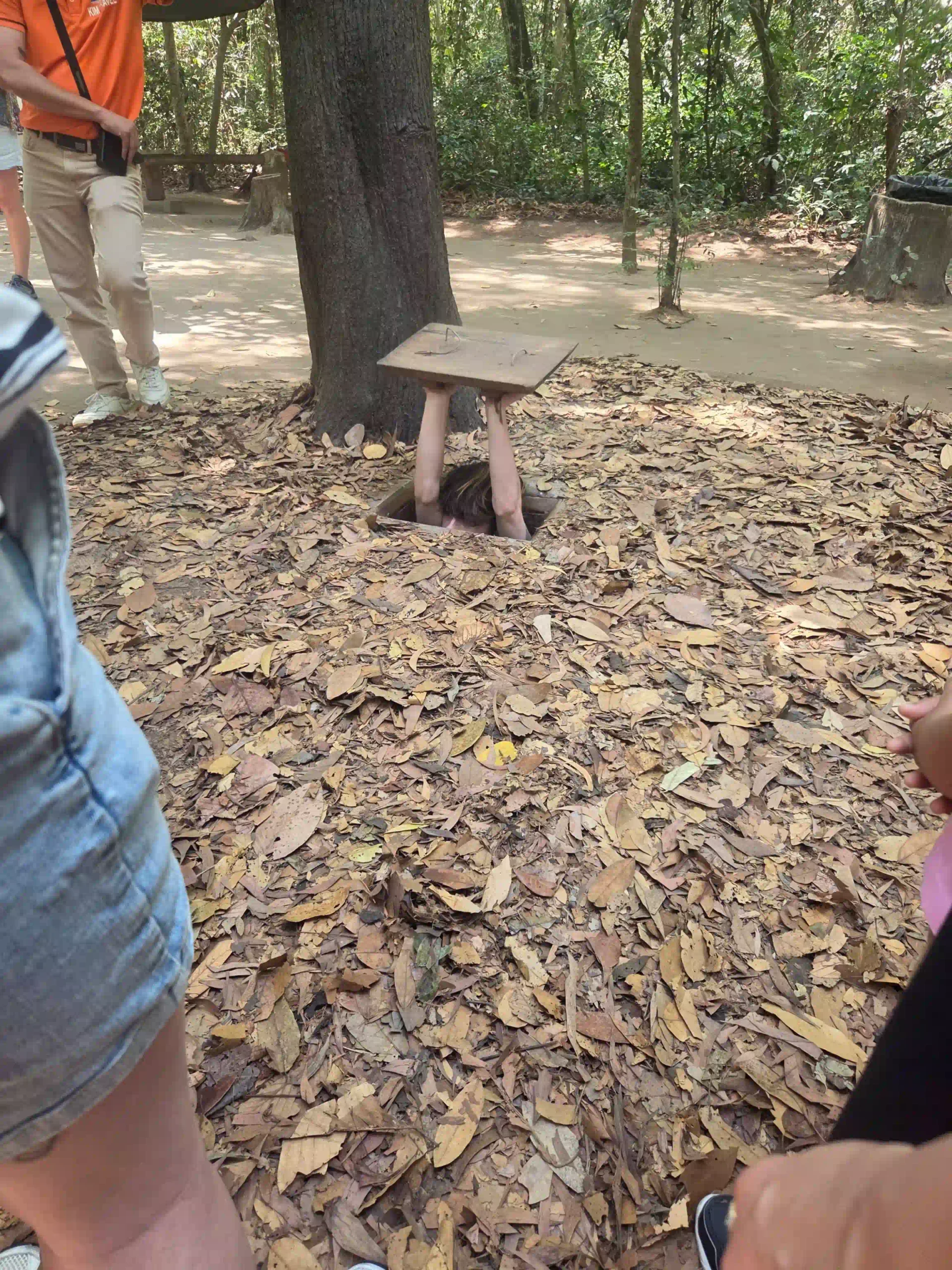
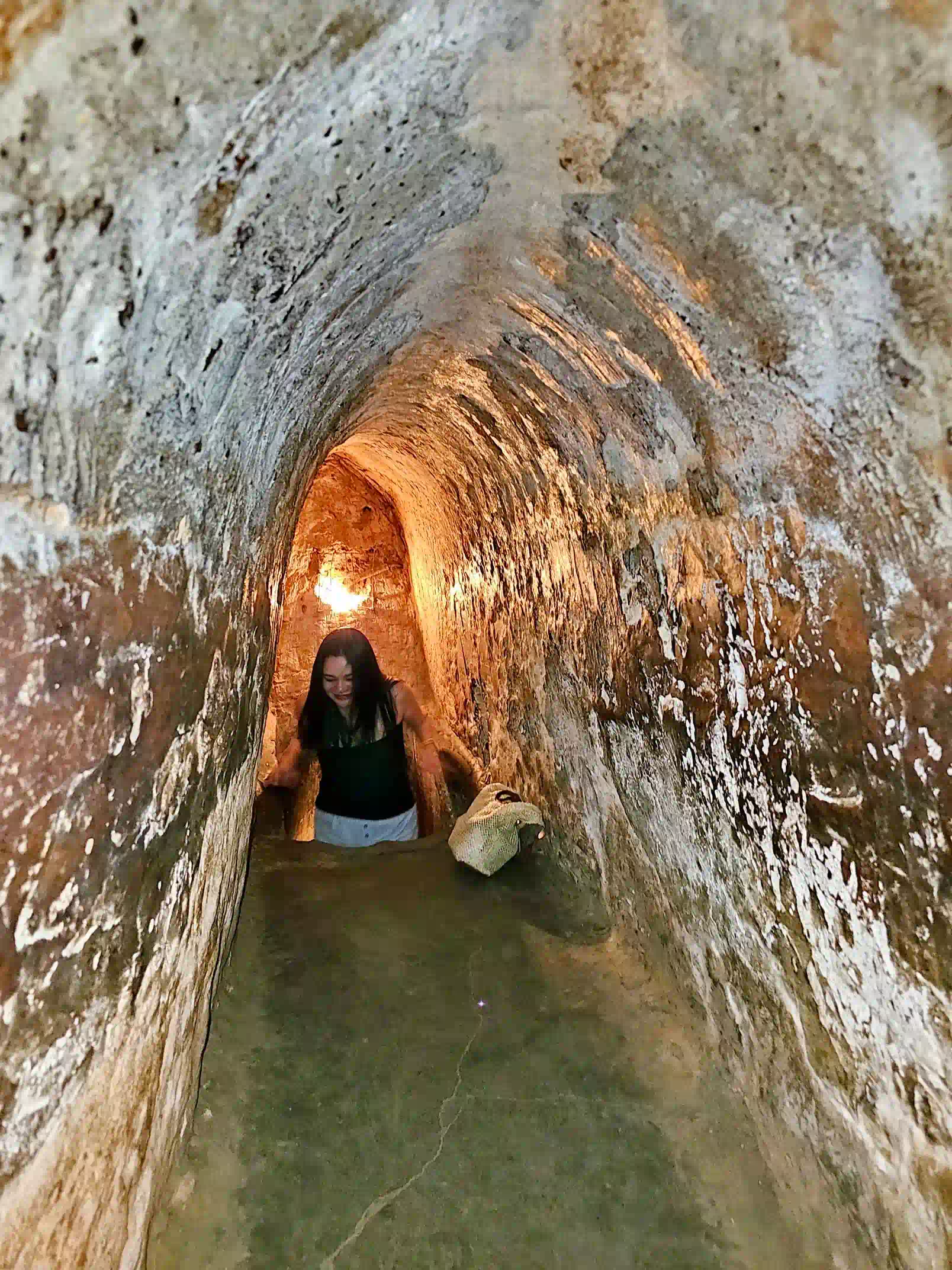
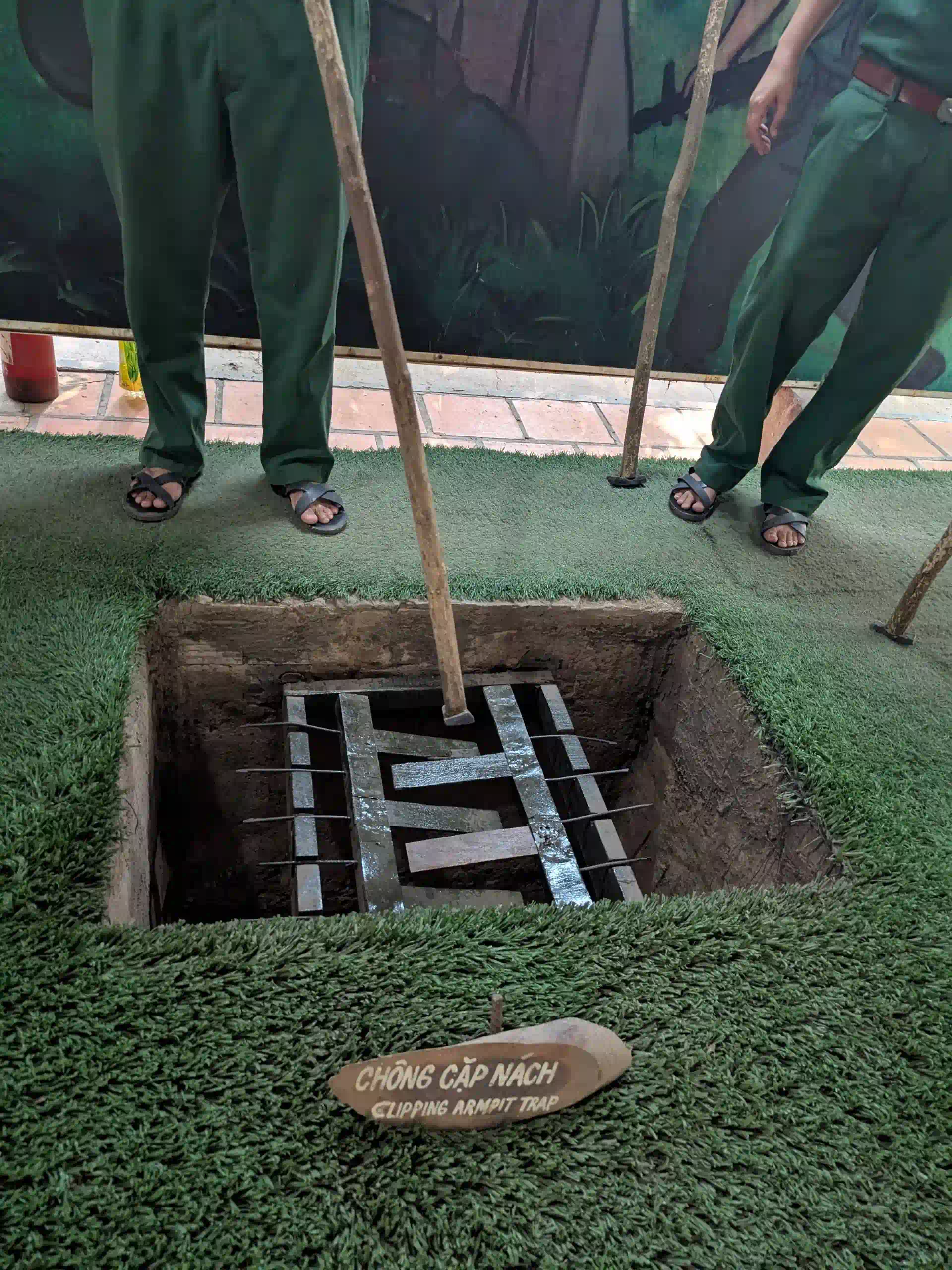
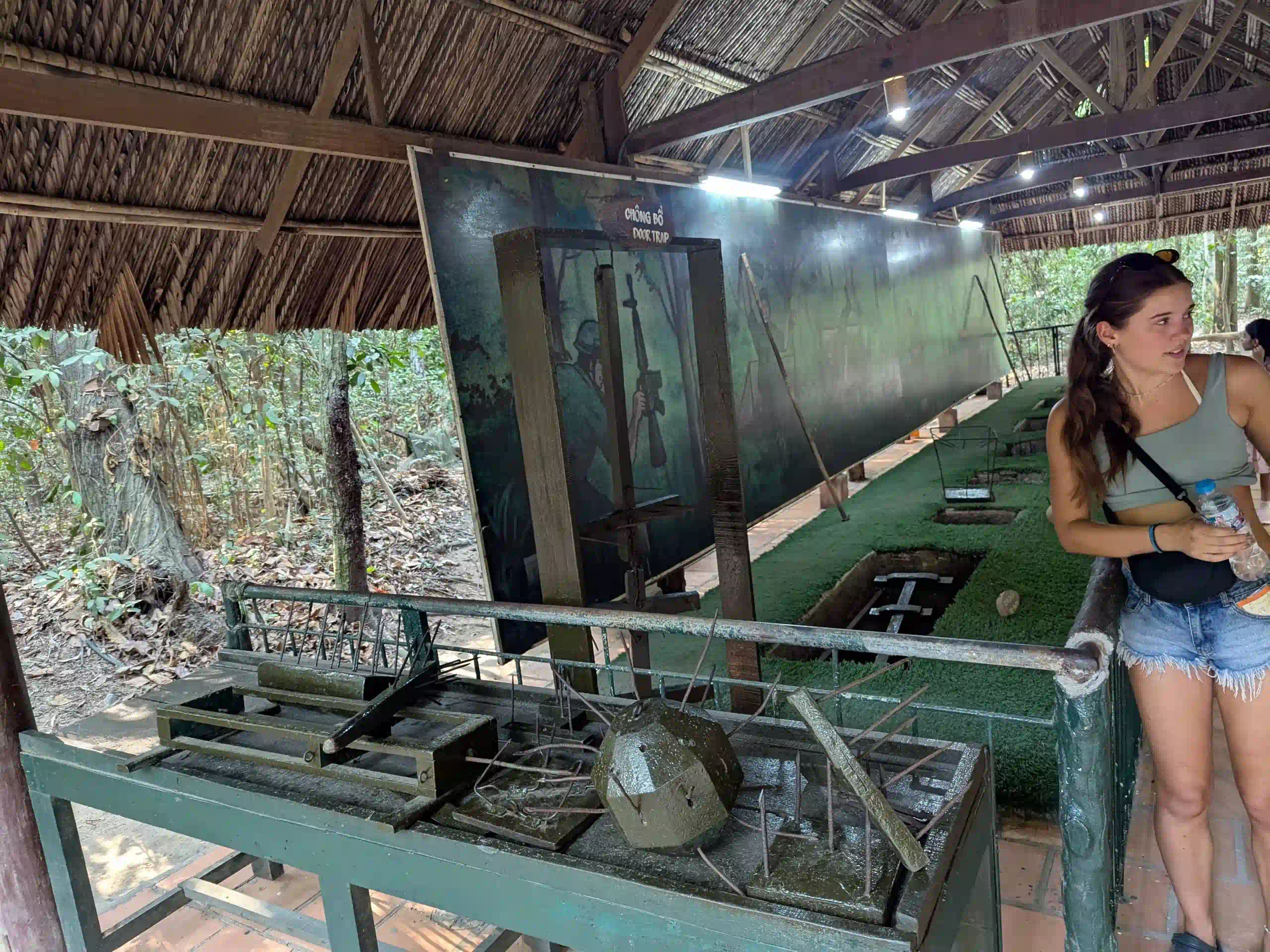
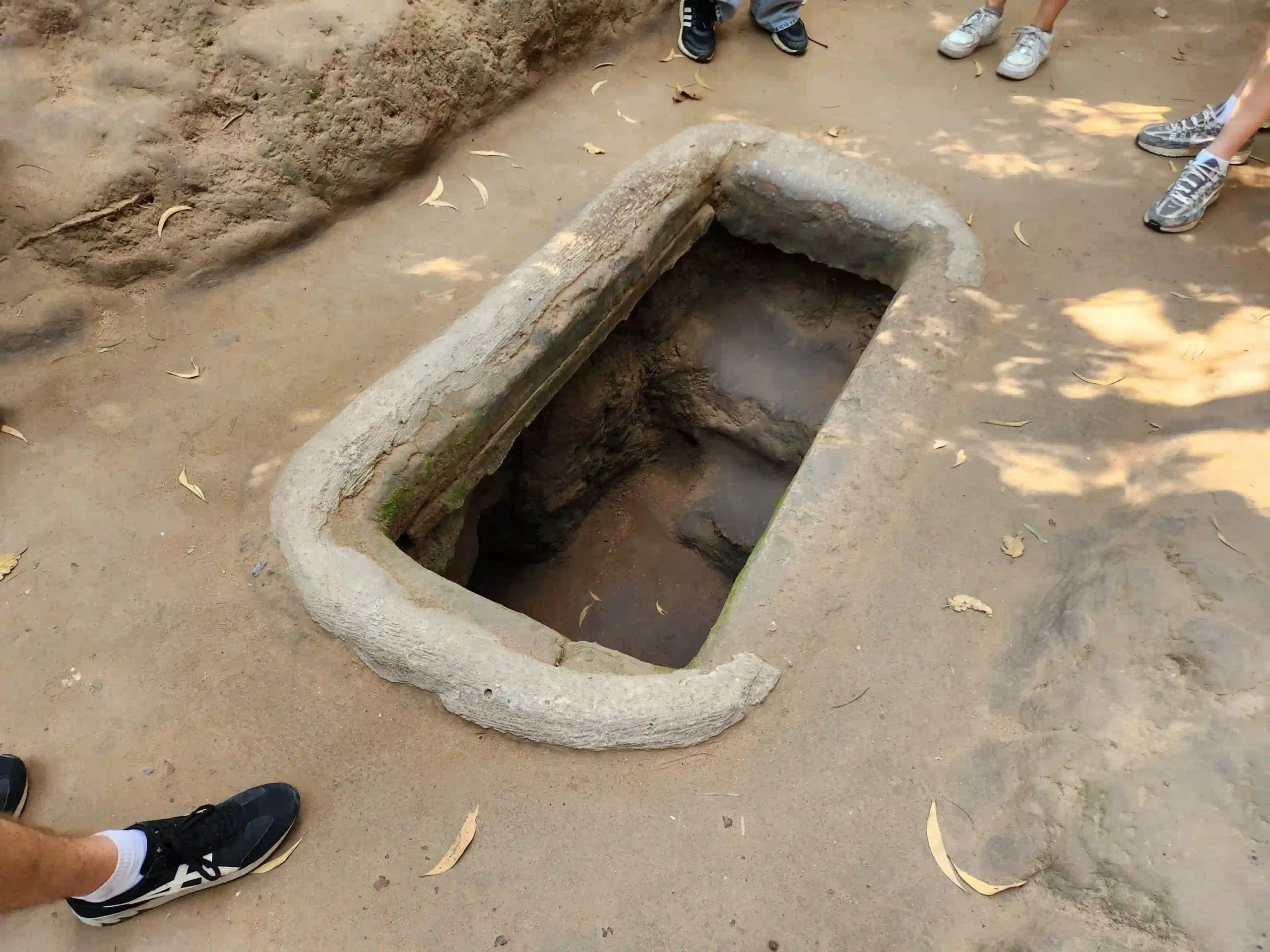
You arrive at Ben Duoc or Ben Dinh (Ben Dinh is more common on combo tours, slightly shorter drive and more tourist-ready). You watch a short documentary film about the tunnels, which is worth watching even if the production feels dated, because it gives context you won’t get just from walking around. Then a guide takes you through the outdoor exhibit area, showing trap mechanisms, kitchen ventilation systems, the scale model of the tunnel network. Then you get to go into the tunnels themselves.
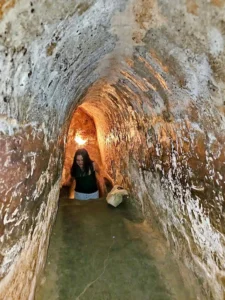
The tunnels tourists go through are widened versions of the originals. They’re still cramped, still dark, and still a physical experience. There are multiple segments of different lengths. Most people do one or two. The shorter ones are fully enclosed, the longer ones have exit points along the way if you need out.
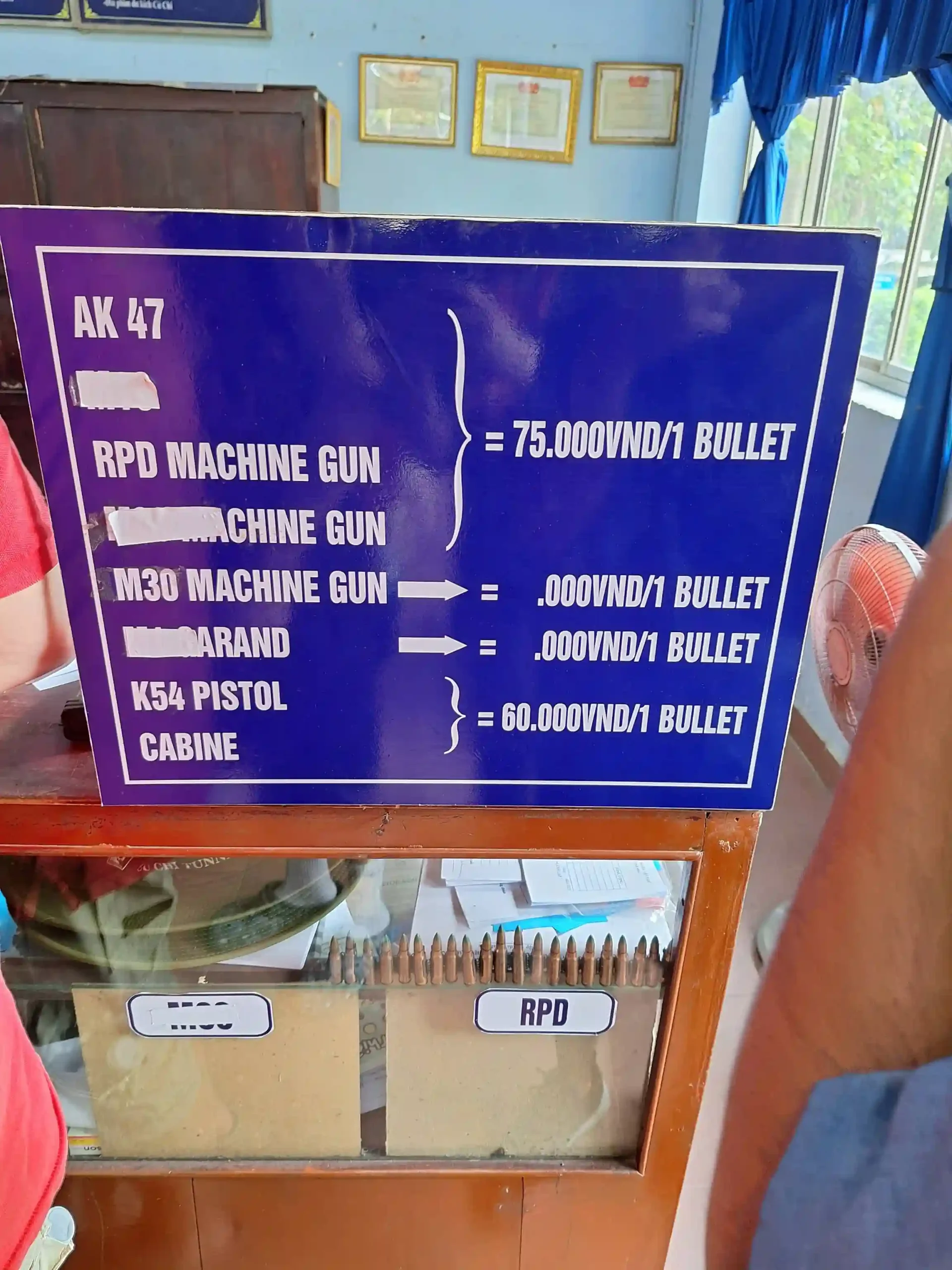
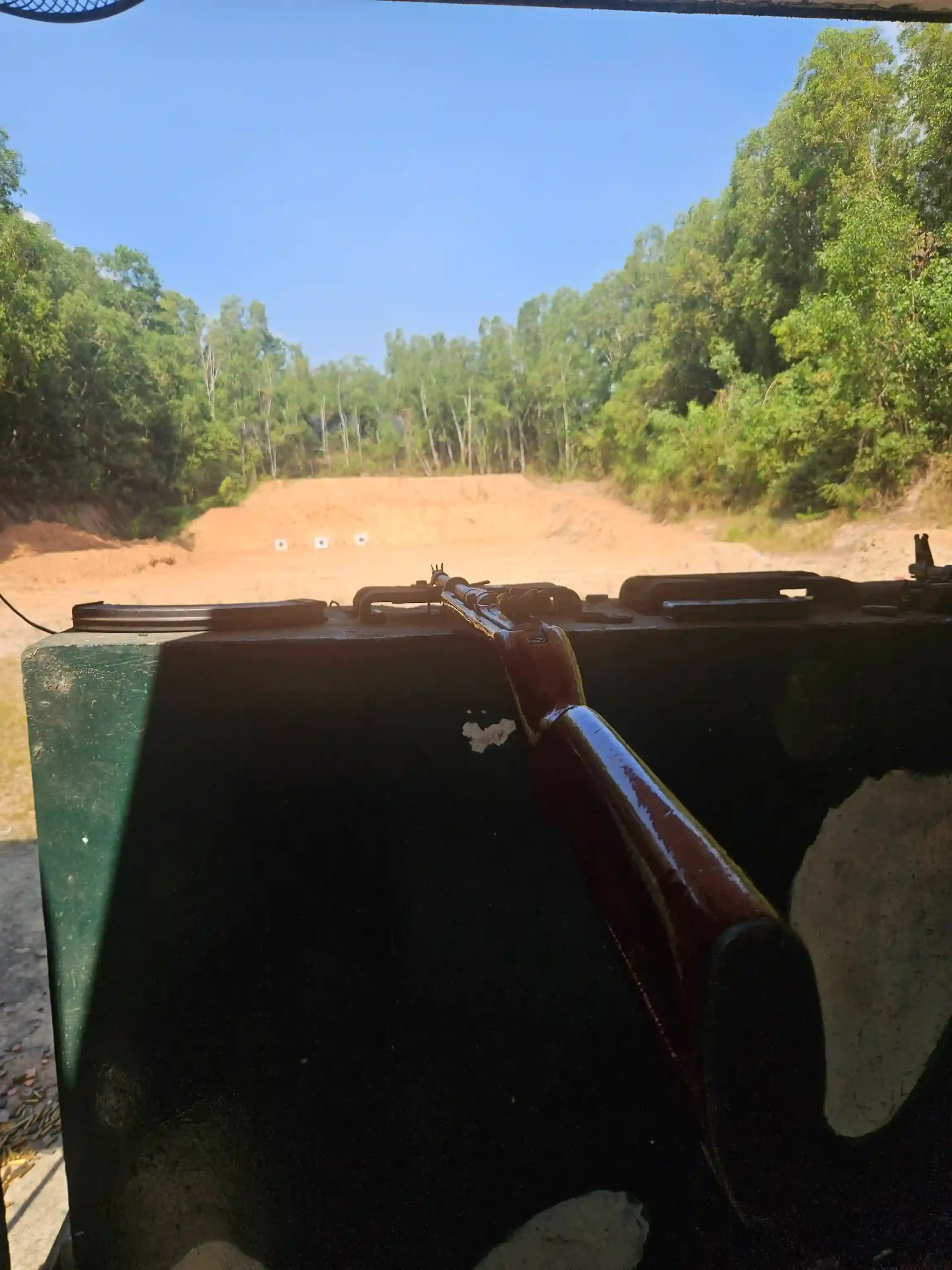
After that, there’s optional shooting at the range (AK-47, M16, etc. at roughly 50,000-60,000 VND per bullet, usually 10-bullet minimum), and then you’re back on the bus.
Two hours isn’t enough to do everything, but it covers the core experience.
If you come specifically for the war history and you want to stay for longer, do Cu Chi separately as a half-day trip. That’s genuinely a better experience if the history is the point for you. But if you want the experience without making it the whole day, the combo is fine.
What the Mekong Actually Gives You
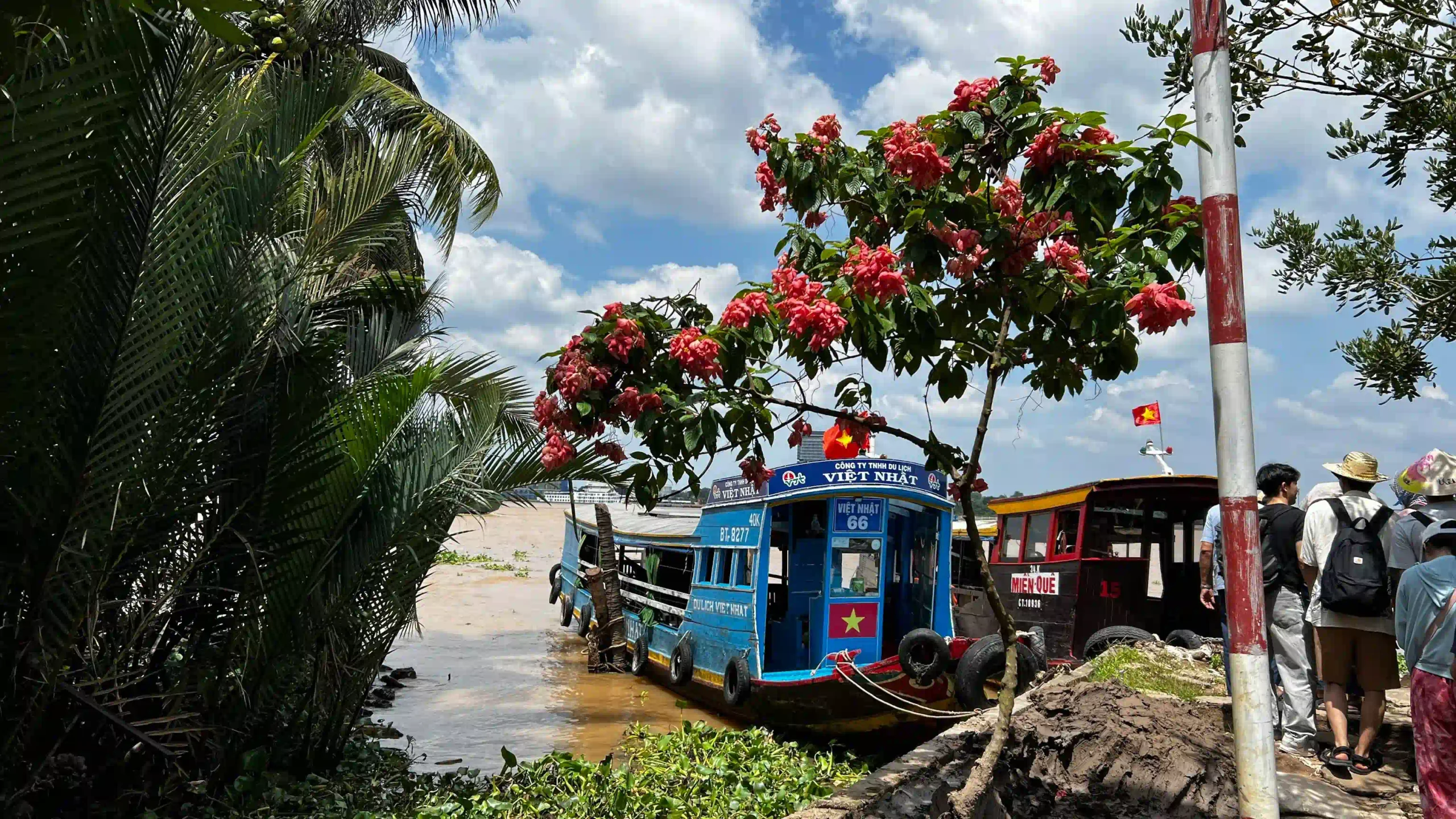
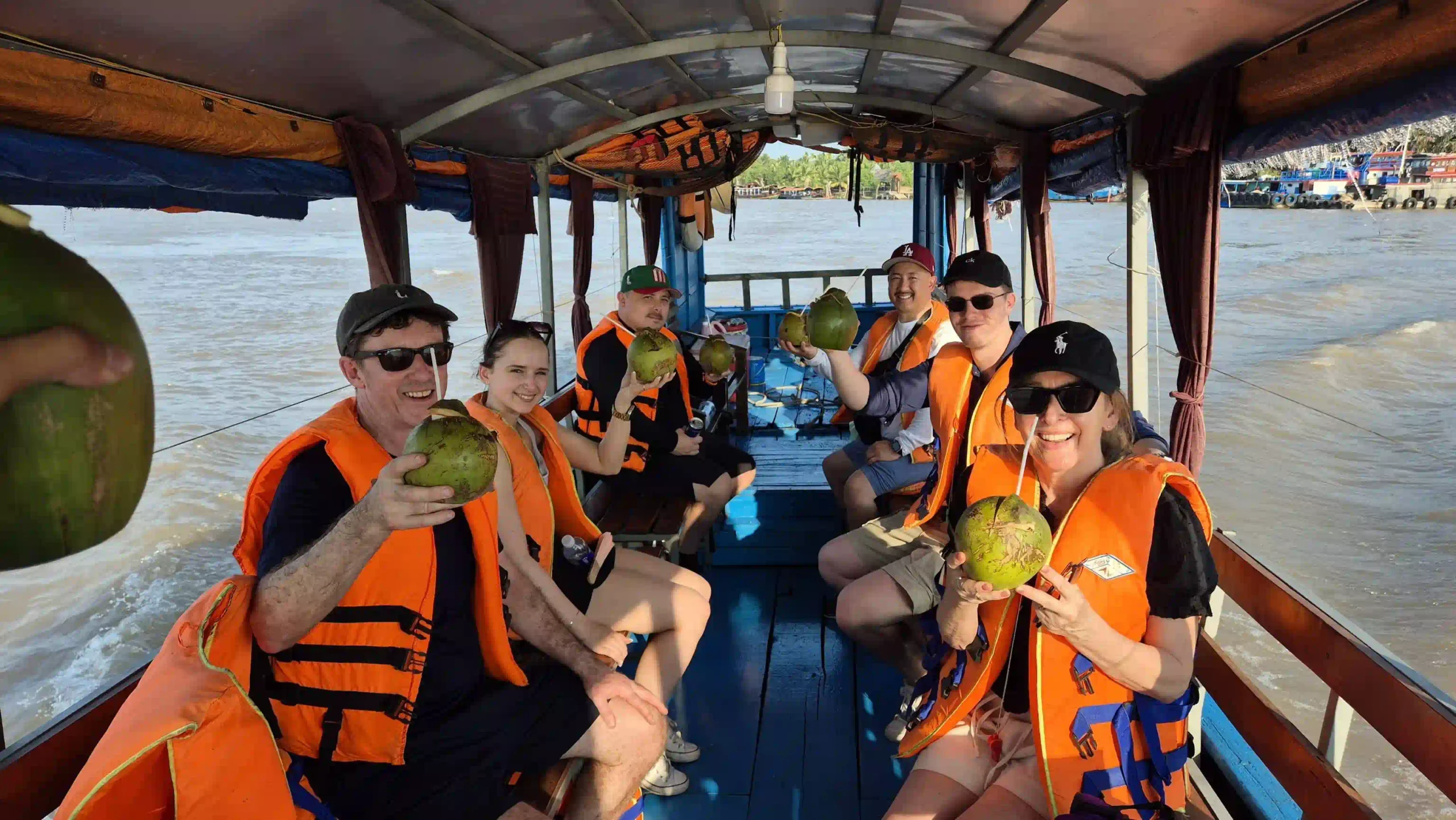
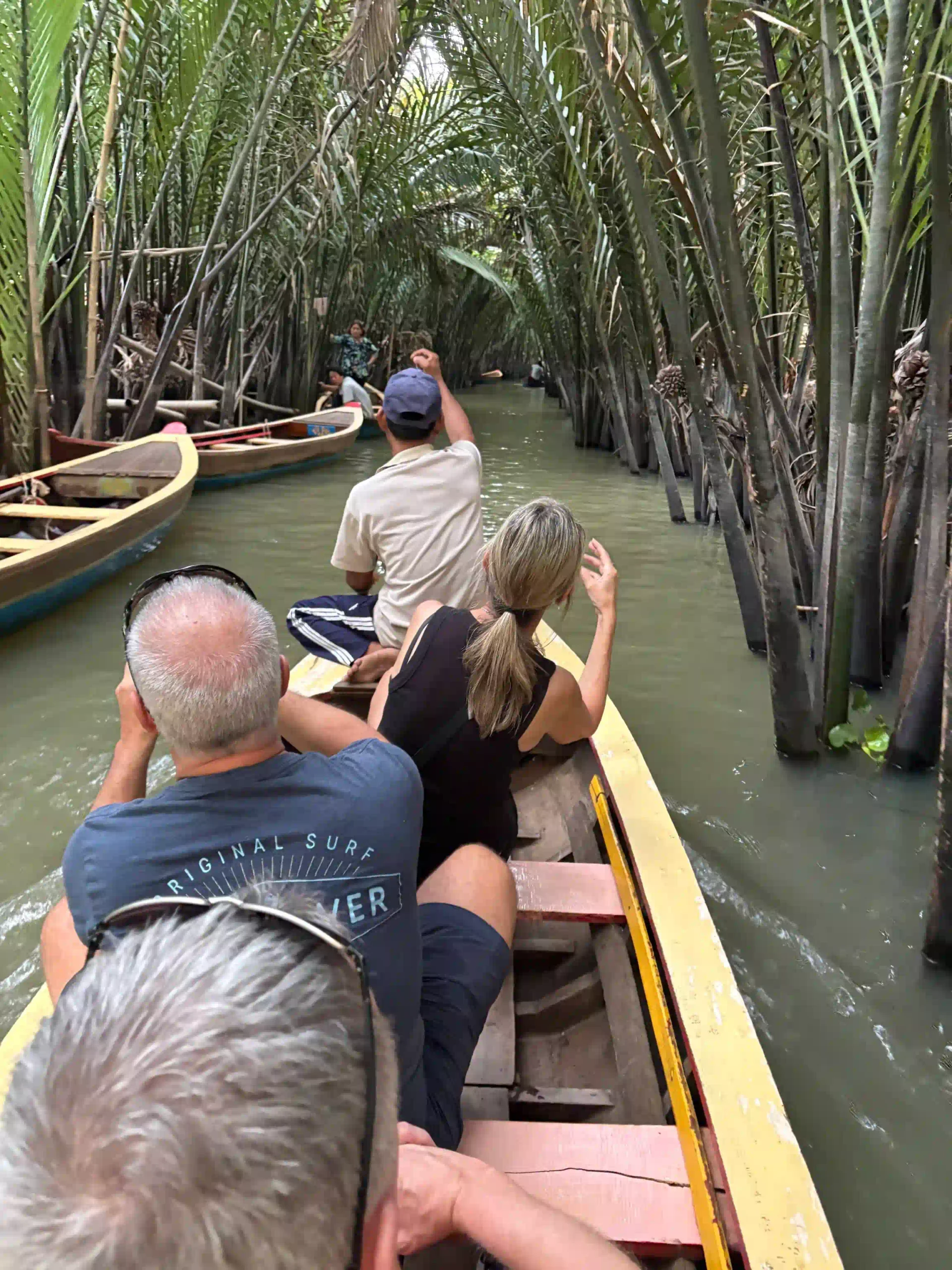
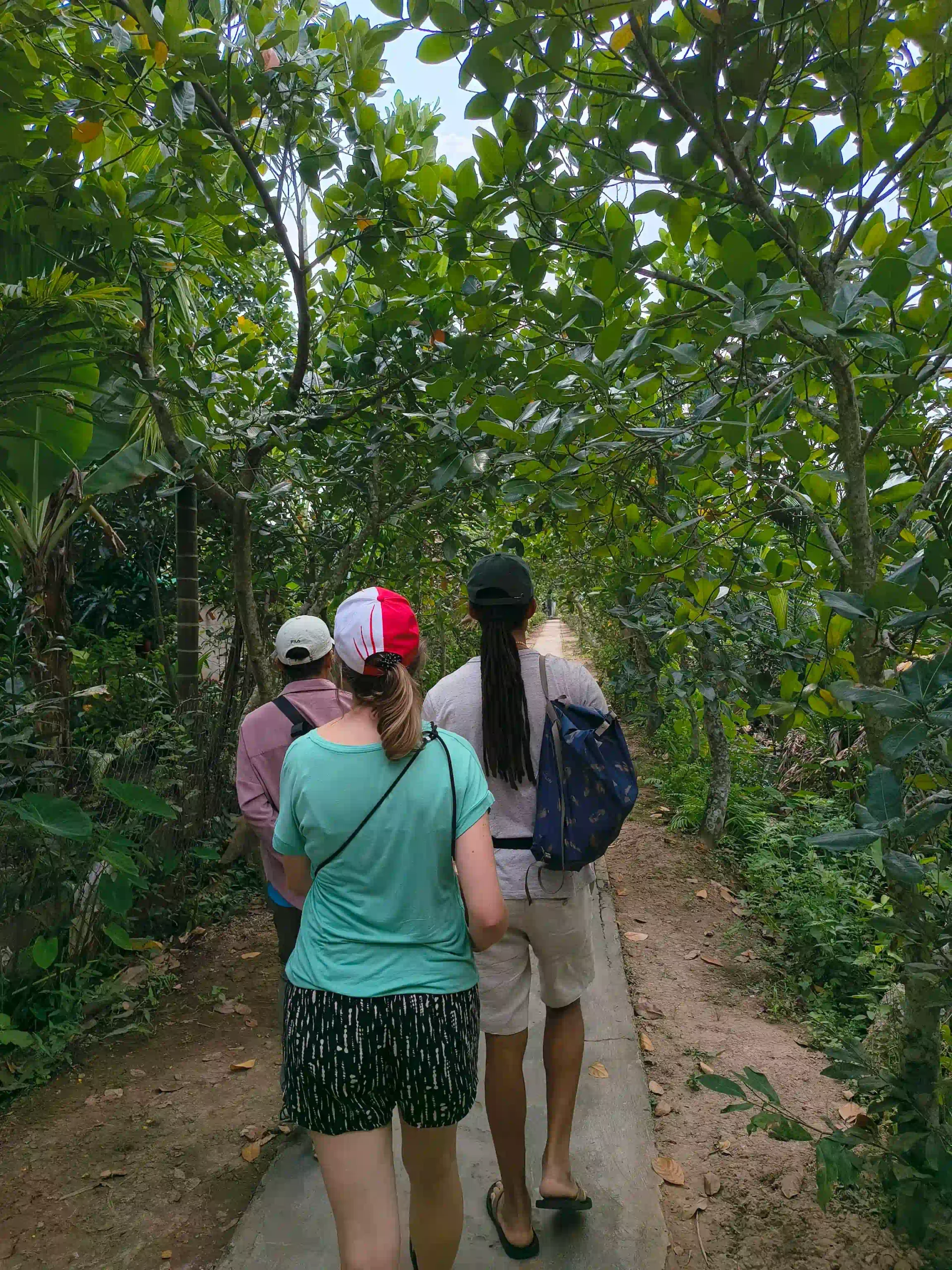
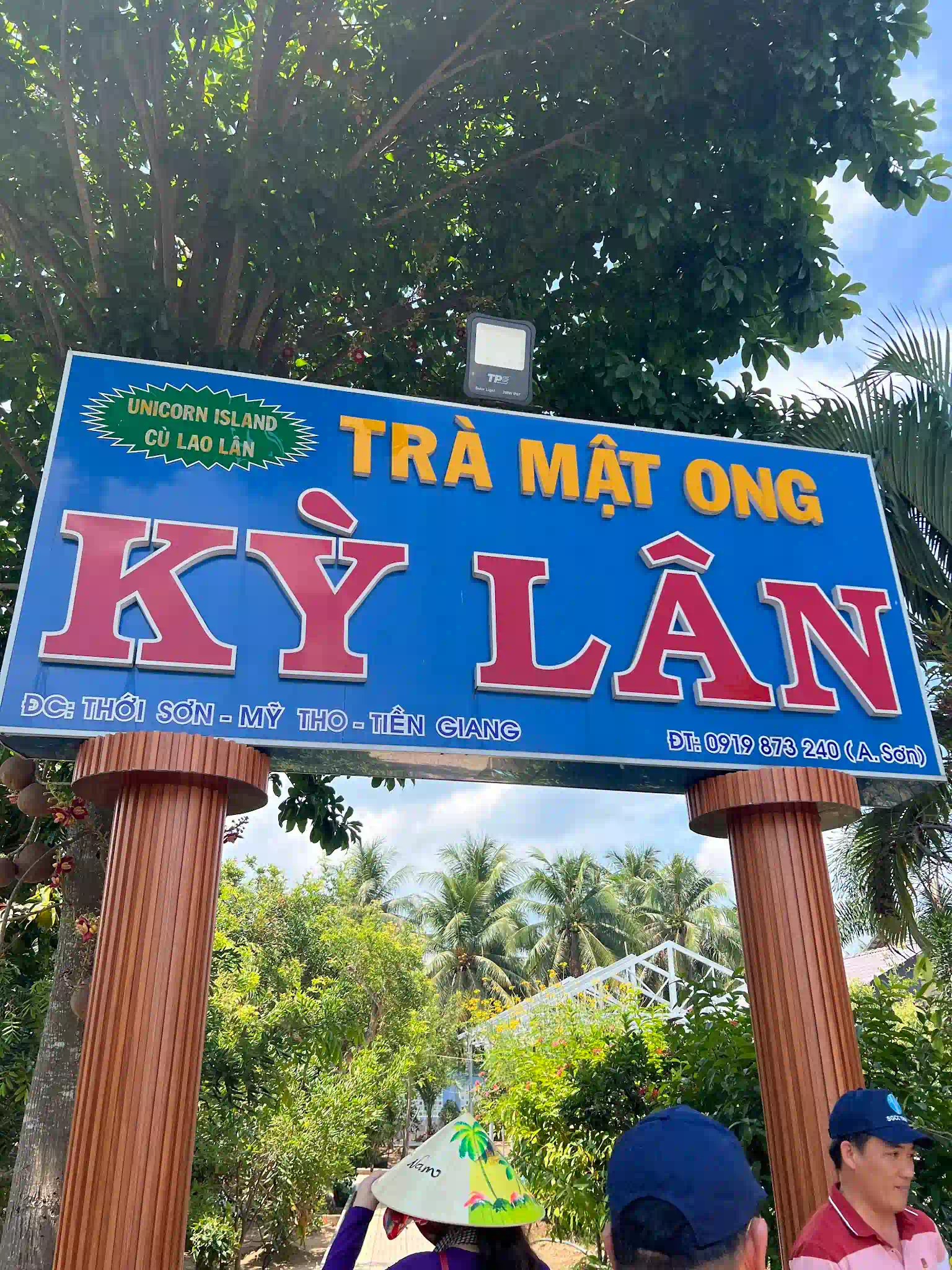
The Mekong Delta portion usually centers on My Tho in Tien Giang Province, about 70km south of Saigon. You board a motorboat, cruise out to one of the Four Islands (Unicorn, Dragon, Phoenix, or Tortoise), and then do a series of stops.
The standard stops are:
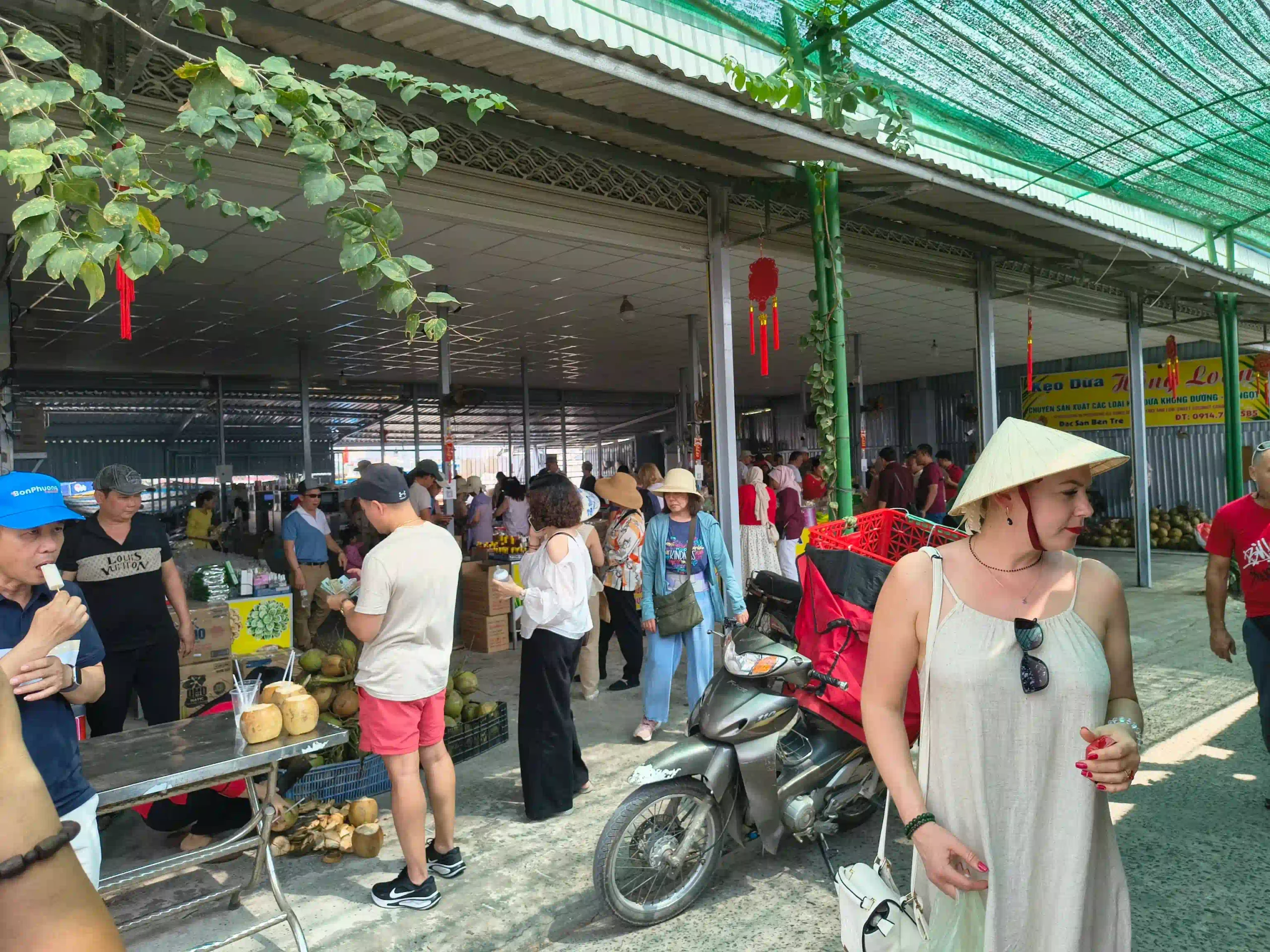
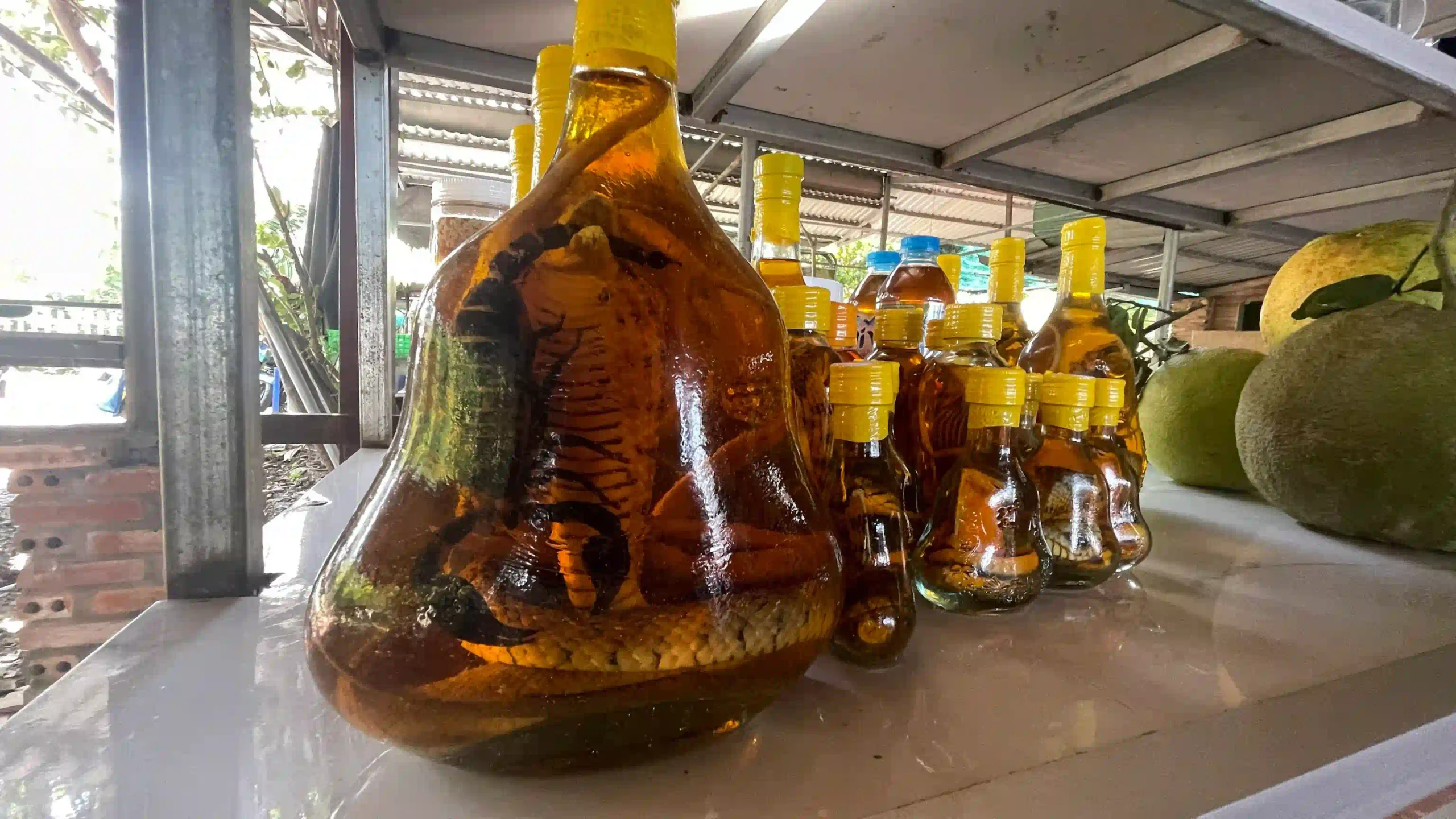
- Coconut candy factory: You watch the candy-making process, get samples, and get mildly pressured to buy. Prices here are higher than elsewhere. This is the most “commercial” stop and the one people complain about most. It’s worth knowing it’s coming.
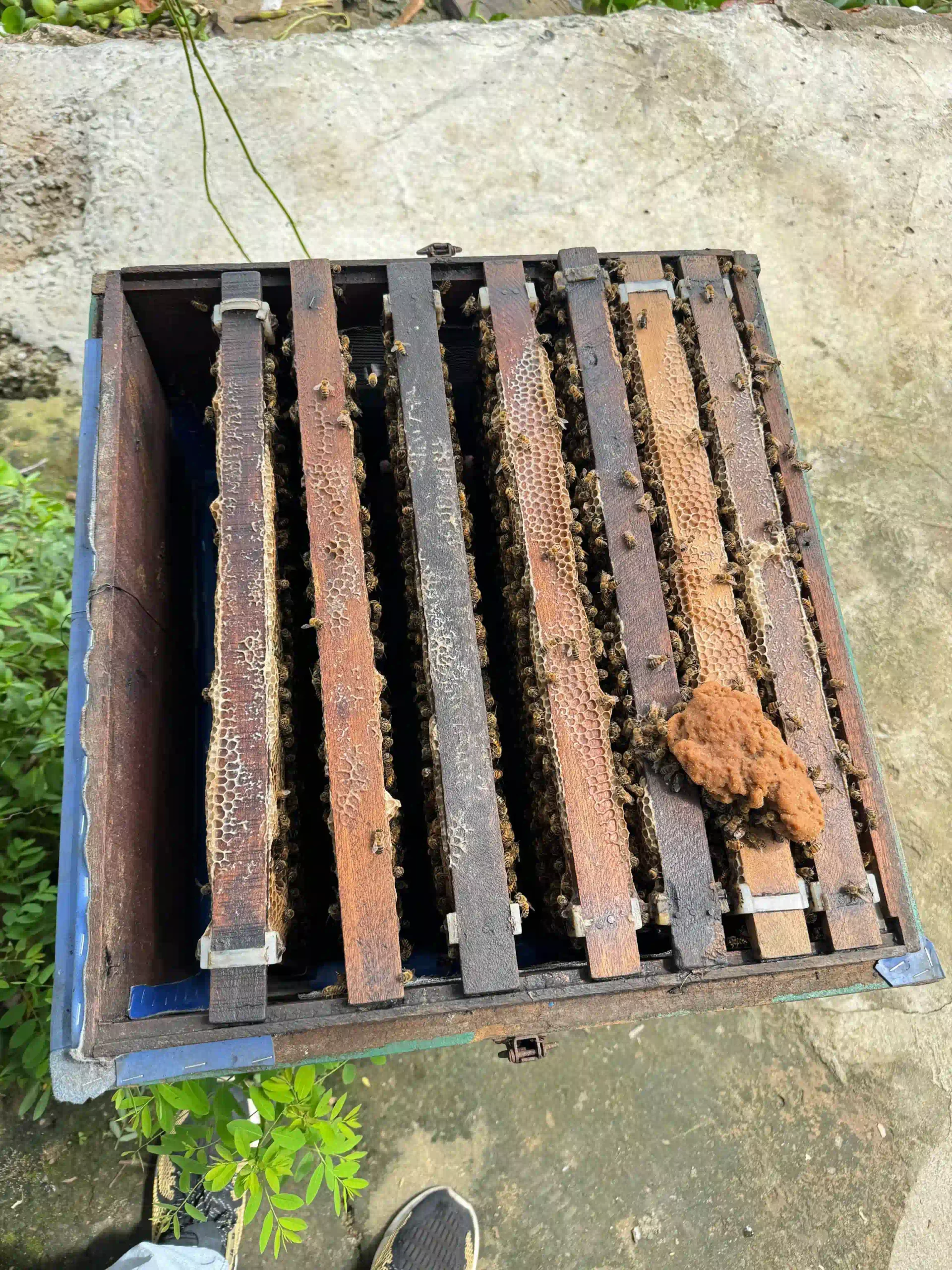
- Honey bee farm: Honey tea, honey samples, beekeeper demonstration. Nicer than it sounds.
- Fruit orchard: Seasonal fruits, some folk music. Genuinely pleasant.
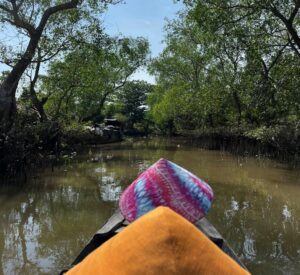
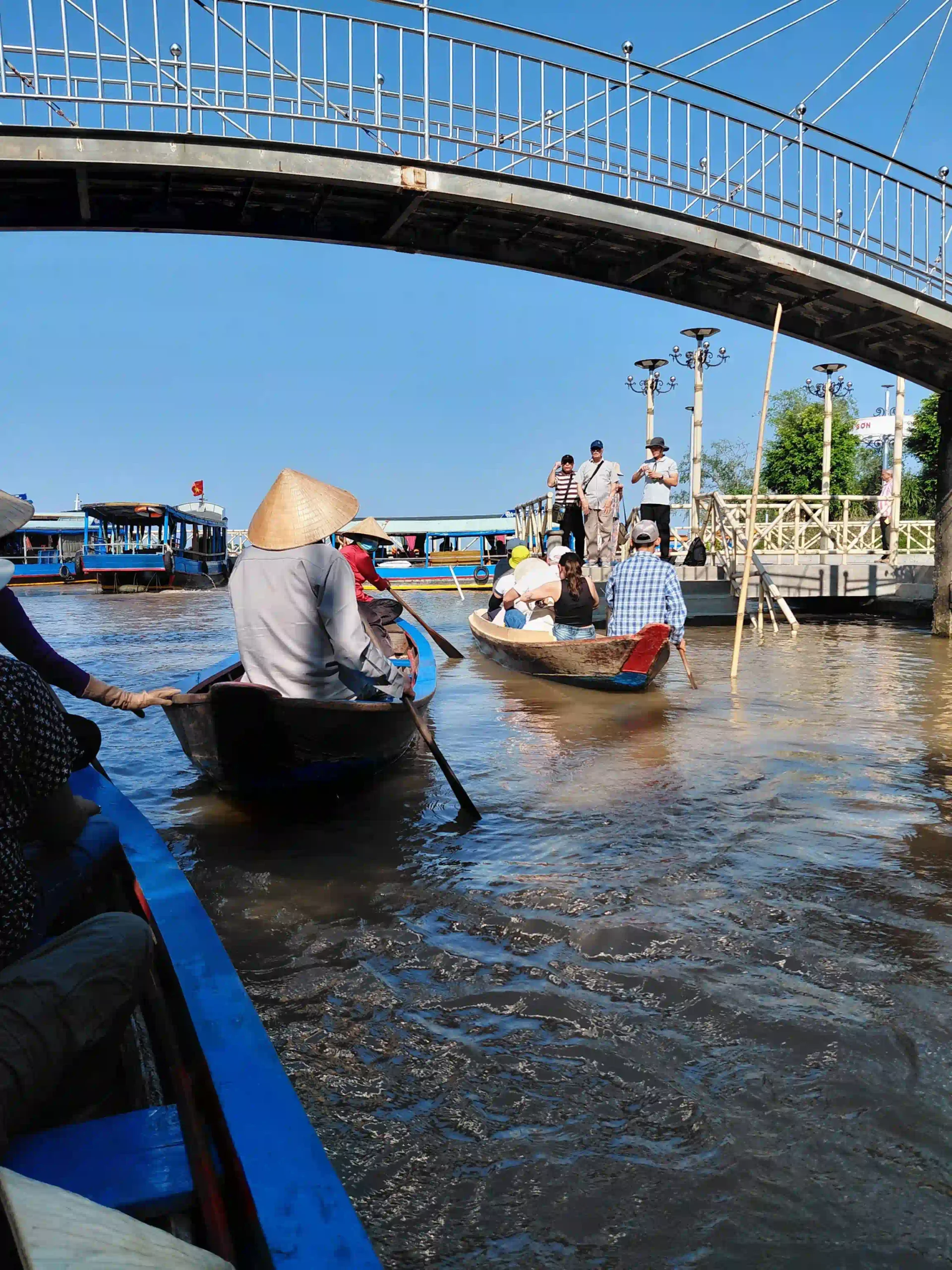
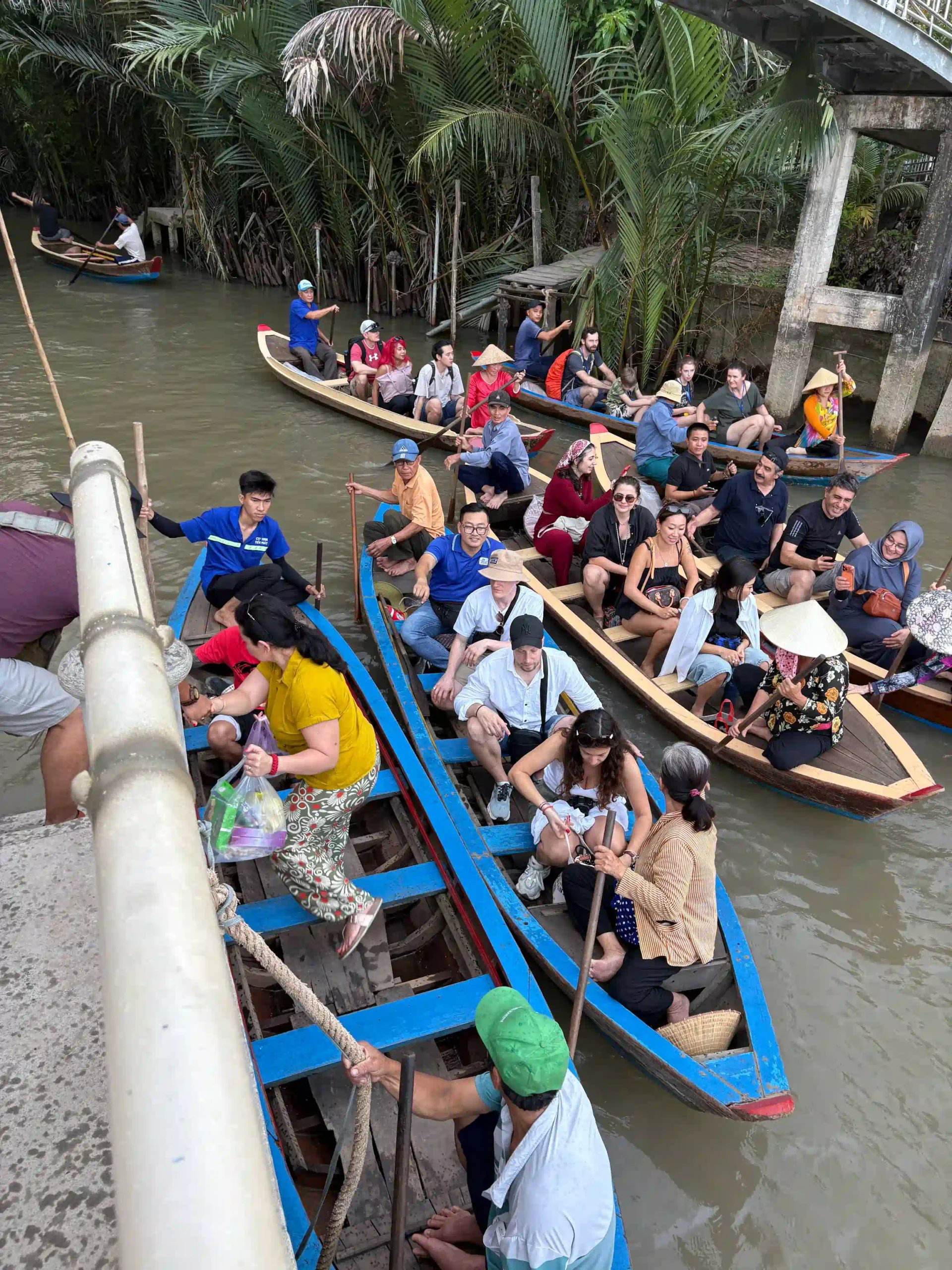
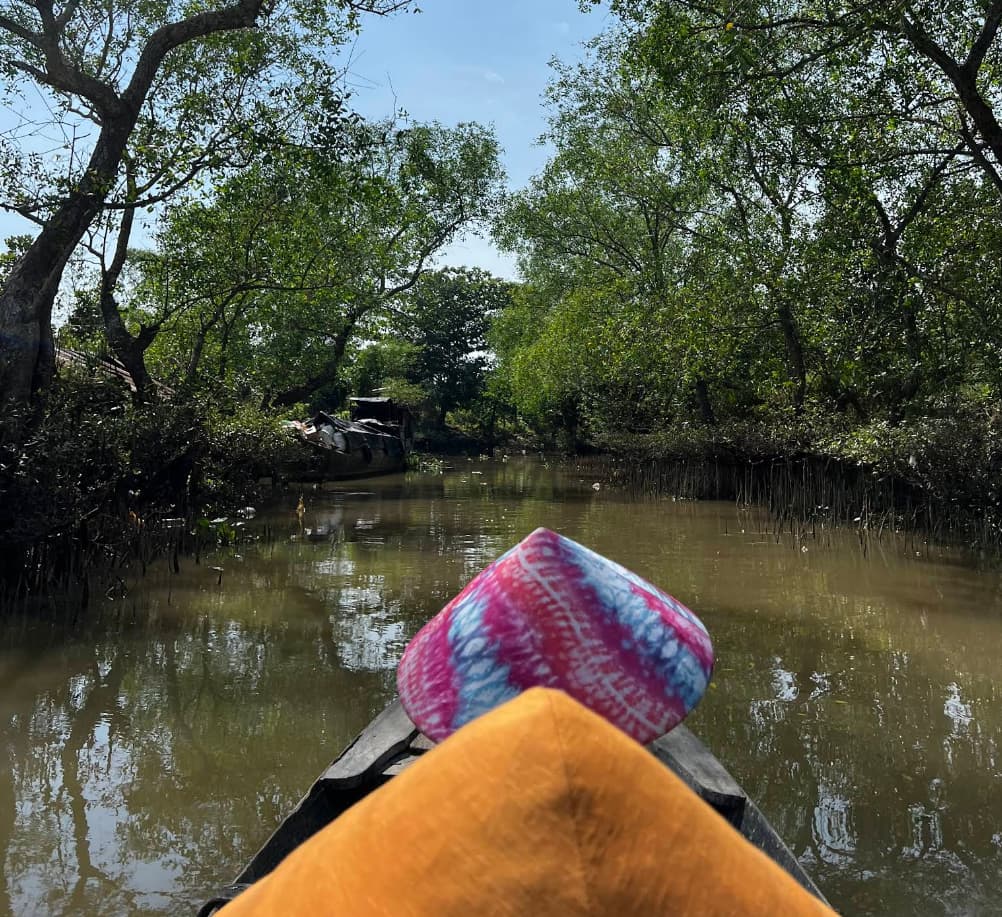
- Sampan boat through the canals: This is the highlight. A small hand-rowed wooden boat, one or two people per boat, through a narrow coconut-palm-lined canal. It’s quiet and genuinely beautiful and you’ll understand why everyone says this is the part to do.
Then you’re back on the motorboat, back to the dock, back in the van to Saigon.
The commercial stops are the main complaint. They’re clearly designed to generate commission for the tour operators, and some people find them annoying.
The way to think about it: they add maybe 45 minutes total to the day, and the sampan ride and the fruit orchard make up for it. Most people rate the Mekong portion positively even when they complain about the shopping stops.
Group Tour vs Private Tour
This is probably the biggest decision you’ll make once you’ve decided to do the combo.
Group tour (8-20 people)
$35-40 per person. Leaves on a fixed schedule. You’re with strangers. The guide is managing the whole group. Slower to move between stops because you’re waiting for 15 people to reassemble constantly. That said, the tour operators who specialize in this run it efficiently and most reviews are positive.
Small group (max 8-12 people)
$45-55 per person. The sweet spot. Small enough to feel personal, large enough to be cost-effective. Most of the well-reviewed operators on Viator, GetYourGuide, and Klook offer this format. I’d pay the extra $15-20 for this over the large group every time.
Private tour
$80-150+ per person depending on group size. You set the pace, you can spend more time at the tunnels if you want, you skip or shorten the commercial stops.
If there are 3-4 of you, the per-person cost comes down to near small-group rates and I’d absolutely do private. Solo or couples, it’s expensive but worth it if the extra time and flexibility matter.
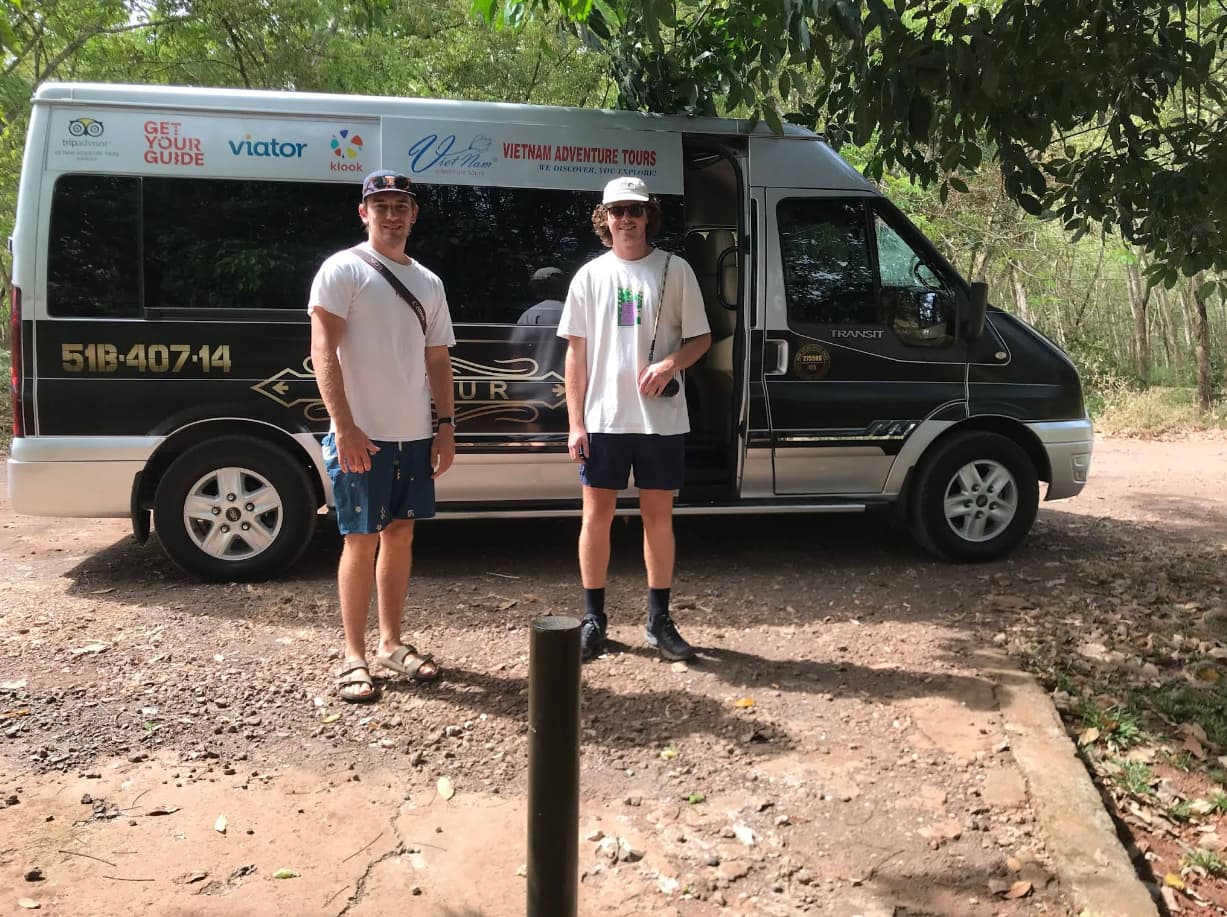
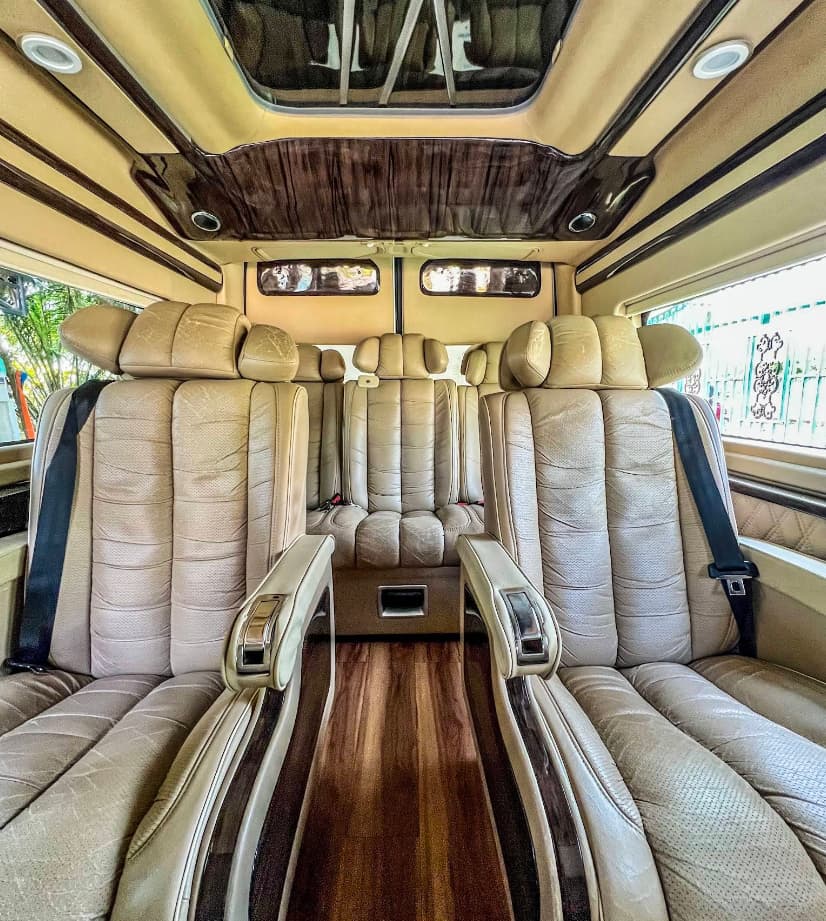
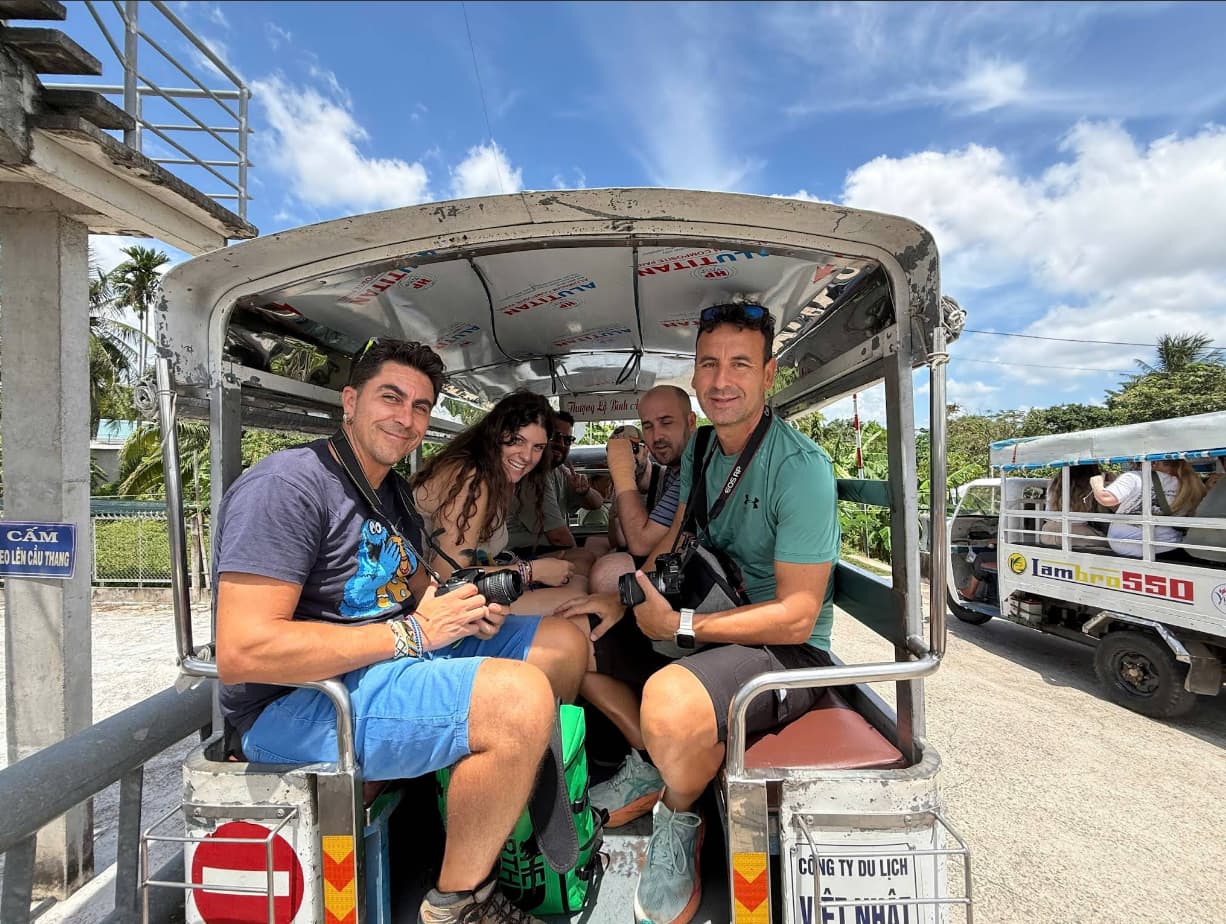
The main operators I’ve seen consistently mentioned for quality: Kim Travel, Vietnam Adventure Tour, and several operators listed on GetYourGuide and Klook. Specifically look for listings with recent high ratings and “max 12” in the description.
A few things to look for when comparing tours online, beyond the star rating:
Look for reviews that mention the guide by name. Tour reviews that specifically name the guide and describe what made them good or bad are more useful than generic “great experience!” ratings. They also confirm that the guide was actually present and engaged, not just managing logistics.
Look for how the review handles the Mekong shopping stops. Every combo tour has them. How an operator handles the coconut candy factory and the honey tea stop (whether they’re brief or drawn out, whether there’s pressure to buy) differs by company and by guide. Reviews that mention this specifically are honest signals.
The Driving Issue
This gets mentioned in every review of the combo and it deserves a direct answer.
The drive from Saigon to Cu Chi is 1.5-2 hours each way. The drive from Cu Chi to My Tho is another 1.5-2 hours. And you drive back to Saigon at the end. Total: 3-4 hours of being in a vehicle.
Is that too much? I don’t think so, especially if the van is air-conditioned and the guide is talking and you’re watching the city turn into countryside turn into delta. It’s part of the experience. But you should know it’s happening before you book, because some people expect to arrive somewhere and spend the day, not drive-drive-arrive-drive-drive-arrive-drive.
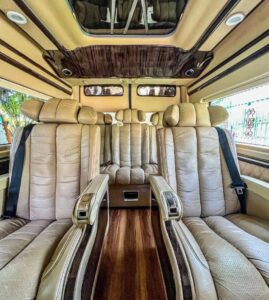
If the driving genuinely puts you off, the solution is a private tour with a premium operator (the van is nicer and the guide interaction makes the drives feel shorter) or just doing each separately on different days.
When to Skip the Combo
There are genuinely good reasons not to do this.
If you have 5+ days in Saigon
Split them up. A half-day Cu Chi on its own means you can spend real time at the tunnels. A full Mekong day means you can go to Ben Tre instead of just My Tho, which is less touristed and frankly a better experience. Neither trip feels rushed. This is what I’d do with more time.
If you’re really into the Vietnam War history
Cu Chi Tunnels deserve more than two hours. There’s a whole museum, multiple tunnel systems, exhibits that take time to read and understand. The combo doesn’t give you that. Go separately with a guide who specializes in the military history, not a multi-stop day trip guide.
If you hate heat and long days
This is a 10-12 hour outdoor day in Southern Vietnam. It’s hot. You’re going to sweat a lot. If that sounds miserable rather than manageable, either do one instead of both, or do this in December-January when it’s slightly less brutal.
If you’ve already done one
If you did Cu Chi last trip and want to go deeper on the Delta this time, just book a dedicated Mekong tour. My Tho is the most common starting point but Can Tho in the deeper delta is better for things like the Cai Rang floating market, which requires an overnight to see properly.
When to Do the Combo
If you have 3-5 days total
This is the clearest yes. You probably can’t afford a full day each. The combo gets you both, and you leave with something real from both experiences.
In the context of a typical first trip to Saigon, most people use one day for this combo, one day for city sightseeing (Palace, War Museum, Ben Thanh area), and save the remaining days for eating and wandering. That split works well.
First-time visitors who want the overview
The combo is genuinely a good introduction to both places. The sampan through the coconut canal is something I remember clearly, and the feeling of being inside the tunnel (even the widened tourist version) is something you can’t get from reading about it.
You don’t need to be a history buff to find the tunnels interesting, and you don’t need to know much about the Mekong Delta for the river portion to feel like a real glimpse of a different Vietnam.
Travelers who don’t want to plan everything themselves
The combo tour is the path of least resistance. One booking, one day, hotel pickup, all inclusive. It works. If you’ve been planning your own logistics for days and you want someone else to just take care of it for a day, this is what the combo tour does.
That’s not a small thing when you’re tired and you’re in a city you don’t know.
Budget travelers
On a per-experience basis, the combo is genuinely efficient.
Doing Cu Chi separately costs around $15-25 for the tour, plus entrance fees (130,000 VND / ~$5). A full Mekong day tour is $25-50. The combo at $45-70 covers both including lunch and transport. You’re not saving a huge amount of money, but you’re not doubling up on full-day tours either.
What It Costs and What’s Included
Most combo tours include:
- Hotel pickup and drop-off (District 1 usually, sometimes Districts 3 and 4)
- Round-trip transportation in air-conditioned vehicle
- English-speaking guide
- Entrance fees to both Cu Chi Tunnels and Mekong Delta sites
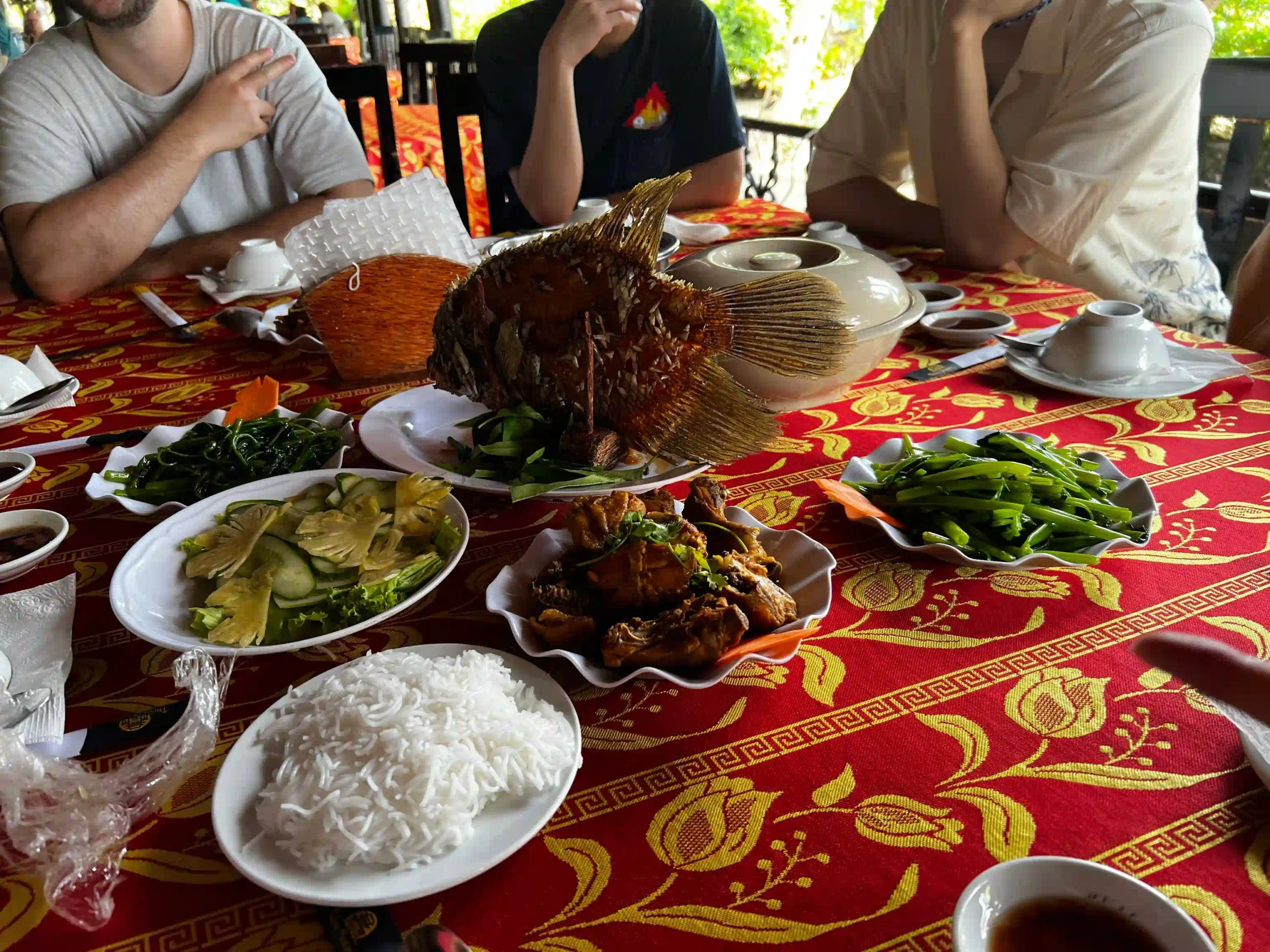
- Lunch (included in the price, usually a set menu at a restaurant)
- Boat rides at the Mekong
Not usually included:
- Shooting range at Cu Chi (50,000-60,000 VND per bullet, 10-bullet minimum)
- Drinks beyond what’s served at the honey and fruit stops
- Tips for guide and driver (expected: 100,000-200,000 VND per person for a full day)
Budget realistically for $45-70 if you want a small group experience with a quality operator. The $30 tours exist and some are fine, but quality is less consistent and group sizes are often larger. On a 10-hour day with a large group, the difference between a good guide and a mediocre one is enormous.
A few more cost notes worth knowing:
Tipping is expected and not included in the tour price. A full day tour with a good guide and driver: 100,000-200,000 VND per person total is reasonable. If the guide was genuinely excellent, more is warranted. Have cash in small denominations.
Shooting range at Cu Chi adds up. At 50,000-60,000 VND per bullet and a 10-bullet minimum, that’s 500,000-600,000 VND (~$20-24) per person if you want to try it. Worth knowing before you go so it’s not a surprise budget item. It’s optional.
Children under 5 are often free. Children 5-12 are usually half price for entrance fees. The tour operator prices vary, so check when booking.
Cancellation policy is worth reading before you commit. GetYourGuide and Klook both generally offer free cancellation up to 24 hours before, which gives you flexibility if your plans change.
A Few Questions That Come Up
Can I do this without a tour, by myself?
Technically yes, but I wouldn’t. The logistics are a genuine headache.
Getting to Cu Chi independently means hiring a car or figuring out bus connections. Getting from Cu Chi to My Tho afterward is another car or bus. Then you need a boat at My Tho, which you can hire independently at the pier but you’ll pay more than the tour includes.
For a solo traveler or a couple, the tour is significantly cheaper and easier than doing it yourself, which is not usually the case for Saigon city sights. This is one where the tour structure actually exists for a good reason.
Which site should I see first if I do them separately?
Cu Chi in the morning, Mekong Delta in the afternoon of a different day. Cu Chi is better before it gets hot (peak heat is 11am-2pm) and before the large tour groups arrive. The Mekong Delta is nice any time but the boat ride through the canals is genuinely better in the softer light of late afternoon.
Is Ben Dinh or Ben Duoc better?
Ben Dinh is closer to Saigon (about 50km) and more commonly visited on combo tours. Ben Duoc is larger, quieter, and has the replica tunnel system at 1:1 scale. If you’re doing a dedicated Cu Chi day, Ben Duoc is better. On the combo, Ben Dinh is fine since you’re not spending the whole day there anyway.
How physical is this day?
Moderate. You’ll walk around for 2 hours at Cu Chi in the heat, and you’ll get on and off boats a few times at the Mekong. Crawling through the tunnels is optional and more difficult for taller people. There’s nothing you need to train for, but wear comfortable shoes, bring water, and prepare to sweat.
Is the shooting range worth doing?
Personally, no. But I understand why people want to do it.
If you specifically want to fire an AK-47 or an M16 for the experience, this is the place. It’s a genuine historical experience in a strange way. My objection is partly the cost and partly the strangeness of doing recreational shooting at a war memorial site. It’s personal. If you’re going to do it, budget $20-24 per person and have cash.
I’ve seen people come back from this combo absolutely raving about it, and I’ve seen people come back tired and underwhelmed. The difference usually comes down to two things: group size and guide quality.
On a good small-group tour with a guide who actually knows the history and manages the day well, the combo is genuinely excellent value. You see war history and river-delta life in the same day, both of which are fundamentally unlike anything you’d see in most of the rest of the world, and you get back to Saigon in time for dinner.
On a large-group tour with a guide who’s mostly managing logistics, it’s a long day in a van with some things to look at in between.
Book a tour with a maximum group size of 12, check recent reviews specifically for guide quality (the guide’s name often comes up), and go in knowing it’s a big day. That’s the formula for getting the good version of this trip.

Keep Exploring Ho Chi Minh City
-
See & do UltimateMy expat guide to stuffs to do in Ho Chi Minh city ›
-
Spots Must read10 Ho Chi Minh city attractions travelers must visit in 2026 ›
-
Spots7 cheap markets in Ho Chi Minh City to buy cheap clothes ›
-
Spots3 days on Con Dao Island: Where I slept, ate & explored ›
-
Spots10+ best places in Southern Vietnam I’d recommend to friends ›











 Tiếng Việt
 한국어
한국어 中文 (中国)
 日本語
日本語 ไทย
ไทย Deutsch
 Español
 Destinations
 Instagram
 Facebook
 X (Twitter)
 Threads
 Tiktok