









 Ha Giang
 Hanoi
Hanoi Ho Chi Minh City
 Ha Long
 Sapa
Sapa Mekong Delta
 Da Nang
 Hue
Hue Hoi An
 Ninh Binh
 Da Lat
 Nha Trang
 Phan Thiet
 Phu Quoc
 Quang Binh
 Quy Nhon
 Vung Tau
 Thai Nguyen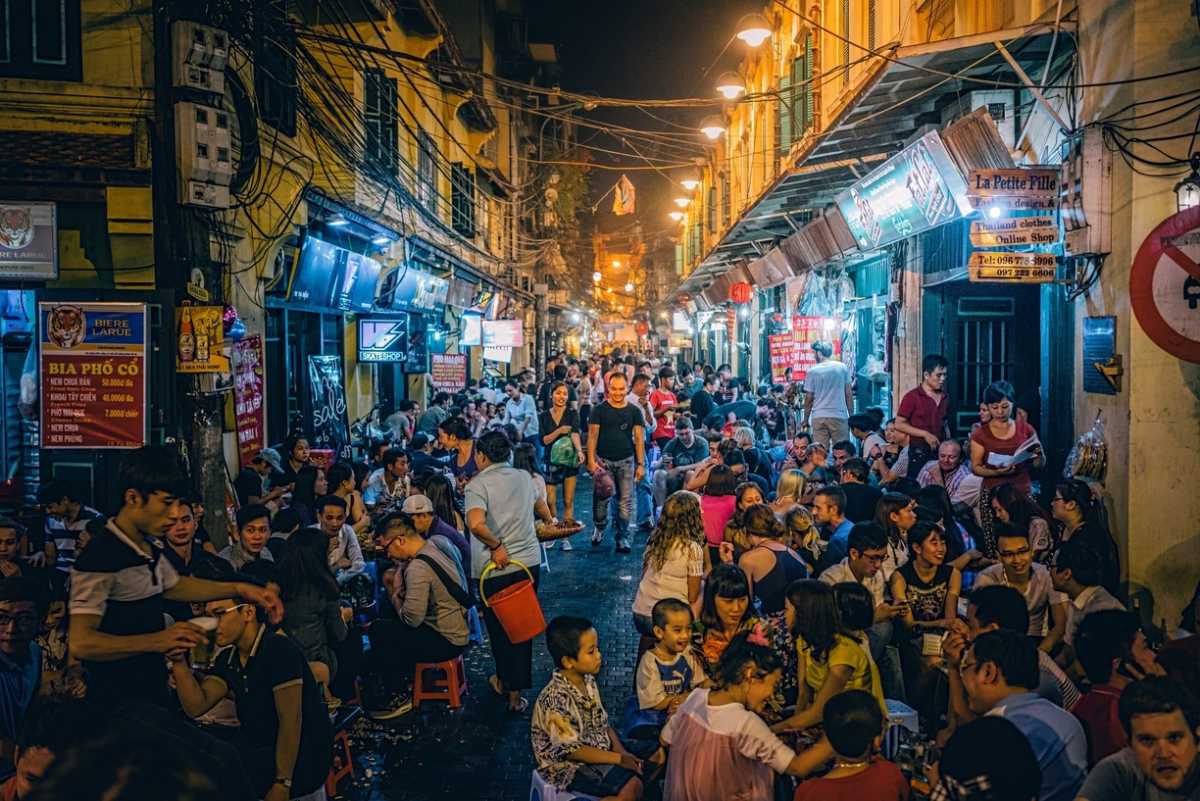


Hey, first-time traveler! If Saigon (aka Ho Chi Minh City) is on your radar, buckle up—you’re about to step into one of the most electric, chaotic, and downright addictive cities in Southeast Asia. I’ve been roaming these buzzing streets for eight years now, dodging motorbikes, slurping Pho at 2 AM, and uncovering hidden gems that most guidebooks miss. For Americans or anyone new to Vietnam, Saigon is the perfect crash course: it’s loud, it’s vibrant, and it’s packed with history, food, and a vibe that’s equal parts chaotic and chill. This Saigon itinerary for first-timers isn’t just a checklist—it’s my personal playbook, built from years of living here, to help you nail your trip without the newbie stress. Let’s get started!
I. Why Saigon? Your Crash Course on This Wild City
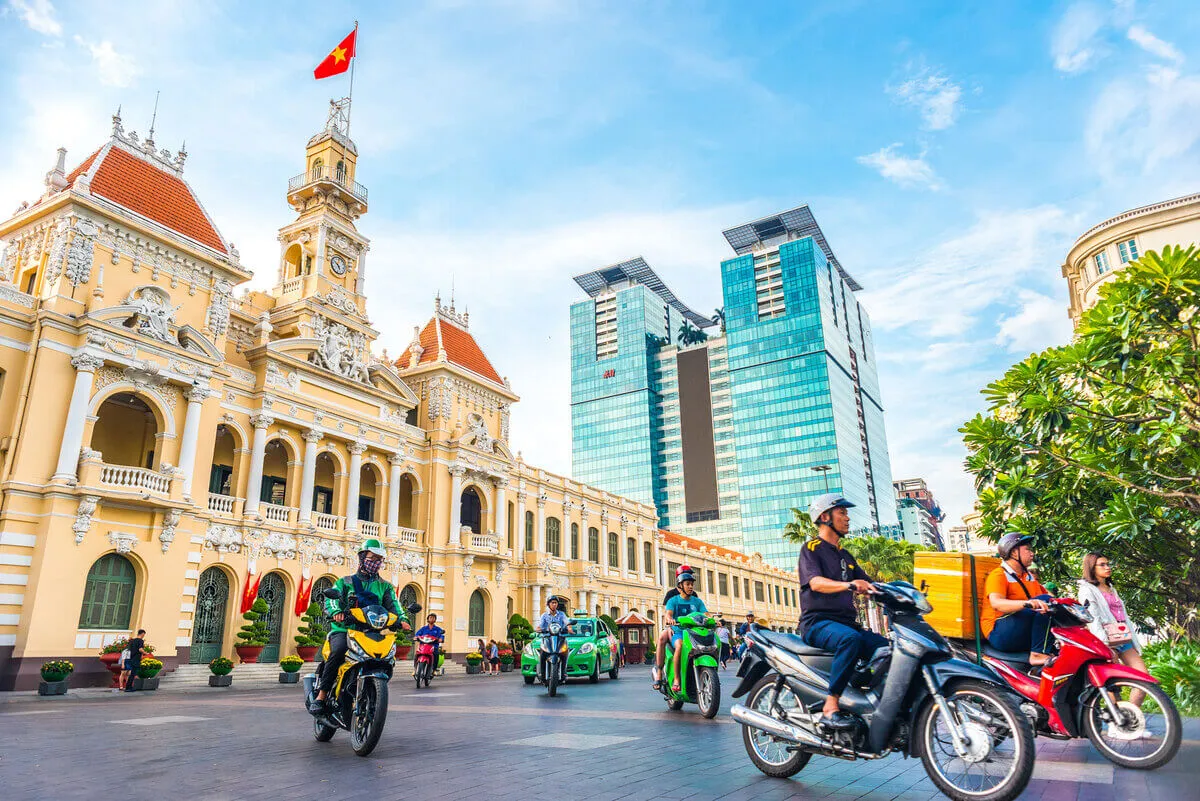
Picture this: a city where French colonial buildings sit next to shiny skyscrapers, where the air smells like grilled pork and coffee, and where 9 million people (and their motorbikes) keep the streets humming 24/7. That’s Saigon. It’s not just Vietnam’s biggest city—it’s the economic and cultural powerhouse, a place where East meets West in the most unexpected ways. For first-timers, it’s less intimidating than you’d think: English pops up on signs, locals are friendly (if you smile first), and the dollar goes a long way—think $0.5 beers and $2 meals.
So why should Saigon be your first Vietnam stop? It’s got everything: history that hits hard (think Vietnam War relics), street food that’ll ruin you for anything else, and a nightlife that rivals Bangkok. Compared to Hanoi’s quieter, older charm, Saigon feels like a teenager who never sleeps—perfect for Americans who love a fast pace. I’ve guided friends from the States through this city, and they all say the same thing: “It’s insane, but I’m obsessed.” Ready to see why? Let’s roll out your Saigon travel guide!
II. Vietnam Visa on Arrival: Getting Into Vietnam Like a Pro
Alright, let’s tackle the big one first—how do you even get into Vietnam? For Americans (and lots of other nationalities), the Visa on Arrival (VOA) is your go-to—it’s easy, fast, and way less stressful than dealing with an embassy. I’ve walked friends through this process a bunch of times when they’ve flown in to visit me in Saigon, and honestly, it’s a breeze if you prep right.
Here’s how it works: You don’t just show up at the airport and hope for the best—you need an approval letter first. Head online to a legit agency like vietnam-visa.com or myvietnamvisa.com (there are tons, but stick to ones with good reviews). It’ll cost you $10-$20 depending on processing speed—pay via card, fill in your details (passport number, arrival date, etc.), and they’ll email you the letter in 1-2 days (sometimes hours if you pay extra). Print that bad boy out, and bring it with your passport, two 4x6cm passport photos (Walgreens can hook you up if you’re in the States), and cash for the stamping fee—$25 USD for a single-entry visa (30 days) or $50 for multiple entries. No VND, no credit cards—they want crisp American bills.
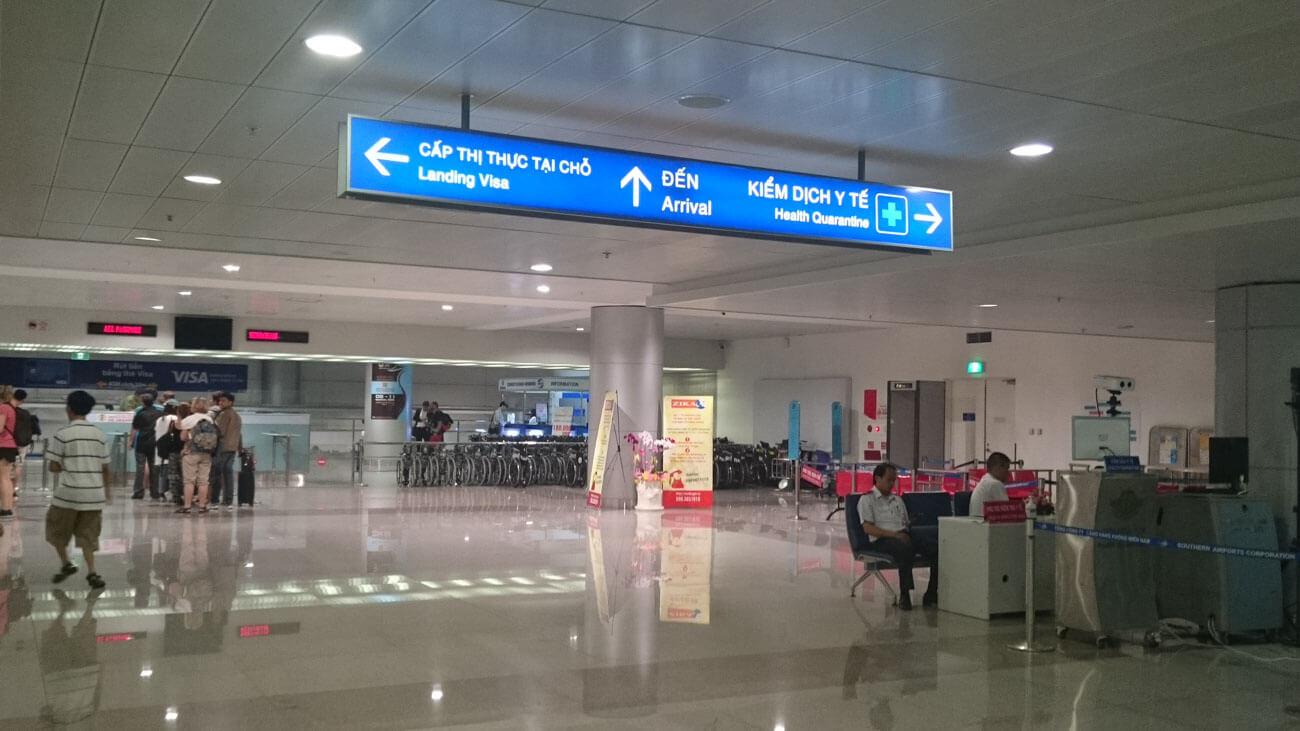
When you land at Tan Son Nhat International Airport (SGN) in Saigon, look for the “Landing Visa” counter before immigration—it’s right there near the gates. Hand over your stuff, wait 15-30 minutes (grab a seat, it’s chill), and they’ll call your name. Boom, you’re stamped and legal. First-timers always ask me, “Is this safe? Legit?” Totally—it’s an official government process, just outsourced to save you the embassy runaround.
A few pro tips: Apply a week ahead—last-minute fees suck, and mistakes (like a typo in your name) can delay you. Double-check your letter matches your passport. Got no photos? They’ll take them at the counter for a couple bucks, but it’s slower. Oh, and if you’re stressing about lines, mornings are busier—afternoon flights often mean shorter waits. Alternative? The e-visa ($25, 30 days, all online) works too, but VOA’s more flexible if plans change. Either way, you’re golden—welcome to Vietnam!
III. What to Pack for Saigon Itinerary
Packing for Saigon’s a game—you’re battling heat, humidity, and the occasional downpour, all while keeping it light. I’ve fine-tuned my kit over years here, so here’s the lowdown to keep you comfy and ready.
Clothes:
Think breathable, quick-dry—cotton tees, shorts, sundresses for women. It’s 85-95°F year-round, humid as a sauna, so heavy stuff’s a no-go. Bring one long-sleeve shirt and pants for temples or fancy spots—modesty matters there. Rainy season (May-Oct)? Pack a thin poncho or umbrella—showers hit hard but pass fast. I’ve got a $2 poncho from a corner store here—it’s a lifesaver.
Shoes:
Sneakers—walking’s big, sidewalks are bumpy. Flip-flops or sandals for casual days or hostel showers. Skip heels—uneven streets will wreck you.
Essentials:
Wide-brim hat (sun’s brutal), sunscreen (SPF 50—burn’s real), bug spray (mosquitos love dusk). Small daypack for water, wallet, phone—keep it light but zipped.
Tech:
Power bank—long days drain batteries. Reusable water bottle—stay hydrated, refill at hotels. Quick-dry towel—sweat’s constant.
Extras:
Sunglasses, a few band-aids (scrapes happen), basic meds (Imodium, Advil—street food’s great but bold).
Americans always ask, “Laundry?” Hotels or shops do it cheap—$2-$5 for a load, next-day service—so pack for 3-4 days and wash as you go. “Buy stuff there?” Yep—markets sell cheap tees, flip-flops if you forget. Pack smart—Saigon’s forgiving but sweaty!
IV. Best Time to Visit: Picking Your Perfect Season
Saigon’s hot all year—85-95°F, humid as heck—but timing can make or break your trip. I’ve lived through every season, so here’s the scoop on when to come.
Dry Season (December-April):
75-95°F, sunny, low rain—prime time. December to February’s the sweet spot—cooler (mid-80s), comfy, and festive if you catch Tet (Lunar New Year, usually late Jan/Feb). March-April heats up, but it’s still dry—great for walking. Crowds peak, prices nudge up, but it’s worth it. My favorite? February—flowers everywhere, vibes are high.
Rainy Season (May-October):
80-95°F, sticky, with daily showers—1-2 hours, usually afternoons. Rain’s quick—streets flood, then dry fast. Fewer tourists, cheaper hotels, and that lush, green look. I love June—warm but not scorching, rain’s manageable with a poncho. October’s wettest—skip if you hate mud.

Shoulder Months:
November and early May—mix of both, fewer extremes. Solid picks if you’re flexible.
“Crowds?” Dry season’s busier, rainy’s quiet—your call. “Best for first-timers?” December-March—dry, pleasant, less chaos to juggle. Saigon’s always alive—just pick your flavor!
You might be interested: 10 Secret Photo Check-In Spots in Saigon
V. Budget: Stretching Your Dollar in Saigon
Saigon’s a budget dream—your money goes miles further than back home. I’ve crunched this for every type of traveler, so here’s how it breaks down.
Cheap ($20-$40/day):
Hostel dorms ($8-$15, Saigon Inn’s solid), street food ($1-$5—pho, bánh mì,…), Grab rides ($3), sights ($5—museums, markets). Total bare-bones: $30ish. I’ve done this—roughing it’s fun and doable.
Mid-Range ($50-$80/day):
Decent hotel ($30-$50, Liberty Central’s central with a pool), mix of street eats and cafes ($15), tours like Cu Chi ($30), extras ($10—drinks, souvenirs). Comfy without breaking the bank—my usual vibe.
Splurge ($100+/day):
Luxury stay ($100+, Hotel Majestic—colonial charm), fine dining ($30—think The Deck), private tours ($50), shopping ($20+). Baller mode—treat yourself!
Money Tips: ATMs are everywhere—withdraw $50-$100 (1-2 million VND), small bills for vendors. USD works at big spots; change comes in VND. Bargain markets—start at half price. “Tipping?” Not a thing—round up for killer service if you want. “Cards?” Rare outside hotels—cash is king. Saigon’s cheap—live large on less!
VI. SIM Card: Staying Connected in Saigon
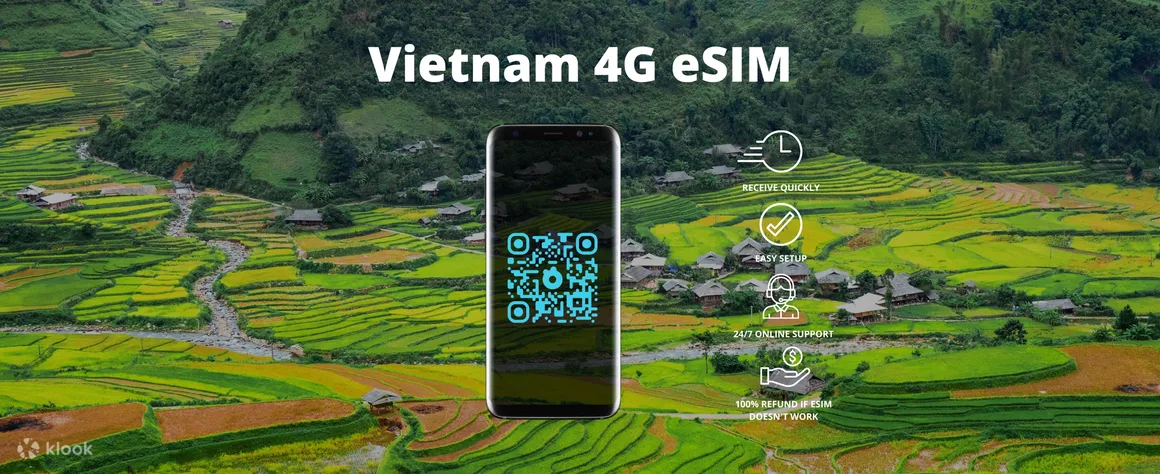
You’ll want data—Wi-Fi’s spotty outside cafes, and Google Maps is your lifeline. I’ve sorted SIMs for every visitor—here’s the deal.
Where to Get:
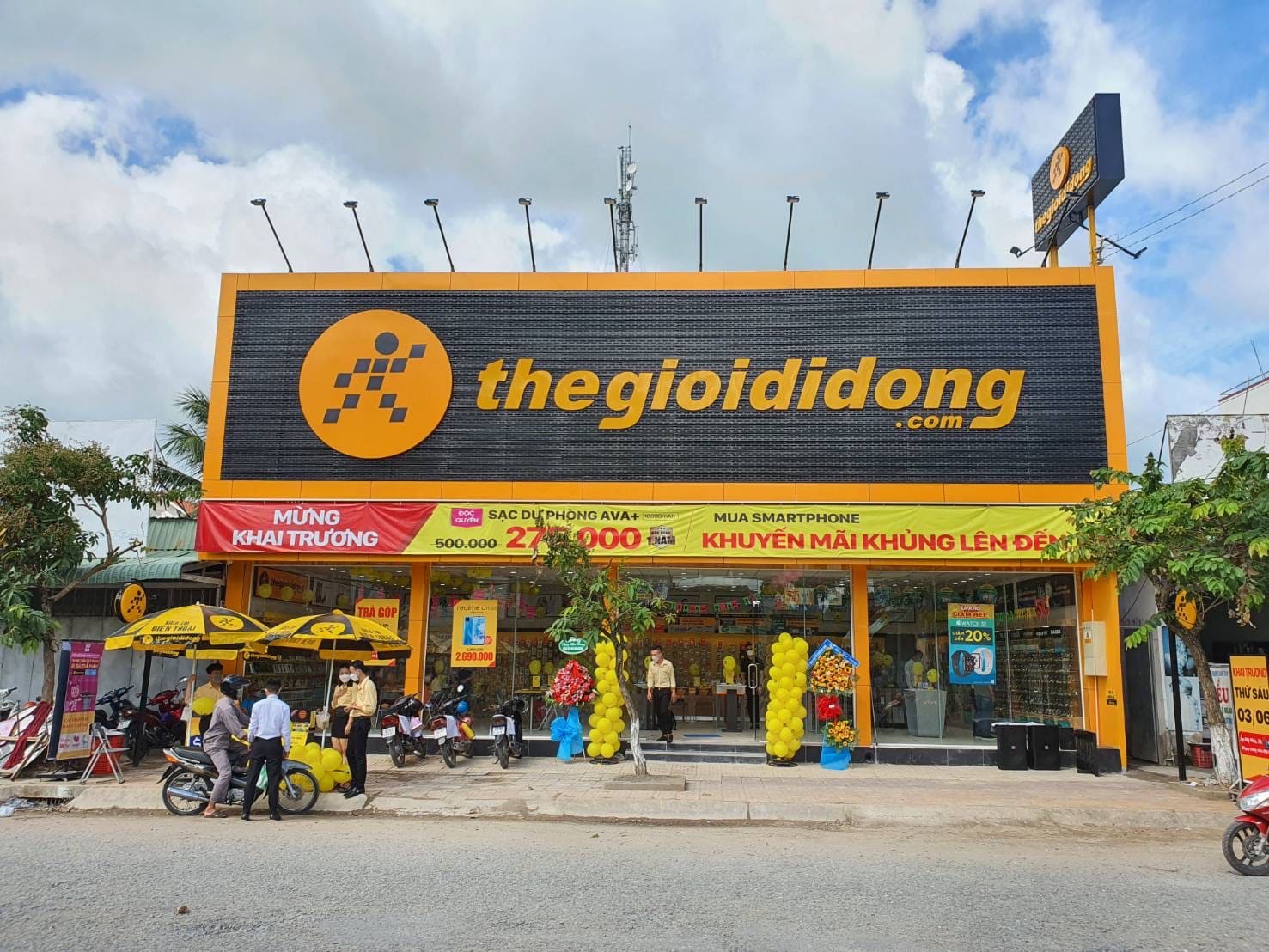
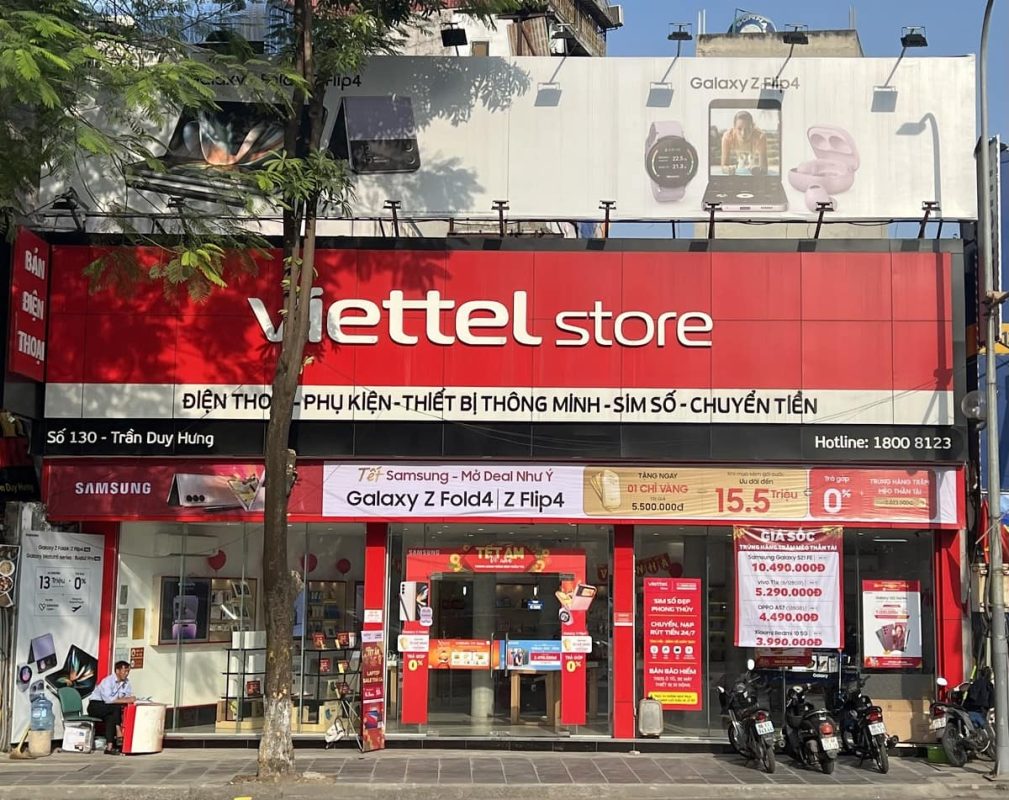
Tan Son Nhat Airport—Viettel, Thegioididong, Vinaphone booths right at arrivals. Hotels and shops sell them too, but airports are cheapest, easiest.
Cost:
$5-$10—5-10GB, 4G, 30 days. $5 gets you 5GB (plenty for Maps, pics); $10’s unlimited-ish. I grab $7 Viettel plans—perfect balance.
How:
Show your passport (required), pick a plan—they pop it in, activate it, done. Takes 5 minutes. “English?” Staff usually manage—“data only” works if they don’t. Test it before you leave the counter—signal’s strong city-wide.
Tips: Buy on arrival—jet lag’s no time to hunt SIMs. Prepaid refills at minimarts (7-Eleven, Circle K) if you stay longer. “Wi-Fi enough?” Nope—not for streets or Grab. Get connected—Saigon’s too fast to wing it!
VII. Saigon Traffic: Navigating the Motorbike Madness
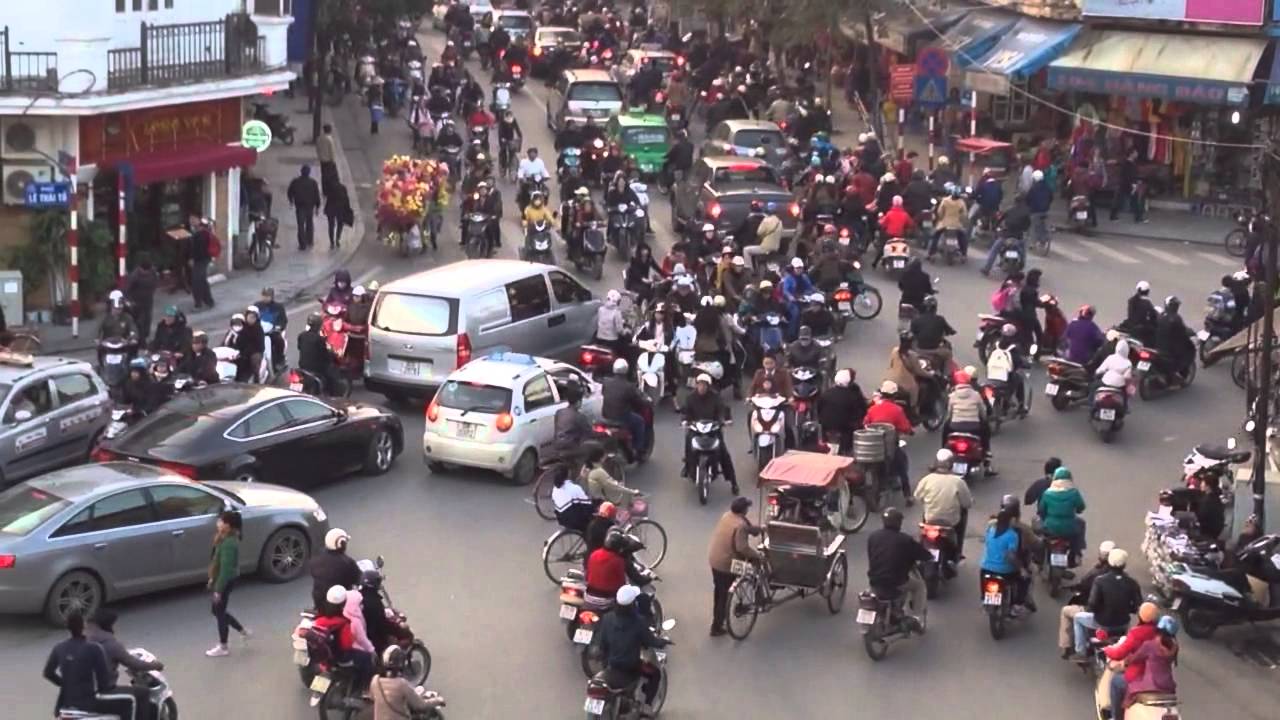
If you’ve heard one thing about Saigon, it’s probably the traffic—and yeah, it’s as insane as they say. Millions motorbikes swarming the streets, weaving around cars, pedestrians, and each other, all while honking like it’s a symphony. I’ve lived here eight years, and I still get a kick out of it—it’s chaos with a rhythm, and you’ll figure it out faster than you think.
So, what’s it like? There are no real lanes—just a flow. Traffic lights exist, but they’re more like suggestions; scooters keep moving unless forced to stop. As a pedestrian, you don’t get the right of way—bikes do. Crossing the street is the first test: don’t run, don’t freeze—just walk slow and steady. The riders will swerve around you like water around a rock. I tell every newbie, “Make eye contact if you can—it’s like a silent handshake.” Scary? For the first hour, sure—but then you’ll be grinning at how badass you feel mastering it.
Getting around’s got options, depending on your vibe:
- Scooter Rental: $5-$10/day from shops or hotels—pure Saigon style. You need guts (and a helmet—law says so), because it’s a free-for-all. I’ve ridden plenty; it’s a blast once you get the hang of it, but if you’ve never driven in craziness like this, maybe sit it out.
- Grab: Vietnam’s Uber, $1-$3 per ride—my go-to. The app’s in English, drivers are chill, and you can pick motorbike or car. Safest, easiest choice for first-timers.
- Taxis: Stick to Vinasun or Mai Linh—$5-$10/day around town. Random cabs might rip you off with fake meters; I’ve been there, learned that.
- Walking: Great in District 1—most sights are close. Outside that? You’re dodging scooters nonstop—fun but tiring.
- Buses: 25 cents a ride, but routes are a puzzle, signs are Vietnamese-only—skip unless you’re fluent.
Pro tip: Watch locals cross—they’re naturals. “Is it dangerous?” Not really—accidents happen, but drivers are pros at avoiding you. Just don’t jaywalk drunk, and you’re fine. Traffic’s Saigon’s heartbeat—embrace it!
By the way, if you’re traveling to Saigon with your family, check out our article to discover the best places to stay for families.
VIII. Your 4-Day Saigon Itinerary for First-Timers
Three days in Saigon is the magic number—it’s enough to hit the must-sees, taste the best eats, and figure out why this city hooks you. I’ve crafted this itinerary based on my own adventures and countless questions from first-timers like “What’s worth my time?” or “Is it safe to eat that?” Here’s the plan, broken down with all the details a newbie needs—times, costs, and insider tips included.
Day 1 for Saigon Itinerary: History, Culture, and a Taste of Old Saigon
Day 1 is about diving into Saigon’s soul—its past, its architecture, and its resilience. Start with a strong Vietnamese coffee (cà phê sữa đá—iced with sweetened condensed milk, about $1 at any street stall). You’ll need the buzz to keep up!


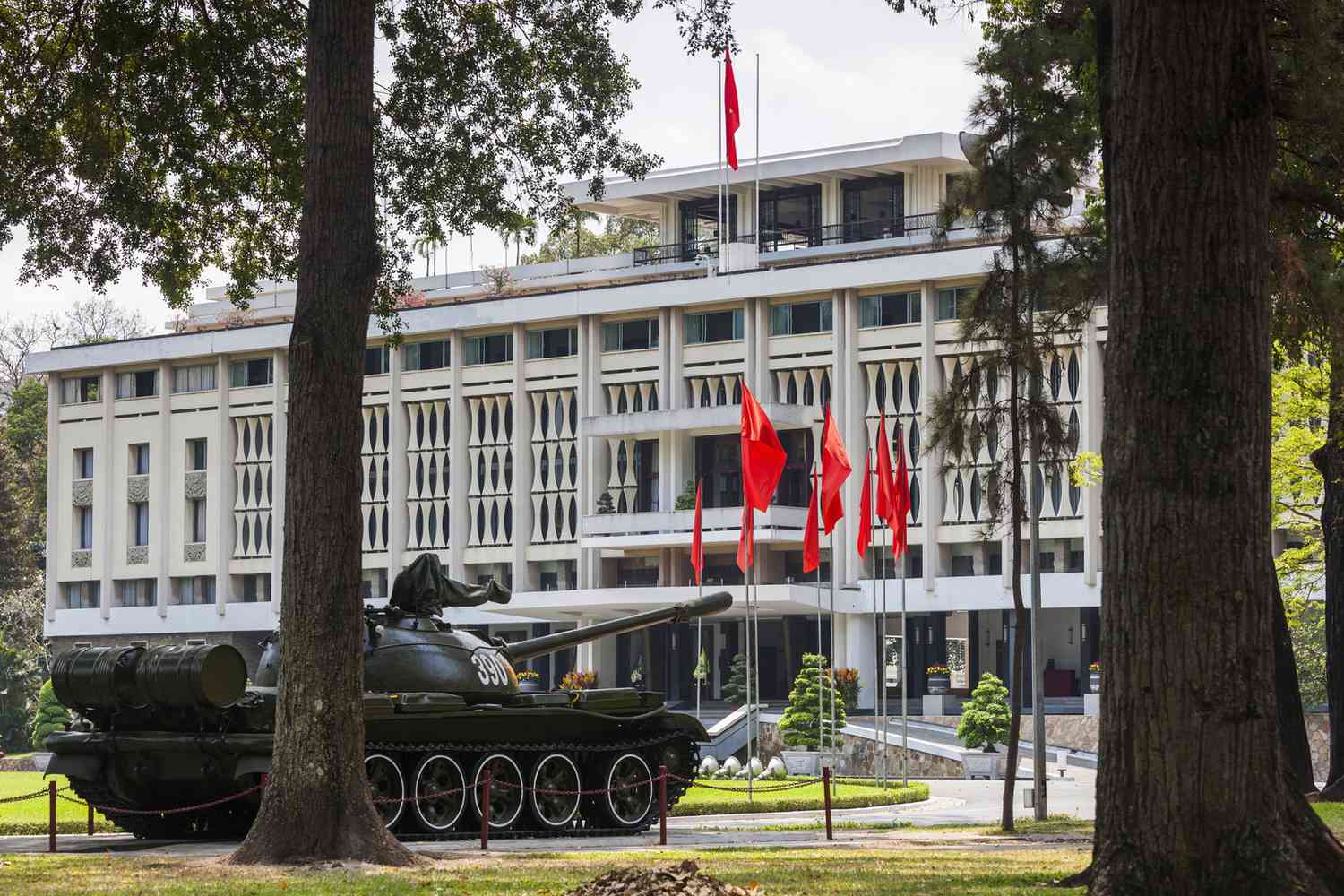
Independence Palace (Dinh Độc Lập)
Open: 8 AM – 4 PM | Entry: ~$2 (40,000 VND)
This isn’t just a building—it’s a time capsule. Built in the ’60s, it was the South Vietnamese president’s home base until the war ended in ’75 with tanks crashing through its gates (you’ll see them out front). I’ve walked its halls a dozen times, and the retro furniture, war rooms, and eerie basement bunker still blow my mind.
For Americans, it’s a raw look at the Vietnam War from the other side—fascinating and humbling. Spend about 90 minutes here; the English signs make it easy to follow. Pro tip: Head to the rooftop for a killer view of District 1—and maybe a selfie with that vintage helicopter.
Notre-Dame Basilica & Saigon Central Post Office
Open: Basilica 8 AM – 5 PM (mass times vary), Post Office 7 AM – 7 PM | Entry: Free
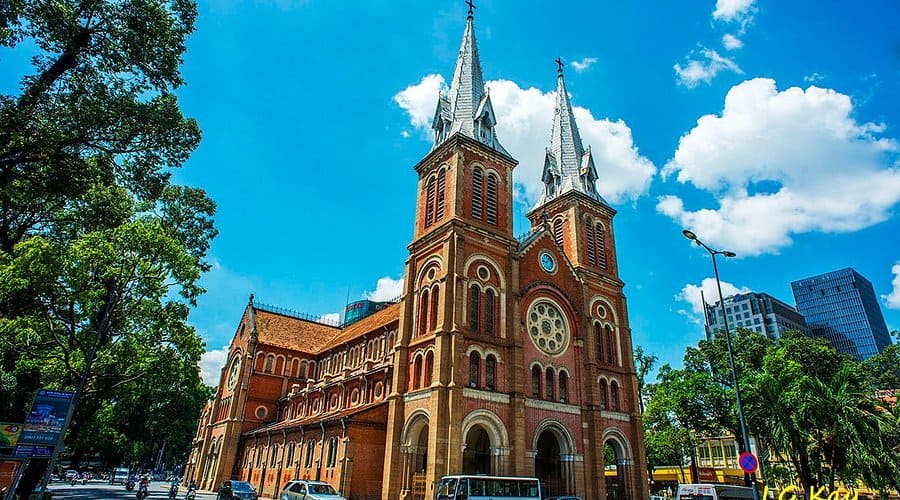
A five-minute walk from the Palace, these French colonial gems are Saigon’s postcard stars. The Basilica’s red bricks and twin spires scream Paris, built by settlers in the 1880s. It’s peaceful inside—perfect for a quiet moment. Right next door, the Post Office (designed by Gustave Eiffel) is a working museum—yellow walls, tiled floors, and old phone booths you won’t find back home. I love sending postcards from here; stamps are cheap (50 cents to the US). Spend an hour wandering both—snap pics, soak in the vibe. Note: Dress modestly for the church (no tank tops).
War Remnants Museum
Open: 7:30 AM – 6 PM | Entry: ~$1.50 (40,000 VND)
This one’s heavy but unmissable. Three floors of exhibits—photos, weapons, stories—lay out the Vietnam War’s brutal toll. As an American, it’s a gut punch; the Agent Orange room still haunts me. But it’s not preachy—just real. Allow two hours; the English translations are solid. Bring water—it’s emotional and the AC’s spotty. Afterward, decompress at a nearby cafe like L’Usine (19 Le Loi St.)—their iced lattes ($3) are a lifesaver.
Day 1 Tips: District 1’s walkable, but the heat’s brutal (85-95°F most days). Wear sneakers, a hat, and sunscreen. Lunch? Hit Pho Le (413 Nguyen Trai St., $2 a bowl)—it’s packed with locals, so you know it’s legit. Got questions? “Is it safe to walk?” Yes, just watch for scooters. “Should I tip?” Nope—locals don’t, and it’s not expected.
Day 2 for Saigon Itinerary: Markets, Food, and Saigon’s Nighttime Buzz
Day 2 is your deep dive into Saigon’s chaos and flavors. Start with a bánh mì (crispy baguette with pate, pork, and veggies—$3 at Bánh Mì Huynh Hoa, 26 Le Thi Rieng St.). It’s the breakfast of champions here.
Ben Thanh Market
Open: 6 AM – 6 PM (night market till midnight) | Entry: Free
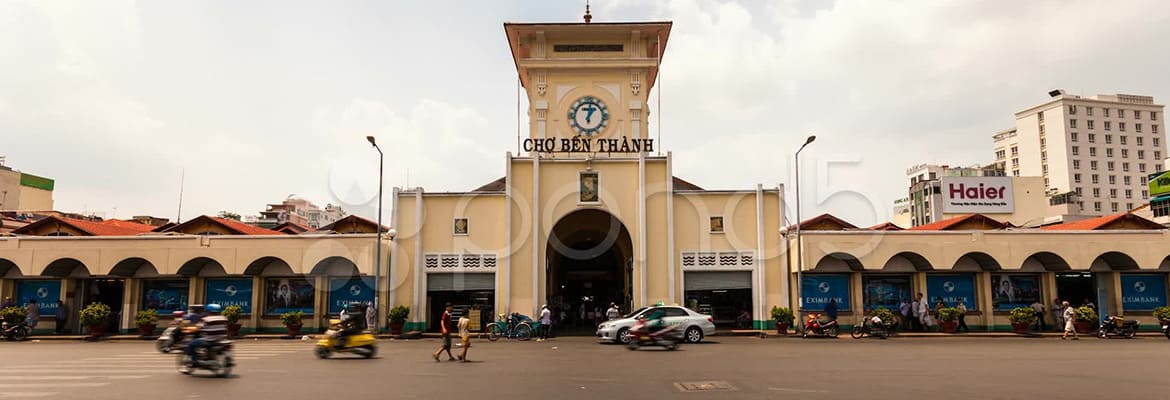
Welcome to Saigon’s beating heart. This massive indoor bazaar is sensory overload—vendors shouting, piles of silk scarves, and the smell of grilled squid wafting through. I’ve spent hours haggling here; scored a $15 backpack for $8 once.
For first-timers, it’s a must: grab souvenirs (coffee, $3 a bag), try bánh xèo (crispy pancakes, $1), or sip a $1 coconut. Spend two hours—bring cash (USD works, but VND’s better) and bargain hard. Start at 50% of the asking price; they’ll meet you halfway if you’re friendly. Watch your pockets—pickpockets love distracted tourists.
Nguyen Hue Walking Street
Open: 24/7 (best at night) | Entry: Free
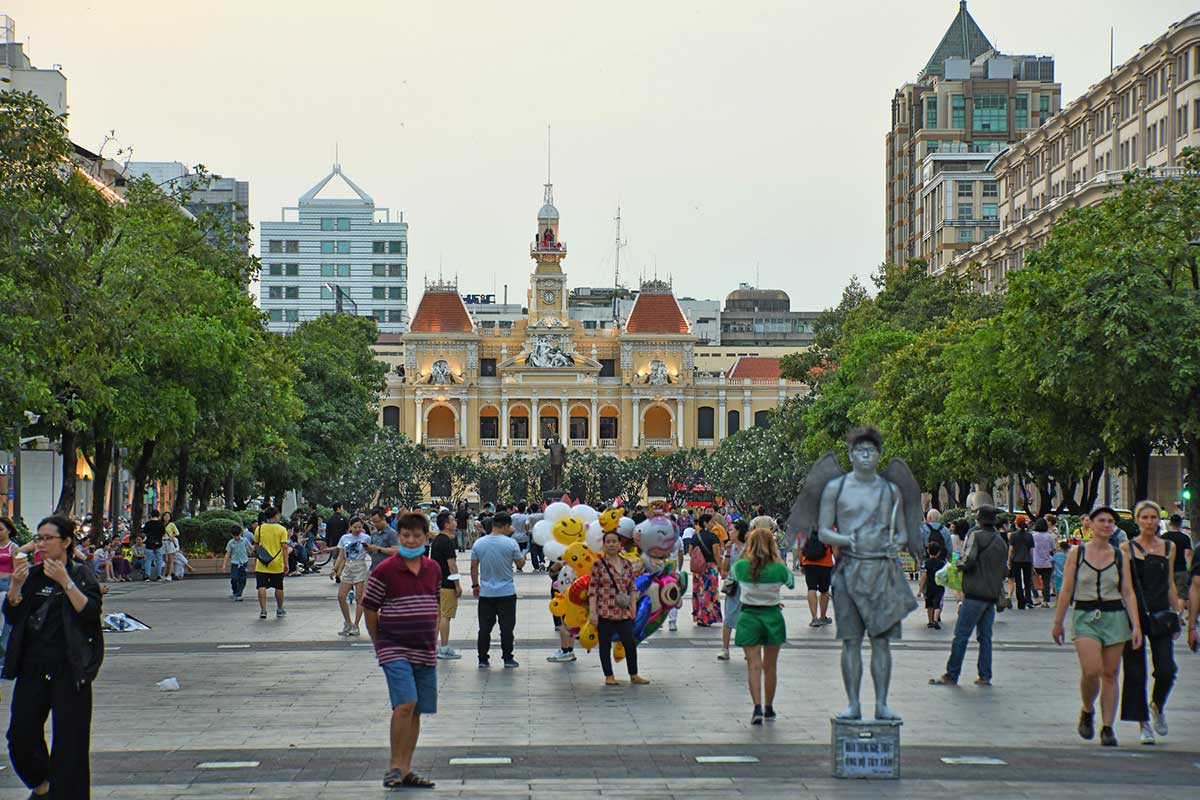
A 10-minute walk from Ben Thanh, this pedestrian strip is Saigon’s chill zone. By day, it’s relaxed—street vendors, kids skating. At night? Pure magic—lights, music, and crowds. I take every visitor here; grab a $4 cocktail at a rooftop spot like EON51 (Bitexco Tower, 36 floors up) and watch the city sparkle. Stay till 9 PM if you can—the energy’s unreal. Travelers love it—it’s Times Square vibes without the overpriced hot dogs.
Saigon Street Food Night
Dinner’s where Saigon shines. Skip the fancy restaurants—street food’s where it’s at. My fave? Cô Ba Quán (District 3, ~$3 for cơm tấm—broken rice with pork chop). Or book a food tour—Saigon Street Eats ($40) takes you to holes-in-the-wall for dishes like bún chả (grilled pork noodles). I’ve done these tours with friends; you’ll eat stuff you’d never order solo. Bring an empty stomach and $10-$15 for extras.
Day 2 Tips: Dress light—markets are sweaty. “Is street food safe?” Yes, if it’s busy—locals don’t mess around with bad spots. “Can I use credit cards?” Rarely; cash is king. Need a break? Cafe 81 (District 1) has AC and $2 iced teas.
Day 3 for Saigon Itinerary: Day Trips, Nature, and Saigon’s Softer Side
Day 3 mixes adventure with downtime—perfect for balancing Saigon’s hustle.


Cu Chi Tunnels
Open: 7 AM – 5 PM | Tours: $30-$40 (includes transport)
A 90-minute drive from town, these tunnels were a Viet Cong hideout during the war—200 miles of underground genius. I’ve crawled through (claustrophobic but wild); you don’t have to, but the history’s gripping either way. Tours (book via Getyourguide or Viator…) include a guide—English-speaking—and lunch.
DIY? Rent a scooter ($10/day) and go solo, but the roads are nuts—stick to tours if you’re nervous. Spend half a day; wear closed shoes (it’s dusty). Americans ask, “Is it anti-US?” Not really—it’s factual, not finger-pointing.
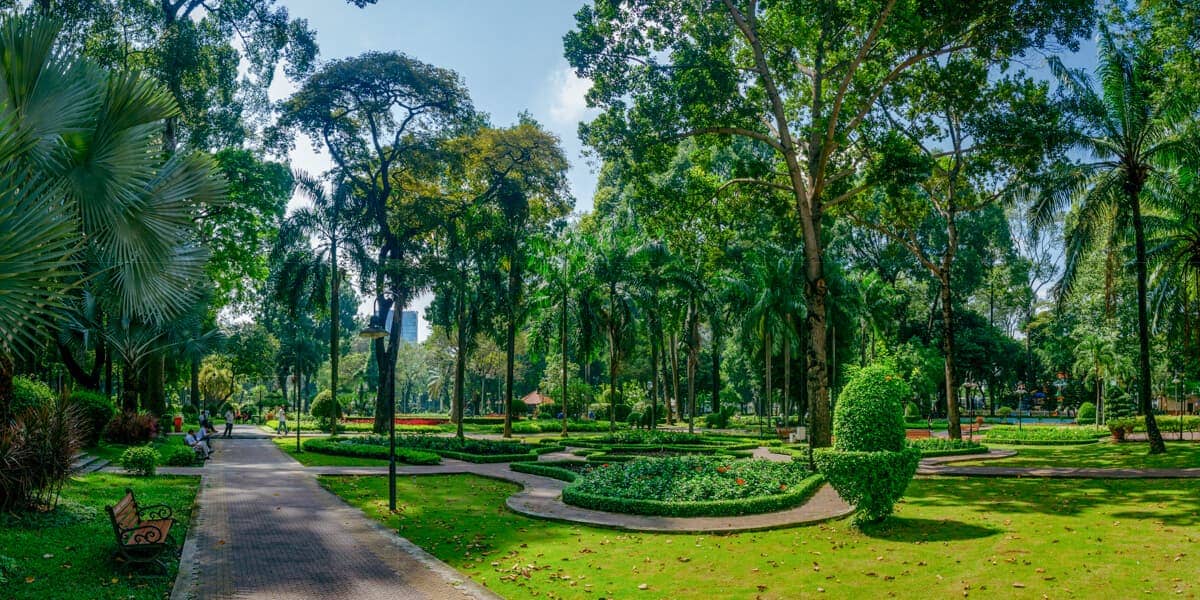
Tao Dan Park
Open: 24/7 | Entry: Free
Back in Saigon, this park’s a green escape in District 1. Locals do tai chi, birds chirp—it’s the quiet you didn’t know you needed. I come here to read or sip a $1 coconut from a cart. Spend an hour; it’s a 15-minute walk from Ben Thanh. Perfect for unwinding after tunnels.
Optional Swap: Mekong Delta
If tunnels aren’t your thing, try a Mekong day trip ($25-$35 via tours). Floating markets, rice paddies, and a boat ride—less war history, more nature. I’ve done both; Mekong’s calmer but takes a full day.
Day 3 Tips: “Is Cu Chi worth it?” Yes, if you like history—skip if tight spaces freak you out. Bring bug spray for parks or deltas. Dinner? Treat yourself at The Deck (District 2, $15-$20)—river views and Western-friendly Vietnamese fusion.
Day 4 for Saigon Itinerary: Hidden Gems, Local Life, and a Taste of Modern Saigon
Alright, you’ve survived three days of Saigon’s chaos and charm—now let’s level up with Day 4! This one’s about peeling back the tourist curtain to see the real city—neighborhoods buzzing with local life, a splash of modern flair, and a chill evening to soak it all in. After years of poking around every corner of this place, I’ve got a lineup that’ll make you feel like you’re in on Saigon’s secrets. Grab a $1 cà phê sữa đá to kick things off—you’re in for a treat!


Cholon (Chinatown) – Binh Tay Market & Thien Hau Pagoda
Open: Binh Tay 6 AM – 6 PM, Thien Hau 8 AM – 4:30 PM | Entry: Free
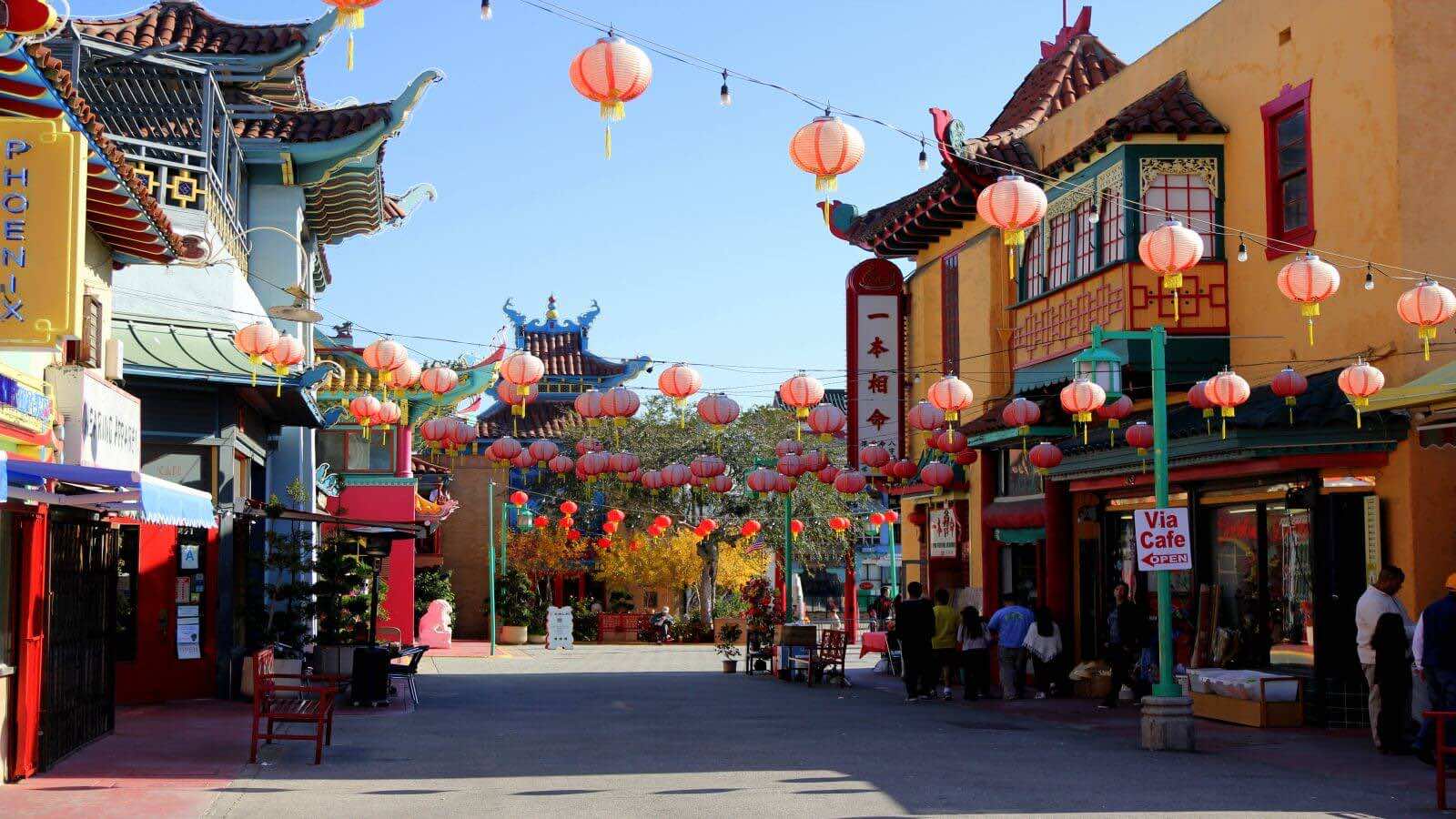
Hop on a Grab ($2-$3 from District 1) to District 5—Saigon’s Chinatown, aka Cholon. Start at Binh Tay Market—it’s less touristy than Ben Thanh, with tighter alleys packed with dried fish, spices, and quirky trinkets. I’ve wandered here for hours; it’s raw, loud, and feels like stepping into old Saigon. Vendors aren’t pushy—grab a $1 sugarcane juice and watch the chaos unfold. Bargain if you buy—$5 for a bag of dried mangoes is a steal.
Five minutes away, hit Thien Hau Pagoda—a 19th-century temple dripping with incense and red lanterns. Locals pray here to the sea goddess; the vibe’s serene despite the bustle outside. I love the spiral incense coils—snap a pic, but don’t touch. Spend two hours total—wear comfy shoes, it’s a lot of walking. “Safe?” Totally, just keep your bag close.
Pham Ngu Lao – Backpacker District & Street Lunch
Open: 24/7 | Entry: Free
Back in District 1, head to Pham Ngu Lao—the budget traveler hub. It’s gritty, lively, and packed with cheap eats and dive bars. I’ve spent afternoons people-watching here; it’s where expats, locals, and backpackers collide. Grab lunch at a street stall—try bún thịt nướng (grilled pork with noodles, $2-$3) from a cart near De Tham Street. Look for the busiest spot—crowds mean quality. Spend an hour or two wandering; it’s rough around the edges but real. “Sketchy?” Nah, just busy—stick to daylight if you’re nervous.
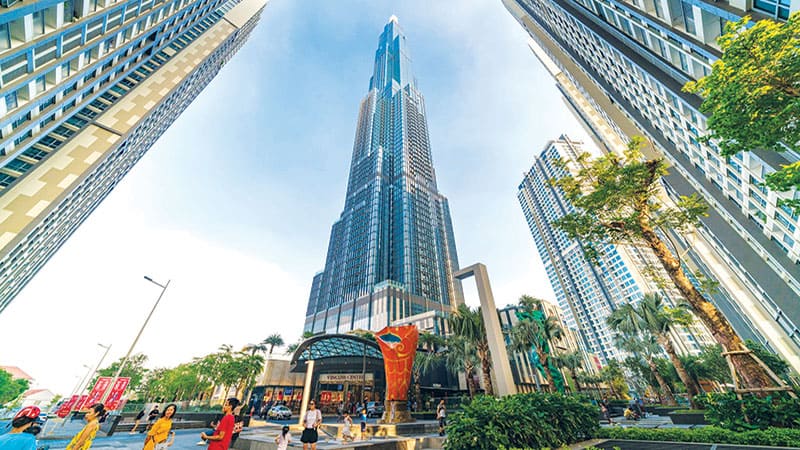
Landmark 81 & Vinh Nghiem Pagoda – Modern Meets Tradition
Open: Landmark 81 9 AM – 10 PM, Vinh Nghiem anytime | Entry: Free (observation deck ~$10)
Time to see Saigon’s shiny side—Grab ($3-$5) to District 2 for Landmark 81, Vietnam’s tallest building. It’s glitzy—82 floors of malls, cafes, and a sky deck with insane views. I took friends up once—$10 gets you the observation deck (69th floor); you’ll see the Saigon River snaking through the city. Skip if heights aren’t your thing—ground-level shops are free and fun.
Nearby, Vinh Nghiem Pagoda’s a quirky contrast—a seven-story tower blending Buddhist calm with ’60s architecture. It’s less touristy; locals pop in to pray. Free entry—15 minutes here’s enough. Spend two hours total—modern Saigon’s a vibe shift from Cholon.
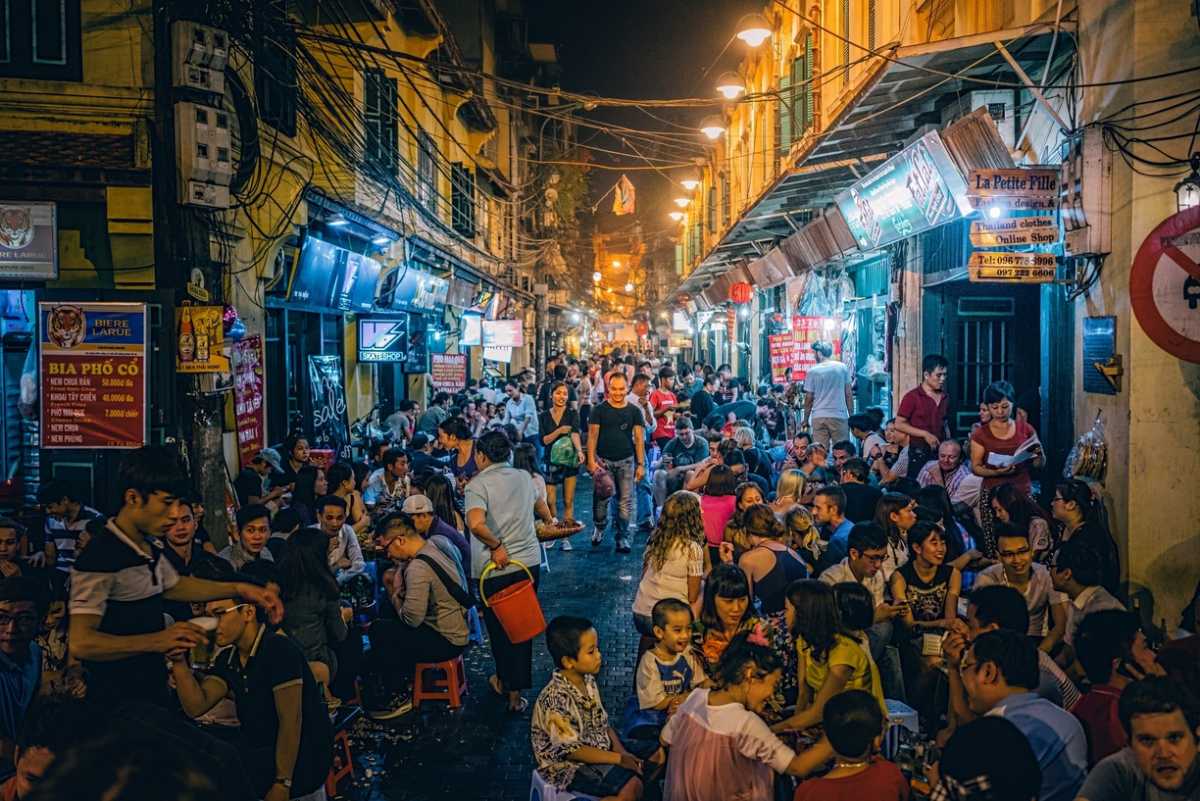
Evening at Bùi Viện Walking Street
Open: Peaks after 6 PM | Entry: Free
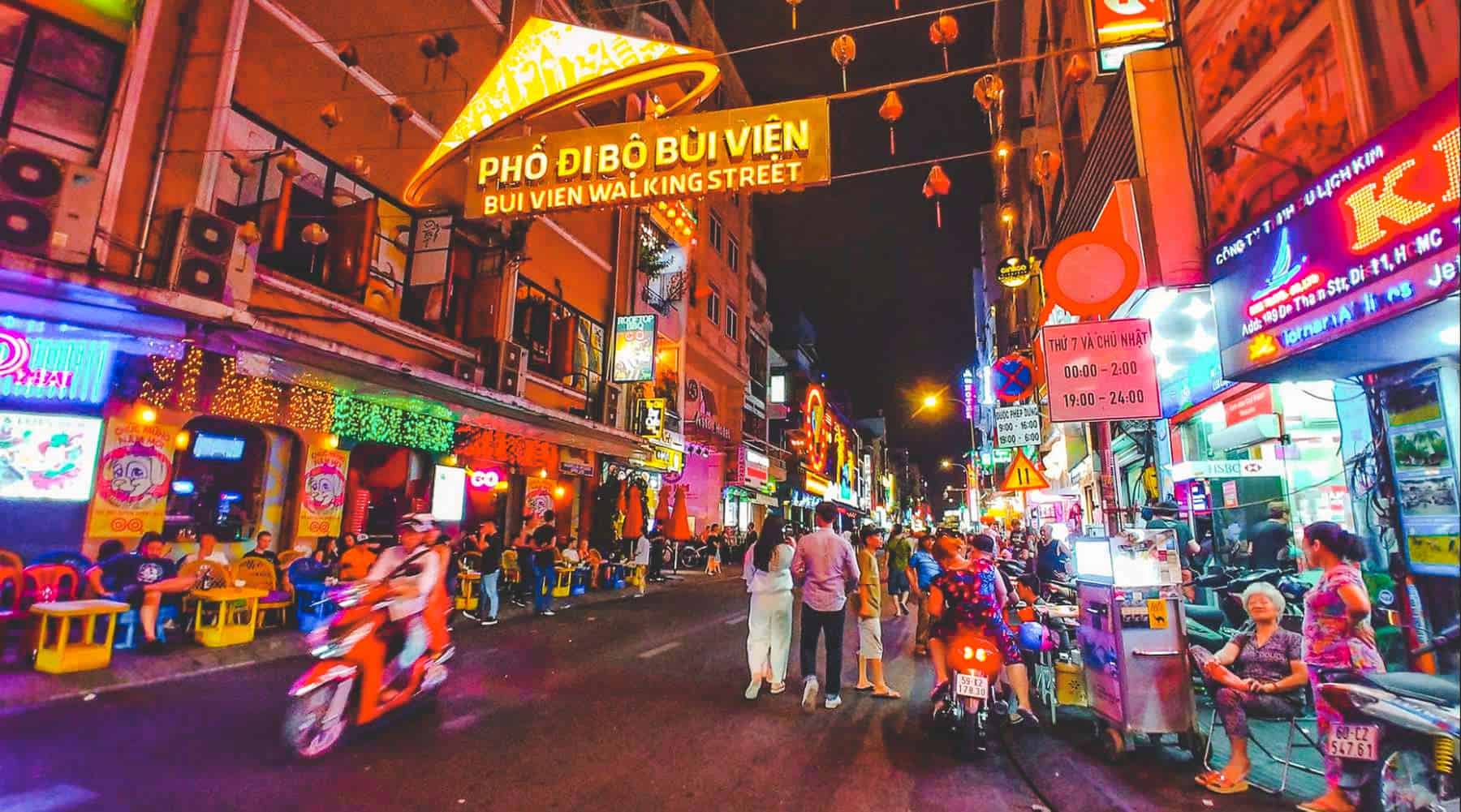
Wrap Day 4 at Bùi Viện—Saigon’s nightlife strip in District 1. Think Pham Ngu Lao on steroids—bars, neon, and $1 beers. I’ve bar-hopped here with buddies; it’s tacky but a blast—street musicians, karaoke blasting, expats everywhere. Grab a stool at a spot like Crazy Buffalo ($2 cocktails) or just sip a Saigon Beer ($1) and watch the madness. Stay till 12 PM—it’s loud, cheap, and pure Saigon energy. “Safe?” Yep, but watch your pockets—crowds draw pickpockets.
Day 4 Tips: Mix of walking and Grab—$10-$15 covers transport. “Too touristy?” Nope—this day’s offbeat but accessible. Dinner’s flexible—street eats or a $5 pho bowl at Pho 2000 (near Bùi Viện) if you’re beat. Bring sunscreen—Cholon’s open-air, and the sun’s relentless.
Not sure where to stay in Ho Chi Minh City? Here’s a quick guide to help you choose the best area for your trip.
IX. Practical Saigon Travel Tips for First-Timers
Navigating Saigon can feel like a video game—fun but tricky. Here’s what I’ve learned to keep you ahead of the curve.
Getting Around:
Motorbikes dominate—Millions of them! Rent one ($5-$10/day) if you’ve got skills; traffic’s a free-for-all (no lanes, just vibes). Safer? Grab (Uber’s cousin)—$1-$3 rides, app’s in English. Taxis like Vinasun are fine ($5-$10/day), but avoid random ones—they’ll overcharge. Buses? Cheap (just 25 cents) but confusing—skip unless you’re fluent in Vietnamese. Walking’s great in District 1; elsewhere, it’s a scooter dodge-fest.
Money Matters:
Currency’s VND (~23,000 = $1). ATMs are everywhere—withdraw $50-$100 at a time (small bills for street buys). USD works at big spots, but change is VND. Bargain at markets—my trick? Smile, offer half, walk away if they push. “Tipping?” Not a thing—round up for awesome service if you want.
Safety & Scams:
Saigon’s safe-ish—petty theft’s the worry. Keep bags zipped in crowds. Scams? Taxi overcharges (use Grab), fake “guides” (say “no thanks”), or “free” shoe shines that cost $5 after. Solo women? Fine—just dress modestly outside tourist zones.
Apps & Tech:
Grab or Xanh SM (rides), Google Maps (navigation), Translate (menus), Zalo or Messenger (local chat)—download them. Wi-Fi’s always free at cafes and many other places; SIM cards are $5 for 4G (get one at the airport).
Weather & Packing:
Hot (85-95°F) and humid year-round. Rainy season (May-Oct) means quick downpours—pack a poncho. Light clothes, sneakers, and a hat are musts.
These Saigon travel tips are gold for first-timers—I wish I’d known half this stuff when I started!
X. Saigon Food Guide for First-Timers: Eat Like a Pro
Saigon’s food scene is why I’m still here—it’s cheap ($1-$5), fresh, and stupidly good. For Foreigners, it’s exotic but approachable—here’s your roadmap.

Must-Try Dishes:
Pho: Beef/chicken noodle soup, $1-$3. Pho Quynh (323 Pham Ngu Lao) is my late-night fix—broth’s perfection.
Bánh Mì: Baguette with pate, pork, pickles—$1 at Bánh Mì Huynh Hoa.
Cơm Tấm: Broken rice with pork chop, egg—$2-$3 at Cơm Tấm Ba Ghiền (Phu Nhuan District).
Bún Chả: Grilled pork with noodles—$2-$4 at street stalls.
Bánh Xèo: Crispy pancakes with shrimp—$2-$3; Ben Thanh’s got solid ones.
Where to Eat:
Street food rules—busy stalls = safe bets. Quan An Ngon (District 1, $5-$10) offers a sit-down sampler—clean, English menus. Night markets (Ben Thanh after 6 PM) are chaos in the best way—grilled seafood, $3-$5.
Check our guide about 15 Must-Try Dishes in Ho Chi Minh City for Foodie Travelers
Tips for Foriegners:
Spicy? Mild compared to Thai—say “ít ớt” for less heat. Ice in drinks? Fine at busy spots; skip if your stomach’s sensitive. Veggie options exist—ask for “chay” (vegetarian). Portions are smaller than US sizes—order two dishes if you’re starving.
This Saigon food guide will have you eating like a local—no tourist traps, just the real deal.
XI. Final Thoughts: Your Saigon Adventure Awaits
There’s your Saigon itinerary for first-timers—three days of history, food, and vibes, straight from someone who’s lived it. Saigon’s not perfect—it’s loud, it’s messy—but that’s why I love it, and you will too. It’s a city that sticks with you, begging for a second visit.
Want more? Check my guides on “Top 10 Saigon Street Foods” or “Cu Chi Tunnels”. Got questions—“Is it kid-friendly?” “Only two days?”—hit me up below. Safe travels, and see you in Saigon!











 Tiếng Việt
 한국어
한국어 中文 (中国)
 日本語
日本語 ไทย
ไทย Deutsch
 Español
 Destinations
 Instagram
 Facebook
 X (Twitter)
 Threads
 Tiktok
The tip about grabbing a Grab bike to navigate traffic was a game-changer. Day 3’s Chinatown exploration was my favorite—so vibrant and the street food was next level.
Replying to Laurent
🥰🥰🥰
Followed your Day 2 plan and hit up the War Remnants Museum. Heavy stuff, but so eye-opening. Also, that banh mi spot you mentioned in District 1 was unreal!
이 일정 너무 좋아요! 첫날 사이공 강에서 보트 투어 했는데 분위기 최고였어요. 다음엔 추천해준 커피숍도 가볼게요. 감사합니다!
素晴らしいガイド!ベンタイン市場の食べ物屋台は最高でした。特にフォーが美味しかった!ただ、バイクの交通は少し怖かったです。次はCu Chiトンネルに行きたいです!
Replying to 佐藤 隆
🥰🥰🥰
This itinerary is perfect for my first trip to Saigon! Day 1 at Notre-Dame Basilica and the Post Office was so picturesque. Thanks for the tip about avoiding Ben Thanh Market at peak hours—saved me from the chaos!