









 Ha Giang
 Hanoi
Hanoi Ho Chi Minh City
 Ha Long
 Sapa
Sapa Mekong Delta
 Da Nang
 Hue
Hue Hoi An
 Ninh Binh
 Da Lat
 Nha Trang
 Phan Thiet
 Phu Quoc
 Quang Binh
 Quy Nhon
 Vung Tau
 Thai Nguyen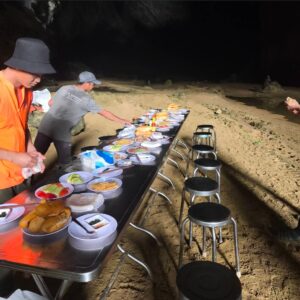

I’m just going to say it: $3,000. Three. Thousand. US. Dollars. For a cave tour. When I first heard that price, I laughed. That’s a month’s rent in a nice apartment, a flight to Europe, a whole other vacation.
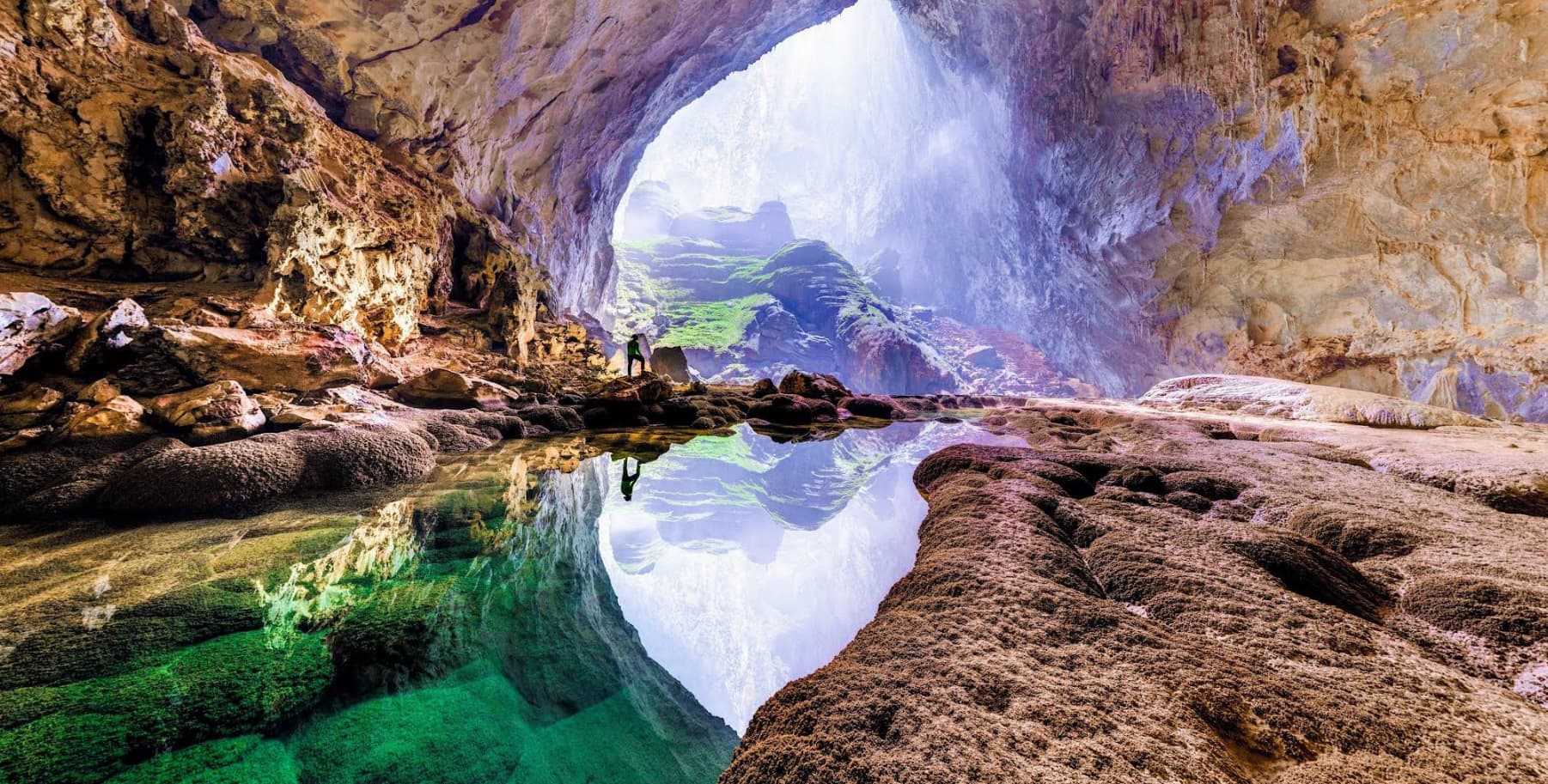
The idea seemed ridiculous, reserved for the ultra-wealthy or the profoundly insane. And yet, I couldn’t get it out of my head. The pictures of the Son Doong Cave tour looked like something from another planet. So, I did it. I saved up, went through the whole crazy process, and now I’m back. And people keep asking me the same question, usually with wide, skeptical eyes: “Was it worth it?”
My answer is a hard yes, but it comes with a massive “but.” This post is my attempt to explain that “but,” because it’s the most important part.
For anyone who just wants the highlights because you have the attention span of a goldfish (I get it), here’s the lowdown.
- Son Doong Cave tour is worth the insane price tag, but let’s be crystal clear: it is a genuine, difficult expedition, not a vacation. You are paying for a world-class, safe, and exclusive adventure into one of Earth’s last great wonders, not for comfort. If your idea of adventure is a 5-star hotel with a guided day-hike, this is your worst nightmare.
- Booking This Thing is an Olympic Sport: You don’t just buy a ticket. You have to earn a spot.
- The Operator: You can only go with one company: Oxalis Adventure. No exceptions.
- The Gauntlet: Spots are released once a year (usually in August for the following year) and sell out in hours. You have to complete a detailed application that quizzes your trekking history and physical fitness to prove you won’t be a liability.
- The Cost: Be prepared to pay the full $3,000 USD Son Doong Cave upfront upon booking confirmation.
- The True Challenge is the Jungle, Not Just the Cave: Most people focus on the cave itself, but the multi-day trek just to get there is designed to break you.
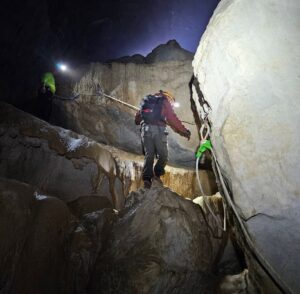
- The Terrain: You’ll face steep, relentless descents and ascents on a trail made of wet clay, sharp rocks, and slippery roots. It’s an ankle-twister’s paradise.
- The Environment: Expect suffocating humidity, chest-deep river crossings with strong currents, and a healthy population of leeches. It is a full-on jungle immersion.
- Your First Night: You camp in Hang En (the world’s 3rd largest cave), which is your “trial run.” If using a compost toilet in a tent and washing in a cold river feels like a hardship here, you will be miserable in Son Doong.
- Inside Son Doong: A Completely Different Planet: The experience inside the cave is a series of mind-bending moments that photos can’t capture.
- The Entrance: It starts with a 90-meter (295 ft) abseil down a sheer rock face into a gaping black hole. The air instantly goes from hot and humid to cool and misty.
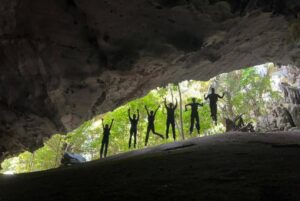
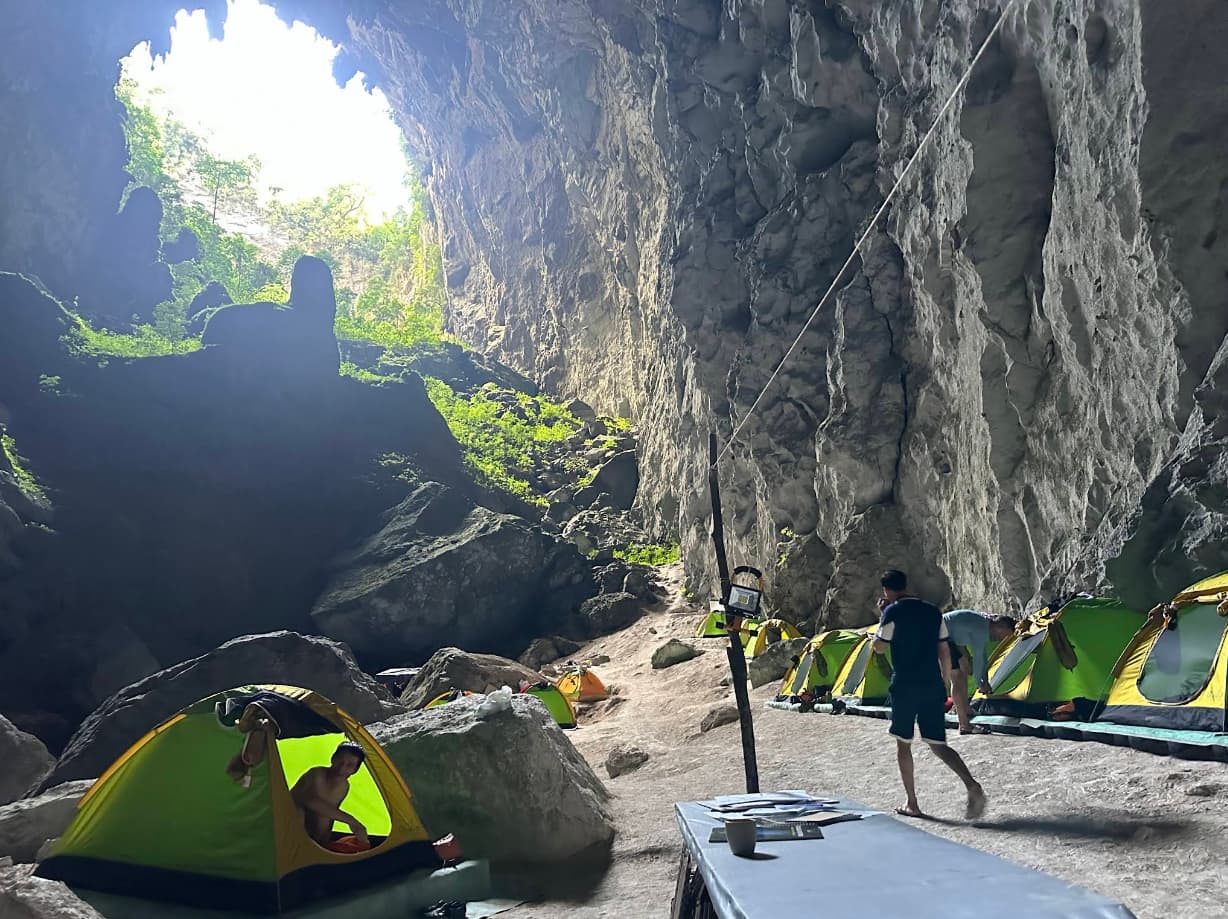
- The Doline Campsites: You will camp inside the cave on sandy beaches next to two colossal sinkholes (dolines). Here, sunlight streams down from above, creating its own unique, isolated jungles and weather systems—you can literally see clouds forming inside the cave.
- The Grand Finale is a Grueling Climb Out: You don’t just walk out of Son Doong. You climb.
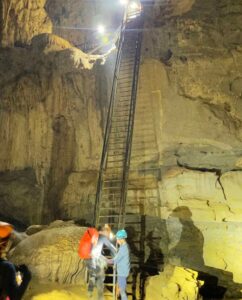
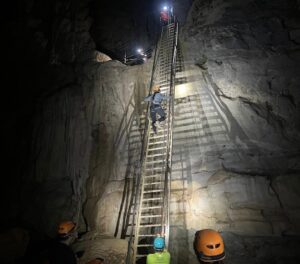
- The Great Wall of Vietnam: The exit is blocked by a massive, 90-meter (295 ft) calcite wall.
- The Ascent: You will use harnesses, ropes, and ladders to scale this slippery, steep wall under the careful supervision of a safety team. It’s physically exhausting, especially after 4 days of trekking, and a major mental challenge.
- Breaking Down the $3,000 Price Tag: It might seem like a lot, but this is where your money actually goes.
- Safety & Gear: You are paying for top-of-the-line, imported safety equipment (helmets, harnesses, ropes) and a highly-trained team of British-certified safety experts who watch your every step.
- Massive Support Team: For every group of 10 trekkers, there’s a crew of about 30 people, including guides, safety assistants, chefs, and porters from the local community who carry everything in and—crucially—carry every single piece of trash and waste out.
- Conservation & Community: A significant portion of your fee goes directly to the Phong Nha Ke Bang National Park for conservation efforts and provides sustainable, high-paying jobs to locals, creating a direct alternative to logging and poaching.
- The Brutally Honest Litmus Test: Is This Actually For You?
- This tour IS for you if: You are a seasoned multi-day trekker who is comfortable with being physically pushed to your limit. You enjoy primitive camping, can handle heights, and understand the value of a raw, unfiltered nature experience.
- Do NOT even think about this tour if: You are scared of heights, the dark, or insects. You need a hot shower and a proper bed to be happy. Your idea of “hiking” is a well-maintained trail for a couple of hours. You think “glamping” is roughing it. You will be paying $3,000 to be completely and utterly miserable.
It All Starts With a Panic-Inducing “Apply Now” Button
My journey didn’t begin at a trailhead. It started with a calendar reminder and a shot of adrenaline at 8 AM on a Tuesday. That’s when Oxalis, the only company allowed to run the Son Doong expedition, opens bookings for the next year. I had the page open, my passport details ready, and my heart pounding.
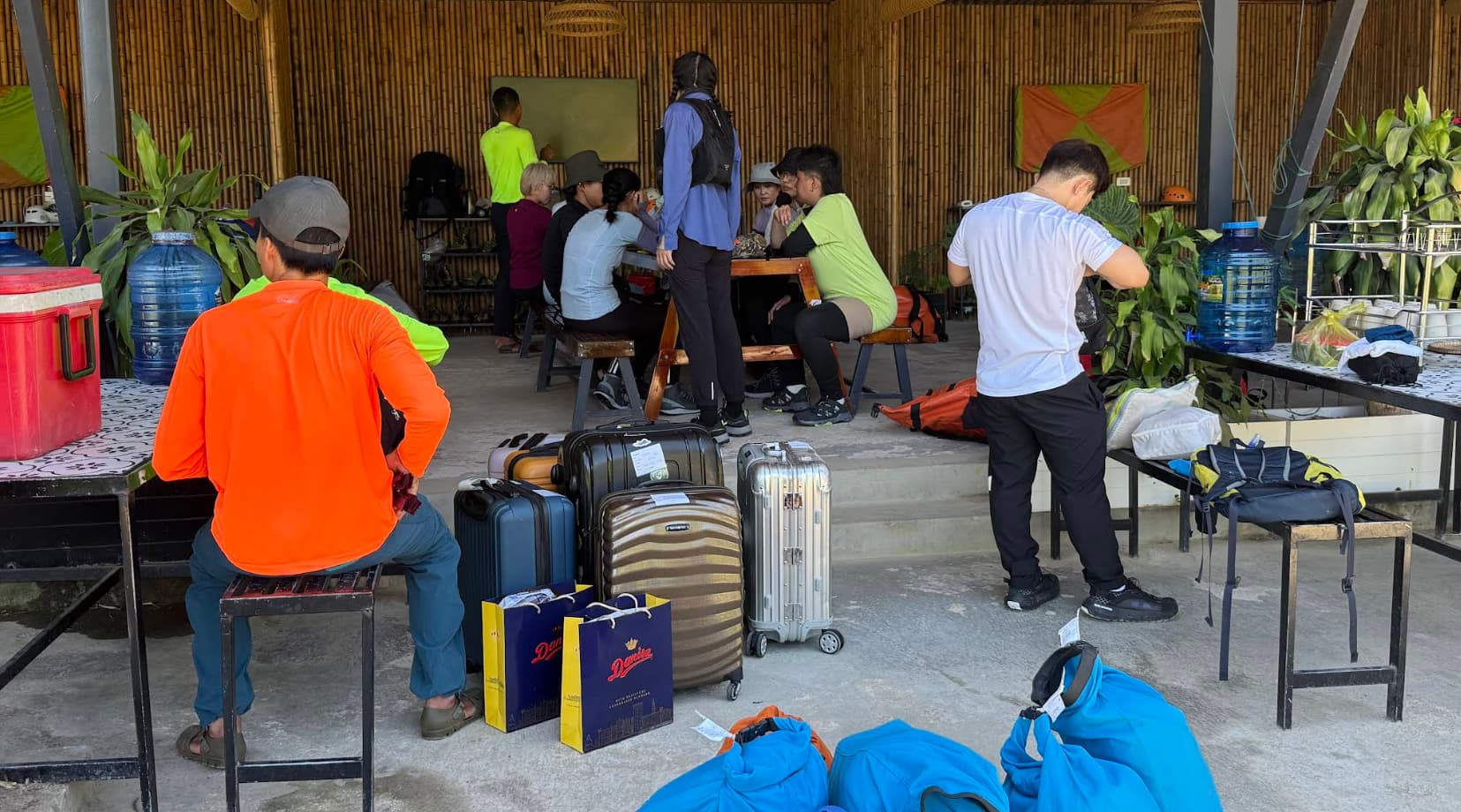
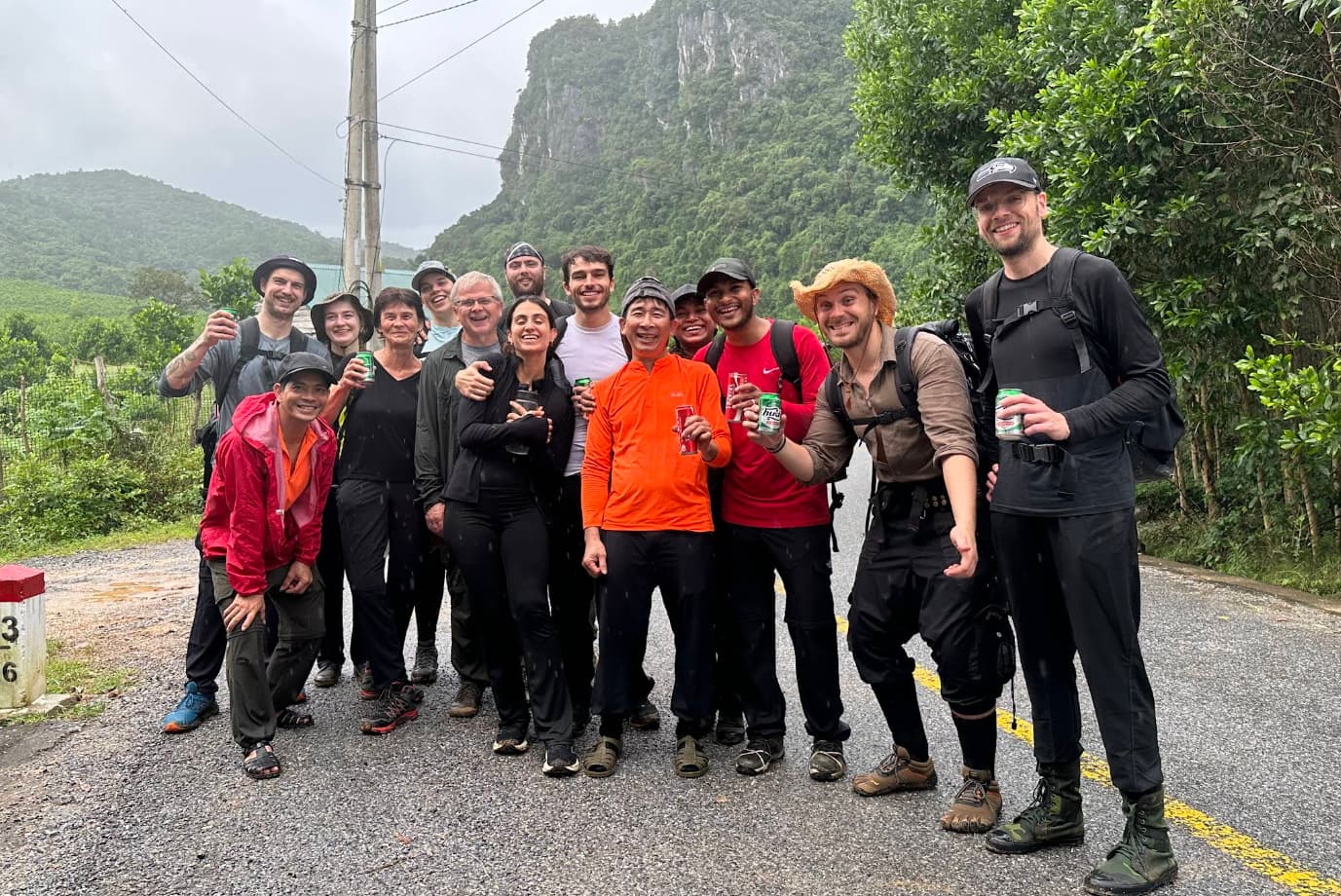

The application form isn’t messing about. It’s a checklist of hard physical achievements. “Have you completed treks over 15km a day on consecutive days?” “Can you climb over 500m of elevation gain?”
You have to list your recent experiences, and I suspect they actually check. It’s their insurance against someone having a meltdown on day one. I typed out my hikes in the mountains of Ha Giang and my jungle treks in Cat Tien, hoping it sounded impressive enough.
After submitting and sending the biggest wire transfer of my life, the confirmation email landed. And that’s when the “oh crap” feeling really set in.
For the next six months, every workout, every weekend hike was done with Son Doong in the back of my mind. The gym stair-climber became my best friend.
The Jungle Is The Real Filter
The van drops you off at the side of a road that looks like any other in rural Vietnam. Then you start walking downhill. And you don’t stop.
The first day’s trek into the valley is where you see what everyone in your group is made of. The ground is a special kind of treacherous—wet clay over sharp limestone rock that feels like greased-up glass. Even with the best hiking boots, you’re slipping and sliding.
And then come the leeches. Oh yes, nobody really talks about the leeches. They’re small, determined, and they will find a way into your socks. You learn to do a “leech check” every 30 minutes, a fun group bonding activity.
This is the Phong Nha Ke Bang National Park experience in a nutshell: awe-inspiring beauty punctuated by moments of “what the hell is on my leg?”
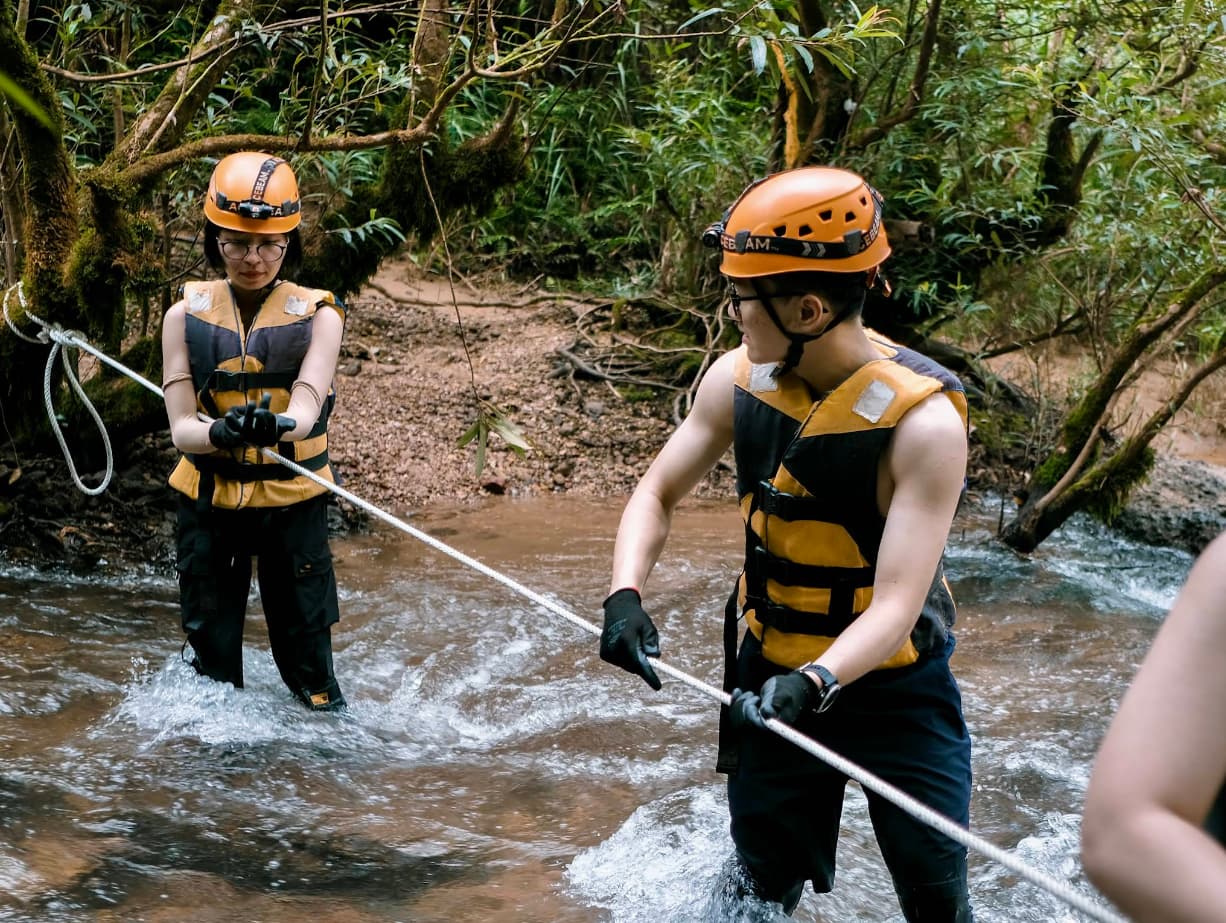
Then there are the river crossings. They are no joke. The first time we linked arms and waded into the surprisingly powerful current, the cool water was a shock against my sweaty skin.
It came up to my chest, and I felt the force of it pushing, trying to knock my feet from under me. You just hold onto the person next to you, trust the rope, and push through. On the other side, you look back, drenched and laughing with a weird mix of fear and adrenaline.
Meanwhile, the porters just cruise through it like they’re crossing the street, massive loads perfectly balanced on their shoulders. The disparity between my struggle and their grace is a constant theme of the trip.
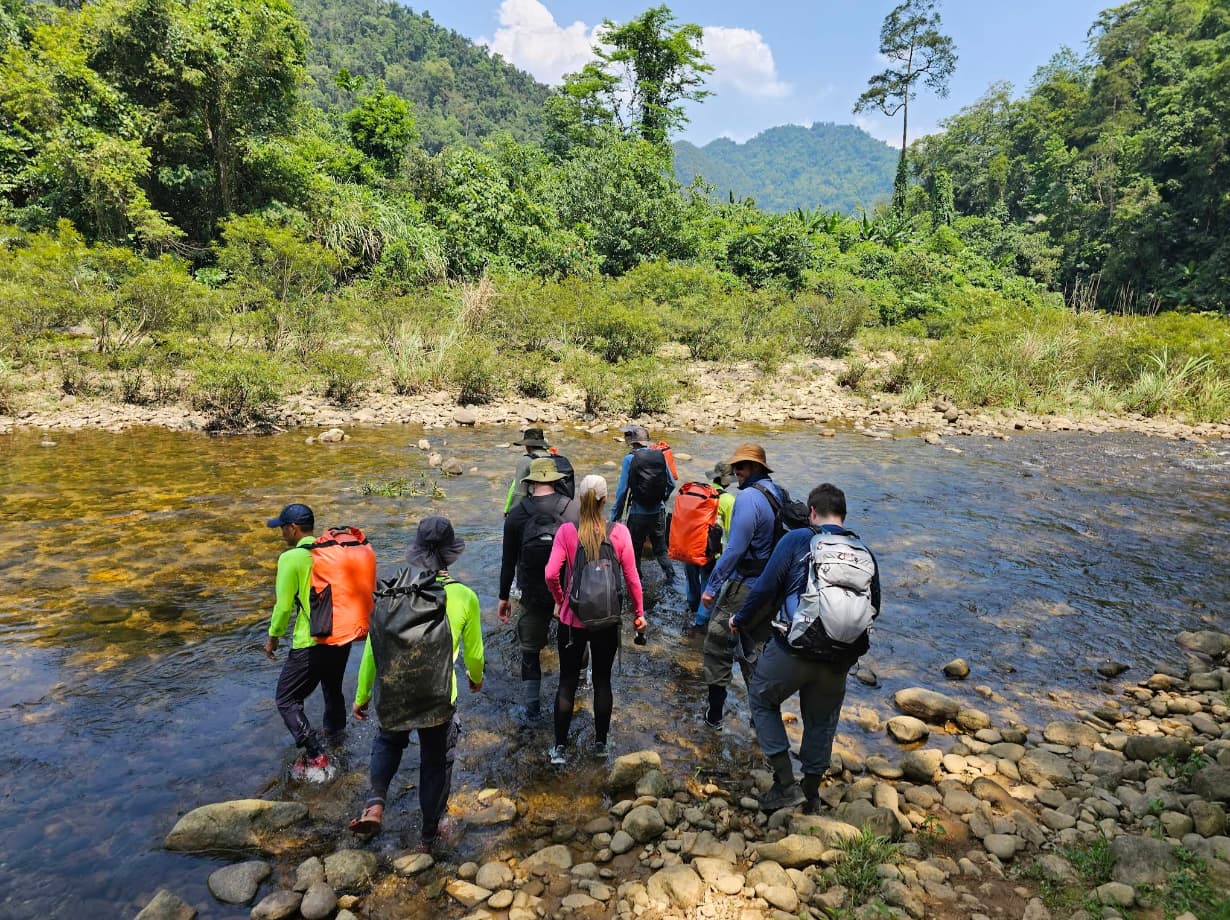
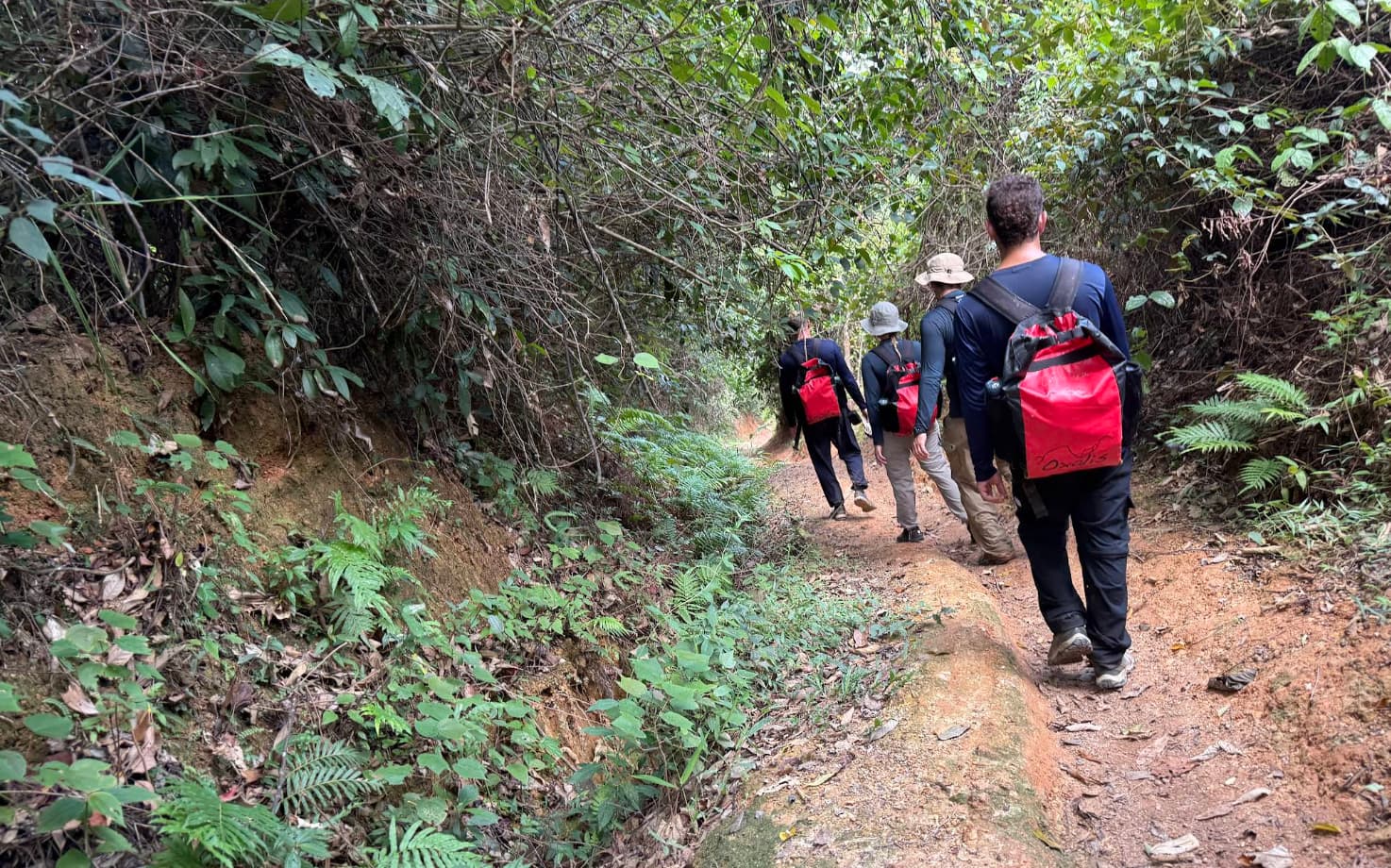
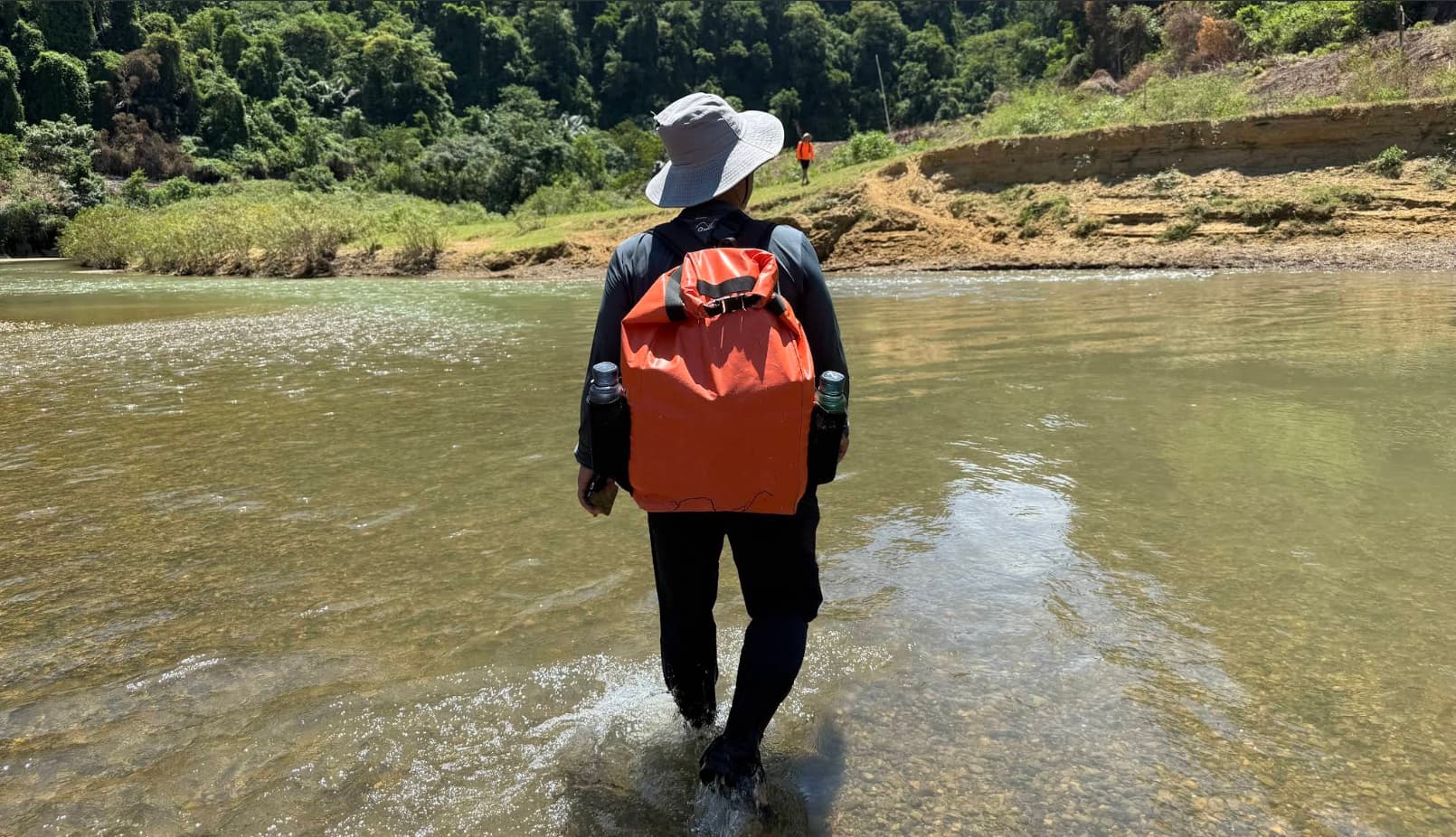
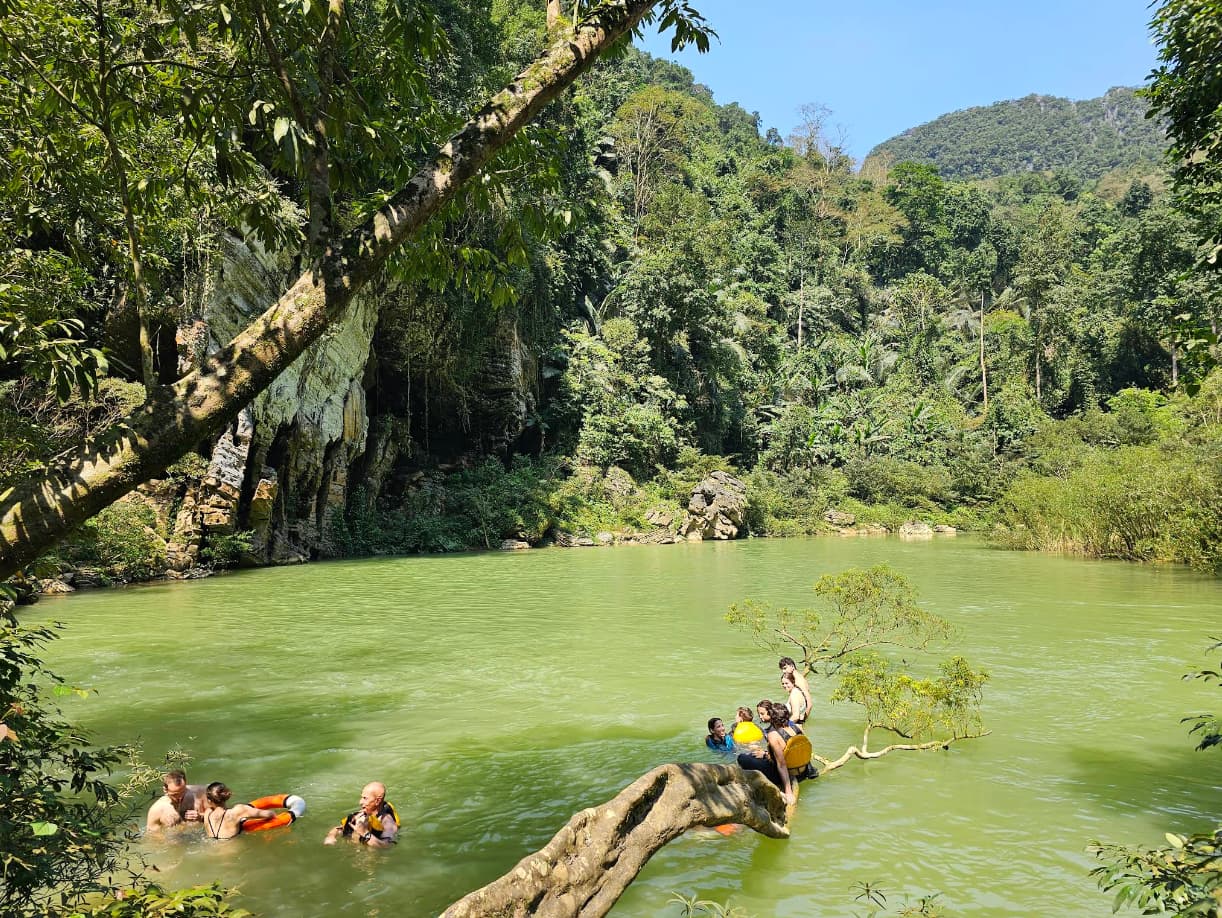
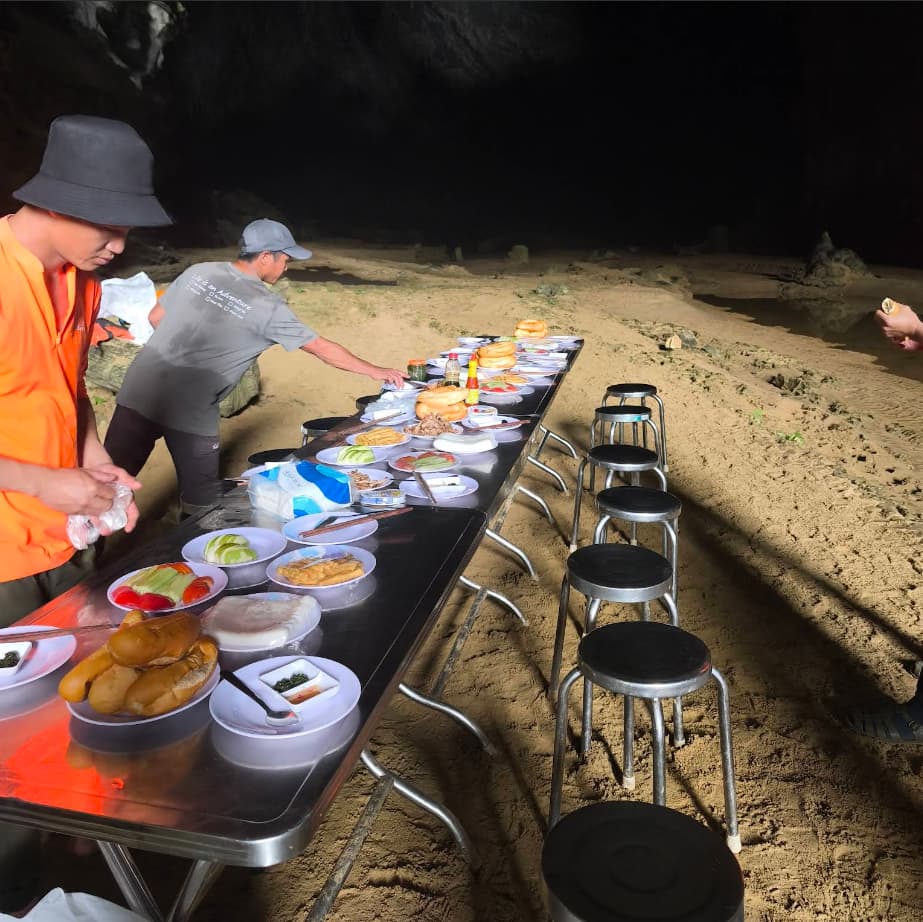
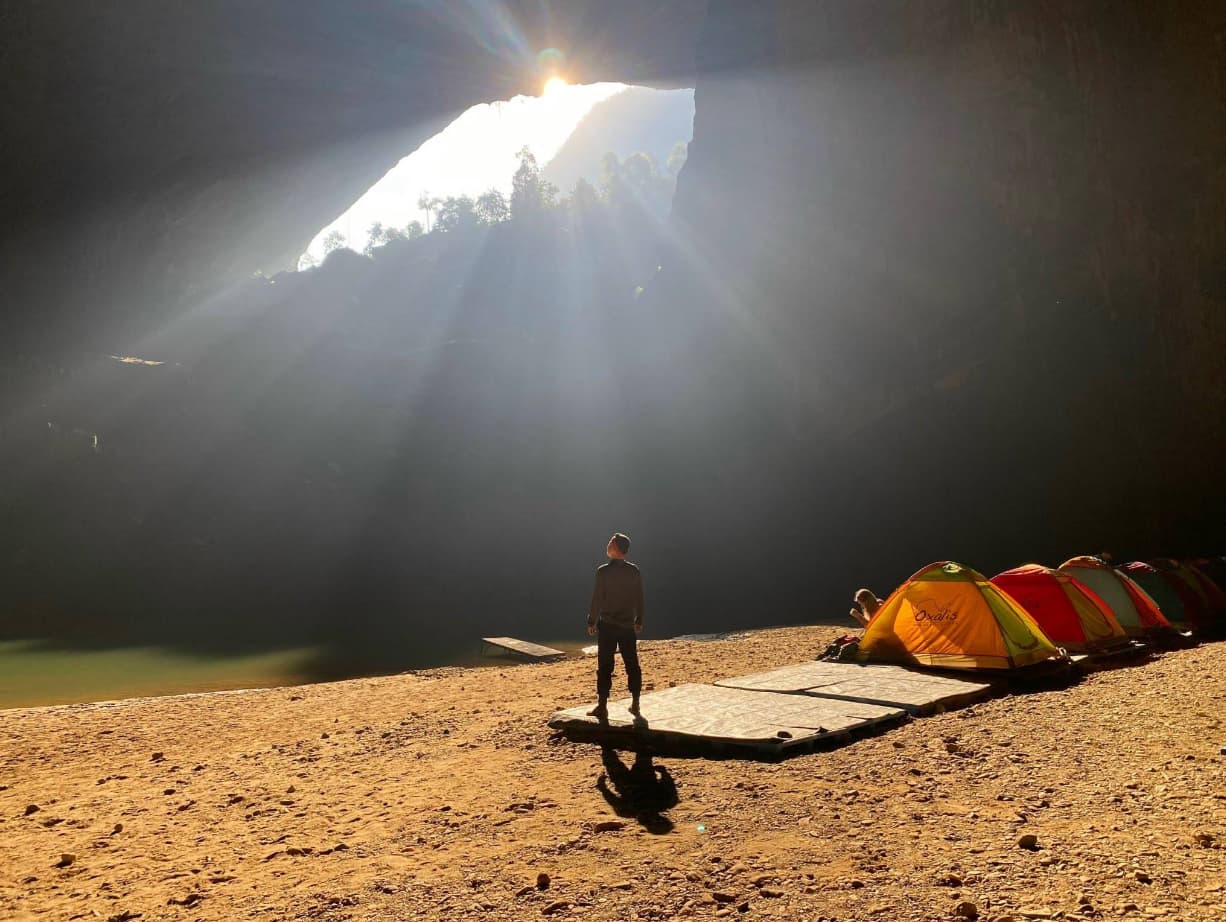
Our first night camping in Hang En cave felt like a reward for surviving the day. It’s epic in its own right, a colossal cavern with its own beach. But it’s also where you confront the reality of the trip.
Dinner is by headlamp. The toilet is a pop-up tent with a composting bucket inside (clean, but still a bucket). And your bed is a therm-a-rest in a tent. This is as luxurious as it’s going to get. If this first night feels like a major hardship, the next three in the much more remote Son Doong will be a real problem.
For folks wanting a taste of this without the full-on commitment, there are honestly so many incredible day-trips in Phong Nha to choose from.
Entering the Underworld, For Real This Time
The abseil into Son Doong on day two is the true point of no return. You get harnessed up, the safety guides check every strap and carabiner three times, and then you have to lean back into a giant, black hole.
The first few feet are terrifying; your boots scrabble for a grip on the wet rock. But then you’re clear, just hanging there, slowly spinning in a massive, silent void. The air changes instantly. The smell goes from jungle-green to a cool, earthy, mineral scent, the smell of deep, wet stone.
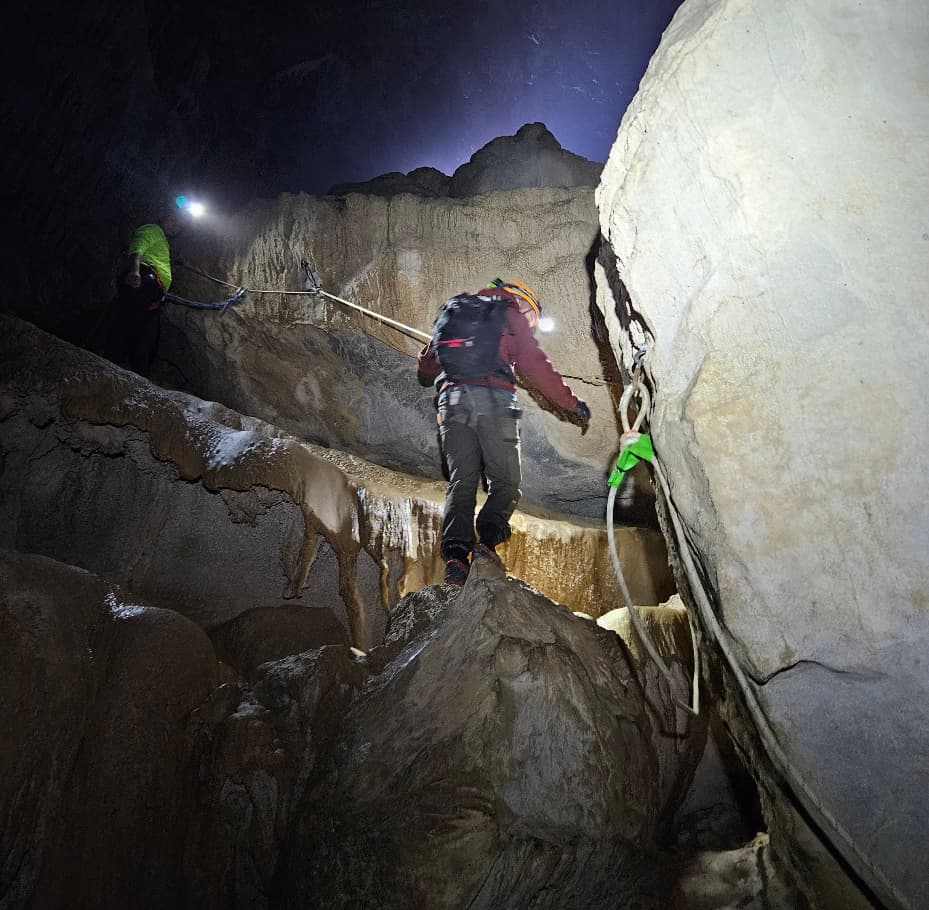
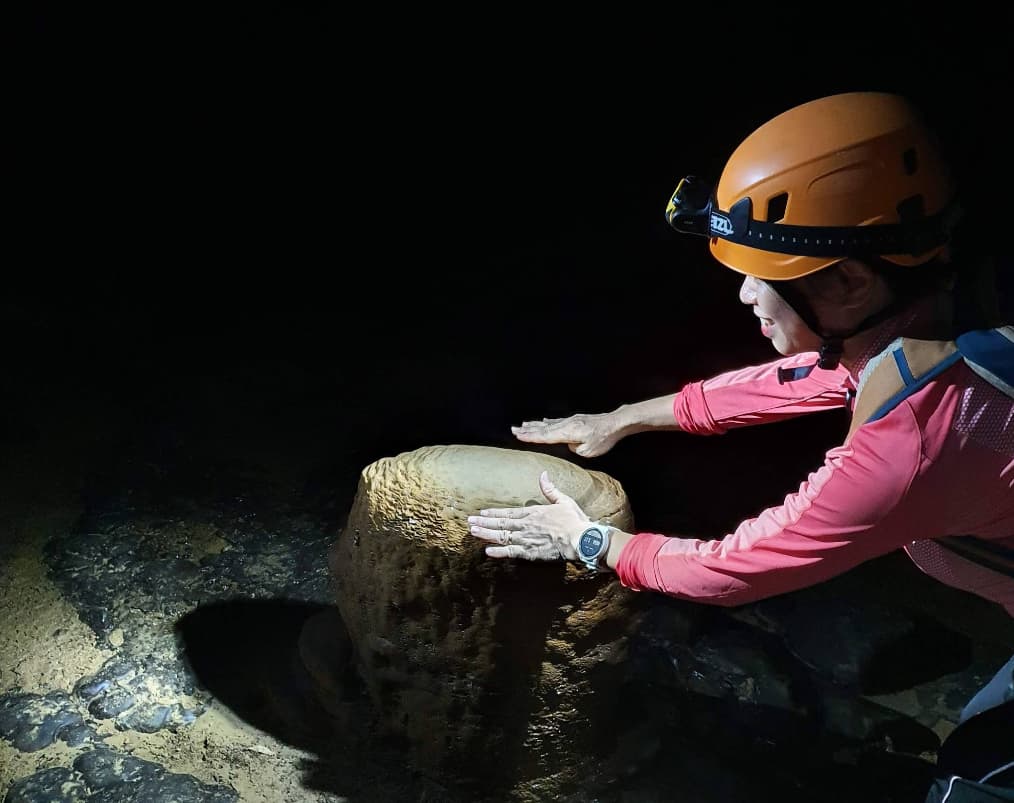
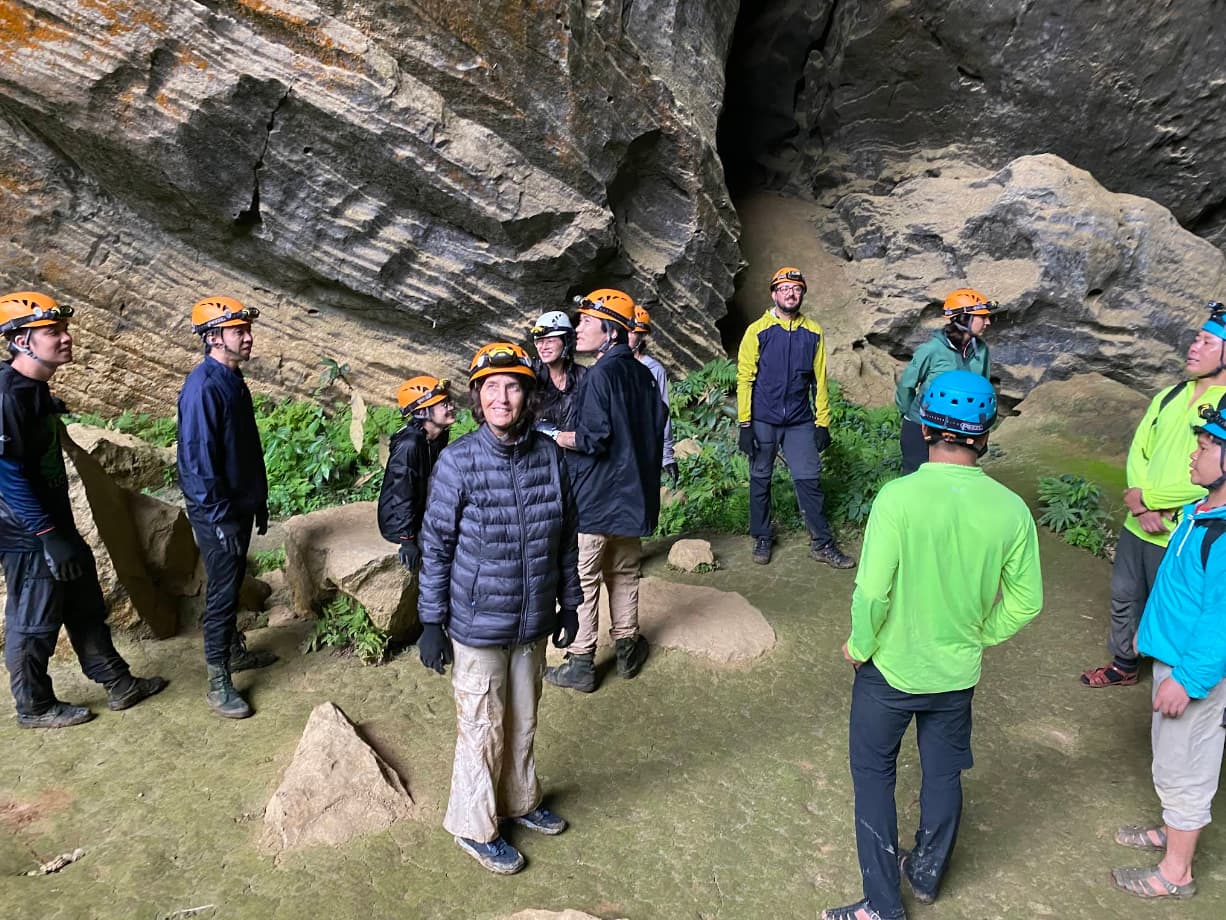
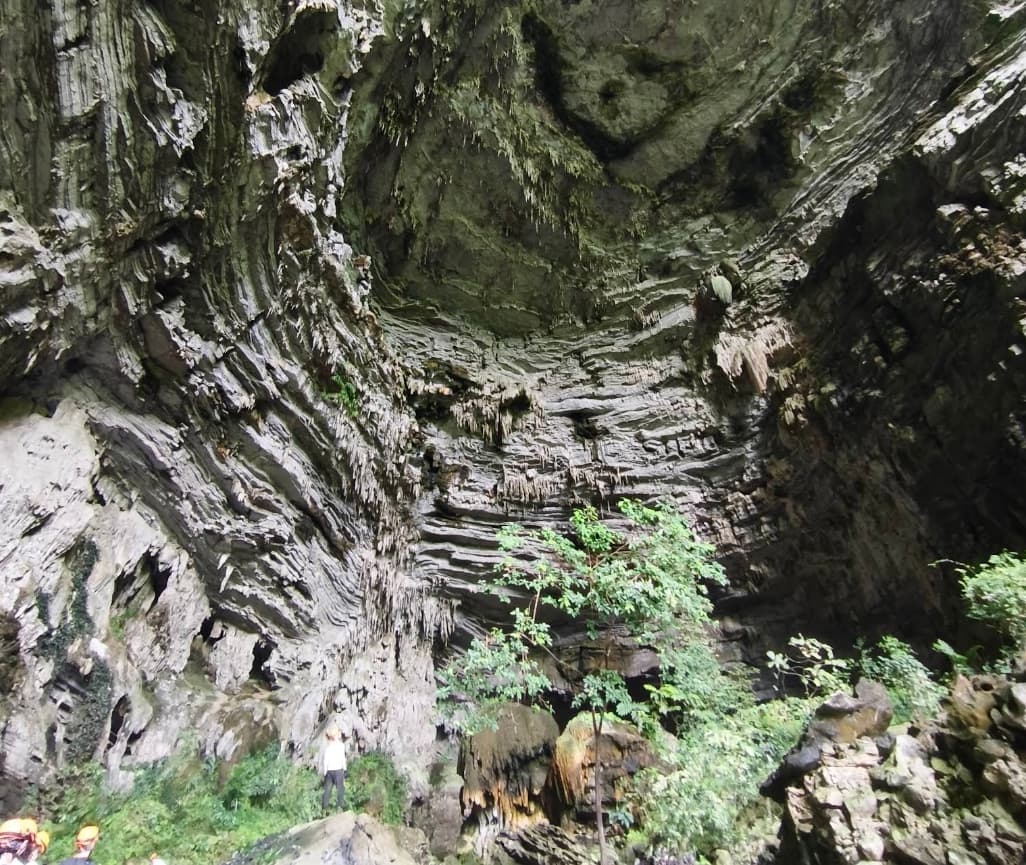
Once your feet touch the cave floor, the world outside ceases to exist. There’s only the sound of a roaring river somewhere in the darkness and the echo of your own breathing. The sense of scale is just broken.
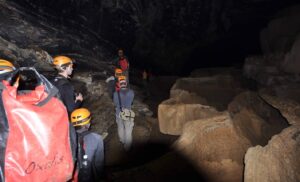
It’s not like a big building or a stadium; it’s a geological feature so large it feels like you’re on an alien planet. You’ll be scrambling over house-sized boulders, and you look up, and you can’t even see the ceiling. It’s just gone into the black.
Our guide, Hai, would occasionally have us all turn off our headlamps. The darkness that floods in is absolute. It’s a physical presence. It feels heavy. In that moment, you understand how truly removed from the world you are.
Life inside the cave settles into a strange rhythm. We’d trek for hours, sometimes walking on a sandy riverbank, other times climbing over enormous fields of collapsed rock.
Every stop for water was a chance to just stare in dumbstruck silence. The campsites near the two dolines are positioned perfectly.
Waking up at Doline 1, you unzip your tent to see a literal sunbeam, a solid pillar of light, cutting through the darkness from an unimaginable height, illuminating the swirling mists that form inside the cave. It’s the best morning “coffee with a view” I will ever have in my life.
We scrambled down into the “Garden of Edam,” the jungle growing under the second doline. It’s surreal. You’re touching ferns and small palms that have never felt the direct touch of an outside wind.
There are strange, pale insects. It’s a lost world, a self-contained ecosystem that’s been doing its own thing for millennia.
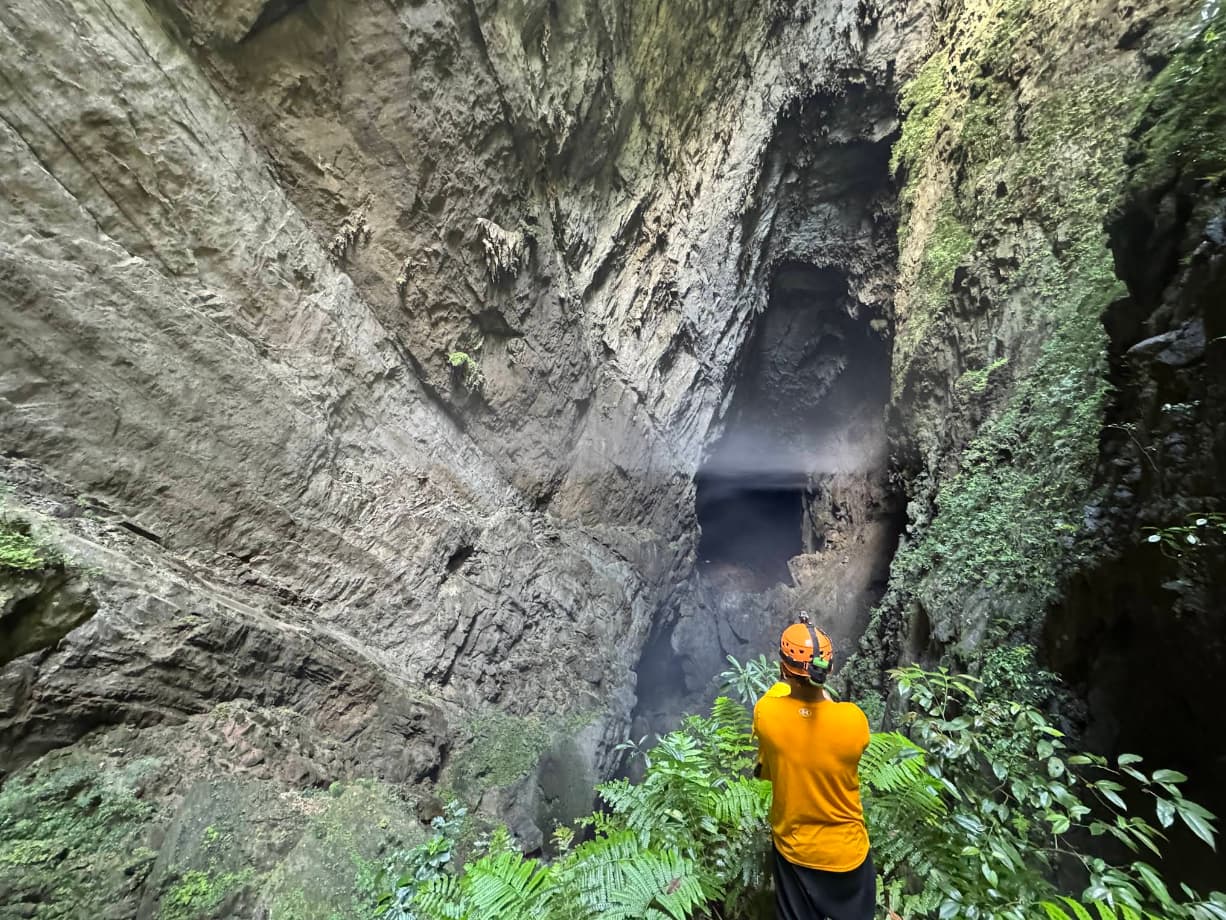
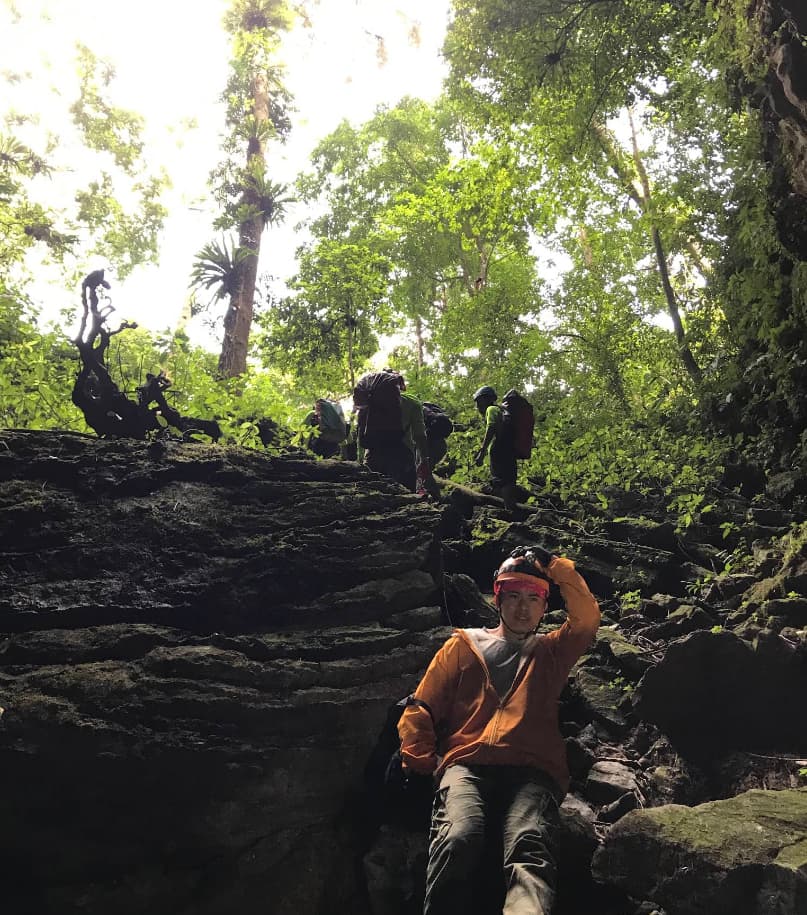
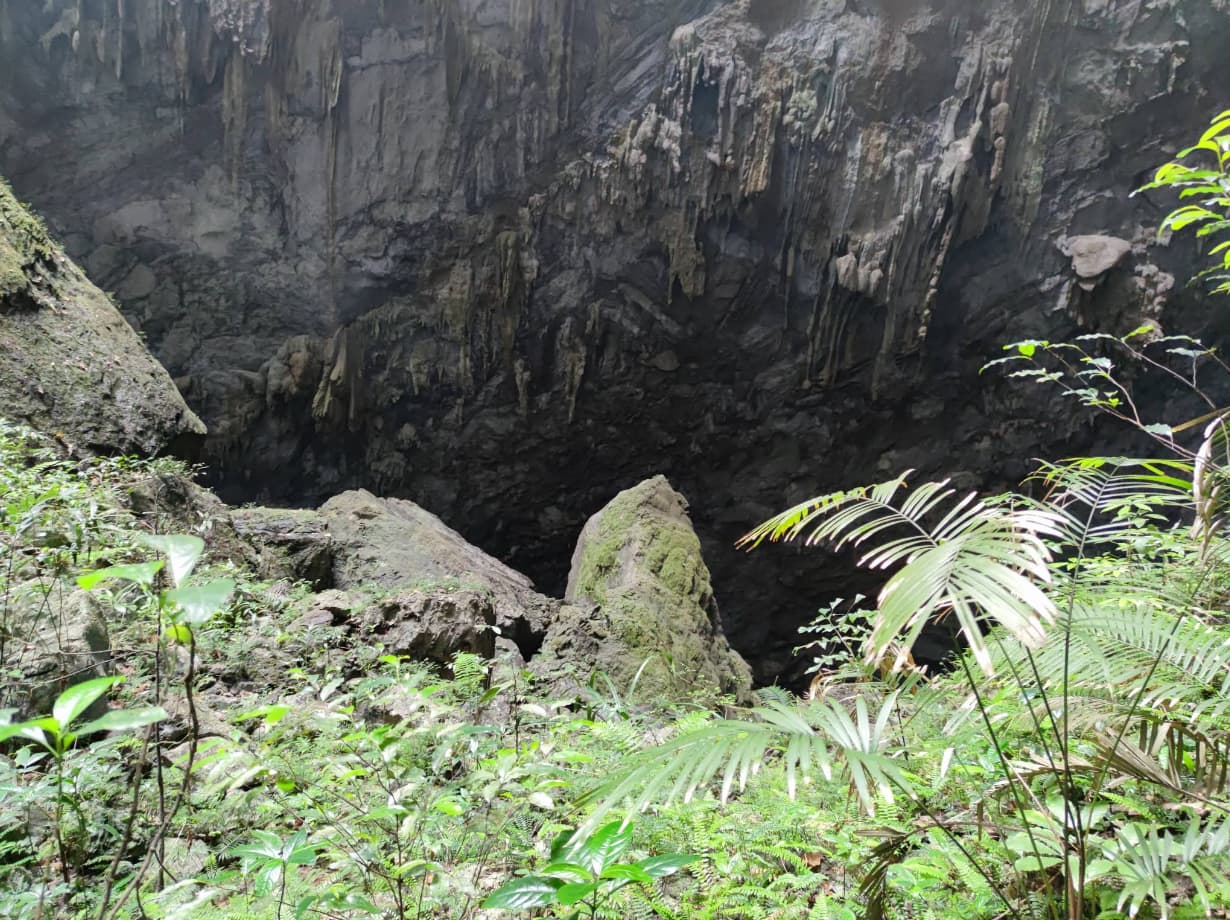
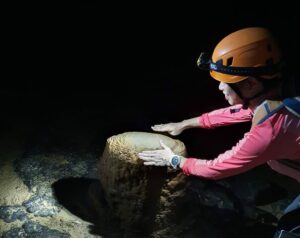
This is the part of the Son Doong Cave tour that feels less like an adventure and more like a privilege. You’re walking through a place that science is still trying to fully understand.
The Final Boss: The Great Wall and the Price of Exit
By day four, you are physically spent. Your muscles ache. You have blisters you’re trying to ignore. And then you arrive at the Great Wall of Vietnam. It doesn’t look real. It’s a sheer, 90-meter wall of glistening calcite that fills the entire passage. And the only way forward is up.
The harness goes back on. The mood in the group becomes a lot more serious. You start the ascent on a series of metal ladders bolted into the rock, which is mentally challenging enough. Then you get to the ropes.
It’s not technical rock climbing, but it is a hard, physical slog. You’re pulling your own exhausted body weight up a slippery wall.
The guides are amazing, yelling encouragement, telling you exactly where to put your foot. “Left foot a little higher! Good, now push!”
The hardest part is mental. You’re 50 meters up, hanging on by your fingertips, and you look down into absolute blackness. Your arms are burning. That’s when you have to talk to yourself, “Just the next step. Just get to the next anchor point.”
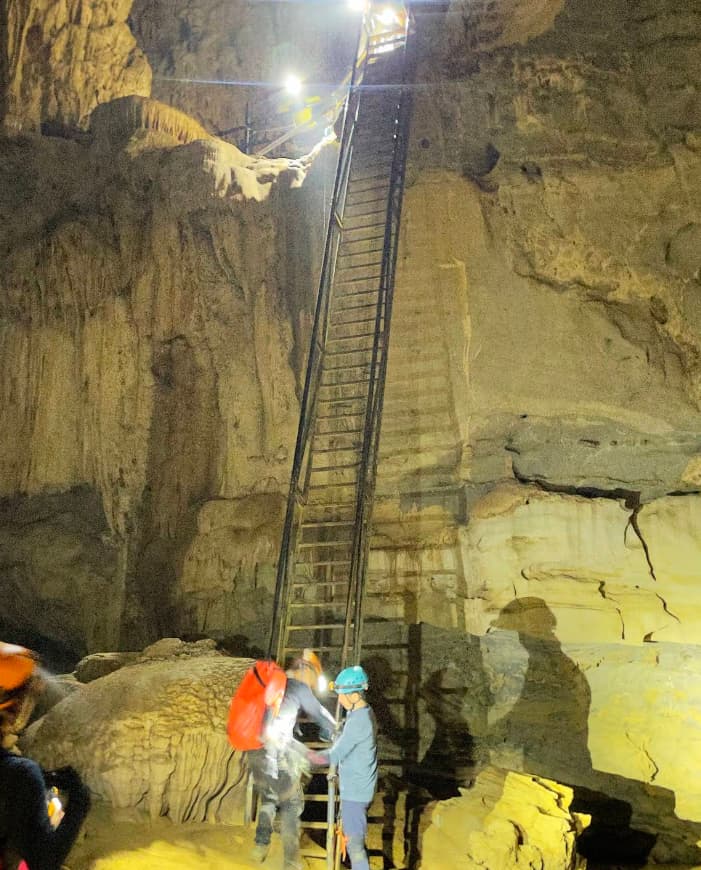
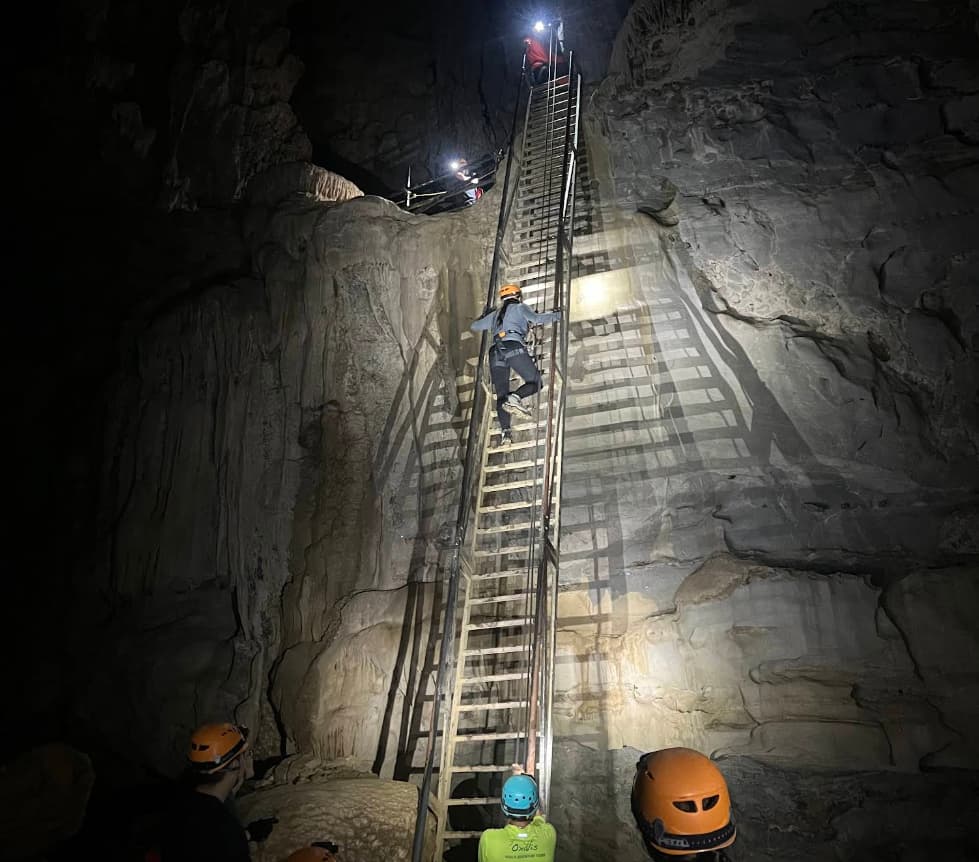
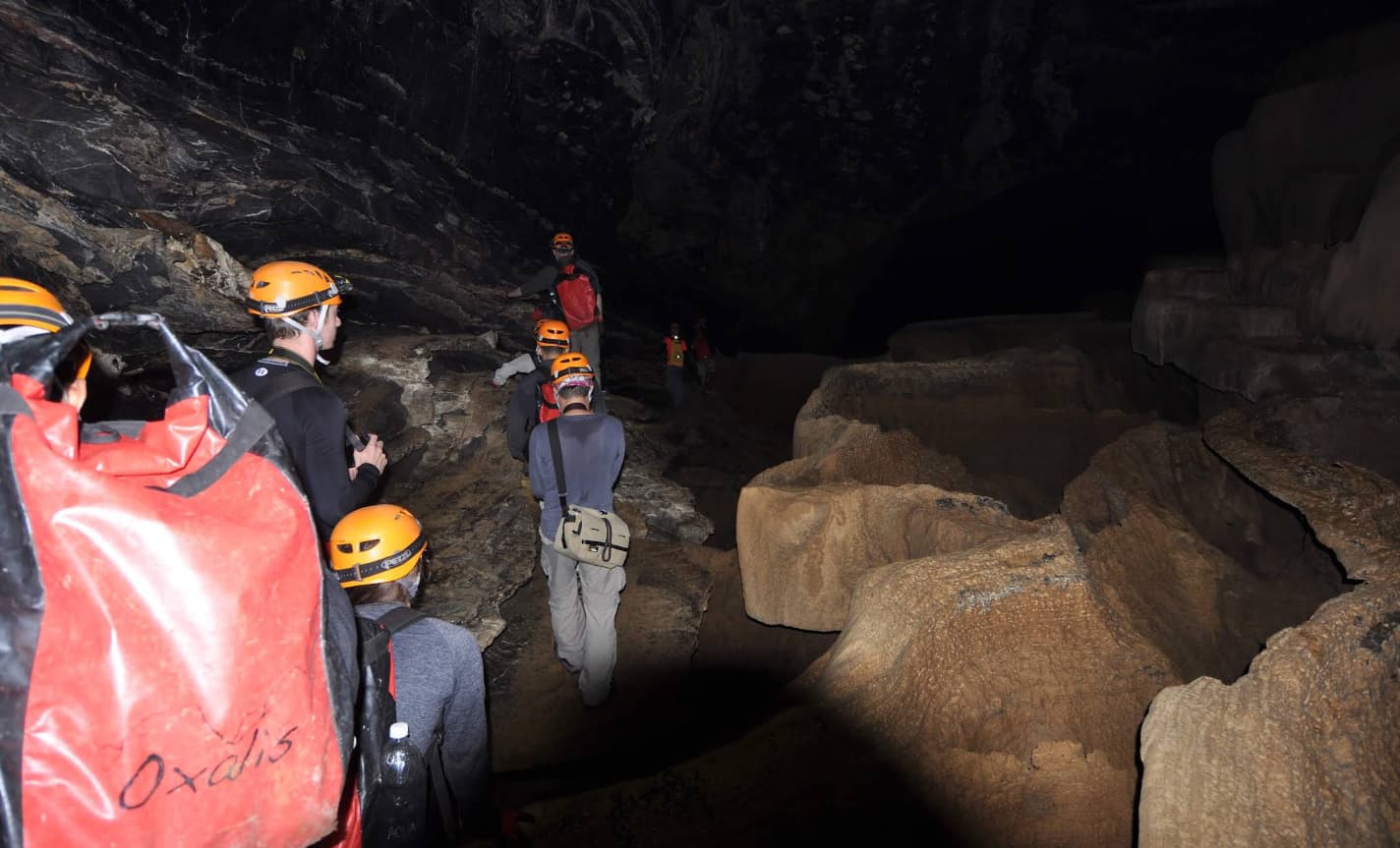
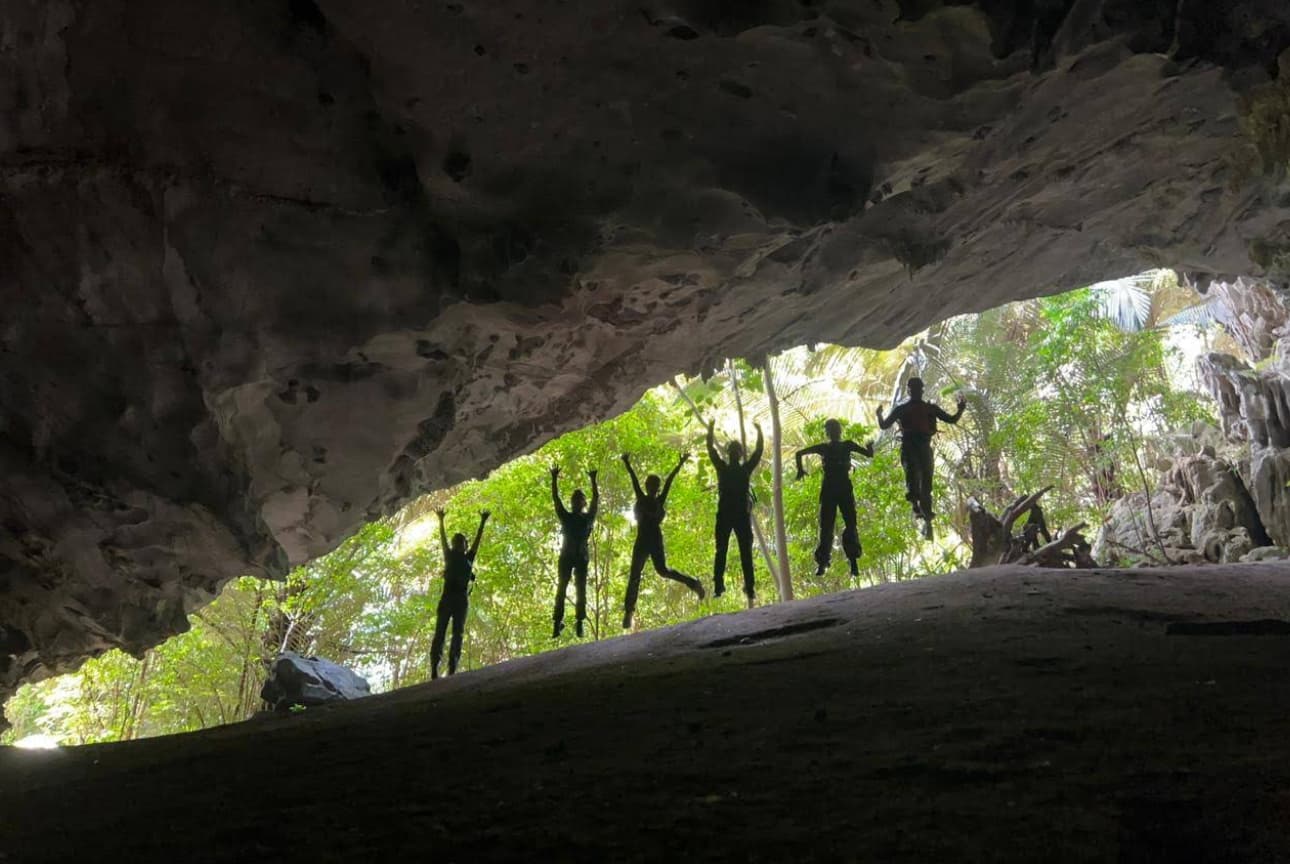
Reaching the top is pure, unadulterated triumph. You collapse onto the ledge, gasping for air, looking back at your teammates coming up the wall below. It’s an incredible shared accomplishment.
Then, you turn around, walk a few more meters, and see it: a tiny patch of bright, blinding green. The exit. Climbing out into the real jungle again is a sensory overload.
The humidity hits you like a wall. The sound of a million cicadas is deafening after the cave’s relative silence. The world feels insanely bright and alive. We were all just standing there, covered in mud and filth, blinking in the sunlight like newborns.
So, How To Not Die (or Hate Your Life) on this Trip
Look, you can read all the blogs you want, but you need some real, practical tips. Here’s what I wish I’d known in more detail.
Your Training Plan
Forget jogging on a treadmill. For three months before my trip, I did two things religiously: The stair-climber machine at the gym for an hour, three times a week.
And on weekends, I found the steepest local trails I could and hiked them with a backpack carrying 10kg (22lbs) of water. You need to train for incline and for carrying weight. Your legs and back will thank you.
The Gear That Actually Matters:
- Boots: Don’t buy new ones right before the trip. You need a pair that is completely broken in. And they must have aggressive tread and ankle support.
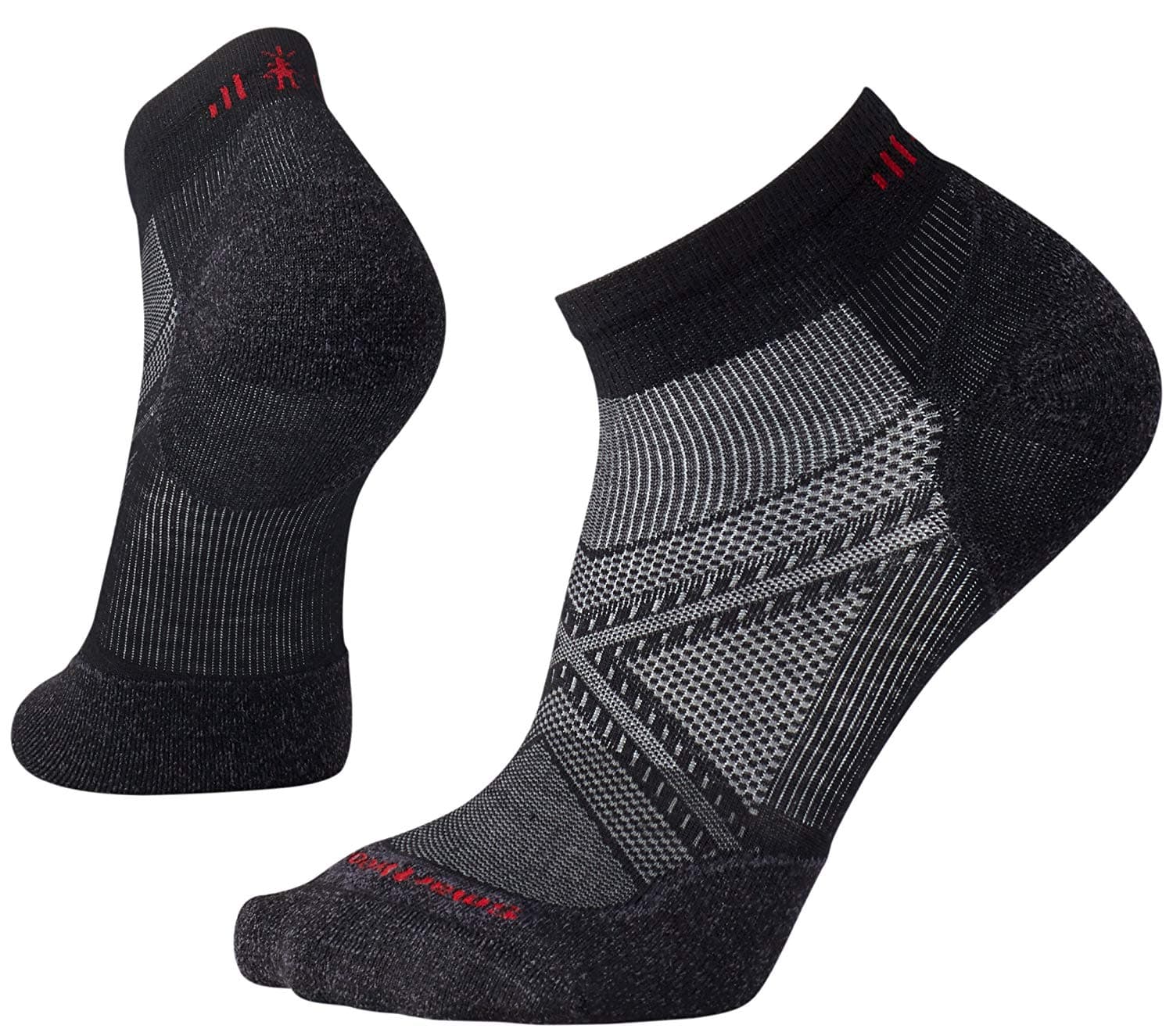
- Socks: This is my secret weapon. Get three pairs of high-quality, moisture-wicking wool hiking socks (like Smartwool or Darn Tough). They prevent blisters way better than cotton. Do NOT bring cotton socks. Ever.
- Blister Kit: Don’t just bring band-aids. Bring Compeed or Moleskin—the good stuff that creates a second skin. It’s a trip-saver.
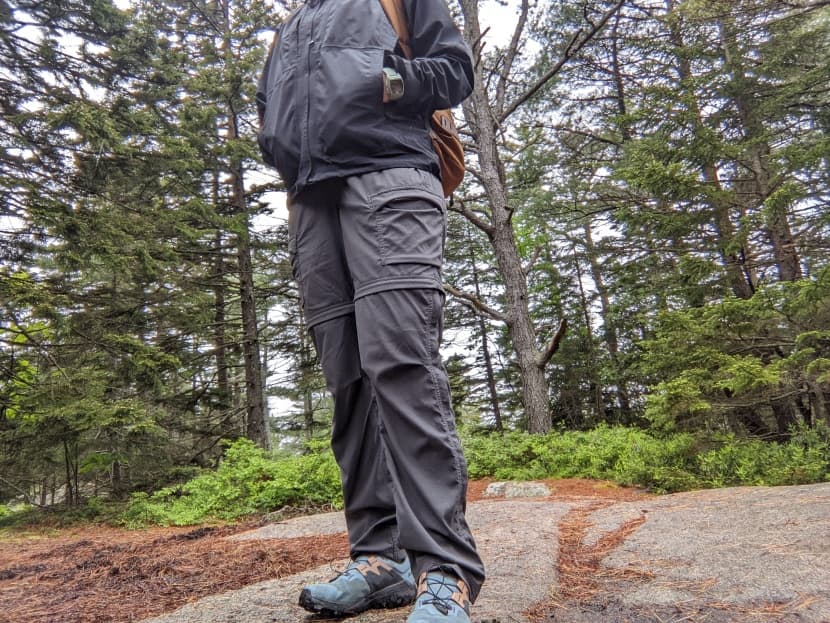
- Long hiking pants/trousers: It’s hot, so you’ll be tempted to wear shorts. Don’t. You need long pants to protect your legs from spiky plants, sharp rocks, and yes, leeches. Lightweight, quick-dry material is key. Before going, checking a complete guide for trekking in Vietnam can make a huge difference.
The Mental Game
This is half the battle. You need to be mentally prepared to be uncomfortable. You will be tired, you will be sore, you will be soaking wet (either from sweat or river water) for four straight days. You have to embrace it.
Find the humor in slipping in the mud for the fifth time. Be a good teammate. The group dynamic is huge. Complaining brings everyone down. A positive attitude, even when you feel like crap, is infectious.
Final, Final Verdict: Is it a $3,000 Camping Trip?
Calling the Son Doong Cave tour a camping trip is like calling Mount Everest a hill. You’re paying for a fully supported, logistically miraculous, safety-first expedition into one of the Earth’s last true wildernesses.
The fee seems insane until you see the thirty-person crew whose livelihoods depend on it, until you use the top-of-the-line safety gear, and until you realize you’re a guest in a perfectly preserved, billion-year-old kingdom.
You come back different. It’s a cliché, but it’s true. It makes you feel very small in the best possible way. It reminds you that the world is so much bigger, older, and more amazing than our little daily dramas.
That perspective shift, that memory of pure, unadulterated awe? Yeah. That’s worth $3,000. It’s worth every single penny. You just have to be willing to earn it.












 Tiếng Việt
 한국어
한국어 中文 (中国)
 日本語
日本語 ไทย
ไทย Deutsch
 Español
 Destinations
 Instagram
 Facebook
 X (Twitter)
 Threads
 Tiktok